

Slender sunfish
Ranzania laevis
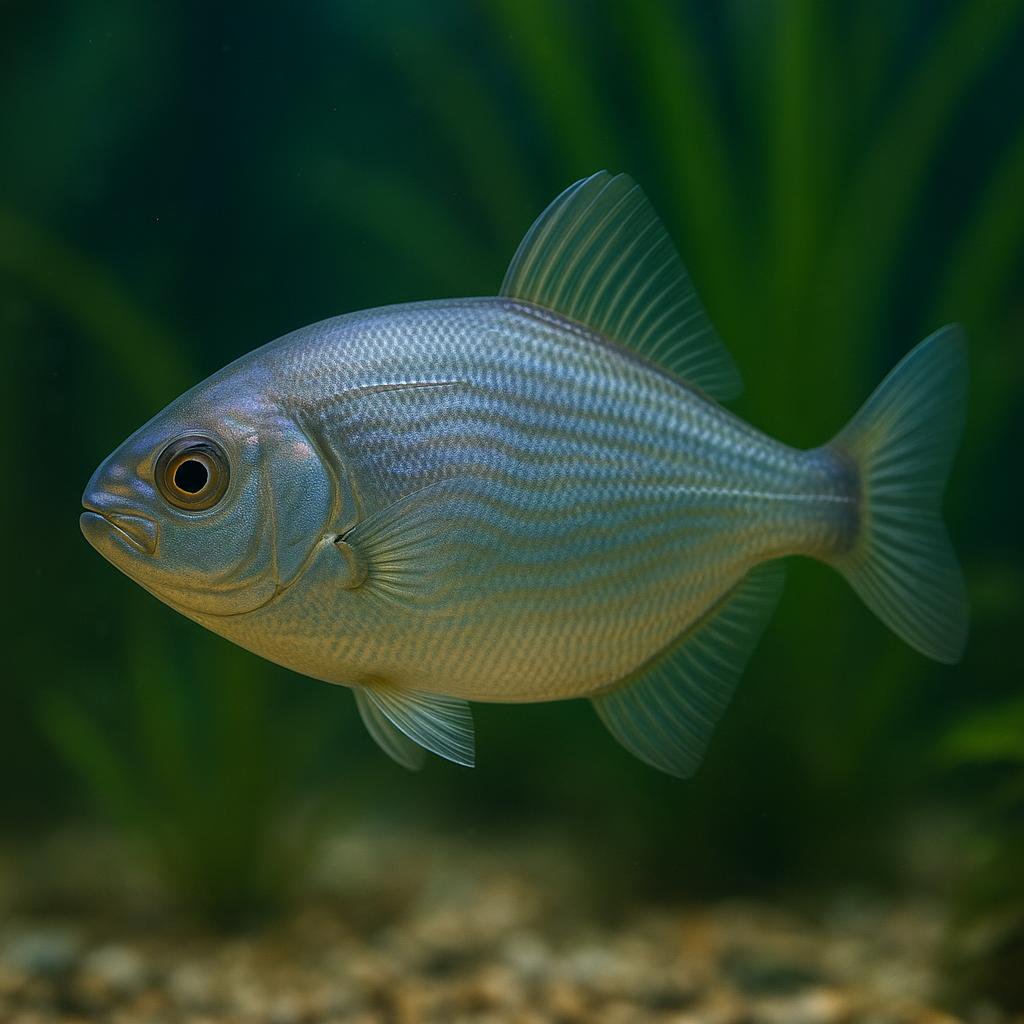
Slender sunfish have a streamlined, torpedo-shaped body with a bluish-gray coloration and elongated dorsal and anal fins.
This page includes AI-generated images. Why am I seeing AI images?
About the Slender sunfish
This is the little, weird cousin of the big ocean sunfishes - kind of an oval, squished-looking pelagic fish that literally loses the normal tail fin as it grows and ends up with a clavus instead. It cruises open water in warm-temperate to tropical seas, usually solo, picking off zooplankton and other small drifting prey.
Also known as
Quick Facts
Size
100 cm TL (39.4 inches)
Temperament
Peaceful
Difficulty
Expert
Min Tank Size
5000 gallons
Lifespan
Unknown (not well documented)
Origin
Cosmopolitan (tropical to subtropical oceans worldwide)
Diet
Carnivore/planktivore - zooplankton (especially planktonic crustaceans); larger individuals may also take small fish and squid
Water Parameters
18-28°C
8-8.4
8-12 dGH
Need a heater for this species?
This species needs 18-28°C in a 5000 gallon tank. Use our heater calculator to find the right wattage.
Calculate heater sizeCare Notes
- This fish is basically a pelagic drifter - think public-aquarium scale. Plan on a huge, round or oval system with crazy open swimming room and no rockwork it can pinball into when it panics.
- Run ocean-clean water: 1.025-1.026 SG, 24-26 C (75-79 F), pH 8.1-8.4, and keep nitrate down in the single digits because they seem to go off food fast in dirty water.
- They spook hard and slam into walls, so use dimmable lighting, big dark backgrounds, and avoid sudden room light changes; tight-fitting lids and padded/soft covers around hard edges help a lot.
- Feeding is the whole game: offer small, meaty marine stuff multiple times a day (enriched mysis, chopped shrimp, squid, fish roe) and mix in gelatin/gel foods so it actually gets calories instead of just picking.
- Watch the mouth and eyes for damage and the body for weight loss - they can look fine and still be starving, so track body profile weekly and adjust feeding before they get that hollow look.
- Skip aggressive tankmates and anything nippy; even 'reef safe' pickers can shred fins and stress them out. Best companions are calm, midwater fish that ignore them and wont compete like maniacs at feeding time.
- Crank oxygen and flow without turning the tank into a washing machine: big gas exchange, oversized skimming, and broad, laminar circulation beats blasting them with a powerhead jet.
- Breeding in captivity is basically a non-event for hobbyists; if someone tells you they spawned one in a home tank, ask for receipts.
Compatibility
Good Tankmates
- Small, calm open-water fish that are not bitey - think captive-bred clownfish or other mellow damsel relatives (avoid the nasty damsels). They mostly ignore the sunfish and do their own thing.
- Peaceful wrasses that are more 'cruise and pick' than 'bully' - like flasher/fairy wrasses. They add movement without harassing a slow, awkward swimmer.
- Gentle, reef-safe angels (the smaller Centropyge types) when they are not in a bad mood. In big tanks they usually coexist fine as long as feeding is steady.
- Non-aggressive tangs and surgeonfish that are more grazers than fighters - like bristletooth tangs. They are busy on algae and typically do not mess with oddball pelagic fish.
- Big, calm planktivores like bannerfish or a mellow butterflyfish species (not the territorial ones). Works best if everyone is well-fed and there is lots of swimming room.
Avoid
- Anything that nips, pecks, or 'tests' tank mates - triggerfish are a hard no. A slender sunfish is an easy target for a curious trigger.
- Aggressive damsels and dottybacks - the little guys that act like they own the whole tank. They will chase and harass, especially at feeding time.
- Large predatory fish (groupers, big jacks/trevallies, large lionfish). Even if they are not trying to eat it, the intimidation and lunging stresses them out badly.
- Pushy sharks and fast bruisers that constantly bump stuff (some large wrasses, big puffers). The sunfish does not compete well and gets knocked around.
Where they come from
Slender sunfish (Ranzania laevis) are open-ocean drifters. You see them offshore in warm-temperate to tropical waters, often around floating debris, sargassum lines, and current edges. They are built for the pelagic life: lots of water moving past them, lots of space, and food that shows up in pulses rather than on a neat schedule.
Most hobbyists never actually keep one long-term. They are occasionally collected as oddities, but their needs are closer to public-aquarium territory than "big home tank" territory.
Setting up their tank
If you are thinking about this fish, think "systems engineering" first and "decor" last. They are fast, nervous in tight spaces, and they do not do well with sharp rockwork. Give them room to cruise and turn without bumping anything.
- Tank size: realistically, you are talking a very large, long footprint system (public-aquarium scale). A typical home aquarium, even a big one, is a bad fit.
- Shape matters more than gallons: long and wide with rounded corners or a circular/oval setup is your friend. Tight corners and rock spines lead to abrasions.
- Open water layout: keep rock to the edges and keep it smooth. No branching rock, no pointy coral skeletons, no exposed frag racks.
- Flow: broad, laminar flow lanes and lots of turnover, but avoid blasting the fish directly. Think "ocean current" not "powerhead tornado."
- Filtration: oversized skimming, heavy mechanical capture, and serious bio capacity. These are messy eaters and you will feed a lot.
- Cover and lighting: they can spook and bolt. A covered tank helps prevent jump-outs. Moderate lighting is fine; they are not a reef centerpiece fish.
These fish ding themselves up easily. A small scrape on a pelagic fish can turn into a full-body infection fast if water quality slips or the tank has too many hard edges.
Temperature and salinity should match stable, clean marine conditions. The bigger issue is stability: no big swings, no shortcuts on oxygenation, and no "it will cycle as we go" plans. They do not give you much grace time.
What to feed them
In the wild they pick at soft-bodied planktonic stuff - think gelatinous zooplankton, small crustaceans, and whatever the currents deliver. In captivity, the battle is getting consistent feeding response and keeping weight on without nuking your water.
- Start with what they will take: live or fresh items usually get the first bites. Small shrimp, krill pieces, clam, squid strips, and quality marine fish flesh can work.
- Build a frozen diet: once it is eating, rotate frozen mysis, chopped krill, enriched brine (as a helper, not a staple), and finely chopped seafood mixes.
- Feed small and often: several smaller feedings beat one big dump. Big dumps foul the water and a spooked fish may ignore it anyway.
- Use vitamins/HUFA: soak foods occasionally. Pelagic fish can go downhill fast if the diet is "calories only."
- Watch the belly line: you want a gently filled look, not pinched-in behind the head. If it starts looking sharp or hollow, you are already behind.
Target feeding helps. I have had the best luck using a feeding stick or tongs to keep food in front of them, in the flow lane they like, instead of letting it blow into overflows and rock.
How they behave and who they get along with
They are not mean, but they are not "community" fish either. They are big, open-water animals that stress easily. Stress is the real killer here - they stop eating, bash into things, and then you are treating injuries.
- Temperament: generally peaceful, but easily spooked.
- Tankmates: only consider calm, non-nippy, non-competitive fish that will not harass or outcompete at feeding time.
- Avoid: triggers, large wrasses, aggressive tangs, puffers, anything that likes to sample fins, and anything that will rush food and body-check it.
- Crowding: keep stocking light. The system needs to be about the sunfish, not a mixed show tank.
Fast food competitors are a problem. Even if nobody bites it, getting outcompeted at meals leads to slow starvation, and you may not notice until it is too late.
Breeding tips
Breeding at home is not really a thing with Ranzania laevis. They are pelagic spawners and the early life stages are planktonic and delicate. Even institutions rarely attempt it, and success is not common.
If your goal is breeding projects, pick a species that actually closes the loop in aquaria. With this one, the best you can aim for is long-term maintenance and excellent condition.
Common problems to watch for
Most issues trace back to three things: stress, injuries, and water quality sliding under heavy feeding. If you keep those in check, you are already ahead of the game.
- Head and flank abrasions: from bolting into corners, rock, overflows, or lids. These can become bacterial infections quickly.
- Refusing food: often stress-related (too small a tank, too much activity around the tank, aggressive tankmates, harsh lighting, or flow blasting them).
- Rapid weight loss: they can look "fine" right up until they do not. Track body shape weekly and adjust feeding before it becomes obvious.
- Secondary infections: fin rot, cloudy eyes, red sores after a scrape. Treat early and aggressively in a hospital system if possible.
- Oxygen issues: big pelagic fish in warm water with heavy feeding can hit low O2 at night. Strong aeration and surface agitation are your safety net.
- Nitrate creep and DOC buildup: you will be feeding rich foods. If skimming and mechanical filtration are not on point, you will see film, cloudy water, and unhappy fish.
Do not "test the limits" on tank size with this species. A cramped setup usually ends in repeated collisions, chronic stress, and a fish that never settles into feeding.
If you are dead set on trying one, plan the system like you would for a sensitive open-water shark or tuna-lite situation: tons of swimming room, smooth surfaces, high oxygen, and a feeding routine you can stick to every day. With a fish like this, consistency beats clever hacks.
Similar Species
Other marine peaceful species you might be interested in.

Abe's eelpout
Japonolycodes abei
Japonolycodes abei is a temperate, deepwater demersal eelpout (family Zoarcidae) endemic to Japan (Kumano-nada Sea reported; other sources also report Sagami Bay and Tosa Bay). It is the only species in the genus Japonolycodes and occurs roughly 40-300 m depth, making it an uncommon/atypical aquarium species.

Affinis blind cusk-eel
Barathronus affinis
Barathronus affinis is a tiny, super-weird deep-sea blind cusk-eel from the western-central Indian Ocean. It is one of those gelatinous, loose-skinned brotula-type fishes that live way down in the dark and are basically never seen alive, so almost everything we know comes from preserved specimens and taxonomic work.

Allis shad
Alosa alosa
Gorgeous silver, fast-swimming shad that spends most of its life in the sea and then surges up big rivers in noisy, surface-spawning schools. It grows huge for a herring-type fish and needs cool, ultra-oxygenated water and tons of open space, so it is a public-aquarium species rather than a home tank fish.

Annandale's zebra sole
Zebrias annandalei
Zebrias annandalei is a small demersal sole from coastal India that inhabits sandy or muddy bottoms and buries for camouflage. It is rarely kept in home aquaria and would require a specialized marine sand-bottom setup and appropriate feeding.
Banggai Cardinalfish
Pterapogon kauderni
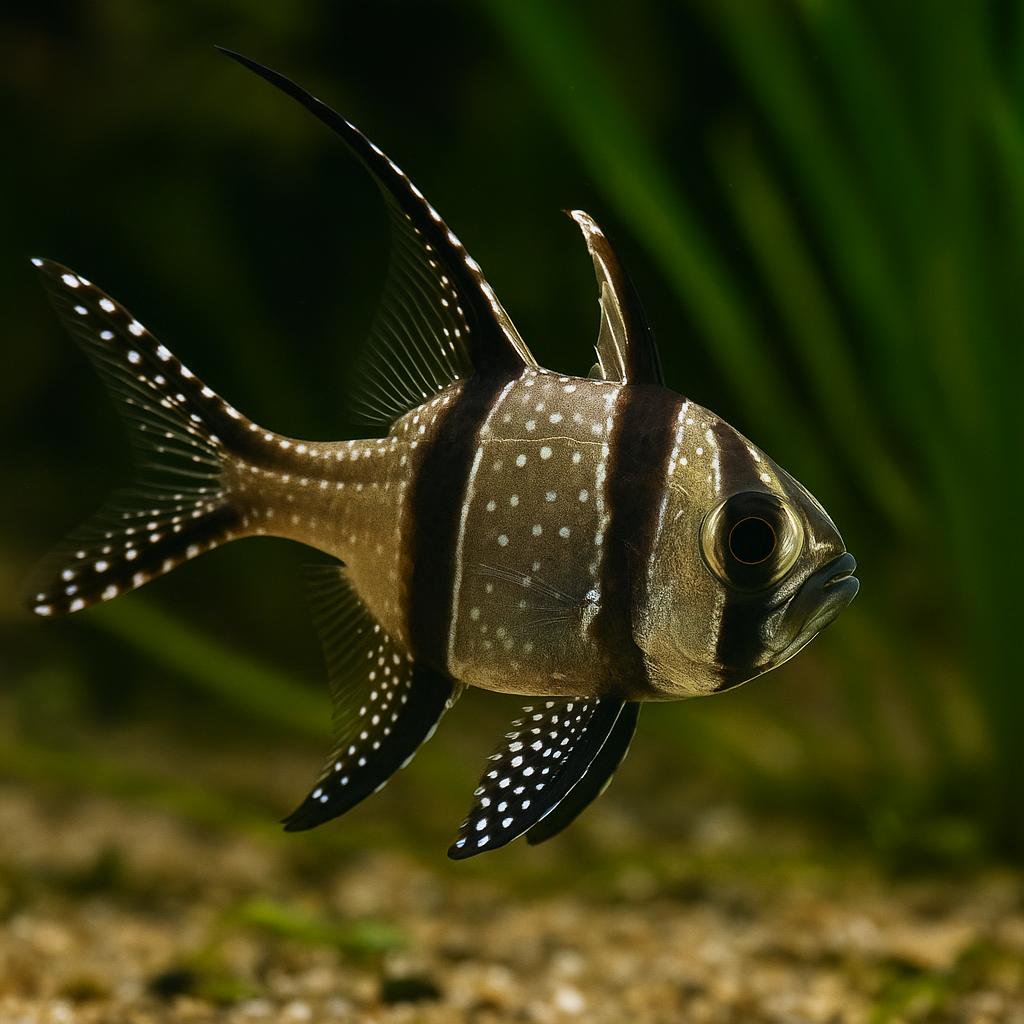
Banggai cardinals just sort of hover like little underwater satellites, and the bold black bars with those long, polka-dotted fins look unreal under reef lighting. They're super chill most of the time, but once a pair forms you'll see real "fish drama," and the male will even mouthbrood the babies like a champ.
Barbedwire-tailed skate
Notoraja martinezi
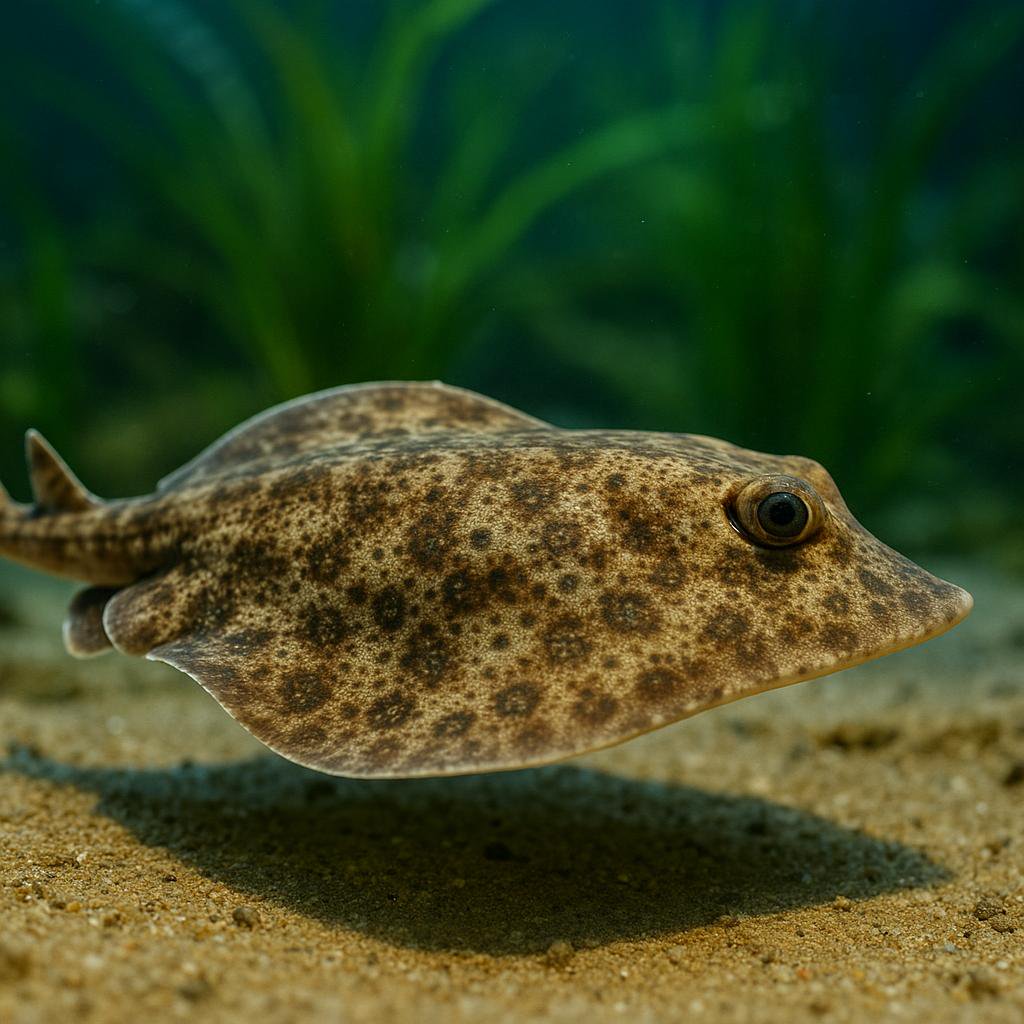
Notoraja martinezi is a deepwater skate from the eastern Pacific (Costa Rica down to Ecuador) that lives way down on soft bottoms. The tail is the giveaway - it is lined with strong, hooked thorns that really do look like barbed wire. This is absolutely not an aquarium fish; it is a cold, high-pressure deep-sea animal with basically no practical home care info because it is not kept in the hobby.
More to Explore
Discover more marine species.

African red snapper
Lutjanus agennes
This is a true snapper from West Africa - a big, fast-growing predator that goes from coastal reefs to brackish lagoons and estuaries (especially as a juvenile). Super cool fish in the wild, but it gets absolutely huge and will eat smaller tankmates once it has the mouth for it, so its really more of a public-aquarium scale animal than a home-aquarium fish.

Aleutian skate
Bathyraja aleutica
This is a big, cold-water deep-slope skate from the North Pacific that cruises muddy bottoms and eats chunky benthic prey like crabs and shrimp. The really cool bit is its egg-laying skate life - it does distinct pairing (the classic skate "embrace") and drops those tough egg cases on the seafloor. Not an aquarium fish at all unless you're basically running a public-aquarium-style chilled system.

Antarctic dragonfish
Vomeridens infuscipinnis
Deep down around Antarctica, this sleek dragonfish cruises the water column like a little submarine, nearly neutrally buoyant so it can hover above the seafloor. It munches almost exclusively on Antarctic krill and lives in near-freezing water 500-800 m down, so it is a cool species to read about, not one for home tanks.
Arabian demoiselle
Neopomacentrus sindensis
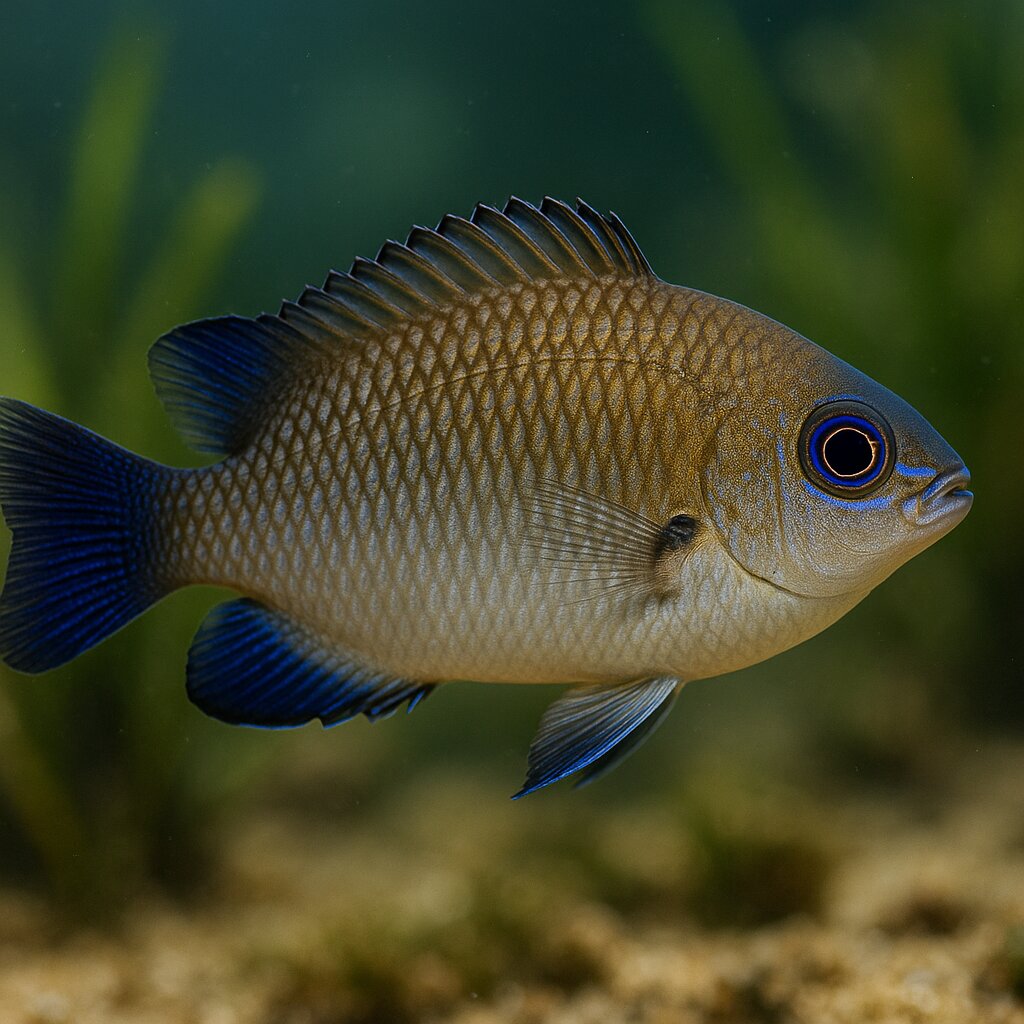
A small lyretail damsel from the Persian Gulf and Arabian Sea, it hangs in loose groups around coral heads, rocks, and even pier pilings picking zooplankton from the flow. Think classic damsel toughness with a slightly milder attitude than the real bruisers, plus subtle yellow tail accents. Males clean a patch, get a mate to lay eggs there, and then stand guard fanning the clutch.

Arabian spiny eel
Notacanthus indicus
Notacanthus indicus is a deep-sea spiny eel (family Notacanthidae; not a true eel) known from the Arabian Sea on the continental slope at roughly ~960–1,046 m depth, with reported maximum length around 20 cm TL; it is a deep-water bycatch species and not established in the aquarium trade.

Arctic rockling
Gaidropsarus argentatus
This is a deepwater North Atlantic rockling (a cod relative) that hangs out on soft bottoms way down the slope. It is a cold-water, bottom-hugging predator that snoots around for crustaceans and will also take small fish when it gets the chance.
Looking for other species?