

Japanese scorpionfish
Rhinopias argoliba
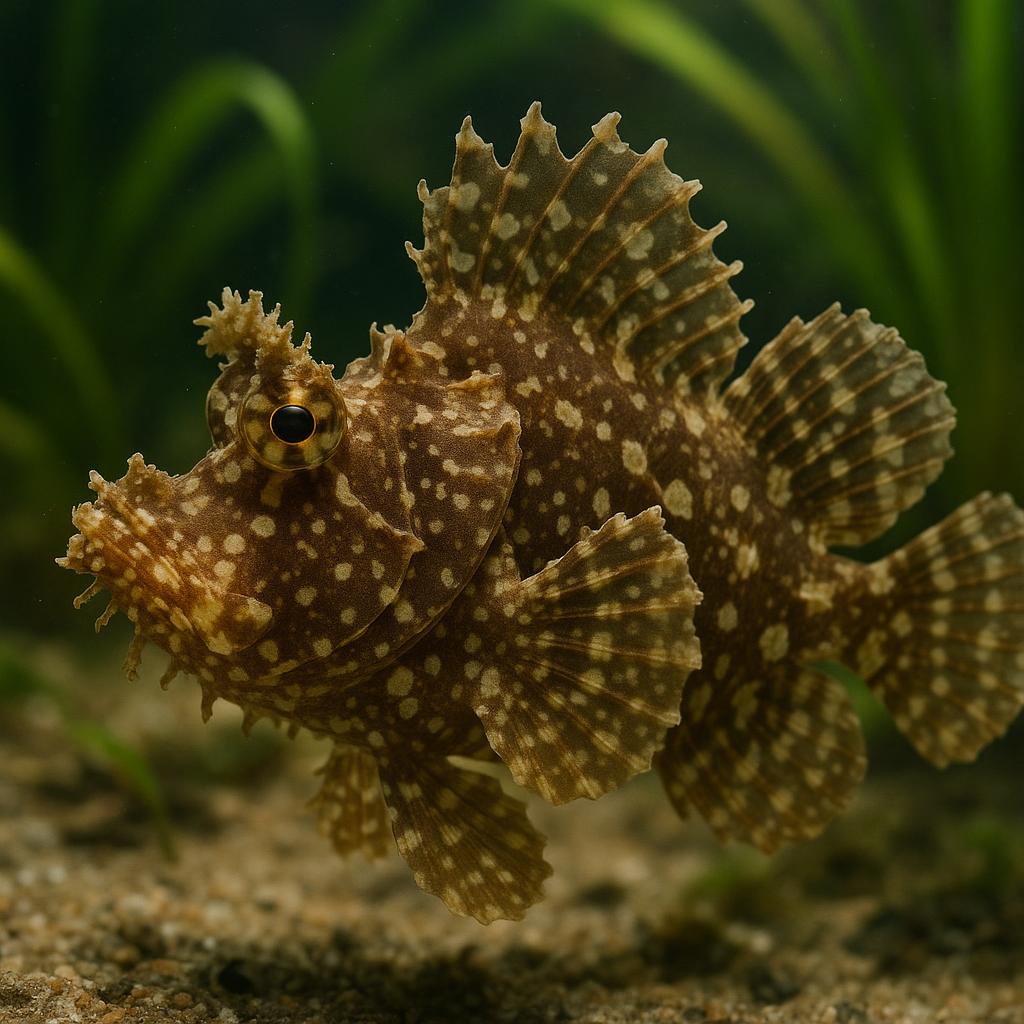
The Japanese scorpionfish features a distinctive mottled reddish-brown body and elongated dorsal fin spines, providing effective camouflage on the ocean floor.
This page includes AI-generated images. Why am I seeing AI images?
About the Japanese scorpionfish
Rhinopias argoliba is one of those sit-and-wait ambush predators that basically looks like a chunk of reef rubble until it decides to inhale something whole. Its claim to fame is that pale teardrop mark under the eye and the more "clean" look (fewer frilly appendages) compared to some other Rhinopias. Super cool fish, but you plan the whole stocking list around its mouth size and the fact it is a venomous scorpionfish.
Also known as
Quick Facts
Size
15 cm
Temperament
Semi-aggressive
Difficulty
Advanced
Min Tank Size
30 gallons
Lifespan
5-10 years
Origin
Northwest Pacific
Diet
Carnivore - small fish and crustaceans; in captivity meaty frozen foods (often needs live-food training at first)
Water Parameters
22-26°C
7.9-8.4
8-12 dGH
Need a heater for this species?
This species needs 22-26°C in a 30 gallon tank. Use our heater calculator to find the right wattage.
Calculate heater sizeCare Notes
- Give it a big, stable tank with lots of rock ledges and caves - they like to perch and ambush, not cruise. Moderate flow is fine, but make sure there are low-flow zones so it can sit without getting blasted.
- Keep salinity steady around 1.025-1.026 and do not let ammonia or nitrite show up at all; they crash fast in dirty water. Nitrate staying low (think under ~20 ppm) keeps them from looking and acting rough long-term.
- Feeding is the whole game: start with live ghost shrimp or mollies if it is stubborn, then work toward thawed silversides, prawn, squid, or marine fish chunks on tongs. Skip feeder goldfish - they are a parasite/nutrition mess and can wreck the fish over time.
- Do smaller, less frequent meals instead of daily pig-outs - 2-3 good feeds a week is usually plenty for an adult. If it keeps missing, use a feeding stick and place the food right in front of its face, then back off and let it strike.
- Tankmates need to be too big to fit in its mouth and not the nippy type; peaceful chunky fish do best. Avoid triggers, puffers, big wrasses, and anything that will pick at its fins/skin or steal every meal before it can ambush.
- Watch your hands and nets - they are venomous and they blend in so well you will forget where it is. Use a container to move it, not a net, and never corner it with your fingers.
- Common problems: starvation from competition, mouth damage from smashing at hard rock while striking, and infections after rough handling. Quarantine new fish and feeders, and keep a close eye on any scrapes because they can go downhill fast.
Compatibility
Good Tankmates
- Other ambush predators with similar vibe and size - think frogfish/anglerfish (Antennarius) or another Rhinopias, as long as everybody is well-fed and you have space. Biggest rule is no one can fit in anyone else's mouth.
- Bigger, non-nippy wrasses that stay too large to be considered food - like a harlequin tusk or a solid-sized Halichoeres type. They cruise around, dont bother the scorpion much, and usually learn to respect the spines.
- Medium to large tangs and rabbitfish (Yellow tang, Kole tang, Foxface) - theyre active but generally ignore a Rhinopias, and theyre typically way too big-bodied to get inhaled.
- Dwarf angels that are on the sturdier side (Coral beauty, Flame angel) - usually fine if the scorpionfish is settled and the angel isnt a nonstop pecker. Keep them well-fed and watch for curiosity pecks early on.
- Tough, bigger gobies that dont hover in the danger zone - like a watchman goby paired with a pistol shrimp, if the goby is too chunky to be a snack. They mostly mind their own business on the bottom.
- Squirrelfish/soldierfish (Holocentrus, Myripristis) - hardy, nocturnal-ish, and they usually coexist fine since they are not fin-nippers and are too big to be easy prey once grown.
Avoid
- Small fish that look like food - clowns, chromis, firefish, small cardinals, tiny gobies. If it can fit in the Rhinopias mouth, assume it will eventually go missing, usually overnight.
- Fin-nippers and bullies - damsels, dottybacks, some triggerfish. They stress a Rhinopias out, steal food right off its face, and youll end up with a beat-up, starving scorpionfish.
- Really aggressive predators that can harass or outcompete it - big groupers, large lionfish that are way more pushy at feeding time, and especially eels that treat everything as potential prey.
Where they come from
Rhinopias argoliba (the Japanese scorpionfish) shows up around Japan and nearby parts of the western Pacific, usually hanging around rocky reefs and rubble where it can vanish in plain sight. They are classic ambush predators - they do not chase food, they wait for it to make a mistake.
If you have ever kept a leaf fish or an angler type, the vibe is similar: lots of sitting still, then lightning-fast strikes.
Setting up their tank
Give this fish space, stability, and a layout that matches how it lives. Mine spent most of its time perched on rock ledges and in pockets of rubble, watching the world go by. They are not demanding about fancy reef gear, but they do punish sloppy maintenance.
- Tank size: I would treat 75+ gallons as a realistic starting point for an adult, bigger if you want tankmates.
- Aquascape: stable rockwork with shelves and shaded spots. Leave open sand or rubble patches for perching.
- Flow: moderate overall, but set up calmer zones. They hate being blasted and will sulk or wedge themselves into awkward spots.
- Lighting: they do fine under normal reef lighting, but they often prefer dimmer areas. Overhangs help a lot.
- Filtration: strong biofiltration and a good skimmer. These guys eat messy, nitrogen-heavy foods.
- Lid: yes. They can launch themselves during feeding or if spooked.
They have venomous spines. Plan your rockwork so you can work in the tank without having to put your hands near the fish. Use tools. Move slowly. Do not corner it.
Parameter-wise, think standard marine: stable salinity around 1.025, temp in the mid-to-upper 70s F, and low nitrate. The main thing is consistency. Sudden swings (salinity from top-off mistakes, missed water changes, heater issues) show up fast as stress and feeding problems.
What to feed them
They are built to inhale chunky prey. The goal in captivity is getting them reliably onto dead, prepared foods so you are not stuck buying live feeders forever. Some individuals switch easily, others act offended by anything that does not wiggle.
- Best staples: thawed silversides (sparingly), marine fish flesh, shrimp, squid, scallop, and quality frozen predator mixes.
- Size matters: feed pieces roughly the size of the space between their eyes, not huge hunks.
- Frequency: adults usually do well 2-3 times per week. Overfeeding is the fastest way to foul water and grow a fatty fish.
- Delivery: feeding tongs or a feeding stick lets you control portions and keeps your fingers away from the business end.
To wean off live foods, start by offering live for the first few feedings so it settles in, then mix in freshly killed items on tongs. Make the food 'dance' a little. Once it takes dead consistently, keep it there.
Avoid goldfish/rosy reds. Freshwater feeders are a long-term nutritional mess for marine predators. If you must use live, use saltwater mollies/guppies acclimated to marine or, better, live ghost shrimp as a temporary step.
How they behave and who they get along with
They are calm, slow, and spooky in a quiet way. Most of the day they just perch and watch. At feeding time they turn into a vacuum cleaner with fins.
Compatibility is mostly about mouth size and attitude. Anything that can fit will eventually be tested. Anything that nips fins or harasses it will cause stress and missed meals.
- Good tankmates: other sturdy, non-nippy fish that are too large to swallow (bigger tangs, larger angels, some robust wrasses with caution).
- Bad tankmates: small fish, shrimp, crabs you care about, fin-nippers, and hyperactive bullies.
- With other ambush predators: possible, but only in big tanks with careful sizing and lots of sight breaks. Feeding becomes a bit of a circus.
Do not mix it with 'maybe safe' bite-sized fish because you like the look. Even if it behaves for months, one night it decides the goby is food and that is the end of that.
Breeding tips
Breeding Rhinopias in home aquariums is pretty rare. They are not impossible to sex, but pairing is tricky, and raising the larvae is a whole different level (tiny live foods, dedicated rearing setups, and a lot of time).
If you ever end up with a confirmed pair, focus on long-term stability, heavy-but-not-constant feeding, and leaving them alone. Spawning behaviors are not something you can really force. Most hobbyists treat any breeding success as a lucky bonus.
Common problems to watch for
- Refusing food after arrival: common. Dim the tank, reduce foot traffic, offer food at dusk, and do not pester it every hour.
- Injuries from falls or unstable rock: they perch in odd places. Secure rockwork and avoid tall, teetering stacks.
- Poor water from heavy feeding: big meaty foods rot fast. Feed with tongs, remove leftovers, and keep up with export (skimmer, water changes).
- Crypt/velvet risk: they do not handle parasites well, and treatment is complicated with scaleless/odd-skinned fish. Quarantine is your friend.
- Swallowed gravel or oversized meals: stick to sand and appropriately sized food to avoid regurgitation or internal issues.
If you need to move it, do not net it like a normal fish. Use a container to scoop and transfer underwater if you can. Nets and venomous spines are a bad combo, and the fish can get damaged.
The biggest 'advanced' part of this species is not keeping it alive day to day - it is building a routine where water stays clean even with predator feeding, and where you can work in the tank safely. Once you get that rhythm, they are oddly relaxing fish to keep.
Similar Species
Other marine semi-aggressive species you might be interested in.
Aleutian skate
Bathyraja aleutica
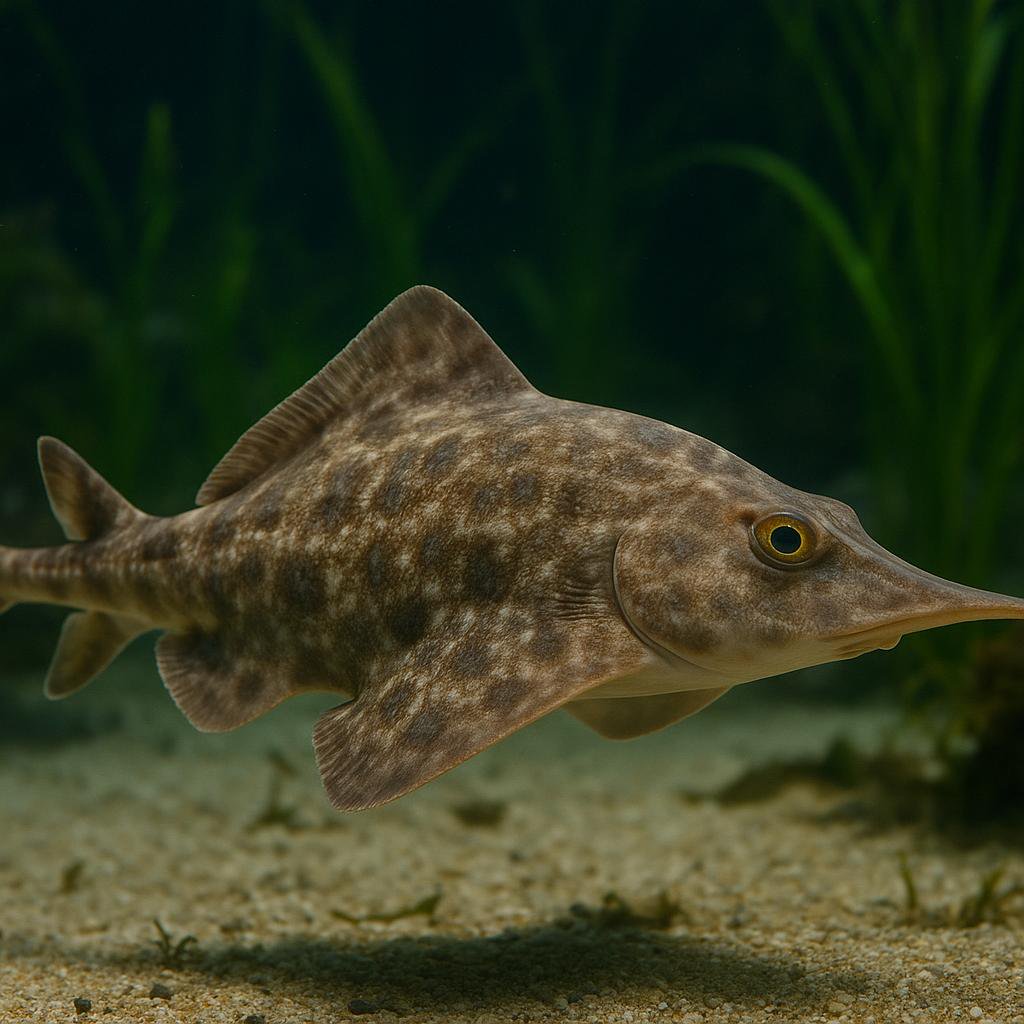
This is a big, cold-water deep-slope skate from the North Pacific that cruises muddy bottoms and eats chunky benthic prey like crabs and shrimp. The really cool bit is its egg-laying skate life - it does distinct pairing (the classic skate "embrace") and drops those tough egg cases on the seafloor. Not an aquarium fish at all unless you're basically running a public-aquarium-style chilled system.
Antarctic dragonfish
Vomeridens infuscipinnis
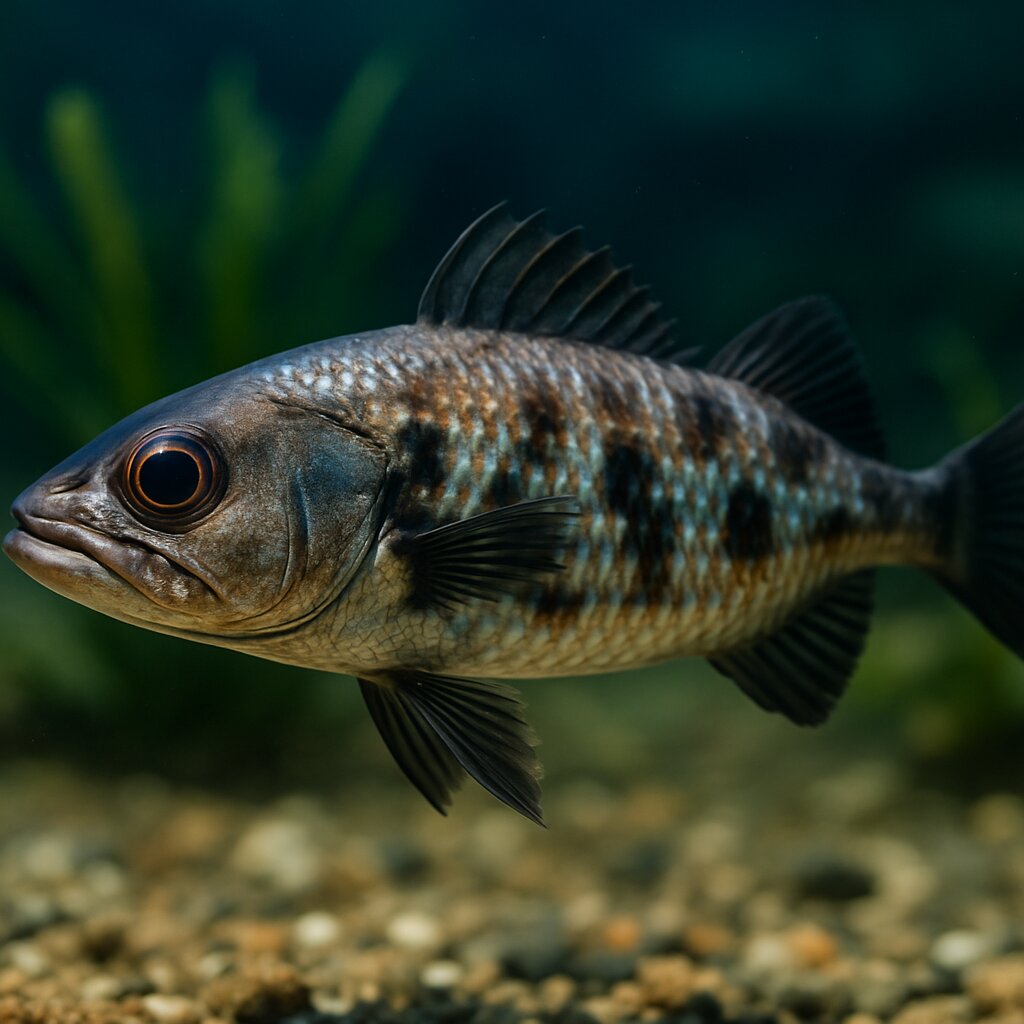
Deep down around Antarctica, this sleek dragonfish cruises the water column like a little submarine, nearly neutrally buoyant so it can hover above the seafloor. It munches almost exclusively on Antarctic krill and lives in near-freezing water 500-800 m down, so it is a cool species to read about, not one for home tanks.
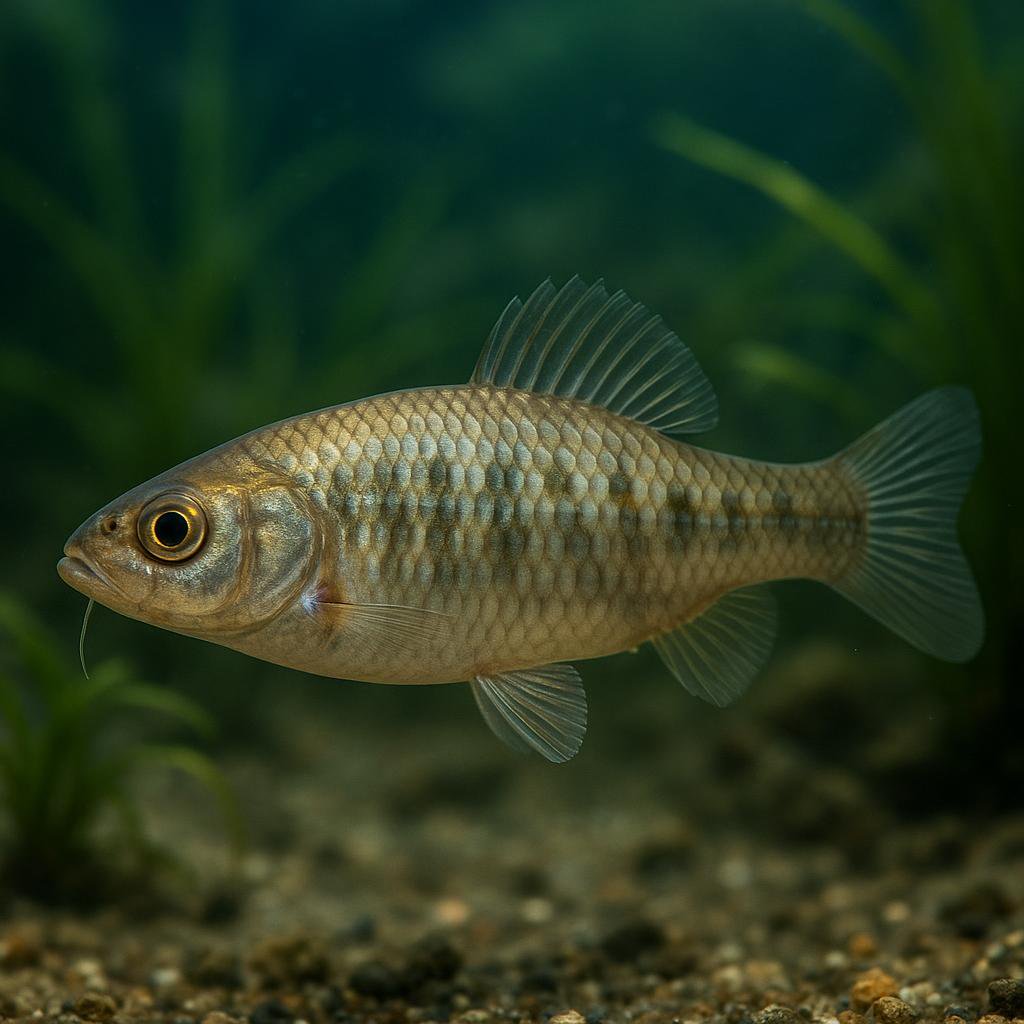
Arabian demoiselle
Neopomacentrus sindensis
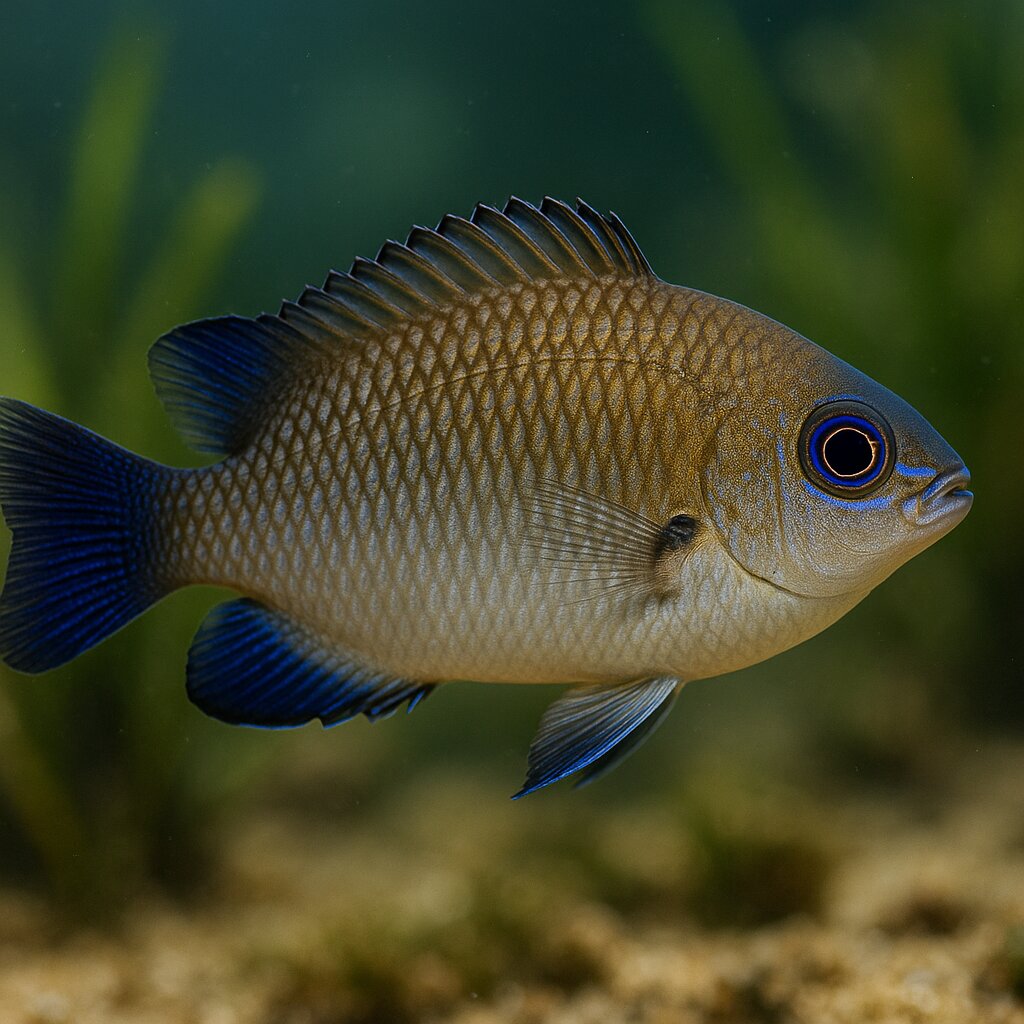
A small lyretail damsel from the Persian Gulf and Arabian Sea, it hangs in loose groups around coral heads, rocks, and even pier pilings picking zooplankton from the flow. Think classic damsel toughness with a slightly milder attitude than the real bruisers, plus subtle yellow tail accents. Males clean a patch, get a mate to lay eggs there, and then stand guard fanning the clutch.
Arabian spiny eel
Notacanthus indicus
Notacanthus indicus is a deep-sea spiny eel (family Notacanthidae; not a true eel) known from the Arabian Sea on the continental slope at roughly ~960–1,046 m depth, with reported maximum length around 20 cm TL; it is a deep-water bycatch species and not established in the aquarium trade.
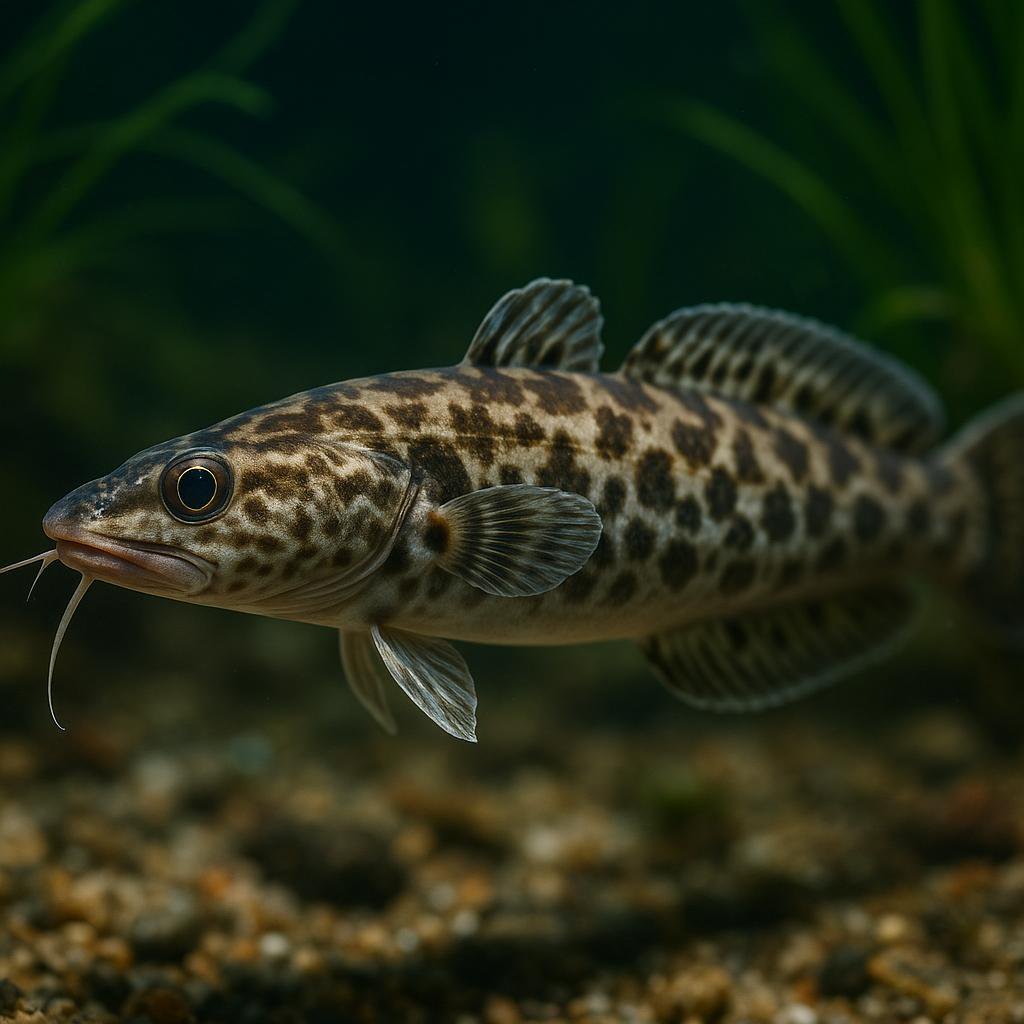
Arctic rockling
Gaidropsarus argentatus
This is a deepwater North Atlantic rockling (a cod relative) that hangs out on soft bottoms way down the slope. It is a cold-water, bottom-hugging predator that snoots around for crustaceans and will also take small fish when it gets the chance.
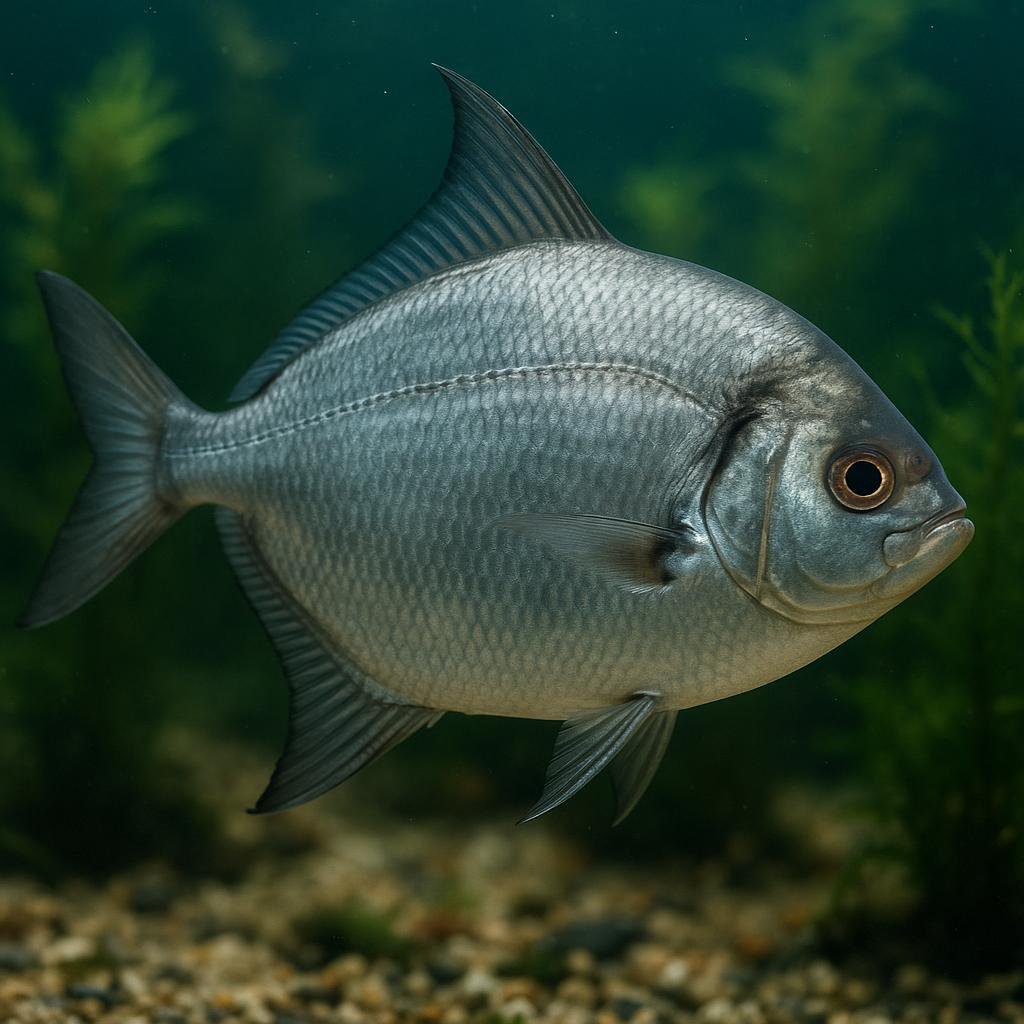
Atlantic pomfret
Brama brama
Brama brama is the Atlantic pomfret (aka Ray's bream) - a deep-bodied, open-ocean pelagic fish that cruises around in small schools and follows water temps. It is a legit big, wild marine species (not an aquarium fish) that eats other small sea critters like fish and squid, and it ranges across a huge chunk of the Atlantic plus parts of the Indian and South Pacific.
More to Explore
Discover more marine species.
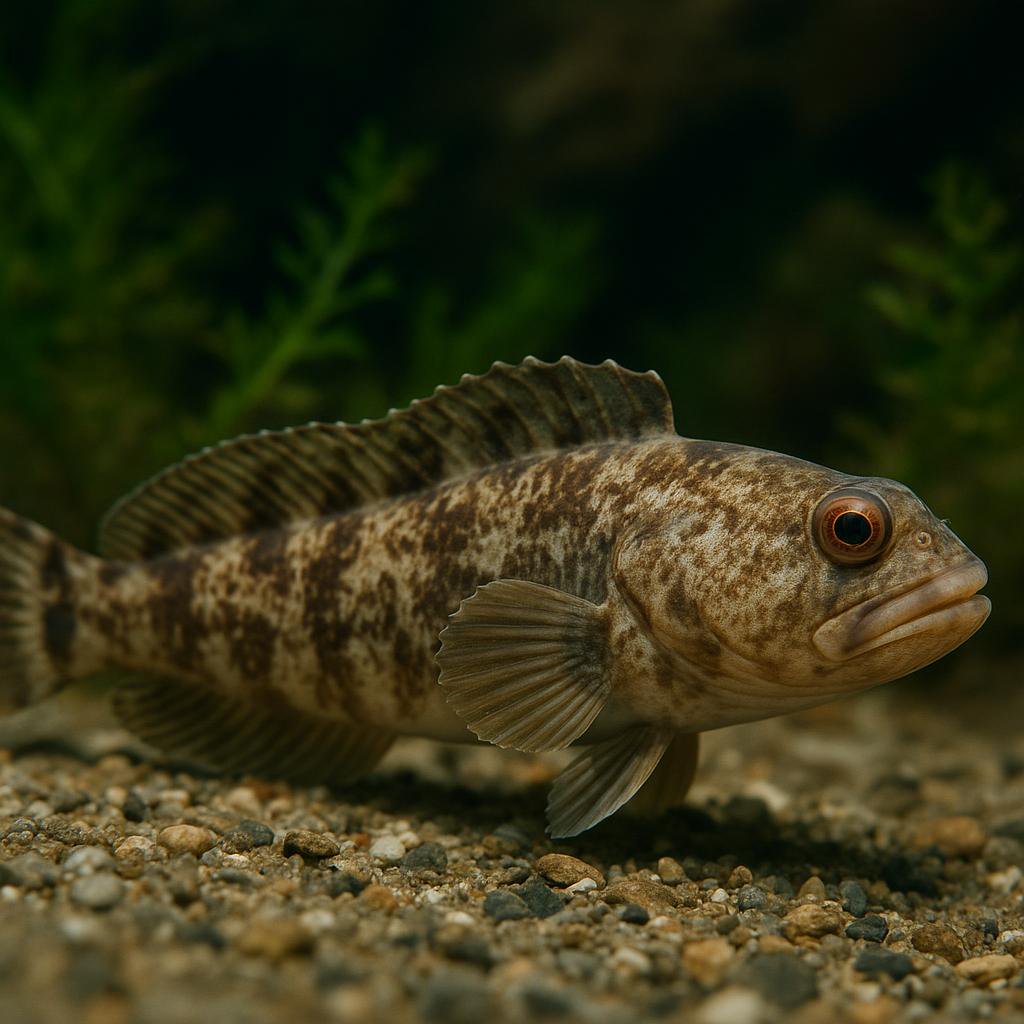
Abe's eelpout
Japonolycodes abei
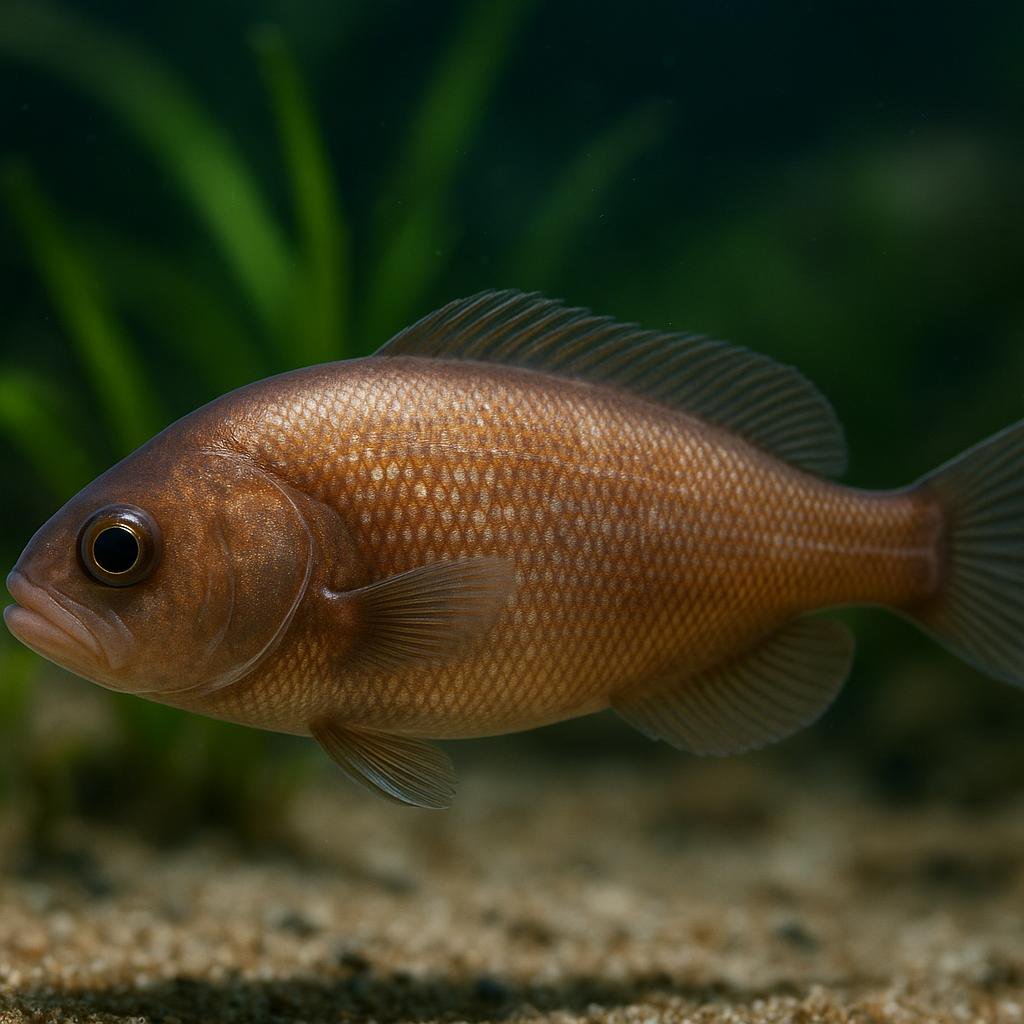
Japonolycodes abei is a temperate, deepwater demersal eelpout (family Zoarcidae) endemic to Japan (Kumano-nada Sea reported; other sources also report Sagami Bay and Tosa Bay). It is the only species in the genus Japonolycodes and occurs roughly 40-300 m depth, making it an uncommon/atypical aquarium species.
Affinis blind cusk-eel
Barathronus affinis
Barathronus affinis is a tiny, super-weird deep-sea blind cusk-eel from the western-central Indian Ocean. It is one of those gelatinous, loose-skinned brotula-type fishes that live way down in the dark and are basically never seen alive, so almost everything we know comes from preserved specimens and taxonomic work.
African red snapper
Lutjanus agennes
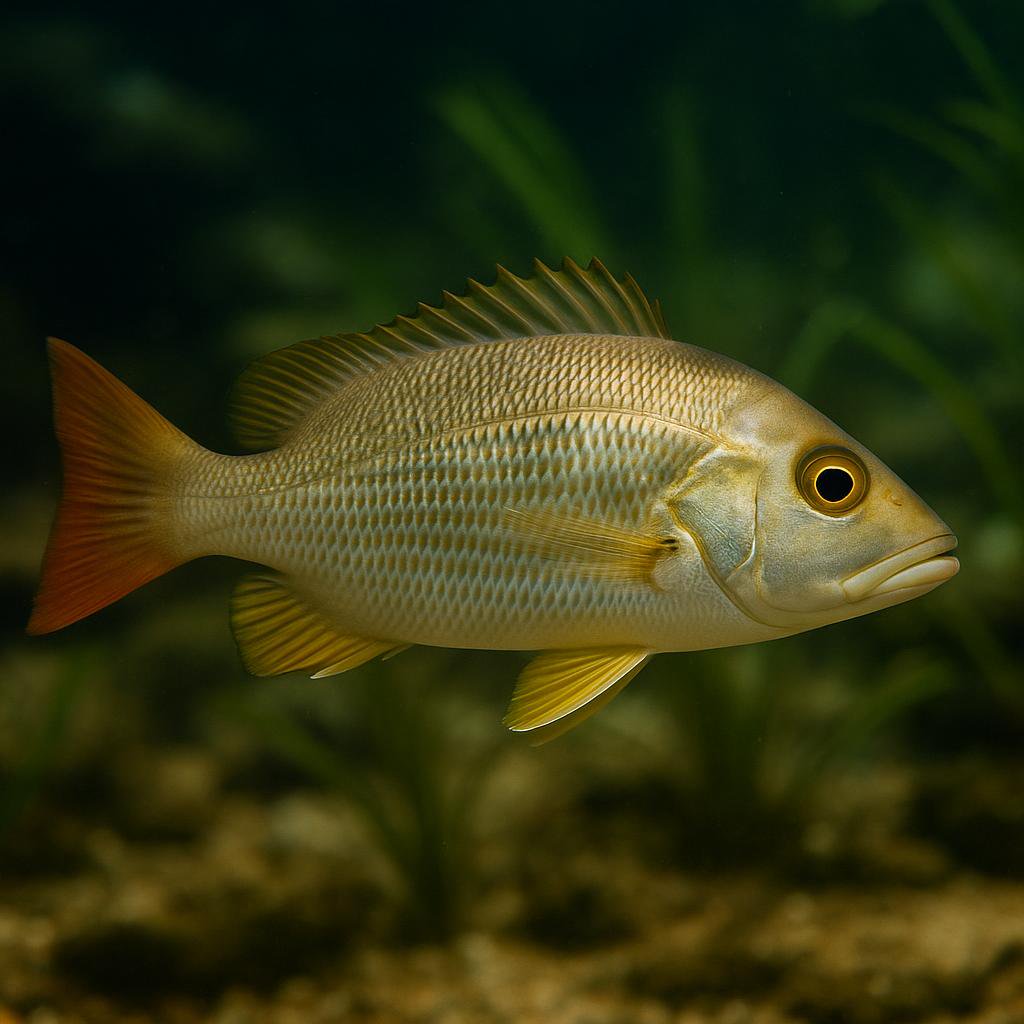
This is a true snapper from West Africa - a big, fast-growing predator that goes from coastal reefs to brackish lagoons and estuaries (especially as a juvenile). Super cool fish in the wild, but it gets absolutely huge and will eat smaller tankmates once it has the mouth for it, so its really more of a public-aquarium scale animal than a home-aquarium fish.
Allis shad
Alosa alosa
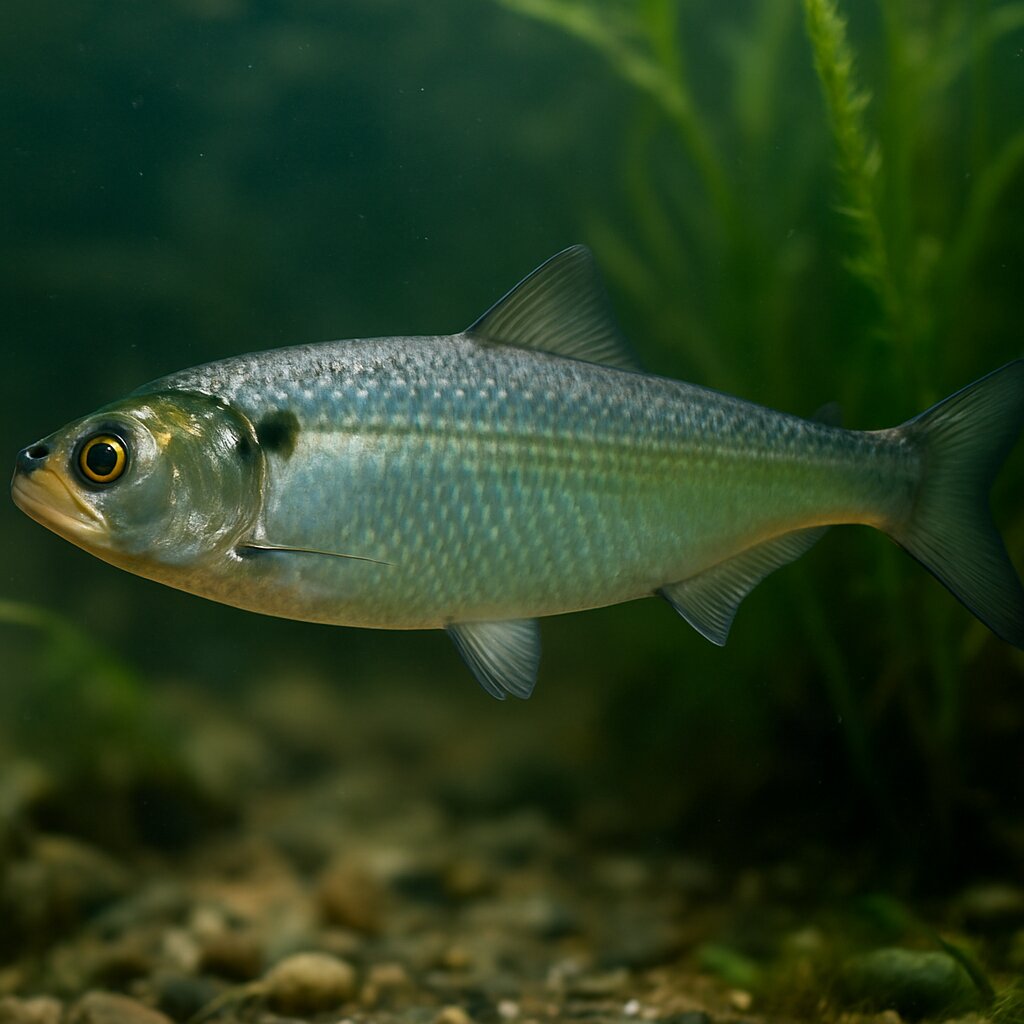
Gorgeous silver, fast-swimming shad that spends most of its life in the sea and then surges up big rivers in noisy, surface-spawning schools. It grows huge for a herring-type fish and needs cool, ultra-oxygenated water and tons of open space, so it is a public-aquarium species rather than a home tank fish.
Annandale's zebra sole
Zebrias annandalei
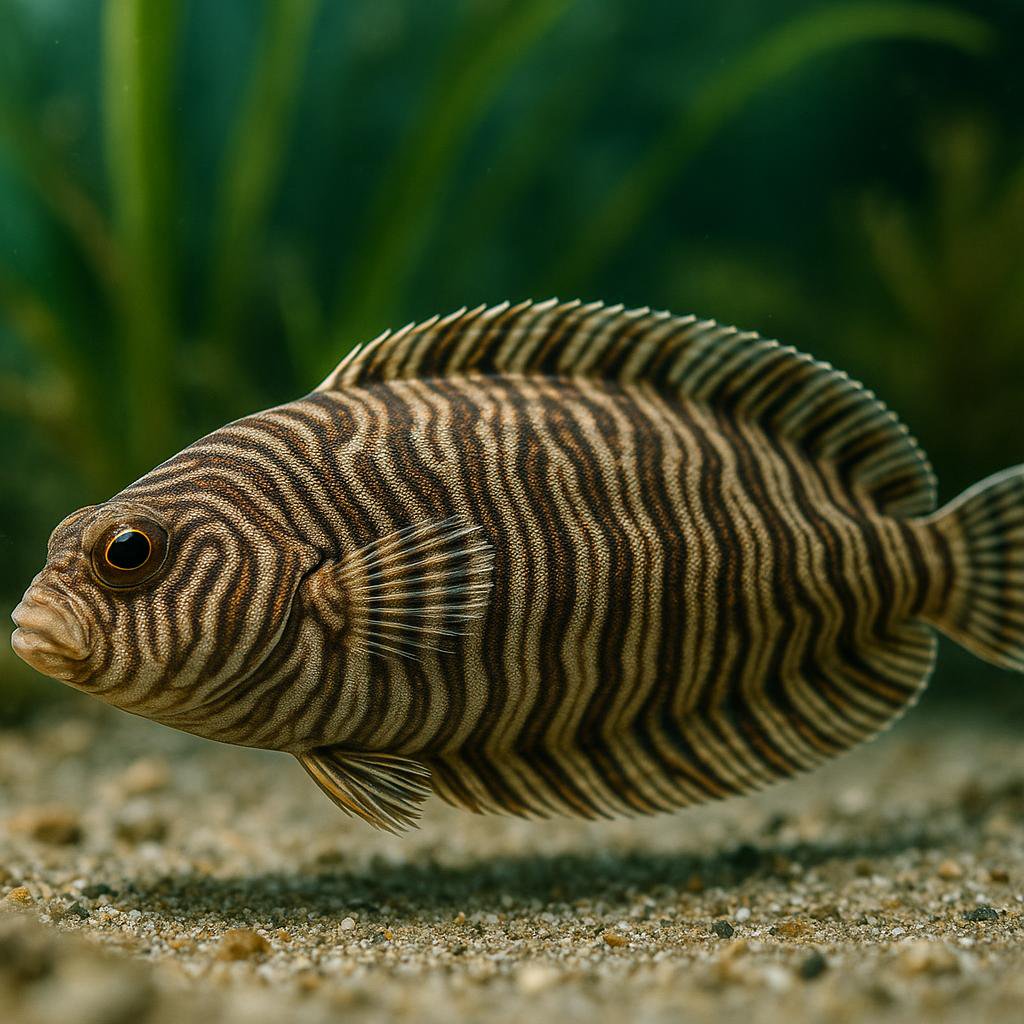
Zebrias annandalei is a small demersal sole from coastal India that inhabits sandy or muddy bottoms and buries for camouflage. It is rarely kept in home aquaria and would require a specialized marine sand-bottom setup and appropriate feeding.
Australian sawtail catshark
Figaro boardmani
Figaro boardmani is a small, deepwater Australian catshark with these cool saw-like ridges of spiny denticles along the tail and a neat pattern of dark saddle bands. It lives way down on the outer continental shelf and slope, so its natural water is cold, dim, and stable - totally not a typical home-aquarium fish. Diet-wise its a predator that goes after fish, crustaceans, and cephalopods.
Looking for other species?