

Northern ronquil
Ronquilus jordani
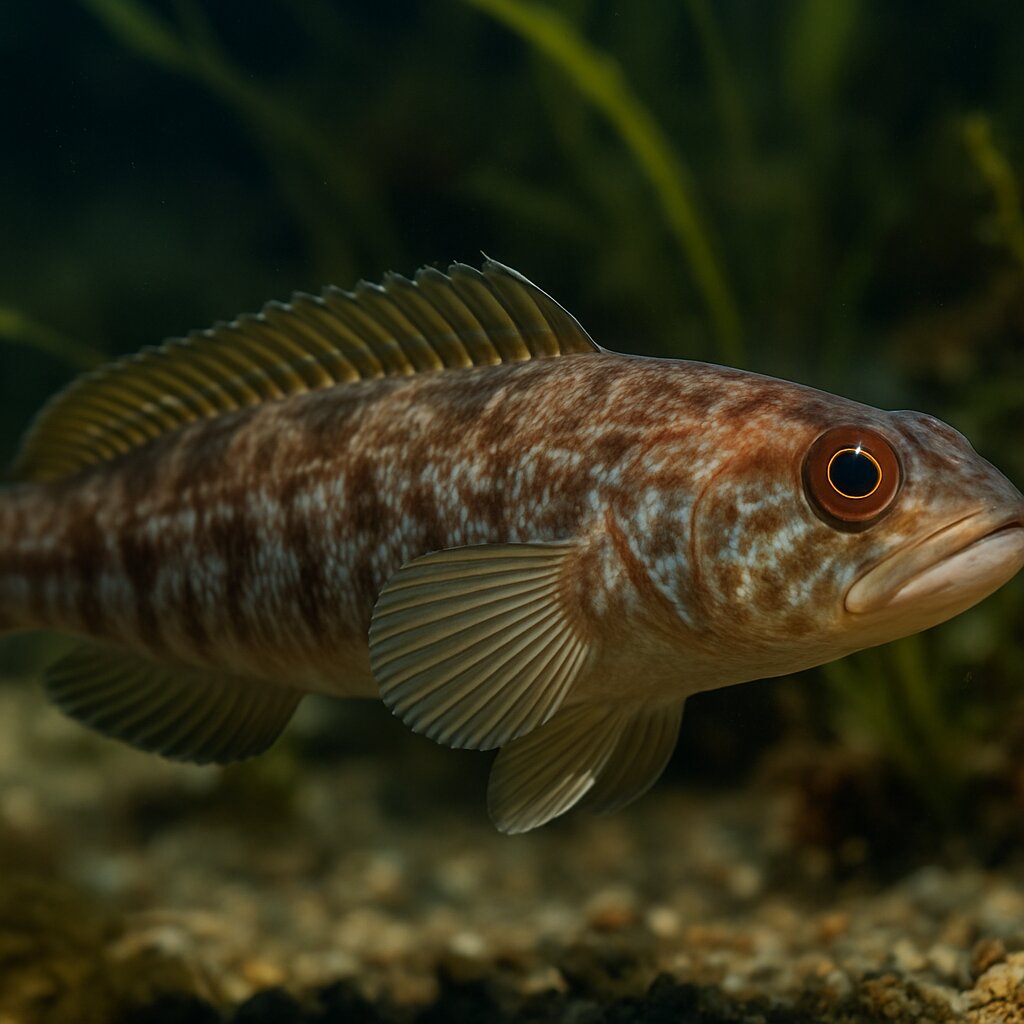
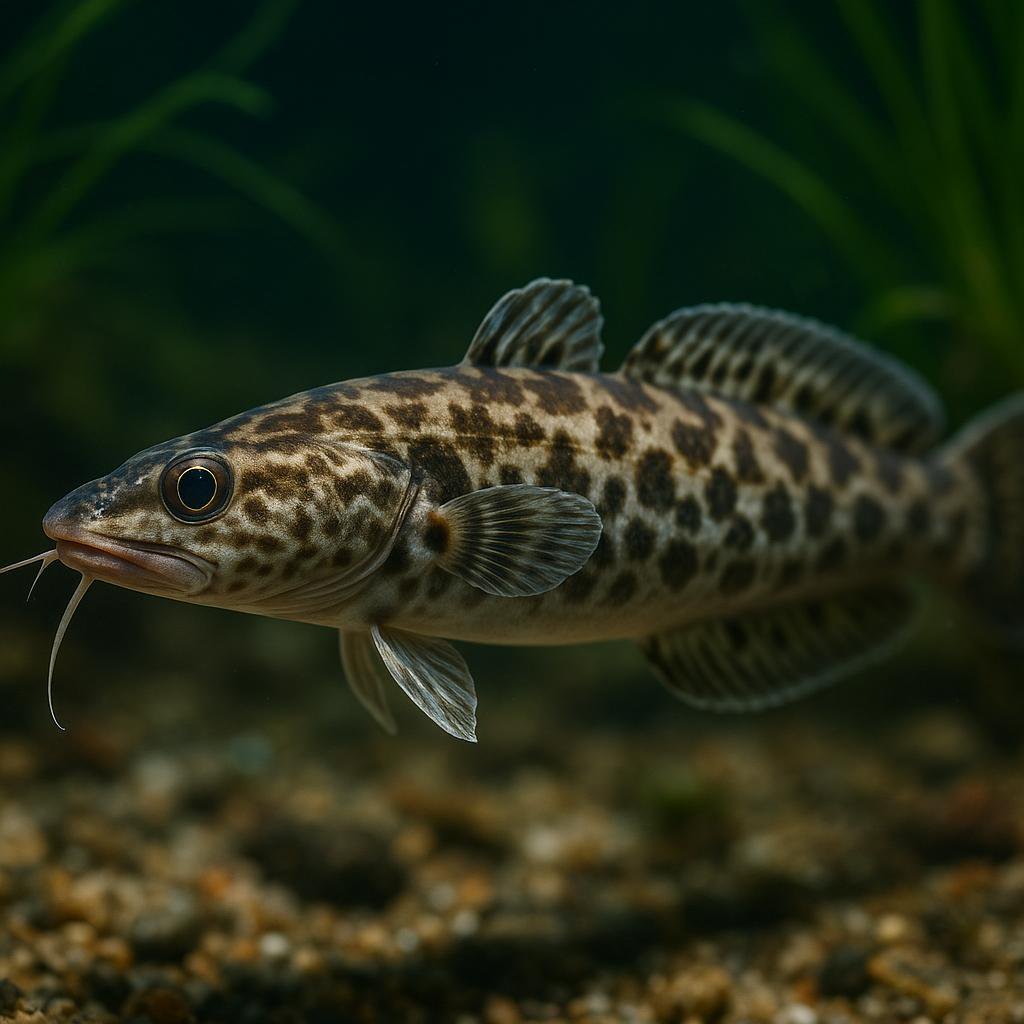
The Northern ronquil has an elongated body, prominent dorsal fins, and a mottled brown to yellowish coloration with dark spots.
This page includes AI-generated images. Why am I seeing AI images?
About the Northern ronquil
Coldwater little rock-hugger from the eastern North Pacific, hanging around boulders and kelp where it sneaks along the bottom. Males can show subtle orange-yellow highlights while the fish peeks from crevices and ambushes tiny critters. If anyone keeps one, a chilled saltwater setup and tons of rockwork are the move.
Also known as
Quick Facts
Size
20 cm
Temperament
Peaceful
Difficulty
Expert
Min Tank Size
55 gallons
Lifespan
unknown
Origin
Eastern North Pacific
Diet
Carnivore - zooplankton as juveniles and benthic invertebrates (worms, small crustaceans); in captivity take frozen mysis and chopped seafood
Water Parameters
3-9°C
8-8.4
300-400 dGH
Need a heater for this species?
This species needs 3-9°C in a 55 gallon tank. Use our heater calculator to find the right wattage.
Calculate heater sizeCare Notes
- Run a chiller and keep it 46-54 F (8-12 C); they start struggling above 59 F (15 C). Push strong aeration and flow so oxygen stays high.
- Give it a 30+ gallon coldwater setup with a sand strip and lots of tight rock crevices and caves. Use a tight lid - they bolt when spooked.
- Salinity 33-35 ppt and pH 8.0-8.3; ammonia and nitrite must be zero and nitrate under 20 ppm. Cold systems like heavy skimming and high turnover.
- Feed meaty fare it would find on a rocky shore - mysis, chopped prawn or clam, squid strips, and amphipods. Target-feed at the den 1-2x daily; start with live mysids or amphipods if it ignores frozen.
- Tankmates need to be peaceful, cool-temperate fish of similar size; big sculpins, rockfish, and greenlings will thrash or eat it. It will eat tiny fish and ornamental shrimp, but usually leaves snails and urchins alone; skip crabs and big anemones.
- Acclimate slowly with a drip while keeping water cold and salinity matched. Do not float a coldwater fish in a warm room for long - temp shock is real.
- Breeding in captivity is basically unreported; likely a cave or crevice spawner with adhesive eggs. If you want to try, give multiple snug caves and use seasonal cues - cooler, shorter days in winter then a mild spring warm-up.
- Heat spikes cause rapid breathing and bacterial blowups; set a temp alarm and have backup cooling ready. Quarantine 4-6 weeks in a chilled, well-oxygenated tank and observe rather than blasting meds at tropical dosages.
Compatibility
Good Tankmates
- Chill temperate midwater schoolers like shiner perch and kelp perch that ignore bottom sitters
- Gunnels and small pricklebacks that snake through the rocks without bullying
- Tiny tidepool sculpins (Oligocottus spp.) that stay under 3 inches and mind their own business
- Tubesnouts and temperate pipefish that hover midwater and leave the caves alone
- Decorated warbonnets and other small, cryptic stichaeids that share rockwork peacefully
- Another ronquil of similar size if the tank is big, cool, and packed with caves and broken sightlines
Avoid
- Big-mouthed predators like cabezon, large sculpins, lingcod, or medium to large rockfish
- Pushy rock-huggers like kelp greenling and aggressive pricklebacks that will claim every cave
- Hyperactive chow-hounds that outcompete shy bottom fish, plus anything tropical that needs warm water
Where they come from
Northern ronquils are cool-water rock and kelp line fish from the North Pacific, showing up from Alaska down the West Coast into California. You usually find them tucked into crevices on rocky reefs or hovering just off the bottom over sand-and-rubble patches. They are ambush hunters with quick dart bursts, not open-water cruisers.
This is a coldwater marine fish. Think 48-58 F, not a tropical reef. You will need a chiller.
Setting up their tank
Give them a low, wide tank with rockwork they can claim. A 40 breeder is the bare minimum for a single adult, but 55-75 gallons makes life easier and keeps temps steadier. Build a rocky maze with tight caves and some open sand in front so they can perch and pounce. Use a tight lid; they do jump when spooked.
- Temperature: 48-58 F (9-14 C) with a reliable chiller
- Salinity: 1.024-1.026
- pH: 8.0-8.3; high oxygen, strong surface agitation
- Flow: moderate with some brisk areas around the rockwork
- Lighting: dim to moderate; no need for reef-level brightness
Filtration needs to be oversized. Cold water holds oxygen well, but meaty foods foul the water. A big skimmer, generous biomedia, and frequent partial water changes keep things stable. Pre-chill your change water so you do not shock them. I like mixed-grain aragonite sand so they can brace themselves without scraping up their bellies.
Heat is the fast killer here. Anything above low 60s F for long and they go off food, breathe hard, and crash. Use a temp controller with alarms and keep pumps well oxygenating the surface.
Cover pump intakes with guards. Ronquils wedge into odd spots and can get pinned if an intake is right at a cave entrance.
What to feed them
They eat small crustaceans and little fishes in the wild. In a tank, start with moving foods to get their attention, then switch to frozen. Target feeding near their cave works way better than tossing food into the flow.
- Live or frozen mysid shrimp
- Frozen mysis, chopped prawn, chopped silversides/sand lance
- Small pieces of clam, squid, and krill (not as the only food)
- Live amphipods/shore shrimp to start stubborn eaters
Feed small portions once daily at first. After they settle, 4-5 modest feedings per week is fine; they put on weight quickly in cold water. Soak foods in a vitamin/omega supplement now and then. If they ignore frozen, wiggle it with tongs; once they realize it is food, they usually switch.
Do not rely on freshwater feeders like guppies or rosy reds. Poor nutrition and parasite risk. Use marine-source foods.
How they behave and who they get along with
Ronquils are perch-and-pounce fish. They claim a little territory and will do short dashes to grab food. Not bullies, but they will stand their ground, especially with similar-shaped bottom dwellers.
- Works with: similar-sized, calm temperate species that use different niches (e.g., midwater perch-like fish, small rockfish raised in captivity, bigger clingfish).
- Borderline: other benthic ambush predators of similar size (sculpins, gunnels) in small tanks. Space and sight breaks help.
- Avoid: very small fish, ornamental shrimp, small crabs. If it can fit in the ronquil's mouth, it is on the menu. Snails and urchins are typically safe.
Keep one northern ronquil per tank unless you are working with a very large footprint and have lots of caves. They are not schooling fish and will quarrel over the same bolt-holes.
Breeding tips
Spawning has been observed in the wild in spring. They lay adhesive eggs in a crevice, and a parent (often the male) guards the clutch. Getting that in a tank is rare but not impossible in a calm, mature system.
- Seasonal cues help: shorten day length and cool slightly over winter, then lengthen day and warm a couple degrees heading into spring.
- Provide multiple snug caves and rubble piles for nesting.
- Feed heavily with varied crustacean foods for conditioning.
- Larvae are planktonic and tiny. You would need live plankton cultures (rotifers, copepods) and a separate rearing setup.
Sexing is subtle. Males can show a bulkier head and more territorial behavior. If you try a pair, add them together and watch closely for bickering.
Common problems to watch for
- Overheating: first sign is rapid breathing and hanging high in the water. Double-check chiller flow and room temps.
- Refusing prepared foods: kick-start with live mysids or amphipods, then transition to frozen using tongs.
- Bacterial nicks and fin frays from rockwork tussles: keep water ultra-clean; they respond well to pristine conditions.
- Internal worms and flukes (wild-caught): a round of praziquantel in quarantine helps a lot.
- Low oxygen at night: use strong surface agitation or an airstone, especially if the chiller restricts flow.
- Nutrient creep from heavy meaty feeding: big skimmer, frequent filter sock changes, and regular water changes.
Acclimate them cool and slow. Keep the bag in an ice bath next to your tank during drip acclimation so the temperature stays low, then move them with dim lights.
Similar Species
Other marine peaceful species you might be interested in.
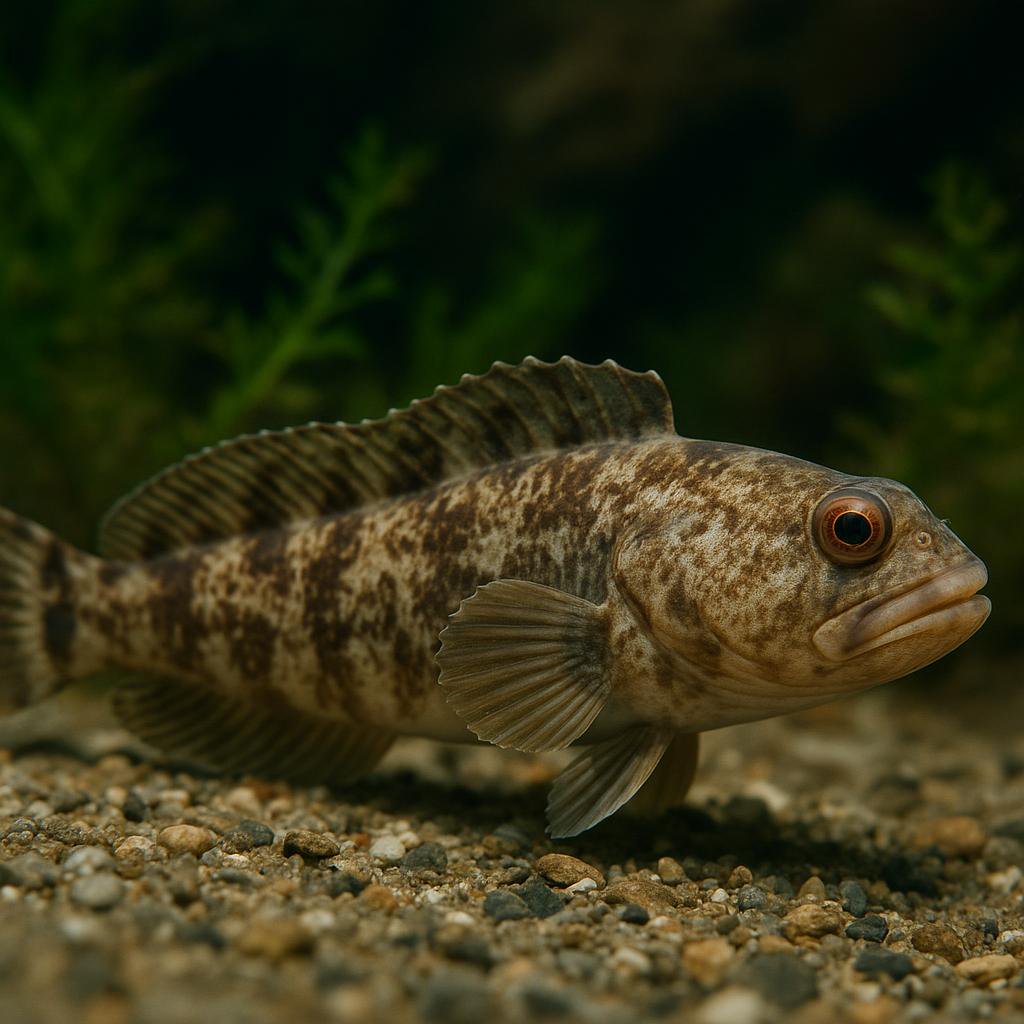
Abe's eelpout
Japonolycodes abei
Japonolycodes abei is a temperate, deepwater demersal eelpout (family Zoarcidae) endemic to Japan (Kumano-nada Sea reported; other sources also report Sagami Bay and Tosa Bay). It is the only species in the genus Japonolycodes and occurs roughly 40-300 m depth, making it an uncommon/atypical aquarium species.
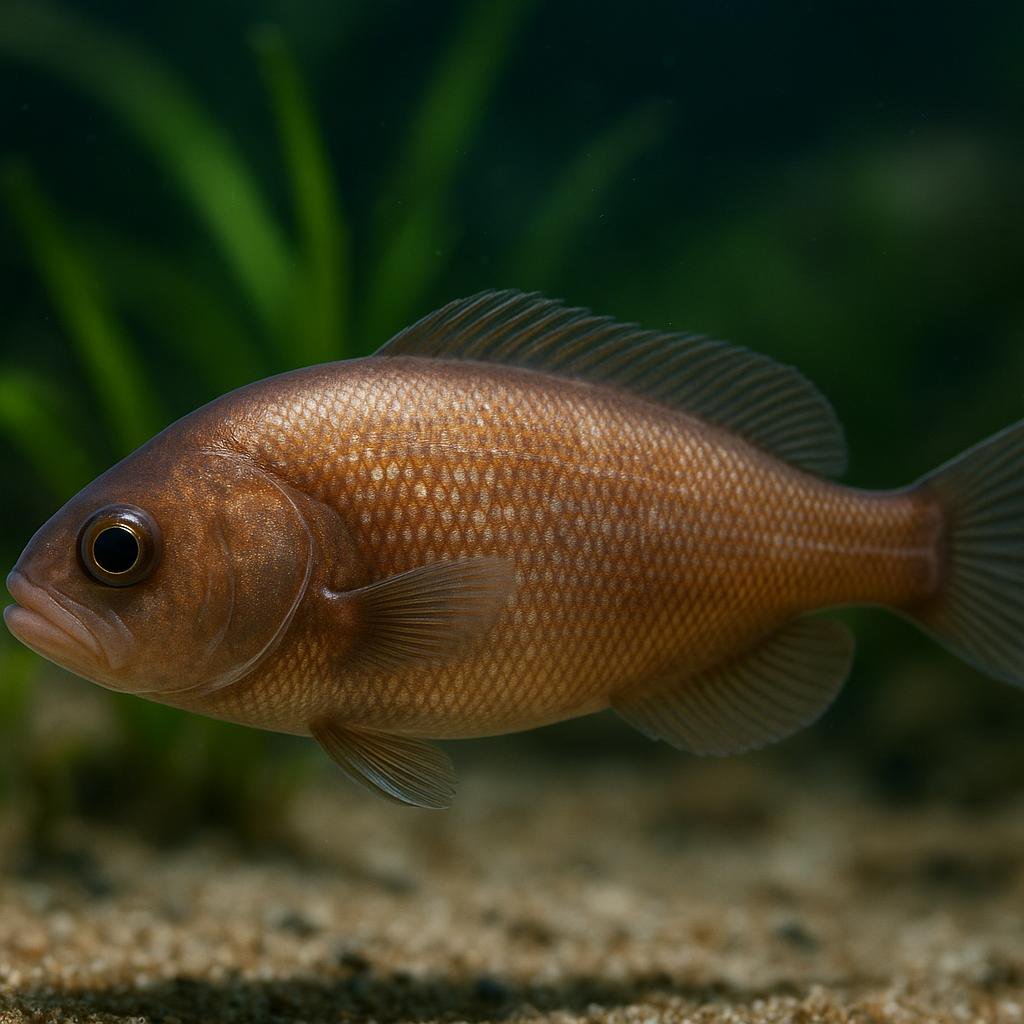
Affinis blind cusk-eel
Barathronus affinis
Barathronus affinis is a tiny, super-weird deep-sea blind cusk-eel from the western-central Indian Ocean. It is one of those gelatinous, loose-skinned brotula-type fishes that live way down in the dark and are basically never seen alive, so almost everything we know comes from preserved specimens and taxonomic work.
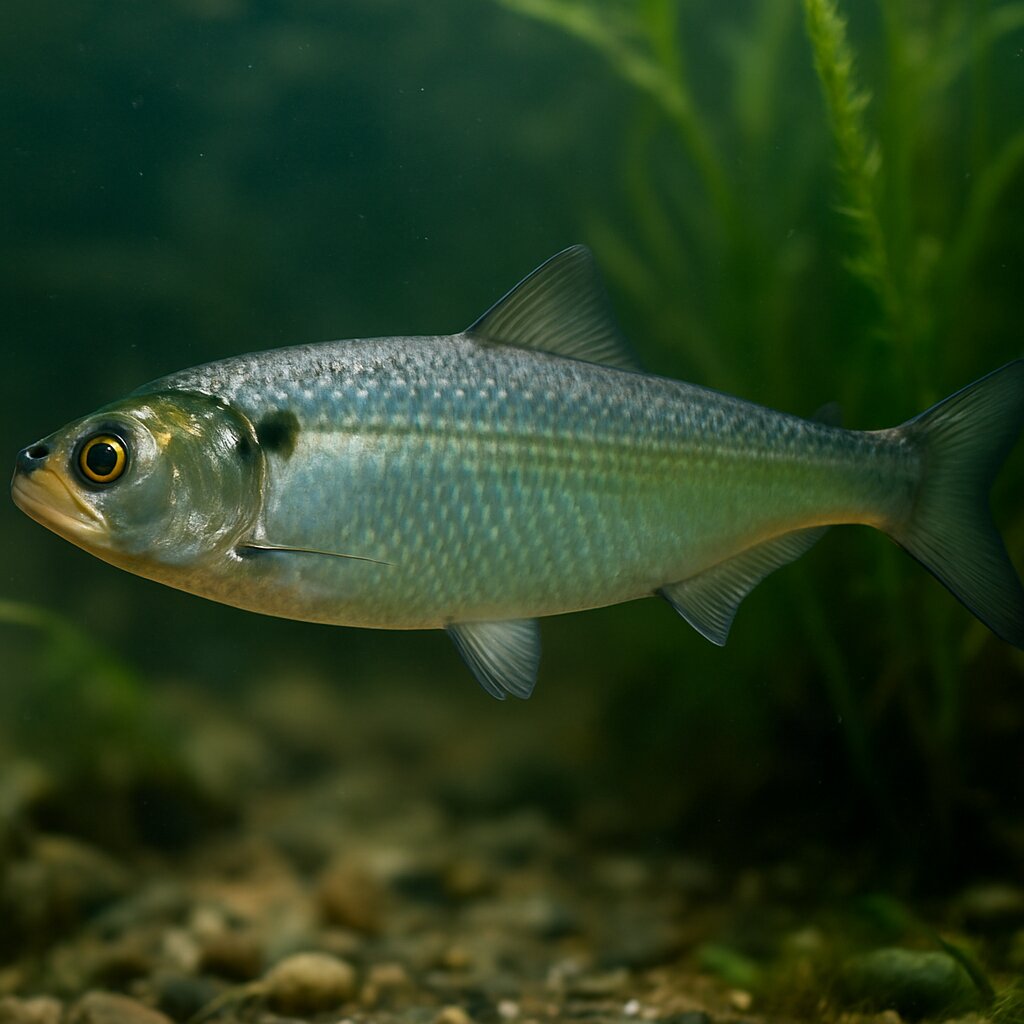
Allis shad
Alosa alosa
Gorgeous silver, fast-swimming shad that spends most of its life in the sea and then surges up big rivers in noisy, surface-spawning schools. It grows huge for a herring-type fish and needs cool, ultra-oxygenated water and tons of open space, so it is a public-aquarium species rather than a home tank fish.
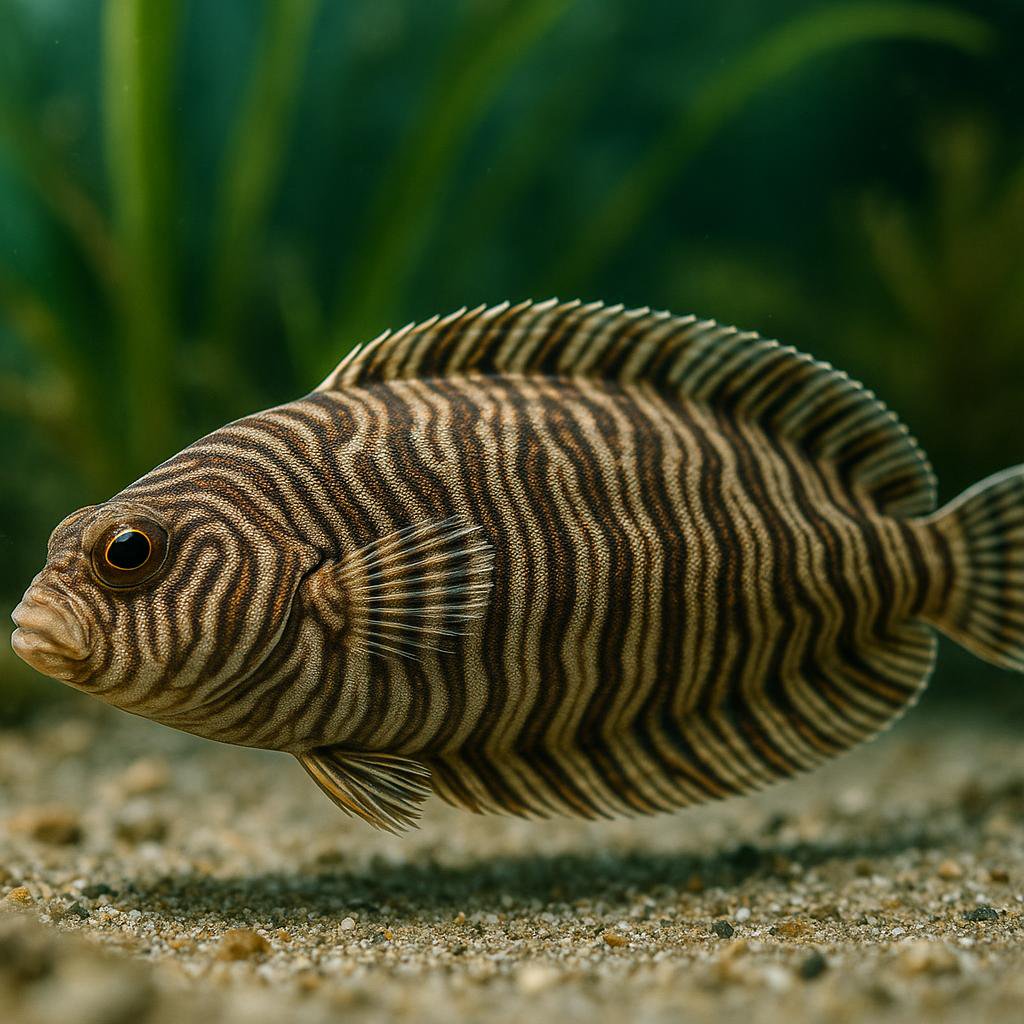
Annandale's zebra sole
Zebrias annandalei
Zebrias annandalei is a small demersal sole from coastal India that inhabits sandy or muddy bottoms and buries for camouflage. It is rarely kept in home aquaria and would require a specialized marine sand-bottom setup and appropriate feeding.
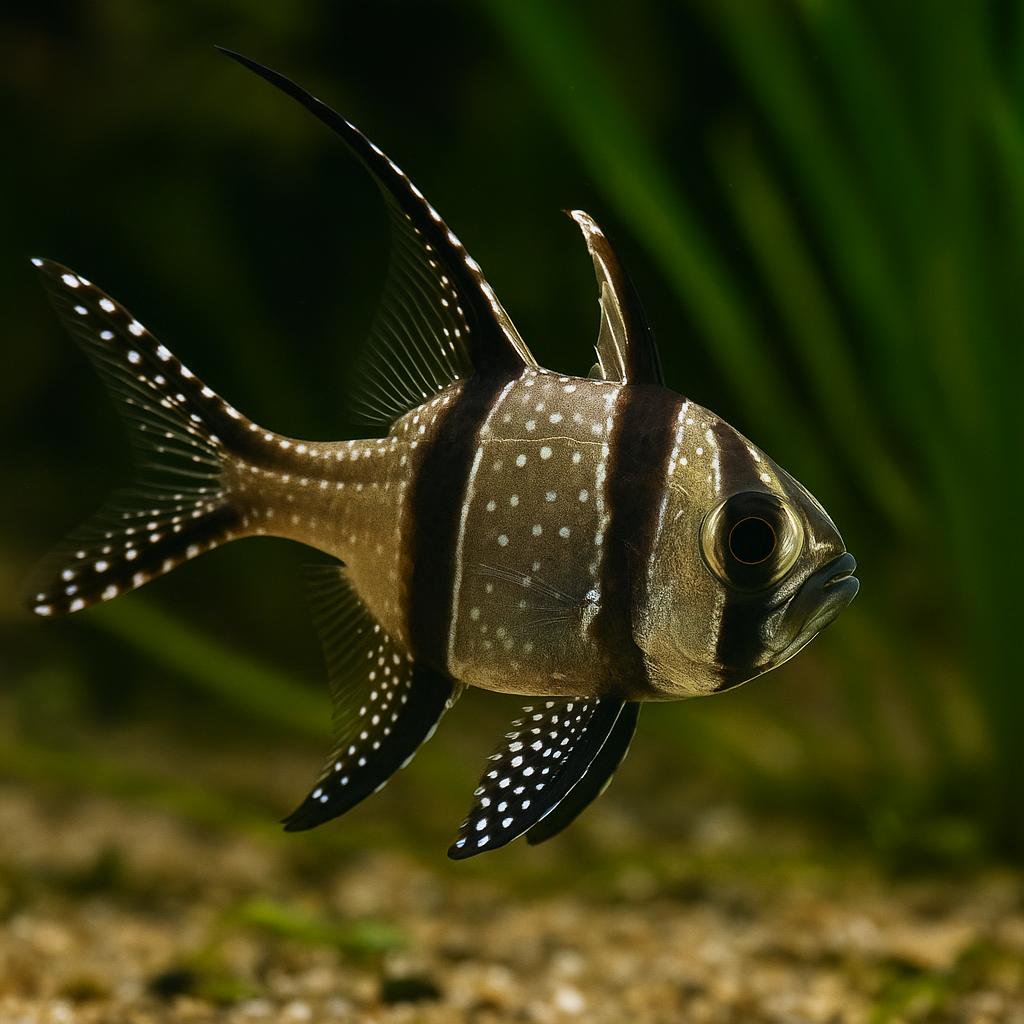
Banggai Cardinalfish
Pterapogon kauderni
Banggai cardinals just sort of hover like little underwater satellites, and the bold black bars with those long, polka-dotted fins look unreal under reef lighting. They're super chill most of the time, but once a pair forms you'll see real "fish drama," and the male will even mouthbrood the babies like a champ.
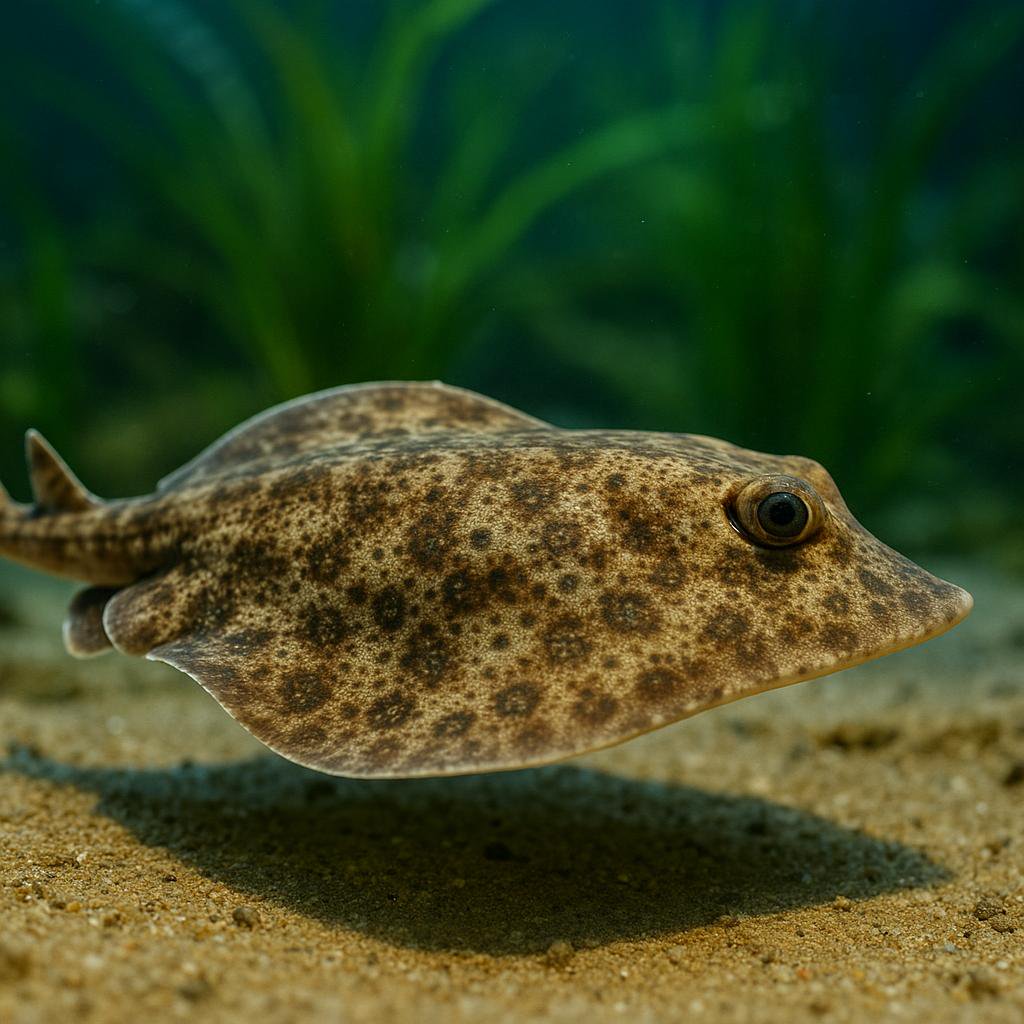
Barbedwire-tailed skate
Notoraja martinezi
Notoraja martinezi is a deepwater skate from the eastern Pacific (Costa Rica down to Ecuador) that lives way down on soft bottoms. The tail is the giveaway - it is lined with strong, hooked thorns that really do look like barbed wire. This is absolutely not an aquarium fish; it is a cold, high-pressure deep-sea animal with basically no practical home care info because it is not kept in the hobby.
More to Explore
Discover more marine species.
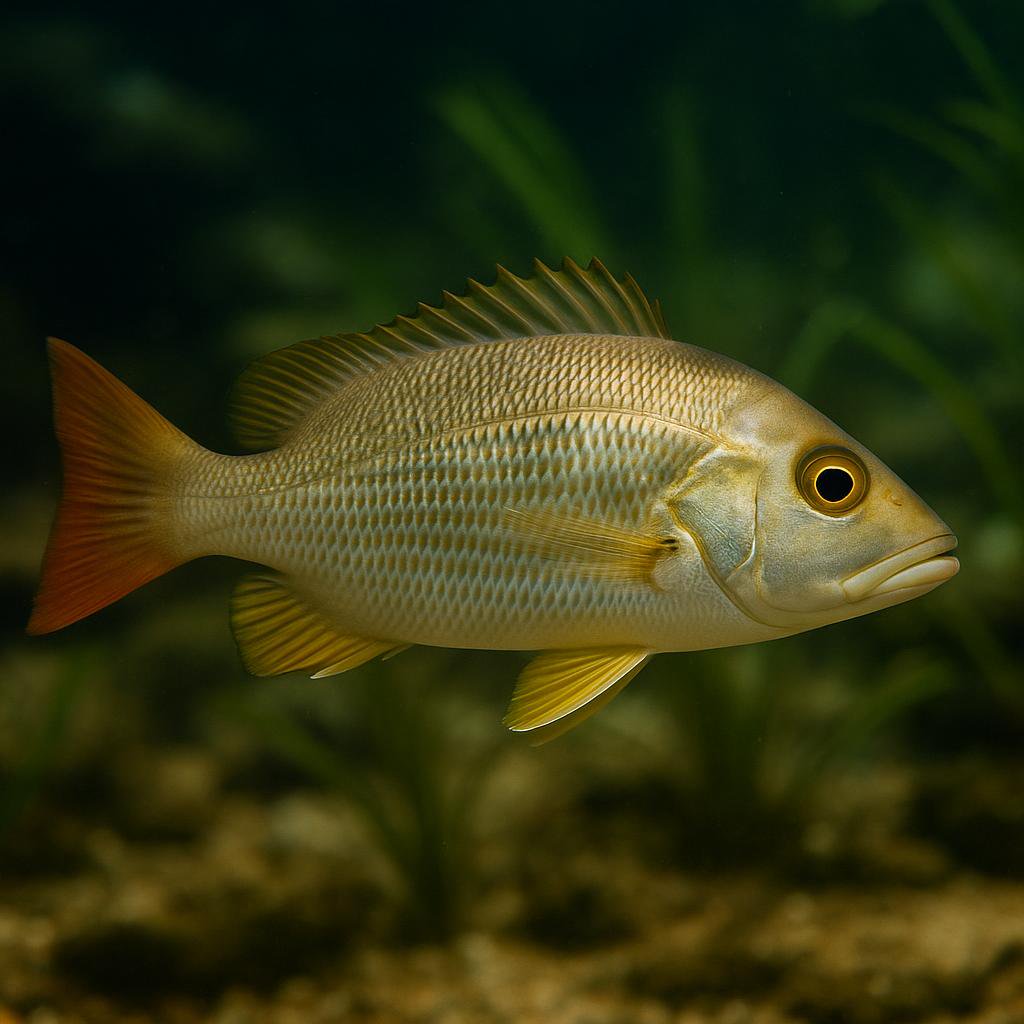
African red snapper
Lutjanus agennes
This is a true snapper from West Africa - a big, fast-growing predator that goes from coastal reefs to brackish lagoons and estuaries (especially as a juvenile). Super cool fish in the wild, but it gets absolutely huge and will eat smaller tankmates once it has the mouth for it, so its really more of a public-aquarium scale animal than a home-aquarium fish.
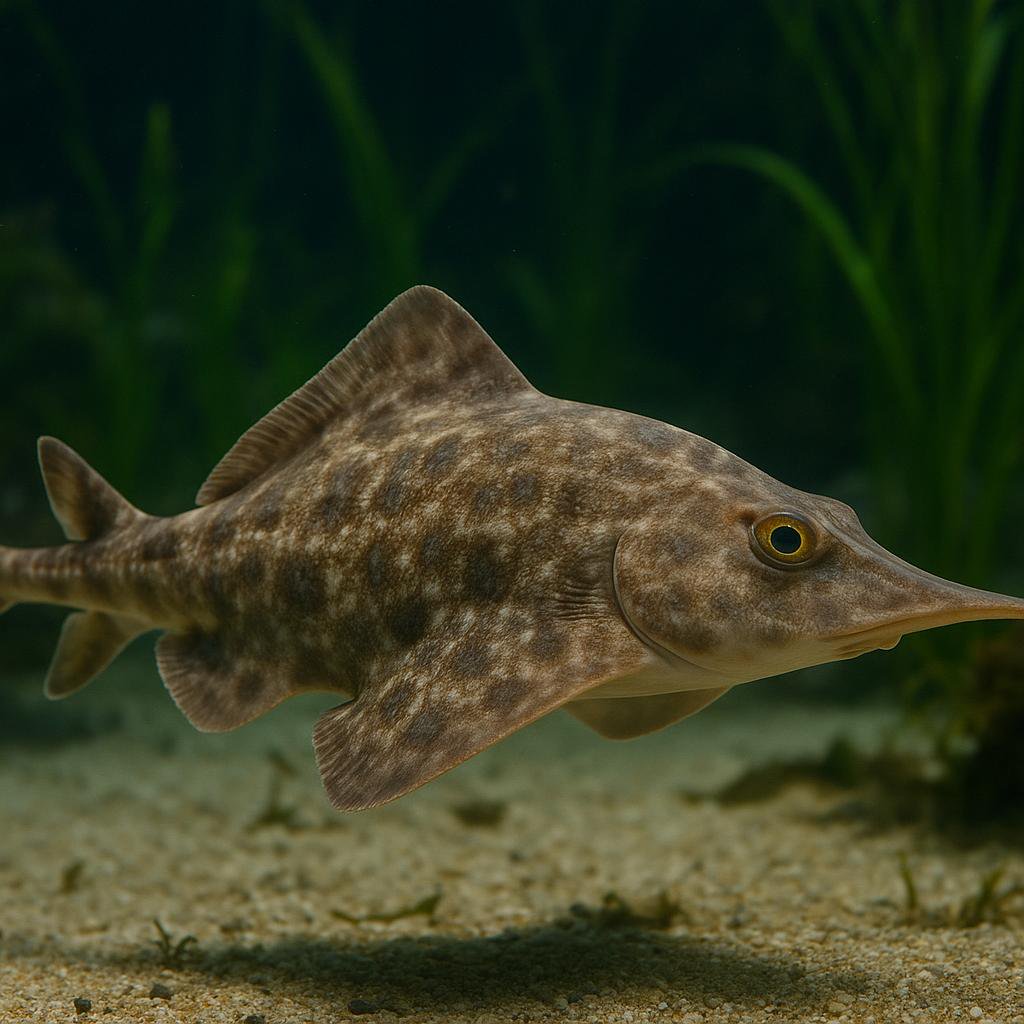
Aleutian skate
Bathyraja aleutica
This is a big, cold-water deep-slope skate from the North Pacific that cruises muddy bottoms and eats chunky benthic prey like crabs and shrimp. The really cool bit is its egg-laying skate life - it does distinct pairing (the classic skate "embrace") and drops those tough egg cases on the seafloor. Not an aquarium fish at all unless you're basically running a public-aquarium-style chilled system.
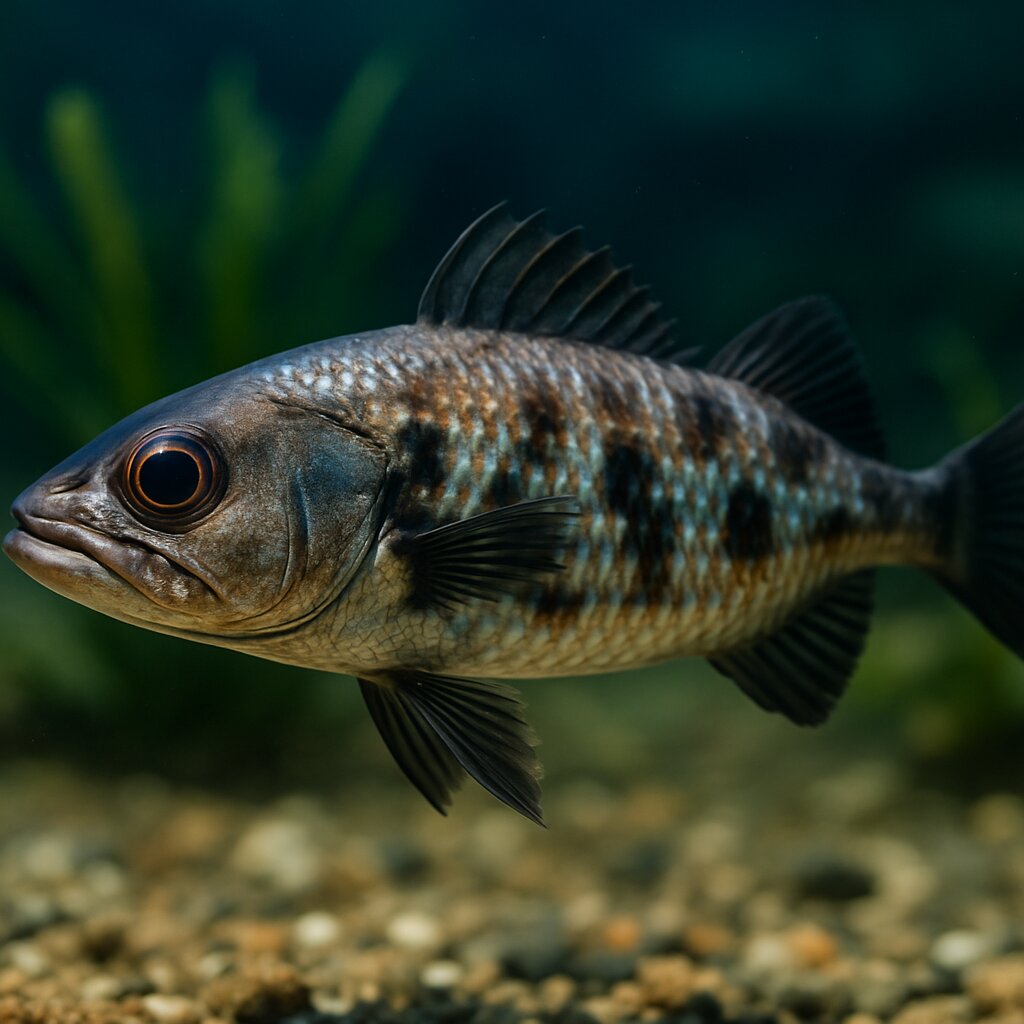
Antarctic dragonfish
Vomeridens infuscipinnis
Deep down around Antarctica, this sleek dragonfish cruises the water column like a little submarine, nearly neutrally buoyant so it can hover above the seafloor. It munches almost exclusively on Antarctic krill and lives in near-freezing water 500-800 m down, so it is a cool species to read about, not one for home tanks.
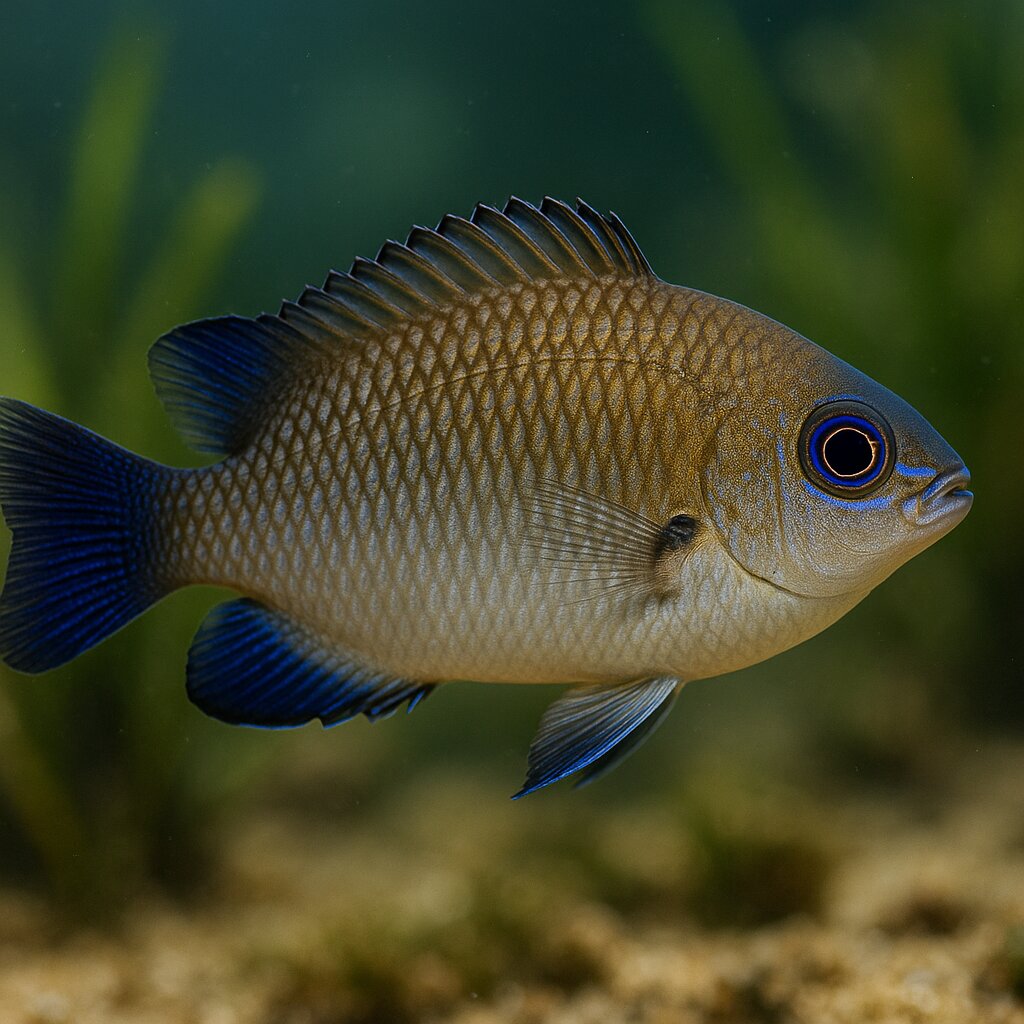
Arabian demoiselle
Neopomacentrus sindensis
A small lyretail damsel from the Persian Gulf and Arabian Sea, it hangs in loose groups around coral heads, rocks, and even pier pilings picking zooplankton from the flow. Think classic damsel toughness with a slightly milder attitude than the real bruisers, plus subtle yellow tail accents. Males clean a patch, get a mate to lay eggs there, and then stand guard fanning the clutch.
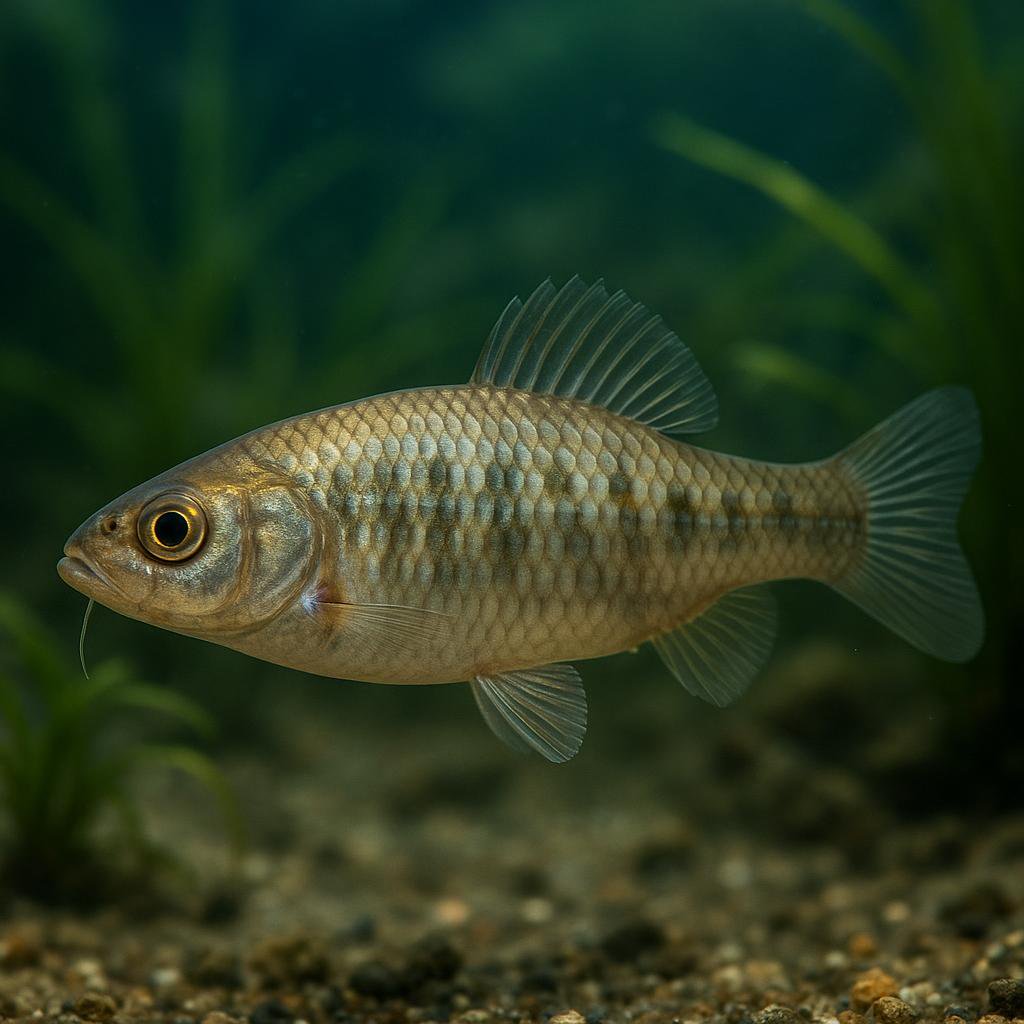
Arabian spiny eel
Notacanthus indicus
Notacanthus indicus is a deep-sea spiny eel (family Notacanthidae; not a true eel) known from the Arabian Sea on the continental slope at roughly ~960–1,046 m depth, with reported maximum length around 20 cm TL; it is a deep-water bycatch species and not established in the aquarium trade.
Arctic rockling
Gaidropsarus argentatus
This is a deepwater North Atlantic rockling (a cod relative) that hangs out on soft bottoms way down the slope. It is a cold-water, bottom-hugging predator that snoots around for crustaceans and will also take small fish when it gets the chance.
Looking for other species?