

Fish That Start With S - Page 6 of 6
Browse all aquarium fish species with common names beginning with "S". Each profile includes care requirements, water parameters, tank size recommendations, and compatibility information for freshwater, marine, and brackish species.
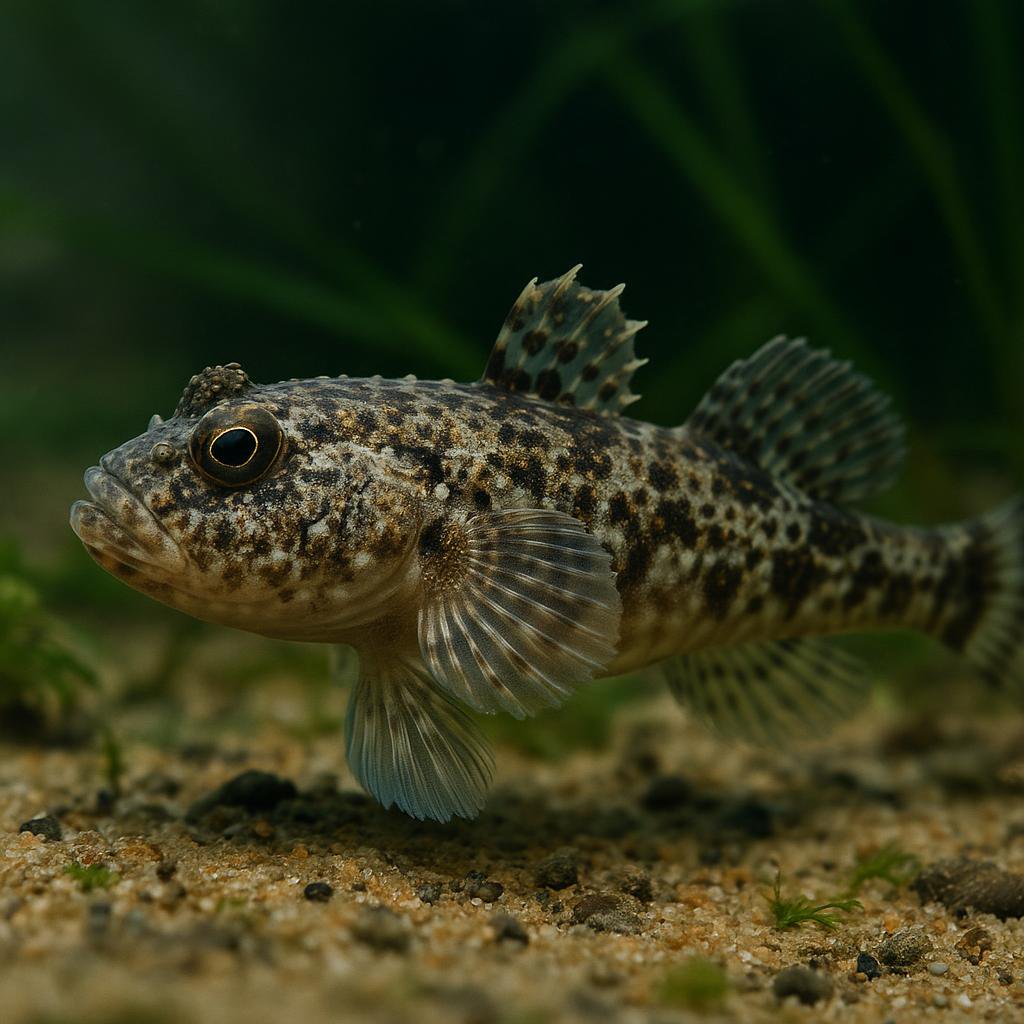
Stellate tadpole-goby
Benthophilus stellatus
This is one of those weird little bottom-huggers from the Black Sea/Azov/Caspian region - big head, narrow tail, and a body covered in tiny bony bumps. It spends its time on mud and sand in cooler water, picking at small invertebrates, and it is way more of a coldwater/brackish oddball than a typical tropical aquarium goby.
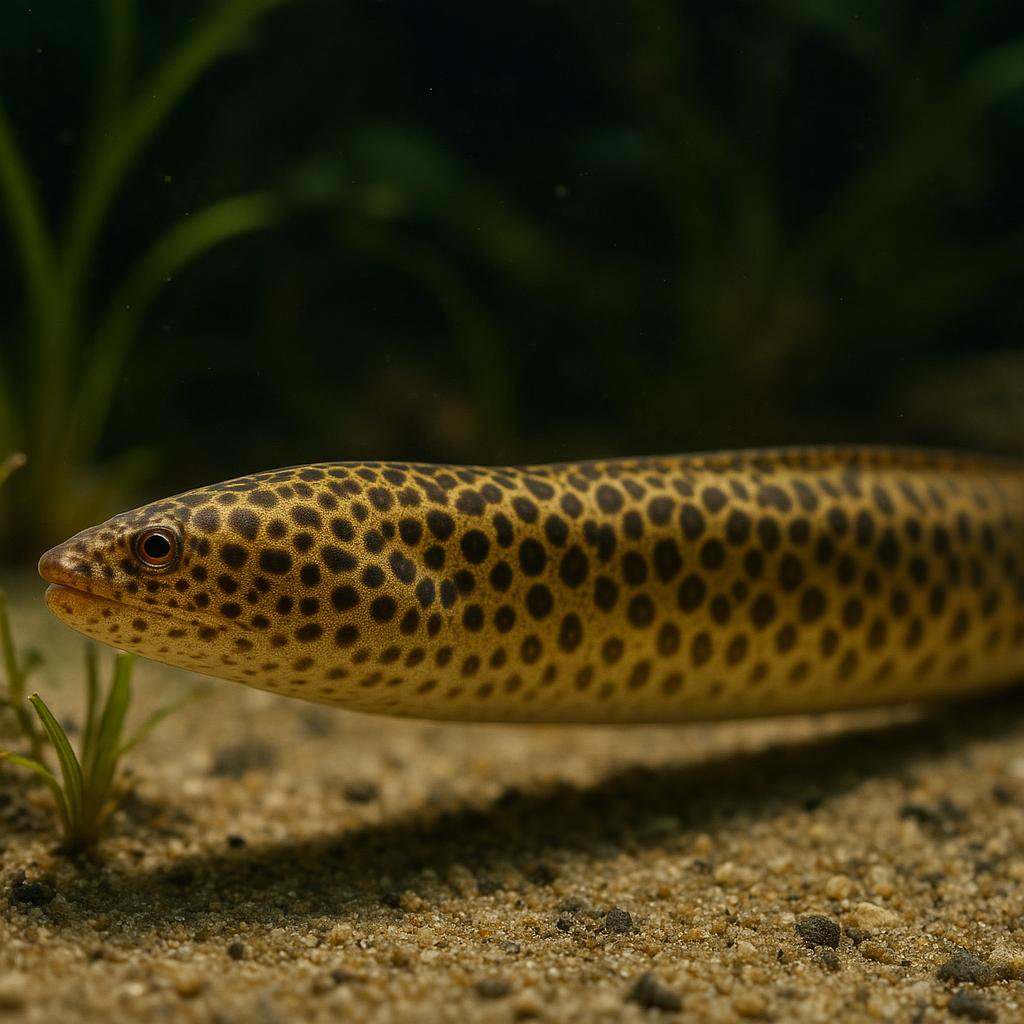
Stippled spoon-nose eel
Echiophis punctifer
Echiophis punctifer (stippled spoon-nose eel) is a large marine snake eel that burrows in soft substrates such as sand or mud. Reported maximum length is up to about 180 cm TL; due to size and burrowing behavior, it is best suited to very large, escape-proof marine systems and a carnivorous diet.
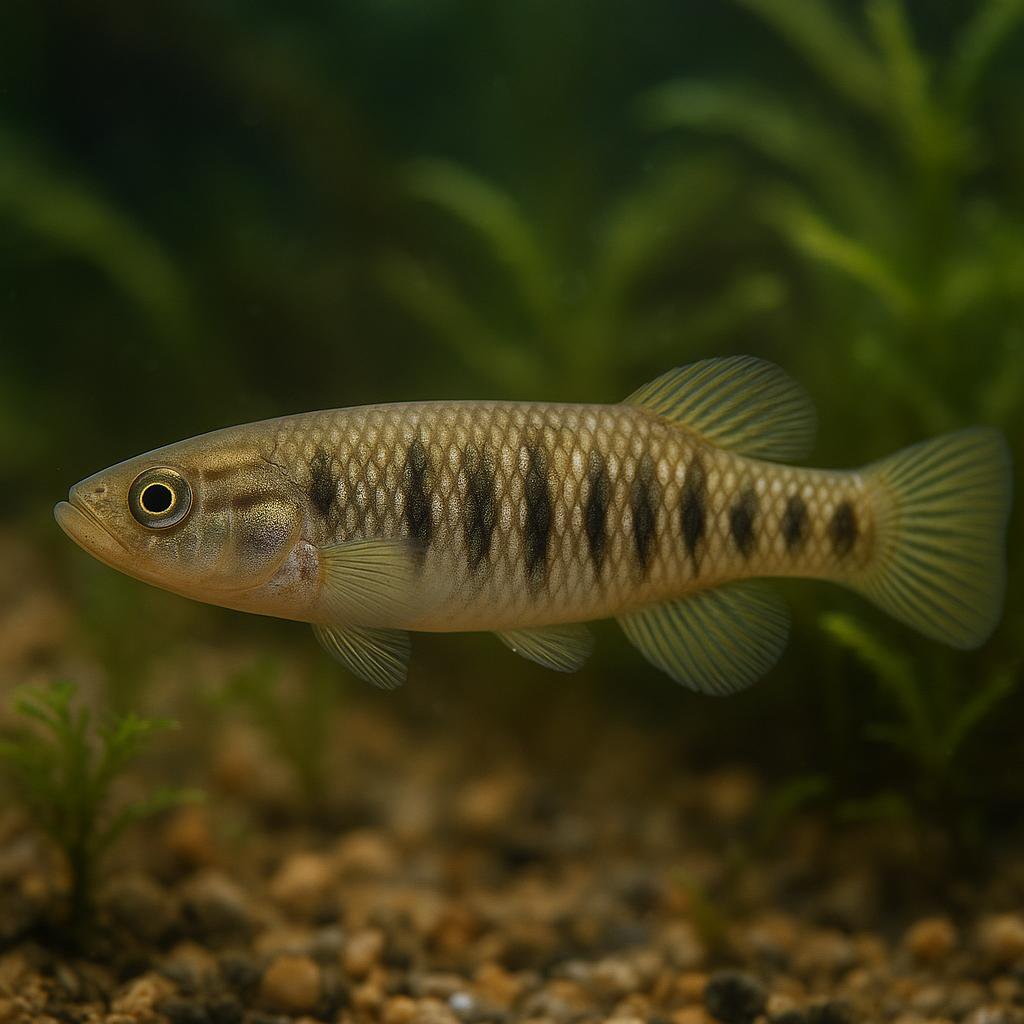
Stippled studfish
Fundulus bifax
Fundulus bifax is a native Alabama-Georgia studfish with a really slick stippled (spotty) pattern, and breeding males can get some wild blue and red-orange tones. Its also a serious jumper and an absolute rocket when it spooks, so a tight lid is non-negotiable.
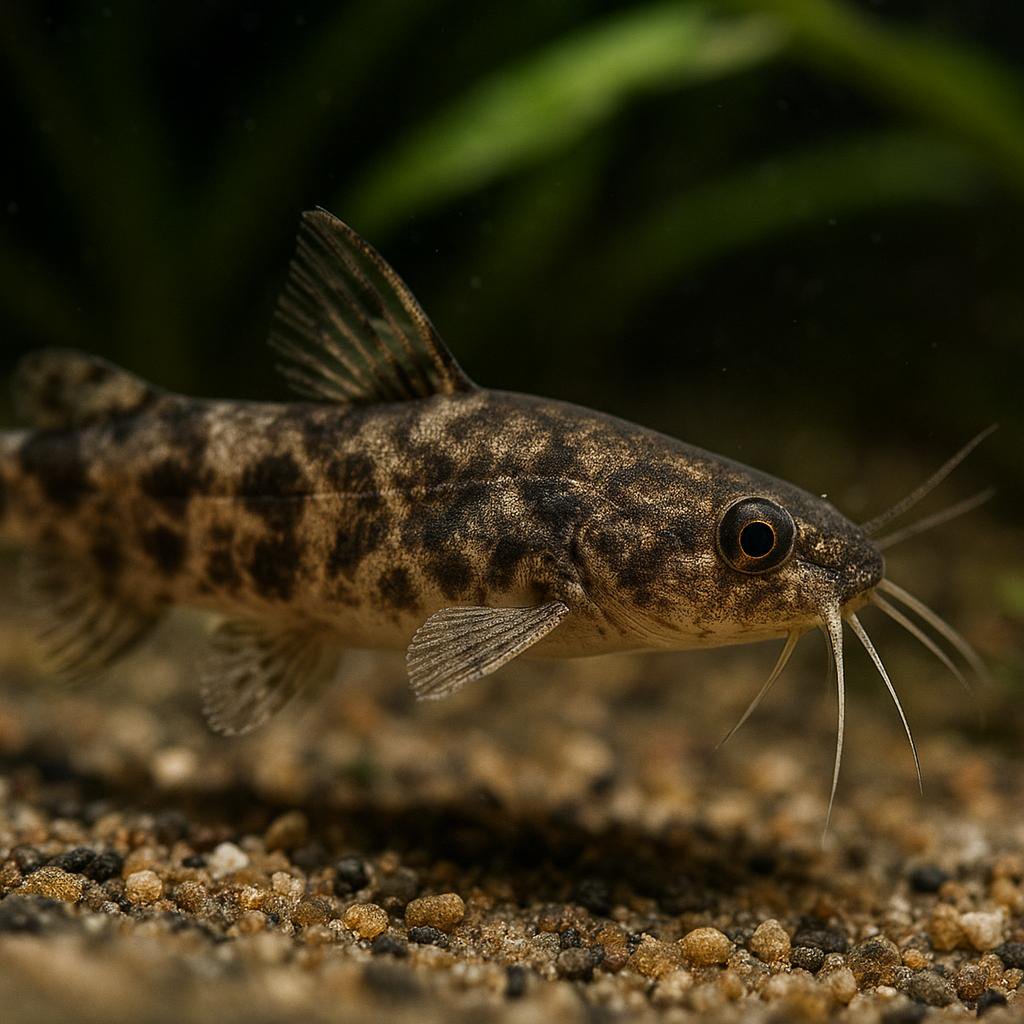
Stream catfish
Pseudobagarius macronemus
This is a tiny little akysid stream catfish from eastern Sumatra that spends its time down low, poking around the bottom (benthopelagic). The weird part with this one is the name - a lot of sources treat it as Pseudobagarius macronema, and you will see it sold or listed under either spelling.
Striated blenny
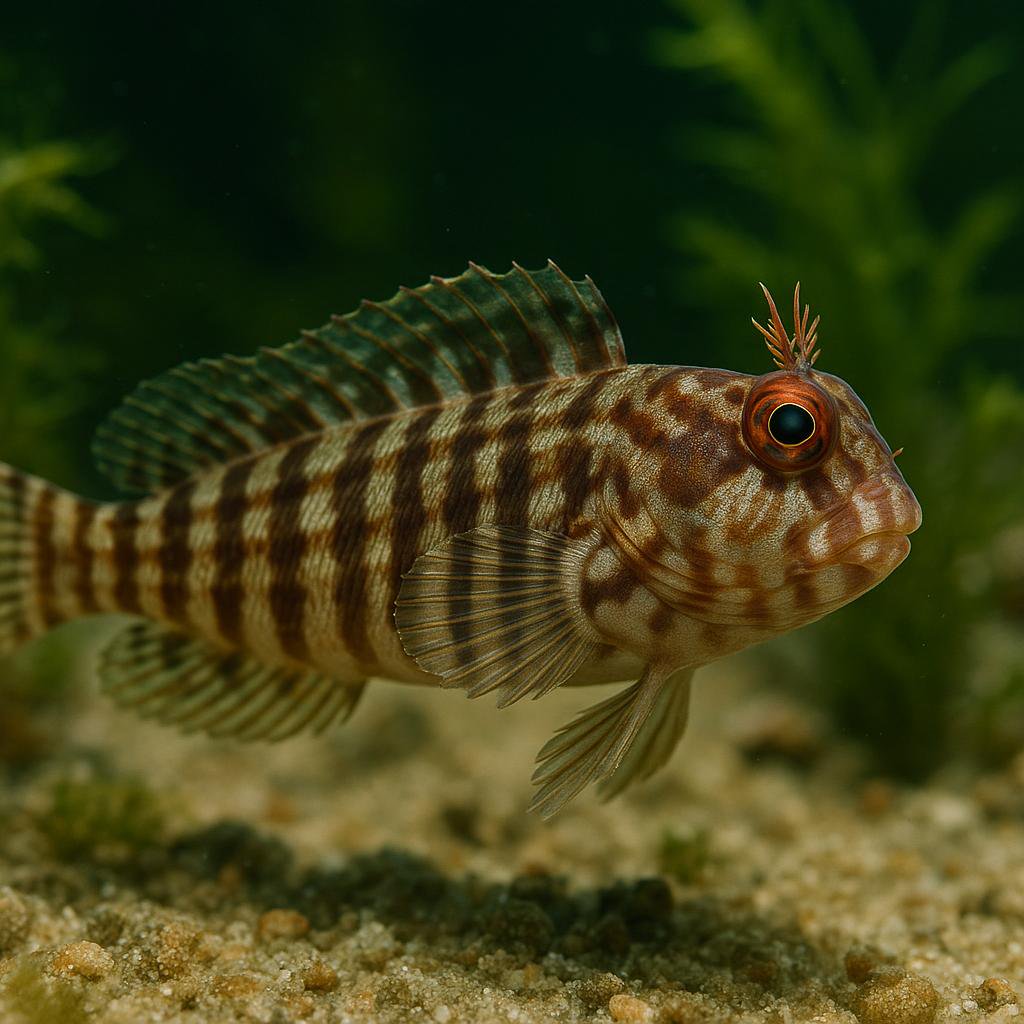
Hypsoblennius striatus
Hypsoblennius striatus (striated blenny) is a small combtooth blenny from the eastern-central Pacific (around Costa Rica and Panama). Like other blennies, it is associated with shallow rocky/reef habitats, and its eggs are demersal and adhesive, attached to the substrate.
Striped blenny
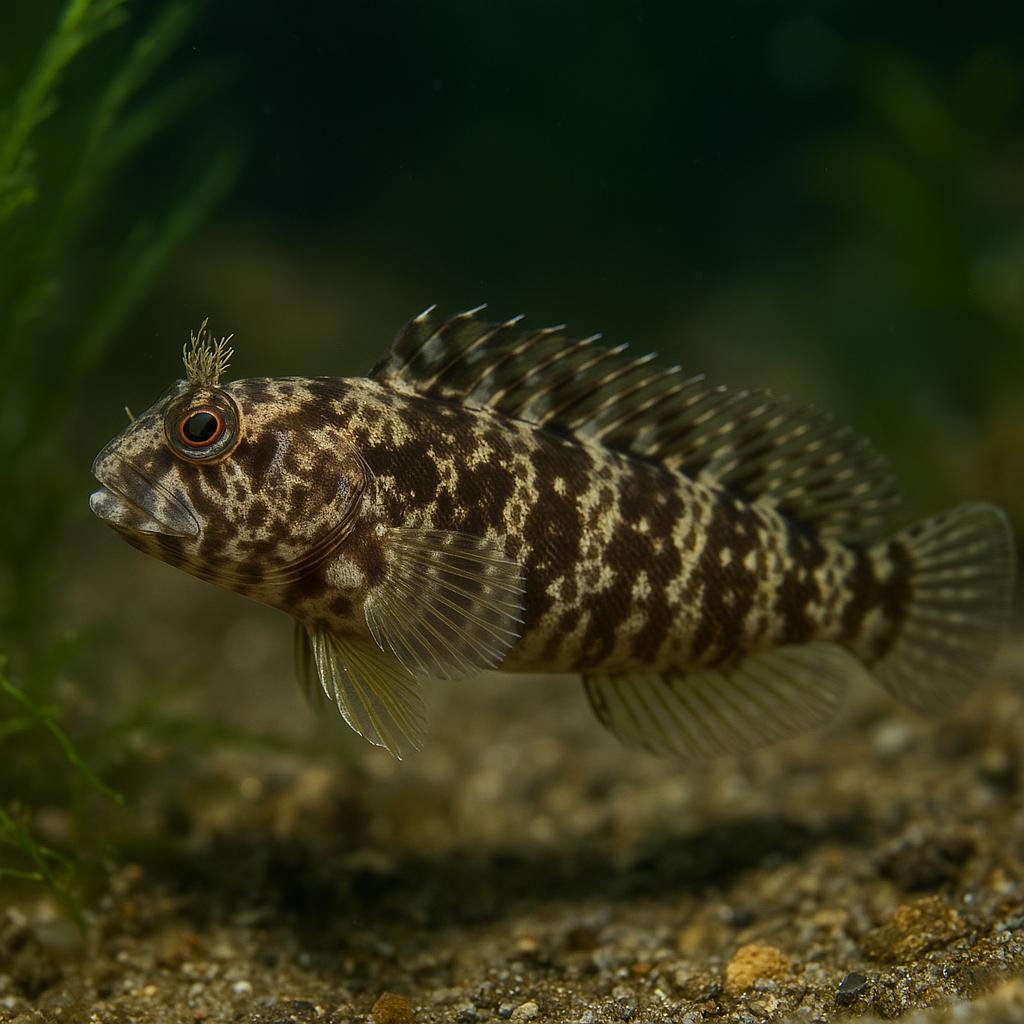
Chasmodes bosquianus
This is the little oyster-bed blenny from the US Atlantic coast - it hangs out on hard bottom and in shell rubble, peeking from crevices like a tiny grumpy bouncer. In an aquarium it tends to perch, dart, and investigate everything, and it can get pretty territorial if you try to cram it in tight with other blennies. The big “gotcha” is people treat it like a tropical reef blenny, but its natural temps run cool to mild and it shows up in brackish estuaries too.
Striped chub
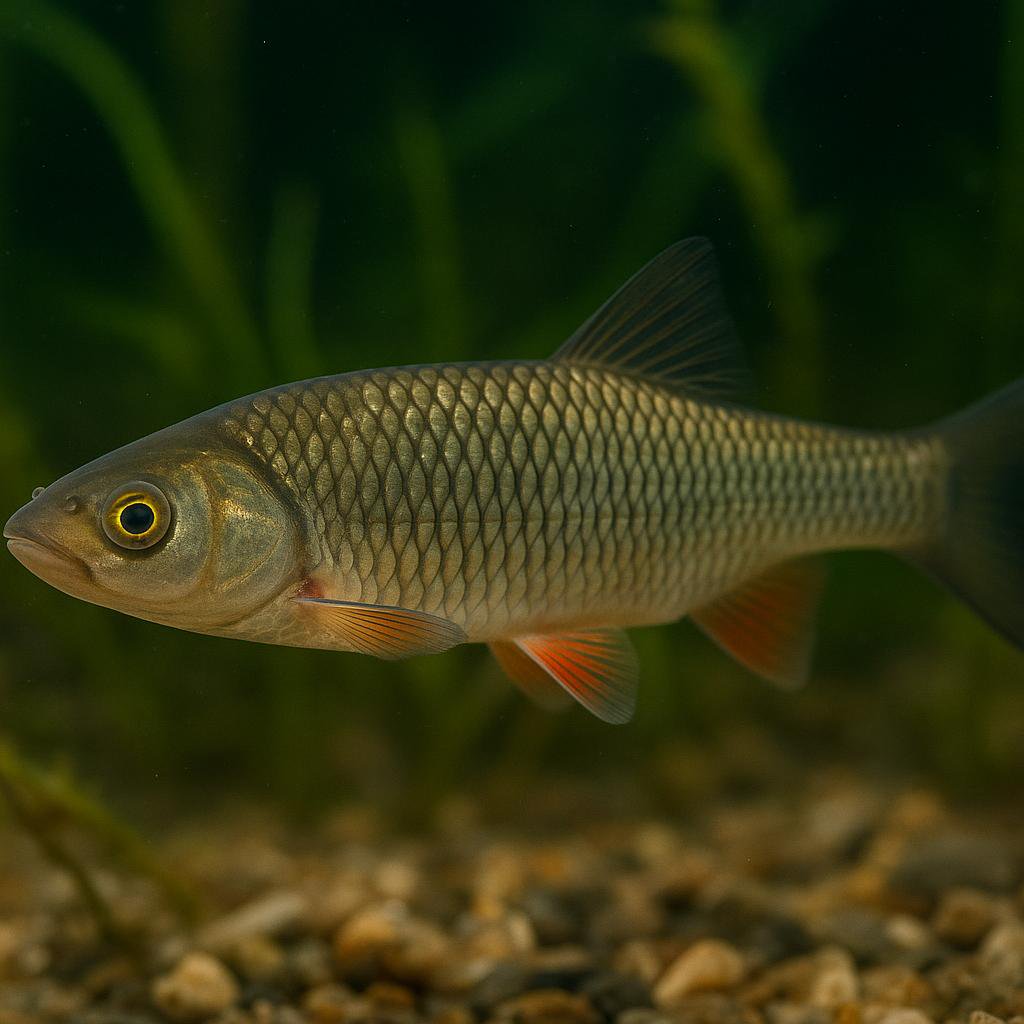
Squalius kottelati
This is a Turkish river chub that gets a pretty solid size and shows a bold dark stripe along the upper flank. Its natural home is flowing freshwater in the Orontes, Ceyhan, and Seyhan drainages, so think cool, oxygen-rich water and lots of swimming room.
Striped clingfish
Derilissus vittiger
This is a tiny little Western Atlantic clingfish that lives down on deeper reefs and clings to hard stuff with its belly suction disk. Its whole vibe is cryptic and hidey, more like a micro-predator you would spot while peering into reef rockwork than a fish that cruises around the tank. Honestly, it is super cool biologically, but it is not a realistic home-aquarium species for most people.
Striped goby
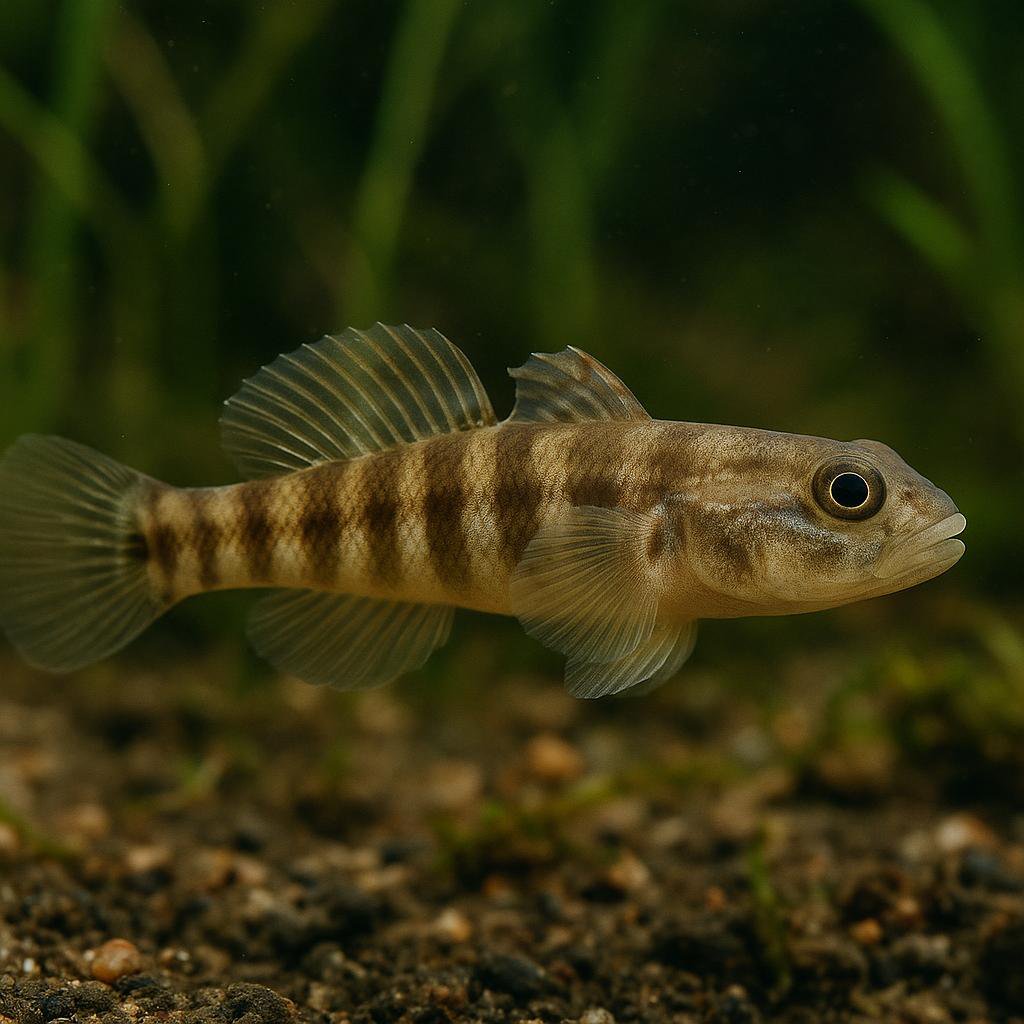
Gobius vittatus
A small Mediterranean marine goby found mainly on coralligenous/rocky bottoms (often ~15-50+ m), known for its pale body with a dark lateral stripe; it is shy and retreats quickly to crevices. In aquaria it is a cool-water Mediterranean species rather than a typical tropical reef goby.
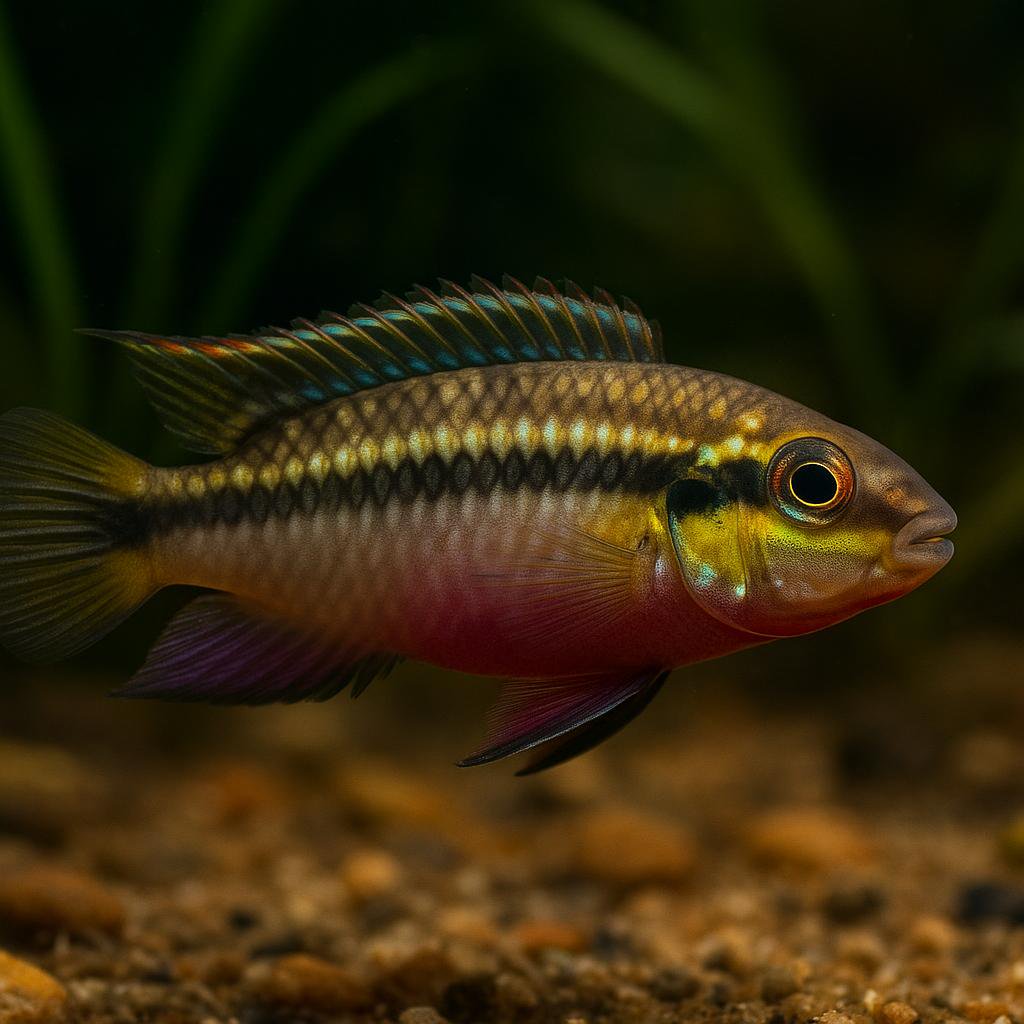
Striped Krib / Nigerian Red Krib
Pelvicachromis taeniatus
P. taeniatus is one of those West African dwarf cichlids that'll act totally chill most of the time, then flip the switch into "serious cave owner" the moment it wants to spawn. The fun part is the local color forms ("Nigeria Red", "Moliwe", etc.) and the pair-bonding-when they settle in, you really get to watch a little cichlid soap opera play out around their cave.
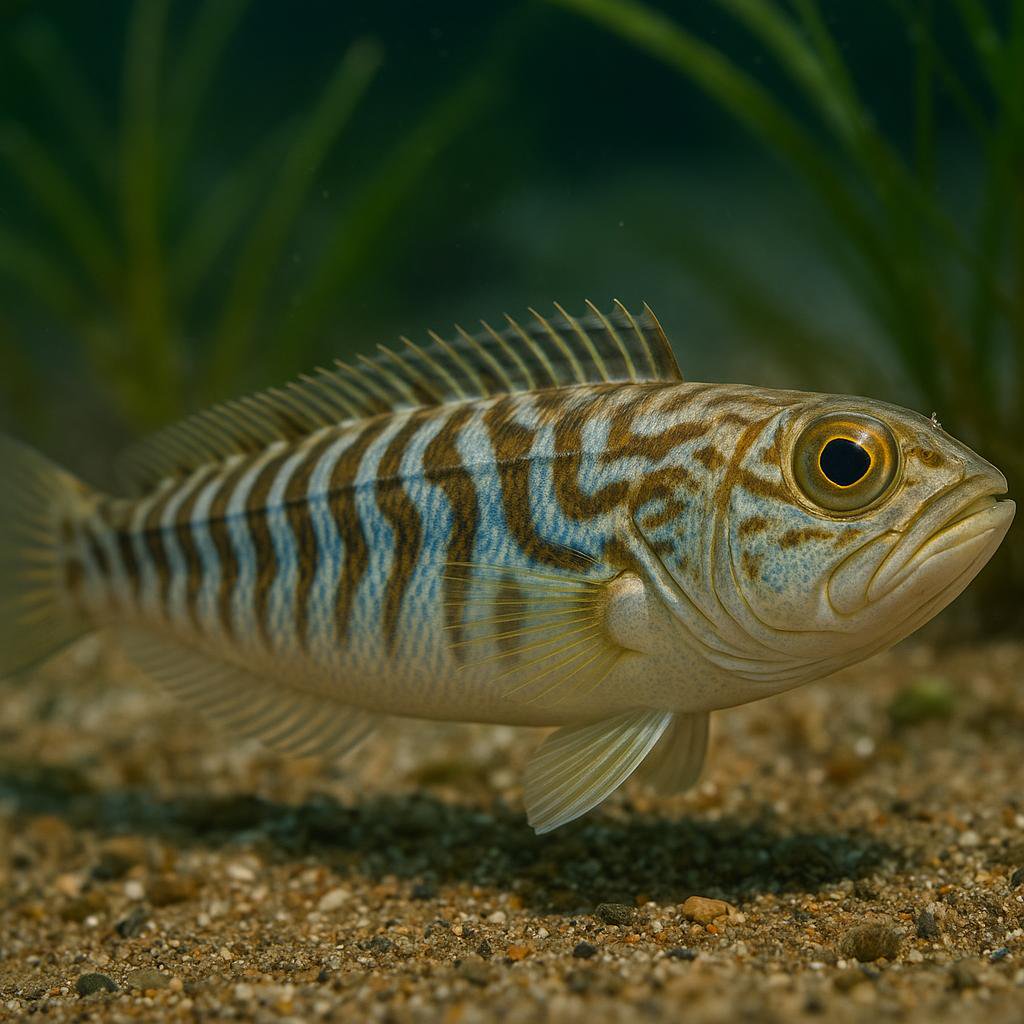
Striped weever
Trachinus lineolatus
Trachinus lineolatus (striped weever) is a small marine demersal weeverfish from the eastern Atlantic off West Africa, reaching about 15 cm. Like other weevers (Trachinidae), it has venom-associated spines (first dorsal and opercular) that can inflict very painful stings; extreme caution is required if handled.
Stripe-face Calamiana
Eugnathogobius mindora
This is a teeny-tiny estuary goby that hangs out on the bottom in mangrove and tidal creek habitats. Its little striped face and speckly fins are the main "wow" factor, but the real charm is watching it perch and scoot around like a mini dragon. Not something you see in the aquarium trade much, and it is easy to mis-ID as other small brackish gobies.
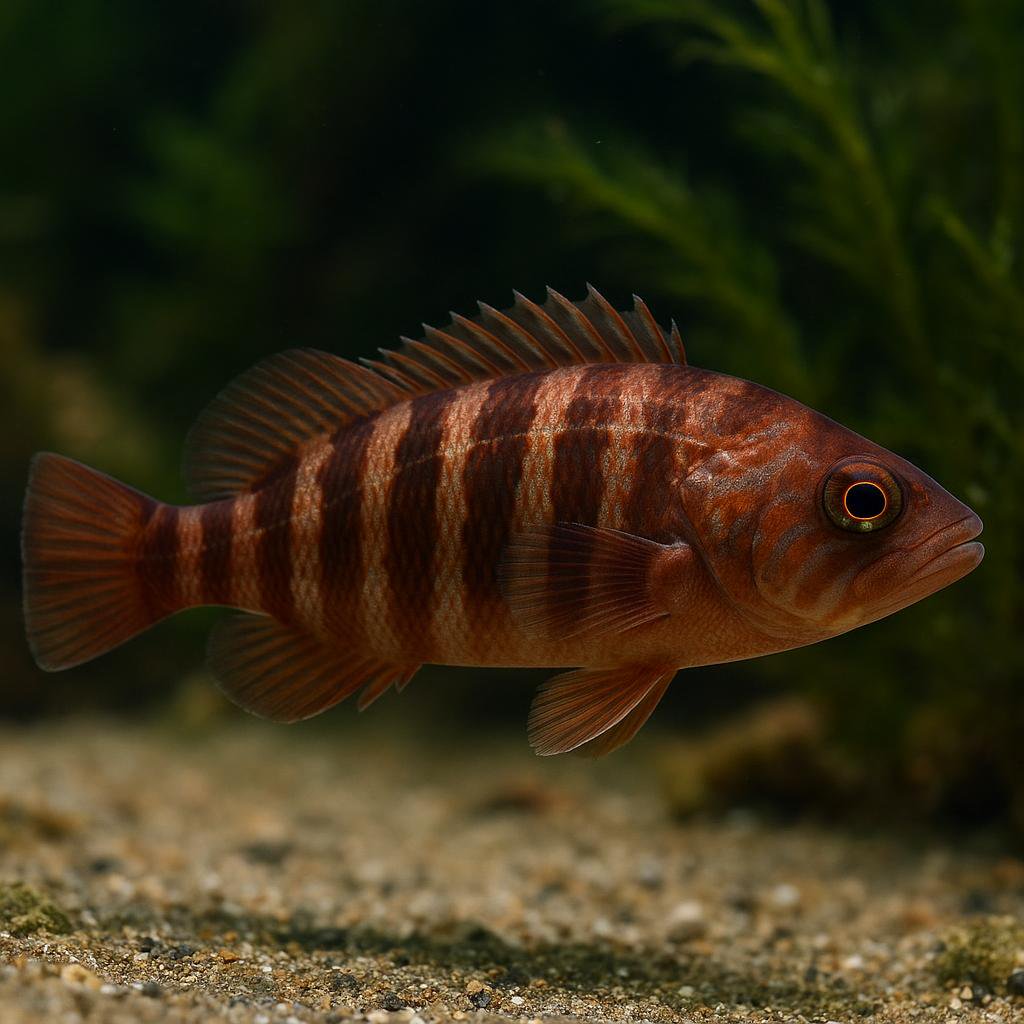
Stripefin ronquil
Rathbunella hypoplecta
This is a little bottom-hugging California coast fish that hangs around rocky and sandy spots and spends a lot of time tucked into structure. It eats small invertebrates and the male actually guards the eggs, which is pretty cool if you are into fish with real parenting behavior.
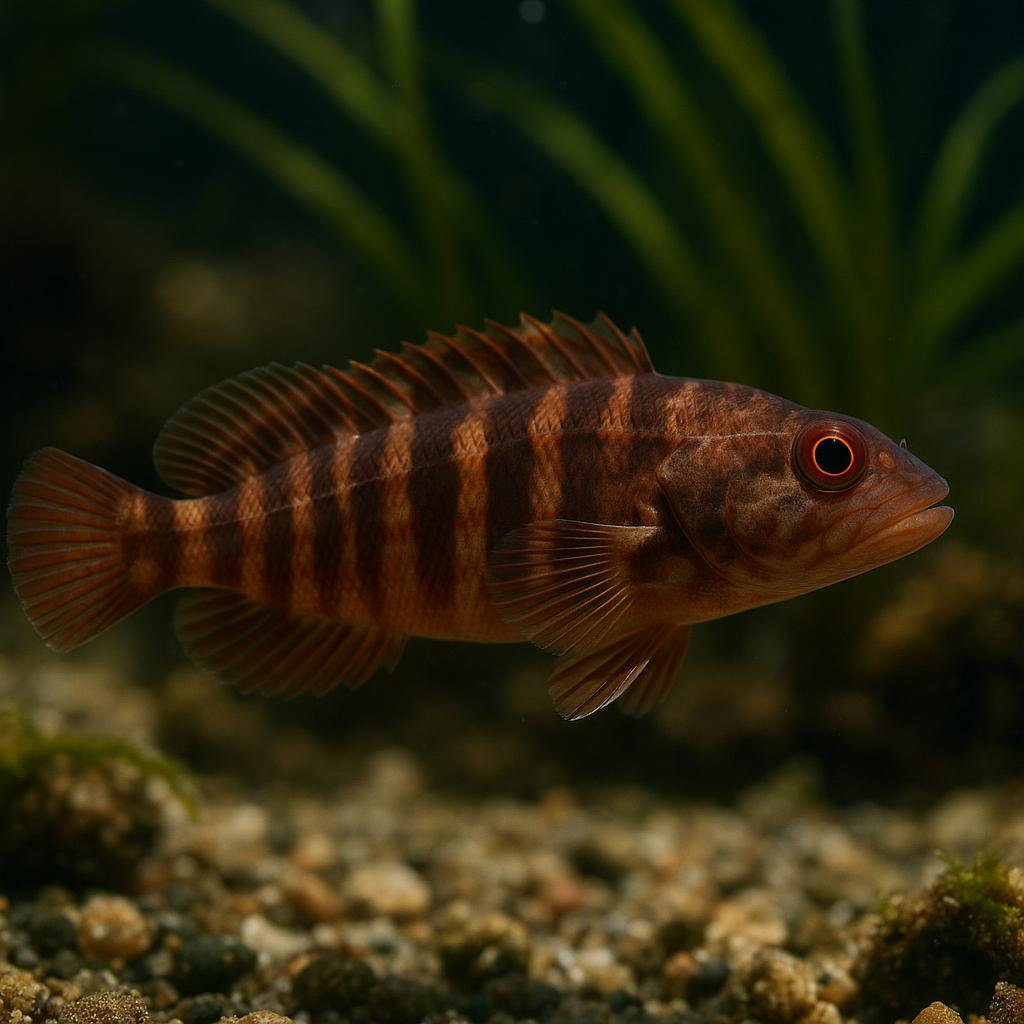
Stripefin ronquil
Rathbunella alleni
Rathbunella alleni is a little bottom-hugging coastal marine fish from California down into Baja, the kind that spends its time tucked around structure and cruising the seafloor. Its claim to fame is that slick blue stripe running along the anal fin (especially noticeable on males), plus that blenny-ish, prickleback vibe that makes it look like it belongs in a tidepool documentary.
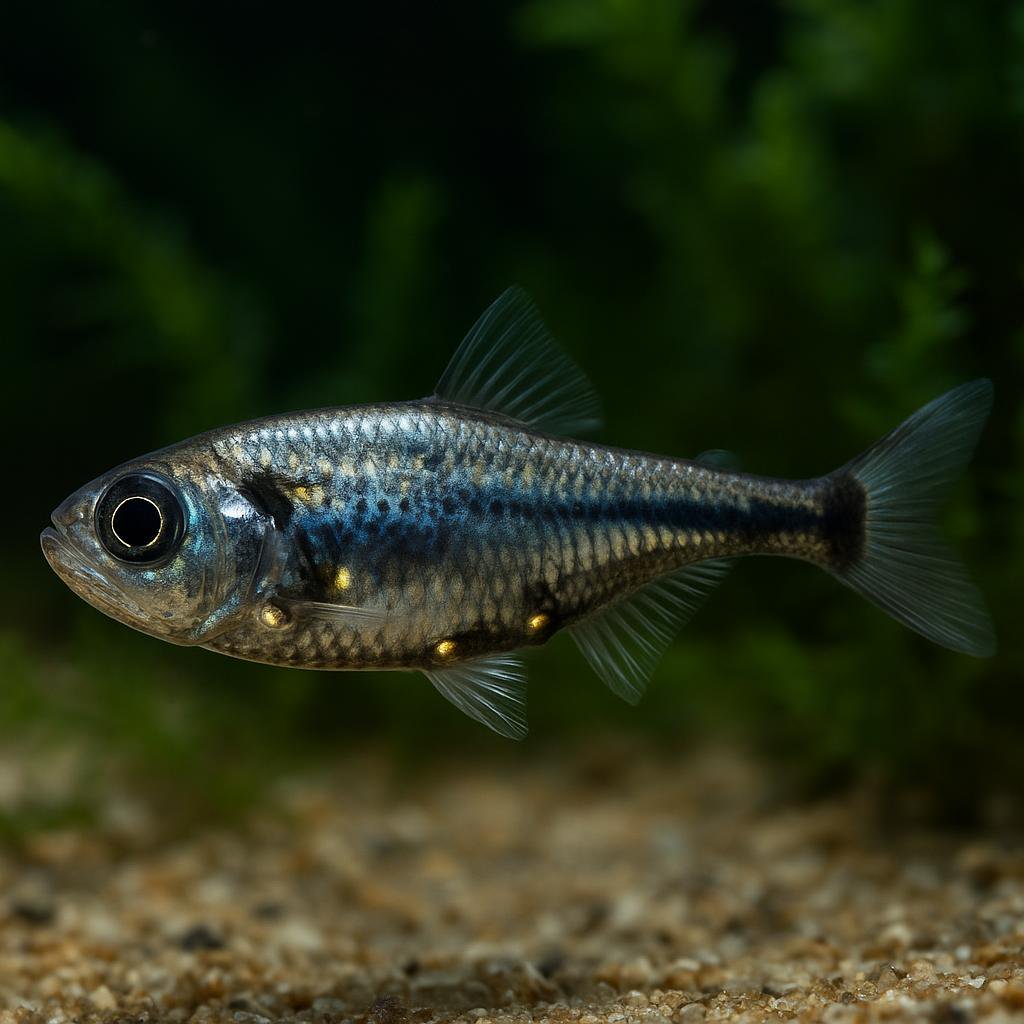
Suborbital lanternfish
Diaphus suborbitalis
This is a little deep-sea lanternfish from the Indo-West Pacific that spends its life way down in the dark and uses photophores (light organs) like a built-in nightlight. It tops out around 7.3 cm standard length and is a true pelagic ocean fish, not something you will realistically see in the aquarium trade.
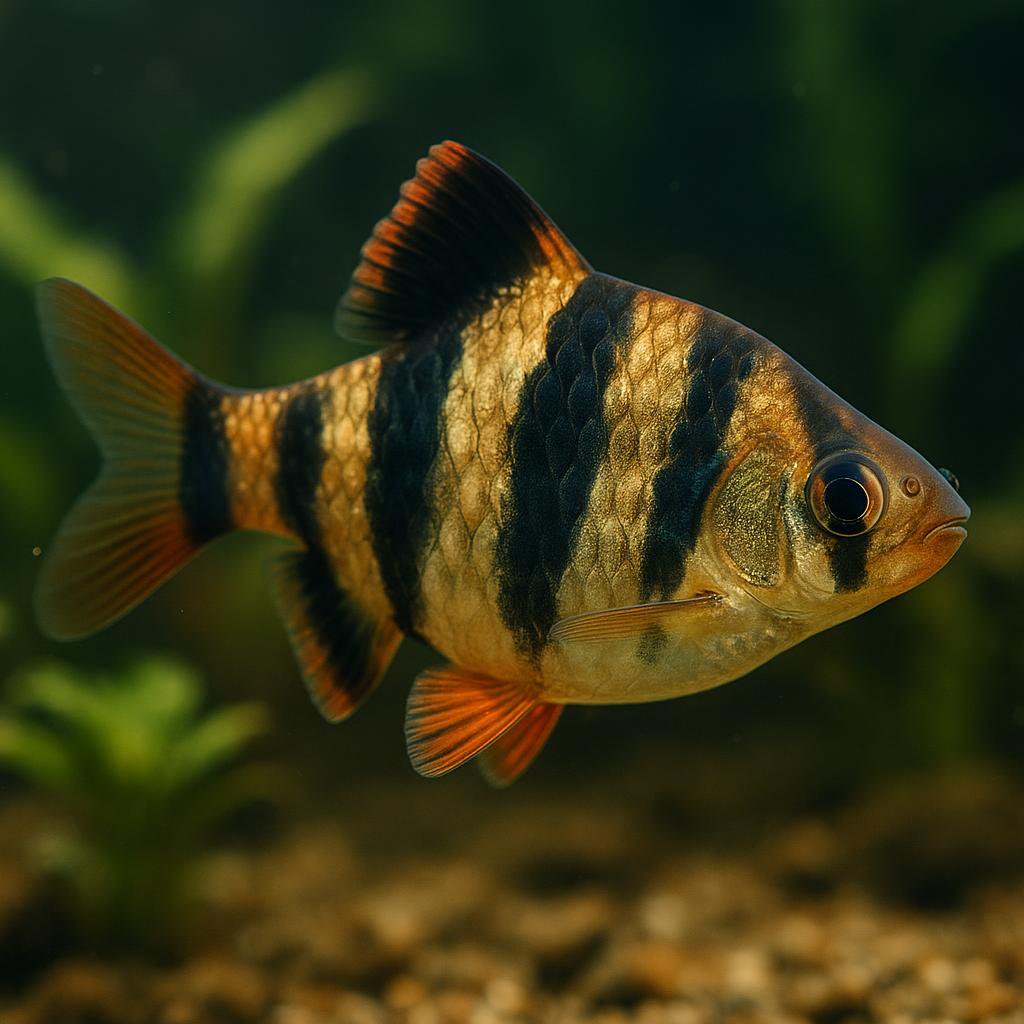
Sumatra barb (Tiger barb)
Puntigrus tetrazona
Tiger barbs are little chaos nuggets in the best way-super active, always zipping around, and they look awesome with those four bold black bars and orange fins. The big trick is keeping them in a proper-sized group so they roughhouse with each other instead of shredding a slow, long-finned tank mate's fins.
Sunda viviparous brotula
Ungusurculus sundaensis
This is a tiny little reef-dwelling brotula that lives tucked into cracks and crevices in very shallow water. The wild thing about these guys is they are livebearers (viviparous), which is pretty unusual among marine fishes, and they tend to be super cryptic and solitary.
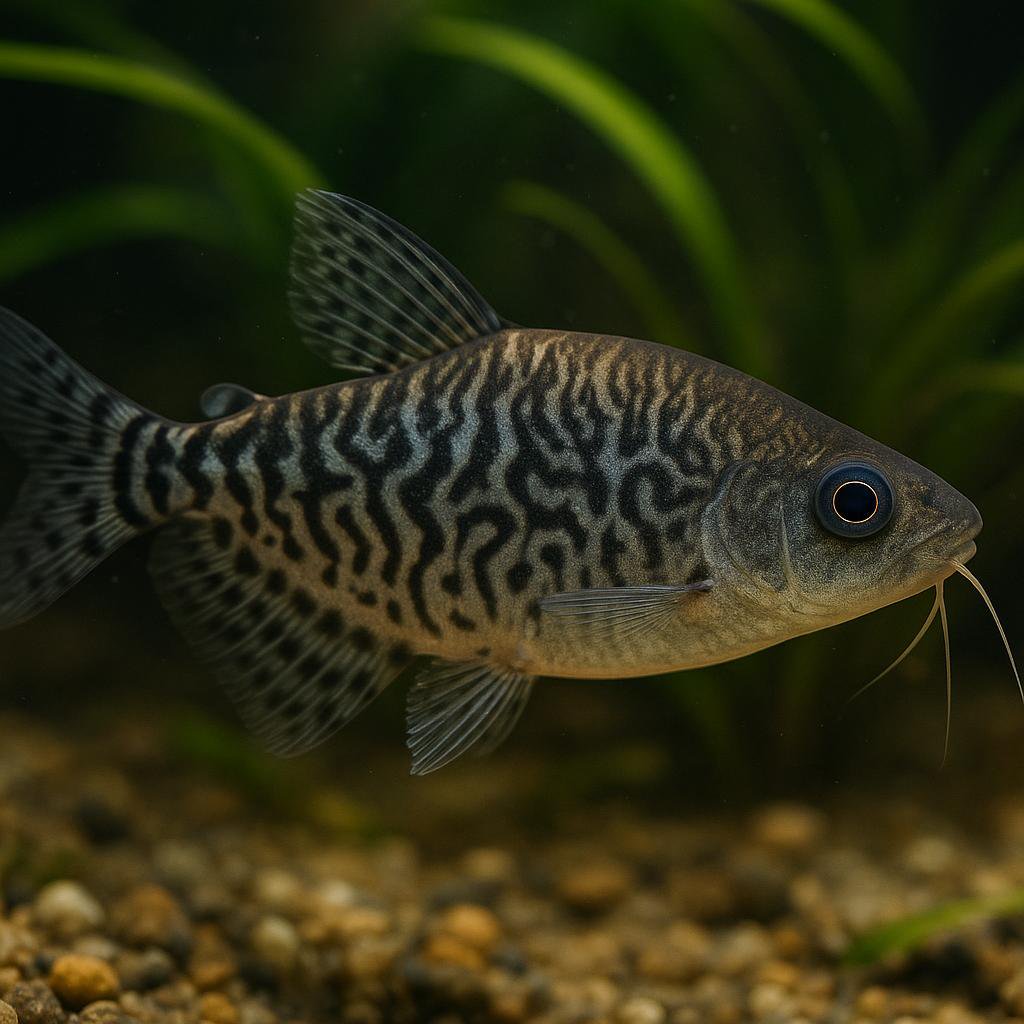
Sundolyra catfish
Sundolyra latebrosa
This is a super obscure little bagrid catfish from northwestern Sumatra, and its whole vibe is "hidden" - the species name latebrosa literally points at how cryptic and rarely seen it is. In the wild it is known from a very limited drainage, and in the hobby it is basically unicorn-level rare, so most "care" advice you see online is going to be educated guesswork rather than proven aquarium experience.
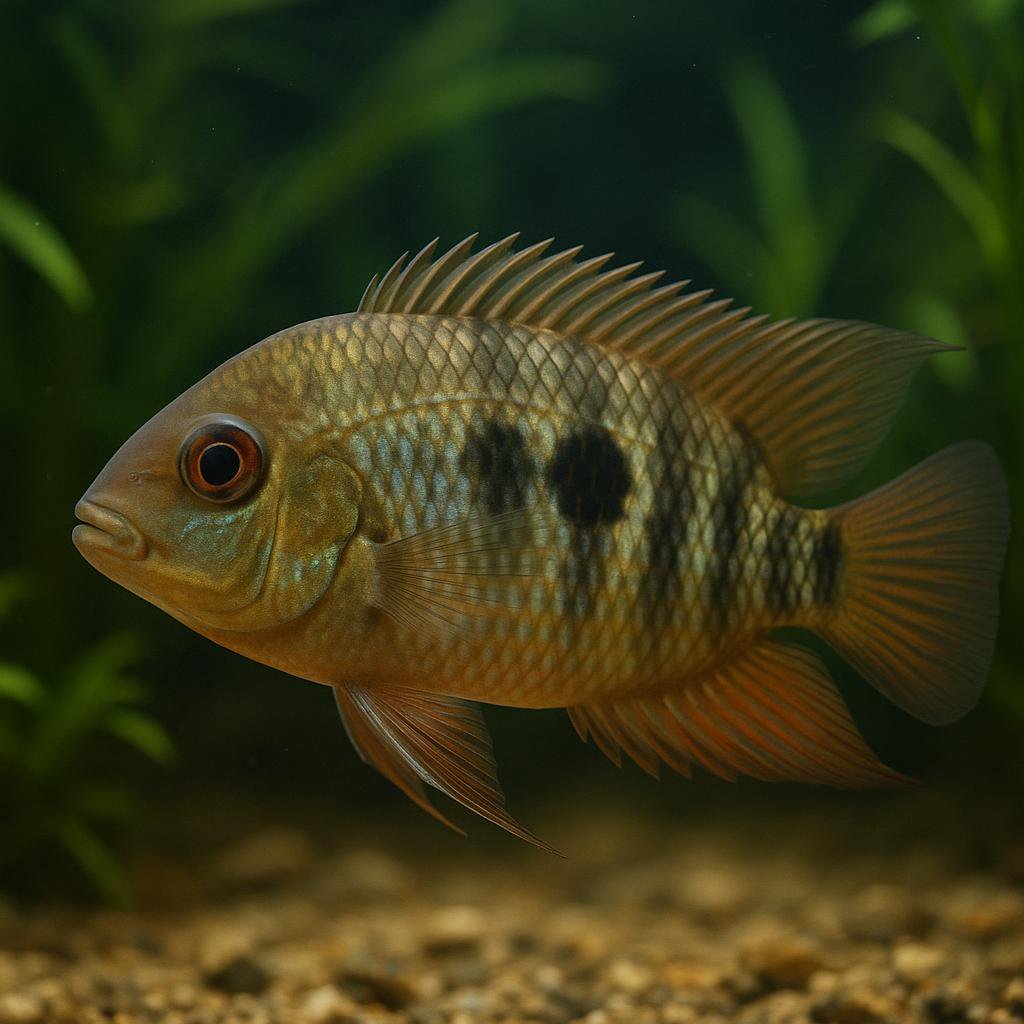
Super Orange Aequidens
Aequidens superomaculatum
This is a small South American Aequidens from the upper Orinoco and Rio Negro area, and it stays way more compact than the big bruiser acaras people usually think of. The cool bit is that it has some really interesting breeding behavior reported in captivity - it will spawn on a surface, then move the wrigglers into the mouth for care, which is just wild to watch if you ever get a pair going.
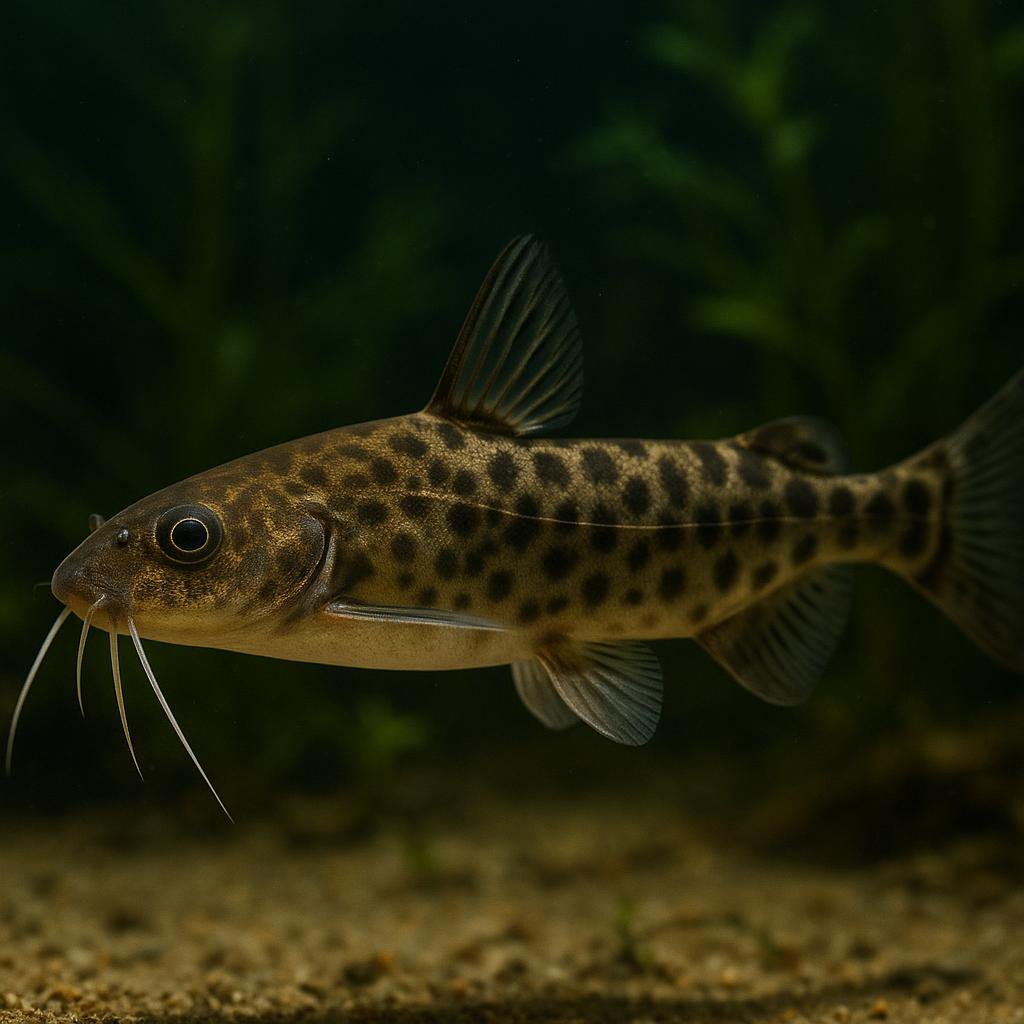
Syi mandi catfish
Iheringichthys syi
Iheringichthys syi is a medium-sized pimelodid catfish from the upper Rio Parana in Brazil. Its body pattern is more of a fine, scattered spotting (especially toward the front half), and it has those classic pimelodid whiskers plus a chunky, fleshy-lipped mouth that hints at a bottom-feeding lifestyle. This one is basically a wild river catfish rather than an "aquarium species," so most of what we know is from scientific collection data, not hobby care guides.