

Fish That Start With S - Page 5 of 6
Browse all aquarium fish species with common names beginning with "S". Each profile includes care requirements, water parameters, tank size recommendations, and compatibility information for freshwater, marine, and brackish species.
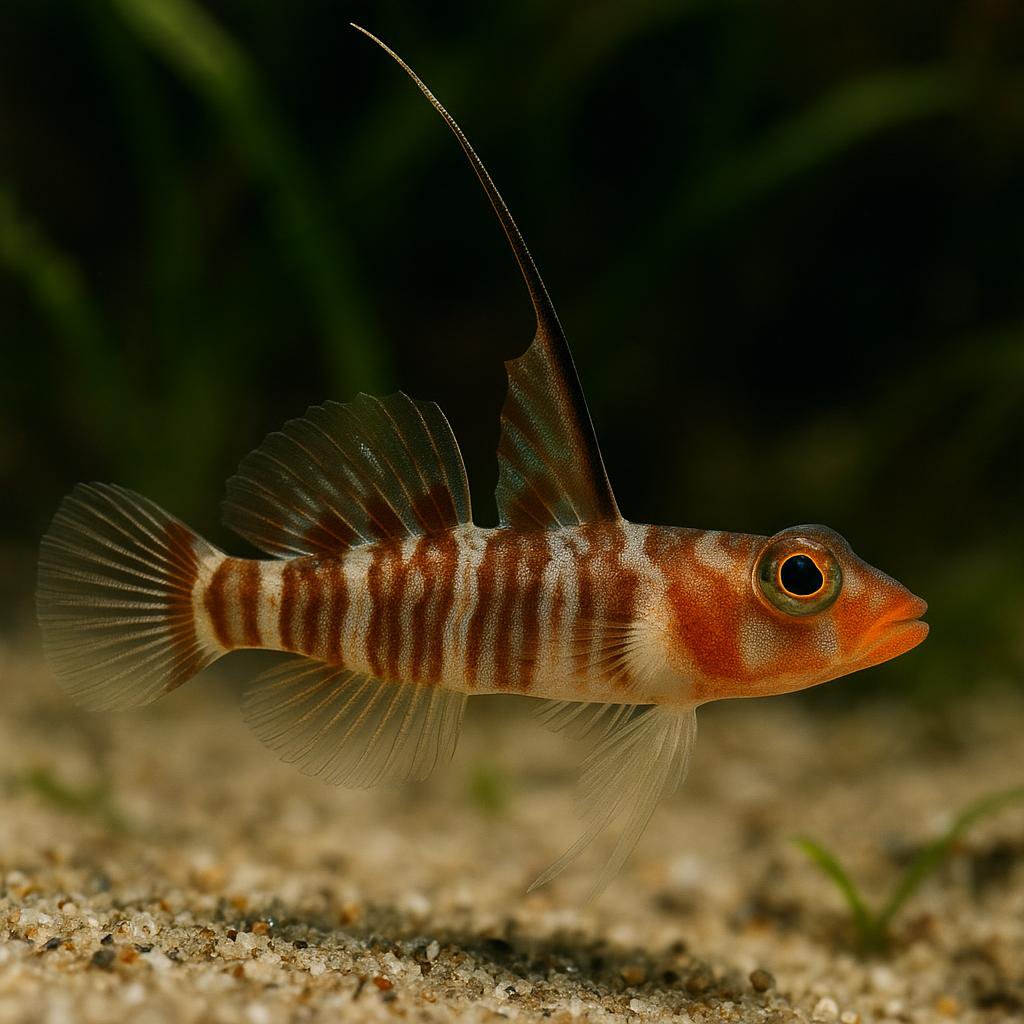
Spikefin goby
Discordipinna griessingeri
This is that tiny little reef goby with the crazy tall first dorsal spines and orange striping that makes it look like a living piece of candy. It spends a lot of time tucked into coral rubble and little crevices, then darts out to grab food, so giving it real hiding spots is the whole game. Also, it gets mixed up in the trade with the wrong name sometimes, so its worth double-checking the label before you buy.
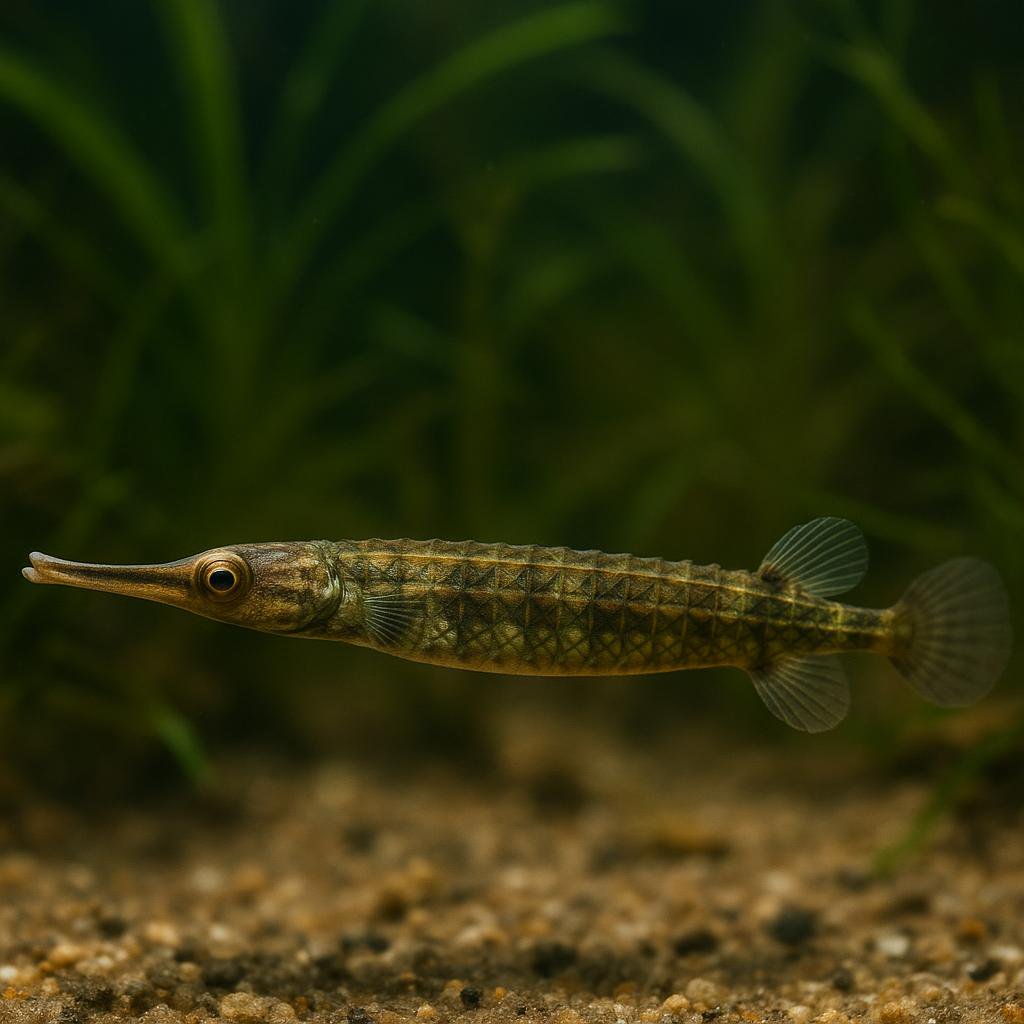
Spinach pipefish
Microphis spinachioides
This is a freshwater pipefish from Papua New Guinea - basically a tiny river cousin of seahorses with that stiff, armored "stick" body and a little tube snout for picking off micro-crustaceans. The really wild part is the males brood the eggs, and the species is so rarely seen in the wild that a lot of info we normally lean on for aquarium care just straight-up is not documented.
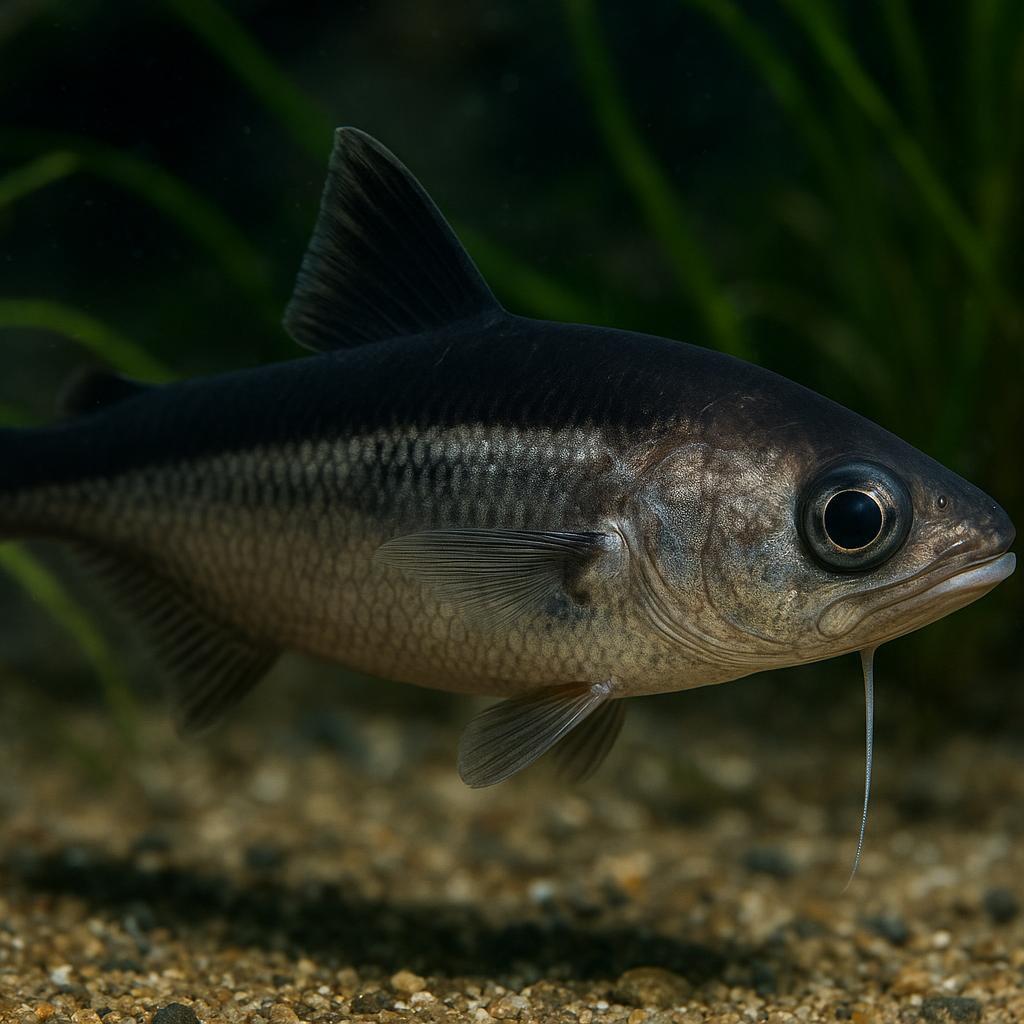
Spinaker grenadier
Ventrifossa nigrodorsalis
This is a deep-sea rattail (grenadier) from the continental slope - long, tapering body, chin barbel, and that cool dark blotch on the first dorsal fin. Its natural home is hundreds of meters down, so its needs are basically the opposite of a typical home aquarium: cold, dark, very high pressure habitat, and a life built around picking off fish and squid in the deep.
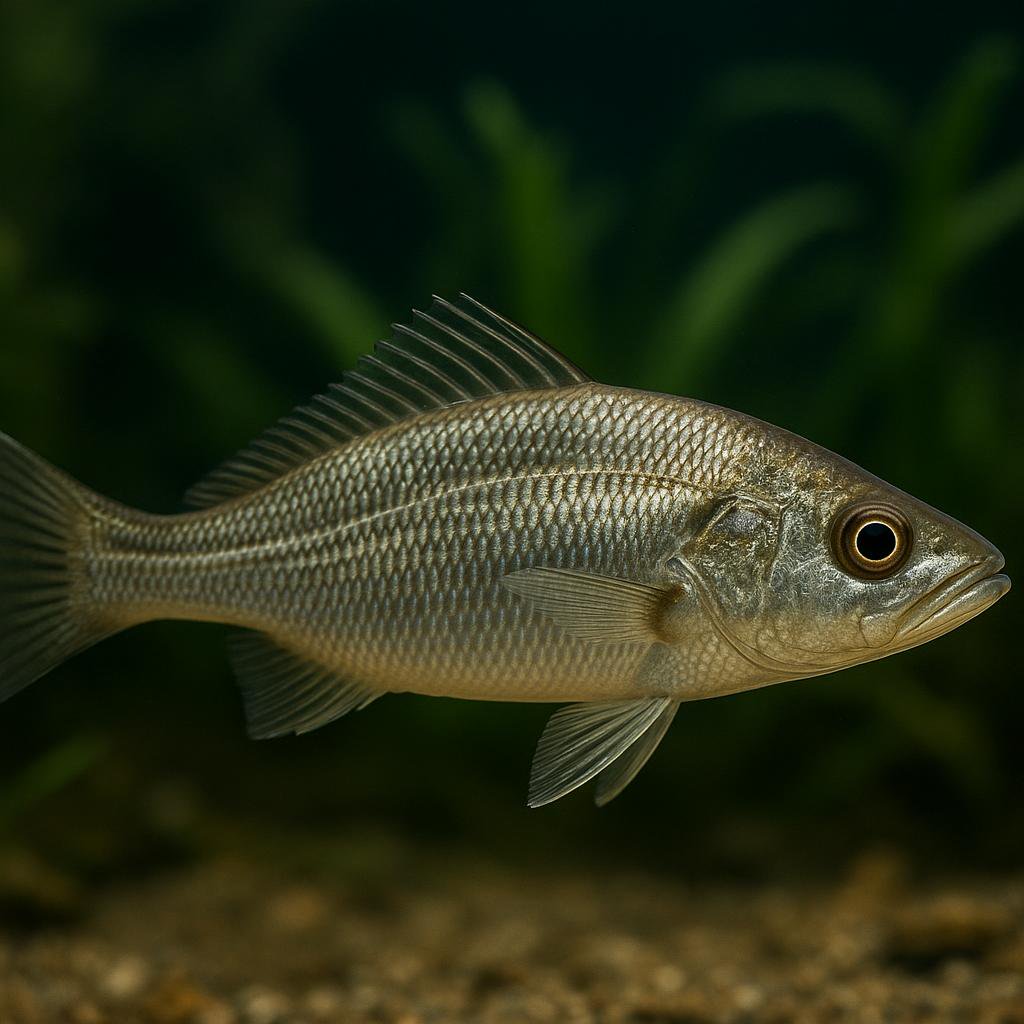
Spindle croaker
Johnius elongatus
Johnius elongatus (Spindle croaker) is a marine, demersal sciaenid from inshore waters of the western Indian Ocean (west coast of India and Sri Lanka), reported to feed on benthic worms and crustaceans; it is primarily a fisheries/food fish rather than a common aquarium species.
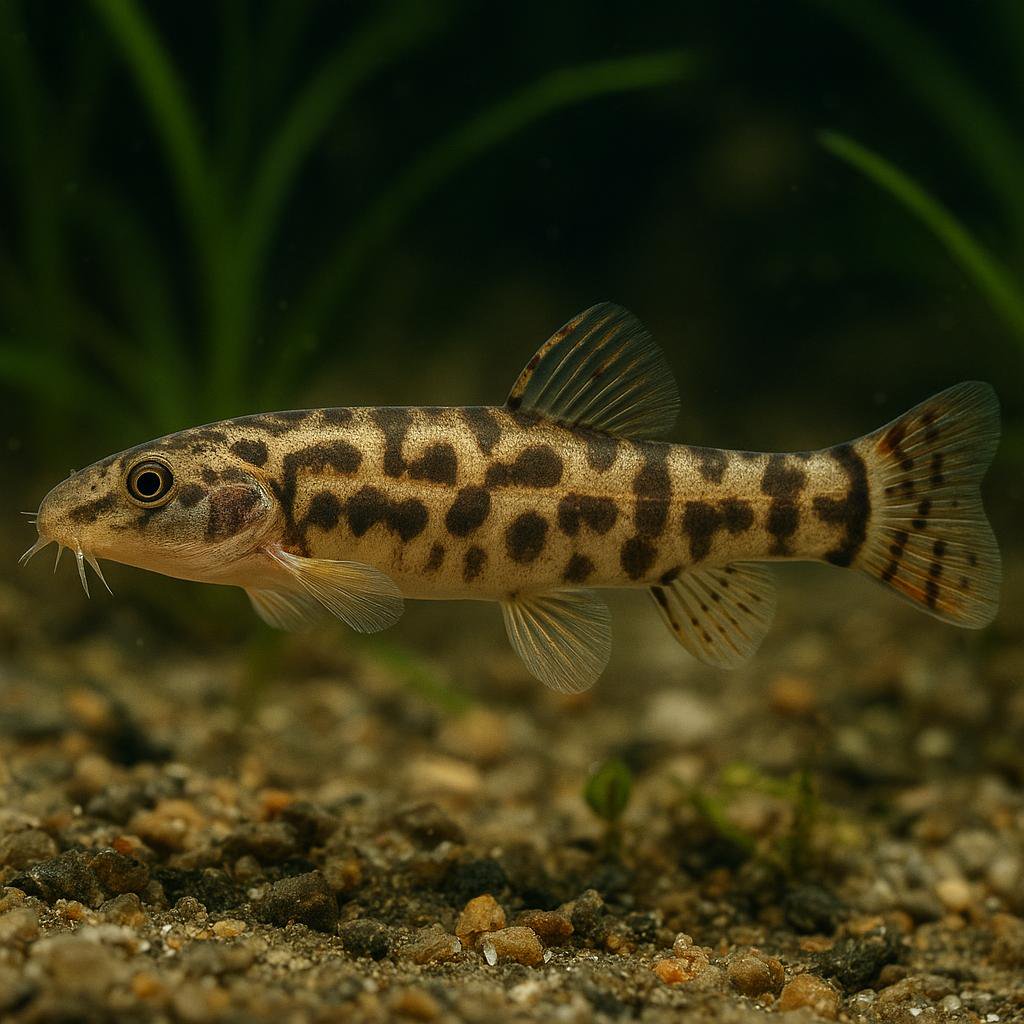
Spindle Yunnan loach
Yunnanilus elakatis
Yunnanilus elakatis is a nemacheilid (stone loach) endemic to Yunnan, China (type locality: Yiliang County). Aquarium-specific husbandry data for this exact species is scarce in major references; when kept, it should be maintained like other small stream-associated stone loaches: high water quality, good oxygenation, and a fine, smooth substrate with cover.
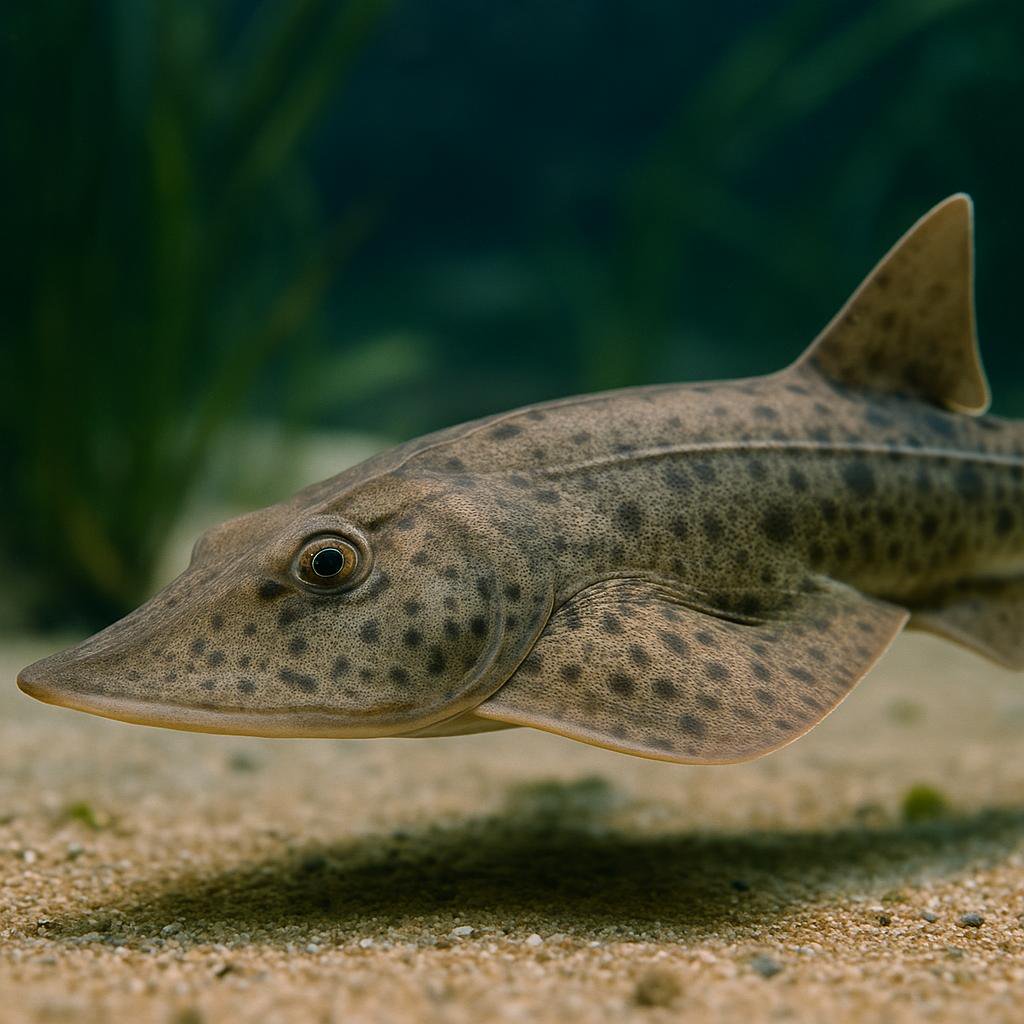
Spineback guitarfish
Rhinobatos irvinei
Rhinobatos irvinei is a saltwater guitarfish from the eastern Atlantic coast of Africa - basically a shark-ray mashup that cruises sandy bottoms and snuffles out crustaceans. It stays fairly "inshore" as rays go, gives live birth to a tiny litter (1-3 pups), and its low reproduction rate is a big part of why its conservation status is so serious. Not really an aquarium species unless you're talking public-aquarium-scale systems.
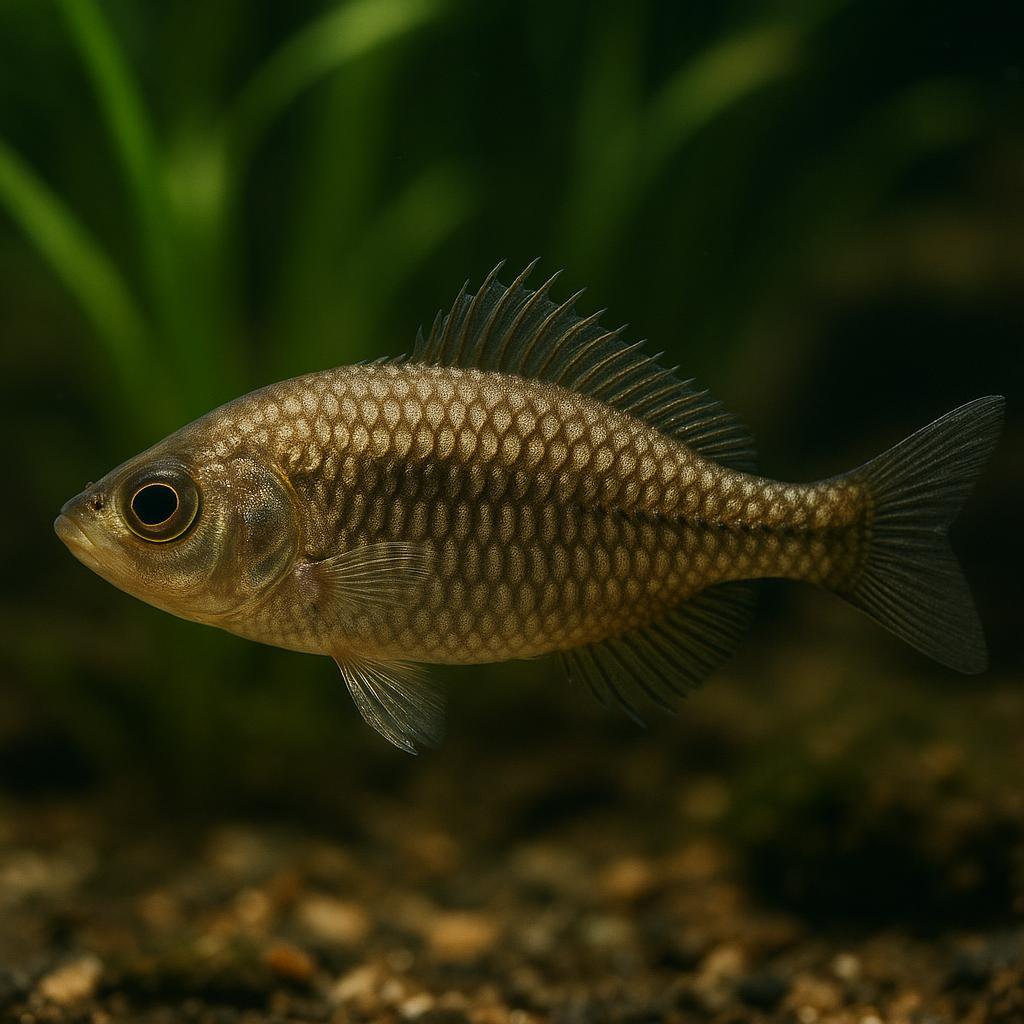
Spiny lanternfish
Dasyscopelus spinosus
This is a small oceanic lanternfish (family Myctophidae) found in tropical and subtropical waters of the Atlantic, Indian, and Pacific oceans. It is high-oceanic and mesopelagic/bathypelagic, becoming near-surface at night (nyctoepipelagic). Adults reach about 9 cm standard length and have spined ctenoid scales at the anal-fin base.
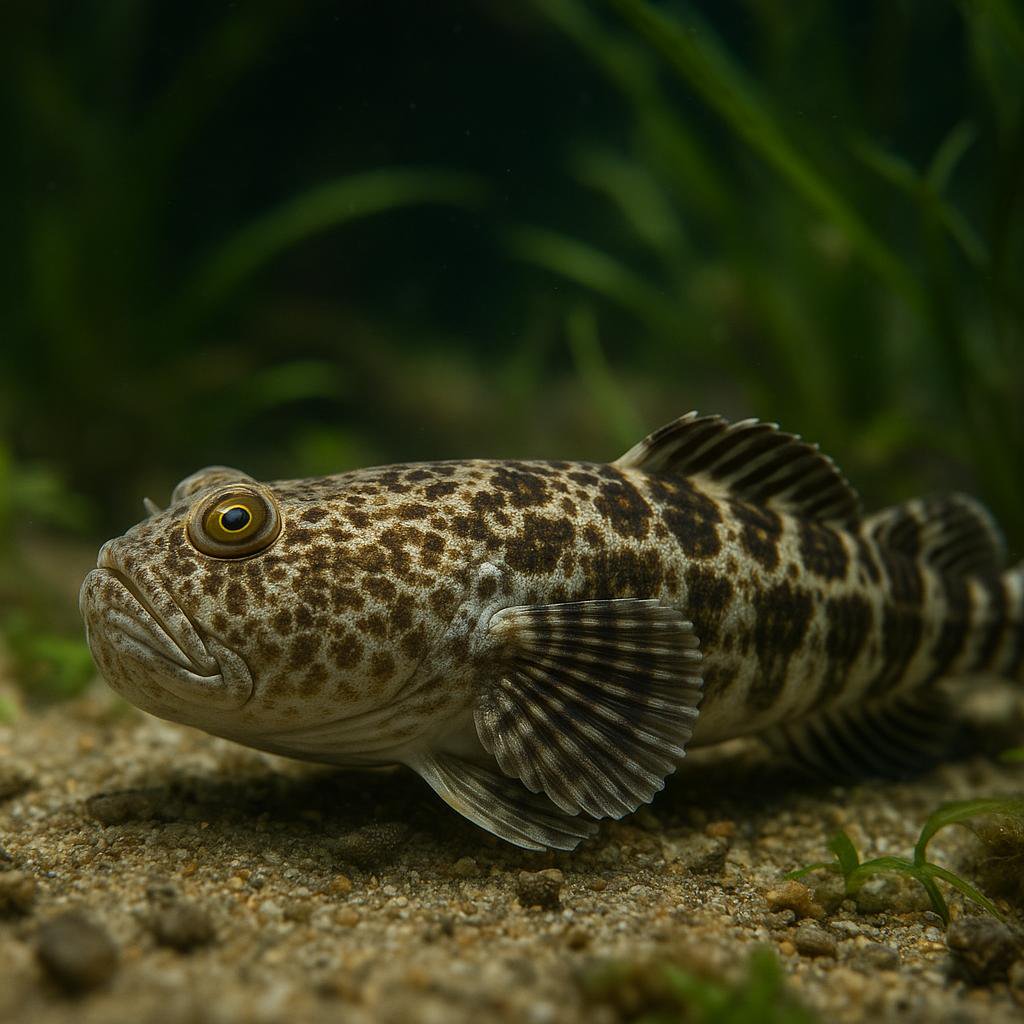
Spiny stargazer
Kathetostoma cubanum
This is a deepwater, bottom-hugging stargazer from the western central Atlantic that likes to sit on soft bottoms and ambush prey. Its eyes sit up on top of the head and its mouth points upward - classic stargazer vibes. Also worth knowing: sources note a venomous spine near the operculum, so this is absolutely a look-dont-touch kind of fish.
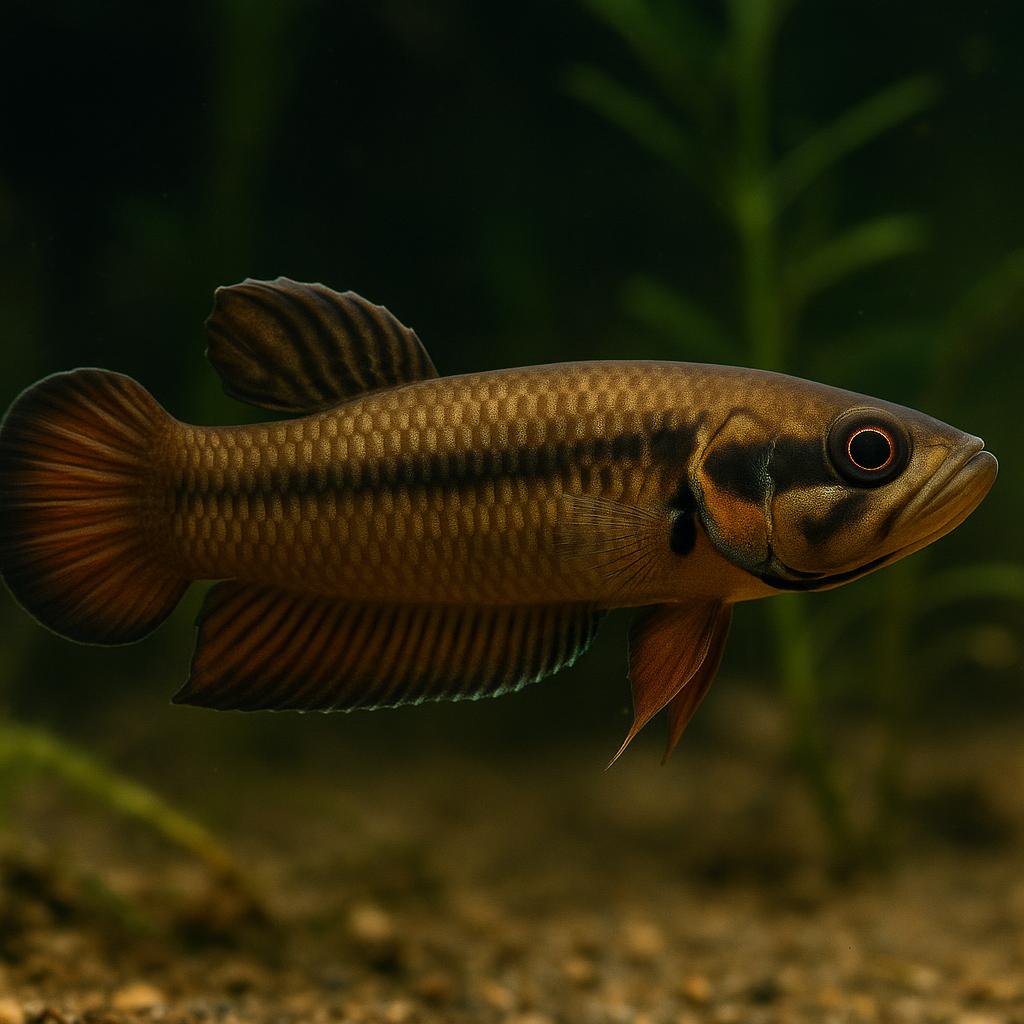
Spotfin betta
Betta macrostoma
This is the famous "Brunei beauty" wild betta - a chunky, orange-red fish with an awesome little eyespot on the dorsal fin and a big attitude-free personality (until you put two males together). The really cool part is breeding: the male is a paternal mouthbrooder, and the pair does that weird "kiss" egg transfer behavior people geek out over.
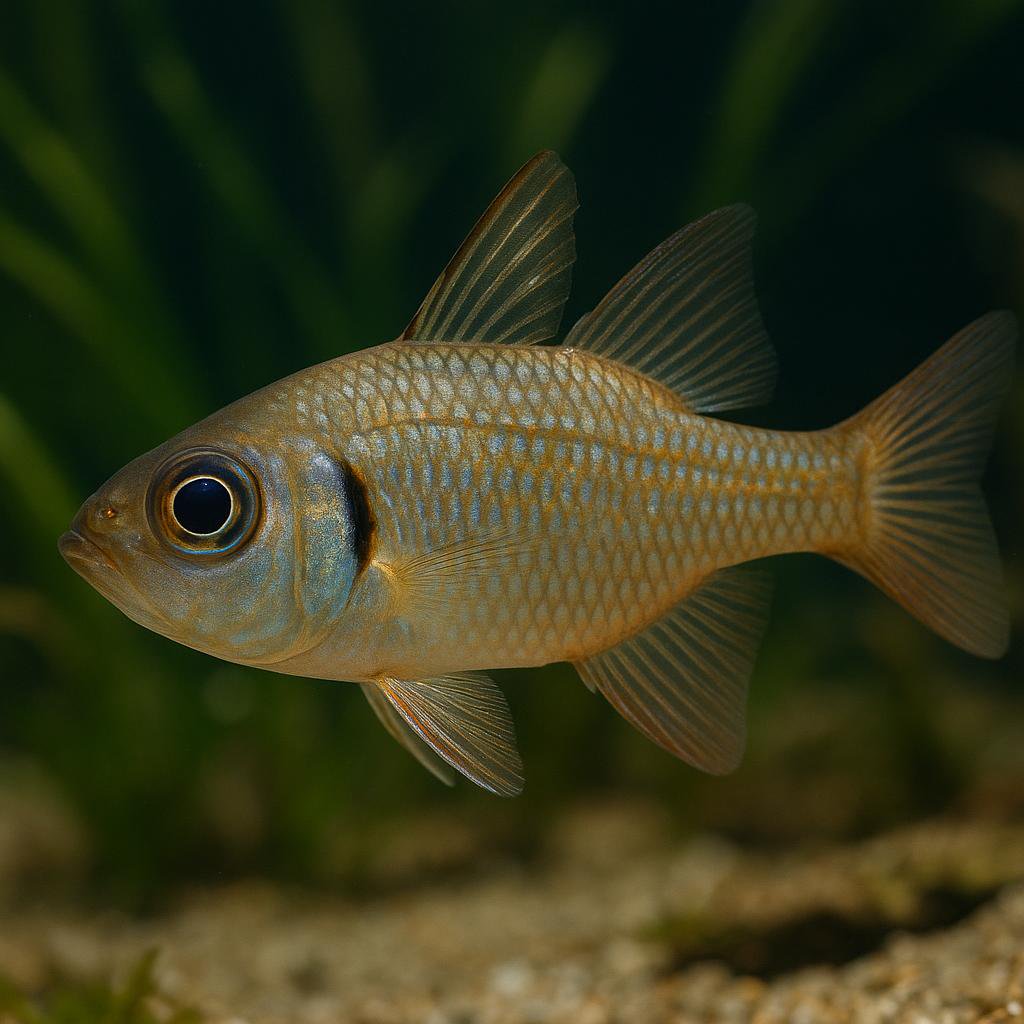
Spotfin cardinal
Jaydia queketti
This is a small marine cardinalfish from the western Indian Ocean with a really recognizable black eyespot on the first dorsal fin and a pattern of brownish spots that line up into messy stripes. It is a nocturnal zooplankton feeder that hides in rocky areas by day, then comes out after lights-out, and males mouthbrood the eggs.
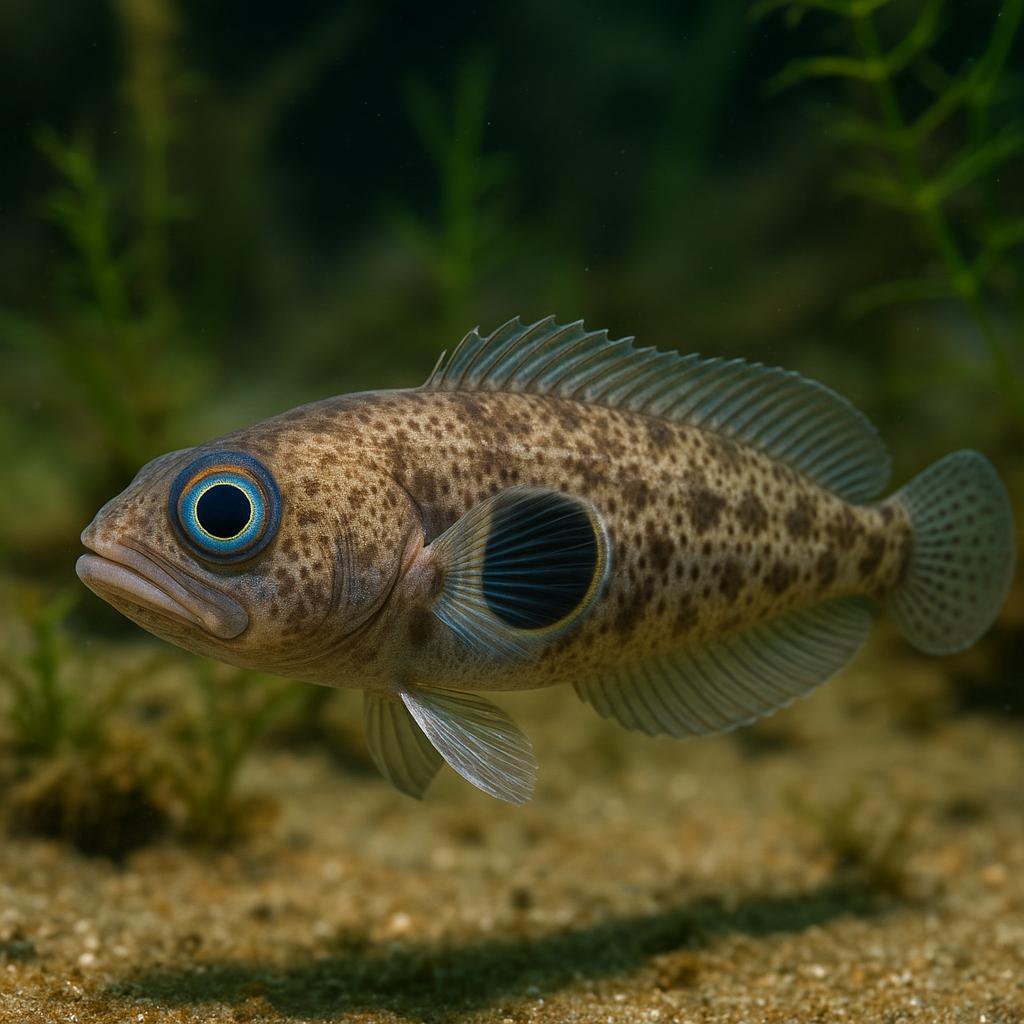
Spotfin cusk
Neobythites macrops
Neobythites macrops is a deep-slope cusk-eel from the Indo-West Pacific that hangs out way down on the shelf and upper slope. It is one of those long, eel-ish bottom fish with little eyespots (ocelli) on the dorsal fin - cool camouflage/decoy stuff for life in dim water. Not really an aquarium fish in any normal sense, since it is a true deepwater marine species.
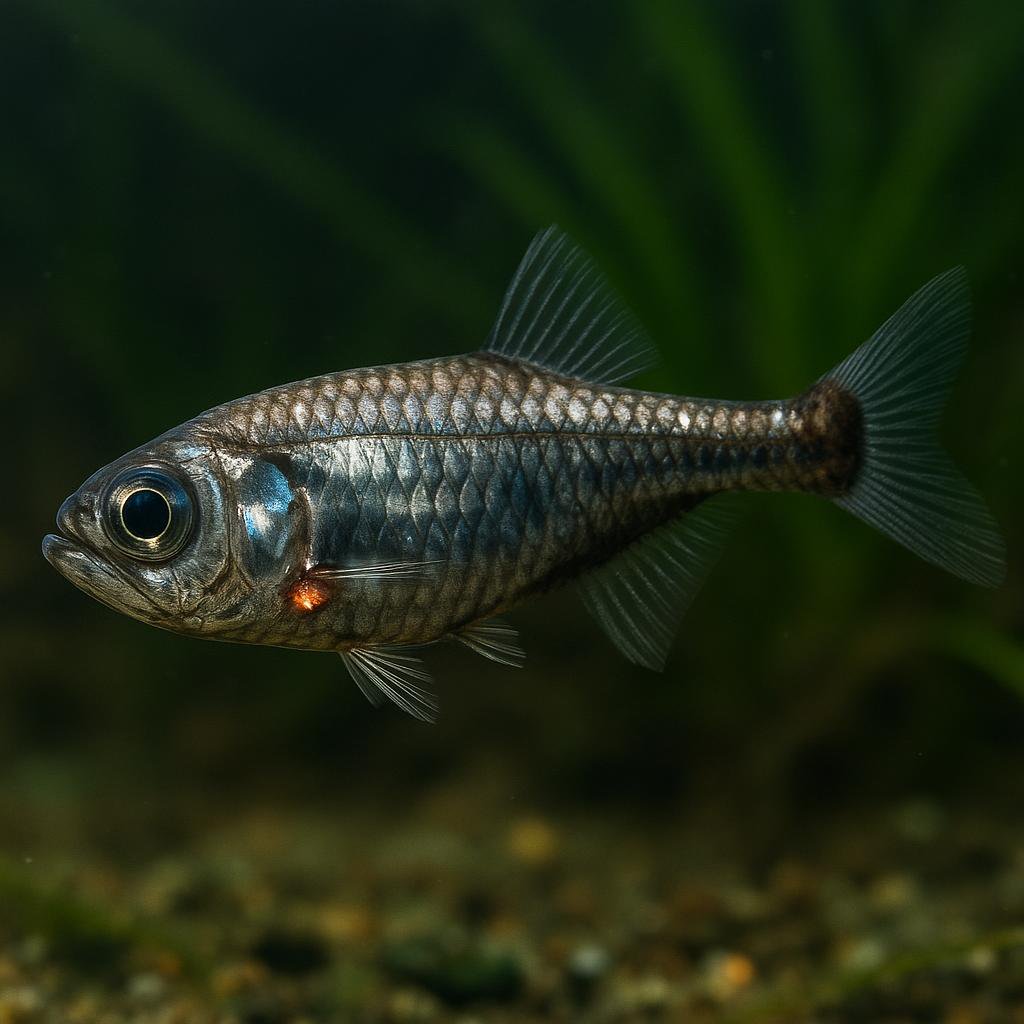
Spothead lantern fish
Diaphus metopoclampus
This is a deep-sea lanternfish with rows of photophores (little light organs) that it uses down in the dark, and it does that classic up-at-night, down-by-day vertical migration. Super cool animal, but its whole lifestyle is built around cold, high-pressure midwater life, so its not really an aquarium fish in any normal sense.
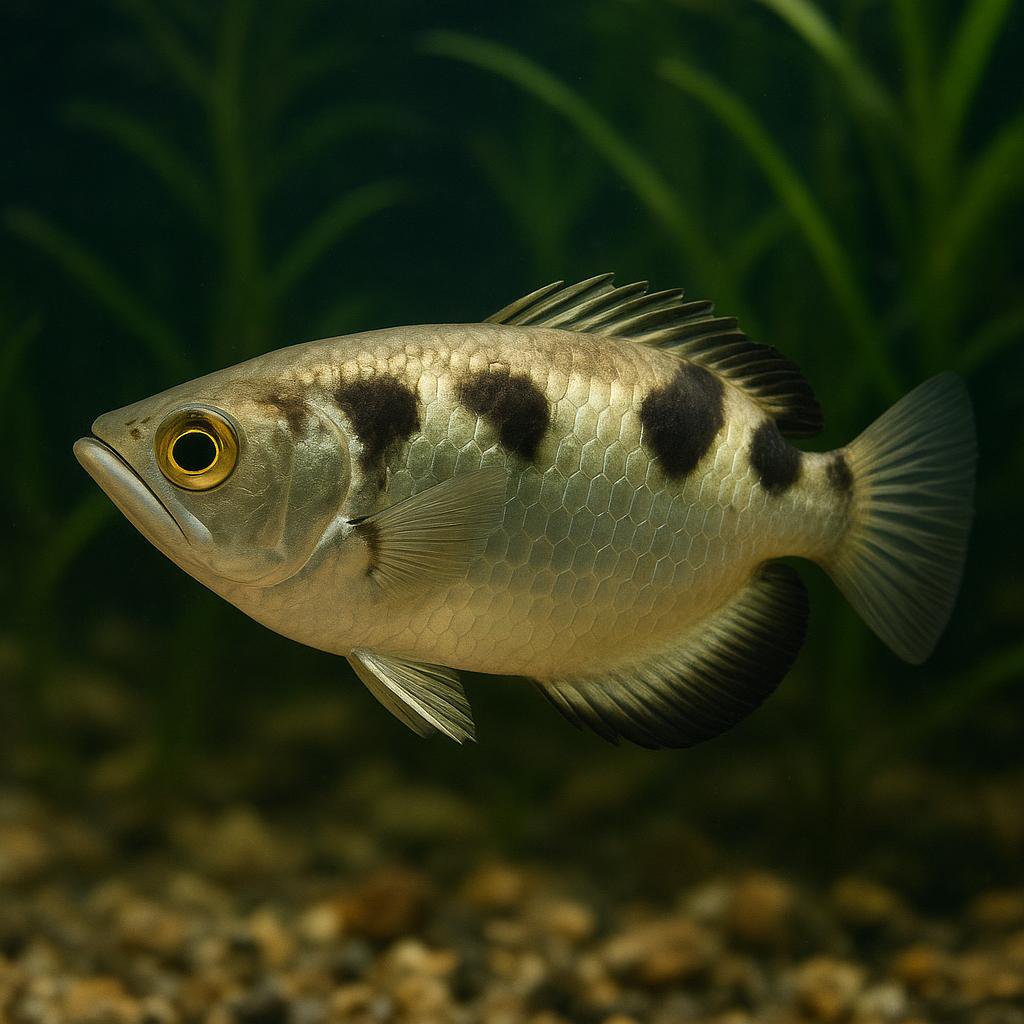
Spotted archerfish
Toxotes chatareus
This is the classic archerfish that'll actually "shoot" insects with a jet of water-ridiculously fun to watch once it settles in. It's a surface-hunter from mangroves and estuaries, so it likes harder, alkaline water and lots of open top-level swimming room (with a tight lid, because they jump). Give it a big, long tank and a group of similar-sized buddies, and it turns into a real centerpiece fish.
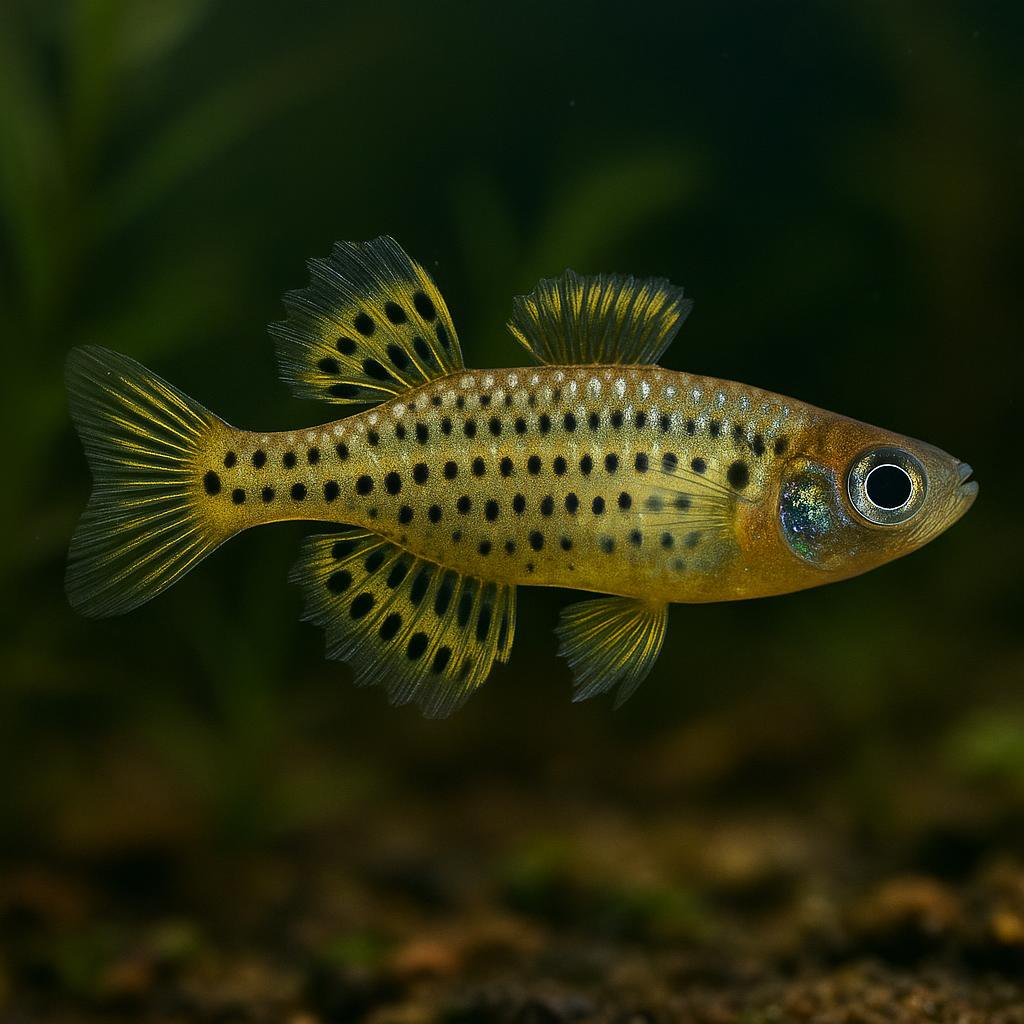
Spotted blue-eye
Pseudomugil gertrudae
This little blue-eye is one of those fish that looks "cute" at first glance, then you notice the electric-blue eyes and the males flashing those spotted fins at each other all day. They're happiest in a planted, kind of shady tank with gentle flow, where they'll cruise in a loose group and do constant mini courtship displays.
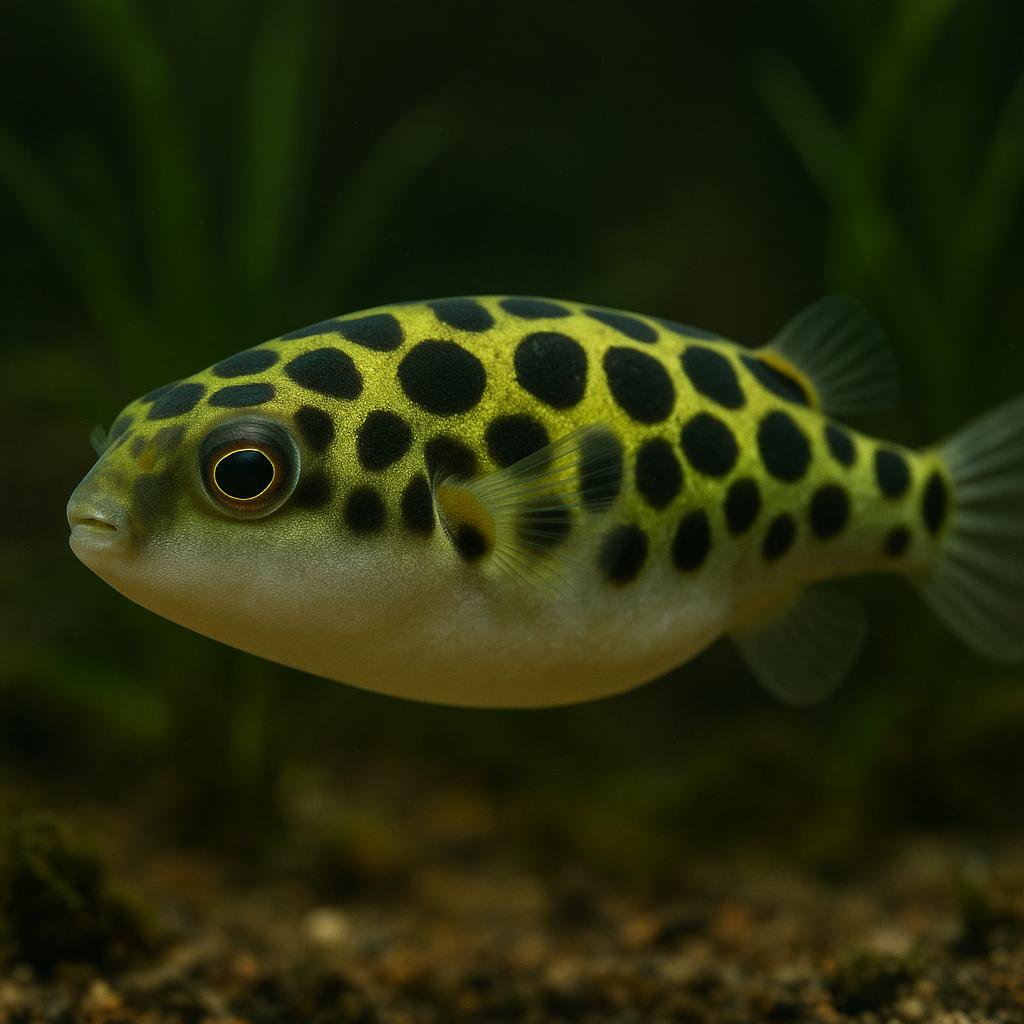
Spotted green pufferfish
Dichotomyctere nigroviridis
This is the classic green spotted puffer: bright lime-green with bold black spots and a ton of attitude packed into a football-shaped body. They're crazy interactive and will beg like a puppy, but they're also little beaked predators that need crunchy foods to keep their teeth worn down. The big "gotcha" is water: they're not a lifelong freshwater fish-brackish (and often more marine-leaning as they mature) is where they thrive.
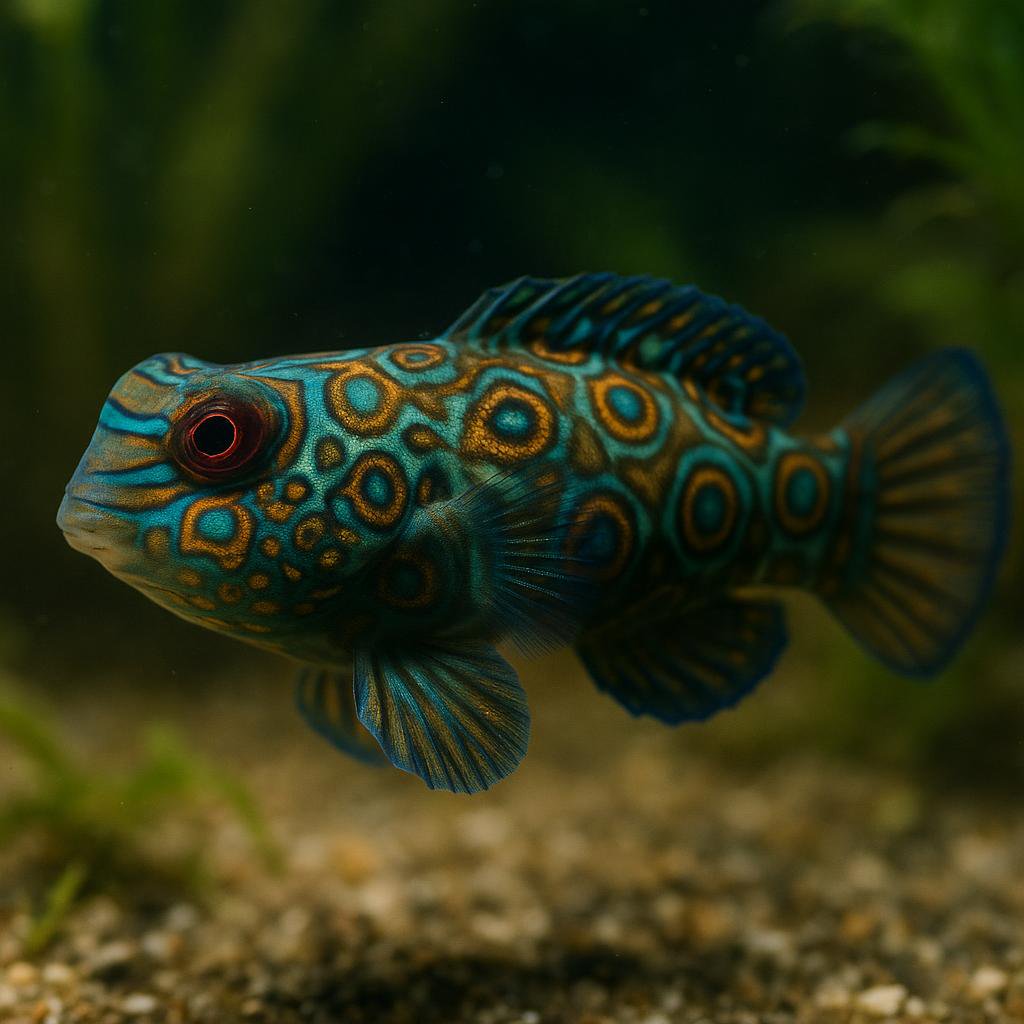
Spotted Mandarin Dragonet (Picturesque/Psychedelic Mandarin)
Synchiropus picturatus
This little dragonet is basically a living piece of reef art-chunky fins, goofy "hovering" swimming, and those crazy psychedelic spots that look painted on. The big thing with them is they're constant pickers, cruising rockwork all day hunting tiny critters, so they're happiest in a mature tank with tons of pods (or a keeper who's ready to meet them halfway on food). If you like chill fish with tons of personality that don't bother anyone, mandarin time is hard to beat.
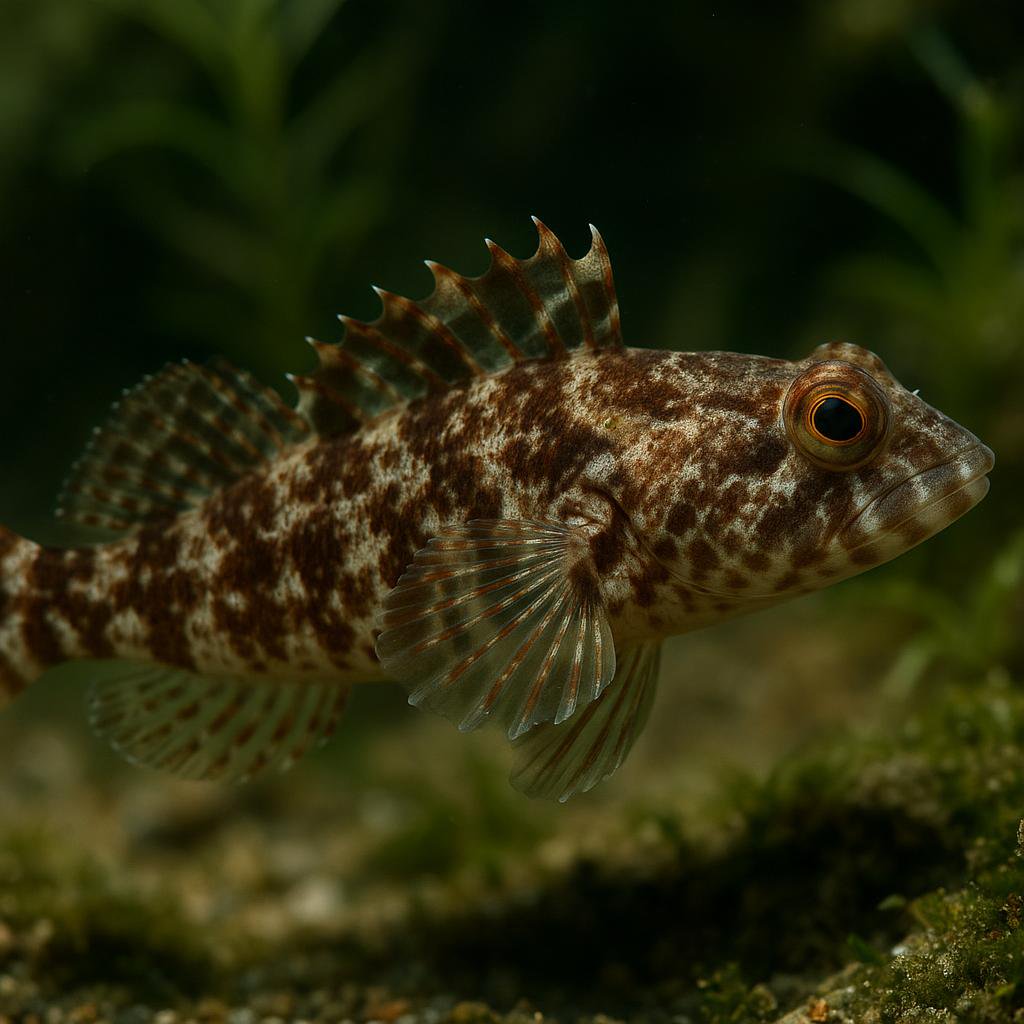
Spotted robust triplefin
Forsterygion capito
This is a little New Zealand triplefin that hangs out in rock pools and shallow sheltered reefs, perched on rocks and scooting around to hunt tiny critters. The cool part is the breeding behavior - the male sets up and guards a nest under a rock, and they can darken up a lot in season.
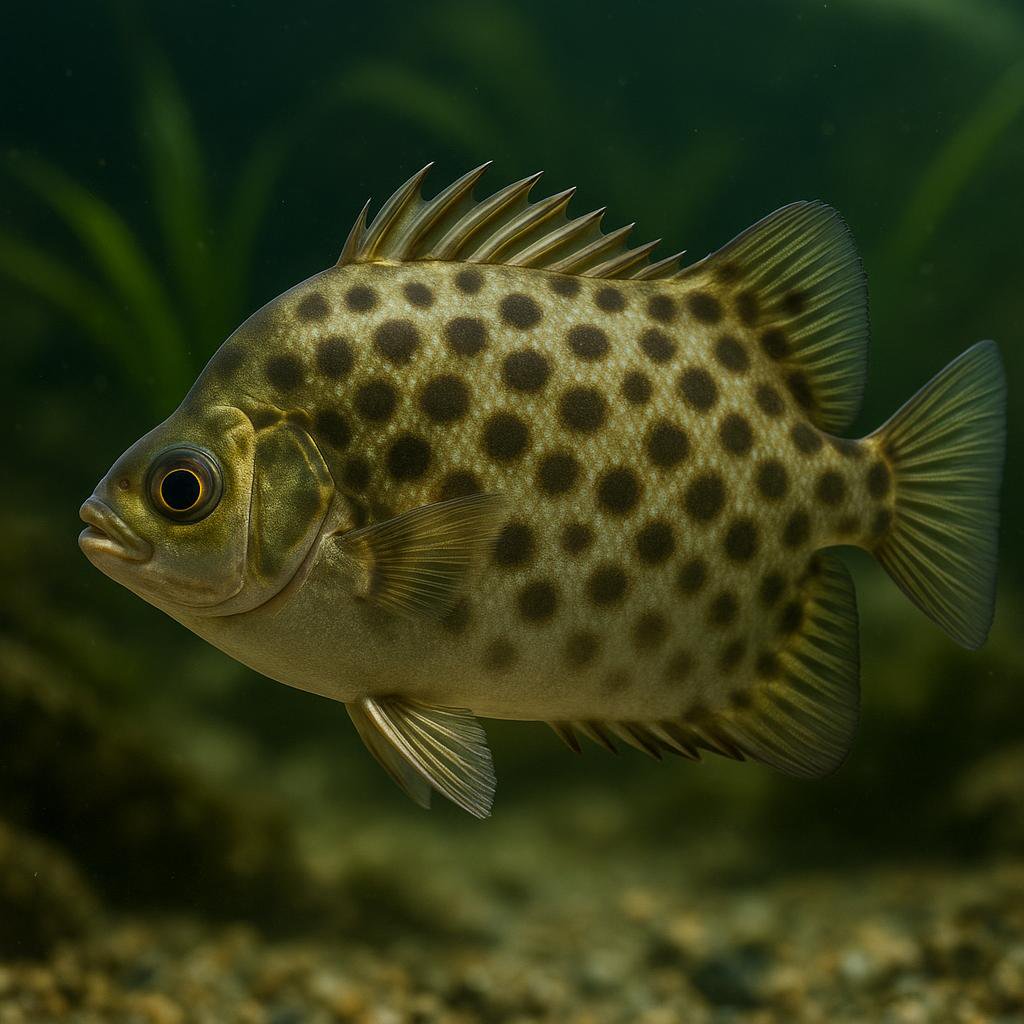
Spotted scat
Scatophagus argus
Spotted scats are those chunky, disc-shaped brackish fish with the peppered "polka dot" pattern that changes a lot as they grow. They cruise around in groups, eat basically anything you offer, and they're tough as nails-just don't fall into the super common trap of keeping them in straight freshwater long-term.
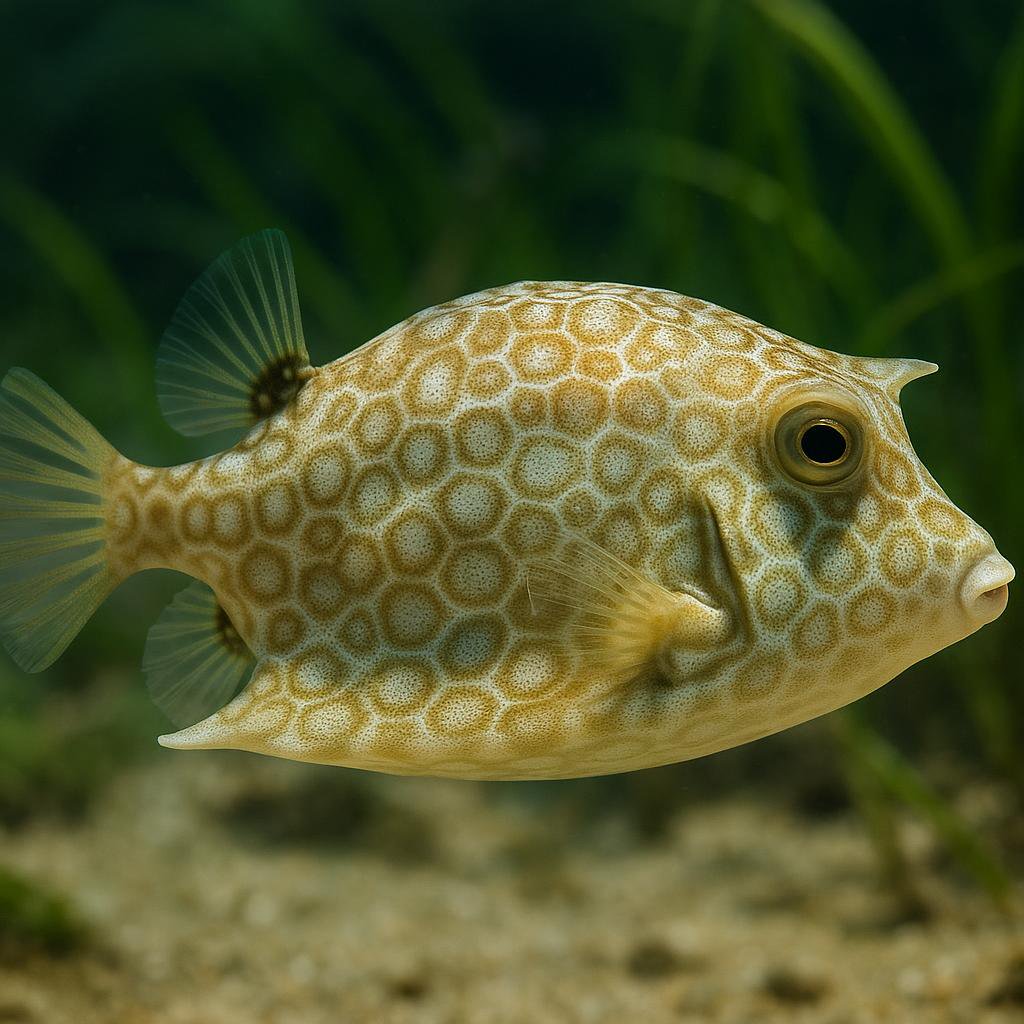
Spotted spikefish
Hollardia meadi
Hollardia meadi is a tiny deepwater spikefish from the western Atlantic with a super cool pink-and-spot pattern and those lockable spines that make the whole family look like little armored oddballs. Its a rocky-bottom, reef-associated fish that lives way deeper than typical reef tank temps, so its basically a no-go for normal home aquariums unless youre set up for chilled deepwater marine.
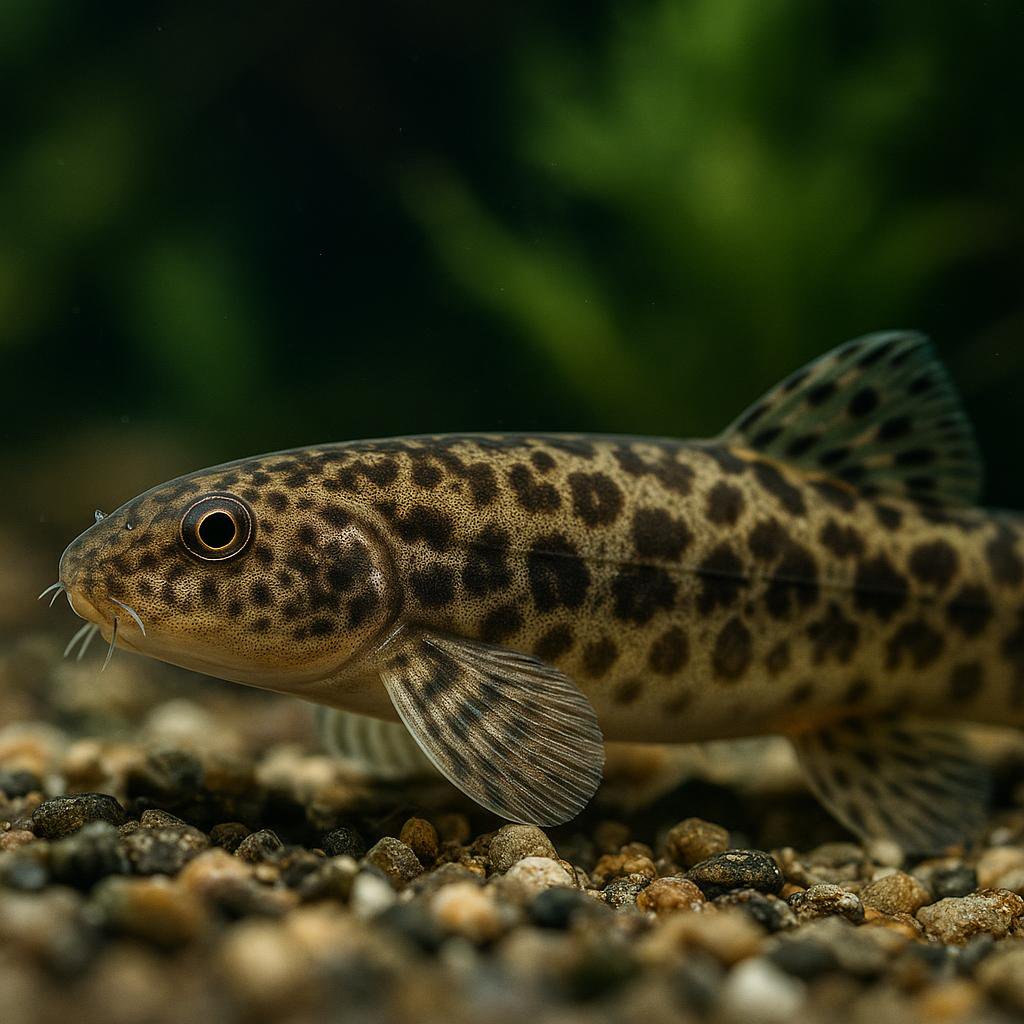
Spotted Vanmanenia (hillstream loach)
Vanmanenia maculata
This is one of those true hillstream loaches that lives in fast, clean river flow, and it is built like a little suction-cup torpedo for clinging to rocks. The patterning is the fun part - you get those pale-centered dark spots/bars that break up the body and help it vanish on stone. It does best in a "river tank" with lots of oxygen and current, where it spends the day grazing biofilm and generally minding its own business.
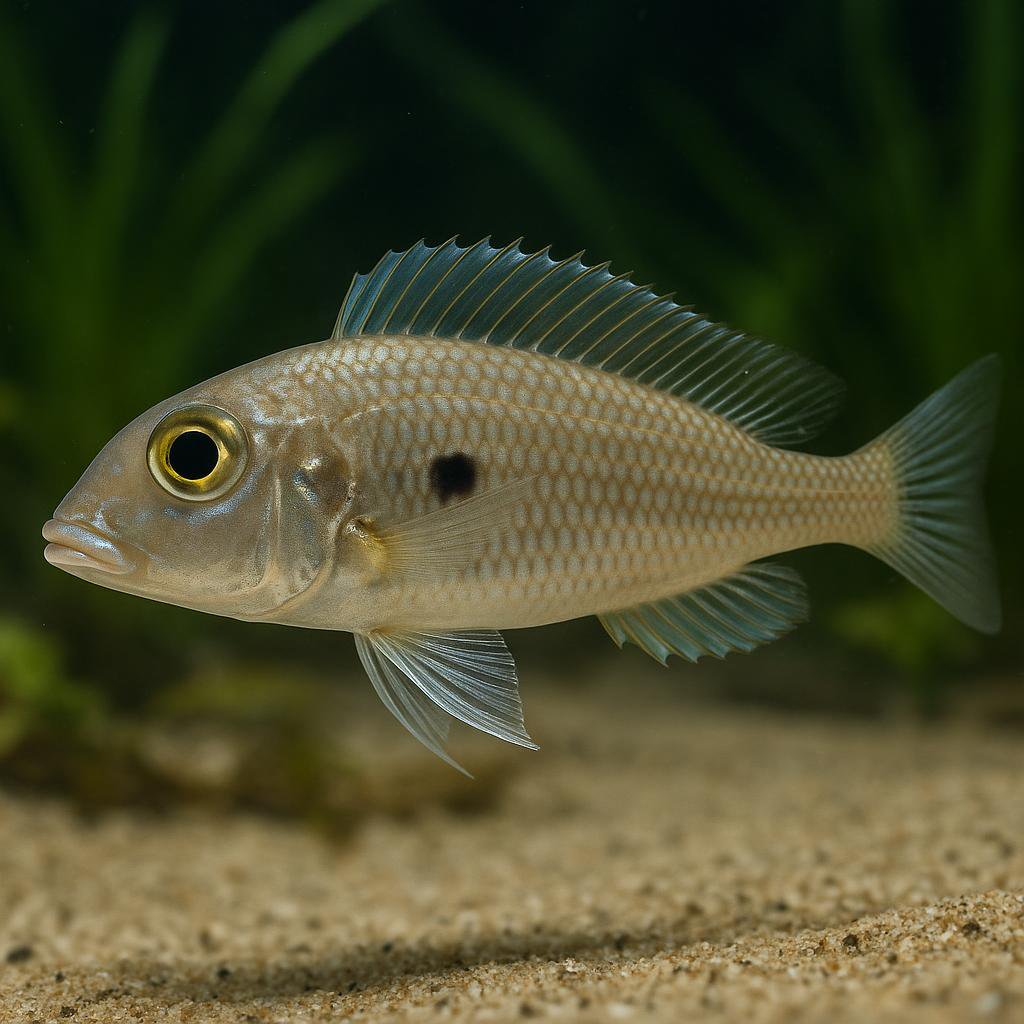
Spottedfin sand cichlid
Xenotilapia spiloptera
Xenotilapia spilopterus is a Lake Tanganyika sand-sifter that spends its day cruising over open sand, scooping mouthfuls and filtering out tasty bits like insect larvae. They are at their best in a small group where you get to watch the schooling vibe, then pairs peel off to mouthbrood when they are ready. Give them fine sand and stable, hard alkaline water and they really settle in.
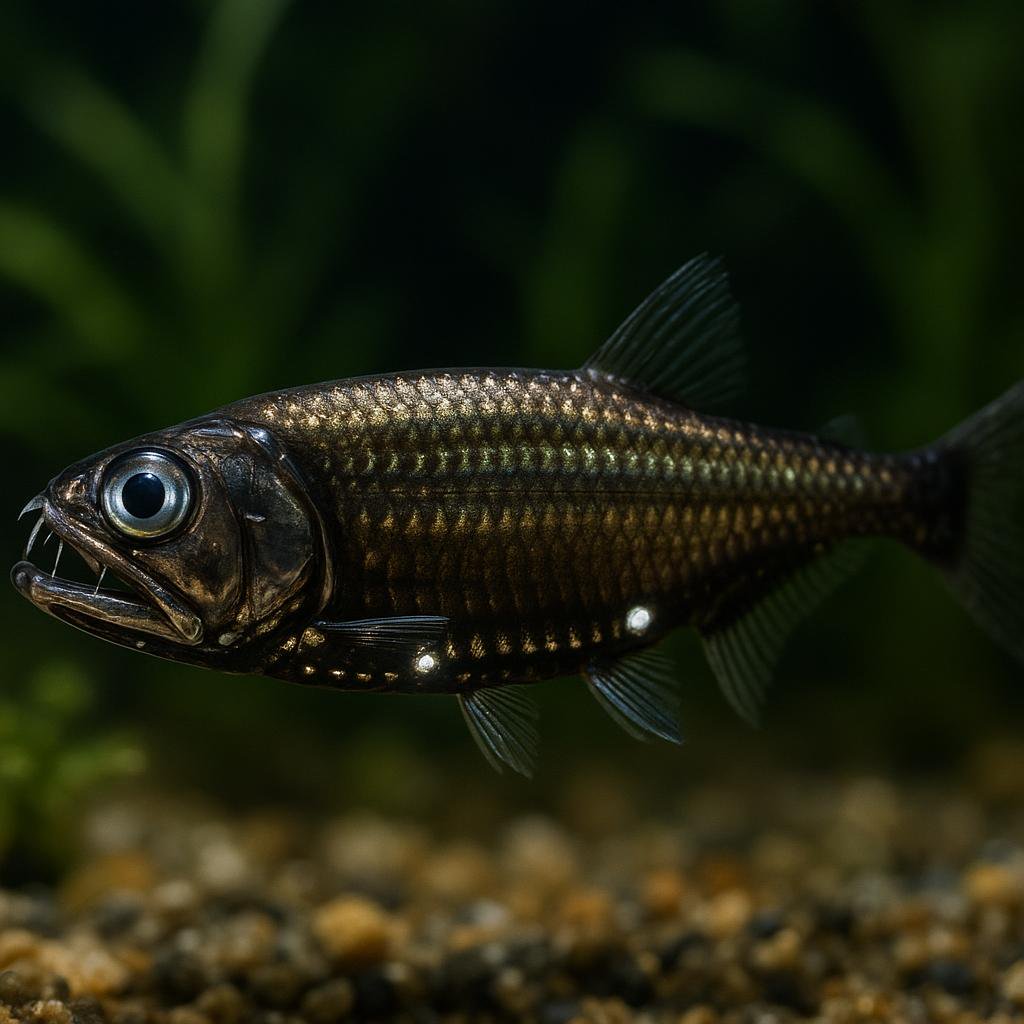
Stareater
Astronesthes zetgibbsi
A small pelagic-oceanic marine snaggletooth (family Stomiidae) known from the South Pacific high seas, reported from roughly 40–120 m depth and reaching about 10.3 cm SL (female).
Starhead topminnow
Fundulus dispar
Fundulus dispar is a small native U.S. topminnow associated with vegetated standing waters and quiet pools/backwaters. It is known for reflective "star" spots on the head, and FishBase notes it can be difficult to maintain in aquaria long-term.
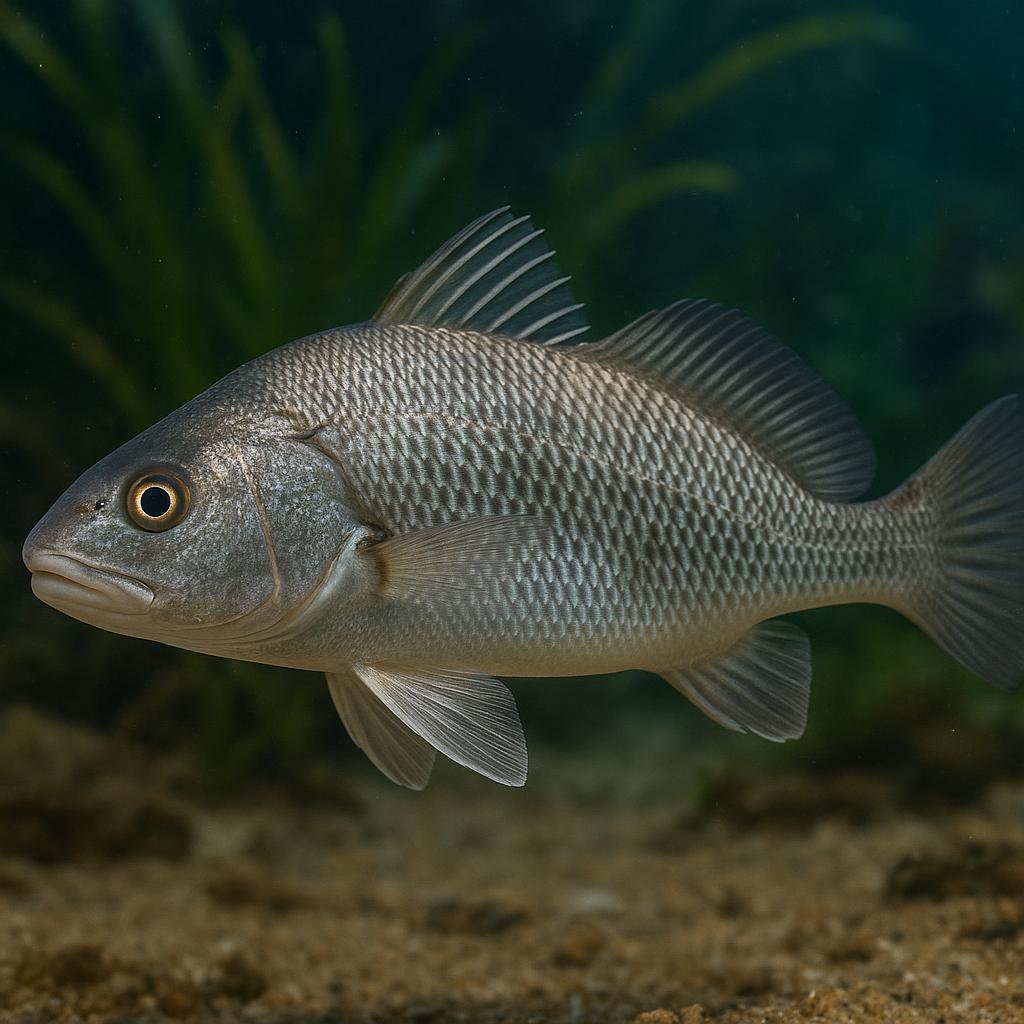
Steindachner's drum
Umbrina steindachneri
Umbrina steindachneri is a West African marine croaker/drum that hangs around sandy-mud bottoms in deeper coastal water. It tops out around 47 cm (about 18.5 inches), so its size alone is the big reason it is not really an aquarium fish even though it is super cool as a real-deal saltwater surf and shelf species.