

Variable blenny
Starksia variabilis
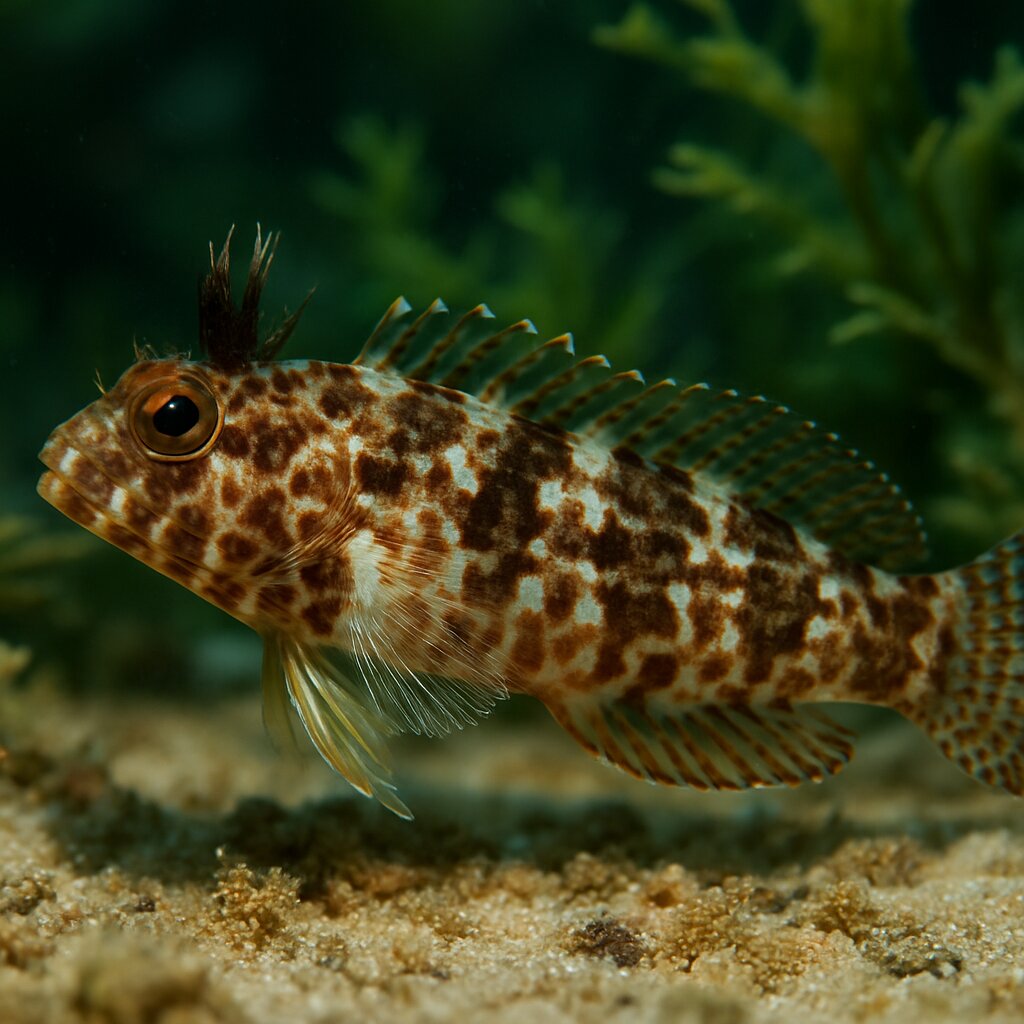
The Variable blenny has a slender body, marked with variable patterns of brown, yellow, and orange, and features elongated pectoral fins.
This page includes AI-generated images. Why am I seeing AI images?
About the Variable blenny
Tiny Caribbean blenny that hangs out right on the rock, peeking from little cracks like a curious periscope. The lips have neat black bars and the patterning shifts a bit, which is where the whole variable thing comes from. Give it lots of nooks and it will put on fun perch-and-dart antics all day.
Quick Facts
Size
3.3 cm
Temperament
Peaceful
Difficulty
Advanced
Min Tank Size
20 gallons
Lifespan
3-5 years
Origin
South America
Diet
Carnivore - tiny crustaceans and worms; accepts mysis, enriched brine, and finely chopped meaty foods
Water Parameters
26-28°C
8.1-8.4
8-12 dGH
Need a heater for this species?
This species needs 26-28°C in a 20 gallon tank. Use our heater calculator to find the right wattage.
Calculate heater sizeCare Notes
- Give it a mature reef with tons of porous live rock and rubble; it lives in the cracks and picks at microfauna, not in open water. New tanks starve them.
- Run 1.024-1.026 SG, 76-78 F, pH 8.1-8.4, alk 8-9 dKH, and keep nitrate under ~10-15 ppm with good aeration and some low-flow pockets near the rock.
- Start on live pods and enriched baby brine, then wean to frozen cyclops, calanus, fish roe, and finely chopped mysis; target feed with a pipette right into its hide 2-3x per day.
- Skip tank bullies like dottybacks, damsels, sixline wrasses, hawkfish, and big blennies; they do fine with tiny gobies, cardinals, pipefish, and other chill nano fish.
- Keep one per tank unless you have a confirmed pair or a big rock maze with line-of-sight breaks; males will claim crevices and scrap with rivals.
- They spook and jump, so use a tight lid and guard powerhead intakes with mesh or a sponge prefilter.
- Quarantine in a quiet tank with lots of hides; many arrive skinny, so deworm via food (prazi/metro) and be cautious with copper-based meds.
- Breeding is cave-spawned with the male guarding eggs; the larvae are tiny and pelagic, so you would need separate rearing with rotifers and copepod cultures to have a shot.
Compatibility
Good Tankmates
- Tiny, chill gobies that mind their own business - neon gobies, clown gobies, and the Eviota/Trimma nanos
- Firefish and other dartfish that hover midwater and leave the blenny to its rock perch
- Gentle nano wrasses like a possum wrasse or pink-streaked wrasse - not pushy, not nippy
- Assessors (yellow or blue) - cave hovers with mellow vibes, no interest in blenny turf
- Calm cardinals like Banggai or threadfin - slow, non-aggressive, easy company
- Peaceful shrimp gobies (Stonogobiops, Amblyeleotris) - they stick to the burrow while the blenny works the rocks
Avoid
- Dottybacks and feisty damsels - notorious bullies that will tailgate a little Starksia
- Hawkfish and other ambush predators - a bite-sized blenny is a snack
- Pushy wrasses like sixline and bigger Halichoeres, plus territorial rock-perching blennies - too nosy around the blennys hidey holes
- Pod-hungry dragonets and pipefish in small tanks - food competition can starve the blenny
Where they come from
Variable blennies (Starksia variabilis) are tiny, cryptic blennies from the tropical western Atlantic and Caribbean. Think shallow reef edges, rubble patches, and coral crevices. They spend most of their day peeking from holes and darting a few inches to snag passing micro-critters. The name fits: their colors and patterns shift with mood and background.
Setting up their tank
Give them a mature, pod-rich reef. New, sterile tanks are a fast road to a skinny blenny. I like 20 gallons or more for stability, with months of growth on the rock before adding one.
- Rockwork: dense caves, small crevices, and a rubble pile. Barnacle clusters and empty snail shells are perfect hideouts.
- Flow: moderate with calm pockets. They like to perch, not surf.
- Lighting: whatever your corals want. The fish do not need bright light.
- Lid: tight mesh (1/8 in or smaller). They are small and curious.
- Intakes: cover powerheads and overflow teeth with foam/screen so they do not get pulled in.
- Refugium or pod hotel: somewhere for copepods to reproduce without constant predation.
Build a rubble zone: a deli cup of crushed coral, a few barnacle shells, and broken live rock stacked loosely. That little pile becomes their home base and feeding lane.
Even tiny gaps around cables are escape routes. Tape, mesh, or 3D-printed grommets help close the weird spots.
Basic parameters that have worked for me: salinity 1.024-1.026, 75-79 F, pH around 8.0-8.4, and low but not zero nutrients. They do better with stability than with chasing numbers.
What to feed them
They are micro-predators. Wild fish hunt tiny crustaceans and worm larvae all day. Most won't rush out for big frozen foods right away, so plan on live and very small stuff at first.
- Live pods: Tisbe, Tigriopus, Apocyclops. Seed the tank and add more weekly at first.
- Newly hatched baby brine shrimp, enriched (short-term, good for getting them started).
- Frozen micro foods: Calanus, Cyclops, fish eggs, finely shaved mysis, Hikari Baby Brine.
- Occasional live mysid juveniles if you can source them.
- Soak foods in a vitamin/fatty acid supplement a few times a week.
Turn off pumps, then target feed with a turkey baster into their hideouts. Small, frequent feedings beat one big blast. I start with live pods and BBS, then mix in frozen over a couple weeks. Watch the belly line: a slight outward curve is good; a pinched look means you need to step up live foods.
Set up a cheap pod culture in a bucket with an airstone, some macro or bio-media, and phyto. Harvest with a sieve and squirt right into the rubble pile. That routine saved my first variable blenny from going skinny.
How they behave and who they get along with
They perch, watch, and make short hunting dashes. Very site-attached. They can spar with similar perchers over the best holes, but the scuffles are mostly bluffing if space is decent.
- Good tankmates: small peaceful gobies (Eviota, Trimma, neon gobies), small assessors, tiny cardinalfish, gentle clowns, cleaner shrimp, snails.
- Use caution: other micro-pod hunters like mandarins, pipefish, and scooter blennies. Food competition is real.
- Avoid: hawkfish, larger dottybacks, bigger wrasses, basslets with attitude, and anything that could inhale a 2-3 cm fish.
Reef safe with corals. They may pick at microfauna living on rocks, not at the corals themselves.
Breeding tips
Labrisomid blennies are cave spawners. A bonded pair will lay eggs on the roof of a small cavity, and the male fans the clutch. Getting a pair is the hard part since sexing is subtle and they are not sold as pairs.
- Try a roomy, mature species tank with multiple tiny cavities (barnacle clusters are great).
- Introduce two small individuals at the same time, with lots of sight breaks.
- Feed heavy on live and micro-frozen foods to condition them.
- If they spawn, you will see the male stick close and fan. Larvae are tiny and likely need copepod nauplii, greenwater, and gentle kreisel-style flow.
- Raising the larvae is advanced. Rotifers are usually too big; cultured copepods work better.
I have had nest guarding happen, but getting past the larval stage is the wall. If you want to try, run separate copepod cultures and have phyto on hand before spawning happens.
Common problems to watch for
Starvation is number one. They can look fine for weeks, then suddenly look hollow if the pod population dips. Competition from faster fish makes it worse.
- Red flags: sunken belly, flat flanks, hanging near the surface, ignoring food blown right past the nose.
- Shipping stress: they arrive thin. Get live foods ready before pickup.
- Disease: small wild blennies can carry flukes, Cryptocaryon (ich), velvet, and Uronema.
Quarantine helps, but set it up for tiny fish: dim light, lots of small hides, and a seeded sponge filter. I ramp copper slowly if treating for ich/velvet, and I use praziquantel for flukes. Keep oxygen high and watch appetite daily.
Uronema shows up fast in bare, dirty QT tanks. Keep QT clean, feed small amounts often, and be ready with metro-based treatments if you see red sores or rapid decline.
Guard the overflow and powerhead intakes. I lost my first one to a wavemaker grill with just-wide-enough slits. A thin foam prefilter fixed it.
Similar Species
Other marine peaceful species you might be interested in.
Abe's eelpout
Japonolycodes abei
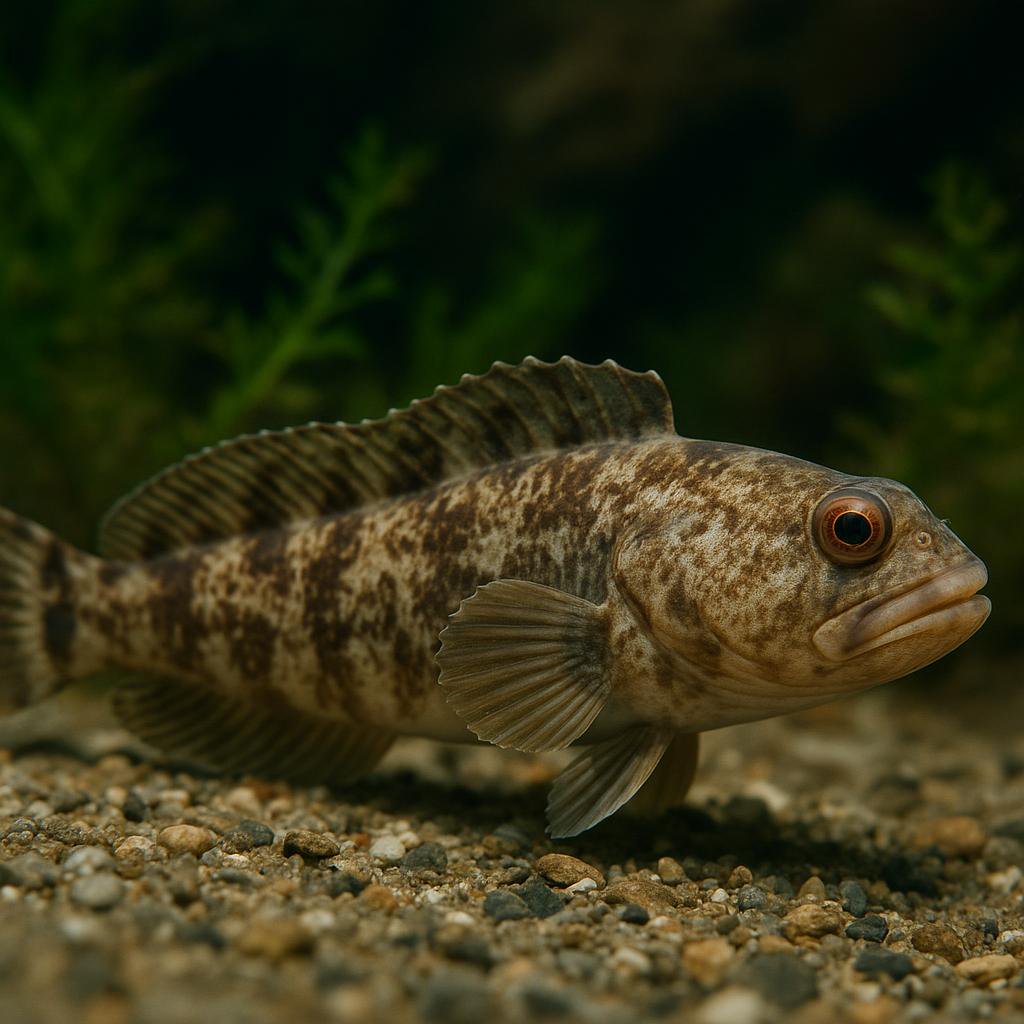
Japonolycodes abei is a temperate, deepwater demersal eelpout (family Zoarcidae) endemic to Japan (Kumano-nada Sea reported; other sources also report Sagami Bay and Tosa Bay). It is the only species in the genus Japonolycodes and occurs roughly 40-300 m depth, making it an uncommon/atypical aquarium species.
Affinis blind cusk-eel
Barathronus affinis
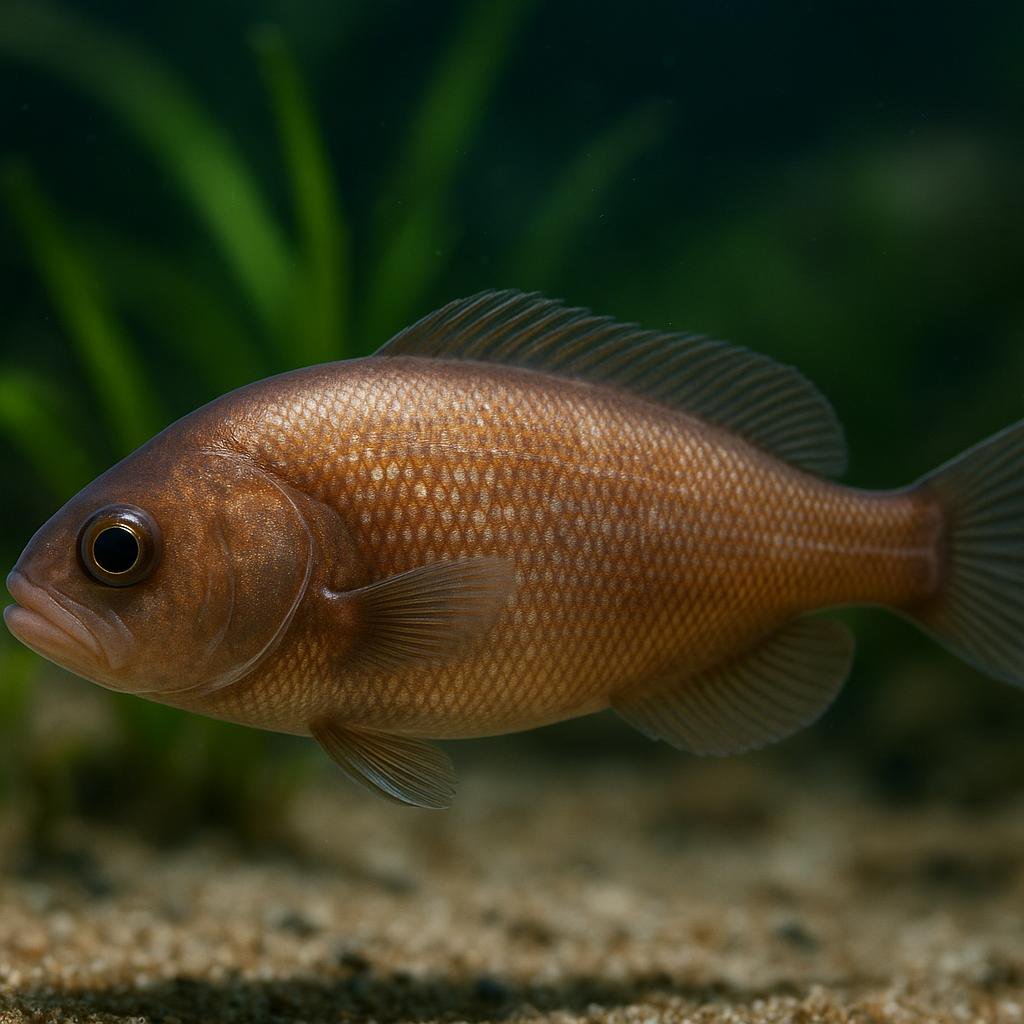
Barathronus affinis is a tiny, super-weird deep-sea blind cusk-eel from the western-central Indian Ocean. It is one of those gelatinous, loose-skinned brotula-type fishes that live way down in the dark and are basically never seen alive, so almost everything we know comes from preserved specimens and taxonomic work.
Allis shad
Alosa alosa
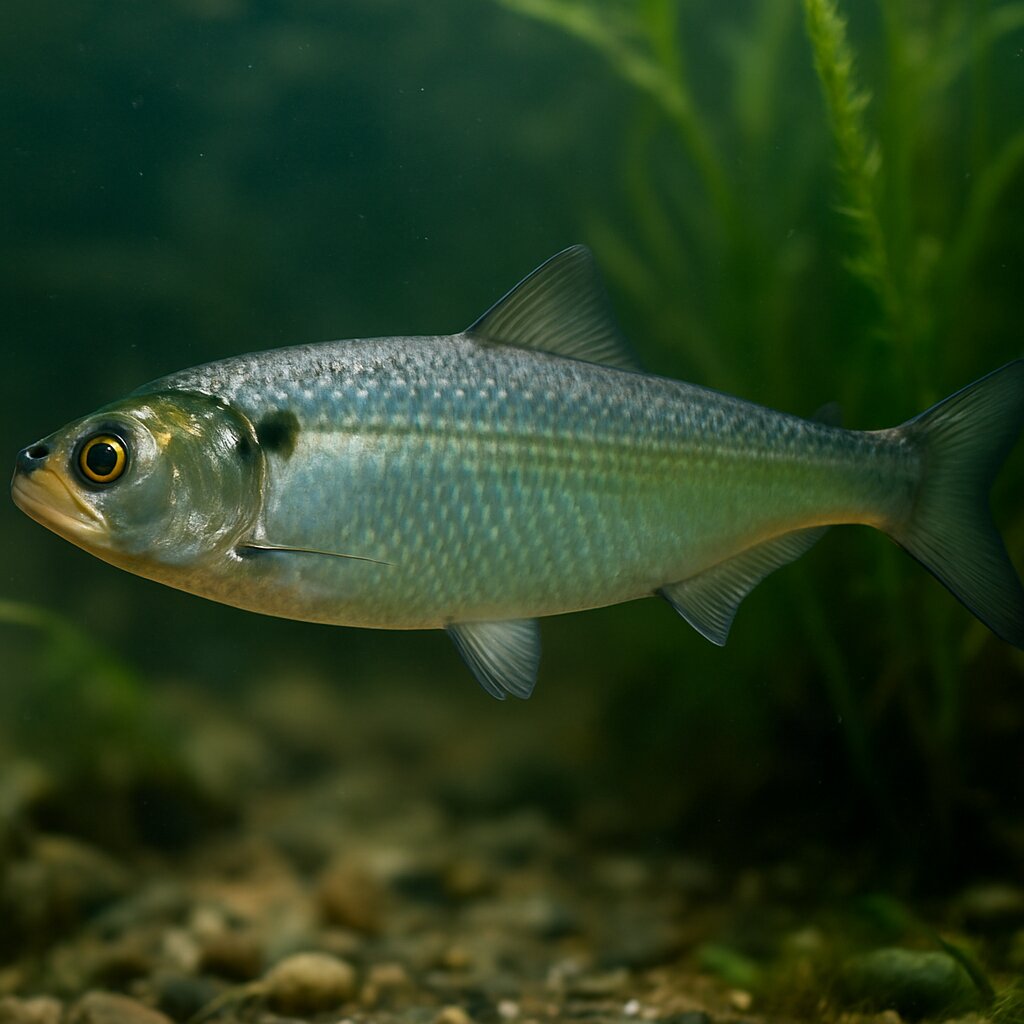
Gorgeous silver, fast-swimming shad that spends most of its life in the sea and then surges up big rivers in noisy, surface-spawning schools. It grows huge for a herring-type fish and needs cool, ultra-oxygenated water and tons of open space, so it is a public-aquarium species rather than a home tank fish.
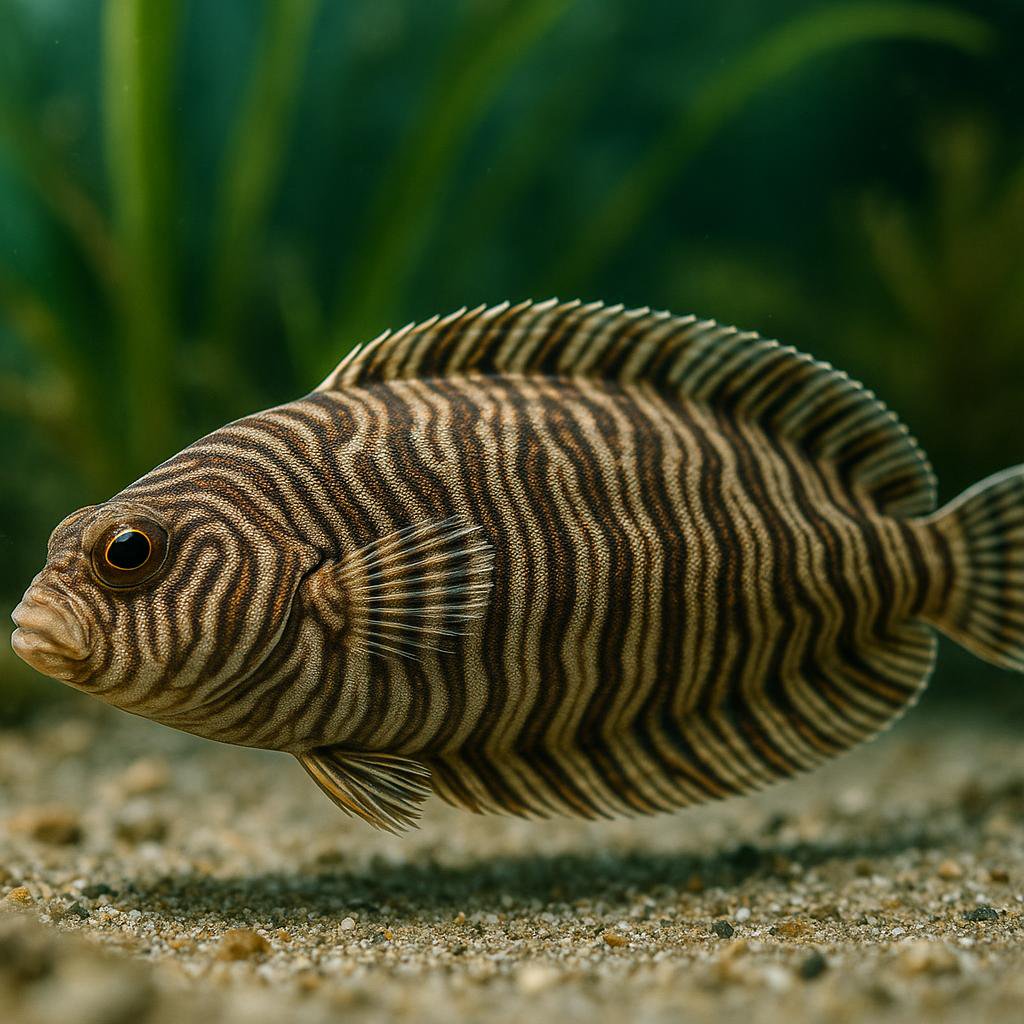
Annandale's zebra sole
Zebrias annandalei
Zebrias annandalei is a small demersal sole from coastal India that inhabits sandy or muddy bottoms and buries for camouflage. It is rarely kept in home aquaria and would require a specialized marine sand-bottom setup and appropriate feeding.
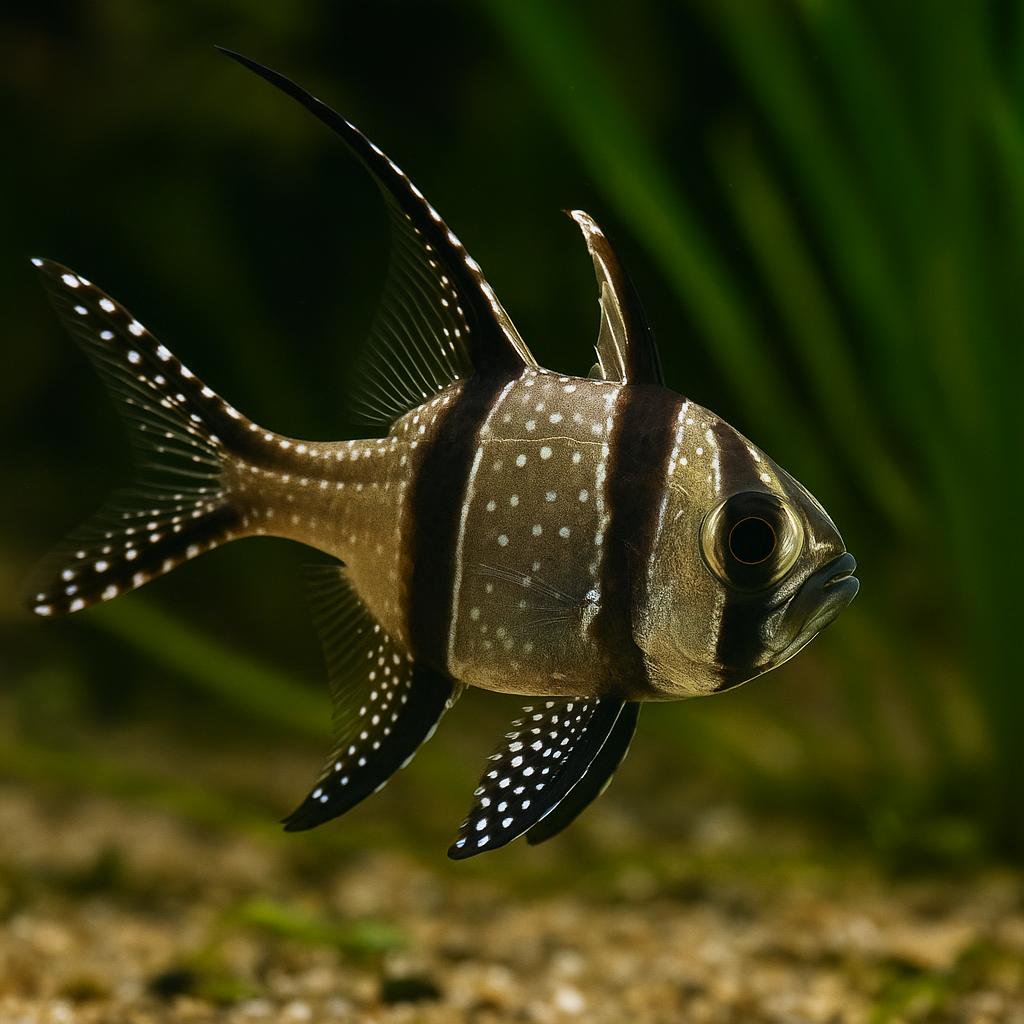
Banggai Cardinalfish
Pterapogon kauderni
Banggai cardinals just sort of hover like little underwater satellites, and the bold black bars with those long, polka-dotted fins look unreal under reef lighting. They're super chill most of the time, but once a pair forms you'll see real "fish drama," and the male will even mouthbrood the babies like a champ.
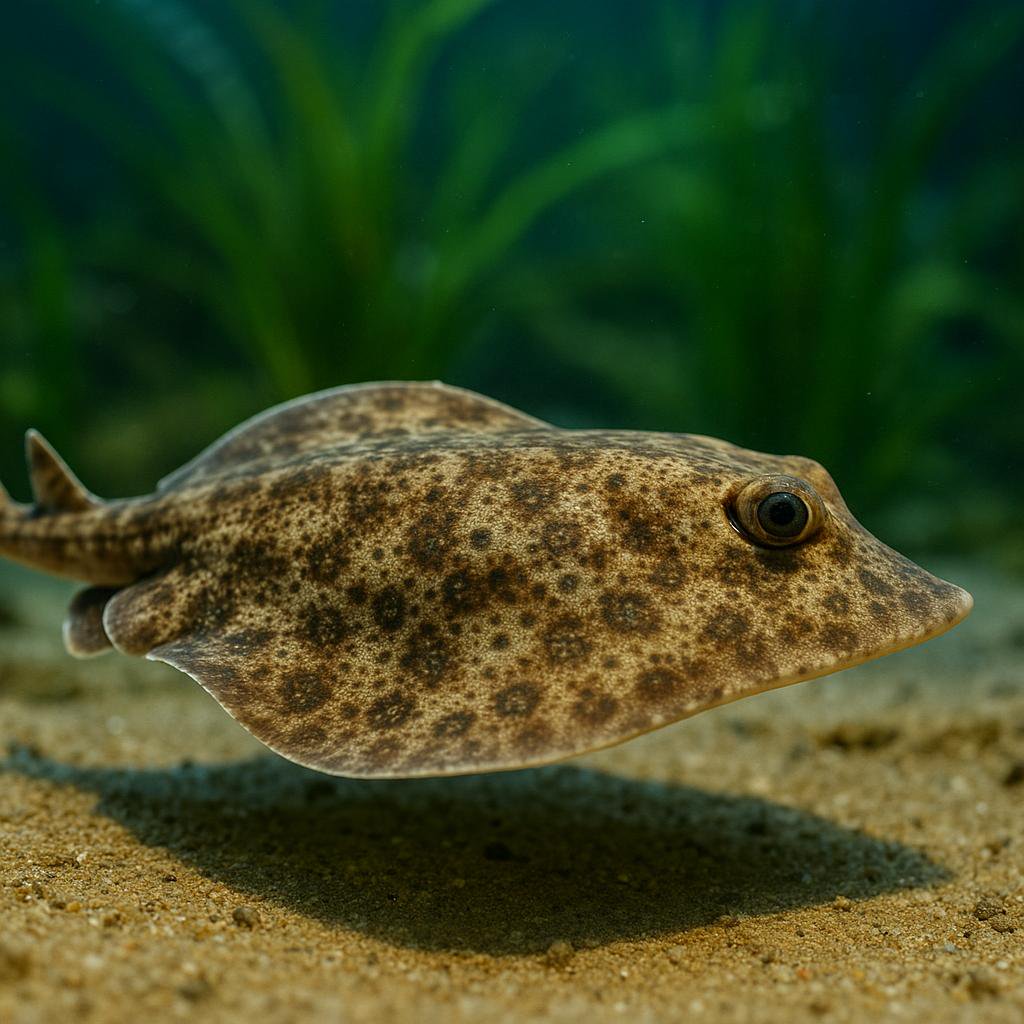
Barbedwire-tailed skate
Notoraja martinezi
Notoraja martinezi is a deepwater skate from the eastern Pacific (Costa Rica down to Ecuador) that lives way down on soft bottoms. The tail is the giveaway - it is lined with strong, hooked thorns that really do look like barbed wire. This is absolutely not an aquarium fish; it is a cold, high-pressure deep-sea animal with basically no practical home care info because it is not kept in the hobby.
More to Explore
Discover more marine species.
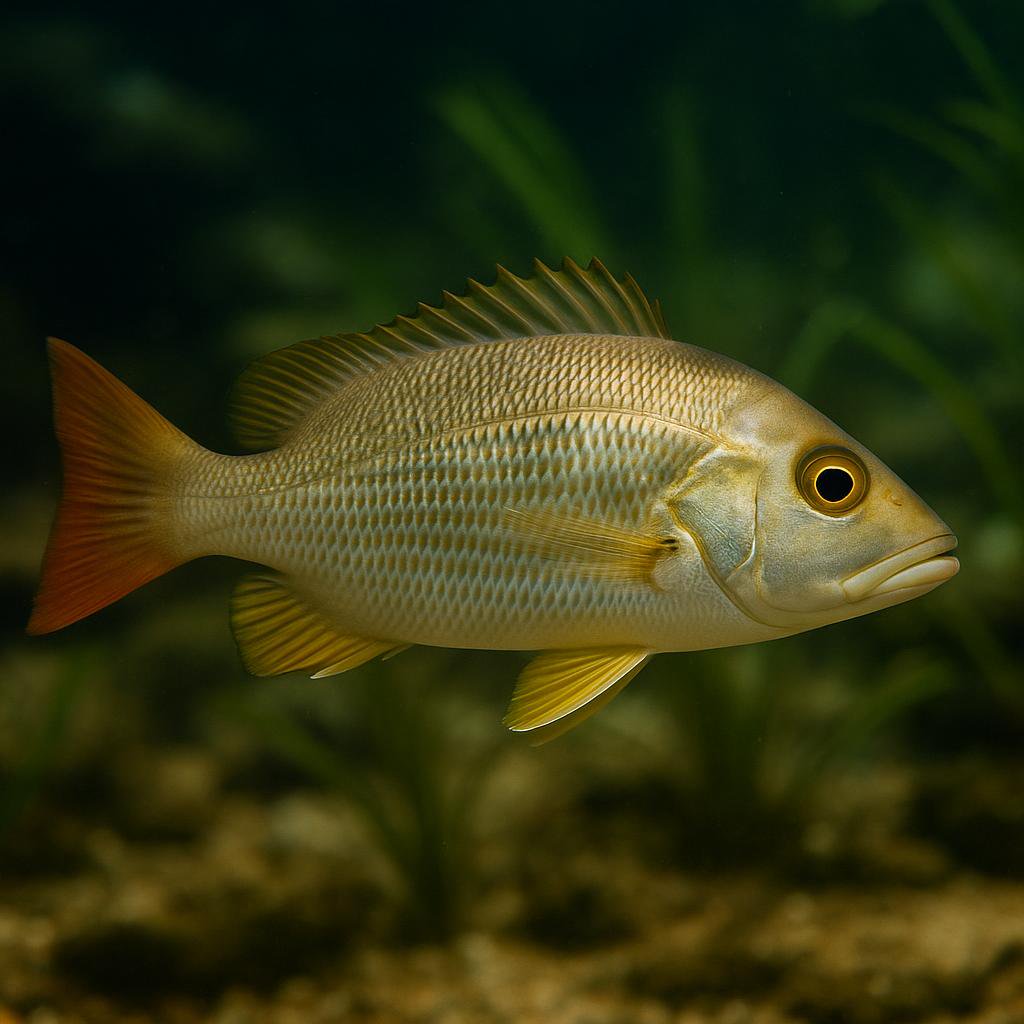
African red snapper
Lutjanus agennes
This is a true snapper from West Africa - a big, fast-growing predator that goes from coastal reefs to brackish lagoons and estuaries (especially as a juvenile). Super cool fish in the wild, but it gets absolutely huge and will eat smaller tankmates once it has the mouth for it, so its really more of a public-aquarium scale animal than a home-aquarium fish.
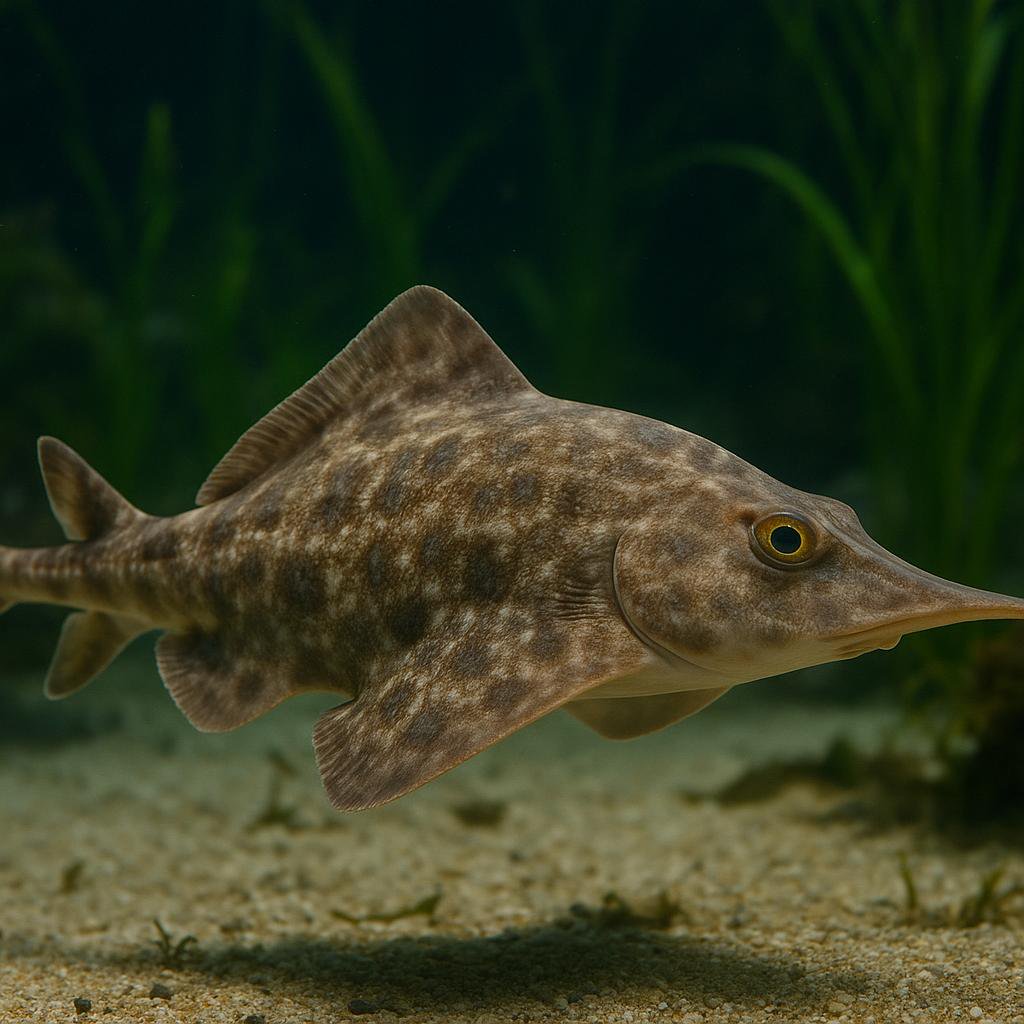
Aleutian skate
Bathyraja aleutica
This is a big, cold-water deep-slope skate from the North Pacific that cruises muddy bottoms and eats chunky benthic prey like crabs and shrimp. The really cool bit is its egg-laying skate life - it does distinct pairing (the classic skate "embrace") and drops those tough egg cases on the seafloor. Not an aquarium fish at all unless you're basically running a public-aquarium-style chilled system.
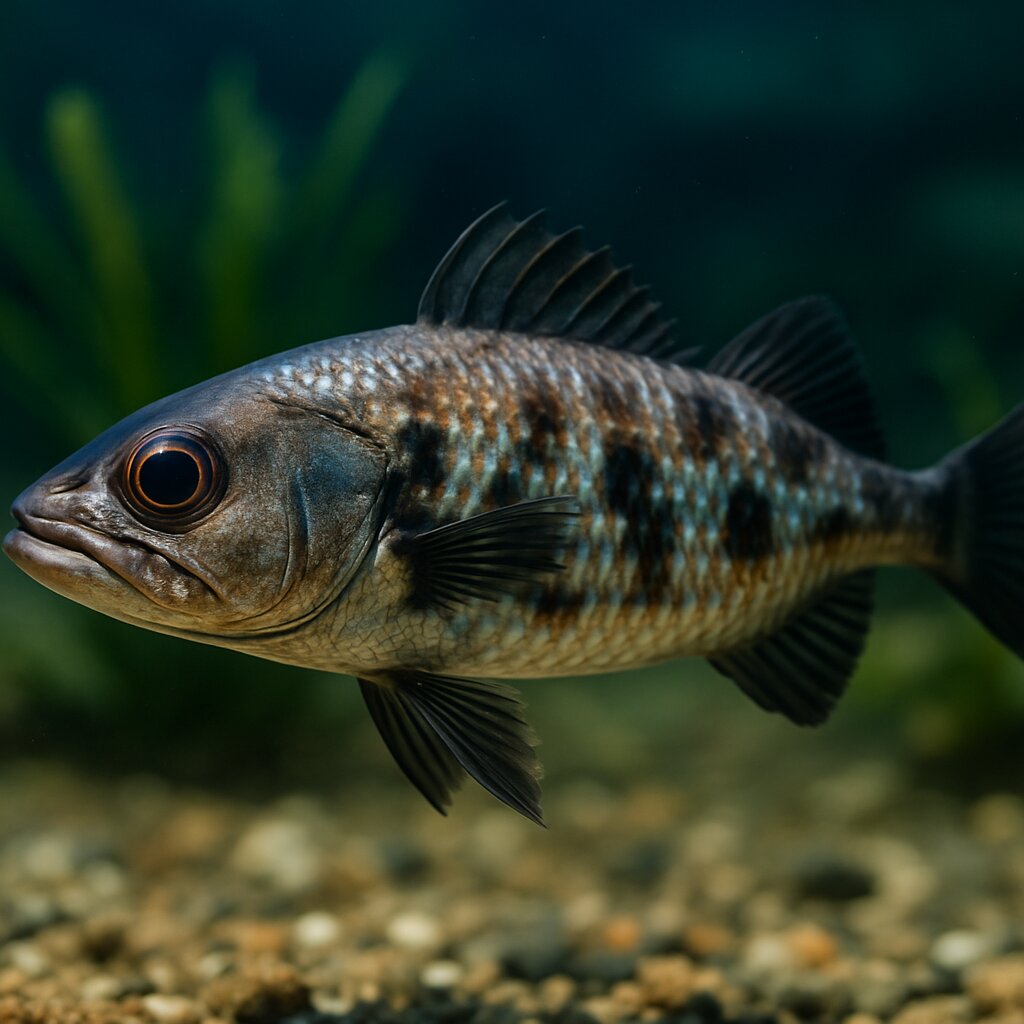
Antarctic dragonfish
Vomeridens infuscipinnis
Deep down around Antarctica, this sleek dragonfish cruises the water column like a little submarine, nearly neutrally buoyant so it can hover above the seafloor. It munches almost exclusively on Antarctic krill and lives in near-freezing water 500-800 m down, so it is a cool species to read about, not one for home tanks.
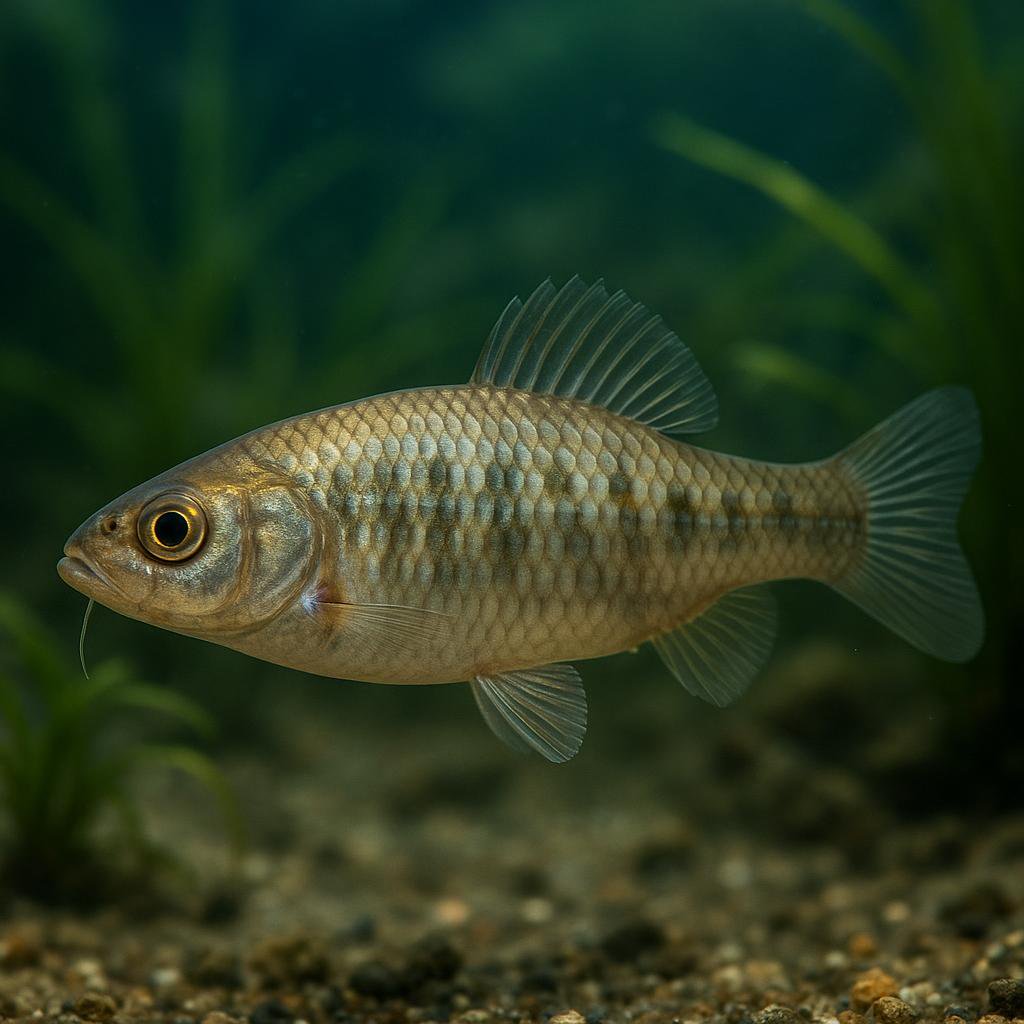
Arabian spiny eel
Notacanthus indicus
Notacanthus indicus is a deep-sea spiny eel (family Notacanthidae; not a true eel) known from the Arabian Sea on the continental slope at roughly ~960–1,046 m depth, with reported maximum length around 20 cm TL; it is a deep-water bycatch species and not established in the aquarium trade.
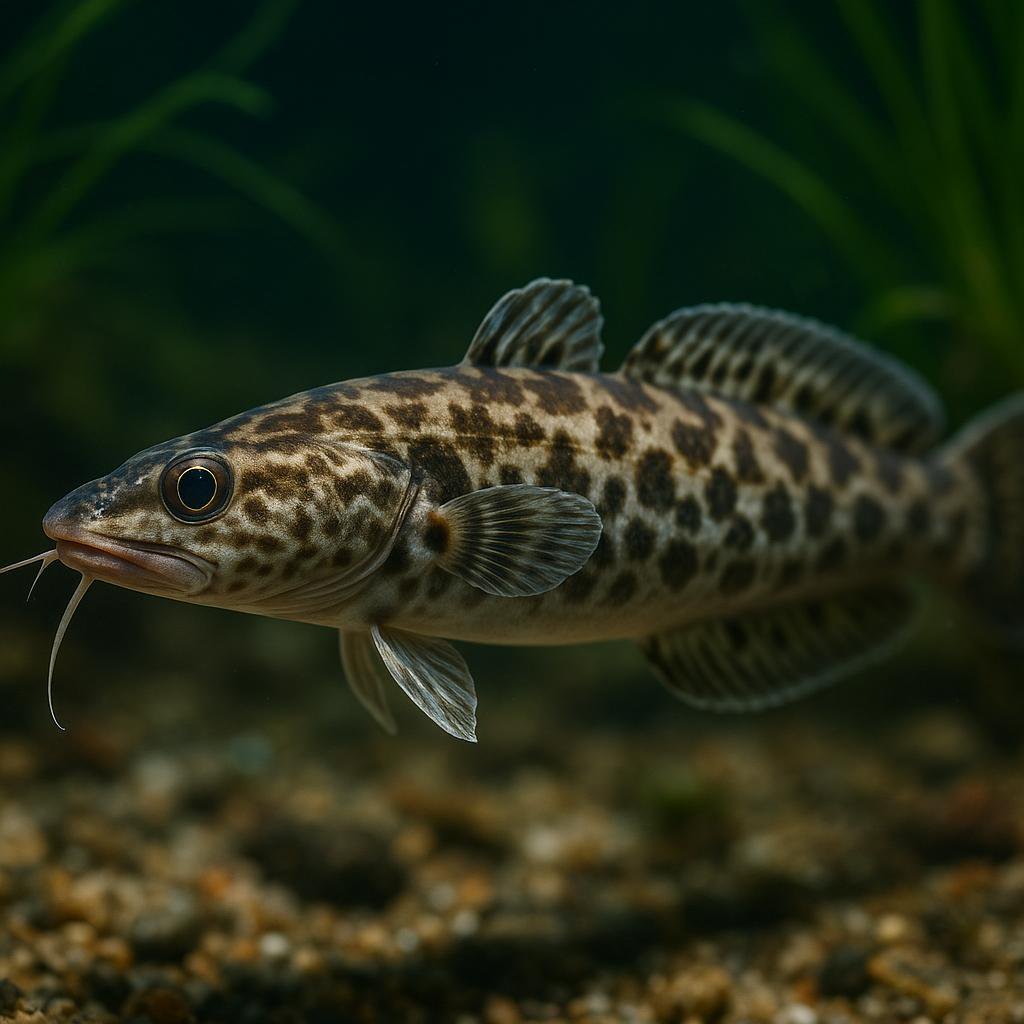
Arctic rockling
Gaidropsarus argentatus
This is a deepwater North Atlantic rockling (a cod relative) that hangs out on soft bottoms way down the slope. It is a cold-water, bottom-hugging predator that snoots around for crustaceans and will also take small fish when it gets the chance.
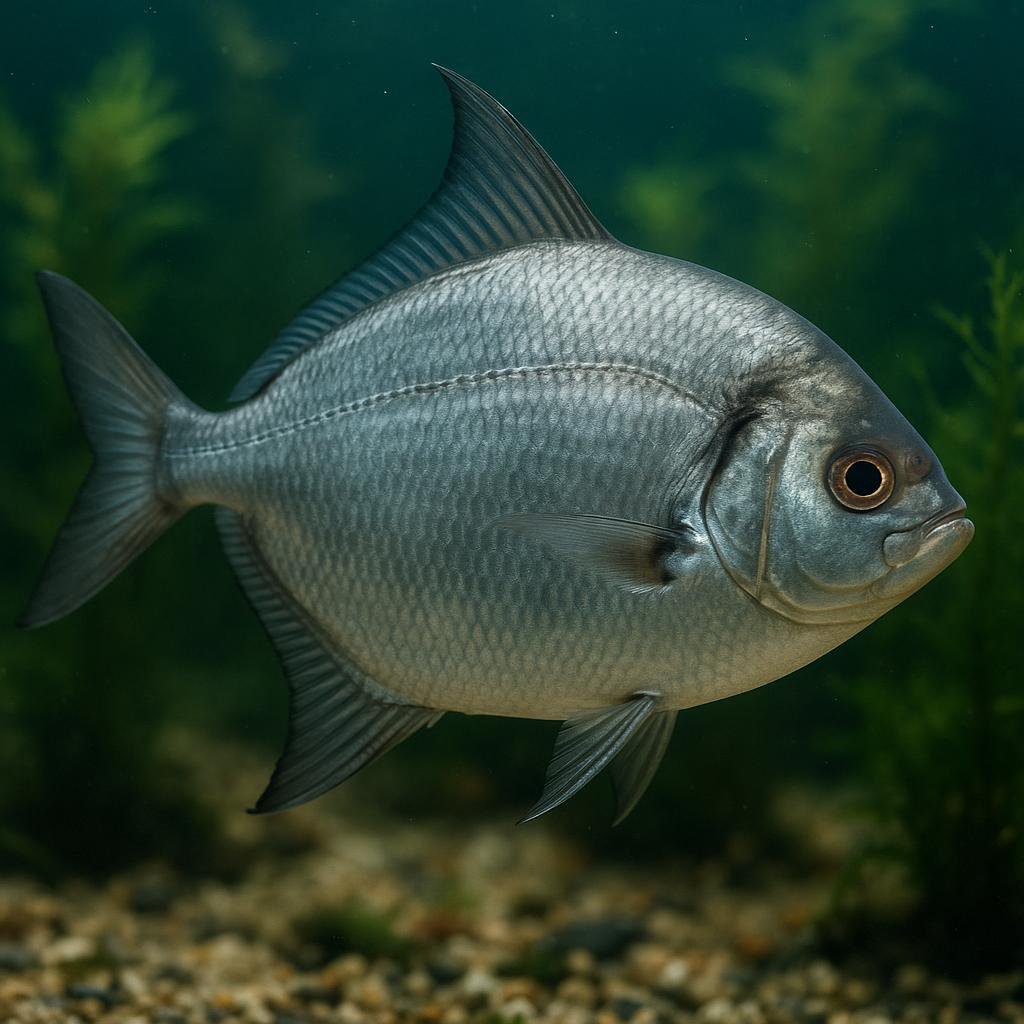
Atlantic pomfret
Brama brama
Brama brama is the Atlantic pomfret (aka Ray's bream) - a deep-bodied, open-ocean pelagic fish that cruises around in small schools and follows water temps. It is a legit big, wild marine species (not an aquarium fish) that eats other small sea critters like fish and squid, and it ranges across a huge chunk of the Atlantic plus parts of the Indian and South Pacific.
Looking for other species?