

Pygmy filefish
Stephanolepis setifer
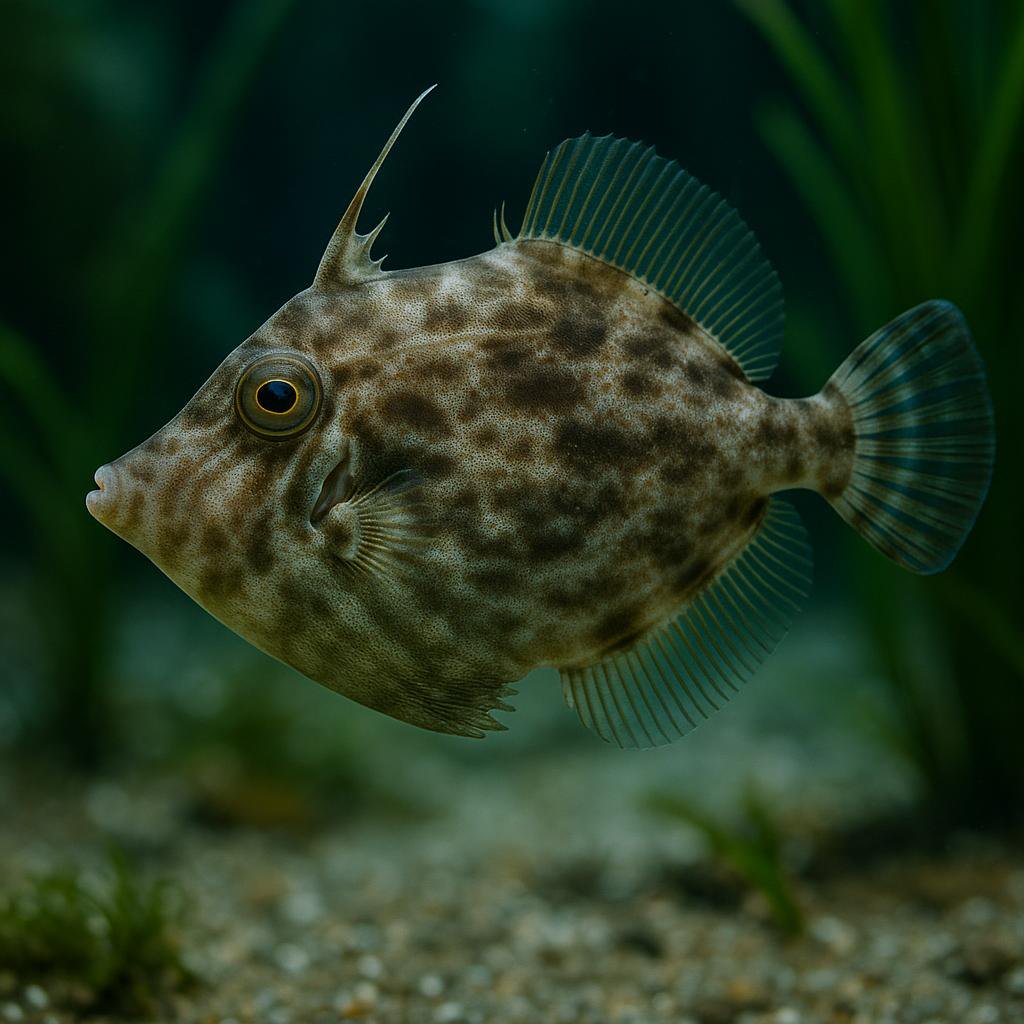
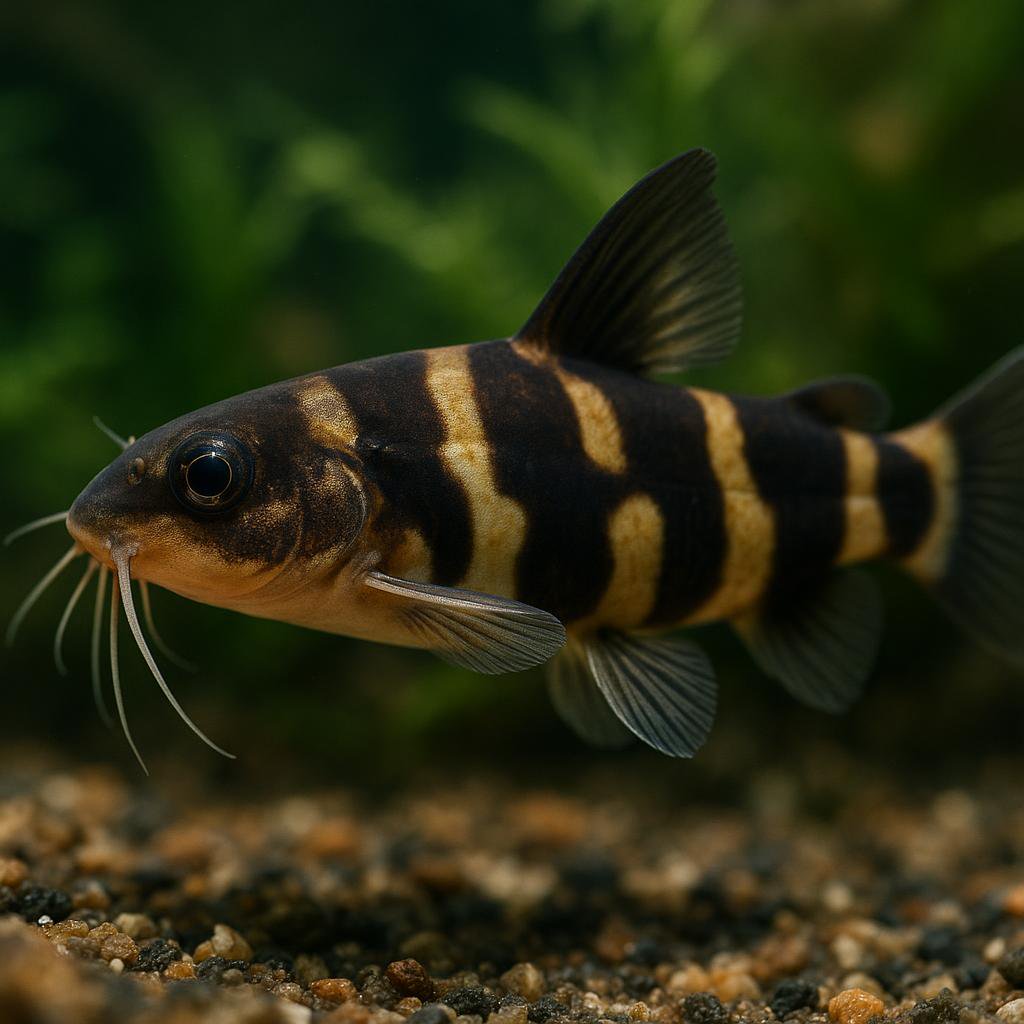
The Pygmy filefish features a compressed body, distinctively patterned with pale yellow to brown hues and small, rounded dorsal and anal fins.
This page includes AI-generated images. Why am I seeing AI images?
About the Pygmy filefish
Stephanolepis setifer (pygmy filefish) is a Western Atlantic filefish often found over seagrass beds and sandy/muddy bottoms; juveniles commonly associate with floating seaweeds/sargassum. It has variable coloration for camouflage, reaches about 18–20 cm total length, and likely feeds on plants/algae and small invertebrates.
Also known as
Quick Facts
Size
18-20 cm TL
Temperament
Semi-aggressive
Difficulty
Advanced
Min Tank Size
55 gallons
Lifespan
3-7 years
Origin
Western Atlantic (North Carolina to Brazil, including Bermuda, Gulf of Mexico, and the Caribbean)
Diet
Omnivore - algae/plant matter plus small benthic invertebrates (offer meaty frozen foods and marine algae)
Water Parameters
22.7-28.5°C
8-8.4
8-12 dGH
Need a heater for this species?
This species needs 22.7-28.5°C in a 55 gallon tank. Use our heater calculator to find the right wattage.
Calculate heater sizeCare Notes
- Go bigger than you think: a 40-55g with lots of branching rock, macro, and hidey holes keeps them calm and gives them stuff to pick at. They do way better in a mature tank with pods and microfauna already rolling.
- Keep salinity steady around 1.025-1.026 and dont let pH swing (8.1-8.4). They get cranky fast with nitrate creep, so try to keep NO3 under ~10-20 ppm and phosphate not sky-high.
- Feeding: In the wild this species likely eats plants/algae and small invertebrates; in captivity provide a varied diet that includes meaty items and some plant-based/marine algae components, and monitor body condition closely.
- Use a feeding station or target feed with a pipette because faster fish will steal everything. Watch the belly - they should look slightly rounded after meals, not pinched.
- Tankmates: think peaceful and not too competitive (gobies, blennies, firefish, small wrasses that arent hyper). Avoid dottybacks, hawkfish, aggressive damsels, and anything that will harass it or outcompete it at feeding time.
- Coral/invert risk is real - they can nip at polyps, tube worms, and tiny crabs, and they love picking at anything that looks like a snack. If you care about fancy LPS or ornamental shrimp, this fish can be a gamble.
- Cover the tank and block pump intakes: they can wedge into weird spots and get sucked or scraped. Also watch for skin scrapes and secondary infections because they dont have the same scale armor as many reef fish.
- Breeding is possible but not casual: pairs will get territorial and tend to lay adhesive eggs on rock/algae, and the male often guards. If you ever see them cleaning a patch and doing short rushes, stop moving rocks and keep hands out for a bit.
Compatibility
Good Tankmates
- Compatibility: Use caution mixing with other filefish; species-specific compatibility is not well-documented for Stephanolepis setifer, and individual aggression/feeding competition can be significant.
- Peaceful to semi-chill wrasses that stay busy and dont pick at weird-shaped fish - think smaller Halichoeres types, not the super pushy ones
- Fairy and flasher wrasses - they mostly ignore the filefish, and the filefish usually ignores them back as long as feeding is regular
- Clownfish (most common ocellaris/percula types) - usually fine as long as the clowns arent big established bruisers and the filefish has hiding spots
- Reef-safe-ish gobies and blennies that keep to their lane (watchman gobies, tailspot blennies, etc.) - they dont compete much and they arent tempting targets
- Cardinals and similar calm midwater fish (banggai, pajama cardinals) - good vibe match, just make sure everyone is eating well so the filefish doesnt get pushy at feeding time
Avoid
- Triggerfish - even the smaller ones tend to treat a pygmy filefish like a chew toy, and the filefish cant really defend itself
- Large aggressive dottybacks and nastier pseudochromis types - they love to harass anything that hovers or wedges into rock, and thats basically a filefish all day
- Big territorial damsels (three-stripe, domino, etc.) - constant chasing and nipping, the filefish ends up stressed and hiding
- Nippy angels (especially dwarf angels that are already bossy) - not always a guaranteed fight, but ive seen them pick and bully, and the filefish is a slow, easy target
Where they come from
Pygmy filefish (Stephanolepis setifer) are Western Atlantic fish - Florida and the Gulf are classic spots, and they show up around the Caribbean too. In the wild they hang around reefs, rubble, grass beds, and anything with nooks to hide in. They are the kind of fish you can lose in plain sight because they blend in and wedge themselves into structure.
Setting up their tank
This is an advanced one mostly because of feeding and how touchy new imports can be. If you can get one eating reliably, the rest of the husbandry is very doable.
Give them a tank with lots of cover and lots of micro-life. Think rockwork with holes, overhangs, and some softer areas (rubble, macro, spongey looking stuff) where pods and little critters can live. They like to hover, pick, and disappear into the scape when they feel like it.
- Tank size: I would not do less than 30 gallons for one, and bigger is easier because you can keep food available without wrecking water quality.
- Flow: moderate. Too much blasting flow makes shy filefish stay tucked away.
- Lighting: whatever matches your setup, but avoid a bare, sterile "fish-only" look. They act braver with cover.
- Aquascape: build a few tight crevices they can wedge into at night. They sleep like little triangles jammed into rock.
- Water stability: they hate swingy systems. A mature tank beats a brand new one every time.
Cover the tank. They are not famous jumpers like wrasses, but spooked filefish can and will launch. A tight lid also keeps them from getting sucked into overflows.
If you have a refugium or even just a "pod pile" in the display (small rubble zone), it helps. Mine spent a lot of time picking at the rocks between meals.
What to feed them
Feeding is the whole game with pygmy filefish. A lot arrive skinny, and they can be stubborn about prepared foods at first. Plan on being patient and a little obsessive for the first couple weeks.
In my experience, the fastest way to get them going is to offer small, meaty foods that look alive in the water. Once they connect "that thing drifting by = food," you can transition to easier stuff.
- Best starters: live blackworms (if you can get them clean), live enriched brine, live copepods, small live mysis.
- Frozen that often works: PE mysis chopped up, spirulina brine (as a bridge food), finely chopped clam/squid/shrimp.
- Prepared: small pellets can happen later, but many never really become pellet pigs. Try tiny, soft pellets soaked in something smelly (Selcon, clam juice).
- Feeding frequency: small meals 2-4 times a day beats one big dump. They are pickers.
Target feeding helps a lot. A turkey baster or small pipette lets you put food right in front of their face without the whole tank going into a frenzy.
Watch for "looks like it's eating" but still losing weight. Some will peck and spit. Check the belly from the side: you want a gently rounded look, not a pinched, hollow abdomen.
How they behave and who they get along with
They are shy, slow, and kind of goofy. They hover, change posture, and wedge into rocks to rest. They do not compete well with fast, pushy eaters. Most losses I have seen were basically bullying at the dinner table, not outright aggression.
- Good tankmates: calm gobies, blennies (non-territorial ones), smaller cardinalfish, peaceful grammas, gentle tangs in larger tanks, pipefish style communities (if you can meet feeding needs).
- Use caution: clownfish that own the whole tank, dottybacks, hawkfish, big wrasses, aggressive damsels, anything that rushes food like a torpedo.
- Inverts: generally reef-safe with corals, but they may sample tiny crustaceans and can pick at very small ornamental shrimp. They sometimes nip at feather dusters or tube worms.
Filefish in general can be nibblers. This species is not known as a hardcore coral eater like some filefish, but any individual can develop a taste for something. If you keep fancy worms or delicate polyps, keep an eye on it.
Breeding tips
Breeding pygmy filefish in home tanks is not super common, but they do show interesting pairing behavior if you keep a compatible male and female. If you ever see two hanging out together, not chasing, and moving as a unit, you might be onto something.
- Sexing: not always obvious. Males in some filefish get slightly different body proportions and may show more confident display behavior, but do not rely on it.
- Pairing: add them at the same time if possible and give them lots of space and hiding spots.
- Spawning: they may deposit eggs on a surface in the rockwork. If you actually find a clutch, you will need a plan for larval rearing - tiny live foods (rotifers, copepod nauplii) and stable planktonic conditions.
If breeding is your goal, keep the tank calm and the feeding heavy. A well-fed pair is way more likely to show any spawning behavior than fish that are just scraping by.
Common problems to watch for
Most issues with this fish trace back to shipping stress and not eating enough early on. After they settle and you keep weight on them, they can be surprisingly hardy.
- Starvation/slow decline: the number one problem. Track body shape weekly and adjust feeding before it gets bad.
- Getting outcompeted: they hang back while wrasses and anthias mow everything down. You may need to feed after lights out or target feed.
- Parasites (ich/velvet): shy fish can hide symptoms until its advanced. Quarantine helps a lot, but QT is only useful if you can get them eating in it.
- Mouth damage: they peck rock and can scrape themselves if they panic and wedge into sharp areas. Smooth out any "knife edge" rock points.
- High nutrients from heavy feeding: you will probably feed more than you are used to. Skimming, refugium, and regular export keep the tank from turning into a soup.
Do not buy one that is already pinched-in and listless unless you are ready for a rehab project. A skinny pygmy filefish can look "fine" for a week and then crash fast.
A quick daily check that saves fish: does it come out for food, and does the belly look a little rounded after the meal? If yes, you are on the right track.
Similar Species
Other marine semi-aggressive species you might be interested in.
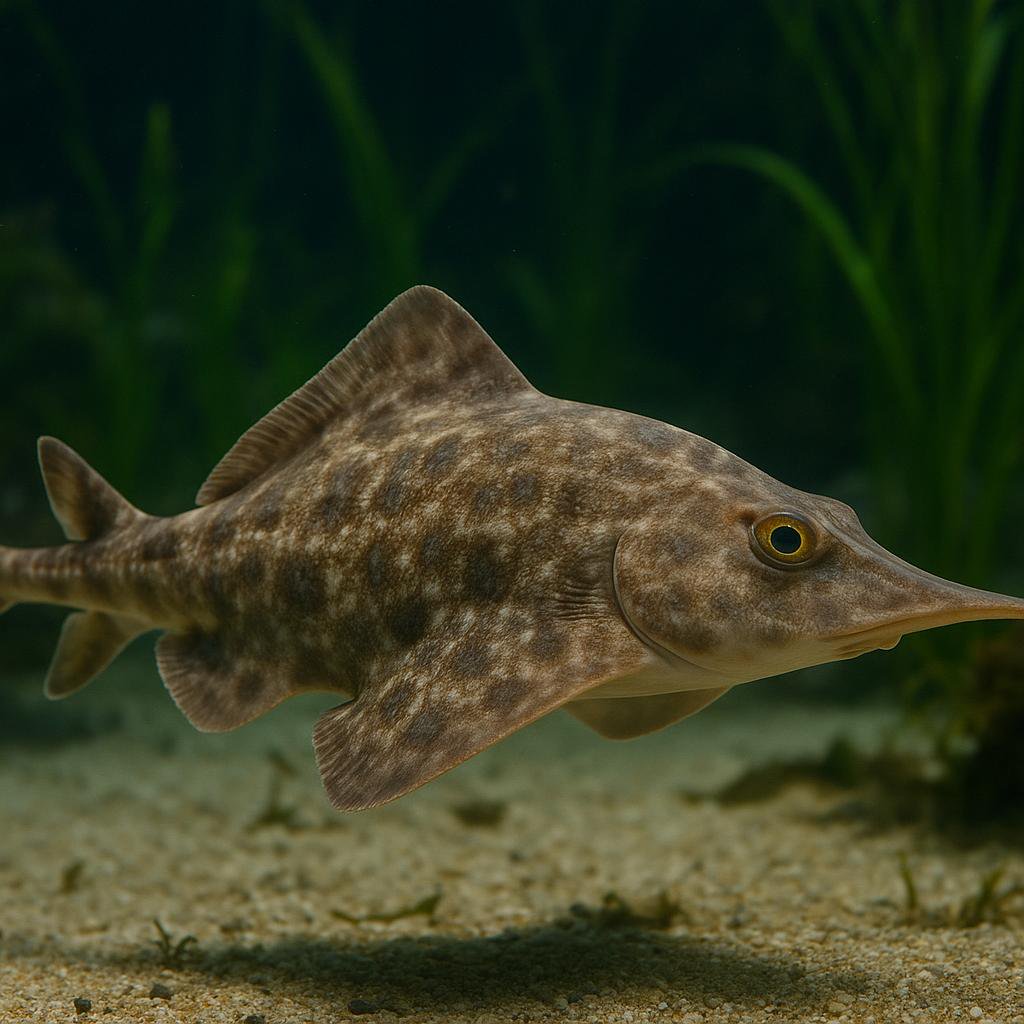
Aleutian skate
Bathyraja aleutica
This is a big, cold-water deep-slope skate from the North Pacific that cruises muddy bottoms and eats chunky benthic prey like crabs and shrimp. The really cool bit is its egg-laying skate life - it does distinct pairing (the classic skate "embrace") and drops those tough egg cases on the seafloor. Not an aquarium fish at all unless you're basically running a public-aquarium-style chilled system.
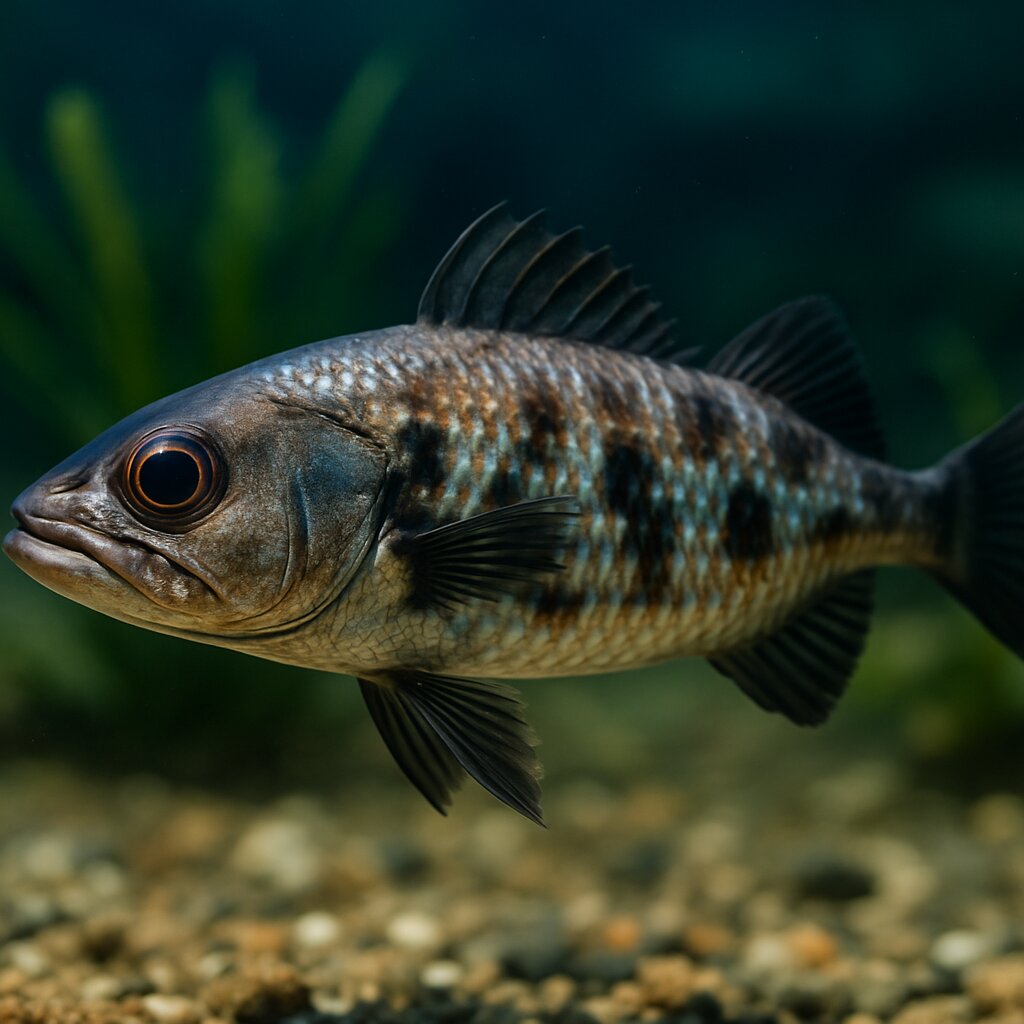
Antarctic dragonfish
Vomeridens infuscipinnis
Deep down around Antarctica, this sleek dragonfish cruises the water column like a little submarine, nearly neutrally buoyant so it can hover above the seafloor. It munches almost exclusively on Antarctic krill and lives in near-freezing water 500-800 m down, so it is a cool species to read about, not one for home tanks.
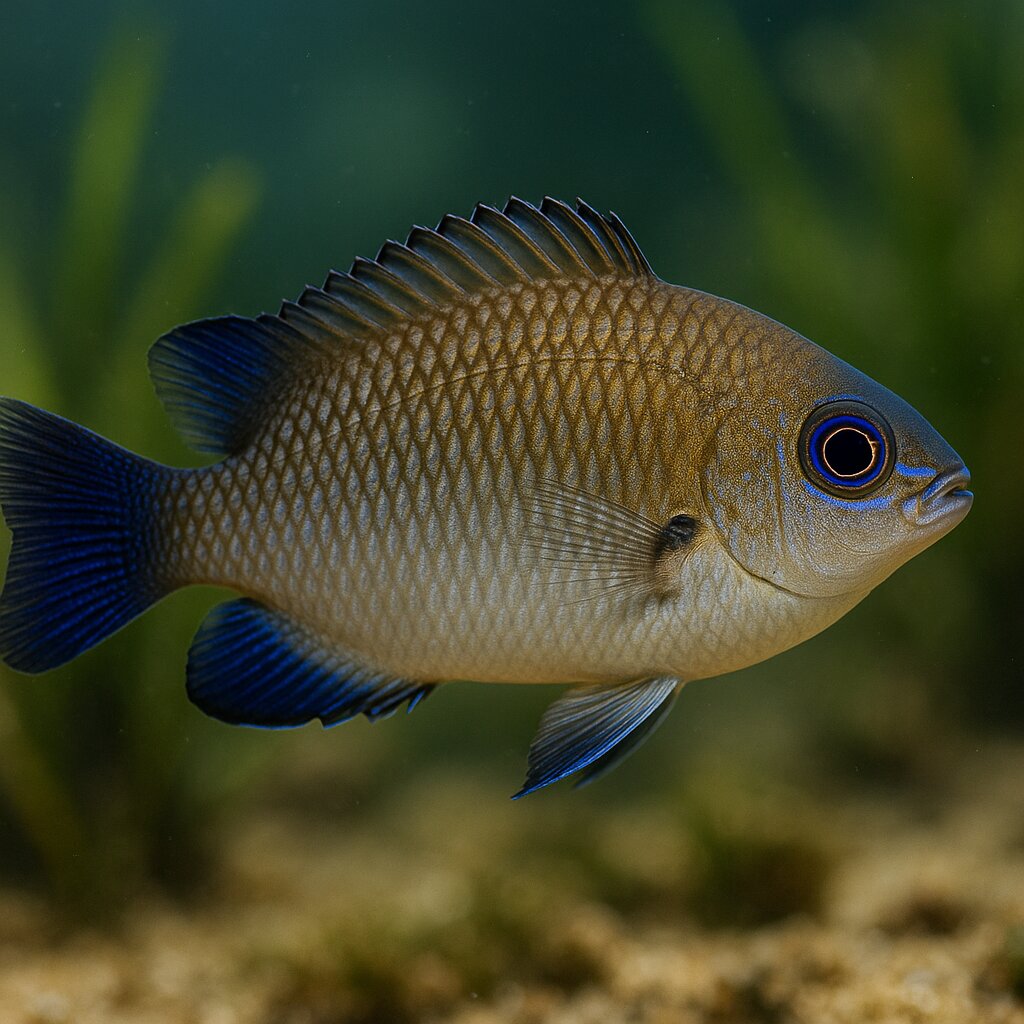
Arabian demoiselle
Neopomacentrus sindensis
A small lyretail damsel from the Persian Gulf and Arabian Sea, it hangs in loose groups around coral heads, rocks, and even pier pilings picking zooplankton from the flow. Think classic damsel toughness with a slightly milder attitude than the real bruisers, plus subtle yellow tail accents. Males clean a patch, get a mate to lay eggs there, and then stand guard fanning the clutch.
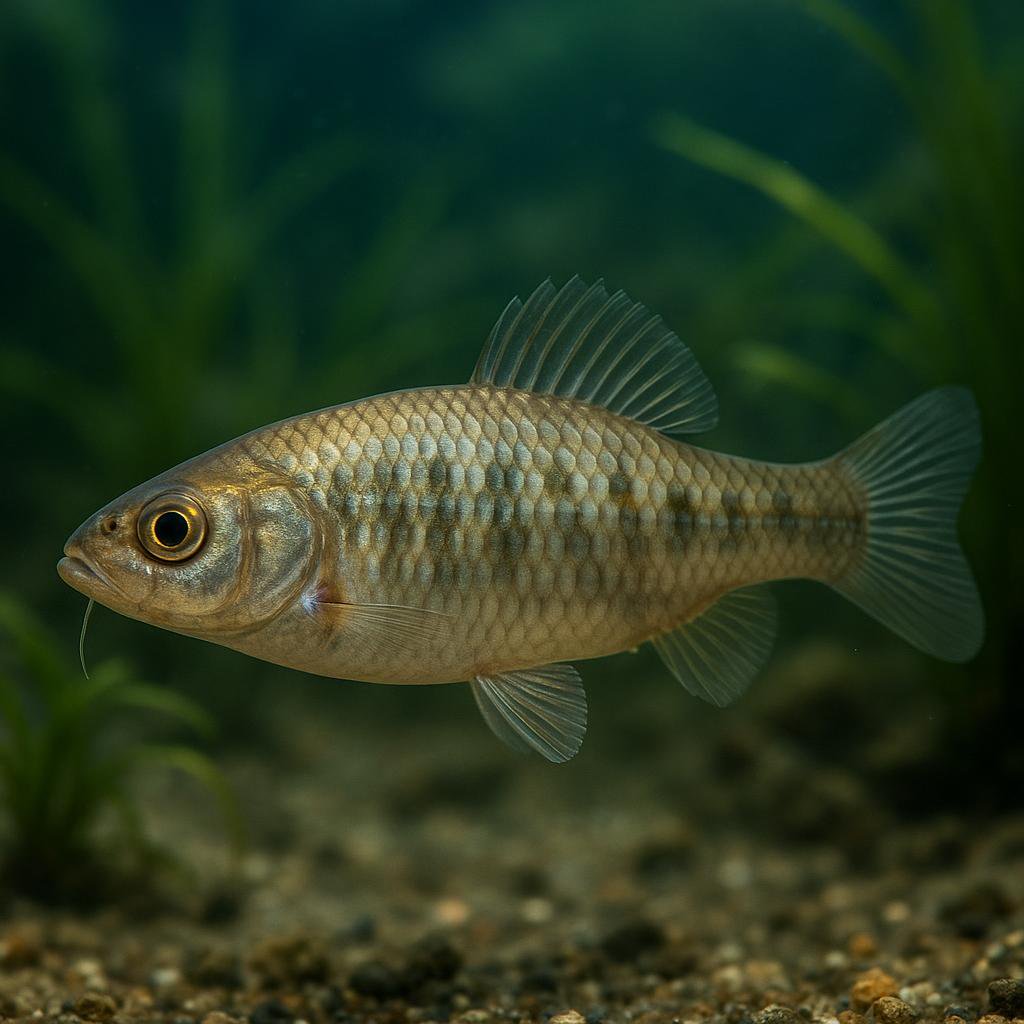
Arabian spiny eel
Notacanthus indicus
Notacanthus indicus is a deep-sea spiny eel (family Notacanthidae; not a true eel) known from the Arabian Sea on the continental slope at roughly ~960–1,046 m depth, with reported maximum length around 20 cm TL; it is a deep-water bycatch species and not established in the aquarium trade.
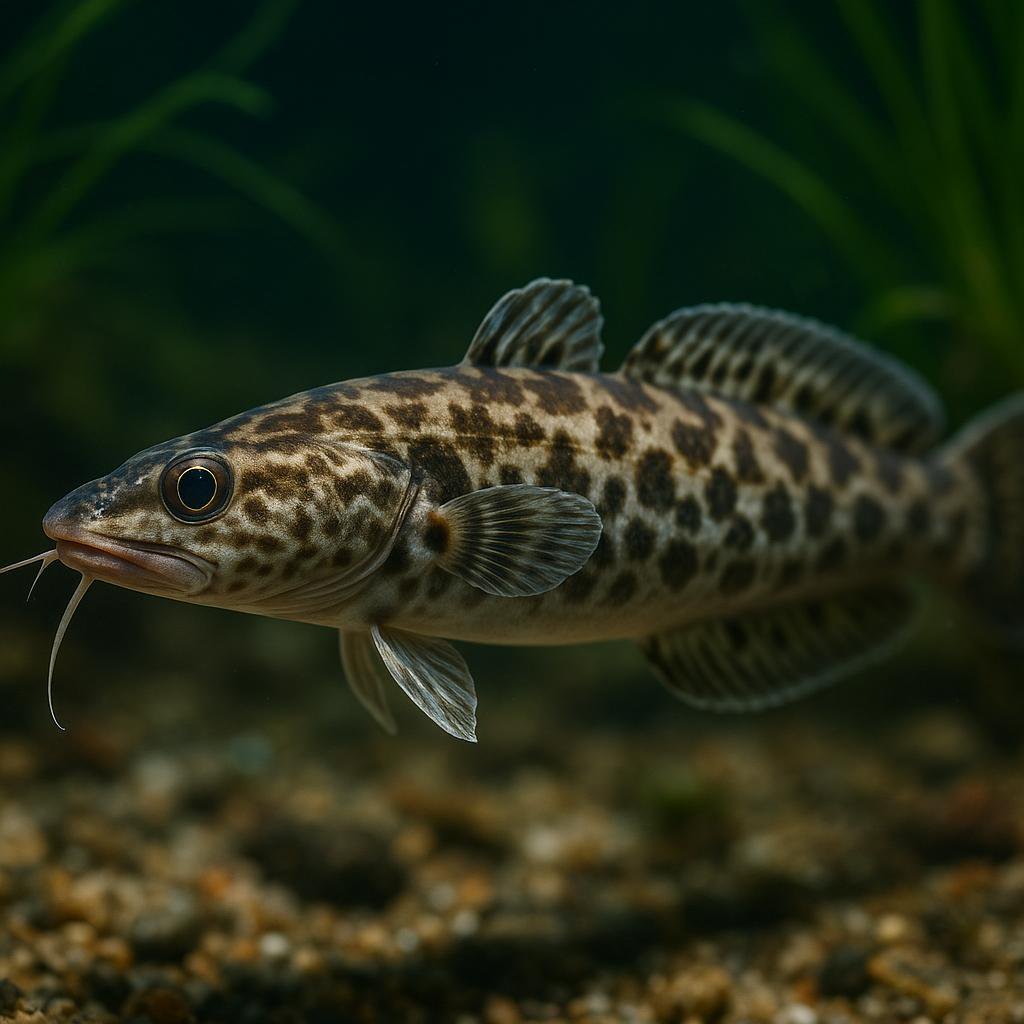
Arctic rockling
Gaidropsarus argentatus
This is a deepwater North Atlantic rockling (a cod relative) that hangs out on soft bottoms way down the slope. It is a cold-water, bottom-hugging predator that snoots around for crustaceans and will also take small fish when it gets the chance.
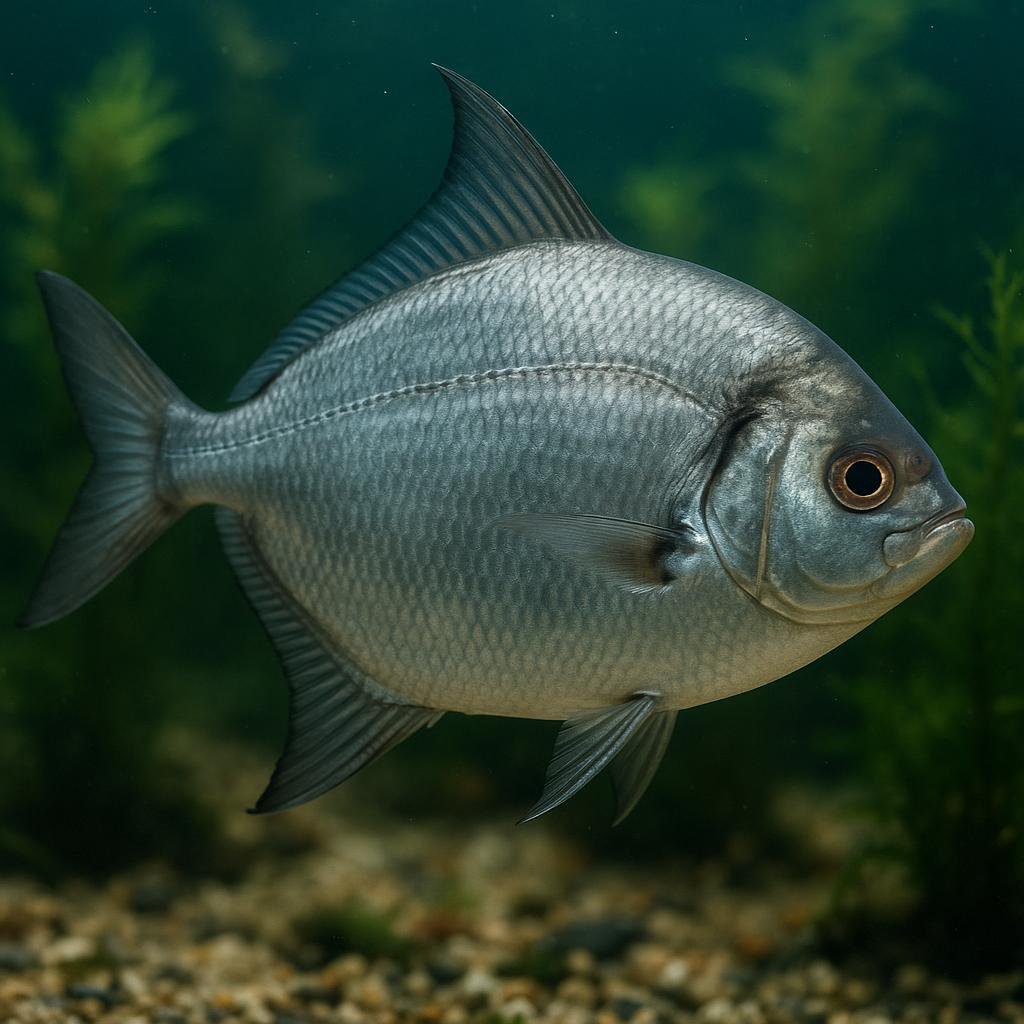
Atlantic pomfret
Brama brama
Brama brama is the Atlantic pomfret (aka Ray's bream) - a deep-bodied, open-ocean pelagic fish that cruises around in small schools and follows water temps. It is a legit big, wild marine species (not an aquarium fish) that eats other small sea critters like fish and squid, and it ranges across a huge chunk of the Atlantic plus parts of the Indian and South Pacific.
More to Explore
Discover more marine species.
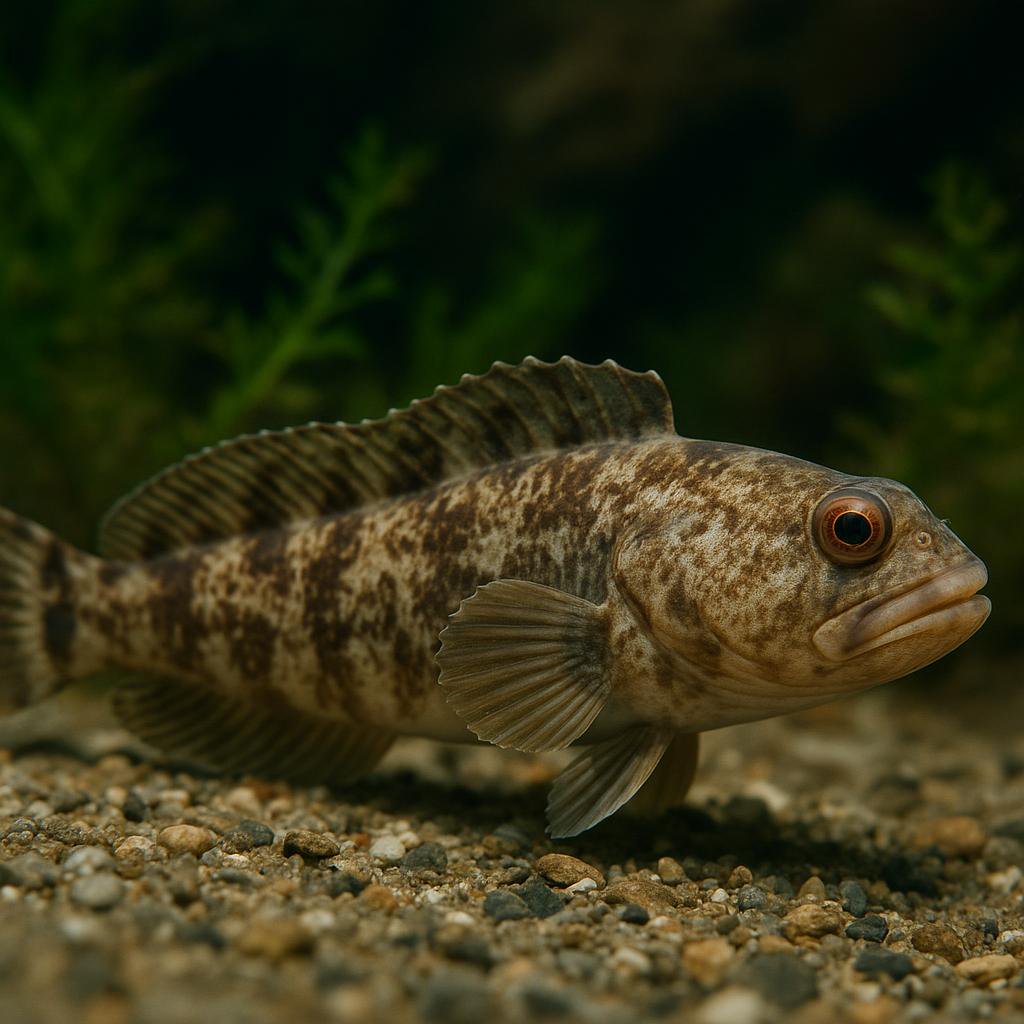
Abe's eelpout
Japonolycodes abei
Japonolycodes abei is a temperate, deepwater demersal eelpout (family Zoarcidae) endemic to Japan (Kumano-nada Sea reported; other sources also report Sagami Bay and Tosa Bay). It is the only species in the genus Japonolycodes and occurs roughly 40-300 m depth, making it an uncommon/atypical aquarium species.
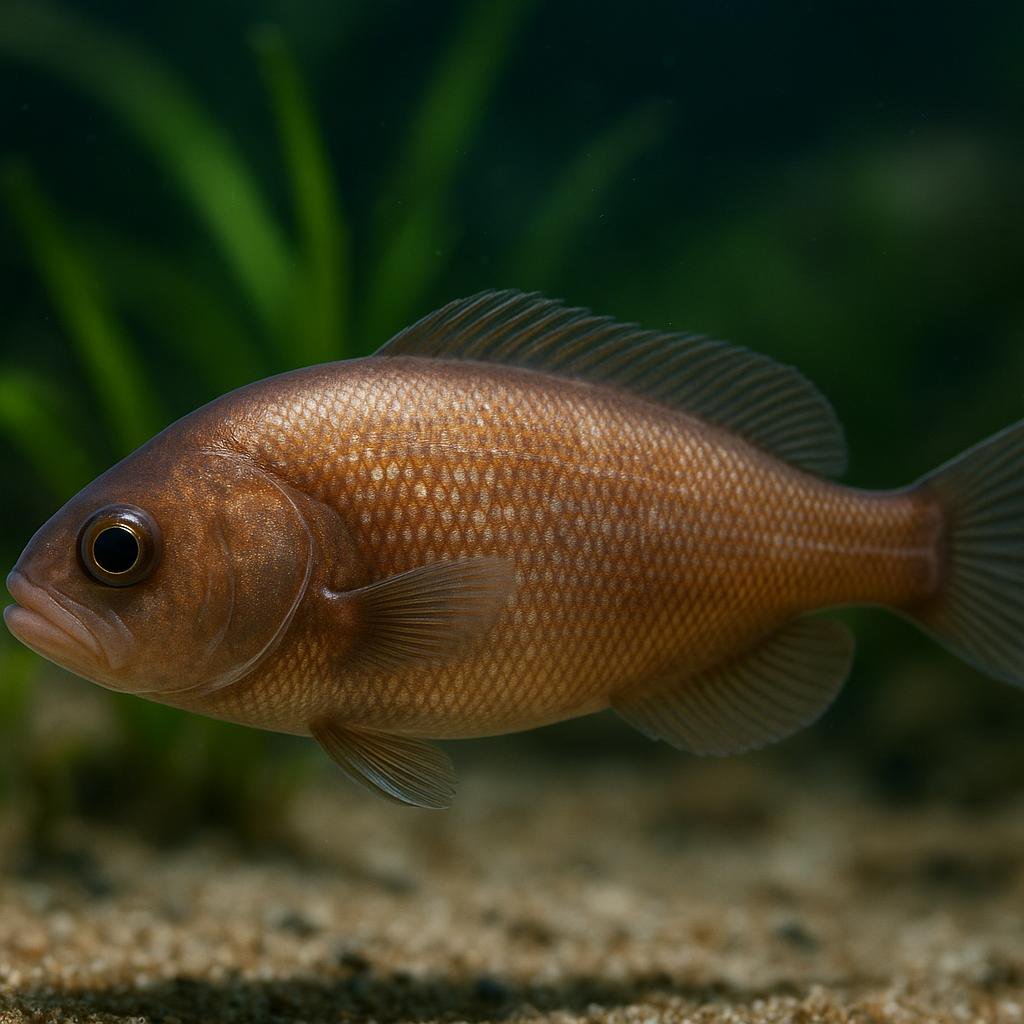
Affinis blind cusk-eel
Barathronus affinis
Barathronus affinis is a tiny, super-weird deep-sea blind cusk-eel from the western-central Indian Ocean. It is one of those gelatinous, loose-skinned brotula-type fishes that live way down in the dark and are basically never seen alive, so almost everything we know comes from preserved specimens and taxonomic work.
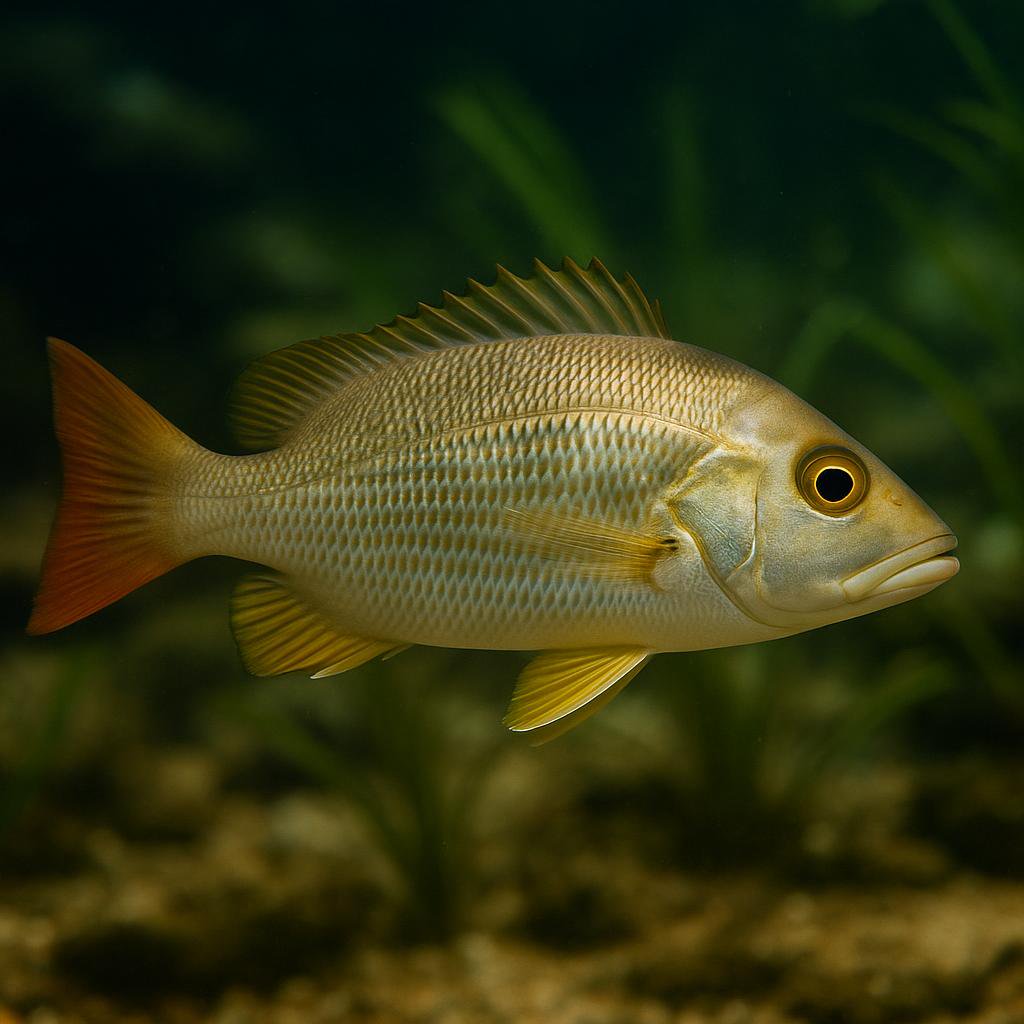
African red snapper
Lutjanus agennes
This is a true snapper from West Africa - a big, fast-growing predator that goes from coastal reefs to brackish lagoons and estuaries (especially as a juvenile). Super cool fish in the wild, but it gets absolutely huge and will eat smaller tankmates once it has the mouth for it, so its really more of a public-aquarium scale animal than a home-aquarium fish.
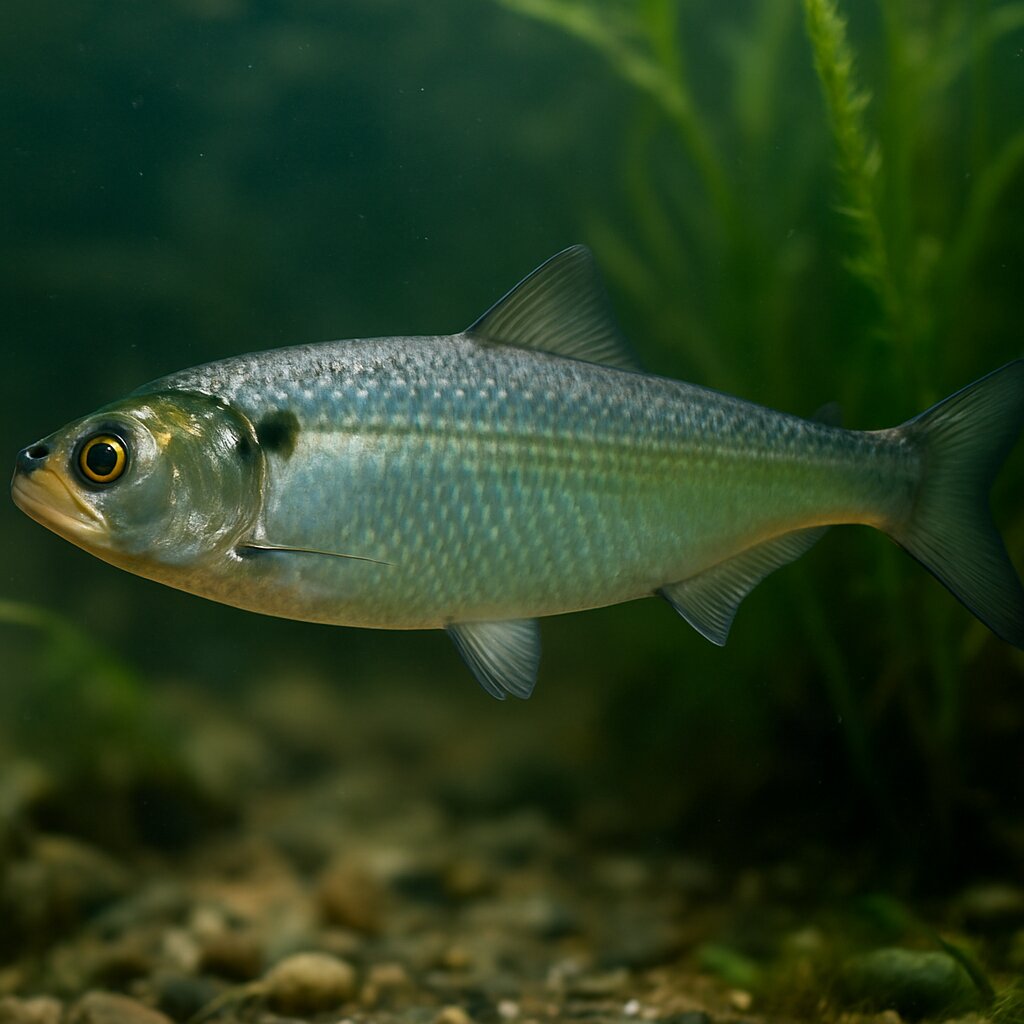
Allis shad
Alosa alosa
Gorgeous silver, fast-swimming shad that spends most of its life in the sea and then surges up big rivers in noisy, surface-spawning schools. It grows huge for a herring-type fish and needs cool, ultra-oxygenated water and tons of open space, so it is a public-aquarium species rather than a home tank fish.
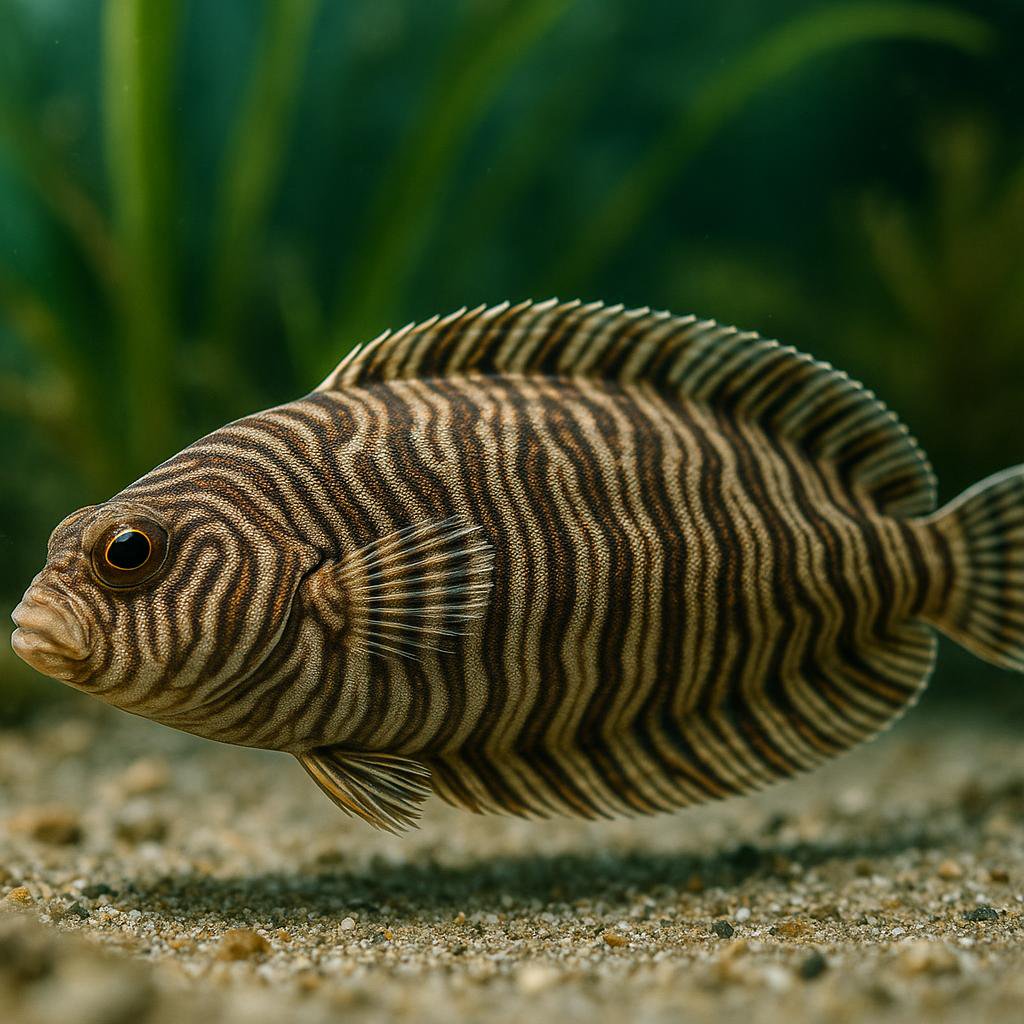
Annandale's zebra sole
Zebrias annandalei
Zebrias annandalei is a small demersal sole from coastal India that inhabits sandy or muddy bottoms and buries for camouflage. It is rarely kept in home aquaria and would require a specialized marine sand-bottom setup and appropriate feeding.
Australian sawtail catshark
Figaro boardmani
Figaro boardmani is a small, deepwater Australian catshark with these cool saw-like ridges of spiny denticles along the tail and a neat pattern of dark saddle bands. It lives way down on the outer continental shelf and slope, so its natural water is cold, dim, and stable - totally not a typical home-aquarium fish. Diet-wise its a predator that goes after fish, crustaceans, and cephalopods.
Looking for other species?