

Fish That Start With T - Page 2 of 2
Browse all aquarium fish species with common names beginning with "T". Each profile includes care requirements, water parameters, tank size recommendations, and compatibility information for freshwater, marine, and brackish species.
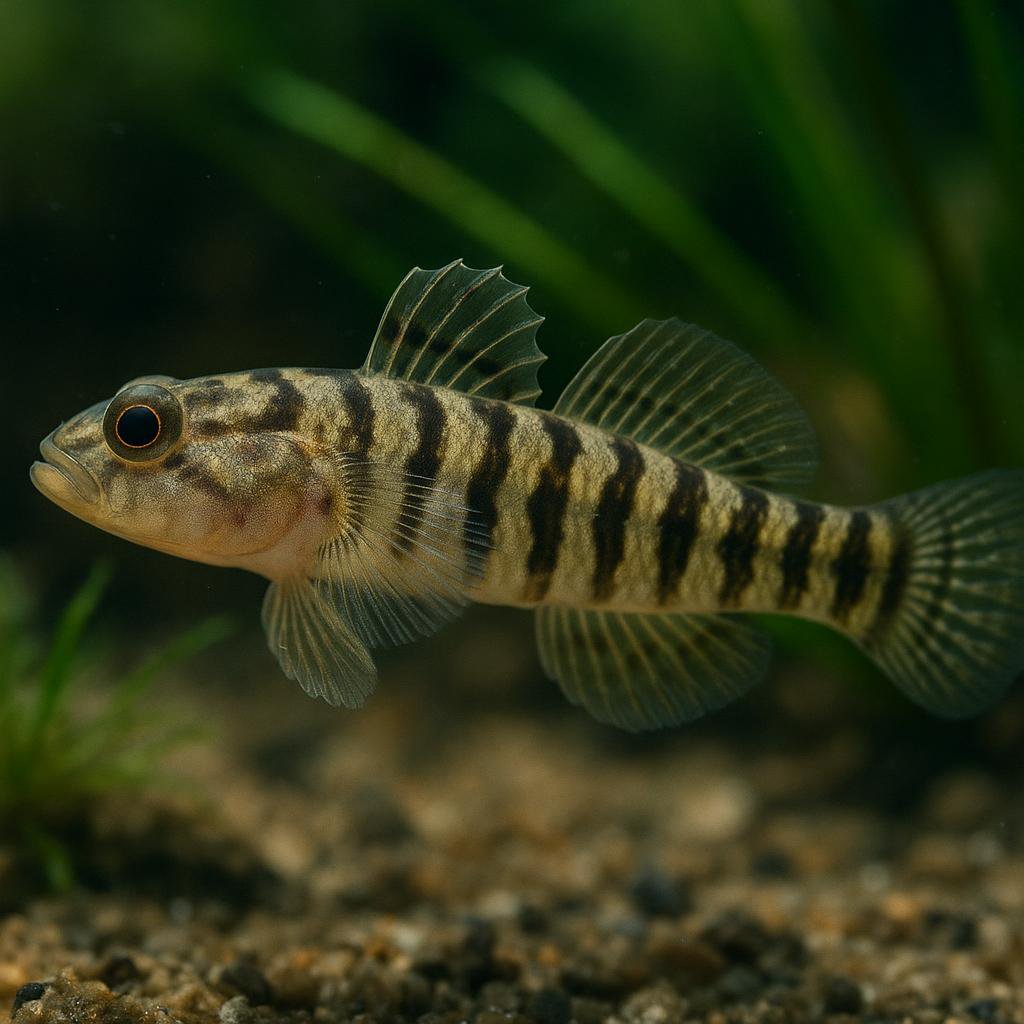
Tiger dwarf goby
Mugilogobius tigrinus
This is a tiny little mangrove goby with crisp black banding that really does look tiger-striped when it colors up. In a calm brackish setup with sand and lots of little hides, the males will posture and flare at each other like they own the place, which is half the fun of keeping them.
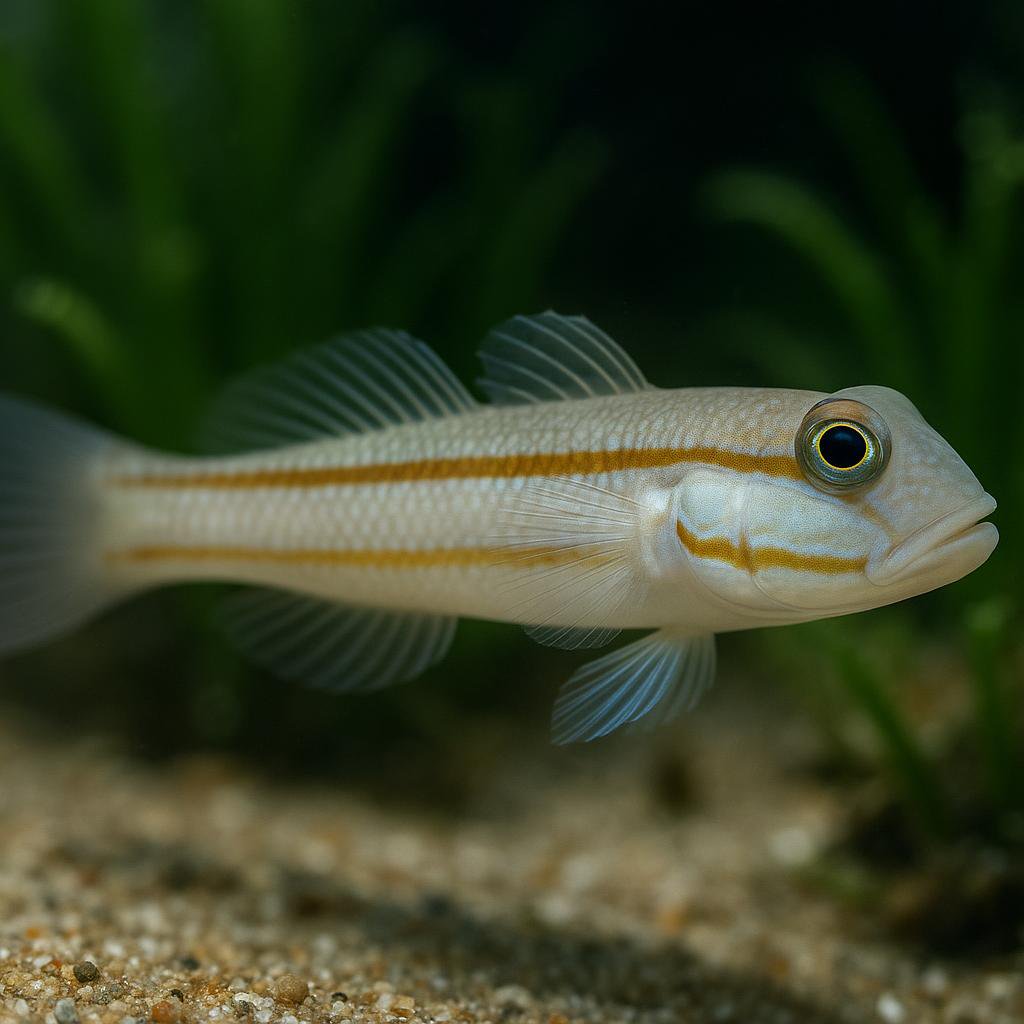
Tiger watchman goby
Valenciennea wardii
This is one of those classic sand-sifting sleeper gobies that will stay busy all day taking mouthfuls of sand, picking out tiny foods, and spitting the clean sand back out. Super chill temperament, but it really wants a mature tank with a real sandbed so it can do its thing without slowly starving. Also heads-up: they can redecorate by burying frags and making little bulldozer trenches.
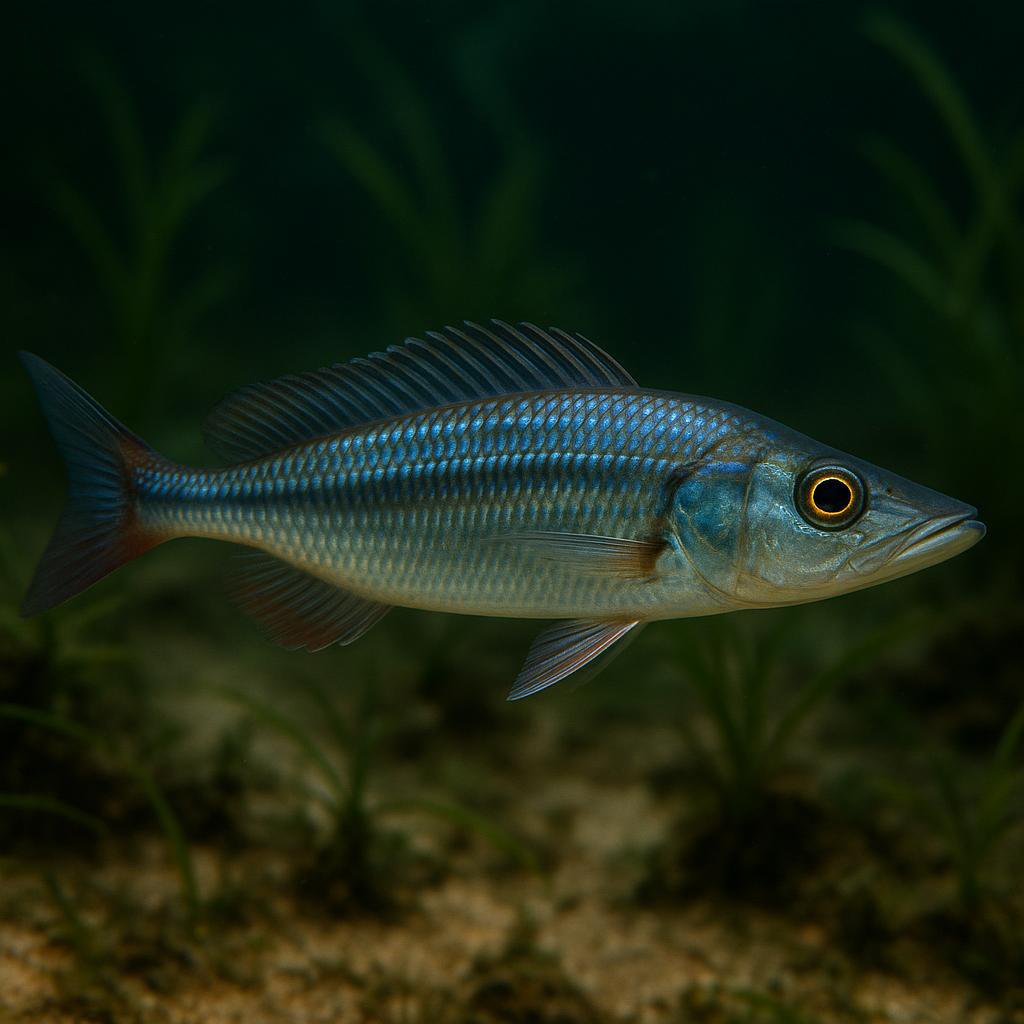
Tigerfish
Rhamphochromis longiceps
This is one of Lake Malawi's sleek, open-water predator haps - long, torpedo-shaped, and built to chase down smaller fish. Adults can get a cool greenish metallic sheen on the back and mature males may look more bluish-grey, plus the females are classic mouthbrooders.
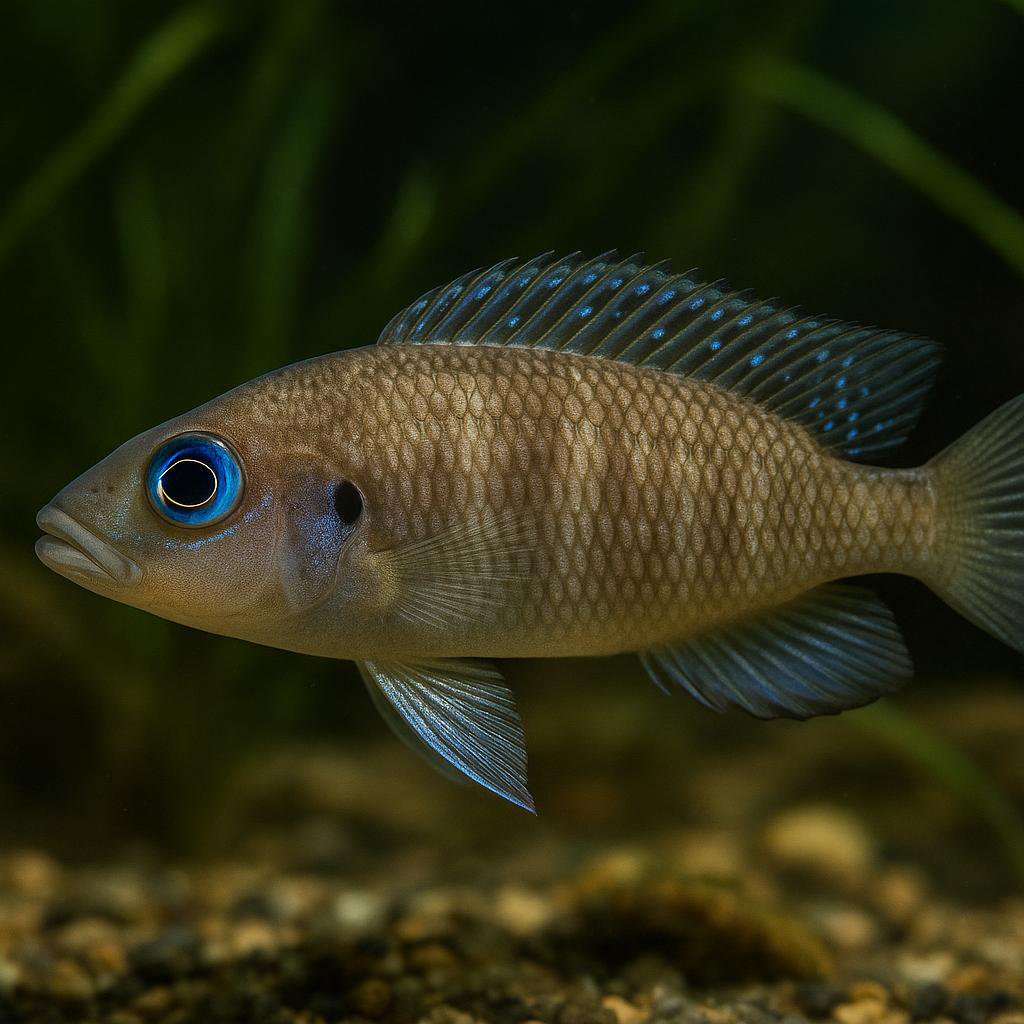
Timid lamprologine cichlid
Neolamprologus timidus
This is a Lake Tanganyika rock-cave cichlid that acts exactly like its name - it tends to be shy and hangs in hard-to-reach caves, often even sitting upside down under overhangs. It tops out around 10 cm and is more of a "pair with a cave" fish than a busy open-water swimmer, so the whole setup is about rocks, shadows, and stable Tanganyika water.
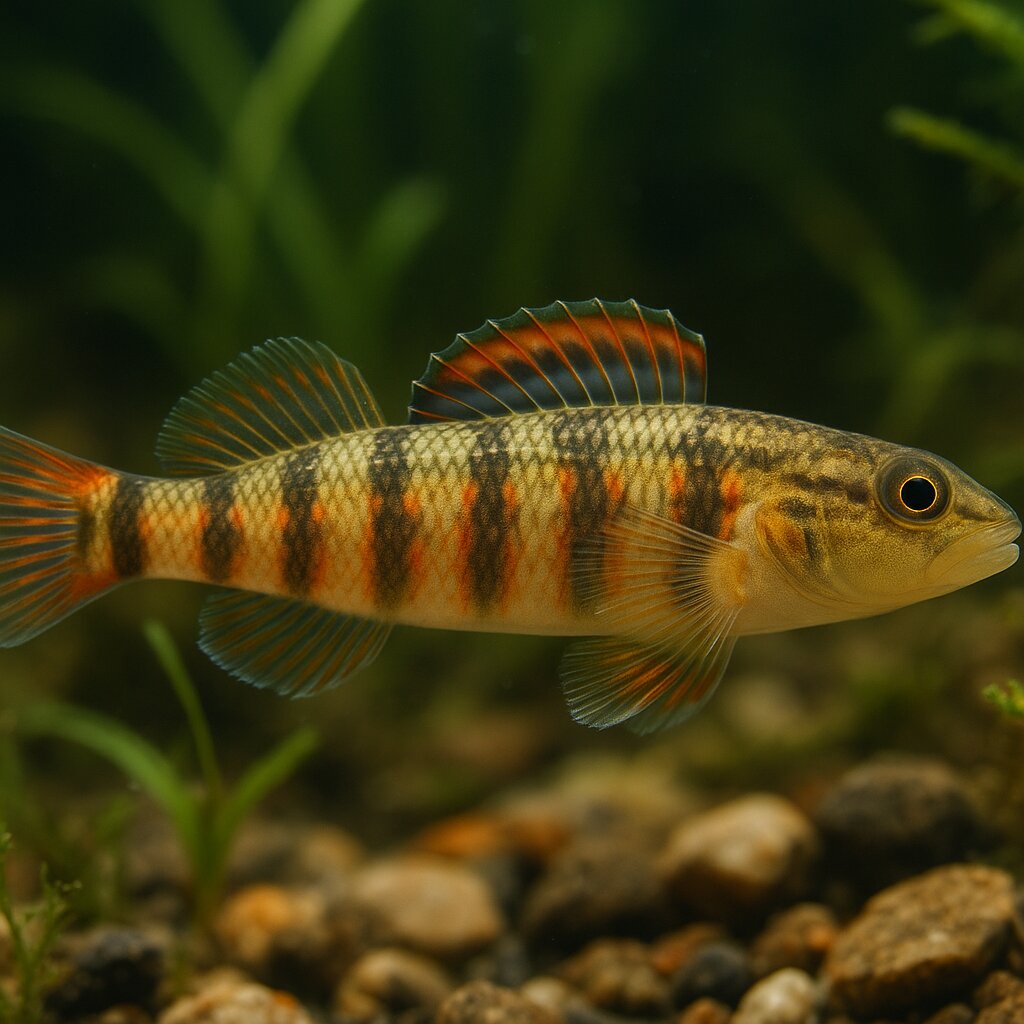
Tippecanoe darter
Etheostoma tippecanoe
Teeny little riffle goblins that perch on the gravel and then rocket up to grab passing bugs. Males get a cool orange throat and fin edges in breeding season, and they spawn by burying eggs in clean pea-sized gravel. Awesome fish to watch, but they need cool, super-clean, fast-moving water to thrive.
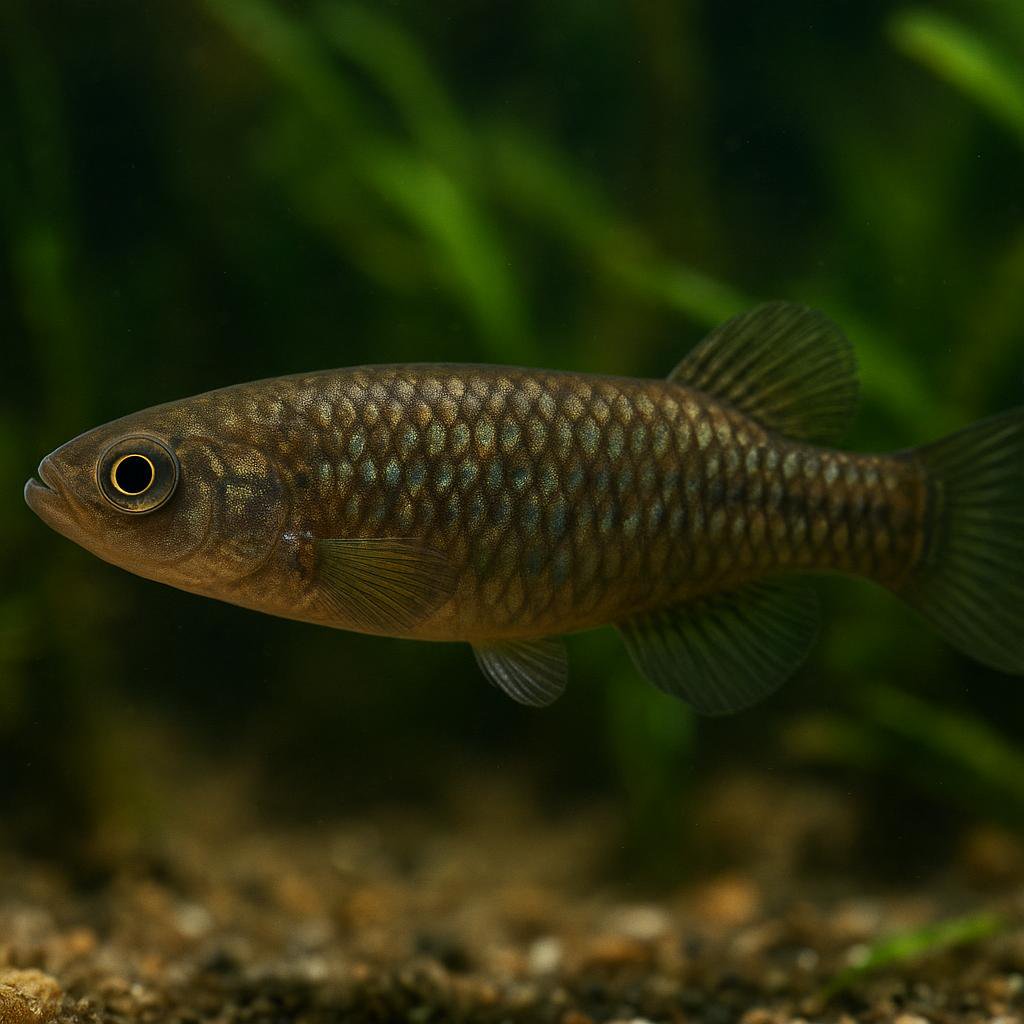
Tom Coon's orestias
Orestias tomcooni
Orestias tomcooni is a little high-altitude killifish from the Lake Titicaca basin, built for chilly, oxygen-rich water. It is one of those super-niche Andean natives you almost never see in the trade, and the big "gotcha" is that it wants cool temps long-term, not a standard tropical setup.
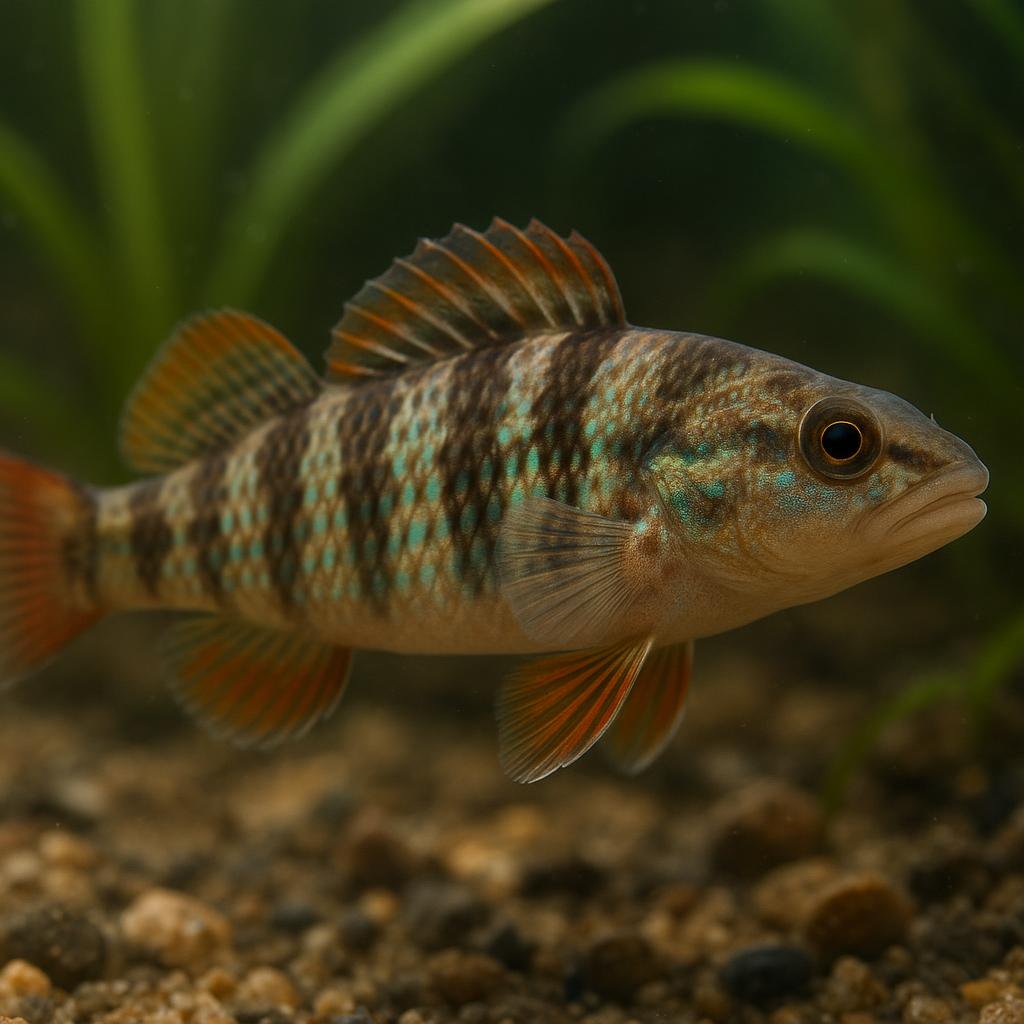
Tombigbee darter
Etheostoma lachneri
This is a tiny Gulf Coastal Plain darter from the Tombigbee drainage, and the males get seriously wild in breeding colors - green/turquoise with orange and blue patterning. In the wild they hang around that stream transition zone from pools into riffles, sticking close to the bottom around sand-gravel, rubble, and snag cover. Think of it as a little bottom-perching insect-hunter that really wants clean, well-oxygenated flowing water.
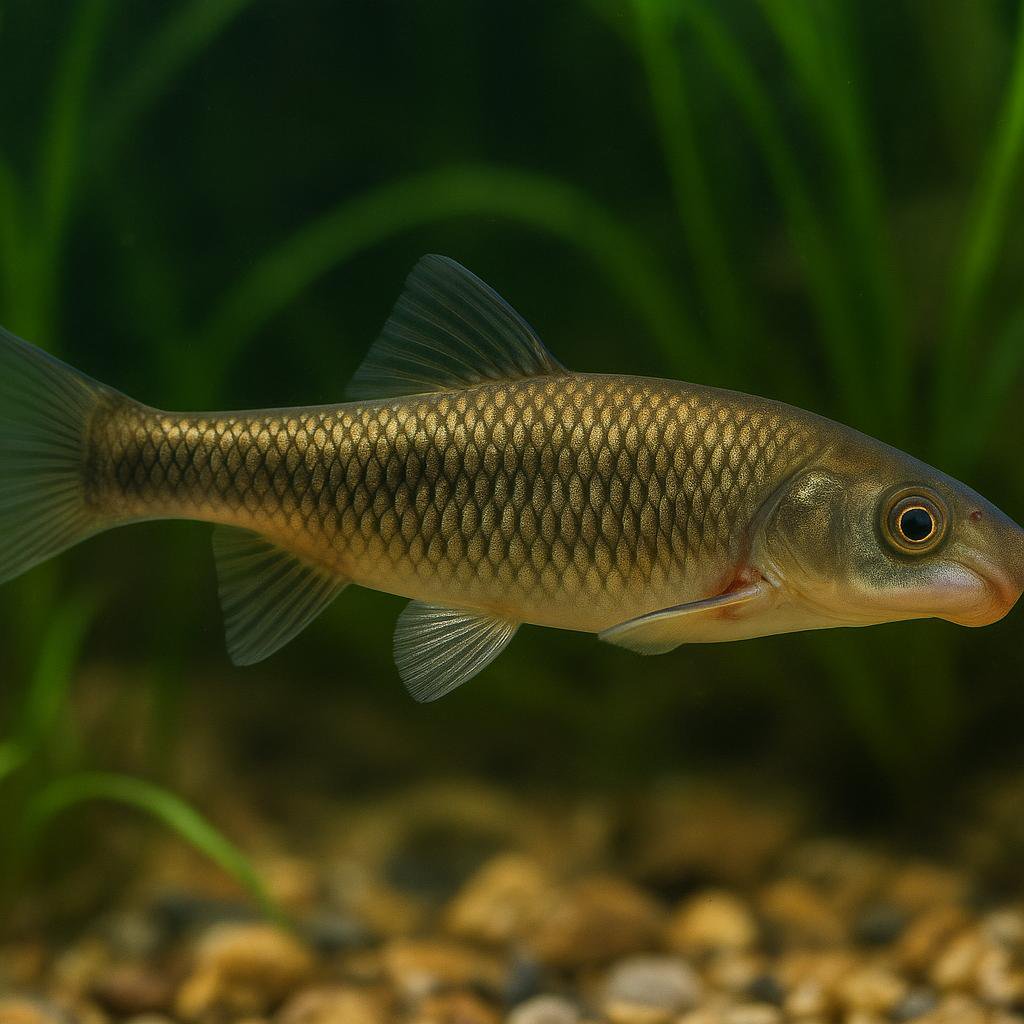
Tonguetied minnow
Exoglossum laurae
Exoglossum laurae (tonguetied minnow) is a freshwater leuciscid minnow of cool, clean, rocky streams in parts of the eastern United States. It has a distinctive ventral mouth adapted for benthic feeding, and it is associated with pebble/rock nest spawning behavior documented for Exoglossum in scientific literature.
Toothed leftvent
Linophryne macrodon
This is a deep-sea anglerfish in the leftvent family, the kind of fish that lives way down in the dark and uses a little glowing lure to bring food right to its mouth. Females get a lot bigger than males (the males are tiny), and the whole vibe is pure deep-ocean weird in the best way.
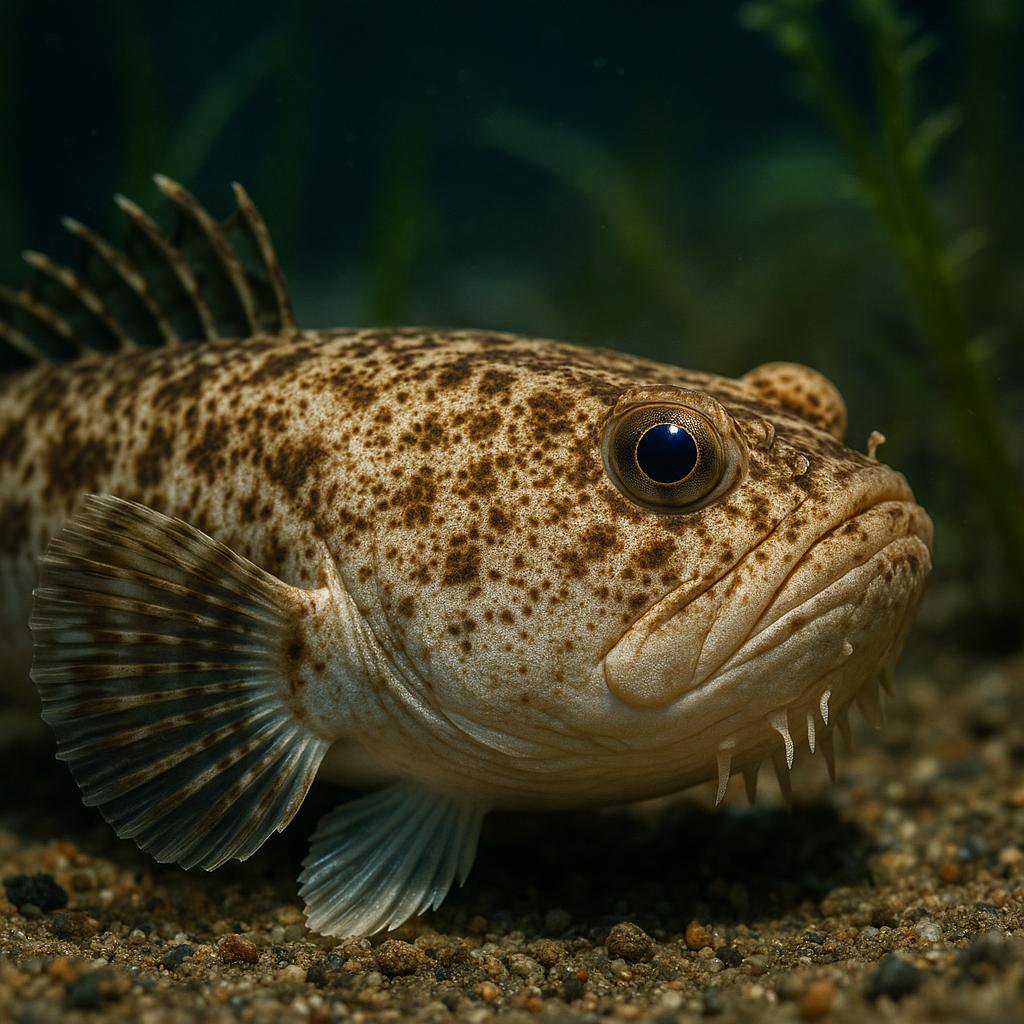
Tosa stargazer
Uranoscopus tosae
Uranoscopus tosae is a stargazer that lives out on deeper sandy-muddy bottoms and does the classic stargazer thing - buries itself and waits to ambush prey. It is a venomous, bottom-sitting predator from the western Pacific, and it is really more of an ocean fishery/bycatch species than anything you would realistically keep in a home aquarium.
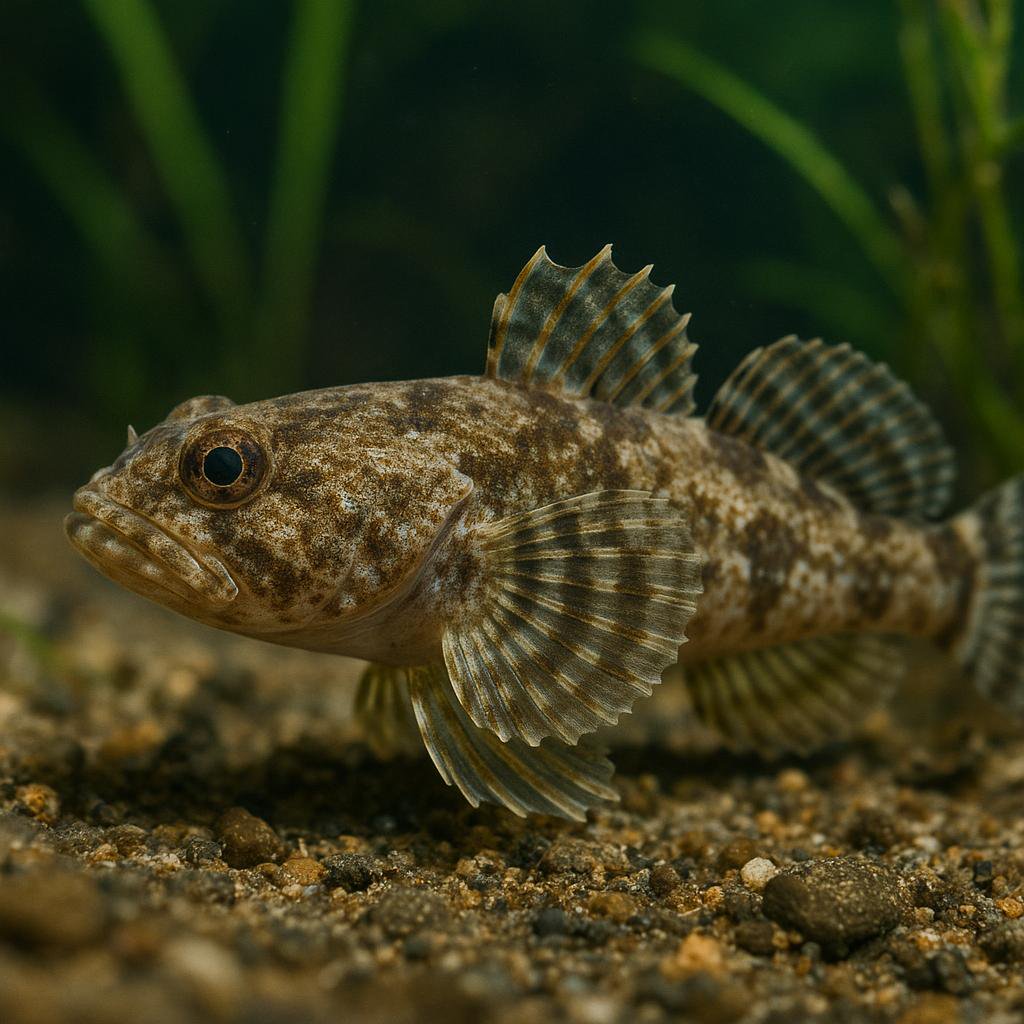
Toyama sculpin
Icelus toyamensis
This is a deepwater Japanese sculpin that lives down on the bottom, not a typical home-aquarium fish. It tops out around 13 cm and comes from cold, marine bathydemersal habitat, so it is really more of a public-aquarium or specialist coldwater setup animal than something for a normal reef or tropical tank.
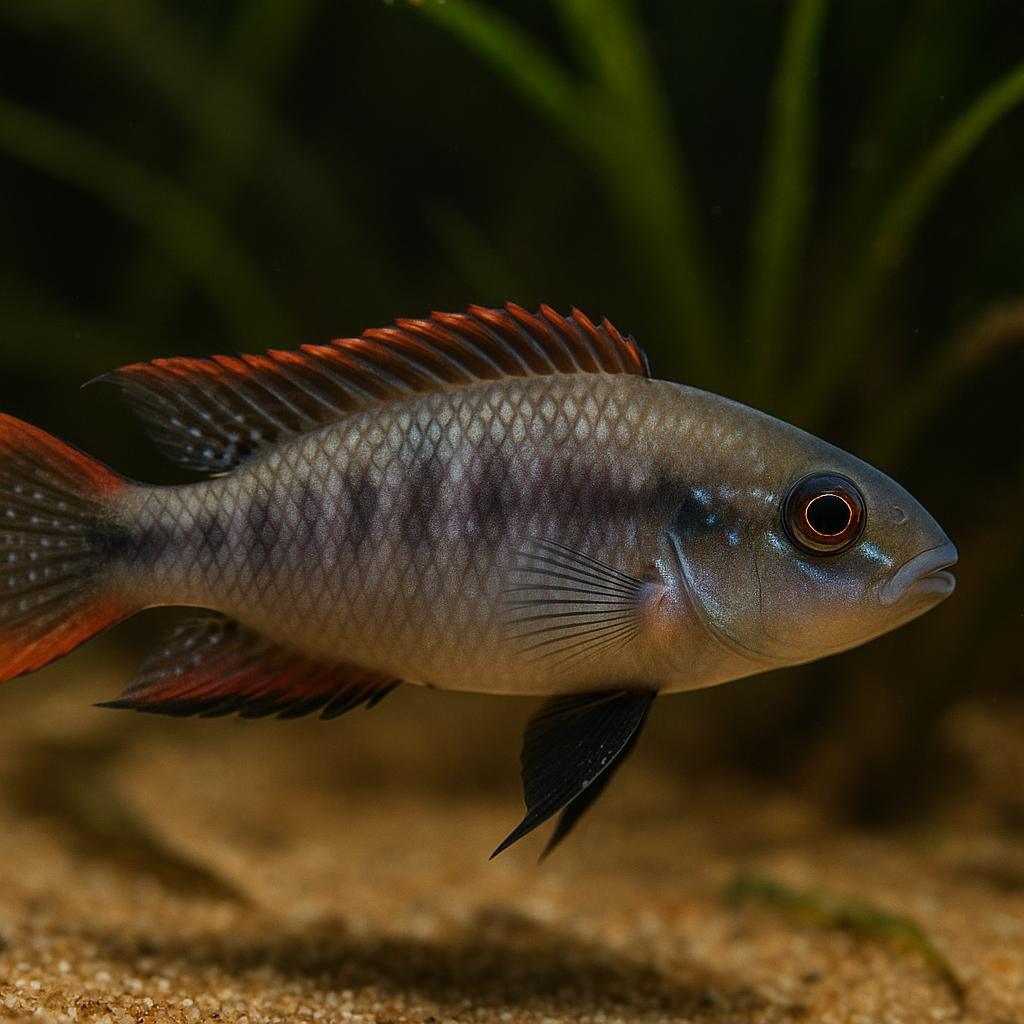
Transvestite cichlid
Nanochromis transvestitus
This is a tiny Congo dwarf cichlid where the female is the flashy one - she gets the intense red-violet colors while the male stays more low-key, which is the total opposite of what most people expect. They are cave-spawners and do best in soft, acidic, tannin-stained water, so a little blackwater setup with sand, leaf litter, and lots of hiding spots really suits them.
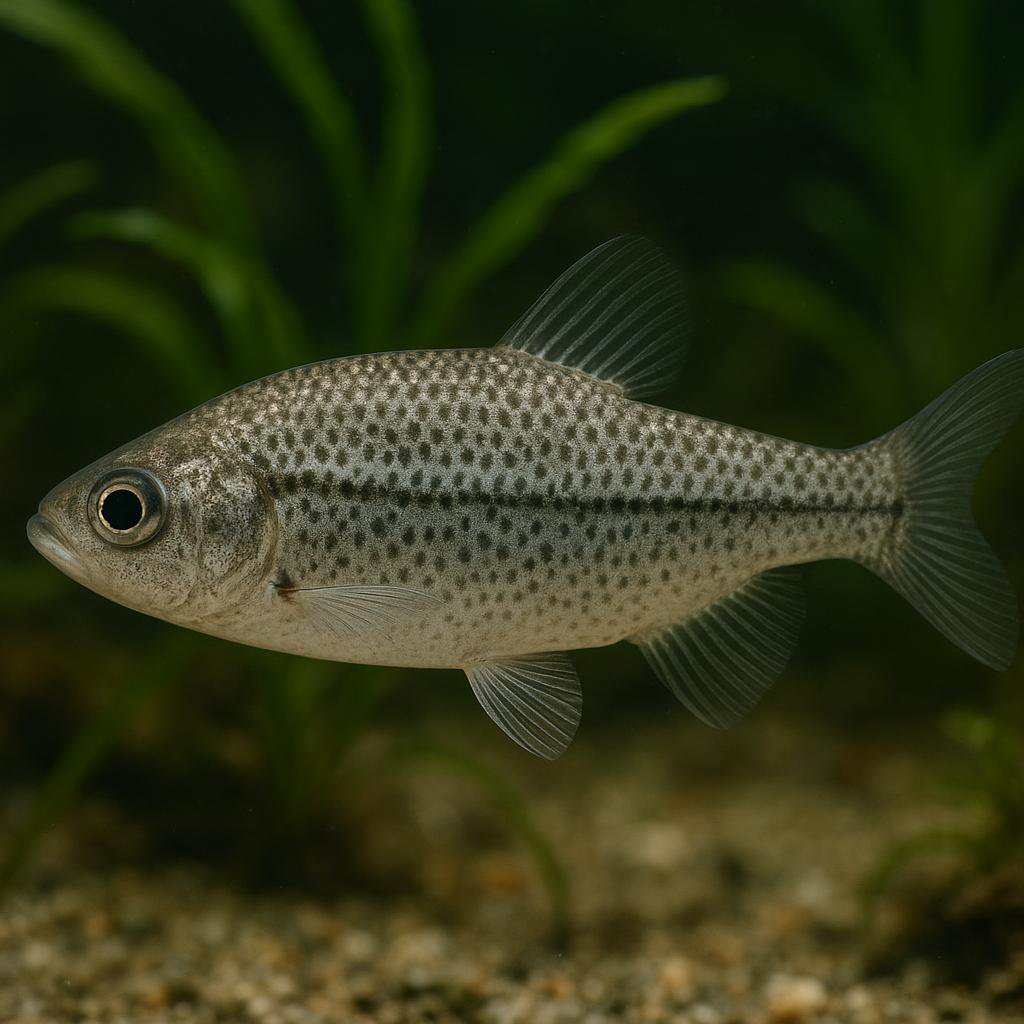
Tubeshoulder
Mentodus mesalirus
Mentodus mesalirus is a deep-sea tubeshoulder - one of those wild ocean fish that can squirt a bioluminescent fluid from a special tube organ near the shoulder. It is not an aquarium species at all, but it is seriously cool from a biology standpoint because that light-producing setup is basically its whole claim to fame.
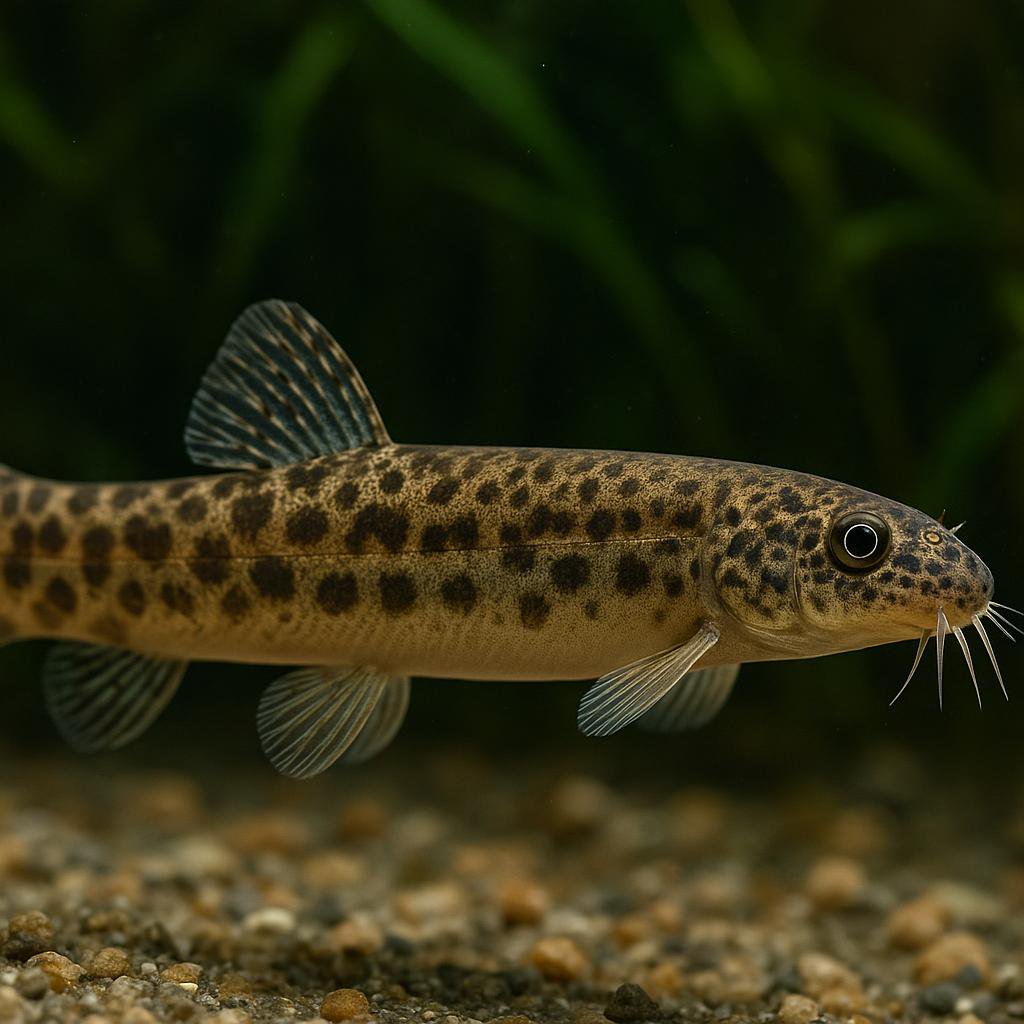
Tuivai stone loach
Mustura tuivaiensis
Mustura tuivaiensis is a tiny little brook/stone loach from the Tuivai River in Manipur, India - a bottom-hugging stream fish that spends its time nosing around the substrate. It is one of those "real" river loaches that really appreciates clean, oxygen-rich water and lots of cover (rocks, pebbles, leaf litter) so it can scoot from hideout to hideout.
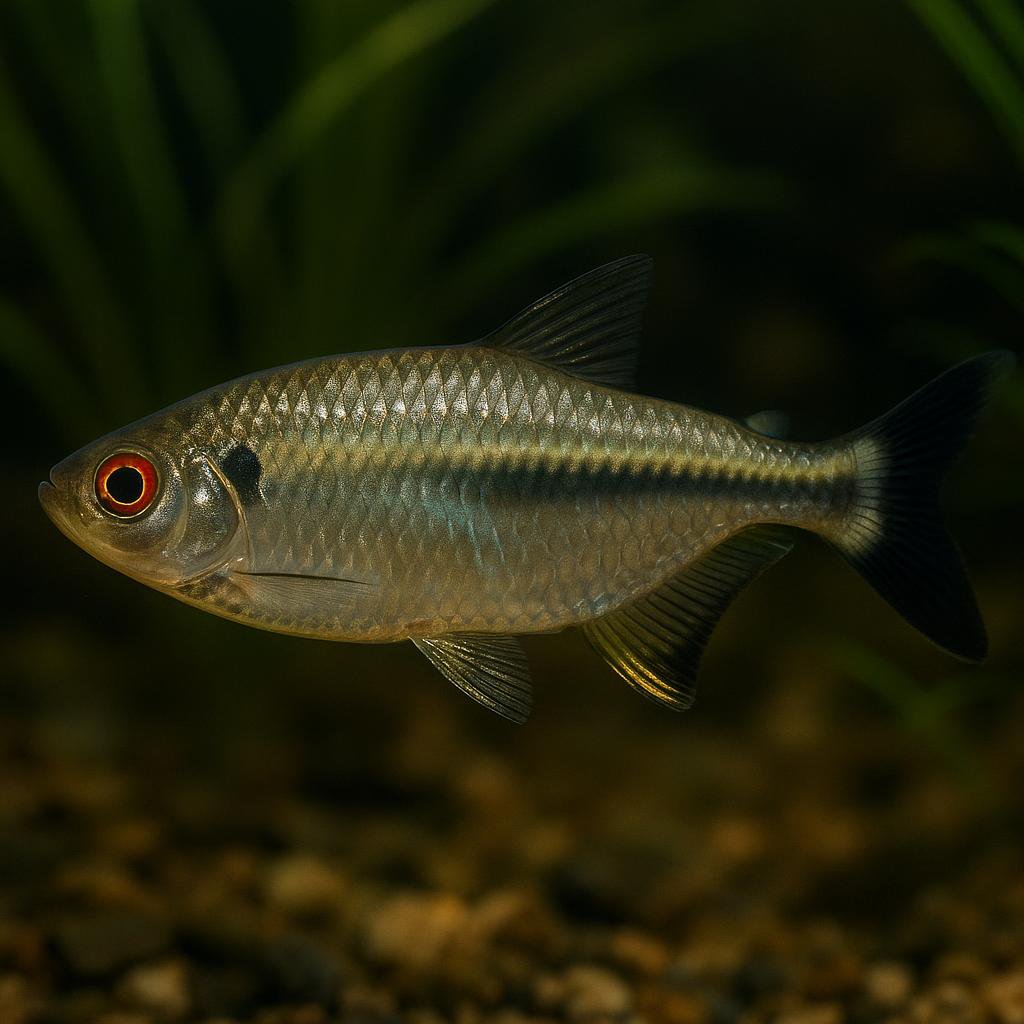
Tumba tetra
Alestopetersius tumbensis
This is one of those lesser-seen Congo Basin African tetras, a small, silvery shoaler that really comes alive when you keep it in a proper group. It is from the Lake Tumba/Malebo Pool area, and like a lot of alestids it is an active midwater swimmer that appreciates space and clean, well-oxygenated water.
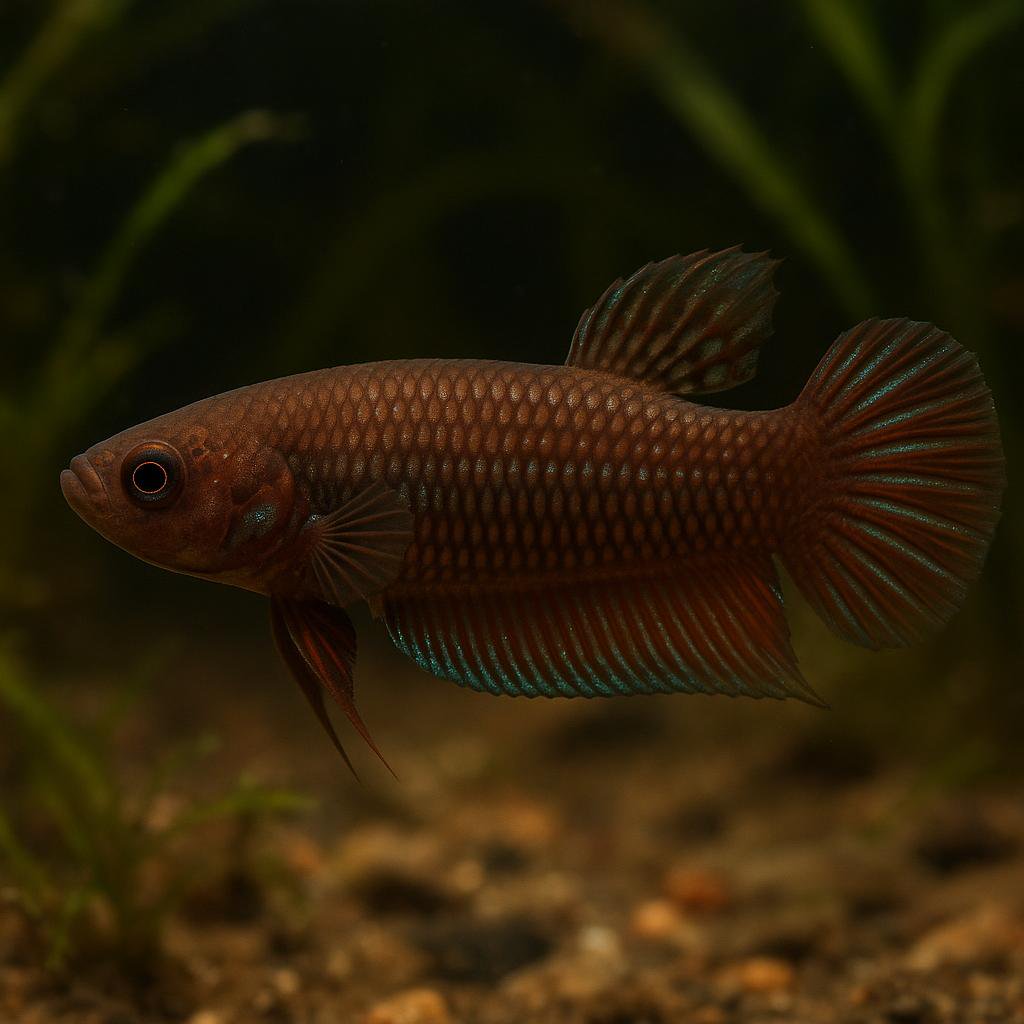
Tussy's small red fighter
Betta tussyae
Betta tussyae is a tiny little blackwater betta from peat swamp forests in Pahang, Malaysia, and it stays small enough that you can really do it justice in a compact, heavily planted tank. It likes soft, very acidic water and a calm setup with lots of leaf litter and cover, and it will absolutely use the labyrinth organ to gulp air like other bettas.
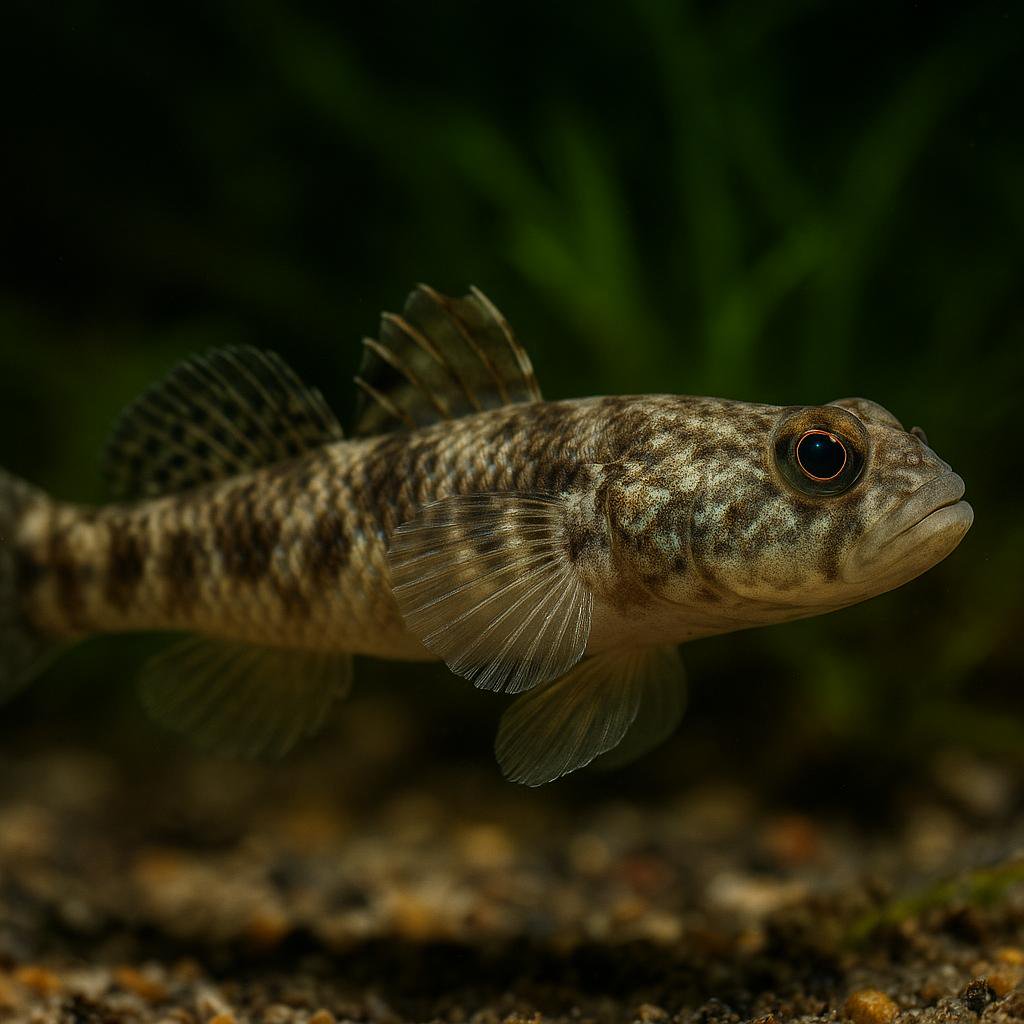
Tuticorin goby
Yongeichthys tuticorinensis
This is a little demersal tropical goby from India that basically lives life down on the bottom. Its also one of those super-obscure species that shows up in fish databases but almost never in the aquarium trade, so most hobby care info you see for it will really be educated guesswork based on similar gobies.
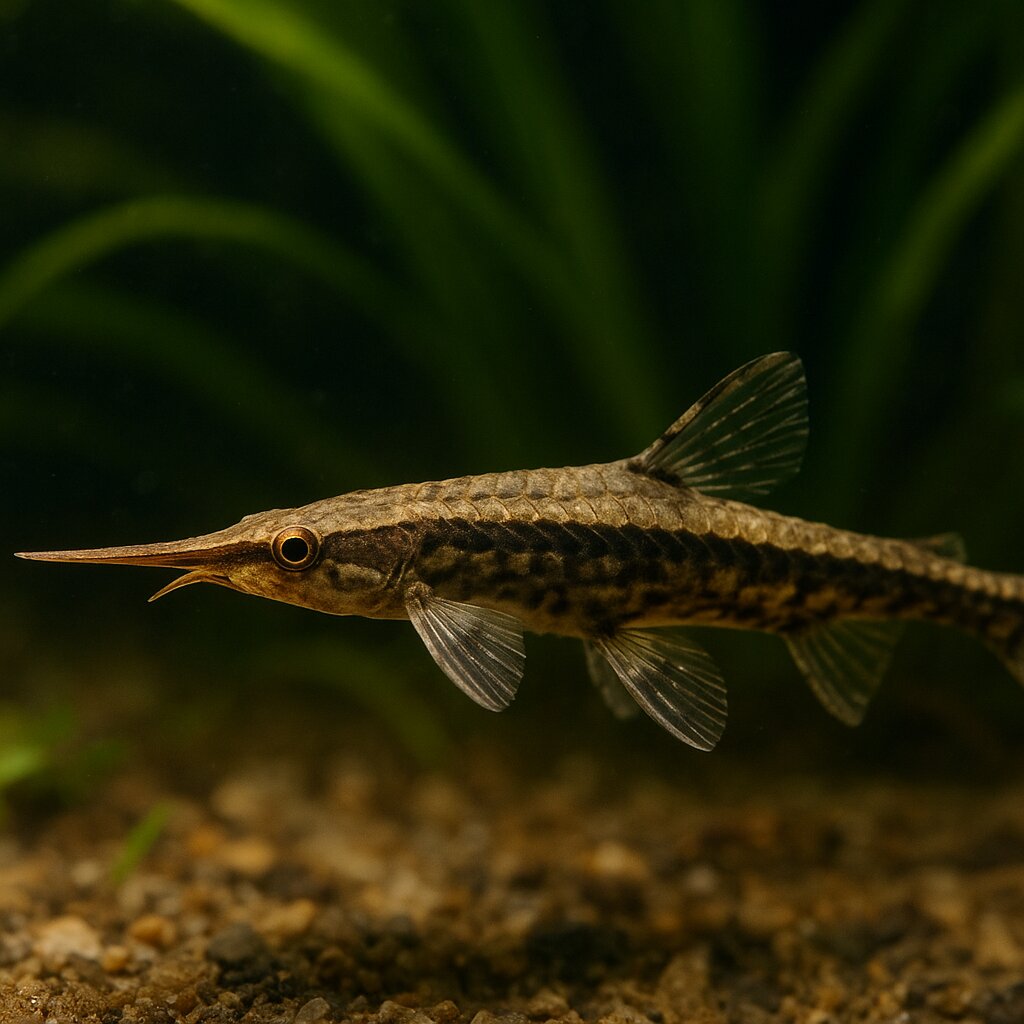
Twig catfish
Farlowella knerii
A true twig impersonator from the Ecuador-Peru headwaters, Farlowella knerii spends its days clinging to wood and plant stems while grazing on biofilm. Peaceful and shy, it looks like a stick with fins, and males will even guard neat rows of eggs on glass or driftwood if conditions are right.
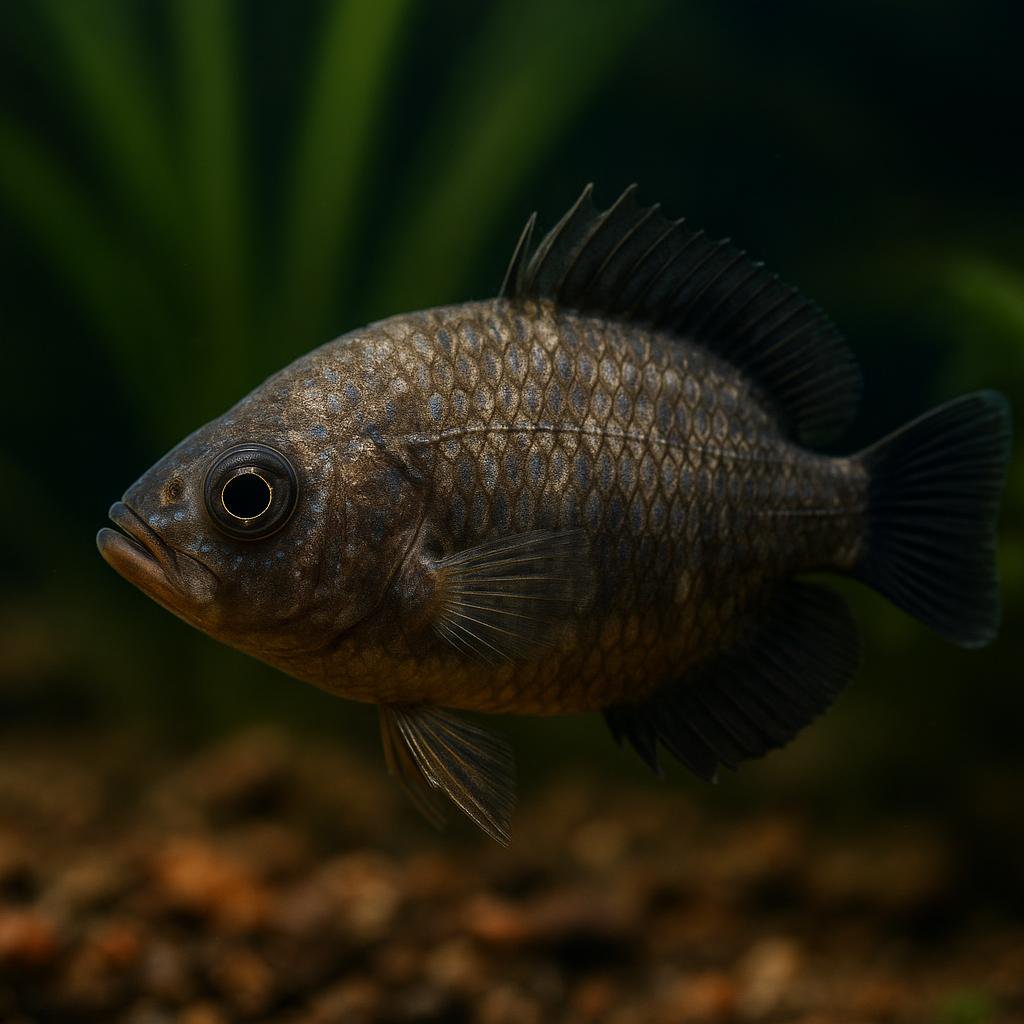
Twoarm humpback anglerfish
Dibrachichthys melanurus
This is a tiny, uncommon little anglerfish relative from northern Australia/Indonesia that hangs out on sandy-mud and rubble bottoms. Think of it like a mini ambush predator that spends its time sitting still and blending in, not cruising around the tank. It is super cool in a nerdy way, but it is absolutely not a normal aquarium species you will see in the trade.
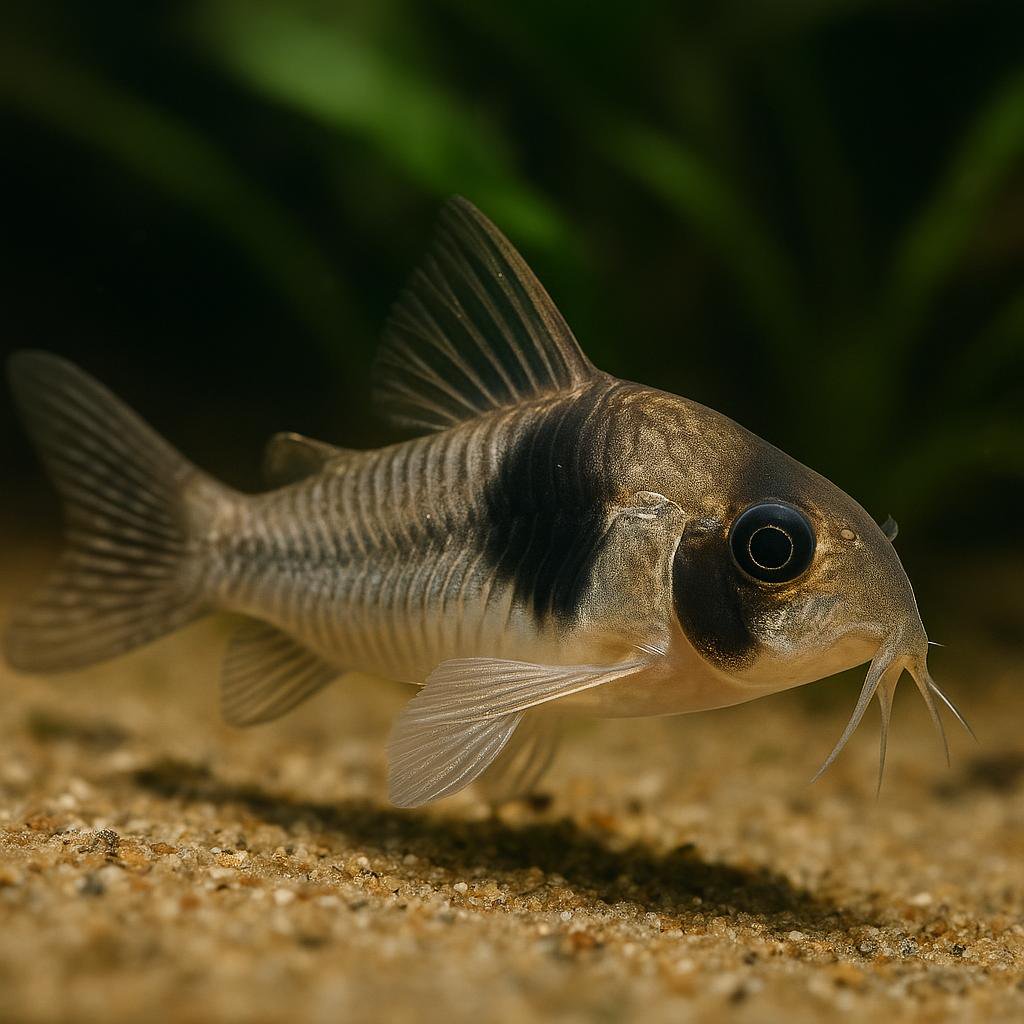
Twosaddle Corydoras
Corydoras weitzmani
Weitzman's cory is one of those super sleek Corydoras that looks like it's wearing a little mask-clean lines, subtle patterning, and that classic cory "busy little vacuum" vibe. The best part is watching a whole group cruise the bottom together, then suddenly zip to the surface for a gulp of air like tiny torpedoes.
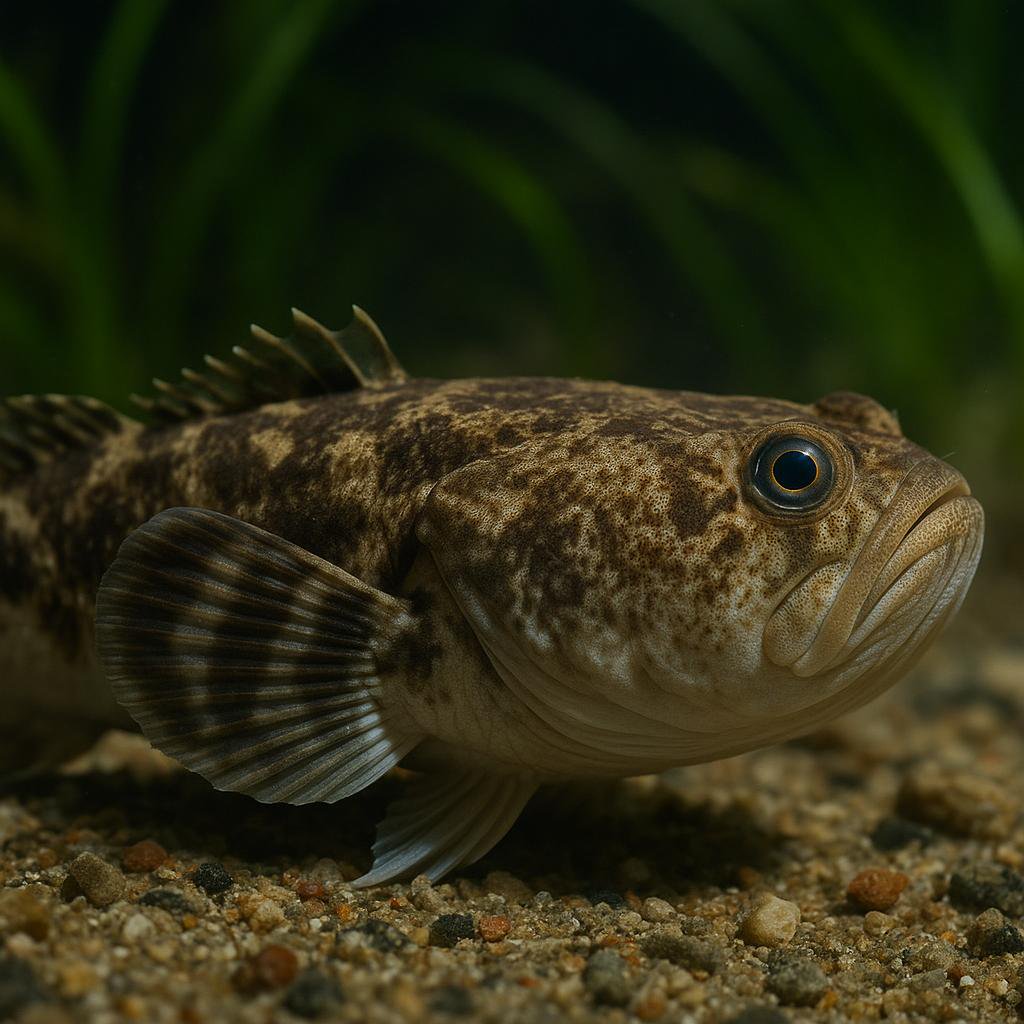
Two-spined yellow-tail stargazer
Uranoscopus cognatus
Uranoscopus cognatus is a chunky little stargazer that spends its life on the bottom, often buried with just the eyes and mouth peeking up like a grumpy sand-trap. It is a marine ambush predator from the Indo-west Pacific, and while it is super cool to look at, it is really not a practical aquarium fish unless you are set up for a specialized predator tank.