

Toyama sculpin
Icelus toyamensis
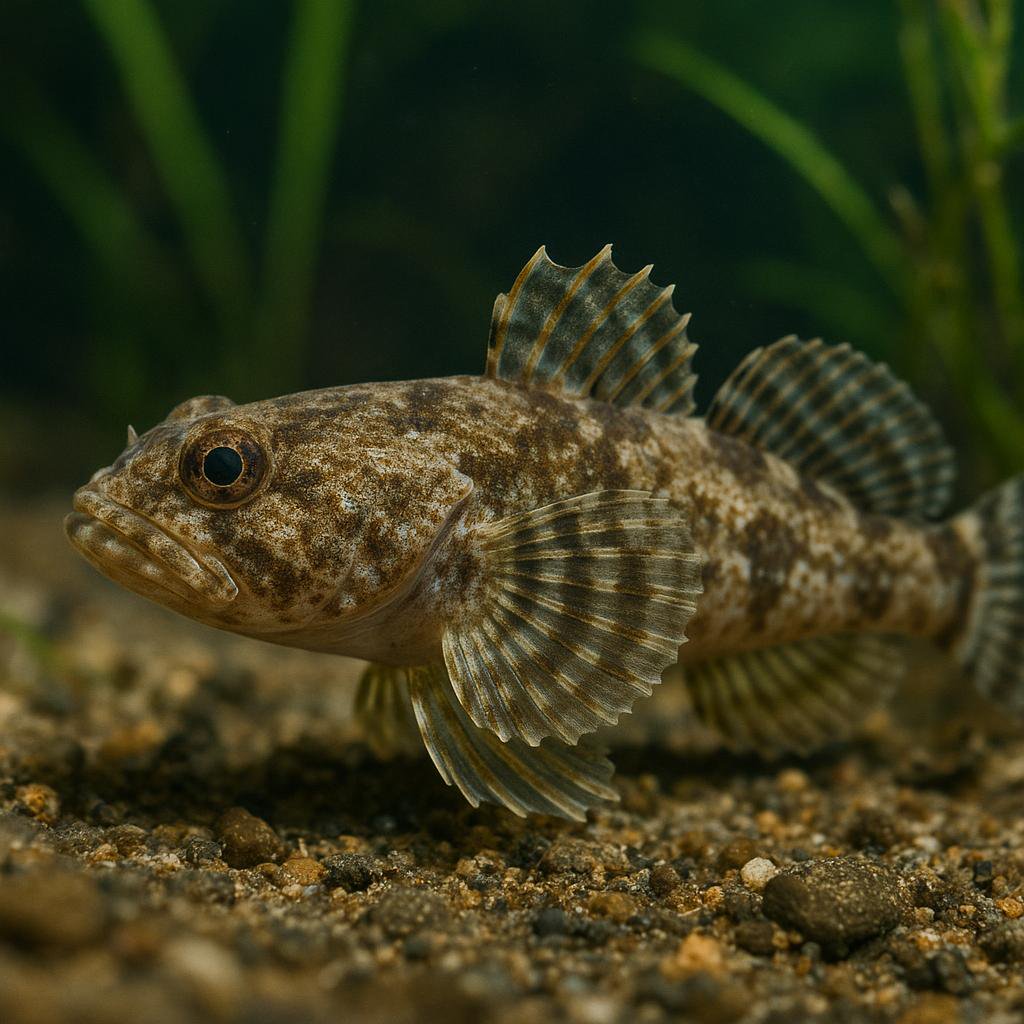
The Toyama sculpin features a flattened body, large pectoral fins, and mottled brown coloration, aiding camouflage on the sea floor.
This page includes AI-generated images. Why am I seeing AI images?
About the Toyama sculpin
This is a deepwater Japanese sculpin that lives down on the bottom, not a typical home-aquarium fish. It tops out around 13 cm and comes from cold, marine bathydemersal habitat, so it is really more of a public-aquarium or specialist coldwater setup animal than something for a normal reef or tropical tank.
Also known as
Quick Facts
Size
13 cm SL
Temperament
Semi-aggressive
Difficulty
Expert
Min Tank Size
55 gallons
Lifespan
5-10 years
Origin
Northwest Pacific (Sea of Japan area)
Diet
Carnivore - small crustaceans/worms; meaty frozen foods in captivity
Water Parameters
2-10°C
7.8-8.4
8-12 dGH
Need a heater for this species?
This species needs 2-10°C in a 55 gallon tank. Use our heater calculator to find the right wattage.
Calculate heater sizeCare Notes
- Give them a coldwater marine setup, not a tropical reef tank - aim for 45-54F (7-12C) with a chiller and strong oxygenation since warm water wipes them out fast.
- Build the tank like a rocky tidepool slope: lots of stable rock piles, caves, and shaded ledges on sand or fine gravel so they can perch and ambush; keep flow moderate with some calmer pockets.
- Keep salinity steady around 1.023-1.026 and run tight filtration because they hate dirty water; ammonia/nitrite should be zero and nitrates as low as you can keep them with big water changes.
- Feed meaty stuff on tongs: small shrimp, chopped clam/mussel, squid, and marine fish flesh; start with live or frozen mysis if they are shy, then train to thawed foods.
- They are slow, sit-and-wait predators, so skip fast, nippy fish and anything that will steal food; also do not house them with small fish or tiny crustaceans you want to keep alive.
- Watch for wasted bodies and sunken bellies from not getting enough food at feeding time - target feed and make sure tankmates are not outcompeting them.
- Quarantine is worth it because wild-caught sculpins often come with flukes/parasites; they also get beat up easily, so keep rocks stable and avoid abrasive decor that scrapes their skin/fins.
- Breeding in home tanks is rare, but if you see a chunky female and a male hanging around a cave/rock face, leave the area alone - eggs are usually stuck to hard surfaces and the biggest killer is temperature swings.
Compatibility
Good Tankmates
- Other coldwater sculpins and small-to-medium prickly bottom fish that mind their own business (similar size, plenty of hiding spots) - they usually just do the sit-and-wait thing and posture a bit
- Greenlings (Hexagrammos spp.) - active but not usually bullies, and they tend to use different space than a sculpin parked on the bottom
- Small-to-medium rockfish (Sebastes spp.) that are not big enough to swallow the sculpin - they are pretty chill in cold marine setups if you give caves and broken line-of-sight
- Smaller coldwater gobies and blennies that are not hyper-territorial (think rock/reef perchers that pick at food, not brawlers) - works best with lots of crevices so nobody is forced to share a hole
- Hardy coldwater schooling fish like smelts/sand lances that stay midwater and are too quick to hassle - they keep to the open water while the sculpin sticks to the rocks
- Non-predatory, non-grabby inverts like tougher snails and some urchins - they usually get ignored, and they help keep the tank from turning into a mess after heavy feeding
Avoid
- Tiny fish or shrimp you actually care about (little goby juveniles, ornamental shrimp, etc.) - if it fits in the mouth, it is food, especially at night
- Big, pushy predators (large scorpionfish, bigger rockfish, lingcod, aggressive kelpfish) - they will outcompete and may straight-up eat or shred a Toyama sculpin
- Territorial hole-hogs (especially chunky, mean blennies/gobies that claim a cave and defend it) - sculpins hate getting crowded and this turns into constant fin-nipping and stress
Where they come from
Toyama sculpins (Icelus toyamensis) are cold-water sculpins from Japanese coastal seas, named for Toyama Bay. Think rocky bottoms, kelp-y structure, dimmer light, and water that stays chilly most of the year. They are built for life on the bottom - big head, chunky fins, and a "sit and ambush" attitude.
If you are picturing a typical reef fish, flip that mental image. This is a cold-water, bottom-dwelling predator that likes calm, dim, and structured setups.
Setting up their tank
These are expert-level mostly because of temperature and stability. You will have a way easier time if you treat it like a cold-water biotope, not a tropical marine tank that happens to be cooler.
- Tank size: I would start at 40-55 gallons for one, bigger if you want tankmates. They do not "swim laps" much, but they appreciate footprint and multiple perches.
- Temperature: cold. Aim roughly 45-55F (7-13C). Short spikes warmer than that tend to go poorly long-term.
- Filtration: oversized and gentle. They like clean water but not a sandstorm of flow blasting their face.
- Flow: moderate with quiet zones. Give them places where food can settle and they can sit without being buffeted.
- Substrate: sand or fine gravel. Avoid sharp crushed coral if you can - they park themselves on the bottom a lot.
- Rockwork: lots of stable rock piles, ledges, and caves. Build perches at different heights.
- Lighting: subdued. They do not need bright reef lighting, and they act bolder in lower light.
- Cover: tight lid. Even "non-jumpers" do dumb things during transfers or night spooks.
Do not put this fish in a typical 75F marine system and hope it adapts. It might eat for a bit and look fine, then slowly fade out. The chiller (and a controller) is the real gatekeeper for this species.
Give the tank time to mature. These guys do better in a system that has been running a while with stable salinity and no daily swings. I also like a "feeding station" area - a flat rock or shallow dish where you can drop food so it does not vanish into the rockwork.
What to feed them
They are meaty feeders. Mine did best on a rotation of marine frozen and live foods, with a goal of getting them onto thawed food reliably. A sculpin that only eats live is doable, but it gets old fast.
- Staples: thawed mysis, chopped krill, chopped clam/mussel, pieces of raw shrimp (marine), silversides or other marine fish flesh in small portions.
- Great variety add-ons: squid strips, scallop, roe, live amphipods/ghost shrimp (as a jump-start).
- Avoid: freshwater feeder fish and goldfish (wrong fats), huge chunks they have to wrestle forever, and oily foods as the only diet.
Target feed with long tweezers or a feeding stick. They learn fast. Wiggle the food right in front of them, then let it "land" on the bottom. That little drop triggers the strike.
Small, frequent meals beat giant ones. I usually feed 3-5 times a week depending on temperature and body condition. Watch the belly and the thickness behind the head. If they start looking pinched, bump frequency. If they get doughy and lazy, back off.
How they behave and who they get along with
Toyama sculpins are classic ambush predators. They spend a lot of time parked on a rock, then explode forward for food. They are not "mean" in the way a trigger is mean, but they are absolutely willing to eat anything that fits in their mouth.
- Best tankmates: other cold-water species that are too big to swallow and not hyperactive - think sturdy, calm fish that will not harass them off perches.
- Risky tankmates: small fish, small crustaceans, and anything that sleeps on the bottom. If it can be swallowed, assume it will be.
- Inverts: snails can be fine. Shrimp and small crabs are often viewed as food sooner or later.
- With their own kind: depends on space and personalities. I would not attempt multiples unless you have a large footprint, lots of sight breaks, and a backup plan.
The biggest mistake I see is pairing them with "busy" fish that steal every bite. Sculpins can lose out at feeding time and slowly starve even though you are adding food.
They are surprisingly personable once settled. Mine would recognize the feeding tool and shuffle over to the feeding spot. Just remember they spook easily during maintenance - slow movements and keeping the room light on during big cleanings helps.
Breeding tips
Breeding in home aquaria is uncommon, mostly because keeping pairs long-term, sexing them, and mimicking seasonal temperature/light swings is a lot of work. If you want to take a swing at it, think like the ocean: winter cool-down, spring warm-up (still cold by tropical standards), and a very steady photoperiod change.
- Start with a well-conditioned pair: fat but not bloated, eating thawed foods reliably.
- Seasonal cues: gradual temp changes over weeks, not days. Shorten/lengthen the photoperiod slowly.
- Spawning sites: flat rocks under overhangs and tight caves. Many sculpins like to stick eggs where there is a ceiling.
- Egg and fry reality: if you ever get eggs, you will need a plan for oxygenation, fungus control, and tiny foods (copepods/rotifers) depending on larval type.
If your main goal is a healthy display animal, do not stress about breeding. Most hobbyists never see it, and that is normal.
Common problems to watch for
Most issues with this fish trace back to temperature, feeding, and stress during acclimation. If something is off, they go from "stoic" to "not eating" pretty quickly.
- Too warm: faster breathing, hanging in high-flow oxygenated areas, refusing food, gradual decline over weeks. Fix the root cause, not just the symptom.
- Oxygen issues: cold water holds more oxygen, but heavy bio-load and weak surface agitation can still bite you. Watch respiration rate.
- Starvation by competition: they look "fine" until they do not. Track body condition, not just whether they took a bite once.
- Mouth injuries: from slamming rocks during strikes or eating oversized hard foods. Use appropriately sized, softer pieces.
- External parasites and shipping damage: faded color, flashing, excess slime, fin rot. Quarantine helps a lot with wild-caught cold-water fish.
- Nitrate creep: they tolerate some nutrients, but chronic high nitrate plus warm temps is a nasty combo.
Fast temperature swings are brutal on cold-water fish. Use a controller, keep the chiller maintained, and plan for power outages (battery air, generator, or a tested backup).
Similar Species
Other marine semi-aggressive species you might be interested in.

Aleutian skate
Bathyraja aleutica
This is a big, cold-water deep-slope skate from the North Pacific that cruises muddy bottoms and eats chunky benthic prey like crabs and shrimp. The really cool bit is its egg-laying skate life - it does distinct pairing (the classic skate "embrace") and drops those tough egg cases on the seafloor. Not an aquarium fish at all unless you're basically running a public-aquarium-style chilled system.

Antarctic dragonfish
Vomeridens infuscipinnis
Deep down around Antarctica, this sleek dragonfish cruises the water column like a little submarine, nearly neutrally buoyant so it can hover above the seafloor. It munches almost exclusively on Antarctic krill and lives in near-freezing water 500-800 m down, so it is a cool species to read about, not one for home tanks.
Arabian demoiselle
Neopomacentrus sindensis
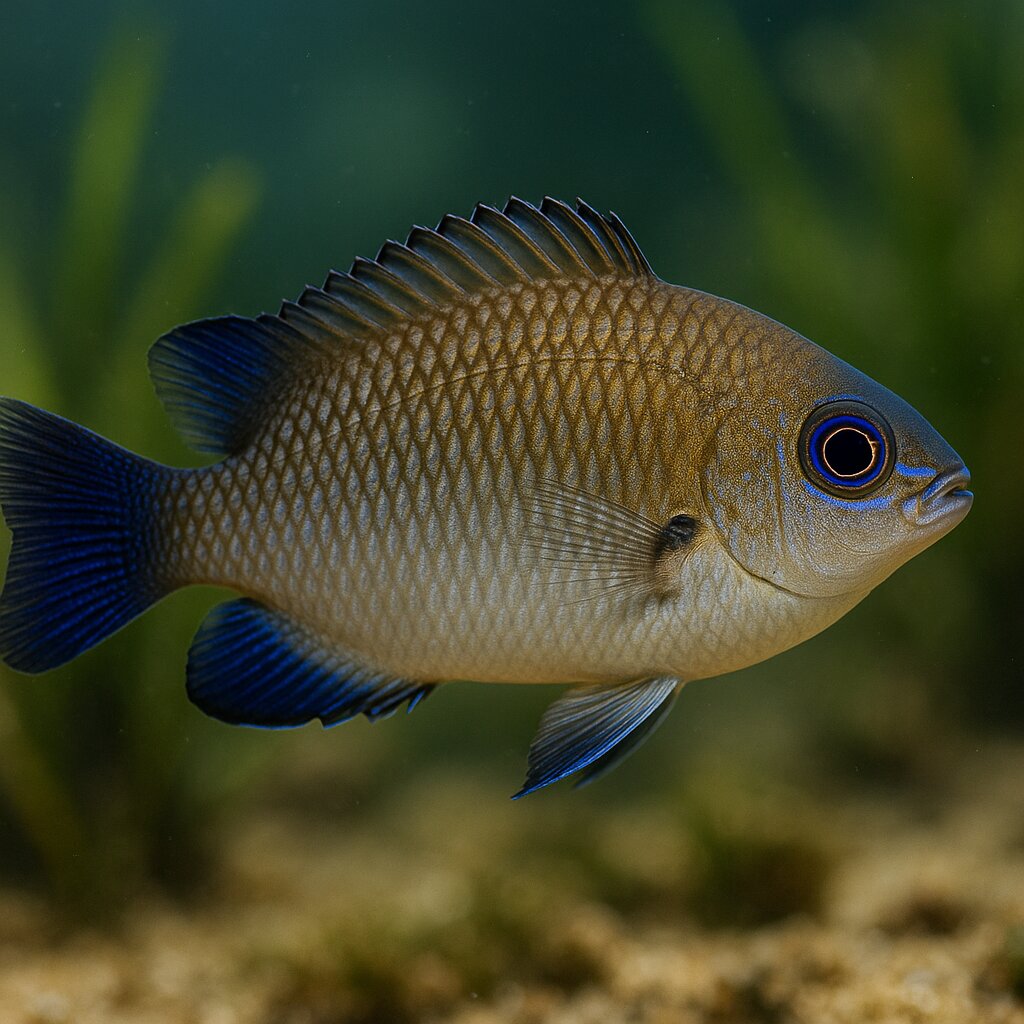
A small lyretail damsel from the Persian Gulf and Arabian Sea, it hangs in loose groups around coral heads, rocks, and even pier pilings picking zooplankton from the flow. Think classic damsel toughness with a slightly milder attitude than the real bruisers, plus subtle yellow tail accents. Males clean a patch, get a mate to lay eggs there, and then stand guard fanning the clutch.

Arabian spiny eel
Notacanthus indicus
Notacanthus indicus is a deep-sea spiny eel (family Notacanthidae; not a true eel) known from the Arabian Sea on the continental slope at roughly ~960–1,046 m depth, with reported maximum length around 20 cm TL; it is a deep-water bycatch species and not established in the aquarium trade.

Arctic rockling
Gaidropsarus argentatus
This is a deepwater North Atlantic rockling (a cod relative) that hangs out on soft bottoms way down the slope. It is a cold-water, bottom-hugging predator that snoots around for crustaceans and will also take small fish when it gets the chance.
Atlantic pomfret
Brama brama
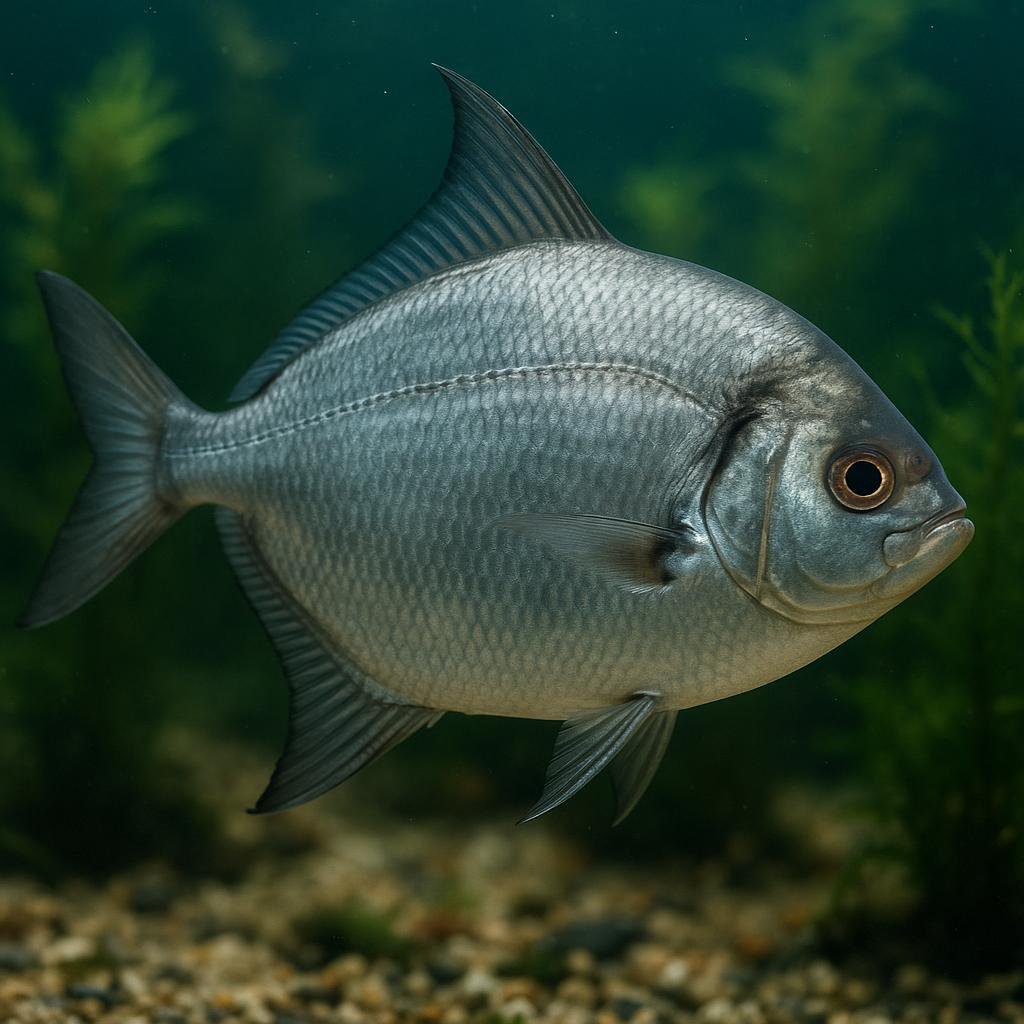
Brama brama is the Atlantic pomfret (aka Ray's bream) - a deep-bodied, open-ocean pelagic fish that cruises around in small schools and follows water temps. It is a legit big, wild marine species (not an aquarium fish) that eats other small sea critters like fish and squid, and it ranges across a huge chunk of the Atlantic plus parts of the Indian and South Pacific.
More to Explore
Discover more marine species.

Abe's eelpout
Japonolycodes abei
Japonolycodes abei is a temperate, deepwater demersal eelpout (family Zoarcidae) endemic to Japan (Kumano-nada Sea reported; other sources also report Sagami Bay and Tosa Bay). It is the only species in the genus Japonolycodes and occurs roughly 40-300 m depth, making it an uncommon/atypical aquarium species.

Affinis blind cusk-eel
Barathronus affinis
Barathronus affinis is a tiny, super-weird deep-sea blind cusk-eel from the western-central Indian Ocean. It is one of those gelatinous, loose-skinned brotula-type fishes that live way down in the dark and are basically never seen alive, so almost everything we know comes from preserved specimens and taxonomic work.

African red snapper
Lutjanus agennes
This is a true snapper from West Africa - a big, fast-growing predator that goes from coastal reefs to brackish lagoons and estuaries (especially as a juvenile). Super cool fish in the wild, but it gets absolutely huge and will eat smaller tankmates once it has the mouth for it, so its really more of a public-aquarium scale animal than a home-aquarium fish.

Allis shad
Alosa alosa
Gorgeous silver, fast-swimming shad that spends most of its life in the sea and then surges up big rivers in noisy, surface-spawning schools. It grows huge for a herring-type fish and needs cool, ultra-oxygenated water and tons of open space, so it is a public-aquarium species rather than a home tank fish.

Annandale's zebra sole
Zebrias annandalei
Zebrias annandalei is a small demersal sole from coastal India that inhabits sandy or muddy bottoms and buries for camouflage. It is rarely kept in home aquaria and would require a specialized marine sand-bottom setup and appropriate feeding.
Australian sawtail catshark
Figaro boardmani
Figaro boardmani is a small, deepwater Australian catshark with these cool saw-like ridges of spiny denticles along the tail and a neat pattern of dark saddle bands. It lives way down on the outer continental shelf and slope, so its natural water is cold, dim, and stable - totally not a typical home-aquarium fish. Diet-wise its a predator that goes after fish, crustaceans, and cephalopods.
Looking for other species?