

Radiated puffer
Takifugu radiatus
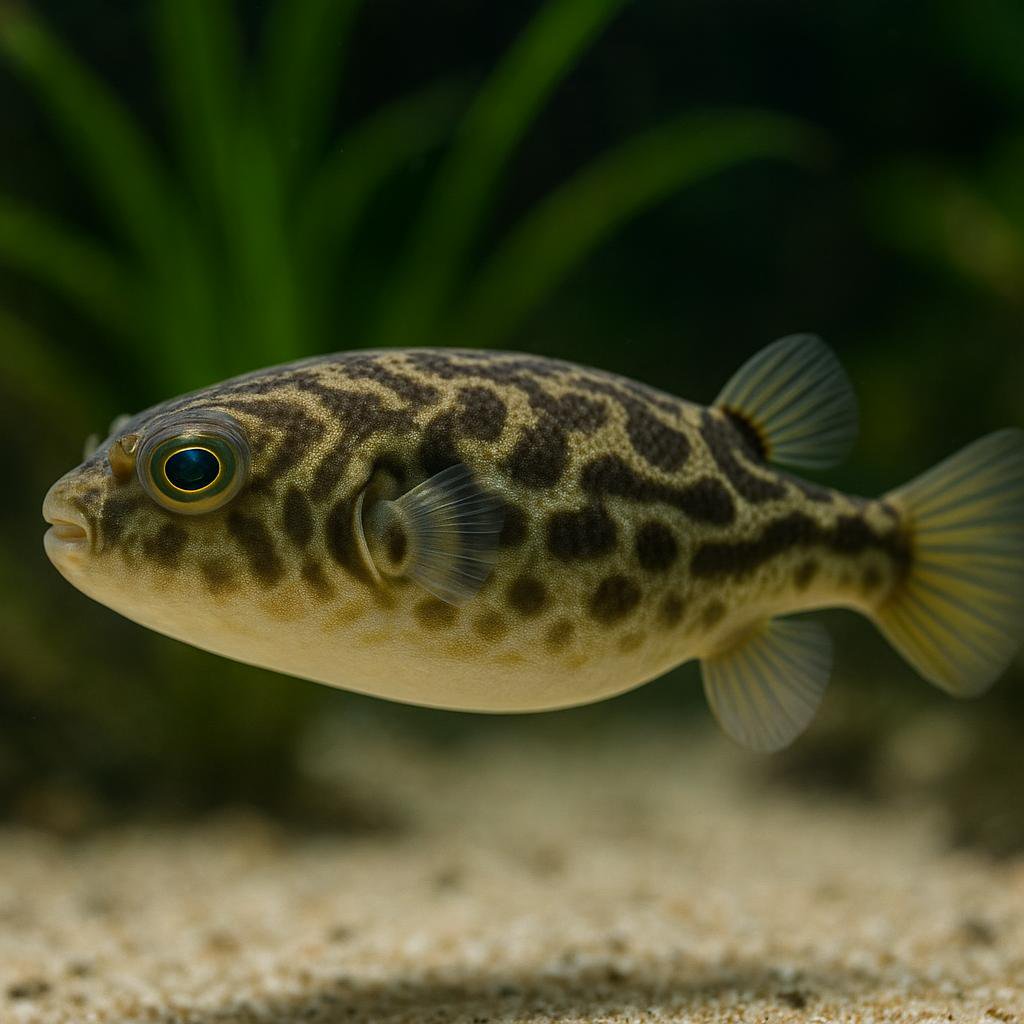
The Radiated puffer exhibits a distinctive pattern of radiating yellow lines on a mottled brown and cream body, with prominent spines when threatened.
This page includes AI-generated images. Why am I seeing AI images?
About the Radiated puffer
Takifugu radiatus is a temperate, demersal marine puffer from the Northwest Pacific (Kyushu, Japan to the East China Sea) reaching about 20 cm standard length.
Also known as
Quick Facts
Size
20 cm
Temperament
Semi-aggressive
Difficulty
Expert
Min Tank Size
75 gallons
Lifespan
5-10 years
Origin
Northwest Pacific
Diet
Carnivore - meaty frozen foods, shellfish, snails/crustaceans (hard foods help manage tooth growth)
Water Parameters
14.8-25.4°C
8-8.5
8-20 dGH
Need a heater for this species?
This species needs 14.8-25.4°C in a 75 gallon tank. Use our heater calculator to find the right wattage.
Calculate heater sizeCare Notes
- Give it a big, bare-ish marine tank with lots of open swimming room and a few solid caves; they get jumpy, so run a tight lid and cover any gaps.
- Keep this temperate marine species in stable, high-quality seawater and avoid rapid parameter swings; FishBase modeling suggests a preferred temperature range of about 14.8–25.4 °C (mean ~19.7 °C).
- Feed meaty stuff (clam, mussel, shrimp, squid, crab) and rotate in hard-shelled foods several times a week to keep the beak worn down; if the teeth start overgrowing, you are already behind.
- Do not keep it with crustaceans you care about - they are snacks; also skip slow, long-finned fish because the puffer will test-bite them.
- Tankmates are a gamble even with tough fish - I have had the best luck keeping them solo, or with large, fast, confident fish that can take a hint and outswim a lunge.
- Watch for stress inflation (puffing) from chasing, nets, or bad water; use a container to move them and never expose them to air if you can avoid it.
- Quarantine is worth the hassle: they come in with parasites and are touchy with meds, so lean on observation, pristine water, and food-soaked treatments rather than nuking the tank with copper.
Compatibility
Good Tankmates
- Tough, fast midwater fish like bigger damsels (think Chrysiptera or similar) - they are quick enough to stay out of the puffer's face and usually do fine if the tank is roomy
- Rabbitfish (Siganus spp.) - solid, no-nonsense swimmers that do not freak out easily, and they are not shaped like 'easy bite targets'
- Foxface-type herbivores and other sturdy algae grazers (that are not slow) - good 'busy' fish that keep moving and do not let the puffer fixate
- Larger, confident wrasses (Halichoeres-type, not tiny delicate ones) - they are alert, quick, and usually can handle the puffer's pushy moments
- Medium tangs in a bigger setup (like bristletooth tangs, or other not-too-delicate tangs) - lots of speed and attitude, just watch for tang vs puffer squabbles at feeding time
- Bigger, robust dottybacks (only if you know your puffer is not a relentless fin-biter) - can work, but I treat this as 'keep an eye on it' territory
Avoid
- Slow, fancy-finned fish like lionfish, longfin angels, or anything that hovers - radiated puffers love to test-bite fins and those fish cannot dodge
- Small peaceful fish like gobies, firefish, small chromis, or tiny wrasses - they look like snacks and get bullied hard once the puffer settles in
- Other puffers or triggerfish - too much ego in one box, and it turns into nipping wars and 'who owns the tank' drama
- Most crustaceans and snails (shrimp, hermits, cleaner crews) - they are basically chew toys, and this puffer will eventually make a project out of them
Where they come from
Radiated puffers (Takifugu radiatus) are a Northwest Pacific fish - think Japan, Korea, and nearby coasts. They are tied to cool-temperate seas and seasonal swings, not warm tropical reefs. That one detail drives almost everything about keeping them.
A lot of Takifugu species are collected from cooler water. If you keep them like a tropical puffer, you are setting yourself up for constant health issues.
Setting up their tank
This is an expert fish mostly because of temperature, waste output, and attitude. If you want a Radiated puffer to do well long-term, plan for a big, stable, heavily filtered system with room for a fish that gets bold and pushy.
- Tank size: I would not bother under 125 gallons for an adult. Bigger is easier because they are messy and they claim space.
- Temperature: aim cool-temperate. Roughly 60-72F is the zone people have the best luck with. Pick a target and keep it steady.
- Salinity: full marine (around 1.023-1.026). Stability matters more than chasing a perfect number.
- Filtration: oversize it. Big skimmer, lots of biological media, and strong mechanical filtration you can clean often.
- Flow and oxygen: moderate flow and high O2. Cool water helps, but they still like well-aerated water.
- Aquascape: rockwork that breaks lines of sight and a few open areas for cruising. Do not pack it so tight you cannot net the fish if you need to.
These fish are notorious waste machines. If your nitrates are always creeping up, that is not you failing - that is the fish being a puffer. Build the system around big feeding and big export (skimming, water changes, mechanical cleaning).
I like a bare bottom or a very thin sand bed for them. They can chew and toss things around, and you will appreciate being able to siphon out leftover bits after meals. Secure heaters, powerheads, and intakes. A curious puffer will investigate everything with its face.
Takifugu species are associated with tetrodotoxin risk. Do not handle them unnecessarily, keep them away from kids/pets, and wash hands/tools after working in the tank. Never eat anything from this system.
What to feed them
Radiated puffers are classic crunchers. If you feed only soft foods, their beak can overgrow and then you are in for a stressful trimming situation. I rotate foods so they get both nutrition and tooth wear.
- Hard-shelled foods (for beak wear): cockle, clam on the half shell, mussels, crab legs, whole shrimp with shell, small snails (marine).
- Meaty staples: chunks of shrimp, squid, scallop, marine fish flesh (use sparingly), enriched frozen blends that are not too mushy.
- Occasional treats: live shore crabs or ghost shrimp acclimated to salt (if you trust the source).
- Supplements: soak foods in a vitamin/HUFA supplement a couple times a week if you are feeding lots of plain seafood.
Feed smaller portions more often at first and watch the belly line. Puffers beg like dogs, but they get fatty fast. I would rather do 4-5 smaller meals a week than huge daily feedings.
Remove leftovers. A puffer will chew, spit, chew again, and scatter bits into every crevice. I keep a small siphon hose and do a quick post-dinner cleanup. It sounds picky, but it saves you from mystery ammonia bumps.
How they behave and who they get along with
They are smart, bold, and usually opinionated. Mine learned the room schedule and would come out the second I walked by. That personality is a big part of the appeal, and also the reason most "community" ideas end badly.
- Temperament: often aggressive, especially as they mature. They bite first and think later.
- Tankmates: I treat them as species-only most of the time. If you try tankmates, use tough, fast, cool-water fish that are not long-finned and do not sleep on the bottom. Even then, be ready to separate.
- Inverts: basically food. Snails, shrimp, crabs - expect them to disappear.
- Multiple puffers: risky. Sometimes juveniles tolerate each other, then one day they do not. If you attempt it, do it in a very large tank with lots of visual breaks and a backup plan.
Do not keep them with slow, passive fish. The first "test bite" can remove an eye or take a chunk out of fins, and it can happen overnight.
They also startle easily. Covering three sides of the tank or giving them shaded caves helps. A panicked puffer is a puffer that slams into glass and scrapes its face.
Breeding tips
Breeding Radiated puffers in home aquariums is not common. In the wild, Takifugu species have seasonal spawning tied to temperature and day length, often moving inshore to spawn. Replicating that cycle usually means a chiller, controlled photoperiod, and a lot of space.
If breeding is your main goal, plan on a dedicated system and do more research on Takifugu reproductive cycles. Most hobbyists keep them for behavior and display, not for fry production.
Common problems to watch for
- Beak overgrowth: happens if the diet is too soft. Keep hard-shelled foods in regular rotation.
- Water quality slide: they eat heavy and poop heavy. Nitrate and phosphate can climb fast if you slack on export.
- Ich and external parasites: they can get spots like any marine fish, but treatment choices are tricky. Many puffers react badly to copper.
- Skin and mouth injuries: from spooking into decor, rubbing on rocks, or biting hard surfaces.
- Bloat or constipation: from overfeeding rich foods or swallowing shell fragments. Vary the diet and do not overdo fatty meats.
- Aggression wounds: torn fins and bite marks if housed with tankmates or other puffers.
Be careful with medications. Puffers are not always copper-friendly, and they can be sensitive to strong treatments. I lean toward quarantine, observation, and using puffer-safe methods (like hyposalinity is not an option here because they are marine, and formalin use needs real caution). Work with a fish vet if you can.
The best "treatment" with Radiated puffers is avoiding stress: cool stable temps, clean water, and a diet that keeps the beak in check. If you nail those three, most of the usual puffer drama never shows up.
Similar Species
Other marine semi-aggressive species you might be interested in.
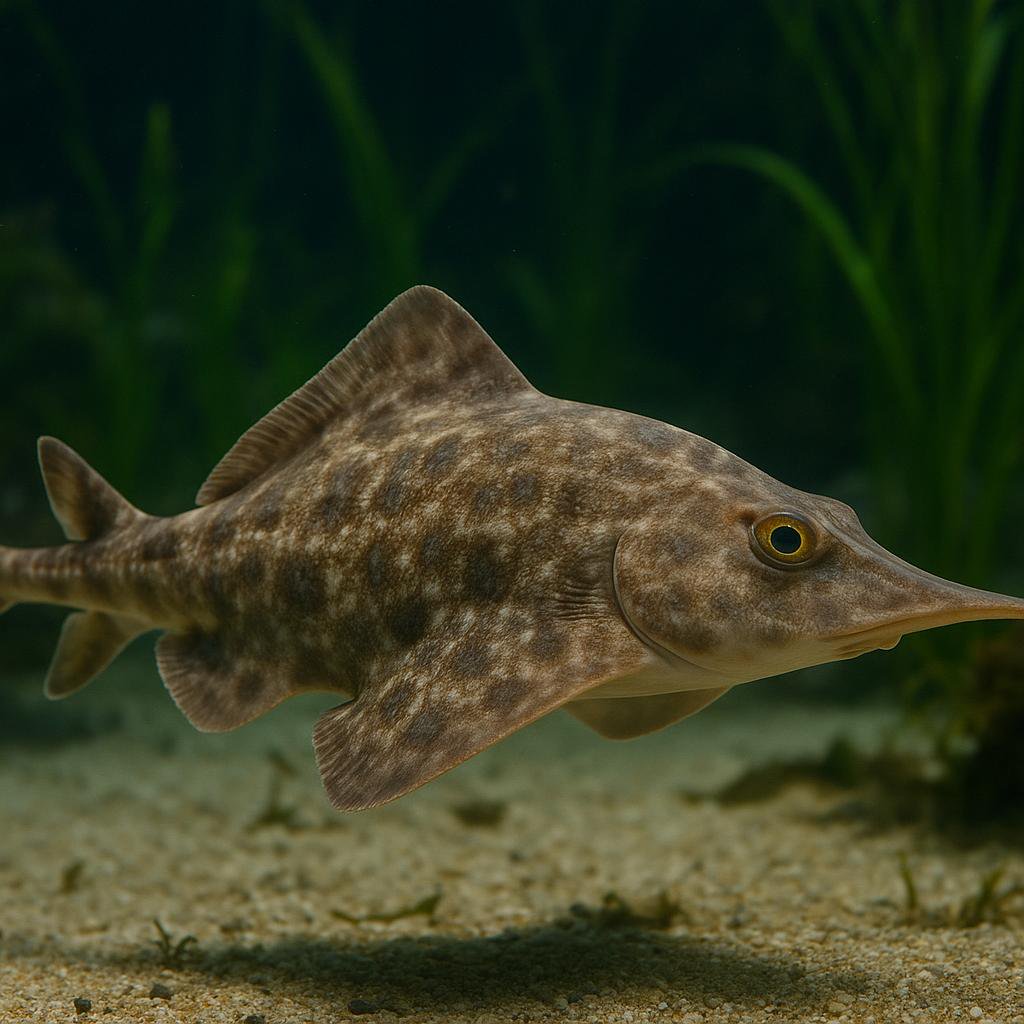
Aleutian skate
Bathyraja aleutica
This is a big, cold-water deep-slope skate from the North Pacific that cruises muddy bottoms and eats chunky benthic prey like crabs and shrimp. The really cool bit is its egg-laying skate life - it does distinct pairing (the classic skate "embrace") and drops those tough egg cases on the seafloor. Not an aquarium fish at all unless you're basically running a public-aquarium-style chilled system.
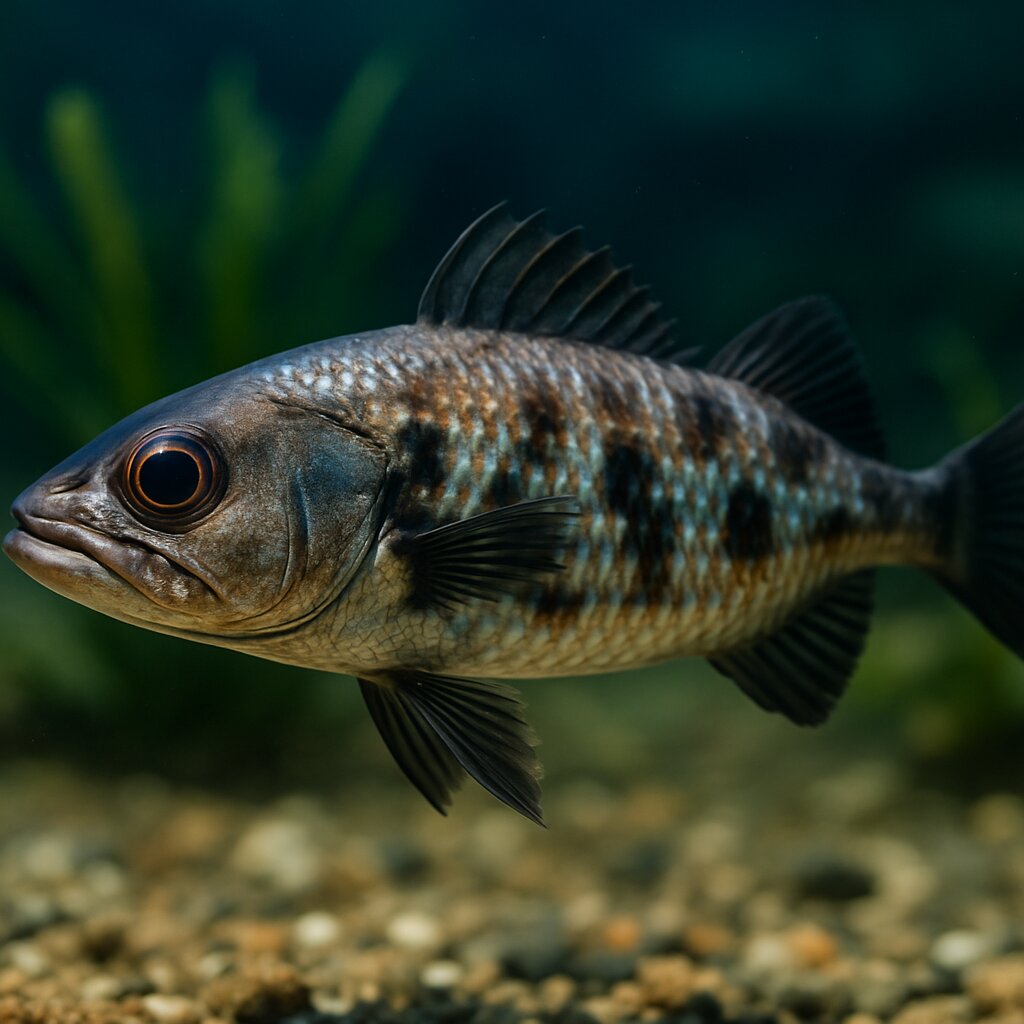
Antarctic dragonfish
Vomeridens infuscipinnis
Deep down around Antarctica, this sleek dragonfish cruises the water column like a little submarine, nearly neutrally buoyant so it can hover above the seafloor. It munches almost exclusively on Antarctic krill and lives in near-freezing water 500-800 m down, so it is a cool species to read about, not one for home tanks.
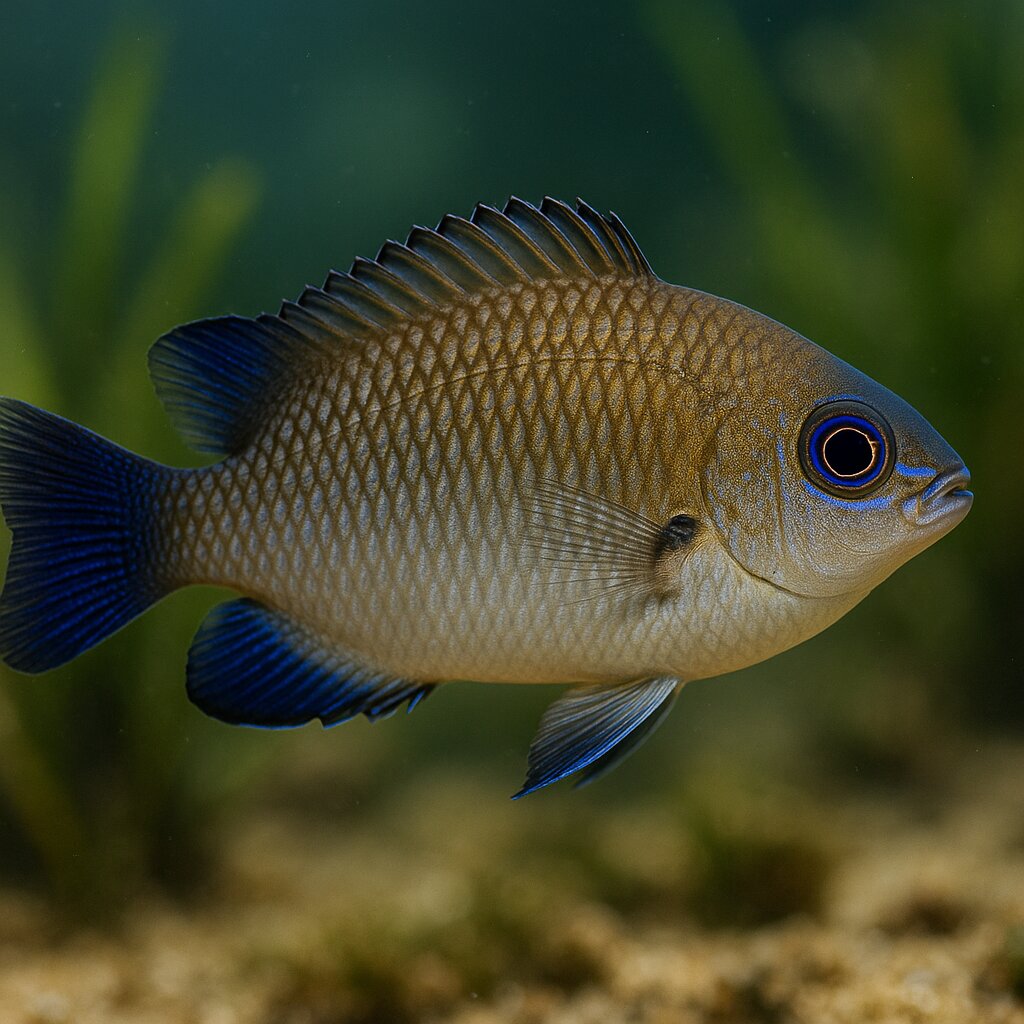
Arabian demoiselle
Neopomacentrus sindensis
A small lyretail damsel from the Persian Gulf and Arabian Sea, it hangs in loose groups around coral heads, rocks, and even pier pilings picking zooplankton from the flow. Think classic damsel toughness with a slightly milder attitude than the real bruisers, plus subtle yellow tail accents. Males clean a patch, get a mate to lay eggs there, and then stand guard fanning the clutch.
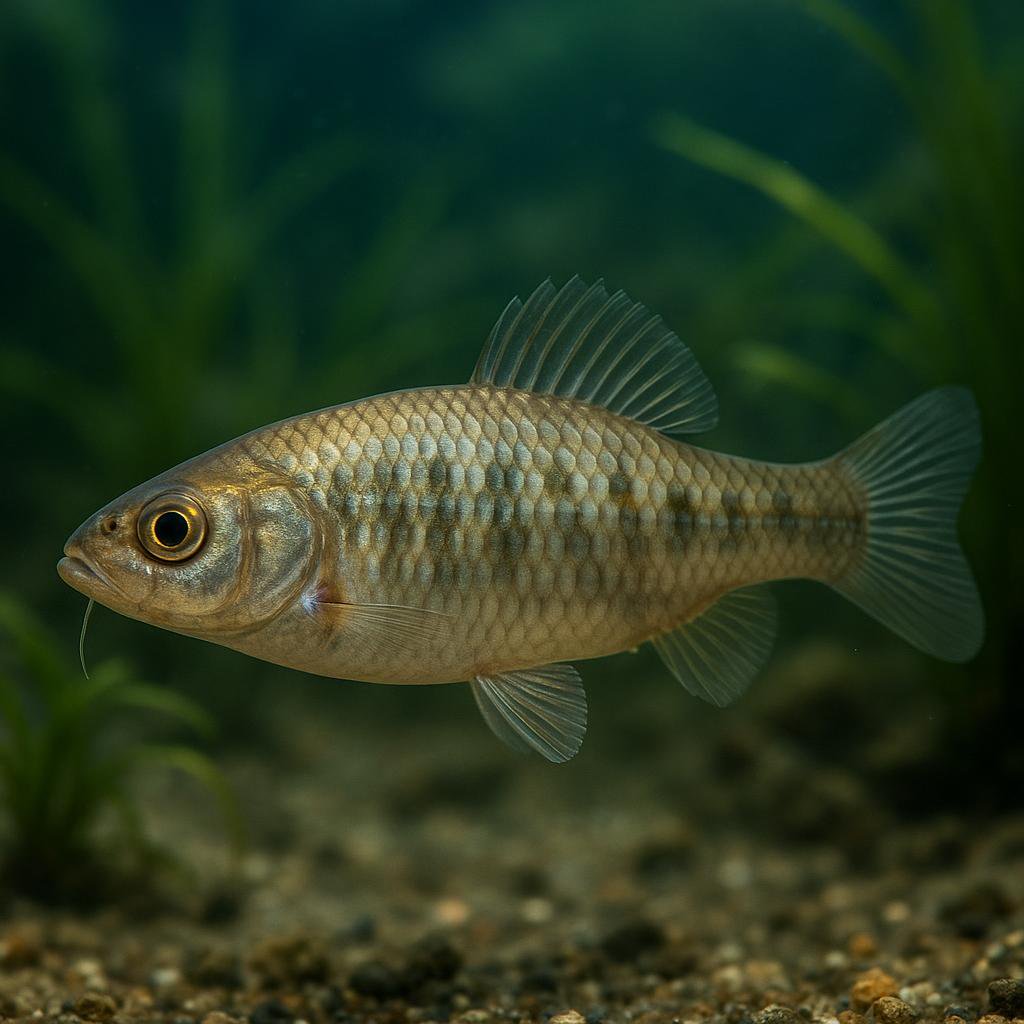
Arabian spiny eel
Notacanthus indicus
Notacanthus indicus is a deep-sea spiny eel (family Notacanthidae; not a true eel) known from the Arabian Sea on the continental slope at roughly ~960–1,046 m depth, with reported maximum length around 20 cm TL; it is a deep-water bycatch species and not established in the aquarium trade.
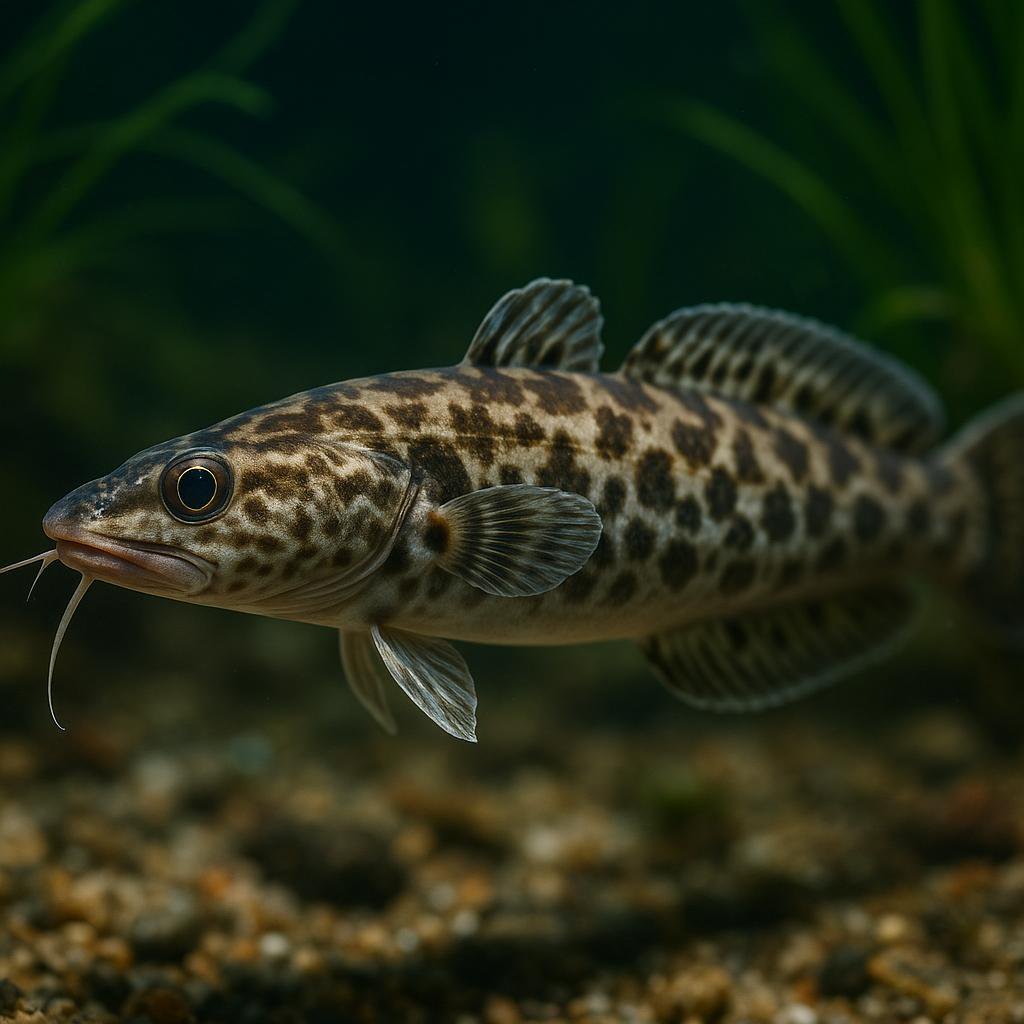
Arctic rockling
Gaidropsarus argentatus
This is a deepwater North Atlantic rockling (a cod relative) that hangs out on soft bottoms way down the slope. It is a cold-water, bottom-hugging predator that snoots around for crustaceans and will also take small fish when it gets the chance.
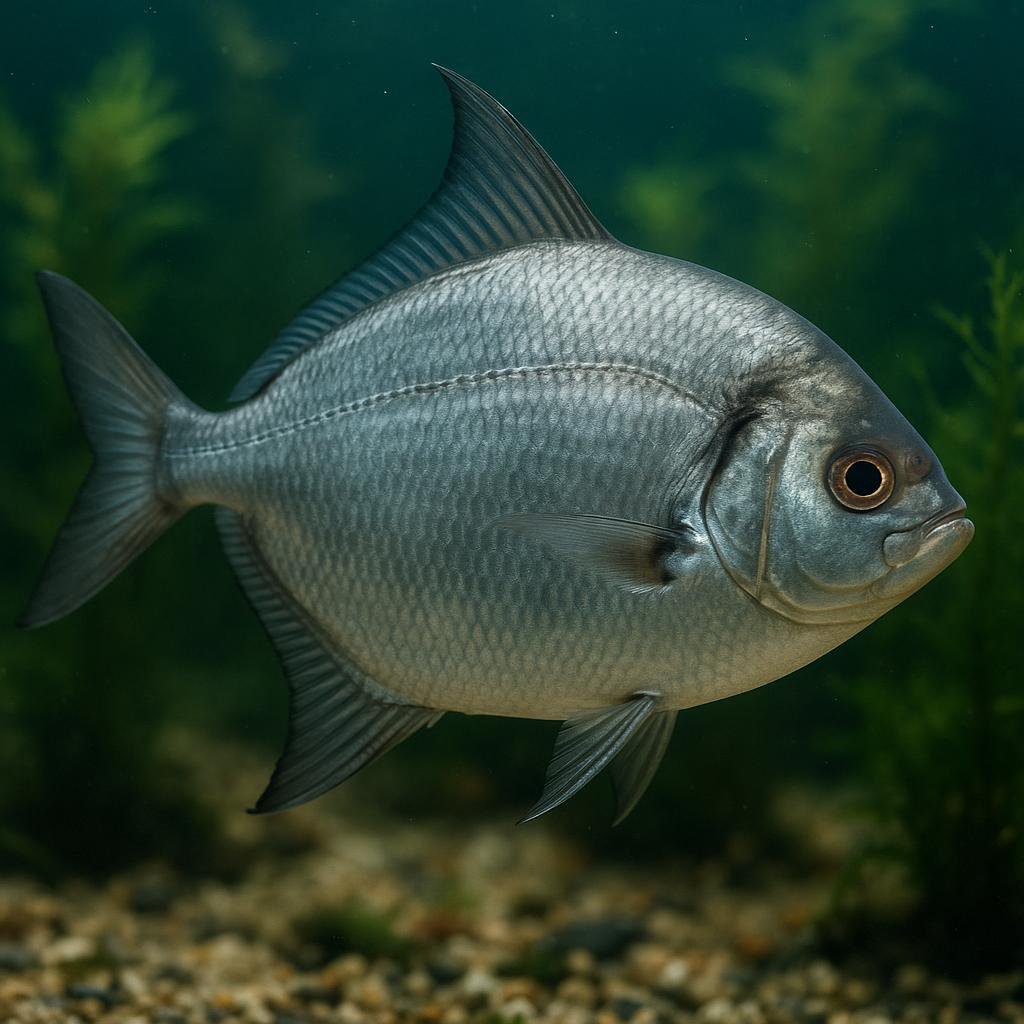
Atlantic pomfret
Brama brama
Brama brama is the Atlantic pomfret (aka Ray's bream) - a deep-bodied, open-ocean pelagic fish that cruises around in small schools and follows water temps. It is a legit big, wild marine species (not an aquarium fish) that eats other small sea critters like fish and squid, and it ranges across a huge chunk of the Atlantic plus parts of the Indian and South Pacific.
More to Explore
Discover more marine species.
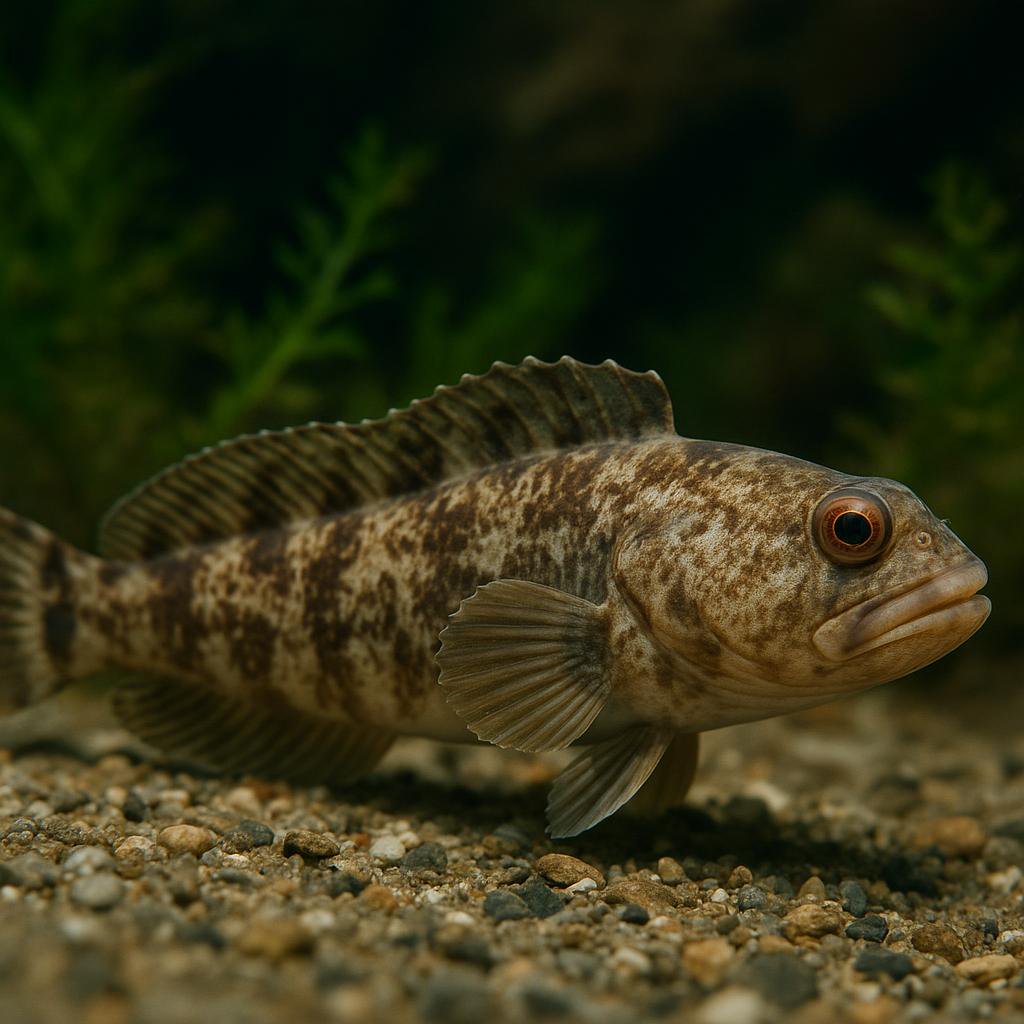
Abe's eelpout
Japonolycodes abei
Japonolycodes abei is a temperate, deepwater demersal eelpout (family Zoarcidae) endemic to Japan (Kumano-nada Sea reported; other sources also report Sagami Bay and Tosa Bay). It is the only species in the genus Japonolycodes and occurs roughly 40-300 m depth, making it an uncommon/atypical aquarium species.
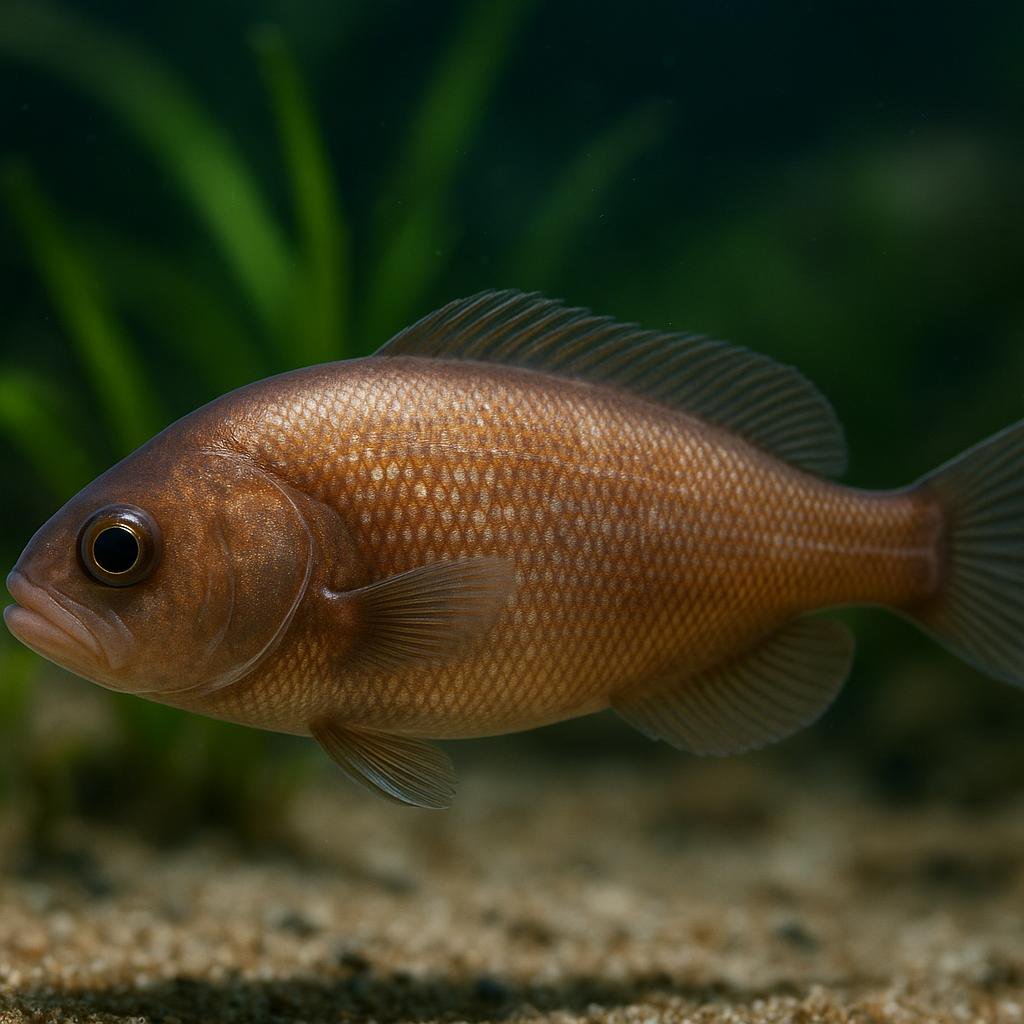
Affinis blind cusk-eel
Barathronus affinis
Barathronus affinis is a tiny, super-weird deep-sea blind cusk-eel from the western-central Indian Ocean. It is one of those gelatinous, loose-skinned brotula-type fishes that live way down in the dark and are basically never seen alive, so almost everything we know comes from preserved specimens and taxonomic work.
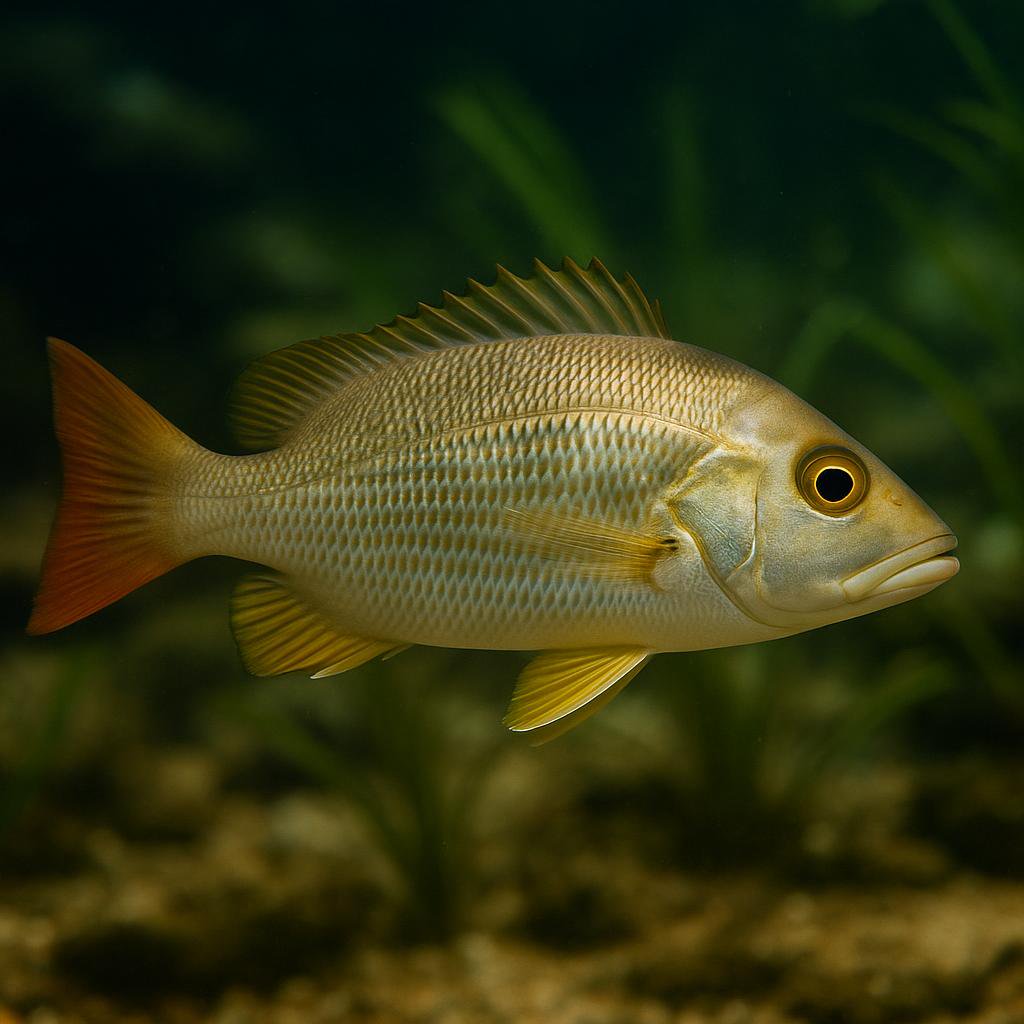
African red snapper
Lutjanus agennes
This is a true snapper from West Africa - a big, fast-growing predator that goes from coastal reefs to brackish lagoons and estuaries (especially as a juvenile). Super cool fish in the wild, but it gets absolutely huge and will eat smaller tankmates once it has the mouth for it, so its really more of a public-aquarium scale animal than a home-aquarium fish.
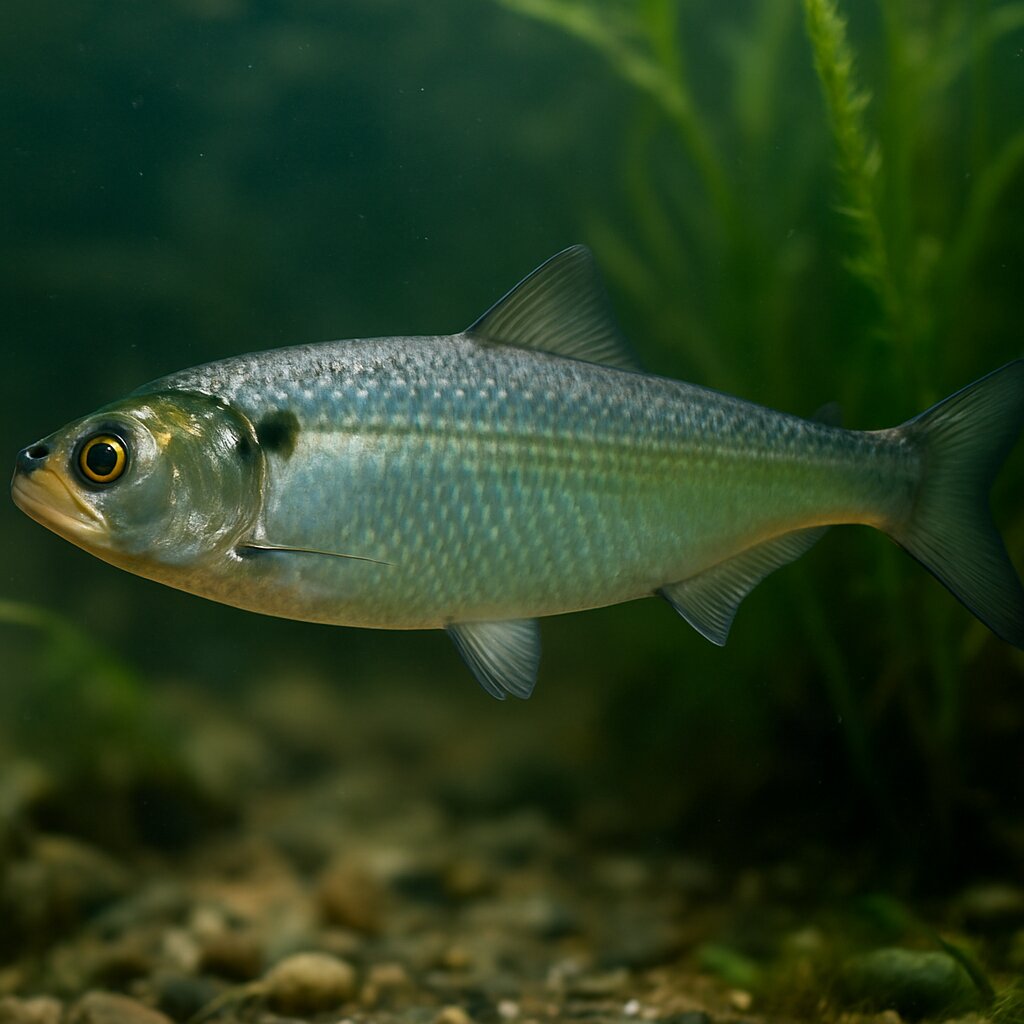
Allis shad
Alosa alosa
Gorgeous silver, fast-swimming shad that spends most of its life in the sea and then surges up big rivers in noisy, surface-spawning schools. It grows huge for a herring-type fish and needs cool, ultra-oxygenated water and tons of open space, so it is a public-aquarium species rather than a home tank fish.
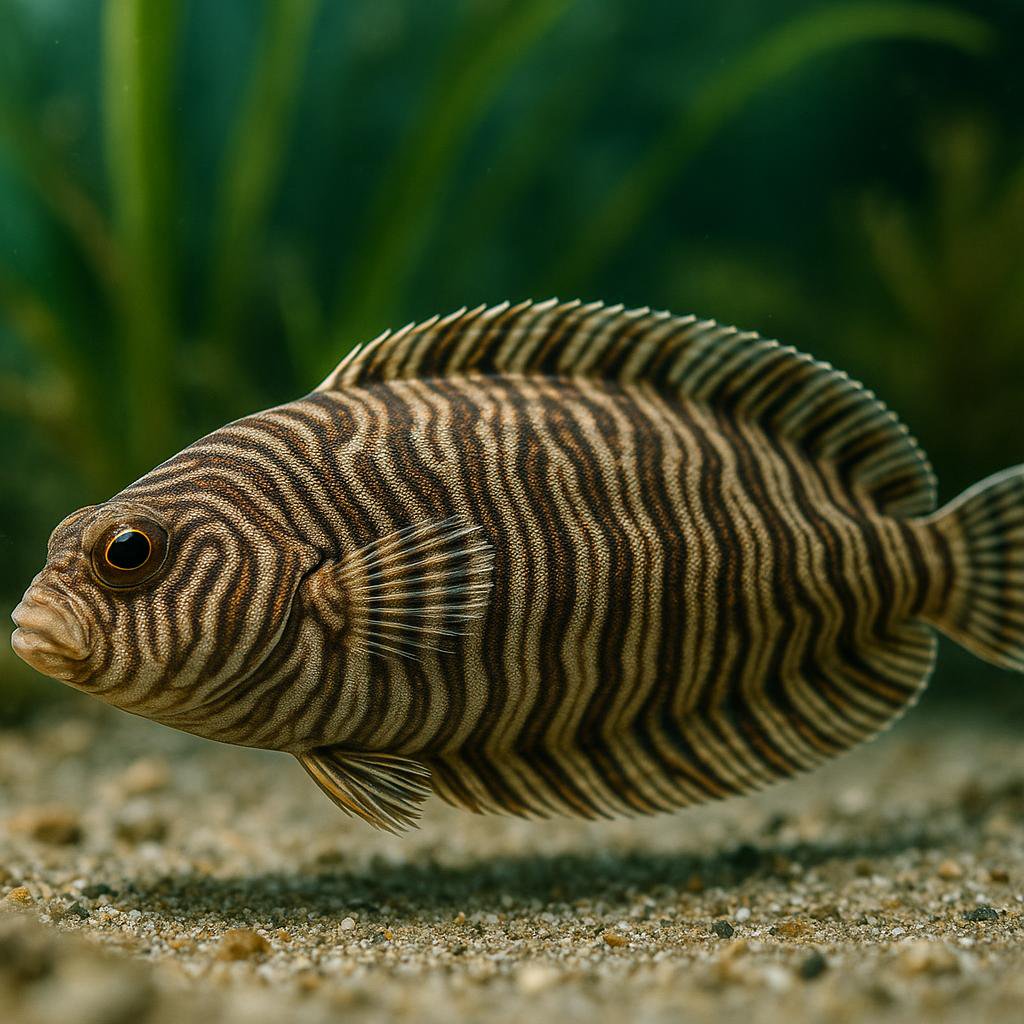
Annandale's zebra sole
Zebrias annandalei
Zebrias annandalei is a small demersal sole from coastal India that inhabits sandy or muddy bottoms and buries for camouflage. It is rarely kept in home aquaria and would require a specialized marine sand-bottom setup and appropriate feeding.
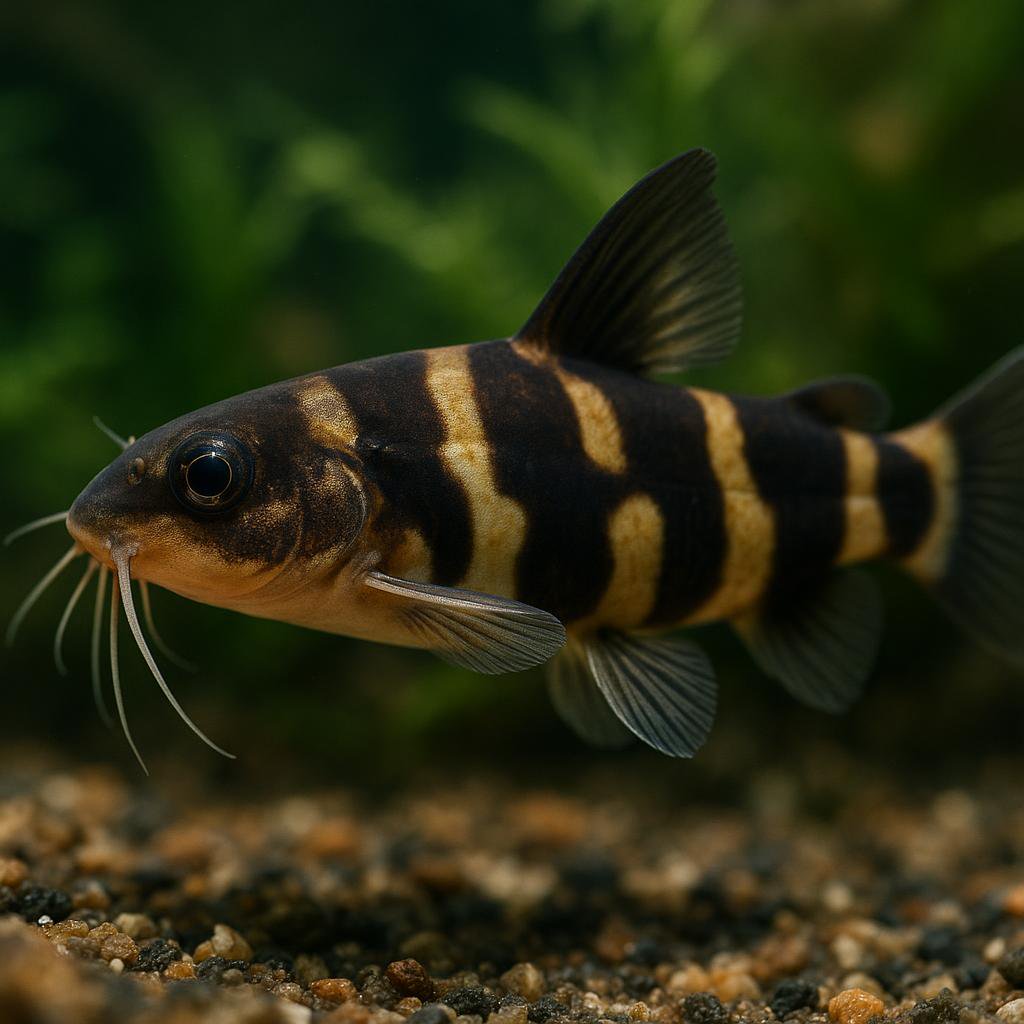
Australian sawtail catshark
Figaro boardmani
Figaro boardmani is a small, deepwater Australian catshark with these cool saw-like ridges of spiny denticles along the tail and a neat pattern of dark saddle bands. It lives way down on the outer continental shelf and slope, so its natural water is cold, dim, and stable - totally not a typical home-aquarium fish. Diet-wise its a predator that goes after fish, crustaceans, and cephalopods.
Looking for other species?