

Saddle wrasse
Thalassoma duperrey
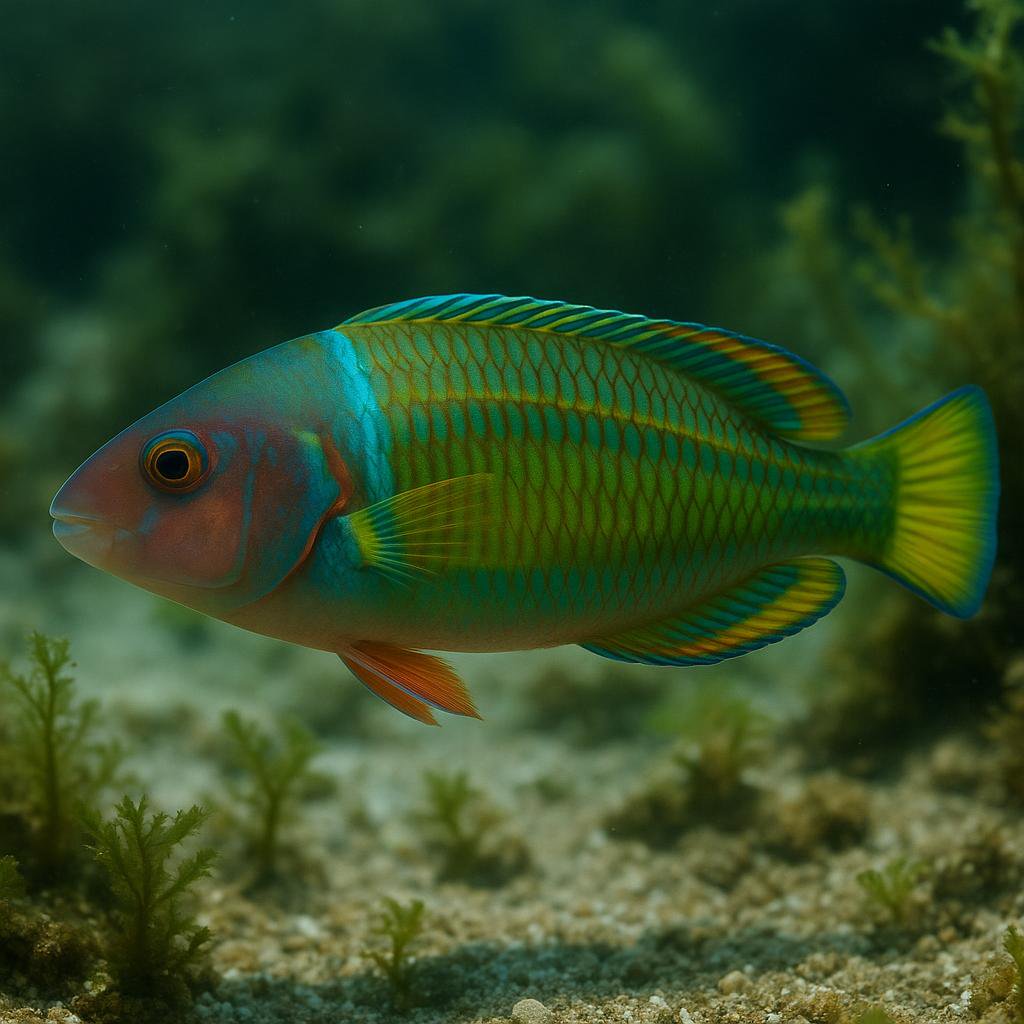
Saddle wrasse exhibit a distinctive saddle-shaped marking on the back, with vibrant green and purple coloration across their body.
This page includes AI-generated images. Why am I seeing AI images?
About the Saddle wrasse
A fast, bold Hawaiian reef wrasse with a bright red saddle behind the pectoral fins and shifting colors as it matures. Juveniles sometimes play cleaner while adults cruise rock and coral picking off small invertebrates; they also change from female to male with age. It reaches about 11 inches and throws its weight around, so it needs space and suitably robust tankmates.
Also known as
Quick Facts
Size
11 inches (28 cm)
Temperament
Aggressive
Difficulty
Intermediate
Min Tank Size
100 gallons
Lifespan
3-5 years
Origin
Hawaiian Islands and Johnston Atoll (Eastern Central Pacific)
Diet
Carnivore - benthic invertebrates (crustaceans, mollusks, worms); accepts meaty frozen foods and pellets
Water Parameters
22-26°C
8.1-8.4
Need a heater for this species?
This species needs 22-26°C in a 100 gallon tank. Use our heater calculator to find the right wattage.
Calculate heater sizeCare Notes
- Give this fast, bold wrasse room to roam - at least 100 gallons with long open swimming lanes and sturdy rockwork to cruise and pick around; adults reach about 11 inches.
- Hold temperature at 22-26 C and pH at 8.1-8.4; keep conditions stable like a typical marine reef system.
- Feed a varied carnivore menu based on benthic invertebrates: chopped shrimp, clam, marine worms, plus quality meaty frozen foods and pellets it readily accepts.
- Not safe with small inverts - it will hunt crustaceans, mollusks, and worms, so expect losses among shrimp, snails, and similar cleanup crew.
- Pair it with robust, similarly assertive fish; this species is aggressive and will bully timid or tiny tankmates.
- Best kept singly, as it often clashes with other wrasses or similarly shaped fishes in home aquaria.
- Use a tight-fitting lid; like many wrasses, it can jump when startled.
- Expect shifting colors as it matures and a female-to-male change with age; juveniles may do some cleaning, but do not rely on this for parasite control.
Compatibility
Good Tankmates
- Assertive surgeonfish of similar or larger size (e.g., yellow or purple tangs) that can match its speed and are not easily bullied
- Medium-large rabbitfish/foxfaces that are calm but well-armed with spines and ignore the wrasse
- Hawkfish (e.g., longnose, arc-eye) - sturdy perchers that do not spook easily and occupy different space
- Large, assertive clownfish species (clarkii, tomato, maroon) that can hold territory
- Squirrelfish and soldierfish (medium to large Holocentridae) - tough, spiny, and active enough to avoid harassment
- Large, pugnacious damsels (e.g., domino, sergeant major) that are fast and resilient
Avoid
- Ornamental crustaceans and small mobile inverts (shrimp, crabs, small snails) that it will hunt and eat
- Small, timid, or slow fish (firefish, dartfish, chromis, small gobies, assessors, seahorses, pipefish) that are easily harassed
- Other wrasses of similar body type/temperament (especially Thalassoma and Coris) and hogfish, due to severe territorial fighting
- Large fish-eating predators that may swallow juveniles or outcompete them (big groupers, snappers, large lionfish)
The Saddle wrasse (Thalassoma duperrey) is a fast, bold Hawaiian reef fish named for the bright red saddle just behind its pectoral fins. Colors shift as it matures, juveniles may act as part-time cleaners, and adults cruise rock and coral picking small invertebrates. It grows to about 11 inches and can be pushy, so give it space and sturdy tankmates.
Origin and natural habitat
Native to the Hawaiian Islands and Johnston Atoll in the Eastern Central Pacific, Saddle wrasses are common on rocky and coral reefs. They are active daytime foragers, scanning the reef surface for crustaceans, mollusks, and worms. Juveniles sometimes behave as cleaners, inspecting other fishes for parasites, while adults focus on hunting small benthic invertebrates.
Aquarium setup and water conditions
Plan for a large, open layout with strong rockwork that creates ledges and crevices to explore. This is a big, fast wrasse that uses the full tank, so length and swimming room matter as much as volume.
- Minimum tank size: 100 US gallons
- Temperature: 22-26 C
- pH: 8.1-8.4
Cover all gaps. Like many wrasses, Saddle wrasses are powerful jumpers, especially when startled or chasing food.
Diet and feeding
Carnivorous, with a natural focus on benthic invertebrates. In aquariums they accept meaty frozen foods and quality pellets readily. Offer a varied mix such as mysis, chopped shrimp or clam, marine carnivore pellets, and similar fare. Active swimmers do best with varied, frequent meaty feedings rather than large infrequent meals.
Expect losses among small ornamental crustaceans, snails, worms, and similar invertebrates. This species actively hunts them.
Behavior and tankmates
This is an assertive, high-energy wrasse that often throws its weight around. It can harass smaller or timid fishes and will compete hard at feeding time. Choose tankmates that are of comparable size and temperament and avoid delicate or very passive species. Because of conspecific and similar-species aggression, most aquarists keep only one Saddle wrasse per tank.
Saddle wrasses are protogynous hermaphrodites: most start life as females and some change to males as they grow. Color and pattern shift with that transition.
Common problems and how to avoid them
- Jumping out: Use a tight, secure lid with fish-safe mesh or covers over every opening.
- Bullying in small tanks: Provide ample space and robust tankmates; crowding amplifies aggression.
- Predation on clean-up crews: Do not rely on small shrimp, snails, or worms for maintenance in tanks housing this species.
With stable marine water quality, room to swim, and a varied meaty diet, this wrasse is a durable, long-lived addition, typically reaching 3-5 years in captivity.
Similar Species
Other marine aggressive species you might be interested in.
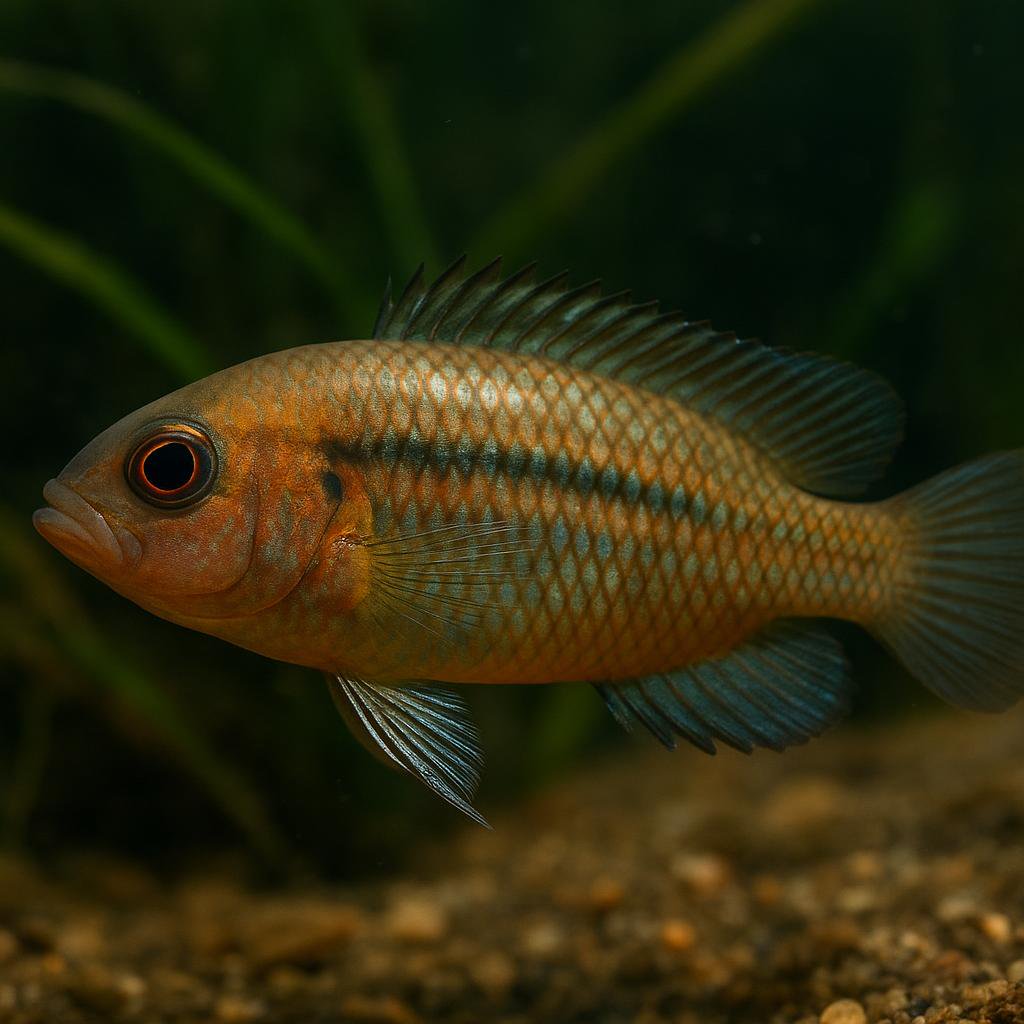
Bluespotted dottyback
Pseudochromis persicus
A striking dark-bodied dottyback covered in tiny blue spots from the Persian Gulf and nearby western Indian Ocean reefs. It grows larger than most dottybacks and throws a lot of attitude for its size, staking out caves and defending them hard. Best for roomy marine setups with robust tankmates and plenty of rockwork to break lines of sight.
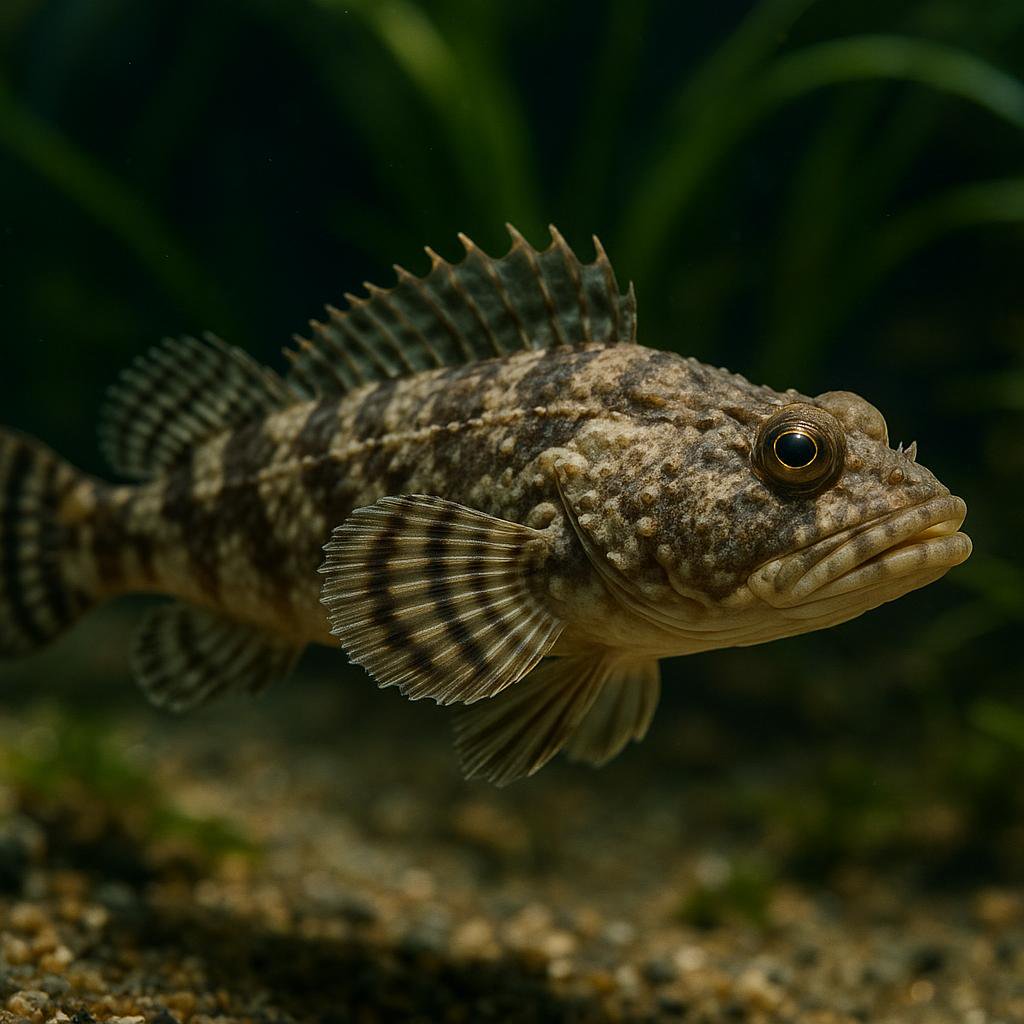
Serrated flathead
Rogadius serratus
Rogadius serratus is a sneaky little flathead that basically lives glued to the bottom, blending into sand and rubble like a living leaf-litter camouflage job. It is the kind of fish that does almost nothing until food shows up, then it strikes fast. Super cool look up close, but it is absolutely not a community tank fish.
More to Explore
Discover more marine species.
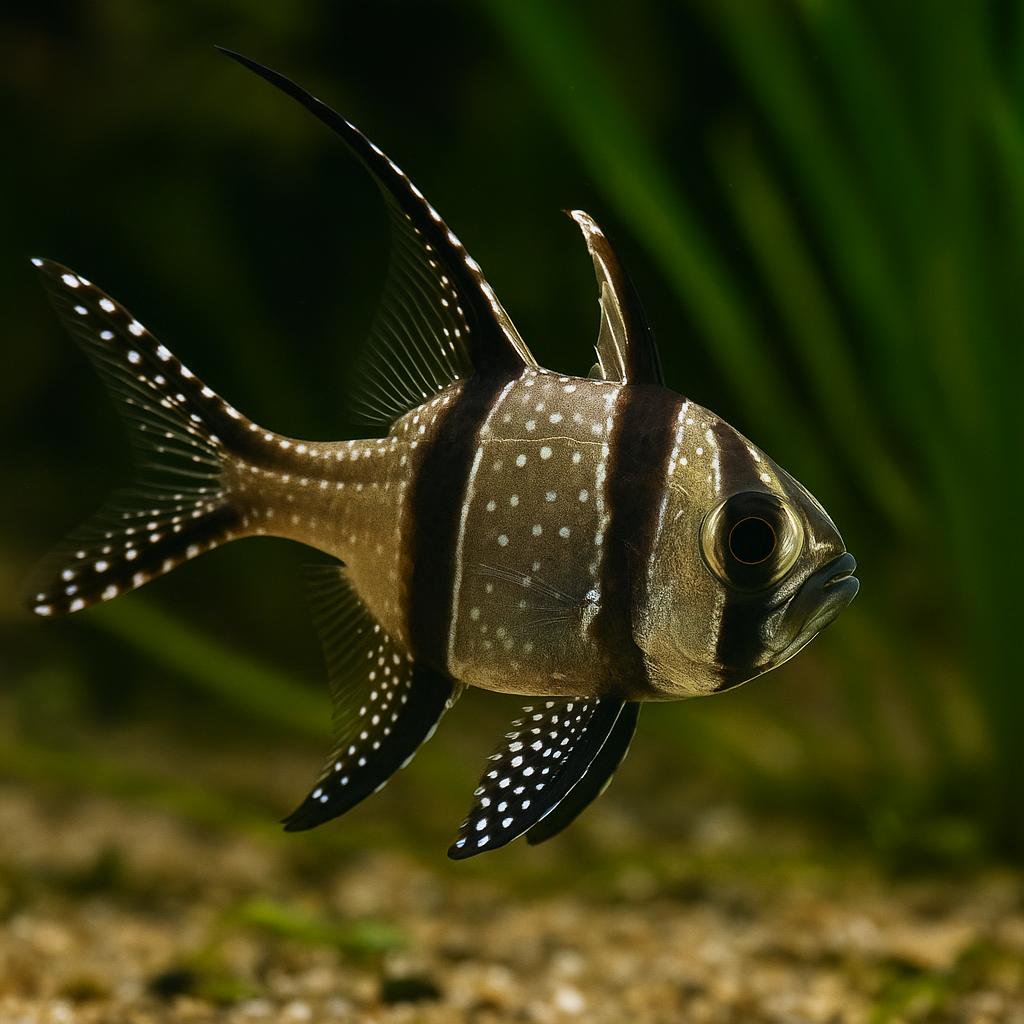
Banggai Cardinalfish
Pterapogon kauderni
Banggai cardinals just sort of hover like little underwater satellites, and the bold black bars with those long, polka-dotted fins look unreal under reef lighting. They're super chill most of the time, but once a pair forms you'll see real "fish drama," and the male will even mouthbrood the babies like a champ.
Bicolored foxface
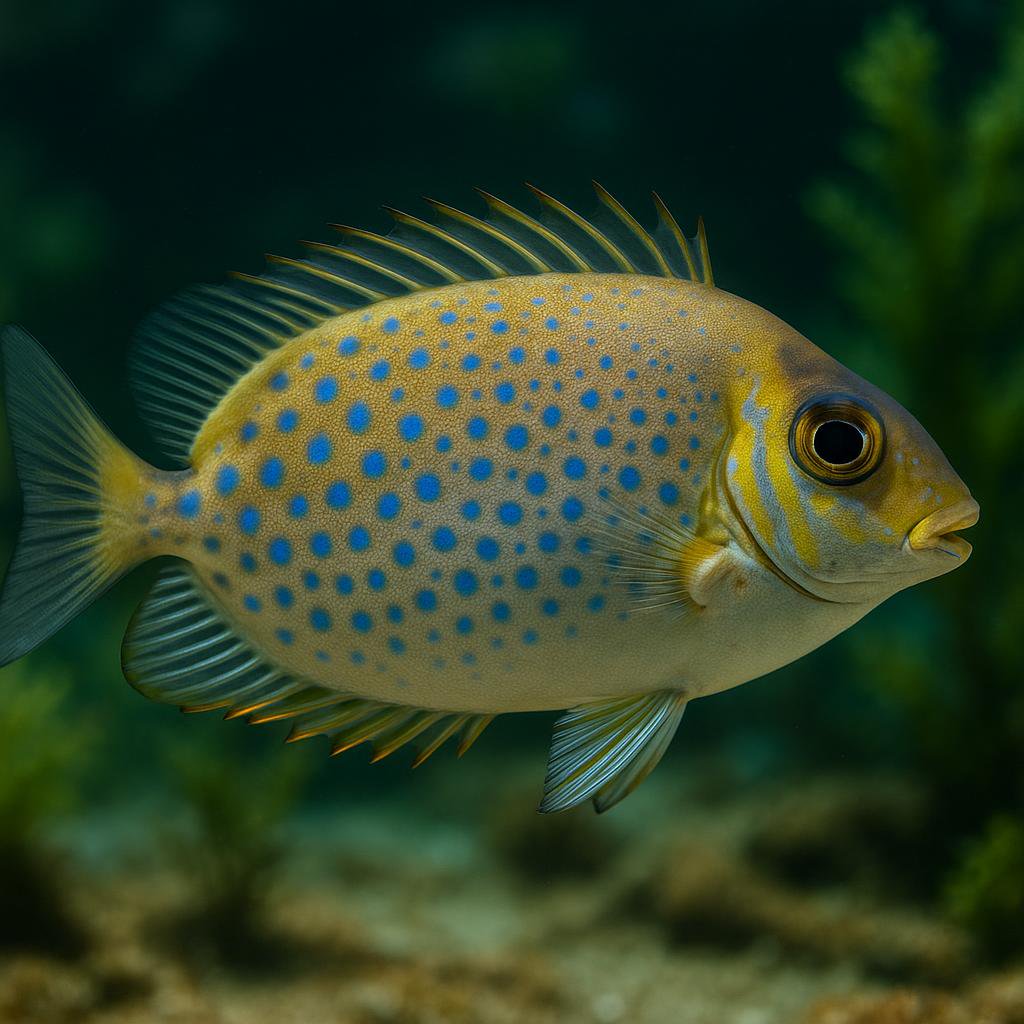
Siganus uspi
A Fiji native with a sharp two-tone look, the bicolored foxface is half deep brown and half yellow with a crisp line between. It spends the day grazing algae and can snap into a mottled camouflage when spooked; those tall dorsal spines are venomous, so other fish usually keep their distance.
Blackfin slatey
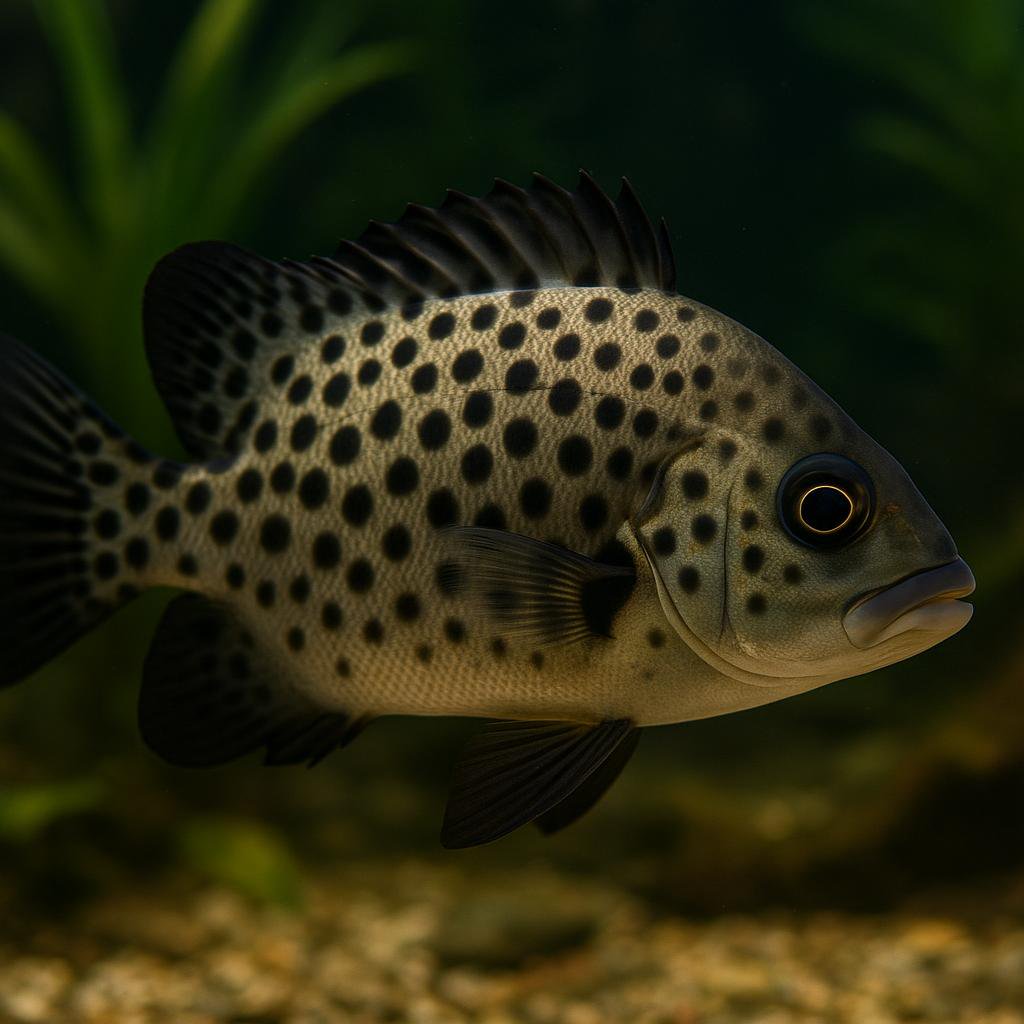
Diagramma melanacrum
A large sweetlips from Southeast Asian reefs with a pale silvery-yellow body sprinkled in dark spots and distinct black pelvic and anal fins. Juveniles linger in silty shallows, while adults rest in small groups on deeper reef walls by day and roam at night to pick off crabs, shrimp, and other invertebrates.
Blackspot razorfish
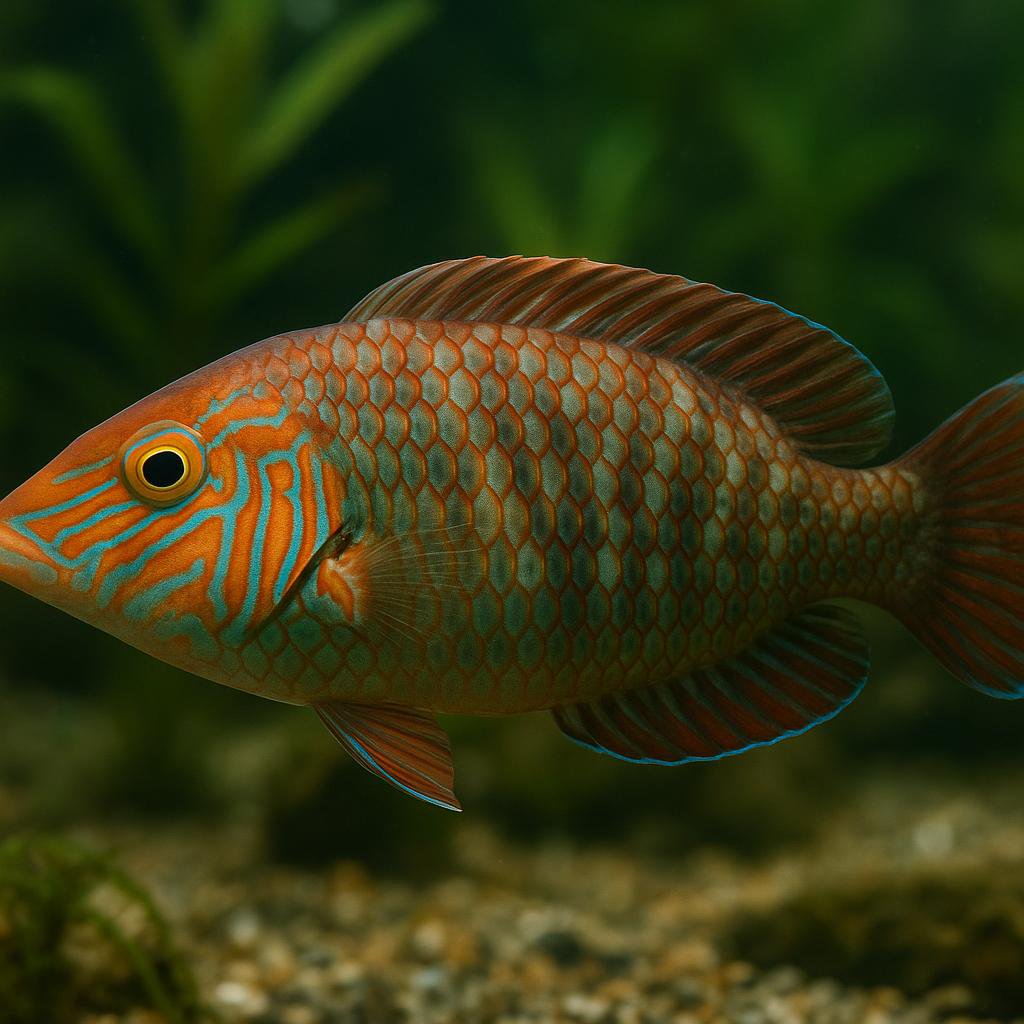
Iniistius dea
This is one of the coolest "knife-bodied" wrasses - it hangs over open sand and, when it gets spooked or wants to sleep, it literally torpedoes straight into the sand. Give it a deep, fine sand bed and it will act totally different (and way more natural) than a typical rock-hugging reef wrasse. Adults are usually shy and cruisy with tankmates, but they are not forgiving about rough handling or sketchy setups.
Blackspotted snake eel
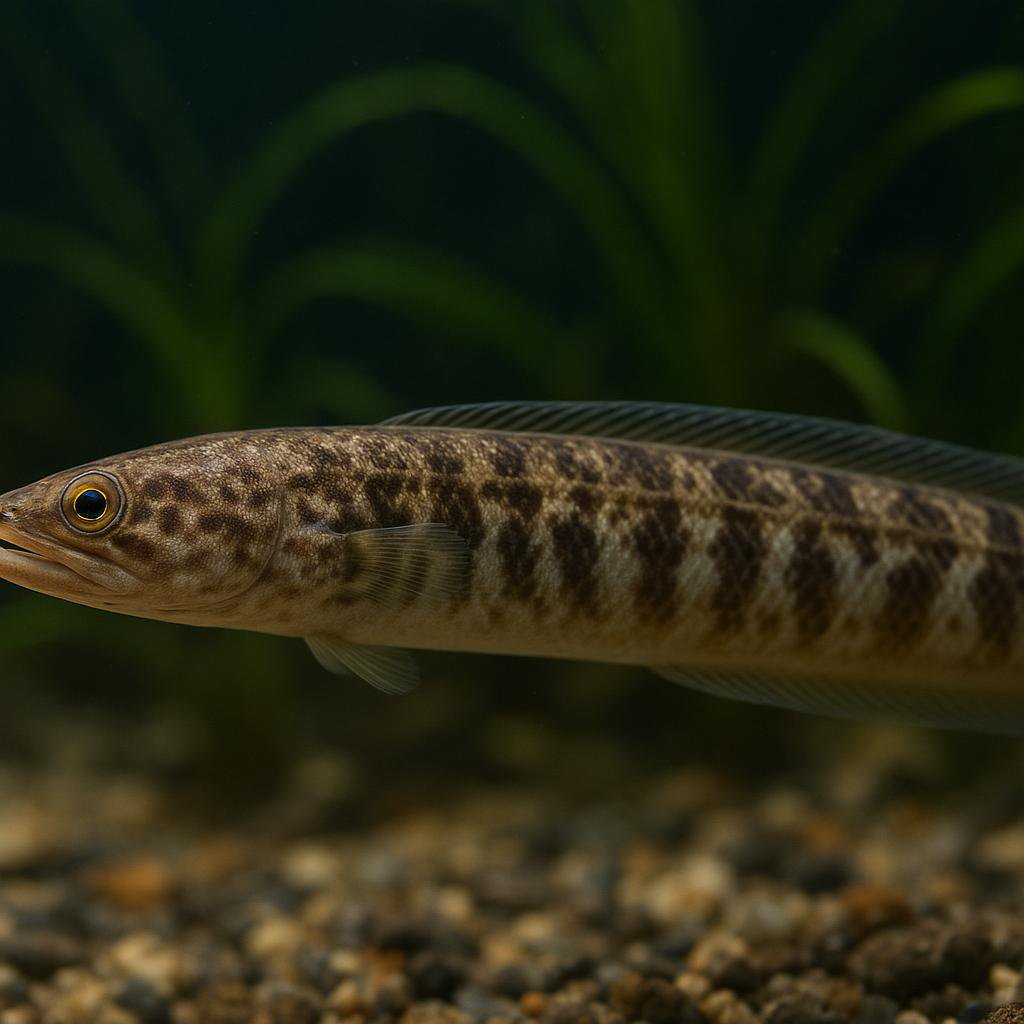
Quassiremus ascensionis
A tropical marine snake eel that buries in soft substrates (sand/mud/gravel) with only the head exposed to ambush prey. Recorded to 71 cm TL and occurs mainly in the western Atlantic (also Brazil) and at Ascension Island; typically found in shallow inshore habitats to ~12 m, including sand and seagrass (turtle grass) areas.
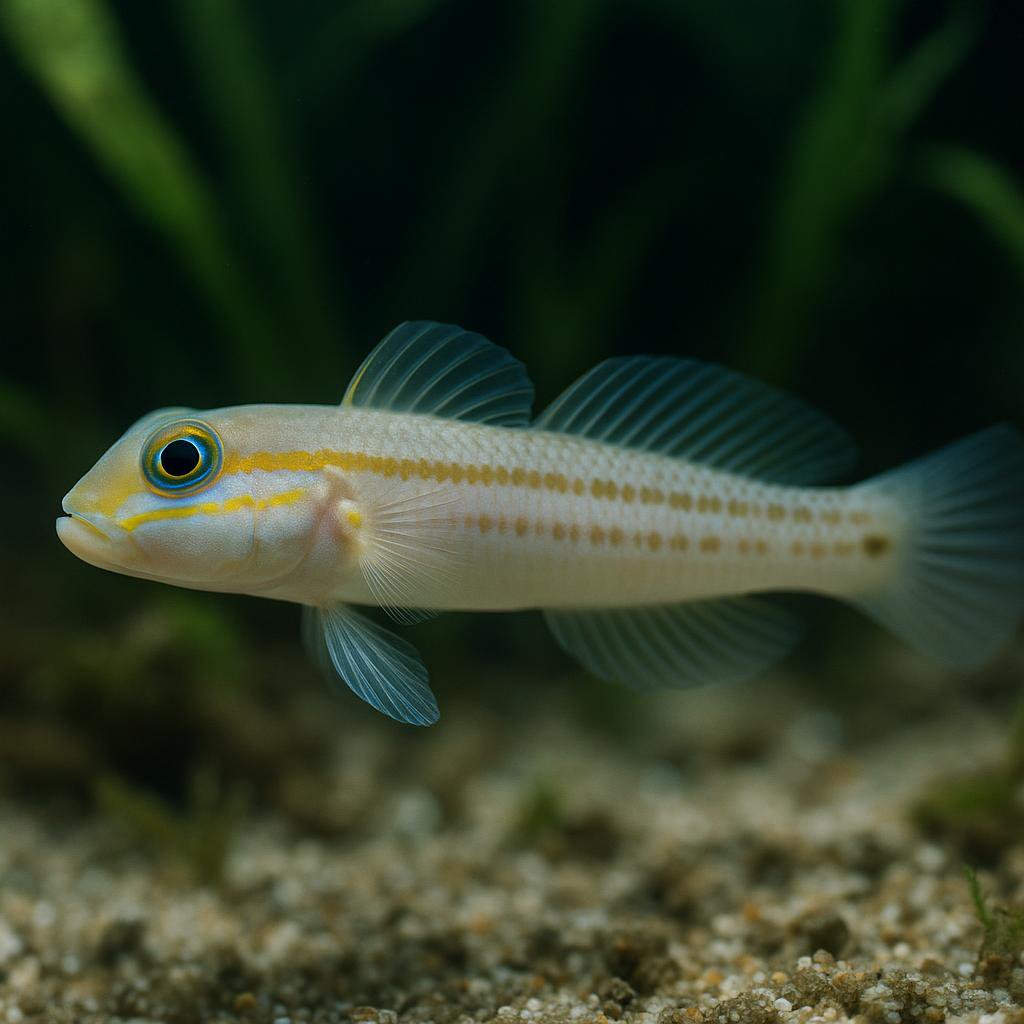
Blueband goby
Valenciennea strigata
This is that classic gold/yellow-headed sand-sifting goby with the little blue cheek stripe-always busy, always rearranging your sandbed. In a reef tank it'll spend the day taking mouthfuls of sand, filtering out tiny critters/foods, then "snowing" clean sand back out, and it'll usually claim a burrow area (often as a pair in the wild). It's super cool behavior-wise, but you really do need a mature tank with a proper sandbed and a lid because they can jump.
Looking for other species?