

Orange-spotted toadfish
Torquigener hypselogeneion
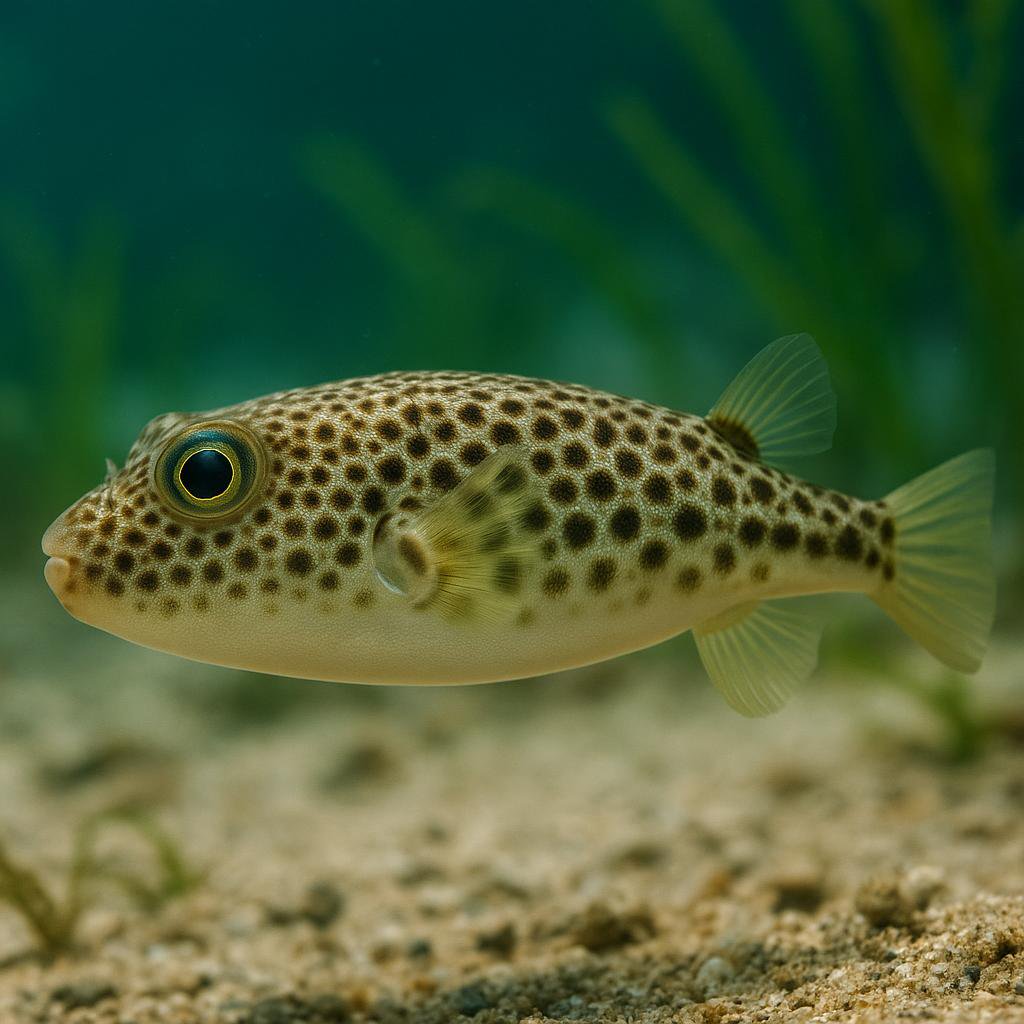
The Orange-spotted toadfish has a flattened body, covered in orange spots and a distinctive broad mouth, enhancing its camouflage among coral.
This page includes AI-generated images. Why am I seeing AI images?
About the Orange-spotted toadfish
This is a small Indo-west Pacific puffer that hangs around sandy flats and estuaries, and it will literally bury itself in the sand to nap with just the eyes sticking out. Its cheek bars and orange-yellow spotting make it look like a little camo tank. Cool fish to read about, but its pufferfish teeth and potential toxicity mean its not a typical community-aquarium pet.
Also known as
Quick Facts
Size
10-13 cm
Temperament
Semi-aggressive
Difficulty
Expert
Min Tank Size
55 gallons
Lifespan
5-10 years
Origin
Indo-West Pacific; introduced in the eastern Mediterranean
Diet
Carnivore - meaty foods like molluscs, crustaceans, and small fish; needs hard-shelled foods to manage tooth growth
Water Parameters
24-28°C
8.1-8.4
8-12 dGH
Need a heater for this species?
This species needs 24-28°C in a 55 gallon tank. Use our heater calculator to find the right wattage.
Calculate heater sizeCare Notes
- Give it a big, sand-bottom tank with lots of open floor space and a few caves or PVC elbows - this fish wants territory and a place to wedge itself, not a rock maze.
- Run stable marine numbers: target ~35 ppt salinity (SG 1.025–1.026), temperature 24–26 °C, pH 8.1–8.4, and keep nitrate reasonably low for fish-only systems (ideally <20–30 ppm).
- Offer meaty marine foods (e.g., clam or mussel on the half shell, shrimp, squid, fish) and include hard‑shelled items regularly to wear down the dental plates; avoid overfeeding.
- Quarantine anything new and watch for puffers-toadfish style issues: they scar up easily from netting and rough decor, so use a container to move them and keep sharp rock edges away from their resting spots.
- Tankmates: basically 'nothing it can swallow and nothing that will harass it' - avoid triggers, large wrasses, puffers, and nippy angels; sturdy, similarly sized, non-bullying fish sometimes work, but expect it to try eating small fish and crustaceans.
- Cover the tank like you mean it; they can bolt when spooked, and a startled toadfish on the floor is a bad day.
- Breeding is not documented in home aquaria for this species. In the wild (eastern Mediterranean), spawning occurs July–October; elaborate nest building and paternal egg guarding is documented for Torquigener albomaculosus, not for T. hypselogeneion.
- Watch for bloat and buoyancy weirdness after big meals - smaller portions and a fasting day help, and don't feed freshwater feeders since it can wreck them long term.
Compatibility
Good Tankmates
- Large, non‑aggressive fishes too big to be swallowed; introduce with caution and monitor interactions.
- Use caution: Large, assertive fishes (e.g., some triggerfish, large angels, big wrasses) may harass or bite puffers; compatibility is case‑by‑case in large systems with careful observation.
Avoid
- Small fishes and ornamental crustaceans—this species preys on fishes and crustaceans in the wild.
Where they come from
Orange-spotted toadfish (Torquigener hypselogeneion) are little benthic puffers from the Indo-Pacific. You will see them associated with sandy and rubbly areas where they can sit, shuffle, and vanish when they feel like it. They are not a "cruising" fish - they are an ambushy, sit-and-wait kind of predator with a big mouth and a short fuse.
If you are used to personable puffers that beg at the glass, this one is different. It is more "pet rock with teeth" until feeding time, and then it is all business.
Setting up their tank
This is an expert fish because of the combo: messy eater, sensitive skin, and a habit of biting first and asking questions never. Think of the tank like a secure, easy-to-clean predator pit with sand.
- Tank size: I would not do one in anything under 40-55 gallons, and bigger is calmer if you ever try tankmates.
- Substrate: fine sand. They like to settle into it, and rough gravel can scrape them up.
- Rockwork: stable, low piles with caves and overhangs. Keep it bombproof - they can bulldoze.
- Open floor space: leave a lot of sand exposed. They use the bottom like a living room.
- Filtration: oversized. Big skimmer, good mechanical filtration, and a way to export nutrients because they eat meaty foods.
- Flow: moderate, not a sandstorm. They do not need reef-level blasting.
- Lid: tight. They can jump, and they can also launch themselves when startled. Seal gaps.
Never handle them dry and do not net them if you can avoid it. Use a container to move them. Like other toadfish/puffer-ish fish, stress + air exposure is a bad combo, and the skin is easy to damage.
For parameters, keep it boring and stable: 1.025-ish salinity, stable temp (around the mid- to upper-70s F), and low nitrogen waste. They are tough in some ways, but they do not shrug off ammonia, nitrite, or chronically high nitrate the way some "hardy" predators do.
What to feed them
They are carnivores with a big, fast strike. Mine did best on a rotation of marine meaty foods. If you feed the same soft stuff forever, you can run into dental issues with puffer relatives, so I like to mix in crunchy items.
- Staples: raw shrimp, squid, clam, scallop (chopped to mouth size).
- Crunchy/teeth work: shell-on shrimp chunks, small whole clams/mussels, crab pieces.
- Frozen: mysis and krill can work, but these fish usually want bigger, stinkier bites.
- Live (sparingly): ghost shrimp or small marine crustaceans can help a new one start eating, but do not make live feeders your whole plan.
- Avoid: freshwater feeder fish, goldfish, and anything oily like silversides as a constant staple (occasional is fine, constant gets messy and can cause issues).
Train them to a feeding stick or tongs. It keeps your fingers out of the danger zone and lets you target feed so food does not rot in the sand.
Feeding schedule: juveniles will take small meals more often. Adults do fine with every other day or so. Do not overdo it - they will act starving even when they are not, and a fat toadfish in a small tank is a nitrate factory.
How they behave and who they get along with
They are ambush predators and they have that "all mouth" vibe. Most of the day they sit, perch, or half-bury, then they teleport onto food. The attitude ranges from chill to absolute menace depending on the individual, but you should plan for the menace version.
- Best setup: species-only. This is the path of least heartbreak.
- Fish tankmates: only consider larger, tough, fast fish that will not fit in its mouth and will not harass it. Even then, biting and stress can happen.
- Inverts: assume shrimp, crabs, and snails are food sooner or later.
- Reef: not a great candidate. It is messy, it will redecorate, and many clean-up crew members are on the menu.
Do not keep with small fish. If it can fit in that mouth, it will vanish. Sometimes it will try even if it barely fits, and you end up with a dead fish and a choking toadfish.
They also do not appreciate constant activity around them. Hyper tankmates can keep them stressed, and stressed bottom predators get sick. Give them hides and a quiet zone.
Breeding tips
Breeding this species in home aquariums is not something you see often. In the wild, related Torquigener are famous for males making sand circle nests. That behavior needs space, the right substrate, and seasonal cues. In a typical home tank, you are mostly aiming for a healthy, long-lived display fish, not a breeding project.
If you do ever see sand-pattern building or territorial nest guarding, do not "clean it up." Let the fish have its weird art project and watch from a distance.
Common problems to watch for
Most issues I have seen (and caused, honestly) come from three things: dirty water from heavy feeding, physical damage from rough substrate/rockwork, and stress from tankmates or too much commotion.
- Refusing food: common after shipping. Try dim lights, offer smelly foods (clam, shrimp), and keep hands out of the tank. Give it a day or two before you panic.
- Skin scrapes and infections: happens if they wedge into sharp rock or sit on gravel. Fine sand and stable rocks prevent a lot of this.
- Ammonia/nitrite spikes: meaty foods + small tanks = trouble. Overfilter, do water changes, and remove leftovers quickly.
- Parasites: wild-caught predators can come in with internal worms. Watch for weight loss despite eating and stringy feces.
- Lockjaw/feeding injuries: they can bite hard items awkwardly. Keep pieces reasonable and avoid huge chunks they have to wrestle.
- Stress from handling: netting and air exposure can mess them up. Move them in a container.
Be careful with medications. Many scaleless or sensitive-skinned fish do not handle harsh copper or overdosing well. If you need to treat, research the exact product and start lower than the label if you are not 100% sure.
If you keep the tank clean, give it sand and hides, and feed like a predator keeper (big filtration, controlled portions), they can be really rewarding. They have a ton of personality, just not the "community fish" kind.
Similar Species
Other marine semi-aggressive species you might be interested in.
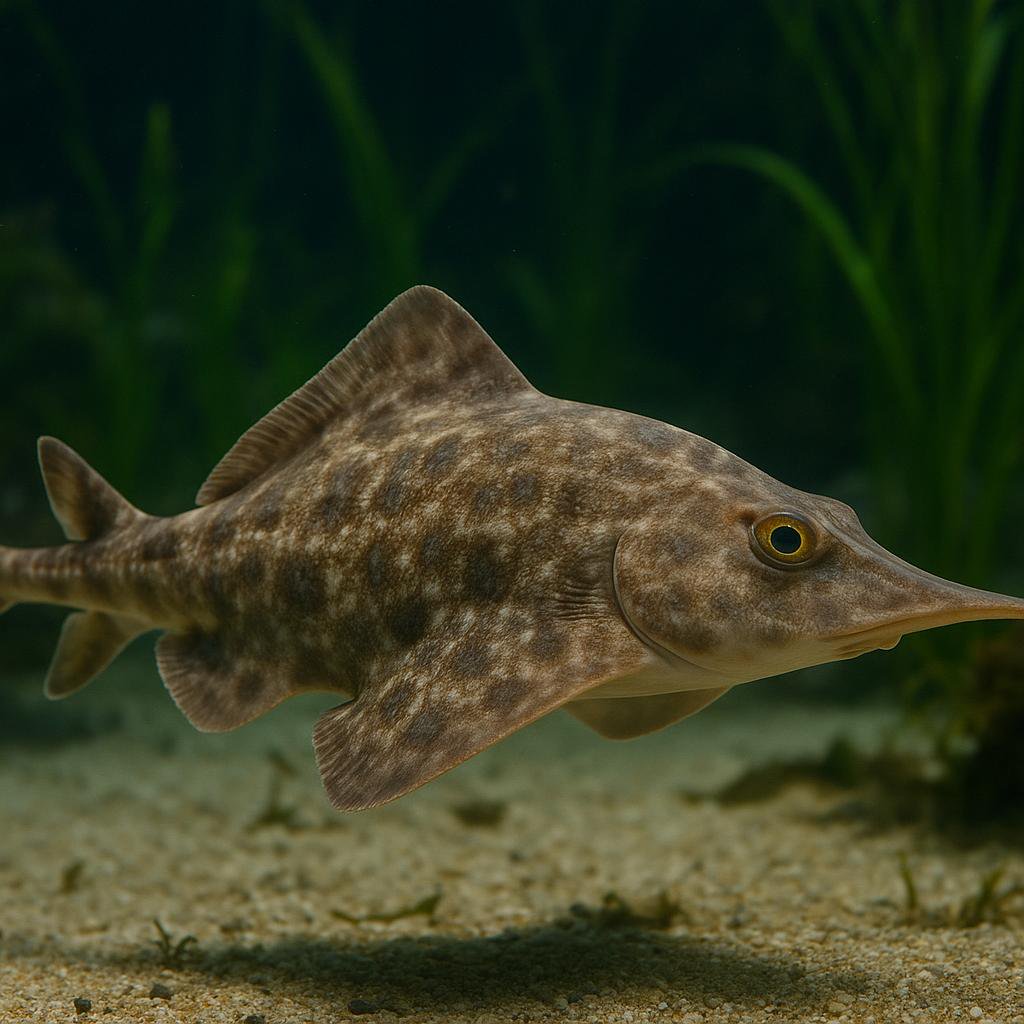
Aleutian skate
Bathyraja aleutica
This is a big, cold-water deep-slope skate from the North Pacific that cruises muddy bottoms and eats chunky benthic prey like crabs and shrimp. The really cool bit is its egg-laying skate life - it does distinct pairing (the classic skate "embrace") and drops those tough egg cases on the seafloor. Not an aquarium fish at all unless you're basically running a public-aquarium-style chilled system.
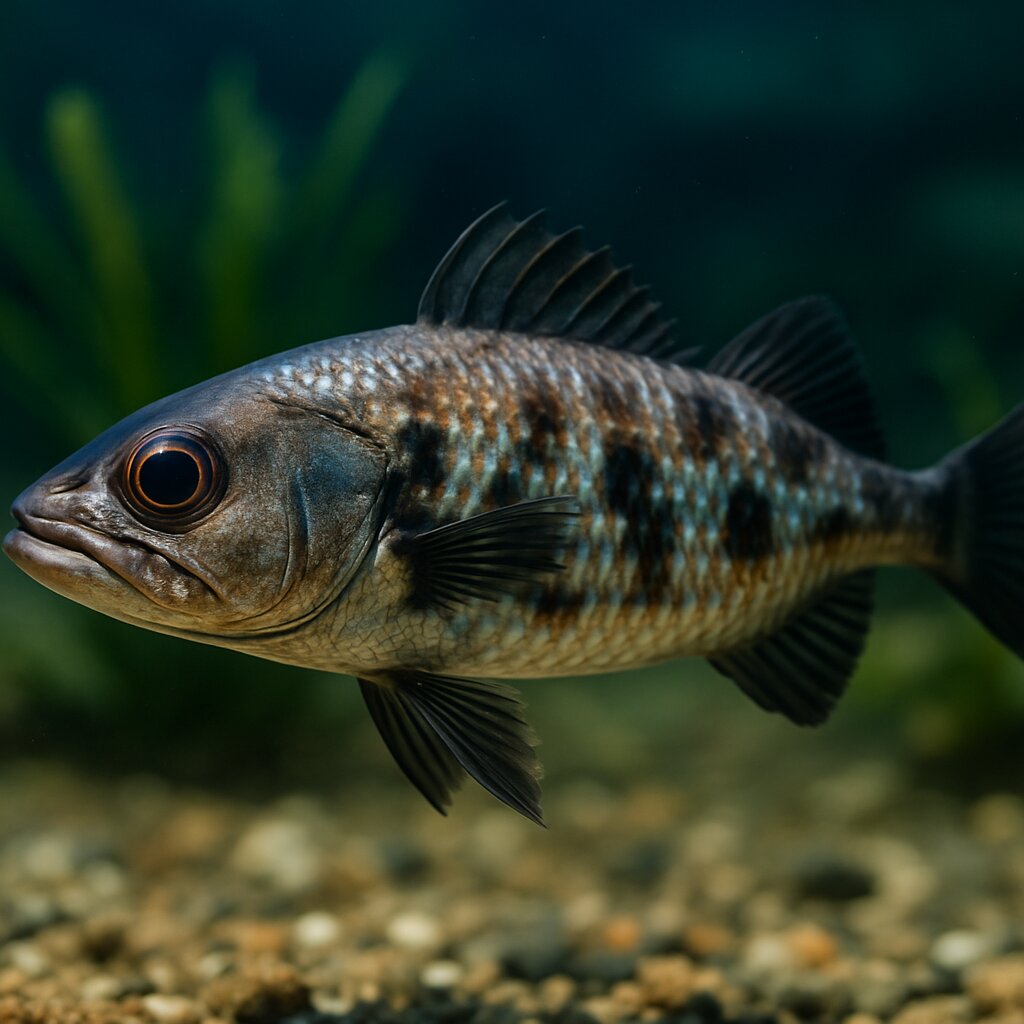
Antarctic dragonfish
Vomeridens infuscipinnis
Deep down around Antarctica, this sleek dragonfish cruises the water column like a little submarine, nearly neutrally buoyant so it can hover above the seafloor. It munches almost exclusively on Antarctic krill and lives in near-freezing water 500-800 m down, so it is a cool species to read about, not one for home tanks.
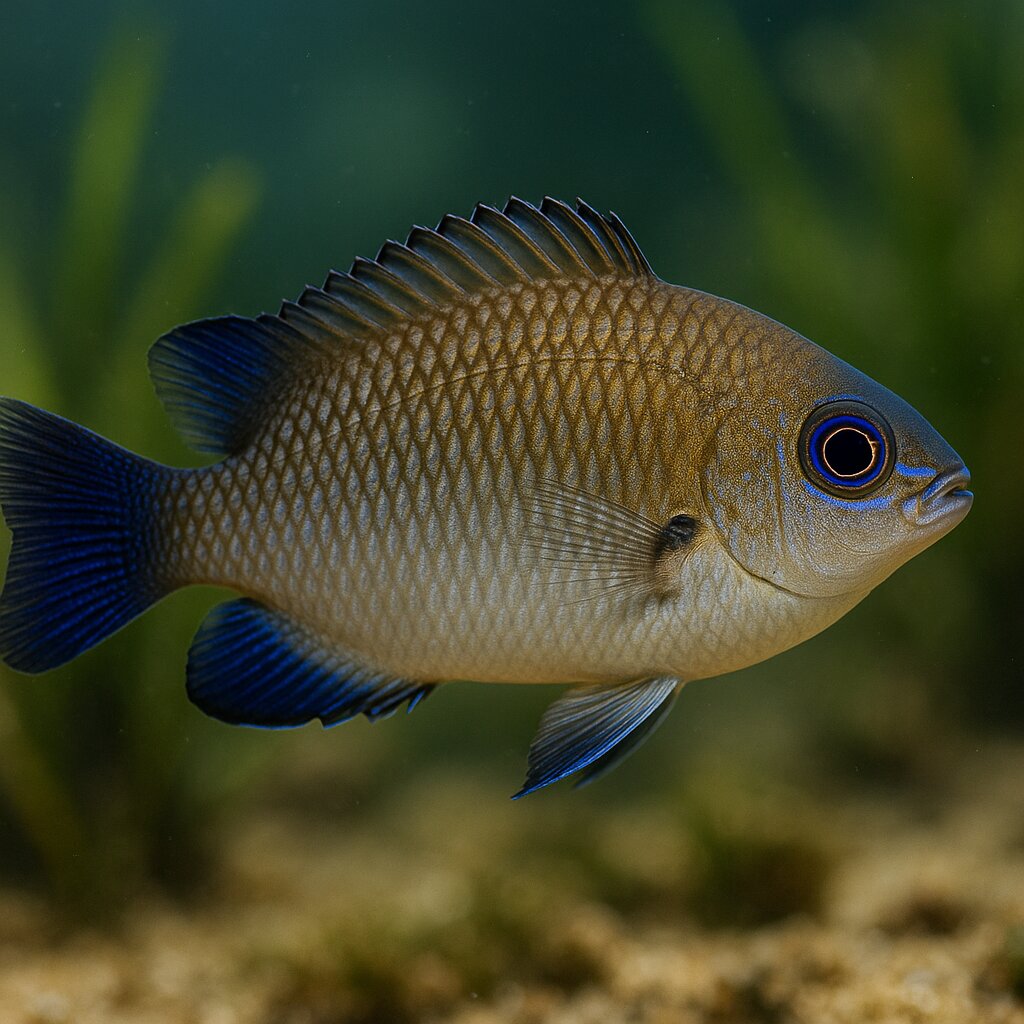
Arabian demoiselle
Neopomacentrus sindensis
A small lyretail damsel from the Persian Gulf and Arabian Sea, it hangs in loose groups around coral heads, rocks, and even pier pilings picking zooplankton from the flow. Think classic damsel toughness with a slightly milder attitude than the real bruisers, plus subtle yellow tail accents. Males clean a patch, get a mate to lay eggs there, and then stand guard fanning the clutch.
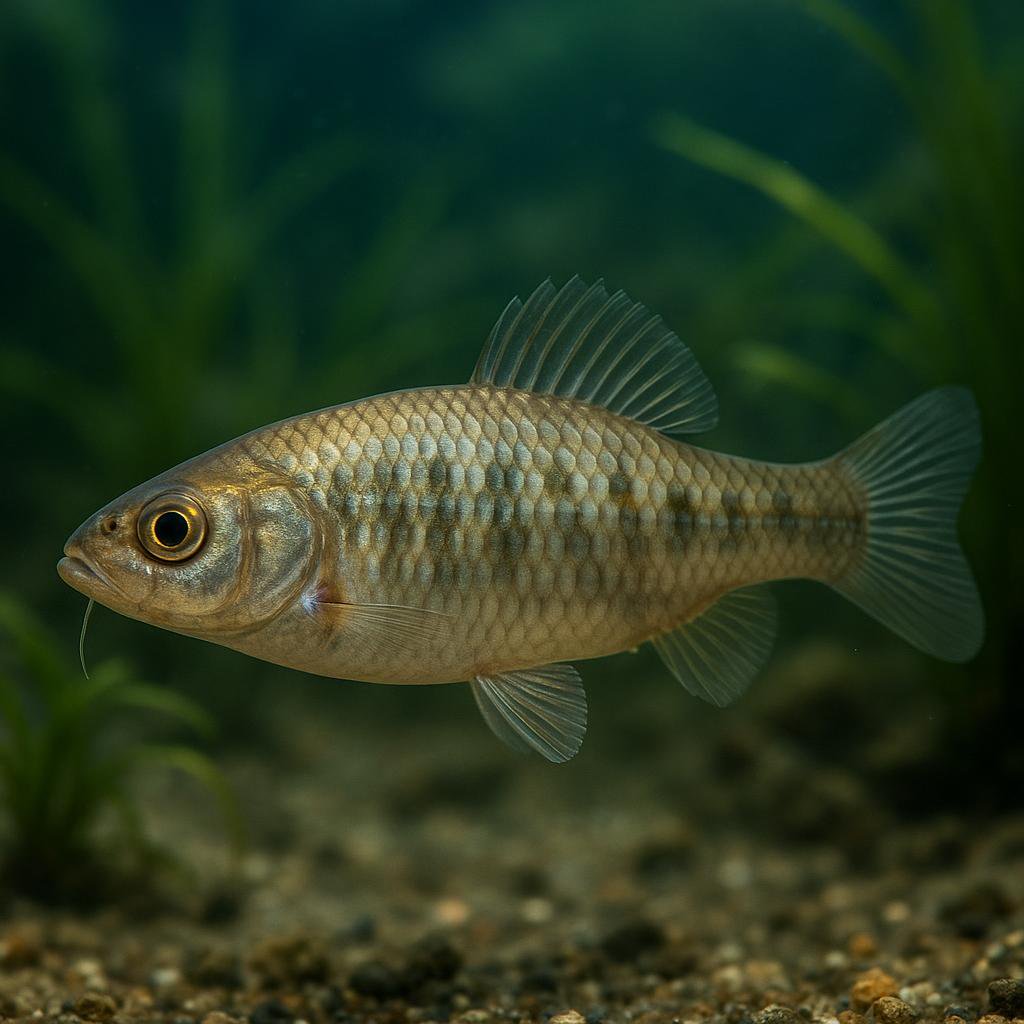
Arabian spiny eel
Notacanthus indicus
Notacanthus indicus is a deep-sea spiny eel (family Notacanthidae; not a true eel) known from the Arabian Sea on the continental slope at roughly ~960–1,046 m depth, with reported maximum length around 20 cm TL; it is a deep-water bycatch species and not established in the aquarium trade.
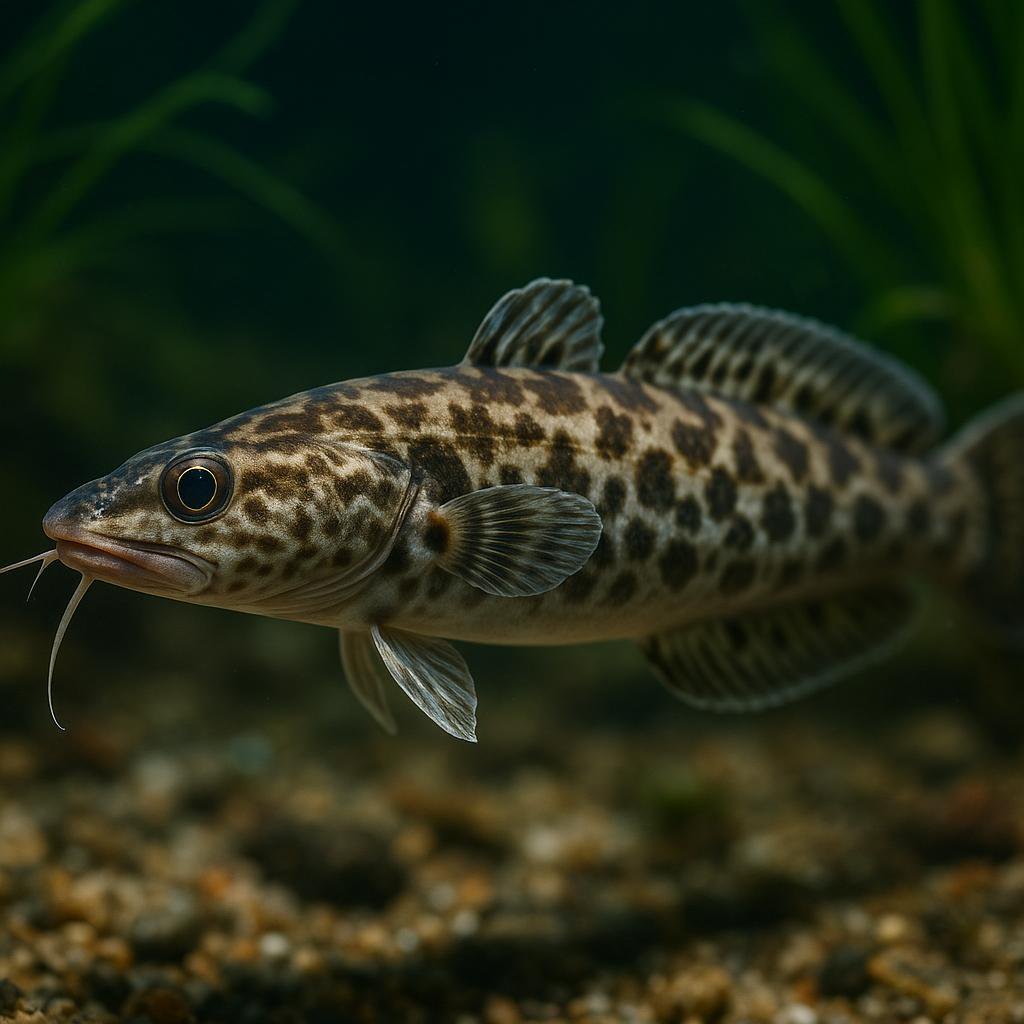
Arctic rockling
Gaidropsarus argentatus
This is a deepwater North Atlantic rockling (a cod relative) that hangs out on soft bottoms way down the slope. It is a cold-water, bottom-hugging predator that snoots around for crustaceans and will also take small fish when it gets the chance.
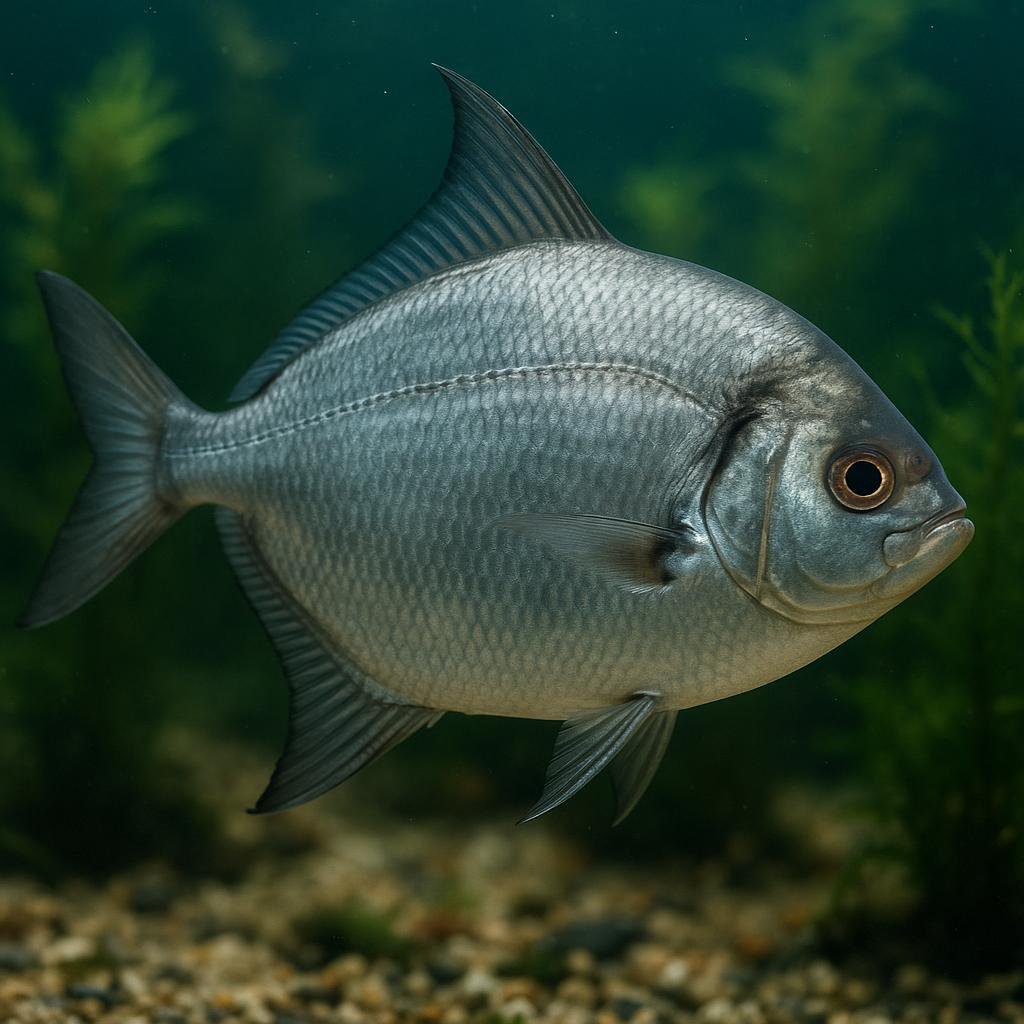
Atlantic pomfret
Brama brama
Brama brama is the Atlantic pomfret (aka Ray's bream) - a deep-bodied, open-ocean pelagic fish that cruises around in small schools and follows water temps. It is a legit big, wild marine species (not an aquarium fish) that eats other small sea critters like fish and squid, and it ranges across a huge chunk of the Atlantic plus parts of the Indian and South Pacific.
More to Explore
Discover more marine species.
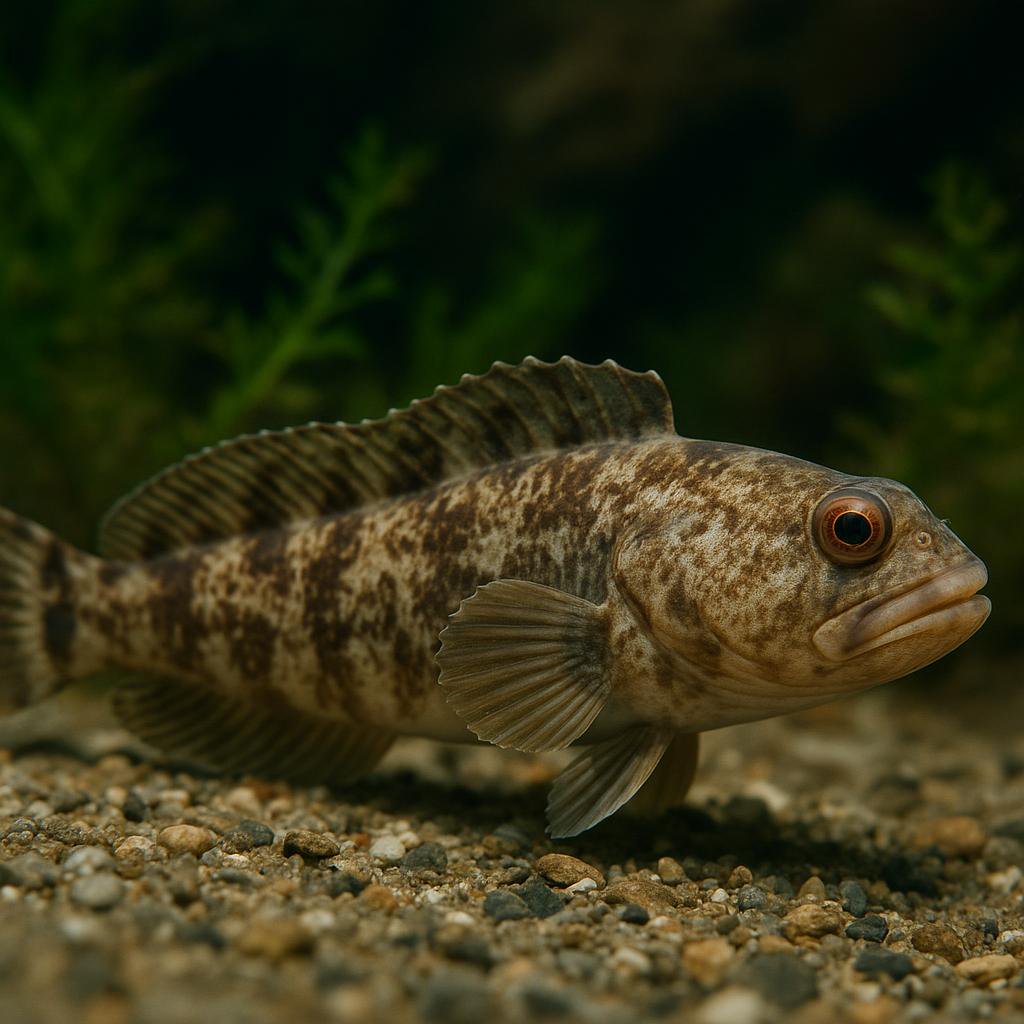
Abe's eelpout
Japonolycodes abei
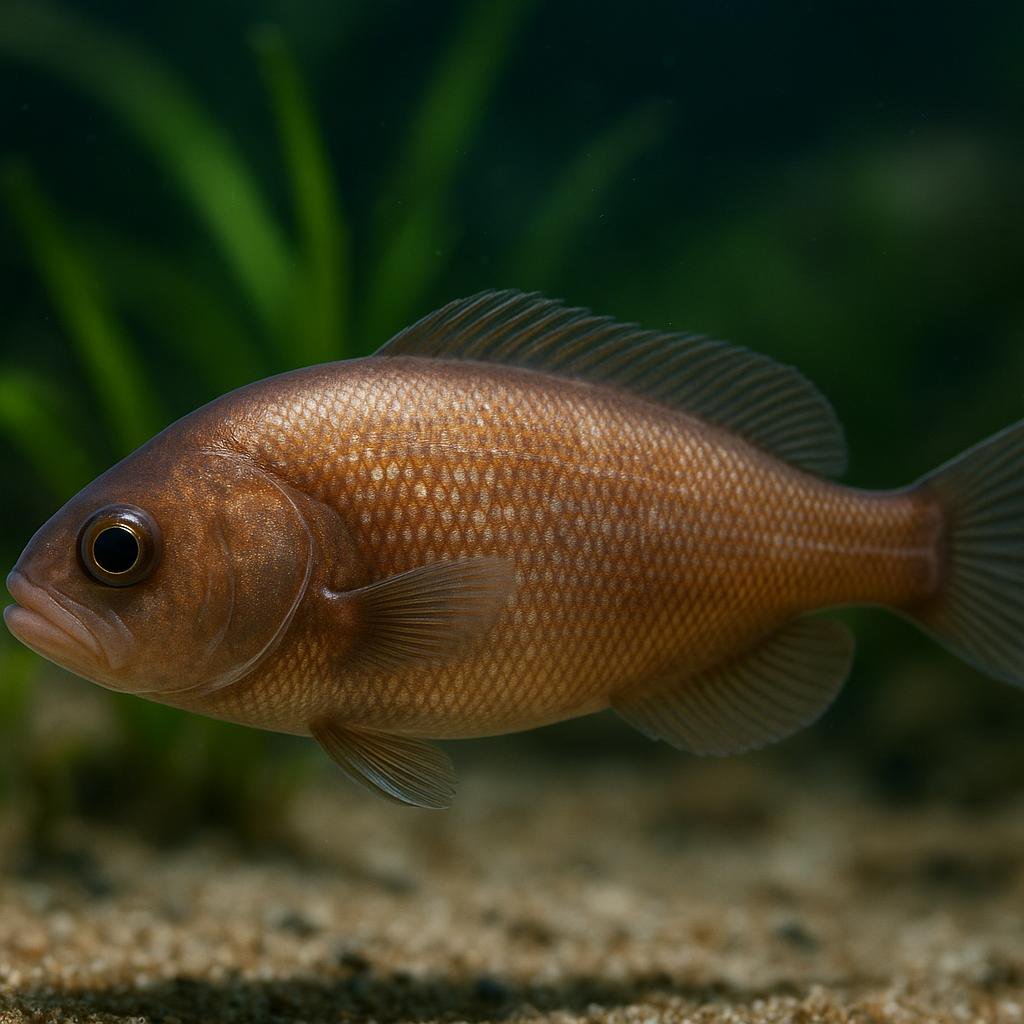
Japonolycodes abei is a temperate, deepwater demersal eelpout (family Zoarcidae) endemic to Japan (Kumano-nada Sea reported; other sources also report Sagami Bay and Tosa Bay). It is the only species in the genus Japonolycodes and occurs roughly 40-300 m depth, making it an uncommon/atypical aquarium species.
Affinis blind cusk-eel
Barathronus affinis
Barathronus affinis is a tiny, super-weird deep-sea blind cusk-eel from the western-central Indian Ocean. It is one of those gelatinous, loose-skinned brotula-type fishes that live way down in the dark and are basically never seen alive, so almost everything we know comes from preserved specimens and taxonomic work.
African red snapper
Lutjanus agennes
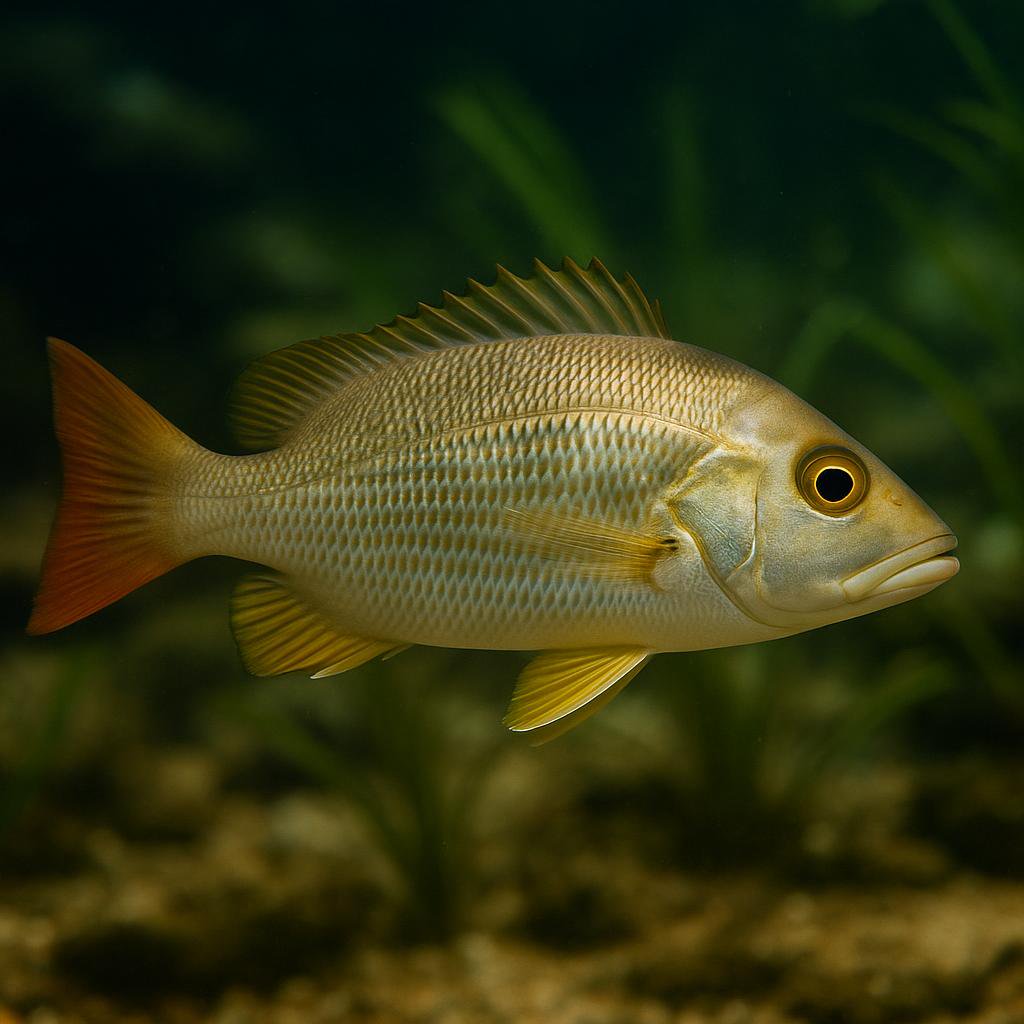
This is a true snapper from West Africa - a big, fast-growing predator that goes from coastal reefs to brackish lagoons and estuaries (especially as a juvenile). Super cool fish in the wild, but it gets absolutely huge and will eat smaller tankmates once it has the mouth for it, so its really more of a public-aquarium scale animal than a home-aquarium fish.
Allis shad
Alosa alosa
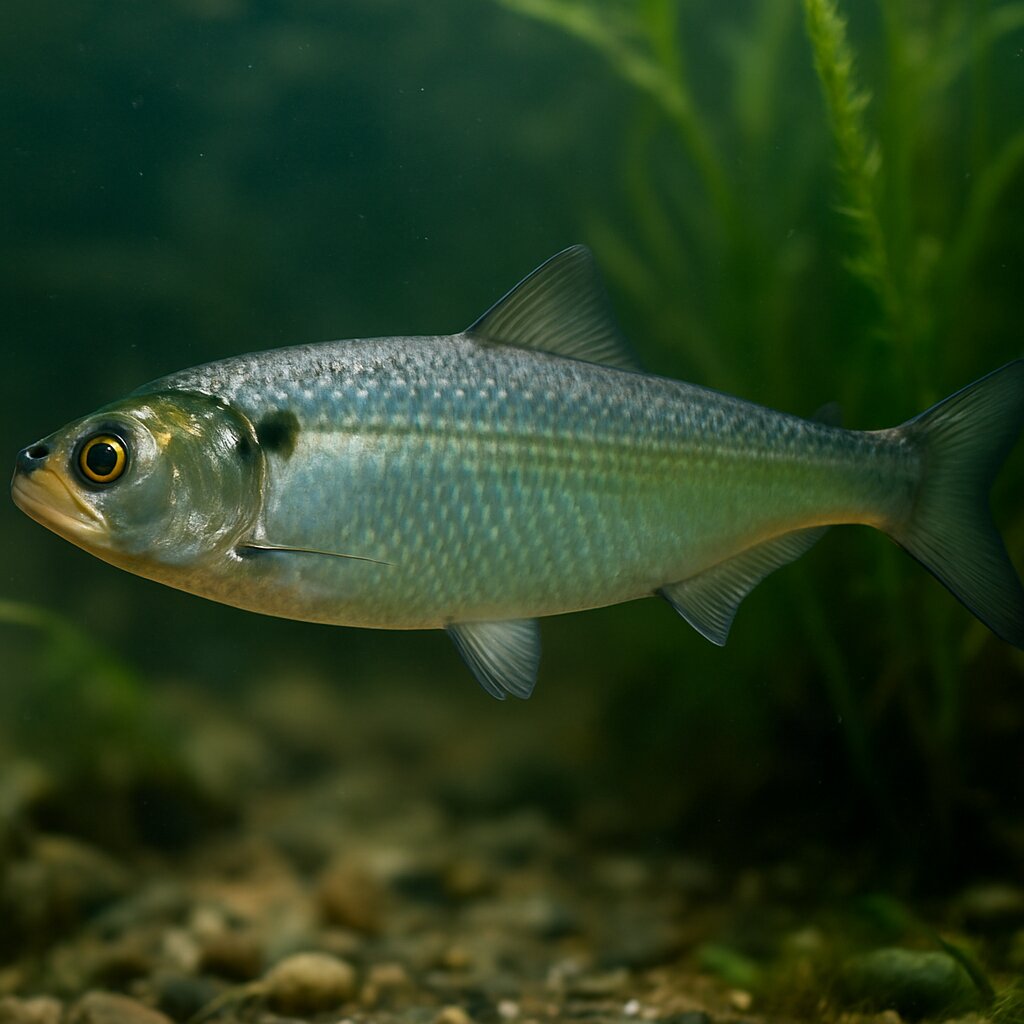
Gorgeous silver, fast-swimming shad that spends most of its life in the sea and then surges up big rivers in noisy, surface-spawning schools. It grows huge for a herring-type fish and needs cool, ultra-oxygenated water and tons of open space, so it is a public-aquarium species rather than a home tank fish.
Annandale's zebra sole
Zebrias annandalei
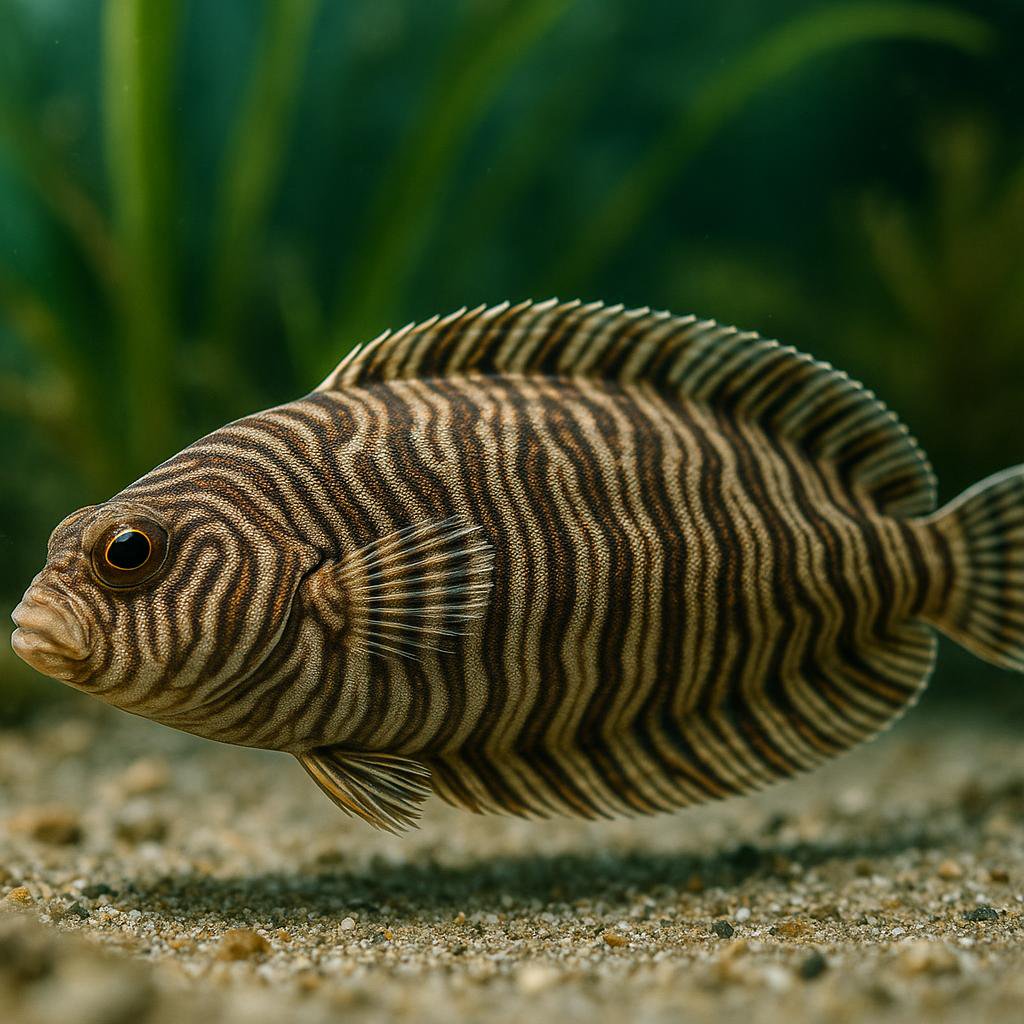
Zebrias annandalei is a small demersal sole from coastal India that inhabits sandy or muddy bottoms and buries for camouflage. It is rarely kept in home aquaria and would require a specialized marine sand-bottom setup and appropriate feeding.
Australian sawtail catshark
Figaro boardmani
Figaro boardmani is a small, deepwater Australian catshark with these cool saw-like ridges of spiny denticles along the tail and a neat pattern of dark saddle bands. It lives way down on the outer continental shelf and slope, so its natural water is cold, dim, and stable - totally not a typical home-aquarium fish. Diet-wise its a predator that goes after fish, crustaceans, and cephalopods.
Looking for other species?