

Yellowfin croaker
Umbrina roncador
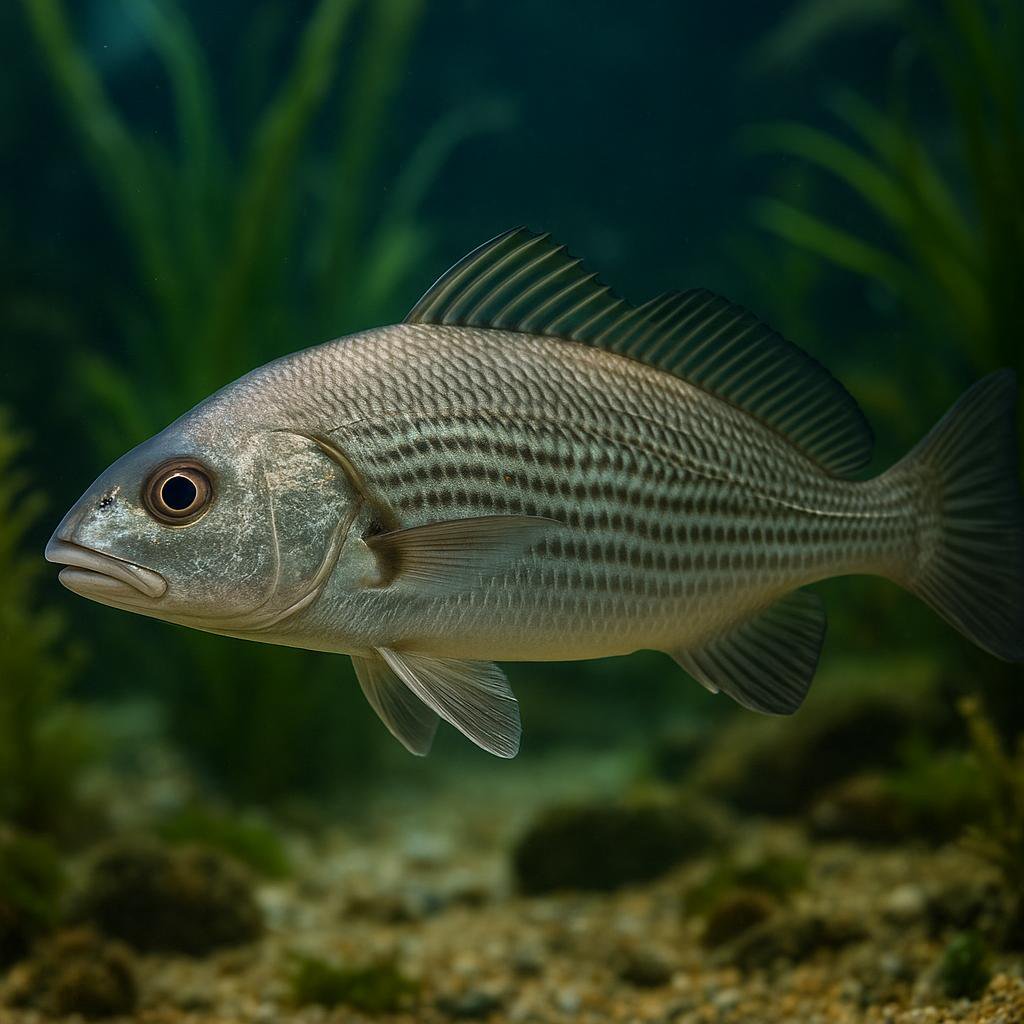
Yellowfin croaker exhibits a streamlined body with a yellowish-gold hue and distinctive elongated dorsal fin, displaying several dark, lateral stripes.
This page includes AI-generated images. Why am I seeing AI images?
About the Yellowfin croaker
Yellowfin croaker is a nearshore drum that cruises sandy surf zones, bays, and harbors, usually in little schools. The cool giveaway is that single chin barbel - it uses it while rooting around for worms, crustaceans, and clams, and it can get surprisingly chunky for a "beach fish."
Also known as
Quick Facts
Size
56 cm TL (about 22 inches)
Temperament
Peaceful
Difficulty
Expert
Min Tank Size
180 gallons
Lifespan
up to about 15 years
Origin
Eastern Pacific (California to Gulf of California)
Diet
Carnivore - fishes, crustaceans, marine worms, and bivalves
Water Parameters
14-24°C
8-8.4
8-20 dGH
Need a heater for this species?
This species needs 14-24°C in a 180 gallon tank. Use our heater calculator to find the right wattage.
Calculate heater sizeCare Notes
- Give it a large, long-footprint tank with substantial open sand area; this is an active nearshore species associated with sandy habitats and can reach ~56 cm (22 in).
- Run a deep-ish sand bed (2-4 in) of fine sand; they like to bury and will scrape themselves up on crushed coral or sharp rock.
- Keep it cool and stable (temperate marine): many sources describe yellowfin croaker as a warm‑temperate surf-zone species; avoid sustained tropical reef temperatures. Maintain stable marine salinity appropriate for a saltwater system and emphasize excellent water quality.
- They are messy predators, so oversize filtration hard (big skimmer, lots of export) and plan on strong flow plus big weekly water changes when they are growing.
- Feed like a hunter: thawed shrimp, squid, clam, silversides, and marine pellets, 3-5 small meals a week; skip feeder goldfish and go light on fatty fish to avoid liver issues.
- Tankmates need to be sturdy and not bitey - other temperate predators that will not pick fins; avoid triggers, puffers, and anything small enough to fit in their mouth.
- Watch for mouth and barbels damage from rough substrate and for bacterial fin rot after shipping; they sulk if ammonia or nitrite even blips, so quarantine and test like a maniac.
- Breeding in home tanks is basically a non-event; they are seasonal spawners in the wild and you are not going to stumble into it without big systems, temp cycling, and luck.
Compatibility
Good Tankmates
- Other temperate, non-aggressive fishes that tolerate similar cool/temperate marine conditions and are not small enough to be eaten
- Small, non-territorial wrasses that are not bullies - think mellow Halichoeres types that cruise the tank and do not pick fights
- Bigger, calm sand-sifters and bottom roamers like a zebra bar goby or other sturdy gobies that can hold their own and like open sand
- Peaceful rock-and-sand cruisers like a smaller sculpin species (if you keep temps appropriate) - they mostly mind their business and do not hassle croakers
- Non-aggressive schooling fish that stay midwater and are too big to be seen as food - like hardy silverside-type fish (not tiny bite-size stuff)
- Calm, larger inverts like big snails and tougher crabs (still watch at night) - croakers are not usually jerks, but they will investigate anything edible
Avoid
- Anything nippy or territorial like damselfish, dottybacks, and many triggerfish - they will stress a croaker and steal food right off the sand
- Big predators like groupers, large lingcod/cabezon, or aggressive rockfish - if it can fit the croaker in its mouth, it will eventually try
- Small bite-size fish like tiny gobies, juvenile blennies, and micro wrasses - yellowfin croaker are peaceful, but they are still croakers and will hoover up snack-sized tankmates
Where they come from
Yellowfin croaker (Umbrina roncador) are a Southern California and Baja fish. If youve ever surf fished the sandy beaches or hung around quiet bays, thats their world - moving along the bottom, cruising for worms, clams, and little crustaceans. Theyre not a coral reef fish, and they dont act like one either.
Most specimens in the hobby are wild-caught by people keeping local marine systems. That means theyre tough in some ways (they handle cool water and messy foods), but they also come with the usual wild-fish baggage: parasites, stress from capture, and a learning curve getting them onto prepared foods.
Setting up their tank
This is an expert fish mainly because of space and long-term planning. A small croaker looks cute for about five minutes, then it becomes a strong, fast, bottom-oriented fish that wants to roam. I wouldnt even consider one in anything under about 180 gallons, and bigger is better if you want it to behave naturally and not turn into a nervous glass-pacer.
- Tank size: 180 gallons minimum for a single adult, 240+ is more comfortable if you want tankmates
- Footprint matters more than height - they use floor space
- Tight lid - they can spook and bolt
- Open swimming lane plus a broad sandy area
Substrate is a big deal. Give them sand. Not crushed coral, not sharp gravel. A medium-fine aragonite sand bed lets them sift and settle without scraped barbels or torn fins. I also like a few low rock piles or large smooth rocks off to the side, but keep most of the bottom open.
Filtration needs to be heavy. Theyre enthusiastic eaters, and the foods they do best on are rich and messy. A big skimmer, lots of biological capacity, and strong oxygenation will save you headaches. I run extra mechanical filtration (filter socks or a roller) because sand + meaty food turns into floating crud fast.
Temperature is where a lot of people mess up. Yellowfin croaker are a cool-water fish. Keeping them at tropical reef temps long-term usually ends in chronic stress and disease. Aim for cool-temperate conditions and plan for a chiller if your room runs warm.
- Temperature: cool-temperate (think SoCal ocean, not Fiji)
- Salinity: standard marine range and stable
- Flow: moderate, not a sandstorm - you want oxygen and turnover without blasting the bottom bare
- Lighting: simple is fine; they dont need reef lighting
Acclimation: go slow, keep the lights low, and dont chase them around with a net. They bruise easily when they slam into glass. If you can transfer in a container, do that. First day I just let them settle, then offer a small meaty meal once they stop panicking.
What to feed them
Theyre built for eating bottom foods. In my experience, the fastest way to a stable croaker is getting it taking frozen off tongs or a feeding stick. Once they learn the routine, they get bold and easy.
- Staples: thawed shrimp, clam, squid, mussel, chopped fish flesh (use marine-based options)
- Great additions: live blackworms (short term), live ghost shrimp, small crabs from a trusted source
- Prepared: sinking carnivore pellets can work after theyre settled (start by mixing with frozen)
- Avoid as a main diet: feeder goldfish/rosies (fatty profile is wrong and they carry problems)
Feed smaller portions more often rather than one huge dump. Theyll act like theyre starving and then puke it up or foul the tank. For adults, I like modest feedings 4-6 days a week, with one lighter day. Juveniles can handle a bit more frequency.
Target feeding helps a ton. Use a feeding stick or long tongs and place food on the sand in the same spot. They learn the spot and you waste less food to the rocks and filtration.
How they behave and who they get along with
Yellowfin croaker are generally not mean, but they are predators. Anything that fits in their mouth is food, and theyre stronger than they look. They also spook easily at first, then turn into confident beggars once they associate you with shrimp.
Tankmate-wise, think cool-water, sturdy, and not snack-sized. They do best with other temperate fish that can handle meaty feeding and a big system. Avoid tiny gobies, small blennies, ornamental shrimp, and most crabs you actually care about.
- Good candidates: other robust temperate fish of similar size, non-nippy species that wont harass them
- Use caution: aggressive triggers or puffers (they can bully or bite fins), hyper territorial fish
- Skip: delicate reef fish, tiny fish, and most ornamental inverts
They make noise sometimes. Croakers can produce audible grunts, especially if startled or during social interactions. Its normal, and kind of cool the first time you hear it.
Breeding tips
Breeding in home aquariums is basically a non-event for most people. In the wild theyre seasonal spawners, and youd be trying to replicate big temperature and daylight swings, plus youd need a very large group and a ton of space.
If youre determined, the closest thing to a realistic approach is a large, chilled system with seasonal cycling (cooler winter, gradual warm-up), heavy feeding leading into the warm-up, and excellent water quality. Even then, raising larvae is its own specialty project - theyre pelagic at first and need live planktonic foods.
Most hobbyists are better off treating this species as display-only and focusing on long-term health and behavior. Trying to force spawning often just stresses the fish out.
Common problems to watch for
The big three I see are temperature creep, parasite carry-in, and injuries from spooking.
- Temperature too warm: chronic stress, more disease, poor appetite over time
- External parasites from wild capture: flashing, excess slime, frayed fins, rapid breathing
- Dings and bruises: scraped noses, split fins from bolting into glass or rocks
- Water quality swings: ammonia/nitrite issues after heavy feeding, nitrate climbing fast
- Mouth damage: from grabbing hard rocks or sharp substrate while feeding
Quarantine helps a lot with croakers, but you have to set it up like a real fish system, not a bare box with a tiny filter. Theyre strong swimmers and messy eaters. I like a large QT with a lid, seeded biofilter, and some inert hiding pieces (PVC), plus sand in a tray if the fish is really unsettled without it.
Do not combine a new croaker with prized inverts and small fish right away. If it arrives hungry and stressed, it may go on a hunting spree overnight. Get it eating reliably in quarantine first.
Last tip from experience: keep your aquascape simple and smooth. Croakers do sudden panic laps. Rounded rockwork, no sharp overhangs, and lots of open bottom reduce the odds of that one bad bolt that turns into a split lip and an infection.
Similar Species
Other marine peaceful species you might be interested in.
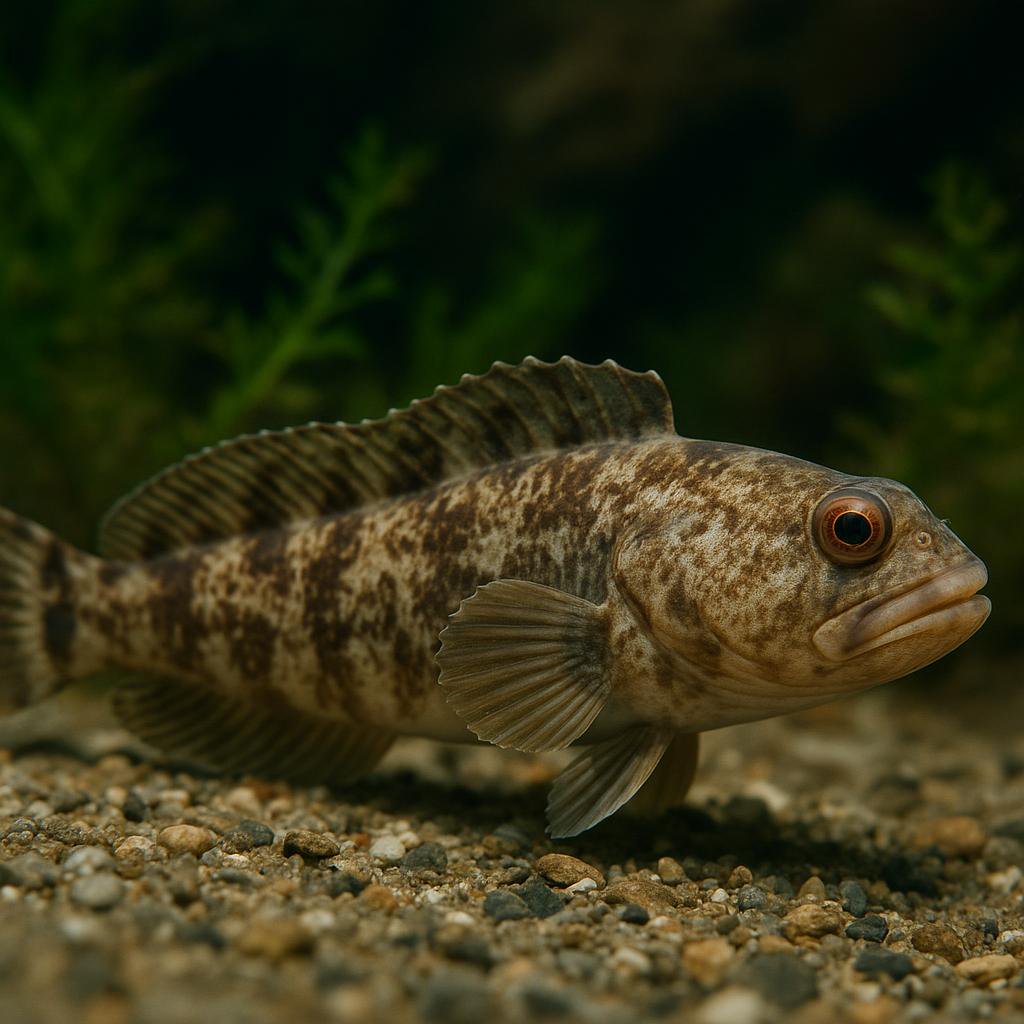
Abe's eelpout
Japonolycodes abei
Japonolycodes abei is a temperate, deepwater demersal eelpout (family Zoarcidae) endemic to Japan (Kumano-nada Sea reported; other sources also report Sagami Bay and Tosa Bay). It is the only species in the genus Japonolycodes and occurs roughly 40-300 m depth, making it an uncommon/atypical aquarium species.
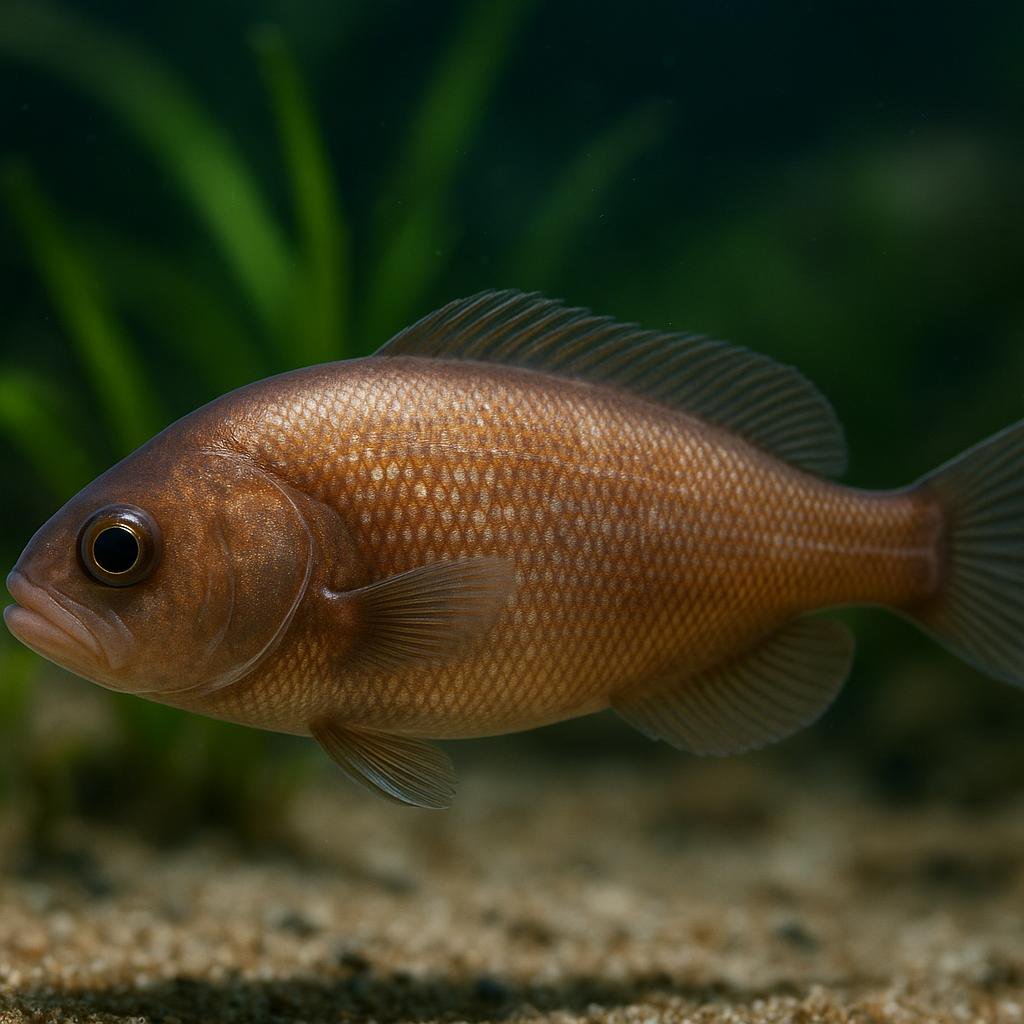
Affinis blind cusk-eel
Barathronus affinis
Barathronus affinis is a tiny, super-weird deep-sea blind cusk-eel from the western-central Indian Ocean. It is one of those gelatinous, loose-skinned brotula-type fishes that live way down in the dark and are basically never seen alive, so almost everything we know comes from preserved specimens and taxonomic work.
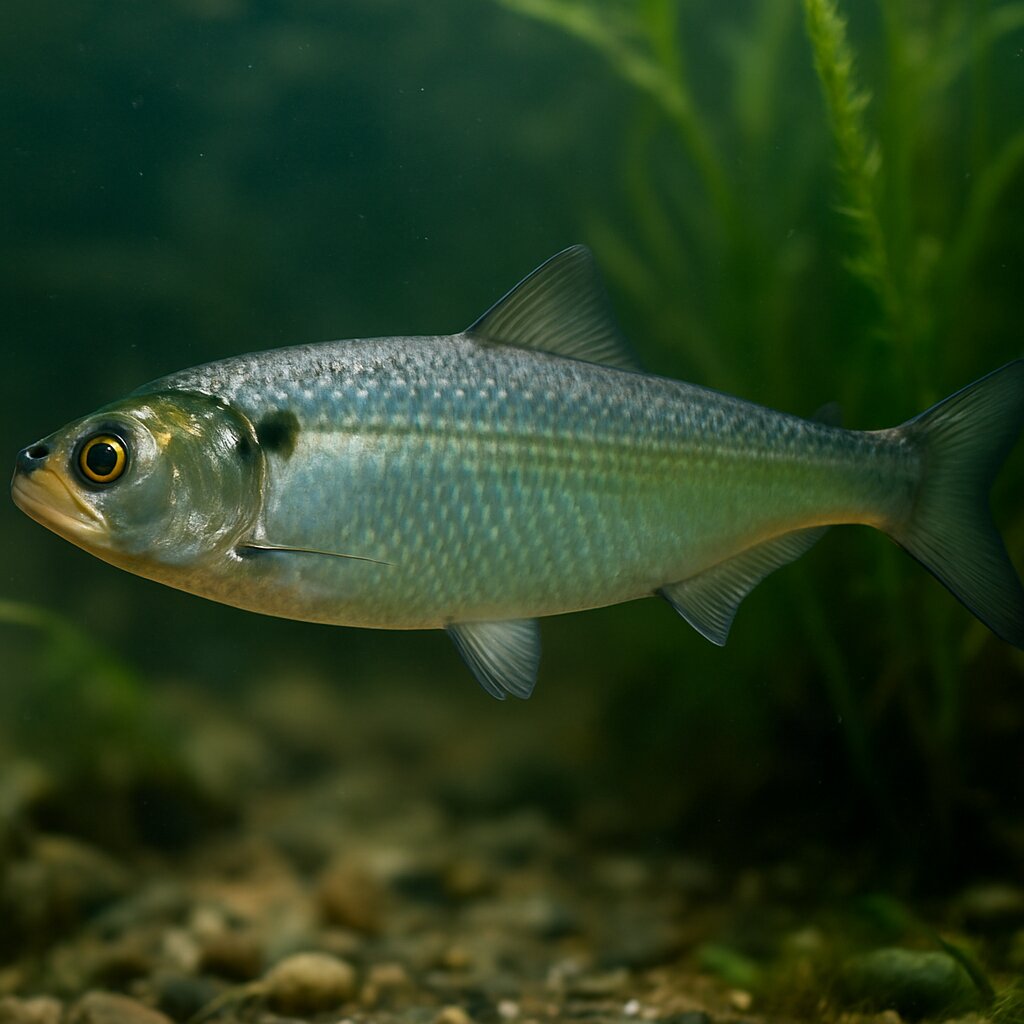
Allis shad
Alosa alosa
Gorgeous silver, fast-swimming shad that spends most of its life in the sea and then surges up big rivers in noisy, surface-spawning schools. It grows huge for a herring-type fish and needs cool, ultra-oxygenated water and tons of open space, so it is a public-aquarium species rather than a home tank fish.
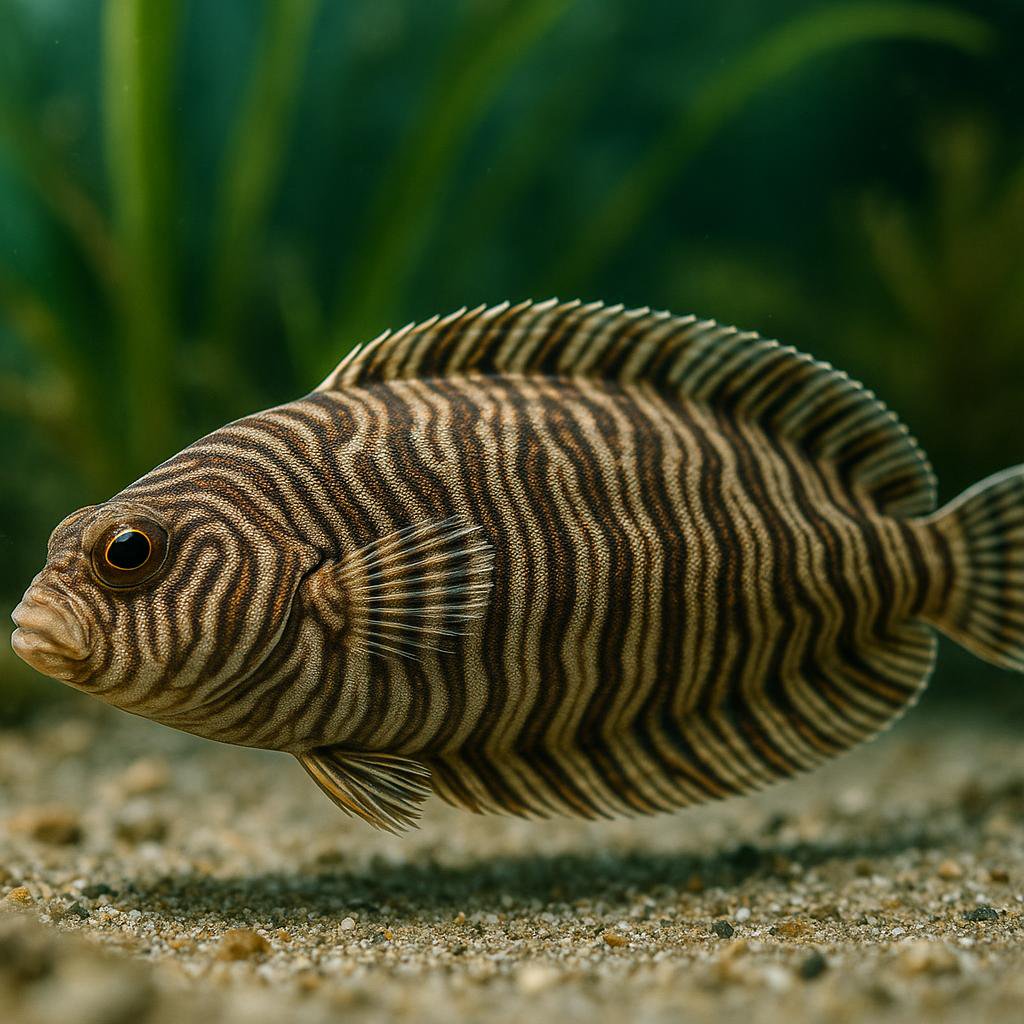
Annandale's zebra sole
Zebrias annandalei
Zebrias annandalei is a small demersal sole from coastal India that inhabits sandy or muddy bottoms and buries for camouflage. It is rarely kept in home aquaria and would require a specialized marine sand-bottom setup and appropriate feeding.
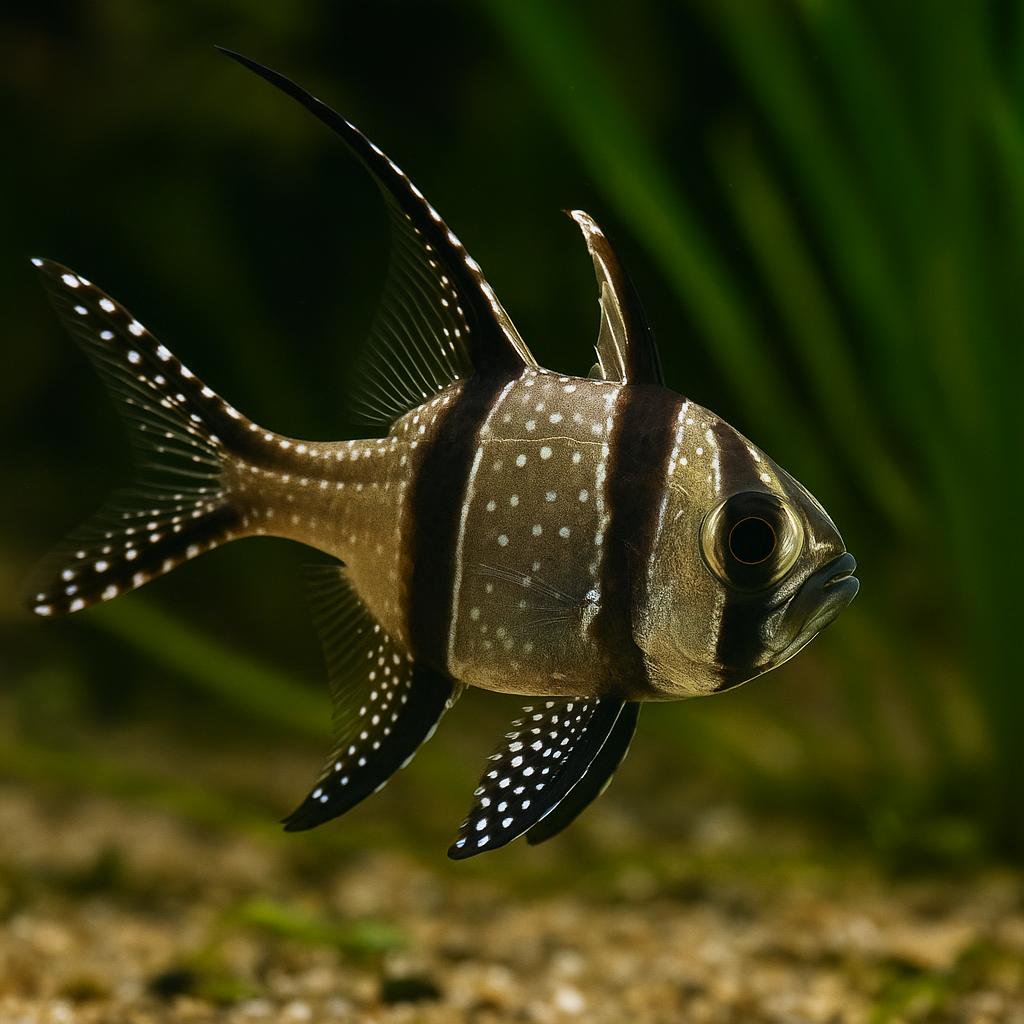
Banggai Cardinalfish
Pterapogon kauderni
Banggai cardinals just sort of hover like little underwater satellites, and the bold black bars with those long, polka-dotted fins look unreal under reef lighting. They're super chill most of the time, but once a pair forms you'll see real "fish drama," and the male will even mouthbrood the babies like a champ.
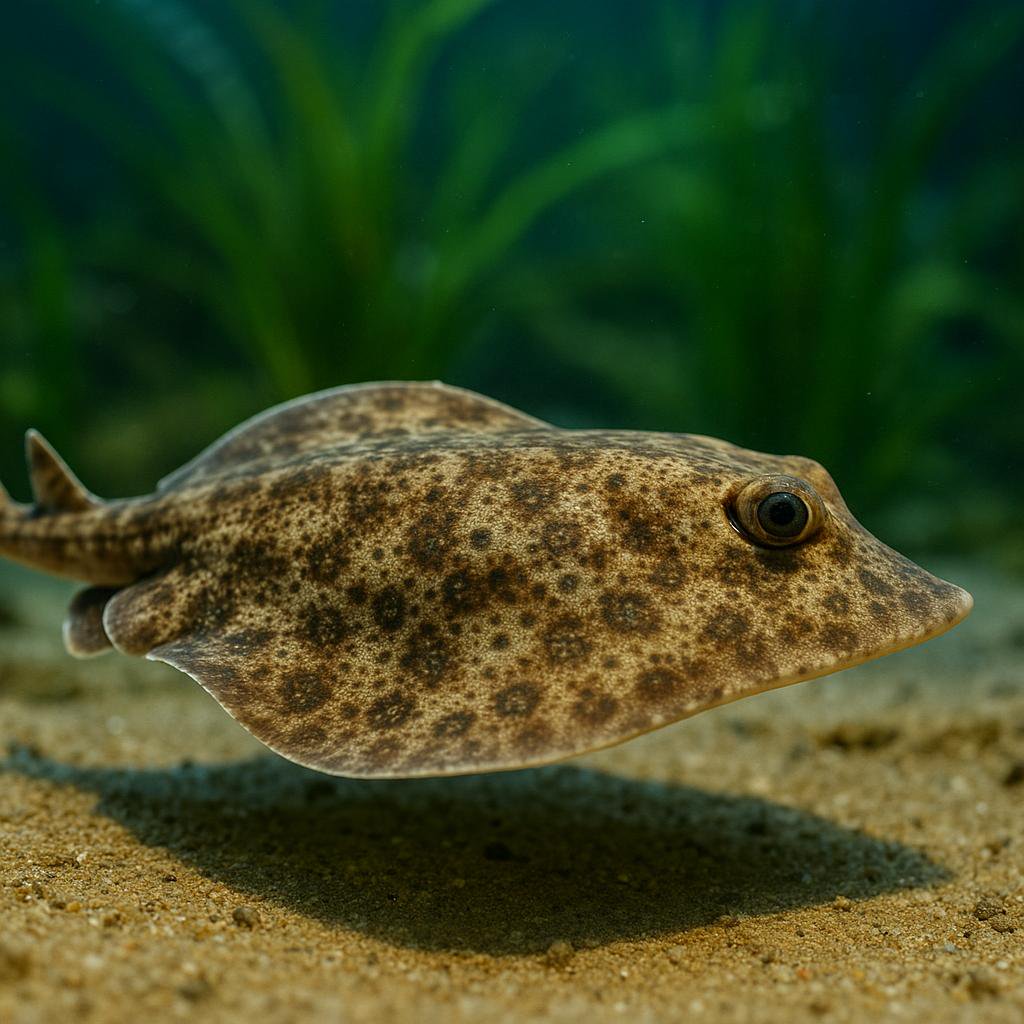
Barbedwire-tailed skate
Notoraja martinezi
Notoraja martinezi is a deepwater skate from the eastern Pacific (Costa Rica down to Ecuador) that lives way down on soft bottoms. The tail is the giveaway - it is lined with strong, hooked thorns that really do look like barbed wire. This is absolutely not an aquarium fish; it is a cold, high-pressure deep-sea animal with basically no practical home care info because it is not kept in the hobby.
More to Explore
Discover more marine species.
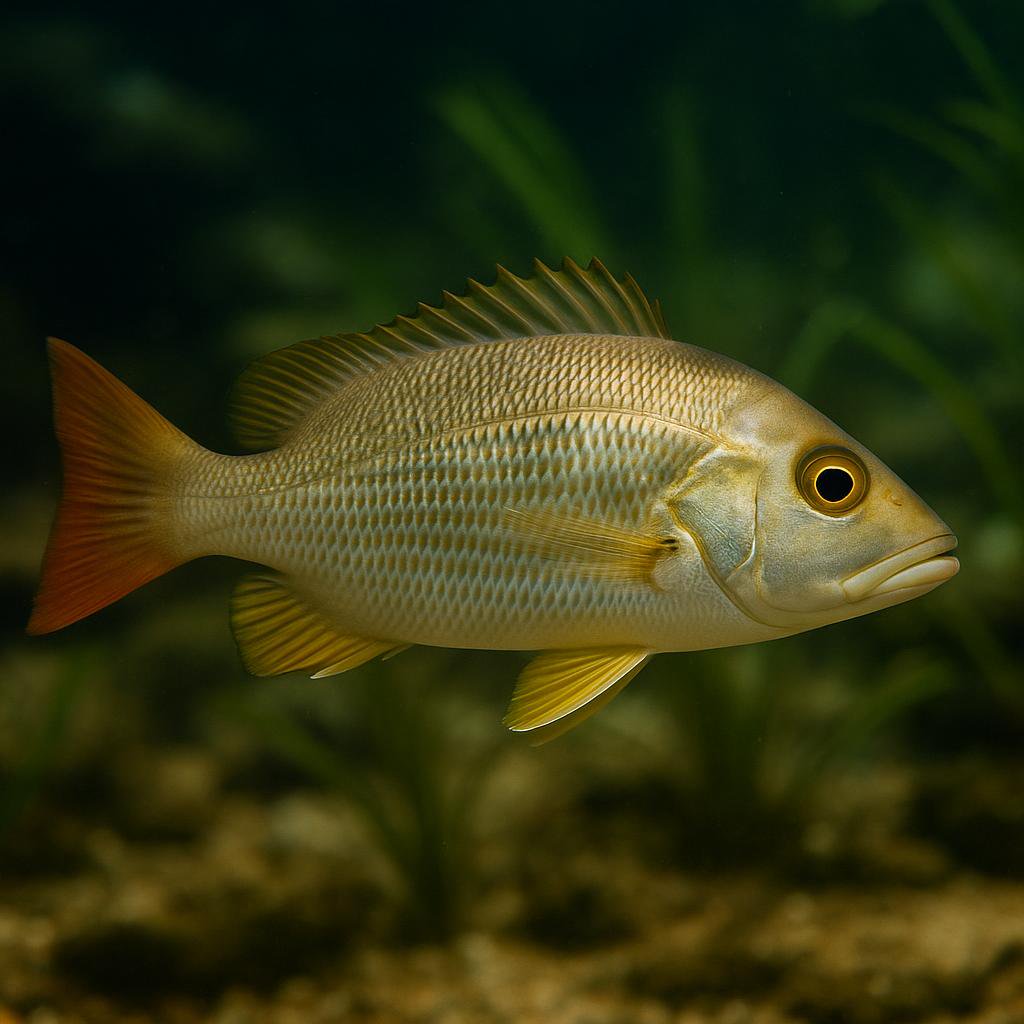
African red snapper
Lutjanus agennes
This is a true snapper from West Africa - a big, fast-growing predator that goes from coastal reefs to brackish lagoons and estuaries (especially as a juvenile). Super cool fish in the wild, but it gets absolutely huge and will eat smaller tankmates once it has the mouth for it, so its really more of a public-aquarium scale animal than a home-aquarium fish.
Aleutian skate
Bathyraja aleutica
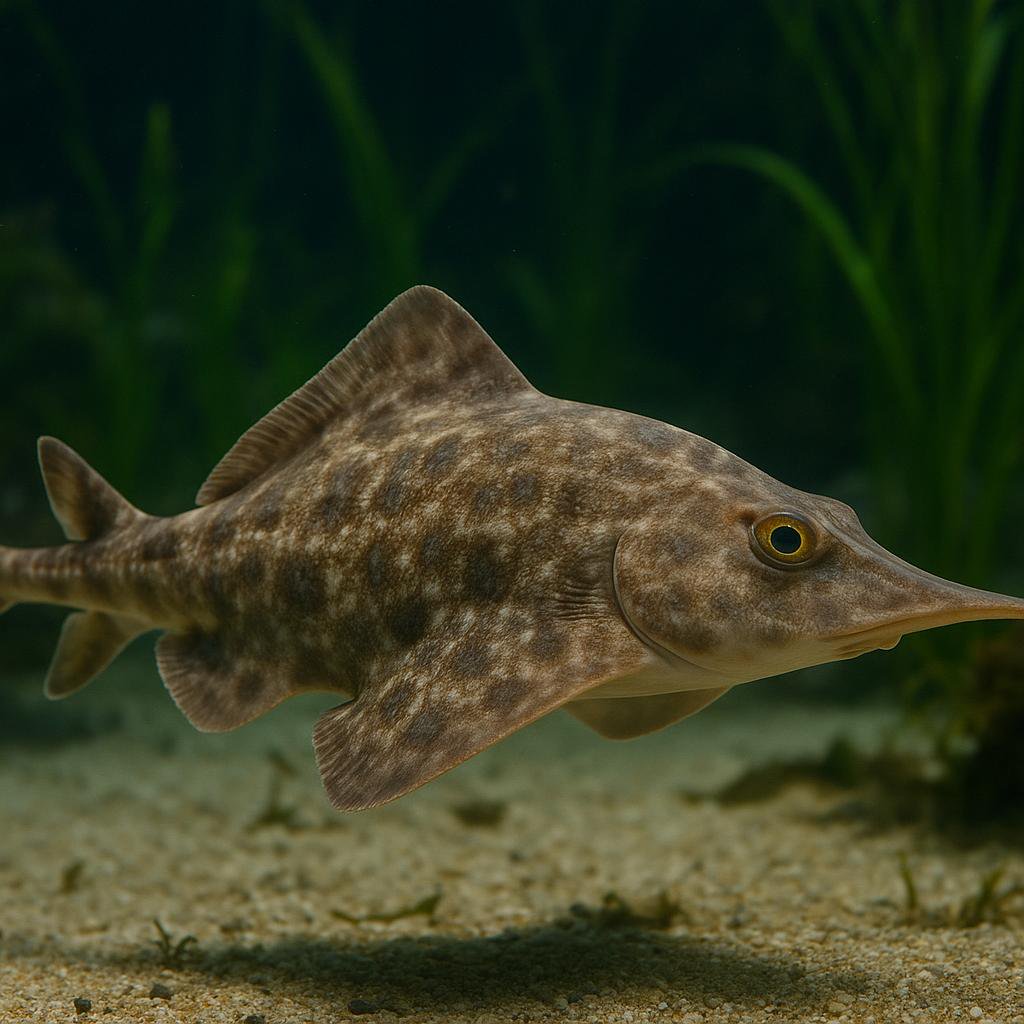
This is a big, cold-water deep-slope skate from the North Pacific that cruises muddy bottoms and eats chunky benthic prey like crabs and shrimp. The really cool bit is its egg-laying skate life - it does distinct pairing (the classic skate "embrace") and drops those tough egg cases on the seafloor. Not an aquarium fish at all unless you're basically running a public-aquarium-style chilled system.
Antarctic dragonfish
Vomeridens infuscipinnis
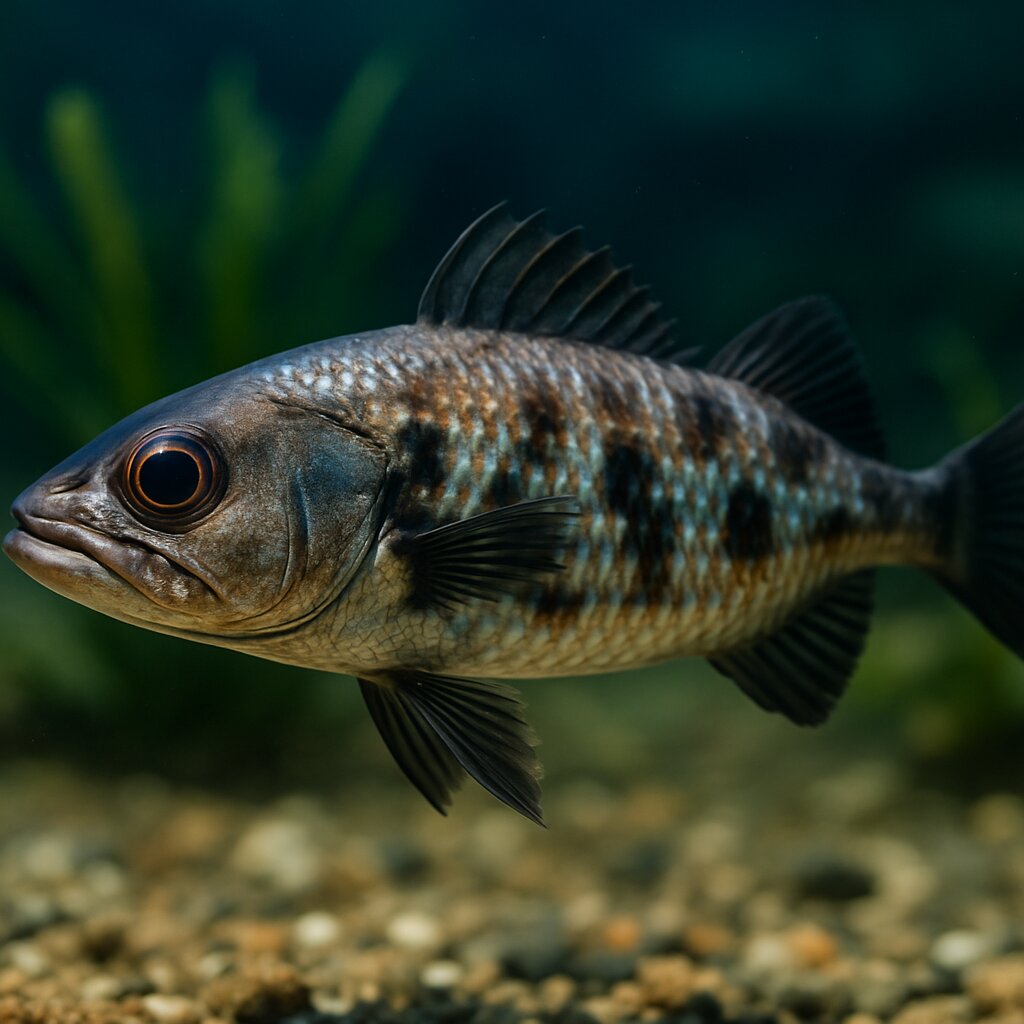
Deep down around Antarctica, this sleek dragonfish cruises the water column like a little submarine, nearly neutrally buoyant so it can hover above the seafloor. It munches almost exclusively on Antarctic krill and lives in near-freezing water 500-800 m down, so it is a cool species to read about, not one for home tanks.
Arabian demoiselle
Neopomacentrus sindensis
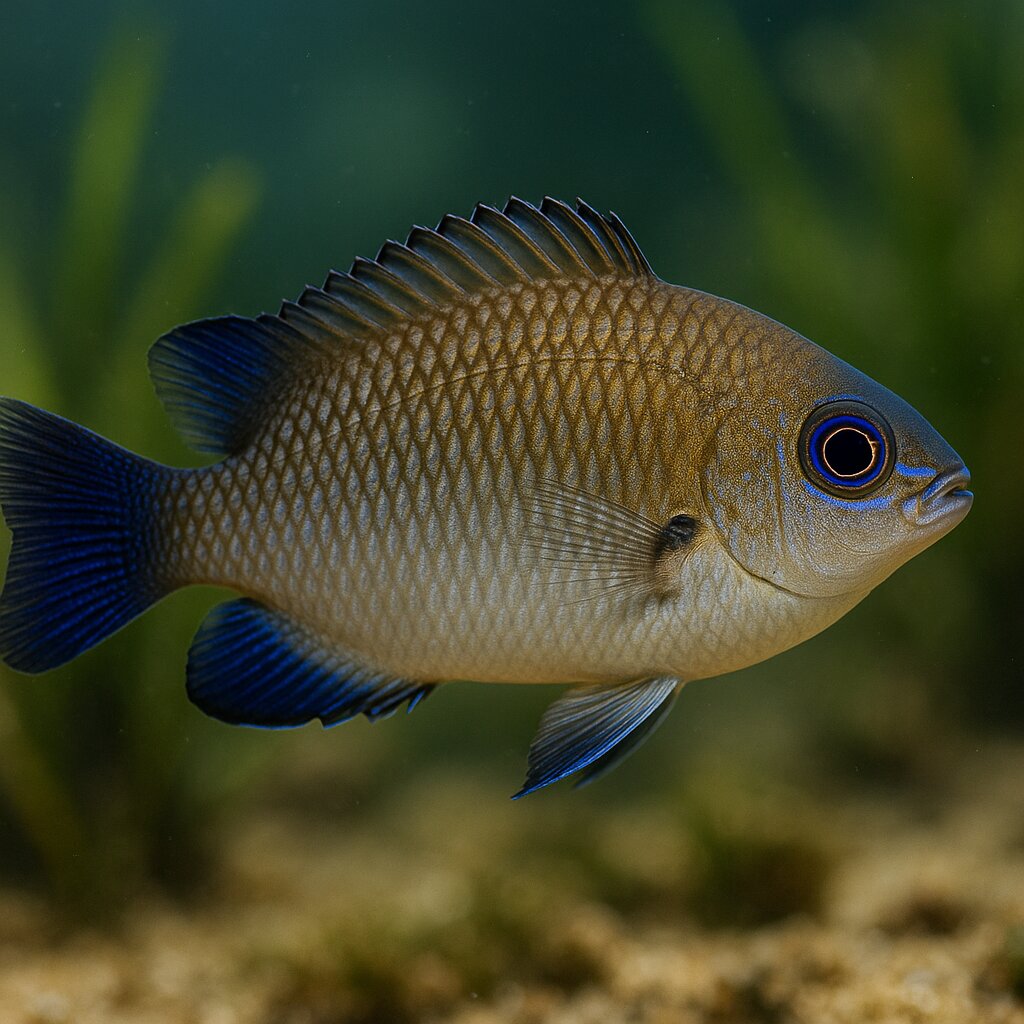
A small lyretail damsel from the Persian Gulf and Arabian Sea, it hangs in loose groups around coral heads, rocks, and even pier pilings picking zooplankton from the flow. Think classic damsel toughness with a slightly milder attitude than the real bruisers, plus subtle yellow tail accents. Males clean a patch, get a mate to lay eggs there, and then stand guard fanning the clutch.
Arabian spiny eel
Notacanthus indicus
Notacanthus indicus is a deep-sea spiny eel (family Notacanthidae; not a true eel) known from the Arabian Sea on the continental slope at roughly ~960–1,046 m depth, with reported maximum length around 20 cm TL; it is a deep-water bycatch species and not established in the aquarium trade.
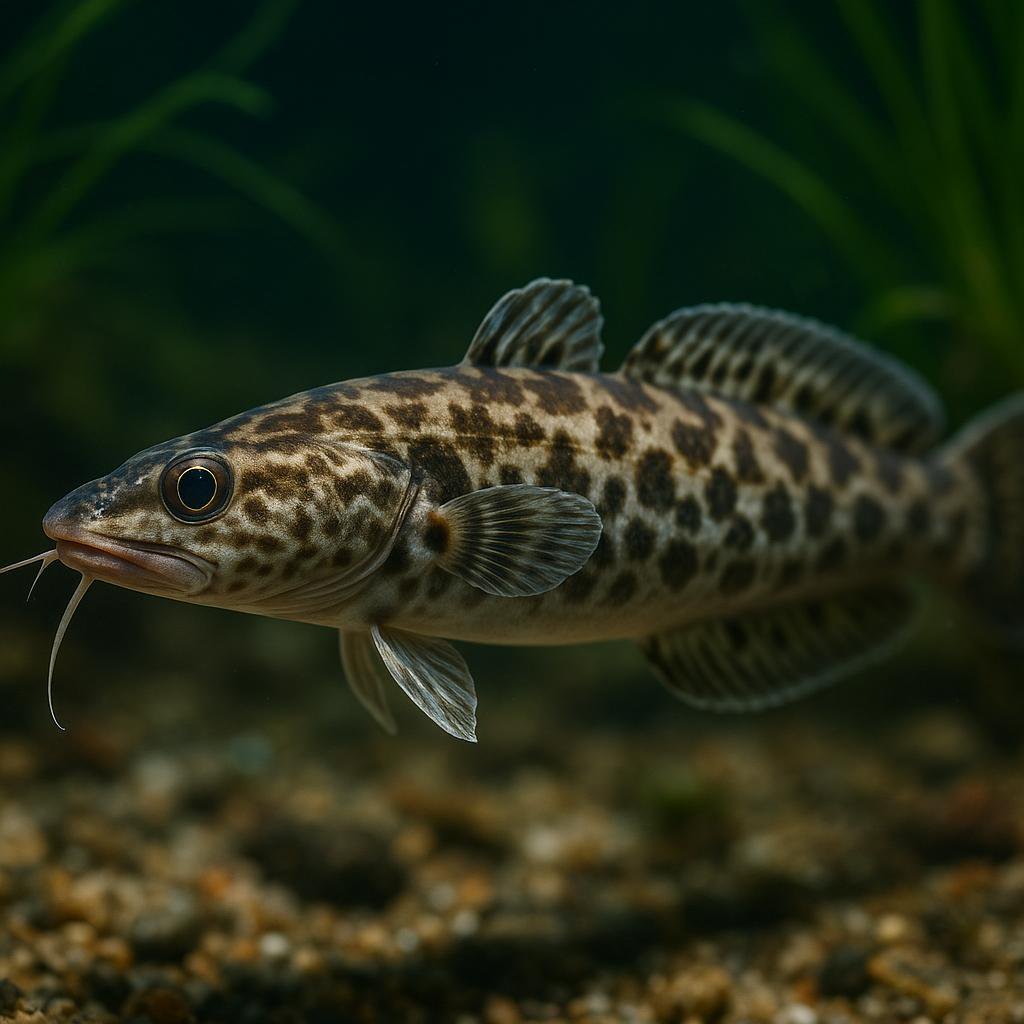
Arctic rockling
Gaidropsarus argentatus
This is a deepwater North Atlantic rockling (a cod relative) that hangs out on soft bottoms way down the slope. It is a cold-water, bottom-hugging predator that snoots around for crustaceans and will also take small fish when it gets the chance.
Looking for other species?