

Mangrove whipray
Urogymnus granulatus
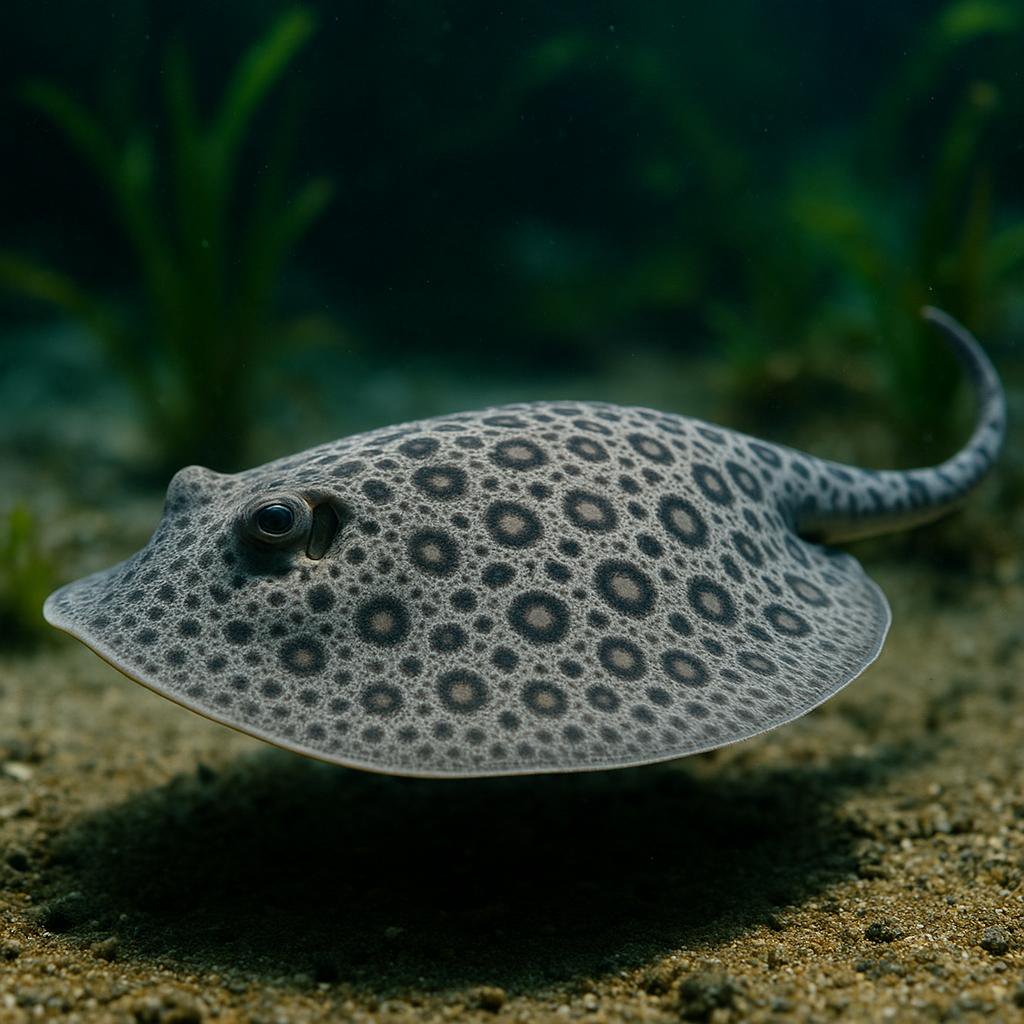
The Mangrove whipray features a broad, rounded body with a distinctive long, whip-like tail and a light brown to gray dorsal coloration with speckled patterns.
This page includes AI-generated images. Why am I seeing AI images?
About the Mangrove whipray
This is a large, heavy-bodied whipray with a dark disc sprinkled with small pale spots and a distinctive white tail beyond the sting. It uses shallow inshore habitats including mangroves and estuaries (juveniles often in brackish areas). Juveniles have been documented actively producing clicking sounds during aggregations/defensive interactions.
Also known as
Quick Facts
Size
141 cm disc width
Temperament
Semi-aggressive
Difficulty
Expert
Min Tank Size
1000 gallons
Lifespan
15-25 years
Origin
Indo-West Pacific
Diet
Carnivore - benthic fishes and invertebrates (crustaceans, worms, small bottom fish)
Water Parameters
25-29°C
7.8-8.4
8-20 dGH
Need a heater for this species?
This species needs 25-29°C in a 1000 gallon tank. Use our heater calculator to find the right wattage.
Calculate heater sizeCare Notes
- This ray gets huge and needs footprint more than height - think pond-sized or a custom tank with a massive open sand flat (no rock piles in the cruising lanes). Tight-fitting lids are non-negotiable because they can and will push up and wedge themselves into gaps.
- This species is primarily coastal marine but juveniles often use brackish mangroves/estuaries; if keeping it, prioritize long-term stability and excellent filtration in a very large, open sand footprint. Choose and maintain an appropriate salinity for the life stage and system (rather than assuming low-SG brackish), and keep water quality high.
- Use fine sand only - crushed coral and sharp gravel will wreck the belly and spiral the ray into infections. Leave some open areas and keep decor smooth and anchored because a whipray will bulldoze anything it can move.
- Feed meaty stuff on tongs or a feeding stick: shrimp, clam, squid, mussel, and marine fish flesh, plus live/blackworms for smaller ones to get them started. Soak foods in vitamins and rotate items, and do not live on silversides - thiaminase problems show up over time.
- Watch the feeding response every day: a ray that suddenly stops hunting or starts spitting food is usually telling you water is off or something is stuck in its mouth. Quarantine feeders and avoid hard-shelled chunks big enough to be swallowed whole because they can block them up.
- Tankmates need to be big, calm, and not nippy - big brackish fish that will not pick at fins or eyes; avoid puffers, trigger-like biters, and anything that will harass a resting ray. Also avoid small fish or shrimp you care about, because they will eventually become snacks.
- Skip copper meds and most harsh parasite treatments - rays do not handle them well; if you need to treat, use a separate system and research ray-safe options first. Common issues are belly burns, bacterial sores, and spiracle damage from bad substrate or dirty water, so keep the sand clean and the water steady.
Compatibility
Good Tankmates
- Scats (Scatophagus argus) - tough brackish schooling fish that dont get spooked easily and usually ignore the ray. They also handle the big feedings without falling apart.
- Monos (Monodactylus spp.) - fast, upper-water brackish cruisers. They stay out of the rays personal space and dont have tempting fins to nip off.
- Archerfish (Toxotes spp.) - confident surface hunters that mind their own business. In a big footprint tank they coexist fine since they use totally different real estate.
- Brackish moray eels (Gymnothorax tile) - use caution; large morays may prey on or injure rays, especially at night or during feeding, and compatibility is not reliably predictable even in very large systems.
- Barramundi/Asian sea bass (Lates calcarifer) - only in very large setups with similar-sized fish. They are bold but generally not fin-nippy, and they dont compete on the bottom much.
- Large brackish catfish like Arius spp. - sturdy scavengers that can handle brackish and arent easy targets. Just give them space at feeding time so nobody gets jabby.
Avoid
- Anything small enough to fit in its mouth - mollies, guppies, small gobies, small monos, little puffers. Mangrove whiprays are vacuum cleaners when food hits the sand, and small fish disappear fast.
- Fin-nippers and aggressive pickers - green spotted puffers, figure 8 puffers, some big cichlids. Theyll chew the rays eyes and disc edges, and once that starts its a nightmare.
- Other rays or bottom hogs in tight quarters - mixing rays sounds cool until one pins the other or they compete for the same feeding spots. In anything but a monster footprint tank, it turns into stress and injuries.
- Slow fancy-finned fish or delicate oddballs - anything that cant handle rough feeding frenzies or gets bullied off food. The ray is semi-aggressive around meals and can steamroll timid tank mates.
Where they come from
Mangrove whiprays (Urogymnus granulatus) are a coastal ray you run into around mangrove-lined shorelines, muddy flats, and estuaries across the Indo-West Pacific. They spend a lot of time half-buried in fine sand, cruising the bottom for crabs, worms, and whatever else they can pin down.
That habitat tells you basically everything about how to keep them: big footprint, soft substrate, stable brackish water, and lots of bottom oxygen.
Setting up their tank
This is not a "big aquarium" fish. This is a "room-sized footprint" fish. Even juveniles grow fast, and the limiting factor is floor space, not gallons. Think wide and long with gentle flow, not tall and flashy.
Plan for an adult before you buy the ray. Most failures come from "I'll upgrade later". Later shows up fast, and the ray is the one that pays for it.
A good ray tank is basically a shallow lagoon: huge open sand area, no sharp rock piles, and nothing they can wedge under and panic. If you want decor, keep it to smooth, rounded pieces anchored solidly so the ray cannot shift them.
- Footprint first: long and wide tank or indoor pond. Open bottom area matters more than height.
- Substrate: fine, sugar-sized sand. No crushed coral, no gravel. They will scrape themselves.
- Filtration: heavy-duty, oversized, and built for messy feeding. Big sump + mechanical prefilter you can rinse often.
- Oxygenation: strong surface agitation and lots of gas exchange. Rays hate low oxygen.
- Temperature and salinity: keep it steady and in the brackish range appropriate for your specimen. Avoid swinging salinity up and down like a tide chart.
- Lighting: they do not care. You do. Provide shaded areas if the tank is bright.
For brackish, pick a target specific gravity and stick to it. A slow, consistent approach beats chasing numbers. Sudden salinity changes are a great way to get a ray that stops eating and starts breathing hard.
If you are using live rock or rough hardscape, run your hand over every surface like you are looking for splinters. If it would scrape your skin, it will scrape the ray. Smooth and stable wins.
You will also want a ray-safe intake setup. Any exposed pump intake is an injury waiting to happen. Use strainers and sponge guards, and keep gaps small. They explore with their body, not their eyes.
What to feed them
They are bottom predators. The easiest way to do well is to feed a varied meaty diet and keep portions sensible. Overfeeding is common because they look at you like a hungry dog.
- Staples: shrimp (shell-on is fine), squid, scallop, chunks of marine fish, clams/mussels.
- Good variety items: crab, krill, earthworms (clean sources), marine worms if you can get them.
- Avoid: feeder goldfish/rosy reds and fatty freshwater fish. Long term, it goes badly.
- Use tongs: it keeps your fingers out of the way and lets you target-feed so tankmates do not steal everything.
New rays sometimes only recognize live or moving food. If yours is picky, start with fresh shrimp or live ghost shrimp and then "train" onto frozen by mixing and wiggling it with tongs. Once they get the idea, most become easy eaters.
Do not let food rot under the sand. Rays will bury leftovers and your water quality will take the hit. Feed in a clear spot and siphon missed pieces.
How often? Juveniles do well with smaller meals more often. Adults can take larger meals less frequently. Watch the body shape: you want a well-filled disc without the ray looking puffy or struggling to bury itself.
How they behave and who they get along with
Most of the time they are calm and almost "lazy" - buried, eyes up, spiracles pumping. Then feeding time hits and they turn into a vacuum cleaner with a tail. They are not out to start fights, but they can absolutely dominate a tank just by size and appetite.
Tankmates need to match three things: temperature/salinity tolerance, calm behavior, and a low risk of being eaten or nipped. Anything that pesters the ray or steals every bite will cause problems.
- Better tankmates: large, peaceful brackish fish that stay midwater and are not fin-nippers.
- Avoid: aggressive puffers, trigger-like nippers, big crabs that will grab the ray, and small fish that can be swallowed.
- Skip "cleanup crew" assumptions. Many inverts become ray food, and some inverts become ray enemies.
The tail spine is real. Treat the ray with respect, and plan maintenance so you are not cornering it. Use barriers or a divider if you need to work near it, and never grab a ray.
They also spook easily if they are squeezed behind rockwork. That is why the open layout matters. A panicked ray can slam into glass, scrape its disc, and start a nasty infection.
Breeding tips
Breeding mangrove whiprays in home setups is rare. They are livebearers, and you are dealing with big adults, long gestation, and the need for serious space plus stable conditions for years.
If you ever end up with a confirmed pair and they settle in, the best "tip" is patience and consistency. Keep stress low, keep the diet varied, and do not constantly rearrange the tank. Rays notice more than people think.
If a female is gravid, avoid big salinity swings, harsh medications, and aggressive tankmates. Most breeding failures I have heard about came after a stress event, not out of nowhere.
Common problems to watch for
Most issues with this species trace back to three things: not enough space, rough substrate/hardscape, and water quality that looks fine on a basic test kit but is unstable day to day.
- Refusing food: often stress, recent salinity change, bullying tankmates, or internal parasites. Check breathing rate and spiracle movement.
- Rapid breathing or hanging in high flow: low oxygen, ammonia/nitrite, or a sudden salinity/temperature shift.
- Disc abrasions: rough sand, sharp decor, or panic collisions. These can turn into bacterial infections fast.
- Tail and fin edge rot: usually water quality plus an injury. Address the cause, not just the symptom.
- Bloat or floating corners: can be overfeeding, gulping air during frantic feeding, or a bigger internal issue. Back off food and watch closely.
- Electrical sensitivity: stray voltage can make rays act weird. If your ray is twitchy for no reason, check equipment and grounding.
Be careful with medications. Rays (and other cartilaginous fish) can react badly to common copper-based treatments and some harsh formulations. Research any med specifically for rays, and isolate if you can.
My practical routine for keeping problems away is boring but it works: prefilter maintenance often, big water changes on a schedule, keep salinity steady, and do not let "one missed feeding" turn into dumping a pile of seafood in the tank the next day.
Similar Species
Other marine semi-aggressive species you might be interested in.
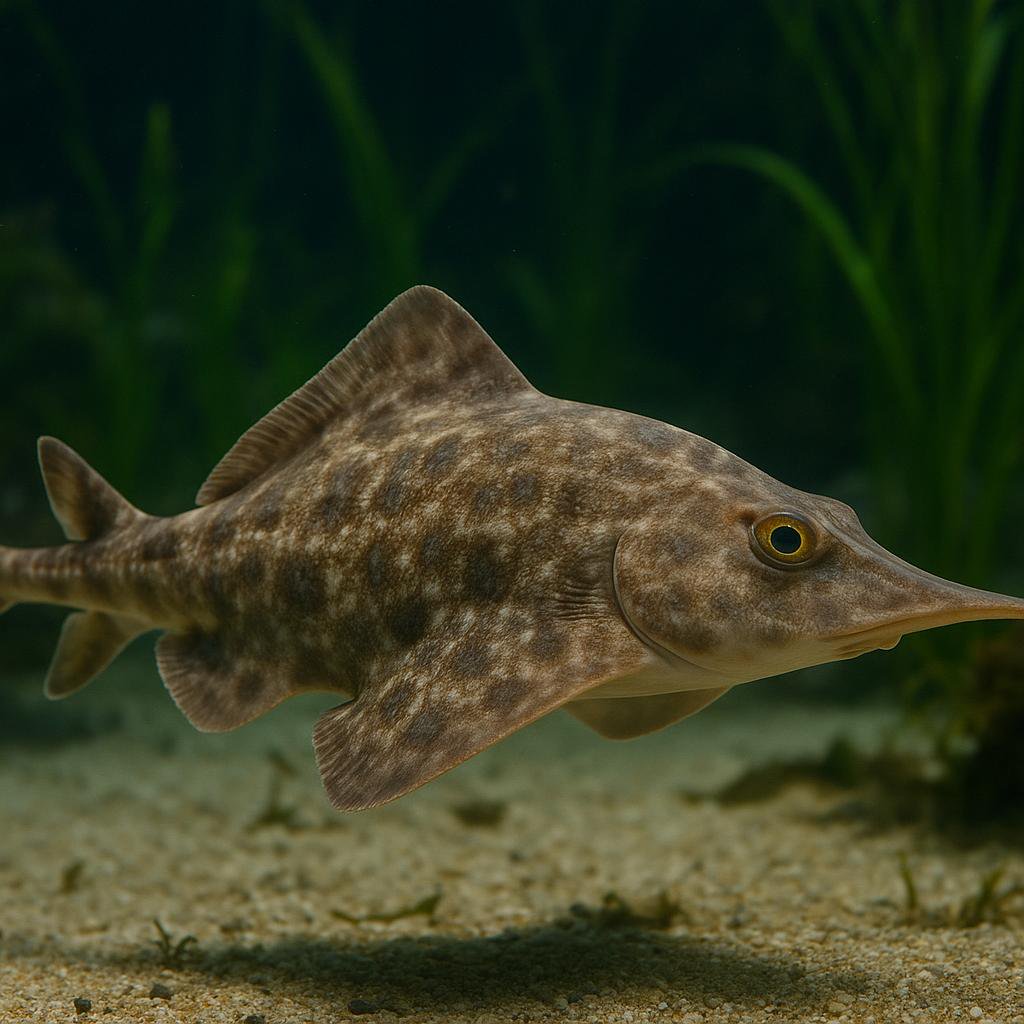
Aleutian skate
Bathyraja aleutica
This is a big, cold-water deep-slope skate from the North Pacific that cruises muddy bottoms and eats chunky benthic prey like crabs and shrimp. The really cool bit is its egg-laying skate life - it does distinct pairing (the classic skate "embrace") and drops those tough egg cases on the seafloor. Not an aquarium fish at all unless you're basically running a public-aquarium-style chilled system.
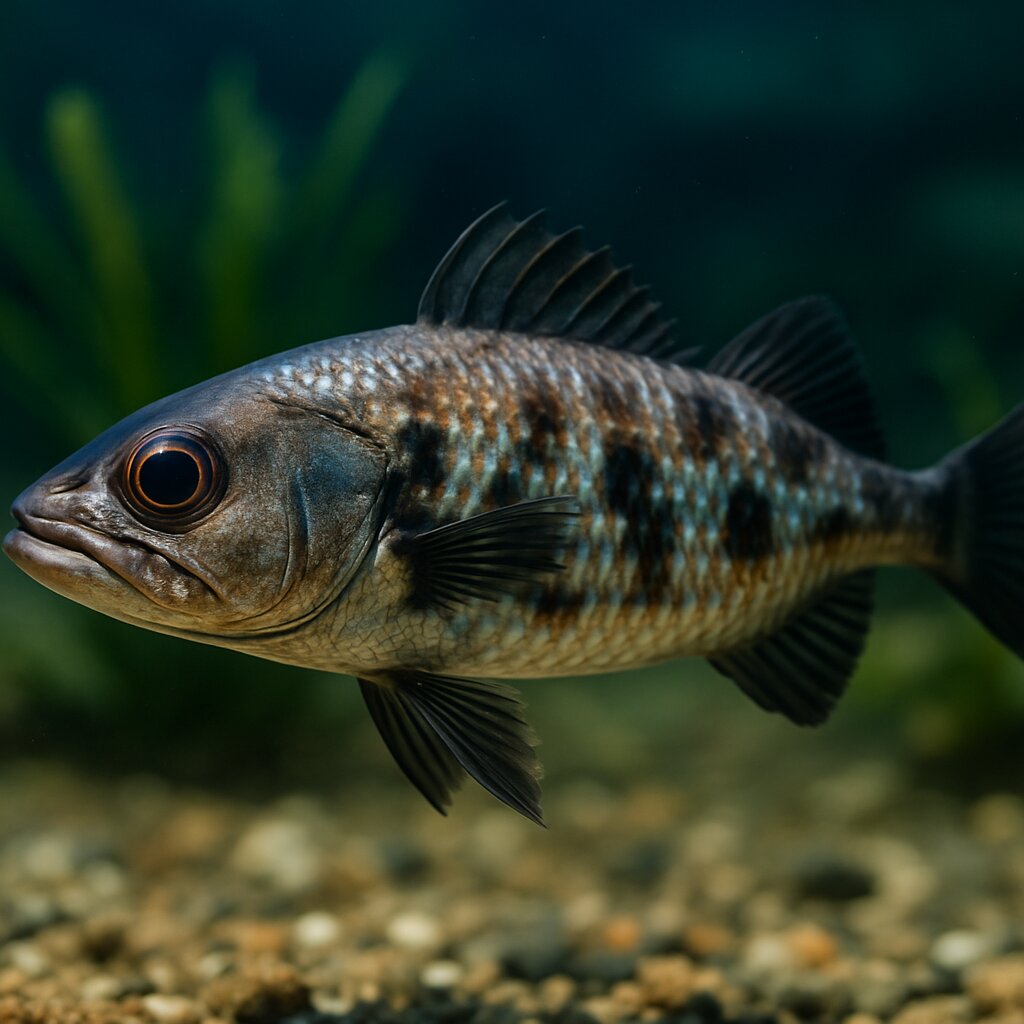
Antarctic dragonfish
Vomeridens infuscipinnis
Deep down around Antarctica, this sleek dragonfish cruises the water column like a little submarine, nearly neutrally buoyant so it can hover above the seafloor. It munches almost exclusively on Antarctic krill and lives in near-freezing water 500-800 m down, so it is a cool species to read about, not one for home tanks.
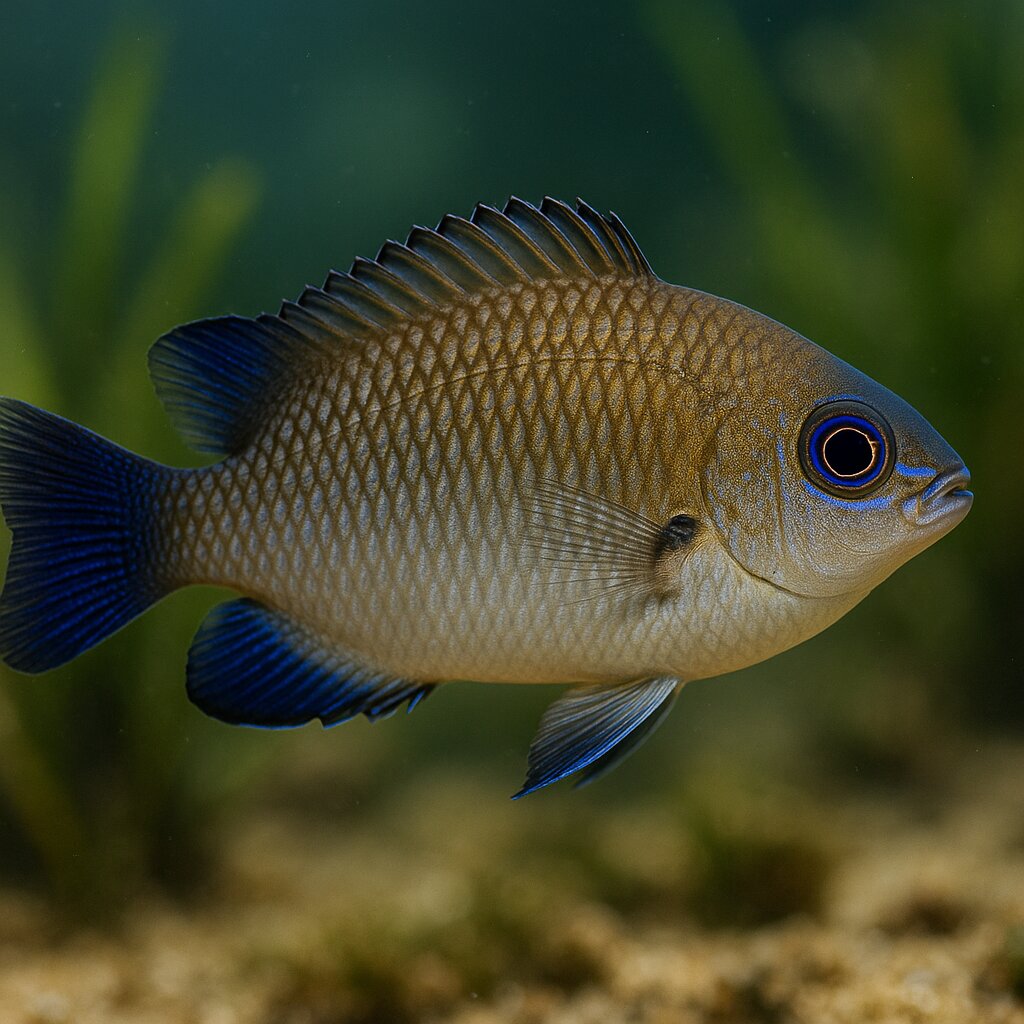
Arabian demoiselle
Neopomacentrus sindensis
A small lyretail damsel from the Persian Gulf and Arabian Sea, it hangs in loose groups around coral heads, rocks, and even pier pilings picking zooplankton from the flow. Think classic damsel toughness with a slightly milder attitude than the real bruisers, plus subtle yellow tail accents. Males clean a patch, get a mate to lay eggs there, and then stand guard fanning the clutch.
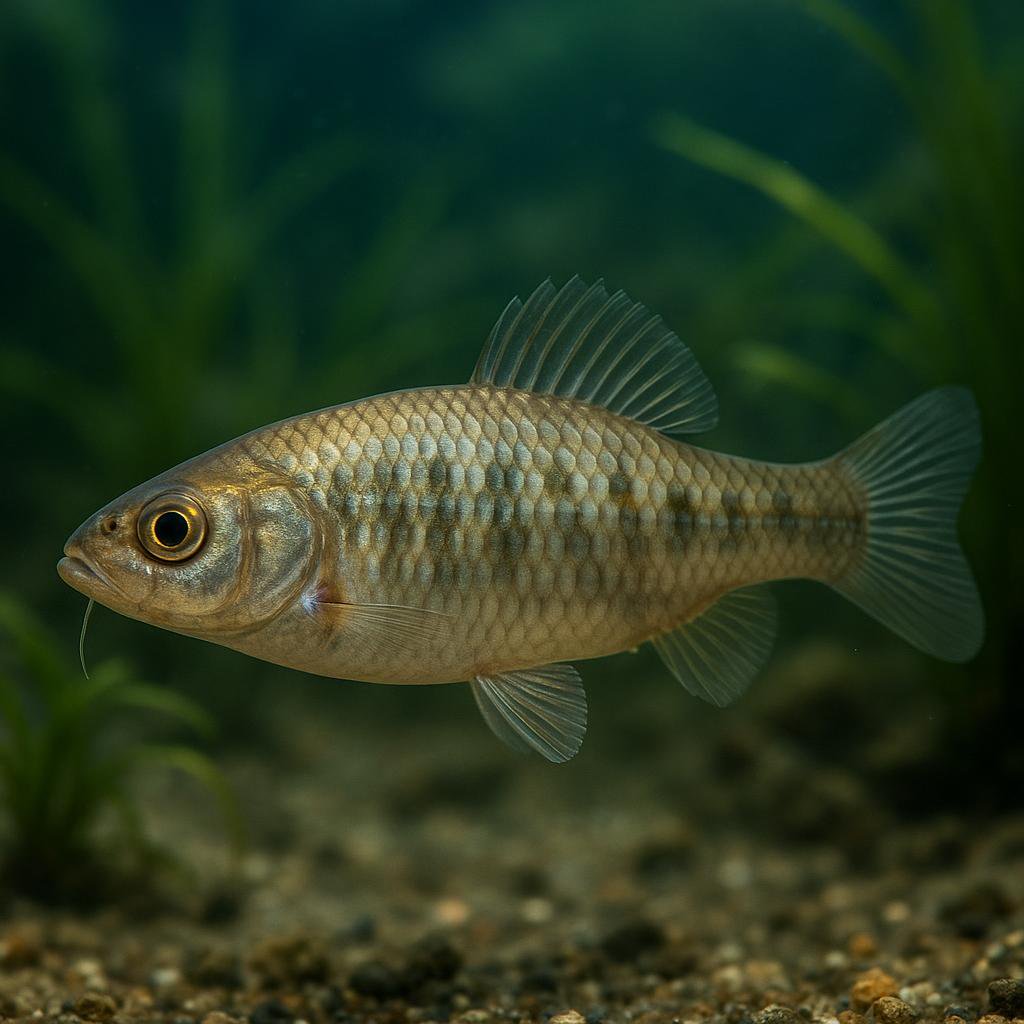
Arabian spiny eel
Notacanthus indicus
Notacanthus indicus is a deep-sea spiny eel (family Notacanthidae; not a true eel) known from the Arabian Sea on the continental slope at roughly ~960–1,046 m depth, with reported maximum length around 20 cm TL; it is a deep-water bycatch species and not established in the aquarium trade.
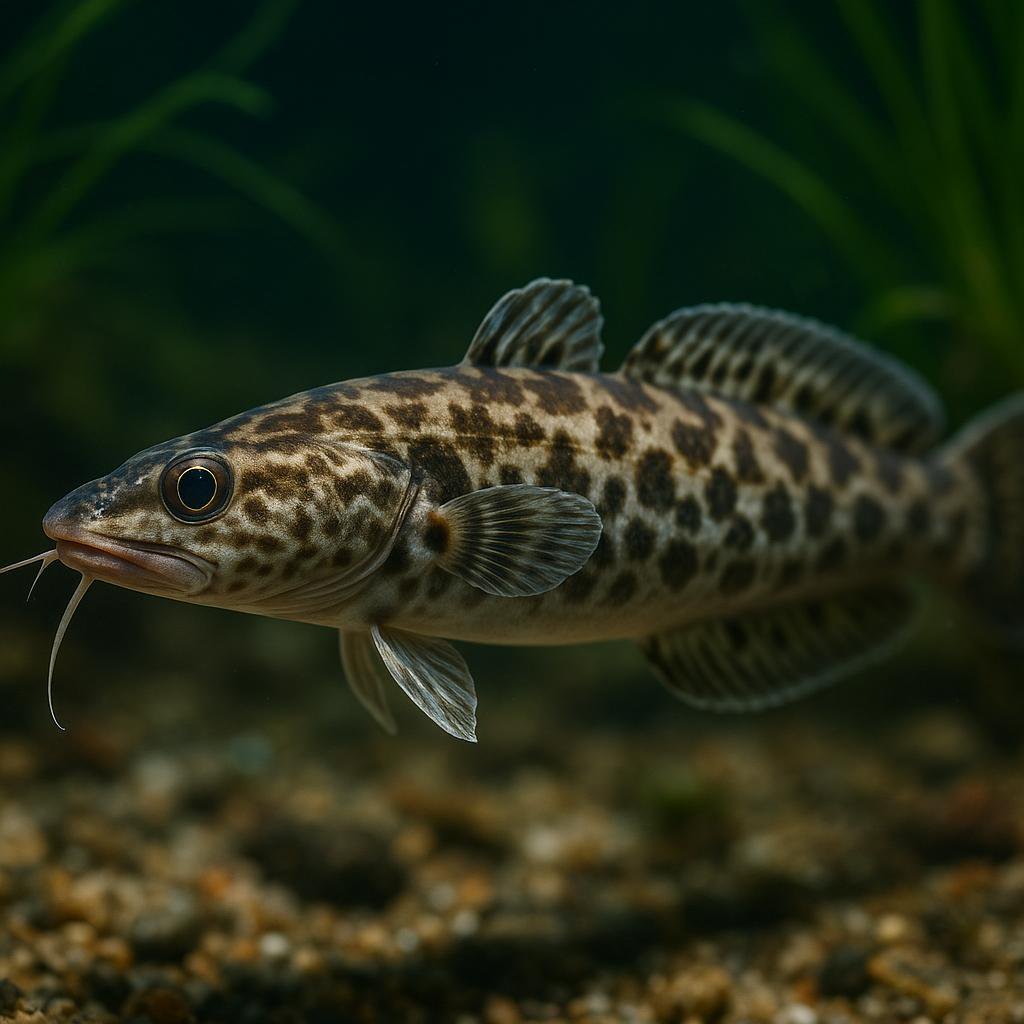
Arctic rockling
Gaidropsarus argentatus
This is a deepwater North Atlantic rockling (a cod relative) that hangs out on soft bottoms way down the slope. It is a cold-water, bottom-hugging predator that snoots around for crustaceans and will also take small fish when it gets the chance.
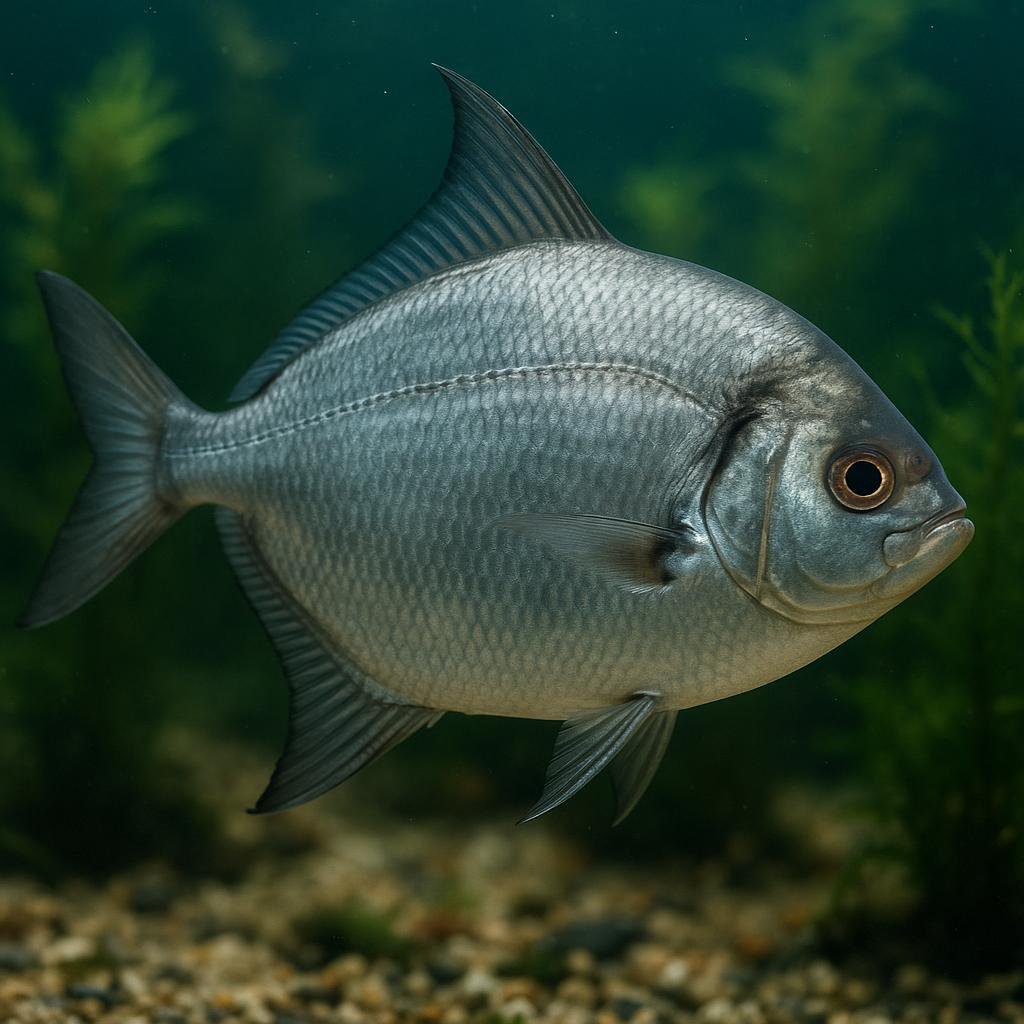
Atlantic pomfret
Brama brama
Brama brama is the Atlantic pomfret (aka Ray's bream) - a deep-bodied, open-ocean pelagic fish that cruises around in small schools and follows water temps. It is a legit big, wild marine species (not an aquarium fish) that eats other small sea critters like fish and squid, and it ranges across a huge chunk of the Atlantic plus parts of the Indian and South Pacific.
More to Explore
Discover more marine species.
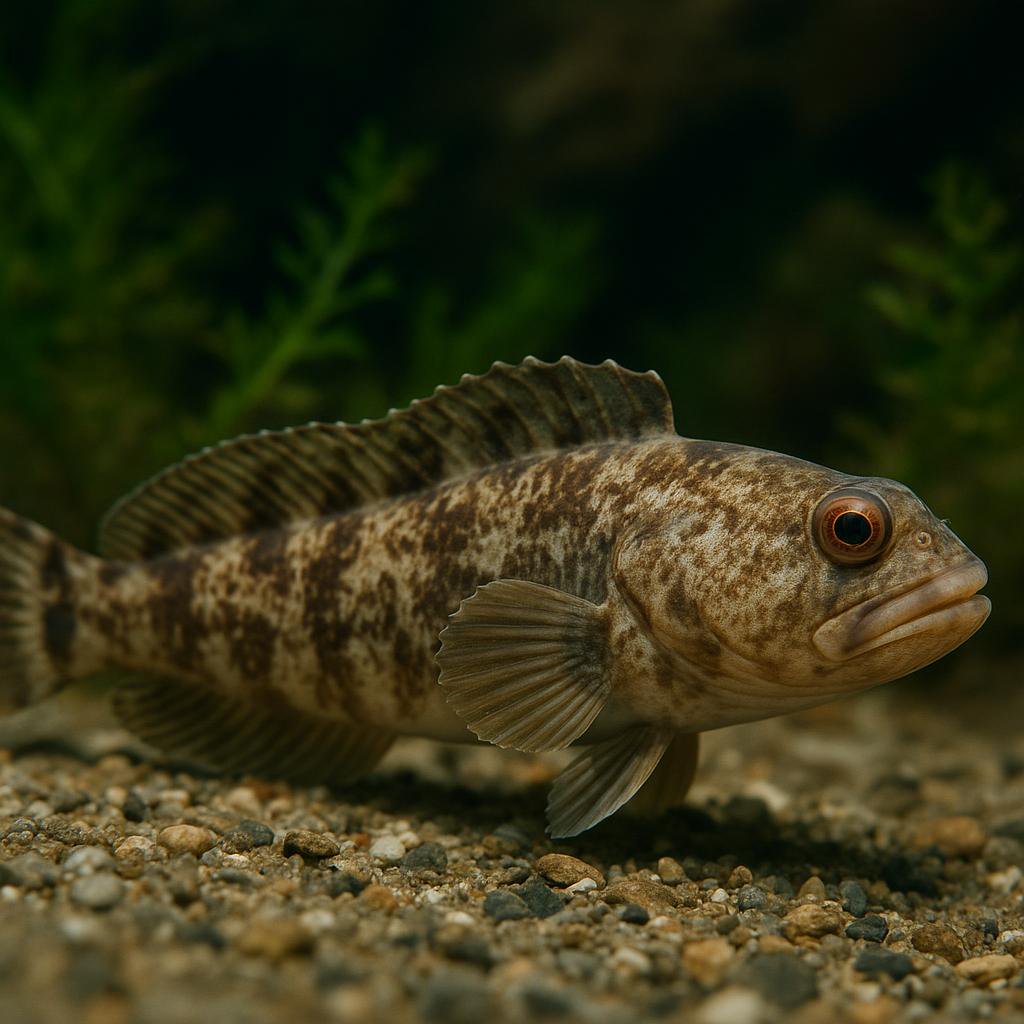
Abe's eelpout
Japonolycodes abei
Japonolycodes abei is a temperate, deepwater demersal eelpout (family Zoarcidae) endemic to Japan (Kumano-nada Sea reported; other sources also report Sagami Bay and Tosa Bay). It is the only species in the genus Japonolycodes and occurs roughly 40-300 m depth, making it an uncommon/atypical aquarium species.
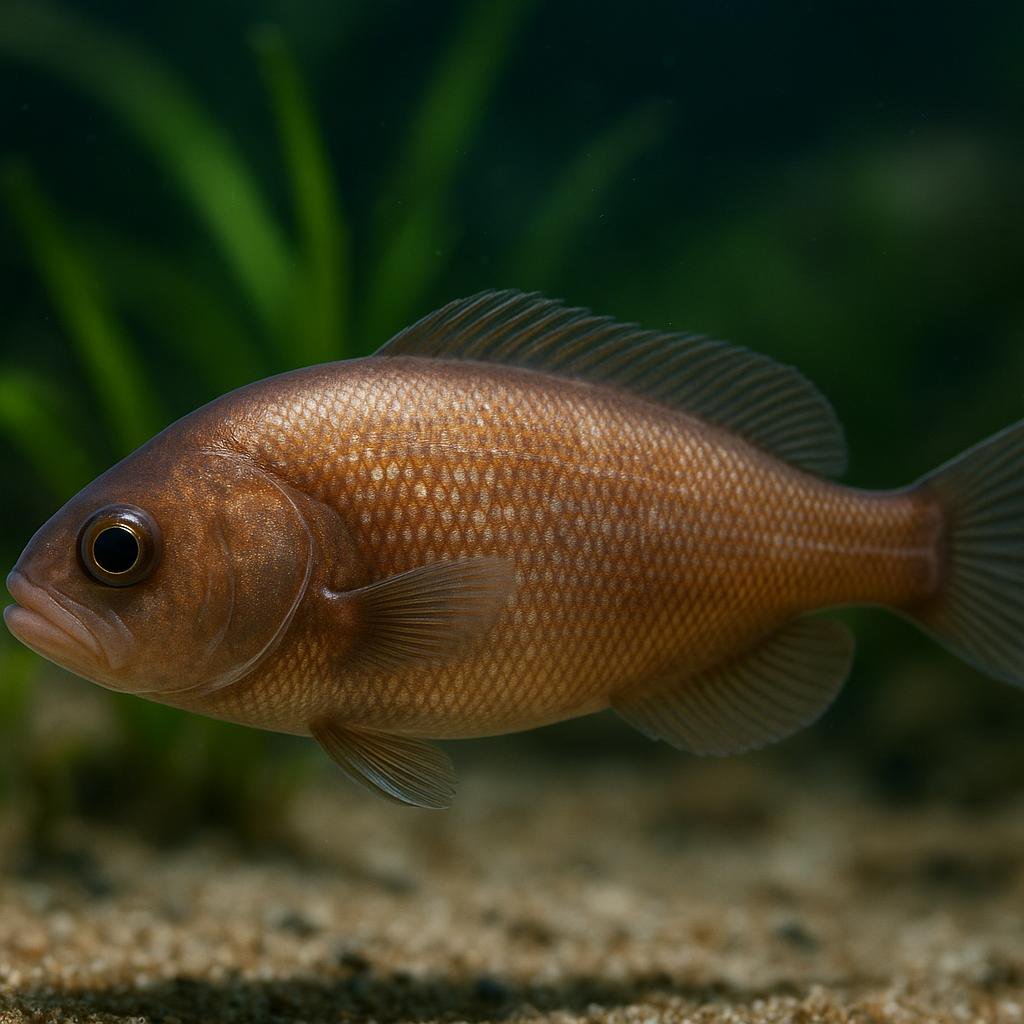
Affinis blind cusk-eel
Barathronus affinis
Barathronus affinis is a tiny, super-weird deep-sea blind cusk-eel from the western-central Indian Ocean. It is one of those gelatinous, loose-skinned brotula-type fishes that live way down in the dark and are basically never seen alive, so almost everything we know comes from preserved specimens and taxonomic work.
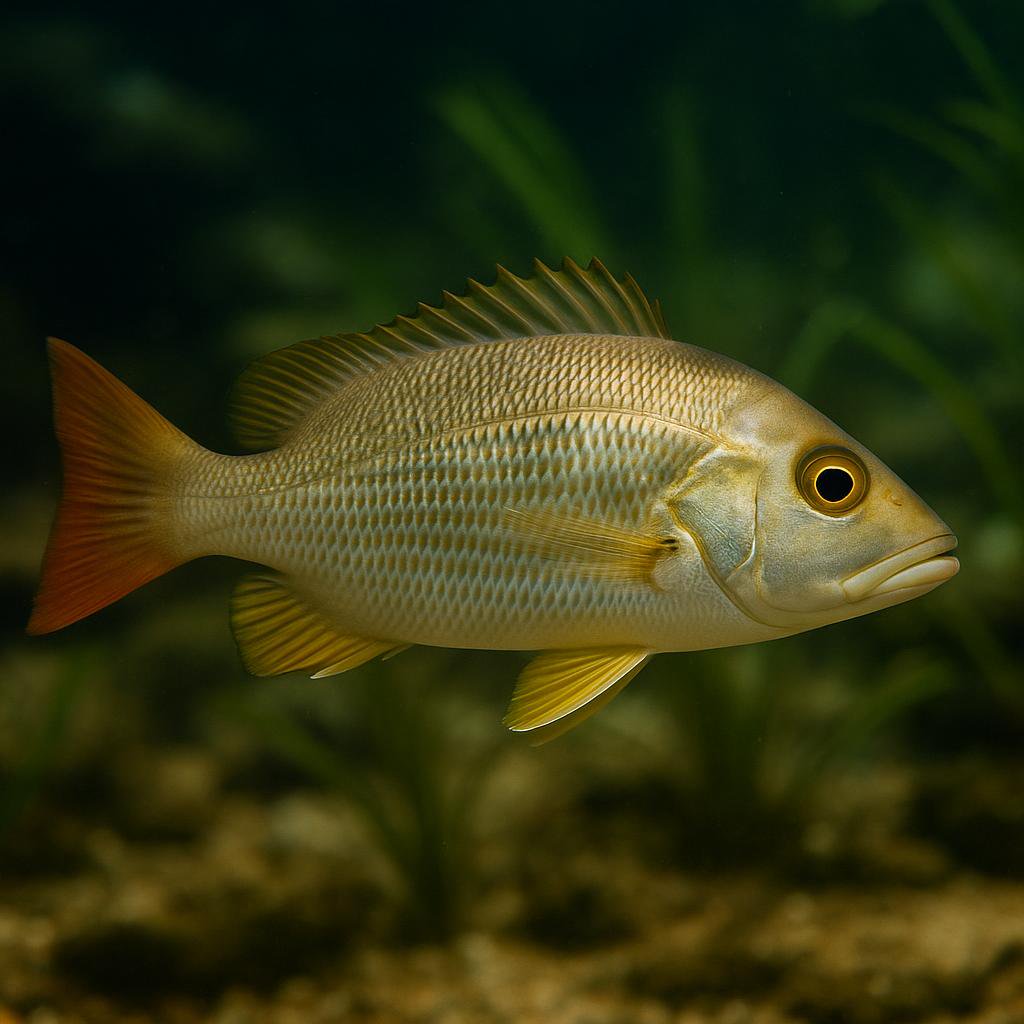
African red snapper
Lutjanus agennes
This is a true snapper from West Africa - a big, fast-growing predator that goes from coastal reefs to brackish lagoons and estuaries (especially as a juvenile). Super cool fish in the wild, but it gets absolutely huge and will eat smaller tankmates once it has the mouth for it, so its really more of a public-aquarium scale animal than a home-aquarium fish.
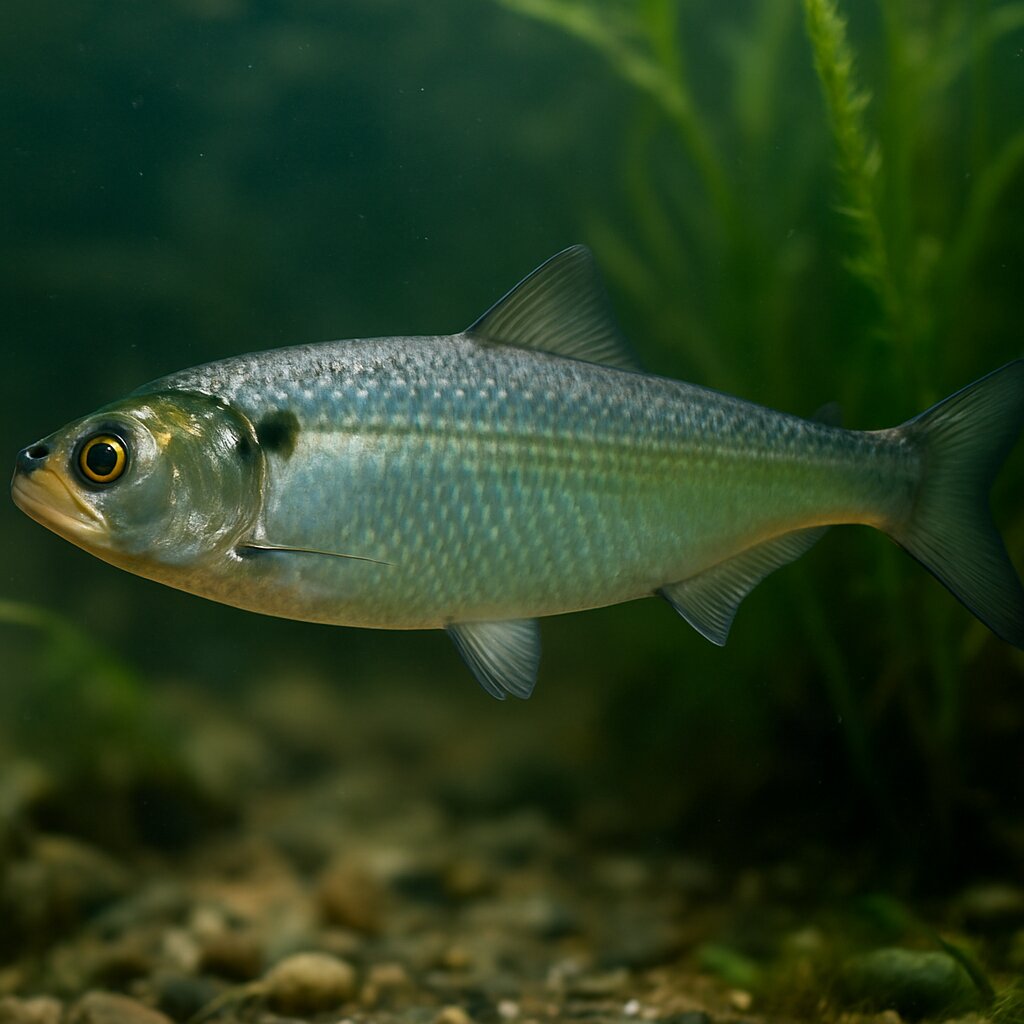
Allis shad
Alosa alosa
Gorgeous silver, fast-swimming shad that spends most of its life in the sea and then surges up big rivers in noisy, surface-spawning schools. It grows huge for a herring-type fish and needs cool, ultra-oxygenated water and tons of open space, so it is a public-aquarium species rather than a home tank fish.
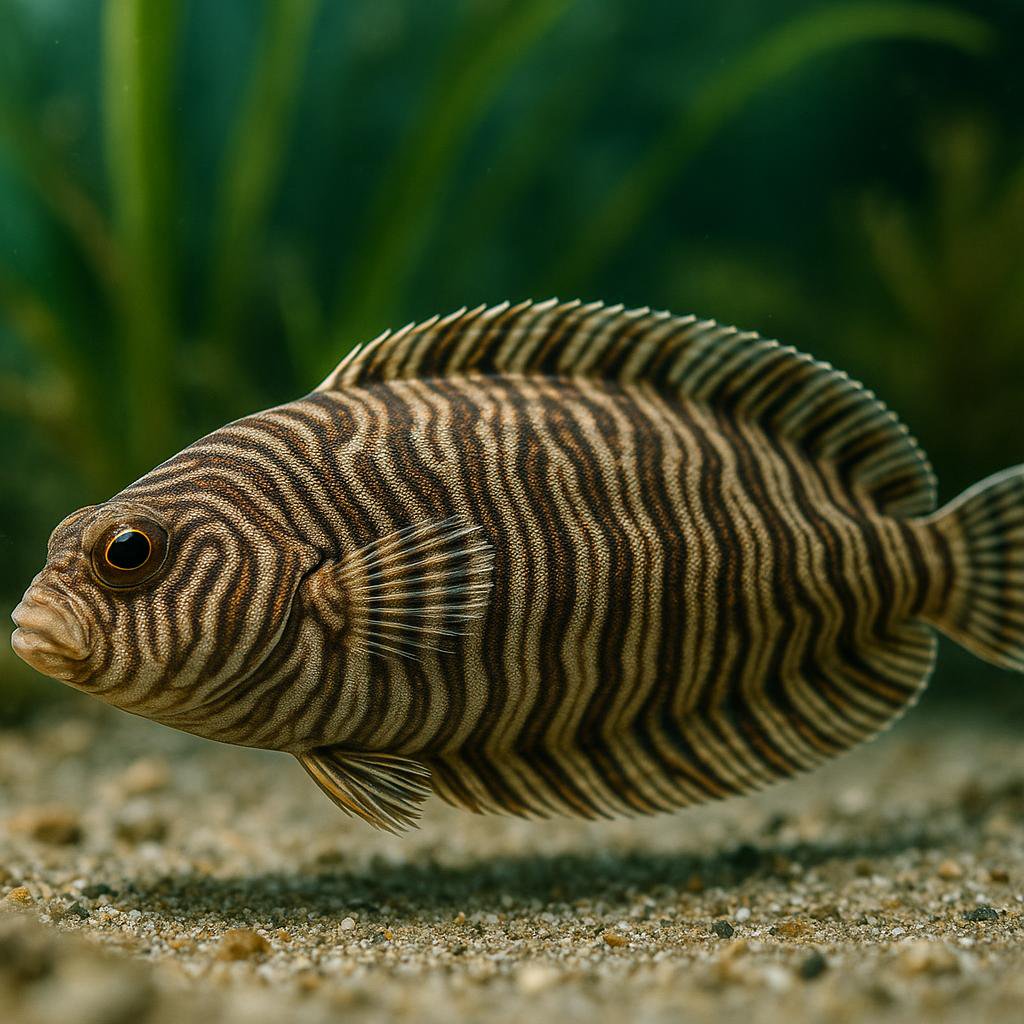
Annandale's zebra sole
Zebrias annandalei
Zebrias annandalei is a small demersal sole from coastal India that inhabits sandy or muddy bottoms and buries for camouflage. It is rarely kept in home aquaria and would require a specialized marine sand-bottom setup and appropriate feeding.
Australian sawtail catshark
Figaro boardmani
Figaro boardmani is a small, deepwater Australian catshark with these cool saw-like ridges of spiny denticles along the tail and a neat pattern of dark saddle bands. It lives way down on the outer continental shelf and slope, so its natural water is cold, dim, and stable - totally not a typical home-aquarium fish. Diet-wise its a predator that goes after fish, crustaceans, and cephalopods.
Looking for other species?