

Butterfly stingaree
Urolophus papilio
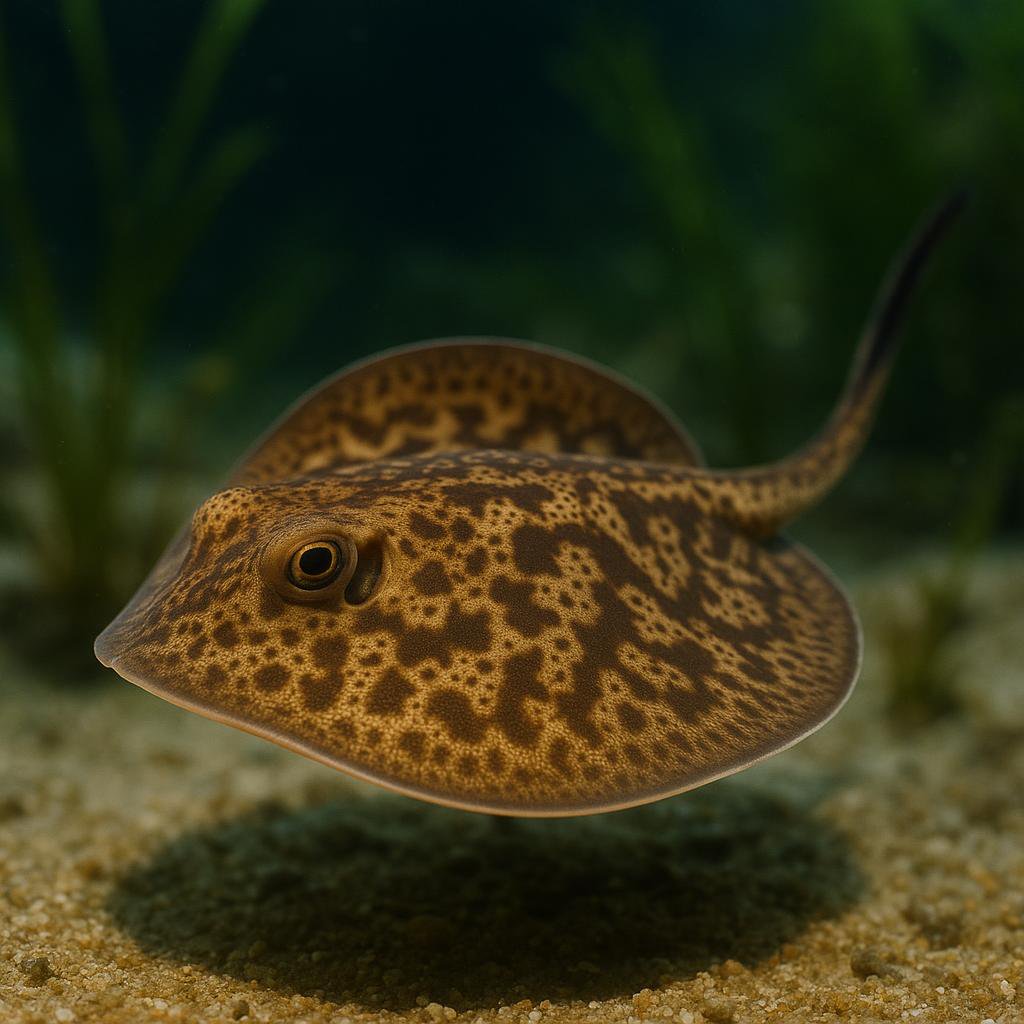
The Butterfly stingaree features a broad, disc-shaped body with vibrant, patterned skin and distinctive venomous spines along its tail.
This page includes AI-generated images. Why am I seeing AI images?
About the Butterfly stingaree
This is a deepwater little stingray from the Chesterfield Islands area (Coral Sea), with a super wide, diamond-shaped disc that earned it the butterfly name. It is a bathydemersal species recorded around 330 m deep, so its needs are basically the opposite of a normal home aquarium ray - cold, high pressure habitat, and not something the hobby can realistically support.
Quick Facts
Size
40 cm
Temperament
Peaceful
Difficulty
Expert
Min Tank Size
1000 gallons
Lifespan
unknown
Origin
Western Central Pacific (Coral Sea - Chesterfield Islands, near New Caledonia)
Diet
Carnivore - likely small bottom invertebrates (worms/crustaceans); exact diet poorly documented
Water Parameters
4-10°C
8-8.4
8-12 dGH
Need a heater for this species?
This species needs 4-10°C in a 1000 gallon tank. Use our heater calculator to find the right wattage.
Calculate heater sizeCare Notes
- Give it a big footprint tank, not a tall one - think 8x3 ft or bigger, with a wide open sand flat and just a few rocks pushed to the edges so it cannot pin itself.
- Run fine, soft sand (sugar-sized) and keep it spotless; sharp gravel, crushed coral, and rough rockwork will trash the disc edges and belly fast.
- Keep salinity steady around 1.025-1.026, temp 72-76 F, pH 8.1-8.4, and treat ammonia/nitrite as an emergency; rays crash hard if anything spikes, so heavy skimming and big water changes beat chasing numbers.
- Feed meaty marine stuff off tongs on the sand - chopped shrimp, squid, clam, and fish flesh, plus vitamin-soaked pieces; start daily for new arrivals, then settle into 3-5 solid meals a week once it is holding weight.
- Do not keep it with fin-nippers or anything that harasses the disc (triggers, big wrasses, puffers) and do not keep it with sharks or groupers that might bite it; calm, non-competitive fish that stay off the bottom are the safe picks.
- Watch for mouth and snout damage from smashing into glass and for cloudy patches or red sores on the underside; those usually trace back to rough substrate, dirty sand, or copper/meds exposure.
- Skip copper and most harsh meds entirely; if you have to treat, move it to a dedicated system and stick to ray-safe options (prazi for flukes, clean water, and time) because they react badly to a lot of common reef fish meds.
Compatibility
Good Tankmates
- Other calm rays and small benthic sharks that stay mellow (think bamboo/epaulette types). Plenty of sand, lots of floor space, and everyone gets fed well so nobody gets pushy.
- Peaceful, not-too-big midwater fish that are not mouthy and not fin-nippy - things like fairy/flasher wrasses or a mellow anthias group. They hang up in the water column and mostly ignore the ray.
- Gentle reef-safe types that keep to themselves, like rabbitfish or a calm, non-territorial tang in a big system. They cruise around and do not hassle the ray on the bottom.
- Larger, chill sand-sifters that will not pick on it - like a peaceful goatfish that is not a bully. Just make sure feeding is generous so the ray is not outcompeted.
- Big, non-aggressive angels (the calmer Pomacanthus types) if the tank is huge and territories are established. They usually ignore rays as long as they have their own rockwork to patrol.
- Small, peaceful schooling fish that are too quick to be bothered and too big to be swallowed - like larger chromis or hardy baitfish-type companions in big tanks. They keep the vibe calm and do their own thing.
Avoid
- Aggressive triggers (especially the bitey ones) - they love to pick at fins and will chew on a ray's disc or tail when it is resting. Bad combo.
- Big, territorial groupers, snappers, or large hawkfish-type predators - if it fits in their mouth, it is food, and even if it does not, they can slam the ray around at feeding time.
- Puffers and porcupinefish - they are notorious for taking test bites, and rays are basically a big tempting fin pancake on the sand. I've seen fin damage happen fast.
- Mean damsels and dottybacks in smaller setups - constant pecking and territory guarding stresses the ray, plus they will race it to food and the ray loses out.
Where they come from
Butterfly stingarees (Urolophus papilio) are a small coastal ray from southern Australia. You see them on sandy bottoms and seagrass edges, half-buried and waiting for little crustaceans and worms to wander by.
That habitat tells you basically everything about how to keep them: wide footprint, soft sand, steady cool-ish marine temps, and peaceful surroundings.
Setting up their tank
Think "shallow lagoon" more than "reef tower." These rays spend their lives on the bottom, so floor space matters way more than height.
- Tank footprint: the biggest you can swing. For a single adult, I would not go under a wide 180+ gallon footprint, and bigger is genuinely better. If you can do a custom shallow tank, do it.
- Substrate: fine sand (sugar-sized). No crushed coral, no sharp gravel. If it scratches your hand, it will scratch the ray.
- Rockwork: keep it minimal and stable. Put rock on the glass or on supports, then add sand around it so the ray cannot undermine and topple it.
- Flow: moderate overall, but give them calm "rest zones" on the bottom. They hate being blasted in the face all day.
- Filtration: oversized and boring-reliable. Big skimmer, lots of biological capacity, and a way to export nutrients (water changes, refugium, etc.). Rays are messy eaters.
- Lid: cover the tank. Rays can and do launch themselves when spooked.
Do not run copper in any system that will ever house a ray. Copper and most "medicated" marine treatments can kill elasmobranchs (rays and sharks). Plan quarantine and disease control around that reality.
Avoid exposed intake screens and powerhead guards that can snag the disc edge. I use large strainers or foam prefilters and place pumps where the ray cannot pin itself against them.
Water quality needs to be stable and clean, but the big gotcha with rays is oxygen and pH. Heavy feeding plus warm water plus a big animal equals low oxygen fast. Run strong surface agitation and keep your skimmer tuned.
What to feed them
If you buy one, assume it may not recognize pellets at first. Most come around, but you have to meet them where they are and build a routine.
- Best staples: raw shrimp, squid, scallop, marine fish flesh (not freshwater feeders), and quality frozen mixes meant for predators.
- For variety: live or fresh marine worms, small crabs, and other crustaceans (where legal and safe).
- Supplements: soak foods in a vitamin like Selcon a few times a week. I also add iodine occasionally, but I do not go crazy with it.
- How to feed: target feed with tongs or a feeding stick. Place the food right in front of the mouth so tankmates do not steal it.
- Schedule: smaller meals more often beats one huge dump. Juveniles eat frequently; adults can do every other day depending on body condition.
Watch the body shape. A healthy ray looks "filled out" behind the head and along the disc. If the back end starts looking pinched or the pelvis area gets hollow, bump up feeding and check for competition at mealtime.
Skip freshwater feeders and fatty grocery-store fish as a main diet. Long term, you want marine-based foods and variety so you do not end up with nutritional issues.
How they behave and who they get along with
Butterfly stingarees are generally calm, and most of the day you will see a pair of eyes and spiracles poking out of the sand. At feeding time they switch on and start "vacuuming" the bottom.
Tankmate choice is where people get burned. The ray is not aggressive, but it is easy to outcompete, easy to nip, and very easy to stress.
- Good tankmates: peaceful to semi-peaceful fish that do not pick at fins or eyes and are not frantic at feeding time. Think larger, calmer species.
- Avoid: triggerfish, puffers, large wrasses that flip sand constantly, most angels that like to sample fleshy things, and anything that will steal every bite before the ray finds it.
- Avoid also: big aggressive sharks/rays unless you have a huge system and a plan. Mixed elasmobranch tanks can work, but not as a "toss them together" situation.
- Inverts: assume most crabs, shrimp, and worms are ray food sooner or later.
They are venomous. The sting is defensive, not an "attack," but you still have to treat them with respect. Use a container to move them, not a net, and keep hands away from the tail.
Breeding tips
In home aquariums, breeding is uncommon. Urolophus rays are aplacental viviparous (they carry developing young internally), so it is not like egg-laying skates where you can spot a "mermaid purse" and call it a day.
If you ever do keep a compatible pair long term, the biggest "breeding tip" is honestly just longevity: stable water, generous footprint, and stress-free feeding. Most failures happen way before reproduction is even on the table.
If you suspect a female is gravid, do not start changing everything. Keep the routine steady, keep oxygen high, and feed smaller frequent meals. Big swings in salinity, temperature, or pH are where problems start.
Common problems to watch for
Rays are a little like canaries in the coal mine. They can look fine until they suddenly do not, so you want to catch the early signs.
- Poor appetite: often stress, bullying, or the ray never learned prepared foods. Fix feeding competition first, then look at parasites.
- Rapid breathing or hanging in high flow: usually low oxygen, high ammonia/nitrite, or pH issues. Check water now, not tomorrow.
- Disc abrasions and belly sores: almost always from rough substrate, sharp rock, or dirty bottom. Fine sand and a clean tank solve a lot.
- Nutritional deficiency: shows up as weight loss, weak swimming, or just a "tired" look. Add variety and vitamins, and do not rely on one food.
- Parasites and bacterial infections: tricky because you cannot just reach for copper. Work with ray-safe approaches (freshwater dips are not a blanket fix for marine rays, and formalin use needs real care).
- Electrical stray voltage and pump injuries: rays sit on the bottom and take the brunt of it. Use a GFCI, keep equipment maintained, and cover intakes.
Never grab the tail, and do not try to "hand feed" like you see online. Use tongs, keep your hands out of the feeding zone, and have a plan for safe maintenance so you do not corner the ray.
If you want to succeed with this species, build the system around the ray, not the other way around. Big footprint, soft sand, stable water, and calm tankmates. Do that, and they are surprisingly hardy for an elasmobranch.
Similar Species
Other marine peaceful species you might be interested in.

Abe's eelpout
Japonolycodes abei
Japonolycodes abei is a temperate, deepwater demersal eelpout (family Zoarcidae) endemic to Japan (Kumano-nada Sea reported; other sources also report Sagami Bay and Tosa Bay). It is the only species in the genus Japonolycodes and occurs roughly 40-300 m depth, making it an uncommon/atypical aquarium species.

Affinis blind cusk-eel
Barathronus affinis
Barathronus affinis is a tiny, super-weird deep-sea blind cusk-eel from the western-central Indian Ocean. It is one of those gelatinous, loose-skinned brotula-type fishes that live way down in the dark and are basically never seen alive, so almost everything we know comes from preserved specimens and taxonomic work.

Allis shad
Alosa alosa
Gorgeous silver, fast-swimming shad that spends most of its life in the sea and then surges up big rivers in noisy, surface-spawning schools. It grows huge for a herring-type fish and needs cool, ultra-oxygenated water and tons of open space, so it is a public-aquarium species rather than a home tank fish.

Annandale's zebra sole
Zebrias annandalei
Zebrias annandalei is a small demersal sole from coastal India that inhabits sandy or muddy bottoms and buries for camouflage. It is rarely kept in home aquaria and would require a specialized marine sand-bottom setup and appropriate feeding.
Banggai Cardinalfish
Pterapogon kauderni
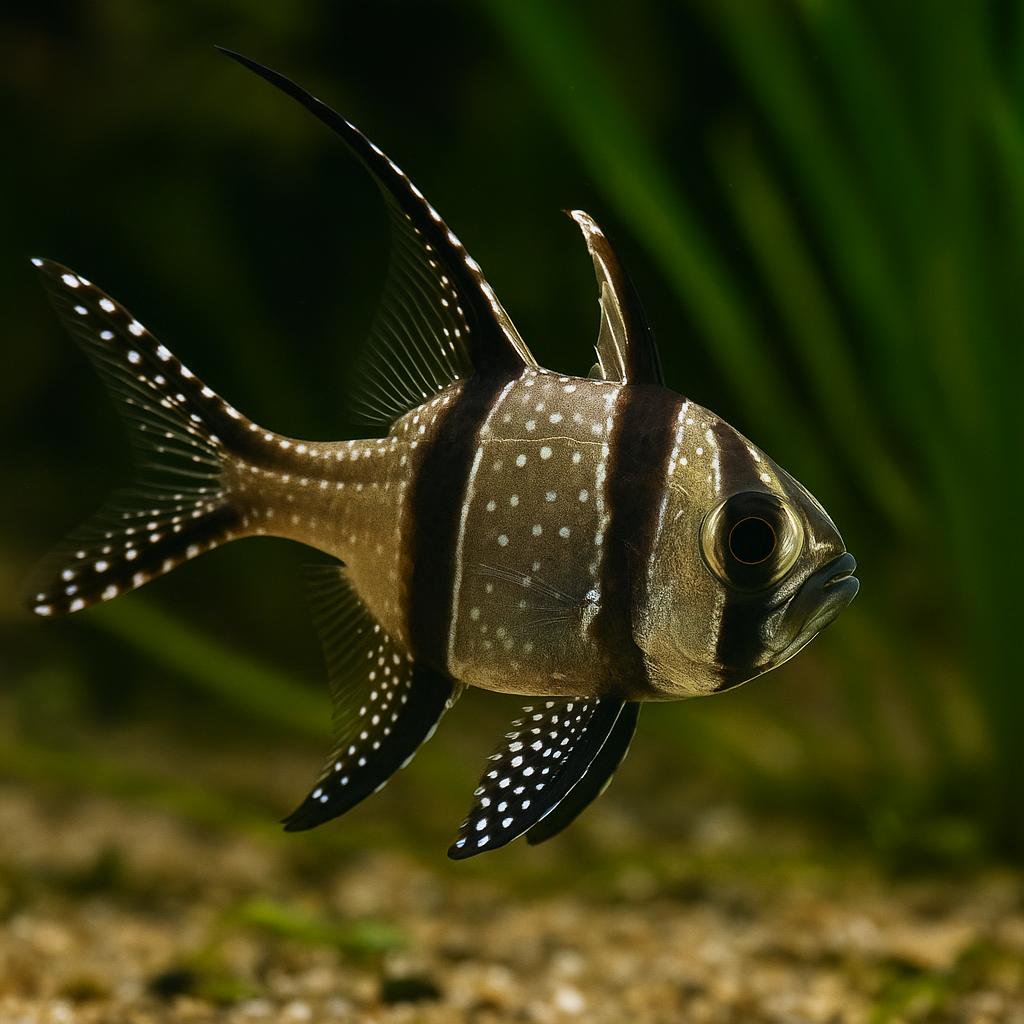
Banggai cardinals just sort of hover like little underwater satellites, and the bold black bars with those long, polka-dotted fins look unreal under reef lighting. They're super chill most of the time, but once a pair forms you'll see real "fish drama," and the male will even mouthbrood the babies like a champ.
Barbedwire-tailed skate
Notoraja martinezi
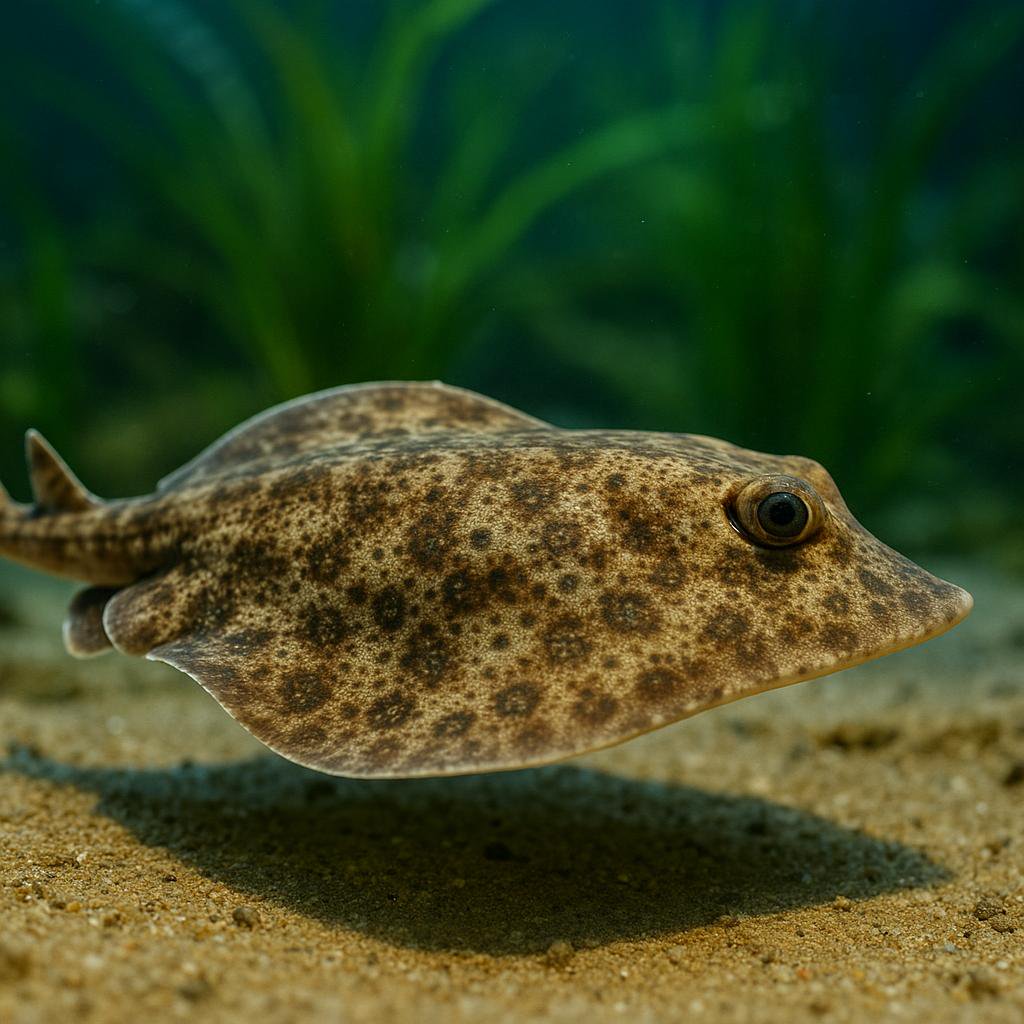
Notoraja martinezi is a deepwater skate from the eastern Pacific (Costa Rica down to Ecuador) that lives way down on soft bottoms. The tail is the giveaway - it is lined with strong, hooked thorns that really do look like barbed wire. This is absolutely not an aquarium fish; it is a cold, high-pressure deep-sea animal with basically no practical home care info because it is not kept in the hobby.
More to Explore
Discover more marine species.

African red snapper
Lutjanus agennes
This is a true snapper from West Africa - a big, fast-growing predator that goes from coastal reefs to brackish lagoons and estuaries (especially as a juvenile). Super cool fish in the wild, but it gets absolutely huge and will eat smaller tankmates once it has the mouth for it, so its really more of a public-aquarium scale animal than a home-aquarium fish.

Aleutian skate
Bathyraja aleutica
This is a big, cold-water deep-slope skate from the North Pacific that cruises muddy bottoms and eats chunky benthic prey like crabs and shrimp. The really cool bit is its egg-laying skate life - it does distinct pairing (the classic skate "embrace") and drops those tough egg cases on the seafloor. Not an aquarium fish at all unless you're basically running a public-aquarium-style chilled system.

Antarctic dragonfish
Vomeridens infuscipinnis
Deep down around Antarctica, this sleek dragonfish cruises the water column like a little submarine, nearly neutrally buoyant so it can hover above the seafloor. It munches almost exclusively on Antarctic krill and lives in near-freezing water 500-800 m down, so it is a cool species to read about, not one for home tanks.
Arabian demoiselle
Neopomacentrus sindensis
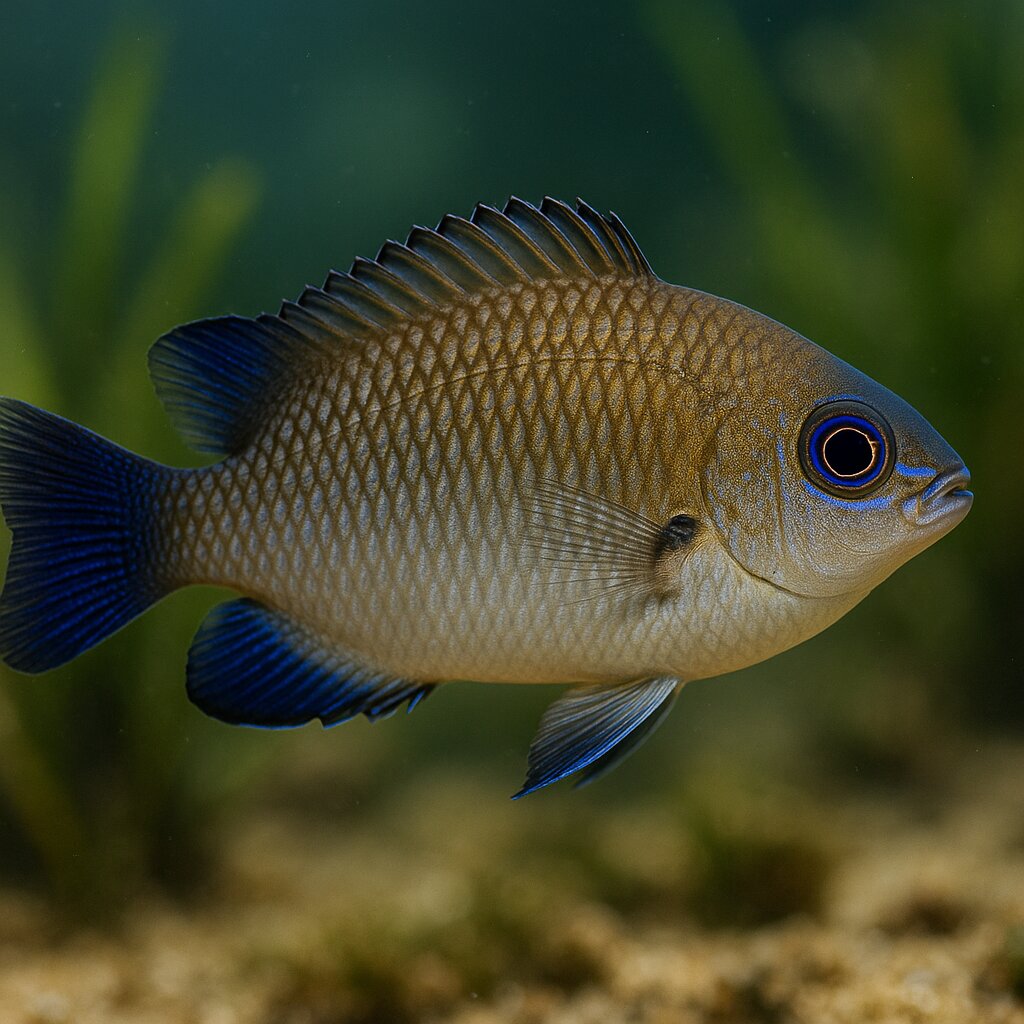
A small lyretail damsel from the Persian Gulf and Arabian Sea, it hangs in loose groups around coral heads, rocks, and even pier pilings picking zooplankton from the flow. Think classic damsel toughness with a slightly milder attitude than the real bruisers, plus subtle yellow tail accents. Males clean a patch, get a mate to lay eggs there, and then stand guard fanning the clutch.

Arabian spiny eel
Notacanthus indicus
Notacanthus indicus is a deep-sea spiny eel (family Notacanthidae; not a true eel) known from the Arabian Sea on the continental slope at roughly ~960–1,046 m depth, with reported maximum length around 20 cm TL; it is a deep-water bycatch species and not established in the aquarium trade.

Arctic rockling
Gaidropsarus argentatus
This is a deepwater North Atlantic rockling (a cod relative) that hangs out on soft bottoms way down the slope. It is a cold-water, bottom-hugging predator that snoots around for crustaceans and will also take small fish when it gets the chance.
Looking for other species?