

Constellationfish
Valenciennellus tripunctulatus
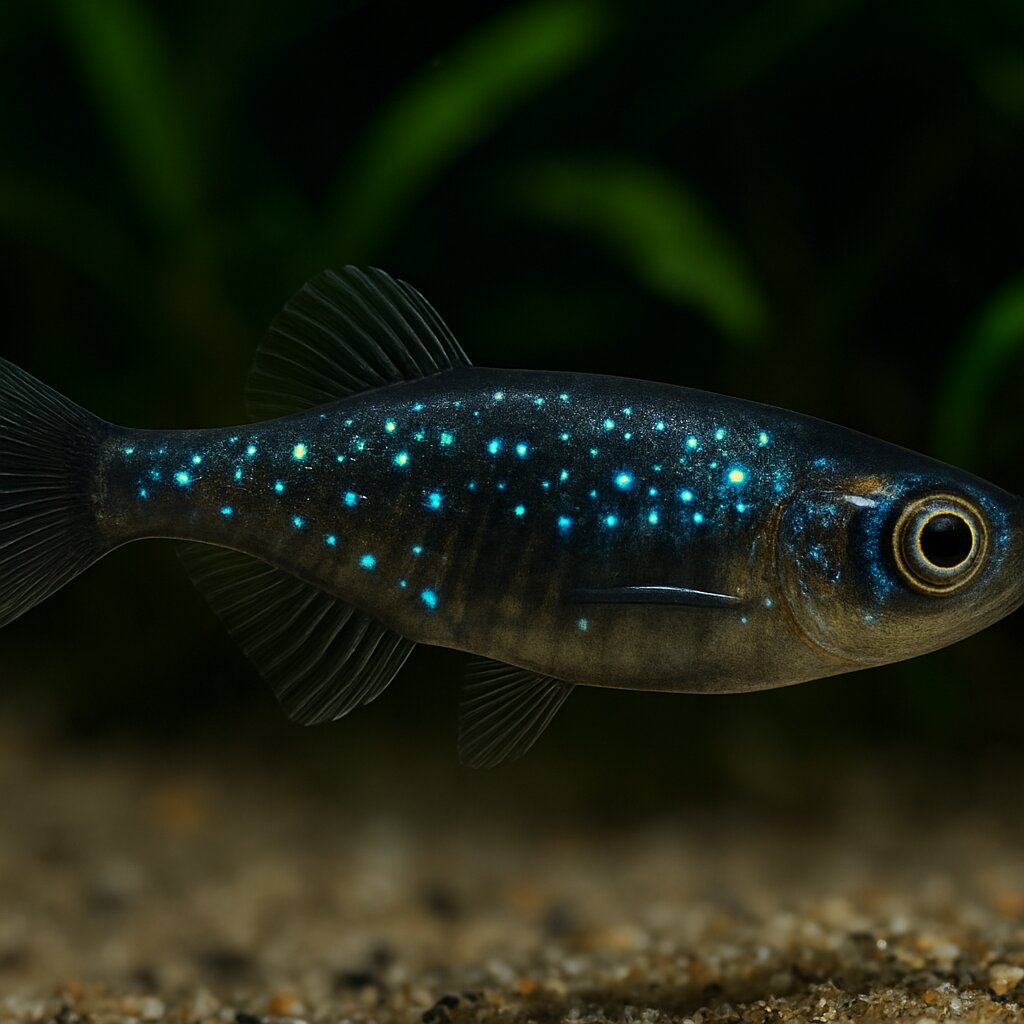
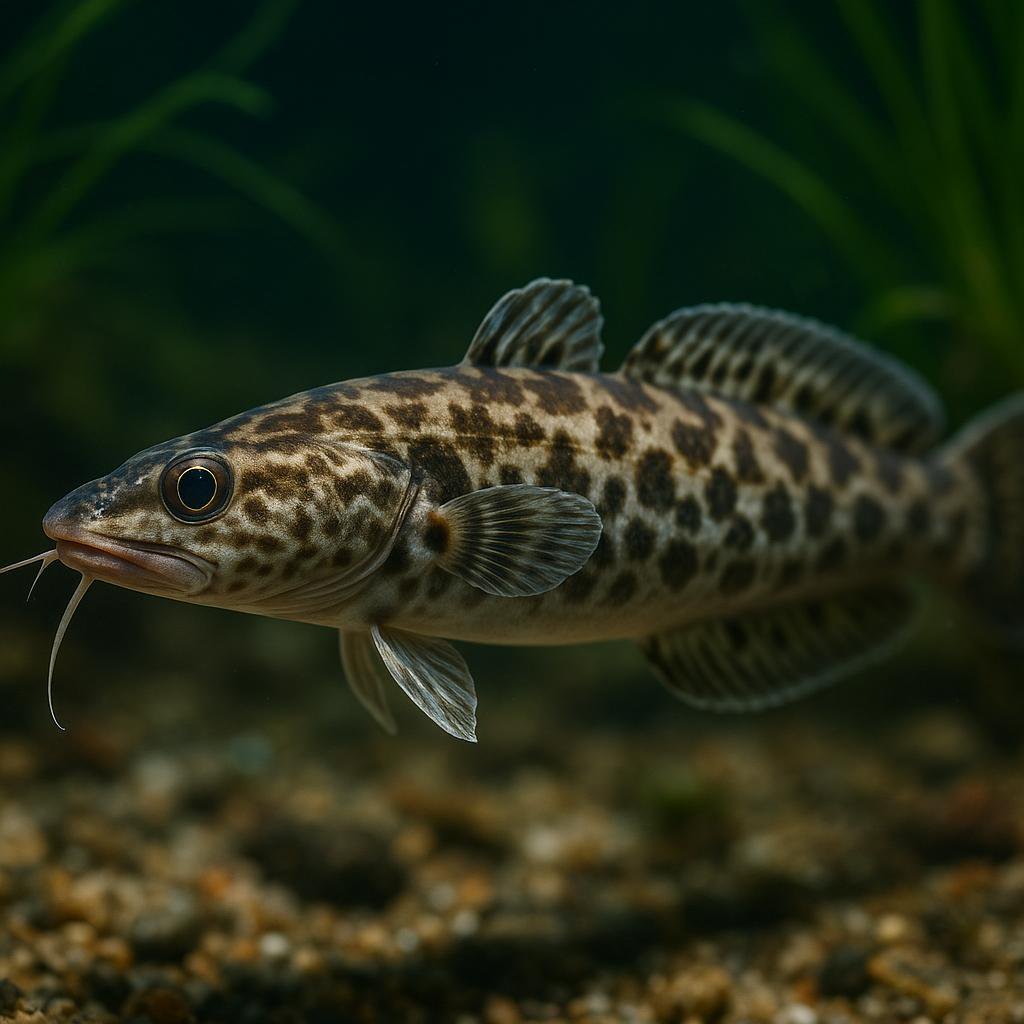
Constellationfish exhibit a slender body with a mottled pattern of pale and dark markings, enhancing their camouflage among habitats.
This page includes AI-generated images. Why am I seeing AI images?
About the Constellationfish
This is that tiny deep-sea hatchetfish with little light organs that sparkle like a night sky, which is why folks call it the constellationfish. It cruises the mesopelagic zone and snacks on copepods and ostracods, and while it looks awesome, it is not an aquarium candidate since it lives hundreds of meters down in cold, dim water.
Also known as
Quick Facts
Size
3.1 cm SL
Temperament
Peaceful
Difficulty
Expert
Min Tank Size
0 gallons
Lifespan
about 1 year
Origin
Tropical and temperate oceans worldwide
Diet
Planktivore - mainly copepods and ostracods
Water Parameters
8.1-19°C
7.8-8.2
300-400 dGH
Care Notes
- Give them a tall, dark tank with smooth walls and gentle circular flow, kreisel-style; black out the sides and use a tight lid because they rocket into glass and jump when spooked.
- Run a big chiller and keep 4-8 C, 34-35 ppt, pH 7.9-8.1, and near 100 percent oxygen; zero ammonia and nitrite, nitrate under 5 ppm, and have backup power for the chiller.
- Acclimate cold and in the dark with a slow drip at the same low temp; do not float-warm the bag, and move them with a cup under water to avoid fin and scale damage.
- Feed after lights-out with live marine copepods and tiny mysids via a slow drip or auto-doser; some will take moving frozen Calanus or Cyclops if it rides the current.
- Keep a calm group of 6-12 and skip tankmates; anything faster, warmer, or nippy will stress them out, and stingers like anemones or hydroids are a hard no.
- Bare-bottom only and no rock piles; they abrade easily, so keep surfaces smooth, run strong UV on the return, and watch for pinched bellies or fuzzy scrapes as early trouble signs.
- Lighting should be red and very dim; bright white light makes them slam into walls and stop feeding, so think night-mode 24-7.
- Breeding is a write-off here; they are pelagic spawners in the wild and there are no captive reports worth chasing.
Compatibility
Good Tankmates
- Species-only group of constellationfish - 6-12 schooling in a chilled, dim, high-oxygen pelagic tank; honestly they settle best without other fish
- Small, peaceful deep-sea schoolers like size-matched lanternfish (myctophids) or marine hatchetfish (Argyropelecus spp.) in cold, low-light water
- Gentle midwater fish that ignore tankmates and just pick tiny zooplankton - nothing mouthy or chasey
- Slow, non-nippy coldwater pelagics kept around 5-10 C with soft, laminar flow
- Shy, nocturnal-type fish that take live copepods or mysids and will not outcompete these guys at feeding time
Avoid
- Warm, bright reef fish - clowns, damsels, wrasses, tangs - totally wrong light and temp
- Predators that gulp bite-sized fish - groupers, lionfish, scorpionfish, larger basses
- Fast, nippy, competitive planktivores - chromis, anthias, fusiliers - they will outswim and starve these guys
Where they come from
Constellationfish are tiny deep-sea bristlemouths found in the open ocean, mostly in tropical and subtropical belts. Think dim, cold water hundreds of meters down, with speckled photophores that look like stars when your eyes adjust. They make nightly vertical migrations to follow plankton, then sink back into the gloom by day.
This is not a home-aquarium species. Keeping them long term takes a chilled, dark, highly specialized pelagic setup, and even then survival odds are slim. Public aquaria and research labs are the ones who sometimes attempt this.
Setting up their tank
You are building a cold, dark, gentle-flow pelagic system. No rockwork, no bright lights, and nothing for them to bash into.
- Volume and shape - 150-300 liters minimum for a small group. Round or kreisel-style tank is best so they do not pin themselves in corners.
- Temperature - 4-8 C is the target for deep-caught fish. Individuals collected higher in the water column at night may tolerate 8-12 C. Pick a number and hold it rock-steady.
- Salinity and chemistry - 34-35 ppt, pH 8.0-8.2, zero ammonia and nitrite. Keep nitrate under 10 ppm despite heavy feeding.
- Flow - Gentle laminar circulation that keeps plankton in suspension. Diffuse spray bars only. All intakes must be foam-guarded.
- Lighting - Blacked-out sides and lid. Use dim red work lights only. If you want a day-night cycle, keep it very low, blue-tinted, and under a few lux.
- Oxygen - Near saturation at cold temps. Use oversized skimming or oxygenation and monitor with a DO meter.
- Filtration - Big biofilter and a chiller that can actually hold temp under load. UV helps with water quality but do not nuke all the live food.
Acclimate in darkness using a pre-chilled, aerated bucket. Match temperature first, then drip for salinity. Move them with a wide cup or specimen container, not a net. Any bright light or rough handling and they will panic hard.
Put the chiller and pumps on a UPS. A short power cut can swing temperature or drop oxygen fast at these settings.
What to feed them
They pick small zooplankton right out of the water column. Live, constantly available food is what keeps them going. Expect to run live-food cultures or a drip feeder hooked to refrigerated plankton.
- Primary foods - Live calanoid copepods (Acartia, Parvocalanus), small cyclopoids, krill or mysid nauplii. Particle size roughly 150-600 microns.
- Supplemental - Enriched rotifers and newly hatched, enriched Artemia in a pinch, but many will ignore brine. Some can be weaned to frozen Cyclops or fine Calanus over weeks, not days.
- Feeding pattern - Small amounts many times a day. Automated trickle feeding 6-12x daily works best.
- Enrichment - HUFA and vitamins for any nauplii or Artemia to keep nutrition up.
- Observation - Check gut fullness by shining a dim red light from below; you will see a little shadowed belly when they are eating enough.
Build in gentle circular flow so food stays suspended. Dead spots lead to waste pockets; too much flow slams them into screens.
How they behave and who they get along with
They are midwater, schooling, and very light-shy. In a calm, dark tank they will hang at mid-depth in a loose group and make quick darts for passing plankton. Any sudden light or vibration and the whole school bolts.
- Group size - Aim for 8-12 so they settle. Singles fade fast.
- Tankmates - Realistically, none. Anything bigger sees them as food, and diurnal fish stress them out.
- Hardware safety - Foam every intake, widen screens, and keep gaps covered. Startle runs are real.
Breeding tips
As far as I know, no captive breeding records. They are likely broadcast spawners with pelagic eggs and larvae. If you want to experiment, you would need a large, tall, very stable chilled system, a big school, lunar-light cycles, and nonstop live plankton. Set up overflow egg collectors. Even then, expect nothing for a long time.
Common problems to watch for
- Starvation - The number one killer. If live food density dips, they fade within days.
- Light shock - Bright light causes frantic dashes and abrasions.
- Mechanical injury - Corners, fine meshes, and strong jets chew up fins.
- Chiller or oxygen failure - Cold water masks low O2 signs until it is too late.
- Water quality swings - Continuous feeding loads the biofilter. Ammonia must stay undetectable.
- Collection damage - Many arrive compromised from capture and decompression. Survival can be poor even with perfect care.
- Gas issues - Watch for microbubbles and supersaturation when running chillers and high aeration.
Ethics check: mortality is high for deep pelagic fish. If you do not already run a cold, dark plankton system, consider passing on this species.
If you like the idea of glowing, low-light fish but want something realistic, look into pinecone fish for chilled systems or flashlight fish for larger warm-water nocturnal displays. Still challenging, but far more doable than constellationfish.
Similar Species
Other marine peaceful species you might be interested in.
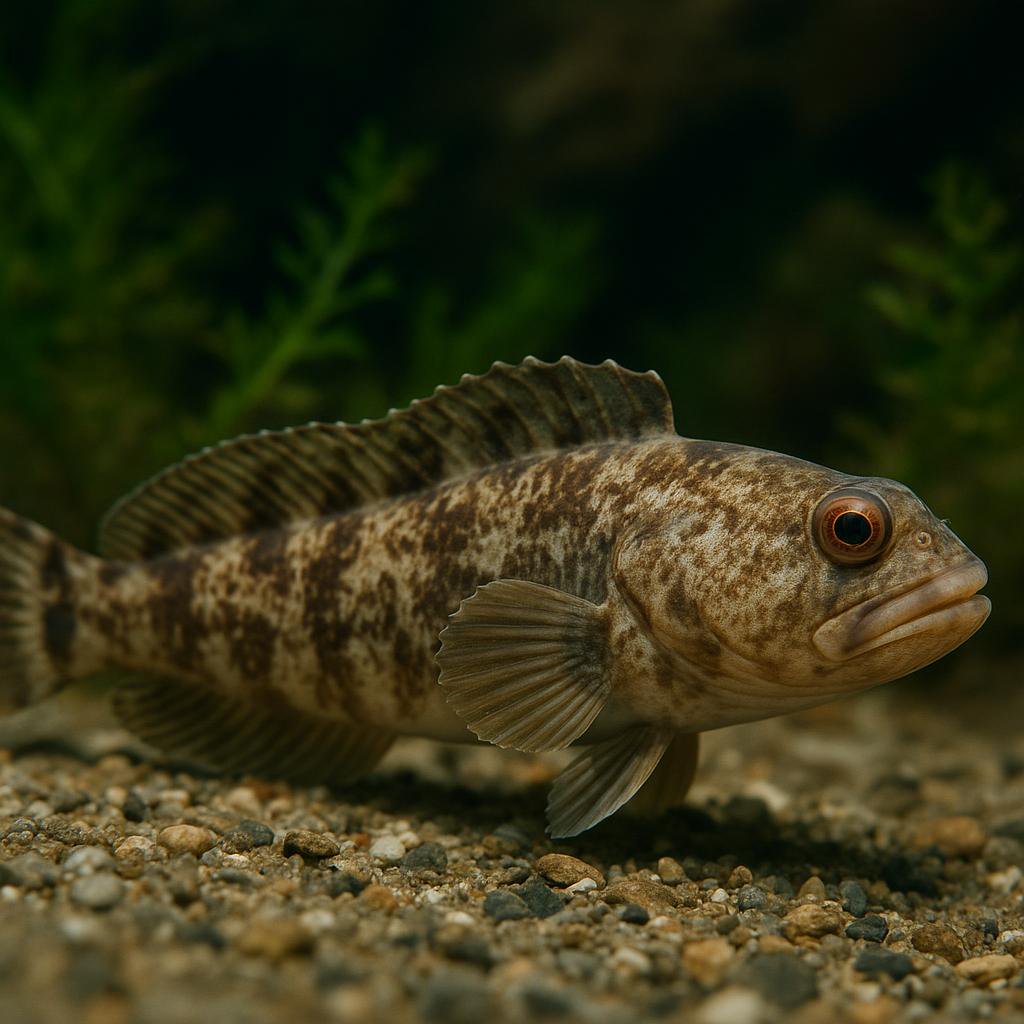
Abe's eelpout
Japonolycodes abei
Japonolycodes abei is a temperate, deepwater demersal eelpout (family Zoarcidae) endemic to Japan (Kumano-nada Sea reported; other sources also report Sagami Bay and Tosa Bay). It is the only species in the genus Japonolycodes and occurs roughly 40-300 m depth, making it an uncommon/atypical aquarium species.
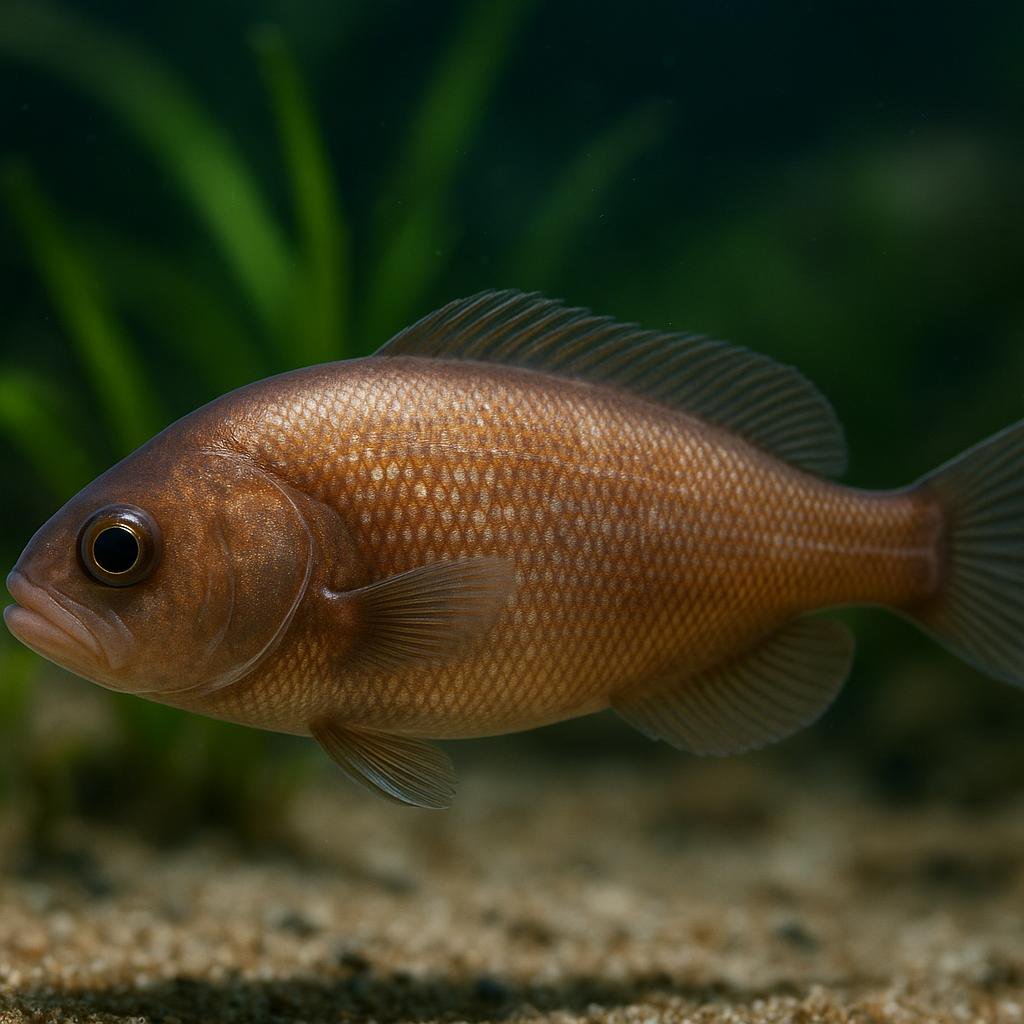
Affinis blind cusk-eel
Barathronus affinis
Barathronus affinis is a tiny, super-weird deep-sea blind cusk-eel from the western-central Indian Ocean. It is one of those gelatinous, loose-skinned brotula-type fishes that live way down in the dark and are basically never seen alive, so almost everything we know comes from preserved specimens and taxonomic work.
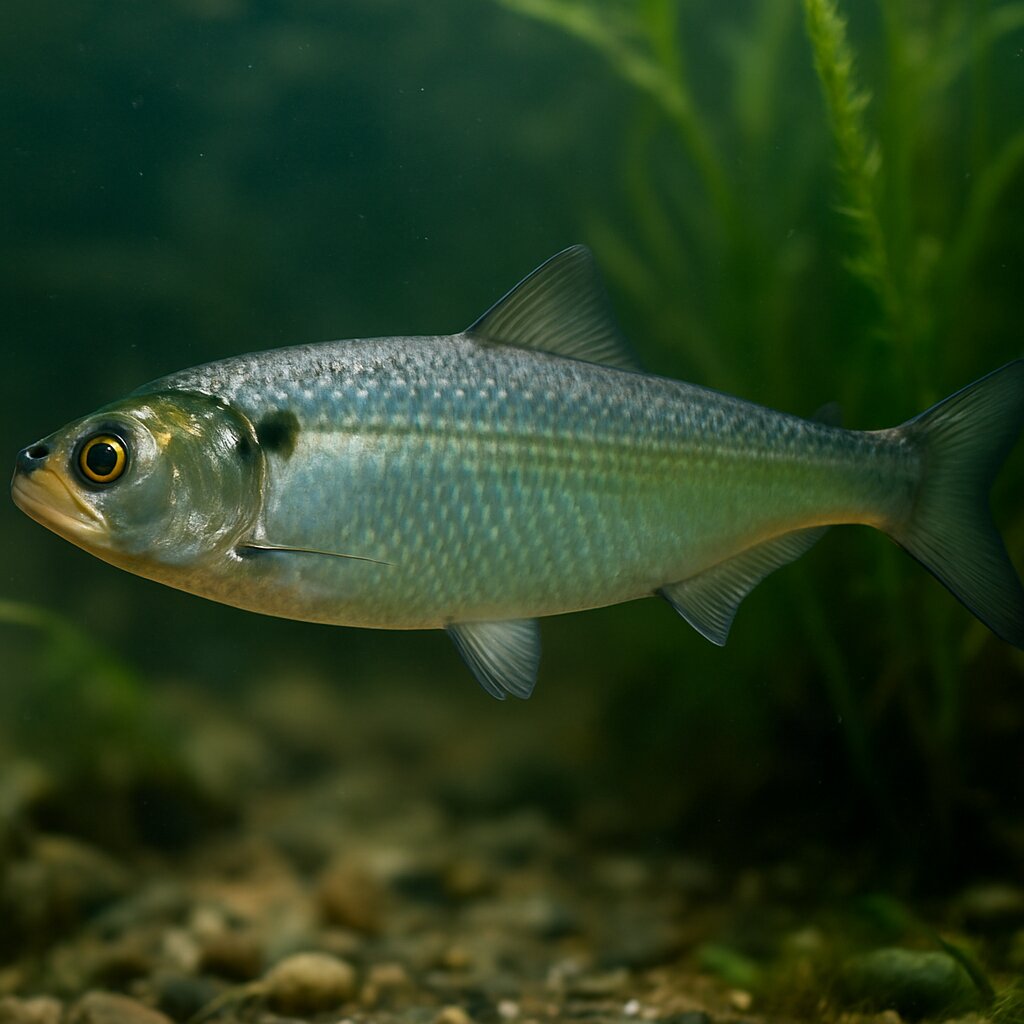
Allis shad
Alosa alosa
Gorgeous silver, fast-swimming shad that spends most of its life in the sea and then surges up big rivers in noisy, surface-spawning schools. It grows huge for a herring-type fish and needs cool, ultra-oxygenated water and tons of open space, so it is a public-aquarium species rather than a home tank fish.
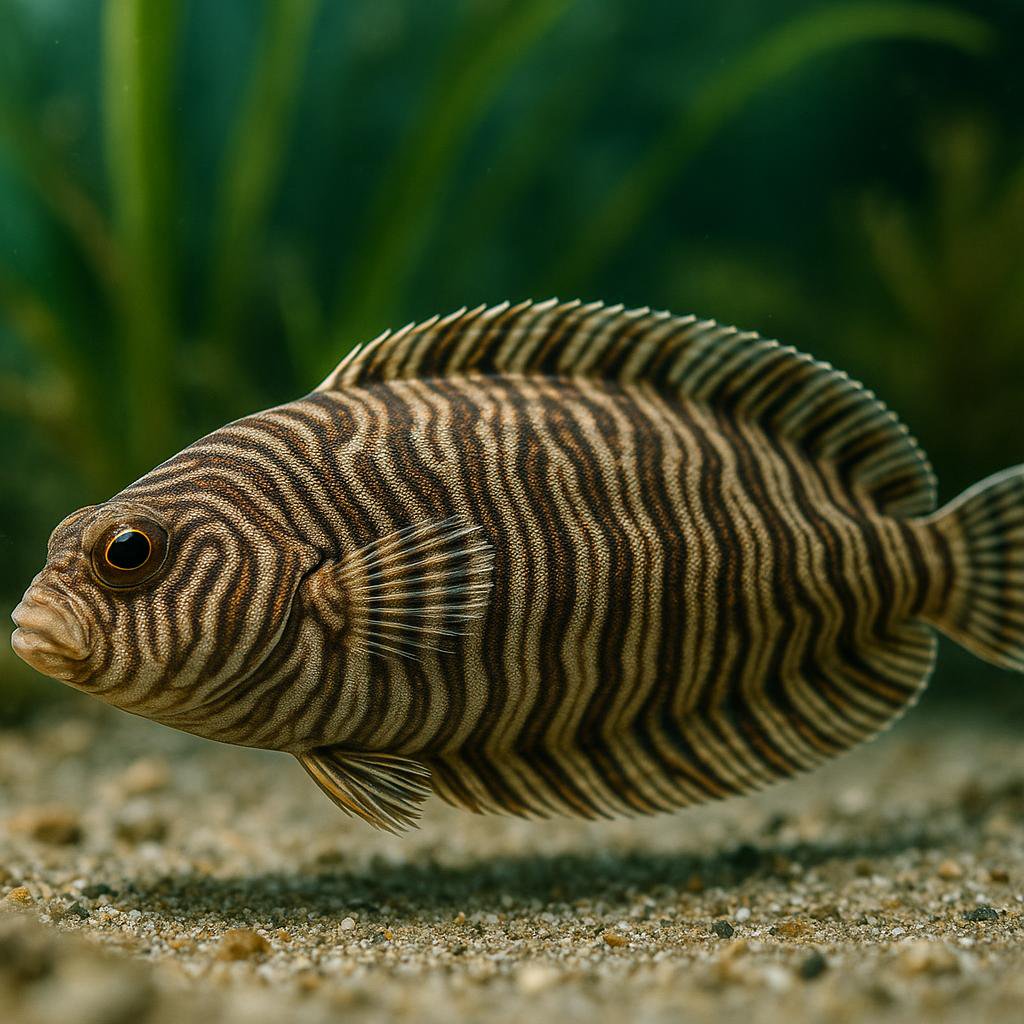
Annandale's zebra sole
Zebrias annandalei
Zebrias annandalei is a small demersal sole from coastal India that inhabits sandy or muddy bottoms and buries for camouflage. It is rarely kept in home aquaria and would require a specialized marine sand-bottom setup and appropriate feeding.
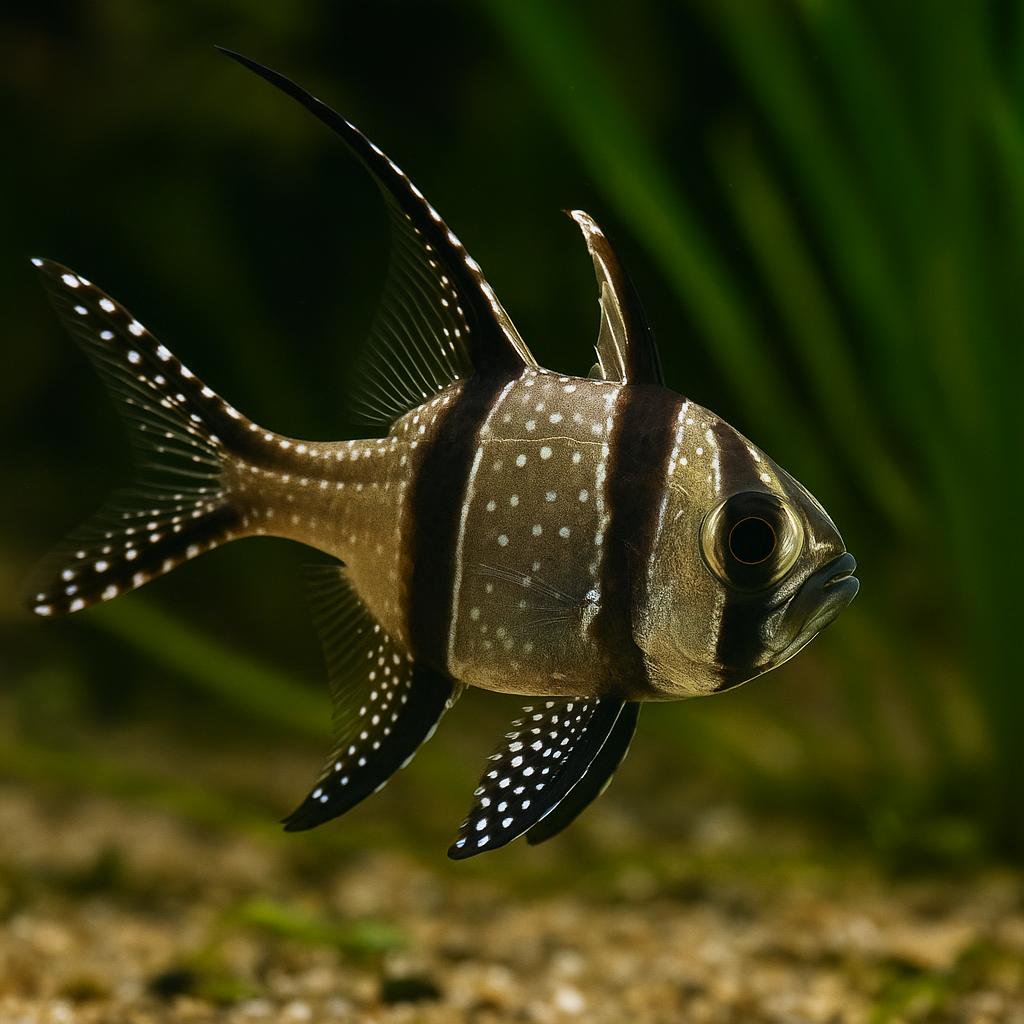
Banggai Cardinalfish
Pterapogon kauderni
Banggai cardinals just sort of hover like little underwater satellites, and the bold black bars with those long, polka-dotted fins look unreal under reef lighting. They're super chill most of the time, but once a pair forms you'll see real "fish drama," and the male will even mouthbrood the babies like a champ.
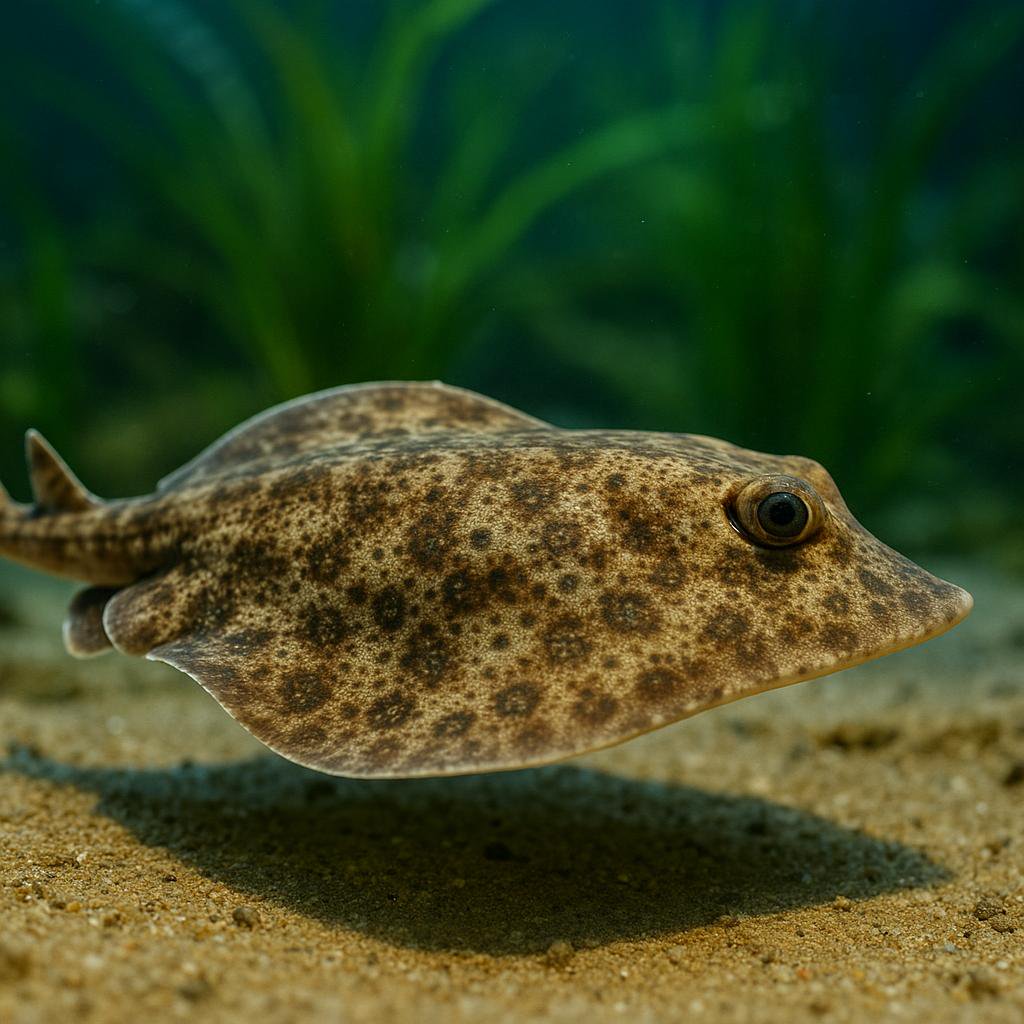
Barbedwire-tailed skate
Notoraja martinezi
Notoraja martinezi is a deepwater skate from the eastern Pacific (Costa Rica down to Ecuador) that lives way down on soft bottoms. The tail is the giveaway - it is lined with strong, hooked thorns that really do look like barbed wire. This is absolutely not an aquarium fish; it is a cold, high-pressure deep-sea animal with basically no practical home care info because it is not kept in the hobby.
More to Explore
Discover more marine species.
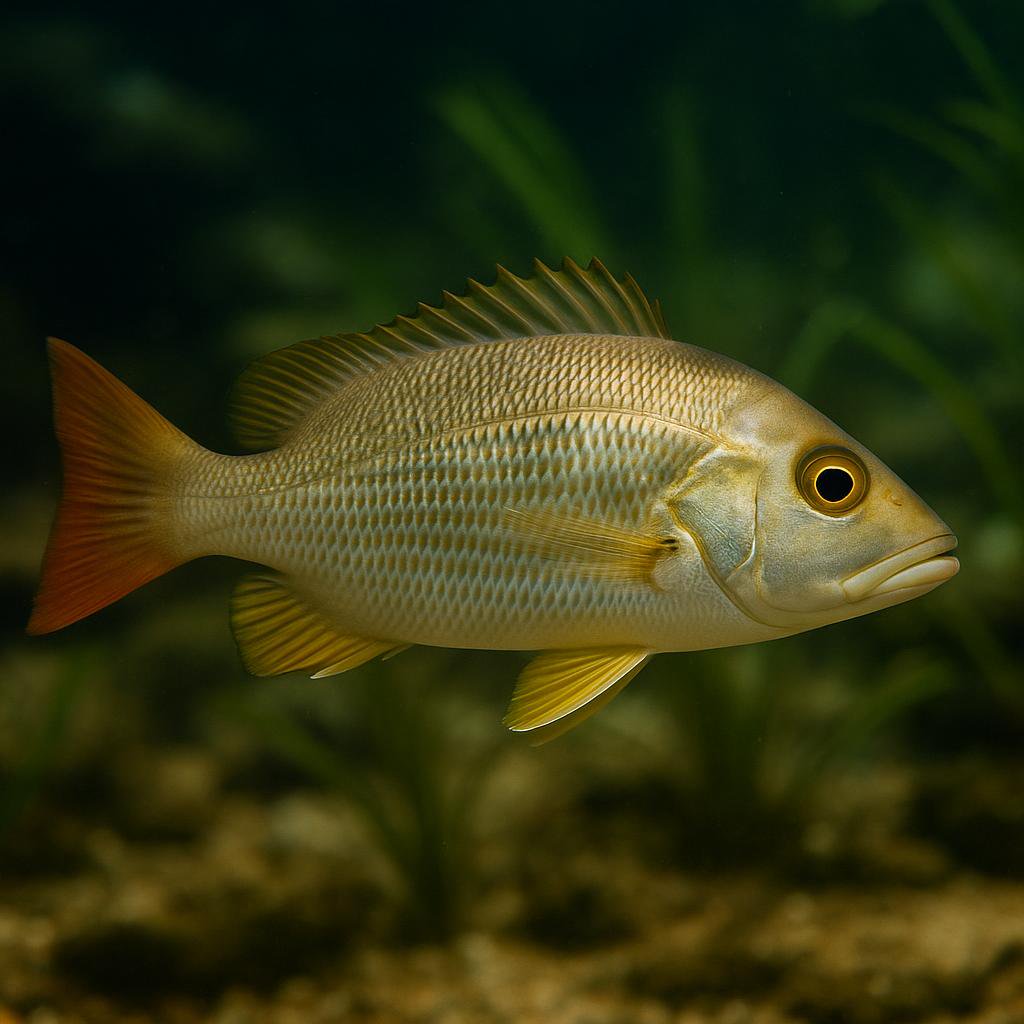
African red snapper
Lutjanus agennes
This is a true snapper from West Africa - a big, fast-growing predator that goes from coastal reefs to brackish lagoons and estuaries (especially as a juvenile). Super cool fish in the wild, but it gets absolutely huge and will eat smaller tankmates once it has the mouth for it, so its really more of a public-aquarium scale animal than a home-aquarium fish.
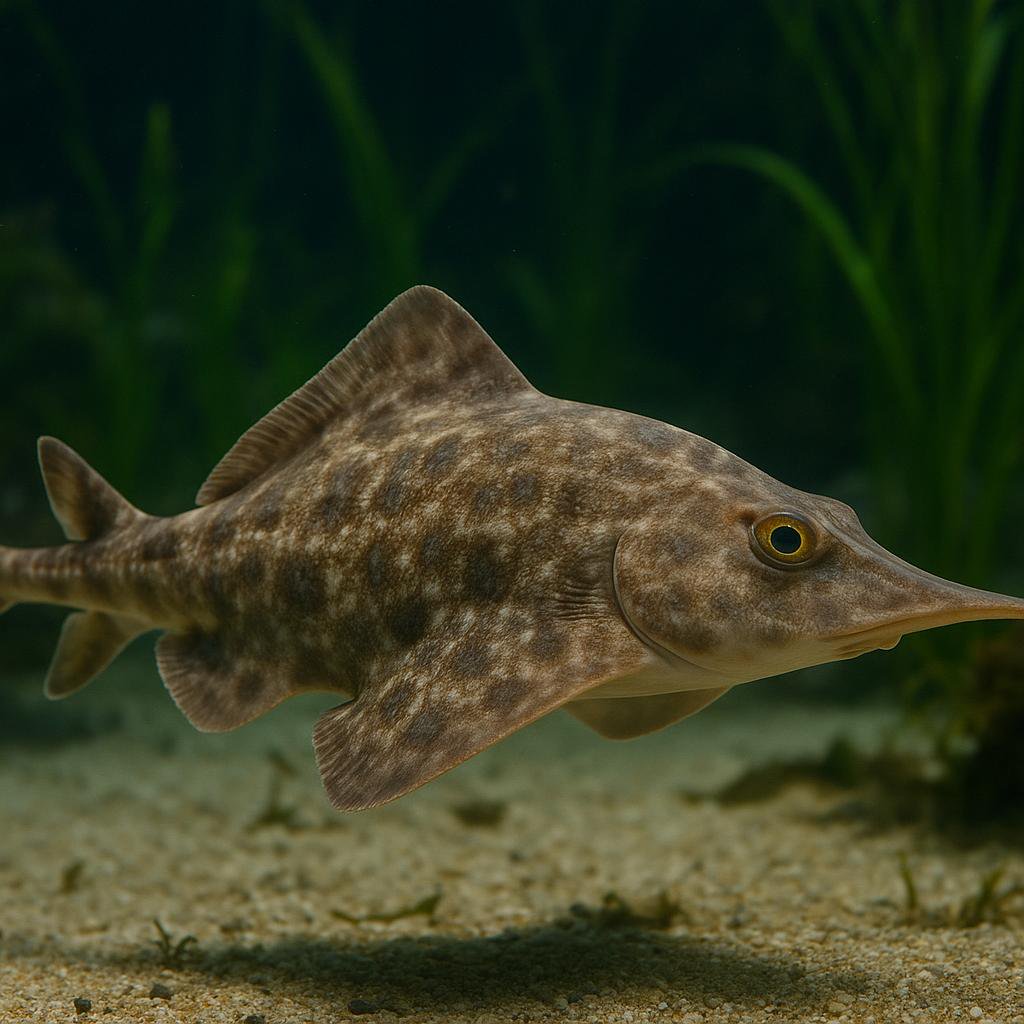
Aleutian skate
Bathyraja aleutica
This is a big, cold-water deep-slope skate from the North Pacific that cruises muddy bottoms and eats chunky benthic prey like crabs and shrimp. The really cool bit is its egg-laying skate life - it does distinct pairing (the classic skate "embrace") and drops those tough egg cases on the seafloor. Not an aquarium fish at all unless you're basically running a public-aquarium-style chilled system.
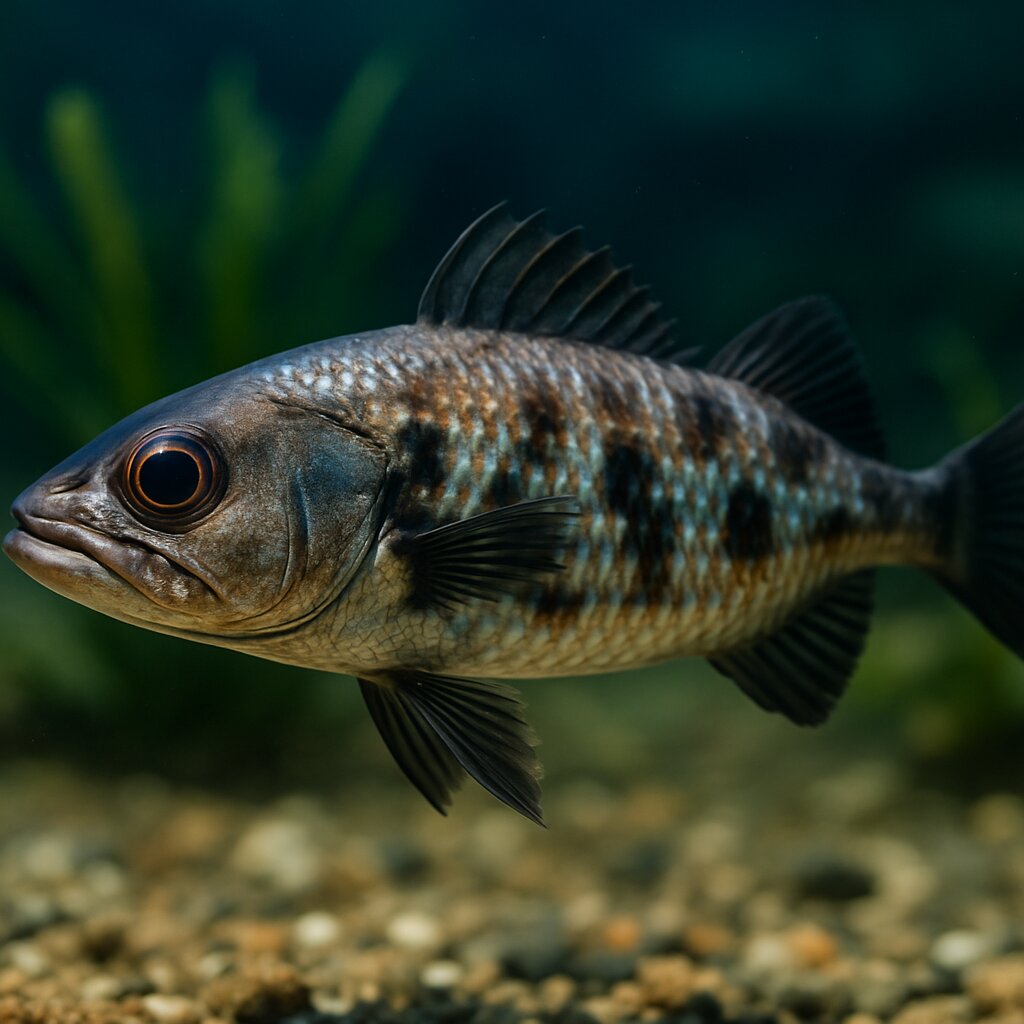
Antarctic dragonfish
Vomeridens infuscipinnis
Deep down around Antarctica, this sleek dragonfish cruises the water column like a little submarine, nearly neutrally buoyant so it can hover above the seafloor. It munches almost exclusively on Antarctic krill and lives in near-freezing water 500-800 m down, so it is a cool species to read about, not one for home tanks.
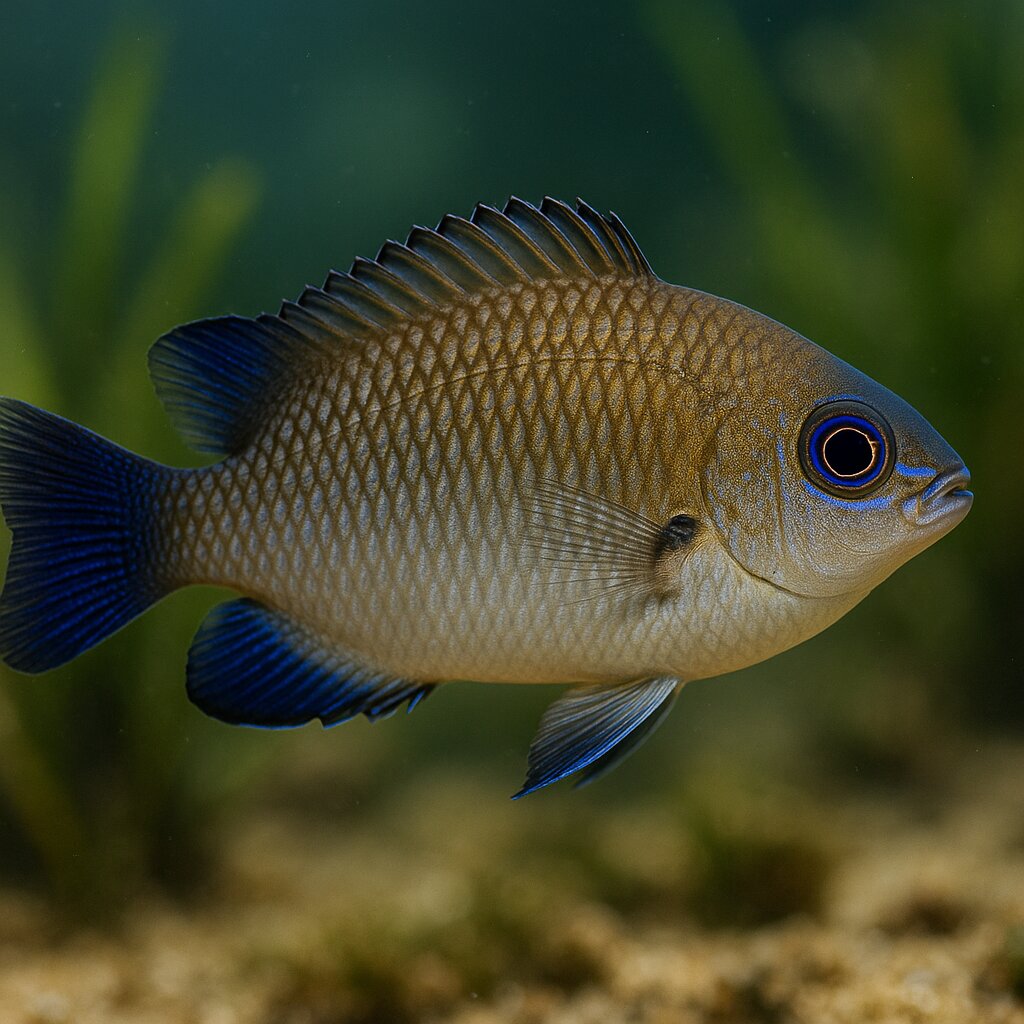
Arabian demoiselle
Neopomacentrus sindensis
A small lyretail damsel from the Persian Gulf and Arabian Sea, it hangs in loose groups around coral heads, rocks, and even pier pilings picking zooplankton from the flow. Think classic damsel toughness with a slightly milder attitude than the real bruisers, plus subtle yellow tail accents. Males clean a patch, get a mate to lay eggs there, and then stand guard fanning the clutch.
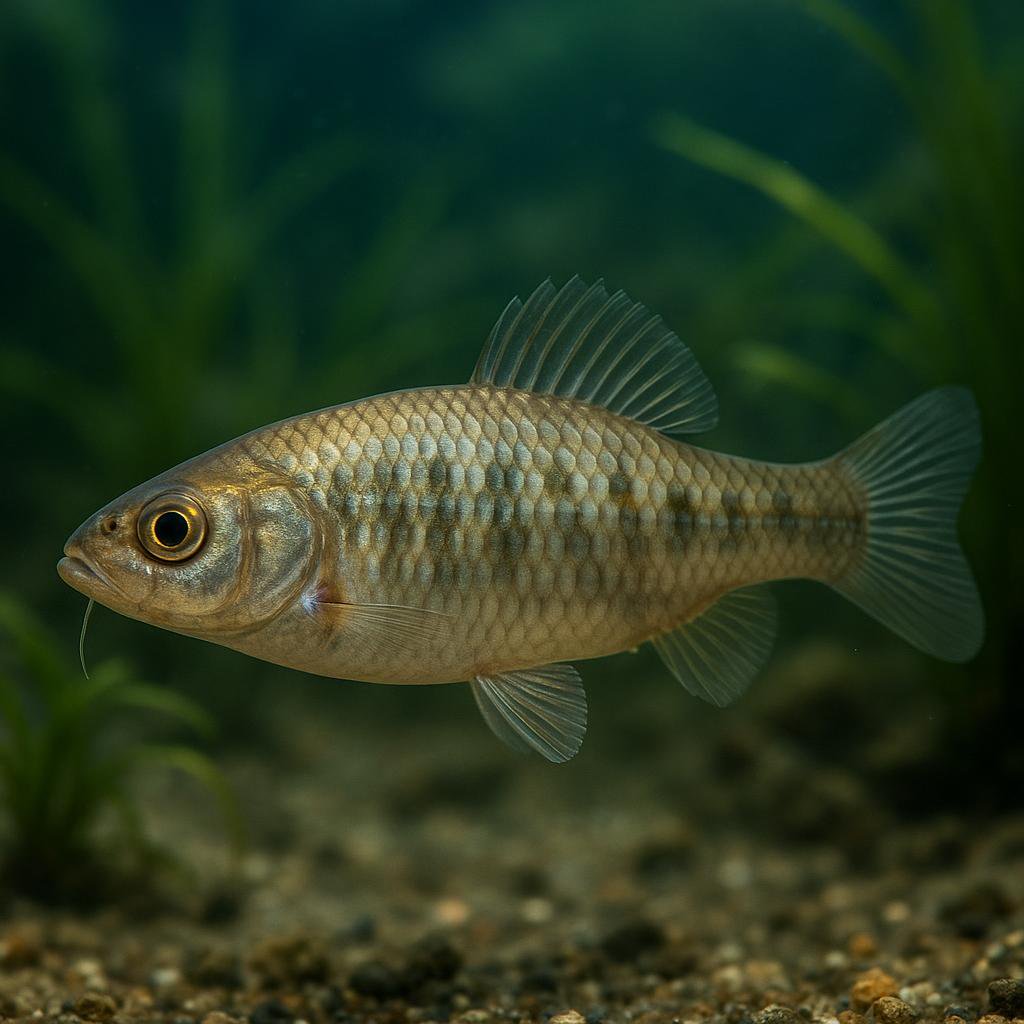
Arabian spiny eel
Notacanthus indicus
Notacanthus indicus is a deep-sea spiny eel (family Notacanthidae; not a true eel) known from the Arabian Sea on the continental slope at roughly ~960–1,046 m depth, with reported maximum length around 20 cm TL; it is a deep-water bycatch species and not established in the aquarium trade.
Arctic rockling
Gaidropsarus argentatus
This is a deepwater North Atlantic rockling (a cod relative) that hangs out on soft bottoms way down the slope. It is a cold-water, bottom-hugging predator that snoots around for crustaceans and will also take small fish when it gets the chance.
Looking for other species?