

Promethean goby
Varicus prometheus

The Promethean goby displays a slender body with a distinctive dark mottled pattern and vibrant blue markings along its fins.
This page includes AI-generated images. Why am I seeing AI images?
About the Promethean goby
Tiny deep-reef goby with a bright yellow body and chunky brown saddle markings that pop in photos. It was only just described in 2023 from 247 m off Roatan, so it is a true unicorn for hobbyists and basically never seen in the trade. If anyone ever tried it, think cold, dim, super-stable conditions more like a chilled deepwater setup than a warm reef tank.
Also known as
Quick Facts
Size
3.1 cm SL
Temperament
Peaceful
Difficulty
Expert
Min Tank Size
20 gallons
Lifespan
unknown
Origin
Western Caribbean
Diet
Carnivore - tiny benthic crustaceans and other micro-invertebrates
Water Parameters
18-22°C
8-8.3
300-400 dGH
Need a heater for this species?
This species needs 18-22°C in a 20 gallon tank. Use our heater calculator to find the right wattage.
Calculate heater sizeCare Notes
- Run a chiller and hold 68-72 F; mine hid and went off food when the tank crept past 74.
- Keep it dim with blue-leaning light and plenty of caves, overhangs, and tight crevices; think deep rubble wall, not open reef.
- Use gentle, oxygen-rich flow across the rockwork; it sulks in dead spots but also hates being blasted.
- Hold SG at 1.025-1.026, pH 8.0-8.3, nitrate under 10 ppm, and keep things steady; this fish crashes with swings.
- Start with live copepods or Calanus and finely chopped mysis, then mix in frozen; target-feed with a pipette right to its bolt-hole 2-3 times a day.
- Pair it with slow, polite fish like assessors and small cardinals; skip wrasses, dottybacks, hawkfish, and fast anthias that will outcompete it.
- Quarantine in low light with a tight lid, and once it is eating, run praziquantel for worms; most are wild-caught and they will jump when spooked.
- Pass on specimens showing floating, head-up posture, or bulging eyes at purchase; those are decompression hits and survival odds are lousy.
Compatibility
Good Tankmates
- Chill nano-reef gobies like neon gobies (Elacatinus) - same easygoing pace and they share perches without drama
- Clown gobies (Gobiodon) - perch-and-watch types that ignore a Varicus hiding in the rockwork
- Shy midwater fish like firefish and dartfish (Nemateleotris, Ptereleotris) - calm feeders that will not muscle it out
- Tiny, gentle wrasses like possum or pink-streaked (Wetmorella, Pseudocheilinops) - active but not bullies
- Peaceful cardinals (Banggai, pajama) - slow hoverers that leave bottom perchers alone
- Assessors (Assessor spp.) - cave-loving, mellow basslets that mind their own business
Avoid
- Dottybacks and pushy basslets (Pseudochromis, overly spicy royal grammas) - they harass shy gobies and steal all the food
- Sixline and similar pest-wrangler wrasses (Pseudocheilinus) - nonstop pickers that will hound a timid Varicus
- Damsels and territorial clownfish - too feisty and will claim the whole rock pile
- Predators or big perchers like hawkfish, larger wrasses, or small groupers - anything that can swallow or stalk a tiny goby
Where they come from
Promethean gobies (Varicus prometheus) are a deep-reef Caribbean species, found on dim, cool slopes and ledges well below typical scuba depths. Think twilight zone habitat with broken rubble, small caves, and a steady rain of plankton. That background explains a lot of their quirks in captivity.
They are rare in the hobby and usually collected deep. Expect a delicate fish that ships hard and needs a very settled tank.
Setting up their tank
This is not a nano goby for a bright reef cube. Mine settled best in a quiet, mature setup with low light and lots of micro-habitats.
- Tank size: 20-30 gallons for a single fish. Bigger is fine; small tanks swing too fast.
- Temperature: 72-76 F (22-24 C). They come from cooler water and perk up at the lower end of reef temps.
- Salinity: 1.025-1.026. pH 8.1-8.4. Keep it steady more than perfect.
- Light: dim to moderate. Provide shaded zones with overhangs. They dislike harsh, white light.
- Flow: gentle to moderate with eddies. They like to perch out of the direct blast but appreciate good oxygenation.
- Aquascape: fine sand plus several piles of small rubble, snail shells, and narrow crevices. Build a few tight caves they can fully back into.
- Maturity: run the tank for months and seed it with pods. A refugium helps a lot.
- Lid: tight-fitting. They are not chronic jumpers, but any spook can send them up.
Acclimate slowly, keep the room and tank dim, and cool the water a touch before release. I float, then drip for 45-60 minutes, and leave lights off the whole day.
What to feed them
Expect a reluctant feeder at first. Mine ignored most foods for a couple days, then switched on once it saw tiny moving items in the water column.
- Starter foods: live copepods (Tigriopus, Tisbe), live baby brine enriched with HUFA, and live mysids if you can get them.
- Frozen standbys: Calanus, Cyclops, baby brine (enriched), finely chopped mysis, PE Calanus, fish eggs (roe).
- Dry foods: only after they settle. I had limited luck with tiny soft pellets soaked in tank water and garlic. Offer sparingly.
- Feeding style: many short, small feedings beat one big dump. They pick at drifting items more than they chase.
- Enrichment: rotate foods and soak frozen in a quality vitamin/HUFA a few times a week.
Turn off the main pumps for 5-10 minutes and let food tumble in gentle circulation. They will scoot out from their hide when it is not blasting past.
How they behave and who they get along with
Quiet, cryptic, and very site-attached. They perch, watch, and make short dashes for food. Once they choose a nook, that is home.
- Temperament: peaceful, but they will defend a small patch from similar gobies.
- Tankmates that work: tiny peaceful fish that ignore the bottom, like small chromis, assessors, possum wrasses, and pipefish that are already eating well.
- Tankmates to avoid: hawkfish, dottybacks, larger wrasses, boisterous damsels, and anything that hunts small crustaceans. Cleaner shrimp are usually OK; big pistol shrimp can spook them.
- Mixing: best kept singly. A pair might work in a larger tank with many hides, but only if you are confident they are a matched pair.
They vanish into rockwork. Use mesh on overflows and cover any gaps around plumbing. I have found gobies in weirs more times than I want to admit.
Breeding tips
I have not seen captive breeding reports for this species. Like many gobies, they likely lay small batches of eggs in a cave and guard them, with tiny pelagic larvae after hatch. If you ever get a pair to spawn, you will need true microfoods (rotifers and copepod nauplii) and a dedicated larval setup. For most of us, this is a watch-and-appreciate fish, not a breeding project.
Common problems to watch for
- Post-shipping shock: deep-caught fish can suffer decompression and temperature stress. Keep them cool, dim, and low-stress the first week.
- Not eating: use live pods and enriched live baby brine to kickstart. Offer tiny amounts several times daily. Do not let food rot in their caves.
- Jumping and wedging: tight lids and rubble that cannot collapse. Secure rocks before adding them.
- Parasites: quarantine if you can. They are sensitive to rough handling and heavy meds. Gentle observation, optional deworming with praziquantel, and clean water go a long way.
- Bacterial issues: torn fins or scrapes from shipping can get ragged. Keep water pristine and flow steady for healing.
- Heat stress and low oxygen: they come from cooler, oxygen-rich water. Keep temps on the low side and maintain surface agitation.
Do not blast them with bright, new-fixture reef lighting. Ramp lights very slowly over days. A sudden noon-day sun look can pin them in hiding and kill appetite.
If you only do one thing: build a mature, pod-rich, low-light corner of your tank and let the fish settle on its own timeline. Once it feels invisible, it will start taking food you offer.
Similar Species
Other marine peaceful species you might be interested in.
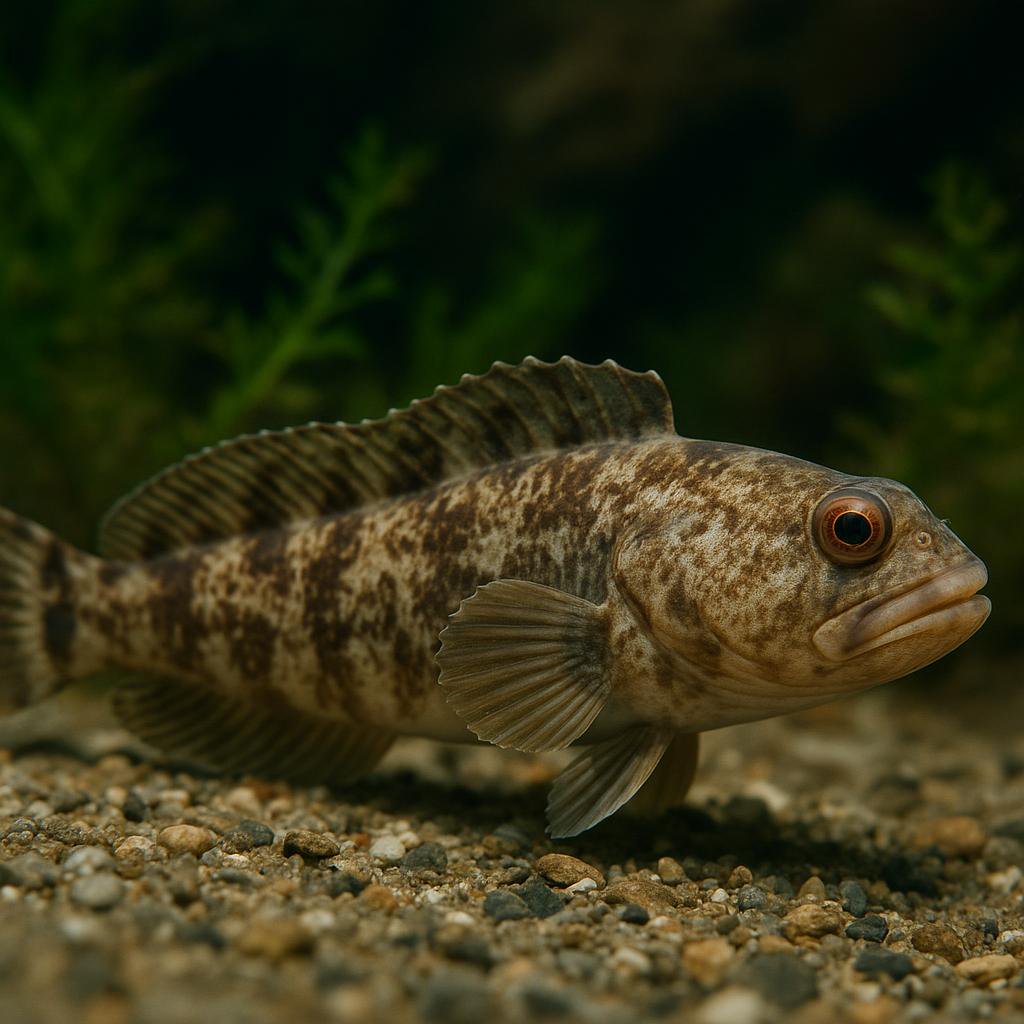
Abe's eelpout
Japonolycodes abei
Japonolycodes abei is a temperate, deepwater demersal eelpout (family Zoarcidae) endemic to Japan (Kumano-nada Sea reported; other sources also report Sagami Bay and Tosa Bay). It is the only species in the genus Japonolycodes and occurs roughly 40-300 m depth, making it an uncommon/atypical aquarium species.
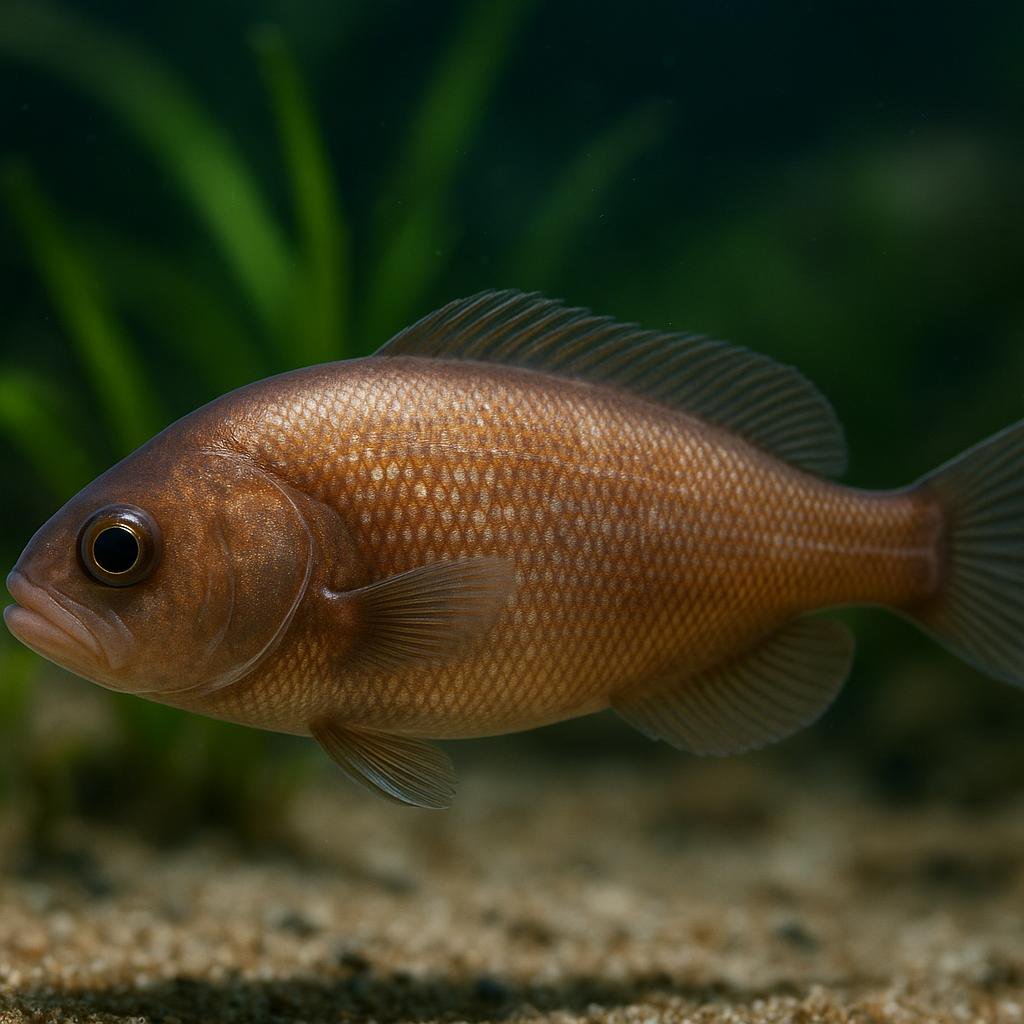
Affinis blind cusk-eel
Barathronus affinis
Barathronus affinis is a tiny, super-weird deep-sea blind cusk-eel from the western-central Indian Ocean. It is one of those gelatinous, loose-skinned brotula-type fishes that live way down in the dark and are basically never seen alive, so almost everything we know comes from preserved specimens and taxonomic work.
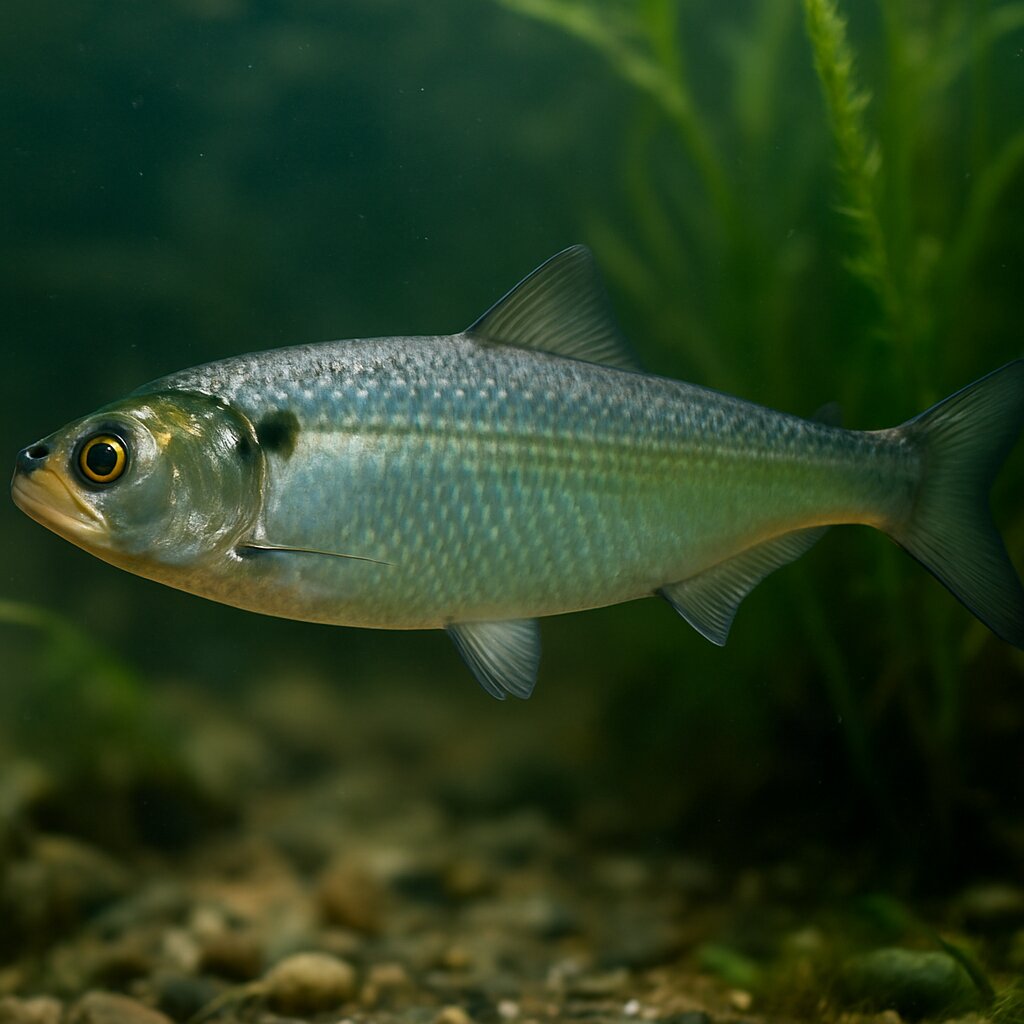
Allis shad
Alosa alosa
Gorgeous silver, fast-swimming shad that spends most of its life in the sea and then surges up big rivers in noisy, surface-spawning schools. It grows huge for a herring-type fish and needs cool, ultra-oxygenated water and tons of open space, so it is a public-aquarium species rather than a home tank fish.
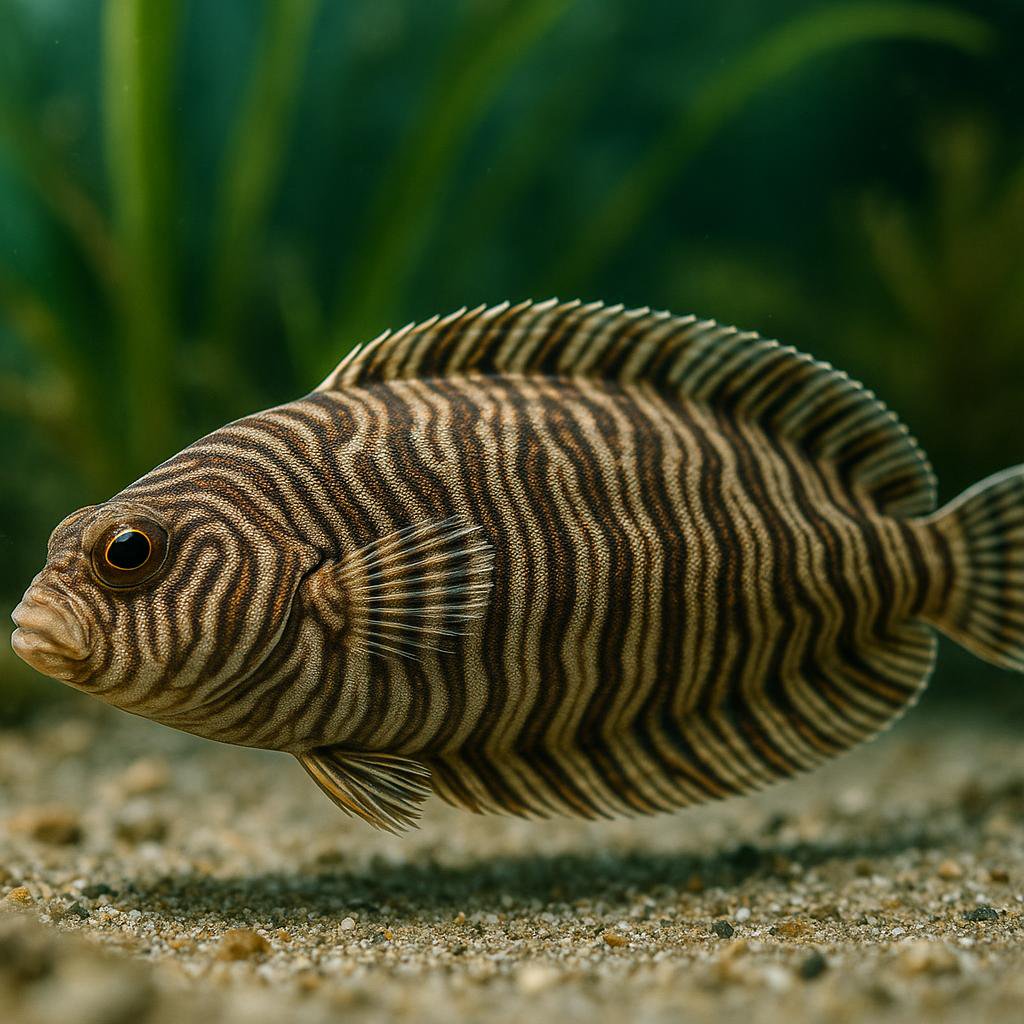
Annandale's zebra sole
Zebrias annandalei
Zebrias annandalei is a small demersal sole from coastal India that inhabits sandy or muddy bottoms and buries for camouflage. It is rarely kept in home aquaria and would require a specialized marine sand-bottom setup and appropriate feeding.
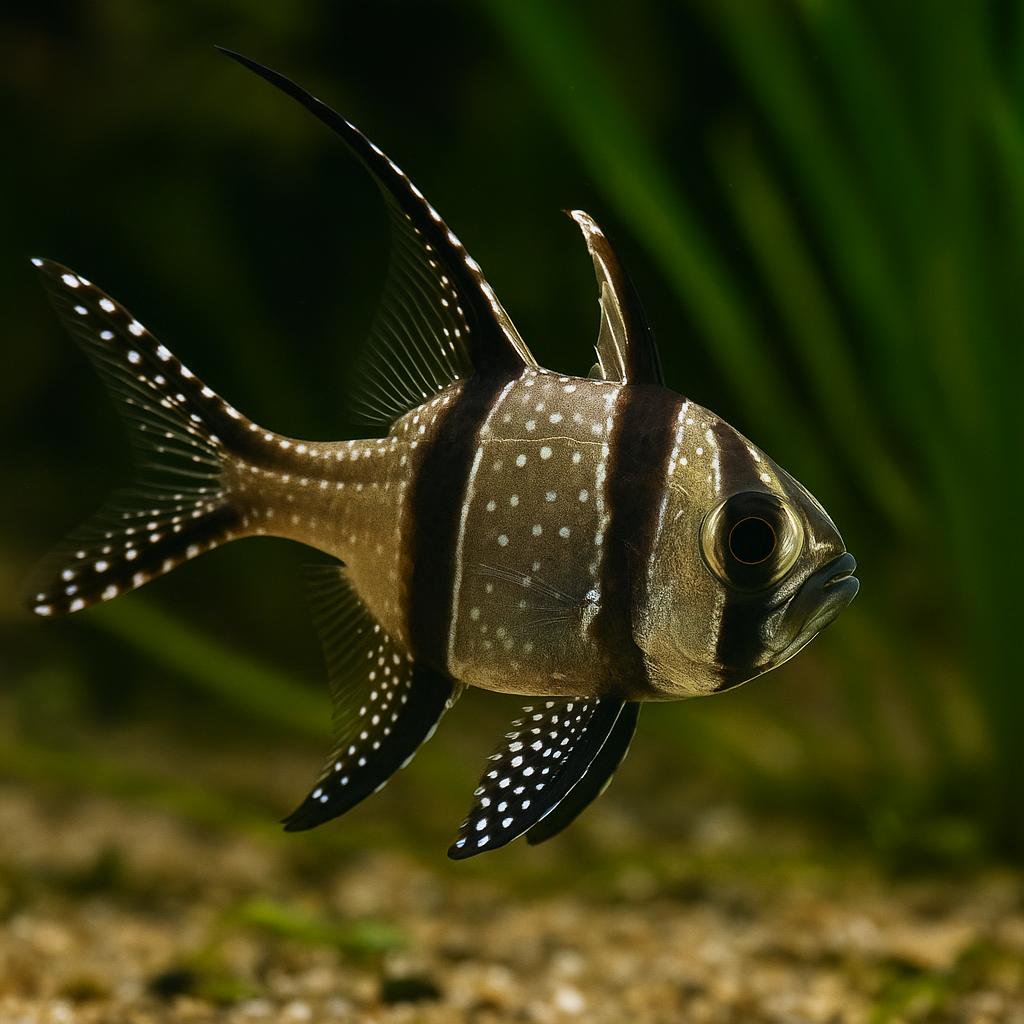
Banggai Cardinalfish
Pterapogon kauderni
Banggai cardinals just sort of hover like little underwater satellites, and the bold black bars with those long, polka-dotted fins look unreal under reef lighting. They're super chill most of the time, but once a pair forms you'll see real "fish drama," and the male will even mouthbrood the babies like a champ.
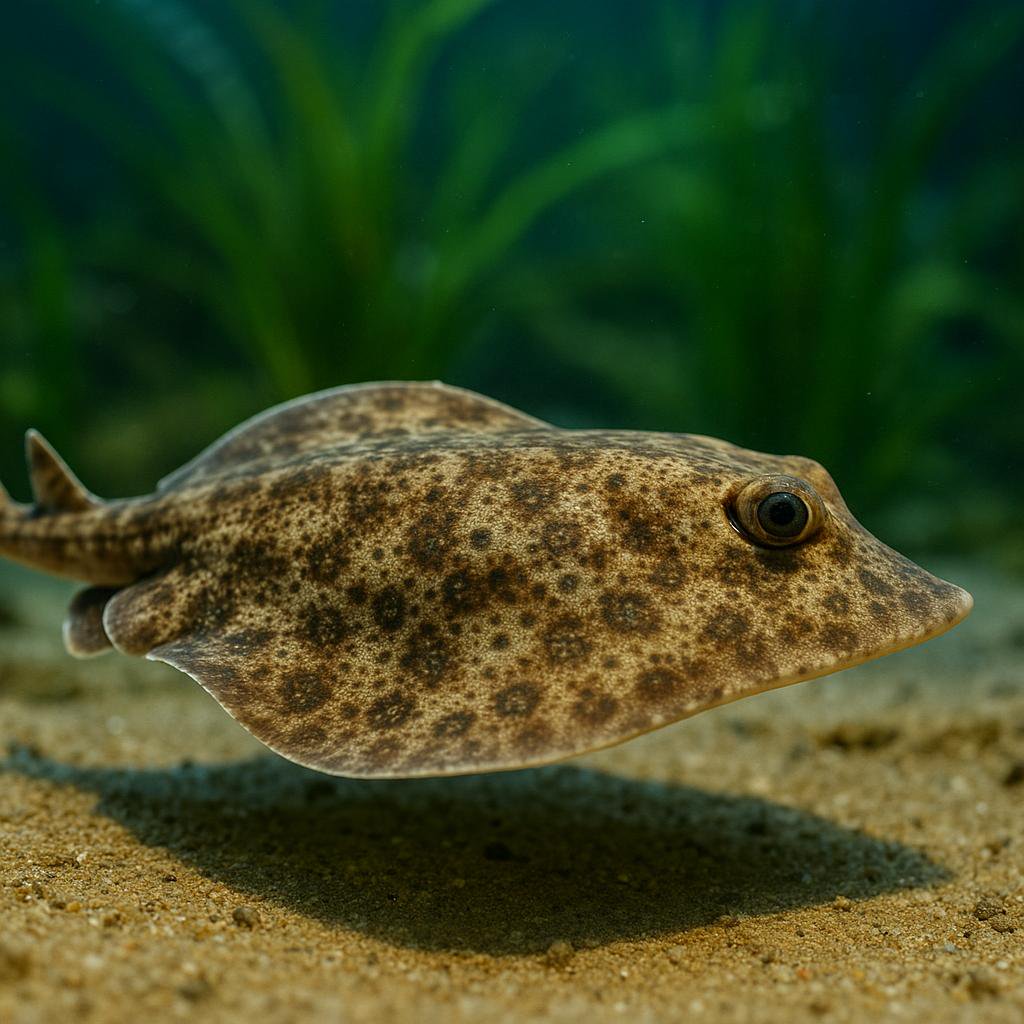
Barbedwire-tailed skate
Notoraja martinezi
Notoraja martinezi is a deepwater skate from the eastern Pacific (Costa Rica down to Ecuador) that lives way down on soft bottoms. The tail is the giveaway - it is lined with strong, hooked thorns that really do look like barbed wire. This is absolutely not an aquarium fish; it is a cold, high-pressure deep-sea animal with basically no practical home care info because it is not kept in the hobby.
More to Explore
Discover more marine species.
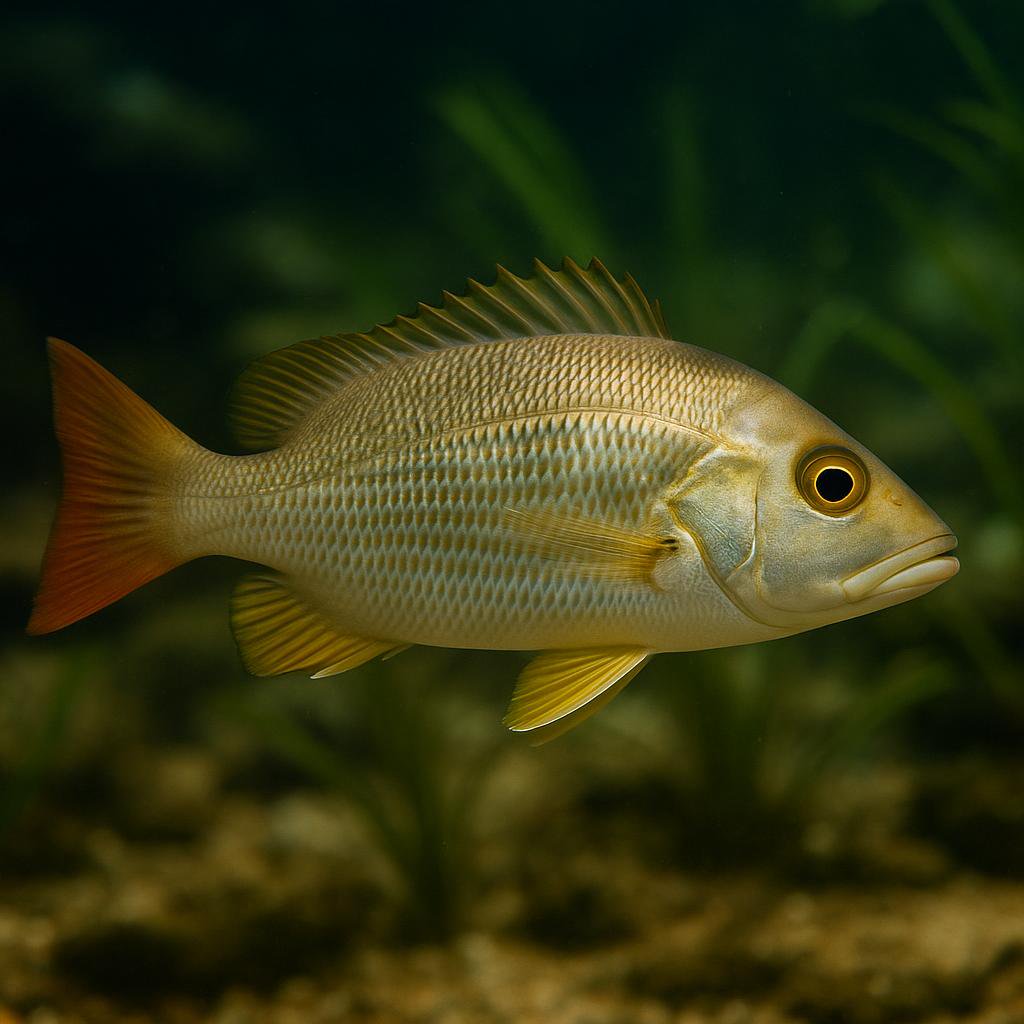
African red snapper
Lutjanus agennes
This is a true snapper from West Africa - a big, fast-growing predator that goes from coastal reefs to brackish lagoons and estuaries (especially as a juvenile). Super cool fish in the wild, but it gets absolutely huge and will eat smaller tankmates once it has the mouth for it, so its really more of a public-aquarium scale animal than a home-aquarium fish.
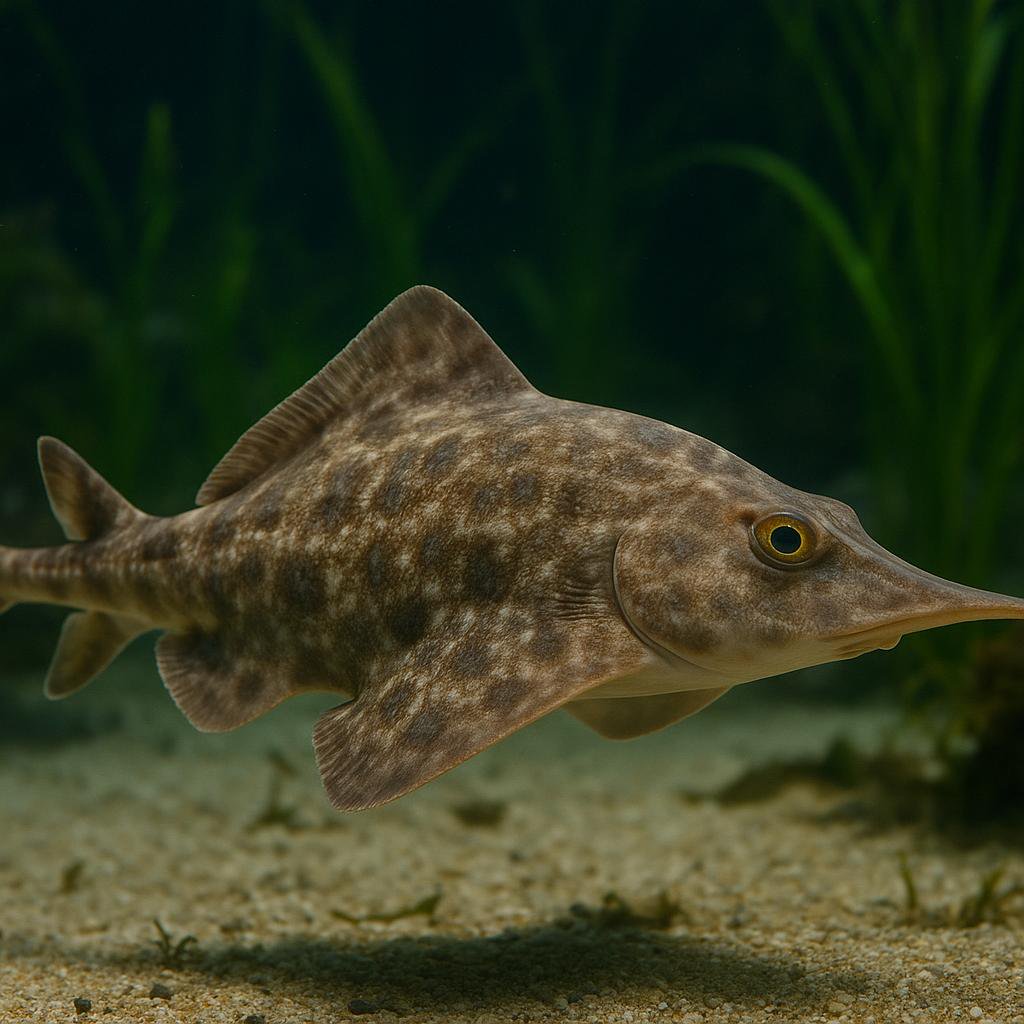
Aleutian skate
Bathyraja aleutica
This is a big, cold-water deep-slope skate from the North Pacific that cruises muddy bottoms and eats chunky benthic prey like crabs and shrimp. The really cool bit is its egg-laying skate life - it does distinct pairing (the classic skate "embrace") and drops those tough egg cases on the seafloor. Not an aquarium fish at all unless you're basically running a public-aquarium-style chilled system.
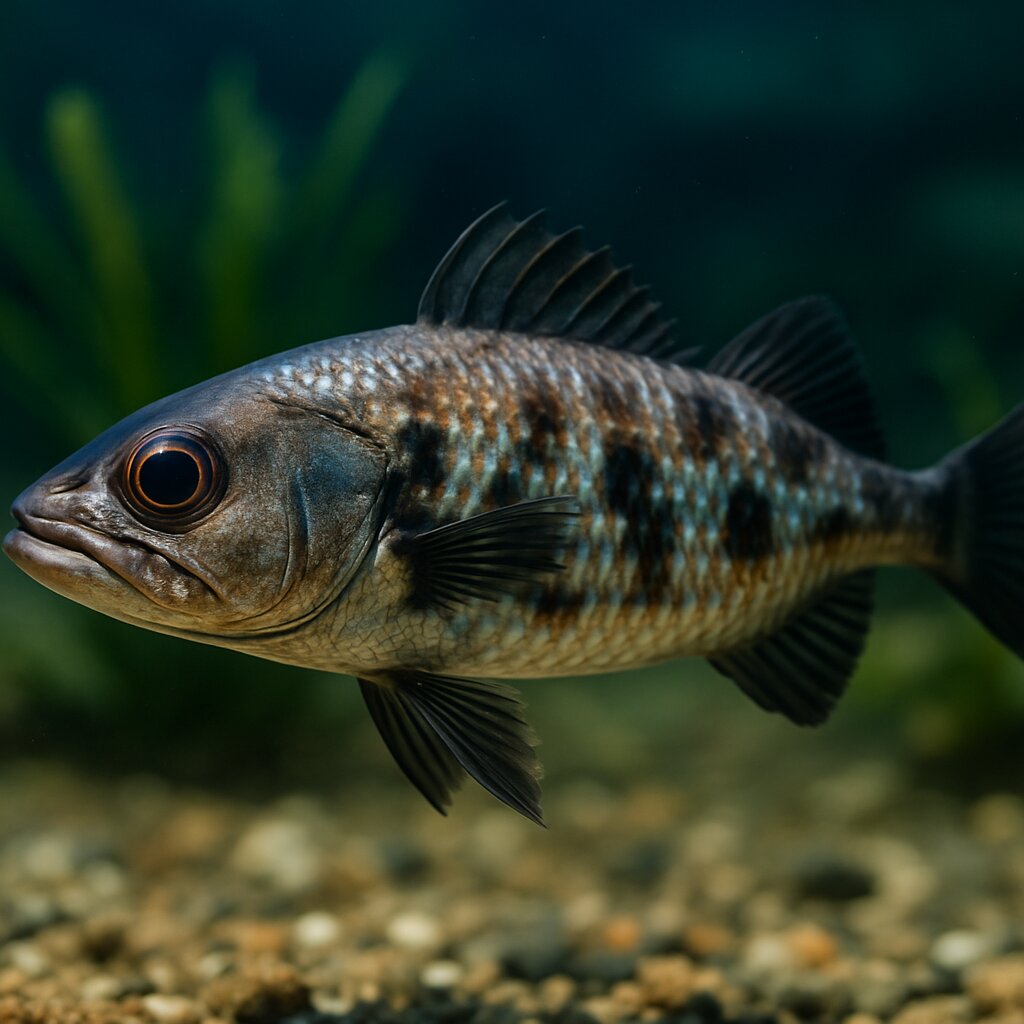
Antarctic dragonfish
Vomeridens infuscipinnis
Deep down around Antarctica, this sleek dragonfish cruises the water column like a little submarine, nearly neutrally buoyant so it can hover above the seafloor. It munches almost exclusively on Antarctic krill and lives in near-freezing water 500-800 m down, so it is a cool species to read about, not one for home tanks.
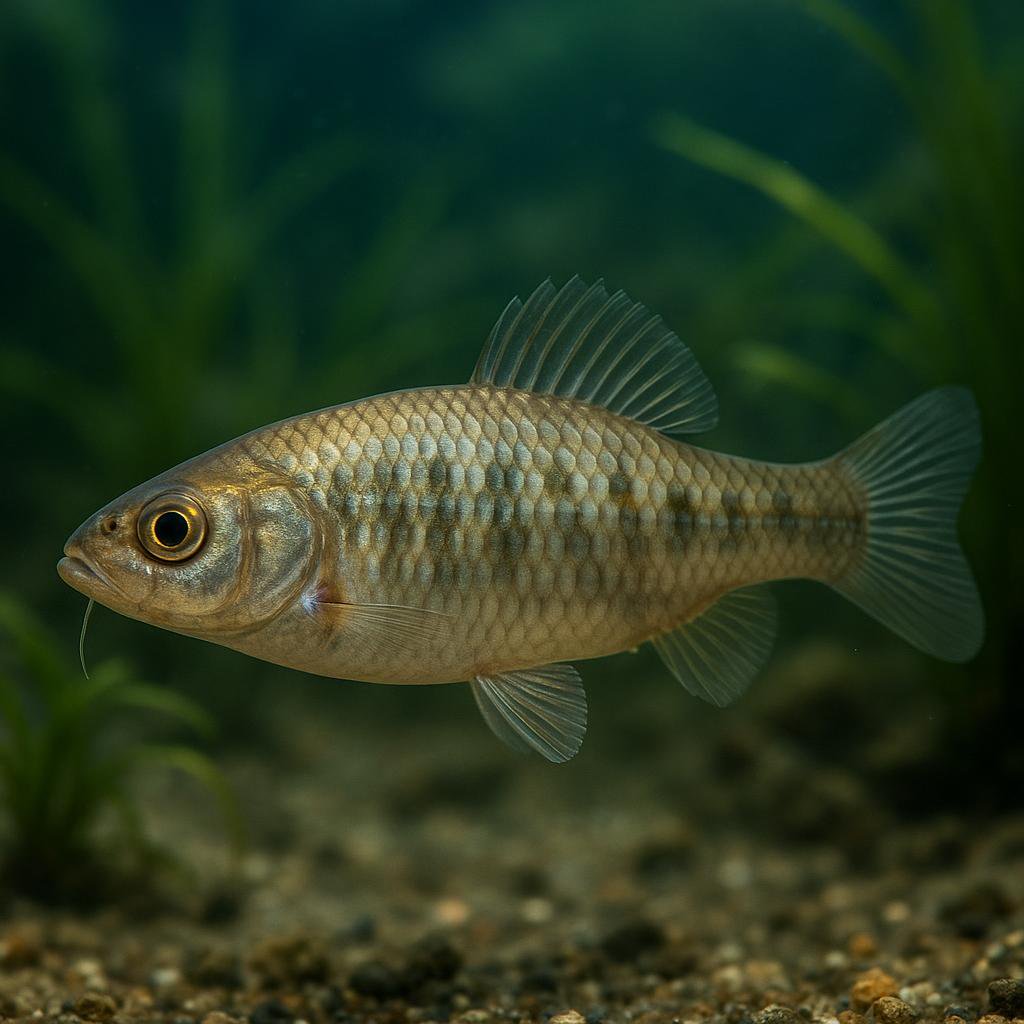
Arabian spiny eel
Notacanthus indicus
Notacanthus indicus is a deep-sea spiny eel (family Notacanthidae; not a true eel) known from the Arabian Sea on the continental slope at roughly ~960–1,046 m depth, with reported maximum length around 20 cm TL; it is a deep-water bycatch species and not established in the aquarium trade.
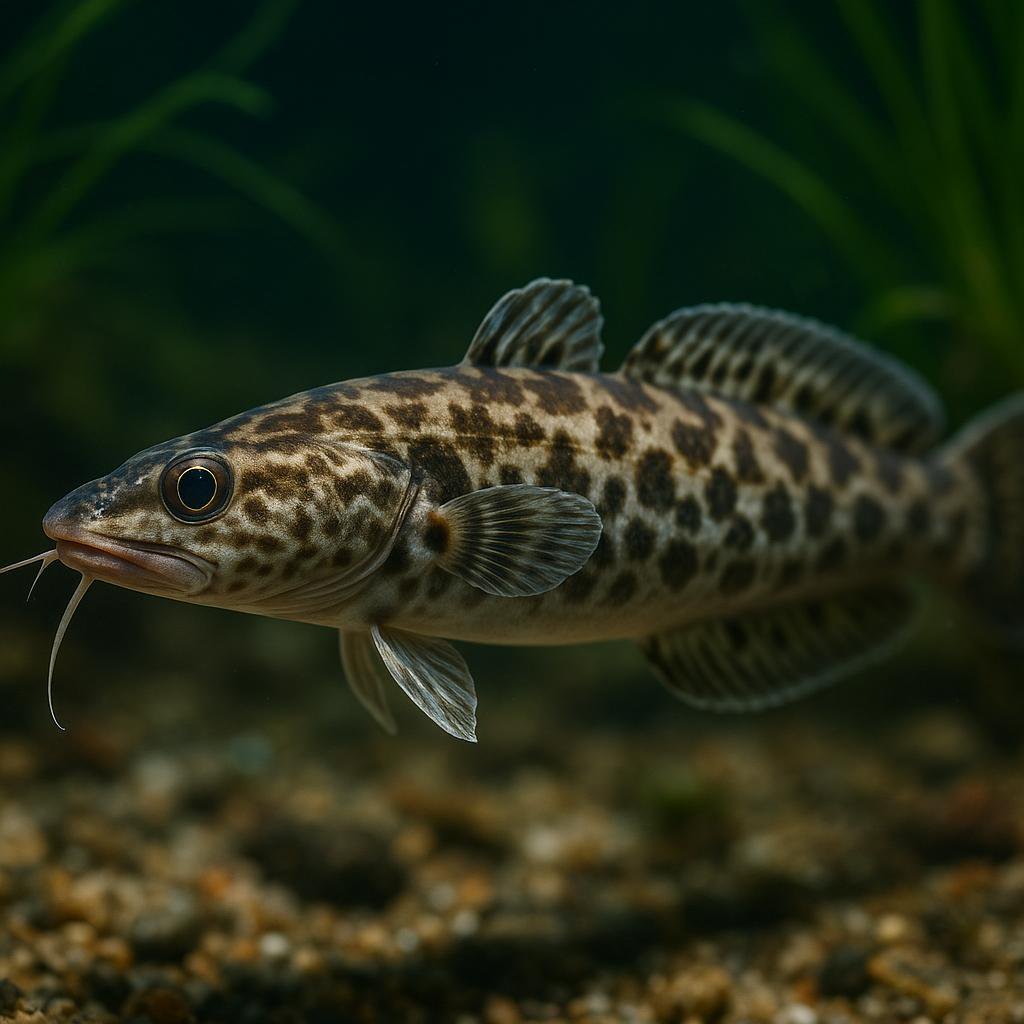
Arctic rockling
Gaidropsarus argentatus
This is a deepwater North Atlantic rockling (a cod relative) that hangs out on soft bottoms way down the slope. It is a cold-water, bottom-hugging predator that snoots around for crustaceans and will also take small fish when it gets the chance.
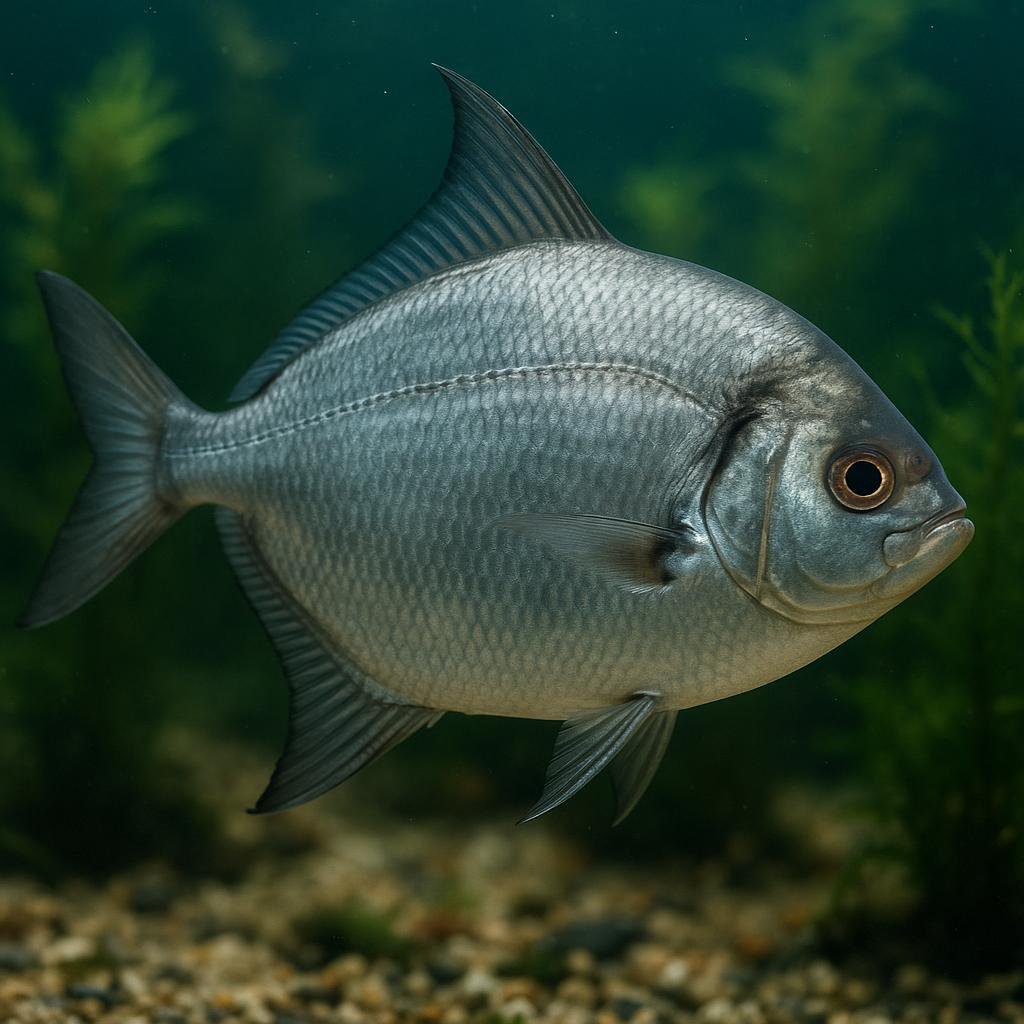
Atlantic pomfret
Brama brama
Brama brama is the Atlantic pomfret (aka Ray's bream) - a deep-bodied, open-ocean pelagic fish that cruises around in small schools and follows water temps. It is a legit big, wild marine species (not an aquarium fish) that eats other small sea critters like fish and squid, and it ranges across a huge chunk of the Atlantic plus parts of the Indian and South Pacific.
Looking for other species?