

Stripefin poacher
Xeneretmus ritteri
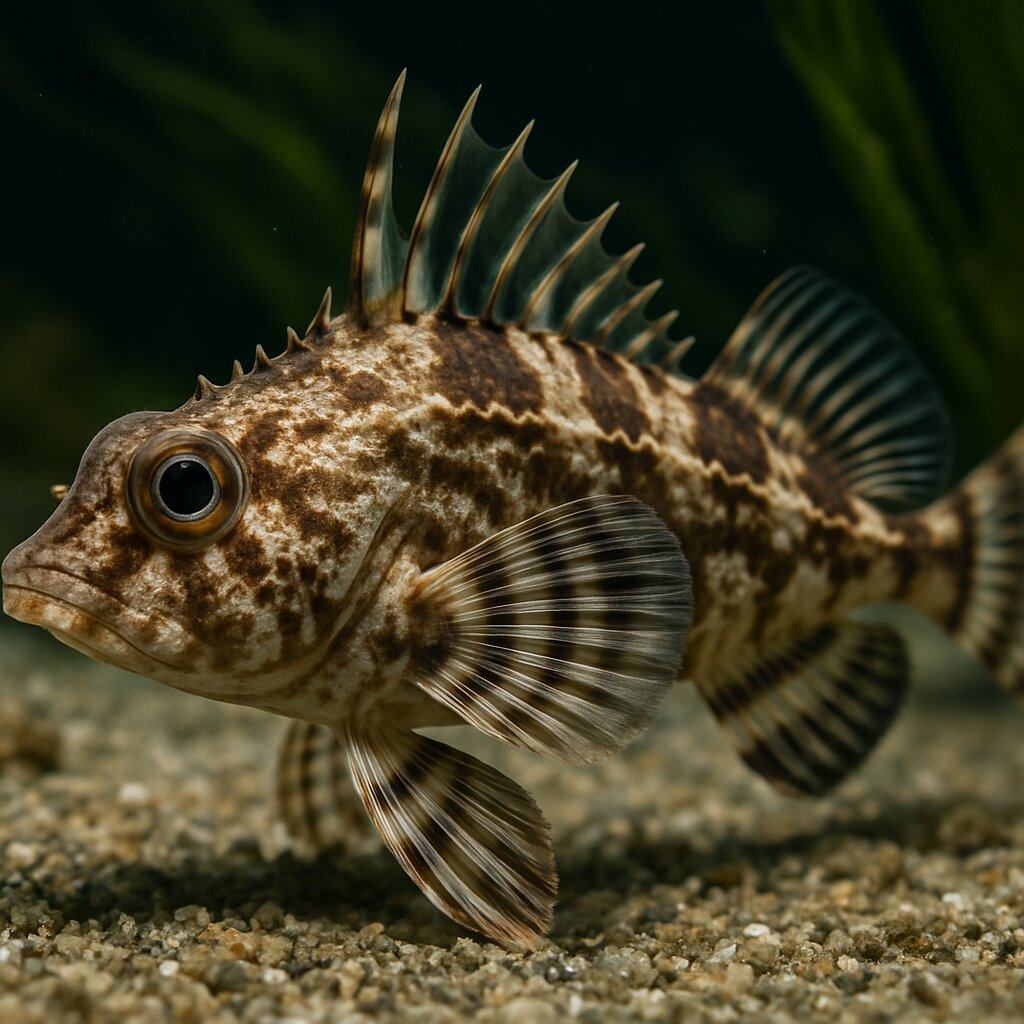
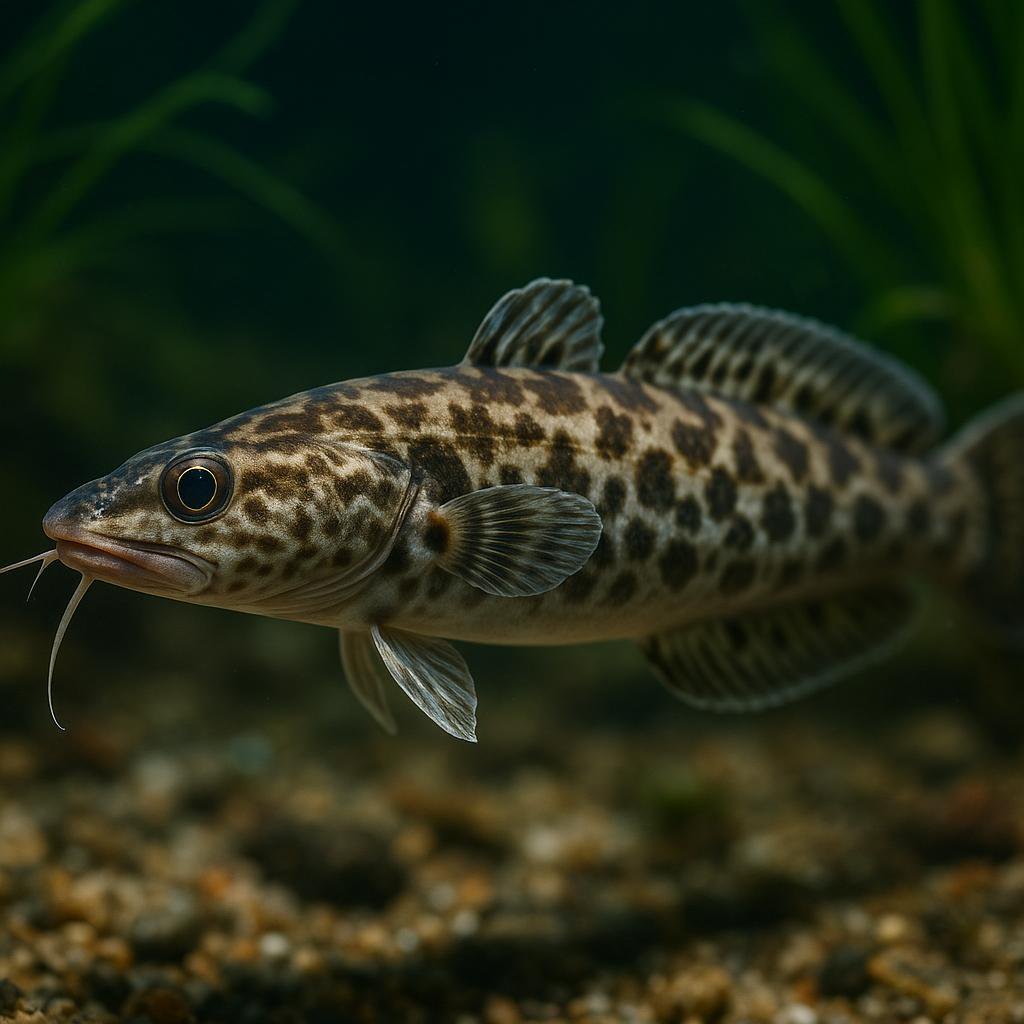
The Stripefin poacher has a slender, elongated body with distinctive yellow stripes and large, protruding eyes.
This page includes AI-generated images. Why am I seeing AI images?
About the Stripefin poacher
This is that quirky, armored little bottom-creeper from deep, cold water off Southern California and Baja. It tops out around 16 cm and shuffles over soft mud with stiff, paddle-like fins, which is fun to watch. Super cool fish, but it really needs a chilled marine setup to be comfortable.
Also known as
Quick Facts
Size
16 cm
Temperament
Peaceful
Difficulty
Expert
Min Tank Size
55 gallons
Lifespan
5-8 years
Origin
Eastern Pacific - Southern California to Baja California and Gulf of California
Diet
Carnivore - small benthic crustaceans (mysids, amphipods) and marine worms; will take frozen meaty foods
Water Parameters
6-10°C
7.9-8.3
8-12 dGH
Need a heater for this species?
This species needs 6-10°C in a 55 gallon tank. Use our heater calculator to find the right wattage.
Calculate heater sizeCare Notes
- Run a chiller and keep 55-62 F (13-17 C); they crash fast above mid-60s. Aim SG 1.025, pH 8.0-8.3, and absolutely zero ammonia/nitrite.
- Set up a wide, open sand flat with 2-3 inches of fine, smooth sand and low light. Use gentle flow near the bottom so they do not get tumbled, but keep strong aeration/skimming for oxygen.
- Feed small live foods at first: mysid shrimp, amphipods, enriched brine, and tiny pieces of clam or shrimp; target feed with a turkey baster right in front of the mouth. Once it is taking food, you can switch to thawed mysis soaked in vitamins.
- They are slow and shy eaters - house them alone or with very mellow, coldwater tankmates only. Avoid wrasses, dottybacks, crabs, large starfish, and anything that hunts the substrate.
- New arrivals often have decompression damage from deep capture; watch for buoyancy problems, lethargy, or sores. Keep the tank dim and very quiet for the first week and do small, frequent feeds.
- Do not medicate the display with copper or harsh treatments; they react badly and have delicate skin and plates. If you must treat, use a separate chilled hospital tank and antibiotics as indicated.
- Breeding has not been done in home tanks, so plan for a single specimen. If you try a pair, give a large footprint with plenty of sight breaks and be ready to separate.
- Keep nitrate under ~20 ppm and phosphate low, with strong skimming and big bio-surface area. Use chilled, well-matched water for changes, and have temp and oxygen alarms to catch spikes early.
Compatibility
Good Tankmates
- Chill coldwater gobies like Catalina or blackeye gobies - small, polite, and they ignore bottom sitters
- Lumpsuckers or other sedentary coldwater oddballs - same slow pace, won't hassle a stripefin poacher
- Temperate pipefish or seahorses - gentle tankmates if you keep feeding calm and targeted
- Small, calm midwater planktivores that do not blitz the sand for food (tube snouts, small silversides)
- Peaceful, similarly sized blennies that browse rocks and leave sand dwellers alone
- Another poacher of similar size in a roomy, low-traffic tank - they mostly ignore each other
Avoid
- Anything with a big mouth or venomous spines that eats fish - scorpionfish, rockfish, lionfish, larger sculpins, groupers
- Fast, hyper feeders that outcompete slow bottom fish - wrasses like senorita or cunner, big damsels like garibaldi
- Nippy bullies and pickers - triggers, puffers, aggressive filefish
- Ambush predators that park on the bottom and strike at slow movers - hawkfish and similar perchers
Where they come from
Stripefin poachers are cool-water bottom fish from the eastern Pacific, mostly off California down into Baja. You find them parked on sand and shell hash, sometimes pretty deep, where the light is dim and the water stays cold year-round.
Think cold and quiet. If your mental picture is a bright tropical reef, flip it. This is more hushed, blue-gray water over sand.
Setting up their tank
A chiller is non-negotiable. Mine did best between 52-58 F (11-14 C). Warmer than 60 and they start breathing fast and go off food. I ran a 50-gallon with a big footprint, lots of open sand, and just a low rubble ridge to lean against. Keep lighting dim.
- Tank size: 40 gallons minimum with a wide footprint. Bigger is always steadier for coldwater.
- Filtration: strong skimmer, high aeration. Cold water holds more oxygen, but a chiller failure happens fast.
- Flow: gentle along the bottom. They hate getting blasted. I angled returns to move waste without tumbling them.
- Substrate: fine sand mixed with some shell. They like to sit and scoot, not sink.
- Lighting: low to moderate. Blue-leaning spectrum looks natural and keeps them comfortable.
- Lid: tight cover. They rarely jump, but coldwater setups are pricey to heat or cool, so keep evaporation down.
- Handling: use a specimen container, not a net. Their bony plates snag and mouths abrade easily.
Skip stinging anemones and big urchins. Poachers are slow and clumsy. I keep macroalgae and sponges instead for a calmer feel.
Do not put a stripefin poacher in a tropical tank. You will watch it fade in a few weeks. Plan the chiller and backup power before you bring one home.
What to feed them
They pick tiny crustaceans and worms in the wild. Most new arrivals ignore pellets and flake. Expect to start with live foods and then wean to frozen.
- Live starters that worked for me: rinsed live blackworms (in saltwater right before feeding), live mysids, amphipods from a refugium, small grass shrimp.
- Frozen options once they catch on: PE mysis, finely chopped clam or shrimp, Nutramar ova, chopped bloodworms (not marine, but some take them).
- Target feeding: turn off flow, use a pipette or turkey baster, and place food right in front of the fish on a small ceramic feeding tile.
Feed small amounts 2-3 times a day at first. They are slow, so give them time. Mine took about two weeks to go from live mysids to frozen mysis reliably. Vitamin soaking (like Selcon) helped during the weaning phase.
A feeding dish changes everything. They learn where dinner shows up, and you can vacuum leftovers easily after 10-15 minutes.
How they behave and who they get along with
Stripefin poachers are mellow, slow, and oddly charming. They sit, shuffle, and do little bursts to pounce on food. They ignore most fish and inverts, but they cannot compete with quick feeders.
- Good company: very calm coldwater gobies, small sculpins that are not aggressive feeders, snails, small brittle stars, and non-stinging filter feeders.
- Risky: big hermit crabs (they pick at the poacher), anemones, fast fish like surfperches or juvenile rockfish, anything that lunges at food.
- With conspecifics: you can keep more than one if space and food allow. They mostly ignore each other, but give several resting spots so no one gets crowded.
If you see a tankmate beating it to every bite, rehome the bully or move the poacher. These fish starve quietly in mixed setups.
Breeding tips
I have not seen a confirmed home spawn for this species. In the wild they likely have seasonal cues and a larval stage that would need planktonic foods. If you happen to keep a pair, you could try mimicking a cool winter period followed by heavier feeding and a slight light increase, but do not expect results. If anything happens, document it and share with the coldwater community.
Common problems to watch for
- Heat stress: rapid breathing, listlessness, refusing food. Check your chiller, clean its filter, and verify flow through the heat exchanger.
- Starvation: a pinched-in belly line behind the head means they are not getting enough. Increase live foods and isolate during feeding.
- Collection wear: scrapes on the snout and plates can get infected. Quarantine new fish and keep the bottom clean. I had good outcomes with a broad-spectrum antibiotic in QT when needed.
- Flukes or other parasites: flashing or excess mucus. Praziquantel works well. Go easy with copper on oddball coldwater fish.
- Net damage: mouths and fins get torn in mesh. Move them in a container instead.
- Overbright tanks: constant hiding and no feeding response under intense lights. Dim it down and add shaded areas.
Quarantine pays off. Two to four weeks in a cool, dim QT lets you fatten them up, watch for parasites, and get them eating frozen before they face any competition.
Keep a small battery air pump on hand. If power or the chiller drops, extra aeration buys you time while you stabilize temperature.
Similar Species
Other marine peaceful species you might be interested in.
Abe's eelpout
Japonolycodes abei
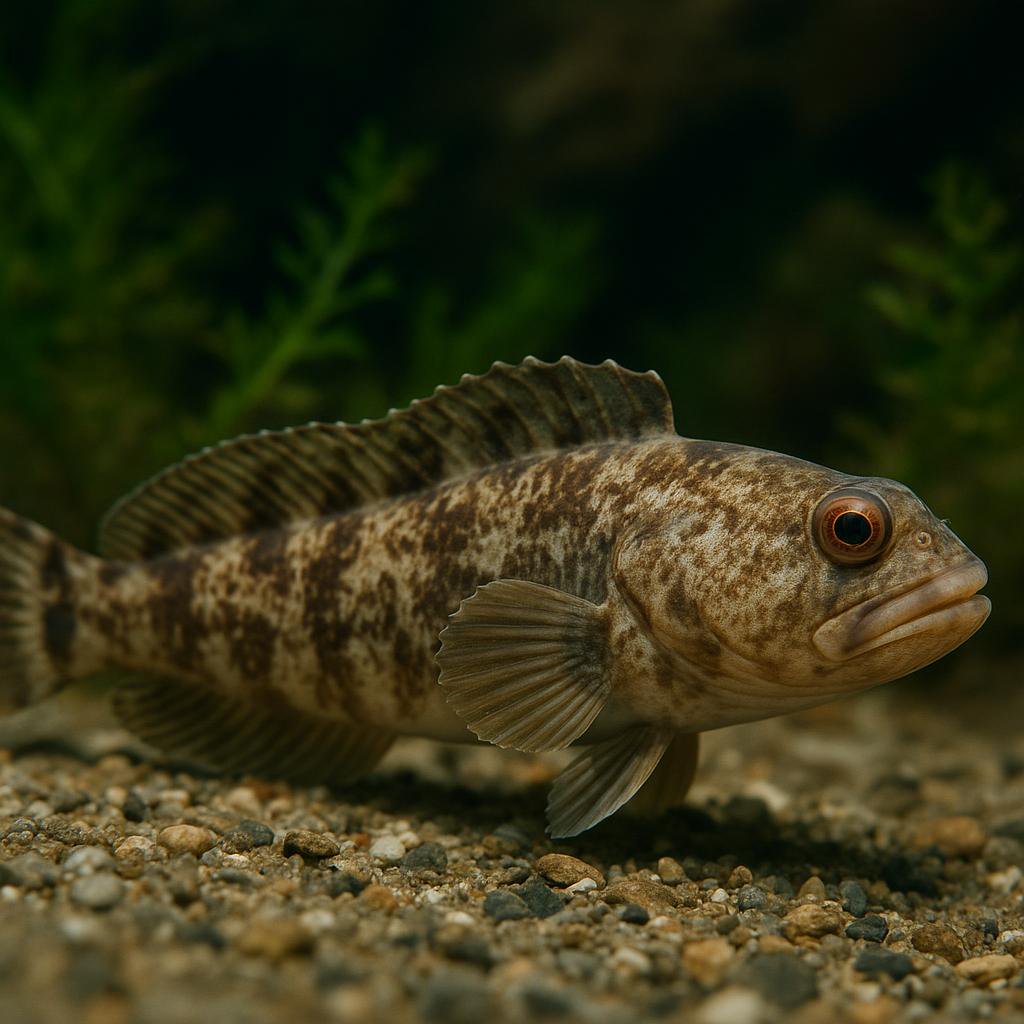
Japonolycodes abei is a temperate, deepwater demersal eelpout (family Zoarcidae) endemic to Japan (Kumano-nada Sea reported; other sources also report Sagami Bay and Tosa Bay). It is the only species in the genus Japonolycodes and occurs roughly 40-300 m depth, making it an uncommon/atypical aquarium species.
Affinis blind cusk-eel
Barathronus affinis
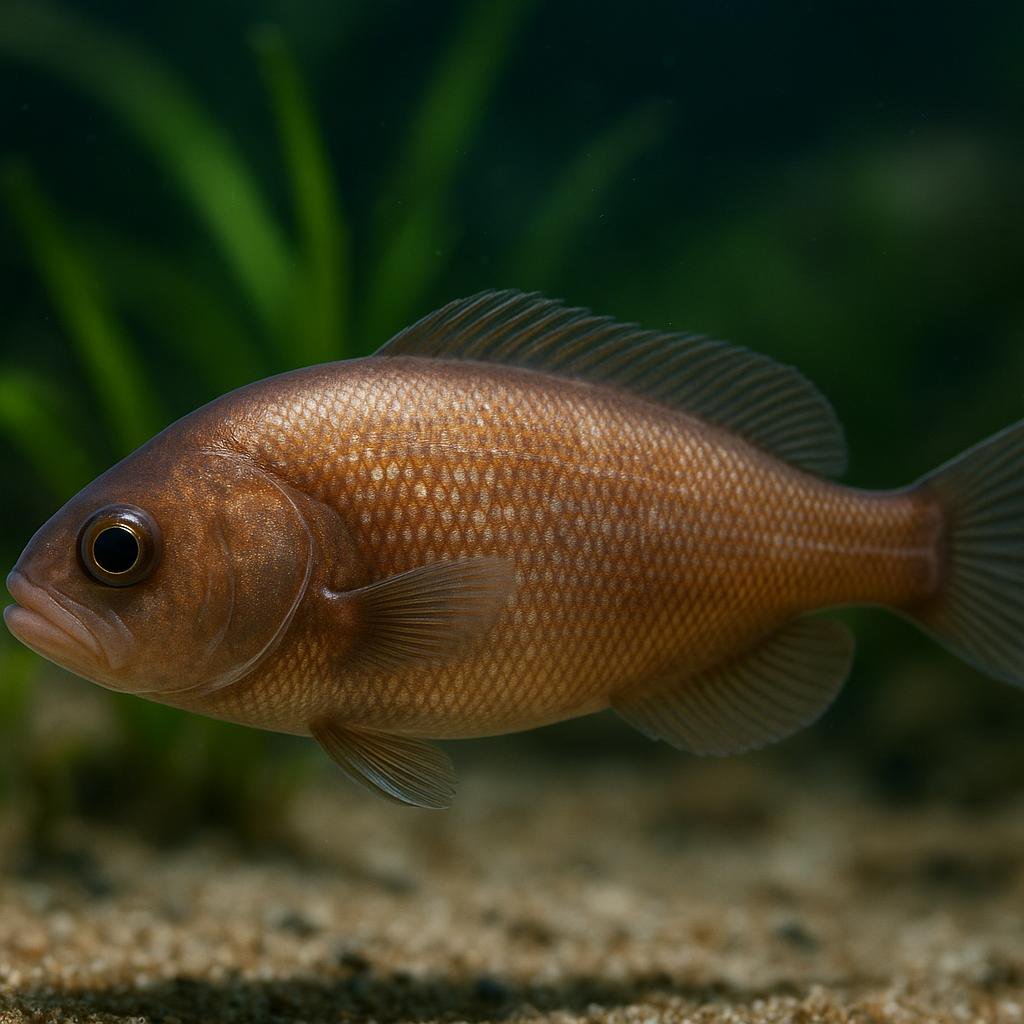
Barathronus affinis is a tiny, super-weird deep-sea blind cusk-eel from the western-central Indian Ocean. It is one of those gelatinous, loose-skinned brotula-type fishes that live way down in the dark and are basically never seen alive, so almost everything we know comes from preserved specimens and taxonomic work.
Allis shad
Alosa alosa
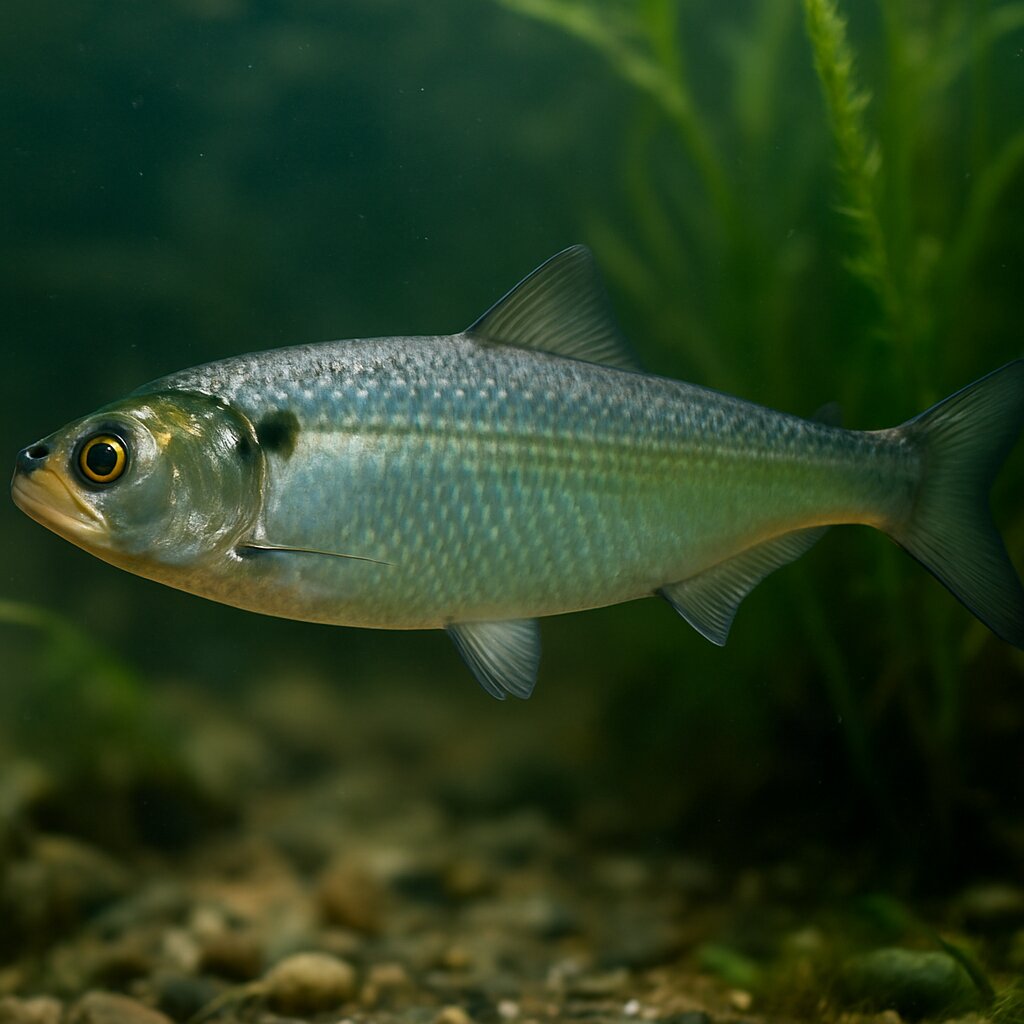
Gorgeous silver, fast-swimming shad that spends most of its life in the sea and then surges up big rivers in noisy, surface-spawning schools. It grows huge for a herring-type fish and needs cool, ultra-oxygenated water and tons of open space, so it is a public-aquarium species rather than a home tank fish.
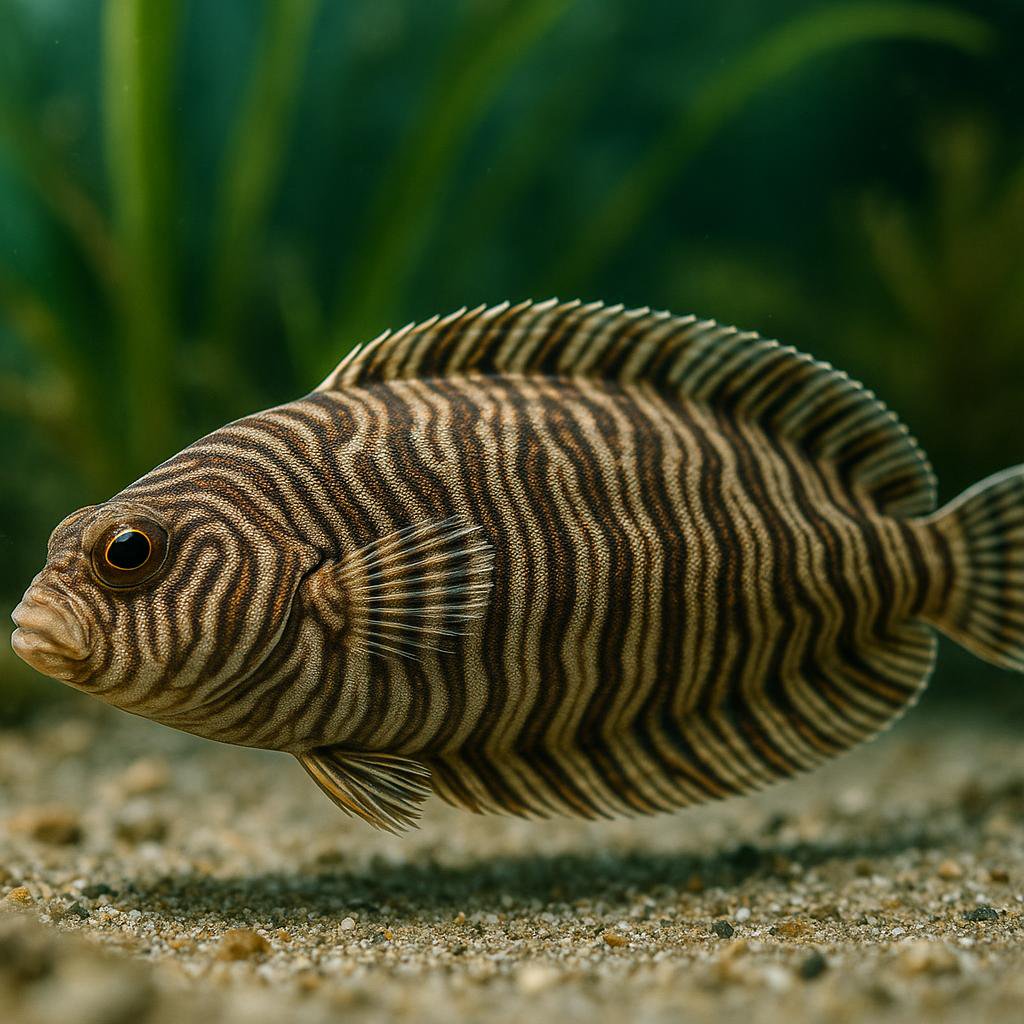
Annandale's zebra sole
Zebrias annandalei
Zebrias annandalei is a small demersal sole from coastal India that inhabits sandy or muddy bottoms and buries for camouflage. It is rarely kept in home aquaria and would require a specialized marine sand-bottom setup and appropriate feeding.
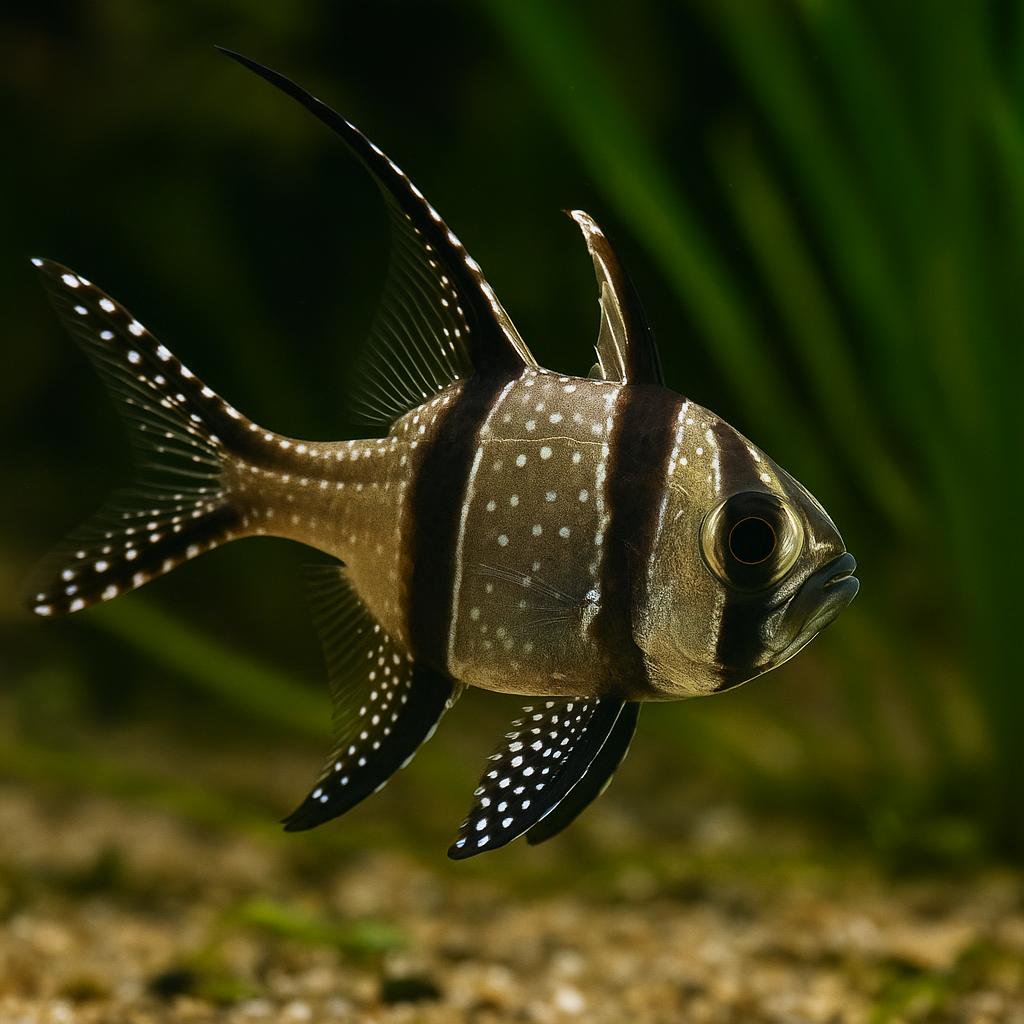
Banggai Cardinalfish
Pterapogon kauderni
Banggai cardinals just sort of hover like little underwater satellites, and the bold black bars with those long, polka-dotted fins look unreal under reef lighting. They're super chill most of the time, but once a pair forms you'll see real "fish drama," and the male will even mouthbrood the babies like a champ.
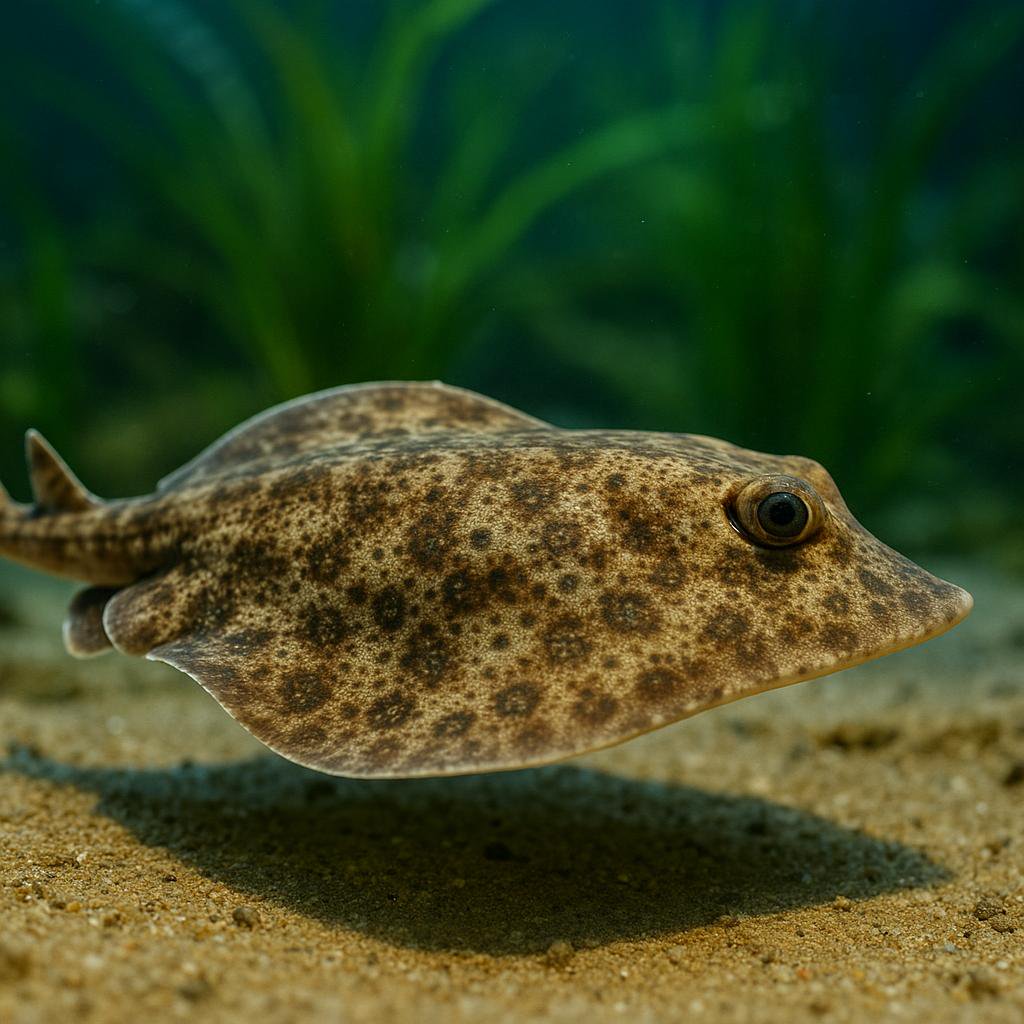
Barbedwire-tailed skate
Notoraja martinezi
Notoraja martinezi is a deepwater skate from the eastern Pacific (Costa Rica down to Ecuador) that lives way down on soft bottoms. The tail is the giveaway - it is lined with strong, hooked thorns that really do look like barbed wire. This is absolutely not an aquarium fish; it is a cold, high-pressure deep-sea animal with basically no practical home care info because it is not kept in the hobby.
More to Explore
Discover more marine species.
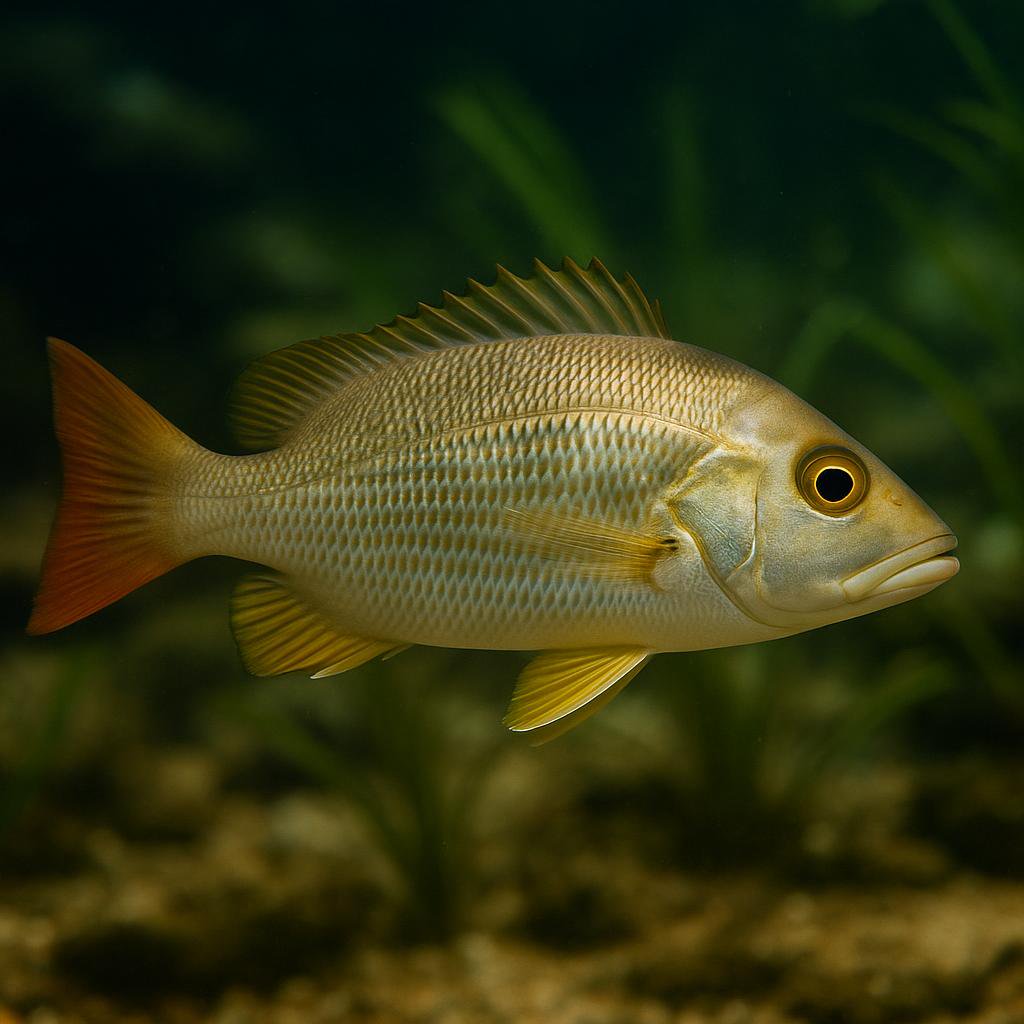
African red snapper
Lutjanus agennes
This is a true snapper from West Africa - a big, fast-growing predator that goes from coastal reefs to brackish lagoons and estuaries (especially as a juvenile). Super cool fish in the wild, but it gets absolutely huge and will eat smaller tankmates once it has the mouth for it, so its really more of a public-aquarium scale animal than a home-aquarium fish.
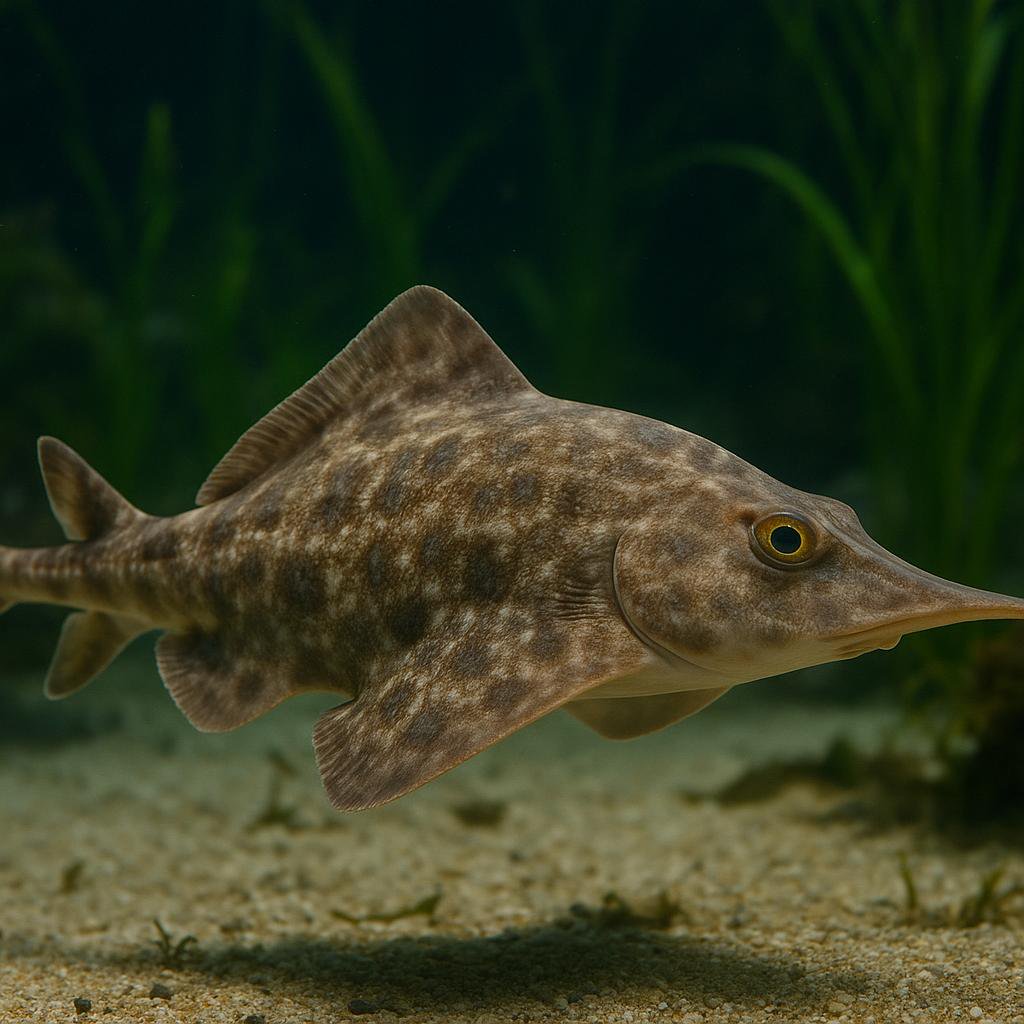
Aleutian skate
Bathyraja aleutica
This is a big, cold-water deep-slope skate from the North Pacific that cruises muddy bottoms and eats chunky benthic prey like crabs and shrimp. The really cool bit is its egg-laying skate life - it does distinct pairing (the classic skate "embrace") and drops those tough egg cases on the seafloor. Not an aquarium fish at all unless you're basically running a public-aquarium-style chilled system.
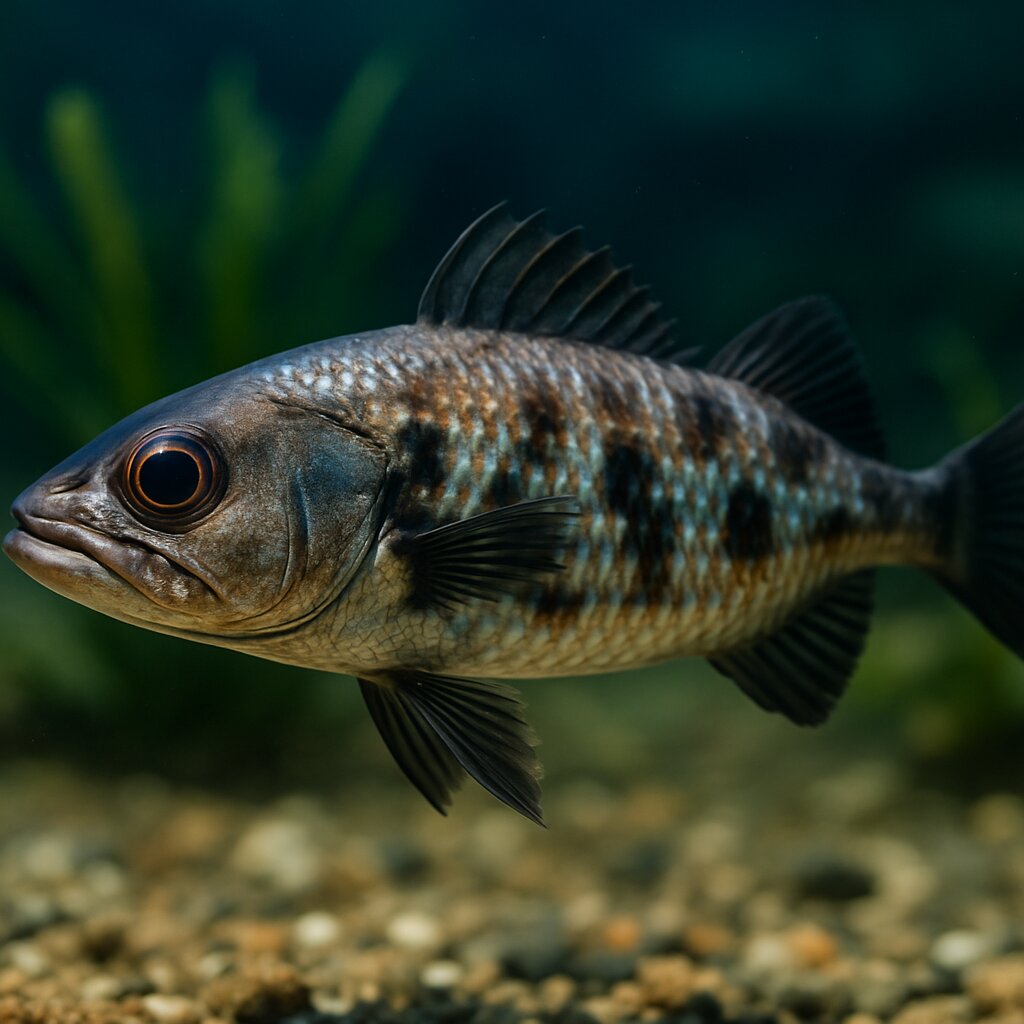
Antarctic dragonfish
Vomeridens infuscipinnis
Deep down around Antarctica, this sleek dragonfish cruises the water column like a little submarine, nearly neutrally buoyant so it can hover above the seafloor. It munches almost exclusively on Antarctic krill and lives in near-freezing water 500-800 m down, so it is a cool species to read about, not one for home tanks.
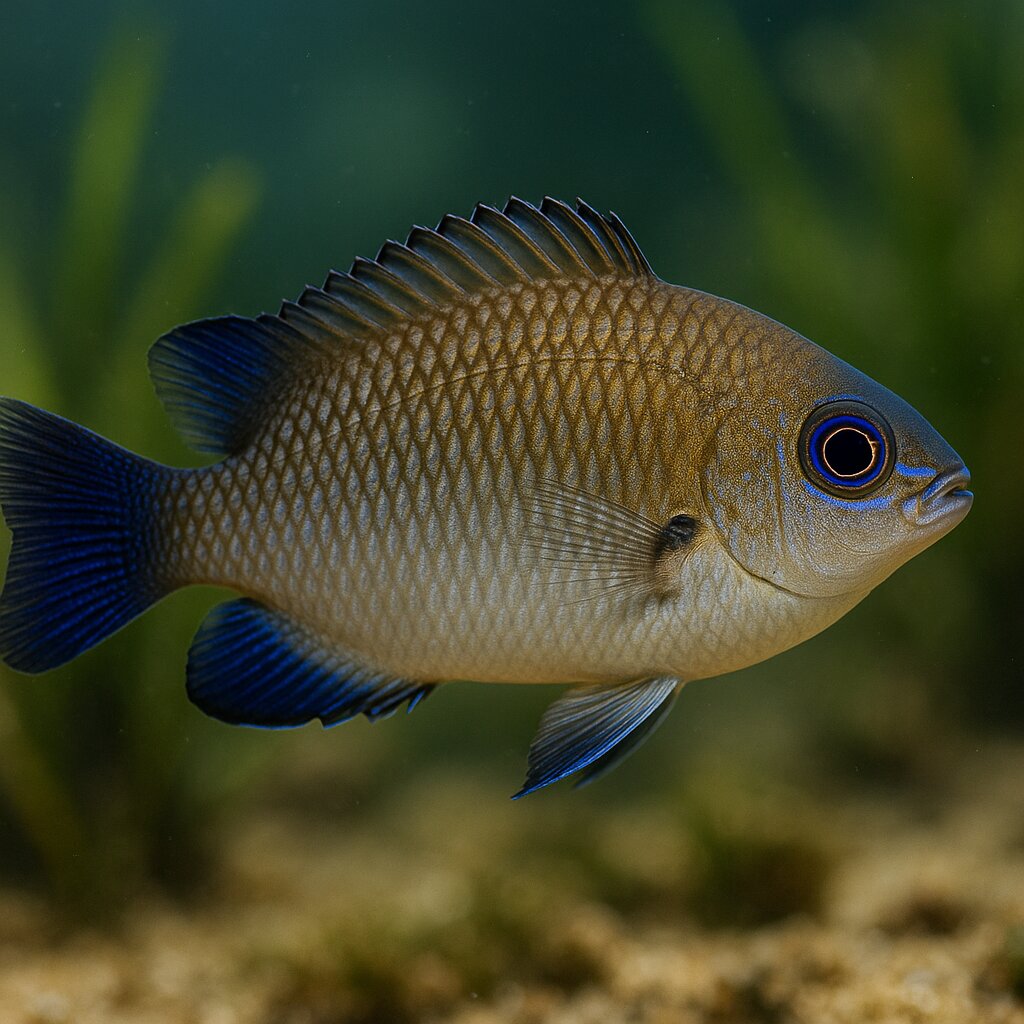
Arabian demoiselle
Neopomacentrus sindensis
A small lyretail damsel from the Persian Gulf and Arabian Sea, it hangs in loose groups around coral heads, rocks, and even pier pilings picking zooplankton from the flow. Think classic damsel toughness with a slightly milder attitude than the real bruisers, plus subtle yellow tail accents. Males clean a patch, get a mate to lay eggs there, and then stand guard fanning the clutch.
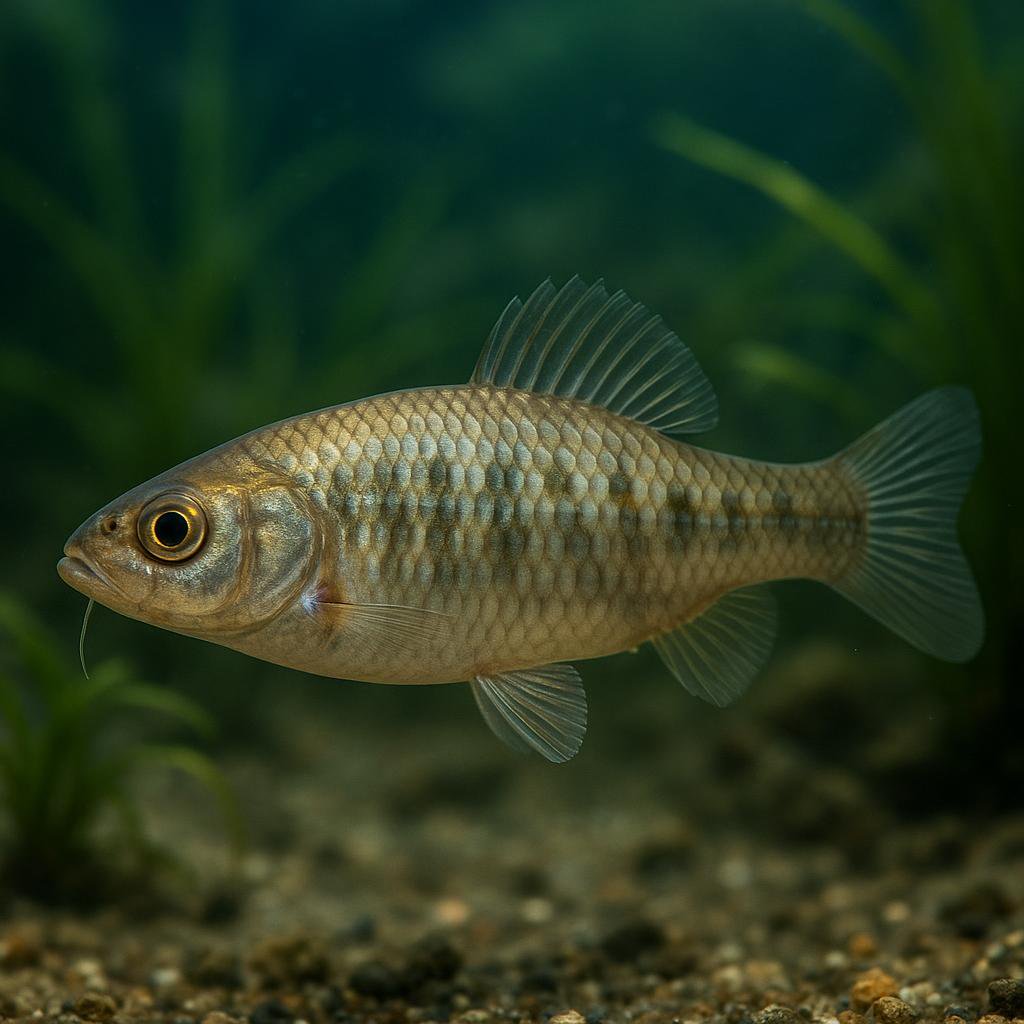
Arabian spiny eel
Notacanthus indicus
Notacanthus indicus is a deep-sea spiny eel (family Notacanthidae; not a true eel) known from the Arabian Sea on the continental slope at roughly ~960–1,046 m depth, with reported maximum length around 20 cm TL; it is a deep-water bycatch species and not established in the aquarium trade.
Arctic rockling
Gaidropsarus argentatus
This is a deepwater North Atlantic rockling (a cod relative) that hangs out on soft bottoms way down the slope. It is a cold-water, bottom-hugging predator that snoots around for crustaceans and will also take small fish when it gets the chance.
Looking for other species?