

Chiou's snake eel
Xyrias chioui
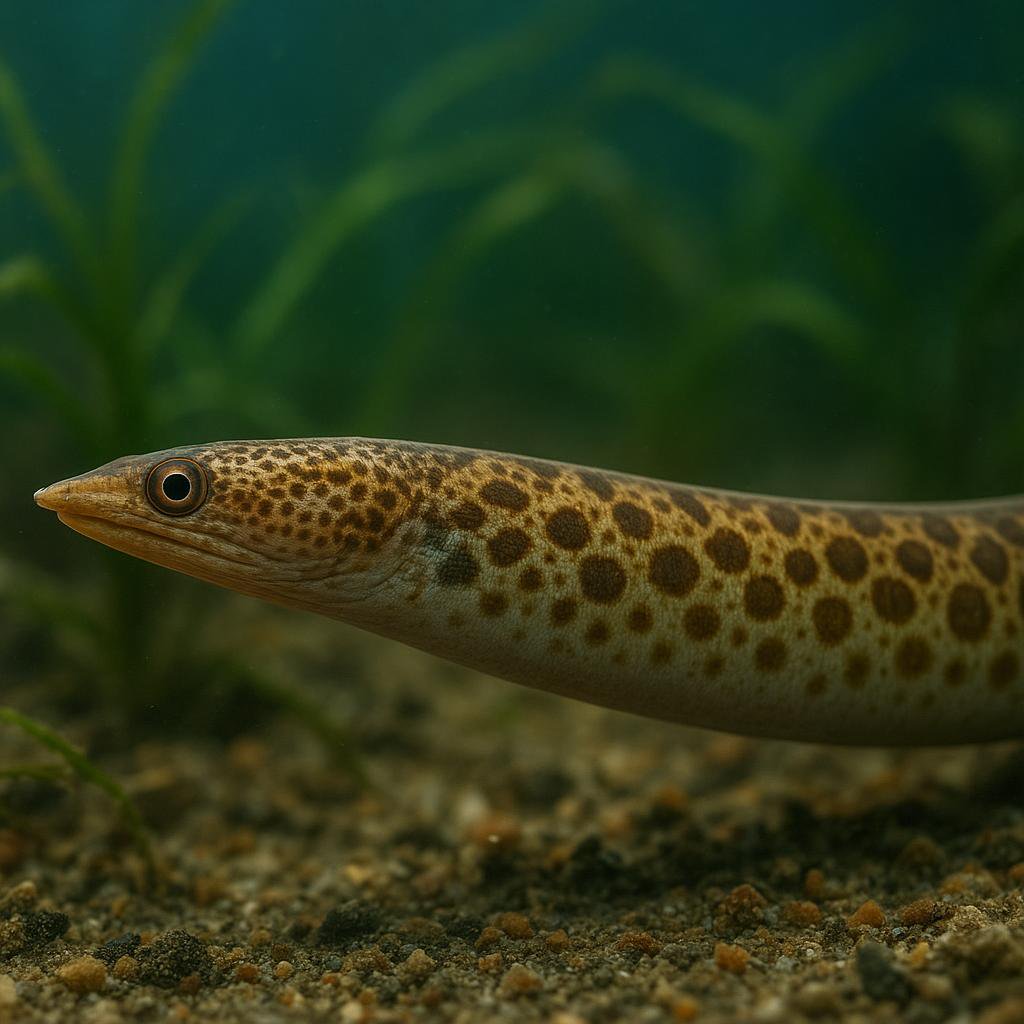
Chiou's snake eel features a long, slender body with a smooth, brownish-grey coloration and small, dark spots along its back.
This page includes AI-generated images. Why am I seeing AI images?
About the Chiou's snake eel
Xyrias chioui is a marine snake/worm eel (Ophichthidae) described from Taiwan; the holotype was collected over sand bottom at 60–70 m depth, and it has numerous needle-like teeth. Natural history beyond collection/habitat notes is poorly documented in the primary description.
Also known as
Quick Facts
Size
81.9 cm
Temperament
Semi-aggressive
Difficulty
Expert
Min Tank Size
300 gallons
Lifespan
10-20 years
Origin
Western Pacific (Taiwan)
Diet
Carnivorous (exact natural diet not well documented for this species); numerous needle-like teeth are described.
Water Parameters
20-26°C
8-8.4
8-12 dGH
Need a heater for this species?
This species needs 20-26°C in a 300 gallon tank. Use our heater calculator to find the right wattage.
Calculate heater sizeCare Notes
- Give it a big, deep sand bed (3-6 in) of fine sand - they bury and cruise at night, and coarse gravel will scrape them up fast.
- Lock the tank down like its a lid test: tight-fitting cover, sealed overflow teeth, and no gaps around plumbing - these eels will find exits you did not know existed.
- Maintain stable marine water quality appropriate for a marine ophichthid eel; species-specific captive parameters for Xyrias chioui are not well documented in authoritative references (the species is primarily known from a 60–70 m sand-bottom collection record).
- Feed meaty marine foods with tongs after lights-out: silversides, shrimp, squid, clam, and quality frozen carnivore blends; start with smaller pieces and work up so it does not spit and foul the water.
- Do not keep it with small fish, shrimp, or crabs you want to keep - if it can fit in the mouth, it is food, especially once it figures out your feeding schedule.
- Tankmates should be chunky and calm (bigger wrasses, tangs, larger angels); avoid fin-nippers and aggressive triggers that will harass it when it is half-buried.
- Watch for skin scrapes and mouth damage from rough rockwork and tight caves - leave open sand lanes and keep sharp rock edges away from its burrow zones.
- Breeding in home tanks is basically a non-event; focus on long-term stability and quarantine because they can come in with parasites and do not handle copper-heavy treatments well.
Compatibility
Good Tankmates
- Compatibility is not well documented for Xyrias chioui; assume it may prey on small fish/crustaceans and may be stressed by aggressive tankmates.
- Chill wrasses that are not tiny snack-sized and not super aggressive - like Halichoeres and fairy wrasses (Cirrhilabrus). They are active, sleep in the rockwork, and generally dont pick on an eel.
- Dwarf angels with attitude but not murdery - flame, coral beauty, potters, etc. (Centropyge). In my experience they posture a bit, then everyone settles in as long as the eel has caves and sand to bury in.
- Hawkfish (like flame hawkfish) if your eel is well-fed and you are not trying to keep tiny shrimp. Hawkfish are perchers and usually dont bother an eel, and they are too chunky to be easy prey.
- Robust bottom-ish fish that can hold their space - bigger blennies and some gobies that arent tiny (like lawnmower blenny, watchman goby). Provide lots of hides so they are not forced to share the same hole.
- Most larger non-predatory reef fish that are bigger than the eels mouth and not bullies - the big rule is: if it can fit in the eels mouth at night, it is on the menu.
Avoid
- Tiny fish and slender sleepers - small gobies, small firefish, small dartfish. Chiouis snake eels are ambushy and do a lot of hunting after lights-out, so little torpedo-shaped fish can just vanish.
- Small crustaceans you actually want to keep - cleaner shrimp, peppermint shrimp, sexy shrimp. Even a well-fed snake eel will eventually decide shrimp are free snacks.
- Pugnacious cave hogs that will constantly mess with it - dottybacks and really territorial damsels. If they keep pecking and charging the eels head, you get stress and skipped meals.
- Big aggressive predators that see eel-shaped things as competition or food - larger groupers, big triggers, and some puffers. They can harass, bite, or outcompete it hard at feeding time.
Where they come from
Chiou's snake eel (Xyrias chioui) is one of those deepwater, rarely-seen ribbon-like eels that pops up in the hobby more as a special import than a regular store fish. They come from the Indo-Pacific region and are associated with deeper reef slopes and sandy zones where they can tuck themselves away. If you buy one, assume it is been through a long chain and show it some patience.
Most of the ones you see for sale are wild-caught and often arrive skinny or beat up. Plan your setup and food ahead of time so you are not scrambling after it is in the tank.
Setting up their tank
Think like an eel that wants two things: a safe burrow and zero ways to escape. These snake eels are long, strong, and suspicious of open water. If they do not feel they can vanish on command, they will pace and look for a lid gap.
I would not keep one in a small tank. Length matters more than height. Give it a footprint it can cruise without constantly bumping glass, and keep the rockwork stable because they will wedge and dig around it.
- Tank size: plan on a large footprint (4 ft tank minimum, bigger is better), because they are long and like to roam at night
- Substrate: fine sand, deep enough for burrowing (2-4 in is a good starting point). Skip sharp crushed coral
- Rockwork: set rocks on the bottom glass or on a sturdy base, then add sand around them so digging does not topple anything
- Hiding: PVC elbows or short lengths of pipe buried under sand work great as a starter burrow
- Flow: moderate. You want good oxygen and clean water, but not a sandstorm
- Filtration: heavy. These are meaty-food predators and the tank gets dirty fast
- Lighting: they do not care. Dim zones help them settle
Escape-proofing is non-negotiable. Cover every opening: overflow teeth, cable cutouts, return gaps, mesh tops that bow. If its head fits, the rest follows.
Do not put them in a brand-new marine tank. They do way better in a mature system with stable salinity and pH, and they crash hard if ammonia or nitrite shows up.
What to feed them
Feeding is the whole game with this species. Most individuals come in not recognizing prepared foods, and some act like they are starving but still refuse anything that smells wrong to them.
Start with foods that make them react: fresh or frozen-thawed marine meaty items. Use long feeding tongs and feed after lights out. Once they learn the routine, they get a lot easier, but the first couple weeks can be slow.
- Best starters: frozen-thawed shrimp, squid strips, scallop, clam, silversides (sparingly), pieces of marine fish flesh
- If it is stubborn: try live blackworms (if available/safe), live ghost shrimp, or fresh clam to kick-start feeding, then transition to frozen-thawed
- Soaking: a little fish/shellfish juice from thawed food can help trigger a strike
- Schedule: small meals 2-3 times per week beats dumping a huge feeding once a week
- Vitamins: occasional marine vitamin soak helps if the eel arrived thin
Use a feeding station. I like a small glass dish on the sand near its burrow. Less food disappears into the substrate, and you can remove leftovers before they rot.
Avoid freshwater feeder fish. They are a nutritional mess long-term and can bring in parasites. Stick to marine-based foods.
How they behave and who they get along with
Chiou's snake eel is mostly a crepuscular/nocturnal ambush predator. Mine spent the day buried with just the head out, then did slow patrols once the room lights went down. They are not out to pick fights, but they are absolutely built to eat anything that fits.
Tankmates are about size and temperament. You want fish that will not harass it and will not fit in its mouth. Also think about competition at feeding time because shy eels lose weight fast if boisterous fish steal everything.
- Good tankmates: larger, calmer reef fish that do not pester (bigger angels, tangs, rabbitfish, some triggers with caution), and sturdy wrasses that are not bitey
- Bad tankmates: small fish, small wrasses, gobies, blennies, ornamental shrimp, crabs you care about, and anything that sleeps on the sand looking edible
- Other eels: possible in a very large system, but watch for food competition and wrestling in tight caves
Do not expect it to be a showpiece that is out all day. If you want something constantly visible, this will frustrate you. If you like interesting nocturnal behavior, it is a cool one.
Breeding tips
I have never seen confirmed captive breeding of Xyrias chioui in home aquariums, and eels in general have complicated larval stages (leptocephalus larvae) that drift in the plankton. Realistically, you are not going to breed this species in a typical reef setup.
If you keep a single specimen healthy for years, honestly that is the win. The closest thing to a breeding-related tip I can give is: keep stress low, feed varied marine foods, and keep water quality steady so it has the reserves to handle normal seasonal changes in appetite.
Common problems to watch for
Most issues are either shipping damage, starvation from refusing food, or injuries from squeezing into places it should not. They are tougher than they look once settled, but the first month is where people lose them.
- Refusing food: very common at first. Try different textures (thin strips vs chunks), feed after dark, and reduce competition at feeding time
- Weight loss: watch the girth behind the head. A hollow look means you need to change the feeding plan fast
- Escape attempts: repeated nose-rubbing, pacing the glass, and exploring the rim usually means it does not feel secure or found a drafty lid gap
- Scrapes and mouth damage: from rockwork gaps, rough substrate, or pushing at covers
- Parasites (flukes, etc.): wild-caught risk. Heavy breathing, flashing, excess mucus can be signs
- Water quality swings: sensitive to ammonia/nitrite and does not appreciate big salinity changes
Be careful with medications, especially anything copper-based. Eels can react badly. If you have to treat, do it in a separate hospital tank and research the exact product first.
If it is not eating, dim the tank, add an easy burrow (buried PVC works), and feed with tongs right at the entrance. Once it takes a few meals in a row, the whole experience gets a lot less stressful.
Similar Species
Other marine semi-aggressive species you might be interested in.
Aleutian skate
Bathyraja aleutica
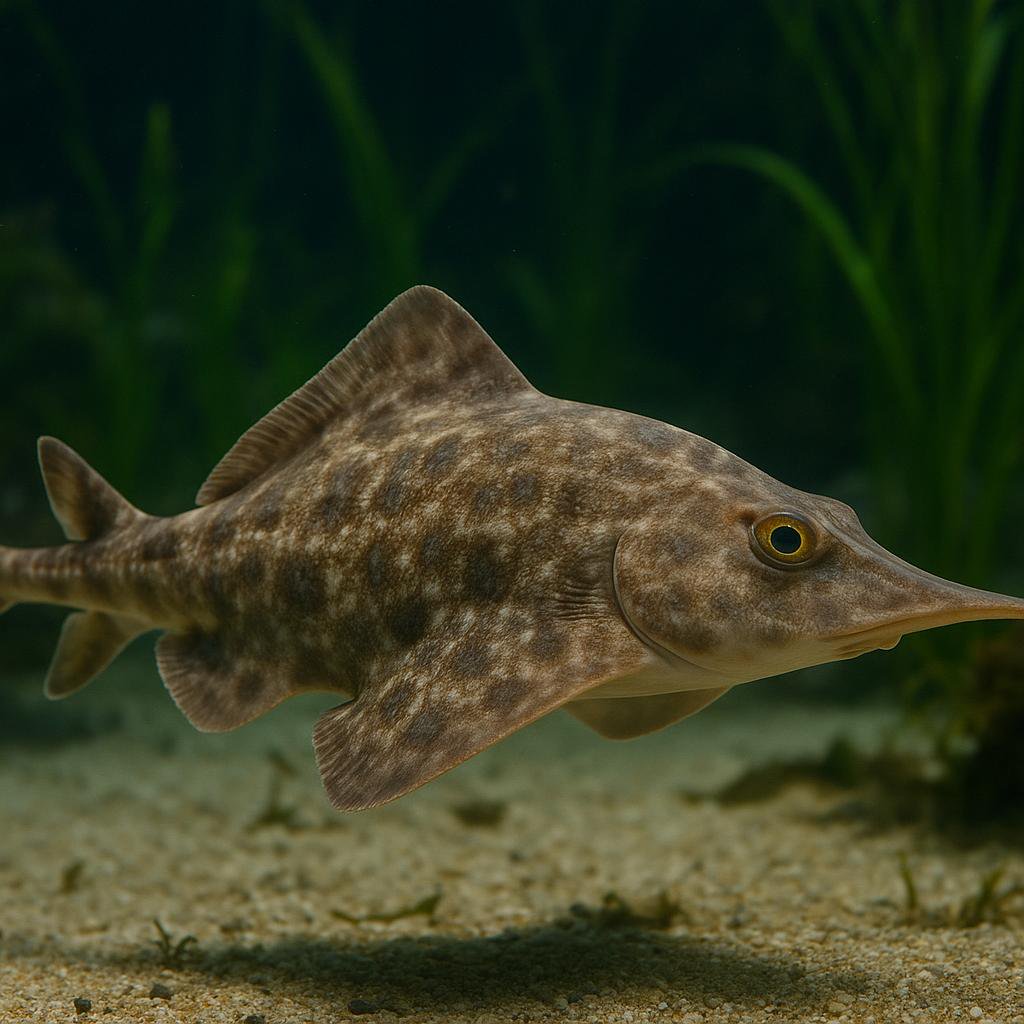
This is a big, cold-water deep-slope skate from the North Pacific that cruises muddy bottoms and eats chunky benthic prey like crabs and shrimp. The really cool bit is its egg-laying skate life - it does distinct pairing (the classic skate "embrace") and drops those tough egg cases on the seafloor. Not an aquarium fish at all unless you're basically running a public-aquarium-style chilled system.
Antarctic dragonfish
Vomeridens infuscipinnis
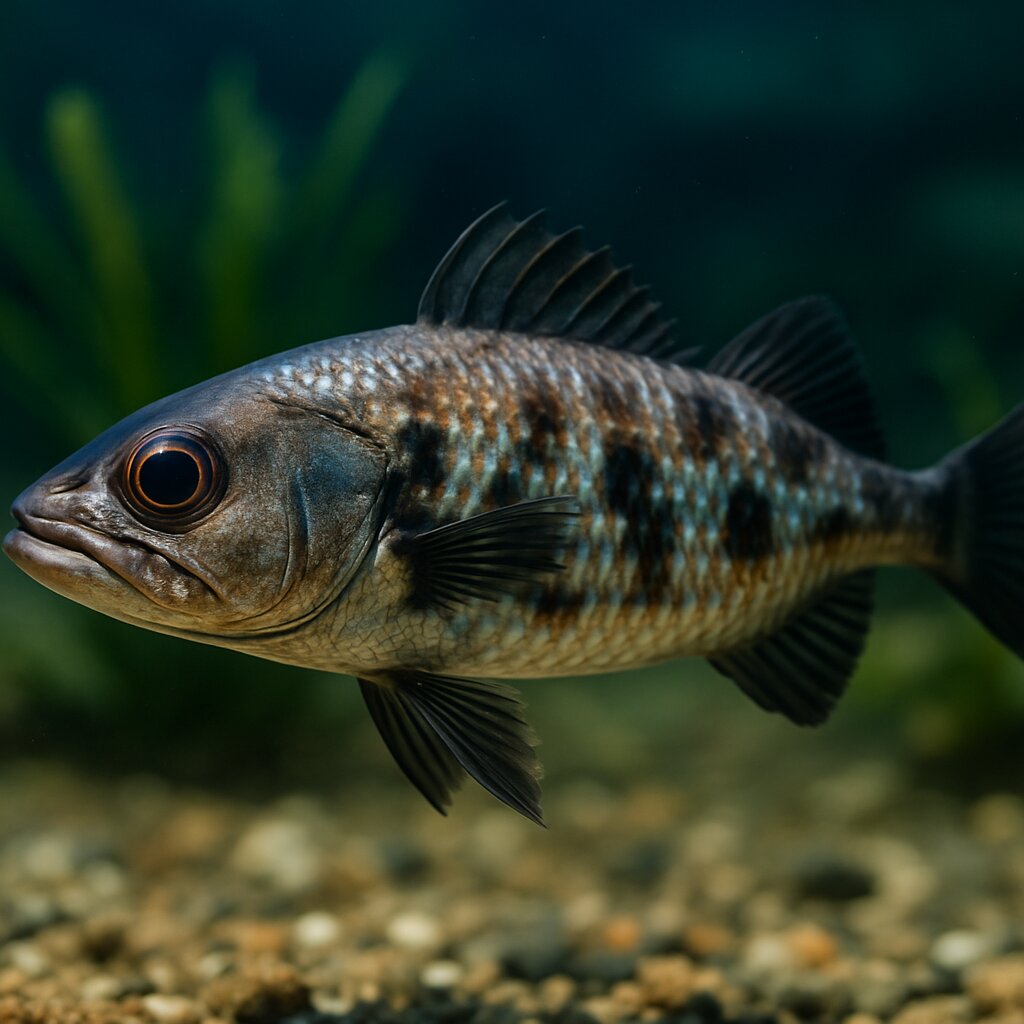
Deep down around Antarctica, this sleek dragonfish cruises the water column like a little submarine, nearly neutrally buoyant so it can hover above the seafloor. It munches almost exclusively on Antarctic krill and lives in near-freezing water 500-800 m down, so it is a cool species to read about, not one for home tanks.
Arabian spiny eel
Notacanthus indicus
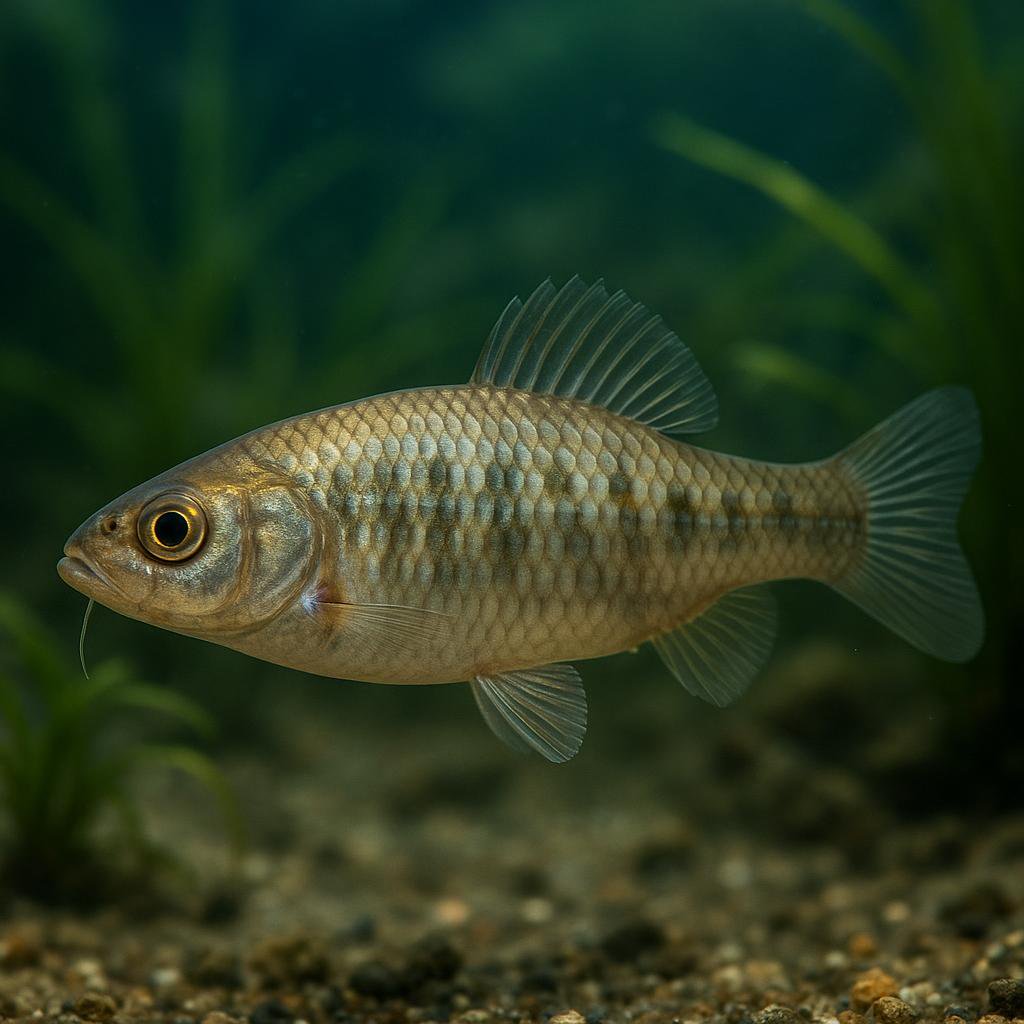
Notacanthus indicus is a deep-sea spiny eel (family Notacanthidae; not a true eel) known from the Arabian Sea on the continental slope at roughly ~960–1,046 m depth, with reported maximum length around 20 cm TL; it is a deep-water bycatch species and not established in the aquarium trade.
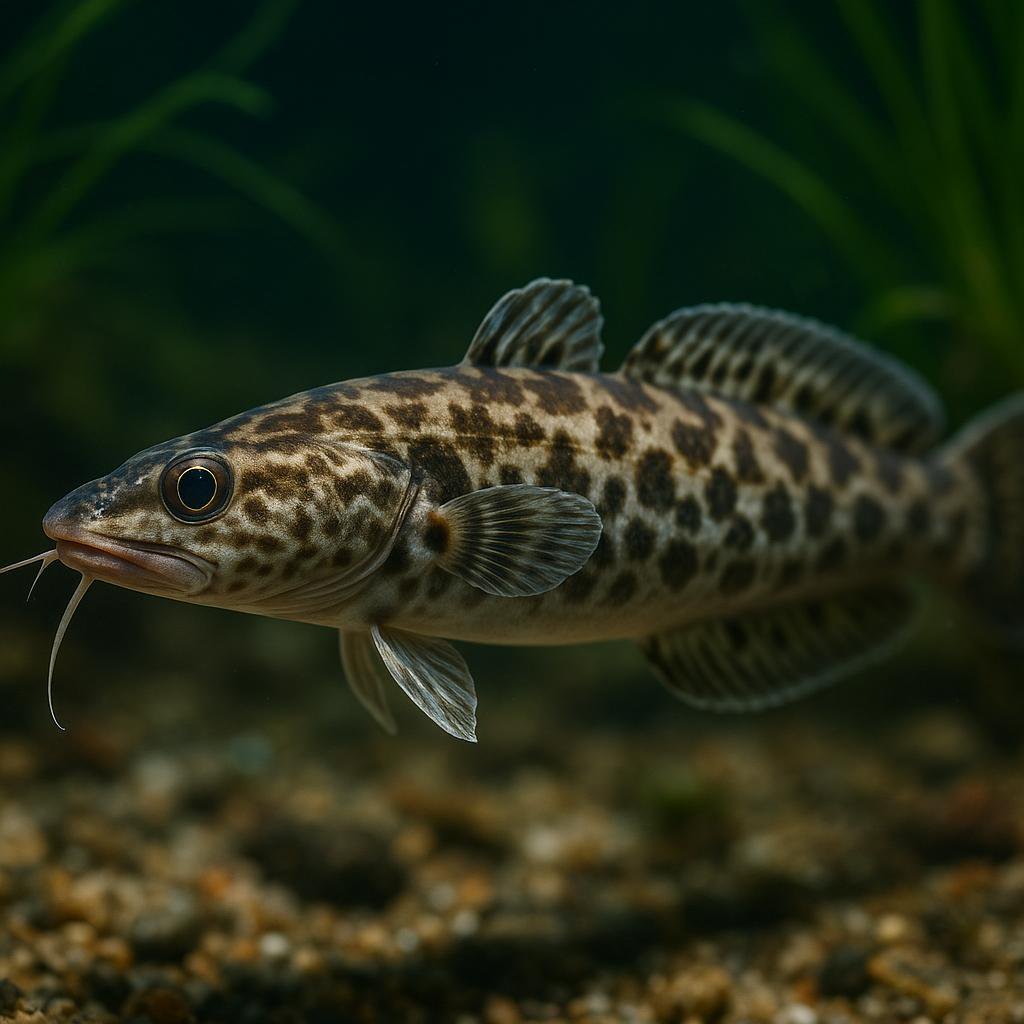
Arctic rockling
Gaidropsarus argentatus
This is a deepwater North Atlantic rockling (a cod relative) that hangs out on soft bottoms way down the slope. It is a cold-water, bottom-hugging predator that snoots around for crustaceans and will also take small fish when it gets the chance.
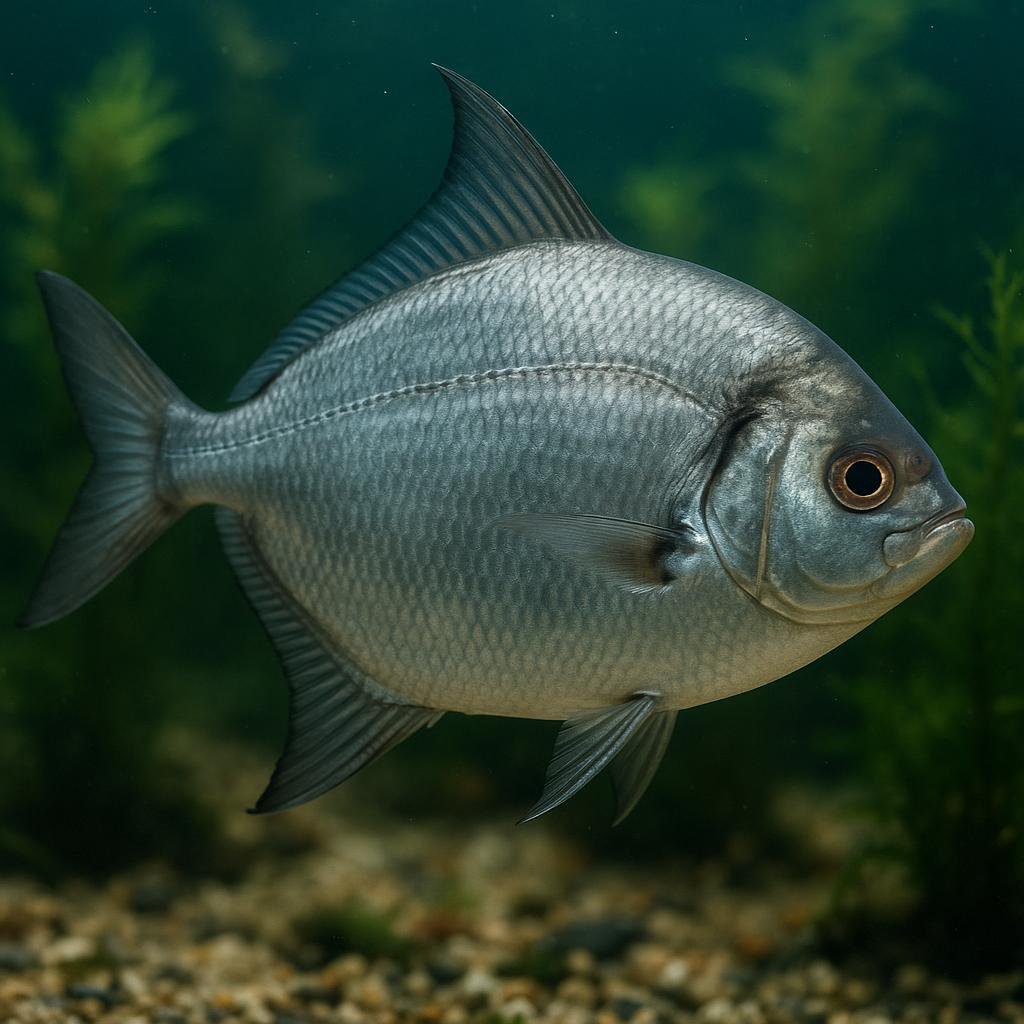
Atlantic pomfret
Brama brama
Brama brama is the Atlantic pomfret (aka Ray's bream) - a deep-bodied, open-ocean pelagic fish that cruises around in small schools and follows water temps. It is a legit big, wild marine species (not an aquarium fish) that eats other small sea critters like fish and squid, and it ranges across a huge chunk of the Atlantic plus parts of the Indian and South Pacific.
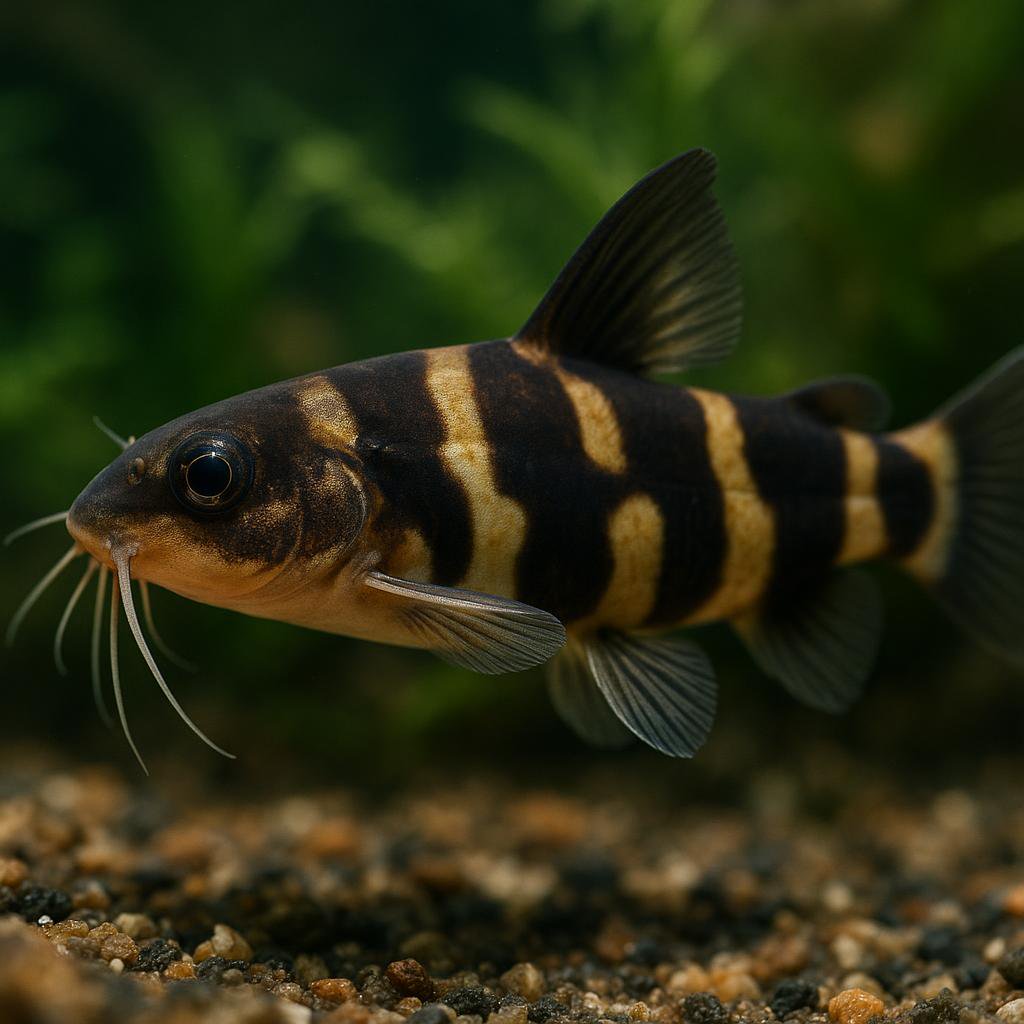
Australian sawtail catshark
Figaro boardmani
Figaro boardmani is a small, deepwater Australian catshark with these cool saw-like ridges of spiny denticles along the tail and a neat pattern of dark saddle bands. It lives way down on the outer continental shelf and slope, so its natural water is cold, dim, and stable - totally not a typical home-aquarium fish. Diet-wise its a predator that goes after fish, crustaceans, and cephalopods.
More to Explore
Discover more marine species.
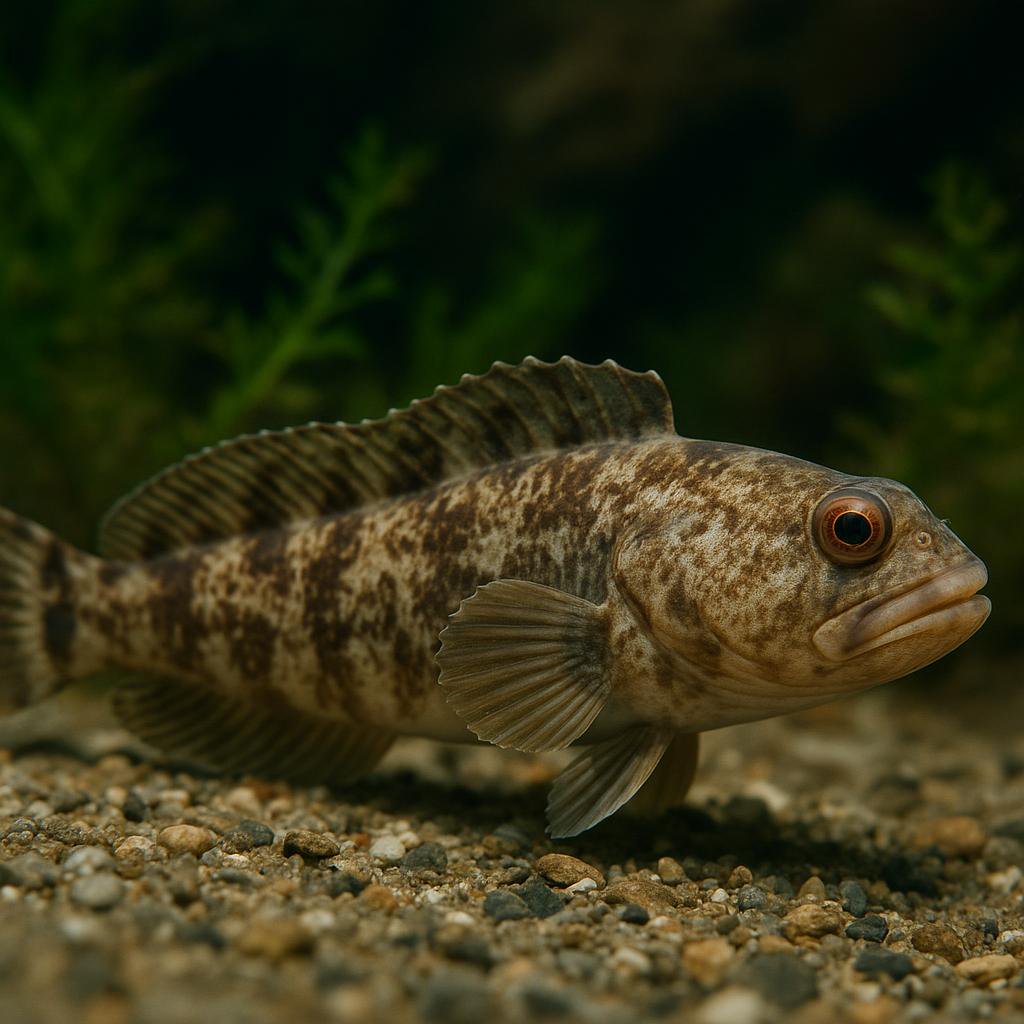
Abe's eelpout
Japonolycodes abei
Japonolycodes abei is a temperate, deepwater demersal eelpout (family Zoarcidae) endemic to Japan (Kumano-nada Sea reported; other sources also report Sagami Bay and Tosa Bay). It is the only species in the genus Japonolycodes and occurs roughly 40-300 m depth, making it an uncommon/atypical aquarium species.
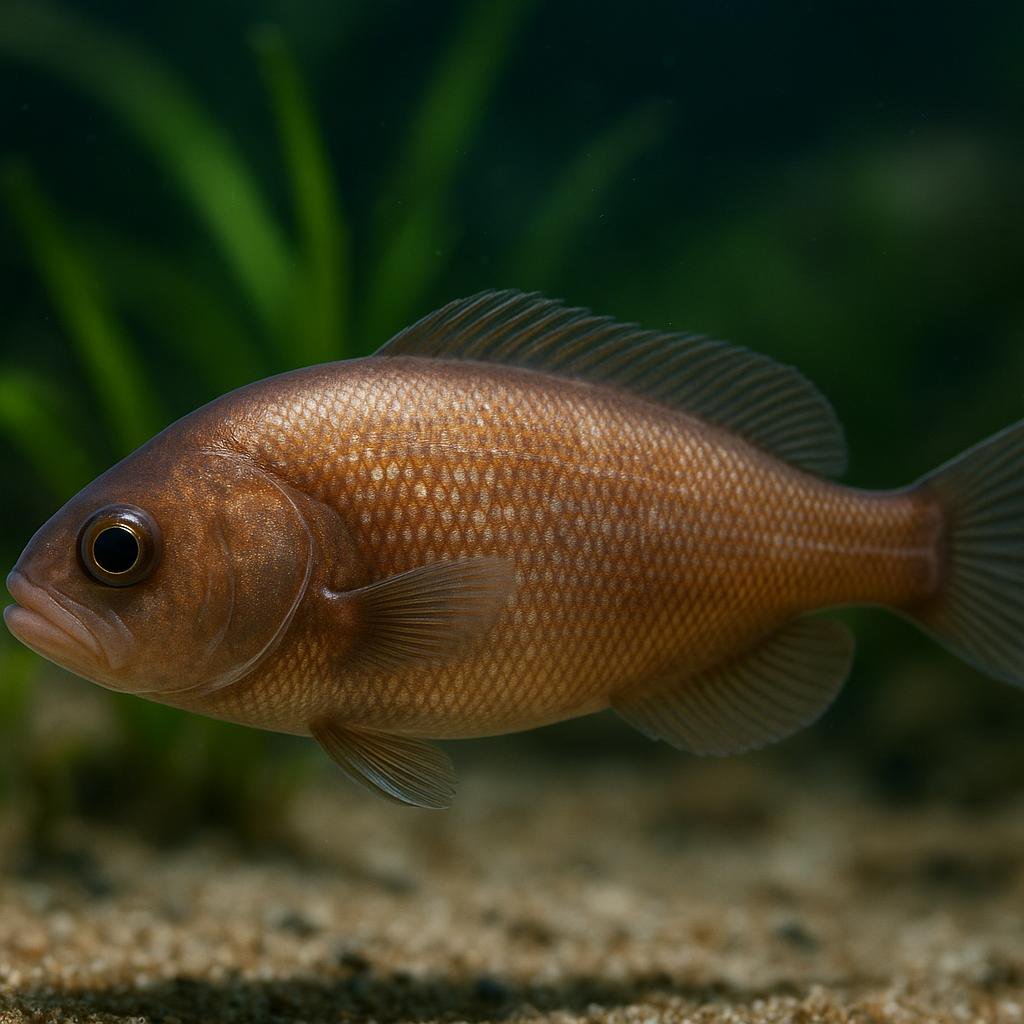
Affinis blind cusk-eel
Barathronus affinis
Barathronus affinis is a tiny, super-weird deep-sea blind cusk-eel from the western-central Indian Ocean. It is one of those gelatinous, loose-skinned brotula-type fishes that live way down in the dark and are basically never seen alive, so almost everything we know comes from preserved specimens and taxonomic work.
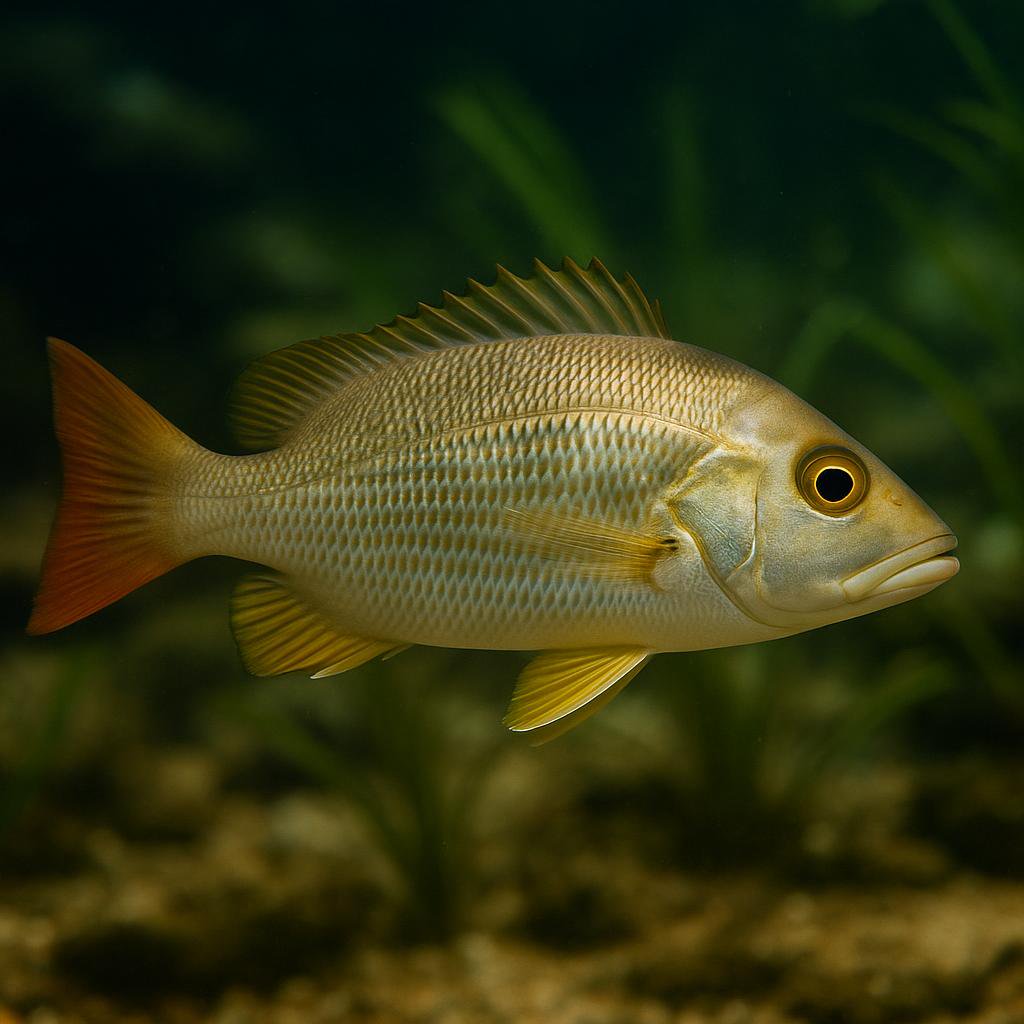
African red snapper
Lutjanus agennes
This is a true snapper from West Africa - a big, fast-growing predator that goes from coastal reefs to brackish lagoons and estuaries (especially as a juvenile). Super cool fish in the wild, but it gets absolutely huge and will eat smaller tankmates once it has the mouth for it, so its really more of a public-aquarium scale animal than a home-aquarium fish.
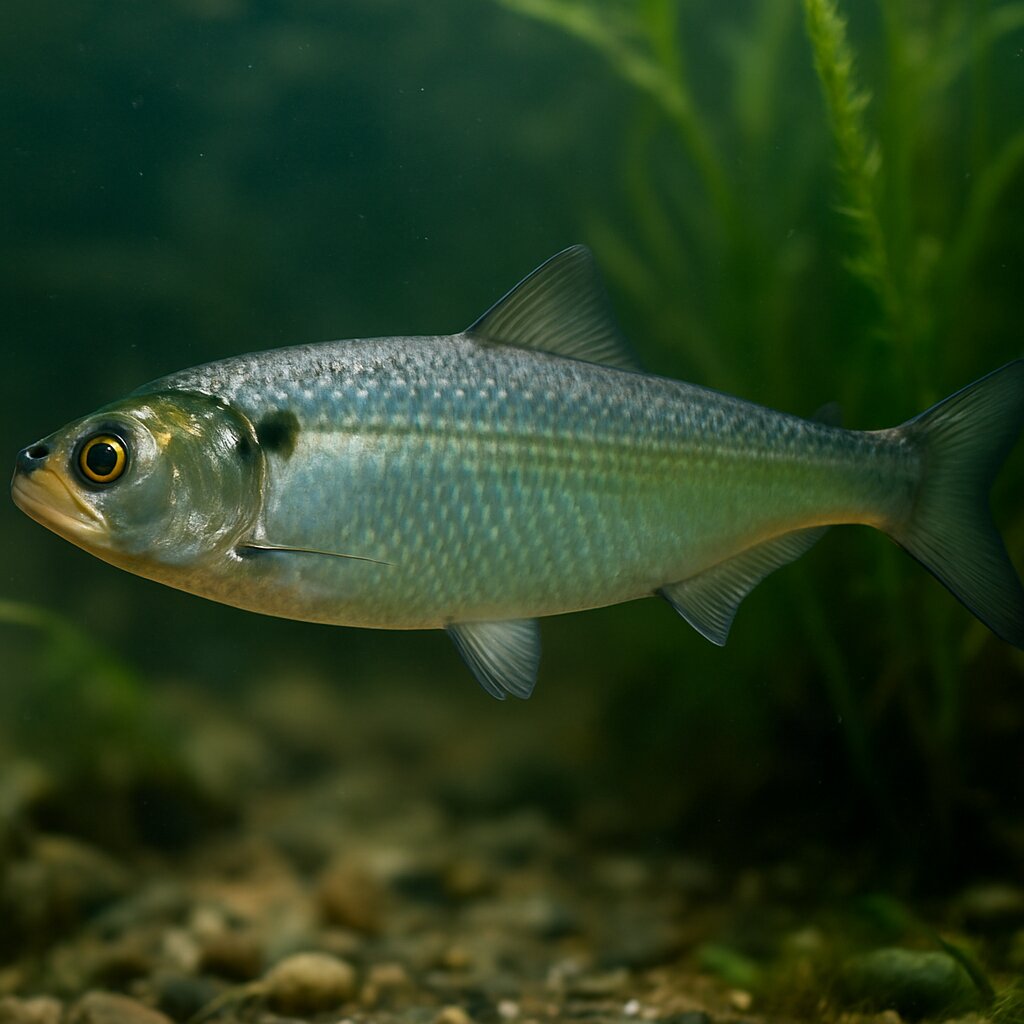
Allis shad
Alosa alosa
Gorgeous silver, fast-swimming shad that spends most of its life in the sea and then surges up big rivers in noisy, surface-spawning schools. It grows huge for a herring-type fish and needs cool, ultra-oxygenated water and tons of open space, so it is a public-aquarium species rather than a home tank fish.
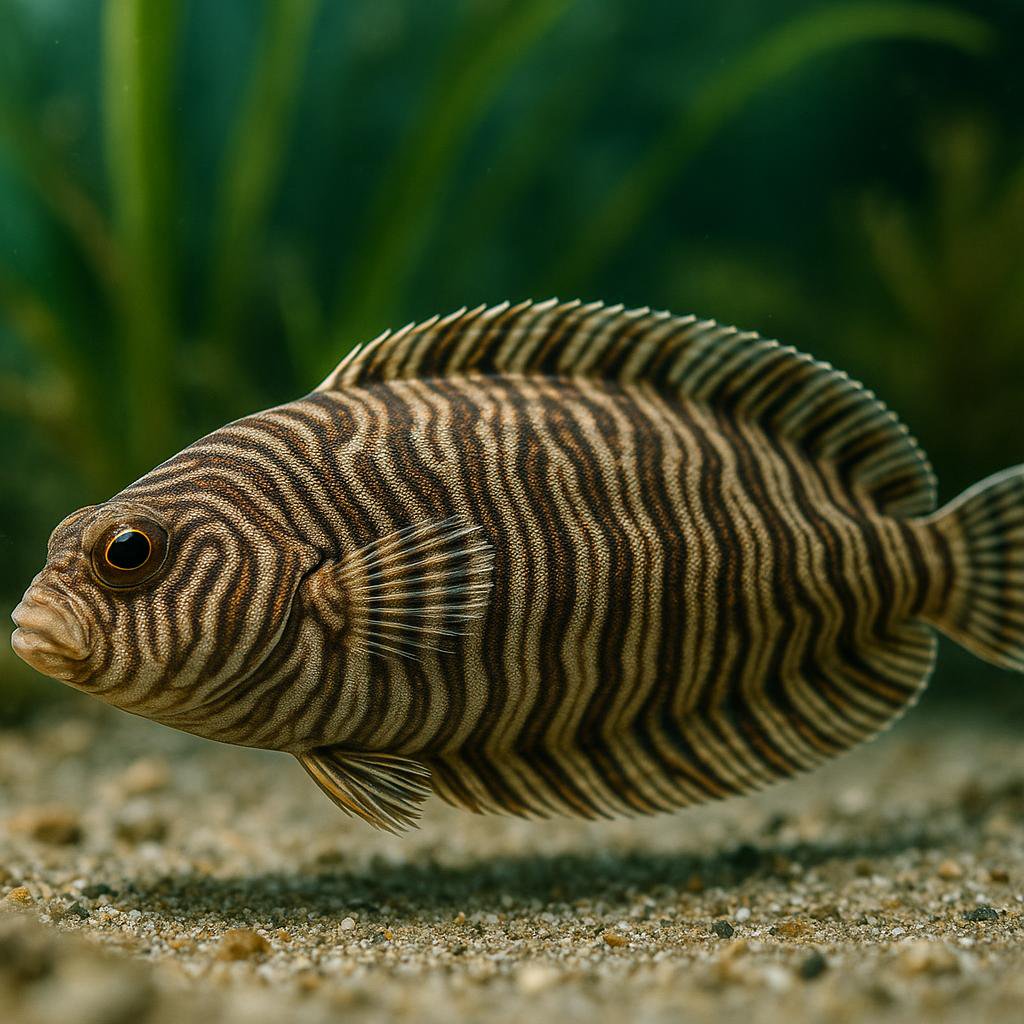
Annandale's zebra sole
Zebrias annandalei
Zebrias annandalei is a small demersal sole from coastal India that inhabits sandy or muddy bottoms and buries for camouflage. It is rarely kept in home aquaria and would require a specialized marine sand-bottom setup and appropriate feeding.
Banded stargazer
Kathetostoma binigrasella
This is a New Zealand stargazer that lives half-buried in sand or mud with its eyes pointed up, waiting to rocket upward and nail passing prey. It has those neat dark saddle-bands across the back (especially as a juvenile), and like other stargazers it is venomous with spines near the gill cover/pectoral area - definitely a look-dont-touch fish.
Looking for other species?