

Philippine snake eel
Yirrkala philippinensis
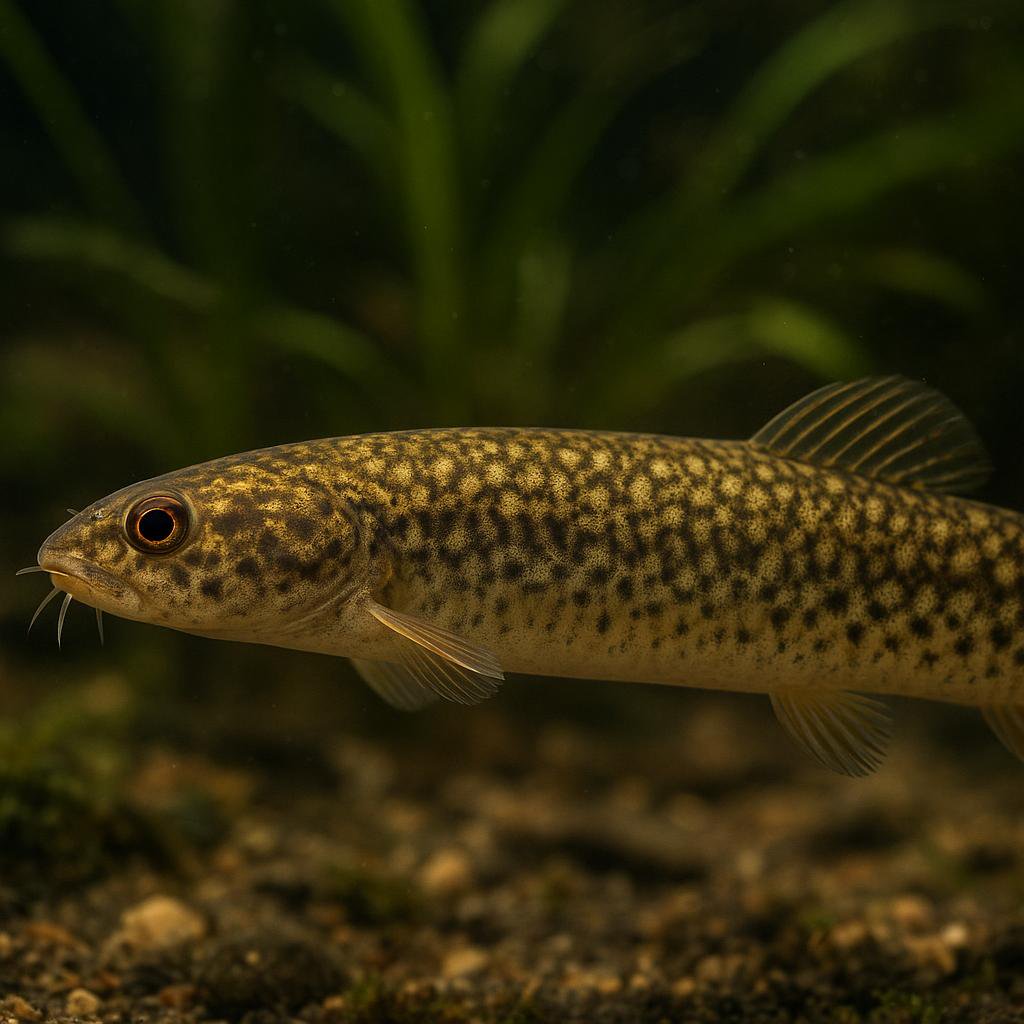
The Philippine snake eel exhibits a slender, elongated body with a smooth, dark brown to gray coloration and a distinctive pointed snout.
This page includes AI-generated images. Why am I seeing AI images?
About the Philippine snake eel
Yirrkala philippinensis is a little tropical snake eel from the Philippines that lives on the bottom and does that classic eel thing of vanishing into sand. It is not really an aquarium-trade fish, so most of what we know is scientific-record stuff rather than hobby care notes.
Quick Facts
Size
36 cm
Temperament
Semi-aggressive
Difficulty
Expert
Min Tank Size
75 gallons
Lifespan
unknown
Origin
Western Pacific (Philippines)
Diet
Carnivore - small fishes and benthic invertebrates (likely; species-specific diet not well documented)
Water Parameters
24-28°C
8-8.4
8-12 dGH
Need a heater for this species?
This species needs 24-28°C in a 75 gallon tank. Use our heater calculator to find the right wattage.
Calculate heater sizeCare Notes
- Give it a big, mature marine tank with a deep sand bed (4-6 in) and piles of tight rock caves - this eel wants to bury and wedge itself in, not cruise open water.
- Lock the lid down like you are keeping a snake: cover every gap, overflow, and cord cutout with mesh or acrylic because they are escape artists, especially at night.
- Keep salinity steady around 1.024-1.026 and avoid fast swings; they handle normal reef temps (24-26 C / 75-79 F) fine but get weird fast if pH/alk drifts around.
- Feed meaty foods with tongs after lights-out: pieces of shrimp, squid, clam, silversides, or other marine flesh; small frequent meals beat one huge dump that fouls the sand.
- Do not trust it with small fish, shrimp, or crabs - anything that fits in the mouth is food; stick to sturdy, similar-sized fish that will not pick on it.
- Skip aggressive fin-nippers and territorial rock bullies (triggers, big wrasses, large dottybacks) because they will harass the eel when it is tucked in and stressed.
- Watch for mouth and nose scrapes from smashing into rockwork or screen tops, and treat early - these eels get infections fast when they are stressed and hiding in dirty sand.
Compatibility
Good Tankmates
- Medium-to-larger, chill reef fish like tangs and rabbitfish (they mostly ignore the eel, and they are too big to be seen as food)
- Adult dwarf angels (Centropyge) and other sturdy midwater cruisers (they can handle a semi-aggressive vibe and dont camp on the sand where the eel hunts)
- Wrasses that stay in the water column like fairy and flasher wrasses (fast, aware, and not usually a target if they are decent sized)
- Hawkfish (like longnose or flame) in a roomy tank (bold enough to hold their own, and they perch up in the rockwork away from the burrow zone)
- Larger, tougher gobies that stick to a territory like watchman gobies (ok if the goby is established and not tiny, and you keep the eel well fed)
- Bristletooth-type tangs (Ctenochaetus) and other constant grazers (busy all day, not finny, and they dont mess with the eel)
Avoid
- Small bite-sized fish like neon gobies, small dartfish, and tiny chromis (if it fits in the eels mouth, it eventually becomes a midnight snack)
- Shrimp and tiny crabs - cleaner shrimp, peppermint shrimp, small hermits (not fish, but worth saying: these eels are opportunistic and will absolutely hunt them)
- Triggerfish (most species) and big nasty puffers (they can harass the eel, bite at it when it pokes out, and turn the tank into a stress fest)
- Super slow, delicate finned stuff like longfin cardinals or fancy slow swimmers (they get picked on, and they hang around the sand line where the eel strikes)
Where they come from
The Philippine snake eel (Yirrkala philippinensis) is one of those sand-and-rubble bottom eels from the Indo-West Pacific area around the Philippines. In the wild they spend a lot of time buried with just the head poking out, waiting for food to wander by. If you set your tank up like that kind of neighborhood, you will see way more natural behavior.
Setting up their tank
These are not a "toss it in the reef" eel. Think more like a species-focused, escape-proof predator setup with a deep, soft bottom. If you give them the right substrate and hides, they settle in fast. If you do not, they stay stressed, pace, or start testing every gap in your lid.
- Tank size: I would not do one in anything under 75 gallons, and 120+ is a lot more comfortable once you add tankmates.
- Substrate: fine sand, and enough of it. Aim for 4-6 inches so it can actually bury and feel secure.
- Rockwork: build it stable and sitting on the glass or on a bottom plate, then add sand around it. They dig and can undermine piles.
- Hiding spots: PVC elbows or short lengths of larger pipe tucked under rock ledges work great. Give more than one hide so it can choose.
- Flow: moderate. Too much sandstorm and the eel stays cranky and exposed.
- Lighting: they do not need bright light. Dimmer or shaded areas help them act normal.
Escape-proofing is non-negotiable. Cover every opening: lid gaps, overflow teeth, plumbing cutouts, cable holes. If a pencil can fit, an eel can eventually fit. Weight the lid or use clamps because they push.
Water quality needs to be steady. They are messy eaters and the bio-load adds up fast, especially in a sand-heavy tank. A strong skimmer and a sane feeding schedule make your life easier.
- Temperature: 24-26 C (75-79 F)
- Salinity: 1.024-1.026
- pH: 8.0-8.4
- Ammonia and nitrite: 0, always
- Nitrate: keep it low with water changes and filtration (you will notice better appetite and fewer mystery issues)
Use a feeding station (a small dish or a flat rock) and train it to take food from tongs in the same spot. Less sand gets swallowed, and you can track exactly how much it ate.
What to feed them
They are predators. Mine did best on a rotation of meaty marine foods, and it was obvious when the diet was too "thin" (they stayed hungry and prowly). You want chunky, marine-based pieces that smell like real food.
- Staples: pieces of shrimp, squid, clam, mussel, scallop
- Great options: silversides or other marine fish flesh (not every meal, but useful)
- Convenient: quality frozen predator blends if the pieces are big enough
- Avoid as a routine: freshwater feeder fish and fatty freshwater foods (nutrition and parasite risk)
How often? Adults do well with 2-3 solid meals per week. Smaller individuals can eat a bit more often. If it looks like a sausage and breathes heavy after meals, you are overdoing it.
Do not hand-feed. They have a fast strike and bad aim when excited. Use long tongs and keep your fingers out of the "scent cone".
How they behave and who they get along with
Most of the time you will see a head sticking out of the sand, watching. At feeding time they turn into a torpedo. They are not usually out to pick fights, but anything that fits in their mouth is a menu item, and they can surprise you with what they can swallow.
- Good tankmates: larger, sturdy marine fish that do not harass it (bigger wrasses, tangs, rabbitfish, larger angels, some triggers with caution)
- Avoid: small fish, slender fish, and anything that sleeps on the sand (gobies, blennies, small wrasses)
- Also avoid: fin-nippers that will stress it into hiding all the time
- Other eels: risky unless the tank is large and you know exactly what you are mixing. Competition at feeding time gets ugly fast.
If it is always out in the open during the day and cruising the glass, that is often a sign it does not feel secure. More sand depth and better hides usually fixes that.
Inverts are a toss-up. Snails and crabs can become snacks, and shrimp are basically candy. Corals themselves are usually safe, but this is not a delicate reef fish. It will redecorate by digging.
Breeding tips
Realistically, breeding Philippine snake eels in home aquariums is not something most of us can plan for. Like other eels, they have complex larval stages (leptocephalus) that are very hard to raise. I have never seen a confirmed home-bred report for this species, and I would treat it as a "enjoy the animal" fish rather than a breeding project.
If you ever see two individuals showing unusual interest in each other (circling, following, staying out together), keep your water quality tight and leave them alone. Stress and constant chasing by other fish is what ruins any chance of natural behavior.
Common problems to watch for
Most issues with these eels come from three things: escapes, bad feeding habits, and stress from an insecure setup. The good news is you can prevent almost all of it with planning.
- Escaping: the #1 cause of loss. Check the lid every time you do maintenance because gaps happen.
- Sand ingestion: feeding on the bare sand can lead to irritation or refusal to eat. Use tongs and a dish/rock feeding spot.
- Refusing food after import: common. Offer smelly foods (clam, shrimp) on tongs at dusk, keep lights low, and do not pester it.
- Injury from rock falls: happens when rock is stacked on sand and they dig under it. Put rock on the bottom first, then sand.
- Parasites and bacterial issues: newly imported predators can bring problems. Quarantine is ideal, but QT for burrowing eels needs sand or PVC and a tight lid.
- Copper sensitivity: like many eel-type fish, they can react badly to copper meds. If you have to treat, research the exact product and consider alternative protocols.
If it stops eating and starts breathing fast with the head out, test ammonia immediately. Eels tolerate less "wiggle room" than people think, especially in a predator tank that gets fed heavy.
One last practical thing: keep a red flashlight. Checking on it after lights-out tells you a lot. If it is cruising and hunting normally at night, you are probably doing fine even if you do not see it much during the day.
Similar Species
Other marine semi-aggressive species you might be interested in.
Aleutian skate
Bathyraja aleutica
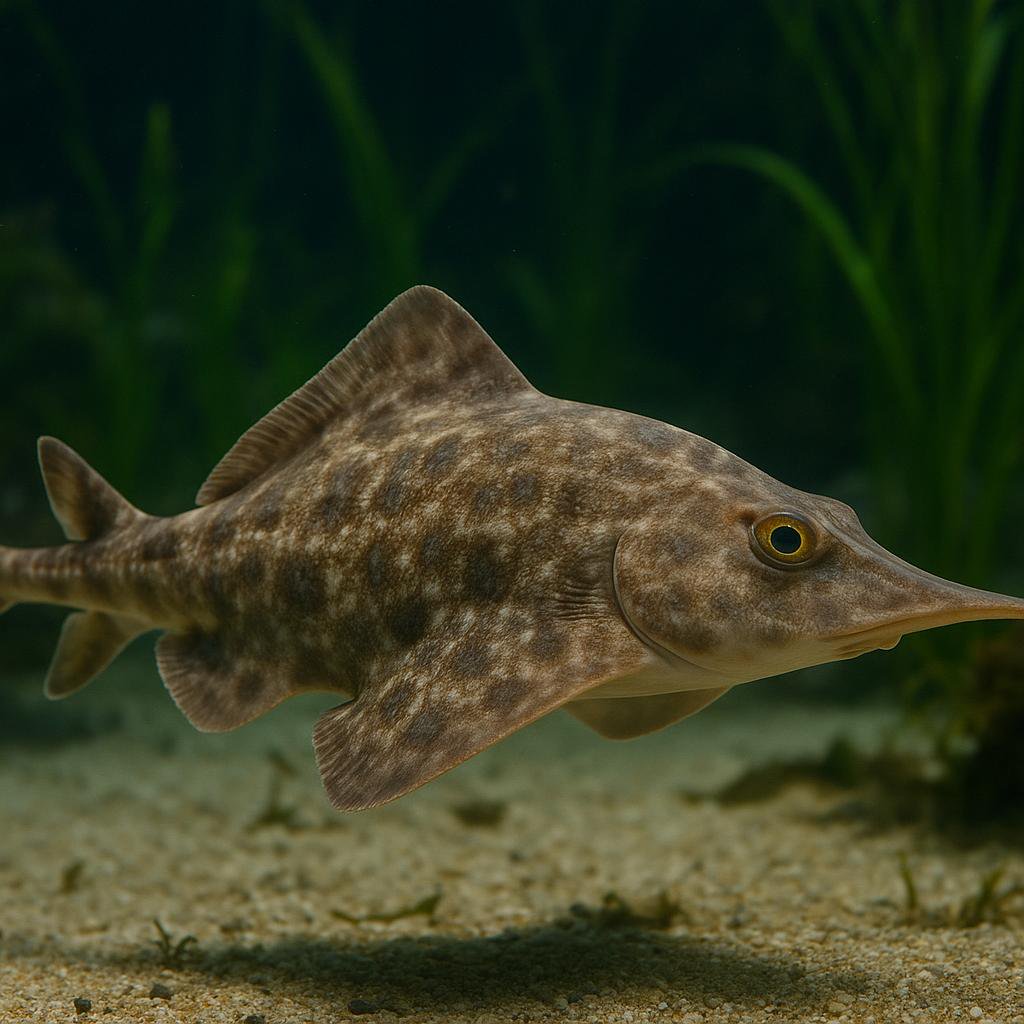
This is a big, cold-water deep-slope skate from the North Pacific that cruises muddy bottoms and eats chunky benthic prey like crabs and shrimp. The really cool bit is its egg-laying skate life - it does distinct pairing (the classic skate "embrace") and drops those tough egg cases on the seafloor. Not an aquarium fish at all unless you're basically running a public-aquarium-style chilled system.
Antarctic dragonfish
Vomeridens infuscipinnis
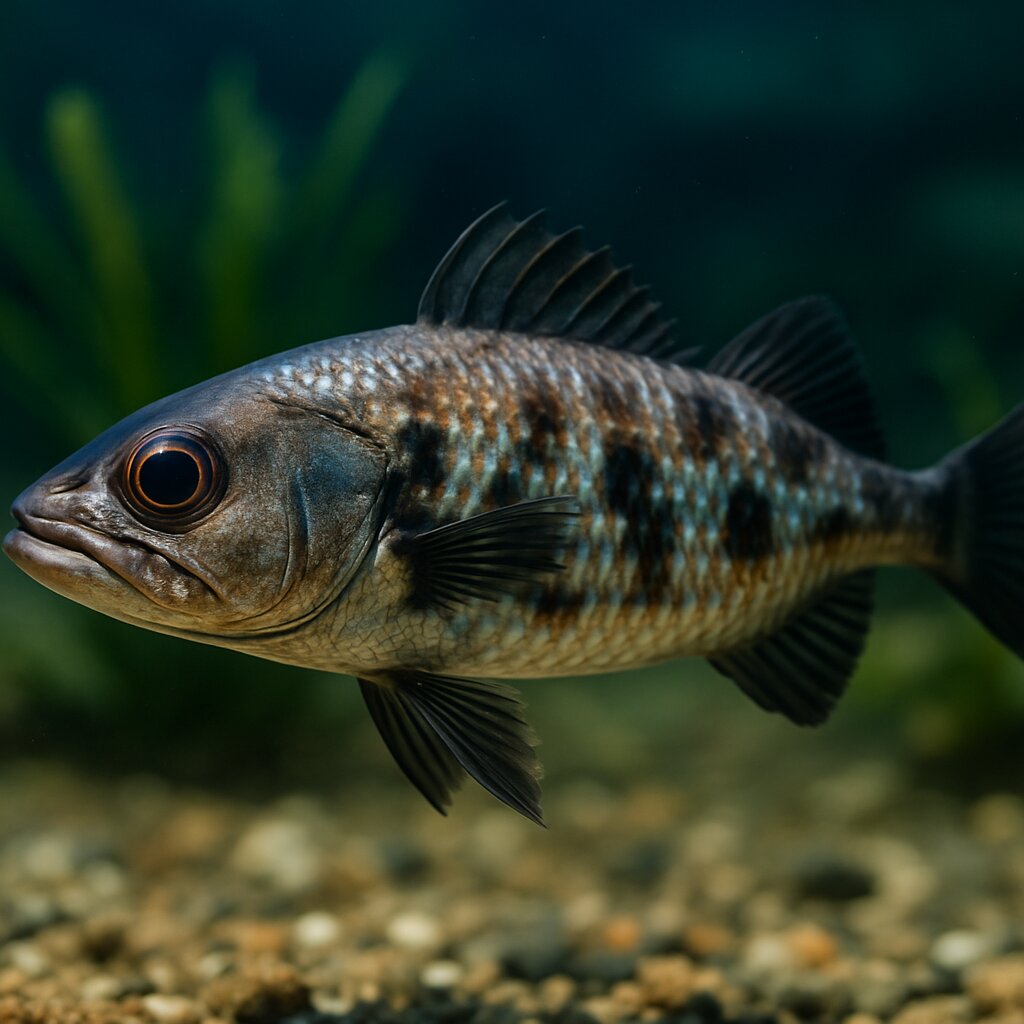
Deep down around Antarctica, this sleek dragonfish cruises the water column like a little submarine, nearly neutrally buoyant so it can hover above the seafloor. It munches almost exclusively on Antarctic krill and lives in near-freezing water 500-800 m down, so it is a cool species to read about, not one for home tanks.
Arabian spiny eel
Notacanthus indicus
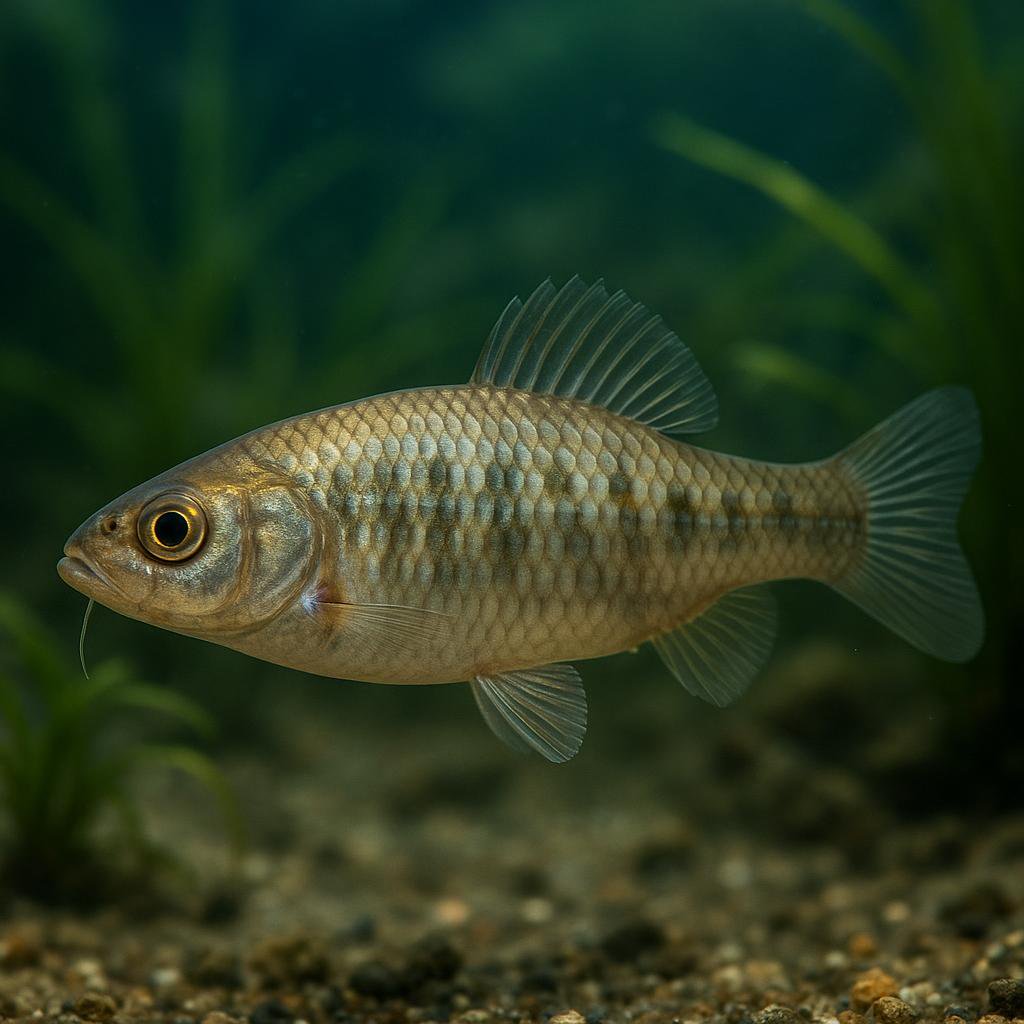
Notacanthus indicus is a deep-sea spiny eel (family Notacanthidae; not a true eel) known from the Arabian Sea on the continental slope at roughly ~960–1,046 m depth, with reported maximum length around 20 cm TL; it is a deep-water bycatch species and not established in the aquarium trade.
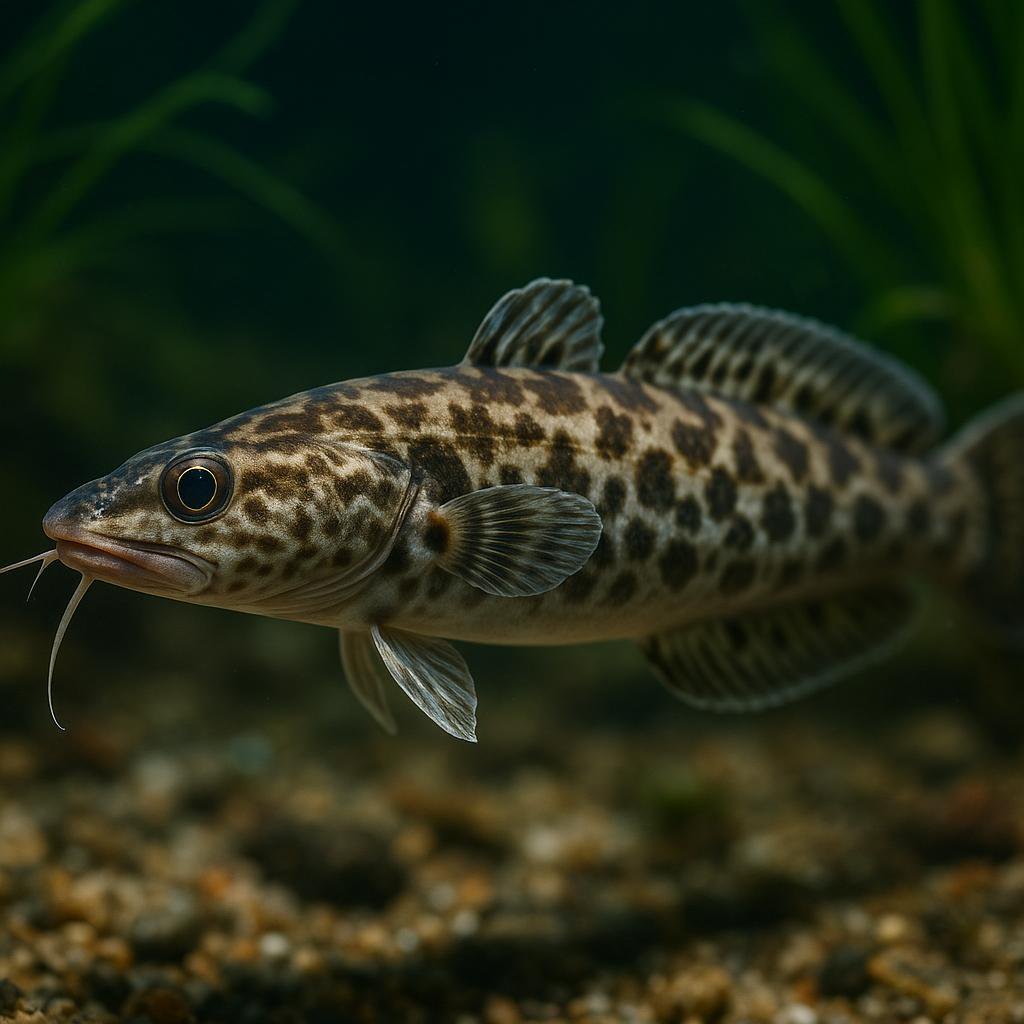
Arctic rockling
Gaidropsarus argentatus
This is a deepwater North Atlantic rockling (a cod relative) that hangs out on soft bottoms way down the slope. It is a cold-water, bottom-hugging predator that snoots around for crustaceans and will also take small fish when it gets the chance.
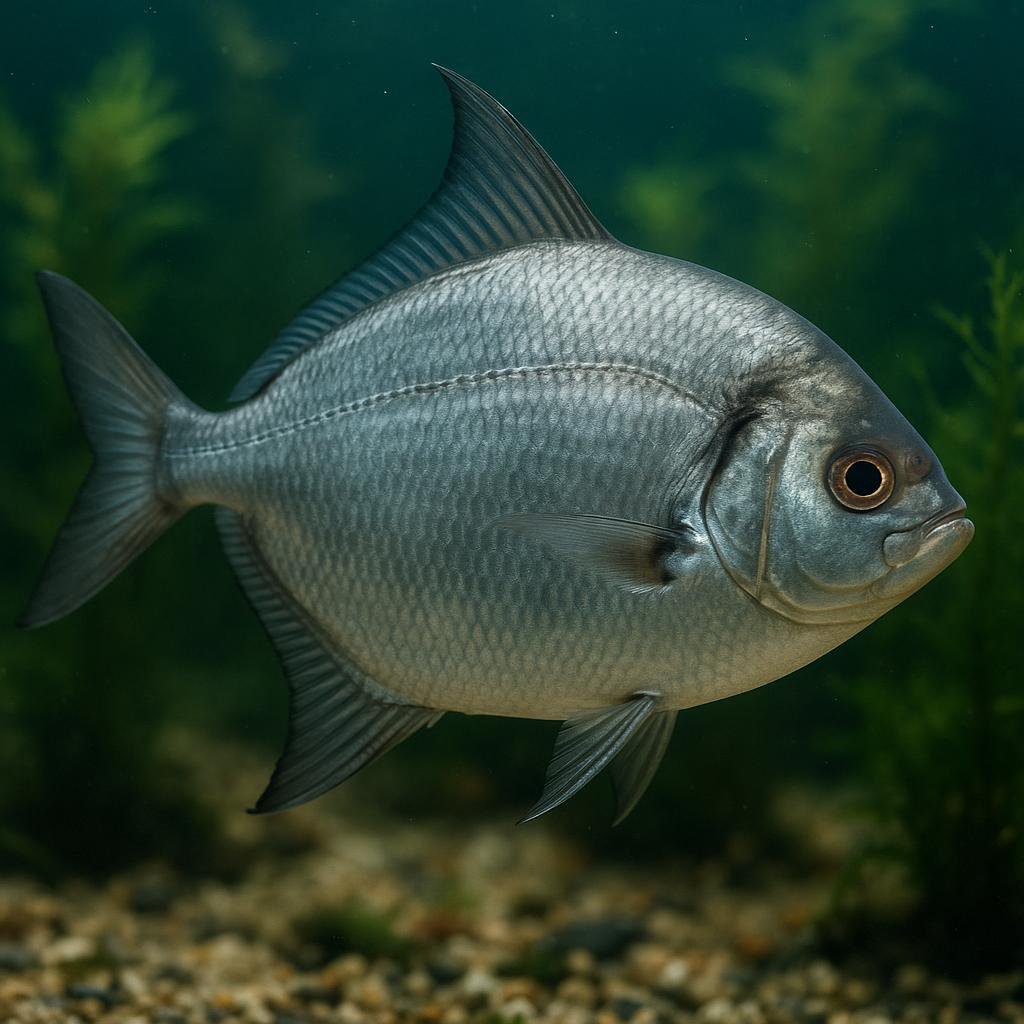
Atlantic pomfret
Brama brama
Brama brama is the Atlantic pomfret (aka Ray's bream) - a deep-bodied, open-ocean pelagic fish that cruises around in small schools and follows water temps. It is a legit big, wild marine species (not an aquarium fish) that eats other small sea critters like fish and squid, and it ranges across a huge chunk of the Atlantic plus parts of the Indian and South Pacific.
Australian sawtail catshark
Figaro boardmani
Figaro boardmani is a small, deepwater Australian catshark with these cool saw-like ridges of spiny denticles along the tail and a neat pattern of dark saddle bands. It lives way down on the outer continental shelf and slope, so its natural water is cold, dim, and stable - totally not a typical home-aquarium fish. Diet-wise its a predator that goes after fish, crustaceans, and cephalopods.
More to Explore
Discover more marine species.
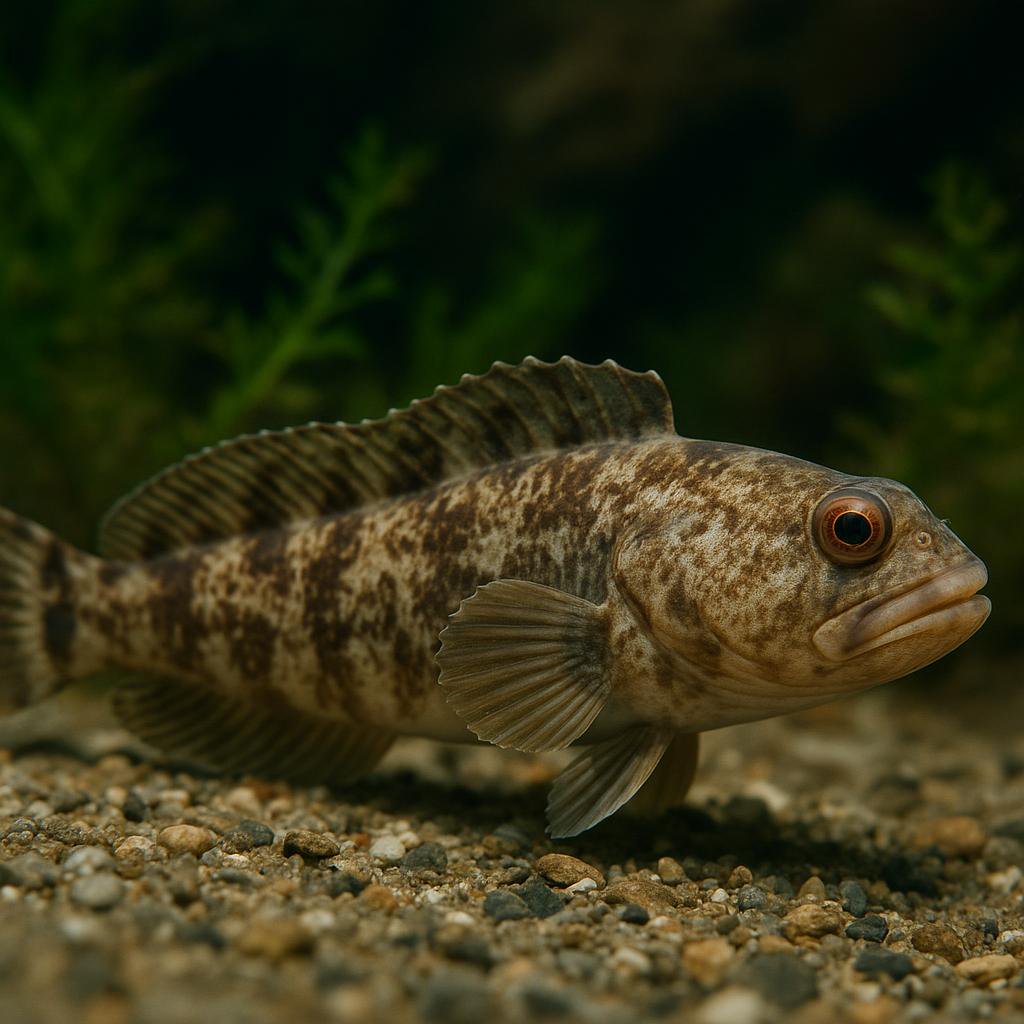
Abe's eelpout
Japonolycodes abei
Japonolycodes abei is a temperate, deepwater demersal eelpout (family Zoarcidae) endemic to Japan (Kumano-nada Sea reported; other sources also report Sagami Bay and Tosa Bay). It is the only species in the genus Japonolycodes and occurs roughly 40-300 m depth, making it an uncommon/atypical aquarium species.
Affinis blind cusk-eel
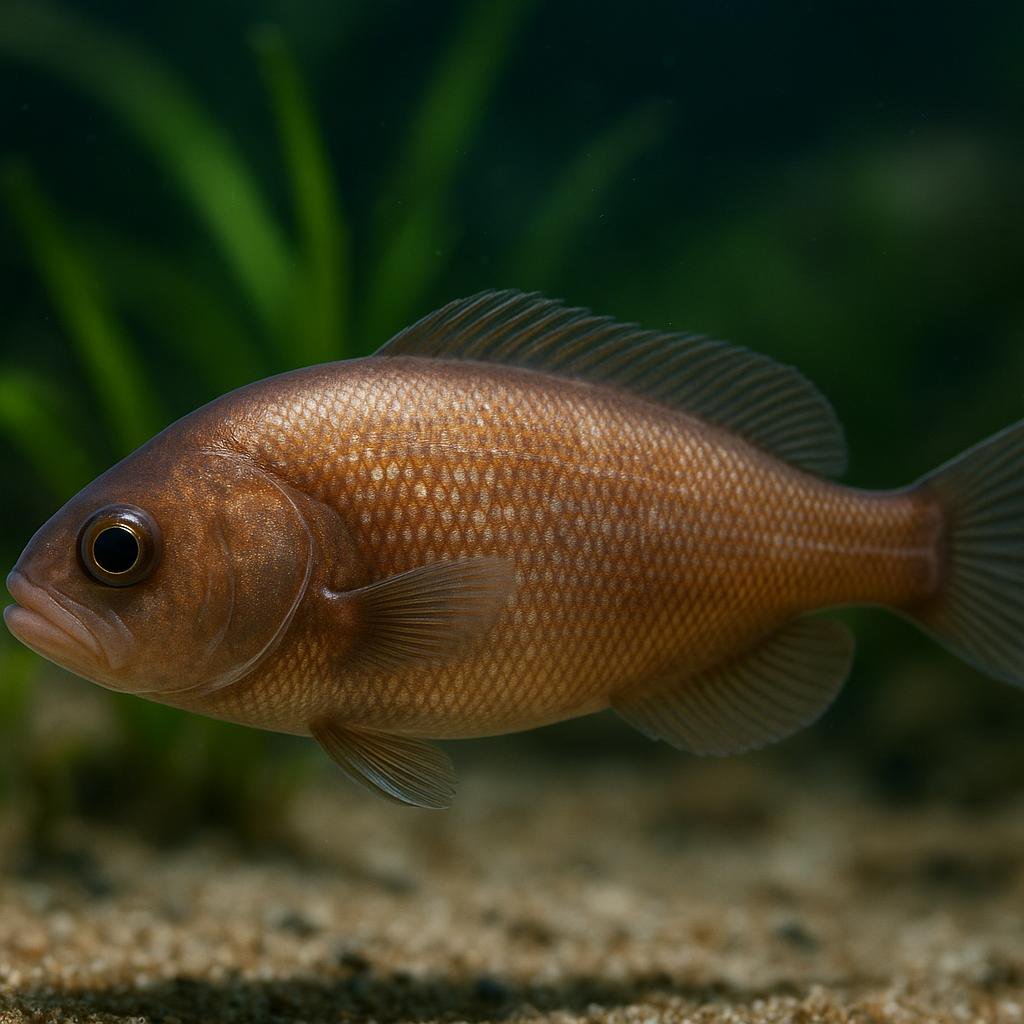
Barathronus affinis
Barathronus affinis is a tiny, super-weird deep-sea blind cusk-eel from the western-central Indian Ocean. It is one of those gelatinous, loose-skinned brotula-type fishes that live way down in the dark and are basically never seen alive, so almost everything we know comes from preserved specimens and taxonomic work.
African red snapper
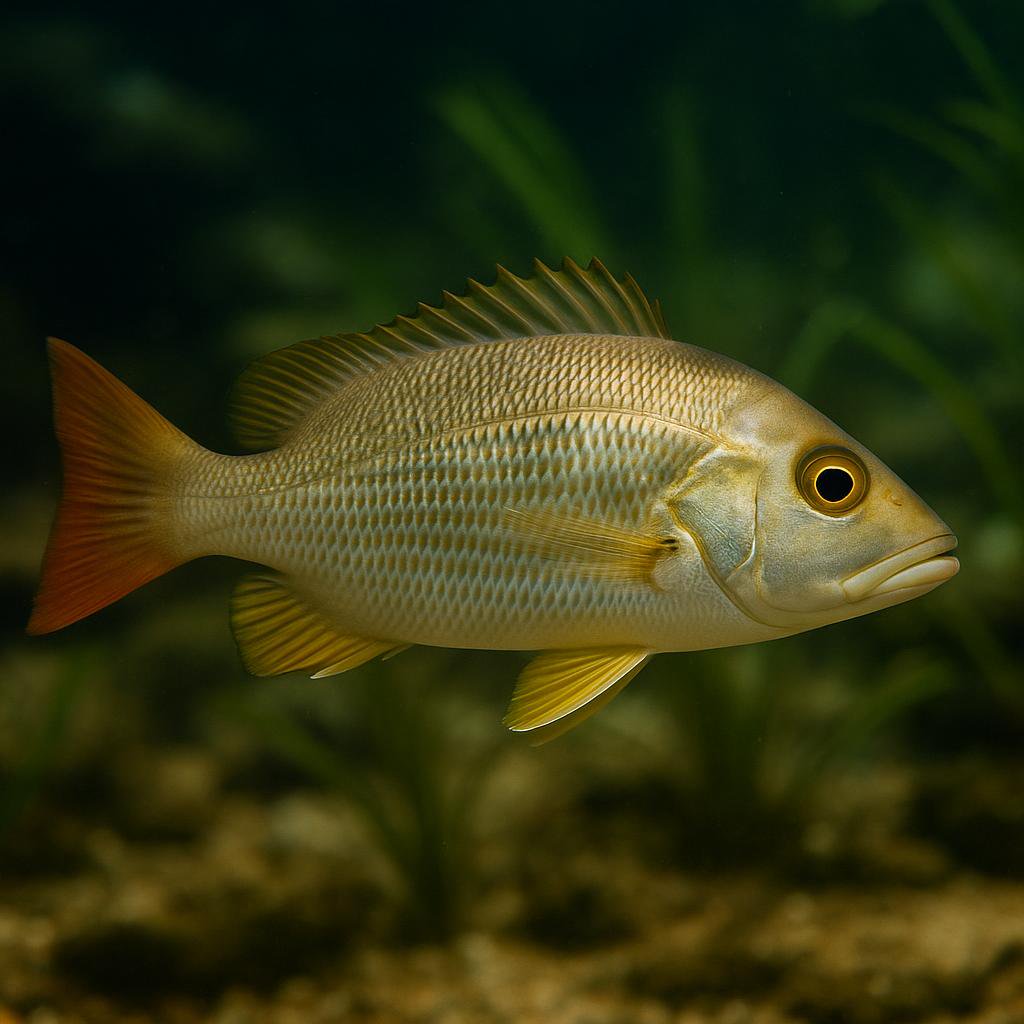
Lutjanus agennes
This is a true snapper from West Africa - a big, fast-growing predator that goes from coastal reefs to brackish lagoons and estuaries (especially as a juvenile). Super cool fish in the wild, but it gets absolutely huge and will eat smaller tankmates once it has the mouth for it, so its really more of a public-aquarium scale animal than a home-aquarium fish.
Allis shad
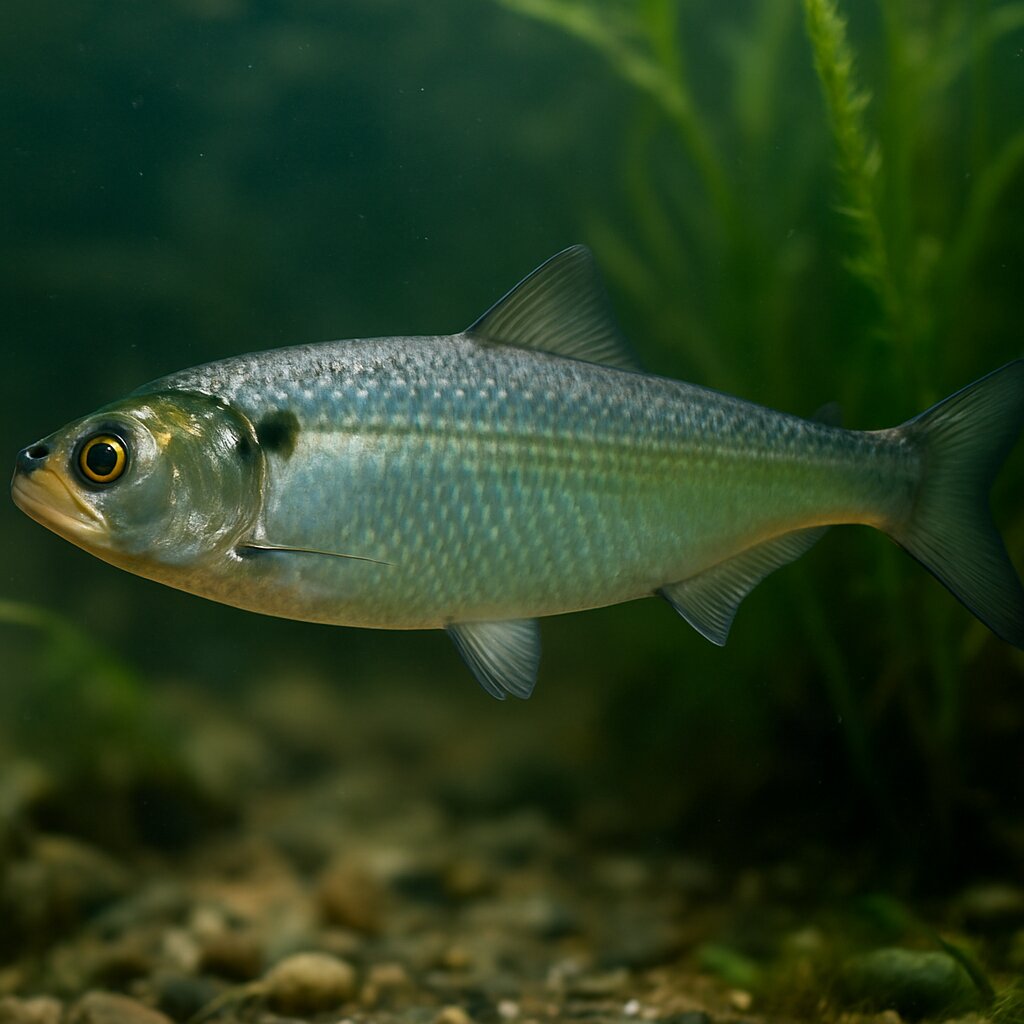
Alosa alosa
Gorgeous silver, fast-swimming shad that spends most of its life in the sea and then surges up big rivers in noisy, surface-spawning schools. It grows huge for a herring-type fish and needs cool, ultra-oxygenated water and tons of open space, so it is a public-aquarium species rather than a home tank fish.
Annandale's zebra sole
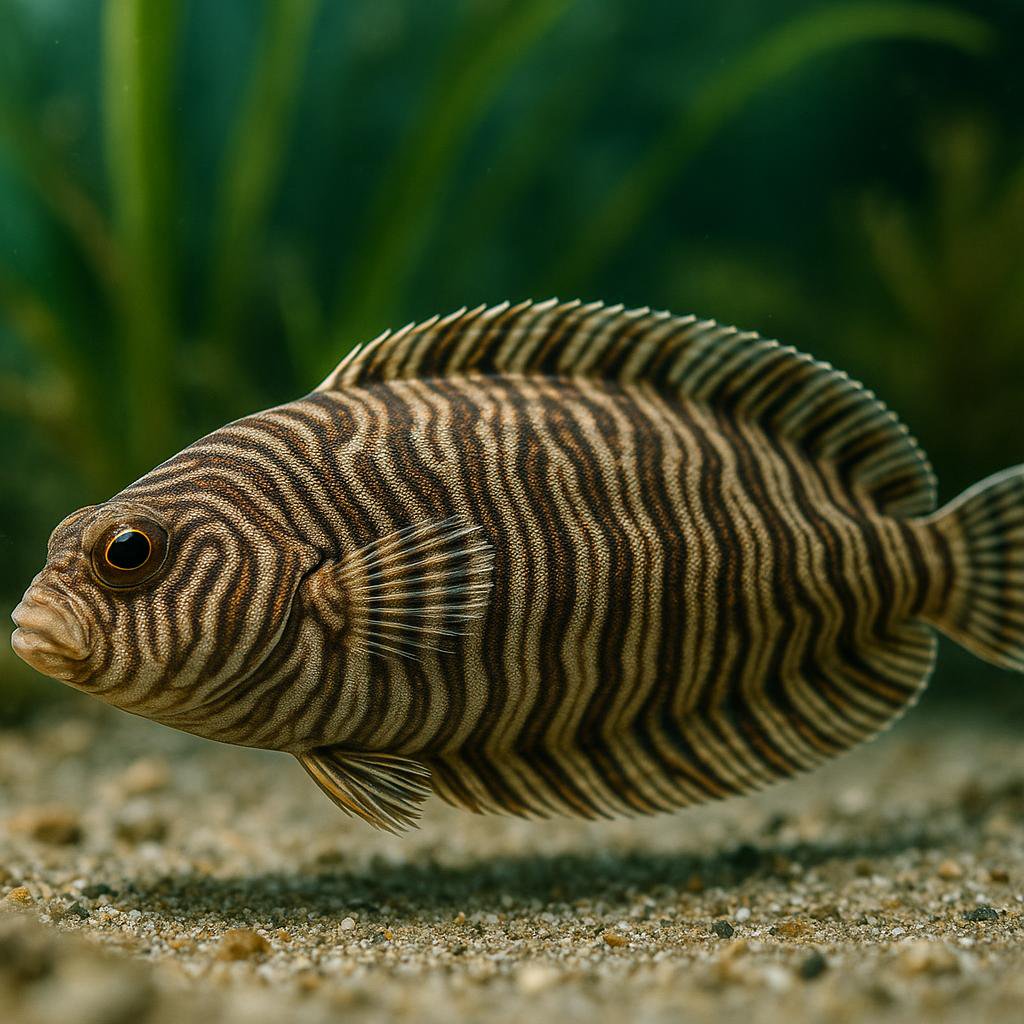
Zebrias annandalei
Zebrias annandalei is a small demersal sole from coastal India that inhabits sandy or muddy bottoms and buries for camouflage. It is rarely kept in home aquaria and would require a specialized marine sand-bottom setup and appropriate feeding.
Banded stargazer
Kathetostoma binigrasella
This is a New Zealand stargazer that lives half-buried in sand or mud with its eyes pointed up, waiting to rocket upward and nail passing prey. It has those neat dark saddle-bands across the back (especially as a juvenile), and like other stargazers it is venomous with spines near the gill cover/pectoral area - definitely a look-dont-touch fish.
Looking for other species?