

Thin sand-eel
Yirrkala tenuis
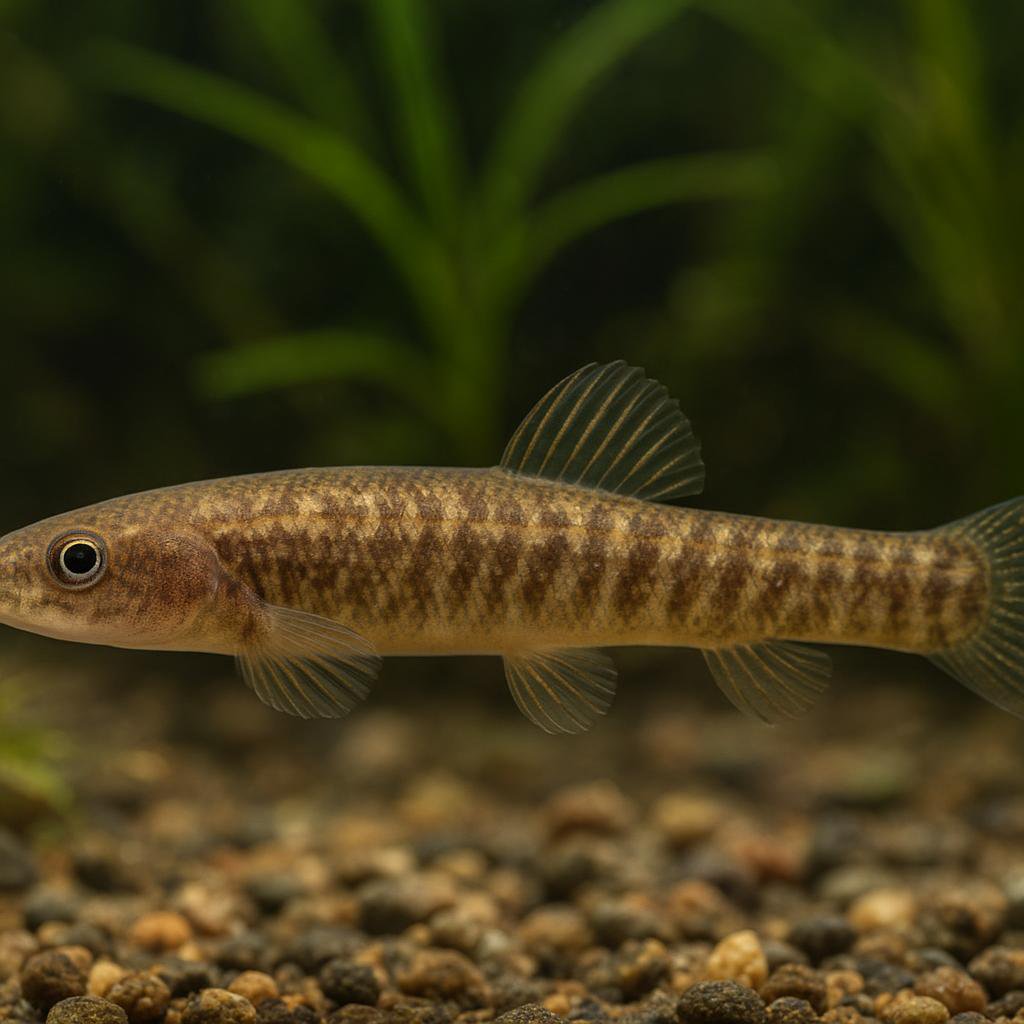
The Thin sand-eel (Yirrkala tenuis) features a slender, elongated body with a silvery sheen and a distinctive, pointed snout.
This page includes AI-generated images. Why am I seeing AI images?
About the Thin sand-eel
Yirrkala tenuis is a skinny little snake eel that spends a lot of its time tucked into sand or soft bottom, with just the head poking out when it feels like it. It is a Western Indian Ocean species (Red Sea area down to South Africa, plus islands like Mauritius and Reunion), and it can get surprisingly long for how "thin" it looks - over 50 cm.
Also known as
Quick Facts
Size
53 cm
Temperament
Semi-aggressive
Difficulty
Expert
Min Tank Size
125 gallons
Lifespan
10-20 years
Origin
Western Indian Ocean
Diet
Carnivore - meaty foods (shrimp, fish, worms), frozen and fresh; will take large sinking foods once settled
Water Parameters
24-28°C
8-8.4
8-12 dGH
Need a heater for this species?
This species needs 24-28°C in a 125 gallon tank. Use our heater calculator to find the right wattage.
Calculate heater sizeCare Notes
- Give it a long tank with a big, fine sand bed (3-6 inches) so it can bury and feel safe - they stress fast in bare-bottom or chunky sand.
- Keep the water steady: 1.024-1.026 salinity, 76-79F, pH 8.1-8.4; they really do poorly with big daily swings, especially salinity.
- Flow should be moderate with calmer zones over the sand so it can poke out without getting blasted, but still strong enough overall to keep oxygen high.
- Feed small meaty stuff like enriched mysis, chopped prawn, or blackworms (if you trust your source); target feed with a pipette near its burrow at dusk when it is bolder.
- Do not keep with fast pigs that steal food (chromis, wrasses, damsels) unless you are ready to target feed every time; peaceful, non-competitive fish and small gobies are way easier.
- Watch the lid - they can launch when spooked, and they spook easily; cover every gap around cords and overflows.
- Quarantine is tricky because they need sand to settle, but skipping QT invites parasites; I use a shallow sand tray in QT and treat carefully since they do not handle harsh meds well.
Compatibility
Good Tankmates
- Medium, confident reef fish that mind their own business - think tangs (yellow, kole) in a decent-sized tank. They are active but usually not out to hunt the sand-eel.
- Rabbitfish (foxface, one-spot) - sturdy, not easily bullied, and they do their grazing thing while the sand-eel sticks to cruising and darting.
- Most wrasses that are not tiny and not hyper-aggressive - like fairy and flasher wrasses. They are quick enough to not get picked on and they do not usually treat the sand-eel like food.
- Bigger clowns in a roomy setup (ocellaris/percula pairs, maroons only if you know your maroons) - they hold their little territory and usually ignore a sand-eel that stays out in the open or along the sand.
- Hawkfish like flame or longnose - surprisingly decent match if the hawk is not a psycho and the sand-eel is not tiny. They perch and watch, but they are not built to chase a fast, eel-shaped fish all day.
- Dottybacks and pseudochromis (orchid, springeri) - they have the same semi-aggressive vibe, and as long as everyone has rockwork and space, they can coexist without nonstop drama.
Avoid
- Predators that see skinny fish as snacks - lionfish, groupers, big scorpionfish, big hawkfish. If it can fit that sand-eel in its mouth, it will eventually try.
- Super aggressive territory bullies - big damsels, nasty triggers, and the meaner large angels in tighter tanks. They will harass it into hiding and stress it out.
- Tiny, timid fish that hover and freeze - small gobies, firefish, small cardinals. The sand-eel is semi-aggressive and a fast feeder, and the little guys get outcompeted or get chased off their spots.
Where they come from
Thin sand-eels (Yirrkala tenuis) are one of those oddball marine eels that spend a lot of their time buried, poking just the head out like a periscope. They show up in Indo-Pacific coastal areas where the bottom is sandy or silty, often around rubble zones and gentle slopes.
That habitat tells you almost everything about how to keep them: they want to hide in sand, they hate chaos, and they do not appreciate being forced to live on bare glass with nowhere to disappear.
Setting up their tank
This is an expert fish mostly because of two things: it is a burying specialist and it can be a feeding headache at first. If you get the substrate and the cover right, you are already ahead of the game.
- Tank size: I would not bother under 40-55 gallons for one. Bigger is nicer because you can build a wide sandy footprint and still keep stable water.
- Substrate: fine sand, deep. Aim for 3-5 inches. Sugar-sized aragonite works well. Avoid sharp crushed coral.
- Aquascape: keep rockwork stable and sitting on the glass or on supports, not on top of the sand. Eels burrow and can undermine rocks.
- Flow: moderate. Enough to keep detritus from settling everywhere, but not so much that it turns your sandbed into a dune field.
- Cover: tight lid. Any eel-shaped fish plus an uncovered gap is a bad combo. Seal overflows and cable cutouts.
- Lighting: they do not care. Give them shaded areas and you will see them more often.
Build your rockwork like the sand will move, because it will. If a rock is resting on sand, assume the eel will eventually dig under it.
I like to give them a couple of "starter burrows" by placing a short length of PVC (like 3/4 to 1 inch) under the sand near a rock edge. They do not always use it, but it seems to help new arrivals settle instead of glass-surfing or vanishing for a week.
Quarantine is tough with this species because a bare-bottom QT stresses them out and makes feeding harder. If you QT, add a tub of clean fine sand in a container or use a sacrificial sand tray you can toss after.
What to feed them
Think small meaty marine foods, and think "movement". New thin sand-eels often ignore anything that just sits there. Once they recognize your feeding routine, they usually get a lot easier.
- Good staples: enriched mysis, finely chopped shrimp, chopped clam, chopped squid, krill pieces (sparingly), quality frozen marine blends.
- Live foods to get them started: live ghost shrimp (salt-acclimated), live mysids, blackworms (if you can source them clean), small live fish only as a last resort.
- Enrichment: soak foods in a vitamin + HUFA supplement a couple times a week, especially early on.
Target feeding helps a lot. Use a long feeding stick or turkey baster and place food right in front of the head when it is peeking out. If it is fully buried, do not dump food in and hope. You will just feed the tank and foul the sandbed.
They can go from "not eating" to "thin and crashing" faster than you expect. Watch body condition. If the neck and head area looks pinched or the eel looks stringy, switch tactics and get calories in with live foods while you retrain it.
Feeding frequency depends on size and how well it is taking prepared foods. I usually start with small offerings daily, then move to 3-5 times a week once it is steady and not acting frantic at feeding time.
How they behave and who they get along with
Most of the time they are calm, secretive, and honestly pretty entertaining once you learn their schedule. You will get the classic "head out of the sand" pose, little repositioning wiggles, and quick darting grabs at food.
The main compatibility issue is not aggression, it is them getting outcompeted or stressed into hiding. Fast, pushy eaters can keep them from getting food, and big predatory fish can view them as a snack.
- Good tankmates: peaceful to semi-peaceful fish that are not hyper at feeding time (many gobies, blennies, smaller wrasses that are not bullies, reef-safe angels with caution, calm tangs in larger tanks).
- Use caution: dottybacks, big hawkfish, triggers, larger wrasses, and anything that rushes the food like it is a sport.
- Avoid: fish that eat eels, very large groupers, lionfish, big morays, and crustaceans you are attached to (small shrimp can disappear).
They are escape artists in the "found on the floor" way, not the "climbing the rock" way. If there is a gap in the lid, they will eventually find it.
With other eel-ish fish, I would not assume peace. Some setups work, but in smaller tanks you are rolling the dice, especially if burrowing spots are limited.
Breeding tips
I have never seen confirmed captive breeding of Yirrkala tenuis in the hobby, and I would not build a plan around it. Like many marine eels, they likely have a larval stage that is not something most of us can rear at home.
If you ever end up with two that tolerate each other, the best you can do is keep the tank stable, keep them well fed, and watch for any seasonal behavior changes. But realistically, this is a "keep it healthy for years" species, not a breeding project.
Common problems to watch for
Most issues trace back to stress, feeding, and substrate. If you nail those, you dodge a lot of headaches.
- Not eating after arrival: very common. Try live foods, dim the lights, reduce competition, and target feed near its burrow.
- Starvation by competition: it is easy to miss because they hide. Watch the body line and make sure it actually grabs food.
- Sandbed rot and nutrient spikes: uneaten meaty food buried in sand gets nasty. Feed small amounts and remove leftovers.
- Rockwork collapses: caused by burrowing under unstable structures. Set rocks on glass and keep heavy pieces secured.
- Jumping/escaping: gaps in lids, overflows, and plumbing cutouts are the usual exit routes.
- External parasites and bacterial issues: stressed new eels can show cloudy skin, frayed fins (if any are visible), or rapid breathing. Quarantine is tricky but still worth the effort with a sand tray approach.
Do not medicate the display tank casually with this species. Many eel-like fish react poorly to copper and some other meds, and you can also wreck your sandbed biology. If you need treatment, move it to a controlled hospital setup with hiding and a sand substitute/tray.
Last thing: keep a flashlight handy for nighttime checks. A lot of sand-eel activity happens after lights out, and seeing it out and moving around at night is often the first sign it is settling in and feeling secure.
Similar Species
Other marine semi-aggressive species you might be interested in.
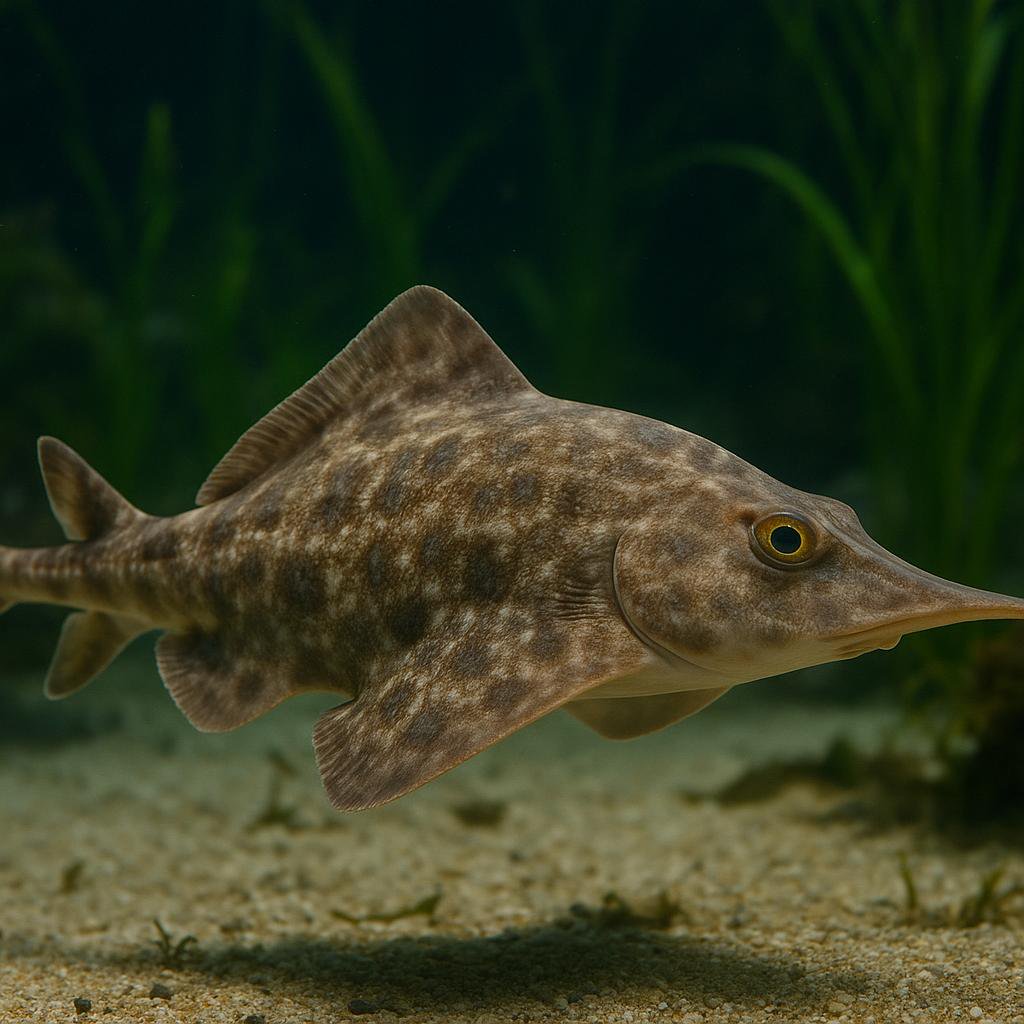
Aleutian skate
Bathyraja aleutica
This is a big, cold-water deep-slope skate from the North Pacific that cruises muddy bottoms and eats chunky benthic prey like crabs and shrimp. The really cool bit is its egg-laying skate life - it does distinct pairing (the classic skate "embrace") and drops those tough egg cases on the seafloor. Not an aquarium fish at all unless you're basically running a public-aquarium-style chilled system.
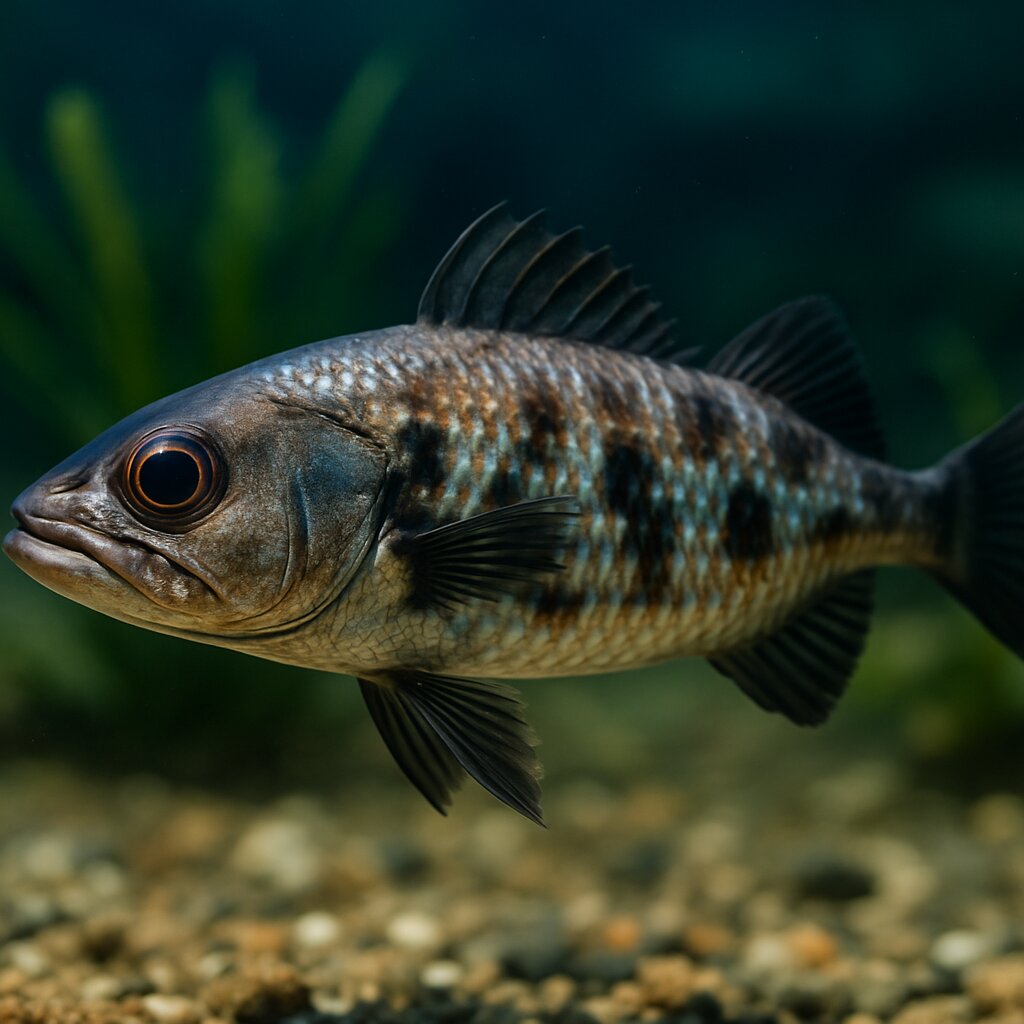
Antarctic dragonfish
Vomeridens infuscipinnis
Deep down around Antarctica, this sleek dragonfish cruises the water column like a little submarine, nearly neutrally buoyant so it can hover above the seafloor. It munches almost exclusively on Antarctic krill and lives in near-freezing water 500-800 m down, so it is a cool species to read about, not one for home tanks.
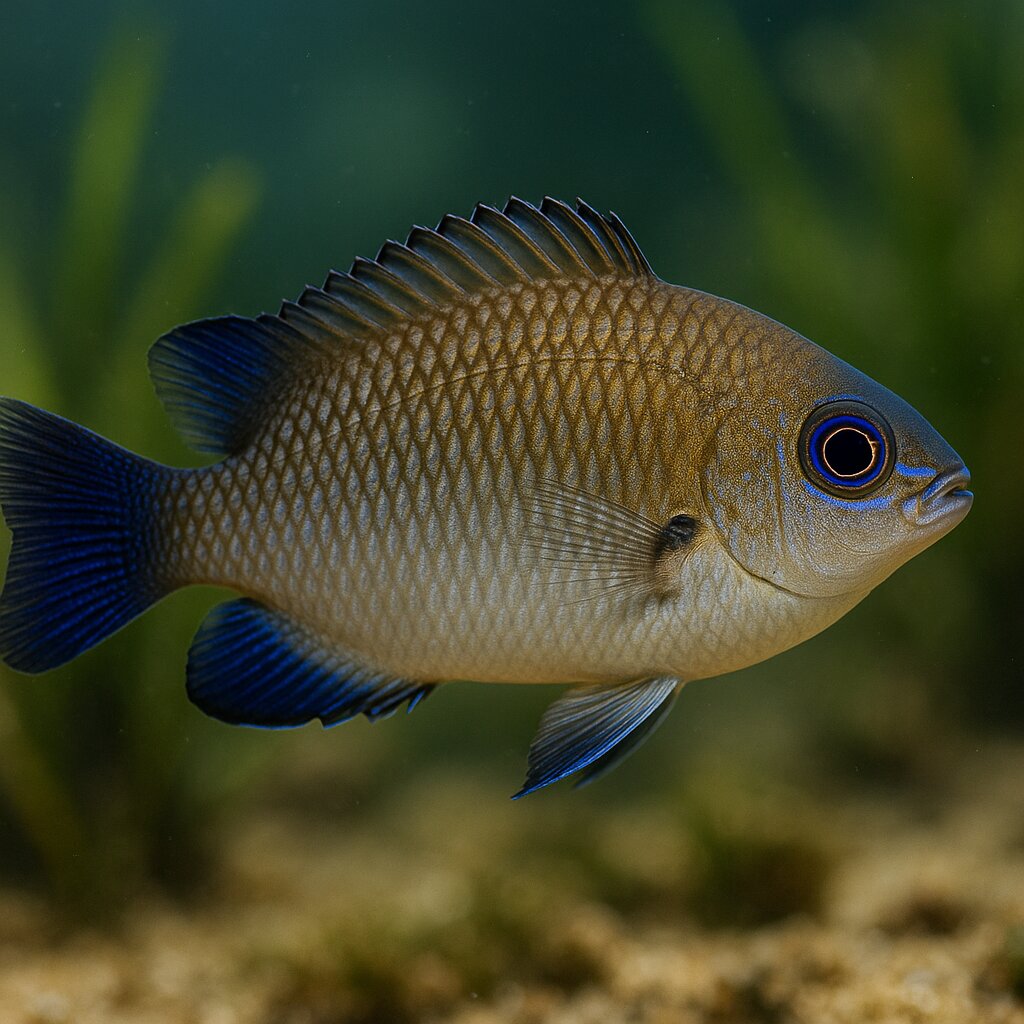
Arabian demoiselle
Neopomacentrus sindensis
A small lyretail damsel from the Persian Gulf and Arabian Sea, it hangs in loose groups around coral heads, rocks, and even pier pilings picking zooplankton from the flow. Think classic damsel toughness with a slightly milder attitude than the real bruisers, plus subtle yellow tail accents. Males clean a patch, get a mate to lay eggs there, and then stand guard fanning the clutch.
Arabian spiny eel
Notacanthus indicus
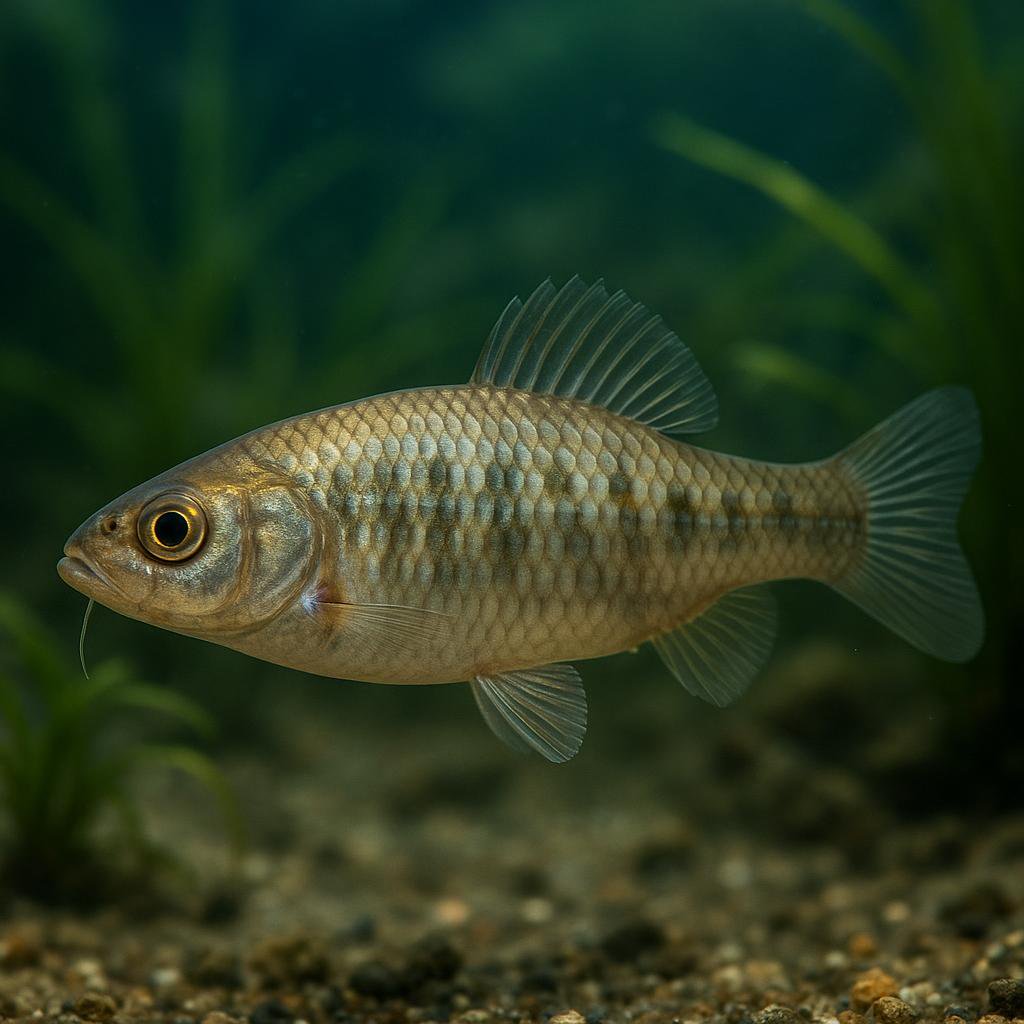
Notacanthus indicus is a deep-sea spiny eel (family Notacanthidae; not a true eel) known from the Arabian Sea on the continental slope at roughly ~960–1,046 m depth, with reported maximum length around 20 cm TL; it is a deep-water bycatch species and not established in the aquarium trade.
Arctic rockling
Gaidropsarus argentatus
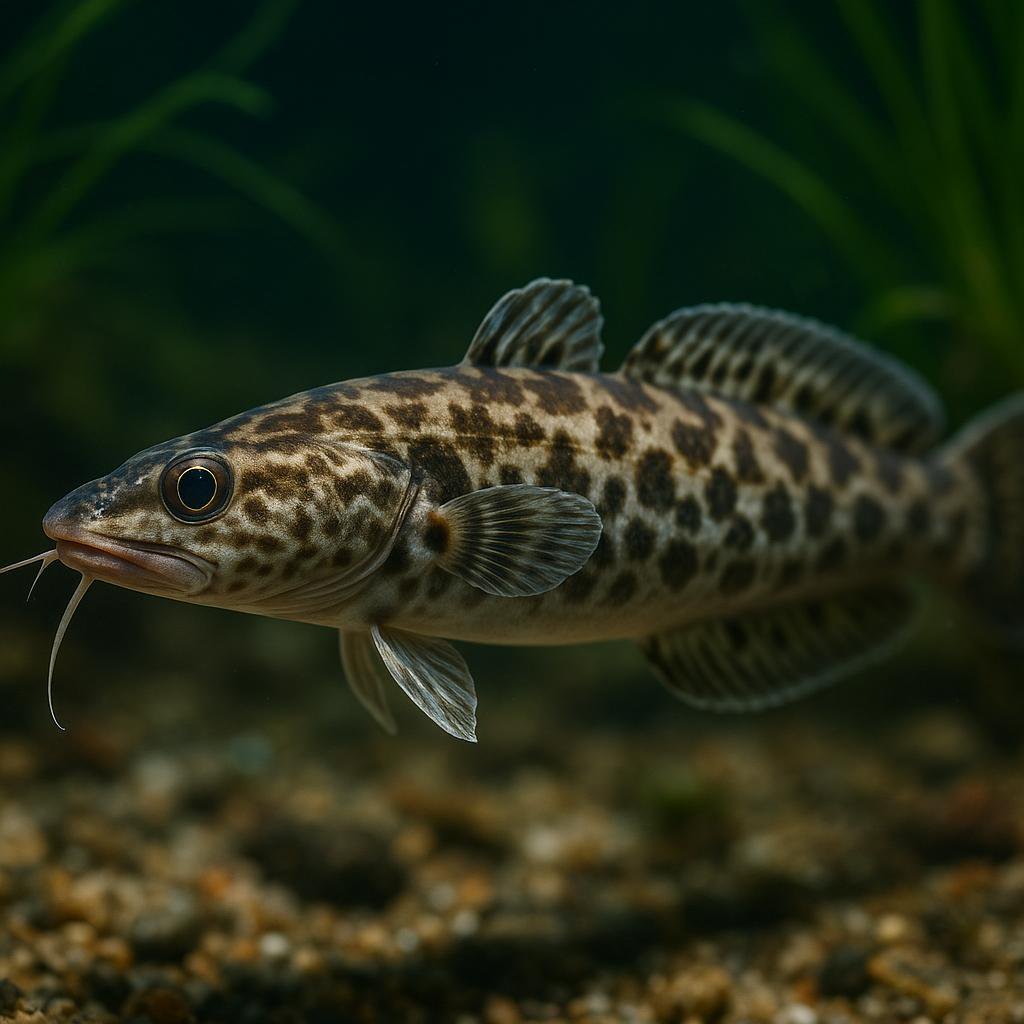
This is a deepwater North Atlantic rockling (a cod relative) that hangs out on soft bottoms way down the slope. It is a cold-water, bottom-hugging predator that snoots around for crustaceans and will also take small fish when it gets the chance.
Atlantic pomfret
Brama brama
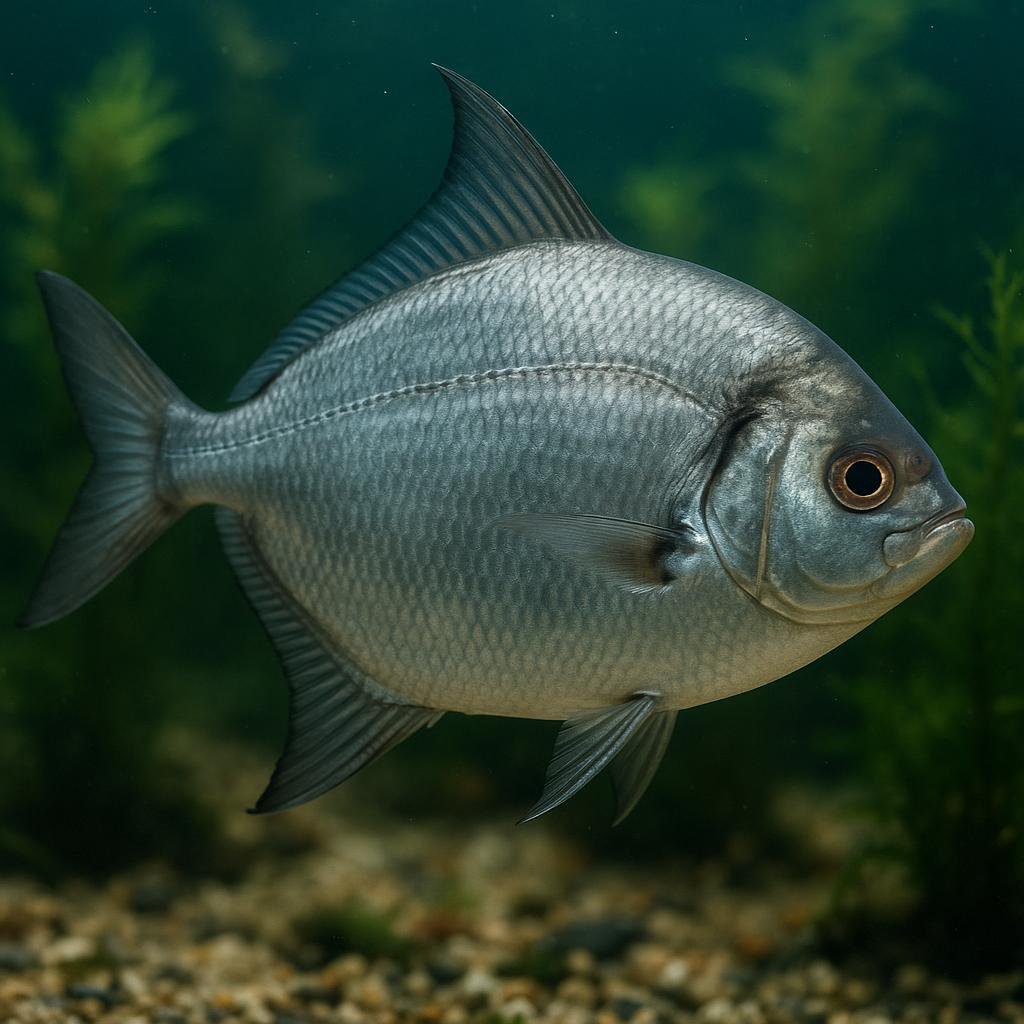
Brama brama is the Atlantic pomfret (aka Ray's bream) - a deep-bodied, open-ocean pelagic fish that cruises around in small schools and follows water temps. It is a legit big, wild marine species (not an aquarium fish) that eats other small sea critters like fish and squid, and it ranges across a huge chunk of the Atlantic plus parts of the Indian and South Pacific.
More to Explore
Discover more marine species.
Abe's eelpout
Japonolycodes abei
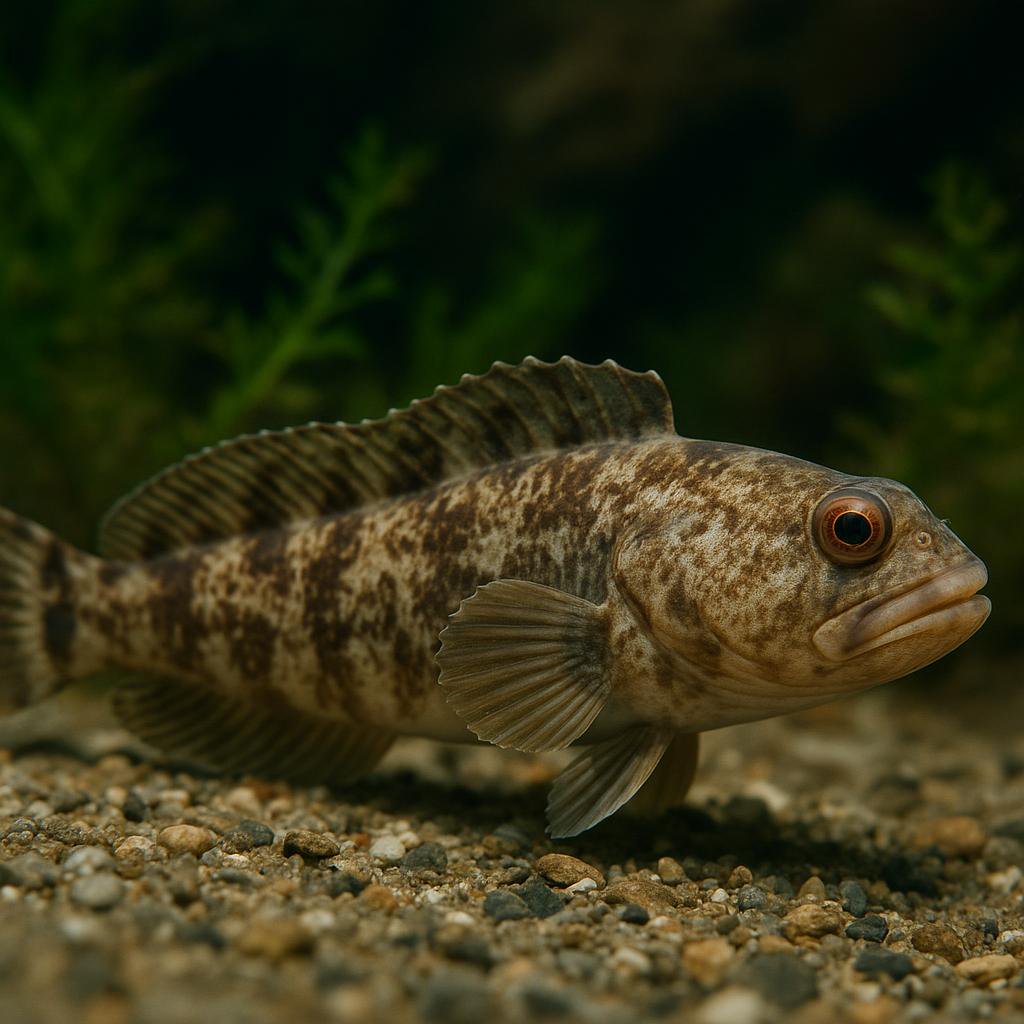
Japonolycodes abei is a temperate, deepwater demersal eelpout (family Zoarcidae) endemic to Japan (Kumano-nada Sea reported; other sources also report Sagami Bay and Tosa Bay). It is the only species in the genus Japonolycodes and occurs roughly 40-300 m depth, making it an uncommon/atypical aquarium species.
Affinis blind cusk-eel
Barathronus affinis
Barathronus affinis is a tiny, super-weird deep-sea blind cusk-eel from the western-central Indian Ocean. It is one of those gelatinous, loose-skinned brotula-type fishes that live way down in the dark and are basically never seen alive, so almost everything we know comes from preserved specimens and taxonomic work.
African red snapper
Lutjanus agennes
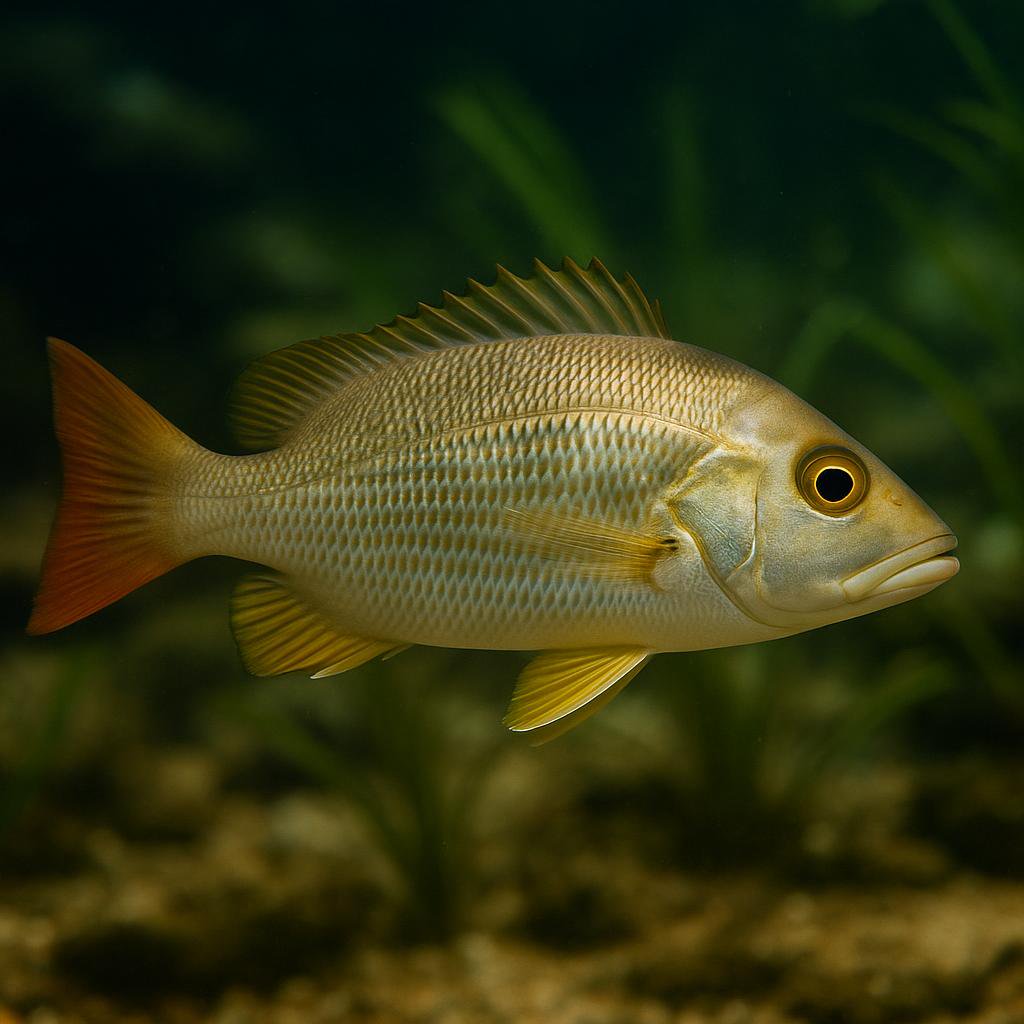
This is a true snapper from West Africa - a big, fast-growing predator that goes from coastal reefs to brackish lagoons and estuaries (especially as a juvenile). Super cool fish in the wild, but it gets absolutely huge and will eat smaller tankmates once it has the mouth for it, so its really more of a public-aquarium scale animal than a home-aquarium fish.
Allis shad
Alosa alosa
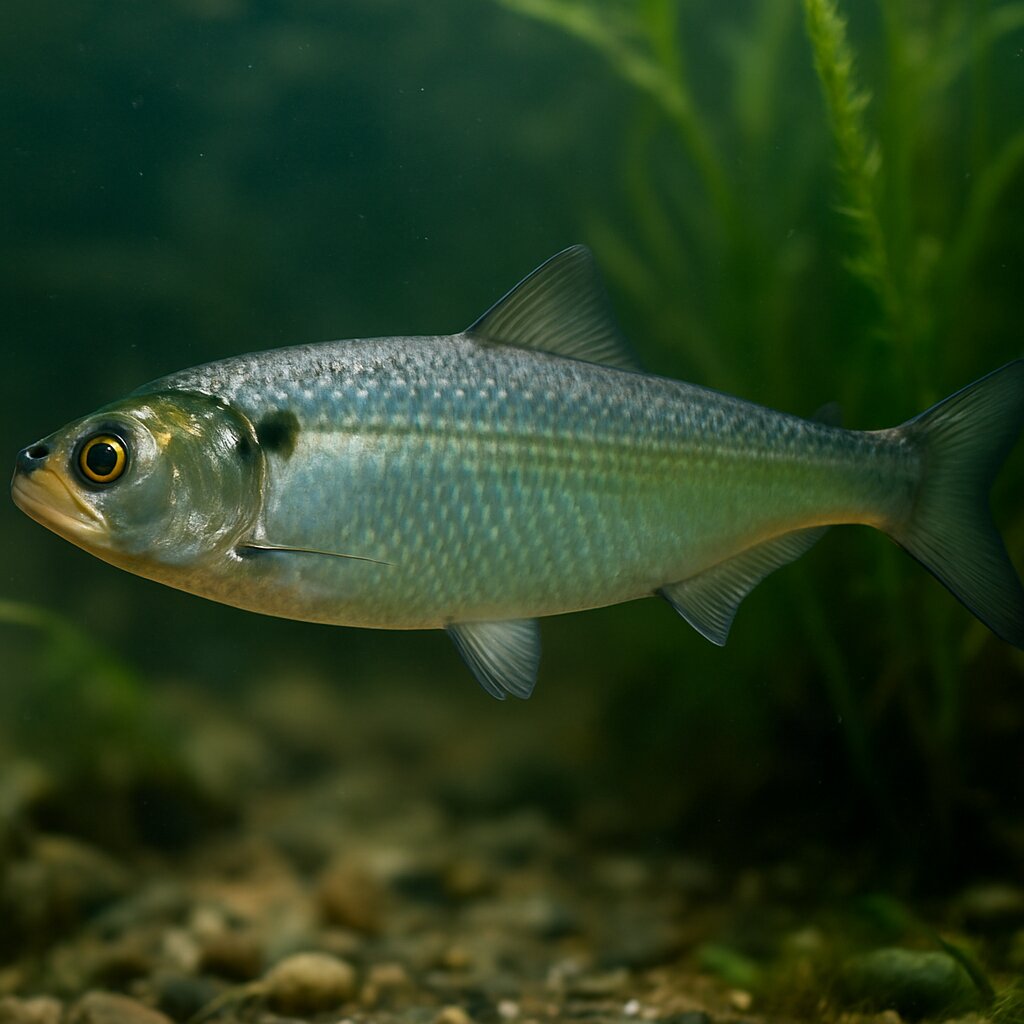
Gorgeous silver, fast-swimming shad that spends most of its life in the sea and then surges up big rivers in noisy, surface-spawning schools. It grows huge for a herring-type fish and needs cool, ultra-oxygenated water and tons of open space, so it is a public-aquarium species rather than a home tank fish.
Annandale's zebra sole
Zebrias annandalei
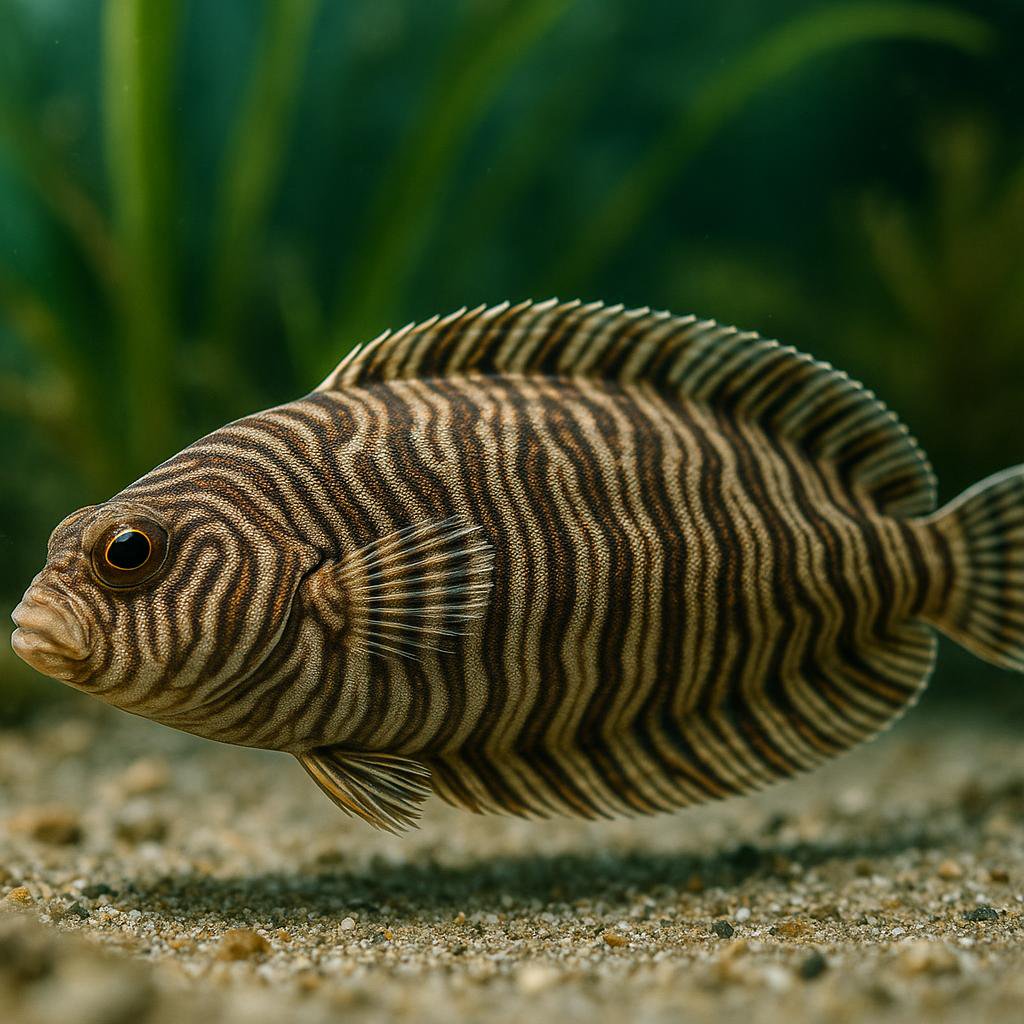
Zebrias annandalei is a small demersal sole from coastal India that inhabits sandy or muddy bottoms and buries for camouflage. It is rarely kept in home aquaria and would require a specialized marine sand-bottom setup and appropriate feeding.
Australian sawtail catshark
Figaro boardmani
Figaro boardmani is a small, deepwater Australian catshark with these cool saw-like ridges of spiny denticles along the tail and a neat pattern of dark saddle bands. It lives way down on the outer continental shelf and slope, so its natural water is cold, dim, and stable - totally not a typical home-aquarium fish. Diet-wise its a predator that goes after fish, crustaceans, and cephalopods.
Looking for other species?