

Fire-eye goby
Yoga pyrops
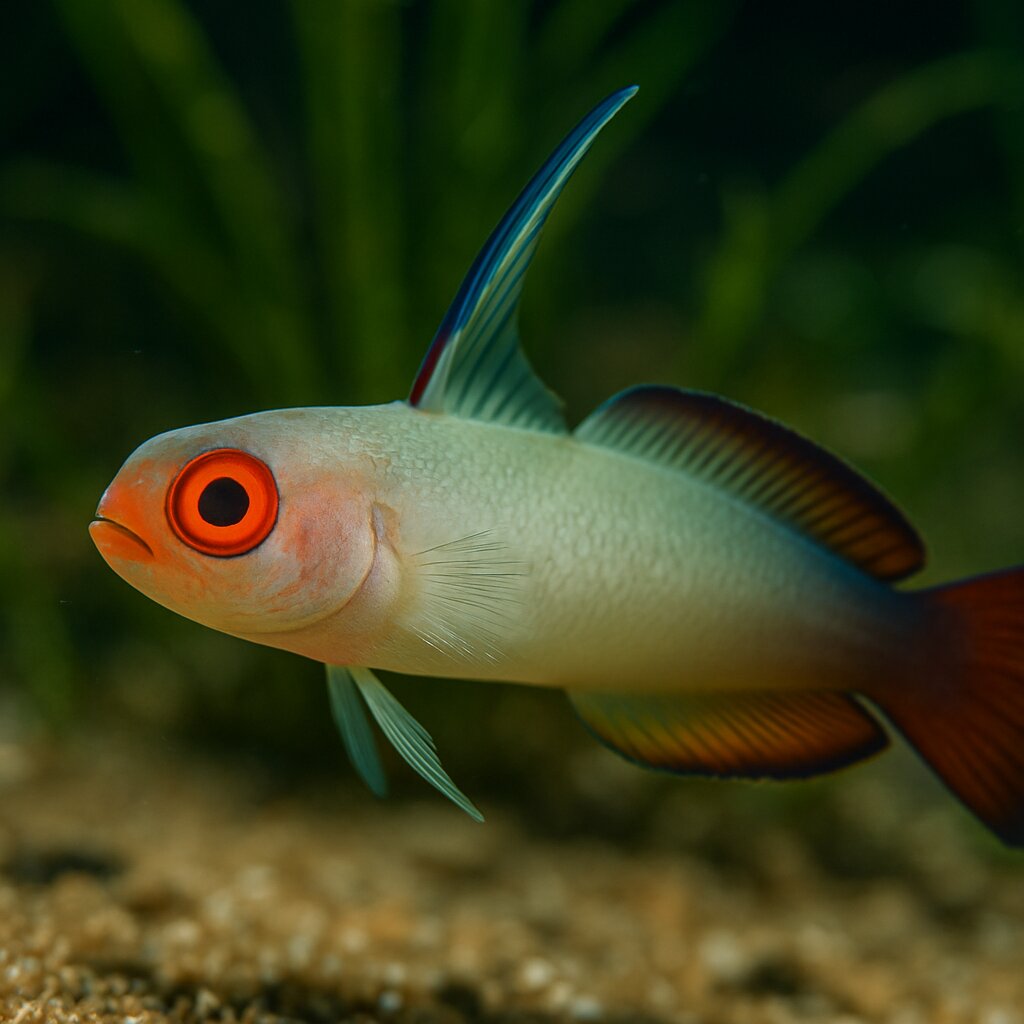
Fire-eye gobies exhibit vibrant orange to red coloration around the eyes, contrasted by a pale body with subtle dark vertical stripes.
This page includes AI-generated images. Why am I seeing AI images?
About the Fire-eye goby
This is a neat little Aussie goby that sticks close to soft, silty bottoms and shows off those pear-shaped blue eyes that gave it the name. Think of it as a shy perch-and-dart fish that appreciates calm tankmates and a sandy spot to chill. If you ever see one for sale, treat it like other small marine gobies with meaty micro-foods and stable reef-style water.
Also known as
Quick Facts
Size
9 cm
Temperament
Peaceful
Difficulty
Advanced
Min Tank Size
20 gallons
Lifespan
2-6 years
Origin
Australia (Western Pacific)
Diet
Carnivore - small crustaceans, frozen mysis, enriched brine, and fine marine pellets
Water Parameters
23-27°C
8.1-8.4
300-380 dGH
Need a heater for this species?
This species needs 23-27°C in a 20 gallon tank. Use our heater calculator to find the right wattage.
Calculate heater sizeCare Notes
- Give it a tight-lidded 30+ gallon tank with tons of caves, shaded overhangs, and rubble piles over fine sand; they hide a lot and jump when spooked.
- Keep salinity 1.025-1.026, temp 76-78 F, pH 8.0-8.3, alk 8-9 dKH; aim for nitrate under 10 ppm and avoid swings more than 0.001 SG or 1 F in a day.
- Start it on live pods (Tigriopus/Tisbe), enriched baby brine, and live mysids; then wean to frozen cyclops, calanus, roe, and finely shaved mysis, feeding small portions 2-3 times daily.
- Choose mellow tankmates that will not outcompete it for tiny foods; skip wrasses, dottybacks, damsels, hawkfish, and big boisterous gobies that will keep it in the rocks.
- Add them singly or as a confirmed pair introduced together; two random individuals often bicker in tight spaces.
- Dim lighting and gentle flow with calm pockets help a ton; blast light and high flow keeps them pinned in hiding and off their food.
- Quarantine in a low-light, decor-heavy QT and focus on getting it to eat; consider food-soaked praziquantel or metro for internal worms and go easy with copper if you must use it.
- They are cave spawners and the larvae are tiny pelagic specks, so home breeding is basically a science project; if a pair lays, protect the cave and keep the tank calm.
Compatibility
Good Tankmates
- Chill clowns like ocellaris or percula that ignore rock-perching gobies
- Firefish and dartfish that hover and mind their own business
- Laid-back cardinals like Banggai and pajama that will not outcompete them at feeding
- Tiny, gentle wrasses like possum or pink-streaked that will not hassle a shy goby
- Basement dwellers like assessors and royal grammas, provided there are multiple caves
- Small blennies and mellow gobies (tailspot, clown goby, shrimp goby with pistol shrimp) if each has its own perch
Avoid
- Dottybacks and pseudochromis that love to own the whole rock pile
- Territorial damsels and maroon clowns that pin shy fish in corners
- Hawkfish that perch and pick off bite-sized gobies
- Bully wrasses like sixline, melanurus, and big Thalassoma that chase and outcompete them
Where they come from
Fire-eye gobies (Yoga pyrops) are Indo-Pacific fish you tend to see on outer reef slopes and rubble patches. Think open sand-to-rock edges where they can hover a bit off the bottom and bolt back to a crack in a heartbeat. They are often collected deeper than your average reef fish, which is part of why they can be touchy in home tanks.
Setting up their tank
Give them room to dash and plenty of hideouts. A single can go in a 30 gallon, but they really appreciate length and broken sightlines. Build a rockscape with lots of caves, narrow crevices, and shaded overhangs so they always have a bolt-hole in reach.
- Tight lid or screen (1/4 inch or smaller). They jump like darts.
- Moderate, steady flow with some calm pockets near their retreats.
- Lighting on the softer side at first. If your tank is bright, give shaded areas.
- Fine sand or small rubble around cave mouths so they feel secure.
- Stable reef parameters: 75-79 F, 1.024-1.026 salinity, pH 8.0-8.4, low nutrients but not sterile.
Do not skip the lid. Spooked fire-eye gobies can clear tiny gaps around cables, HOB filters, and overflows.
They settle better if they are not competing with rowdy fish on day one. Add them early in the stocking order or use a social acclimation box for a week so they learn the feeding routine without being chased.
Quarantine if you can. Newly imported fire-eye gobies often ship lean and stressed. A quiet QT with lots of cover makes it much easier to get them eating.
What to feed them
They go for small, meaty foods drifting in the water column. Many arrive skinny and picky, so start with things they cannot resist, then work your way to easier options.
- Live foods to kickstart: live blackworms (rinsed), live baby brine, live copepods.
- Frozen: enriched baby brine, calanus, cyclops, finely chopped mysis, finely chopped krill.
- Dry (once settled): tiny high-quality marine pellets or crumble, offered mid-water.
Feed small amounts 2-4 times daily at first. Turn pumps to feed mode for a few minutes so they can pick food out of the water without it blasting away.
I like to target-feed near their hide with a pipette. Soaking frozen foods in vitamins/HUFA (like Selcon) helps them put weight back on. Avoid relying on plain brine shrimp long-term; it is not very nutritious unless enriched.
How they behave and who they get along with
Expect a shy fish at first. They hover a bit off the bottom, then zip back to a crevice if anything looks off. Once they know the routine, they spend more time out and will even take food from the water column a few inches from you.
- Good tankmates: small peaceful wrasses (the gentler species), chromis, assessors, cardinalfish, clownfish with manners, small gobies and blennies that are not too pushy.
- Use caution with: dottybacks, larger hawkfish, boisterous wrasses, damsels, and anything that patrols mid-water aggressively.
- With their own kind: often safest as a single unless you obtain a known pair. Unmatched individuals can bicker hard in smaller tanks.
Reef-safe with corals and most inverts. They will not bother shrimp or snails; the only microfauna they may pick at are pods in the rockwork.
Breeding tips
Home breeding for this species is rare. Like many gobies and dartfish, they are believed to spawn in a secure cavity with adhesive eggs, and the early larval stage is tiny and pelagic. If you ever see courtship, give them very quiet conditions, a snug cave, and dusk lighting. Raising the larvae would require greenwater, copepod cultures, and careful light/flow management. It is a project for dedicated breeders with plankton-rearing setups.
Common problems to watch for
- Jumping: biggest cause of loss. Any sudden movement or lights flipping on can launch them.
- Feeding strike: new imports may only take live foods. Keep offerings small and moving; slowly mix in frozen once they are taking live.
- Light shock: deep-collected fish can hide constantly under bright LEDs. Use acclimation mode and provide shade.
- Bullying: even a single aggressive tankmate can keep them pinned in a cave. If you do not see them eating daily, reassess tankmates.
- Parasites: watch for flukes and ich/velvet. Look for flashing, clamped fins, excess hiding, or rapid breathing.
Mouth injuries from hitting lids or rock edges can happen during panic sprints. Keep edges smooth, use soft mesh screens, and avoid chasing the fish during maintenance.
Set lights to ramp up slowly and feed a small pinch right as lights come on. Calm fish jump less, and a quick snack helps them associate you with food instead of danger.
Similar Species
Other marine peaceful species you might be interested in.
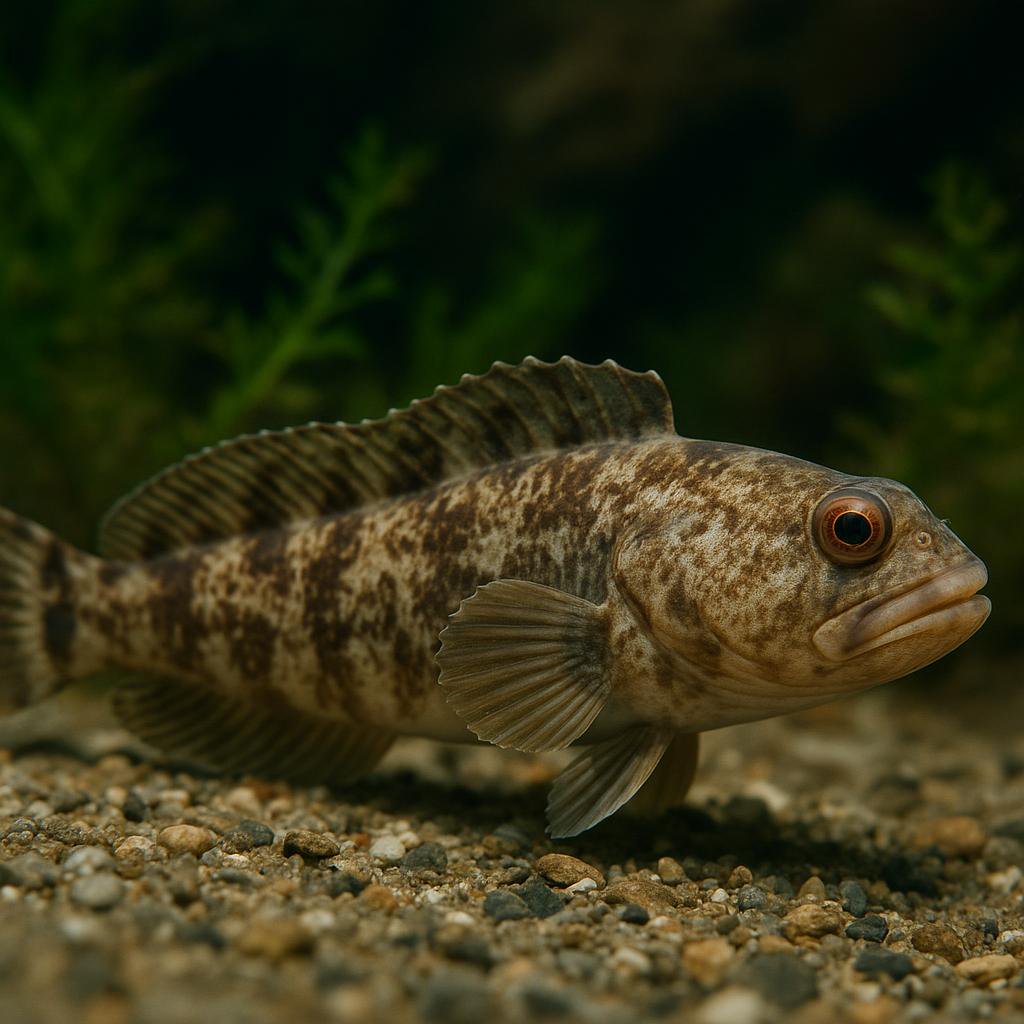
Abe's eelpout
Japonolycodes abei
Japonolycodes abei is a temperate, deepwater demersal eelpout (family Zoarcidae) endemic to Japan (Kumano-nada Sea reported; other sources also report Sagami Bay and Tosa Bay). It is the only species in the genus Japonolycodes and occurs roughly 40-300 m depth, making it an uncommon/atypical aquarium species.
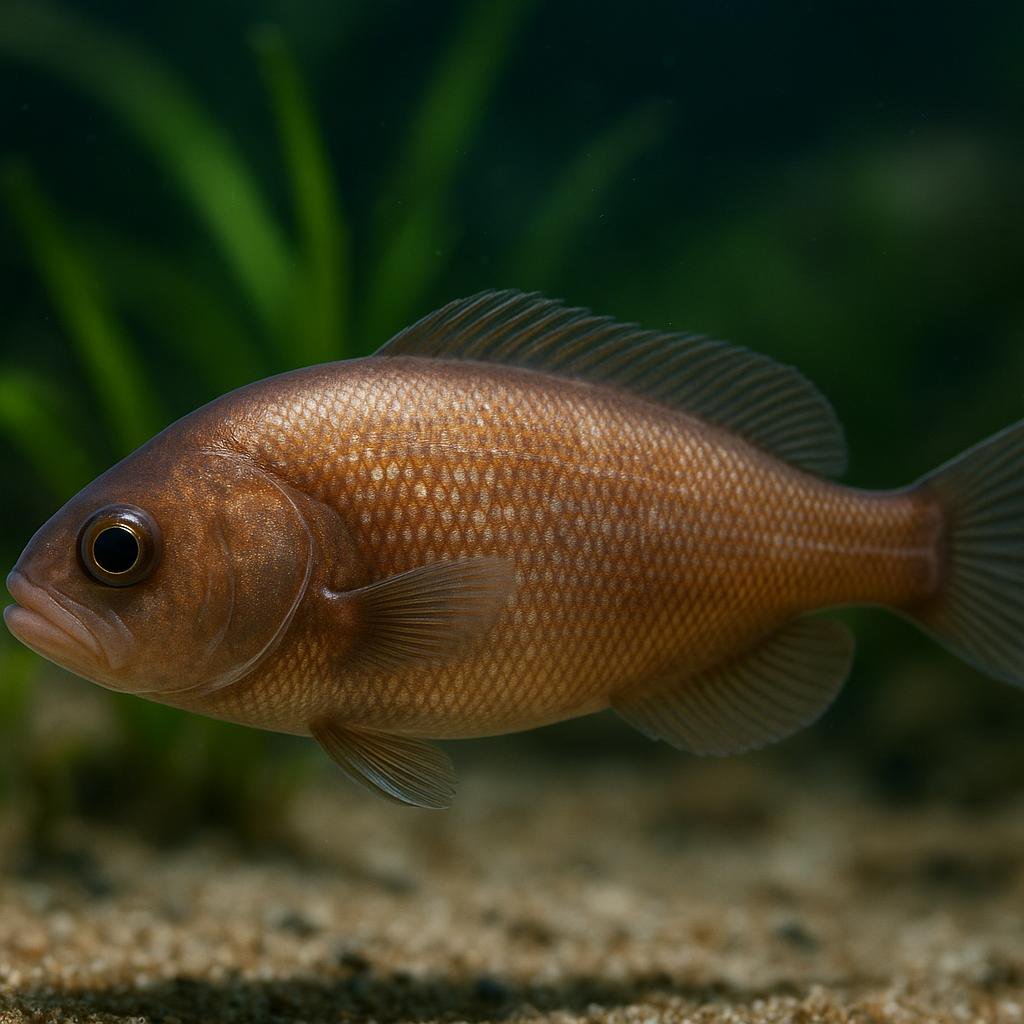
Affinis blind cusk-eel
Barathronus affinis
Barathronus affinis is a tiny, super-weird deep-sea blind cusk-eel from the western-central Indian Ocean. It is one of those gelatinous, loose-skinned brotula-type fishes that live way down in the dark and are basically never seen alive, so almost everything we know comes from preserved specimens and taxonomic work.
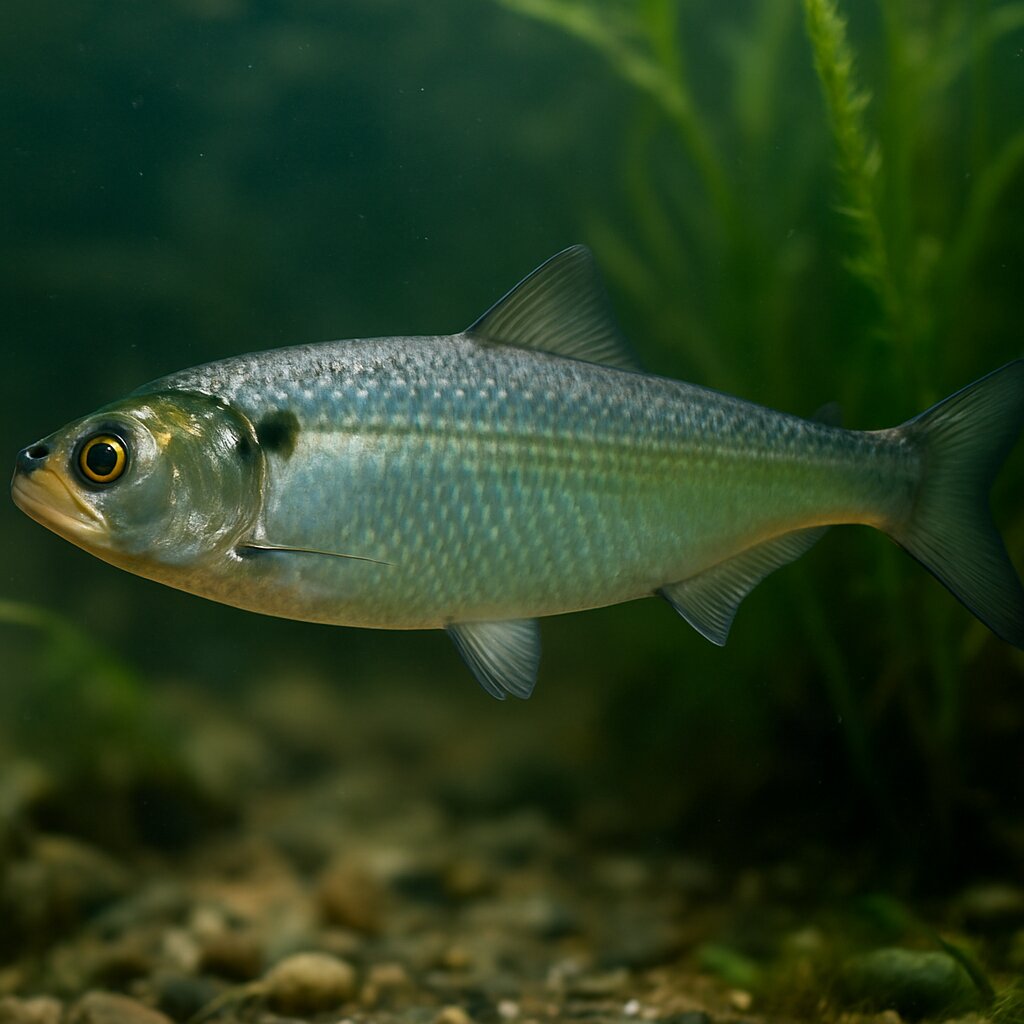
Allis shad
Alosa alosa
Gorgeous silver, fast-swimming shad that spends most of its life in the sea and then surges up big rivers in noisy, surface-spawning schools. It grows huge for a herring-type fish and needs cool, ultra-oxygenated water and tons of open space, so it is a public-aquarium species rather than a home tank fish.
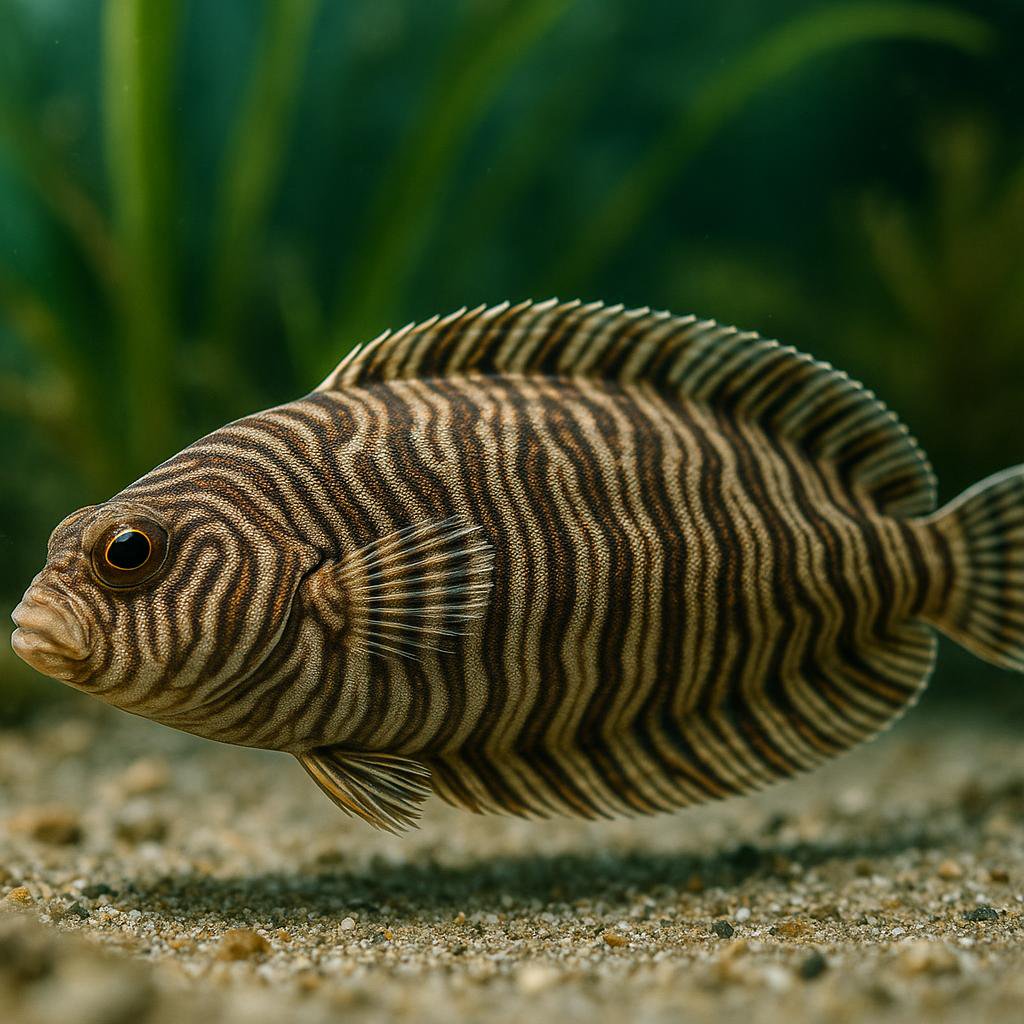
Annandale's zebra sole
Zebrias annandalei
Zebrias annandalei is a small demersal sole from coastal India that inhabits sandy or muddy bottoms and buries for camouflage. It is rarely kept in home aquaria and would require a specialized marine sand-bottom setup and appropriate feeding.
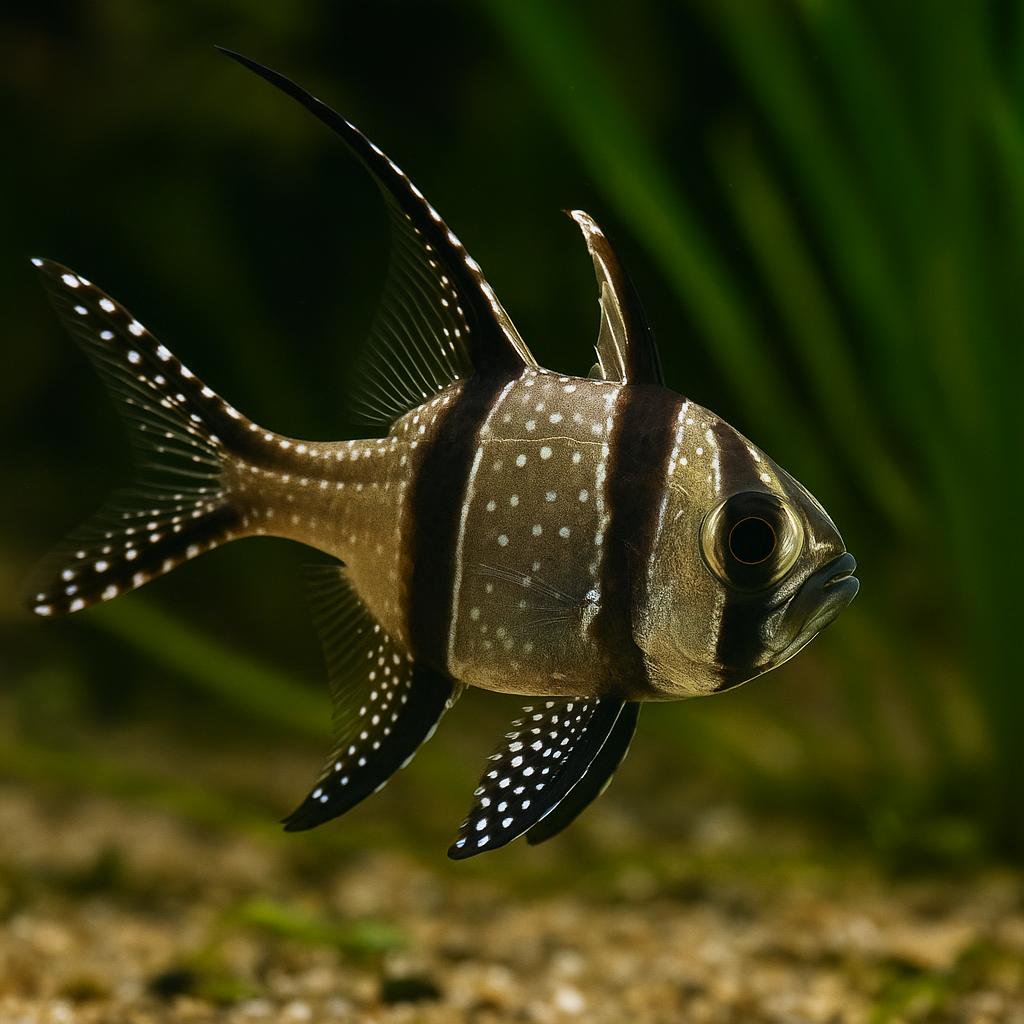
Banggai Cardinalfish
Pterapogon kauderni
Banggai cardinals just sort of hover like little underwater satellites, and the bold black bars with those long, polka-dotted fins look unreal under reef lighting. They're super chill most of the time, but once a pair forms you'll see real "fish drama," and the male will even mouthbrood the babies like a champ.
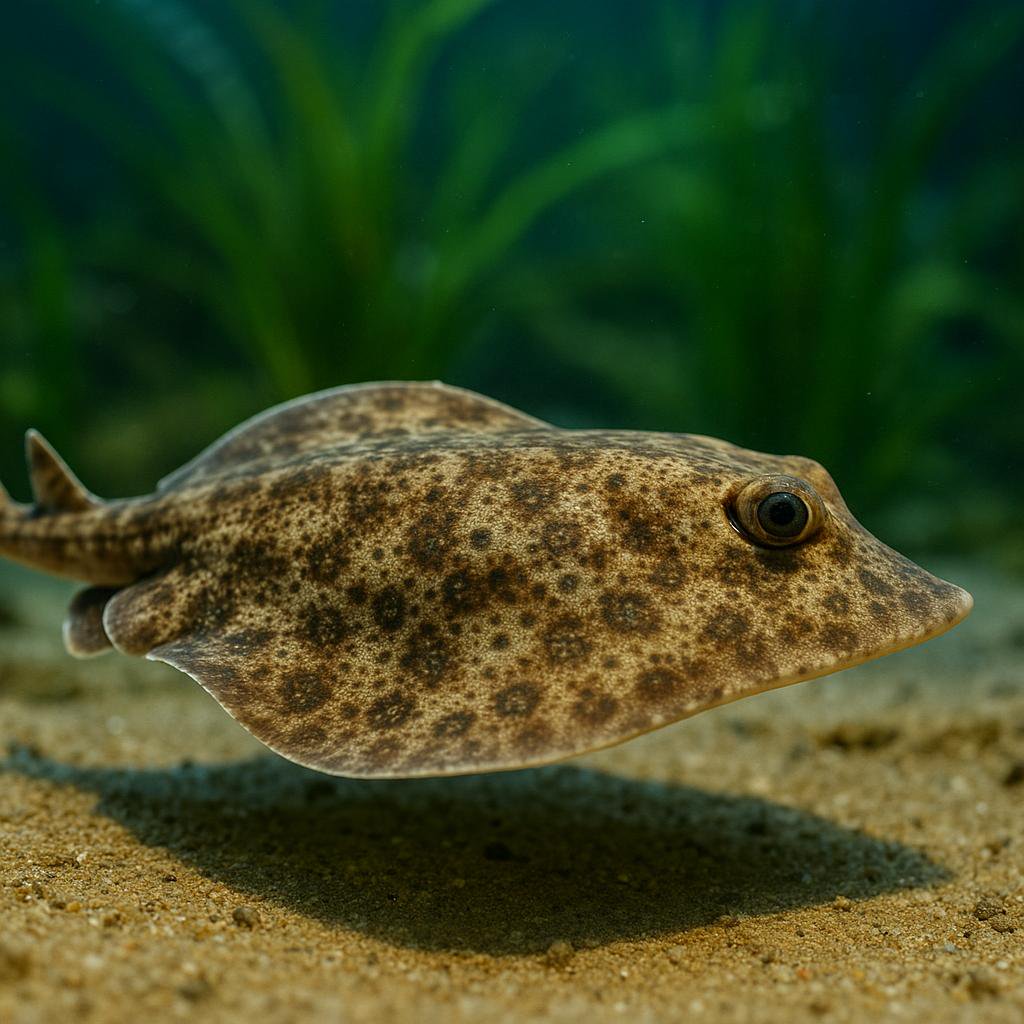
Barbedwire-tailed skate
Notoraja martinezi
Notoraja martinezi is a deepwater skate from the eastern Pacific (Costa Rica down to Ecuador) that lives way down on soft bottoms. The tail is the giveaway - it is lined with strong, hooked thorns that really do look like barbed wire. This is absolutely not an aquarium fish; it is a cold, high-pressure deep-sea animal with basically no practical home care info because it is not kept in the hobby.
More to Explore
Discover more marine species.
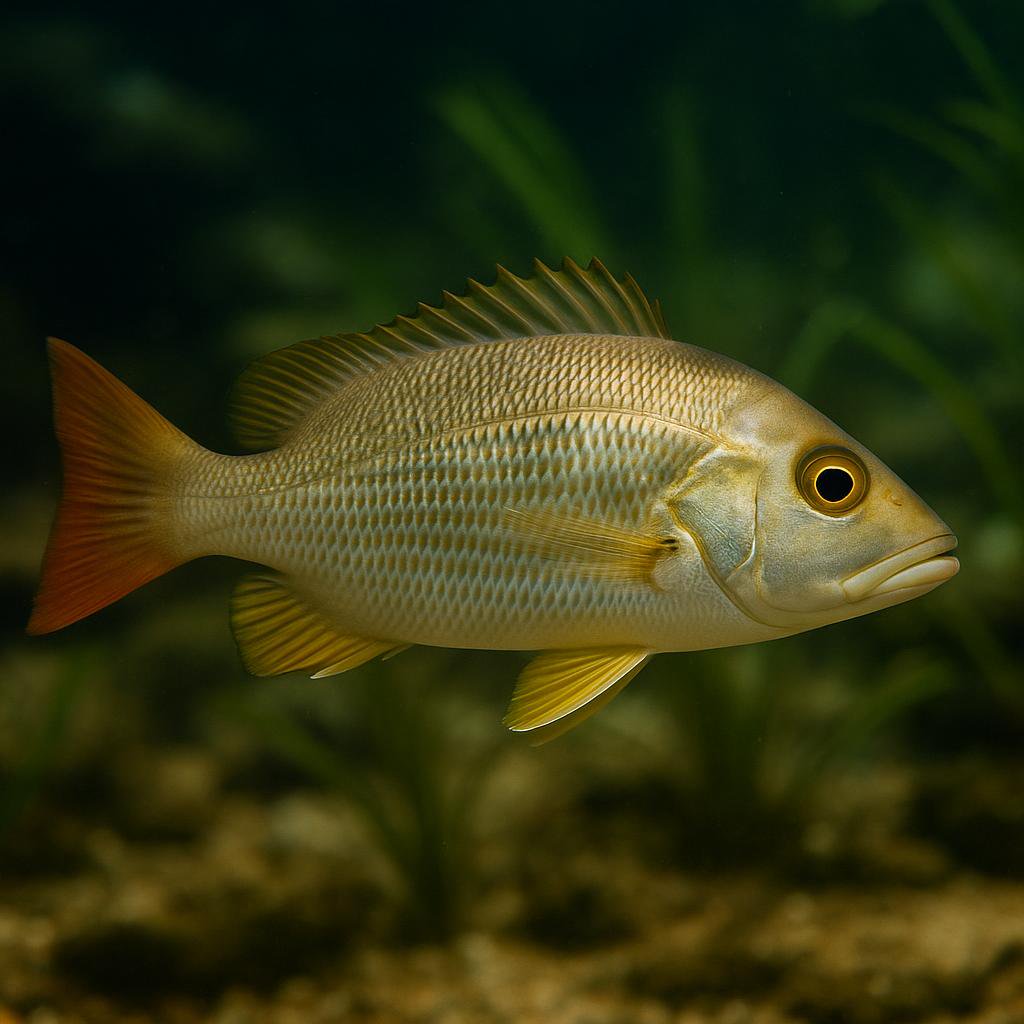
African red snapper
Lutjanus agennes
This is a true snapper from West Africa - a big, fast-growing predator that goes from coastal reefs to brackish lagoons and estuaries (especially as a juvenile). Super cool fish in the wild, but it gets absolutely huge and will eat smaller tankmates once it has the mouth for it, so its really more of a public-aquarium scale animal than a home-aquarium fish.
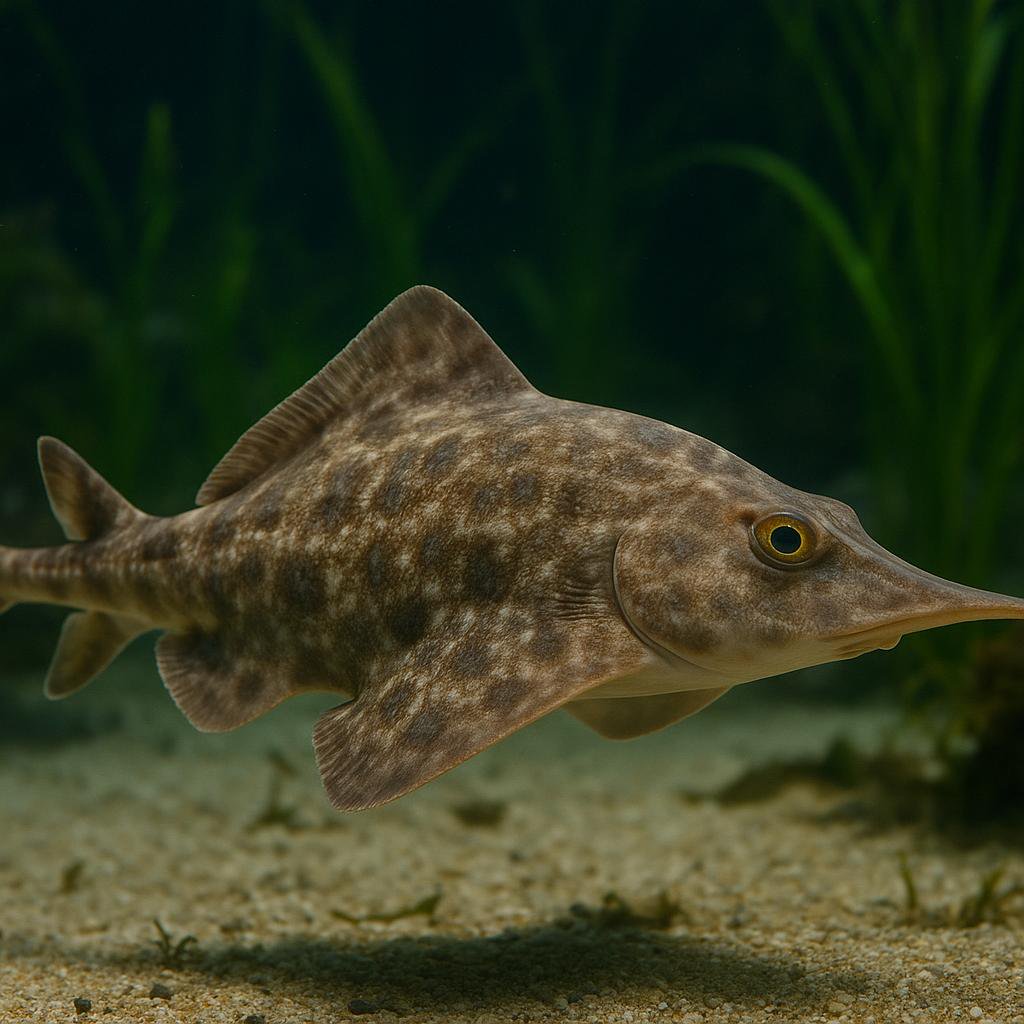
Aleutian skate
Bathyraja aleutica
This is a big, cold-water deep-slope skate from the North Pacific that cruises muddy bottoms and eats chunky benthic prey like crabs and shrimp. The really cool bit is its egg-laying skate life - it does distinct pairing (the classic skate "embrace") and drops those tough egg cases on the seafloor. Not an aquarium fish at all unless you're basically running a public-aquarium-style chilled system.
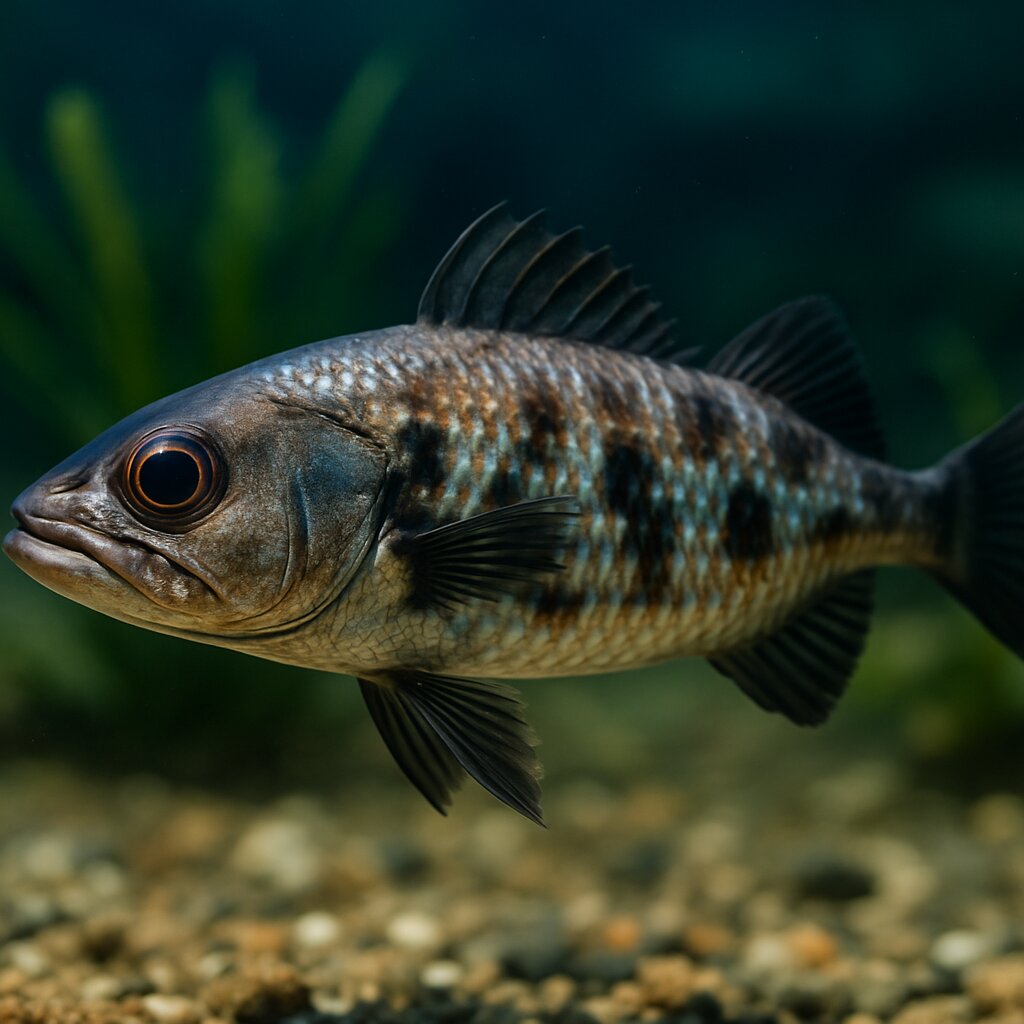
Antarctic dragonfish
Vomeridens infuscipinnis
Deep down around Antarctica, this sleek dragonfish cruises the water column like a little submarine, nearly neutrally buoyant so it can hover above the seafloor. It munches almost exclusively on Antarctic krill and lives in near-freezing water 500-800 m down, so it is a cool species to read about, not one for home tanks.
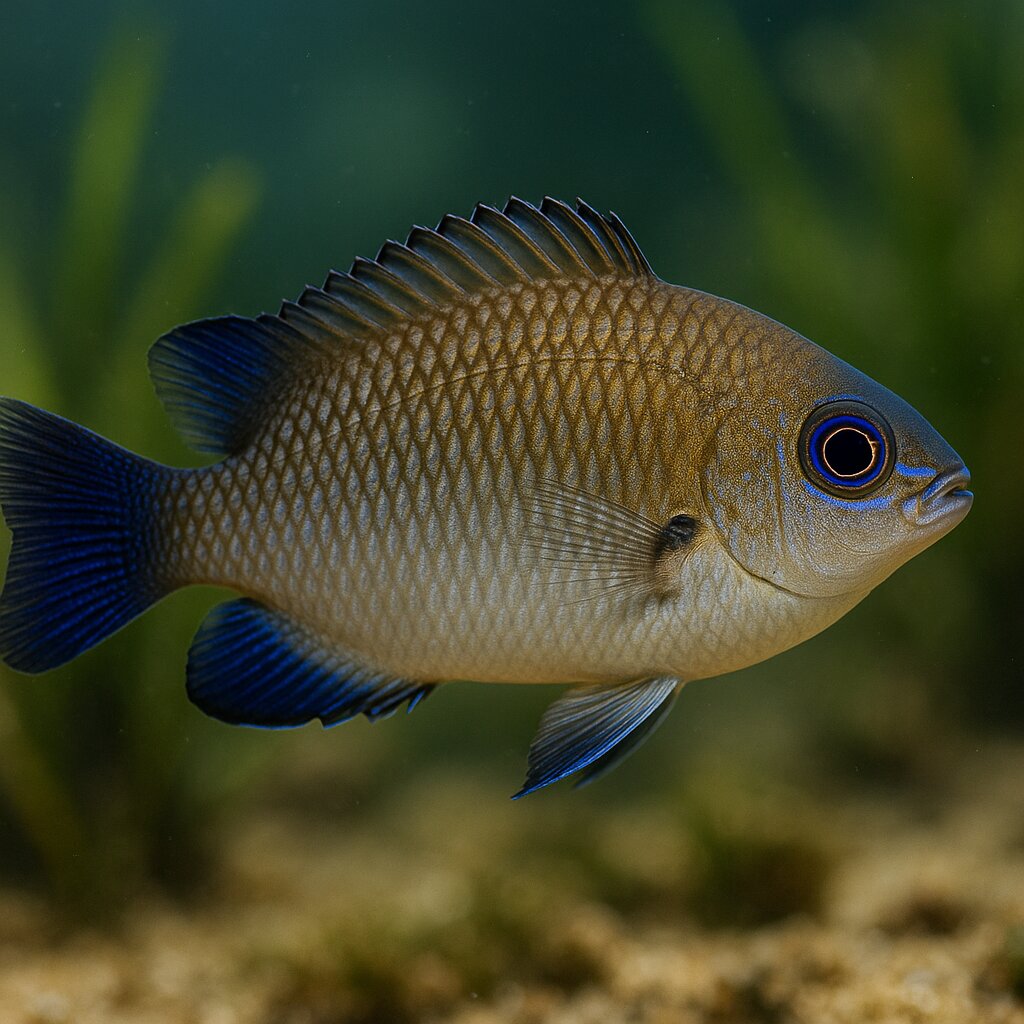
Arabian demoiselle
Neopomacentrus sindensis
A small lyretail damsel from the Persian Gulf and Arabian Sea, it hangs in loose groups around coral heads, rocks, and even pier pilings picking zooplankton from the flow. Think classic damsel toughness with a slightly milder attitude than the real bruisers, plus subtle yellow tail accents. Males clean a patch, get a mate to lay eggs there, and then stand guard fanning the clutch.
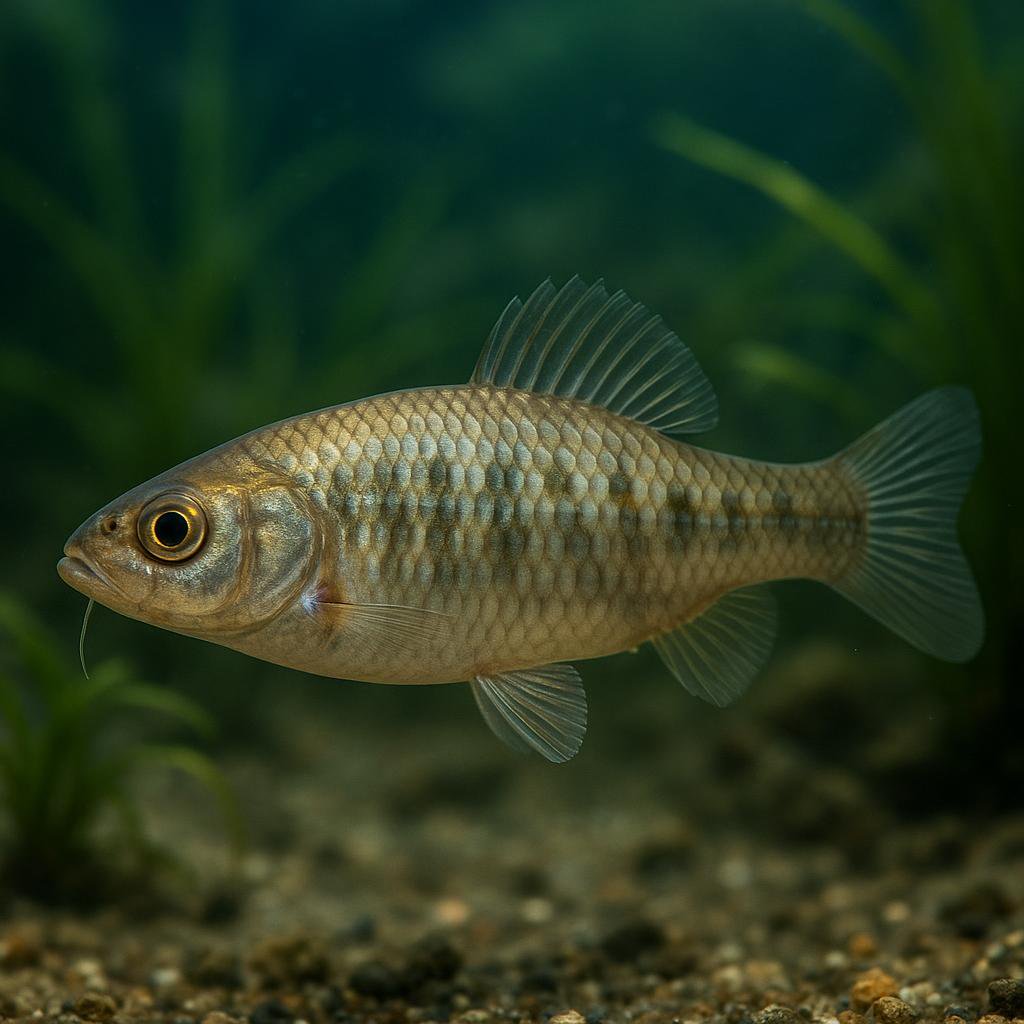
Arabian spiny eel
Notacanthus indicus
Notacanthus indicus is a deep-sea spiny eel (family Notacanthidae; not a true eel) known from the Arabian Sea on the continental slope at roughly ~960–1,046 m depth, with reported maximum length around 20 cm TL; it is a deep-water bycatch species and not established in the aquarium trade.
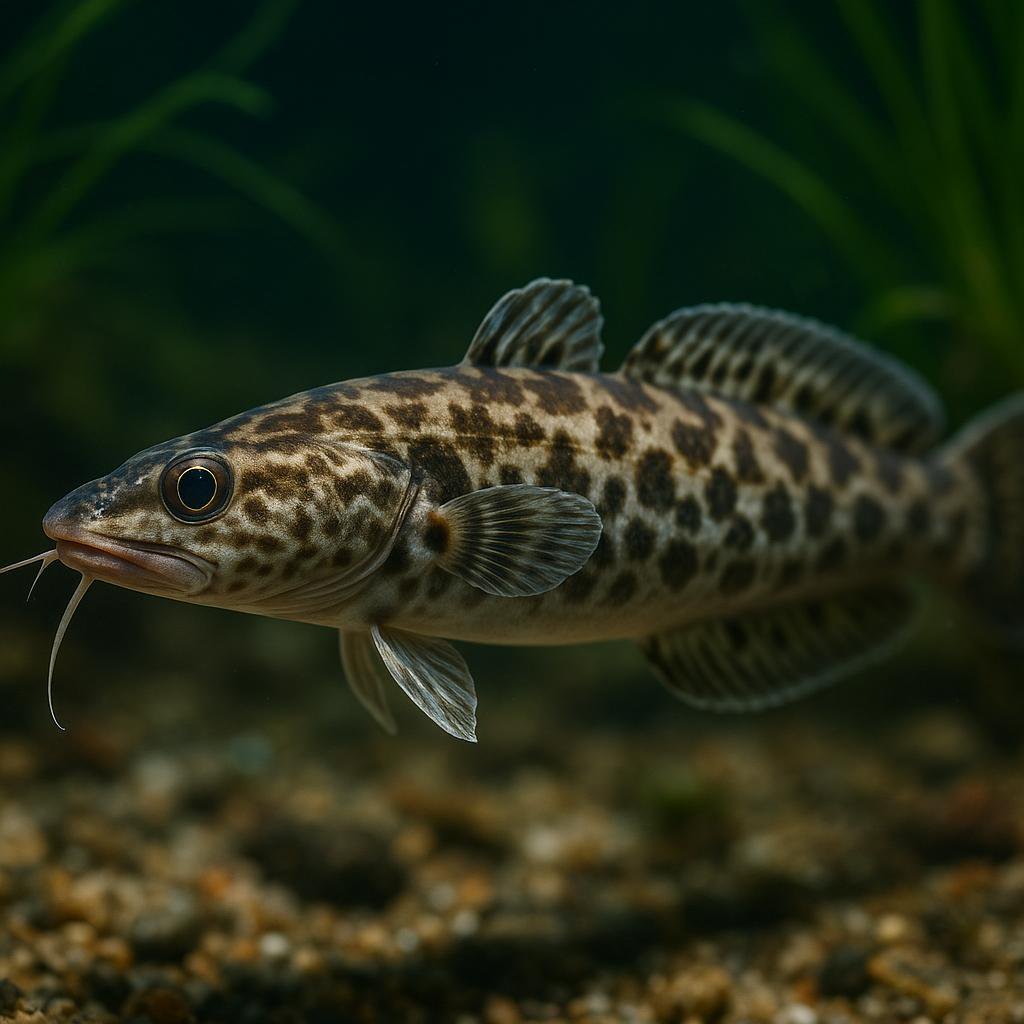
Arctic rockling
Gaidropsarus argentatus
This is a deepwater North Atlantic rockling (a cod relative) that hangs out on soft bottoms way down the slope. It is a cold-water, bottom-hugging predator that snoots around for crustaceans and will also take small fish when it gets the chance.
Looking for other species?