

no established common name
Zagadkogobius ourlazon
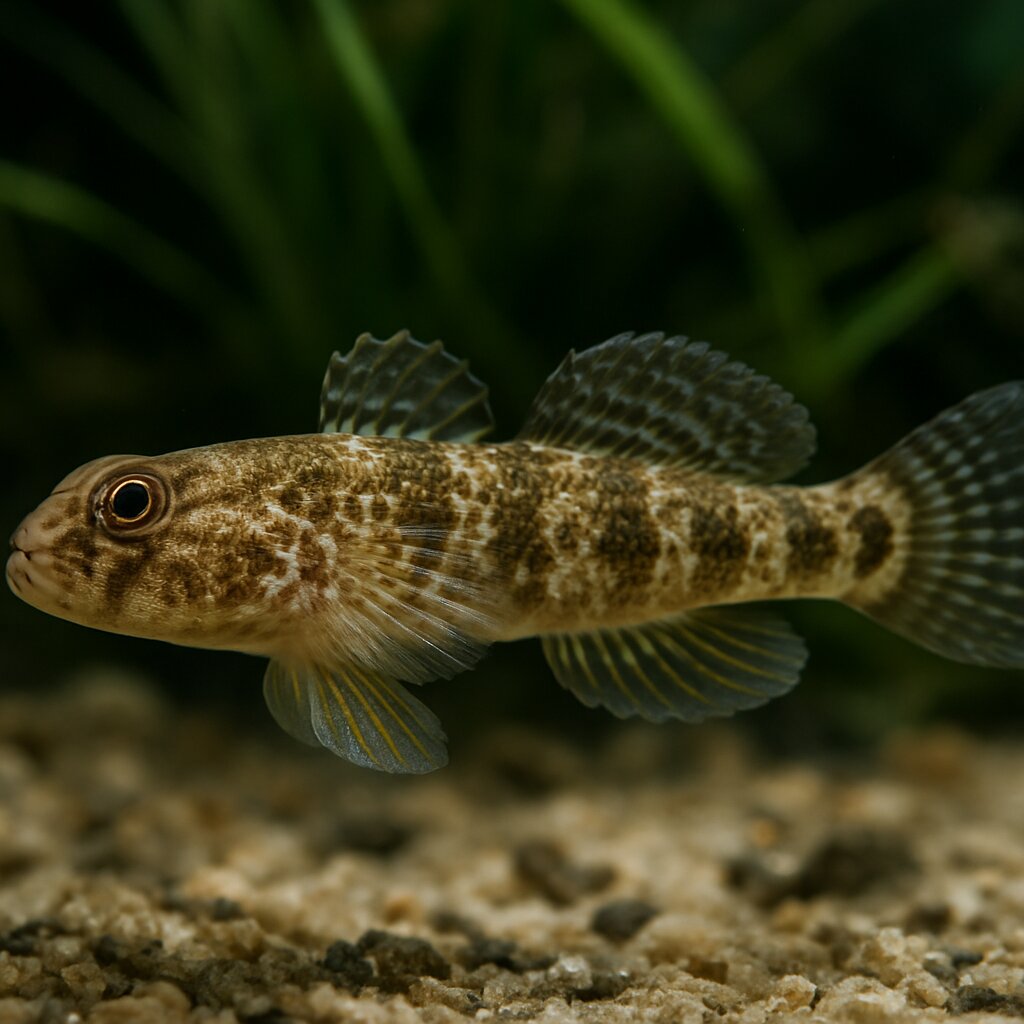
Zagadkogobius ourlazon exhibits a slender body with a mottled brown and tan pattern, and distinctively elongated pectoral fins.
This page includes AI-generated images. Why am I seeing AI images?
About the no established common name
This is a tiny deep-water wormfish from the South China Sea, topping out around 1.8 cm. It was described from a single specimen taken near the Anambas Islands at about 73 m, so you never see it in the hobby; the giveaway features are a big dark spot under the eye and wispy first-dorsal filaments.
Quick Facts
Size
1.8 cm SL
Temperament
Peaceful
Difficulty
Expert
Min Tank Size
0 gallons
Lifespan
unknown
Origin
Southeast Asia
Diet
Carnivore - micro-crustaceans and zooplankton
Care Notes
- Give this cryptic goby a mature 30+ gallon reef stuffed with porous live rock, shaded caves, and some fine rubble-sand to perch in. Use a tight mesh lid; they jump when spooked.
- Run salinity at 1.025-1.026, temp 75-79 F, pH 8.0-8.4, alk 8-9 dKH, nitrate 2-10 ppm, phosphate 0.02-0.08 ppm. Keep oxygen high with strong surface agitation or a skimmer.
- Set flow as steady crossflow with slack hideouts, not blasting jets. They like to peek from cover, snatch food, and duck back in.
- Kick-start feeding with live copepods and enriched baby brine, then blend in frozen cyclops, calanus, roe, and finely chopped mysis. Target-feed a few small meals a day with a pipette into their caves.
- Do not put them in a new sterile tank; they need a pod-rich system or a refugium you can harvest from. Starvation creeps up fast with this fish.
- Tankmates should be small and chill; gobies, small blennies, and tiny basslets are fine. Skip wrasses, hawkfish, dottybacks, big crabs, and food-stealing cleaner shrimp.
- QT them in a quiet bin with sand and a snug PVC cave and watch for flukes or velvet; they do poorly in heavy copper. If you must treat, go gentle and keep them eating throughout.
- Breeding is cave-style egg laying with the male guarding; raising the larvae is advanced and needs greenwater, copepods, and a kreisel. If one disappears, check overflow and socks before tearing the rock apart.
Compatibility
Good Tankmates
- Gentle midwater fish like firefish/dartfish that cruise above the rocks and do not hassle shy bottom perchers
- Tiny, chill nano gobies like neon gobies and the small Trimma/Eviota types - fine if there are plenty of perches so nobody feels crowded
- Peaceful cardinals (pajamas, banggais, threadfins) that hover and ignore rock crevices
- Easygoing blennies like tailspot or fang blennies that graze and mind their business
- Assessors and single royal grammas - cave lovers but usually polite with small gobies when the scape has lots of hidey holes
- Small fairy or flasher wrasses that are not pushy, ideally added after the goby has settled so it is not outcompeted for food
Avoid
- Anything nippy or territorial like damsels or big, defensive clowns that guard a corner of the tank
- Dottybacks and other pseudochromis - fast, bitey rock huggers that will pester a timid goby
- Hawkfish - opportunistic perchers that may treat a tiny goby as a snack
- Sixline and similar pest-hunting wrasses that constantly buzz the rockwork and stress quiet fish
Where they come from
Zagadkogobius ourlazon is a tiny, cryptic marine goby that turns up in the trade only once in a blue moon. Think shaded reef nooks, rock rubble, and tight caves. The few I have seen were bycatch in mixed Indo-Pacific shipments and acted like classic cave perchers from deeper or dimmer reef zones.
Information on this species is thin. If you buy one, ask your vendor for the collection locality and depth. That can help you tune the setup and feeding.
Setting up their tank
Treat this one like a specialist cave goby. Stability and micro-habitats matter more than raw gallons.
- Tank: 20+ gallons for a single or pair. Lid must be tight. They will find any gap.
- Aquascape: Piles of porous rock with deep cracks, overhangs, and a few actual caves. Add a layer of mixed-size coral rubble so they can wedge in.
- Hideouts: Short lengths of 1/2 inch PVC elbows, small shells, and barnacle clusters work great.
- Flow: Moderate with calm pockets. Aim powerheads so you get eddies around the rockwork, not a sandblaster.
- Light: Keep it on the dimmer side or provide plenty of shade. They sit in the shadows.
- Filtration: Strong oxygenation (skimmer or good surface agitation). Cover pump intakes with sponge so they do not get pinned.
- Refugium/pods: A refugium or regular pod additions helps a lot during the first month.
- Water: 1.024-1.026 salinity, 24-26 C (75-79 F), pH ~8.0-8.4, alk 7-9 dKH, low nutrients but not sterile.
Quarantine in a quiet, dim tank with a cave and rubble. Start pod-heavy and get it eating before moving to the display.
What to feed them
Expect a picky micro-predator at first. Mine ignored big foods and only perked up for tiny, moving stuff. You can transition them, but start with things they already recognize.
- First foods (live): Tisbe/Tigriopus copepods, enriched newly hatched brine shrimp, small live mysids if you can get them.
- Then frozen: Calanus, Cyclops, fish eggs (roe), finely chopped mysis, Nutramar Ova, baby brine enriched with Selcon.
- Feeding style: Target feed with a pipette right into their cave entrance. Keep the flow low so the food hangs in place.
- Frequency: 2-4 small meals daily at the start. Once it takes frozen reliably, you can drop to 2.
- Support: Dose phytoplankton lightly or run a refugium to keep pod populations ticking along.
They can starve in a well-lit, busy reef where pods get wiped out and food blows past them. Quiet corners and target feeding make the difference.
How they behave and who they get along with
Think shy sentry. They pick a hole, peek out, and dart a few inches to grab food. Sudden movement sends them straight back into the rock.
- Temperament: Peaceful but very reclusive. May spar with similar-shaped gobies in tight quarters.
- Good tankmates: Tiny, calm fish that ignore caves, like Trimma/Eviota gobies, assessors, small cardinalfish. Cleaner shrimp are usually fine. Larger hermits can be pushy around nests.
- Avoid: Boisterous or cave-loving bullies (dottybacks, damsels, hawkfish, big wrasses). They will outcompete or harass this fish.
- Reef safety: They do not bother corals. They will snack on micro-crustaceans, so do not expect a booming pod display in the same rockwork.
If you want more than one, use a larger tank with multiple, well-separated cave clusters and broken sight lines. Add them at the same time so nobody can claim the whole rockpile.
Breeding tips
Not much is published for this exact species, but many small cave gobies spawn in crevices and stick eggs to the roof, with the male guarding. That pattern fits how this fish behaves.
- Set the stage: Provide tight caves with smooth ceilings (small PVC elbows or drilled rock). Keep tankmates minimal and flow gentle at the cave mouth.
- Conditioning: Heavy, frequent feedings of high-quality frozen and live foods for a few weeks.
- If they spawn: The guarding fish will fan the eggs. Limit cleanup crew near the cave. Do not blast the area with flow.
- Larvae: Expect a pelagic phase. You will likely need greenwater, rotifers or tiny copepods, and a kreisel or round tub. This is advanced even for experienced breeders.
- Collection: A dim flashlight after lights out can attract larvae to the surface. Scoop gently with a specimen cup.
If you manage a hatch, write it down. Notes on timing and larval size are gold for the next person who tries.
Common problems to watch for
- Not eating: Most common issue. Start with live pods and baby brine, reduce flow, and target feed. Be patient but consistent.
- Jumping: Spooks easily. Cover every gap, including around cables and overflows.
- Getting outcompeted: If food disappears before it reaches the cave, rearrange flow, feed with a pipette, or move bullies out.
- Internal parasites: Stringy white feces, weight loss despite eating. Prazi-based dewormers in QT usually help.
- Collection stress: Some arrive thin or with barotrauma-like lethargy. Keep lights low, oxygen high, and avoid aggressive meds early.
- Pod crash: In new or ultra-clean systems, microfauna can drop off fast. Seed pods weekly until the fish is taking frozen confidently.
Skip copper unless you are confident. Small cryptic gobies can be touchy with harsh treatments. If you must treat, ramp slowly and watch appetite.
Small wins add up: dim light, quiet neighbors, food right at the den, and a steady routine. Do that, and this little mystery goby settles in much faster.
Similar Species
Other marine peaceful species you might be interested in.

Abe's eelpout
Japonolycodes abei
Japonolycodes abei is a temperate, deepwater demersal eelpout (family Zoarcidae) endemic to Japan (Kumano-nada Sea reported; other sources also report Sagami Bay and Tosa Bay). It is the only species in the genus Japonolycodes and occurs roughly 40-300 m depth, making it an uncommon/atypical aquarium species.

Affinis blind cusk-eel
Barathronus affinis
Barathronus affinis is a tiny, super-weird deep-sea blind cusk-eel from the western-central Indian Ocean. It is one of those gelatinous, loose-skinned brotula-type fishes that live way down in the dark and are basically never seen alive, so almost everything we know comes from preserved specimens and taxonomic work.

Allis shad
Alosa alosa
Gorgeous silver, fast-swimming shad that spends most of its life in the sea and then surges up big rivers in noisy, surface-spawning schools. It grows huge for a herring-type fish and needs cool, ultra-oxygenated water and tons of open space, so it is a public-aquarium species rather than a home tank fish.

Annandale's zebra sole
Zebrias annandalei
Zebrias annandalei is a small demersal sole from coastal India that inhabits sandy or muddy bottoms and buries for camouflage. It is rarely kept in home aquaria and would require a specialized marine sand-bottom setup and appropriate feeding.
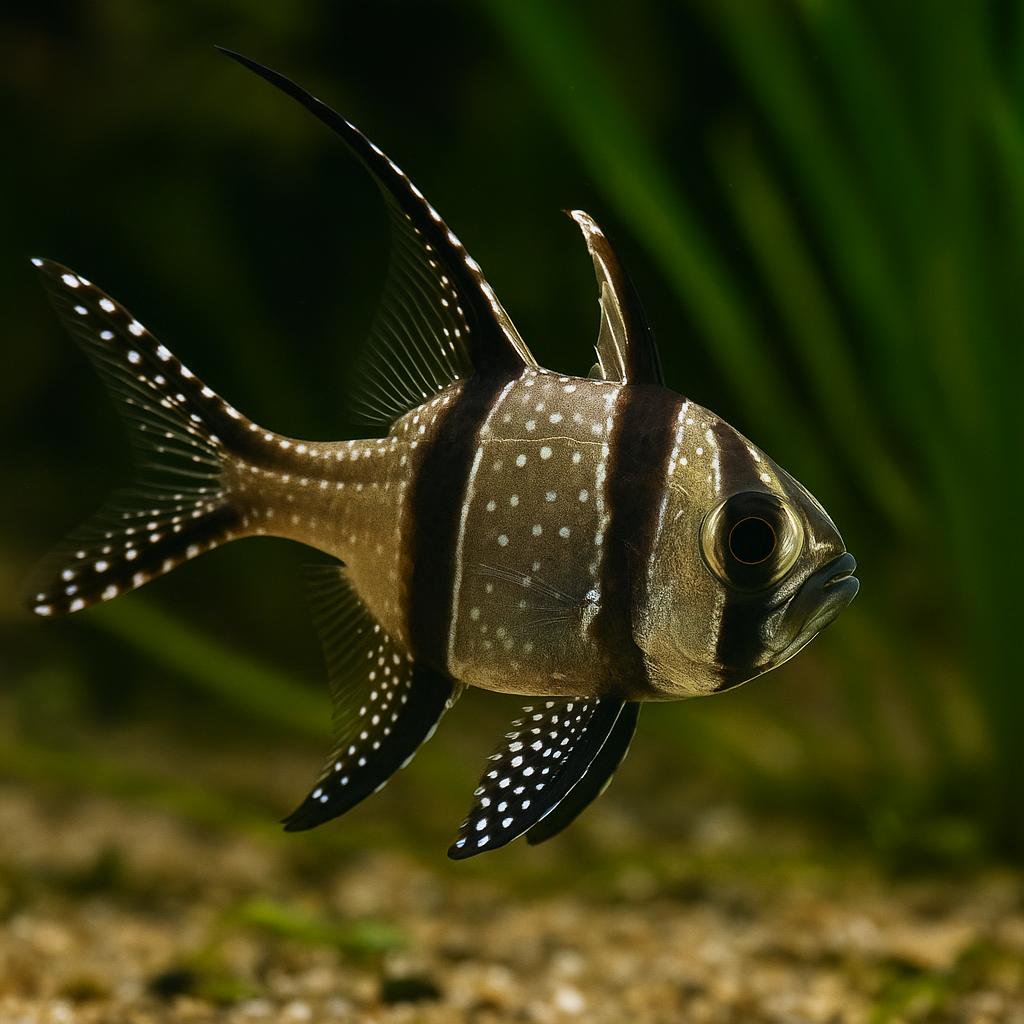
Banggai Cardinalfish
Pterapogon kauderni
Banggai cardinals just sort of hover like little underwater satellites, and the bold black bars with those long, polka-dotted fins look unreal under reef lighting. They're super chill most of the time, but once a pair forms you'll see real "fish drama," and the male will even mouthbrood the babies like a champ.
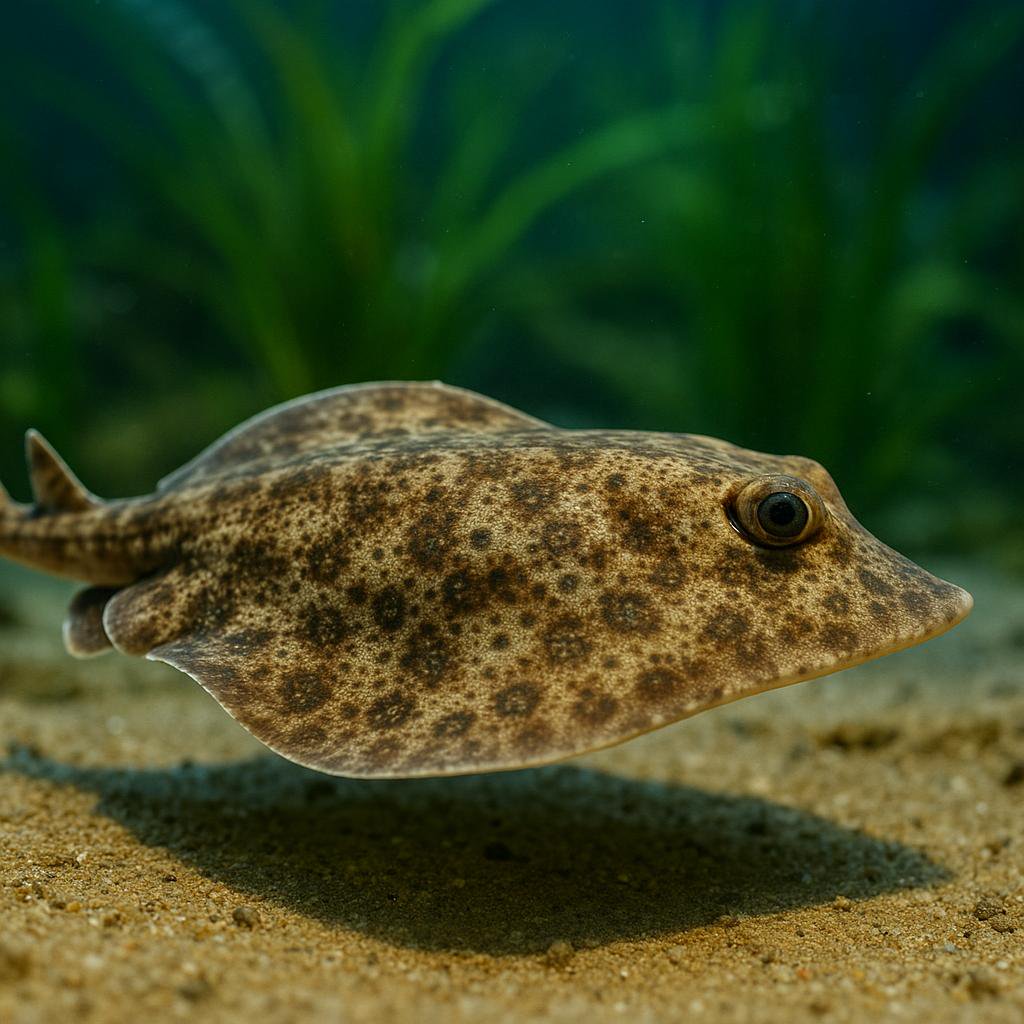
Barbedwire-tailed skate
Notoraja martinezi
Notoraja martinezi is a deepwater skate from the eastern Pacific (Costa Rica down to Ecuador) that lives way down on soft bottoms. The tail is the giveaway - it is lined with strong, hooked thorns that really do look like barbed wire. This is absolutely not an aquarium fish; it is a cold, high-pressure deep-sea animal with basically no practical home care info because it is not kept in the hobby.
More to Explore
Discover more marine species.

African red snapper
Lutjanus agennes
This is a true snapper from West Africa - a big, fast-growing predator that goes from coastal reefs to brackish lagoons and estuaries (especially as a juvenile). Super cool fish in the wild, but it gets absolutely huge and will eat smaller tankmates once it has the mouth for it, so its really more of a public-aquarium scale animal than a home-aquarium fish.

Aleutian skate
Bathyraja aleutica
This is a big, cold-water deep-slope skate from the North Pacific that cruises muddy bottoms and eats chunky benthic prey like crabs and shrimp. The really cool bit is its egg-laying skate life - it does distinct pairing (the classic skate "embrace") and drops those tough egg cases on the seafloor. Not an aquarium fish at all unless you're basically running a public-aquarium-style chilled system.

Antarctic dragonfish
Vomeridens infuscipinnis
Deep down around Antarctica, this sleek dragonfish cruises the water column like a little submarine, nearly neutrally buoyant so it can hover above the seafloor. It munches almost exclusively on Antarctic krill and lives in near-freezing water 500-800 m down, so it is a cool species to read about, not one for home tanks.
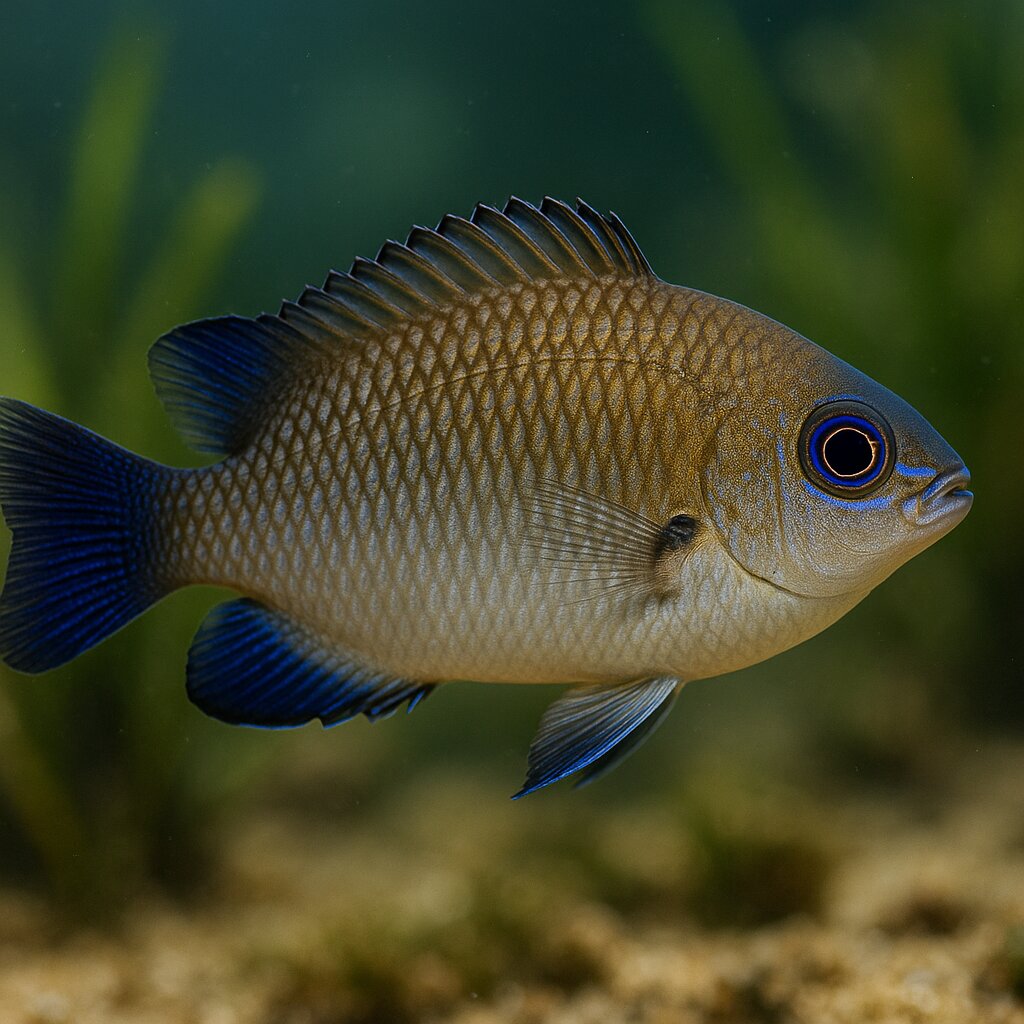
Arabian demoiselle
Neopomacentrus sindensis
A small lyretail damsel from the Persian Gulf and Arabian Sea, it hangs in loose groups around coral heads, rocks, and even pier pilings picking zooplankton from the flow. Think classic damsel toughness with a slightly milder attitude than the real bruisers, plus subtle yellow tail accents. Males clean a patch, get a mate to lay eggs there, and then stand guard fanning the clutch.

Arabian spiny eel
Notacanthus indicus
Notacanthus indicus is a deep-sea spiny eel (family Notacanthidae; not a true eel) known from the Arabian Sea on the continental slope at roughly ~960–1,046 m depth, with reported maximum length around 20 cm TL; it is a deep-water bycatch species and not established in the aquarium trade.

Arctic rockling
Gaidropsarus argentatus
This is a deepwater North Atlantic rockling (a cod relative) that hangs out on soft bottoms way down the slope. It is a cold-water, bottom-hugging predator that snoots around for crustaceans and will also take small fish when it gets the chance.
Looking for other species?