

Yellownose skate
Zearaja chilensis
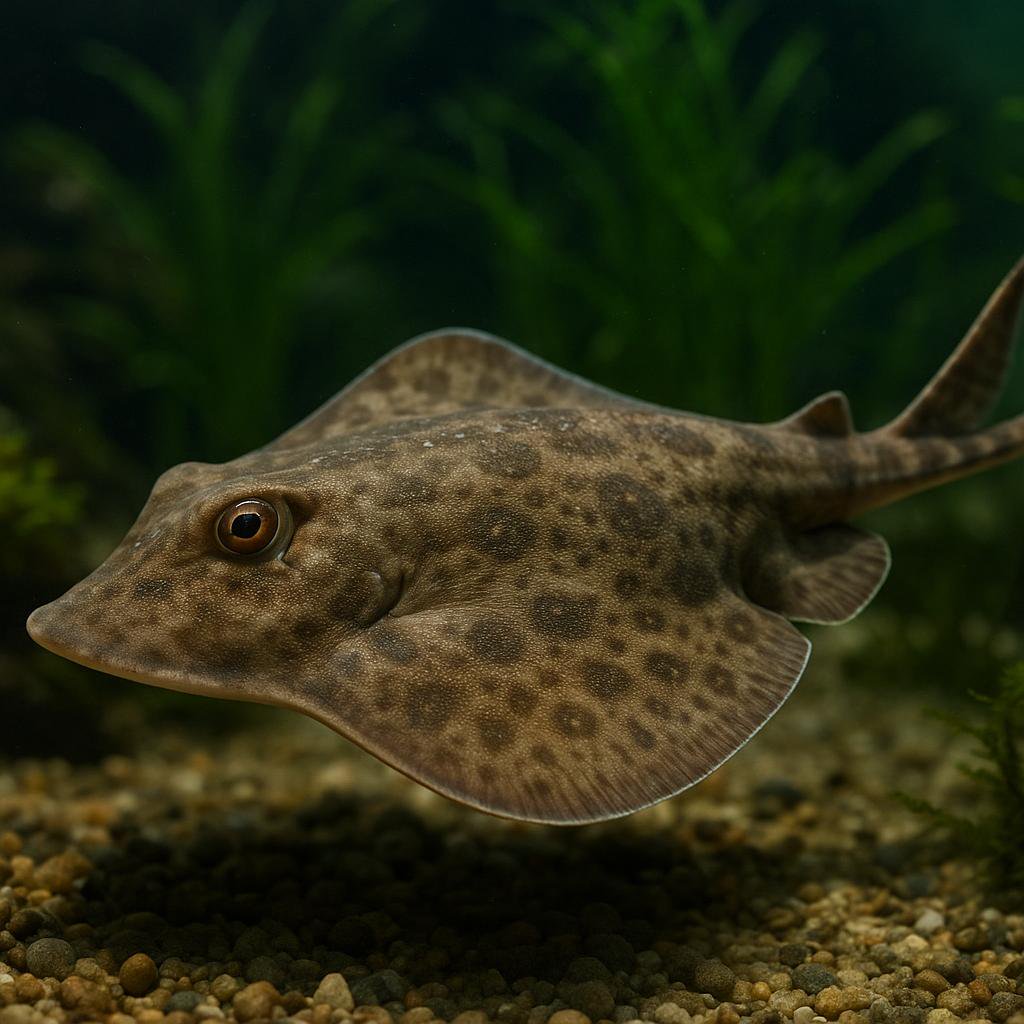
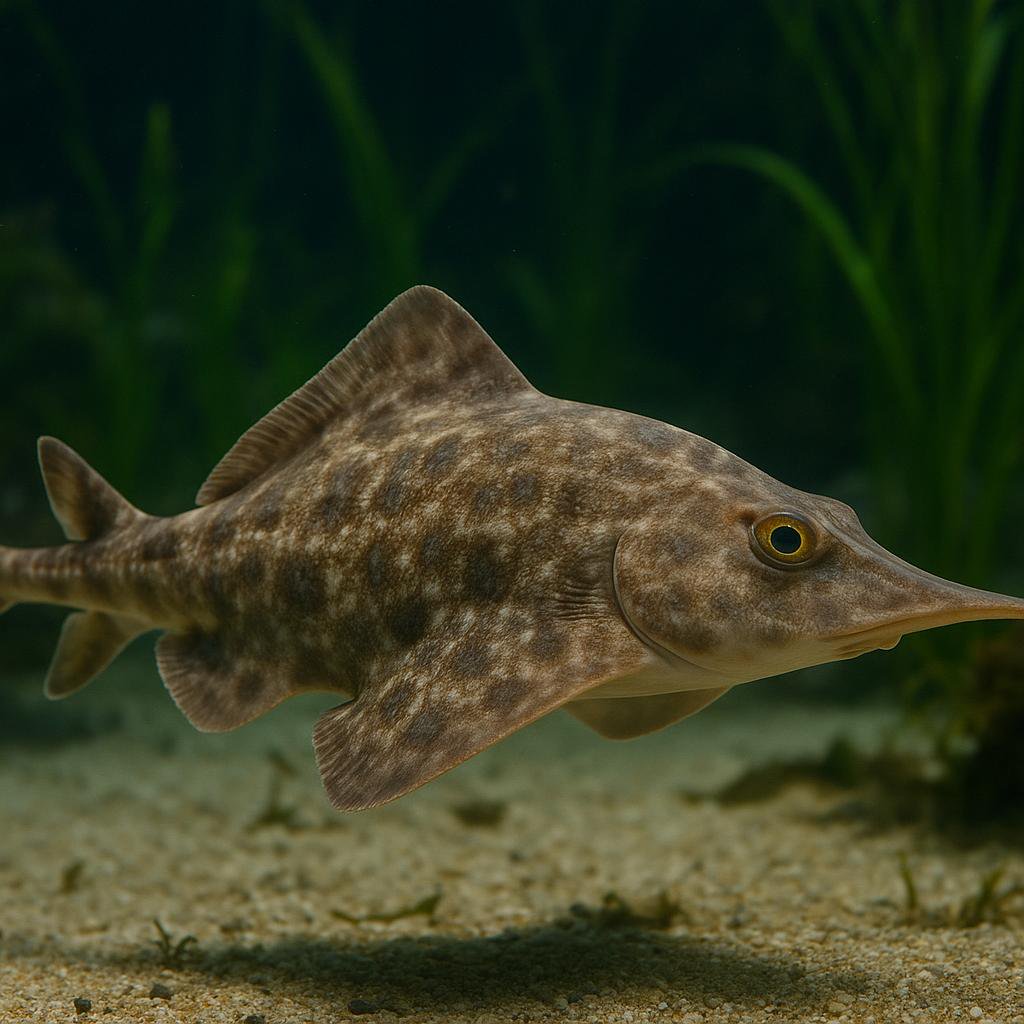
The Yellownose skate features a distinctive yellow snout and smooth, flat body with a mottled brown and gray coloration.
This page includes AI-generated images. Why am I seeing AI images?
About the Yellownose skate
This is a big, cold-water skate from Chilean waters that lives on sandy and muddy bottoms and lays those classic horned skate egg cases. It gets seriously large (around 1.5 m max reported on FishBase), so it is more of a fisheries and public-aquarium animal than a home-aquarium fish.
Also known as
Quick Facts
Size
152 cm
Temperament
Peaceful
Difficulty
Expert
Min Tank Size
2000 gallons
Lifespan
15-25 years
Origin
Southeast Pacific (Chile)
Diet
Carnivore - benthic invertebrates and small fish
Water Parameters
4-19°C
7.8-8.4
8-12 dGH
Need a heater for this species?
This species needs 4-19°C in a 2000 gallon tank. Use our heater calculator to find the right wattage.
Calculate heater sizeCare Notes
- Give it a huge, low-profile footprint tank with a wide open sand flat - they cruise and pivot, so corners and rock piles just turn into nose and fin damage. Use a fine sand bed (no crushed coral) so it can bury without scraping itself up.
- Keep it cold-temperate: 50-60F (10-16C) with stable salinity around 1.024-1.026 and high oxygen. They do way better with heavy flow aimed across the surface and along the bottom, not blasting straight at the skate.
- Feed meaty marine stuff on tongs: chunks of squid, shrimp, clam, and fish fillet, plus whole seafood like prawn or small crab when you can. Train it to a feeding station so it does not hoover sand all day and spit grit everywhere.
- Do not rely on it to scavenge - if it misses meals it gets thin fast, and skinny skates crash. Watch the disc thickness and the tail base; if those start looking sharp, bump portions and feeding frequency.
- Tankmates need to be calm, coldwater-compatible, and not bitey: think bigger, non-nippy fish that will not compete at the bottom. Avoid triggers, puffers, large wrasses, and anything that likes to pick at fins or eyeballs.
- Cover every pump and overflow intake - they will pin themselves against grates and get wrecked. Also keep rockwork glued down because they can shove surprisingly hard when they launch off the bottom.
- Red flags: cloudy eyes, red patches on the belly, frayed fin edges, and refusing food usually mean abrasion plus infection from rough substrate or dirty water. If you see that, fix the cause first (sand, flow, intakes, nitrates) while you treat.
- Breeding is possible but not casual - they lay tough egg cases and the babies need their own predator-free grow-out with lots of small crustacean foods. If you find an egg case, isolate it with gentle aeration and no strong flow so it does not tumble.
Compatibility
Good Tankmates
- Other calm skates and rays of similar size (if the system is huge and you can actually feed everyone without a food war). They mostly ignore each other and just do their own cruising and sand-sifting.
- Peaceful, midwater schooling fish that are not bitey - think larger temperate baitfish-type tankmates (mackerel/scad-type behavior) that stay off the bottom and do not harass the skate's disc or tail.
- Bigger, mellow cods and hakes (temperate, non-territorial kinds). They hang in the water column or near structure and generally do not pick on a skate as long as everyone is well fed.
- Calm sharks that are not aggressive biters (catsharks/dogfish-type, depending on local species and tank size). Similar vibe, similar temps, and they are usually not interested in bothering a skate that is minding its own business.
- Big, non-nippy inverts that will not try to pinch the skate - think larger, well-behaved temperate sea stars or urchins that are not going to end up under the skate as food. More about 'won't bother the skate' than 'the skate won't eat it.'
Avoid
- Aggressive bottom predators and brawlers - groupers, big snappers, mean wrasses, triggerfish. If it has a habit of testing things with its mouth, it will eventually test the skate's fins or tail and that goes downhill fast.
- Nippy pickers like many puffers and some filefish/trigger-like personalities. They love chewing on soft edges - the skate's disc margin and tail are basically an invitation.
- Small fish that fit in a mouth. A peaceful skate is still a skate - anything slim and bite-sized that hangs near the bottom can turn into 'oops, that was dinner' during a night cruise.
Where they come from
Yellownose skates (Zearaja chilensis) are cold-water skates from the southeastern Pacific and southwestern Atlantic, especially around Chile and Argentina. Think dark, chilly coastal shelves with sand and mud flats. That background basically tells you the whole story: they want cool water, lots of bottom space, and a life spent cruising the substrate more than "swimming" midwater.
This is not a tropical ray. If your system runs in the mid-70s F like a typical reef tank, you're already in the danger zone for this species long-term.
Setting up their tank
Tank size is the make-or-break thing with skates. They don't need a tall tank, they need a huge footprint so they can turn without folding their fins and grinding their snout into corners. If you can't give them a wide, open bottom and stable cold water, I'd pass and pick a smaller benthic species.
Go with a big, low aquascape. Minimal rock, and keep it locked down so nothing shifts if the skate bumps it. I like leaving the center open like a runway and keeping any structure tight to the back/sides.
- Footprint first: wide and long beats tall every time
- Substrate: fine sand (not crushed coral). Coarse stuff can scrape the belly and fin edges
- Decor: smooth, stable, and not pointy. No sharp live rock ledges at skate level
- Flow: enough to keep oxygen high, but avoid blasting the bottom where they rest
- Lid: they can startle and slap water. A tight cover saves headaches
Cold-water system required. Plan for a real chiller and a way to keep room heat from spiking the tank in summer. Swings stress them out fast.
Filtration has to be overbuilt. These guys eat meaty foods and produce serious waste, so you want heavy skimming, big mechanical filtration you can clean often, and lots of biofiltration. If your water gets "fishy" between maintenance days, you're under-filtered.
Use oversized intakes and cover everything with strainers. Skates investigate with their face and fins, and an unguarded intake is an accident waiting to happen.
What to feed them
They are basically bottom hunters that key in on scent and movement. Mine did best with a varied rotation of marine meaty foods. If you feed one thing over and over, you'll eventually see sluggish feeding, picky behavior, or nutritional gaps.
- Staples: pieces of squid, shrimp/prawn, scallop, marine fish flesh (not freshwater feeders)
- Great variety: clam, mussel, crab chunks (shell removed), smelt/silversides in moderation
- Enrichment: occasional live foods like shore shrimp can help trigger reluctant eaters (quarantine if possible)
Training to tongs is your friend. It keeps fingers safe, lets you target-feed, and reduces the chance tankmates steal everything. Start by wiggling food on feeding tongs right in front of the snout and be patient. Once they learn, it gets easy.
Soak food in a quality marine vitamin (and rotate in an iodine source if your overall diet is low in whole seafood). It helps a lot with long-term condition, especially in closed systems.
How often? Smaller/younger skates usually do better with smaller meals more frequently. Big adults can handle larger meals a few times a week. Watch the body shape: you want a filled-out disc without a sunken look behind the head, but not a bloated belly that drags.
How they behave and who they get along with
Yellownose skates are generally calm and spend a lot of time resting on the sand. They will bury a bit, shuffle around at dusk, and pounce on anything that smells like food. They are not "community fish" in the usual sense, but they also aren't looking to pick fights.
The main compatibility issue is food competition and fin damage. Fast, pushy fish will steal meals and stress the skate. Nippy fish will chew fin edges. And anything small enough to fit in the mouth is on the menu eventually.
- Good tankmates: large, non-nippy cold-water fish that don't outcompete them at feeding time
- Avoid: triggers, puffers, large wrasses, and anything known for picking at fins
- Avoid: aggressive sharks/rays that crowd the bottom and turn feeding into a brawl
- Avoid: small fish/inverts you actually want to keep long-term (they will get eaten)
Most "cleanup crew" plans don't work here. Snails and crabs often become snacks, and a hungry skate will happily vacuum up anything meaty on the sand.
Give them space and predictable routines. They learn the tank and your feeding schedule, and a settled skate acts very different from a new one that's being chased around by boisterous tankmates.
Breeding tips
Breeding is possible in captivity, but it is a long-game project and you need room for adults. They're egg-layers (you'll see tough "mermaid's purse" egg cases). If you ever get a mature pair, the best thing you can do is keep the system stable, keep them well-fed, and avoid stressing them with constant rearranging or aggressive tankmates.
- If you find egg cases: protect them from scavengers and strong mechanical intakes
- Gentle, steady flow is better than blasting the eggs around the tank
- Keep a log of dates - incubation can take a long time in cold water
If you want to raise young, plan ahead for a separate rearing setup. Adults and tankmates may harass hatchlings, and feeding tiny skates is its own project.
Common problems to watch for
Most issues I see with skates trace back to three things: temperature, water quality, and physical damage. Fix those, and you avoid a lot of heartache.
- Heat stress: rapid breathing, listlessness, refusing food, hanging in high-flow/high-oxygen spots
- Ammonia/nitrite exposure: red patches, lethargy, heavy breathing, sudden decline after a big meal or filter issue
- Fin edge damage: fraying or white margins from nips, rough substrate, or scraping tight corners
- Mouth/snout abrasions: from sharp rock, uncovered intakes, or panic dashing
- Feeding problems: food theft by tankmates, or a skate that never settles in after shipping
Never use copper-based meds with skates. If you need to treat disease, research elasmobranch-safe options and lean on quarantine and supportive care first.
If a skate stops eating, don't just keep tossing food in and hoping. Check temperature first, then oxygenation, then test ammonia/nitrite right away. After that, watch the tank at feeding time and see if tankmates are bullying or stealing. In my experience, behavior tells you what's wrong before test kits do.
Similar Species
Other marine peaceful species you might be interested in.
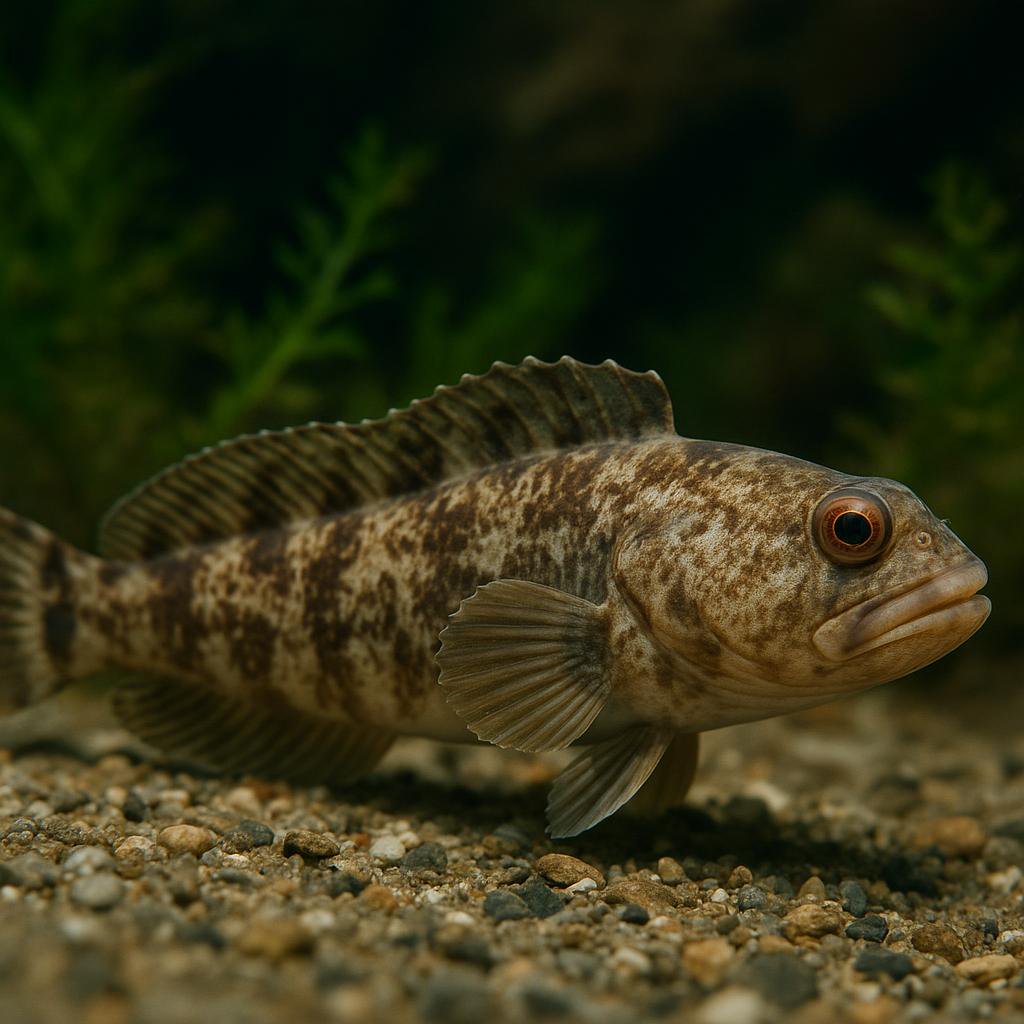
Abe's eelpout
Japonolycodes abei
Japonolycodes abei is a temperate, deepwater demersal eelpout (family Zoarcidae) endemic to Japan (Kumano-nada Sea reported; other sources also report Sagami Bay and Tosa Bay). It is the only species in the genus Japonolycodes and occurs roughly 40-300 m depth, making it an uncommon/atypical aquarium species.
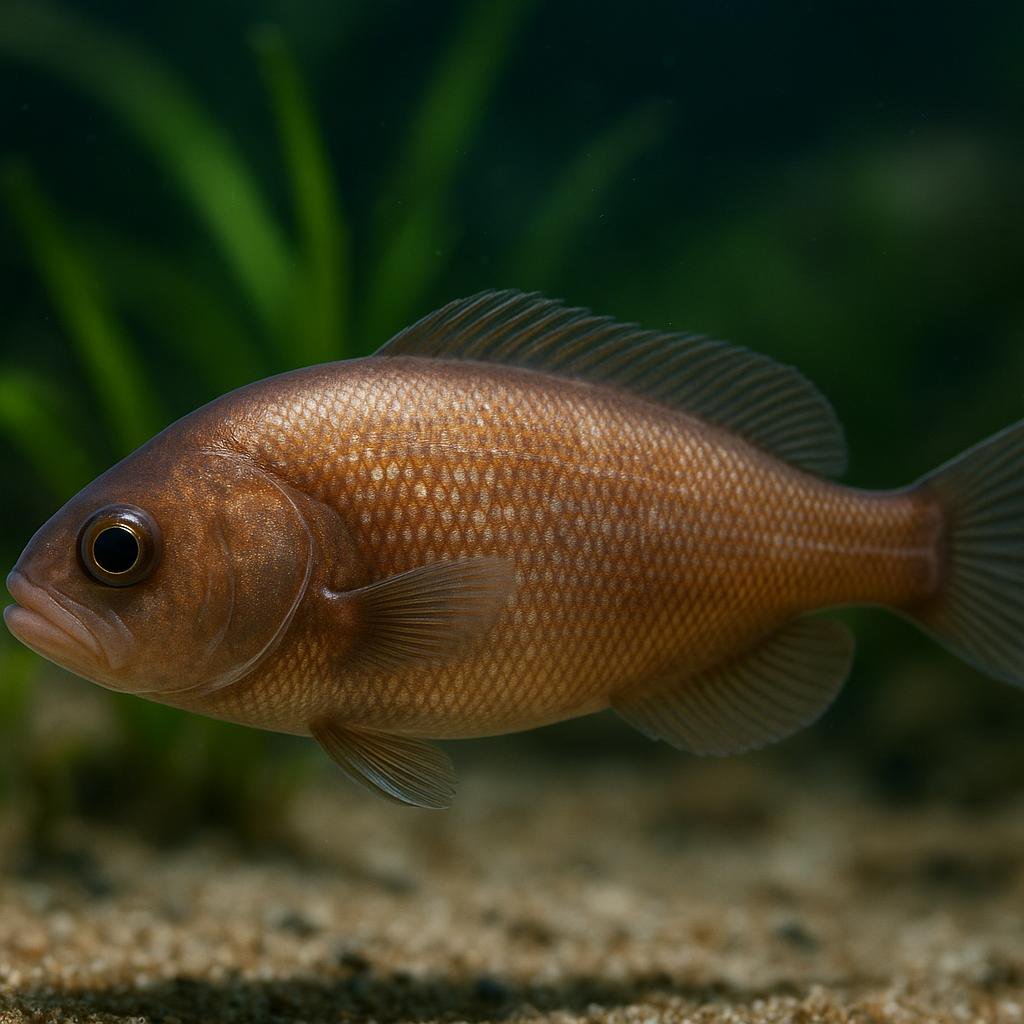
Affinis blind cusk-eel
Barathronus affinis
Barathronus affinis is a tiny, super-weird deep-sea blind cusk-eel from the western-central Indian Ocean. It is one of those gelatinous, loose-skinned brotula-type fishes that live way down in the dark and are basically never seen alive, so almost everything we know comes from preserved specimens and taxonomic work.
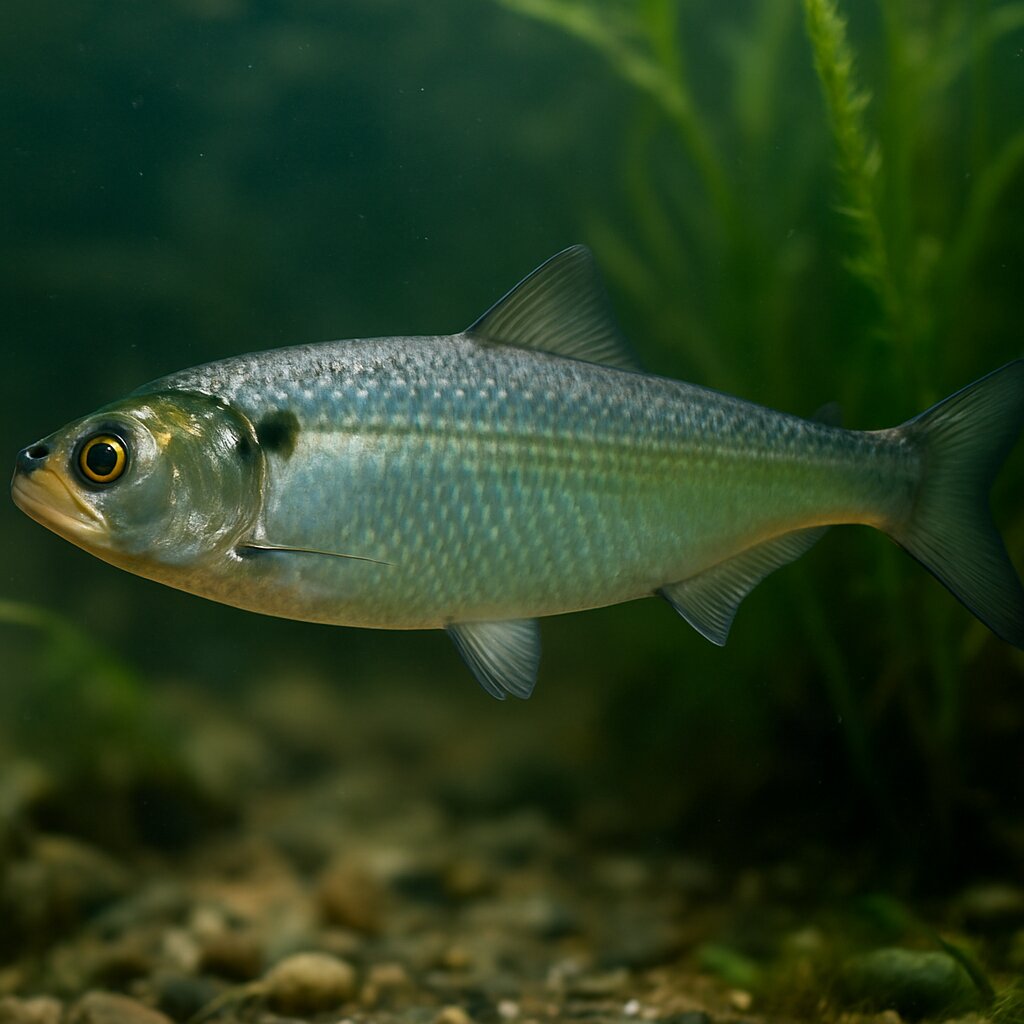
Allis shad
Alosa alosa
Gorgeous silver, fast-swimming shad that spends most of its life in the sea and then surges up big rivers in noisy, surface-spawning schools. It grows huge for a herring-type fish and needs cool, ultra-oxygenated water and tons of open space, so it is a public-aquarium species rather than a home tank fish.
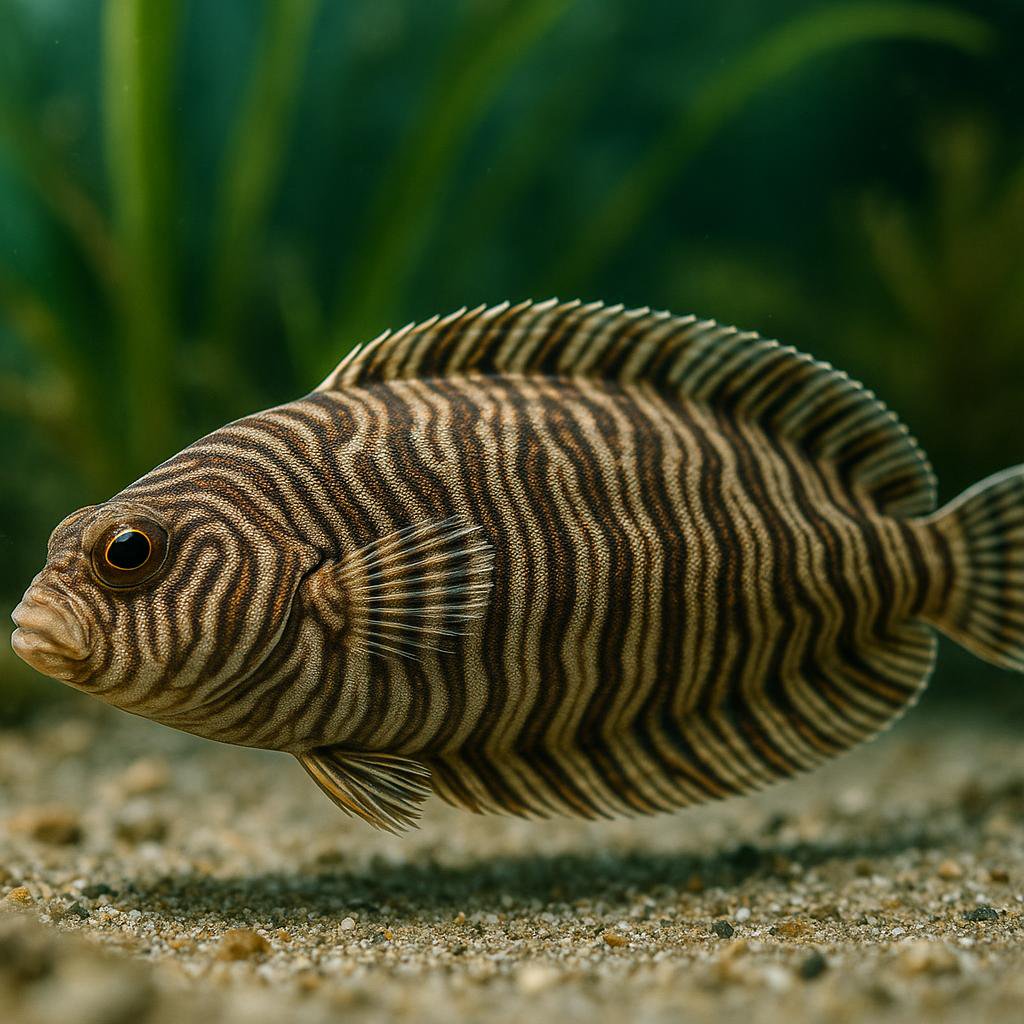
Annandale's zebra sole
Zebrias annandalei
Zebrias annandalei is a small demersal sole from coastal India that inhabits sandy or muddy bottoms and buries for camouflage. It is rarely kept in home aquaria and would require a specialized marine sand-bottom setup and appropriate feeding.
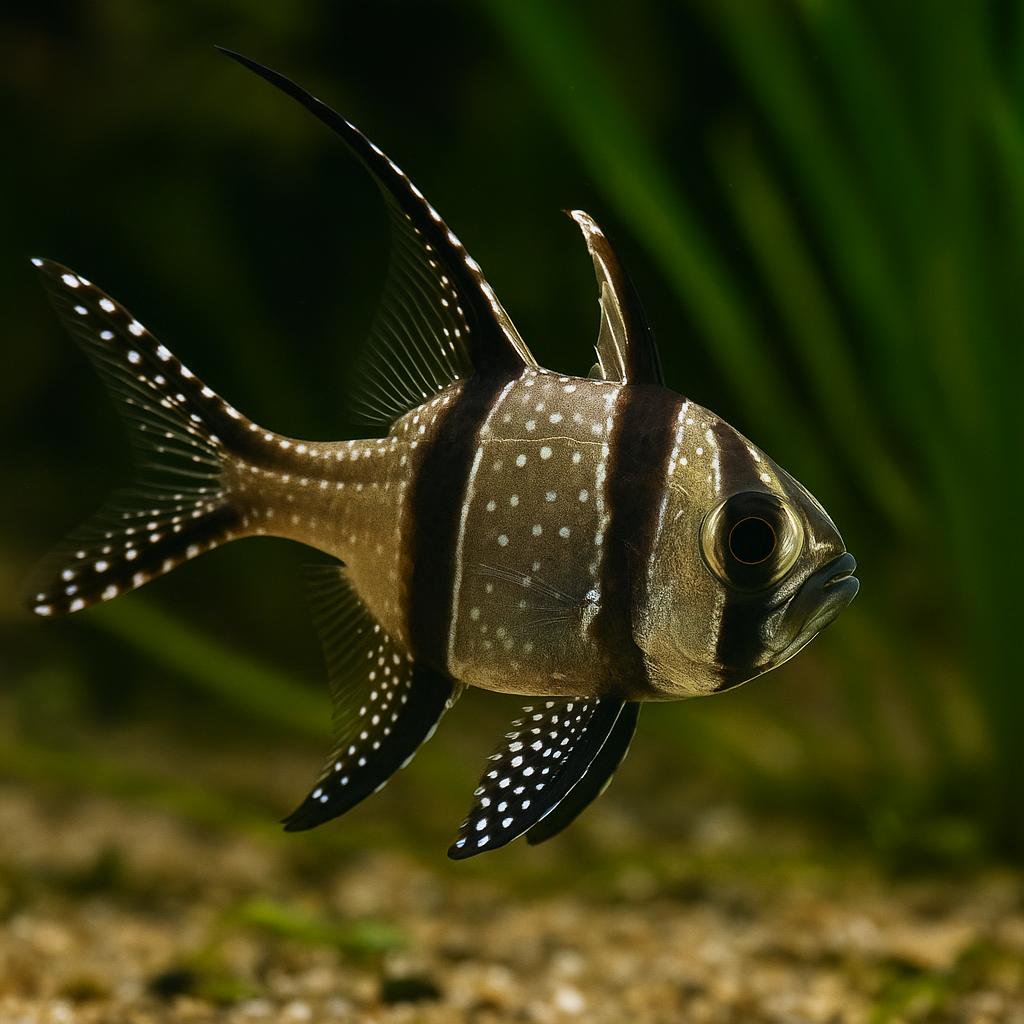
Banggai Cardinalfish
Pterapogon kauderni
Banggai cardinals just sort of hover like little underwater satellites, and the bold black bars with those long, polka-dotted fins look unreal under reef lighting. They're super chill most of the time, but once a pair forms you'll see real "fish drama," and the male will even mouthbrood the babies like a champ.
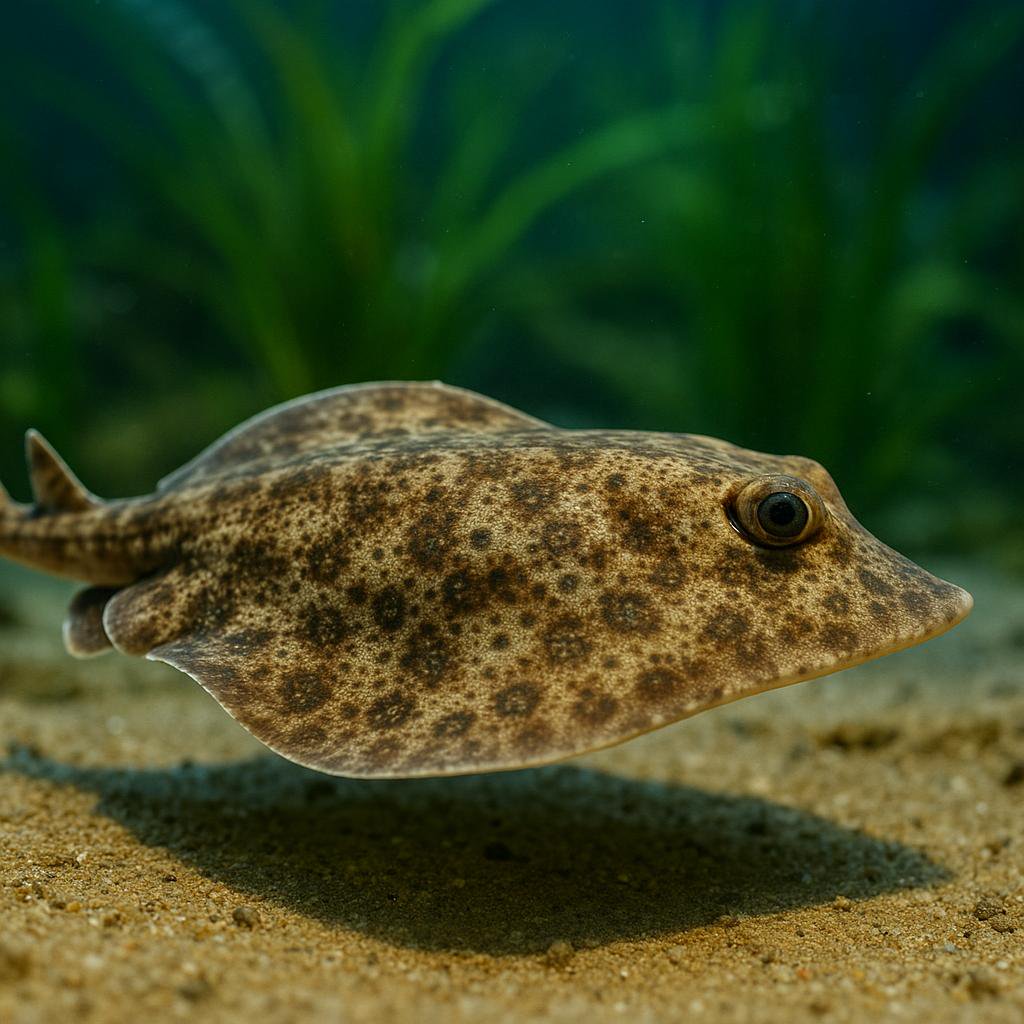
Barbedwire-tailed skate
Notoraja martinezi
Notoraja martinezi is a deepwater skate from the eastern Pacific (Costa Rica down to Ecuador) that lives way down on soft bottoms. The tail is the giveaway - it is lined with strong, hooked thorns that really do look like barbed wire. This is absolutely not an aquarium fish; it is a cold, high-pressure deep-sea animal with basically no practical home care info because it is not kept in the hobby.
More to Explore
Discover more marine species.
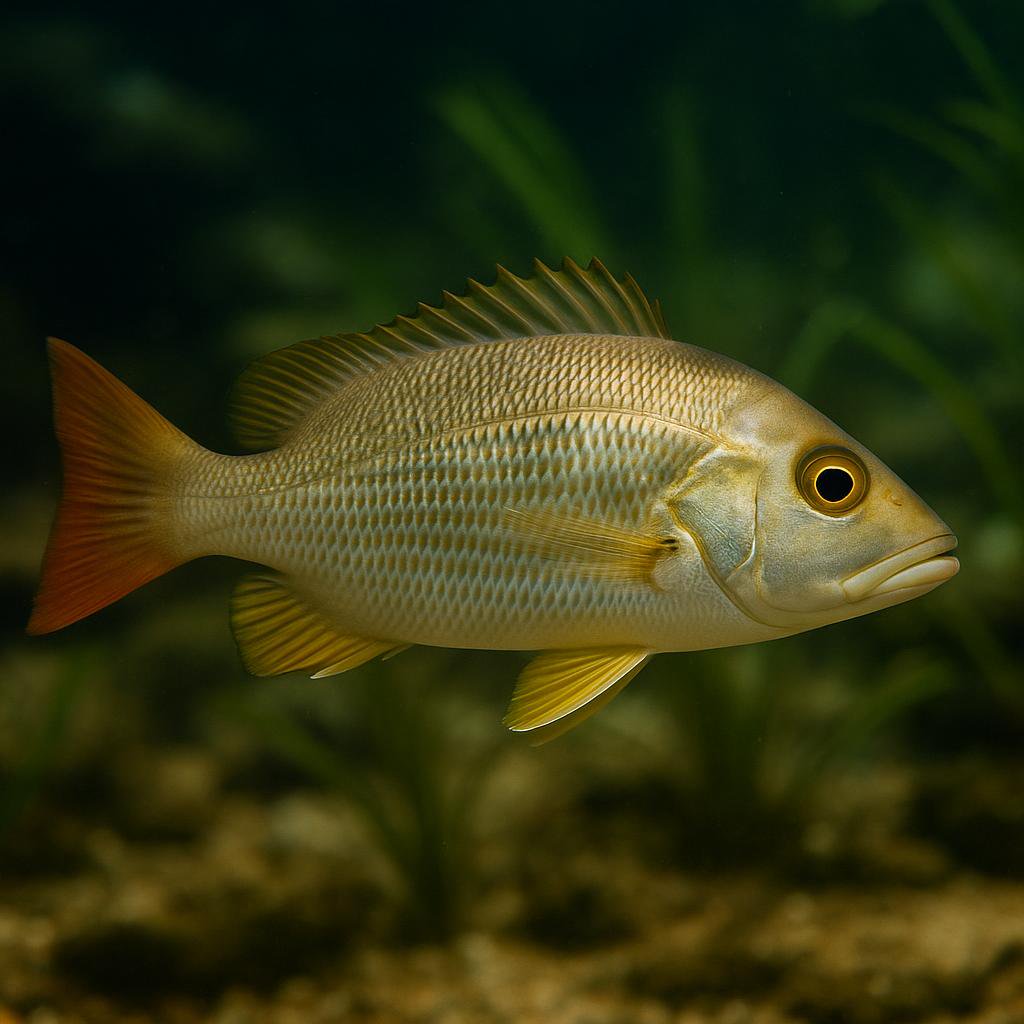
African red snapper
Lutjanus agennes
This is a true snapper from West Africa - a big, fast-growing predator that goes from coastal reefs to brackish lagoons and estuaries (especially as a juvenile). Super cool fish in the wild, but it gets absolutely huge and will eat smaller tankmates once it has the mouth for it, so its really more of a public-aquarium scale animal than a home-aquarium fish.
Aleutian skate
Bathyraja aleutica
This is a big, cold-water deep-slope skate from the North Pacific that cruises muddy bottoms and eats chunky benthic prey like crabs and shrimp. The really cool bit is its egg-laying skate life - it does distinct pairing (the classic skate "embrace") and drops those tough egg cases on the seafloor. Not an aquarium fish at all unless you're basically running a public-aquarium-style chilled system.
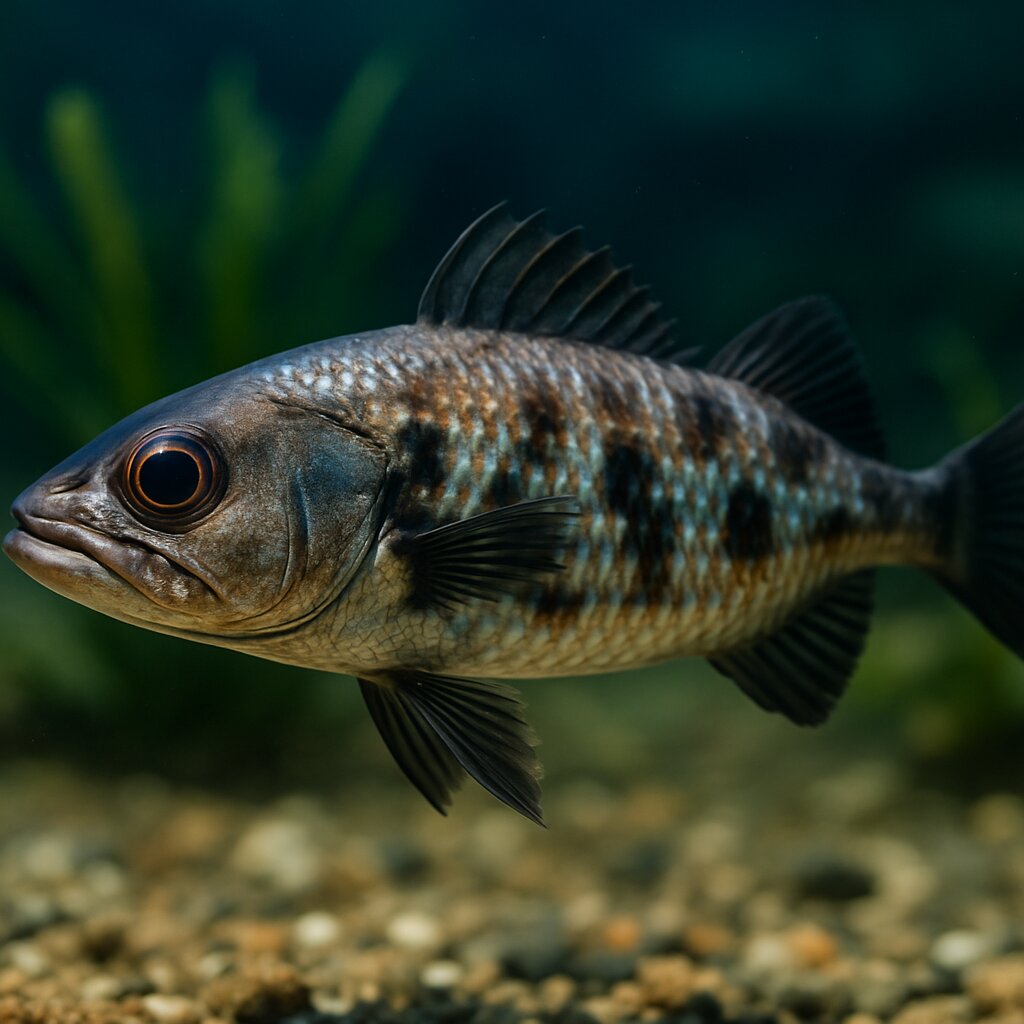
Antarctic dragonfish
Vomeridens infuscipinnis
Deep down around Antarctica, this sleek dragonfish cruises the water column like a little submarine, nearly neutrally buoyant so it can hover above the seafloor. It munches almost exclusively on Antarctic krill and lives in near-freezing water 500-800 m down, so it is a cool species to read about, not one for home tanks.
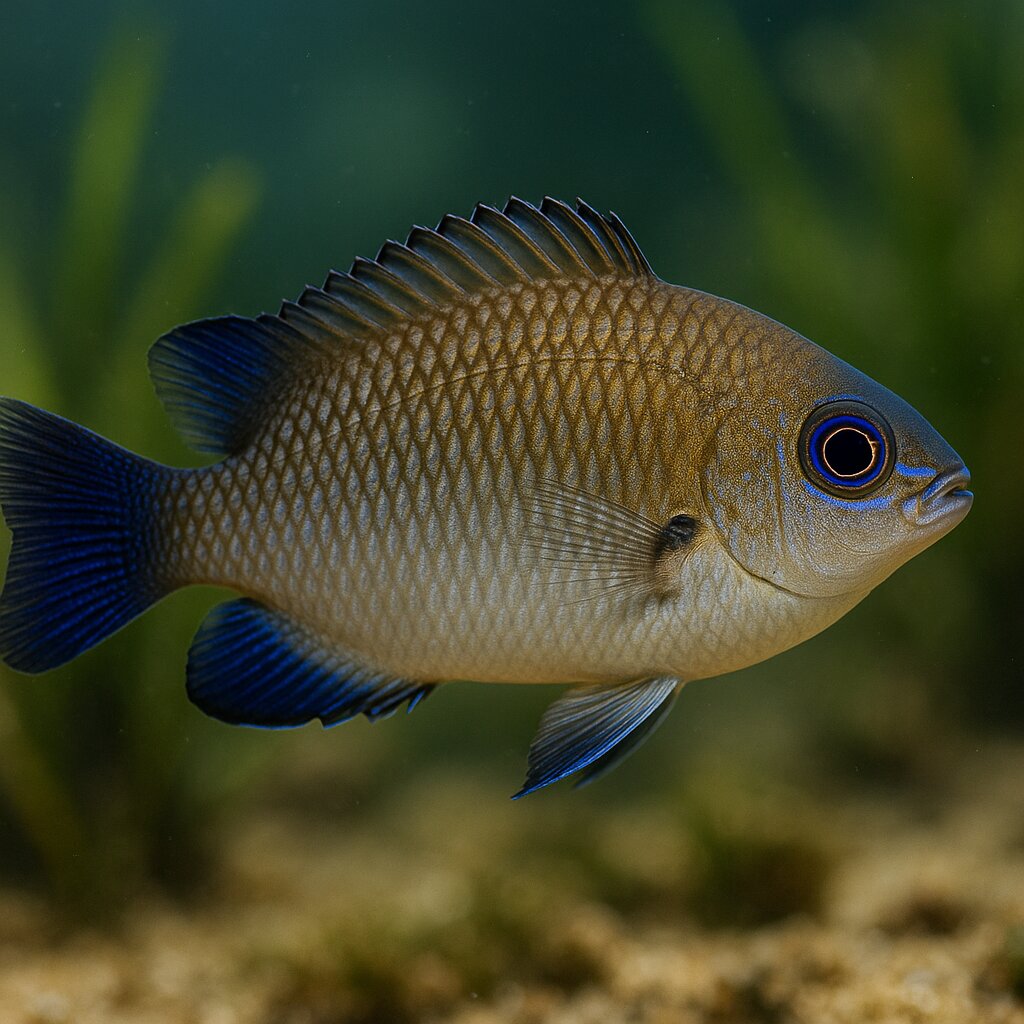
Arabian demoiselle
Neopomacentrus sindensis
A small lyretail damsel from the Persian Gulf and Arabian Sea, it hangs in loose groups around coral heads, rocks, and even pier pilings picking zooplankton from the flow. Think classic damsel toughness with a slightly milder attitude than the real bruisers, plus subtle yellow tail accents. Males clean a patch, get a mate to lay eggs there, and then stand guard fanning the clutch.
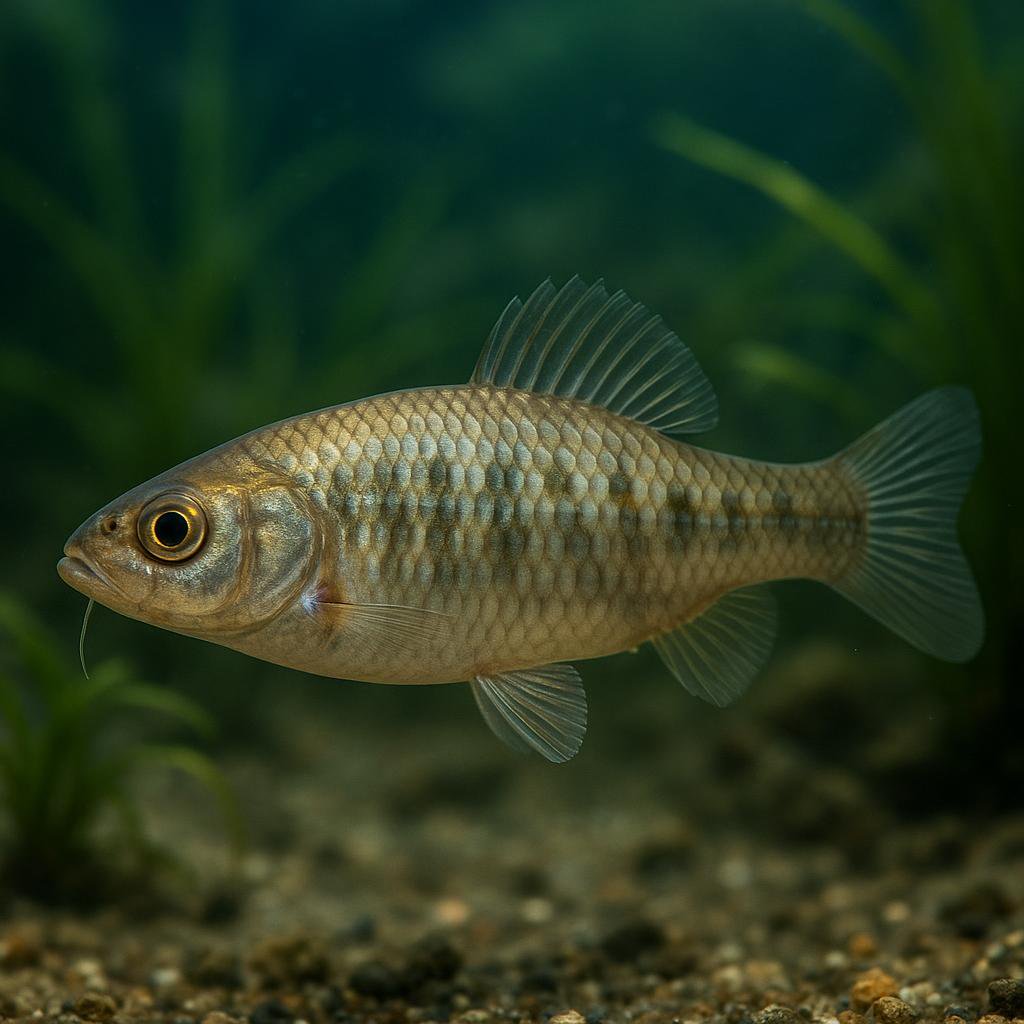
Arabian spiny eel
Notacanthus indicus
Notacanthus indicus is a deep-sea spiny eel (family Notacanthidae; not a true eel) known from the Arabian Sea on the continental slope at roughly ~960–1,046 m depth, with reported maximum length around 20 cm TL; it is a deep-water bycatch species and not established in the aquarium trade.
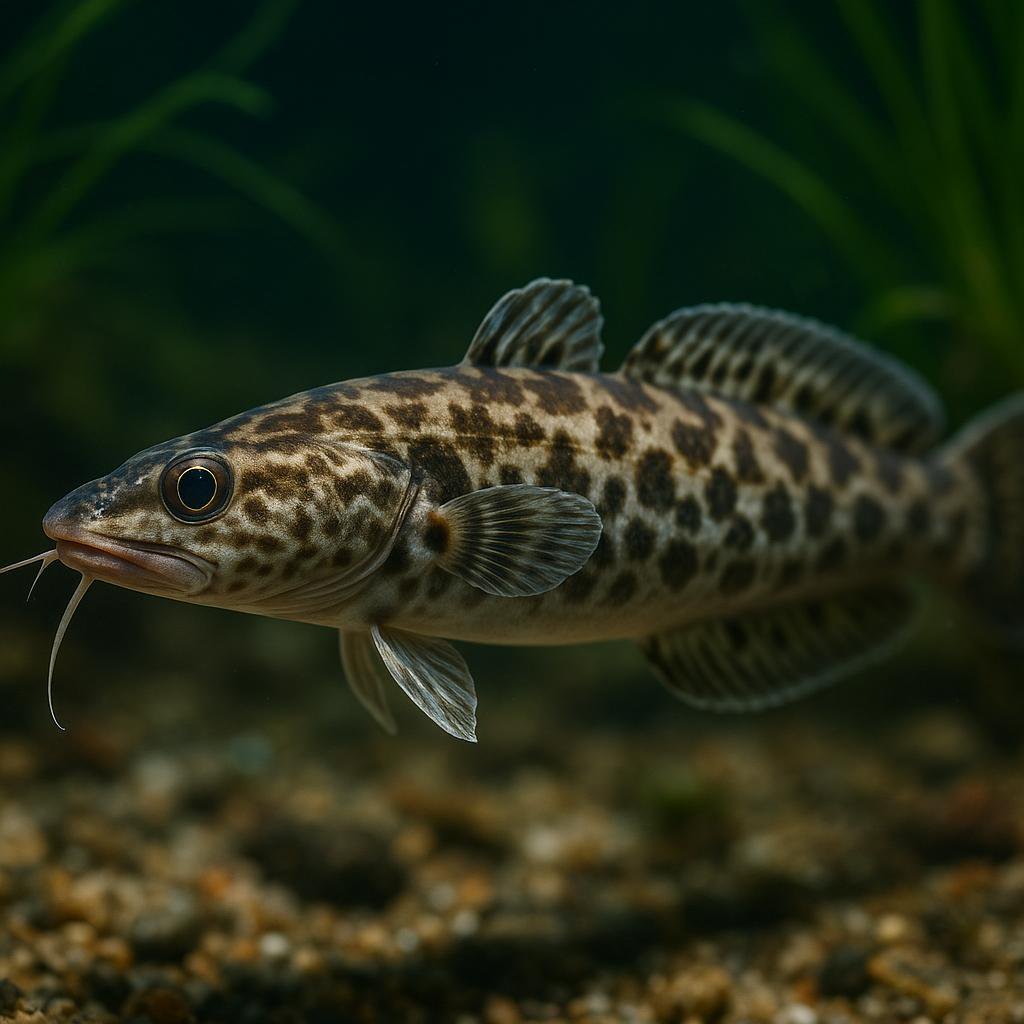
Arctic rockling
Gaidropsarus argentatus
This is a deepwater North Atlantic rockling (a cod relative) that hangs out on soft bottoms way down the slope. It is a cold-water, bottom-hugging predator that snoots around for crustaceans and will also take small fish when it gets the chance.
Looking for other species?