

Kazunagi
Zoarchias veneficus
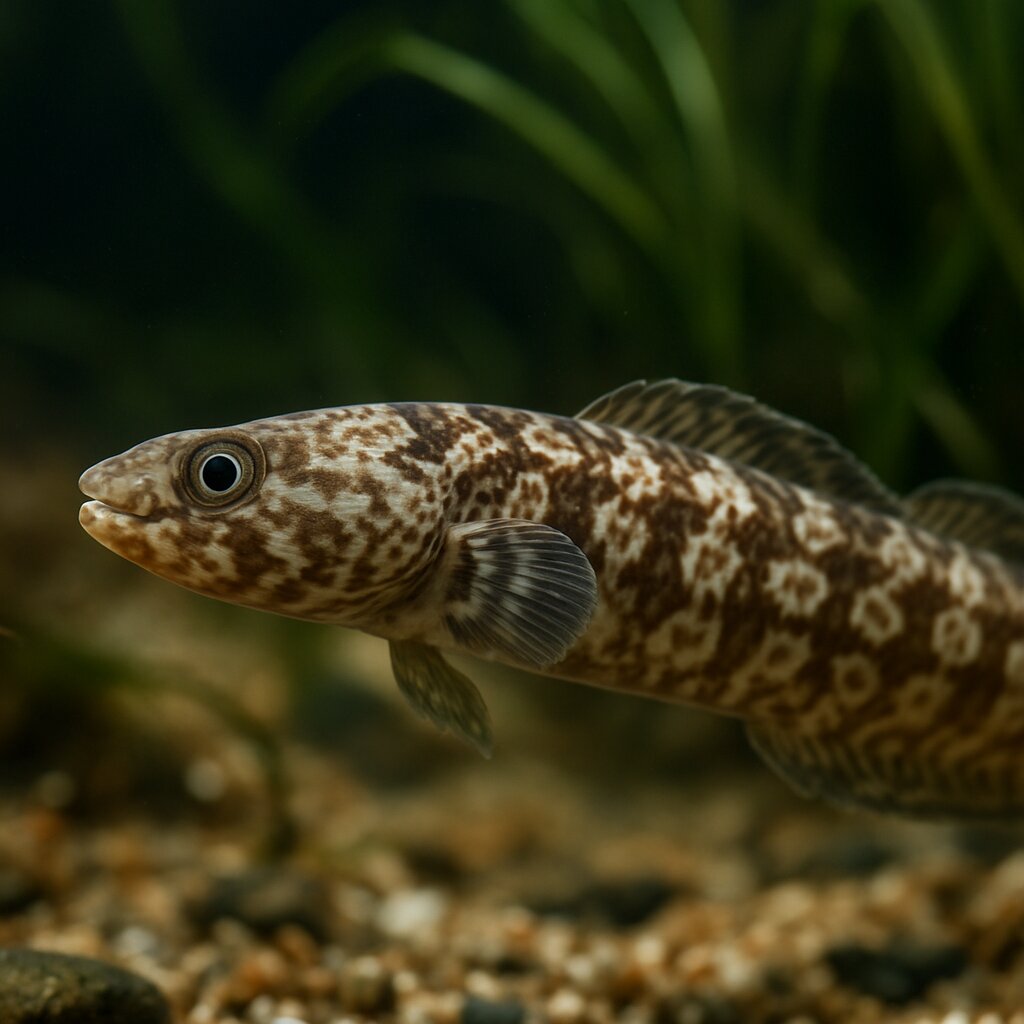
Kazunagi features a slender body with vibrant greenish-blue scales and elongated fin structures that enhance its streamlining in water.
This page includes AI-generated images. Why am I seeing AI images?
About the Kazunagi
A tiny eel-like prickleback from Japans cool rocky shores, it threads through seaweed and crevices like a living shoelace. Tops out around 7 cm and spends its time peeking from rock cracks and snapping up tiny crustaceans, so a tank full of snug caves is its happy place.
Also known as
Quick Facts
Size
7 cm
Temperament
Peaceful
Difficulty
Advanced
Min Tank Size
20 gallons
Lifespan
3-5 years
Origin
Northwest Pacific - Japan
Diet
Carnivore - small crustaceans and worms; accepts frozen mysis and finely chopped seafood
Water Parameters
12-20°C
8-8.4
8-12 dGH
Need a heater for this species?
This species needs 12-20°C in a 20 gallon tank. Use our heater calculator to find the right wattage.
Calculate heater sizeCare Notes
- Give it a long 40-55 gal tank packed with interlocking rock and finger-width (1-2 cm) crevices; add a couple short PVC sections as backup hides and run a tight, taped-down lid.
- Run it cold: 12-18 C (54-64 F) with a chiller and strong aeration; SG 1.025, pH 8.0-8.3, nitrate under 20 ppm. Heat spikes kill fast, so use a temp controller and have backup air.
- Feed at dusk with tongs: start live (shore shrimp, small crabs, marine worms) and wean to frozen mysis, chopped prawn, clam, or silverside pieces; 2-3 feedings per week is plenty and pull leftovers.
- This fish has venomous dorsal spines - move it with a specimen box or tongs and gloves, not a net.
- Tankmates should be cool-temperate and non-bullying (think sculpins, gunnels); skip shrimp/crabs and bite-sized fish, and avoid triggers, big wrasses, and groupers.
- They are crevice sitters and escape artists, so keep lighting low, give shadowed bolt-holes, and seal every cable gap on the lid.
- Quarantine new arrivals and deworm; they are sensitive to heavy copper or harsh dips, so use reduced doses and test instead of guessing.
- Breeding is a long shot: cave spawner with egg guarding in nature, and you would need seasonal cooling to about 10-12 C plus live plankton for the larvae.
Compatibility
Good Tankmates
- Chill gobies and blennies that mind their own business - neon, tailspot, watchman types
- Firefish and dartfish that hang midwater and won't hassle anyone
- Cardinalfish like Banggai or pajama - calm, slow, zero nipping
- Assessors and small basslets that keep to the caves
- Small, mellow reef-safe wrasses like possum or pink-streak
- Easygoing clowns like ocellaris or skunk, not the rough maroon-clarkii types
Avoid
- Nippy or territorial jerks - damsels, dottybacks, and hyper sixline wrasses
- Predators that snack on slender fish - hawkfish, lionfish, groupers, eels
- Big boisterous bullies - triggers, puffers, large angels or tangs that dominate the rockwork
Where they come from
Kazunagi (Zoarchias veneficus) is a cold-water eelpout from the rocky shores of Japan, Korea, and nearby parts of the Northwest Pacific. Think tidepools and surge zones with cracks, kelp holdfasts, and lots of places to wedge in. They spend most of the day hidden and venture out in low light to hunt small crustaceans and fishes.
- Cool water most of the year
- High oxygen and plenty of surge
- Crevices, rubble, and shaded pockets
Tank setup
I keep mine like a temperate tidepool predator: cool, dim, and stuffed with tight hideouts. A single adult does well in a 40-55 gallon tank, but extra volume makes temperature control and oxygenation easier.
- Temperature: 10-16 C (50-61 F). Short swings are fine, but do not let it creep over 18 C (64 F).
- Salinity: 1.025-ish, stable. pH 8.0-8.3.
- Flow: strong, irregular crossflow or a wavemaker to mimic surge.
- Lighting: low. Ambient room light or a dim schedule is plenty.
- Aquascape: deep rockwork with narrow caves and stacked rubble. PVC tubes hidden under rock also work.
- Substrate: coarse sand with small rubble.
- Lid: sealed tight. They are expert escape artists and will find pencil-sized gaps.
You need a chiller. Fans and frozen bottles will not hold a steady 10-16 C in summer, and warm spells can kill them fast.
Build at least 3-4 hides they can barely squeeze into. They pick a favorite and settle faster.
Run heavy filtration. A strong skimmer and oversized mechanical filtration help with the messy, meaty feeding these fish prefer. Carbon is worth running full-time.
Handling: their skin mucus is toxic. Use a container to move them, not a net. Wear gloves if you have to reach in, and keep your hands away from your eyes.
What to feed them
They are ambush carnivores. Mine took a week of settling before showing interest. Live foods help at first, then you can switch to prepared.
- Starter live foods: small shore crabs, grass/ghost shrimp, amphipods. Feed marine-sourced if possible.
- Frozen/tong-fed: silverside chunks, prawn/shrimp pieces, squid strips, clam, lancefish. Vary it.
- Soak occasionally in a vitamin/HUFA supplement.
- Avoid: feeder goldfish or rosy reds (poor nutrition, disease risk). Keep thiaminase-heavy fish like silversides as part of a mix, not the only item.
Weaning trick: offer a live shrimp on tongs, then switch to a dead shrimp wiggled with the current, then to plain frozen. Feed right at the cave entrance so they feel secure.
Adults do fine with 2-3 feedings per week. Give a good meal and skip a day. Remove leftovers within a few minutes so they do not rot in the rocks.
How they behave and who they get along with
Mostly a cave-dweller by day and a quick, decisive striker at dusk. They are not constant swimmers. They watch, coil, and lunge.
- Tankmates: only cool-water species that can live at 10-16 C and are too big to be swallowed. Think sturdy sculpins or larger temperate gobies, not nano reef fish.
- Skip: ornamental shrimp, small crabs, small fish, and delicate invertebrates. They will be eaten.
- Keep one per tank. Similar eel-like or cave-claiming fishes start turf wars.
- Not reef safe in the warm-water sense. This is a temperate setup, and stinging inverts do not mix well with their hunting style anyway.
Toxicity: Kazunagi have poisonous skin mucus. Avoid skin and eye contact. If you get slimed, rinse with plenty of water and mild soap. If you are bitten or have a reaction (numbness, swelling, trouble breathing), seek medical care.
Breeding tips
I have not seen a confirmed home aquarium spawning for this species, and I cannot find solid reports from hobbyists. In the wild, related eelpouts show varied strategies, so do not count on an easy project.
- If you want to experiment: provide a deep cave system and seasonal cues (cooler winter, slightly longer daylight in summer).
- Plan for a dedicated system. You will not reliably sex them, and they may fight.
- Document everything if you see courtship or guarding behavior. It would be valuable information.
Because breeding is not documented in home tanks, focus on long-term health and stable, cool conditions rather than pairing attempts.
Common problems to watch for
- Overheating: above 18 C they get lethargic, breathe fast, and go off food. A chiller and strong aeration prevent this.
- Low oxygen: heavy mucus and meaty foods can stress water quality. Keep surface agitation high and clean mechanical filters often.
- Refusing food after import: try live crustaceans, dim the lights, and feed at dusk. Patience usually wins within 1-2 weeks.
- Internal parasites: common in wild fish. Once eating, run praziquantel or similar under observation.
- Escapes and abrasions: they will probe lids. Tape every gap and pad pump intakes. Treat scrapes with clean water and time.
- Toxin events: rough handling or stress can foul the water. Skimmer may overflow, fish may gasp. Add fresh carbon, boost aeration, and change 30-50% of the water.
Have carbon on hand and mix up spare saltwater before big rescapes or moves. If the fish slimes up the tank, you can react immediately.
Similar Species
Other marine peaceful species you might be interested in.
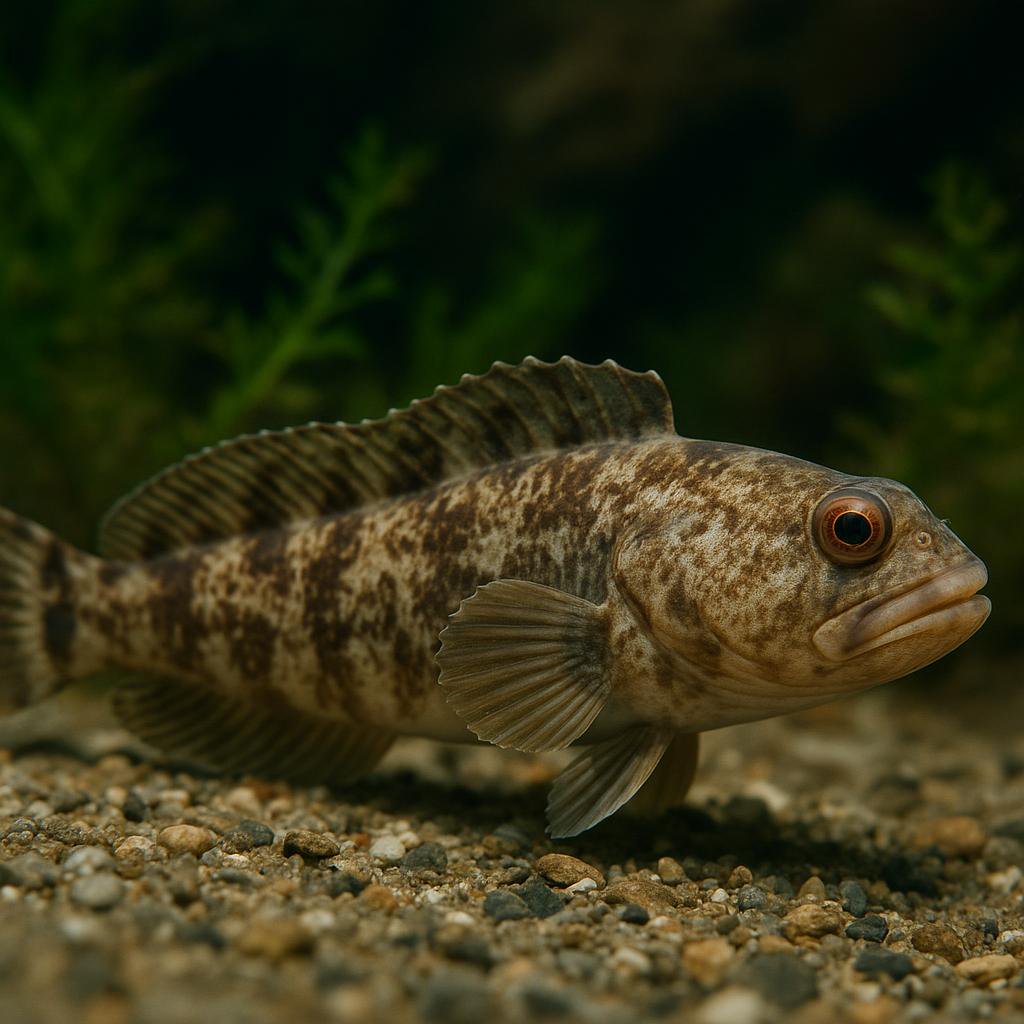
Abe's eelpout
Japonolycodes abei
Japonolycodes abei is a temperate, deepwater demersal eelpout (family Zoarcidae) endemic to Japan (Kumano-nada Sea reported; other sources also report Sagami Bay and Tosa Bay). It is the only species in the genus Japonolycodes and occurs roughly 40-300 m depth, making it an uncommon/atypical aquarium species.
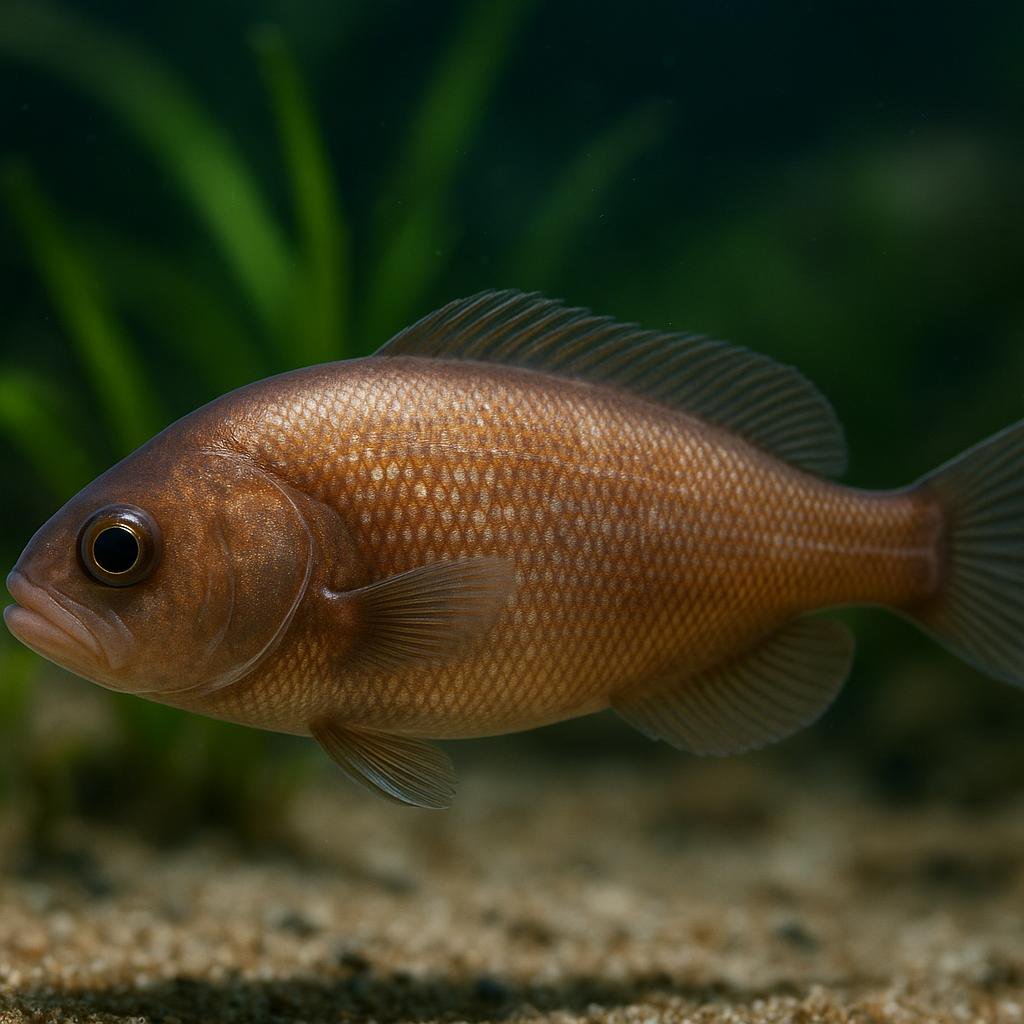
Affinis blind cusk-eel
Barathronus affinis
Barathronus affinis is a tiny, super-weird deep-sea blind cusk-eel from the western-central Indian Ocean. It is one of those gelatinous, loose-skinned brotula-type fishes that live way down in the dark and are basically never seen alive, so almost everything we know comes from preserved specimens and taxonomic work.
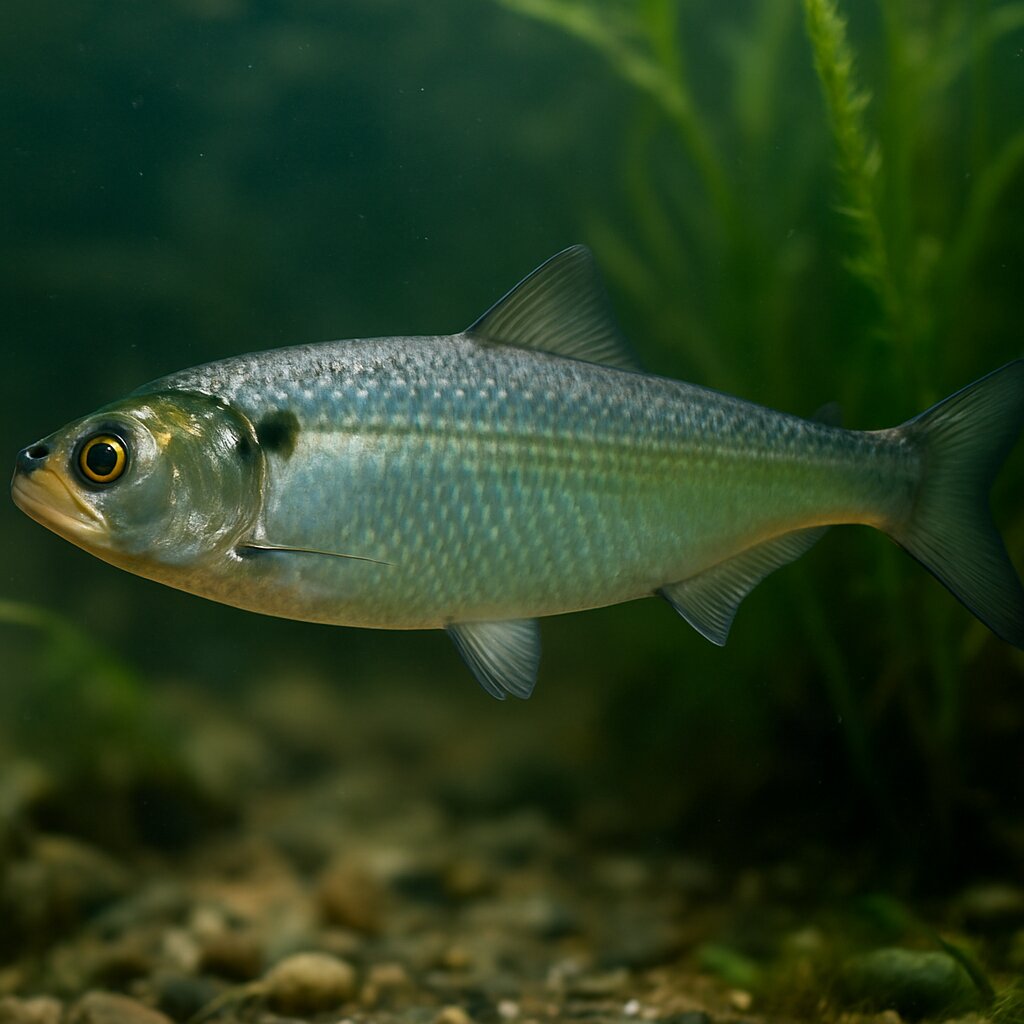
Allis shad
Alosa alosa
Gorgeous silver, fast-swimming shad that spends most of its life in the sea and then surges up big rivers in noisy, surface-spawning schools. It grows huge for a herring-type fish and needs cool, ultra-oxygenated water and tons of open space, so it is a public-aquarium species rather than a home tank fish.
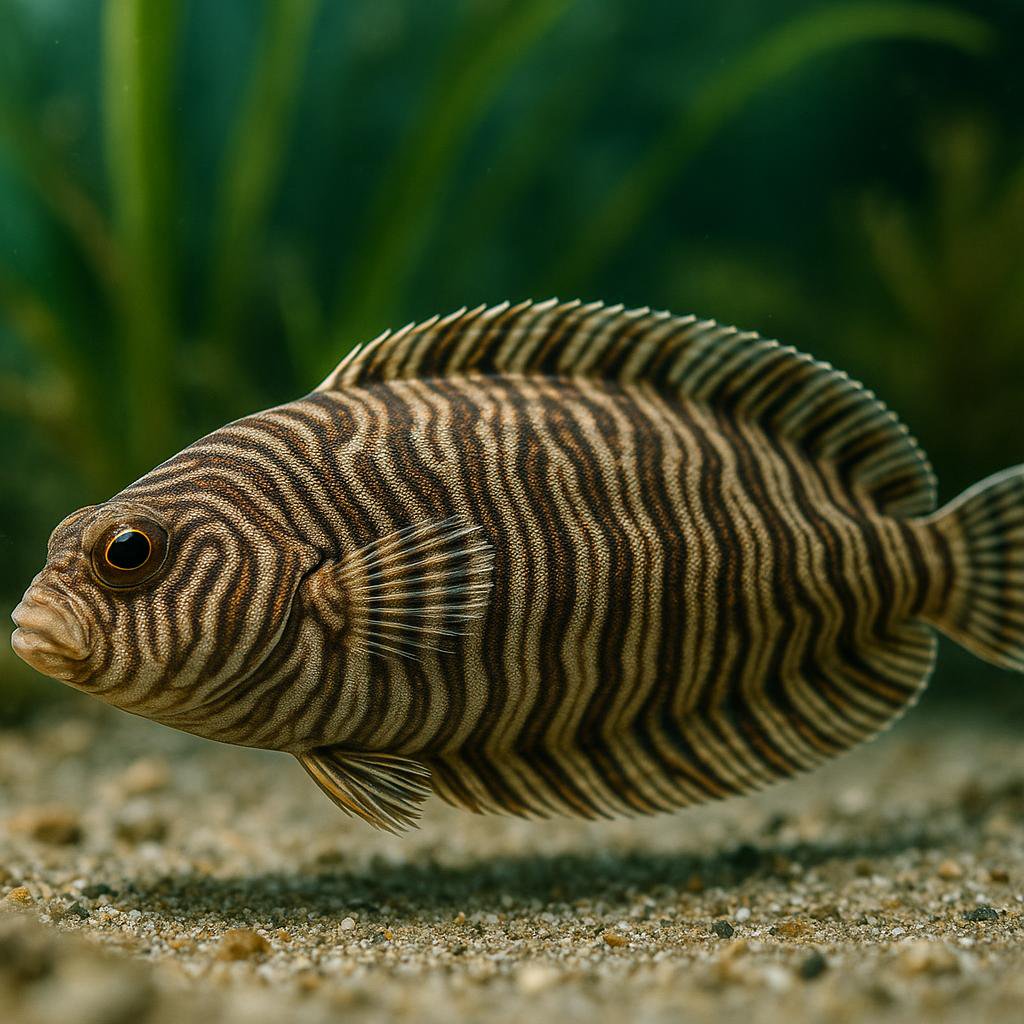
Annandale's zebra sole
Zebrias annandalei
Zebrias annandalei is a small demersal sole from coastal India that inhabits sandy or muddy bottoms and buries for camouflage. It is rarely kept in home aquaria and would require a specialized marine sand-bottom setup and appropriate feeding.
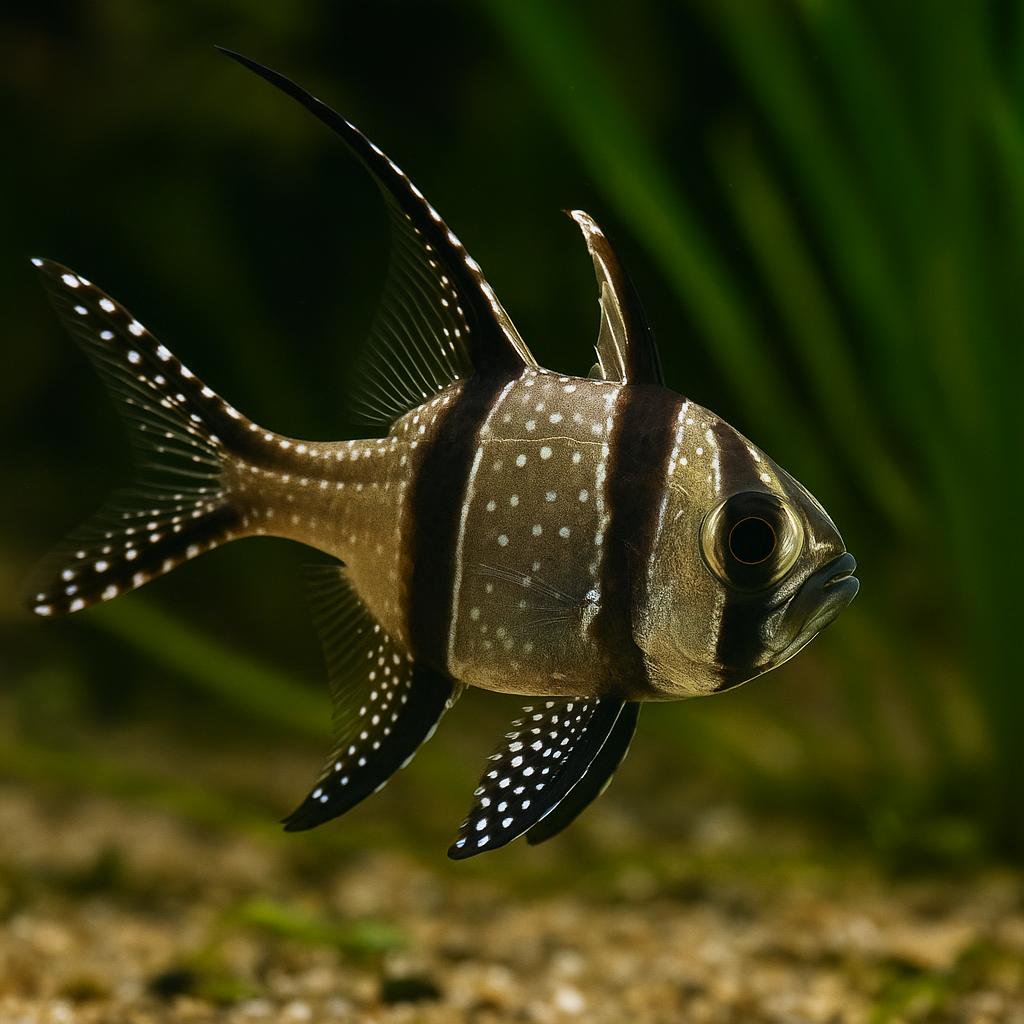
Banggai Cardinalfish
Pterapogon kauderni
Banggai cardinals just sort of hover like little underwater satellites, and the bold black bars with those long, polka-dotted fins look unreal under reef lighting. They're super chill most of the time, but once a pair forms you'll see real "fish drama," and the male will even mouthbrood the babies like a champ.
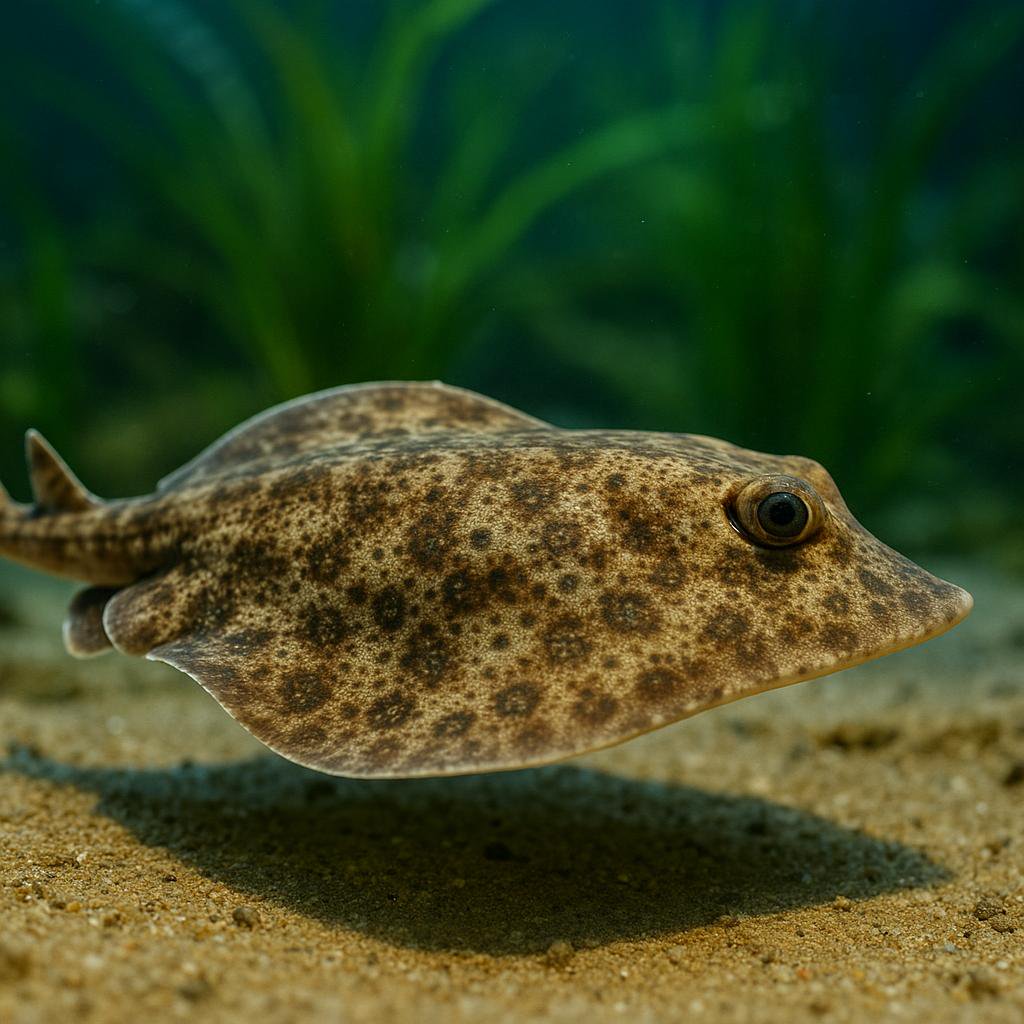
Barbedwire-tailed skate
Notoraja martinezi
Notoraja martinezi is a deepwater skate from the eastern Pacific (Costa Rica down to Ecuador) that lives way down on soft bottoms. The tail is the giveaway - it is lined with strong, hooked thorns that really do look like barbed wire. This is absolutely not an aquarium fish; it is a cold, high-pressure deep-sea animal with basically no practical home care info because it is not kept in the hobby.
More to Explore
Discover more marine species.
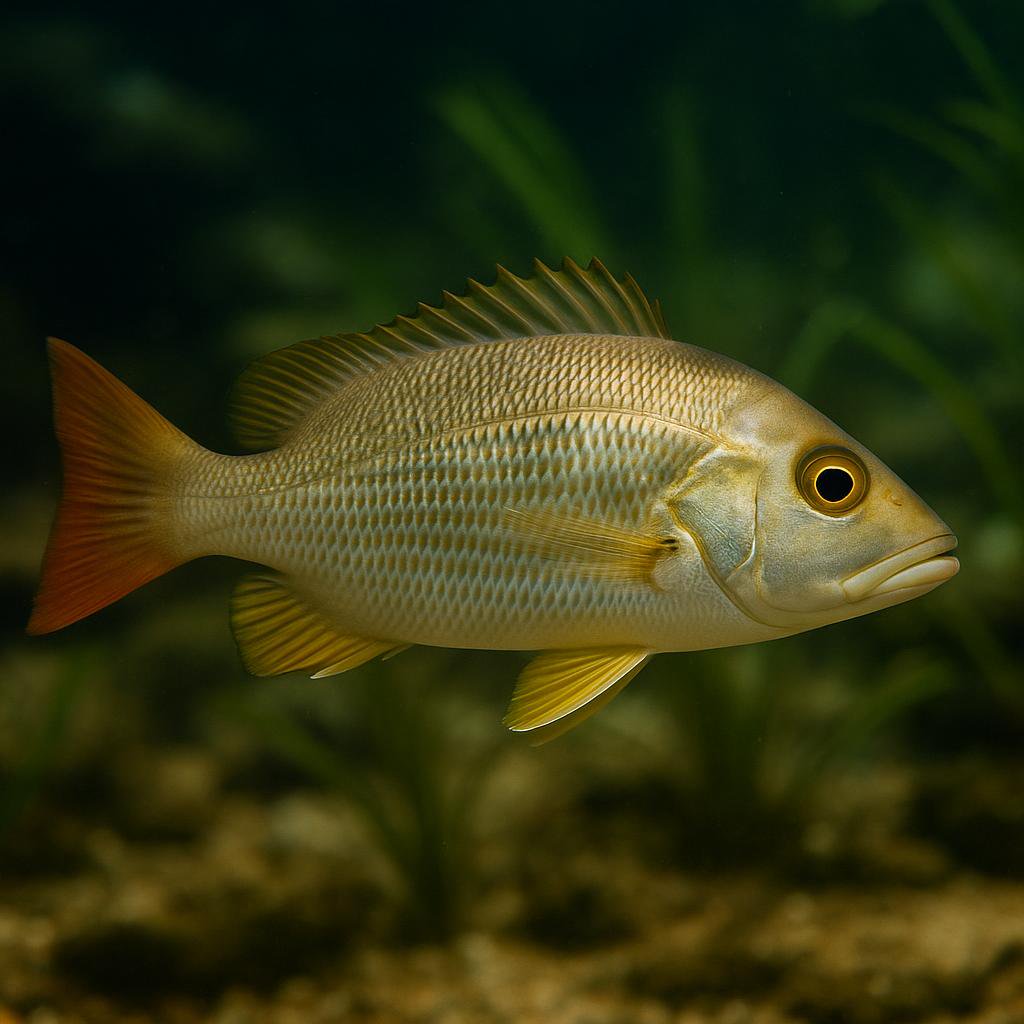
African red snapper
Lutjanus agennes
This is a true snapper from West Africa - a big, fast-growing predator that goes from coastal reefs to brackish lagoons and estuaries (especially as a juvenile). Super cool fish in the wild, but it gets absolutely huge and will eat smaller tankmates once it has the mouth for it, so its really more of a public-aquarium scale animal than a home-aquarium fish.
Aleutian skate
Bathyraja aleutica
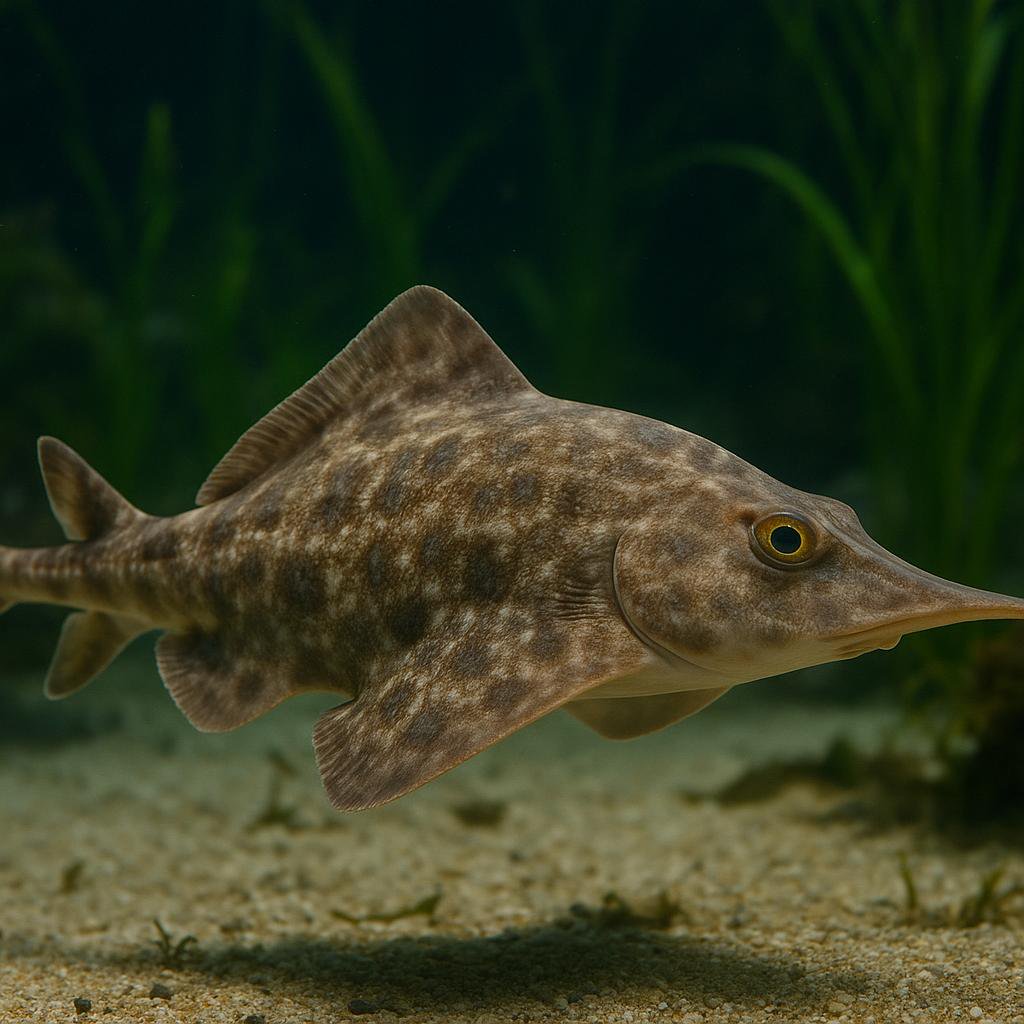
This is a big, cold-water deep-slope skate from the North Pacific that cruises muddy bottoms and eats chunky benthic prey like crabs and shrimp. The really cool bit is its egg-laying skate life - it does distinct pairing (the classic skate "embrace") and drops those tough egg cases on the seafloor. Not an aquarium fish at all unless you're basically running a public-aquarium-style chilled system.
Antarctic dragonfish
Vomeridens infuscipinnis
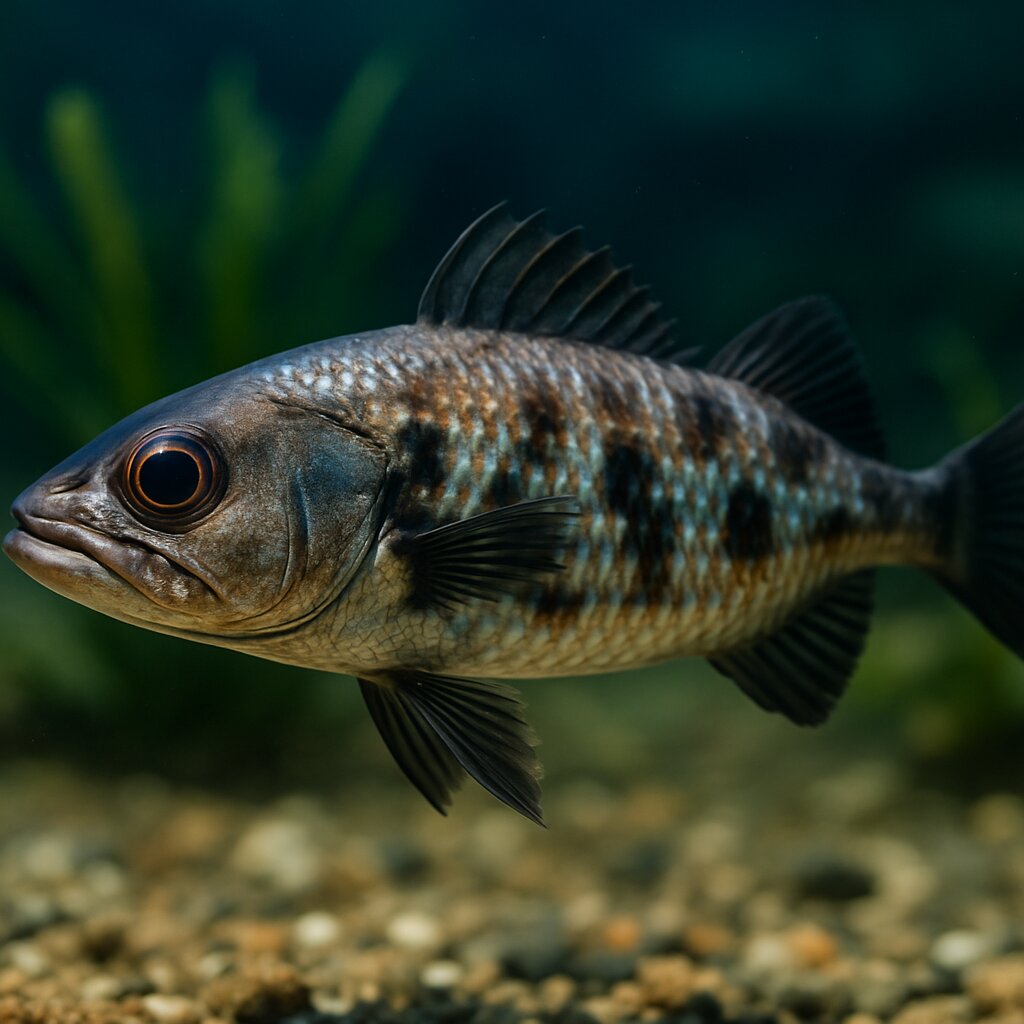
Deep down around Antarctica, this sleek dragonfish cruises the water column like a little submarine, nearly neutrally buoyant so it can hover above the seafloor. It munches almost exclusively on Antarctic krill and lives in near-freezing water 500-800 m down, so it is a cool species to read about, not one for home tanks.
Arabian spiny eel
Notacanthus indicus
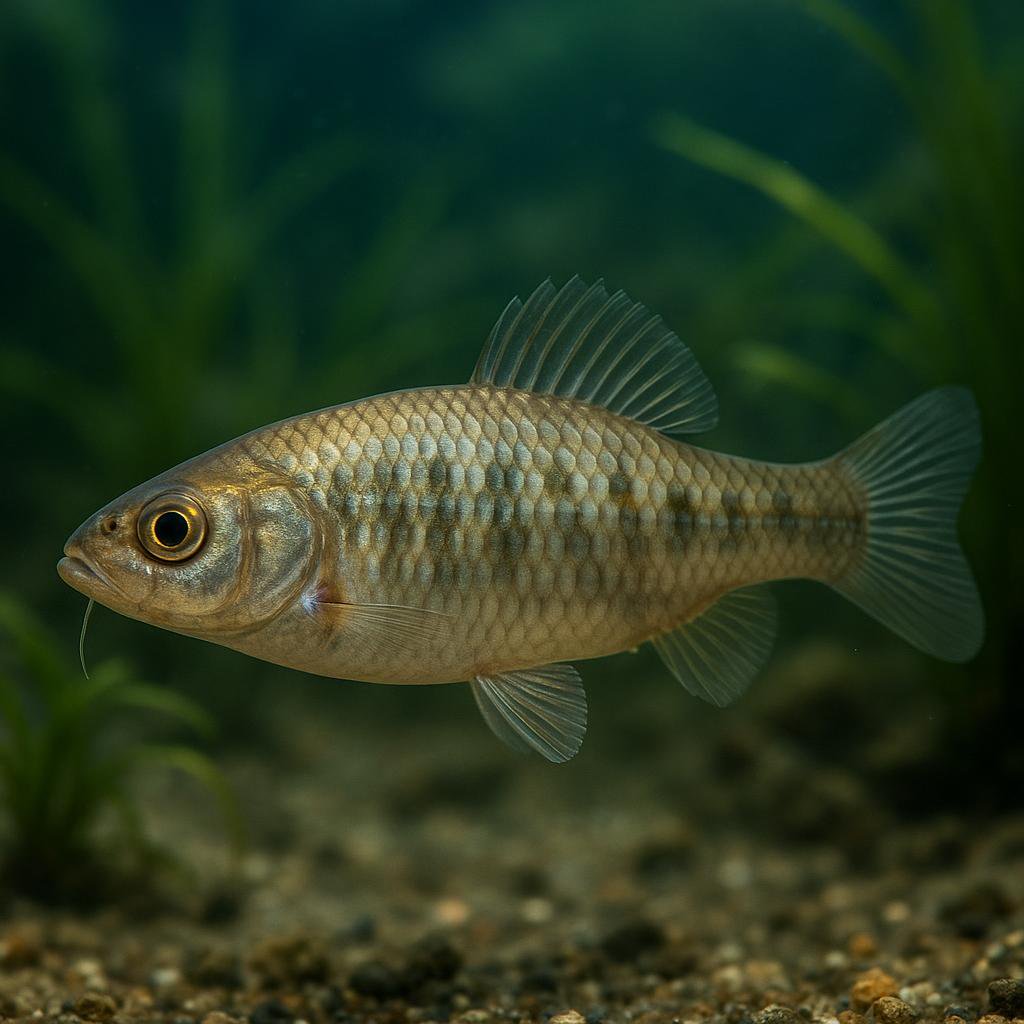
Notacanthus indicus is a deep-sea spiny eel (family Notacanthidae; not a true eel) known from the Arabian Sea on the continental slope at roughly ~960–1,046 m depth, with reported maximum length around 20 cm TL; it is a deep-water bycatch species and not established in the aquarium trade.
Arctic rockling
Gaidropsarus argentatus
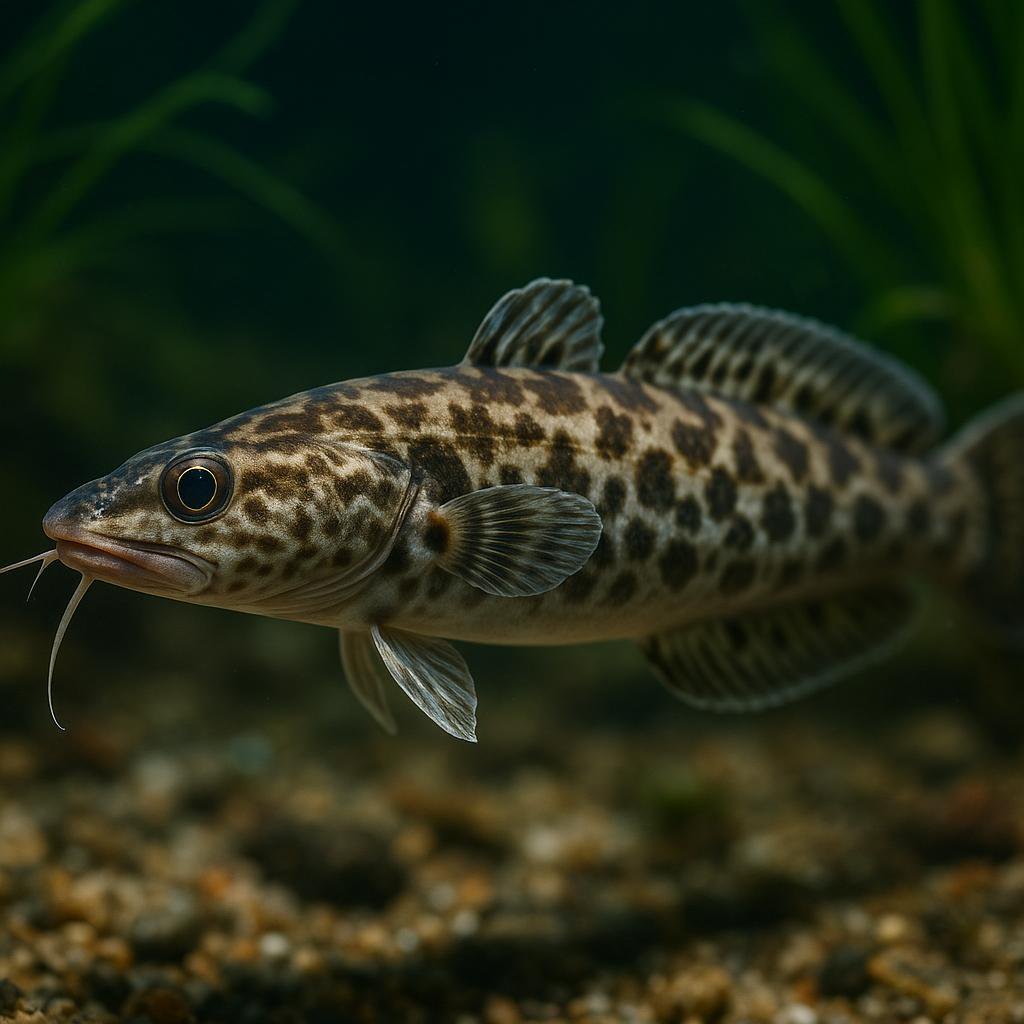
This is a deepwater North Atlantic rockling (a cod relative) that hangs out on soft bottoms way down the slope. It is a cold-water, bottom-hugging predator that snoots around for crustaceans and will also take small fish when it gets the chance.
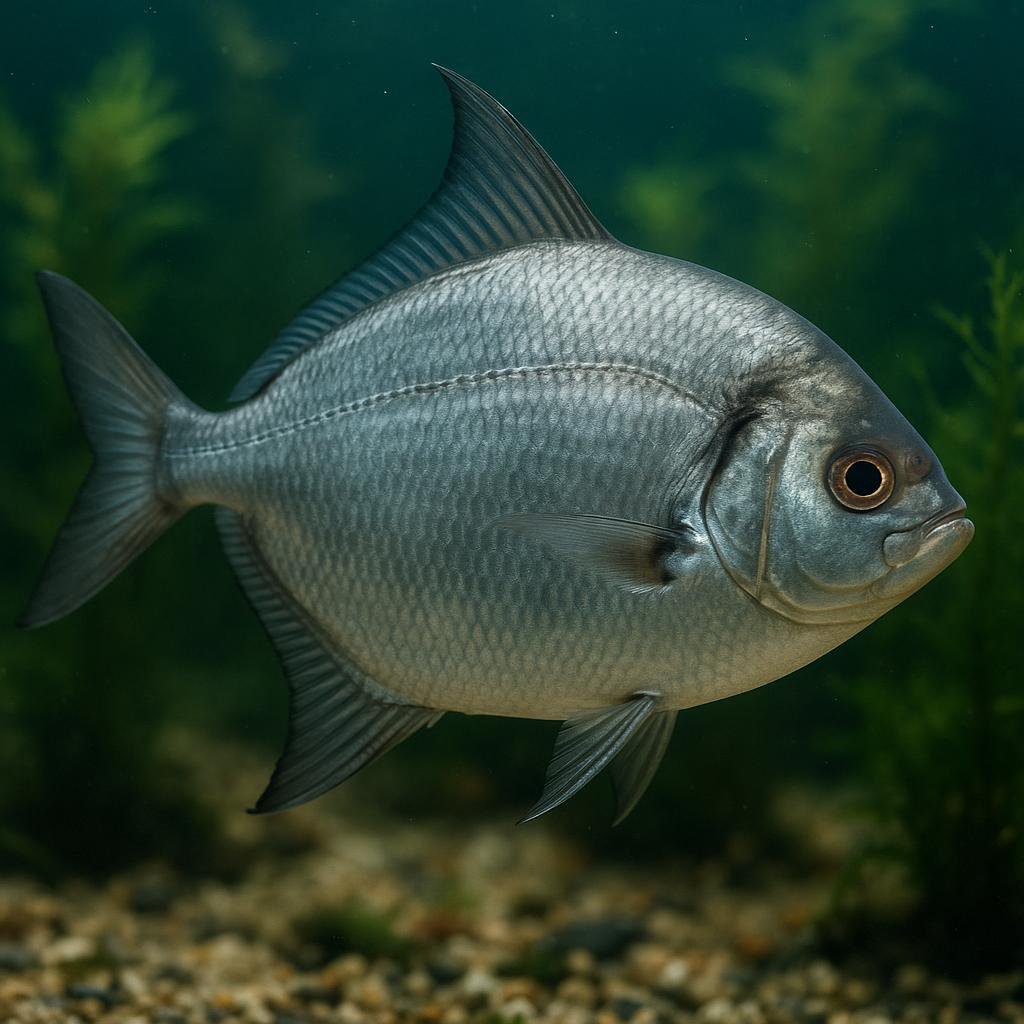
Atlantic pomfret
Brama brama
Brama brama is the Atlantic pomfret (aka Ray's bream) - a deep-bodied, open-ocean pelagic fish that cruises around in small schools and follows water temps. It is a legit big, wild marine species (not an aquarium fish) that eats other small sea critters like fish and squid, and it ranges across a huge chunk of the Atlantic plus parts of the Indian and South Pacific.
Looking for other species?