

Search Species
Search for fish species by common or scientific name, or use filters to browse by water type, size, temperament, and difficulty.
Found 528 species
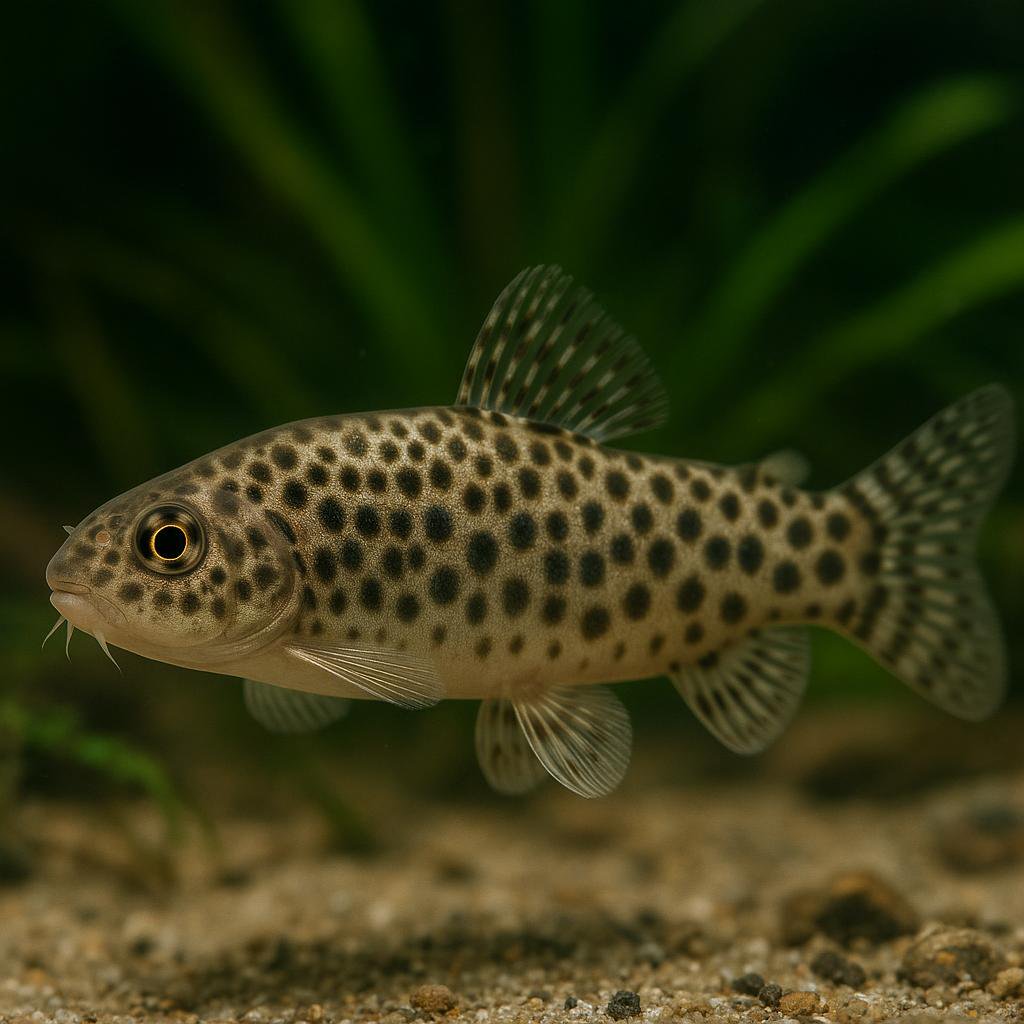
Raconda
Raconda russeliana
A pelagic-neritic pristigasterid (longfin herring) occurring in marine coastal waters and often in estuaries; elongate, compressed body with a sharp keel of scutes and a very long anal fin; feeds mainly on prawns (especially Acetes) and also copepods.
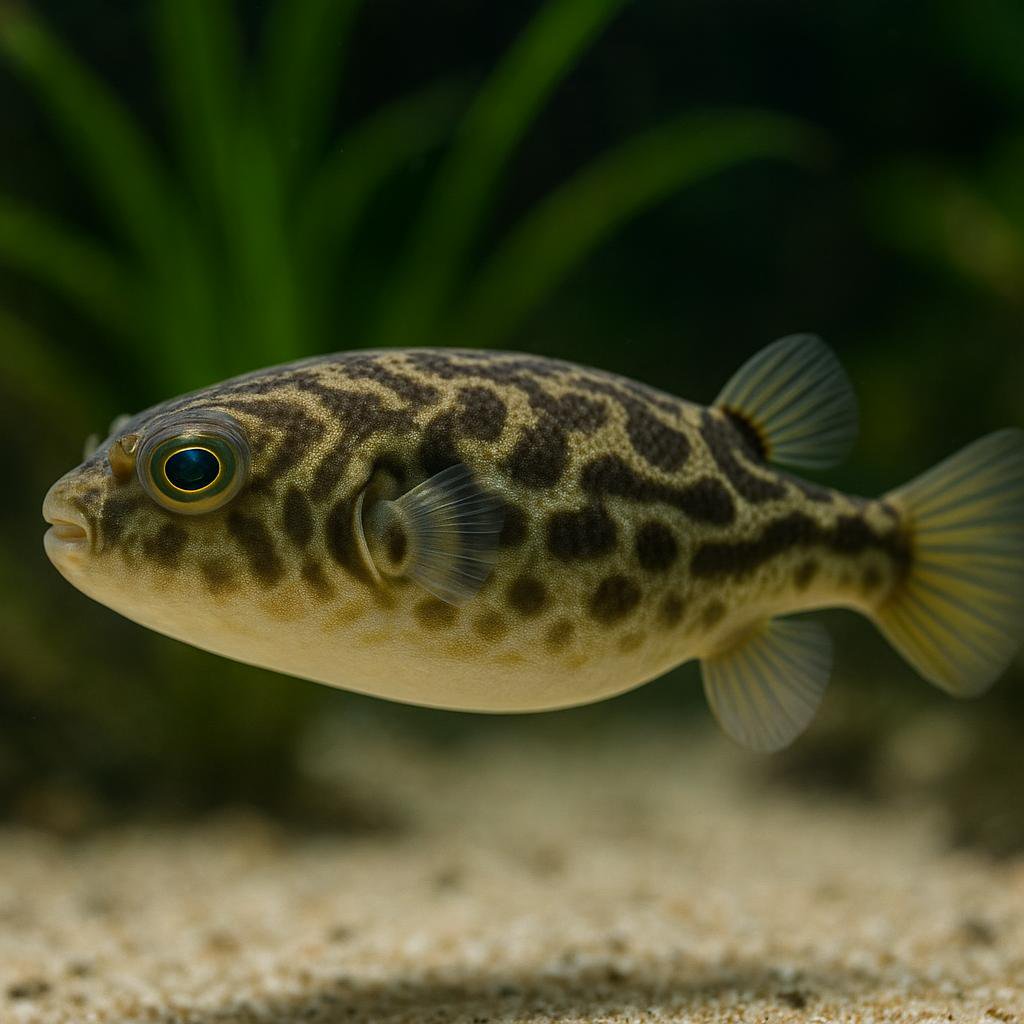
Radiated puffer
Takifugu radiatus
Takifugu radiatus is a temperate, demersal marine puffer from the Northwest Pacific (Kyushu, Japan to the East China Sea) reaching about 20 cm standard length.
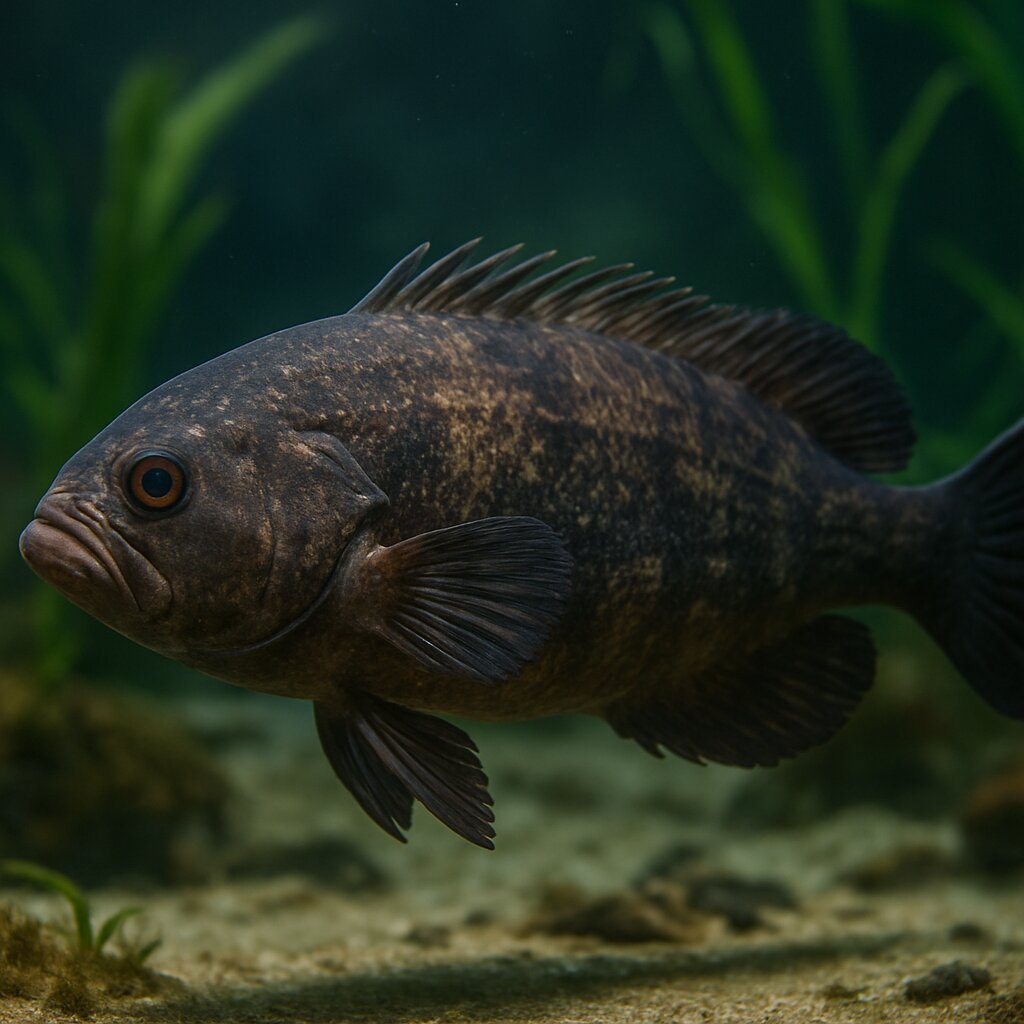
Ragfish
Icosteus aenigmaticus
Total oddball of the North Pacific - it has soft, almost cartilaginous bones and a floppy body, and youngsters even lose their pelvic fins as they grow. They cruise cold, deep water and munch jellyfish and other midwater critters, so they are a neat fish to read about but not something for home aquariums.
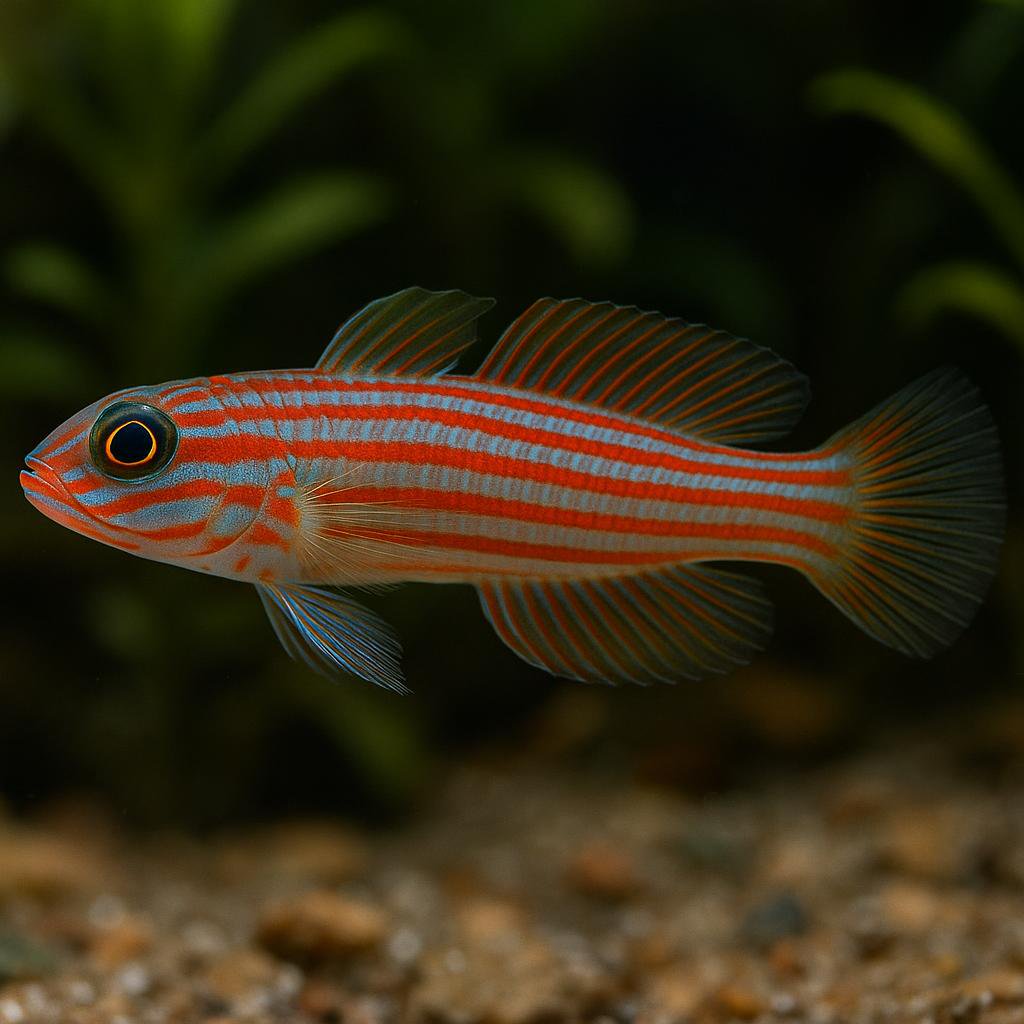
Rainford's goby
Koumansetta rainfordi
This little goby is a tiny striped hoverer that spends its day scooting between rock crevices and pecking at the sand and micro-stuff on the rocks. In the right setup its a super chill, reef-safe character fish, but the big trick is keeping it well-fed in a mature tank so it doesnt slowly waste away.
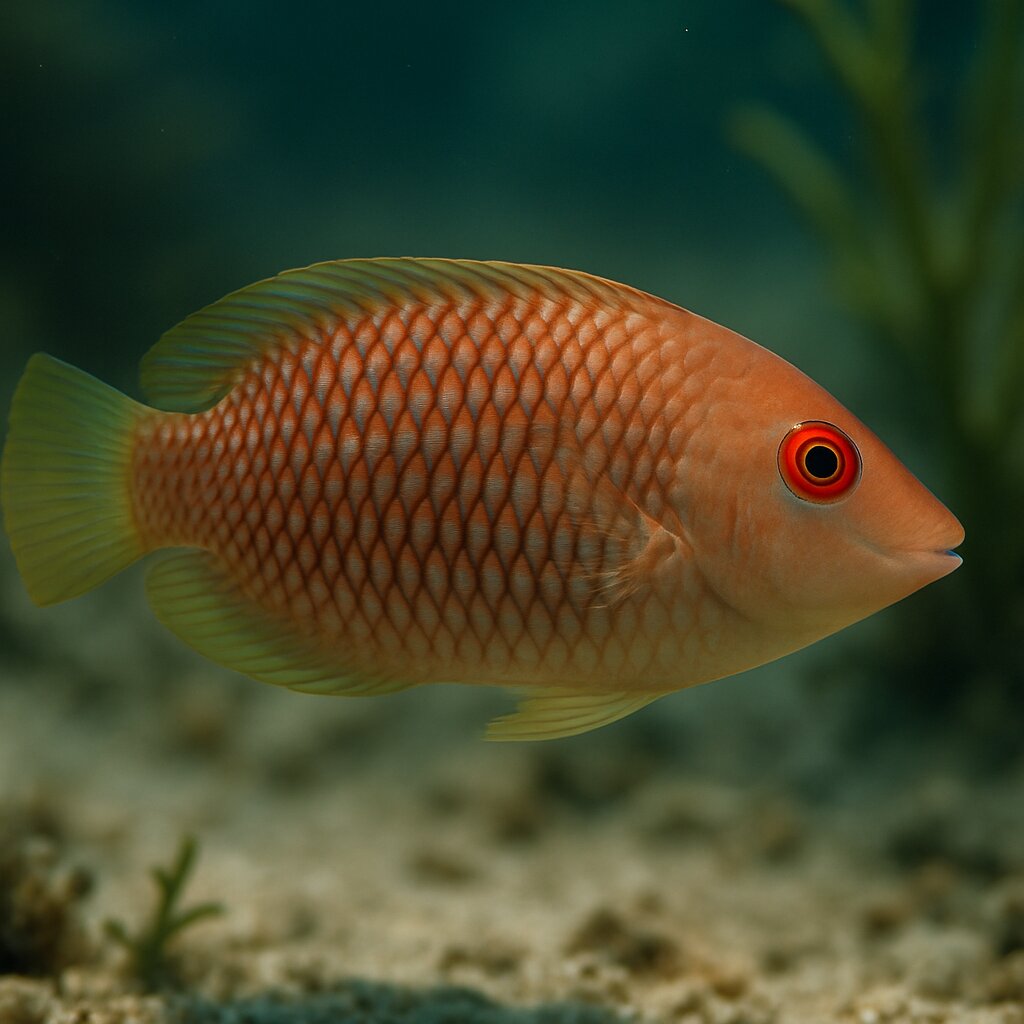
Rajagopalan's razorfish
Xyrichtys rajagopalani
A sandy-bottom wrasse from south India, this razorfish does the classic dive-and-disappear move, vanishing into the sand in a blink when spooked. Adults top out around 7-8 inches and show striking scarlet tones with little yellow spotting on the tail, so they really pop in a bright marine setup. Give it a deep, soft sand bed and a tight lid, because these guys are sand-burrowers and enthusiastic jumpers.
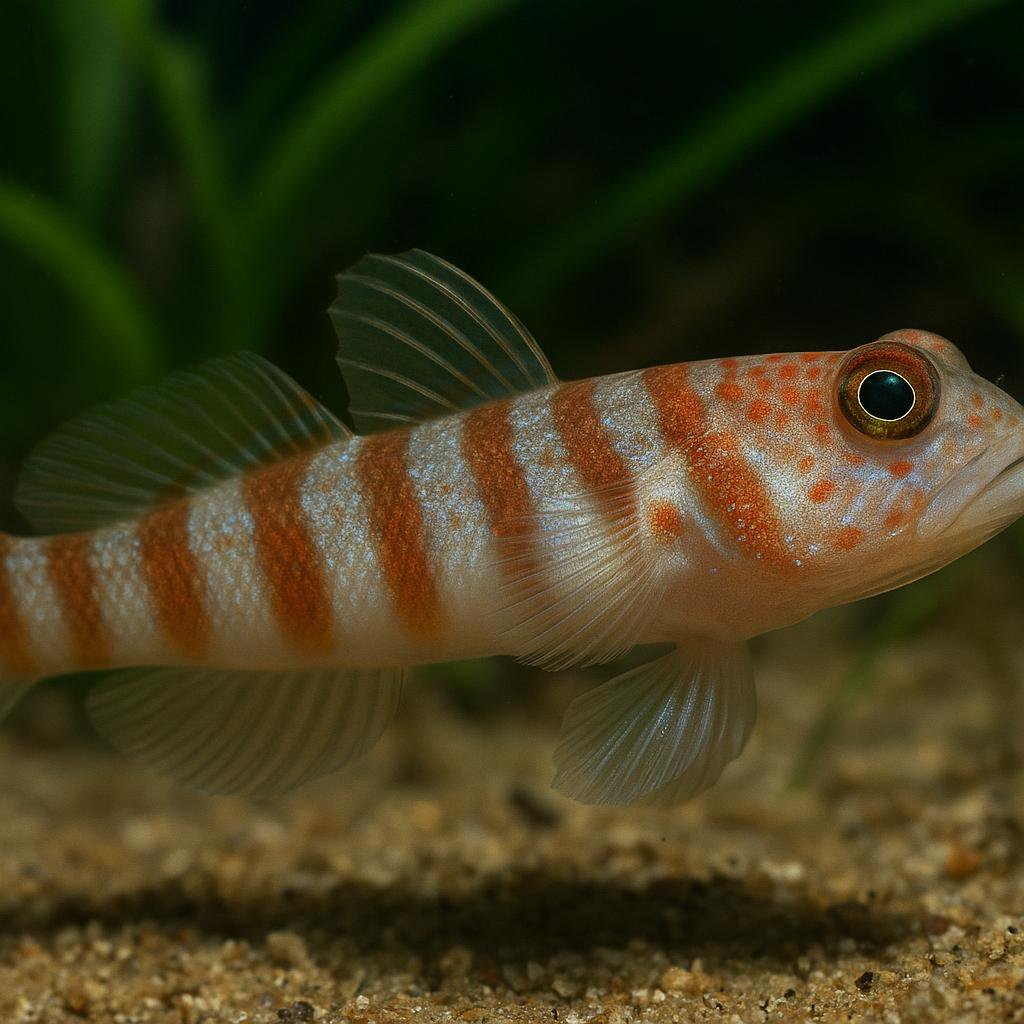
Randall’s shrimp goby
Amblyeleotris randalli
Randall's shrimp goby is that little candy-cane striped goby you'll see parked at the entrance of a burrow, doing sentry duty like it's getting paid for it. The really fun part is the partnership with a pistol shrimp-goby keeps watch, shrimp does the digging, and they basically run a tiny construction site in your sand bed. Give it a cozy sand area and a few rubble bits and it'll settle in and start acting like it owns the place (in the cutest way).
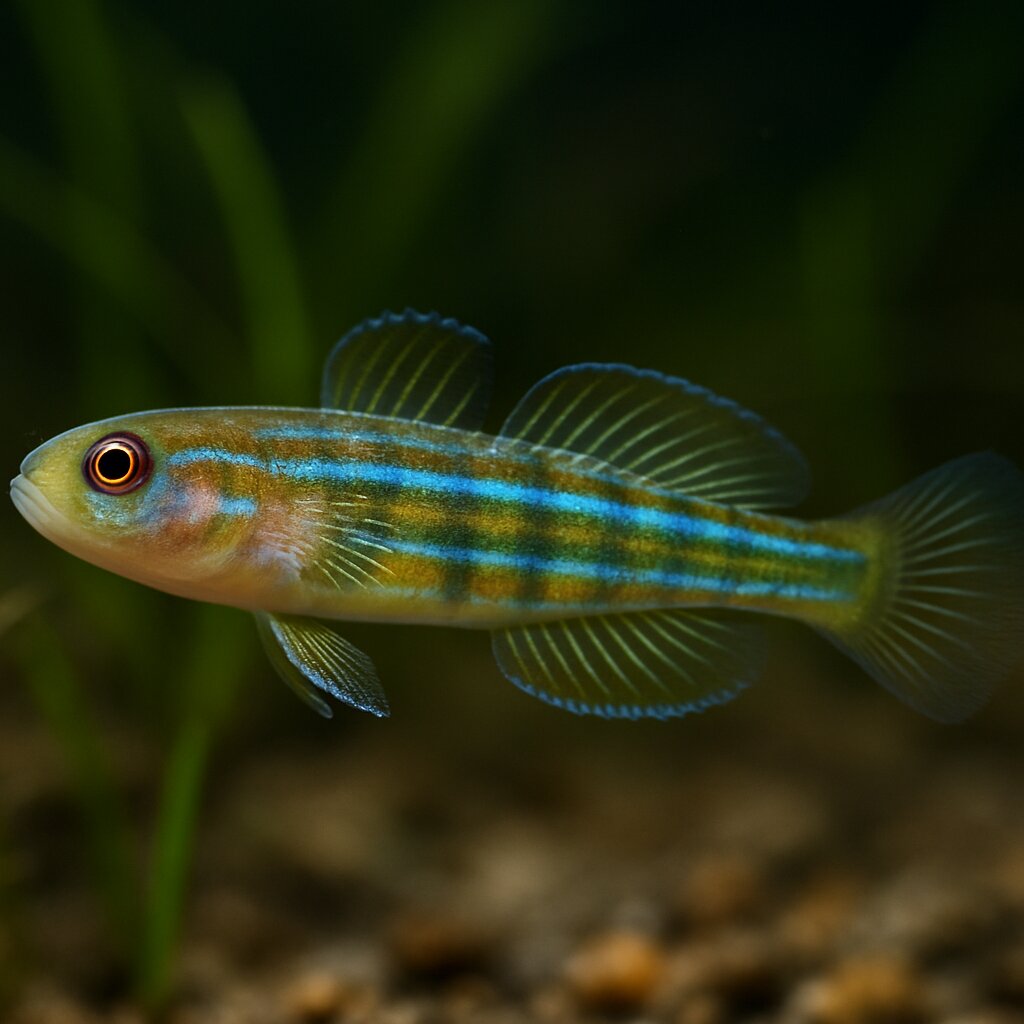
Rao's hover goby
Parioglossus raoi
Tiny, zippy little dartfish that hangs in loose groups and hovers midwater like it is on invisible strings. The slim gold stripe and blue-rimmed eyes pop under reef lights, and they spend the day picking tiny zooplankton from the water column. Give them frequent small feedings and they settle in great with peaceful tankmates.
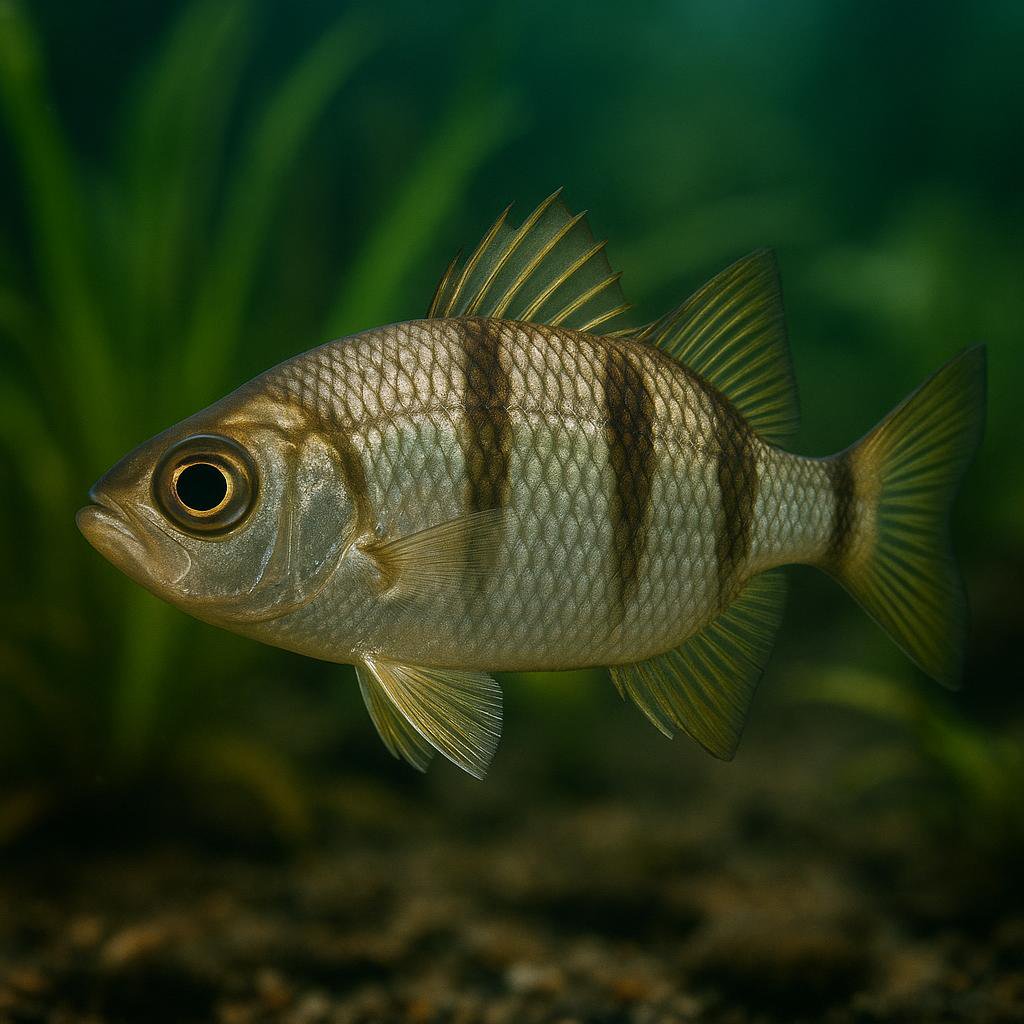
Rapanui flagtail
Kuhlia nutabunda
Kuhlia nutabunda is an endemic flagtail from Easter Island (Rapa Nui) in the Southeast Pacific, recorded from exposed rocky shores and large tide pools. It is a silvery fish that reaches about 24.2 cm and is adapted to active swimming in nearshore habitats.
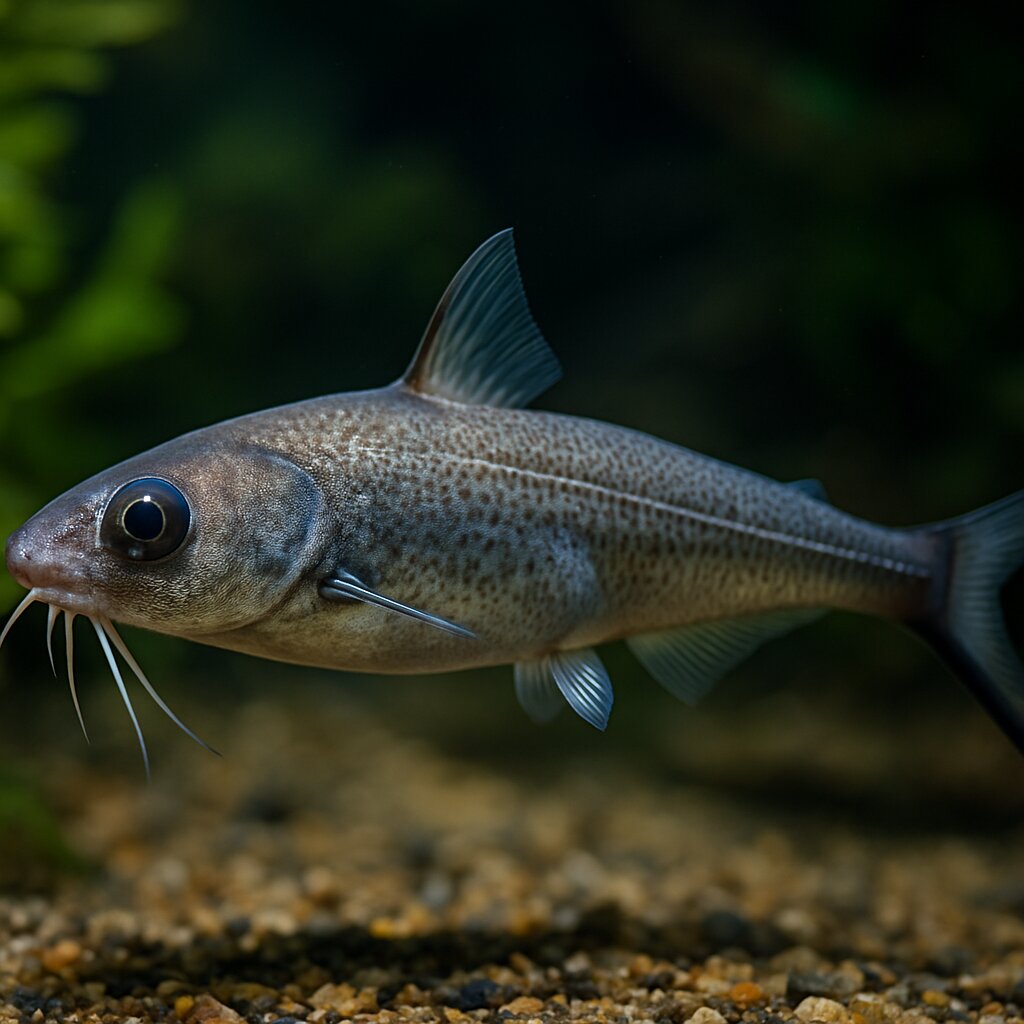
rattail
Kuronezumia macronema
A deep-sea rattail from the Philippines and the South China Sea, this fish cruises 600-800 m down where the water is cold and dark. It has that classic whiptail body and even a small light organ, picking off tiny crustaceans or scavenging what it finds. Super neat to learn about, but it is a look-only species for public aquariums, not something to keep at home.
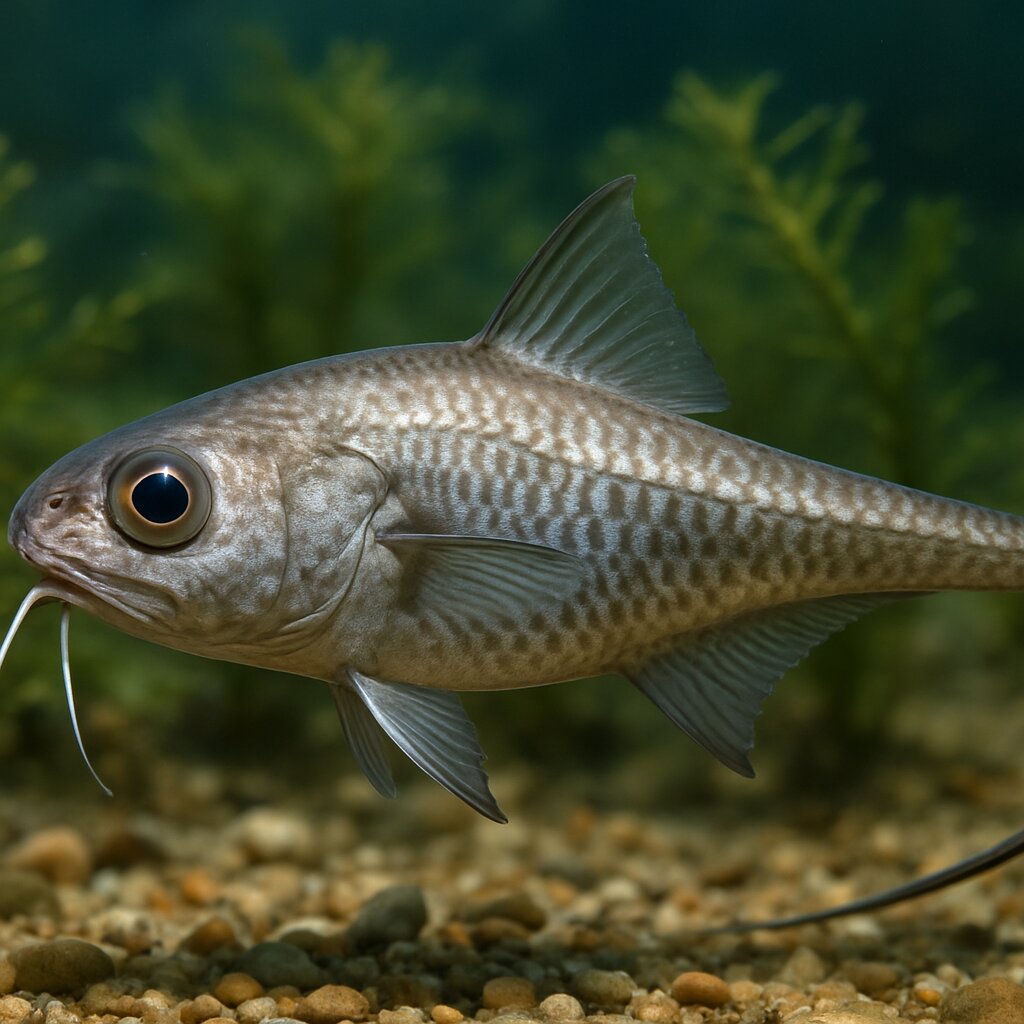
rattail
Kumba dentoni
A deep-sea rattail from the Bay of Biscay, Kumba dentoni has that classic big head and long whiptail look and even a tiny light organ. It lives on cold, dark slopes around a kilometer down and picks at small invertebrates and fishes. Super cool to read about, but it is not a home-aquarium fish and would need chilled, specialized systems.
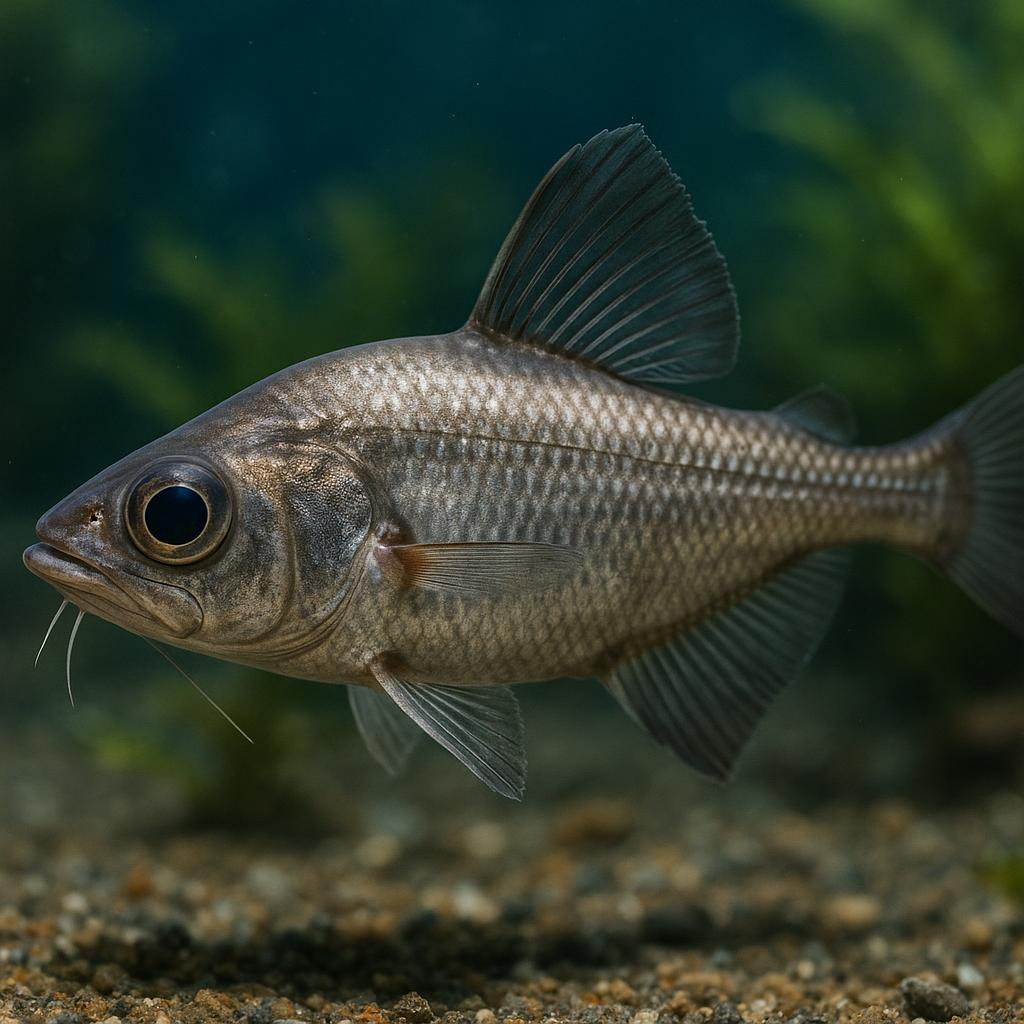
Rattail (grenadier)
Ventrifossa rhipidodorsalis
Deep-water marine rattail (family Macrouridae) from the Western Pacific (reported from southern Japan, northeastern Taiwan, the South China Sea, and the Philippines) occurring around ~500–535 m depth. Notable ID features include a relatively large ventral luminous organ (photophore) between the pelvic-fin bases and a mostly dark first dorsal fin with pale/white areas basally and distally. This is a deep-sea species and is not an appropriate/realistic home-aquarium fish.
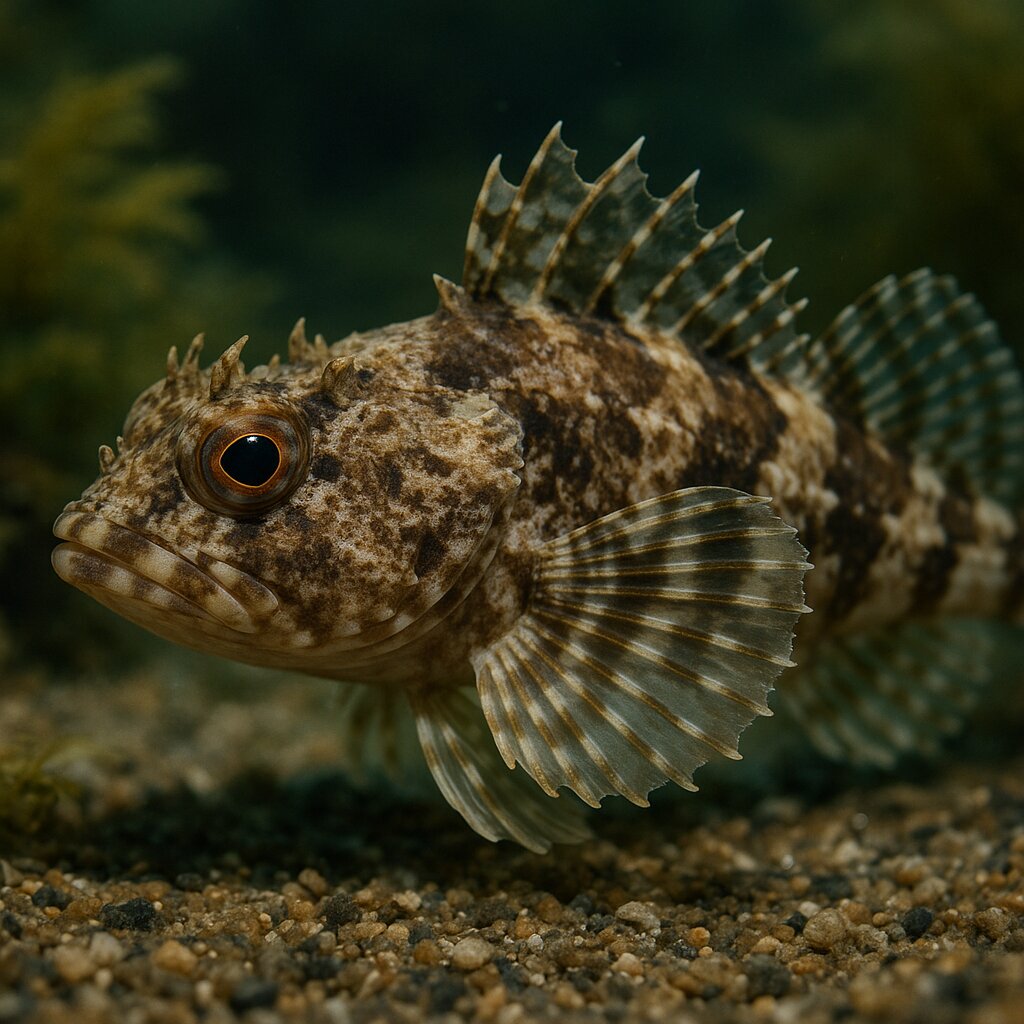
Rausu sculpin
Icelus sekii
A tiny cold-water sculpin from Hokkaido, Japan, it tucks into rock cracks along the Shiretoko coast and stays near the bottom. Males grow little blade-like flaps on the first dorsal fin, which is a wild detail you only notice up close. Super niche in the hobby, and it absolutely needs chilled, full-strength seawater.