

Ragfish
Icosteus aenigmaticus
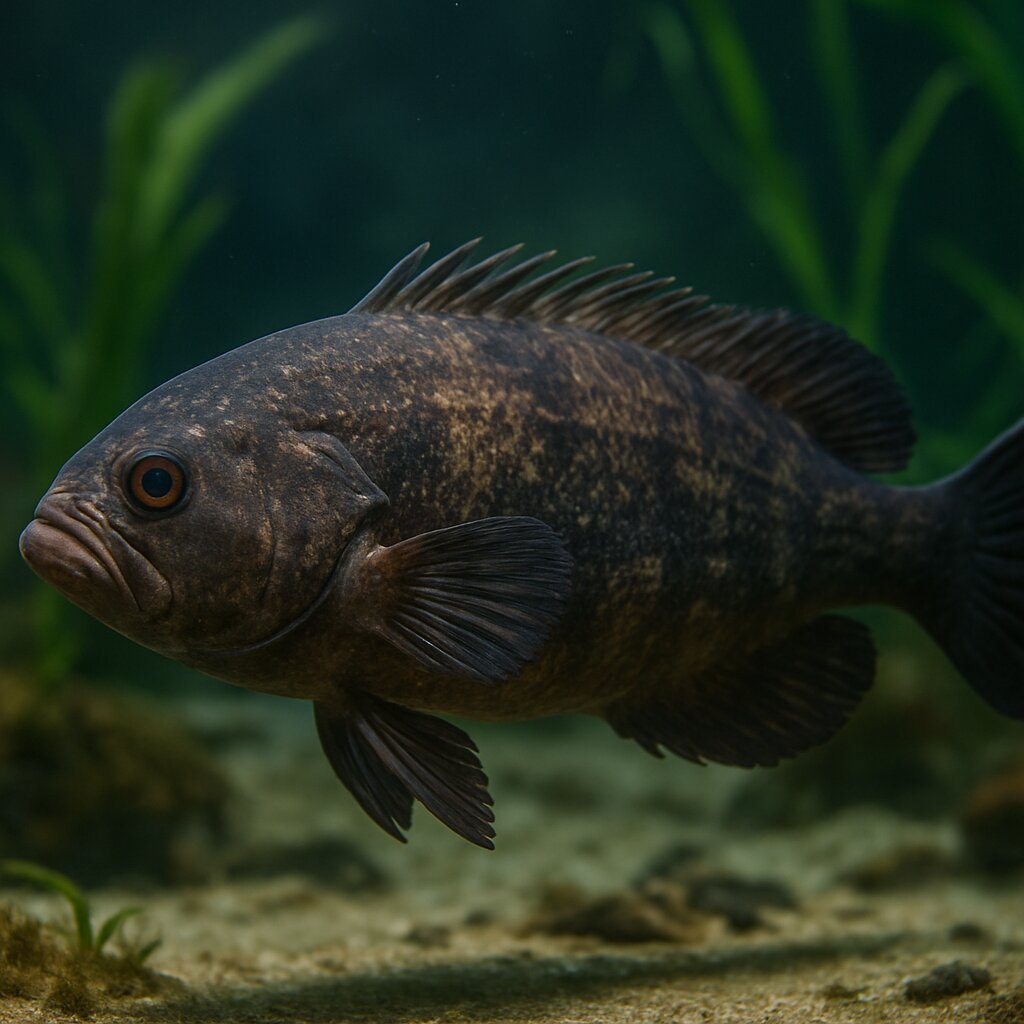
Ragfish are characterized by their elongated body, large mouth, and distinctive pale, mottled coloration that provides effective camouflage.
This page includes AI-generated images. Why am I seeing AI images?
About the Ragfish
Total oddball of the North Pacific - it has soft, almost cartilaginous bones and a floppy body, and youngsters even lose their pelvic fins as they grow. They cruise cold, deep water and munch jellyfish and other midwater critters, so they are a neat fish to read about but not something for home aquariums.
Also known as
Quick Facts
Size
213 cm (7.0 ft)
Temperament
Semi-aggressive
Difficulty
Expert
Min Tank Size
10000 gallons
Lifespan
unknown
Origin
North Pacific
Diet
Carnivore - mainly jellyfish, also fishes, squid, and octopus
Water Parameters
2-14.1°C
7.8-8.3
300-400 dGH
Need a heater for this species?
This species needs 2-14.1°C in a 10000 gallon tank. Use our heater calculator to find the right wattage.
Calculate heater sizeCare Notes
- Real talk: this is a public-aquarium fish; if you ended up with a juvenile, think short-term rehab and release with local authorities, not a display pet.
- Run a serious chiller and high O2: 6-10 C, 34-35 ppt, pH 8.0-8.3, bright light off and room light low to keep stress down.
- Go big and rounded: a raceway or kreisel-style tank, bare-bottom, gentle circular flow, padded corners, and screened intakes so this soft-bodied fish does not bruise or get pinned.
- Start feeding with live mysids or glass shrimp, then wean to soft strips of squid or silverside; target-feed with tongs right at the mouth, small portions 2-3 times daily to avoid regurgitation.
- Keep it alone; even calm coldwater fish will pick at that jelly-like skin, and anything with a sting or strong suction intake is a hard no.
- Watch for shipping trauma signs: skin tears, listless drifting, buoyancy swings, and refusal to eat; keep water ultra-clean, flow gentle, and treat abrasions promptly to prevent secondary infections.
- Do not expect breeding; they are pelagic spawners and adults get huge, so there are no home-aquarium spawn records.
- Have backup power and temp alarms on the chiller and aeration; a few hours of warm water or low oxygen can crash this species fast.
Compatibility
Good Tankmates
- Calm coldwater sculpins that hug the rocks and ignore midwater
- Mellow, larger rockfish of similar size kept well fed
- Hefty, non-hyper surfperch-size schoolers that are too big to be a snack
- Docile coldwater poachers or pricklebacks that stick to the bottom
- Small, mellow skates that cruise the bottom and do not crowd
- Easygoing greenlings that are not nippy and are size-matched
Avoid
- Big bruisers like lingcod, halibut, large sharks or wolf eels
- Fast, pushy pelagics like mackerel, jacks or bonito that ram slow fish
- Fin-nippers or pickers (triggers, puffers, aggressive wrasses)
- Anything small enough to fit in their mouth like smelt, small perch or juvenile rockfish
Where they come from
Ragfish are oddballs from the cold North Pacific. Think Japan and the Kurils across to Alaska and down the West Coast to California. Juveniles cruise near the surface and around jellyfish, adults slip deeper, hundreds of meters down, where the water stays cold and dim. They grow big and floppy, with soft, scaleless skin and a body that feels more like a thick towel than a typical fish.
Ragfish get very large and need chilled, specialized systems. They are not a home-aquarium species. The notes below are from keeping a rescued juvenile for a limited stint in a coldwater system. Realistically, this is public-aquarium territory.
Setting up their tank
Size and shape matter more than anything. Ragfish are pelagic drifters with clumsy steering. Straight runs and rounded corners keep them from face-planting.
- Tank style: circular or oval raceway. No sharp corners. A kreisel-style layout works well.
- Volume: 3,000-5,000 L for a sub-40 cm juvenile. Full-size animals are beyond home setups (20,000+ L).
- Temperature: 5-9 C. Pick a number and keep it steady.
- Salinity: 33-35 ppt. pH 7.9-8.2. Ammonia and nitrite at 0, nitrate as low as you can keep it.
- Oxygen: very high. Use strong aeration and big skimming.
Flow should be gentle, continuous, and circular. You want them cruising without having to fight. I aim for 2-3 tank turnovers per hour with diffused returns aimed to create a slow gyre.
Keep the interior smooth and bare. No rock piles or sharp gear. Use guarded intakes and pad any potential bump zones with smooth acrylic or EPDM. Bare bottom is easiest to sanitize.
Lighting stays dim and cool-toned. Short photoperiod, 8-10 hours max. They come from gloom. Bright lights make them spook and rub their noses raw.
Filtration has to be oversized. Big skimmer, generous mechanical prefilter, and bio media with tons of surface area. A reliable chiller (or two in parallel) is non-negotiable. Insulate the tank and plumbing to keep the chiller from working itself to death.
Degas your returns. Microbubbles and gas supersaturation show up fast in cold systems and can cause bubble issues in fins and skin. Spray bars, gas exchange towers, or a well-vented sump help a lot.
Quarantine in a smaller circular tank with the same low temp. Use soft slings, never nets. Scaleless skin tears easily.
What to feed them
Wild ragfish pick at gelatinous plankton as kids and shift to fish and squid as they get larger. Getting a new one to take prepared food can be slow, but the current is your friend.
- Starter foods: live or freshly killed small baitfish, soft-bodied shrimp, squid strips cut into fluttery ribbons.
- Staples once eating: chopped squid, silversides, sand lance, pollock pieces, capelin, krill, large mysis. Rotate proteins.
- Supplements: soak meals in a broad marine vitamin and add thiamine if you use a lot of smelt/capelin (thiaminase risk).
Feed small, neutrally buoyant pieces into the circular flow so they drift past the mouth. Tongs help, but avoid poking their face. Start with 1-2 light feeds daily for juveniles. As they settle, every day or every other day is fine. Avoid stuffing them with oily fish all the time; ragfish pack fat easily and get sluggish.
If they ignore food, dim the lights, slow the flow slightly, and try thin squid ribbons. The flutter triggers a strike better than dense cubes.
How they behave and who they get along with
Think slow, pliable, and a little clueless near walls. They cruise midwater, rarely pick fights, and spook at sudden movement. They are opportunistic with anything bite-sized, though, and that big mouth will surprise you.
- Best kept alone. Mixing coldwater pelagics sounds fun until someone eats someone.
- If you must try a companion, choose similar-size, non-nippy, slow swimmers from the same temperature range, and be ready to separate fast.
- Avoid fast, aggressive feeders. The ragfish will miss meals and stress out.
- Absolutely no small fish or inverts you care about. They are fair game.
They relax with stable flow, dim light, and minimal foot traffic. Cover viewing panels when not observing to keep them from pacing.
Breeding tips
There are no captive breeding reports for ragfish. In the wild they are believed to spawn pelagically in deep, cold water, and larvae drift with the plankton. Sexing them is not straightforward, and they do not show pairing behavior in tanks. File this under not happening in home aquaria.
Common problems to watch for
- Face and snout abrasions: usually from bumping walls. Round the flow, pad impact spots, keep lighting low. Minor scrapes heal if water is pristine.
- Not eating: often too bright, too warm, or too much flow. Fix environment first, then tempt with squid ribbons or live offerings.
- Parasites and worms: wild-caught fish often carry them. Do a long, calm quarantine and use targeted dewormers at conservative doses. Scaleless skin is sensitive to copper and harsh dips.
- Bacterial sores in cold water: Vibrio/Pseudomonas can take hold on damaged skin. Keep oxygen high, temperature stable, and consider vet-guided antibiotics if lesions spread.
- Gas bubble issues: look for tiny bubbles on fins/skin or odd buoyancy. Reduce microbubbles, add degassing, check pump seals and chiller plumbing for leaks pulling in air.
- Thermal stress: even a couple of degrees up will make them lethargic and disinterested in food. Use redundant chillers and alarms.
Handling is risky for them. Support the whole body in a soft, wet sling. Avoid dry hands and nets. Any rough contact can shear the skin.
Stability wins. If you keep the water cold, oxygenated, and the flow gentle, feeding and behavior usually fall into place.
Similar Species
Other marine semi-aggressive species you might be interested in.
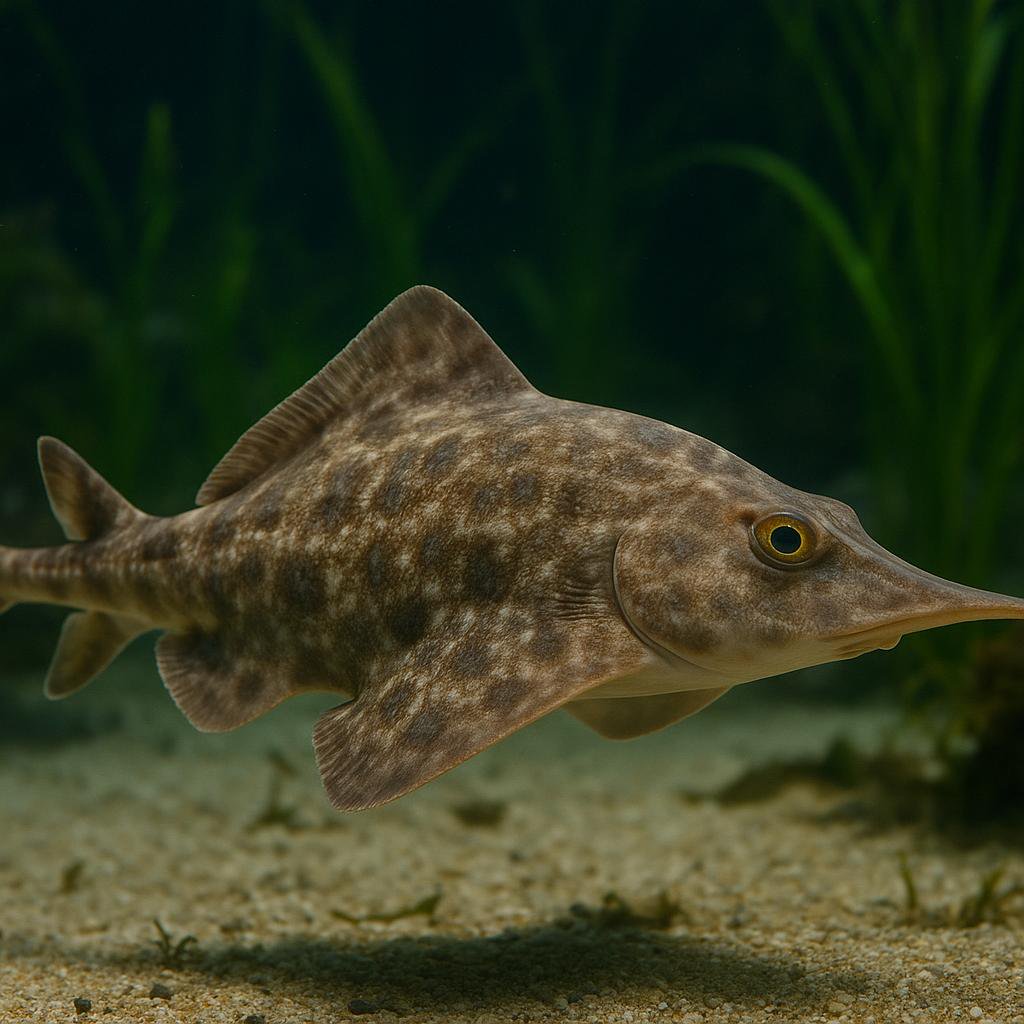
Aleutian skate
Bathyraja aleutica
This is a big, cold-water deep-slope skate from the North Pacific that cruises muddy bottoms and eats chunky benthic prey like crabs and shrimp. The really cool bit is its egg-laying skate life - it does distinct pairing (the classic skate "embrace") and drops those tough egg cases on the seafloor. Not an aquarium fish at all unless you're basically running a public-aquarium-style chilled system.
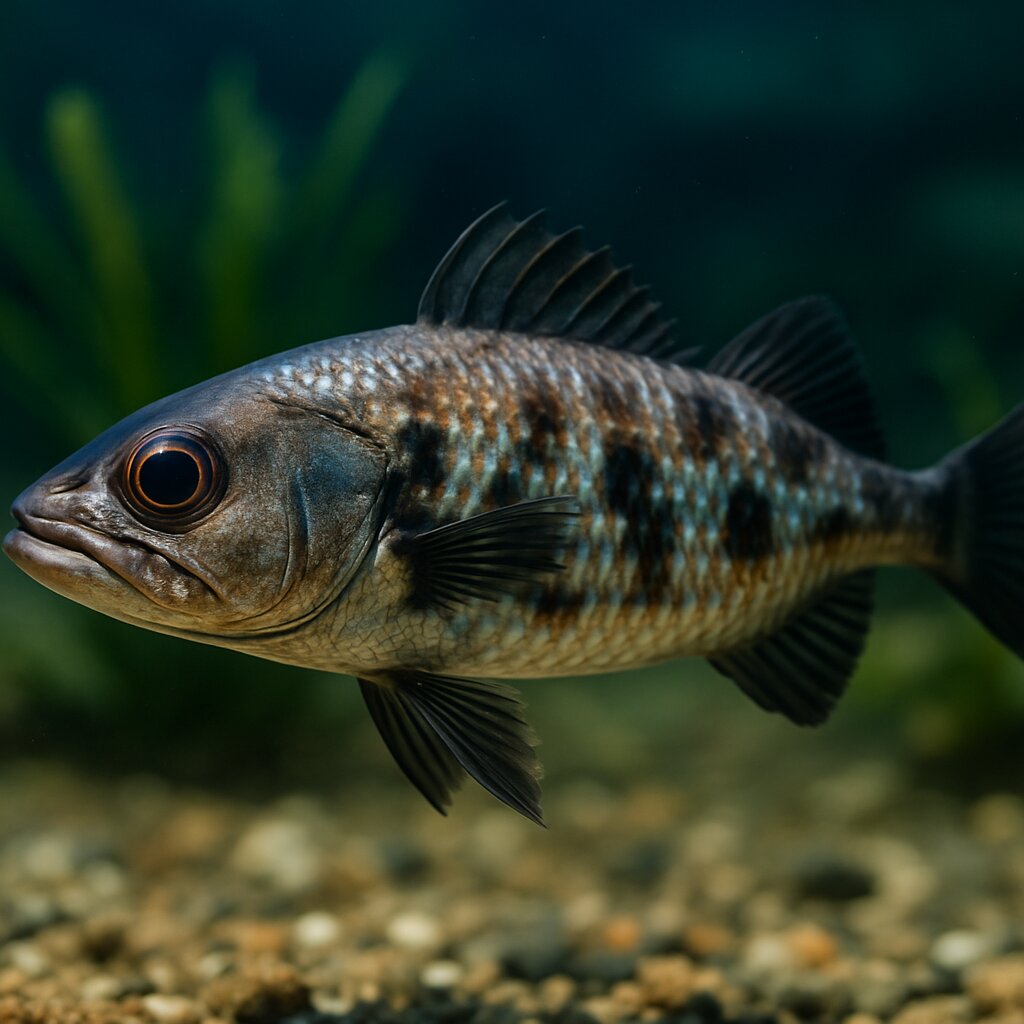
Antarctic dragonfish
Vomeridens infuscipinnis
Deep down around Antarctica, this sleek dragonfish cruises the water column like a little submarine, nearly neutrally buoyant so it can hover above the seafloor. It munches almost exclusively on Antarctic krill and lives in near-freezing water 500-800 m down, so it is a cool species to read about, not one for home tanks.
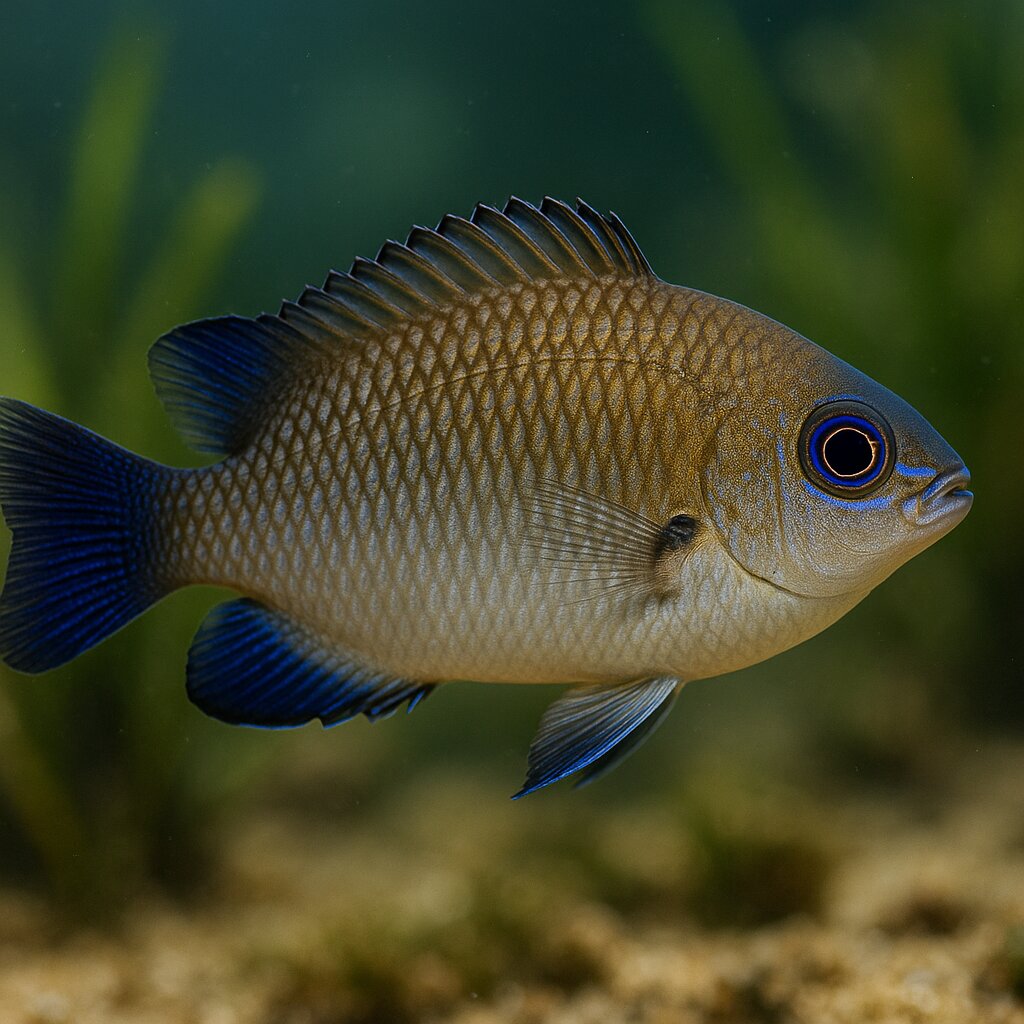
Arabian demoiselle
Neopomacentrus sindensis
A small lyretail damsel from the Persian Gulf and Arabian Sea, it hangs in loose groups around coral heads, rocks, and even pier pilings picking zooplankton from the flow. Think classic damsel toughness with a slightly milder attitude than the real bruisers, plus subtle yellow tail accents. Males clean a patch, get a mate to lay eggs there, and then stand guard fanning the clutch.
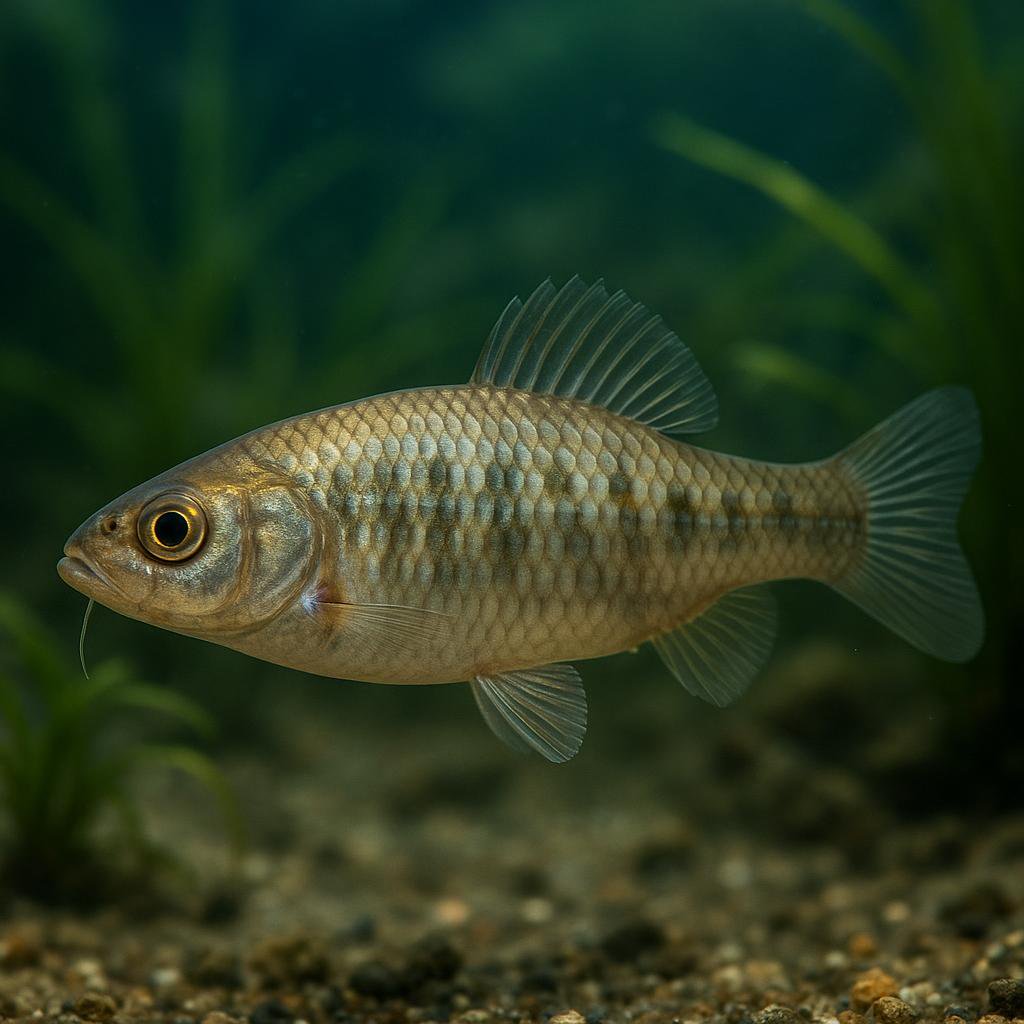
Arabian spiny eel
Notacanthus indicus
Notacanthus indicus is a deep-sea spiny eel (family Notacanthidae; not a true eel) known from the Arabian Sea on the continental slope at roughly ~960–1,046 m depth, with reported maximum length around 20 cm TL; it is a deep-water bycatch species and not established in the aquarium trade.
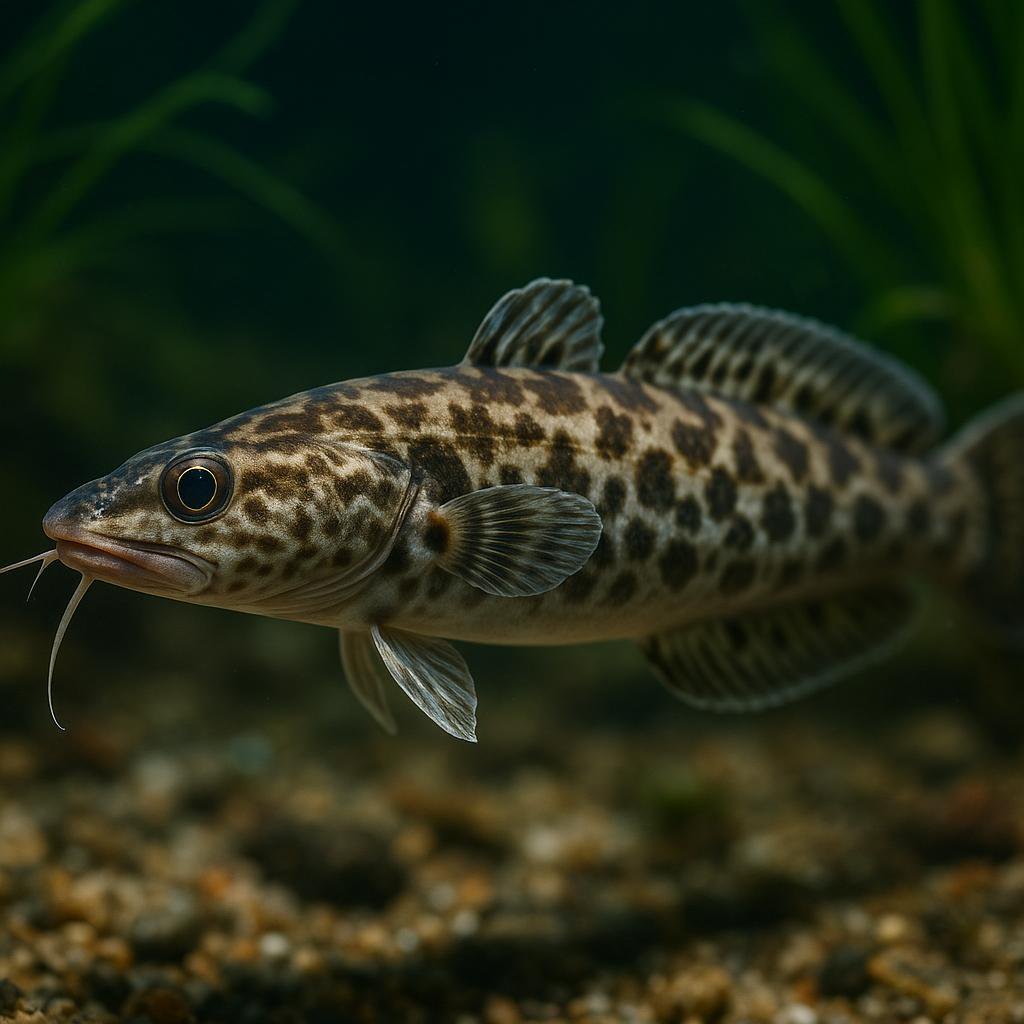
Arctic rockling
Gaidropsarus argentatus
This is a deepwater North Atlantic rockling (a cod relative) that hangs out on soft bottoms way down the slope. It is a cold-water, bottom-hugging predator that snoots around for crustaceans and will also take small fish when it gets the chance.
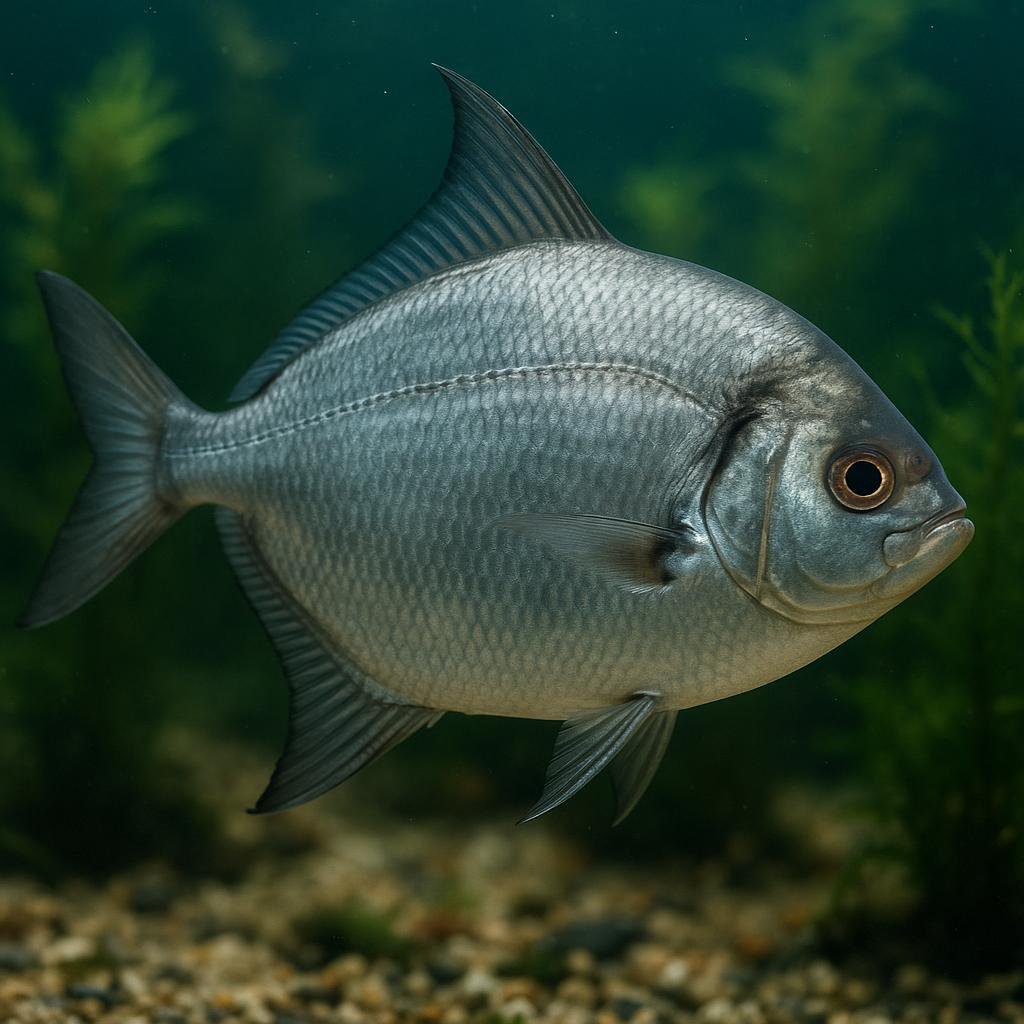
Atlantic pomfret
Brama brama
Brama brama is the Atlantic pomfret (aka Ray's bream) - a deep-bodied, open-ocean pelagic fish that cruises around in small schools and follows water temps. It is a legit big, wild marine species (not an aquarium fish) that eats other small sea critters like fish and squid, and it ranges across a huge chunk of the Atlantic plus parts of the Indian and South Pacific.
More to Explore
Discover more marine species.
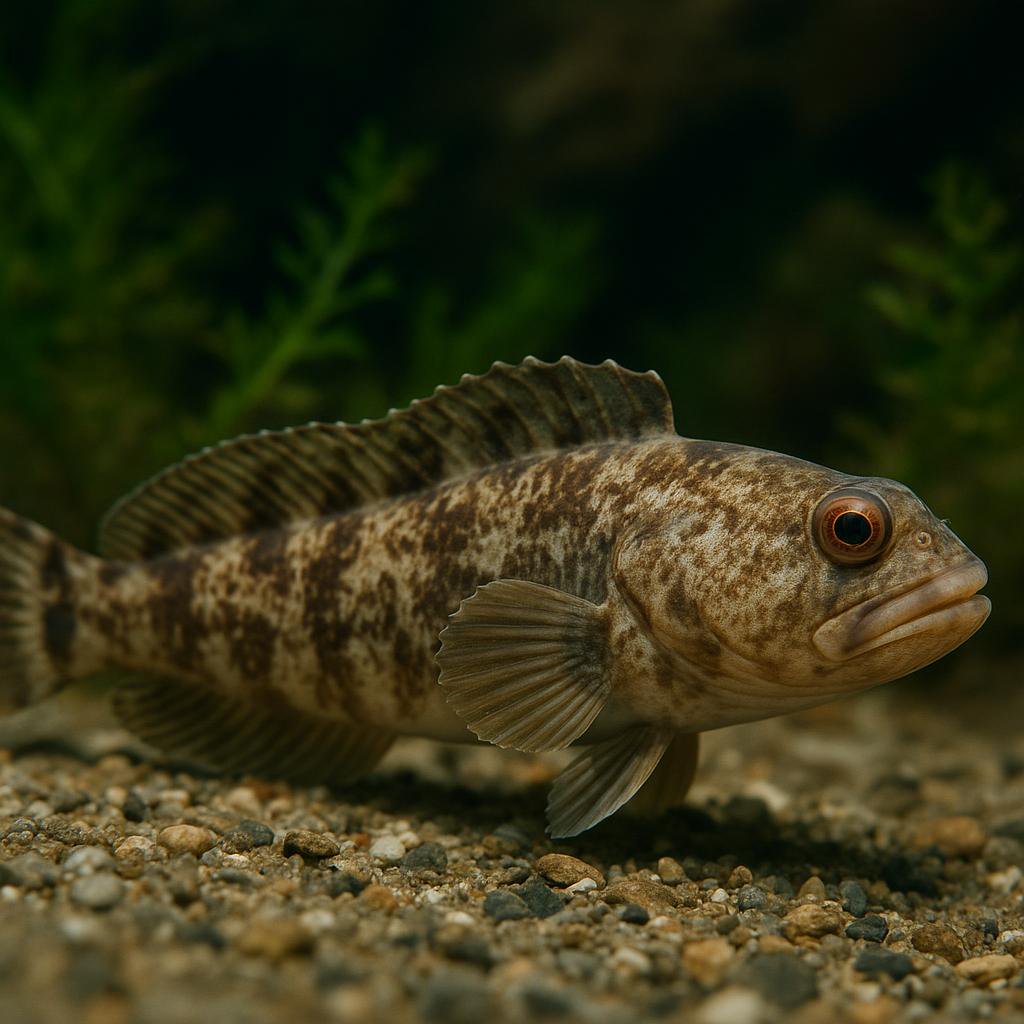
Abe's eelpout
Japonolycodes abei
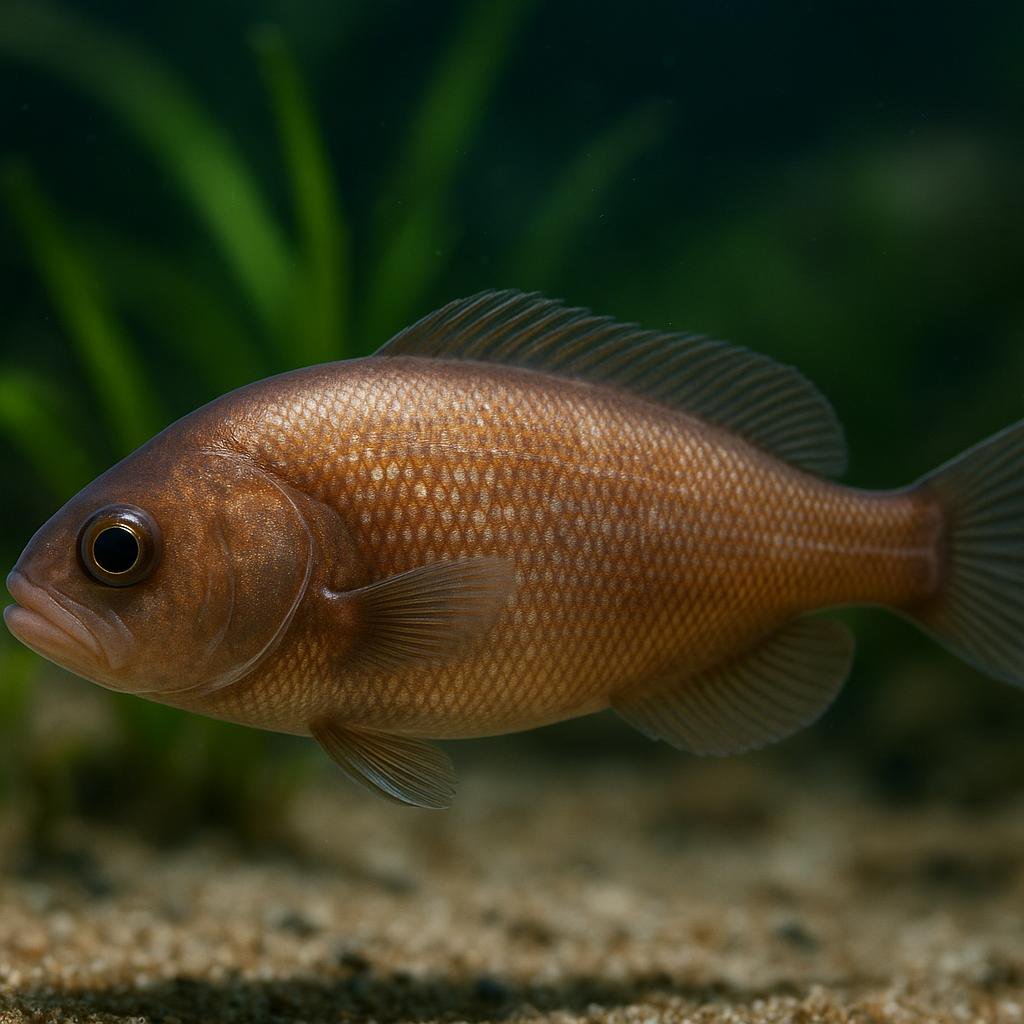
Japonolycodes abei is a temperate, deepwater demersal eelpout (family Zoarcidae) endemic to Japan (Kumano-nada Sea reported; other sources also report Sagami Bay and Tosa Bay). It is the only species in the genus Japonolycodes and occurs roughly 40-300 m depth, making it an uncommon/atypical aquarium species.
Affinis blind cusk-eel
Barathronus affinis
Barathronus affinis is a tiny, super-weird deep-sea blind cusk-eel from the western-central Indian Ocean. It is one of those gelatinous, loose-skinned brotula-type fishes that live way down in the dark and are basically never seen alive, so almost everything we know comes from preserved specimens and taxonomic work.
African red snapper
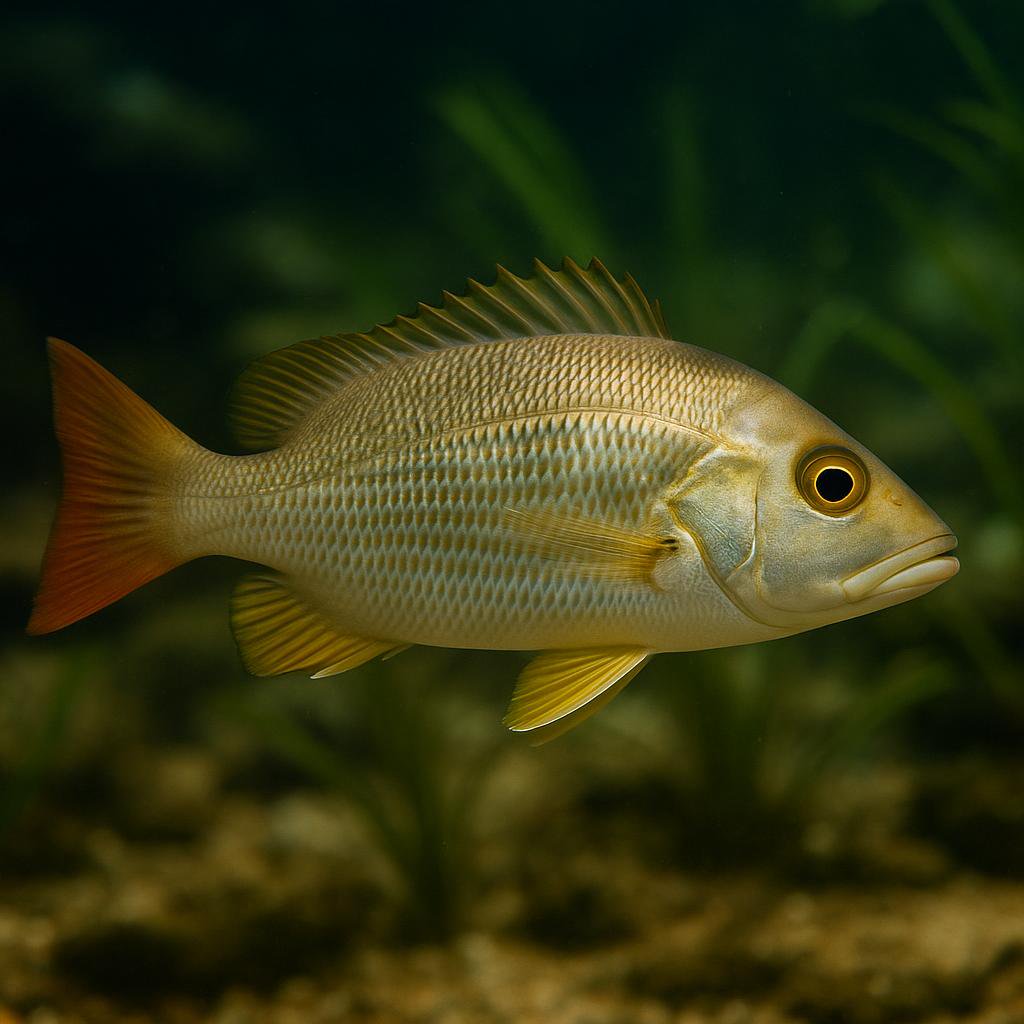
Lutjanus agennes
This is a true snapper from West Africa - a big, fast-growing predator that goes from coastal reefs to brackish lagoons and estuaries (especially as a juvenile). Super cool fish in the wild, but it gets absolutely huge and will eat smaller tankmates once it has the mouth for it, so its really more of a public-aquarium scale animal than a home-aquarium fish.
Allis shad
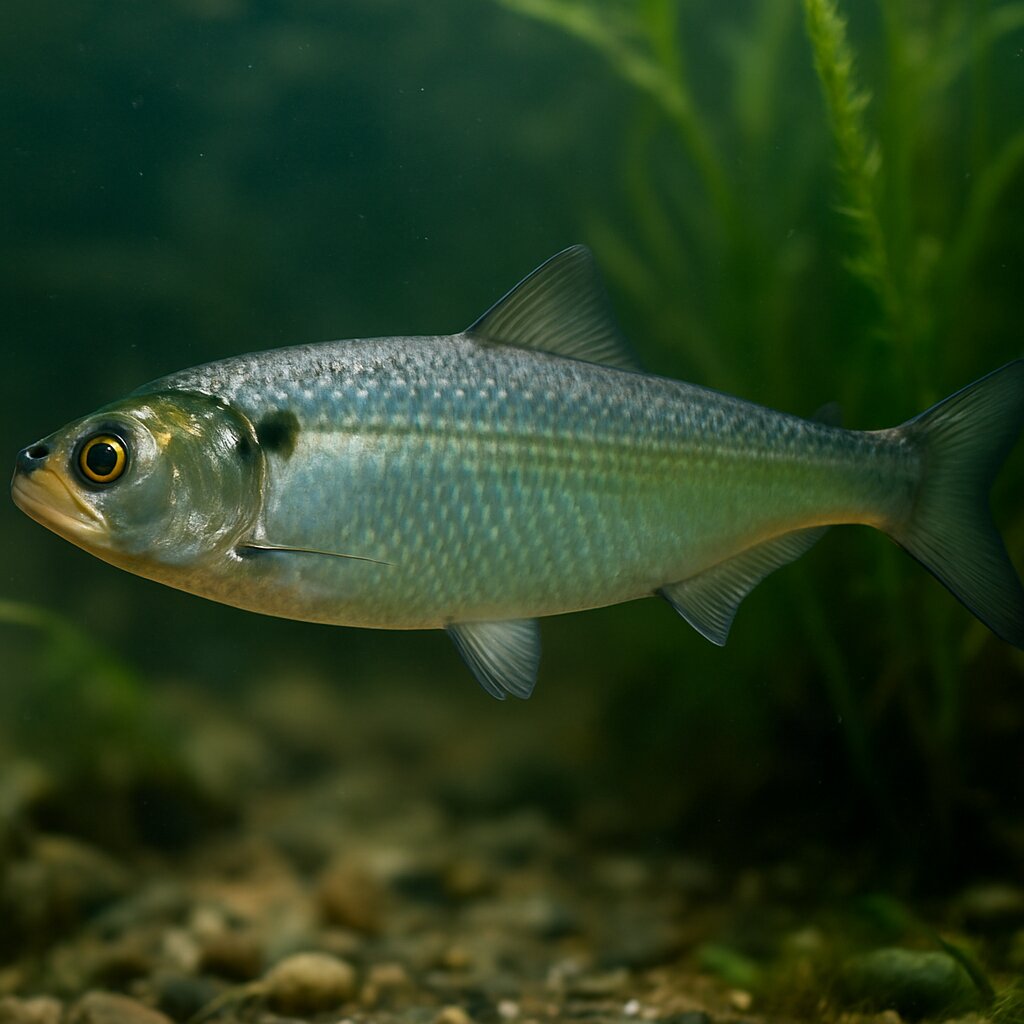
Alosa alosa
Gorgeous silver, fast-swimming shad that spends most of its life in the sea and then surges up big rivers in noisy, surface-spawning schools. It grows huge for a herring-type fish and needs cool, ultra-oxygenated water and tons of open space, so it is a public-aquarium species rather than a home tank fish.
Annandale's zebra sole
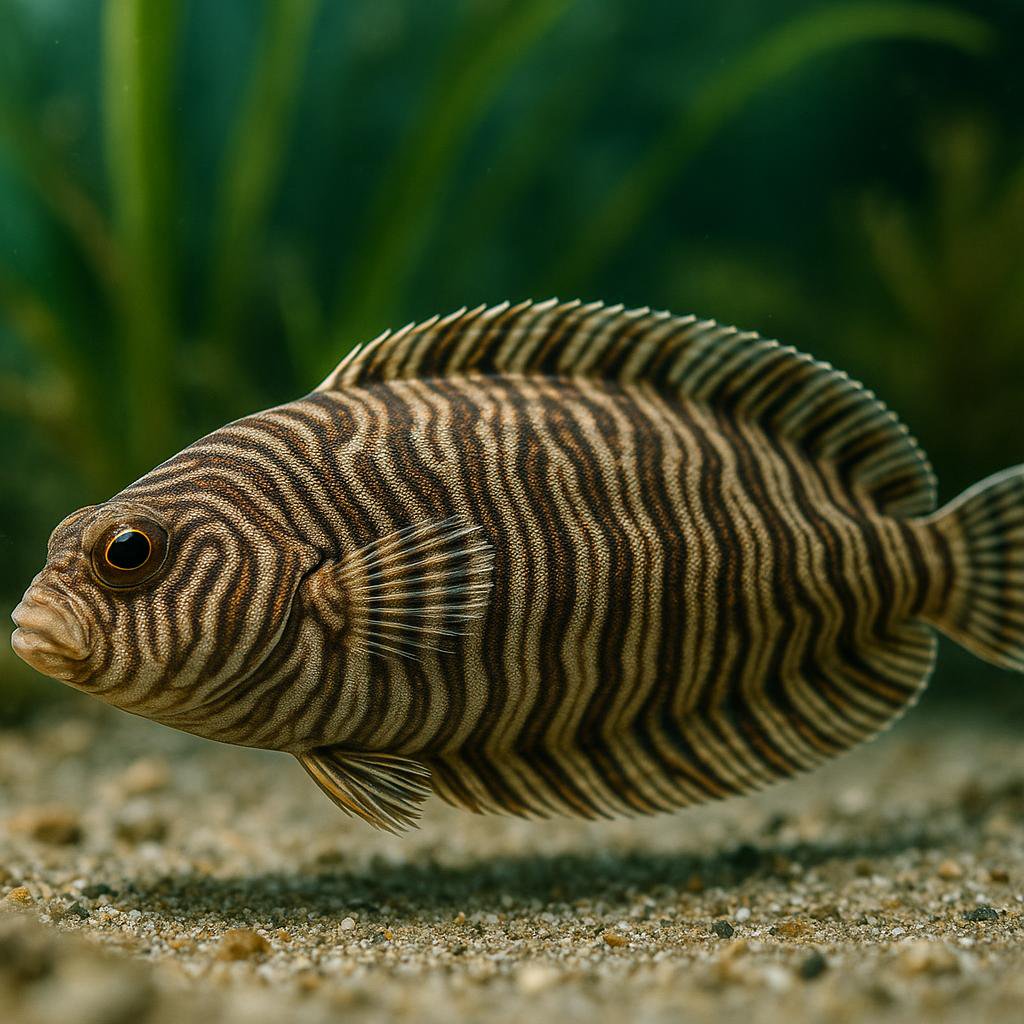
Zebrias annandalei
Zebrias annandalei is a small demersal sole from coastal India that inhabits sandy or muddy bottoms and buries for camouflage. It is rarely kept in home aquaria and would require a specialized marine sand-bottom setup and appropriate feeding.
Australian sawtail catshark
Figaro boardmani
Figaro boardmani is a small, deepwater Australian catshark with these cool saw-like ridges of spiny denticles along the tail and a neat pattern of dark saddle bands. It lives way down on the outer continental shelf and slope, so its natural water is cold, dim, and stable - totally not a typical home-aquarium fish. Diet-wise its a predator that goes after fish, crustaceans, and cephalopods.
Looking for other species?