

Rapanui flagtail
Kuhlia nutabunda
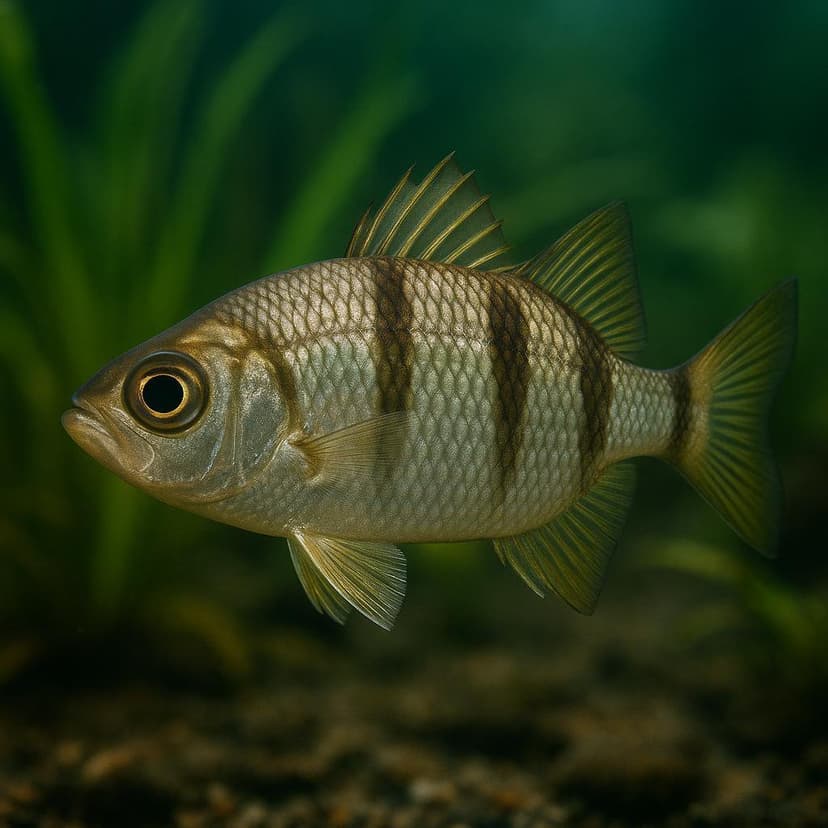
The Rapanui flagtail features a streamlined body with a distinctive dark blue-green sheen and elongated fins, aiding in agile swimming.
This page includes AI-generated images. Why am I seeing AI images?
About the Rapanui flagtail
Kuhlia nutabunda is a silvery little flagtail from Easter Island (Rapa Nui) that likes hanging around rocky shores and tide pools, often in tight groups. Its big eyes and that dark-edged tail make it look super sleek, and it is the kind of fish that really wants room to cruise more than it wants to sit still.
Quick Facts
Size
24.2 cm SL
Temperament
Semi-aggressive
Difficulty
Expert
Min Tank Size
125 gallons
Lifespan
5-10 years
Origin
Southeast Pacific (Easter Island/Rapa Nui)
Diet
Carnivore/planktivore - small crustaceans (copepods, mysis, krill) and other meaty foods
Water Parameters
18-25°C
8-8.4
8-12 dGH
Need a heater for this species?
This species needs 18-25°C in a 125 gallon tank. Use our heater calculator to find the right wattage.
Calculate heater sizeCare Notes
- Give it a big, open tank with a hard lid - they launch like a torpedo when spooked, and tiny gaps around plumbing are all they need.
- They hate dirty, low-oxygen water, so run oversized filtration and strong flow; keep salinity steady around 1.025-1.026 and temp about 75-79F.
- Build the scape with long swim lanes plus a few rock caves to duck into; if the tank is all rock wall, they stay nervous and beat themselves up.
- Feed like a predator that never stops cruising: 2-3 smaller meals of meaty stuff (mysis, chopped shrimp, squid, quality marine pellets) instead of one big dump.
- Avoid slow, delicate tankmates and tiny fish/shrimp - if it fits in the mouth or looks easy to chase, it becomes a snack or gets bullied.
- Best companions are sturdy, similarly sized fast fish (tangs, larger wrasses, robust angels); skip super aggressive brawlers that will pin them in a corner.
- Watch for nose and fin damage from panic dashes, especially the first week - dim the lights, add cover, and don-t keep them in a bare, bright glass box.
- Breeding is basically a no-go in home marine tanks - they-re pelagic spawners with larvae that need specialized rearing, so plan on enjoying them as display fish.
Compatibility
Good Tankmates
- Other mid-sized semi-chill reef fish that can hold their own, like dwarf angels (Coral Beauty, Flame angel) - they are quick enough that the flagtail does not bully them, and they are not usually fin targets
- Tangs and bristletooths (Kole tang, Tomini tang) - similar cruising style, plenty of speed, and they generally ignore the flagtail once everyone settles in
- Fairly robust wrasses (Halichoeres types like Melanurus or Yellow coris) - active swimmers that do not get intimidated and can dodge any pushy behavior
- Bigger clownfish pairs (Maroon, Clarkii, Tomato) - they are tough, stick to their zone, and usually do fine as long as the tank is not cramped
- Rabbitfish (Foxface, One-spot) - calm but not timid, and that venomous spine vibe makes most fish think twice about starting stuff
- Reef-safe-ish hawkfish types like Longnose hawkfish - perchers that do not act like prey and can stand up to a little attitude (just do not expect tiny shrimp to be safe)
Avoid
- Slow, passive fish like firefish, small gobies, and tiny cardinals - the flagtail is a fast feeder and a chaser, and these guys get stressed and shoved off food
- Long-finned or slow fancy swimmers like some butterflies and bannerfish - they can get harassed, especially at feeding time, and they do not love that constant zooming around
- Super aggressive brawlers like big dottybacks, triggers, or pugnacious damsels - you can end up with a nonstop turf war and shredded fins
Where they come from
Rapanui flagtails (Kuhlia nutabunda) are from Easter Island (Rapa Nui) in the Pacific. In the wild they cruise rocky shorelines and surge zones, often moving between brackish spots and the open ocean depending on life stage. That background explains a lot: they are built for current, oxygen, and covering ground.
Setting up their tank
I will be blunt: this is not a "nice reef fish" you tuck into a mixed 4-foot community. They are fast, jumpy, and they want to swim. The biggest mistake I see is a tank that looks great but has no real runway.
- Tank size: I would not bother under 180 gallons, and 240+ is where they start acting like themselves. Longer is better than taller.
- Lid: tight-fitting, no gaps around plumbing. They jump like mullet when startled.
- Flow and oxygen: strong, messy flow plus a lot of gas exchange. Powerheads aimed to create a long circular track works well.
- Aquascape: keep the center open. Put rockwork on the ends or along the back so they have a loop to cruise.
- Filtration: oversized skimmer and plenty of mechanical filtration. They eat like predators and poop like it too.
- Lighting: they do not care much. Pick what works for your other livestock, but give them shaded areas to chill.
A calm tank with weak surface agitation is where these go downhill. If you ever see them hanging at the surface and breathing hard, treat it like an oxygen problem first, not a "mystery disease".
For water numbers, think stable marine: 1.024-1.026 salinity, 76-80F, and keep ammonia and nitrite at zero. Nitrate tolerance is better than a lot of sensitive reef fish, but you will get better behavior and fewer random issues if you keep it reasonable with regular water changes.
What to feed them
They are hungry, athletic, and very food-motivated. Mine acted like a pack of little trevallies - always watching, always ready. Feed like you are fueling a swimmer, not like you are sprinkling flakes for a goby.
- Staples: chopped shrimp, clam, squid, scallop, quality marine pellets, and frozen blends meant for carnivores.
- Treats: live blackworms (if you can do them safely), live ghost shrimp, and fresh mussel meat.
- Frequency: smaller meals 2-3 times a day beats one big dump.
- Vitamins: soak frozen foods a couple times a week if you are seeing pale color, frayed fins, or slow healing.
If they arrive refusing prepared food, try small chunks of fresh clam or shrimp on a feeding stick. Once they learn "stick equals food" you can transition to frozen and pellets pretty quickly.
How they behave and who they get along with
They are active and can be spooky at first. Sudden shadows, banging cabinet doors, or a hand dropping in the tank can trigger a full-speed panic lap. Give them time and they usually settle into a confident cruising pattern.
Temperament-wise, I would call them boisterous rather than mean. They can outcompete slower fish for food and they will absolutely stress timid species just by constantly moving. In a small tank that turns into "aggression" even if they are not trying to bully.
- Good tankmates: other robust, fast marine fish that like flow (bigger tangs, rabbitfish, larger wrasses, some angels), and sturdy inverts that can handle a predator-ish eater.
- Use caution with: small gobies/blennies, slow butterflies, seahorse-style fish (just no), and anything tiny enough to be viewed as food.
- Groups vs single: they often do well in small groups if the tank is big. In cramped quarters they can bicker and one will get hammered.
They are jumpers even in a "happy" tank. Most carpet-surfing happens during the first month, after a big rock move, or if something chases them at lights-out.
Breeding tips
In home marine tanks, breeding is basically a non-event. Kuhlia species have a pelagic larval stage that drifts in the ocean, and raising those larvae is a serious project even for experienced breeders with dedicated live food systems. I have never seen a reliable hobbyist method for Kuhlia nutabunda.
If you ever see spawning behavior (chasing at dusk, flashing, paired swimming), enjoy it for what it is. Do a quick check that your lid is tight because they get extra wild during courtship.
Common problems to watch for
Most losses I have seen with flagtails are not from a single parasite. It is usually a combo of shipping stress, poor oxygenation, and a tank that is too small, followed by a disease that takes advantage.
- Jumping: the number one killer. Cover every opening, including the tiny ones near overflows.
- Oxygen stress: rapid breathing, hanging in the flow, dull color. Add surface agitation and clean clogged filter socks or sponges.
- Skin parasites (ich/velvet): they can bring it in or get it after stress. Quarantine is your friend, and do not rush acclimation just to get them into the display.
- Mouth and snout damage: from spooking and ramming glass. Dim the lights the first few days, avoid sudden movements, and add a darker background if the tank is bright.
- Food competition: they can starve slower tankmates without you realizing it. Target feed shy fish or feed at two ends of the tank.
If you suspect velvet (fine dusting, very fast breathing, acting "drunk" in the flow), do not wait it out. It moves fast. Get them into treatment immediately if you have the setup.
Similar Species
Other marine semi-aggressive species you might be interested in.
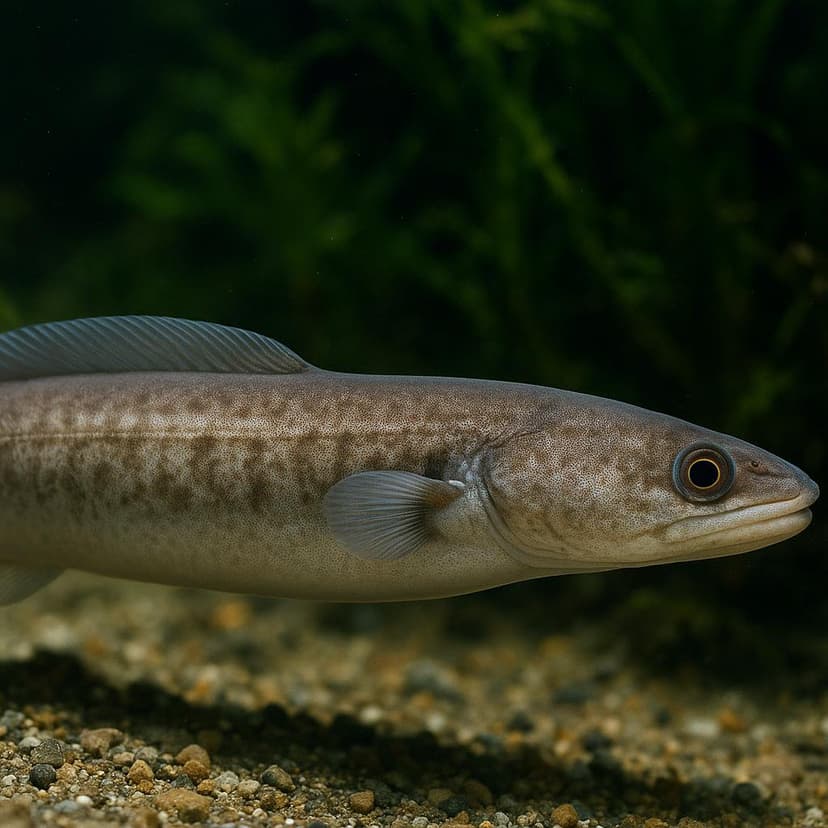
African conger (Japonoconger africanus)
Japonoconger africanus
This is a smallish deep-water conger eel from the eastern Atlantic (Gabon down to the Congo), and it lives way deeper than anything we normally keep at home. It is a predator that eats fish and crustaceans, and while it is a cool species on paper, it is basically not an aquarium fish in any normal sense due to its deep-water habitat and lack of established captive care info.
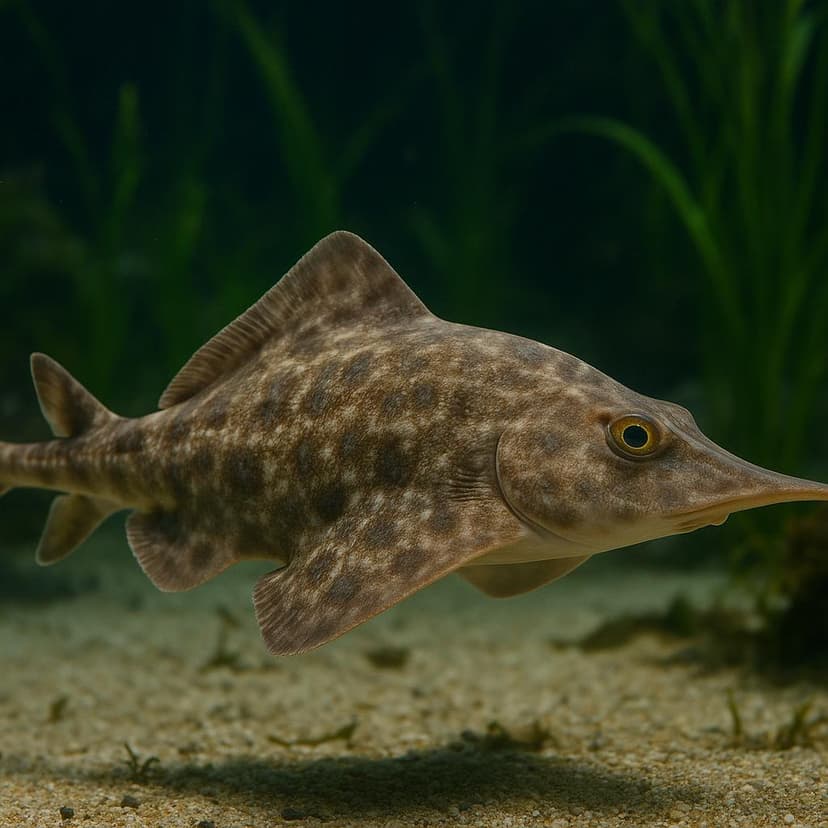
Aleutian skate
Bathyraja aleutica
This is a big, cold-water deep-slope skate from the North Pacific that cruises muddy bottoms and eats chunky benthic prey like crabs and shrimp. The really cool bit is its egg-laying skate life - it does distinct pairing (the classic skate "embrace") and drops those tough egg cases on the seafloor. Not an aquarium fish at all unless you're basically running a public-aquarium-style chilled system.
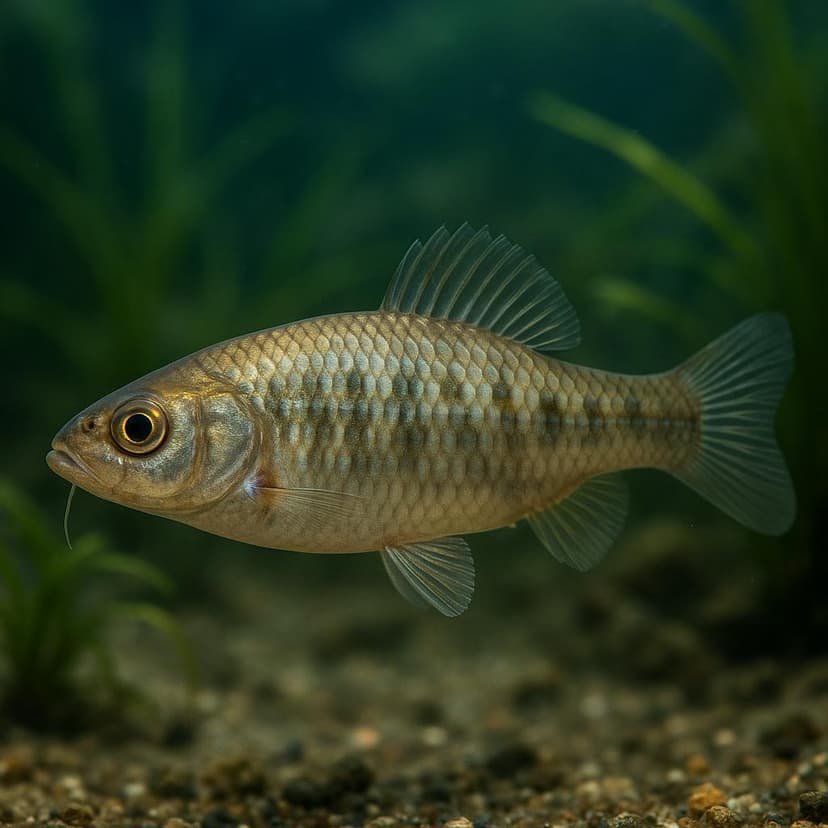
Arabian spiny eel
Notacanthus indicus
Notacanthus indicus is a deep-sea spiny eel (family Notacanthidae; not a true eel) known from the Arabian Sea on the continental slope at roughly ~960–1,046 m depth, with reported maximum length around 20 cm TL; it is a deep-water bycatch species and not established in the aquarium trade.
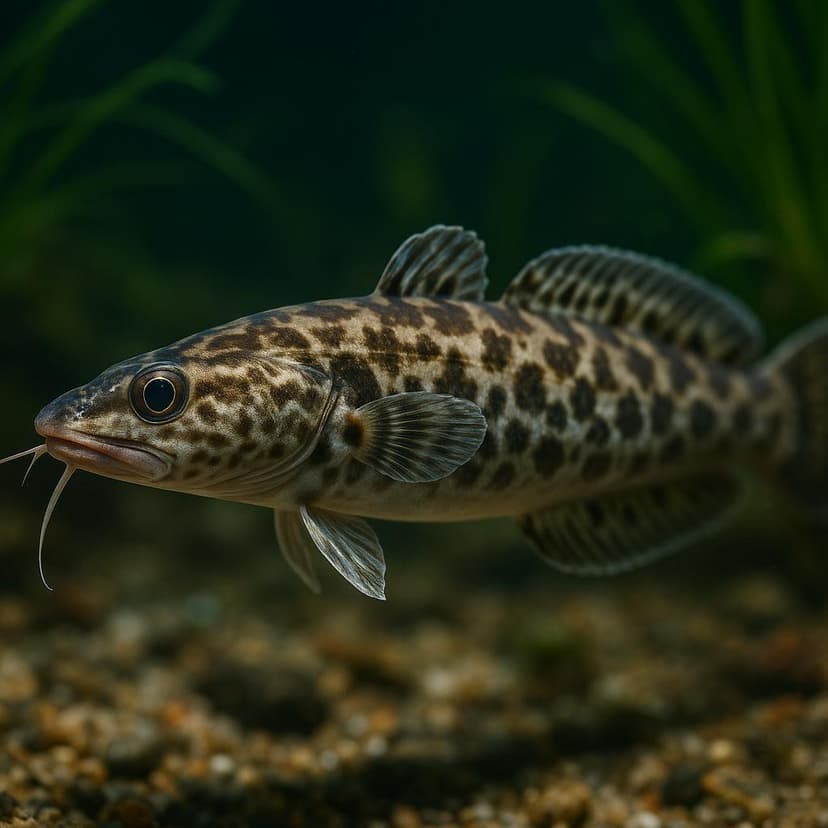
Arctic rockling
Gaidropsarus argentatus
This is a deepwater North Atlantic rockling (a cod relative) that hangs out on soft bottoms way down the slope. It is a cold-water, bottom-hugging predator that snoots around for crustaceans and will also take small fish when it gets the chance.
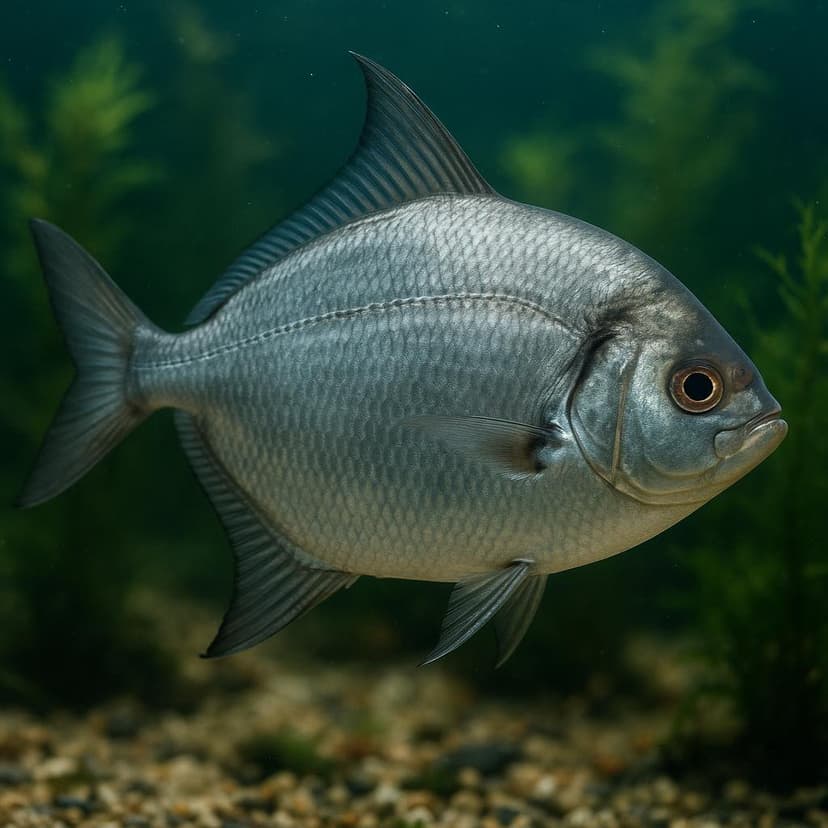
Atlantic pomfret
Brama brama
Brama brama is the Atlantic pomfret (aka Ray's bream) - a deep-bodied, open-ocean pelagic fish that cruises around in small schools and follows water temps. It is a legit big, wild marine species (not an aquarium fish) that eats other small sea critters like fish and squid, and it ranges across a huge chunk of the Atlantic plus parts of the Indian and South Pacific.
Australian sawtail catshark
Figaro boardmani
Figaro boardmani is a small, deepwater Australian catshark with these cool saw-like ridges of spiny denticles along the tail and a neat pattern of dark saddle bands. It lives way down on the outer continental shelf and slope, so its natural water is cold, dim, and stable - totally not a typical home-aquarium fish. Diet-wise its a predator that goes after fish, crustaceans, and cephalopods.
More to Explore
Discover more marine species.
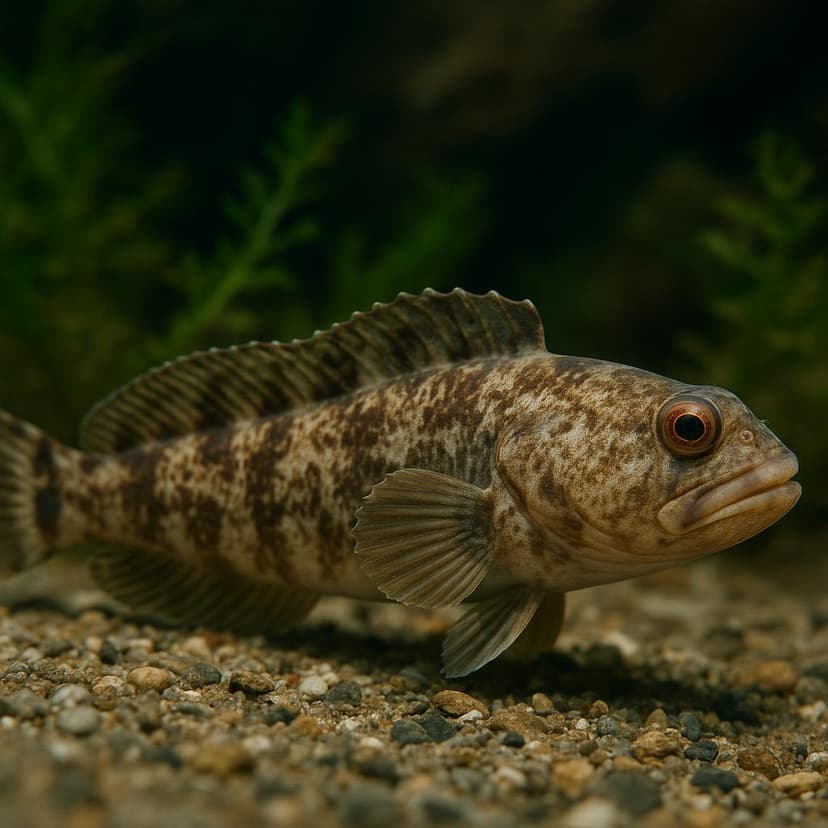
Abe's eelpout
Japonolycodes abei
Japonolycodes abei is a temperate, deepwater demersal eelpout (family Zoarcidae) endemic to Japan (Kumano-nada Sea reported; other sources also report Sagami Bay and Tosa Bay). It is the only species in the genus Japonolycodes and occurs roughly 40-300 m depth, making it an uncommon/atypical aquarium species.
African red snapper
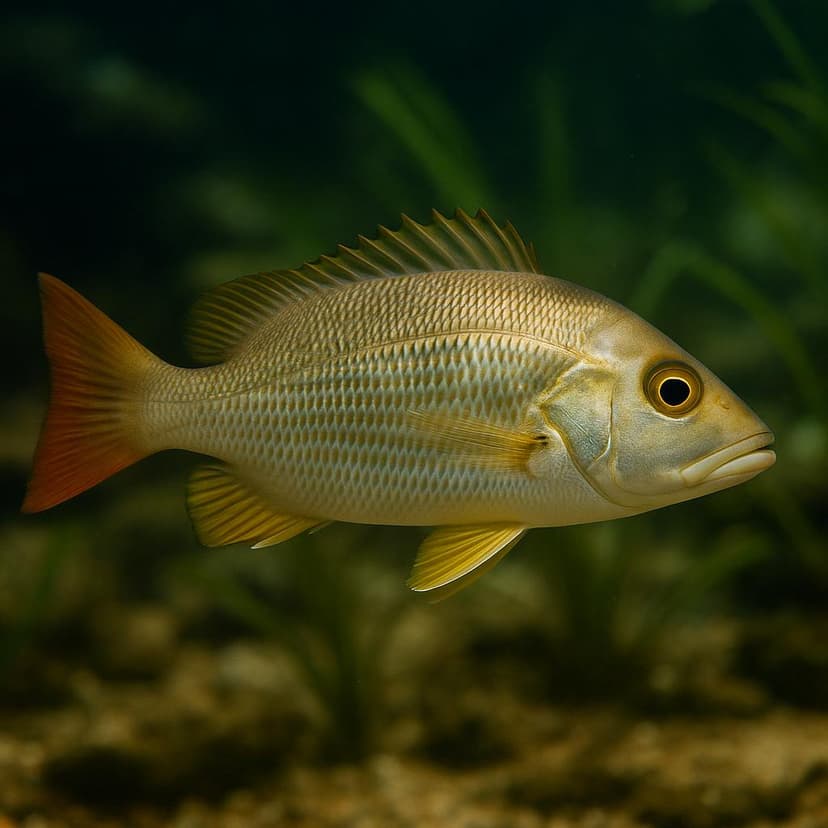
Lutjanus agennes
This is a true snapper from West Africa - a big, fast-growing predator that goes from coastal reefs to brackish lagoons and estuaries (especially as a juvenile). Super cool fish in the wild, but it gets absolutely huge and will eat smaller tankmates once it has the mouth for it, so its really more of a public-aquarium scale animal than a home-aquarium fish.
Banded stargazer
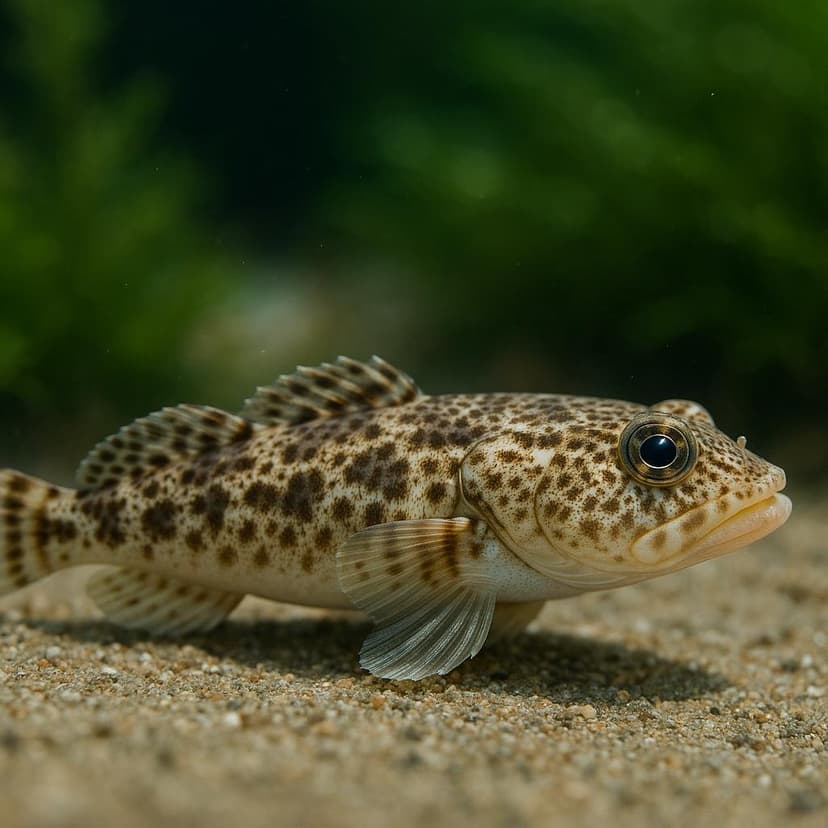
Kathetostoma binigrasella
This is a New Zealand stargazer that lives half-buried in sand or mud with its eyes pointed up, waiting to rocket upward and nail passing prey. It has those neat dark saddle-bands across the back (especially as a juvenile), and like other stargazers it is venomous with spines near the gill cover/pectoral area - definitely a look-dont-touch fish.
Banggai Cardinalfish
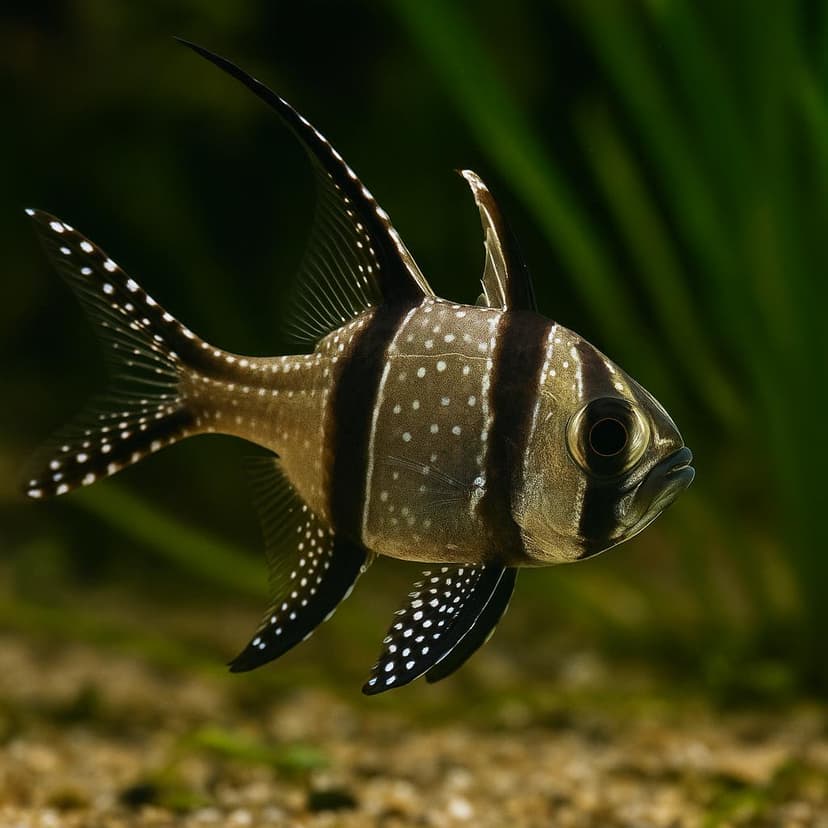
Pterapogon kauderni
Banggai cardinals just sort of hover like little underwater satellites, and the bold black bars with those long, polka-dotted fins look unreal under reef lighting. They're super chill most of the time, but once a pair forms you'll see real "fish drama," and the male will even mouthbrood the babies like a champ.
Barbados vent eelpout
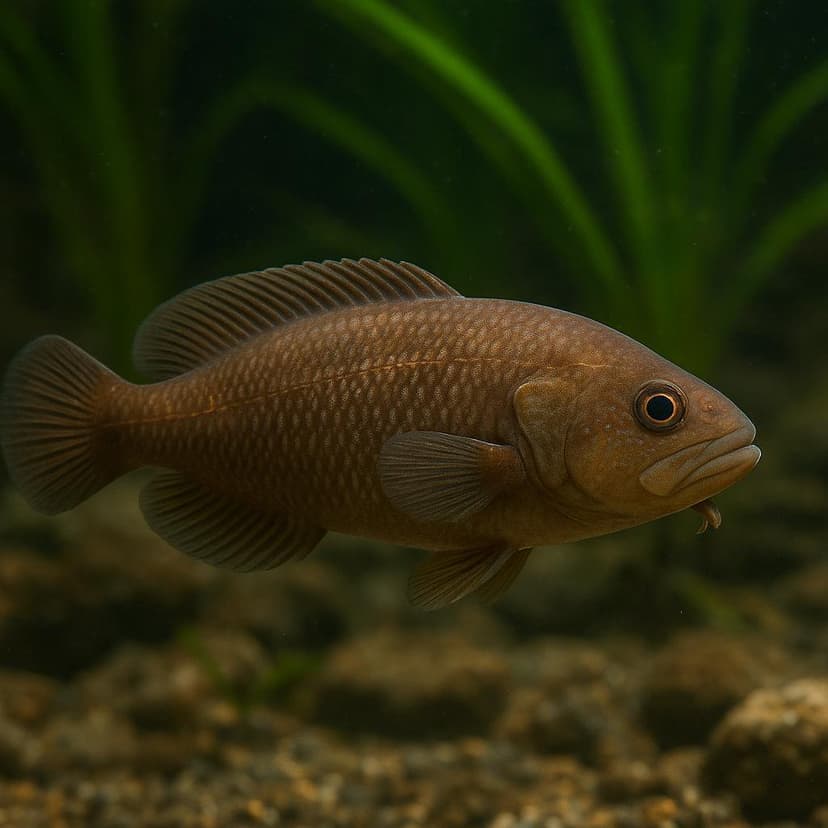
Thermarces pelophilum
This is a deep-sea eelpout that was collected at cold seeps off Barbados - think pitch-black, high-pressure ocean bottom, not an aquarium fish. It tops out around 12.4 cm and basically lives in a world of mud, methane, and seep life, which is a pretty wild niche for a fish.
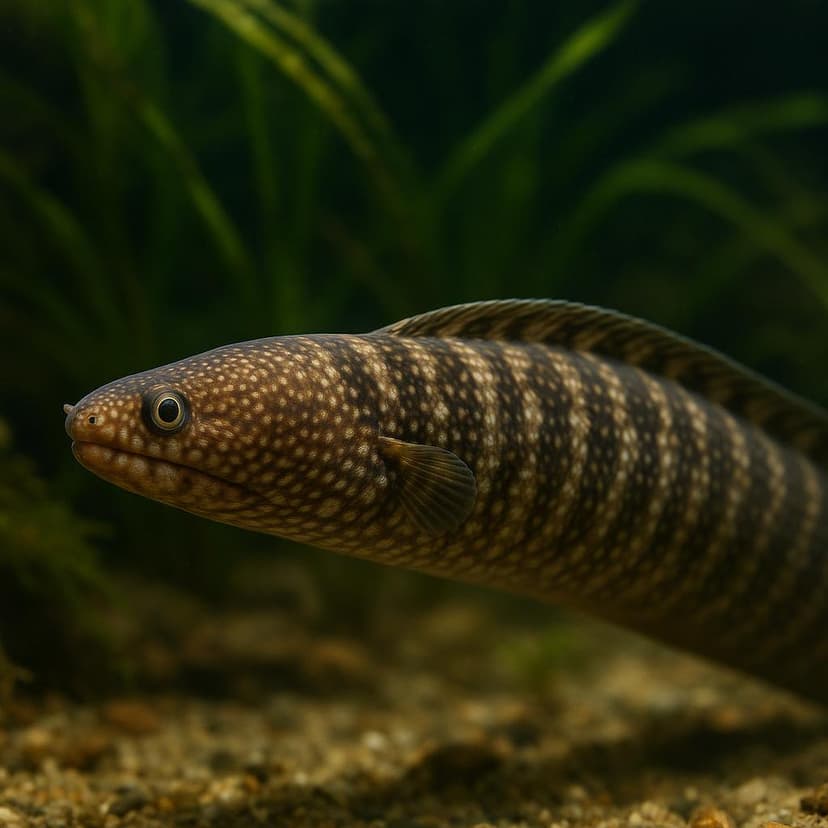
Barlip reef-eel
Uropterygius kamar
Uropterygius kamar is a smaller moray (a reef-eel) that spends its time tucked into rockwork and coral rubble, poking its head out when it smells food. FishBase notes it comes in two color morphs and lives on reef-associated rubble areas, so in a tank it really appreciates lots of tight caves and crevices. Like most morays its whole vibe is secretive ambush predator, not open-water swimmer.
Looking for other species?