

Rausu sculpin
Icelus sekii
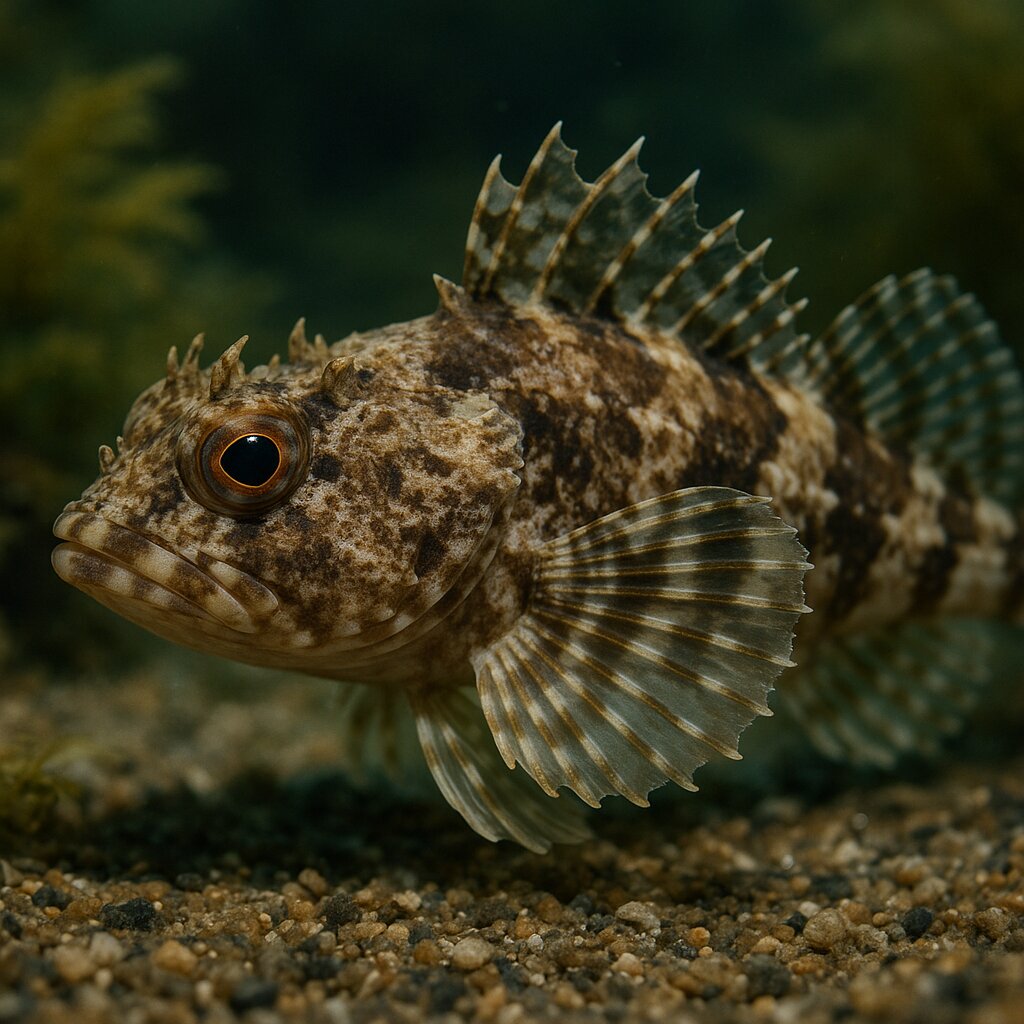
Rausu sculpins exhibit a robust body with a mottled brown and yellow coloration, featuring prominent spines along the dorsal fin.
This page includes AI-generated images. Why am I seeing AI images?
About the Rausu sculpin
A tiny cold-water sculpin from Hokkaido, Japan, it tucks into rock cracks along the Shiretoko coast and stays near the bottom. Males grow little blade-like flaps on the first dorsal fin, which is a wild detail you only notice up close. Super niche in the hobby, and it absolutely needs chilled, full-strength seawater.
Also known as
Quick Facts
Size
5.3 cm SL (about 2.1 inches)
Temperament
Semi-aggressive
Difficulty
Advanced
Min Tank Size
20 gallons
Lifespan
Unknown
Origin
Northwest Pacific - Japan (Hokkaido)
Diet
Carnivore - small crustaceans and polychaete worms
Water Parameters
2-13°C
8-8.4
80-120 dGH
Need a heater for this species?
This species needs 2-13°C in a 20 gallon tank. Use our heater calculator to find the right wattage.
Calculate heater sizeCare Notes
- Run a chiller at 6-10 C (43-50 F) and keep oxygen high with strong surface agitation and a skimmer; temps creeping above 12 C (54 F) will stress them fast.
- Use a 30-50 gal coldwater tank with rock rubble, caves, and some open sand; keep light low and use a tight lid because sculpins can climb and flop.
- Hold salinity at 1.025-1.027, pH 8.0-8.3, and nitrate under 10 ppm; pre-chill, aerate, and match temp and salinity on every water change.
- Start with live amphipods, mysis, or ghost shrimp to kickstart feeding, then tong-train to frozen mysis and prawn bits; target feed 1-2 times a day and siphon leftovers.
- Mix only with peaceful coldwater fish that will not outcompete them; they will swallow anything bite-size, and bigger sculpins, rockfish, or crabs will turn them into lunch.
- Drip acclimate in a chilled bin for 30-45 minutes and keep the bag cold the whole time; move with a specimen cup, not a net, since their spines catch in mesh.
- Skip copper and harsh meds on sculpins; quarantine and observe, and use food-soaked antibiotics or carefully planned dips only when you are certain of the issue.
- Do not count on breeding in a tank; they likely need a winter-to-spring temp and light swing and a rocky nest site, and there are no solid hobby reports.
Compatibility
Good Tankmates
- Other coldwater sculpins of similar size, with lots of separate caves so nobody has to share a perch
- Calm midwater temperate fish that stay off the rocks and are too deep-bodied to fit in that big mouth
- Size-matched coldwater goby/blenny types that are not nippy and keep to their own little rock patch
- Armored, slow bottom cruisers like poacher or lumpfish types that mind their business and are hard to swallow
- Non-aggressive, spiny inverts like urchins and big turban snails that a sculpin will ignore
Avoid
- Tiny fish, decorative shrimp, or small crabs that can fit in its mouth - they will disappear at lights out
- Nippy or pushy fish like triggers, puffers, or big wrasses that harass perchers and chew fins
- Other ambush predators with bigger mouths - anglers, lionfish, big scorpionfish - someone will get eaten
- Warmwater reef staples like clowns, damsels, or tangs - wrong temperature and way too zippy for a sculpin
Where they come from
Rausu sculpins (Icelus sekii) are little coldwater ambush predators from the Northwest Pacific, especially around Hokkaido and the Kuril Islands. Think rocky slopes, kelp edges, and chilly, very clear water. The "Rausu" name nods to the town on Hokkaido's Shiretoko Peninsula, which fits the icy vibe perfectly.
Setting up their tank
Treat this like a dedicated coldwater marine system. They are not tropical scorpionfish that happen to be cool. If you cannot keep the water cold year-round, skip this fish.
- Tank size: 30-40 gallons for a single adult; 60+ gallons if you want a pair or a few coldwater tankmates.
- Temperature: 4-10 C (39-50 F). I target 6-8 C. A reliable chiller is non-negotiable.
- Salinity: 33-35 ppt (1.023-1.026).
- pH: 8.0-8.3; alkalinity 7-10 dKH.
- Flow: Moderate with calm pockets. They like to perch and watch, not surf a gyre.
- Lighting: Dim to moderate. They look best under subdued light with some shaded spots.
Aquascape with sand or fine gravel, piles of rounded cobble, and a few tight caves. Give them perches with a clear view of open sand where food will land. Keep the rock stable; they lunge at food and can topple loose stacks.
Filtration-wise, they put out a meaty-fish bioload. Oversize your skimmer, keep oxygen high, and do regular water changes. Cold pumps and chillers drop pH a bit, so watch gas exchange and keep the surface roiling.
Chiller sizing: aim for a unit rated at least 2x your total water volume if your room is warm. Insulate return lines and sump lids to keep the chiller from running nonstop.
Cold systems sweat. Expect condensation on lids and plumbing. Wipe salt creep often and keep electrical connections high and dry.
What to feed them
They are ambush carnivores. Most do not recognize pellets. Plan to tong-feed or use a feeding stick. Once they figure out the routine, they hit like a tiny grouper.
- Staples: thawed mysis, chopped prawn, krill, sand lance/silverside pieces, squid strips, clam.
- Occasional: live or freshly killed shore shrimp to trigger feeding on new arrivals.
- Vitamins: soak foods in a marine multivitamin/omega supplement a few times a week.
Juveniles eat small portions daily. Adults do better with 3-4 target feeds per week. Overfeeding makes them lazy and can lead to fatty liver. Remove leftovers right away; meaty scraps foul cold systems fast.
Avoid feeder goldfish/rosies and go easy on thiaminase-heavy fish like smelt as a staple. Mix proteins to avoid deficiencies.
Weaning trick: tap the same rock with the feeding stick before every bite. They learn that "tap" means food and will take non-moving items reliably.
How they behave and who they get along with
Personality-wise, they perch, watch, and strike. Not hyperactive, but alert. They color-shift a bit to match the bottom and like tight spaces where just the face sticks out.
- Good neighbors: other peaceful coldwater fish that do not outcompete for food, like small snailfish, shy lumpfish, or coldwater gobies. Slow, non-aggressive and similarly chilled.
- Use caution: larger sculpins, rockfish, or anything boisterous that will inhale their meals first.
- Generally avoid: crabs and larger shrimp (pinching and nighttime harassment), anemones with a strong sting, and anything small enough to fit in their mouth.
They will eat bite-sized fish and shrimp. If you are attached to a small invertebrate, do not house it with a Rausu sculpin.
They are not big fighters, but males can posture over a favorite cave. Multiple sculpins can work in roomy tanks with lots of sight breaks and individual dens.
Breeding tips
Captive breeding is rare but not out of the question if you mimic seasons. They lay demersal eggs, usually stuck under a rock ledge. A male will guard the clutch and fan it.
- Seasonal cues: run a winter at 4-6 C with shorter photoperiod, then slowly rise to 7-9 C and lengthen daylight in late winter/spring.
- Habitat: offer flat rocks with undersides and snug caves. They prefer overhead cover for egg deposition.
- Diet: heavy conditioning with varied, oily marine foods for a few months beforehand.
- Raising young: expect a pelagic larval stage. You will need cold-kept rotifers, copepods, and spotless water. This is advanced even for public aquaria.
Sexing can be subtle. During the season, males may show slightly richer colors and a more pronounced genital papilla. Behavior (site-guarding) is often your best clue.
Common problems to watch for
- Heat creep: anything above 10 C for long stretches stresses them. First sign is rapid breathing and refusing food. Double-check chiller, clean the condenser, and reduce room temp.
- Starvation by shyness: they will sit and watch while faster fish steal meals. Feed them first with tongs, then feed the rest of the tank.
- Shipping/acclimation stress: deep-caught fish can be touchy. Keep the room dim, temperature-match carefully, and drip-acclimate while keeping the water cold.
- Infections in warm spells: Vibrio-type issues show as reddened fin bases or sores. Act fast in a separate hospital tank.
- Medication sensitivity: scaleless fish do not appreciate copper and harsh treatments.
Avoid copper-based medications with sculpins. If you must treat, move the fish to a hospital tank and use copper only with accurate test kits and at the low end of the range, or choose alternatives recommended for scaleless fish.
Quarantine new arrivals for at least 3-4 weeks at the target cold temperature. During QT, teach them to take food from tongs so feeding in the display is painless.
If you get the temperature, oxygen, and feeding routine right, Rausu sculpins are hardy in their own quiet way. Keep it cold, keep it clean, and feed like a patient hunter, not a dump-and-run.
Similar Species
Other marine semi-aggressive species you might be interested in.

Aleutian skate
Bathyraja aleutica
This is a big, cold-water deep-slope skate from the North Pacific that cruises muddy bottoms and eats chunky benthic prey like crabs and shrimp. The really cool bit is its egg-laying skate life - it does distinct pairing (the classic skate "embrace") and drops those tough egg cases on the seafloor. Not an aquarium fish at all unless you're basically running a public-aquarium-style chilled system.

Antarctic dragonfish
Vomeridens infuscipinnis
Deep down around Antarctica, this sleek dragonfish cruises the water column like a little submarine, nearly neutrally buoyant so it can hover above the seafloor. It munches almost exclusively on Antarctic krill and lives in near-freezing water 500-800 m down, so it is a cool species to read about, not one for home tanks.
Arabian demoiselle
Neopomacentrus sindensis
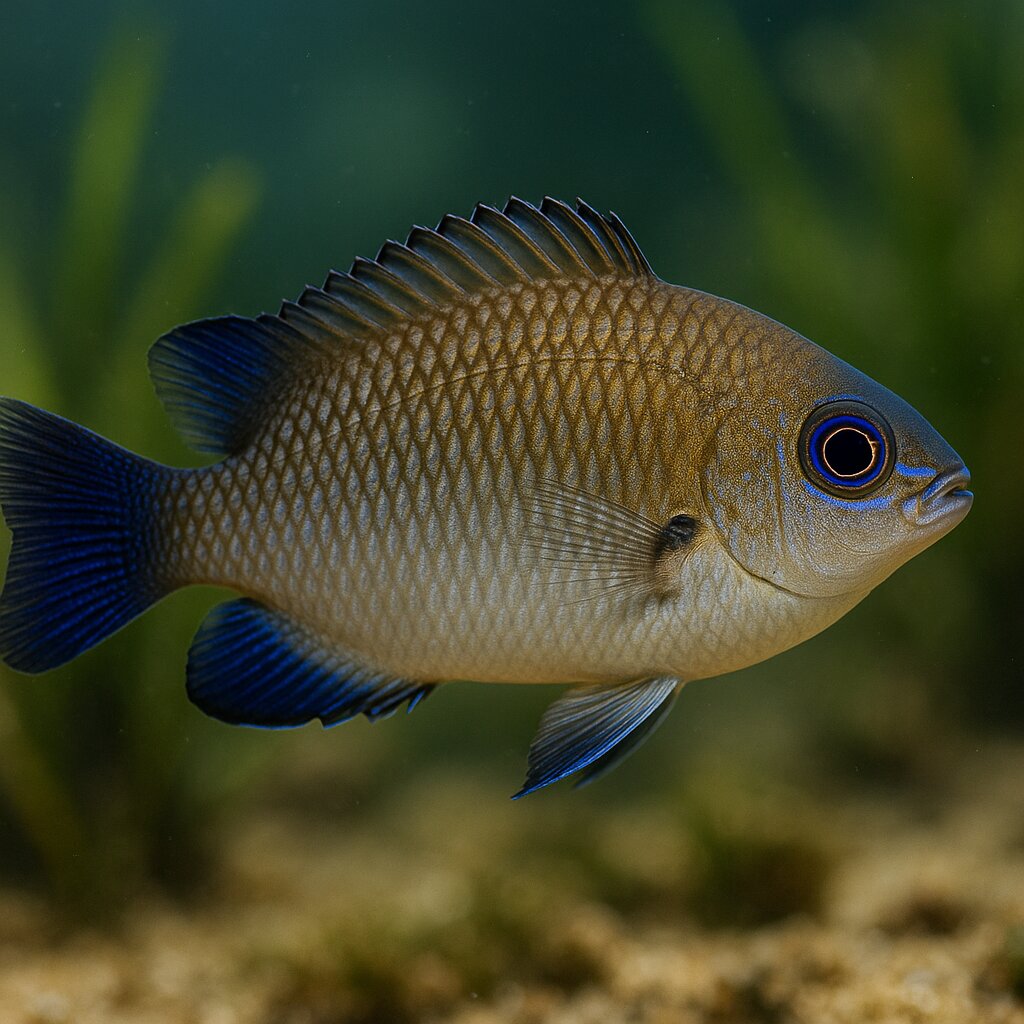
A small lyretail damsel from the Persian Gulf and Arabian Sea, it hangs in loose groups around coral heads, rocks, and even pier pilings picking zooplankton from the flow. Think classic damsel toughness with a slightly milder attitude than the real bruisers, plus subtle yellow tail accents. Males clean a patch, get a mate to lay eggs there, and then stand guard fanning the clutch.

Arabian spiny eel
Notacanthus indicus
Notacanthus indicus is a deep-sea spiny eel (family Notacanthidae; not a true eel) known from the Arabian Sea on the continental slope at roughly ~960–1,046 m depth, with reported maximum length around 20 cm TL; it is a deep-water bycatch species and not established in the aquarium trade.

Arctic rockling
Gaidropsarus argentatus
This is a deepwater North Atlantic rockling (a cod relative) that hangs out on soft bottoms way down the slope. It is a cold-water, bottom-hugging predator that snoots around for crustaceans and will also take small fish when it gets the chance.
Atlantic pomfret
Brama brama
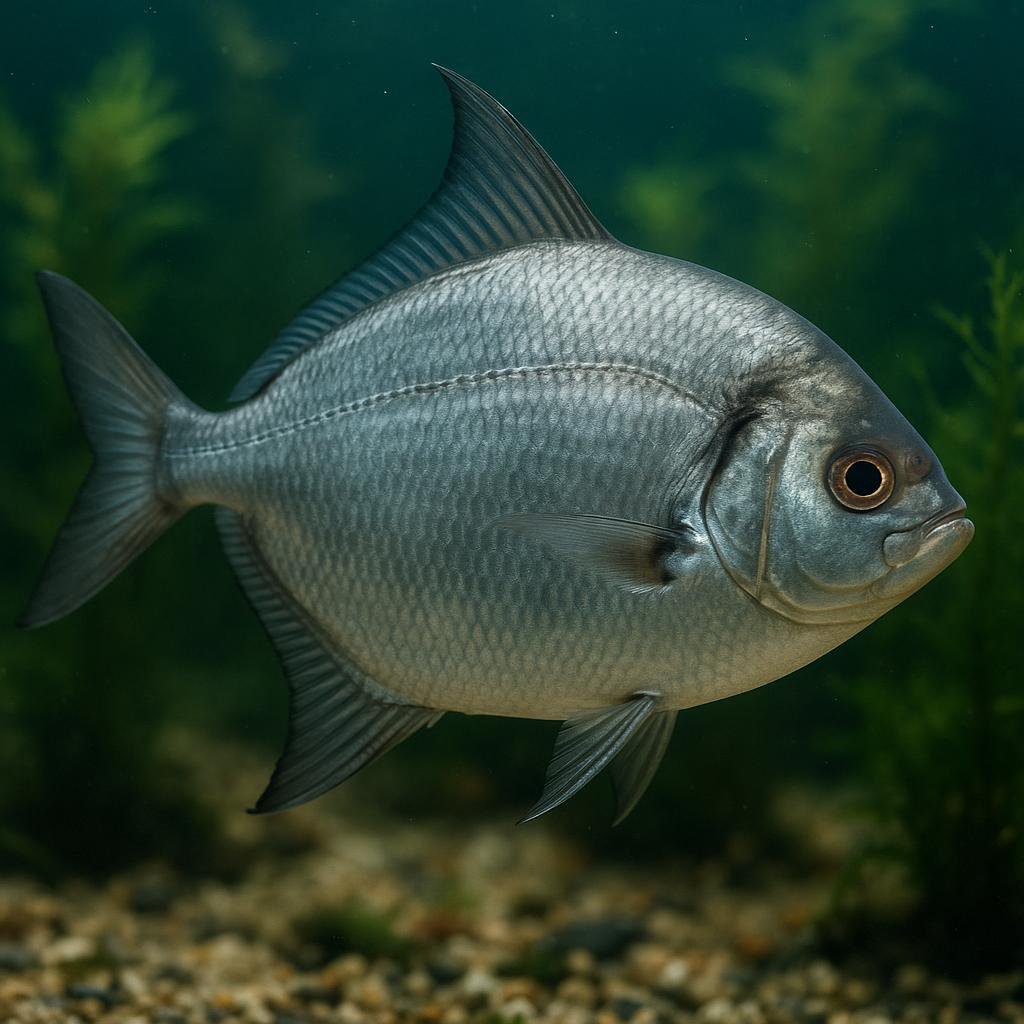
Brama brama is the Atlantic pomfret (aka Ray's bream) - a deep-bodied, open-ocean pelagic fish that cruises around in small schools and follows water temps. It is a legit big, wild marine species (not an aquarium fish) that eats other small sea critters like fish and squid, and it ranges across a huge chunk of the Atlantic plus parts of the Indian and South Pacific.
More to Explore
Discover more marine species.

Abe's eelpout
Japonolycodes abei
Japonolycodes abei is a temperate, deepwater demersal eelpout (family Zoarcidae) endemic to Japan (Kumano-nada Sea reported; other sources also report Sagami Bay and Tosa Bay). It is the only species in the genus Japonolycodes and occurs roughly 40-300 m depth, making it an uncommon/atypical aquarium species.

Affinis blind cusk-eel
Barathronus affinis
Barathronus affinis is a tiny, super-weird deep-sea blind cusk-eel from the western-central Indian Ocean. It is one of those gelatinous, loose-skinned brotula-type fishes that live way down in the dark and are basically never seen alive, so almost everything we know comes from preserved specimens and taxonomic work.

African red snapper
Lutjanus agennes
This is a true snapper from West Africa - a big, fast-growing predator that goes from coastal reefs to brackish lagoons and estuaries (especially as a juvenile). Super cool fish in the wild, but it gets absolutely huge and will eat smaller tankmates once it has the mouth for it, so its really more of a public-aquarium scale animal than a home-aquarium fish.

Allis shad
Alosa alosa
Gorgeous silver, fast-swimming shad that spends most of its life in the sea and then surges up big rivers in noisy, surface-spawning schools. It grows huge for a herring-type fish and needs cool, ultra-oxygenated water and tons of open space, so it is a public-aquarium species rather than a home tank fish.

Annandale's zebra sole
Zebrias annandalei
Zebrias annandalei is a small demersal sole from coastal India that inhabits sandy or muddy bottoms and buries for camouflage. It is rarely kept in home aquaria and would require a specialized marine sand-bottom setup and appropriate feeding.
Australian sawtail catshark
Figaro boardmani
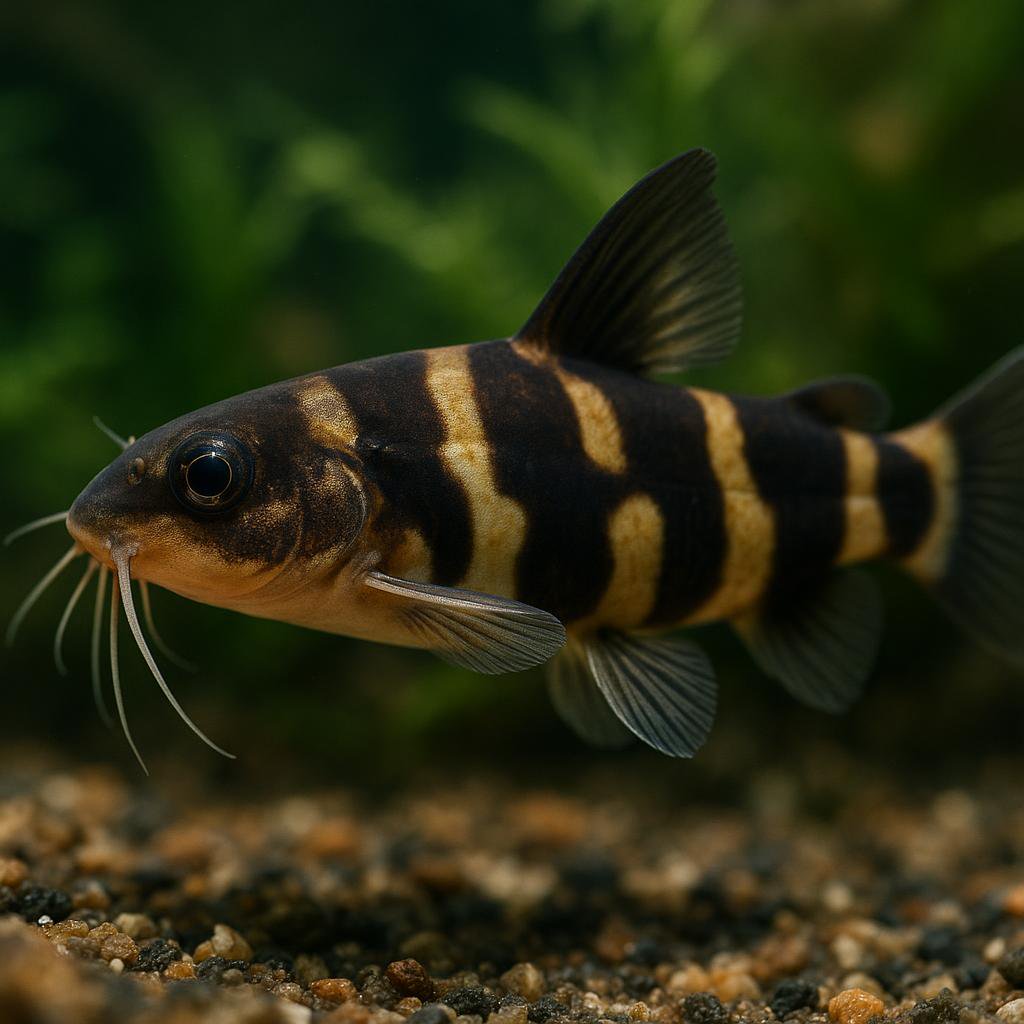
Figaro boardmani is a small, deepwater Australian catshark with these cool saw-like ridges of spiny denticles along the tail and a neat pattern of dark saddle bands. It lives way down on the outer continental shelf and slope, so its natural water is cold, dim, and stable - totally not a typical home-aquarium fish. Diet-wise its a predator that goes after fish, crustaceans, and cephalopods.
Looking for other species?