

rattail
Kumba dentoni
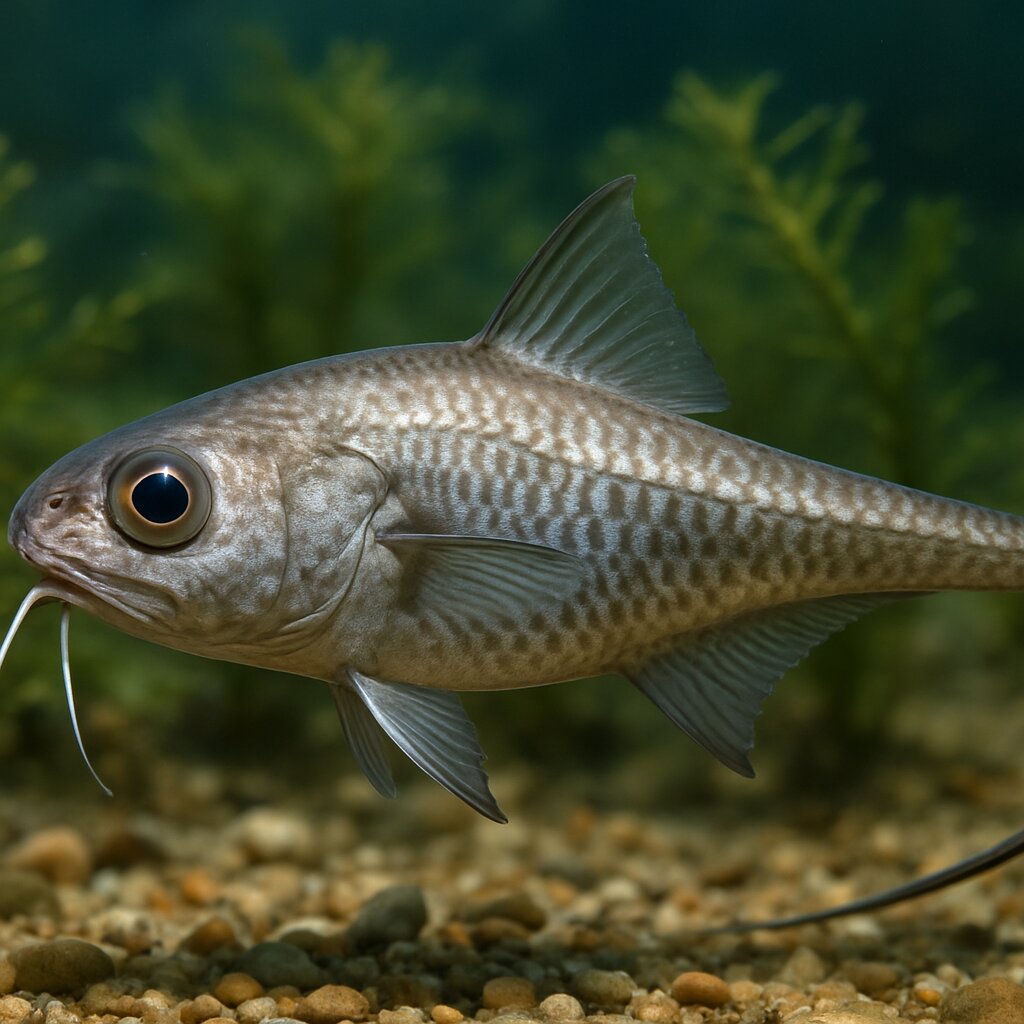
The rattail (Kumba dentoni) features a slender body, elongated tail, and pale, silvery coloration with faint dark mottling.
This page includes AI-generated images. Why am I seeing AI images?
About the rattail
A deep-sea rattail from the Bay of Biscay, Kumba dentoni has that classic big head and long whiptail look and even a tiny light organ. It lives on cold, dark slopes around a kilometer down and picks at small invertebrates and fishes. Super cool to read about, but it is not a home-aquarium fish and would need chilled, specialized systems.
Also known as
Quick Facts
Size
22 cm (8.7 inches)
Temperament
Semi-aggressive
Difficulty
Expert
Min Tank Size
300 gallons
Lifespan
10-25 years
Origin
Northeast Atlantic (Bay of Biscay)
Diet
Carnivore - benthic invertebrates and small fishes; will scavenge
Water Parameters
5-13°C
7.9-8.2
300-450 dGH
Need a heater for this species?
This species needs 5-13°C in a 300 gallon tank. Use our heater calculator to find the right wattage.
Calculate heater sizeCare Notes
- This is a deep-sea rattail, so think public-aquarium level: 6-foot footprint, 300+ gallons, an industrial chiller holding 4-7 C, very dim lighting, and a tight lid.
- Run salinity 34-35 ppt, pH 7.9-8.2, 0 ammonia/nitrite, and low nitrate with high oxygen and gentle bottom flow. Pre-cycle the tank at cold temps and use oversized biofiltration because bacteria crawl at these temperatures.
- Give it fine sand or bare bottom and long PVC sections or rock overhangs so it can cruise the bottom without snagging that long tail.
- Feed at dusk with tongs using squid strips, shrimp, clam, or fish pieces (vitamin-soaked helps). Small portions every 2-3 days and yank leftovers quickly.
- Best kept solo; it will inhale bite-size fish and shrimp, and active temperate predators will bully or outcompete it.
- Keep the room quiet, black out the sides, and use a red viewing light; sudden bright light or bangs make them panic and smash into things.
- Acclimate cold and slow: chill the bucket to target temp and drip in the dark; do not float the bag at room temp. If you see pop-eye or weird buoyancy from collection damage, minimize stress and keep oxygen high while it settles.
- Do not plan on breeding this species; they are deep-water broadcast spawners and nobody has closed the life cycle in captivity.
Compatibility
Good Tankmates
- Species-only in a big, chilled deepwater setup - honestly the safest plan for a rattail
- Large, slow, non-nippy coldwater fish that ignore bottom dwellers and do fine in dim light
- Calm, similarly sized benthic coldwater fish that will not peck fins and will not crowd its space
- Nocturnal, low-activity tankmates you can target-feed alongside it so the rattail actually gets food
- Public-aquarium style coldwater companions from similar depths that do not blitz food or race around
Avoid
- Nippy, boisterous reef fish like triggers, puffers, big damsels, and fast wrasses
- Large aggressive predators like groupers, big moray eels, and adult hinds or cod
- Fast, competitive feeders like jacks or trevallies that will outcompete a slow deep-sea fish
- Warmwater day-active grazers like tangs and surgeonfish that never settle down
Where they come from
Kumba dentoni is a deep-sea rattail (a grenadier) from the eastern Atlantic, showing up on muddy continental slopes off West Africa and nearby regions. Think 400-1,500+ meters down, cold, dark, and high pressure. Everything about their body plan screams slow, energy-saving cruising over soft bottoms.
Hard truth: this species is not a home-aquarium fish. Even public aquariums struggle without specialized collection and chilled life support. If a seller offers one for a hobby tank, walk away.
Setting up their tank
If you are in an institutional setup and have access to the right gear, here is what has actually worked for deep-sea rattails in chilled systems.
- Temperature: 4-8 C, stable. You need a serious chiller and redundancy. Swings of more than 0.5 C in a day can stress them.
- Salinity: 34-35 ppt (1.025-1.026 specific gravity). Keep it steady.
- Lighting: ultra-dim. Red spectrum for viewing works well. Black out sides and back to cut reflections.
- Footprint: long, open runs with a soft-turn corner or rounded ends. They cruise more than they dart.
- Substrate: fine, dark sand or a sand-silt mix. Bare-bottom can work if you black it out and keep the room dark.
- Rocks/structure: low mounds or large PVC sections to break sightlines, but keep most of the floor open.
- Flow and oxygen: cool water holds oxygen, but they still want high dissolved O2 near saturation. Use strong aeration and a skimmer, with a broad, laminar current along the bottom.
- Filtration: oversize everything. Nitrification is slower at low temp. Big biofilter volume, high contact time, and a protein skimmer rated way above the tank size.
- Lid: tight and non-reflective. Spooks can lead to head strikes.
Collection and decompression are the brick wall for this species. Fish pulled up quickly from deep water suffer fatal barotrauma. Long, staged decompression or pressurized collection is required, which is typically only available to research teams or large public aquariums.
Use red lighting for husbandry checks. Their responses are much calmer, and you can observe without startling them.
What to feed them
They are slow, methodical predators and scavengers. Forget flakes and pellets. Offer soft, marine-origin foods in small, frequent portions.
- Chopped marine fish, squid, and prawn.
- Mysis and enriched krill for smaller individuals.
- Gel-bound seafood mixes can help reduce mess at cold temps.
Feed with tongs or a target-feeding tube near the bottom so the food does not blow away. Two to three modest feeds per week is usually fine at 4-8 C. Pull leftovers within a few minutes; organics linger longer in cold water and will overwhelm your biofilter.
They hunt by lateral line and smell more than sight. Let the scent trail reach them. Quick, bright feeding frenzies are not their style.
How they behave and who they get along with
Expect a calm, cruising fish that holds a gentle angle over the bottom and investigates slowly. They spook from sudden light or movement and will ping glass if startled.
- Tankmates: safest is none. If you must, only other large, very calm, deep-cold species collected in the same way. No active swimmers or bright, diurnal fish.
- Territory: they do not stake out tight territories, but they need uninterrupted space to move.
- Activity: crepuscular to nocturnal under dim light. Daytime, they often hold in open water just off the bottom.
Do not pair with assertive feeders. Rattails lose out at the dinner table, and overfeeding the tank to compensate will wreck water quality.
Breeding tips
There are no credible captive breeding reports for Kumba dentoni. Macrourids are deep-sea broadcast spawners with pelagic eggs and larvae at depths and temperatures we cannot replicate outside specialized research facilities. Treat all specimens as wild-caught and non-breedable in captivity.
Common problems to watch for
- Decompression injury: gas bubbles under skin, exophthalmia, swim bladder issues. Prevention is the only fix; most cases are fatal.
- Thermal stress: pacing, rapid gilling, loss of equilibrium if temps creep above 10 C.
- Low oxygen: surface gulping or hanging in high-flow zones. Increase aeration and flow immediately.
- Head and lateral line abrasions: from glass strikes during spooks. Dim the room, black out reflections, and use rounded corners or foam bump guards.
- Ammonia and nitrite at low temp: biofilters are sluggish in the cold. Pre-cycle at operating temperature with heavy seeding, and test often.
- Feeding refusal: too bright, too much flow, or food presented too high in the water column. Switch to target feeding near the bottom in dim light.
Medication notes: go slow. Copper and formalin behave differently at low temperature and high oxygen. If treatment is unavoidable, use precise test kits, ramp doses gradually, and keep aeration maxed. Food-based treatments (e.g., metronidazole, praziquantel) are often a safer first step.
Ethics and legality: deep-sea rattails are long-lived and slow to reproduce. If you do not have pressurized collection, chilled life support, and institutional backup, do not attempt this fish. You will almost certainly lose it.
Similar Species
Other marine semi-aggressive species you might be interested in.
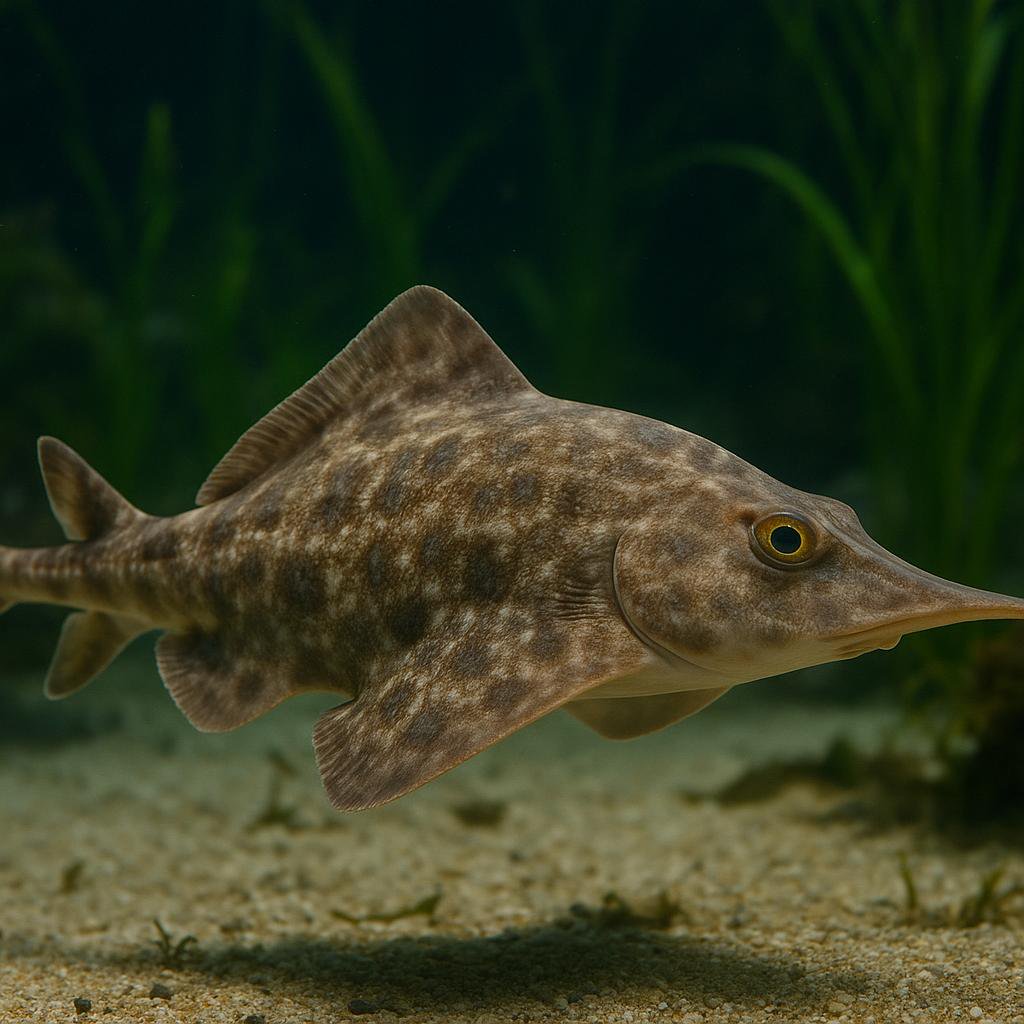
Aleutian skate
Bathyraja aleutica
This is a big, cold-water deep-slope skate from the North Pacific that cruises muddy bottoms and eats chunky benthic prey like crabs and shrimp. The really cool bit is its egg-laying skate life - it does distinct pairing (the classic skate "embrace") and drops those tough egg cases on the seafloor. Not an aquarium fish at all unless you're basically running a public-aquarium-style chilled system.
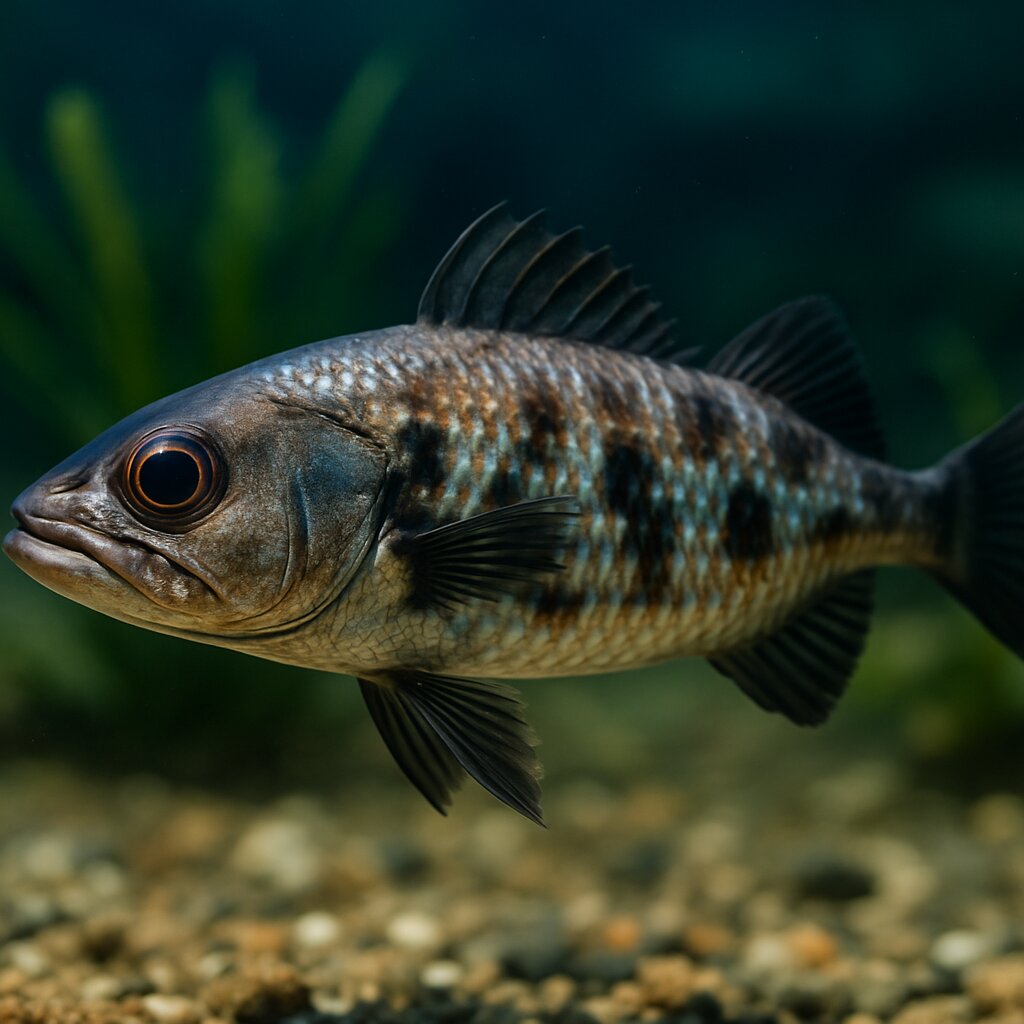
Antarctic dragonfish
Vomeridens infuscipinnis
Deep down around Antarctica, this sleek dragonfish cruises the water column like a little submarine, nearly neutrally buoyant so it can hover above the seafloor. It munches almost exclusively on Antarctic krill and lives in near-freezing water 500-800 m down, so it is a cool species to read about, not one for home tanks.
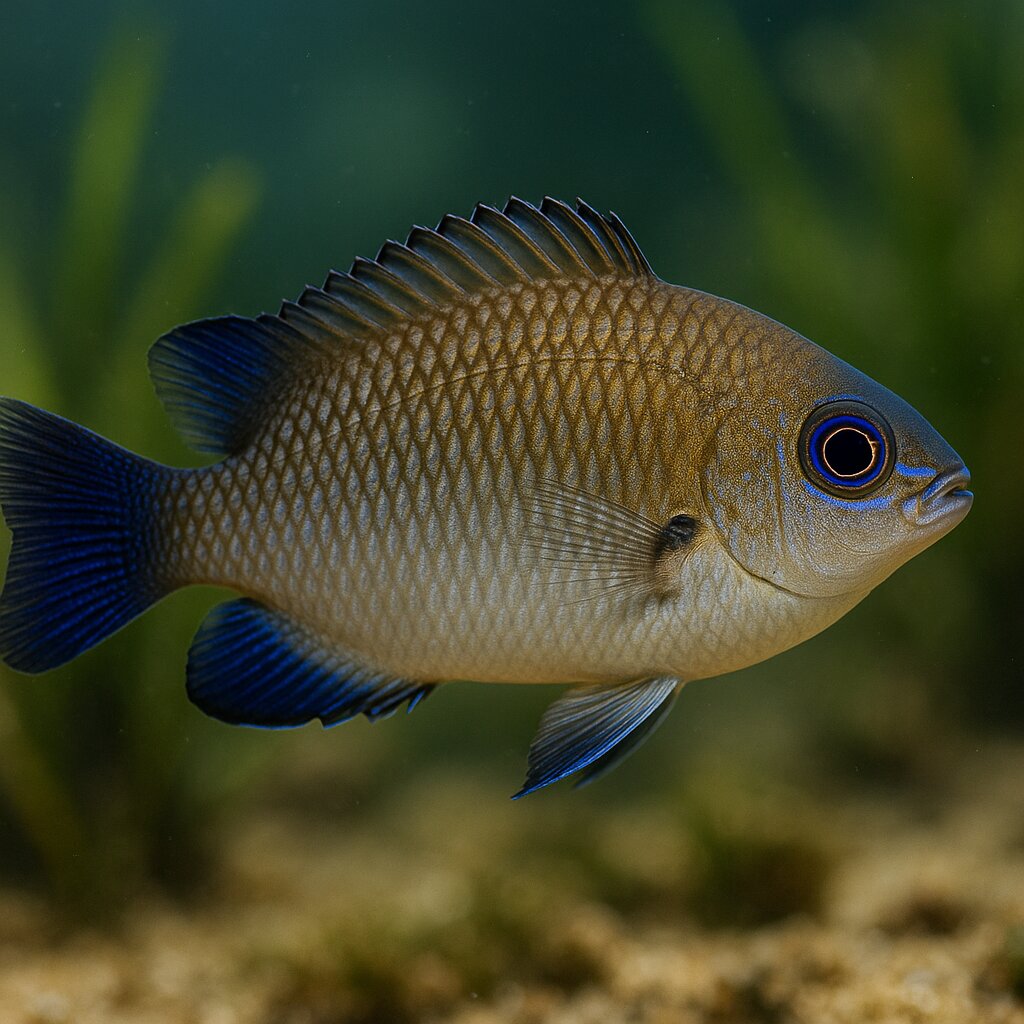
Arabian demoiselle
Neopomacentrus sindensis
A small lyretail damsel from the Persian Gulf and Arabian Sea, it hangs in loose groups around coral heads, rocks, and even pier pilings picking zooplankton from the flow. Think classic damsel toughness with a slightly milder attitude than the real bruisers, plus subtle yellow tail accents. Males clean a patch, get a mate to lay eggs there, and then stand guard fanning the clutch.
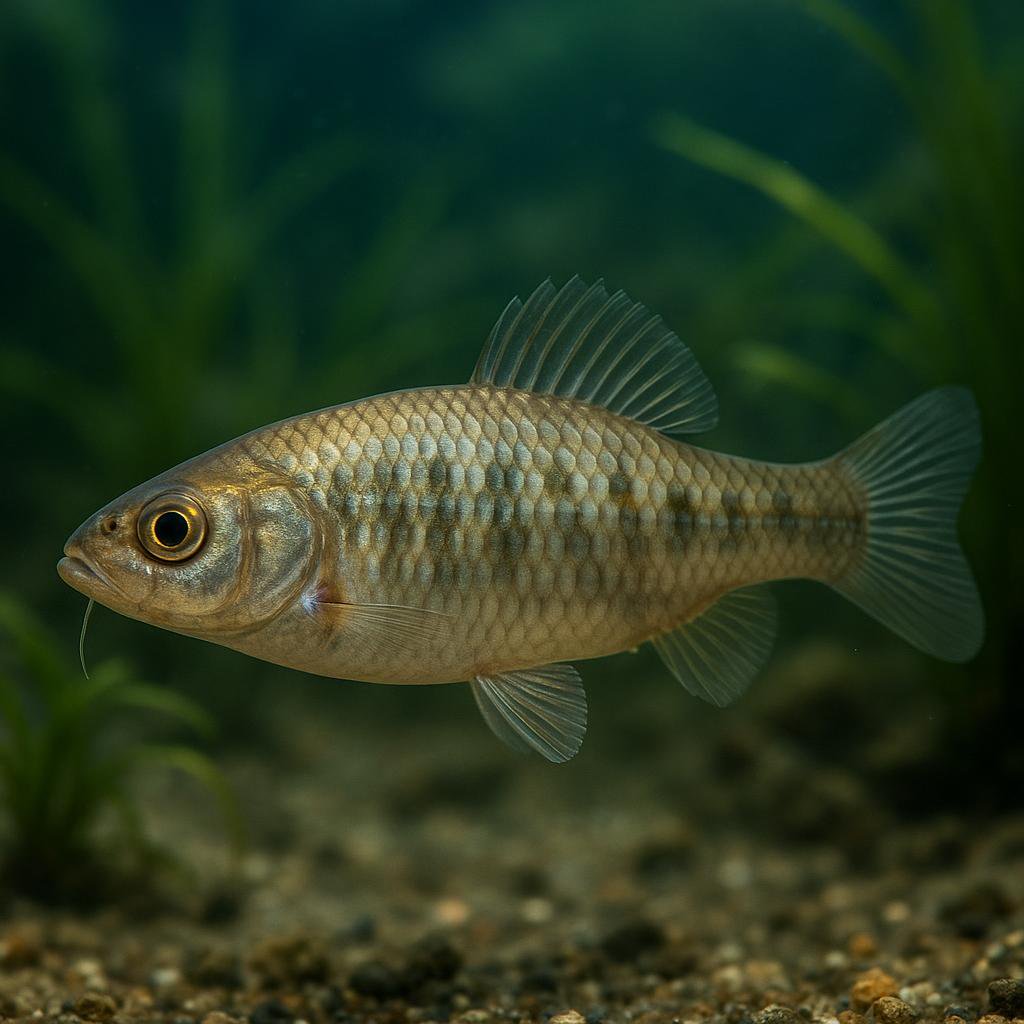
Arabian spiny eel
Notacanthus indicus
Notacanthus indicus is a deep-sea spiny eel (family Notacanthidae; not a true eel) known from the Arabian Sea on the continental slope at roughly ~960–1,046 m depth, with reported maximum length around 20 cm TL; it is a deep-water bycatch species and not established in the aquarium trade.
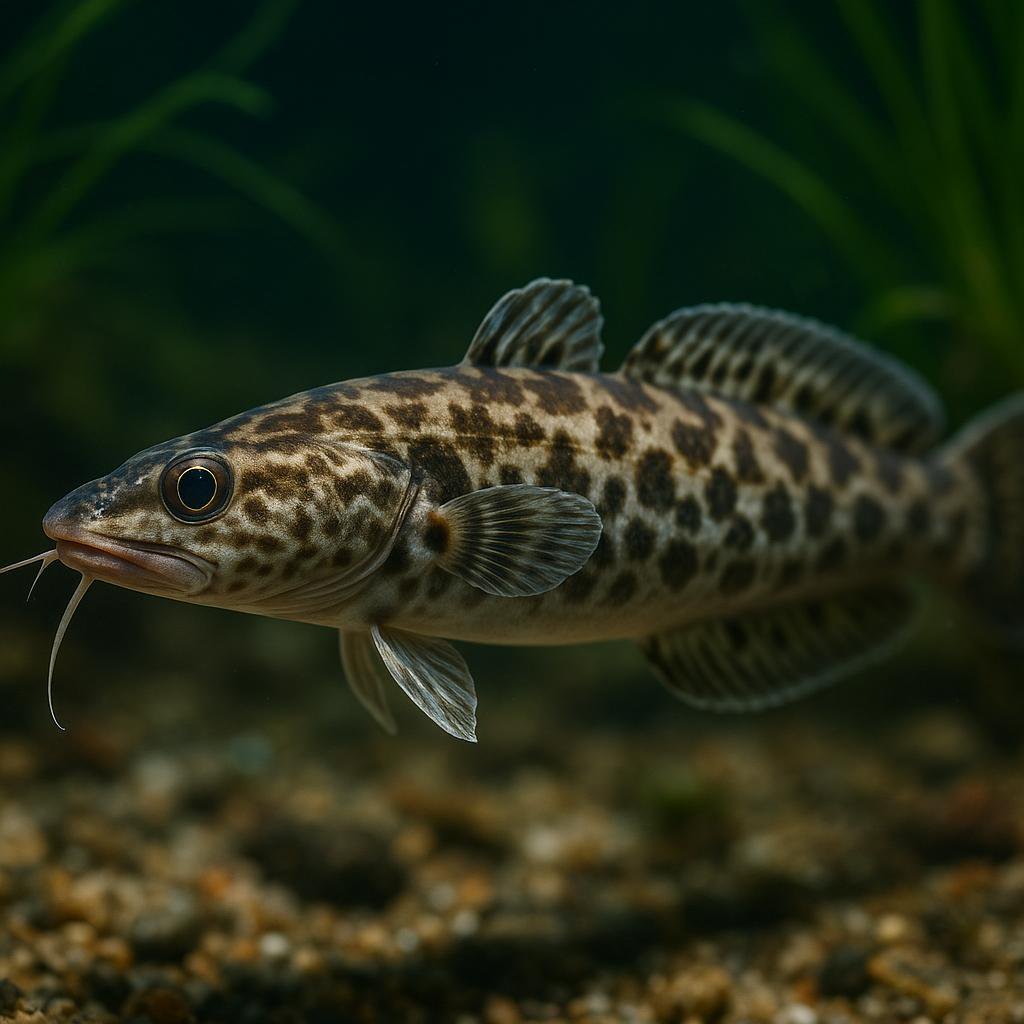
Arctic rockling
Gaidropsarus argentatus
This is a deepwater North Atlantic rockling (a cod relative) that hangs out on soft bottoms way down the slope. It is a cold-water, bottom-hugging predator that snoots around for crustaceans and will also take small fish when it gets the chance.
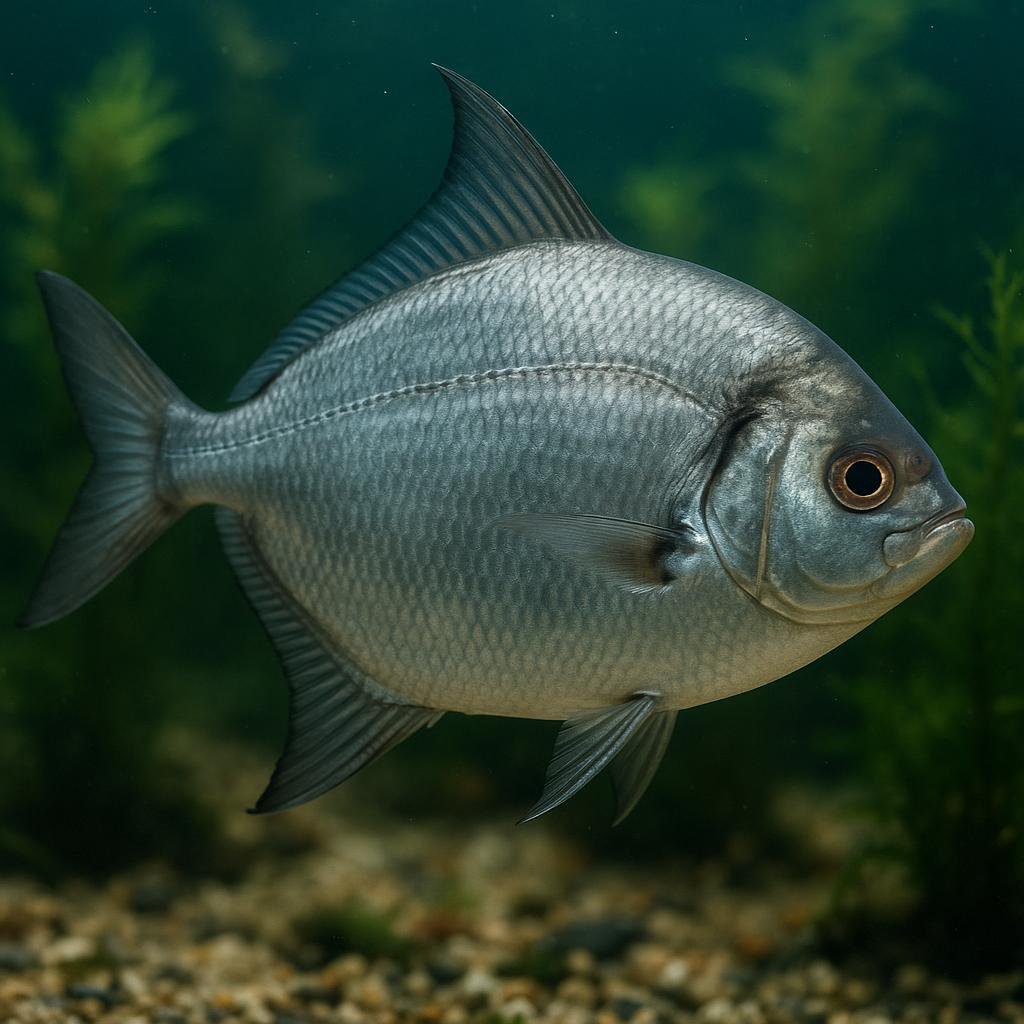
Atlantic pomfret
Brama brama
Brama brama is the Atlantic pomfret (aka Ray's bream) - a deep-bodied, open-ocean pelagic fish that cruises around in small schools and follows water temps. It is a legit big, wild marine species (not an aquarium fish) that eats other small sea critters like fish and squid, and it ranges across a huge chunk of the Atlantic plus parts of the Indian and South Pacific.
More to Explore
Discover more marine species.
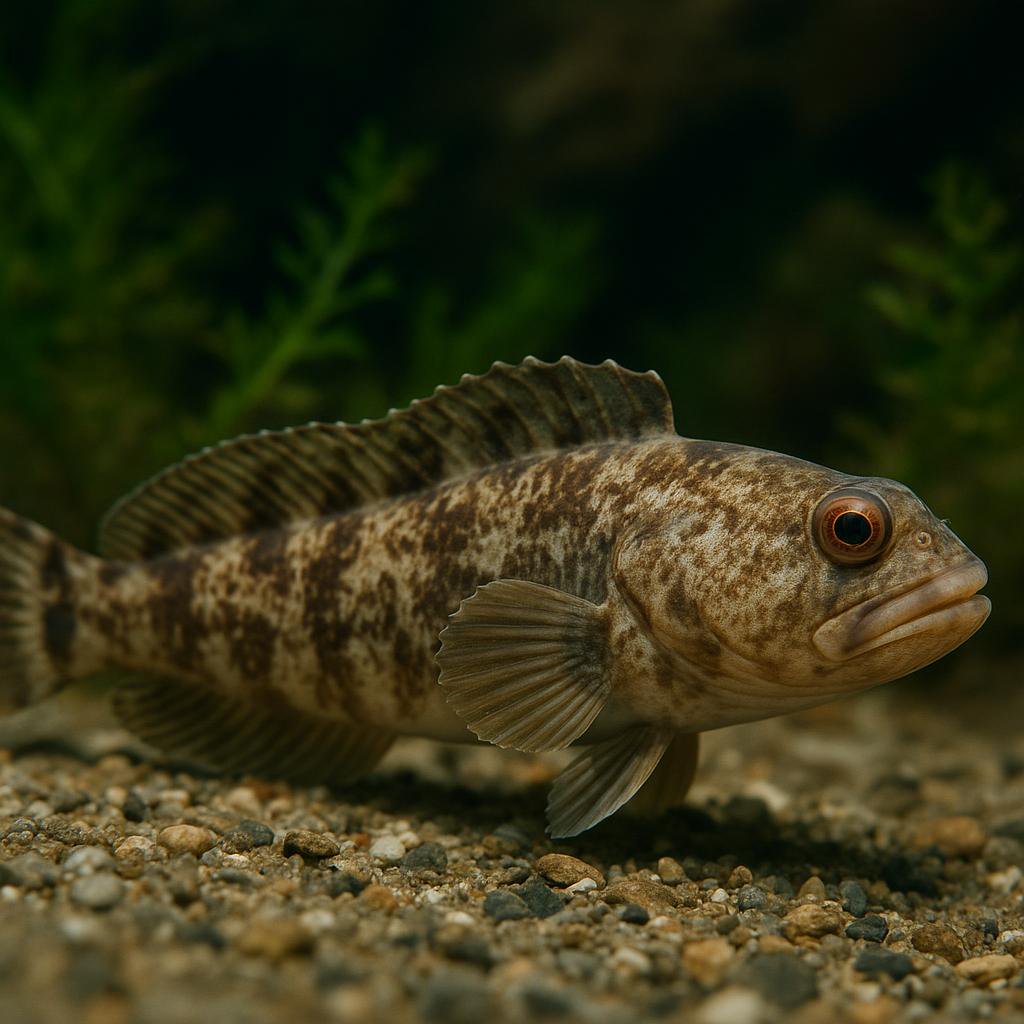
Abe's eelpout
Japonolycodes abei
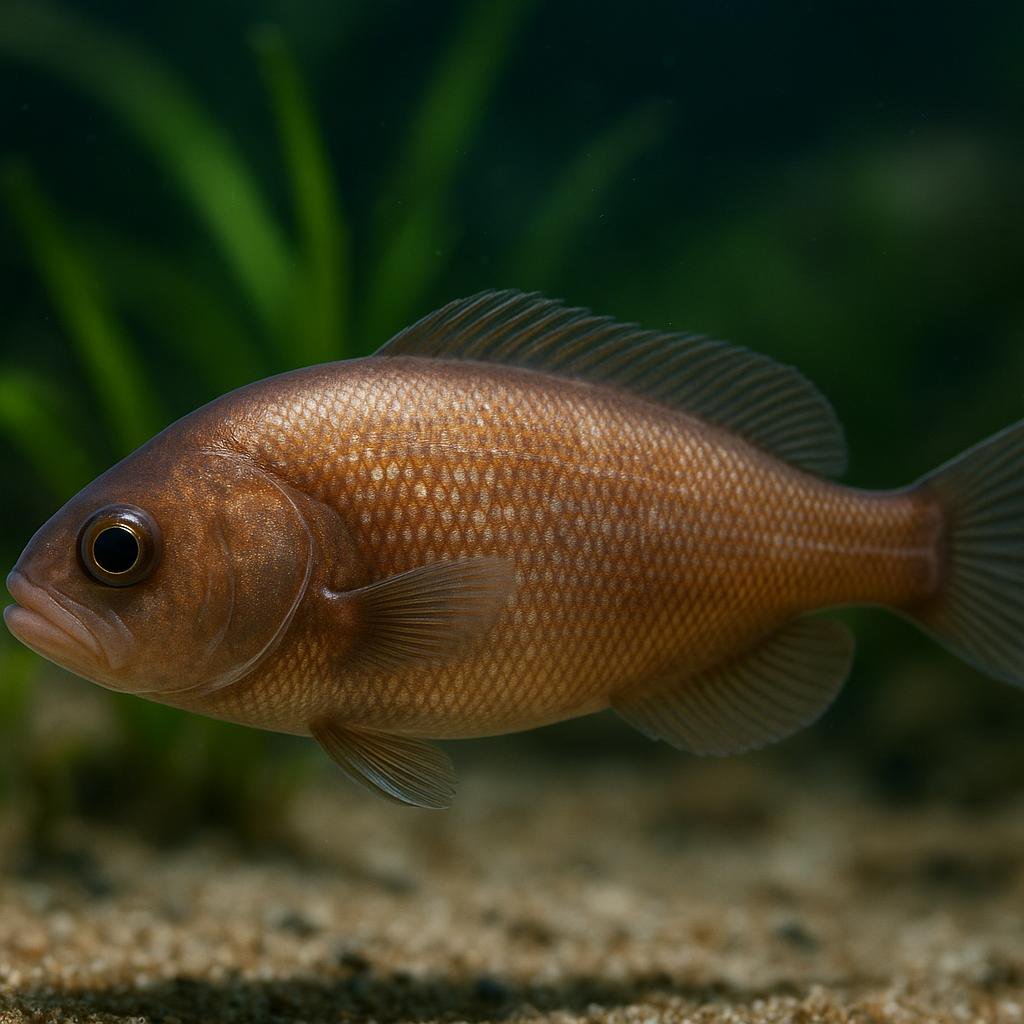
Japonolycodes abei is a temperate, deepwater demersal eelpout (family Zoarcidae) endemic to Japan (Kumano-nada Sea reported; other sources also report Sagami Bay and Tosa Bay). It is the only species in the genus Japonolycodes and occurs roughly 40-300 m depth, making it an uncommon/atypical aquarium species.
Affinis blind cusk-eel
Barathronus affinis
Barathronus affinis is a tiny, super-weird deep-sea blind cusk-eel from the western-central Indian Ocean. It is one of those gelatinous, loose-skinned brotula-type fishes that live way down in the dark and are basically never seen alive, so almost everything we know comes from preserved specimens and taxonomic work.
African red snapper
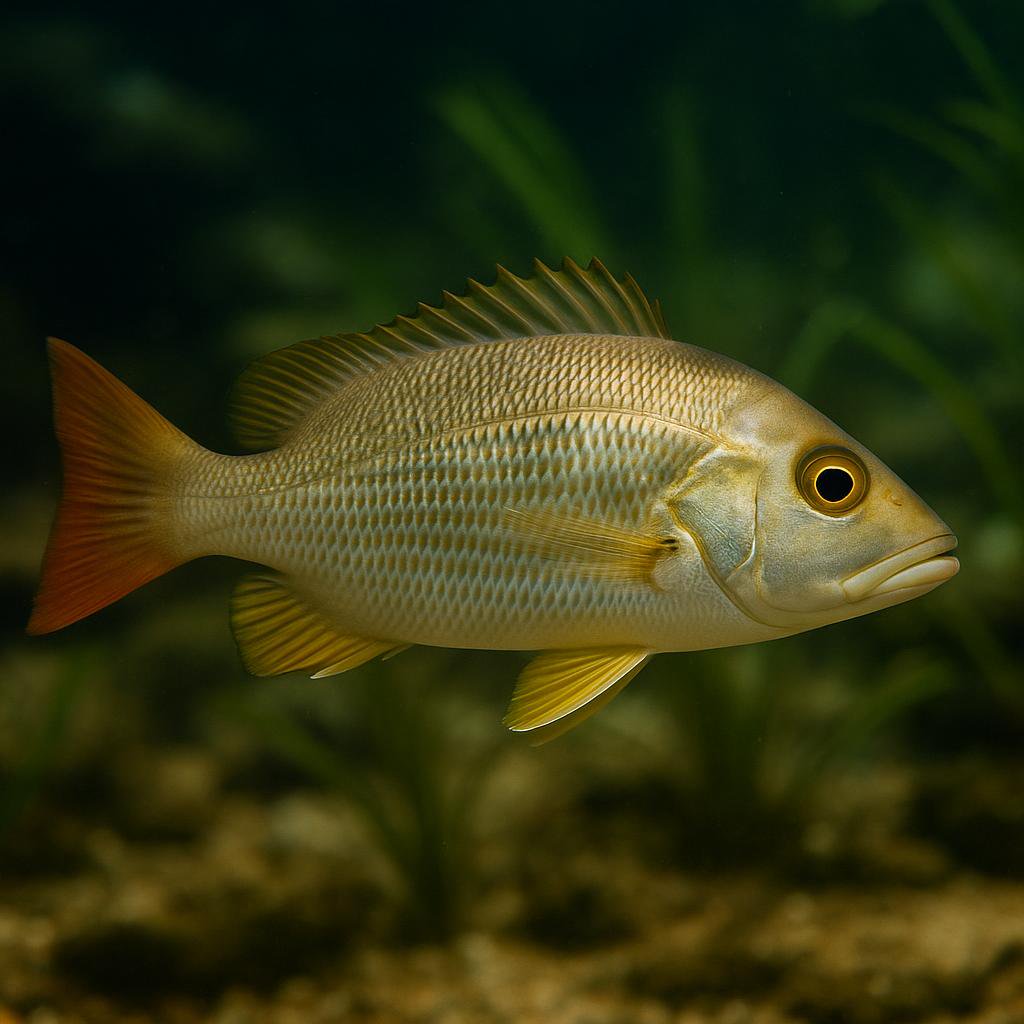
Lutjanus agennes
This is a true snapper from West Africa - a big, fast-growing predator that goes from coastal reefs to brackish lagoons and estuaries (especially as a juvenile). Super cool fish in the wild, but it gets absolutely huge and will eat smaller tankmates once it has the mouth for it, so its really more of a public-aquarium scale animal than a home-aquarium fish.
Allis shad
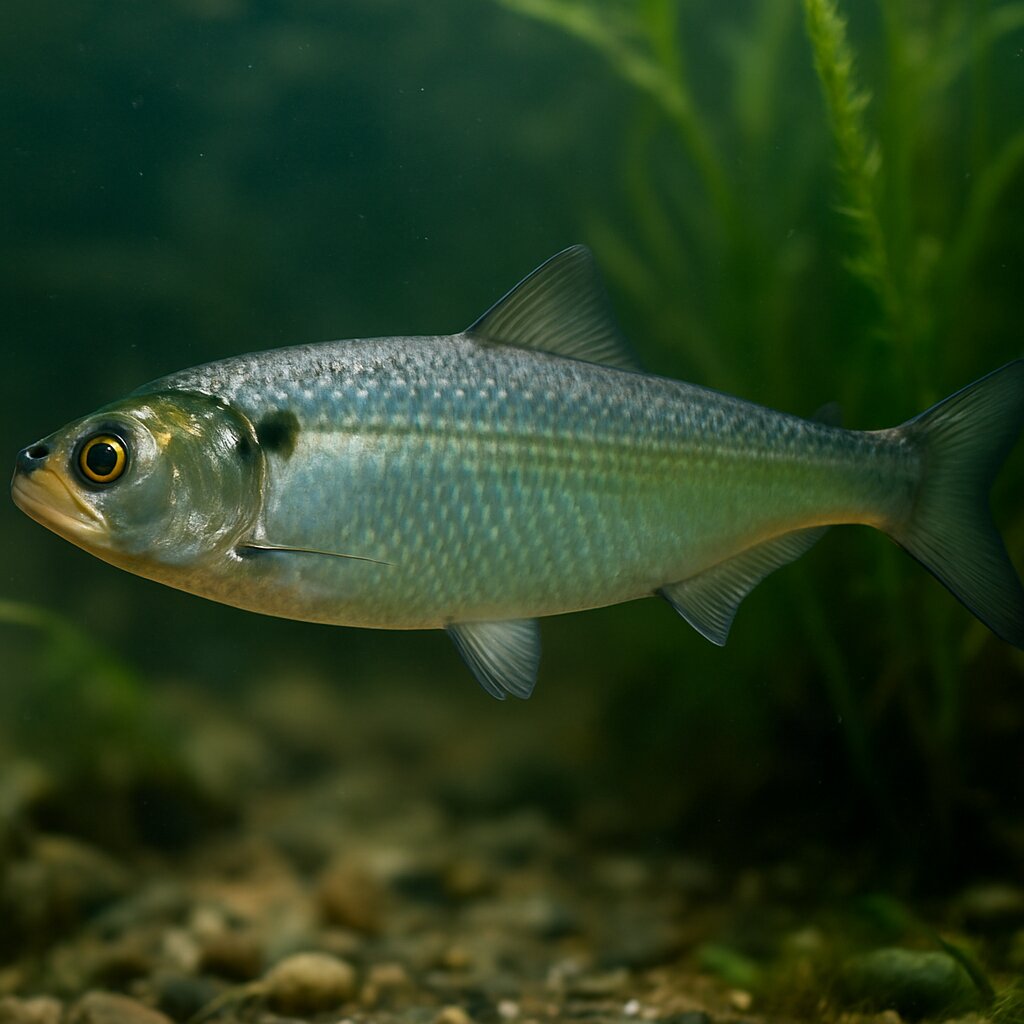
Alosa alosa
Gorgeous silver, fast-swimming shad that spends most of its life in the sea and then surges up big rivers in noisy, surface-spawning schools. It grows huge for a herring-type fish and needs cool, ultra-oxygenated water and tons of open space, so it is a public-aquarium species rather than a home tank fish.
Annandale's zebra sole
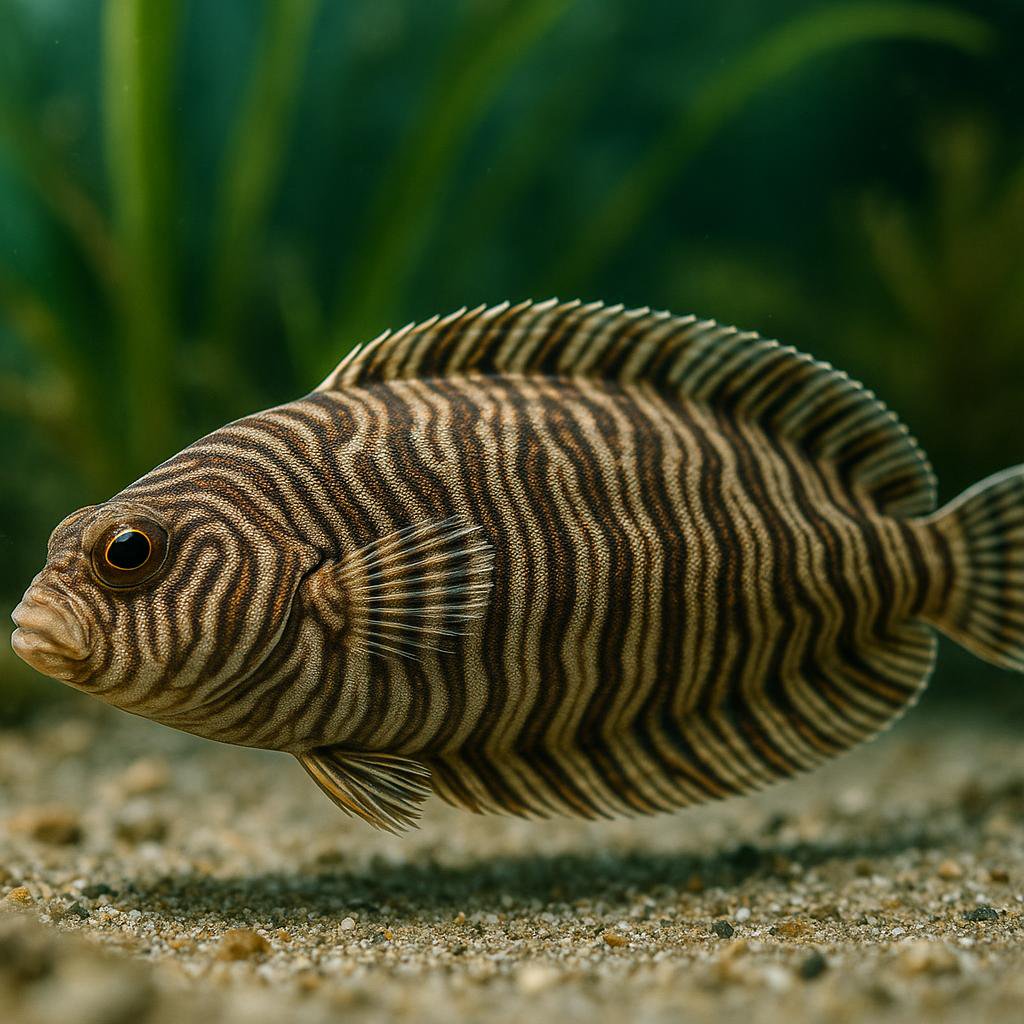
Zebrias annandalei
Zebrias annandalei is a small demersal sole from coastal India that inhabits sandy or muddy bottoms and buries for camouflage. It is rarely kept in home aquaria and would require a specialized marine sand-bottom setup and appropriate feeding.
Australian sawtail catshark
Figaro boardmani
Figaro boardmani is a small, deepwater Australian catshark with these cool saw-like ridges of spiny denticles along the tail and a neat pattern of dark saddle bands. It lives way down on the outer continental shelf and slope, so its natural water is cold, dim, and stable - totally not a typical home-aquarium fish. Diet-wise its a predator that goes after fish, crustaceans, and cephalopods.
Looking for other species?