

Rajagopalan's razorfish
Xyrichtys rajagopalani
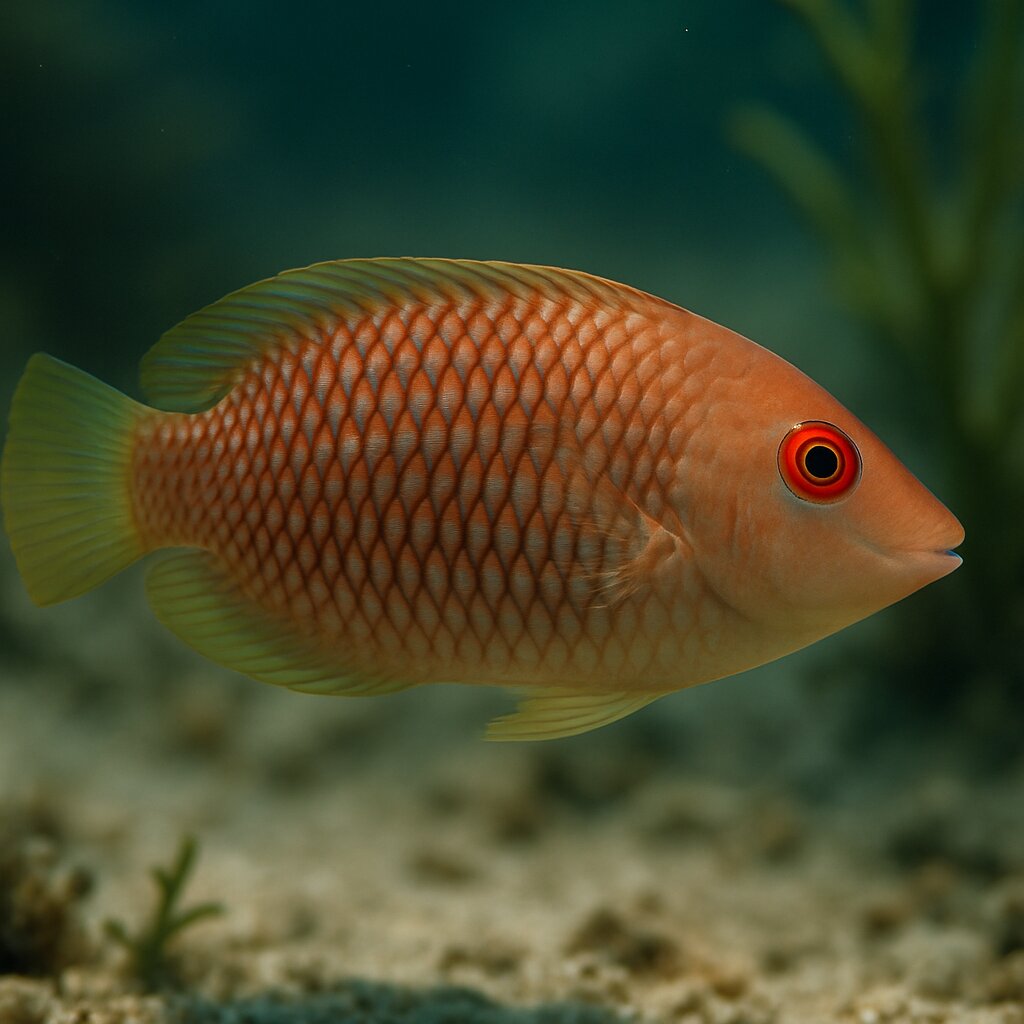
Rajagopalan's razorfish exhibits a slender body with distinctive yellow and blue markings, and a prominent elongated dorsal fin.
This page includes AI-generated images. Why am I seeing AI images?
About the Rajagopalan's razorfish
A sandy-bottom wrasse from south India, this razorfish does the classic dive-and-disappear move, vanishing into the sand in a blink when spooked. Adults top out around 7-8 inches and show striking scarlet tones with little yellow spotting on the tail, so they really pop in a bright marine setup. Give it a deep, soft sand bed and a tight lid, because these guys are sand-burrowers and enthusiastic jumpers.
Quick Facts
Size
19 cm
Temperament
Semi-aggressive
Difficulty
Advanced
Min Tank Size
79 gallons
Lifespan
5-8 years
Origin
Indian Ocean - South Asia
Diet
Carnivore - meaty frozen foods like mysis and brine, finely chopped seafood
Water Parameters
22-26°C
8.1-8.4
8-20 dGH
Need a heater for this species?
This species needs 22-26°C in a 79 gallon tank. Use our heater calculator to find the right wattage.
Calculate heater sizeCare Notes
- Give it a 75+ gal tank with a big open sand runway and 3-4 inches of fine sugar-grain aragonite; crushed coral will damage it when it dives.
- Use a tight mesh lid and release it over the sand with lights dimmed, using a specimen container instead of a net to avoid scale damage.
- Keep temp 76-80 F, salinity 1.024-1.026, pH 8.1-8.4, zero ammonia/nitrite, and nitrate under 20 ppm; these guys hate swings, so aim for rock-solid stability.
- Start it on live foods and pods, then transition to enriched mysis, chopped clam, and small crustaceans; do 2-3 small feedings a day and target-feed near the sand with a tube or pipette.
- Quarantine in a bin or tank with a dedicated 3 inch sand tray; run praziquantel for flukes and if you must use copper, go slow and keep it on the gentle side or they will go off food.
- Peaceful tankmates only; skip triggers, large wrasses, tuskfish, and puffers, and expect it to snack on tiny shrimp and fan worms even if it leaves corals alone.
- They spook and dive, so put powerheads higher and shield intakes to avoid sand storms and sand getting sucked in.
- Breeding is basically a no-go at home; like many wrasses they are protogynous and spawn in the water column at dusk, so just keep a single fish.
Compatibility
Good Tankmates
- Mid-size tangs like kole, tomini, or convict - fast grazers that ignore the razorfish and do fine with its semi-spicy attitude
- Fairy or flasher wrasses that sleep in the rockwork - they stay midwater and do not compete for the sand bed
- Chunky clownfish pairs (ocellaris, percula, clarkii types) - hold their own without poking around the razorfish's turf
- Foxface rabbitfish - calm, algae-focused, and too big to be hassled
- Groups of anthias or chromis as busy midwater dithers - give the razorfish confidence and stay out of its way
Avoid
- Other burying wrasses and razorfish like dragon wrasse or Xyrichtys cousins - they scrap over sand real estate
- Timid dartfish and firefish - easily spooked and get chased into hiding
- Seahorses, pipefish, or mandarins - slow, pod-hunting fish that get outcompeted and stressed
- Mean damsels or feisty dottybacks - they tend to pin a razorfish in the sand and make it go off food
Where they come from
Rajagopalan's razorfish is a sand-diving wrasse from clear, shallow Indian Ocean reefs, usually over clean, open sand with scattered rubble and bits of seagrass. Think gentle surf zones and sandy flats where they can dart and disappear in a heartbeat.
This species is rarely collected and often confused with other Xyrichtys razorfish. Care is similar across the group, so the setup and feeding advice below still applies.
Setting up their tank
Give them sand first, everything else second. They live in it, sleep in it, and dive into it when spooked. No sand, no razorfish.
- Tank size: 75+ gallons for a single fish. They use floor space more than height.
- Sand bed: 3-5 inches of fine, soft sand (0.5-1 mm grain). Coarse sand or crushed coral will scrape them up.
- Aquascape: Open sandy runway with a few rock islands. Leave a big patch of unobstructed sand at the front.
- Flow and light: Moderate flow with calmer zones near the sand. Lighting can be reef-bright or modest; they do not need intense light.
- Lid: Tight, snug, escape-proof. These fish launch like missiles during spooks or dusk.
- Mature system: Add them to a stable, established tank (6+ months) so the sandbed has microfauna. They settle faster and pick naturally.
They bury at full speed. Frag plugs near the sand will get blasted. Keep delicate corals on rockwork and stable.
Acclimation goes best with the lights dim. Use a specimen box or clear container to release them right over the sand. Avoid nets; their scales and jaws snag easily. A wide cup is safer.
What to feed them
Wild razorfish hunt tiny crustaceans and worms. New arrivals rarely recognize pellets. Plan on meaty, moving foods and patience.
- Starter foods: Live blackworms, live pods, enriched adult brine (as a bridge), frozen mysis (small grade), Calanus, finely chopped clam or shrimp, fish eggs (Nutramar Ova works wonders).
- Routine: 2-4 small feedings spread through the day at first. They have small stomachs and spook mid-meal.
- Targeting: Use a feeding tube or baster and drop food just up-current of their favorite sand patch. They key in on falling food.
- Transition: Mix a few high-quality micro-pellets with frozen once they are eating well. Some will take them, some never do.
If a new fish will not eat, try offering food right after it emerges from the sand in the morning. They are boldest then.
How they behave and who they get along with
Skittish, fast, and very sand-centric. They spend bursts of time cruising low over the bottom, then vanish like a magic trick. Expect them to bury at the slightest surprise, including your shadow.
- Best tankmates: Peaceful to moderately peaceful fish that ignore the sand zone - chromis, dartfish, jawfish, small fairy/flasher wrasses that are not bullies, peaceful gobies.
- Questionable: Other sand specialists (goatfish, some wrasses) that compete for the same food lane.
- Avoid: Aggressive wrasses, triggers, large hawkfish, dottybacks, and anything that patrols the sand hard. Boisterous tanks keep them buried.
- Inverts: They will snack on tiny crustaceans. Small ornamental shrimp are at risk; larger cleaner shrimp sometimes coexist but it is a gamble. Snails are usually fine.
Keep one per tank unless you have a very large footprint and can add a confirmed pair at the same time. Lone individuals settle better and spend more time out.
Breeding
Like other wrasses, they are protogynous and spawn in the water column at dusk. Sex change and pairing happen in the wild, but home breeding has not been pulled off in hobby tanks. If you ever keep a pair, give them a huge sand flat and low-stress neighbors, and watch the dusk dance. That is about as far as it goes for us.
Common problems to watch for
- Refusal to eat: The big hurdle. Start with movement-heavy or live foods and feed small portions often. Keep traffic down around the tank the first week.
- Injuries from substrate: Coarse sand scrapes their face and flanks during dives. Fine sand solves 90% of this.
- Jumping: Any spook can send them airborne. Check every gap in the lid, including around cables.
- Shipping stress and parasites: They are prone to velvet/ich after import. Quarantine with a container of fine sand so they can bury. Prazipro for flukes is usually well-tolerated; copper can be used with monitoring.
- Hiding all day: Often means bullying, too much commotion, or overly bright, open tanks without a calm zone. Add cover islands and dial back foot traffic for a week.
- Sand storms: Very fine sugar sand can blow around with their dives and your flow. Aim powerheads higher and keep the calm zone near the front.
Do not try this fish without a proper sand bed and a tight lid. Those two things make or break your odds.
Quarantine trick: Place a deli cup filled with rinsed fine sand in the bare-bottom QT. Swap the cup every few days for cleaning. It gives them security without turning the QT into a sand pit.
Similar Species
Other marine semi-aggressive species you might be interested in.
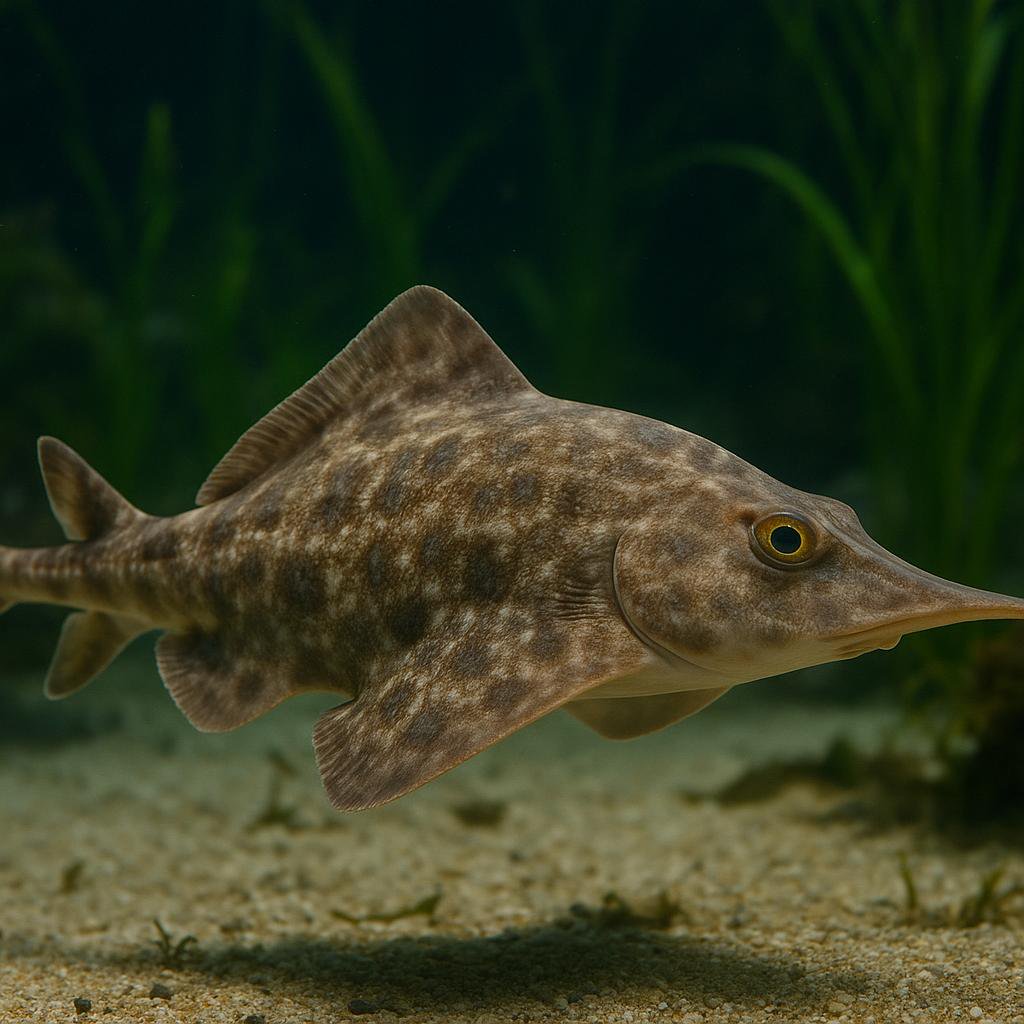
Aleutian skate
Bathyraja aleutica
This is a big, cold-water deep-slope skate from the North Pacific that cruises muddy bottoms and eats chunky benthic prey like crabs and shrimp. The really cool bit is its egg-laying skate life - it does distinct pairing (the classic skate "embrace") and drops those tough egg cases on the seafloor. Not an aquarium fish at all unless you're basically running a public-aquarium-style chilled system.
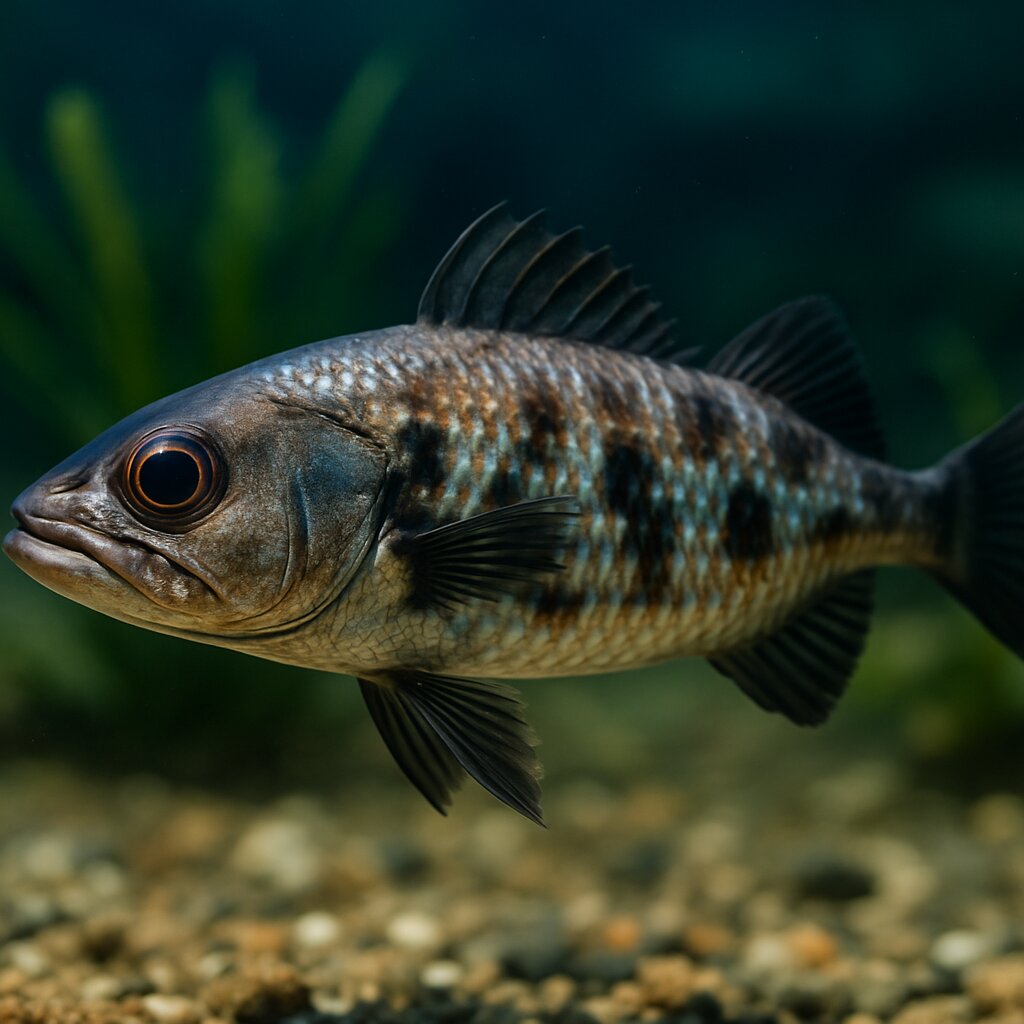
Antarctic dragonfish
Vomeridens infuscipinnis
Deep down around Antarctica, this sleek dragonfish cruises the water column like a little submarine, nearly neutrally buoyant so it can hover above the seafloor. It munches almost exclusively on Antarctic krill and lives in near-freezing water 500-800 m down, so it is a cool species to read about, not one for home tanks.
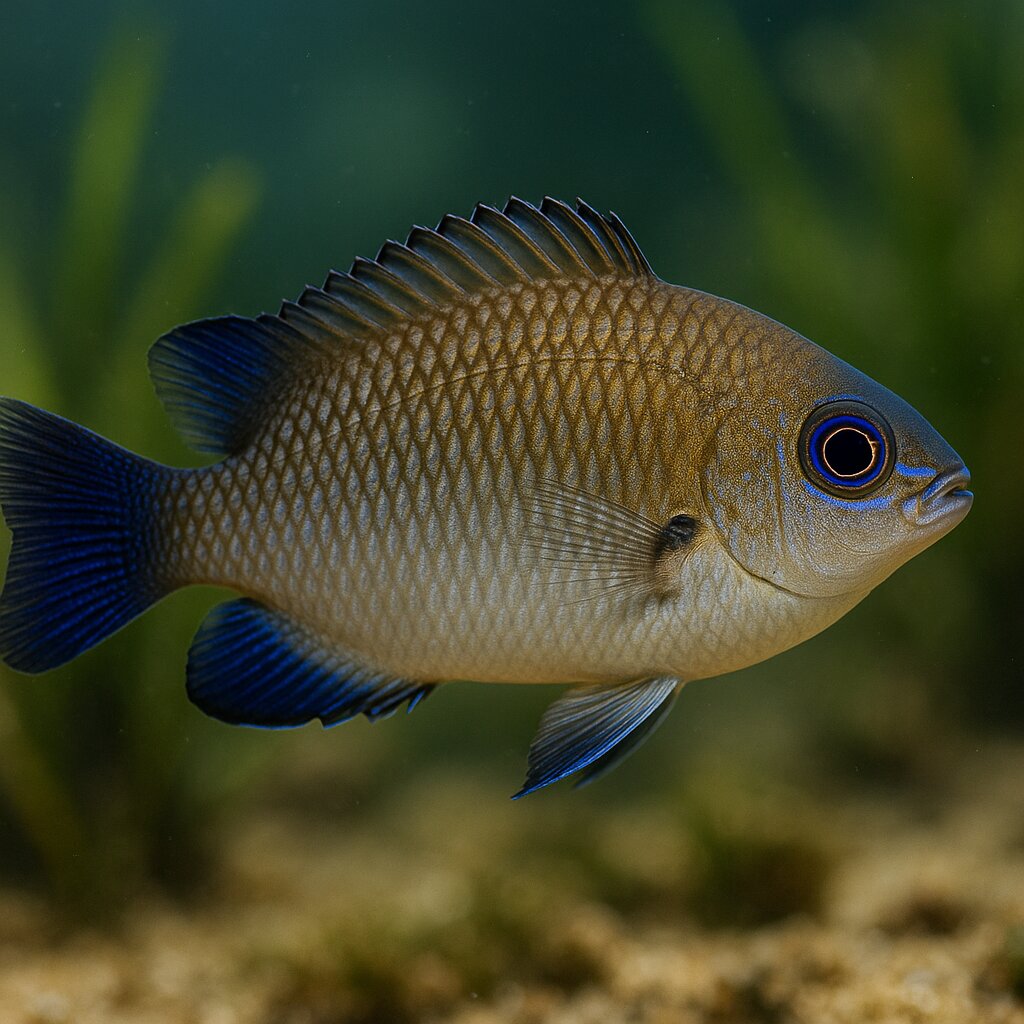
Arabian demoiselle
Neopomacentrus sindensis
A small lyretail damsel from the Persian Gulf and Arabian Sea, it hangs in loose groups around coral heads, rocks, and even pier pilings picking zooplankton from the flow. Think classic damsel toughness with a slightly milder attitude than the real bruisers, plus subtle yellow tail accents. Males clean a patch, get a mate to lay eggs there, and then stand guard fanning the clutch.
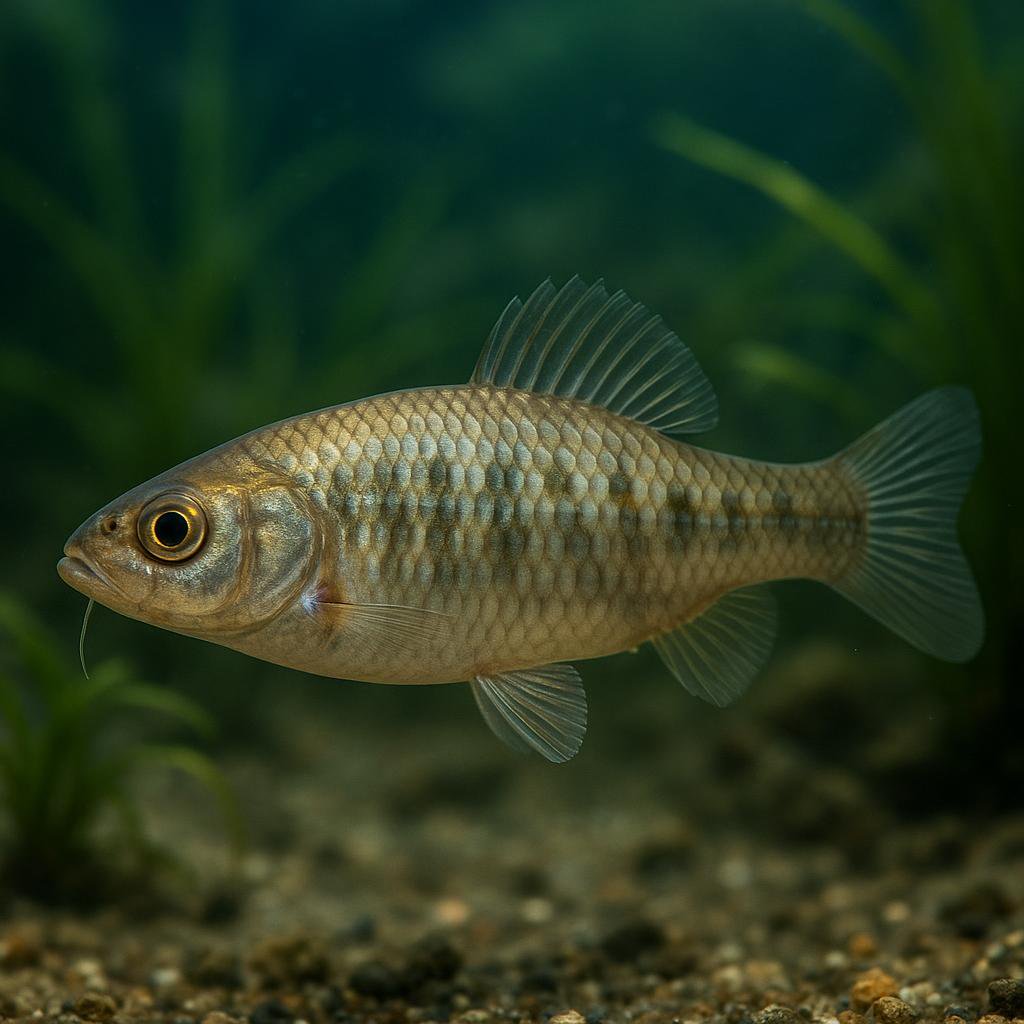
Arabian spiny eel
Notacanthus indicus
Notacanthus indicus is a deep-sea spiny eel (family Notacanthidae; not a true eel) known from the Arabian Sea on the continental slope at roughly ~960–1,046 m depth, with reported maximum length around 20 cm TL; it is a deep-water bycatch species and not established in the aquarium trade.
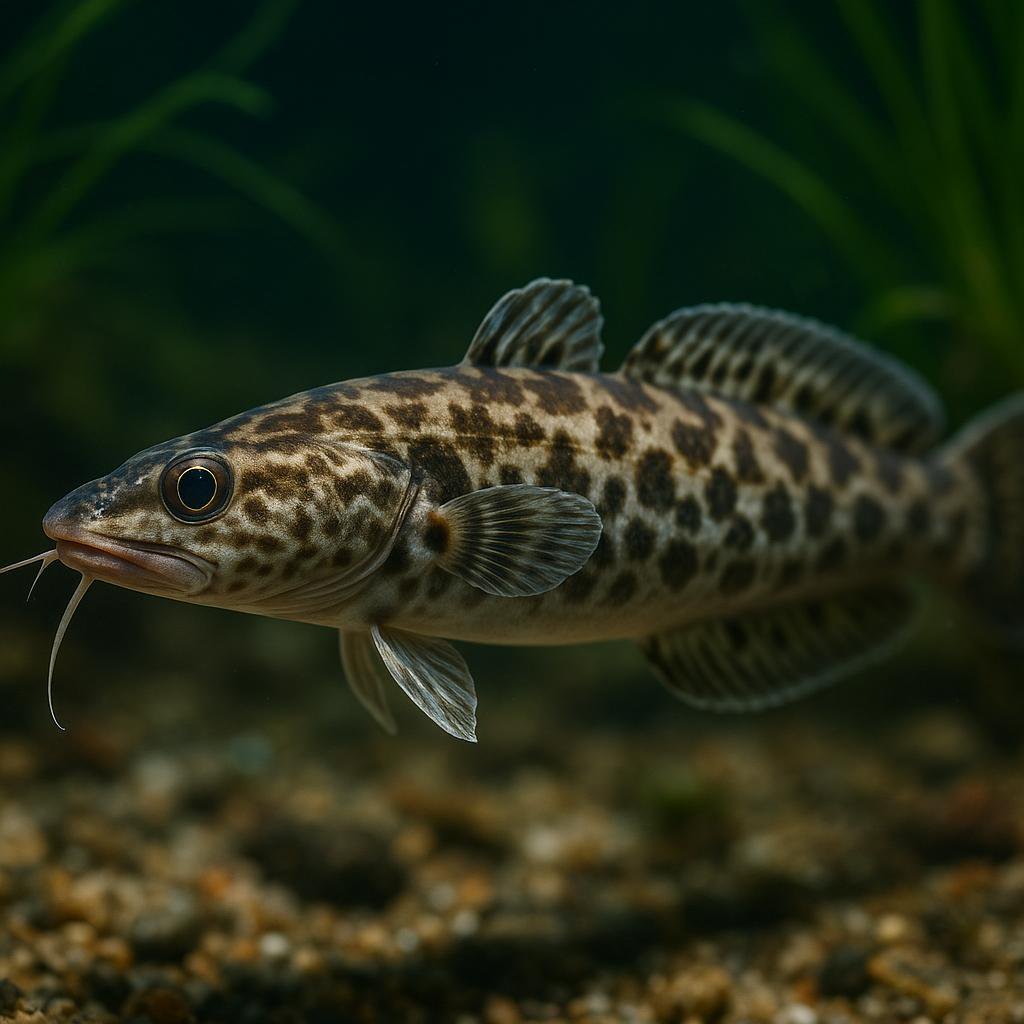
Arctic rockling
Gaidropsarus argentatus
This is a deepwater North Atlantic rockling (a cod relative) that hangs out on soft bottoms way down the slope. It is a cold-water, bottom-hugging predator that snoots around for crustaceans and will also take small fish when it gets the chance.
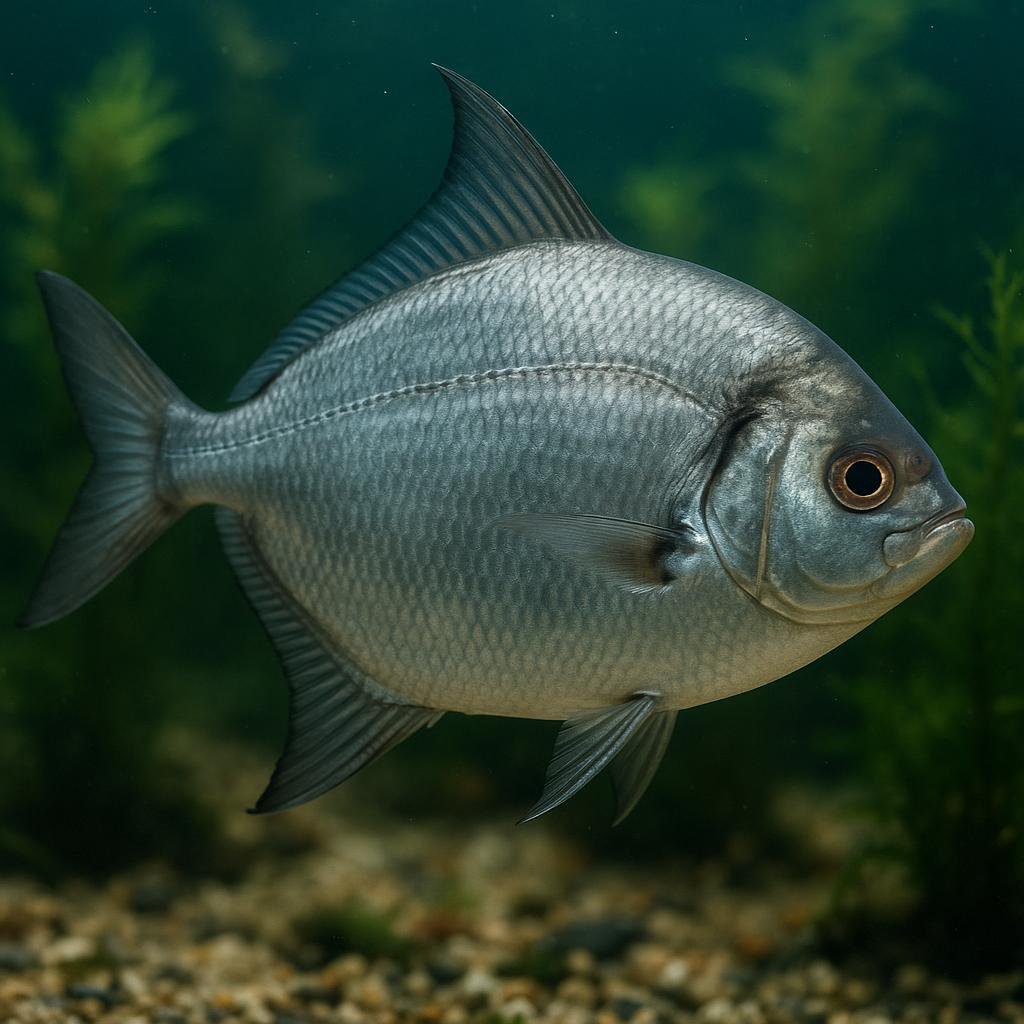
Atlantic pomfret
Brama brama
Brama brama is the Atlantic pomfret (aka Ray's bream) - a deep-bodied, open-ocean pelagic fish that cruises around in small schools and follows water temps. It is a legit big, wild marine species (not an aquarium fish) that eats other small sea critters like fish and squid, and it ranges across a huge chunk of the Atlantic plus parts of the Indian and South Pacific.
More to Explore
Discover more marine species.
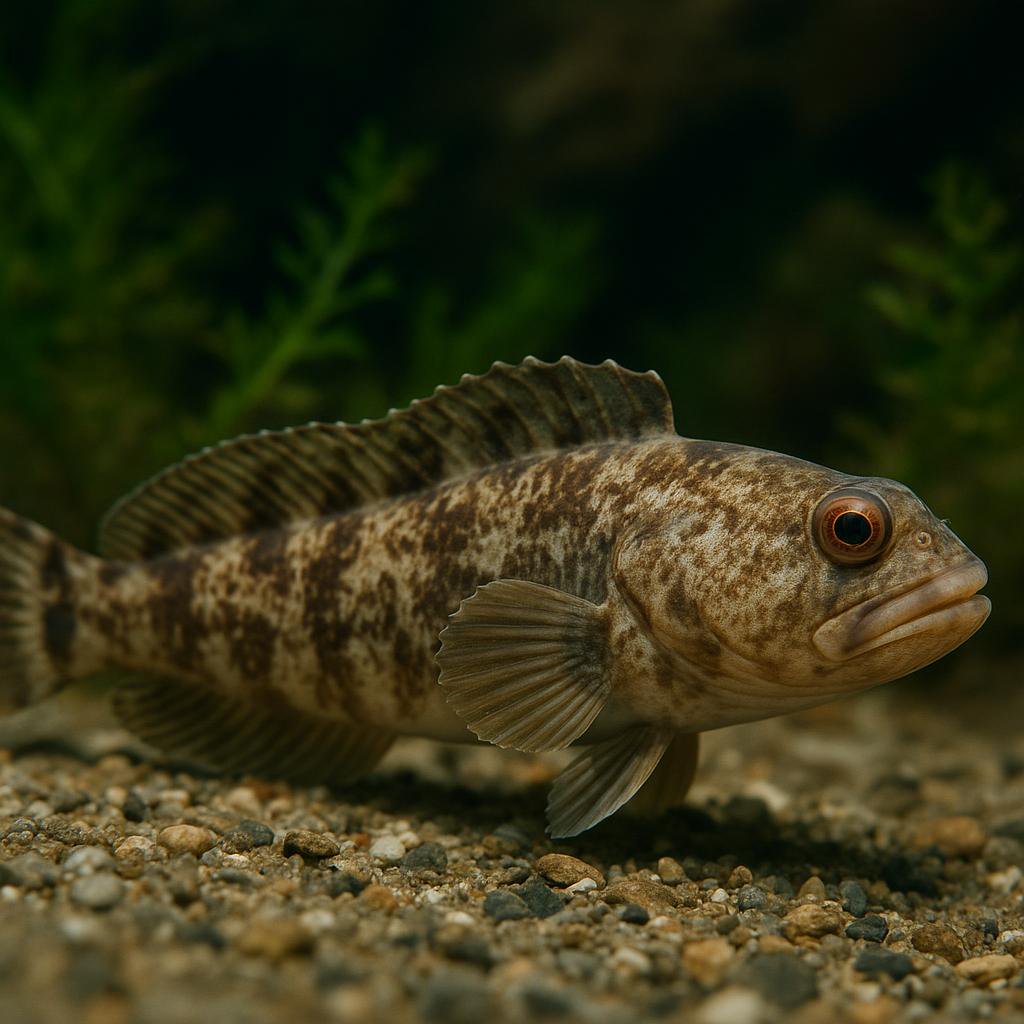
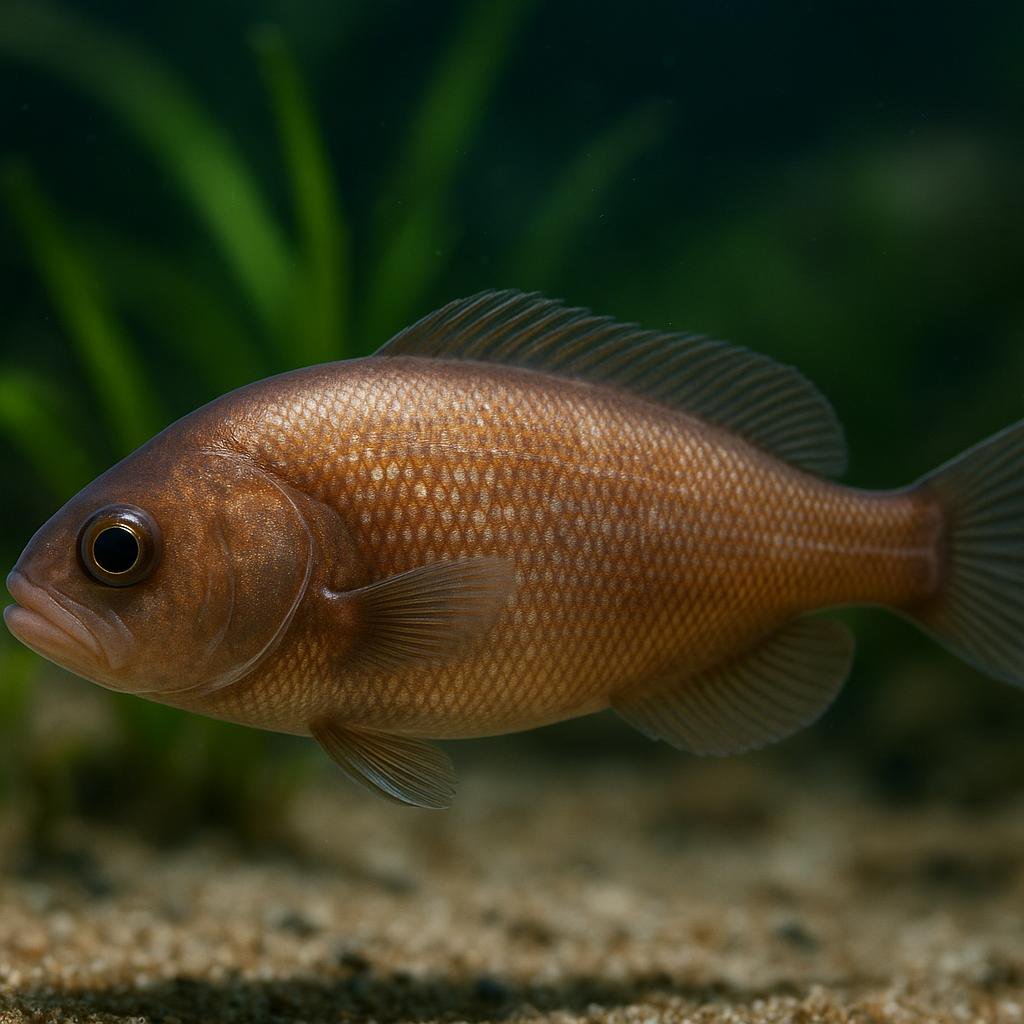
Abe's eelpout
Japonolycodes abei
Japonolycodes abei is a temperate, deepwater demersal eelpout (family Zoarcidae) endemic to Japan (Kumano-nada Sea reported; other sources also report Sagami Bay and Tosa Bay). It is the only species in the genus Japonolycodes and occurs roughly 40-300 m depth, making it an uncommon/atypical aquarium species.
Affinis blind cusk-eel
Barathronus affinis
Barathronus affinis is a tiny, super-weird deep-sea blind cusk-eel from the western-central Indian Ocean. It is one of those gelatinous, loose-skinned brotula-type fishes that live way down in the dark and are basically never seen alive, so almost everything we know comes from preserved specimens and taxonomic work.
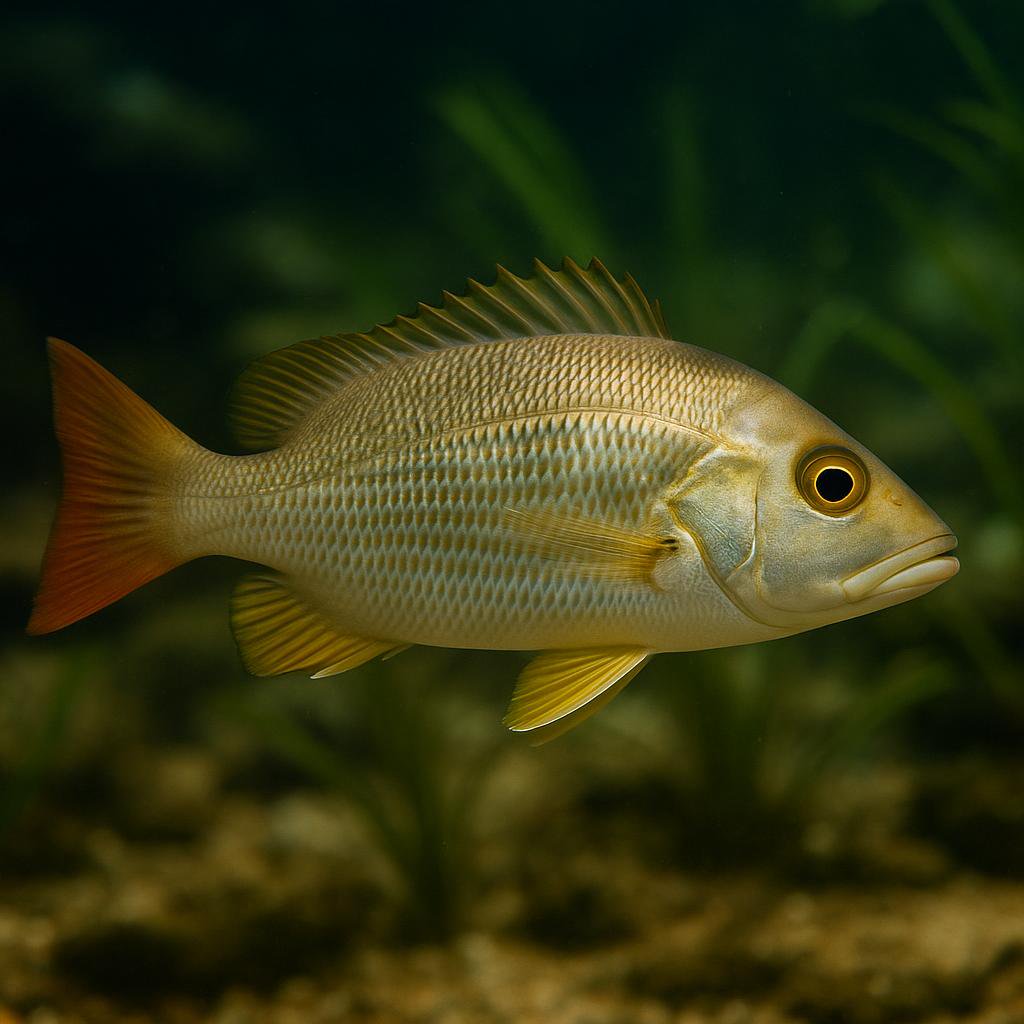
African red snapper
Lutjanus agennes
This is a true snapper from West Africa - a big, fast-growing predator that goes from coastal reefs to brackish lagoons and estuaries (especially as a juvenile). Super cool fish in the wild, but it gets absolutely huge and will eat smaller tankmates once it has the mouth for it, so its really more of a public-aquarium scale animal than a home-aquarium fish.
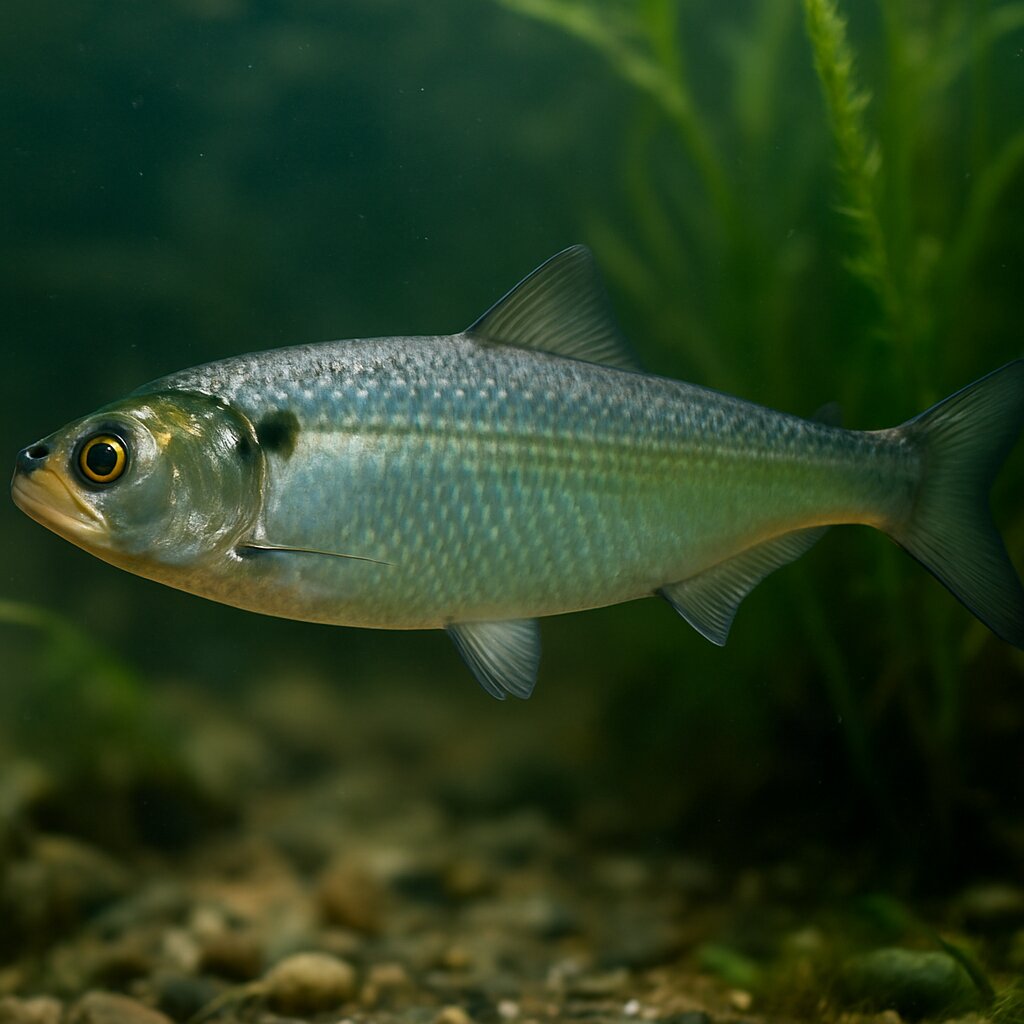
Allis shad
Alosa alosa
Gorgeous silver, fast-swimming shad that spends most of its life in the sea and then surges up big rivers in noisy, surface-spawning schools. It grows huge for a herring-type fish and needs cool, ultra-oxygenated water and tons of open space, so it is a public-aquarium species rather than a home tank fish.
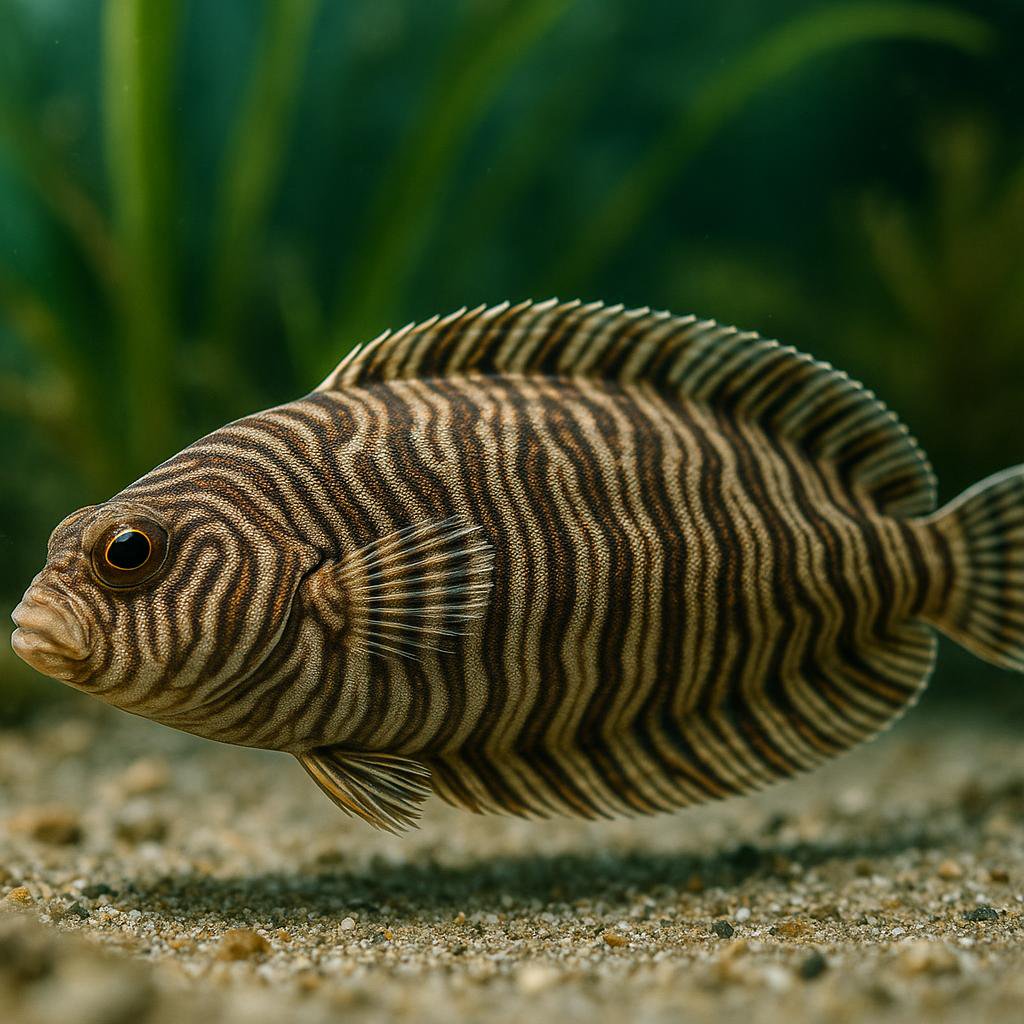
Annandale's zebra sole
Zebrias annandalei
Zebrias annandalei is a small demersal sole from coastal India that inhabits sandy or muddy bottoms and buries for camouflage. It is rarely kept in home aquaria and would require a specialized marine sand-bottom setup and appropriate feeding.
Australian sawtail catshark
Figaro boardmani
Figaro boardmani is a small, deepwater Australian catshark with these cool saw-like ridges of spiny denticles along the tail and a neat pattern of dark saddle bands. It lives way down on the outer continental shelf and slope, so its natural water is cold, dim, and stable - totally not a typical home-aquarium fish. Diet-wise its a predator that goes after fish, crustaceans, and cephalopods.
Looking for other species?