

Roundtail duckbill
Bembrops greyi
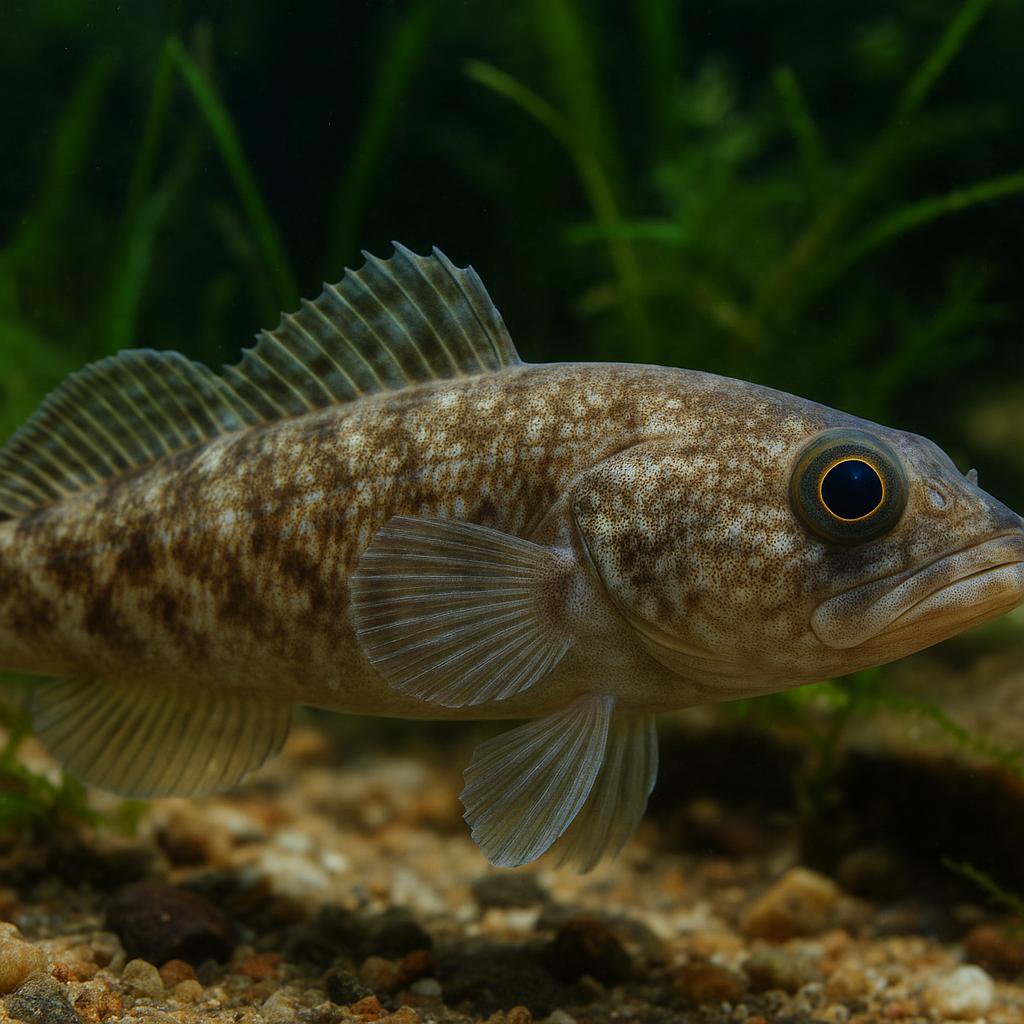
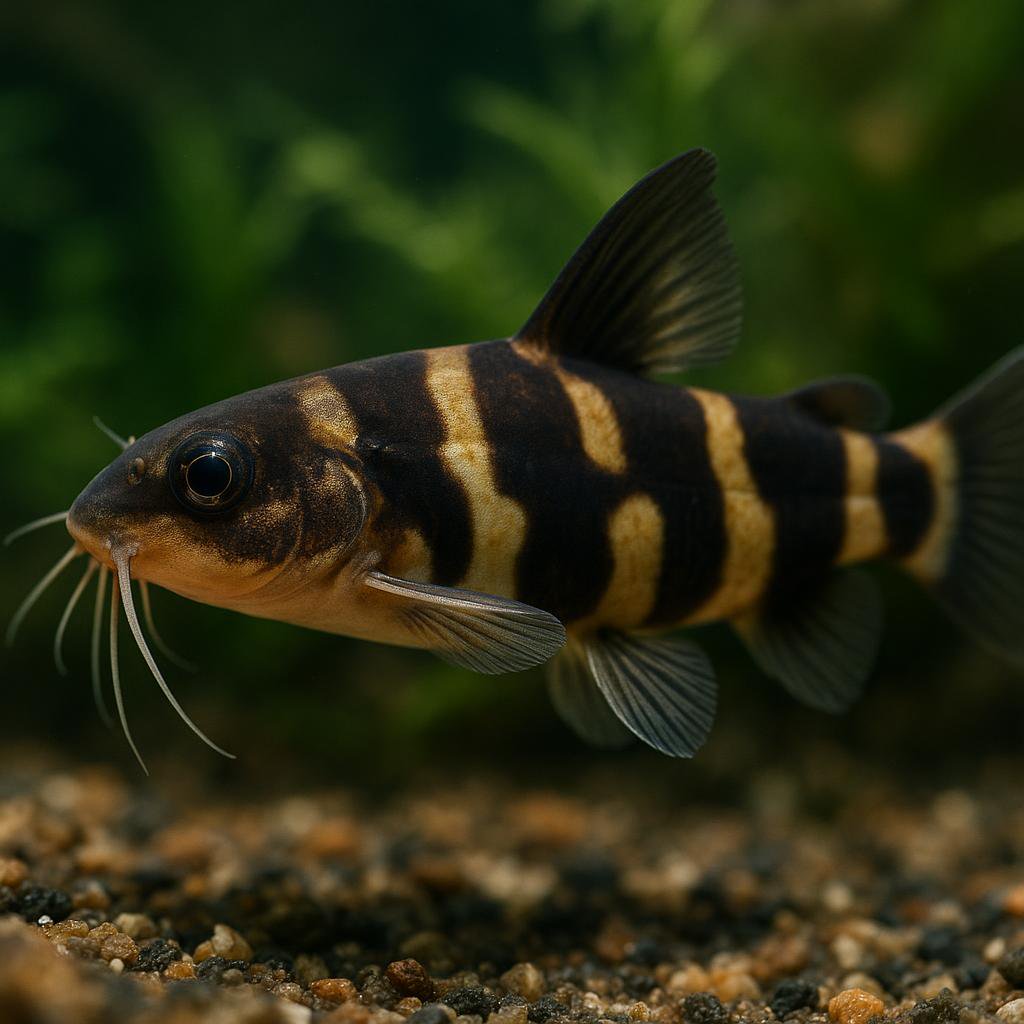
The Roundtail duckbill features a flattened body, vibrant yellow and blue markings, and a broad tail fin adapted for agile swimming.
This page includes AI-generated images. Why am I seeing AI images?
About the Roundtail duckbill
The roundtail duckbill (Bembrops greyae) has the classic duckbill appearance with its broad, flattened head and a mouth designed for catching prey. Its natural home is way down on the slope, so its care is basically "public-aquarium only" rather than something that realistically fits a normal home setup.
Also known as
Quick Facts
Size
25 cm TL
Temperament
Semi-aggressive
Difficulty
Expert
Min Tank Size
300 gallons
Lifespan
unknown
Origin
Eastern Central Atlantic (Gulf of Guinea / Guinea region)
Diet
Carnivore - meaty foods (fish/crustaceans), predatory bottom-feeder
Water Parameters
6-14°C
7.8-8.4
8-12 dGH
Need a heater for this species?
This species needs 6-14°C in a 300 gallon tank. Use our heater calculator to find the right wattage.
Calculate heater sizeCare Notes
- Give it a big, long tank with open sand and scattered rock ledges - they like to sit and lunge, not weave through tight coral branches. A tight lid helps because they can spook and launch when lights click on.
- Keep salinity stable and provide strong filtration; ensure open sandy areas over soft substrate. Species-specific captive parameters (including exact SG and pH tolerances) are poorly documented for Bembrops greyae/greyi; avoid presenting precise numbers unless supported by a citation.
- Feed meaty marine stuff: chopped shrimp, squid, clam, and good frozen carnivore mixes; mine did best on smaller portions 3-5x/week rather than one huge dump. Use tongs or a feeding stick so food actually reaches it before faster fish steal everything.
- Do not trust it with small fish or tiny shrimp - anything that fits in the mouth is food, especially at dusk. Best tankmates are larger, confident fish that will not nip fins, like bigger wrasses, tangs, or rabbitfish.
- Avoid fin-nippers and hyper bullies (dottybacks, triggers, some large damsels) because the duckbill tends to sulk and stop eating when harassed. Also skip keeping two unless the tank is huge - they do not always tolerate a second ambush predator parked in the same zones.
- Watch for starvation in a busy community tank: sunken belly means it is losing the food race, not that it is being picky. If it is new, start with live or very fresh thawed foods to trigger the strike, then wean onto frozen chunks.
- Breeding in home tanks is basically a lottery - they are pelagic spawners in the wild and you are unlikely to see anything beyond occasional spawning behavior. If you ever see eggs, plan on them being swept into filtration fast unless you are running a dedicated larval setup.
Compatibility
Good Tankmates
- Medium-to-larger peaceful reef fish that can hold their own - think tangs and rabbitfish (not tiny juveniles). The duckbill tends to ignore them once everybody is settled.
- Bigger wrasses (Halichoeres-type) that are active and not easily bullied. They stay out in the water column and dont sit around looking like a snack.
- Sturdy, semi-chill angels like a one-spot foxface-sized dwarf angel is iffy, but the larger Centropyge and especially the bigger angels usually do fine if the tank has space and rockwork.
- Hawkfish (flame or longnose) - they have that same tough attitude and dont get intimidated. Just expect some posturing early on, then they sort it out.
- Squirrelfish and soldierfish - similar vibe: bigger-bodied, not delicate, and they dont hover right in the duckbills face. Night-active buddies can work well in a roomy tank.
- Bigger dottybacks (like a large orchid or springeri) only if the tank is roomy and there are lots of bolt-holes. They can scrap, but size and territory matter more than the species name here.
Avoid
- Small peaceful fish like clown gobies, trimma/eviota gobies, small dartfish, and tiny blennies - these are the classic 'it fit in the mouth yesterday' problem. Duckbills are ambush hunters and will eventually test anything bite-sized.
- Slow, floaty, fancy-finned stuff like marine bettas, longfin cardinals, and sleepy mandarins - not because the duckbill always murders them, but because it will harass and outcompete them and may take a shot at night.
- Aggressive territorial bruisers like triggerfish (especially clowns, queens), big mean damsels, and most larger dottybacks in tight quarters - they will stress the duckbill nonstop or start a rockwork war.
- Other ambush predators in the same niche - scorpionfish, waspfish, stonefish, and similar sit-and-wait hunters. They either compete hard for the same caves or somebody gets nailed during a feeding frenzy.
Where they come from
Roundtail duckbills (Bembrops greyae) are one of those oddball marine predators that show up from deeper coastal waters. Think dimmer light, cooler and more stable conditions, and a life built around ambushing whatever swims too close. They are not a typical reef fish, and they do not act like one either.
If your local shop sells this as a "hardy oddity" for a regular reef tank, be skeptical. Most problems people have with duckbills start with a tank that is too bright, too busy, or too warm.
Setting up their tank
Give them space and calm. I have had the best luck treating them like a sit-and-wait predator that wants cover, low stress, and steady water. They spend a lot of time perched or resting, then explode into motion when food shows up.
- Tank size: bigger is better. I would not bother under 125 gallons, and 180+ makes life easier.
- Aquascape: open sand or low rock with lanes to cruise, plus a few caves or overhangs to park under.
- Flow: moderate. You want oxygenation, but not a constant sandstorm blasting their face.
- Lighting: they do fine in subdued lighting. If you run reef-bright lights, give them shaded zones.
- Cover: tight lid. They can launch when startled, especially during feeding.
Skip tiny cleanup crew fish and decorative shrimp. If it fits in their mouth, assume it will eventually disappear.
Stability matters more than chasing numbers. Keep salinity steady, keep ammonia and nitrite at zero, and do not let nitrate creep into "old tank soup" territory. These fish are less forgiving of sloppy maintenance than your average hardy community marine fish.
What to feed them
They are predators, and they want meaty foods. The trick is getting them onto prepared frozen instead of depending on live feeders. Once they recognize tongs as the dinner bell, feeding gets a lot less stressful.
- Best staples: thawed silversides, chunks of marine fish, squid, octopus, and shrimp (as a mix, not the only food).
- Good variety: clam, scallop, and other marine shellfish meat in small chunks.
- Avoid: freshwater feeder fish. It is a nutrition mess long-term and brings disease risk.
- Feeding schedule: smaller portions 2-3 times a week beats one huge binge that pollutes the tank.
Use long feeding tongs and wiggle the food like it is alive. I usually start with something smelly (squid or shrimp), then rotate in fish chunks once they are taking confidently.
Watch your fingers. A duckbill strike is fast and they do not do "gentle." Always use tongs, especially once they learn you = food.
How they behave and who they get along with
Most of the time they look lazy, then suddenly they are not. They are not usually a nonstop bully, but they are absolutely opportunistic. Anything small enough gets treated like a snack, and slow fish that hover near their face are asking for trouble.
- Good tankmates: larger, confident fish that do not fit in their mouth and are not fin-nippers.
- Bad tankmates: tiny fish, ornamental shrimp/crabs, and aggressive pickers that stress them out.
- Risky: long-finned slow movers (they can get mouthed), and overly boisterous feeders that outcompete them.
Feeding time is where most drama happens. If you keep them with other predators, target feed the duckbill first or at least distract the others. A duckbill that misses meals tends to get bolder about "sampling" tankmates.
Breeding tips
Breeding this species in home aquariums is basically a long shot. They come from deeper-water habits, and even if you ended up with a male and female, getting natural courtship, spawning, and larval rearing going is not something most hobbyists can realistically pull off.
If you ever see repeated pairing behavior or spawning activity, document it. Photos, dates, temperature, feeding, and lighting. Even "failed" observations are useful with rare fish like this.
Common problems to watch for
Most losses trace back to three things: stress from a chaotic tank, refusing food (or only taking junk food), and shipping damage leading to infections. These are not forgiving fish, so you want to catch issues early.
- Not eating: often tied to bright lights, too much activity, or being outcompeted. Dim the tank, add cover, and try tong-feeding at the same spot.
- Mouth injuries: they can bash their snout on rock or glass during startled dashes. Give them clear swimming lanes and reduce sudden light changes.
- Parasites and bacterial issues after purchase: quarantine if you can, and do not rush them into a busy display.
- Water quality swings: big salinity or temperature shifts hit them hard. Top off consistently and do smaller, steady water changes.
If they start breathing heavy, parking in the open, or acting "spooked" for no reason, check oxygenation and ammonia first. This is not a fish that hides problems for long.
Similar Species
Other marine semi-aggressive species you might be interested in.
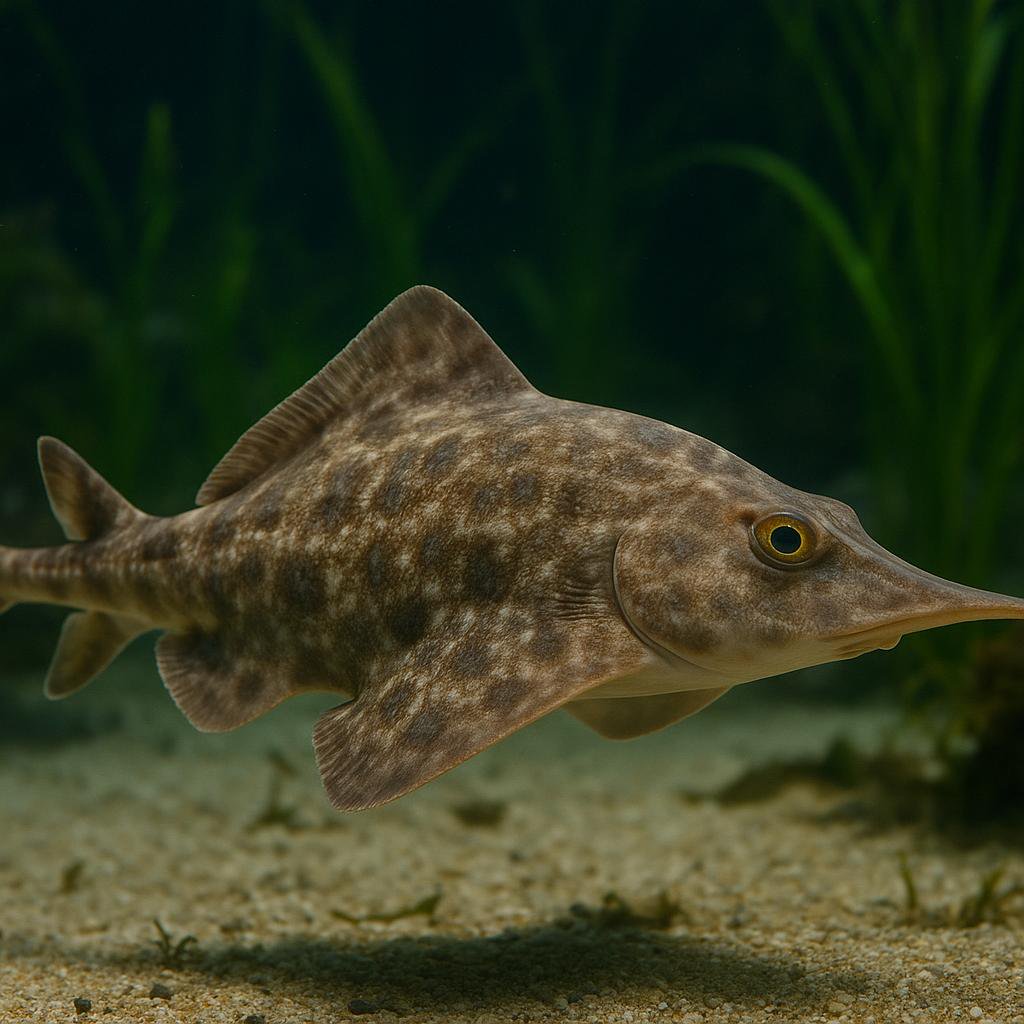
Aleutian skate
Bathyraja aleutica
This is a big, cold-water deep-slope skate from the North Pacific that cruises muddy bottoms and eats chunky benthic prey like crabs and shrimp. The really cool bit is its egg-laying skate life - it does distinct pairing (the classic skate "embrace") and drops those tough egg cases on the seafloor. Not an aquarium fish at all unless you're basically running a public-aquarium-style chilled system.
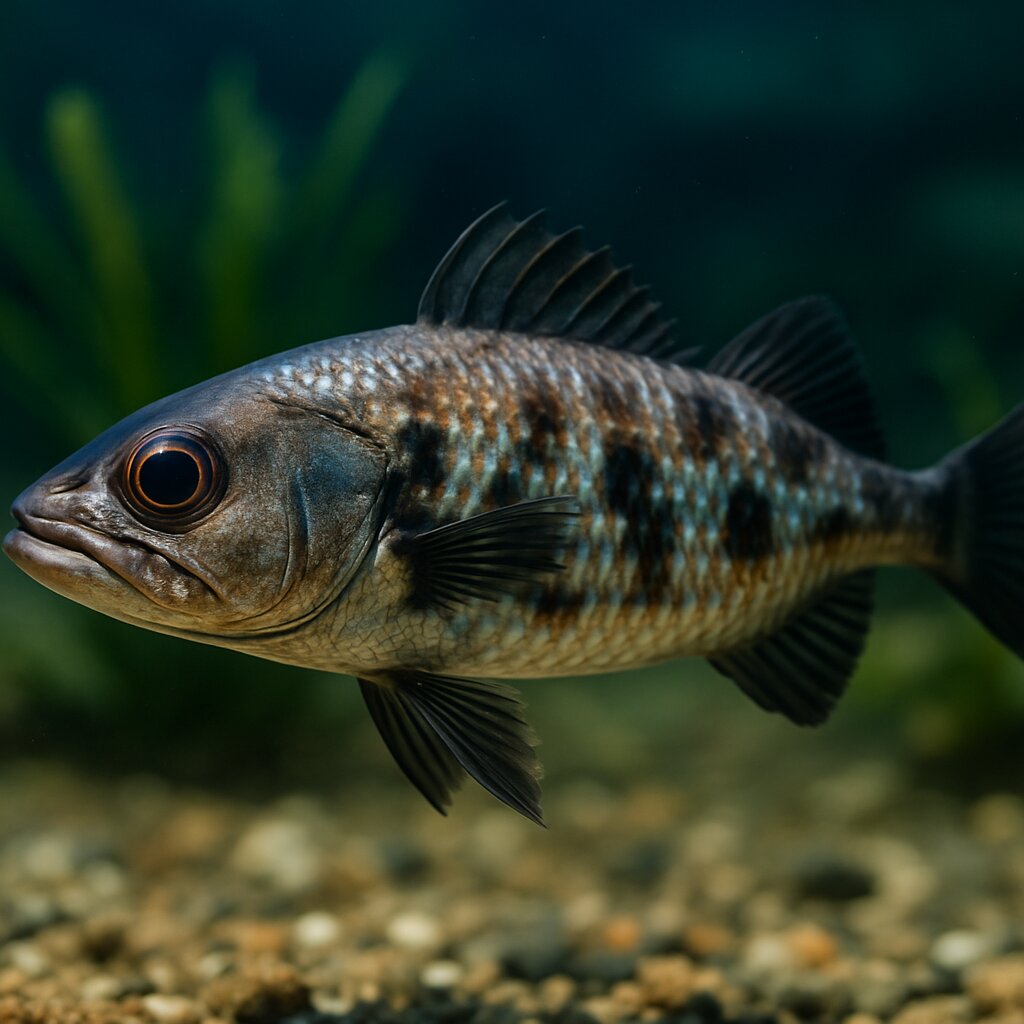
Antarctic dragonfish
Vomeridens infuscipinnis
Deep down around Antarctica, this sleek dragonfish cruises the water column like a little submarine, nearly neutrally buoyant so it can hover above the seafloor. It munches almost exclusively on Antarctic krill and lives in near-freezing water 500-800 m down, so it is a cool species to read about, not one for home tanks.
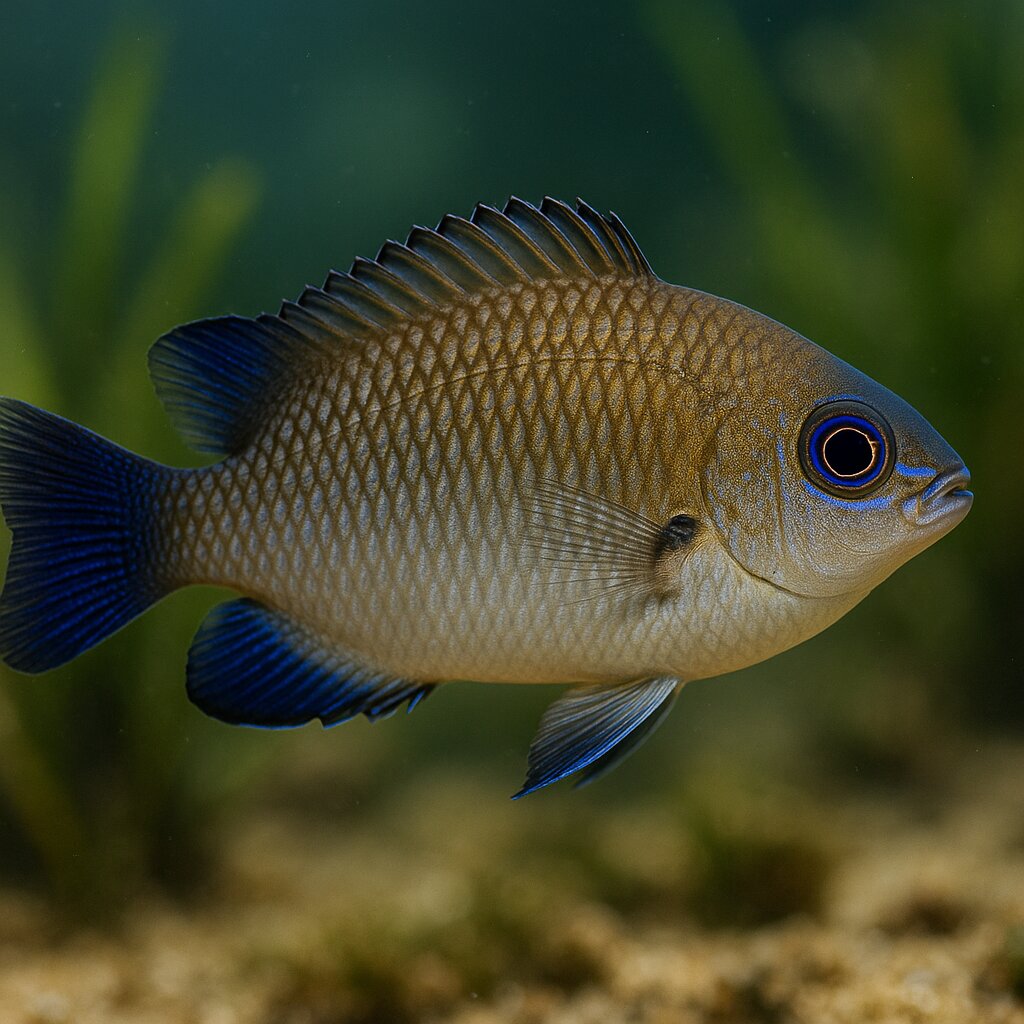
Arabian demoiselle
Neopomacentrus sindensis
A small lyretail damsel from the Persian Gulf and Arabian Sea, it hangs in loose groups around coral heads, rocks, and even pier pilings picking zooplankton from the flow. Think classic damsel toughness with a slightly milder attitude than the real bruisers, plus subtle yellow tail accents. Males clean a patch, get a mate to lay eggs there, and then stand guard fanning the clutch.
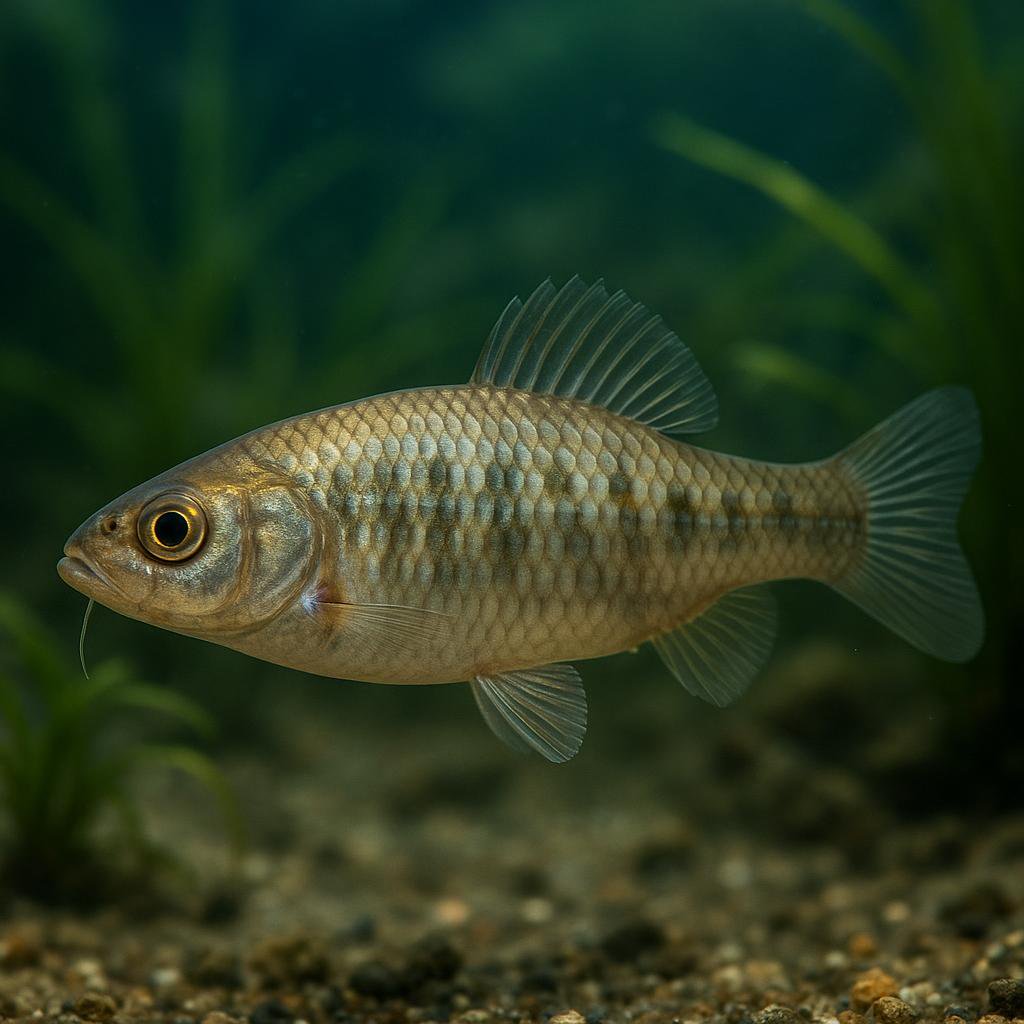
Arabian spiny eel
Notacanthus indicus
Notacanthus indicus is a deep-sea spiny eel (family Notacanthidae; not a true eel) known from the Arabian Sea on the continental slope at roughly ~960–1,046 m depth, with reported maximum length around 20 cm TL; it is a deep-water bycatch species and not established in the aquarium trade.
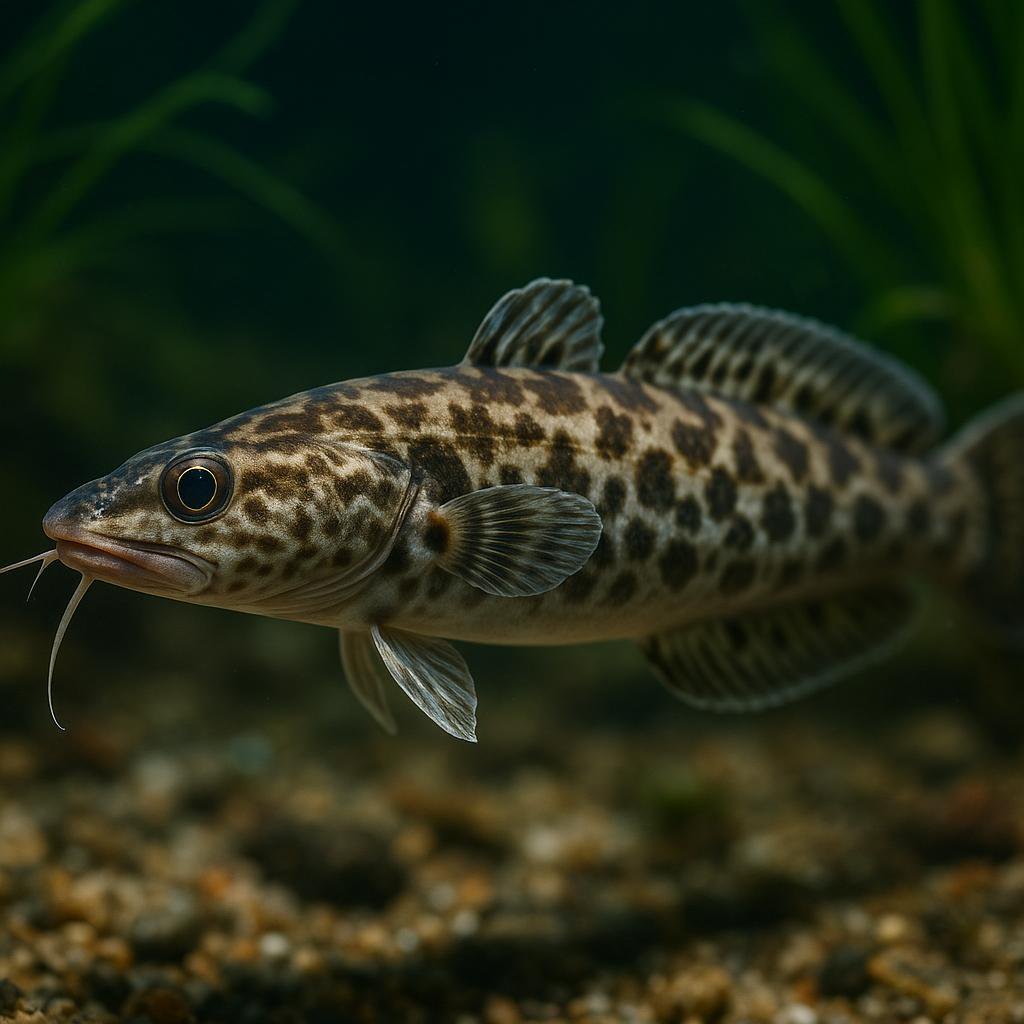
Arctic rockling
Gaidropsarus argentatus
This is a deepwater North Atlantic rockling (a cod relative) that hangs out on soft bottoms way down the slope. It is a cold-water, bottom-hugging predator that snoots around for crustaceans and will also take small fish when it gets the chance.
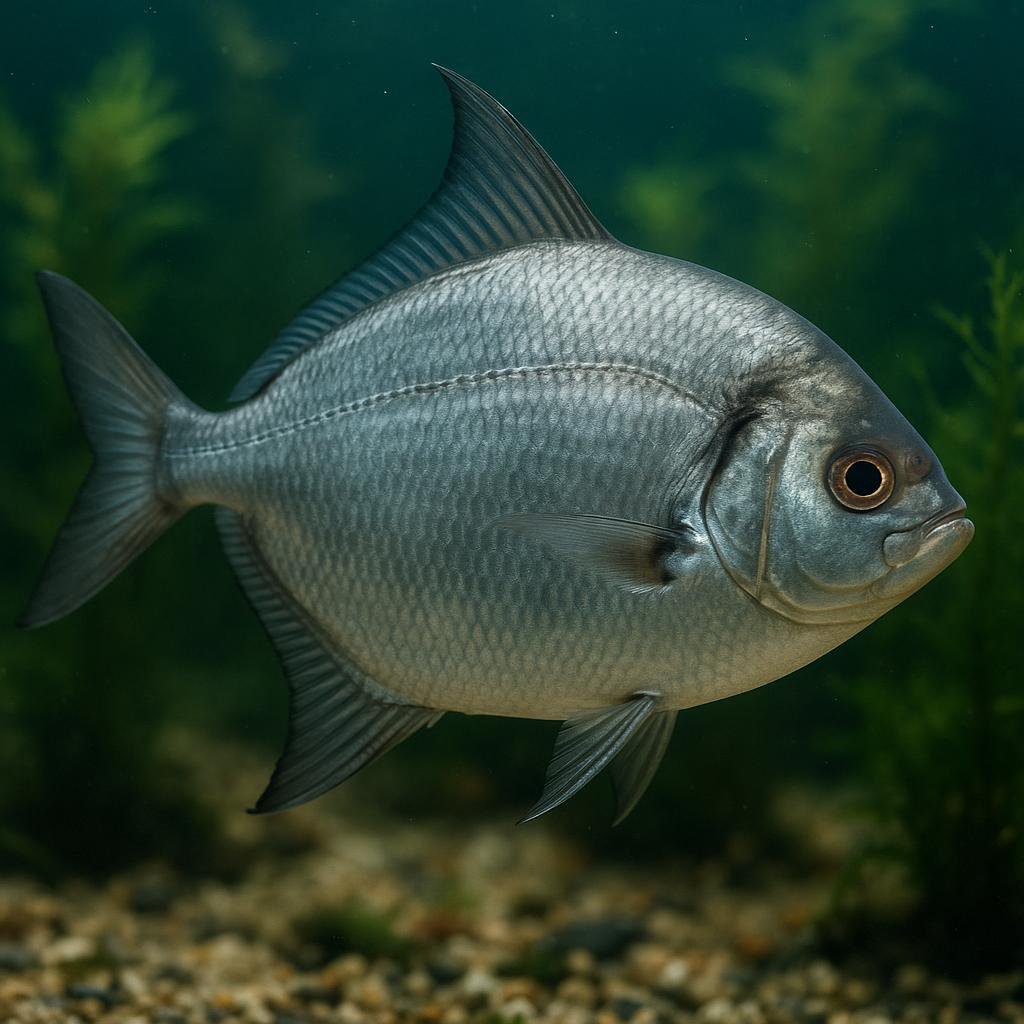
Atlantic pomfret
Brama brama
Brama brama is the Atlantic pomfret (aka Ray's bream) - a deep-bodied, open-ocean pelagic fish that cruises around in small schools and follows water temps. It is a legit big, wild marine species (not an aquarium fish) that eats other small sea critters like fish and squid, and it ranges across a huge chunk of the Atlantic plus parts of the Indian and South Pacific.
More to Explore
Discover more marine species.
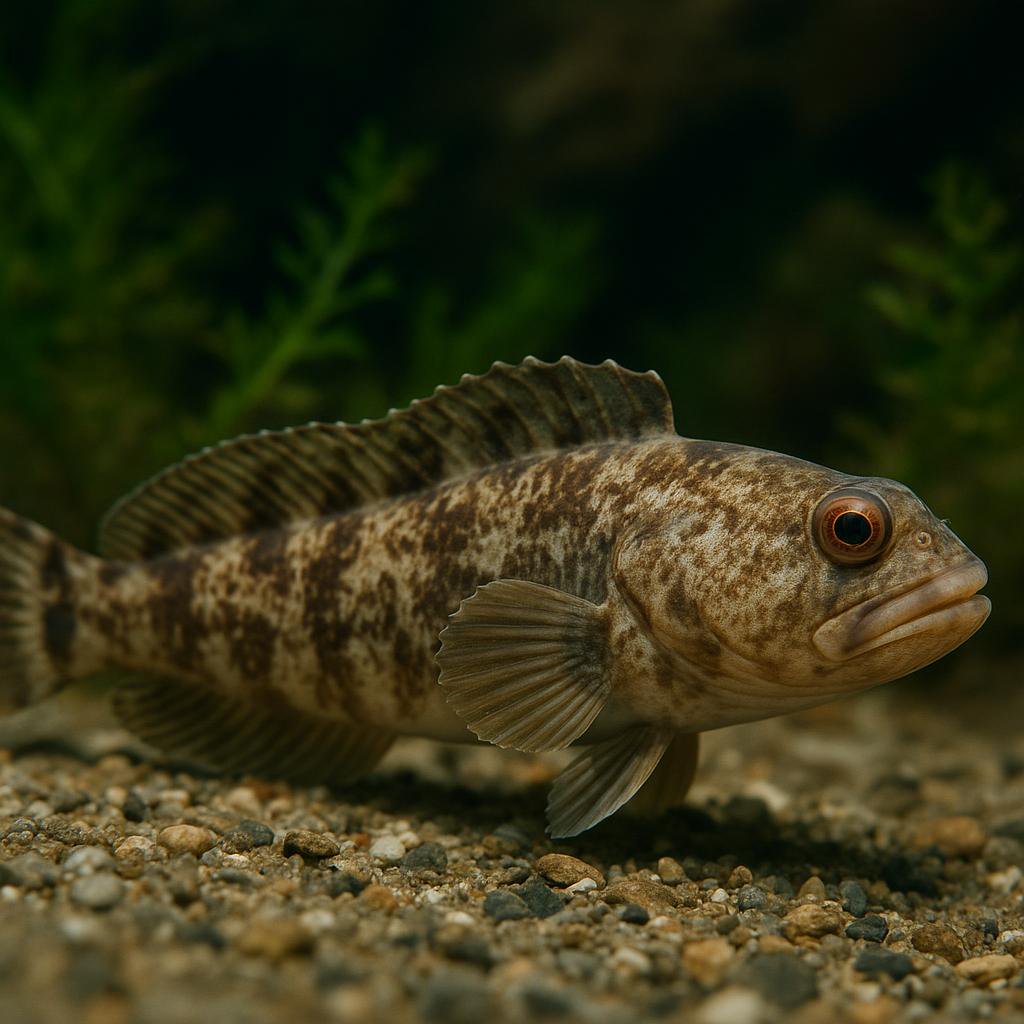
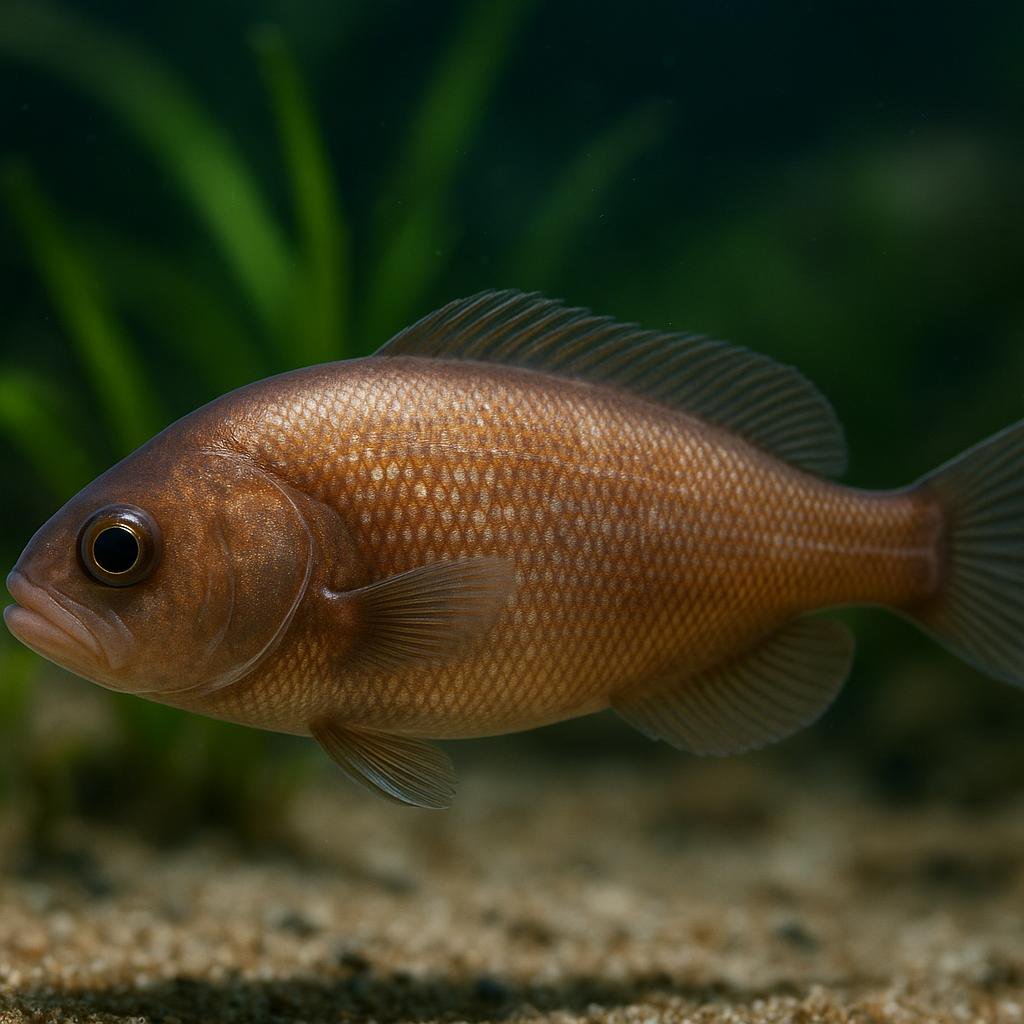
Abe's eelpout
Japonolycodes abei
Japonolycodes abei is a temperate, deepwater demersal eelpout (family Zoarcidae) endemic to Japan (Kumano-nada Sea reported; other sources also report Sagami Bay and Tosa Bay). It is the only species in the genus Japonolycodes and occurs roughly 40-300 m depth, making it an uncommon/atypical aquarium species.
Affinis blind cusk-eel
Barathronus affinis
Barathronus affinis is a tiny, super-weird deep-sea blind cusk-eel from the western-central Indian Ocean. It is one of those gelatinous, loose-skinned brotula-type fishes that live way down in the dark and are basically never seen alive, so almost everything we know comes from preserved specimens and taxonomic work.
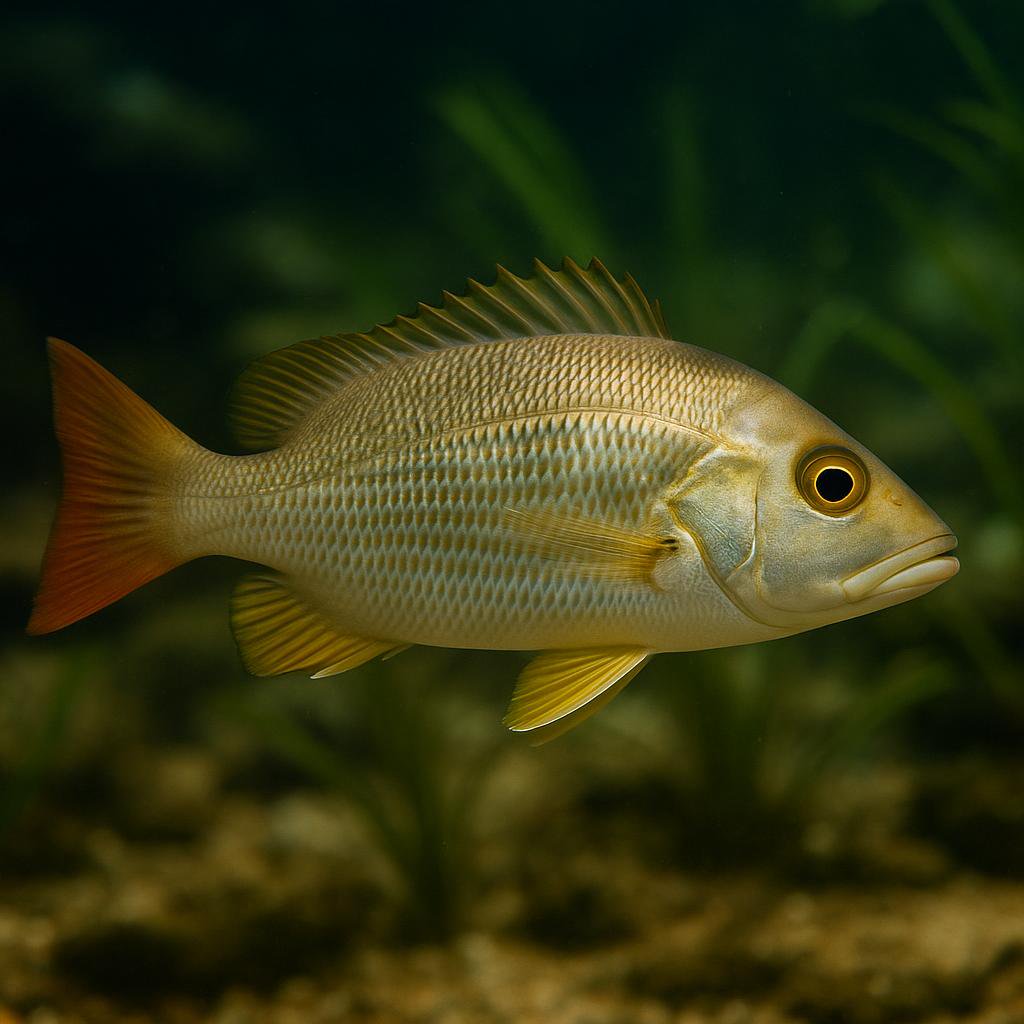
African red snapper
Lutjanus agennes
This is a true snapper from West Africa - a big, fast-growing predator that goes from coastal reefs to brackish lagoons and estuaries (especially as a juvenile). Super cool fish in the wild, but it gets absolutely huge and will eat smaller tankmates once it has the mouth for it, so its really more of a public-aquarium scale animal than a home-aquarium fish.
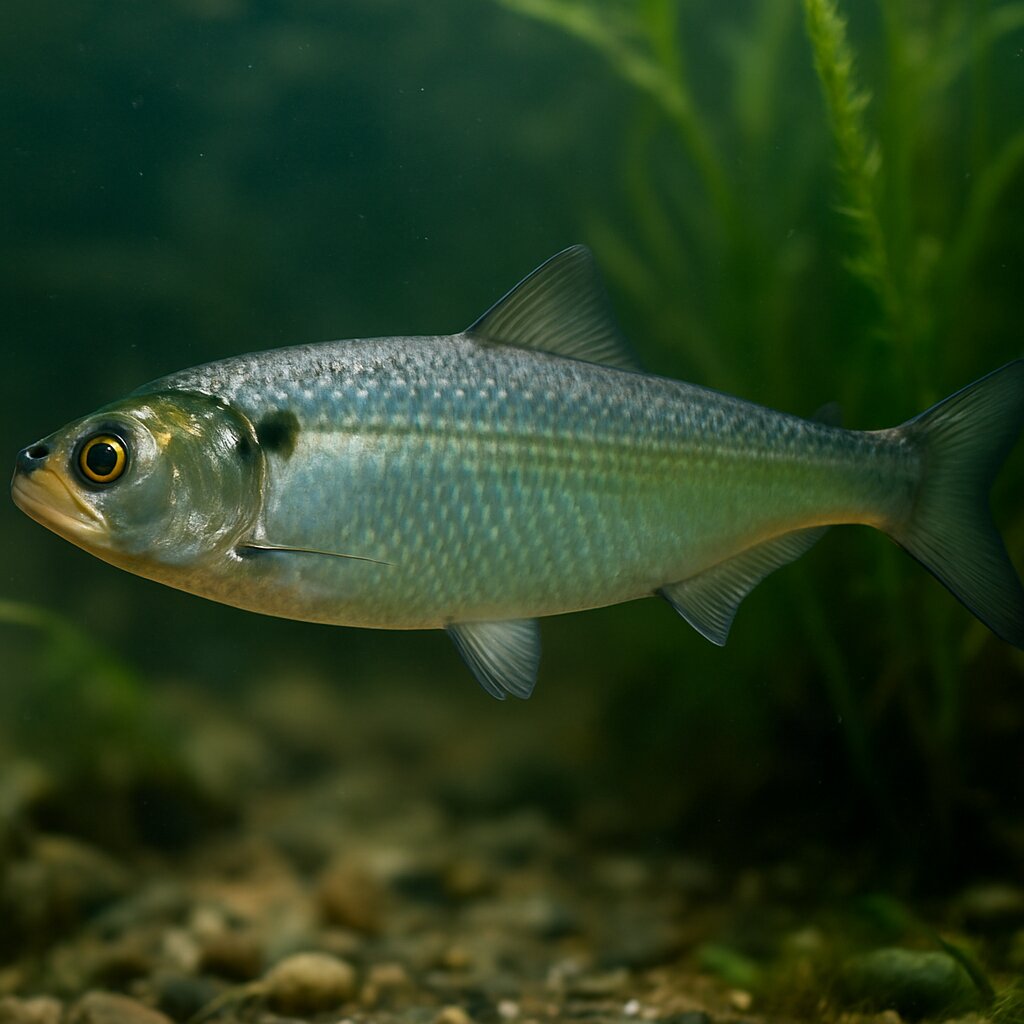
Allis shad
Alosa alosa
Gorgeous silver, fast-swimming shad that spends most of its life in the sea and then surges up big rivers in noisy, surface-spawning schools. It grows huge for a herring-type fish and needs cool, ultra-oxygenated water and tons of open space, so it is a public-aquarium species rather than a home tank fish.
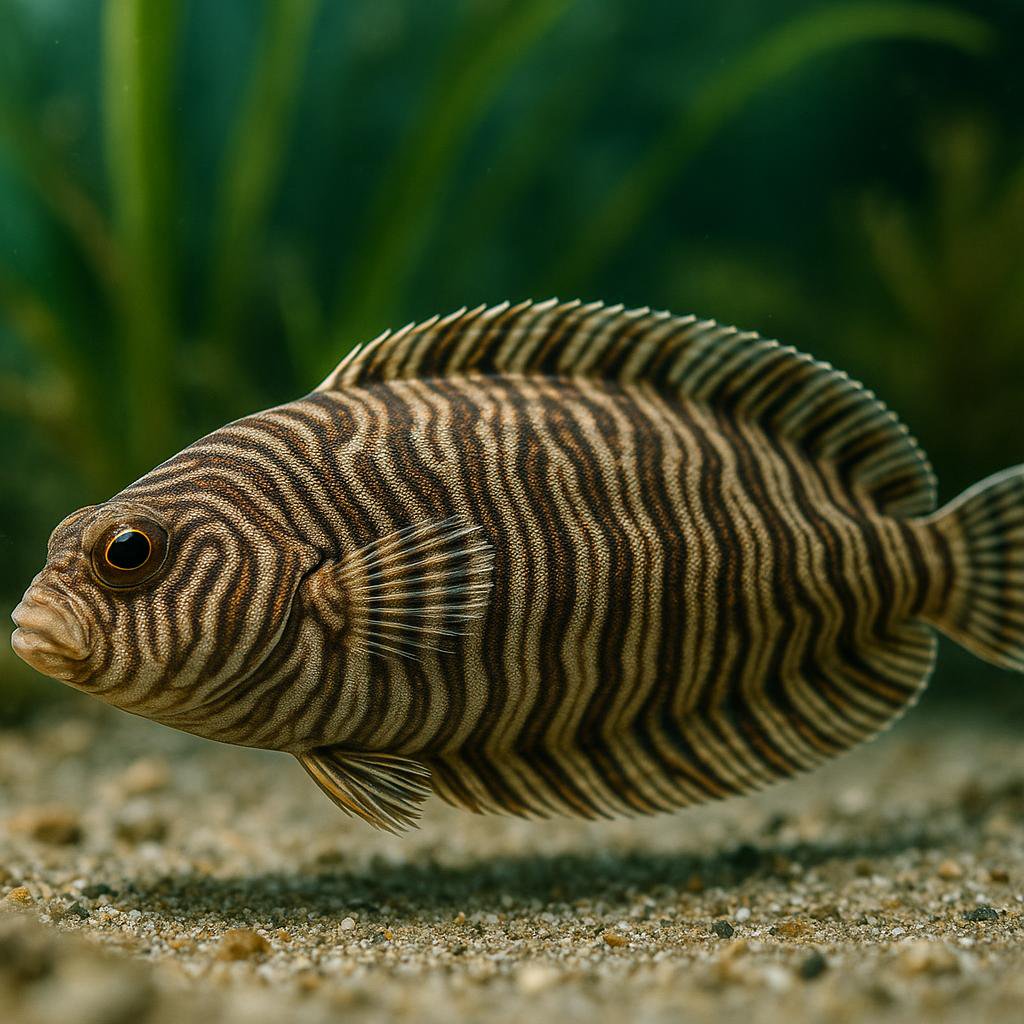
Annandale's zebra sole
Zebrias annandalei
Zebrias annandalei is a small demersal sole from coastal India that inhabits sandy or muddy bottoms and buries for camouflage. It is rarely kept in home aquaria and would require a specialized marine sand-bottom setup and appropriate feeding.
Australian sawtail catshark
Figaro boardmani
Figaro boardmani is a small, deepwater Australian catshark with these cool saw-like ridges of spiny denticles along the tail and a neat pattern of dark saddle bands. It lives way down on the outer continental shelf and slope, so its natural water is cold, dim, and stable - totally not a typical home-aquarium fish. Diet-wise its a predator that goes after fish, crustaceans, and cephalopods.
Looking for other species?