

Cortez skate
Caliraja cortezensis
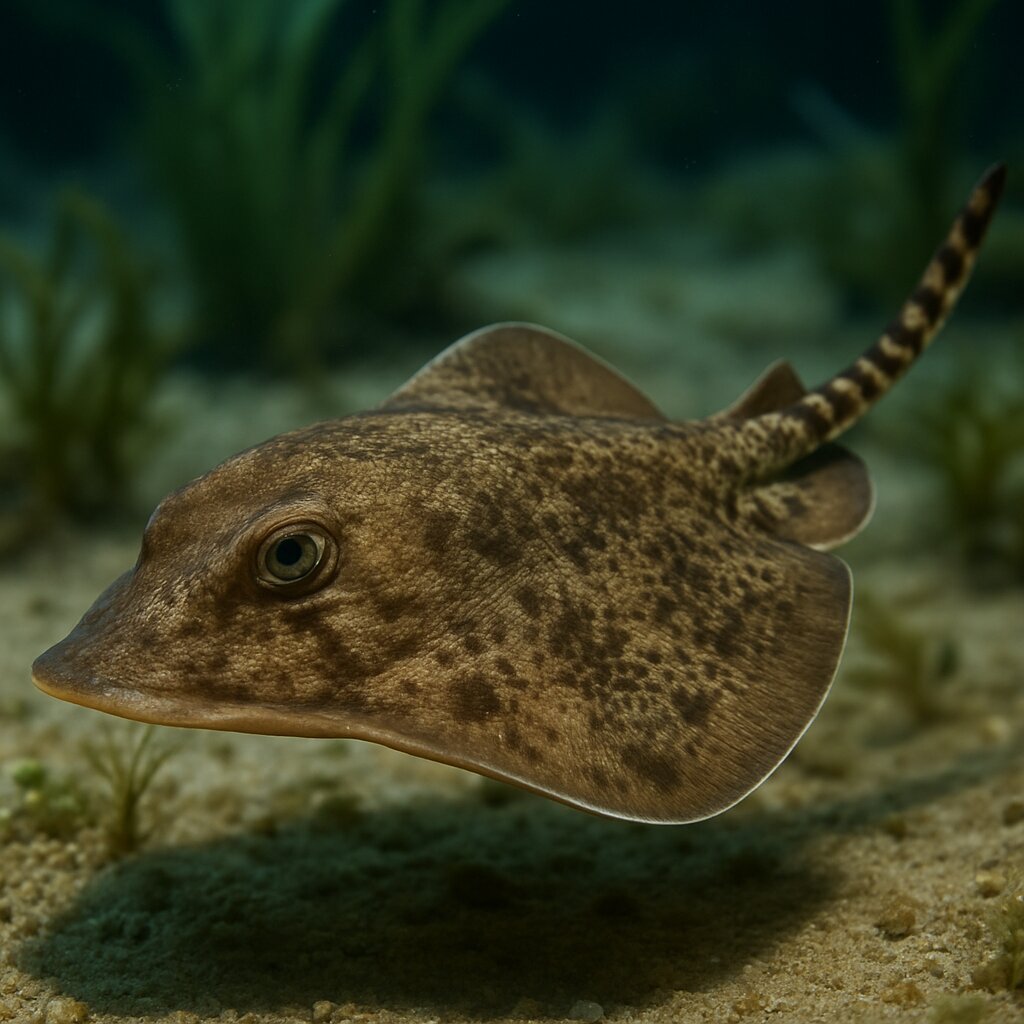
Cortez skate exhibits a flattened body with distinctive, broad pectoral fins and a mottled brown-and-gray coloration for effective camouflage.
This page includes AI-generated images. Why am I seeing AI images?
About the Cortez skate
Think of the Cortez skate as a pancake-shaped ray from the Eastern Pacific that cruises low and slow over sandy bottoms. It stays modest for a skate (topping out around 39 cm) and loves to bury itself, then pounce on small crabs and worms, and it lays those classic 'mermaid's purse' egg cases. Super cool animal, but it really belongs in a very large marine system with a soft sand bed.
Also known as
Quick Facts
Size
39 cm TL
Temperament
Semi-aggressive
Difficulty
Expert
Min Tank Size
300 gallons
Lifespan
10-15 years
Origin
Eastern Pacific - Gulf of California to Panama
Diet
Carnivore - shrimps, crabs, worms, small fish; meaty marine foods
Water Parameters
18-24°C
8-8.4
300-400 dGH
Need a heater for this species?
This species needs 18-24°C in a 300 gallon tank. Use our heater calculator to find the right wattage.
Calculate heater sizeCare Notes
- Give it a huge footprint: 8x4 ft (400+ gal) with 2-5 cm fine sand; guard all intakes and heaters, use rounded rock, tight lids, and diffuse flow around 10-15x turnover.
- Run cool, clean, oxygen-rich water: 18-22 C (64-72 F), SG 1.024-1.026, pH 8.0-8.3, ammonia/nitrite 0, nitrate under 20 ppm, strong skimming and surface agitation. If you see heavy breathing or a red belly, bump aeration and do a big water change.
- Acclimate slow: 60-90 min drip with temp control and strong aeration. Never net a skate; move it in a water-filled tub.
- Target-feed with tongs 3-4x per week at lights-down: chopped shrimp, squid, clams, and marine fish. Rotate foods and use a vitamin/B1 soak.
- New arrivals often need live saltwater shrimp or small baitfish to wake the feeding response; mix in frozen and wean over a week or two.
- Tankmates: safest is species-only or rays-only; skip triggers, puffers, big angels, most wrasses and tangs, and any crabs, shrimp, or snails you care about.
- Never dose copper or formalin in the display; if it needs treatment, move it to a big bare-bottom hospital with matching salinity and temp and use antibiotics or praziquantel.
- They lay mermaids purses; if you get eggs, keep them in high-oxygen flow at 18-20 C for roughly 3-5 months, then offer hatchlings tiny chopped seafood once the yolk is absorbed.
Compatibility
Good Tankmates
- Laid-back midwater cruisers like squirrelfish and soldierfish - they hang above the sand and ignore the skate
- Big mellow tangs like Naso or Vlamingi - in a huge tank and only if your temp plan fits them - they are fast but not nippy and do not bother the skate
- Rabbitfish and foxfaces that mind their plants - peaceful grazers that leave the bottom alone
- Genicanthus angels - the swallowtail types - true planktivores and usually not fin pickers
- Pyramid butterflies specifically - midwater planktivores that do not fuss with the skate
- Adult chromis or larger anthias schools - fast midwater fish that are too big to be a snack and stay off the sand
Avoid
- Triggers and puffers - classic nippers that chew on the skates disc and spiracles
- Big thugs like groupers, large moray eels, hogfish, and rowdy Thalassoma wrasses - they bully or take bites
- Nippy pickers like large angels and most butterflyfish - they peck at soft fins and stress the skate
- Small bottom dwellers and inverts - gobies, blennies, crabs, shrimp - easy prey for a hungry skate
Where they come from
Cortez skates are from the Gulf of California (Sea of Cortez) and nearby eastern Pacific waters. They spend life on sand and muddy flats, often deeper than reef fish, where the water runs cooler and oxygen-rich from upwelling. They bury themselves with just eyes and spiracles showing, waiting for snacks to wander by.
Setting up their tank
This is a coldwater, very large-species project. Think public-aquarium style system. If you cannot run a chiller and a tank with a huge footprint, skip this species.
Size and footprint matter way more than height. For an adult, I would not go smaller than an 8 x 4 ft footprint (roughly 500-800 gallons). Bigger is better, and round or rounded corners help them cruise without banging into glass.
- Temperature: 55-62 F (13-17 C). You will need a reliable chiller.
- Salinity: 34-35 ppt (1.025-1.026 sg).
- pH: 8.0-8.3. Keep it steady.
- Oxygen: Very high. Oversize your skimmer and add surface agitation or an oxygen cone.
- Turnover: 5-8x per hour through sump. Keep flow broad and gentle. No blasting powerheads.
Substrate should be a soft, sugar-fine aragonite sand, 2-3 inches deep. They bury daily and will rash up on coarse gravel. Rockwork should be minimal, low, and stable. Leave open runway space. Hide heaters in the sump. Every intake and pump needs a foam guard or mesh screen.
Give them a feeding tile or shallow dish set flush with the sand. It trains them to a spot and keeps food out of the substrate.
Lighting can be dim to moderate. They are crepuscular in my experience, most active at dawn/dusk. Lids should be tight and condensation-proof; skates can splash hard during feeding. Plan water changes like a schedule, not a suggestion: 15-20% weekly kept my nitrate in check with the heavy feeding they need.
What to feed them
Think meaty, marine, and varied. New skates may only take live at first, but you can wean them to frozen with patience and a feeding stick.
- Chopped squid, scallop, clam, mussel
- Pieces of marine fish (silversides, capelin, sand lance) - rotate, do not rely on one species
- Shrimp (shell-on bits for roughage, but not every meal)
- Live or fresh marine worms and amphipods for new arrivals
- Occasional krill for variety
Soak foods in a quality vitamin/ HUFA supplement (e.g., Selcon) 2-3x per week. Rotate items with low thiaminase content; do not feed only smelt or only silversides long-term.
Feed small portions 4-6 times per week rather than giant meals. I target-feed with long tweezers right in front of the spiracles and let them inhale it. If you see them regurgitate later, you fed too much or too warm. Remove leftovers within 5 minutes.
Never use freshwater feeder fish. Besides disease risk, they are nutritionally wrong for elasmobranchs and can cause fatty liver issues.
How they behave and who they get along with
Calm, deliberate, and surprisingly quick in short bursts. They spend hours buried, then do slow patrols. They are not bullies, but they will eat bite-sized crustaceans and fish that hang on the bottom.
- Good tankmates: peaceful, coldwater fish that keep to the water column and do not nip (Catalina gobies, some sculpins, temperate basslets).
- Risky: any nippy fish (triggers, puffers, some wrasses) - they go for the wings and spiracles.
- Not with: ornamental shrimp, crabs, lobsters. They are food.
- Other skates/rays: only in very large systems with lots of floor space and extra filtration. Watch for food competition.
Skates are extremely sensitive to copper and many meds. Plan for a medication-free display and treat only in consultation with an experienced aquatic vet.
They tame down and learn the feeding spot. Use slow, predictable movements. If you must move them, support the body from underneath with both hands in the water. Do not grab the tail or wingtips.
Breeding tips
They lay egg cases (mermaid's purses). Realistically, this is a public-aquarium-scale project, but here is what has worked for me and colleagues with similar skates.
- Sexing: males have claspers; females do not.
- Seasonal cue: slight winter cooling and longer dark period seemed to help pairing.
- Provide smooth egg-deposition panels or coarse plastic mesh near the bottom with gentle flow.
- Incubation: 4-9 months depending on temperature (cooler is slower). Keep 55-60 F with steady, oxygenated flow across the cases.
- Candling: you can backlight to check development. Pull obviously fungused or sterile eggs.
- Hatchlings: start on live marine amphipods, enriched mysis, finely chopped clam. Frequent small feeds and pristine water.
Do not tumble skate eggs like shark eggs. A cradle with steady flow is enough.
Common problems to watch for
- Refusing food: often stress or too-warm water. Dim the lights, lower to 55-58 F, try live marine worms to jump-start feeding, then switch to tongs and frozen.
- Skin abrasions: usually from rough substrate or rock edges. Switch to finer sand, pad intake guards, and treat secondary infections with vet guidance.
- Heater and pump injuries: keep all heaters in the sump and guard every intake. Skates love to park on warm/humming equipment.
- Low oxygen/overfeeding: heavy, meaty diets burn oxygen and spike ammonia. Overskim, add aeration, and increase water changes.
- Nutritional gaps: head-shakes or poor condition can be diet variety issues. Add vitamin/HUFA soaks and rotate foods. Watch for thiamine deficiency if using a lot of smelt/silversides.
- Parasites (flukes): flashing and gill irritation. Praziquantel is generally the safer route for elasmobranchs, but dose carefully and consult a pro.
- Copper exposure: rapid decline, lethargy, and mucous issues. Avoid any copper-based meds, and test new rock/sand and old tanks before use.
Copper, formalin, and most standard reef meds can kill skates. Build your system so you rarely need meds: quarantine, low stress, and spotless water.
Quarantine new arrivals in a large, chilled holding tank with a pan of fine sand so they can settle. Keep lights low, offer small meals, and observe for two weeks before moving to the display.
Keep a simple log: temp, salinity, nitrate, feeding amounts, and weight/condition notes. With big, long-lived fish like skates, that notebook saves you more times than you would think.
Similar Species
Other marine semi-aggressive species you might be interested in.
Aleutian skate
Bathyraja aleutica
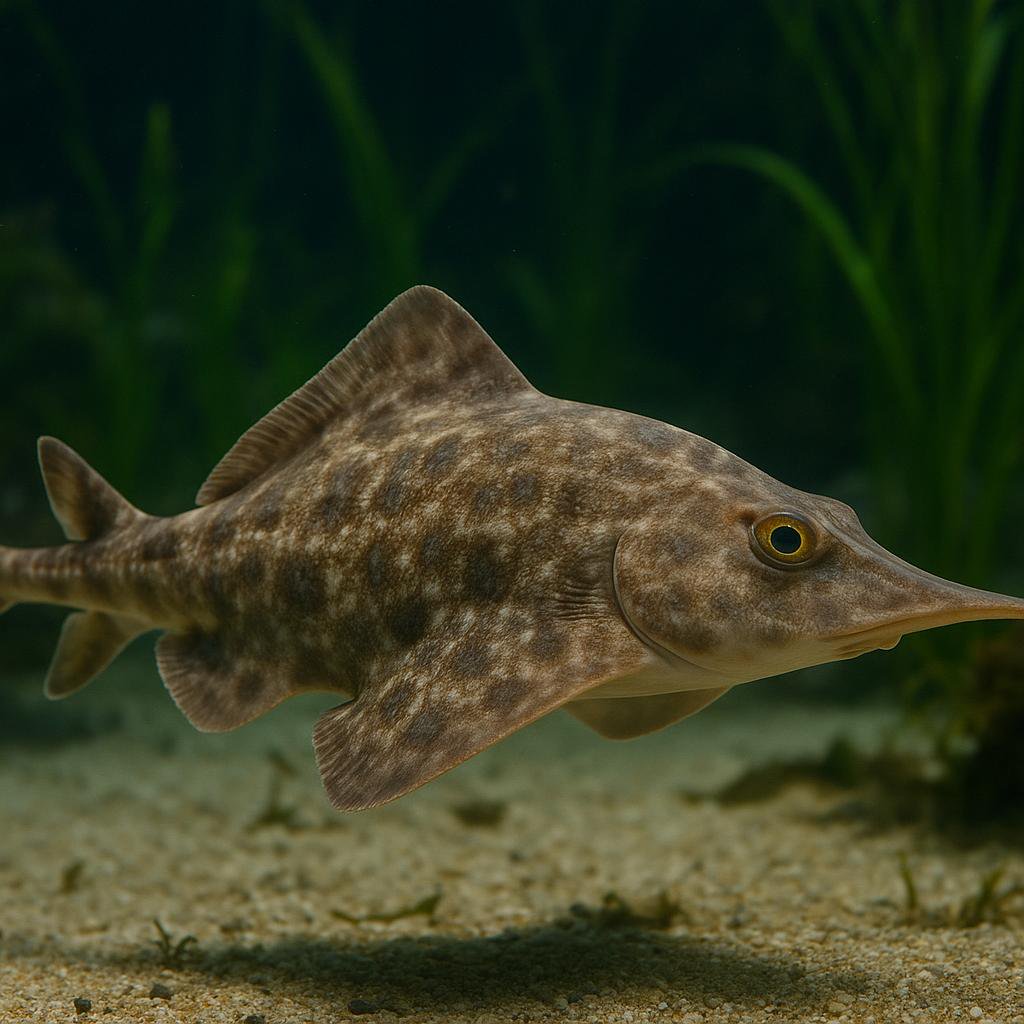
This is a big, cold-water deep-slope skate from the North Pacific that cruises muddy bottoms and eats chunky benthic prey like crabs and shrimp. The really cool bit is its egg-laying skate life - it does distinct pairing (the classic skate "embrace") and drops those tough egg cases on the seafloor. Not an aquarium fish at all unless you're basically running a public-aquarium-style chilled system.
Antarctic dragonfish
Vomeridens infuscipinnis
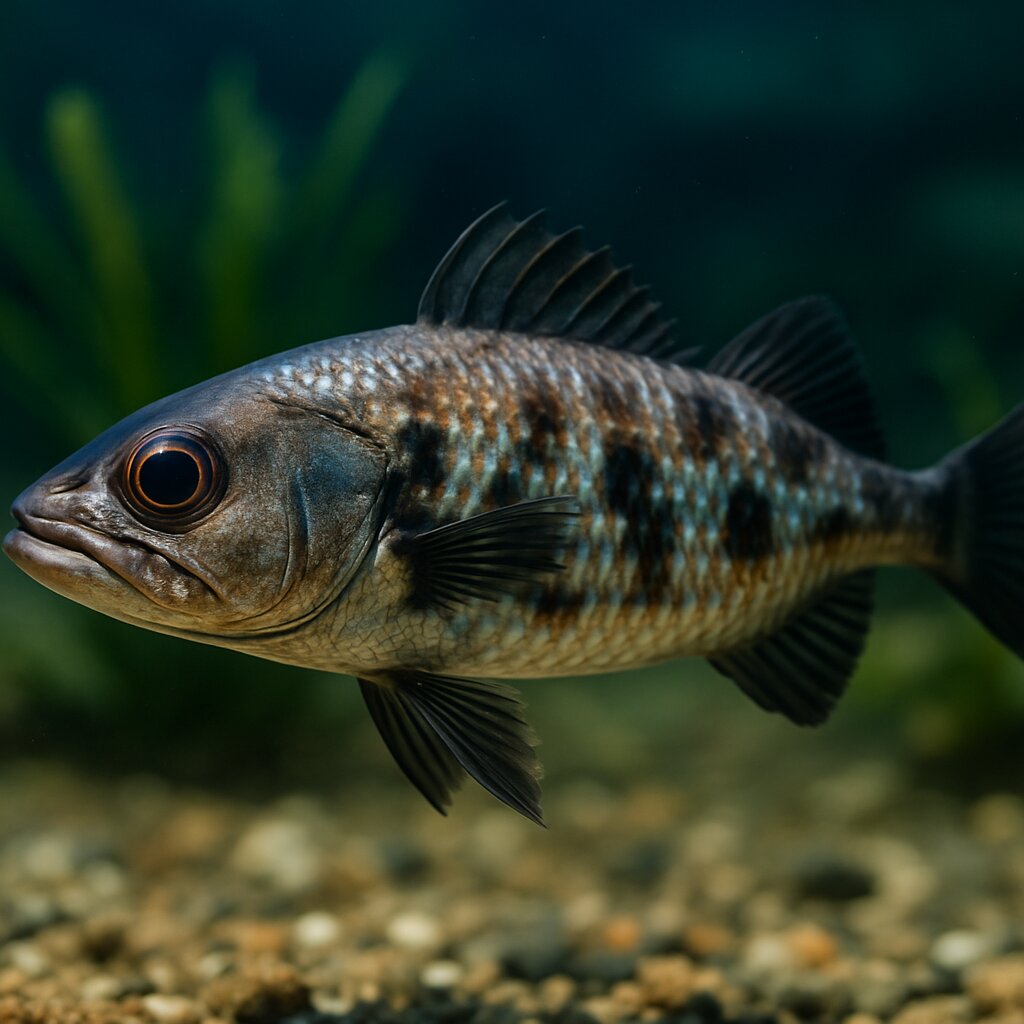
Deep down around Antarctica, this sleek dragonfish cruises the water column like a little submarine, nearly neutrally buoyant so it can hover above the seafloor. It munches almost exclusively on Antarctic krill and lives in near-freezing water 500-800 m down, so it is a cool species to read about, not one for home tanks.
Arabian spiny eel
Notacanthus indicus
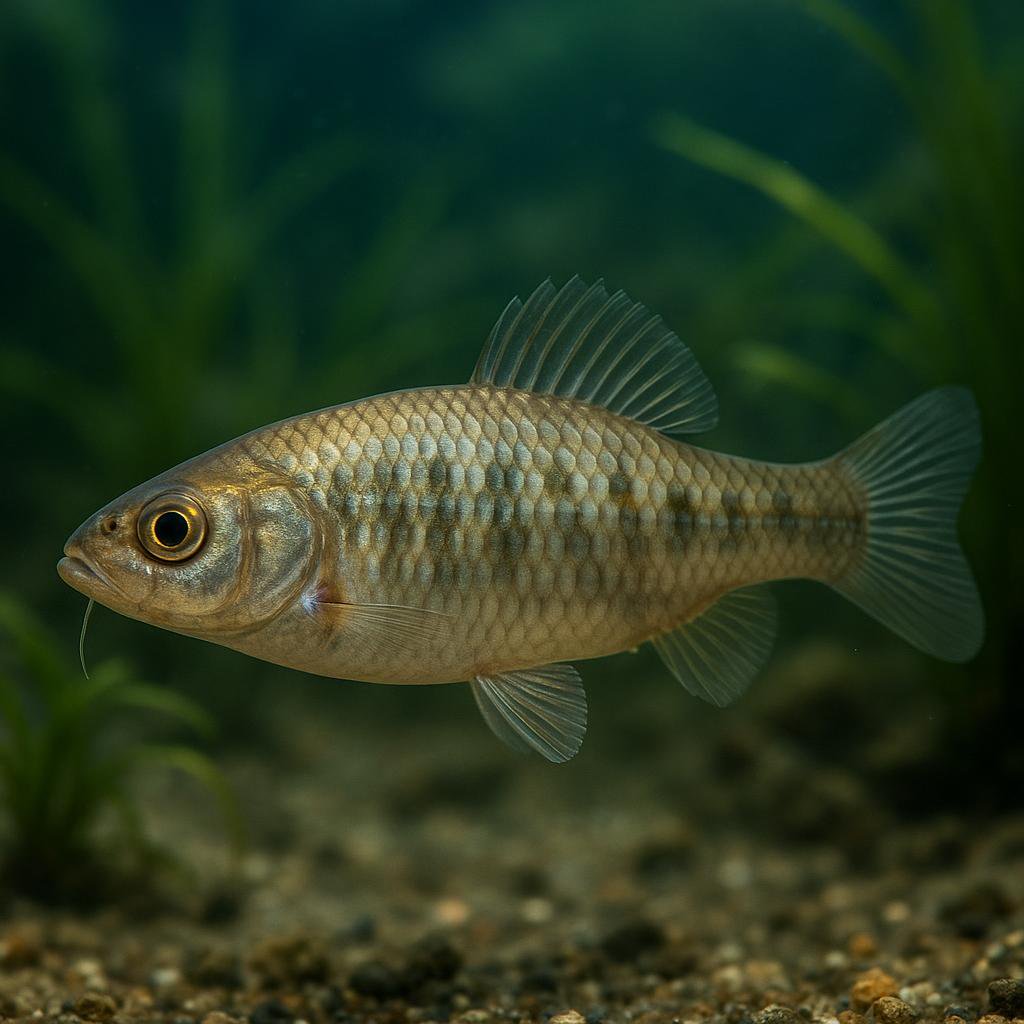
Notacanthus indicus is a deep-sea spiny eel (family Notacanthidae; not a true eel) known from the Arabian Sea on the continental slope at roughly ~960–1,046 m depth, with reported maximum length around 20 cm TL; it is a deep-water bycatch species and not established in the aquarium trade.
Arctic rockling
Gaidropsarus argentatus
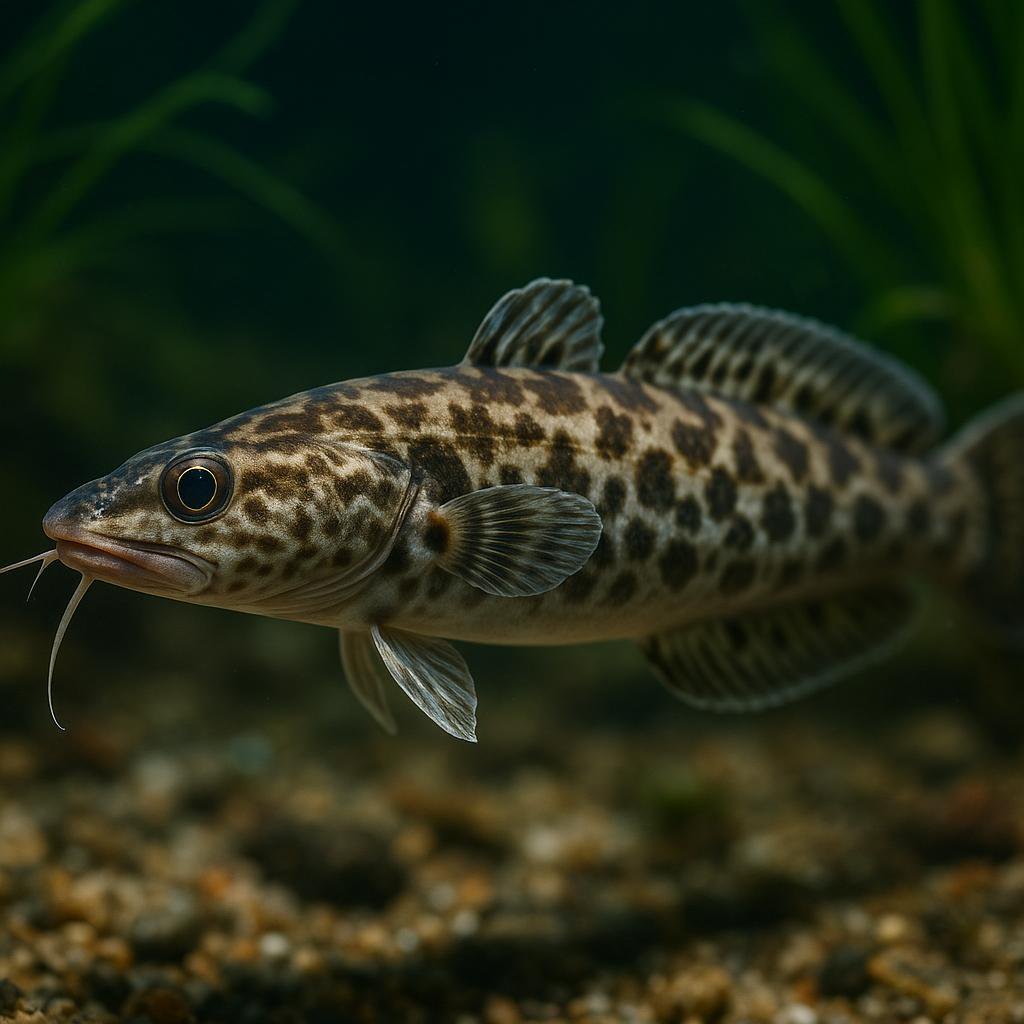
This is a deepwater North Atlantic rockling (a cod relative) that hangs out on soft bottoms way down the slope. It is a cold-water, bottom-hugging predator that snoots around for crustaceans and will also take small fish when it gets the chance.
Atlantic pomfret
Brama brama
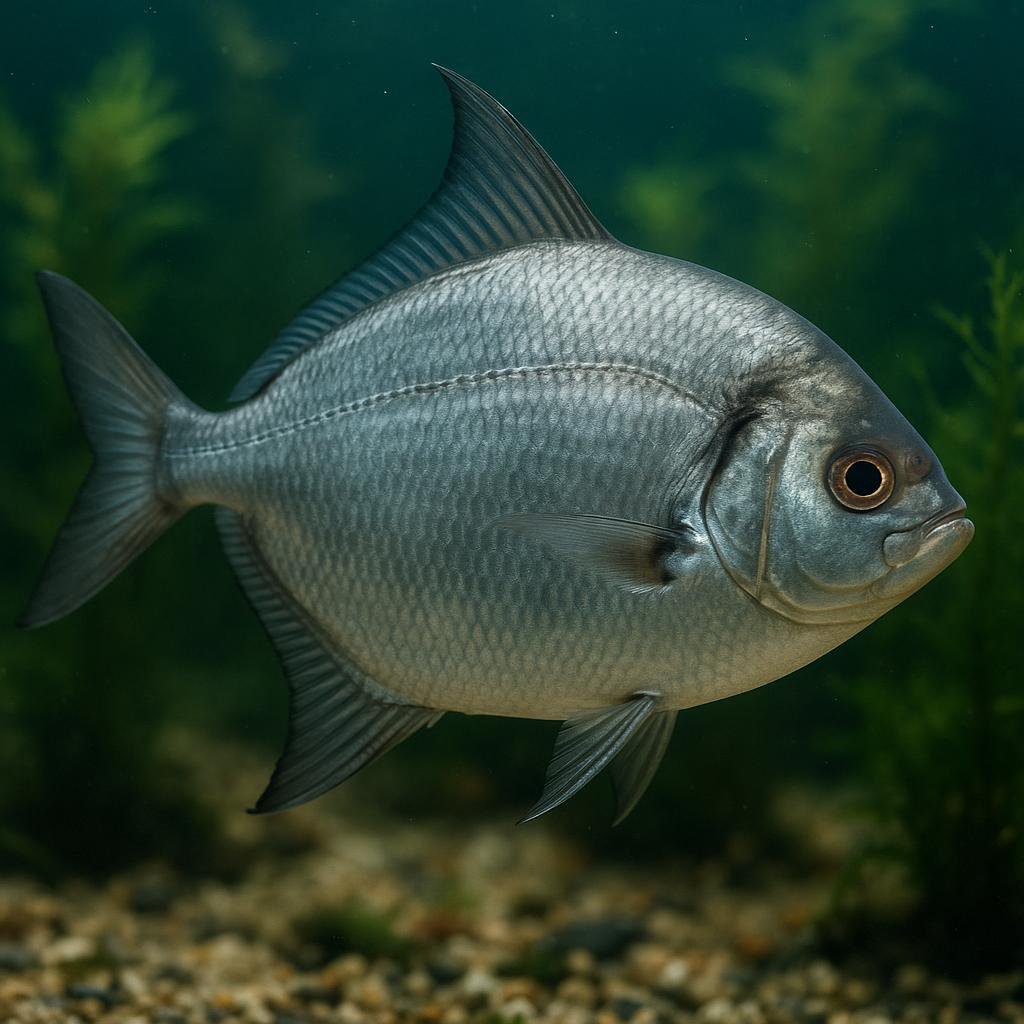
Brama brama is the Atlantic pomfret (aka Ray's bream) - a deep-bodied, open-ocean pelagic fish that cruises around in small schools and follows water temps. It is a legit big, wild marine species (not an aquarium fish) that eats other small sea critters like fish and squid, and it ranges across a huge chunk of the Atlantic plus parts of the Indian and South Pacific.
Australian sawtail catshark
Figaro boardmani
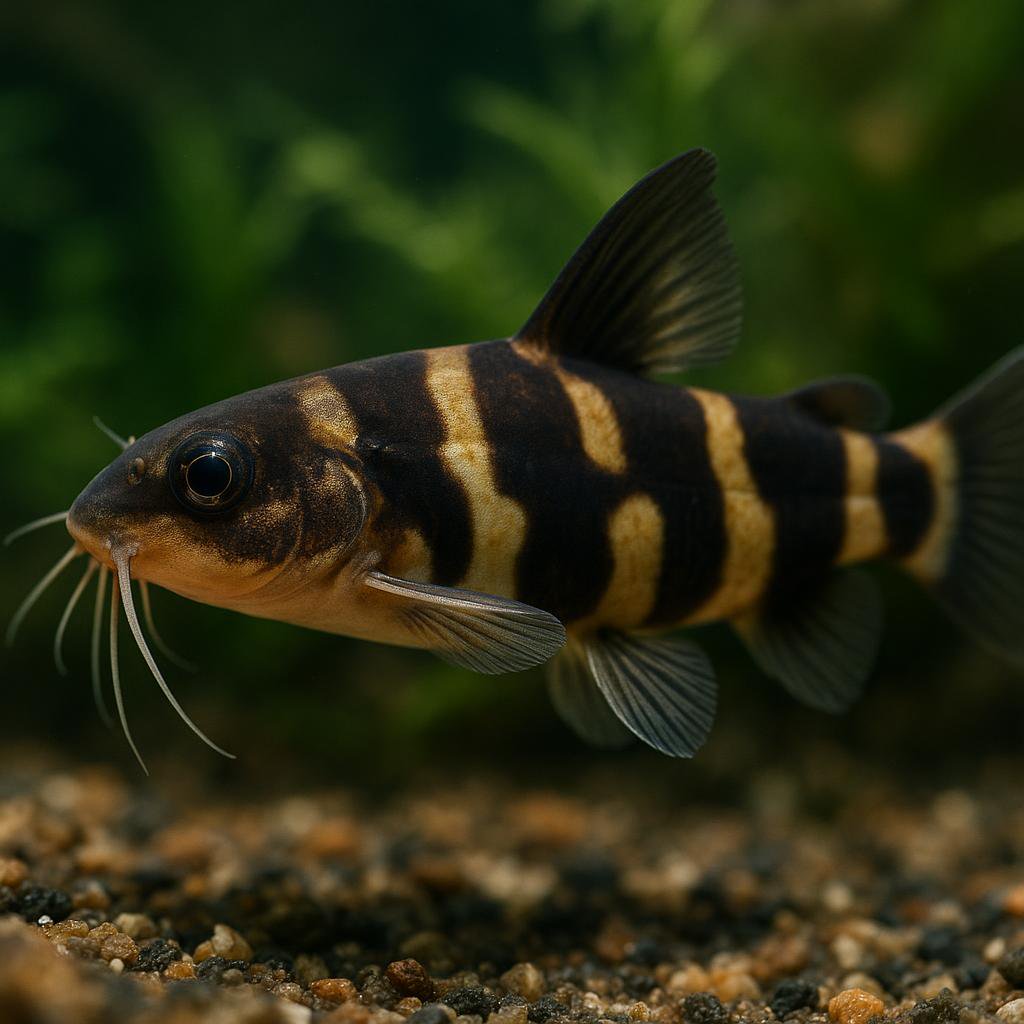
Figaro boardmani is a small, deepwater Australian catshark with these cool saw-like ridges of spiny denticles along the tail and a neat pattern of dark saddle bands. It lives way down on the outer continental shelf and slope, so its natural water is cold, dim, and stable - totally not a typical home-aquarium fish. Diet-wise its a predator that goes after fish, crustaceans, and cephalopods.
More to Explore
Discover more marine species.
Abe's eelpout
Japonolycodes abei
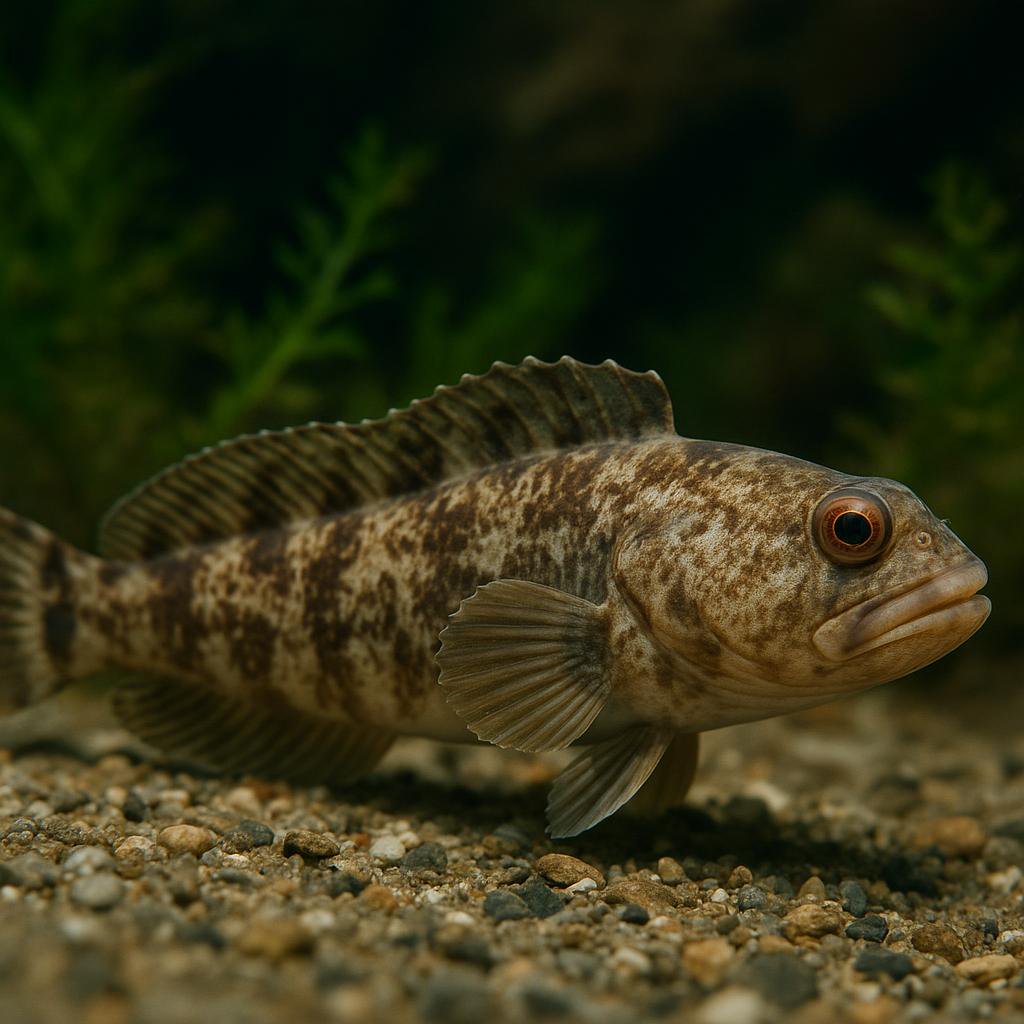
Japonolycodes abei is a temperate, deepwater demersal eelpout (family Zoarcidae) endemic to Japan (Kumano-nada Sea reported; other sources also report Sagami Bay and Tosa Bay). It is the only species in the genus Japonolycodes and occurs roughly 40-300 m depth, making it an uncommon/atypical aquarium species.
Affinis blind cusk-eel
Barathronus affinis
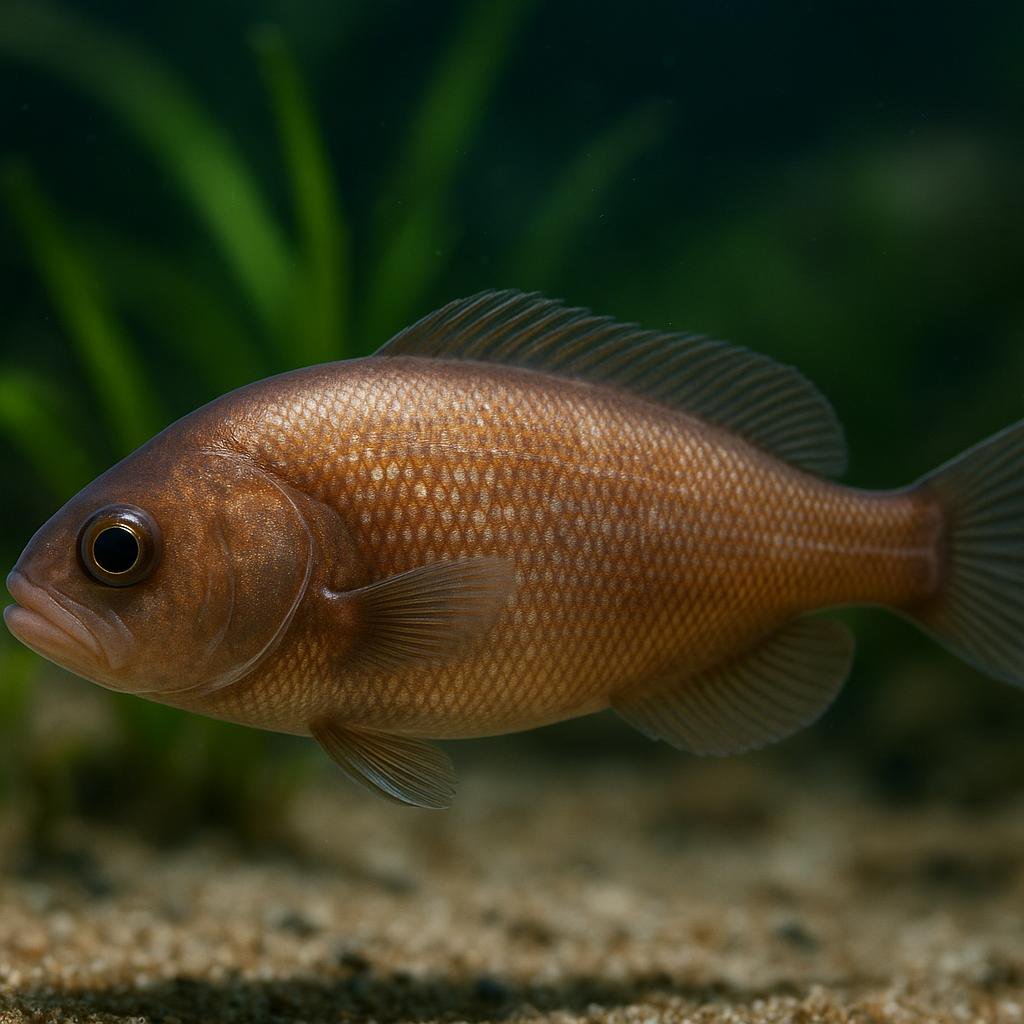
Barathronus affinis is a tiny, super-weird deep-sea blind cusk-eel from the western-central Indian Ocean. It is one of those gelatinous, loose-skinned brotula-type fishes that live way down in the dark and are basically never seen alive, so almost everything we know comes from preserved specimens and taxonomic work.
African red snapper
Lutjanus agennes
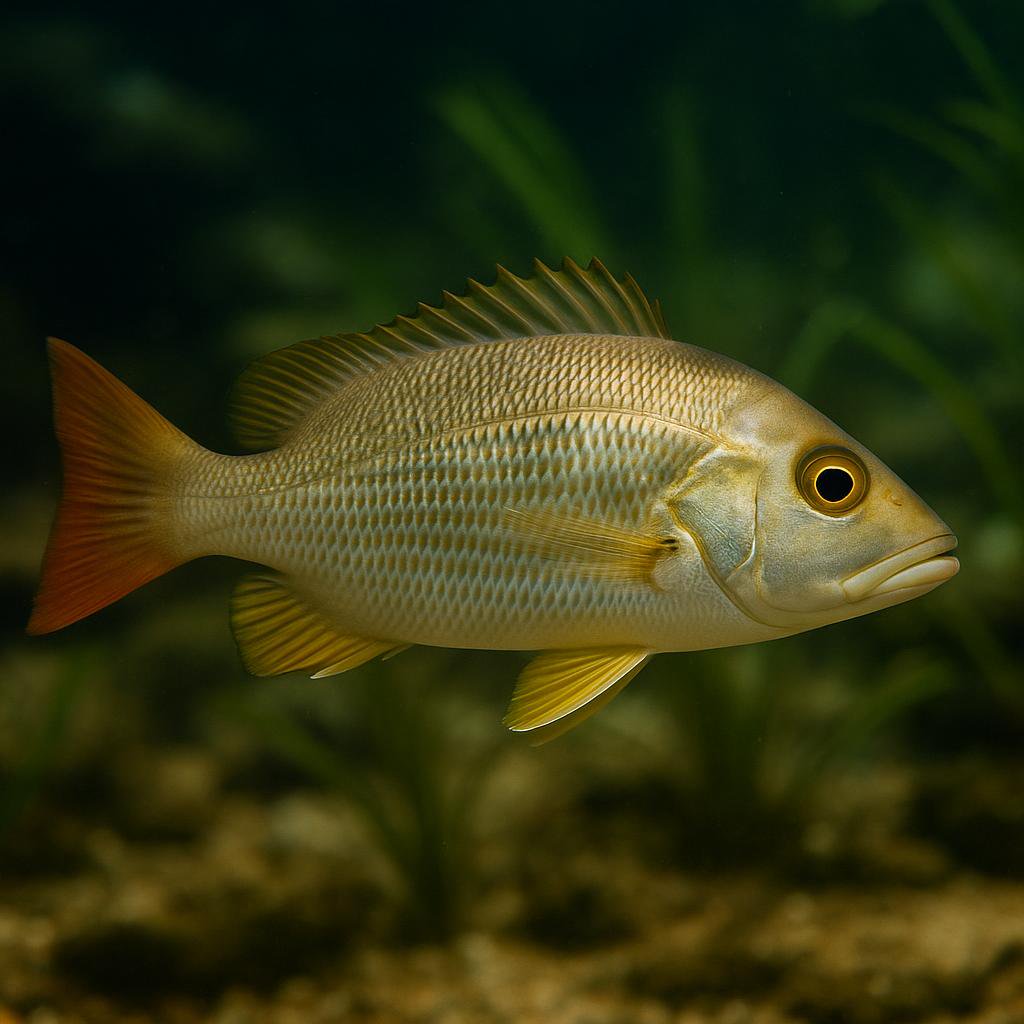
This is a true snapper from West Africa - a big, fast-growing predator that goes from coastal reefs to brackish lagoons and estuaries (especially as a juvenile). Super cool fish in the wild, but it gets absolutely huge and will eat smaller tankmates once it has the mouth for it, so its really more of a public-aquarium scale animal than a home-aquarium fish.
Allis shad
Alosa alosa
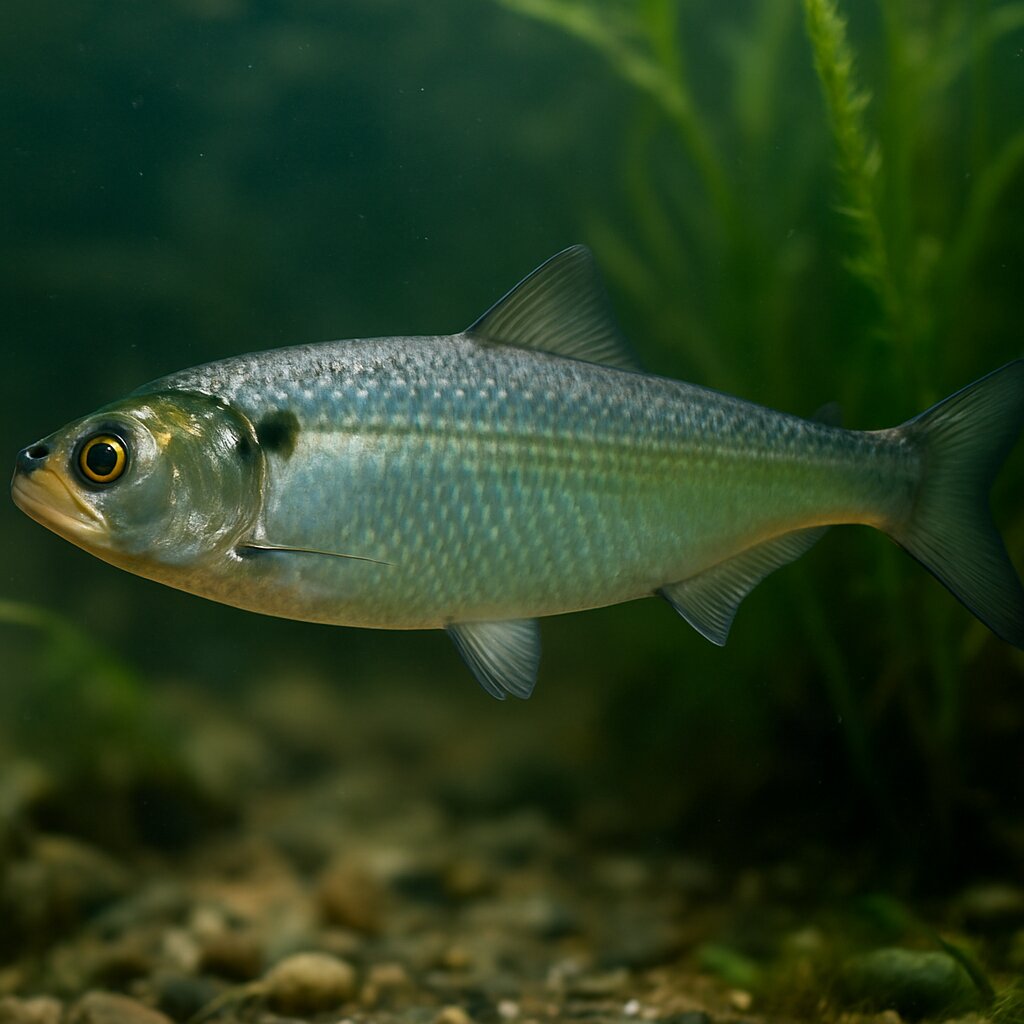
Gorgeous silver, fast-swimming shad that spends most of its life in the sea and then surges up big rivers in noisy, surface-spawning schools. It grows huge for a herring-type fish and needs cool, ultra-oxygenated water and tons of open space, so it is a public-aquarium species rather than a home tank fish.
Annandale's zebra sole
Zebrias annandalei
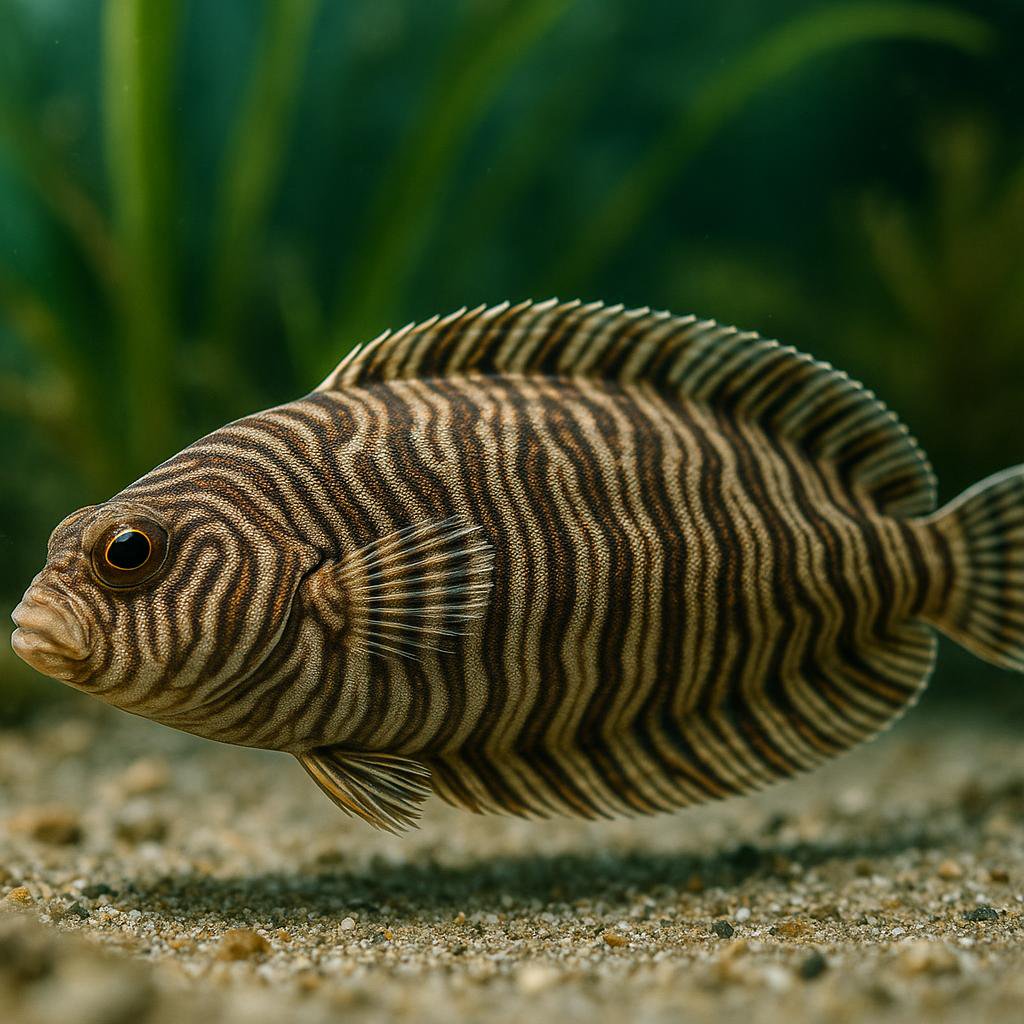
Zebrias annandalei is a small demersal sole from coastal India that inhabits sandy or muddy bottoms and buries for camouflage. It is rarely kept in home aquaria and would require a specialized marine sand-bottom setup and appropriate feeding.
Banded stargazer
Kathetostoma binigrasella
This is a New Zealand stargazer that lives half-buried in sand or mud with its eyes pointed up, waiting to rocket upward and nail passing prey. It has those neat dark saddle-bands across the back (especially as a juvenile), and like other stargazers it is venomous with spines near the gill cover/pectoral area - definitely a look-dont-touch fish.
Looking for other species?