

Mexican stargazer
Dactyloscopus metoecus
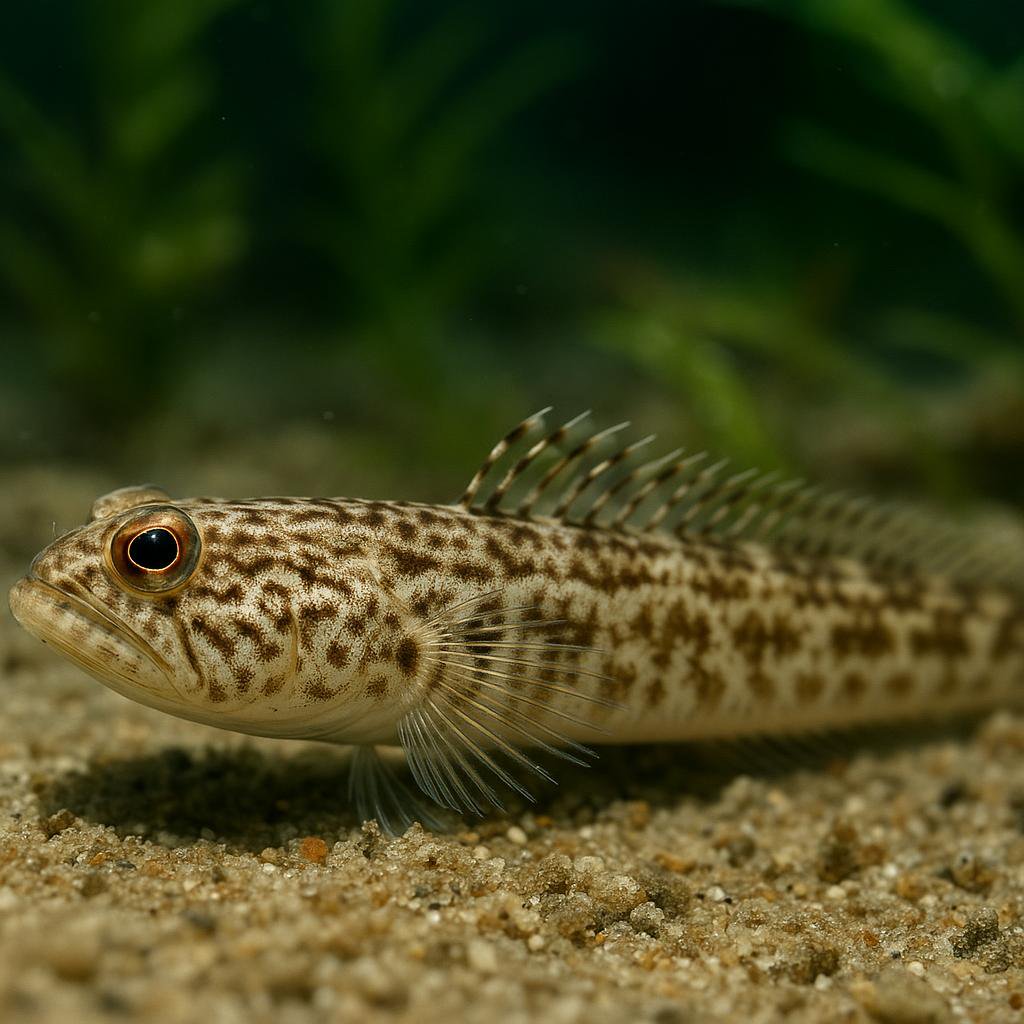
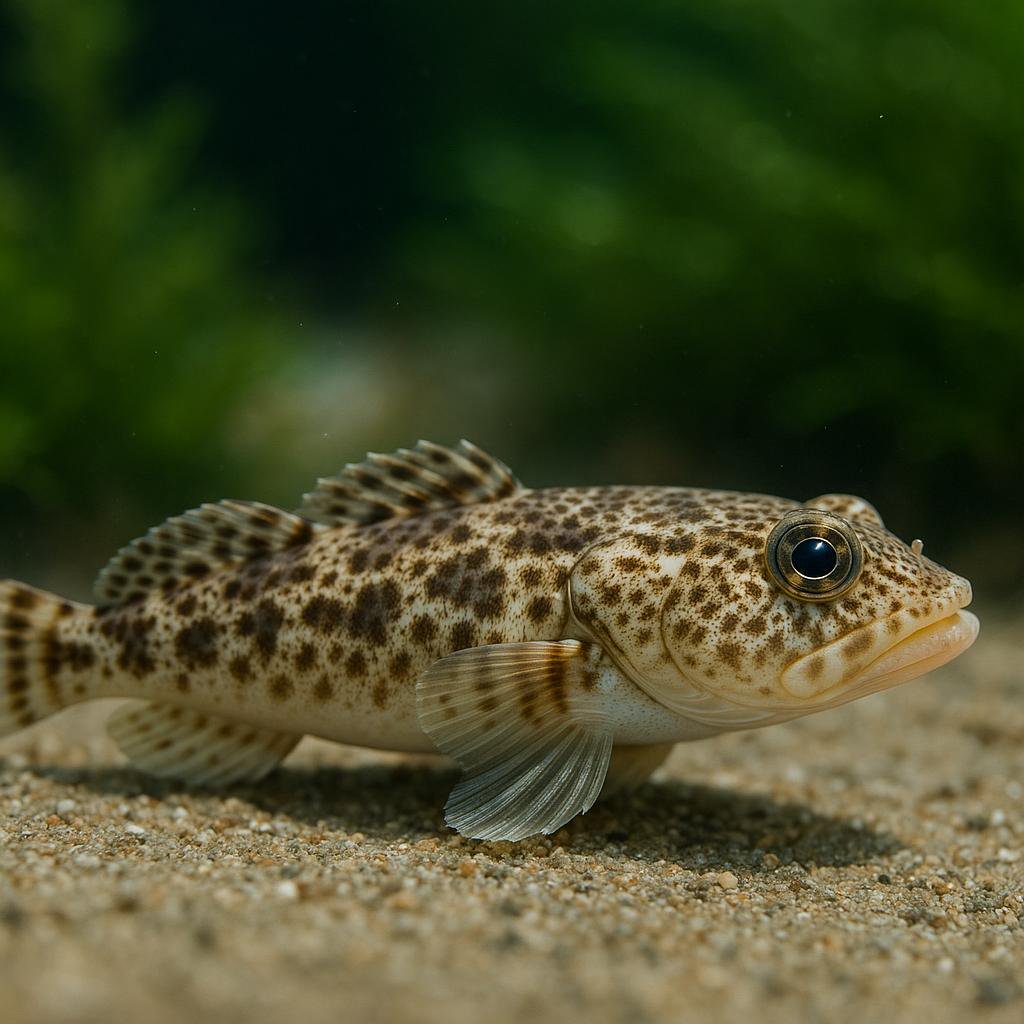
The Mexican stargazer exhibits a flattened, bulbous head and a patterned body with yellowish-brown scales, adapted for camouflage in sandy substrates.
This page includes AI-generated images. Why am I seeing AI images?
About the Mexican stargazer
This is a teeny sand-stargazer that spends its time buried with just the eyes poking out, waiting to ambush tiny prey. Super cool little "sand-periscope" behavior, but its whole lifestyle is basically built around being in clean marine sand, so it is not a typical aquarium fish at all.
Also known as
Quick Facts
Size
4 cm
Temperament
Semi-aggressive
Difficulty
Expert
Min Tank Size
20 gallons
Lifespan
unknown
Origin
Eastern Central Pacific (Pacific coast of Mexico)
Diet
Carnivore - tiny live/frozen meaty foods (small crustaceans/zooplankton)
Water Parameters
22-28°C
8-8.4
8-12 dGH
Need a heater for this species?
This species needs 22-28°C in a 20 gallon tank. Use our heater calculator to find the right wattage.
Calculate heater sizeCare Notes
- Give it a big sandbed: 2-4 inches of fine sugar sand so it can bury with just the eyes showing. Skip sharp sand or crushed coral - they get beat up fast.
- High flow right on the sand will turn your tank into a dune field and annoy the fish, so aim strong flow across the rockwork and keep the substrate zone calmer. Leave open sand patches so it can pick a spot and stay put.
- Maintain stable marine salinity and excellent water quality appropriate for a marine-only, inshore sand-dwelling fish; avoid ammonia/nitrite and keep the system clean and stable.
- They are ambush predators that take small animal prey (including crustaceans and small fishes). Start with appropriately sized meaty foods (e.g., small crustaceans/finely chopped seafood) offered near the fish; avoid oversized chunks relative to the fish’s very small adult size.
- Tankmates: avoid anything that fits in its mouth (small gobies, blennies, juvenile fish) because it will disappear overnight. Also avoid fast fin-nippers that will harass its exposed eyes and dorsal area; tough, larger fish that ignore it are the safest bet.
- Cover intakes and overflows - they bury and can get sucked into pumps if they choose the wrong spot. A tight lid helps too since startled buried fish can rocket up when you least expect it.
- Watch for starvation and jaw damage: a new stargazer that is not striking within a few days usually needs live food and a quieter tank. If the sand is too coarse, you will see facial scrapes and it will stop burying properly.
- Breeding in home tanks is basically a lottery; they are not a common captive-spawn and pairing is tricky. If you ever see two sharing the same burrow area, keep feeding heavy and do not rearrange the sandbed.
Compatibility
Good Tankmates
- Small to medium reef-safe wrasses that stay in the water column (think fairy wrasses or flasher wrasses). They cruise around and mostly ignore a buried ambush fish, and they are quick enough to not get picked off.
- Active midwater damsels that are not total terrors (chromis and the milder damsels). They usually learn the stargazer's little patch of sand is not worth investigating.
- Hawkfish and similar perchers that stick to rockwork (like longnose hawkfish). They are not sand-sitters, so they tend to keep out of the strike zone.
- Smaller, non-predatory angels that stay busy on the rocks (flame angel type behavior). They generally do fine as long as they do not constantly hover over the sand and pester it.
- Rabbitfish and other bigger, chill algae grazers that keep moving (foxface type). They are usually too large to be considered food and are not interested in the stargazer's burrow.
- Tougher, fast-moving clowns (ocellaris or percula) if they have an anemone or a spot they stick to up off the sand. They usually coexist fine when the clowns are not trying to nest right on the substrate near the stargazer.
Avoid
- Tiny fish that fit in its mouth (neon gobies, small firefish, small dartfish, small juvenile fish). If it can swallow it, it probably will - these guys are classic ambush predators.
- Bottom sitters and sand-perchers (watchman gobies, jawfish, sand-sifting gobies). They want the same real estate, and you end up with constant stress or someone getting nailed when they wander too close.
- Small shrimp, especially cleaner shrimp and peppermint shrimp. In a lot of setups they eventually become expensive snacks, particularly at night or after a molt.
Where they come from
Mexican stargazers (Dactyloscopus metoecus) are little ambush predators from sandy, shallow areas in the eastern Pacific around Mexico. In the wild they spend most of their time buried with just their eyes and mouth poking out, waiting for something edible to wander by.
That lifestyle explains basically every quirk you will deal with in the aquarium: they want sand, they want to hide, and they strike fast.
Setting up their tank
If you try to keep this fish like a normal reef fish, you will have a bad time. Build the tank around a buried ambush hunter and things get way easier.
- Tank size: I would not do less than 30 gallons for one, bigger if you want tankmates.
- Sand bed: give them a real bed to work with. Around 3-5 inches is where I have seen the best burying behavior.
- Sand type: fine to medium sand. Skip sharp crushed coral, they will scrape themselves up.
- Rockwork: keep heavy rock on the glass or on a stable base, not sitting on loose sand they can excavate under.
- Flow: moderate. Too much direct flow and they will keep getting blasted out of their spot.
- Lighting: they do not care much, but strong lights plus no shade can keep them stressed and hidden.
Lid matters. Stargazers can launch themselves out during feeding or if spooked. Use a tight mesh or solid top and cover gaps around cords.
They can bite, and some stargazers are venomous. I treat all stargazers like they are capable of ruining your day. Use tongs, do not hand-feed, and be careful when moving sand or rocks.
Acclimation tip from experience: dim the lights, give them a quiet tank, and do not panic if you do not see them for days. If the sand bed is right, they disappear. That is normal.
What to feed them
They are not grazers or pickers. They are a sit-and-wait predator that wants meaty foods delivered right to their face. If you rely on them to chase food around the tank, they will slowly fade.
- Best starters: live ghost shrimp, small mollies acclimated to salt (common weaning trick), live shore shrimp if you can source clean ones.
- Once eating: frozen mysis, chopped shrimp, chopped clam, pieces of silverside, other marine meaty blends.
- How to feed: long tweezers or a feeding stick. Wiggle the food a few inches from their mouth and let them strike.
- Schedule: small meals 3-5 times a week beats huge feedings. They are built for ambush, not constant snacking.
If you are trying to convert one off live foods, feed at the same spot each time. They learn the routine. I have had the best luck offering live first, then immediately offering a thawed piece right after the strike while they are still in hunting mode.
Avoid freshwater feeder fish from the store. They are nutrition-poor long term and bring parasites. If you use live feeders at all, quarantine them and use salt-tolerant species you can gut-load.
How they behave and who they get along with
Most of the time they look like a pair of eyes in the sand. Then something swims by and it is a lightning strike. They are not aggressive in the "chase you around" sense, but they are absolutely predatory.
- Anything that fits in their mouth is food. That includes small fish and a lot of shrimp.
- They may eat bottom-dwelling fish that sleep on the sand (gobies, small wrasses, dragonets), especially at night.
- They do fine with larger, calm fish that stay midwater and will not harass the sand bed.
- Fast, nippy fish can stress them out and keep them buried all the time.
Think of them like a sand-based trap. If you would not trust a frogfish with a tankmate, do not trust a stargazer with it either.
Also, accept that you are keeping a fish you will not "see" much. If you want a display fish that is always out, this is the wrong species. If you like weird behavior and ambush feeding, they are addictive.
Breeding tips
Breeding in home aquariums is not common. They are not like clownfish where you can set up a tile and call it a day. Sexing them is not straightforward, and even if you get a pair, larval rearing would be its own project.
If you ever do want to try, your best shot is a species-only setup with a deep sand bed, very stable water, and heavy feeding. Be ready for planktonic larvae and the whole rotifer/copepod pipeline if it even gets that far.
Common problems to watch for
Most failures with stargazers come down to two things: starvation (because the fish never fully converts to prepared foods) and injuries/infections from a bad substrate or unstable rock.
- Not eating after purchase: common. Try live shrimp to get a feeding response, then work toward frozen.
- Slow weight loss: they can look "fine" while steadily thinning. Watch the body behind the head and along the back for pinching.
- Mouth or facial abrasions: usually from rough substrate or trying to bury in crushed coral.
- Collapsed burrow or rock shift: can injure or kill them. Secure rockwork like you would for a digging goby, but even more so.
- Gill irritation: fine sand dust or poor water quality shows up fast because they sit in the substrate.
Be careful during maintenance. If you plunge your hand into the sand to pull algae or re-seat a rock, you can end up grabbing a stargazer face-first. Use a tool to stir or move sand in their area, and know where the fish is before you go digging.
I keep a "feeding station" zone: a small clear patch of sand near the front. It makes target feeding easy and lets you check body condition without tearing up the whole scape looking for them.
Similar Species
Other marine semi-aggressive species you might be interested in.
Aleutian skate
Bathyraja aleutica
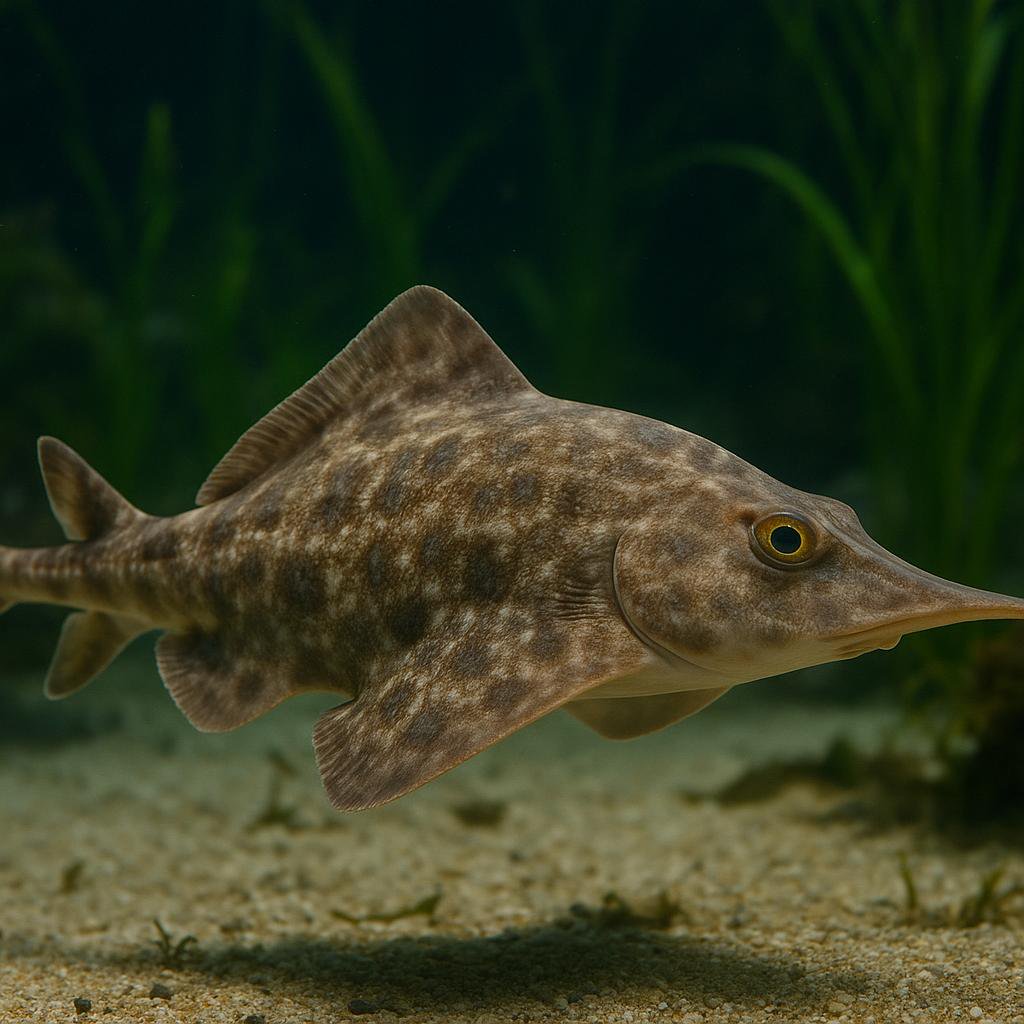
This is a big, cold-water deep-slope skate from the North Pacific that cruises muddy bottoms and eats chunky benthic prey like crabs and shrimp. The really cool bit is its egg-laying skate life - it does distinct pairing (the classic skate "embrace") and drops those tough egg cases on the seafloor. Not an aquarium fish at all unless you're basically running a public-aquarium-style chilled system.
Antarctic dragonfish
Vomeridens infuscipinnis
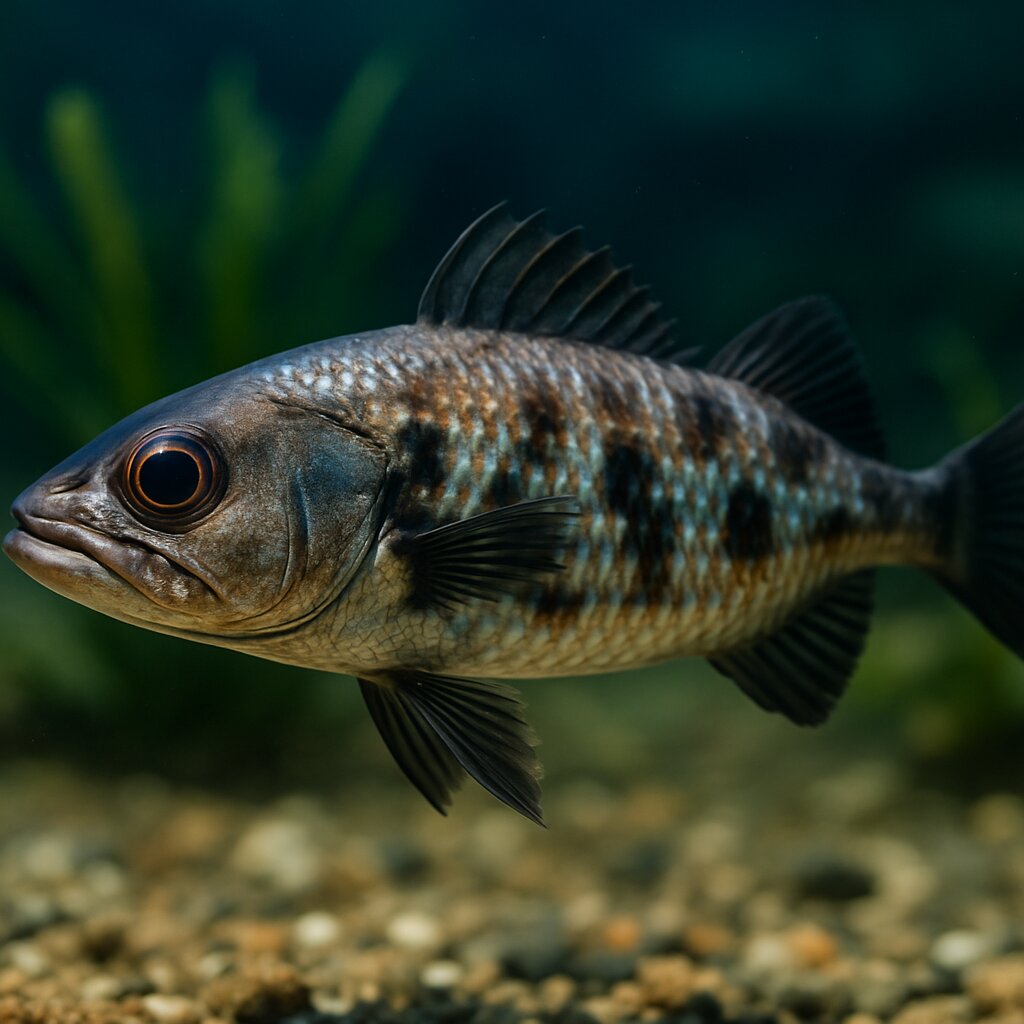
Deep down around Antarctica, this sleek dragonfish cruises the water column like a little submarine, nearly neutrally buoyant so it can hover above the seafloor. It munches almost exclusively on Antarctic krill and lives in near-freezing water 500-800 m down, so it is a cool species to read about, not one for home tanks.
Arabian spiny eel
Notacanthus indicus
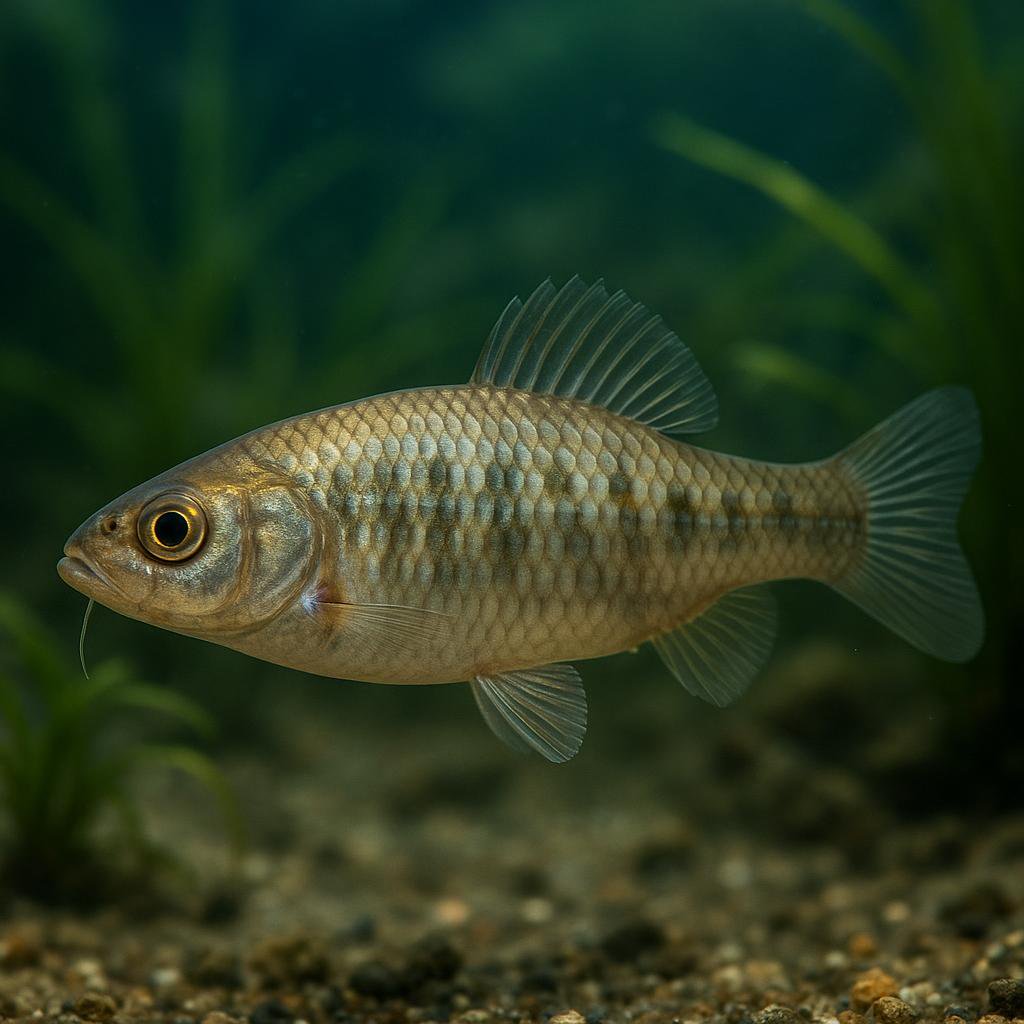
Notacanthus indicus is a deep-sea spiny eel (family Notacanthidae; not a true eel) known from the Arabian Sea on the continental slope at roughly ~960–1,046 m depth, with reported maximum length around 20 cm TL; it is a deep-water bycatch species and not established in the aquarium trade.
Arctic rockling
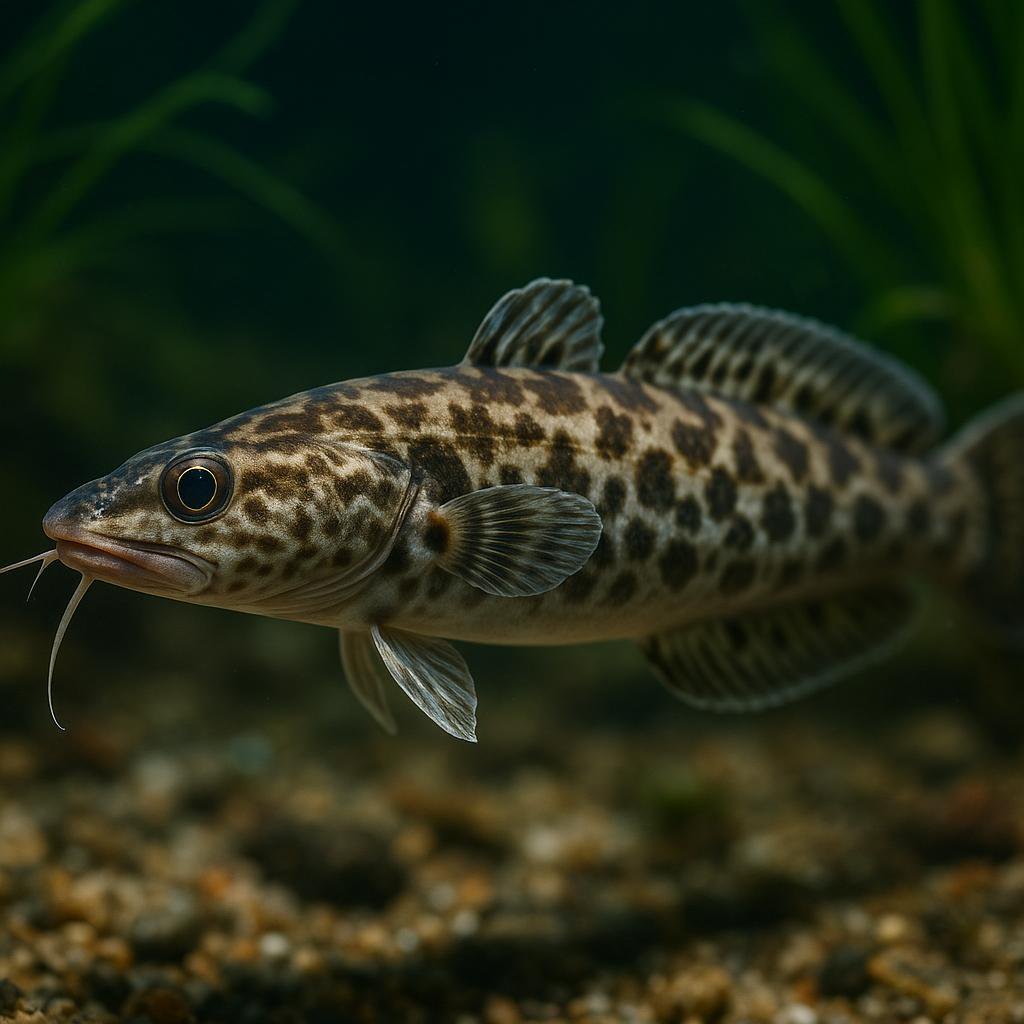
Gaidropsarus argentatus
This is a deepwater North Atlantic rockling (a cod relative) that hangs out on soft bottoms way down the slope. It is a cold-water, bottom-hugging predator that snoots around for crustaceans and will also take small fish when it gets the chance.
Atlantic pomfret
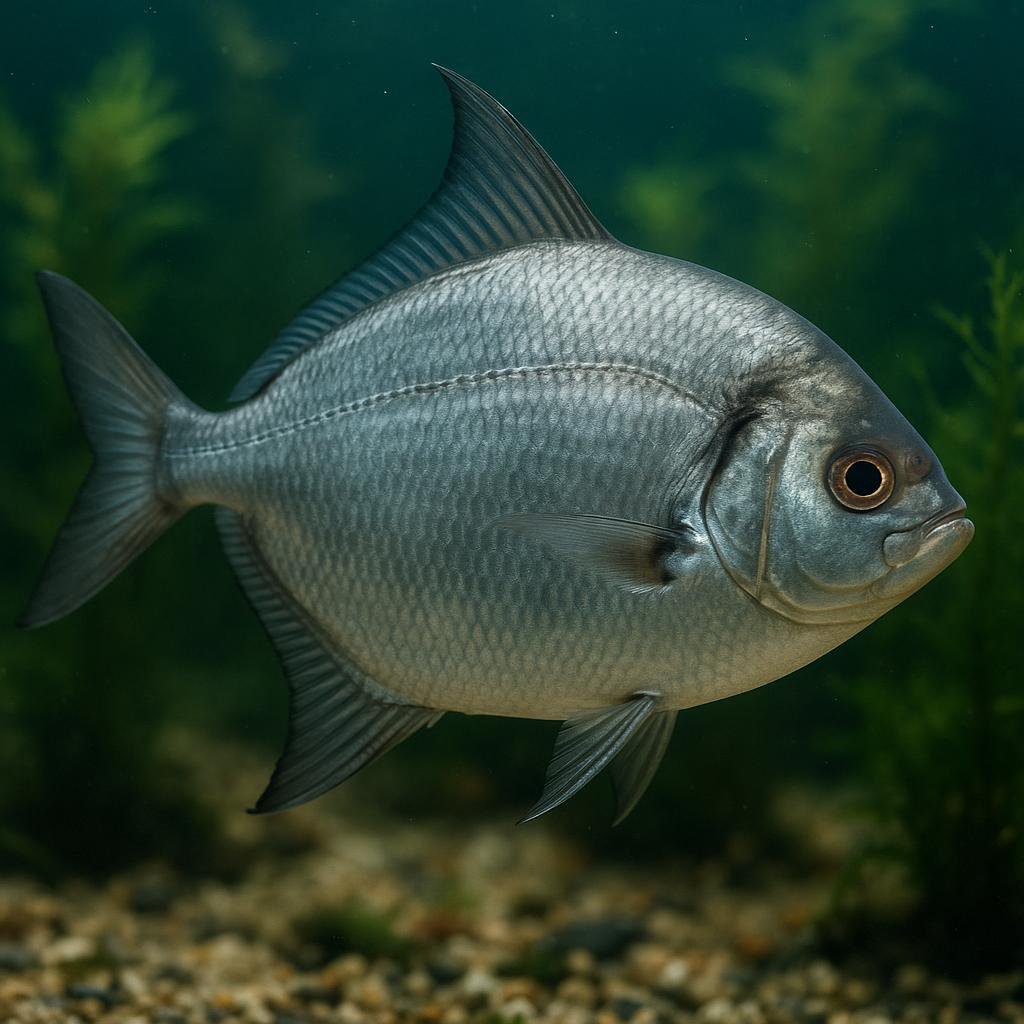
Brama brama
Brama brama is the Atlantic pomfret (aka Ray's bream) - a deep-bodied, open-ocean pelagic fish that cruises around in small schools and follows water temps. It is a legit big, wild marine species (not an aquarium fish) that eats other small sea critters like fish and squid, and it ranges across a huge chunk of the Atlantic plus parts of the Indian and South Pacific.
Australian sawtail catshark
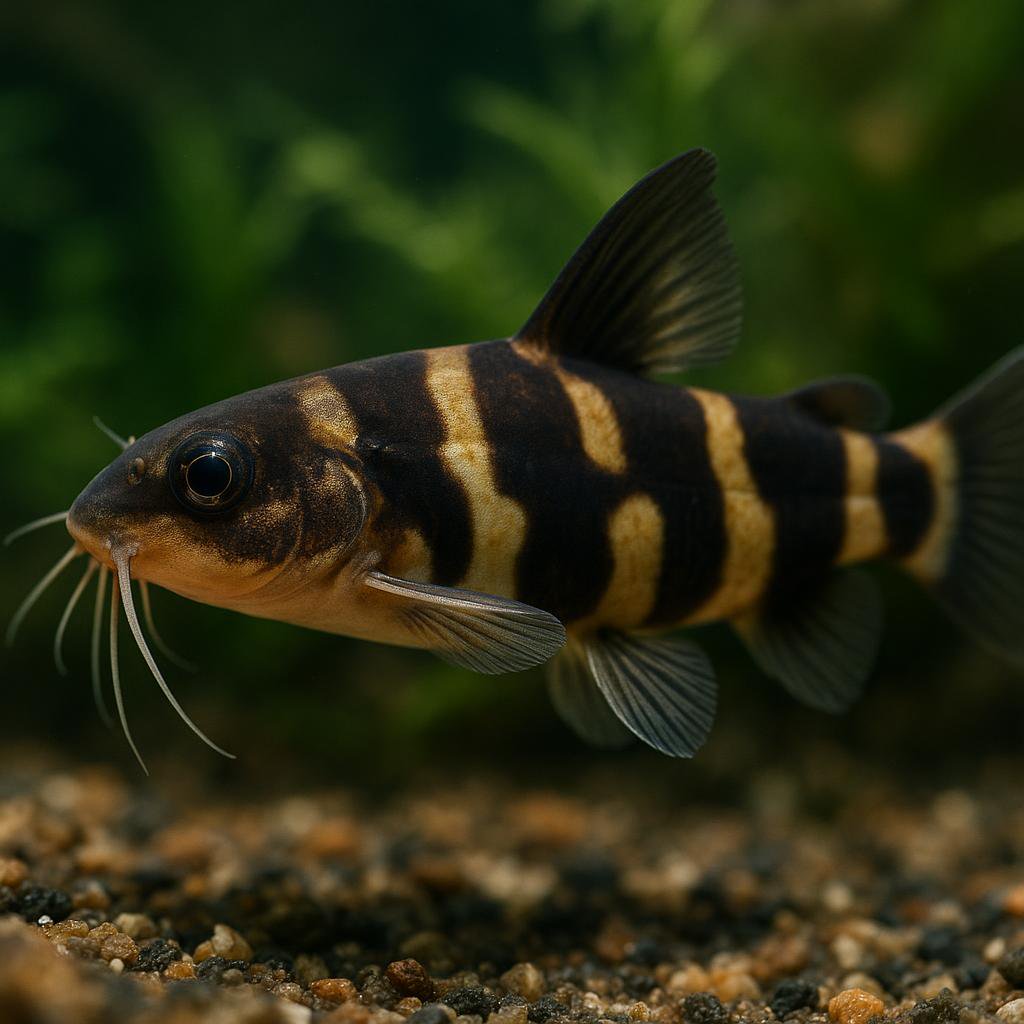
Figaro boardmani
Figaro boardmani is a small, deepwater Australian catshark with these cool saw-like ridges of spiny denticles along the tail and a neat pattern of dark saddle bands. It lives way down on the outer continental shelf and slope, so its natural water is cold, dim, and stable - totally not a typical home-aquarium fish. Diet-wise its a predator that goes after fish, crustaceans, and cephalopods.
More to Explore
Discover more marine species.
Abe's eelpout
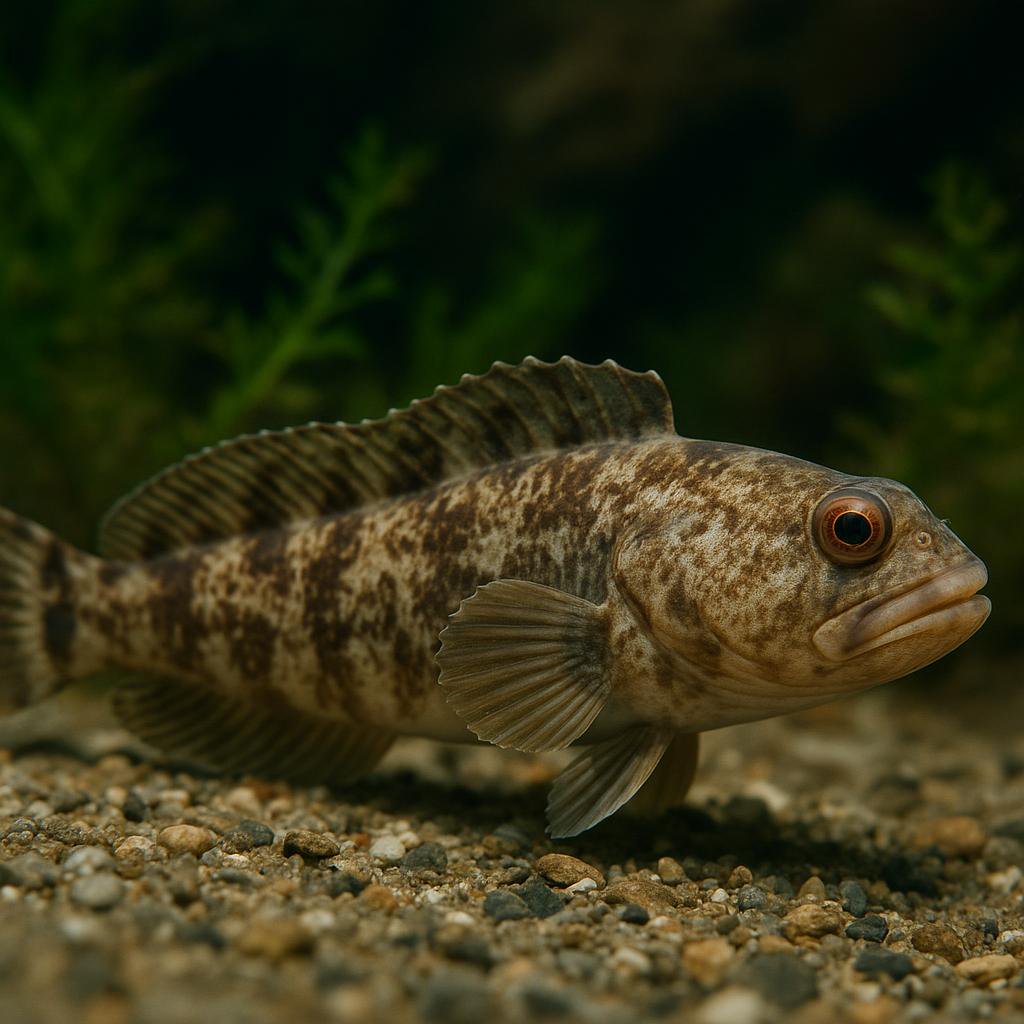
Japonolycodes abei
Japonolycodes abei is a temperate, deepwater demersal eelpout (family Zoarcidae) endemic to Japan (Kumano-nada Sea reported; other sources also report Sagami Bay and Tosa Bay). It is the only species in the genus Japonolycodes and occurs roughly 40-300 m depth, making it an uncommon/atypical aquarium species.
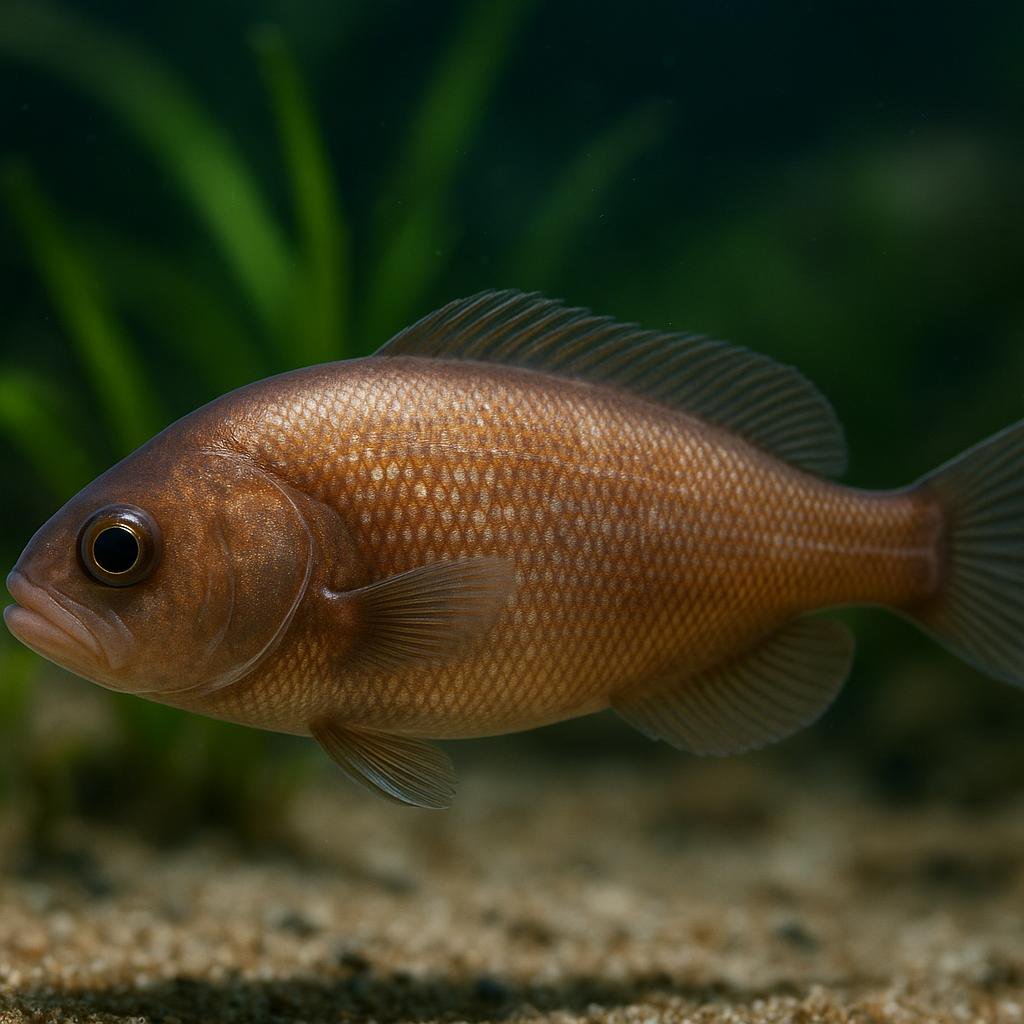
Affinis blind cusk-eel
Barathronus affinis
Barathronus affinis is a tiny, super-weird deep-sea blind cusk-eel from the western-central Indian Ocean. It is one of those gelatinous, loose-skinned brotula-type fishes that live way down in the dark and are basically never seen alive, so almost everything we know comes from preserved specimens and taxonomic work.
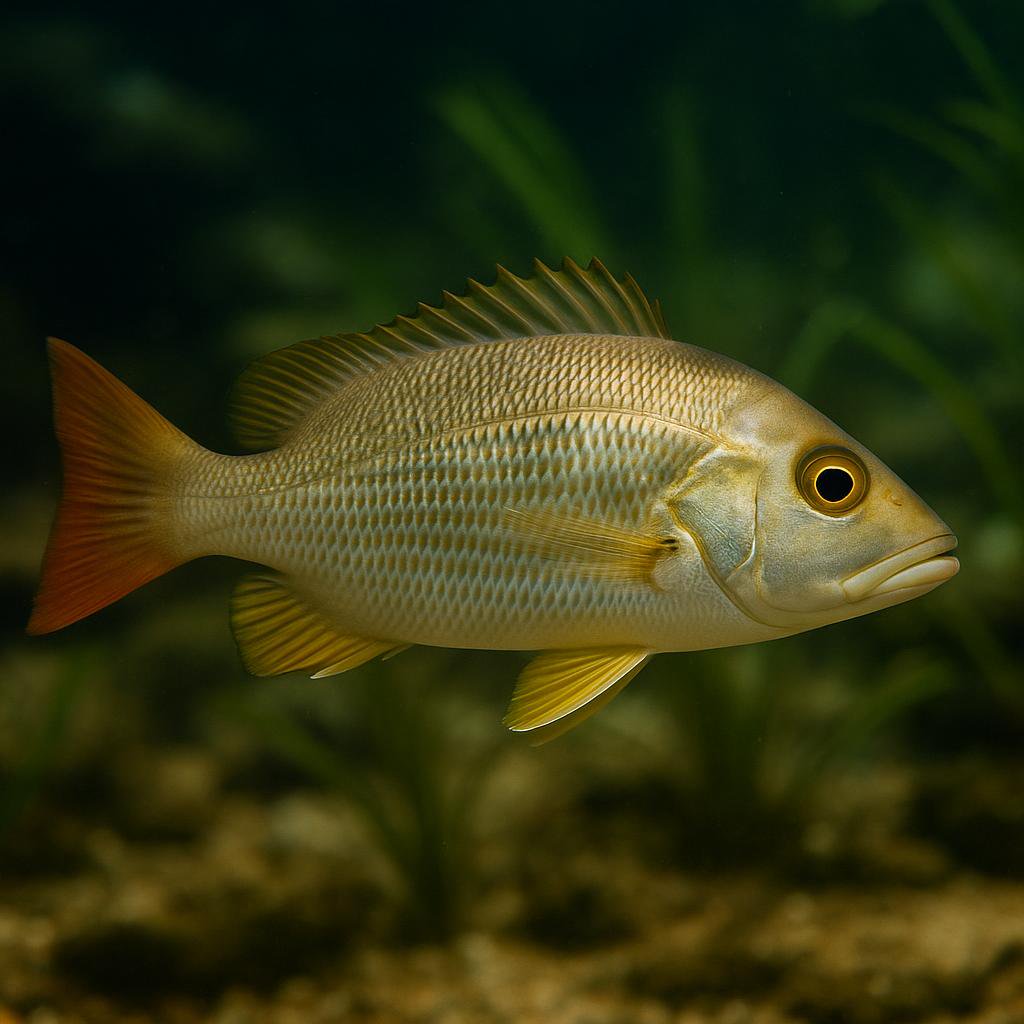
African red snapper
Lutjanus agennes
This is a true snapper from West Africa - a big, fast-growing predator that goes from coastal reefs to brackish lagoons and estuaries (especially as a juvenile). Super cool fish in the wild, but it gets absolutely huge and will eat smaller tankmates once it has the mouth for it, so its really more of a public-aquarium scale animal than a home-aquarium fish.
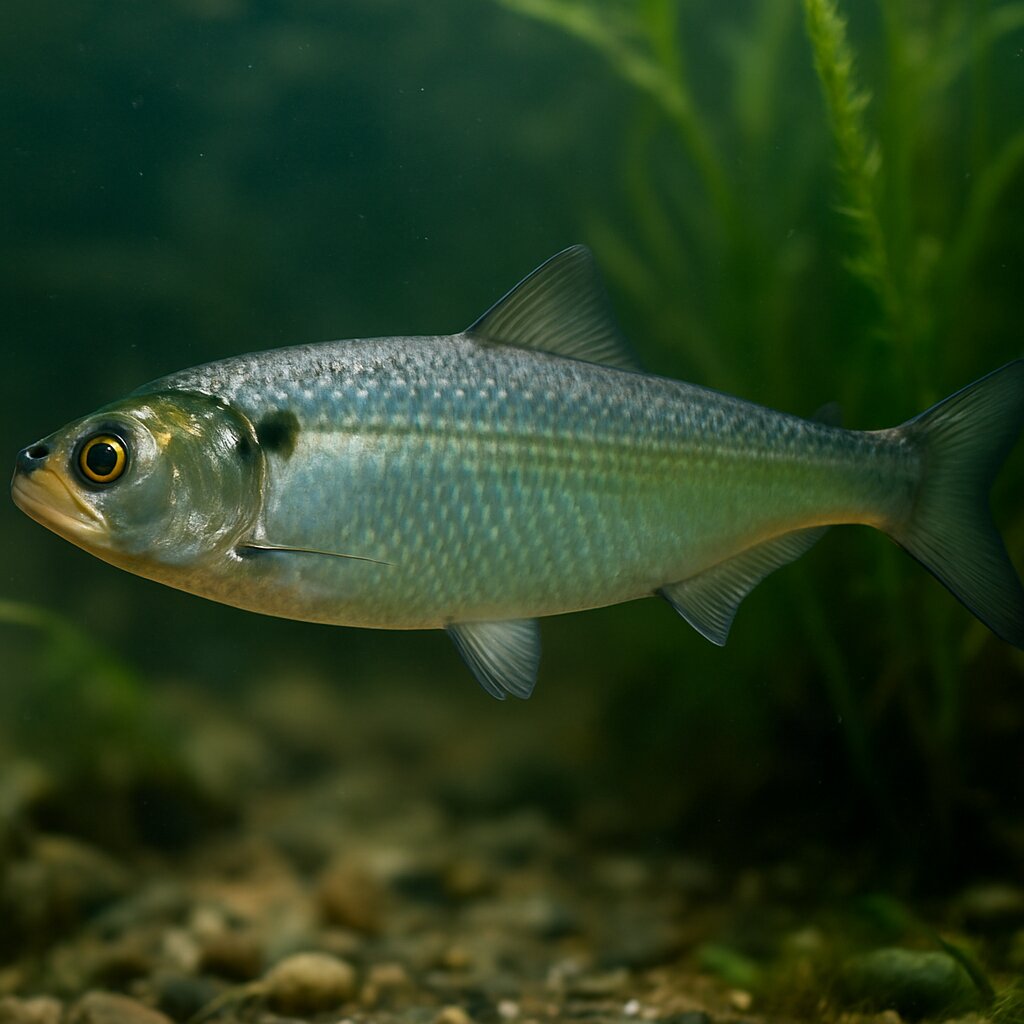
Allis shad
Alosa alosa
Gorgeous silver, fast-swimming shad that spends most of its life in the sea and then surges up big rivers in noisy, surface-spawning schools. It grows huge for a herring-type fish and needs cool, ultra-oxygenated water and tons of open space, so it is a public-aquarium species rather than a home tank fish.
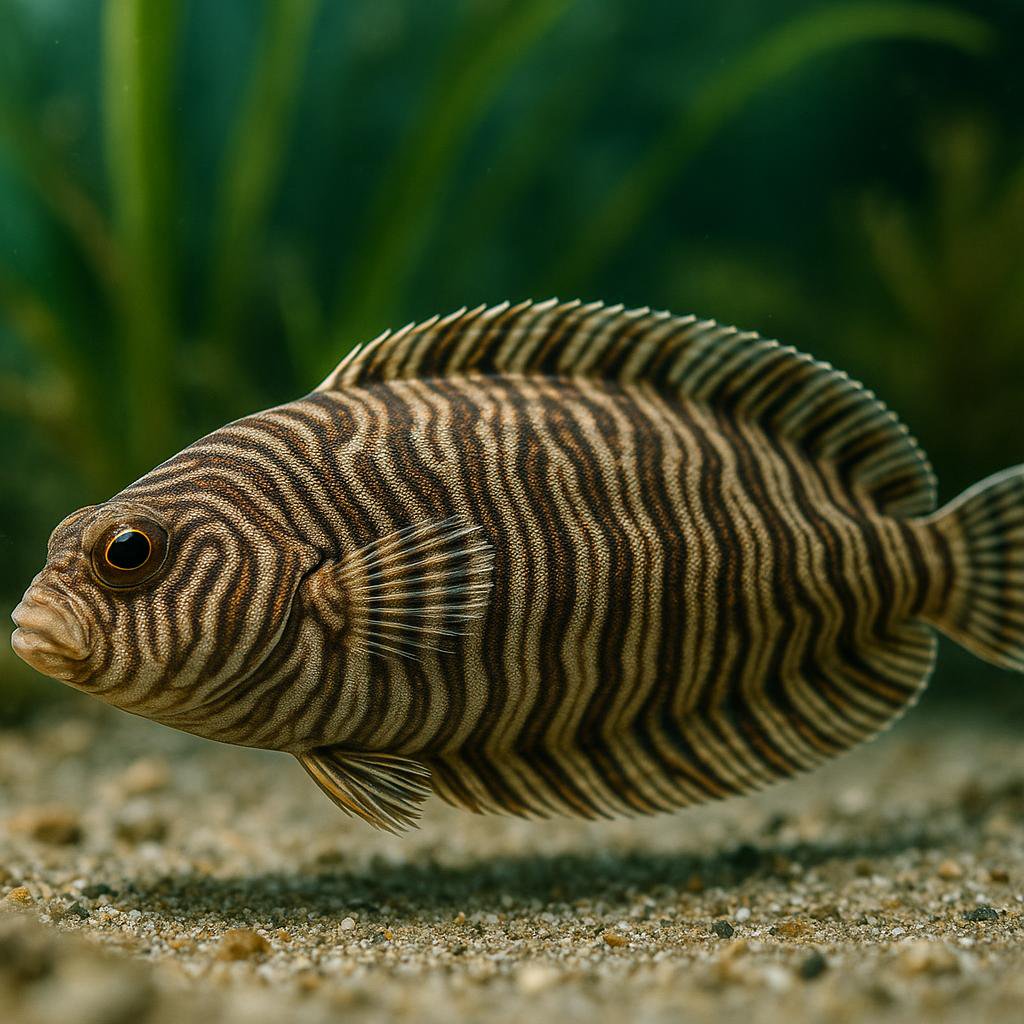
Annandale's zebra sole
Zebrias annandalei
Zebrias annandalei is a small demersal sole from coastal India that inhabits sandy or muddy bottoms and buries for camouflage. It is rarely kept in home aquaria and would require a specialized marine sand-bottom setup and appropriate feeding.
Banded stargazer
Kathetostoma binigrasella
This is a New Zealand stargazer that lives half-buried in sand or mud with its eyes pointed up, waiting to rocket upward and nail passing prey. It has those neat dark saddle-bands across the back (especially as a juvenile), and like other stargazers it is venomous with spines near the gill cover/pectoral area - definitely a look-dont-touch fish.
Looking for other species?