

Deep-sea cutthroat eel
Dysommina rugosa
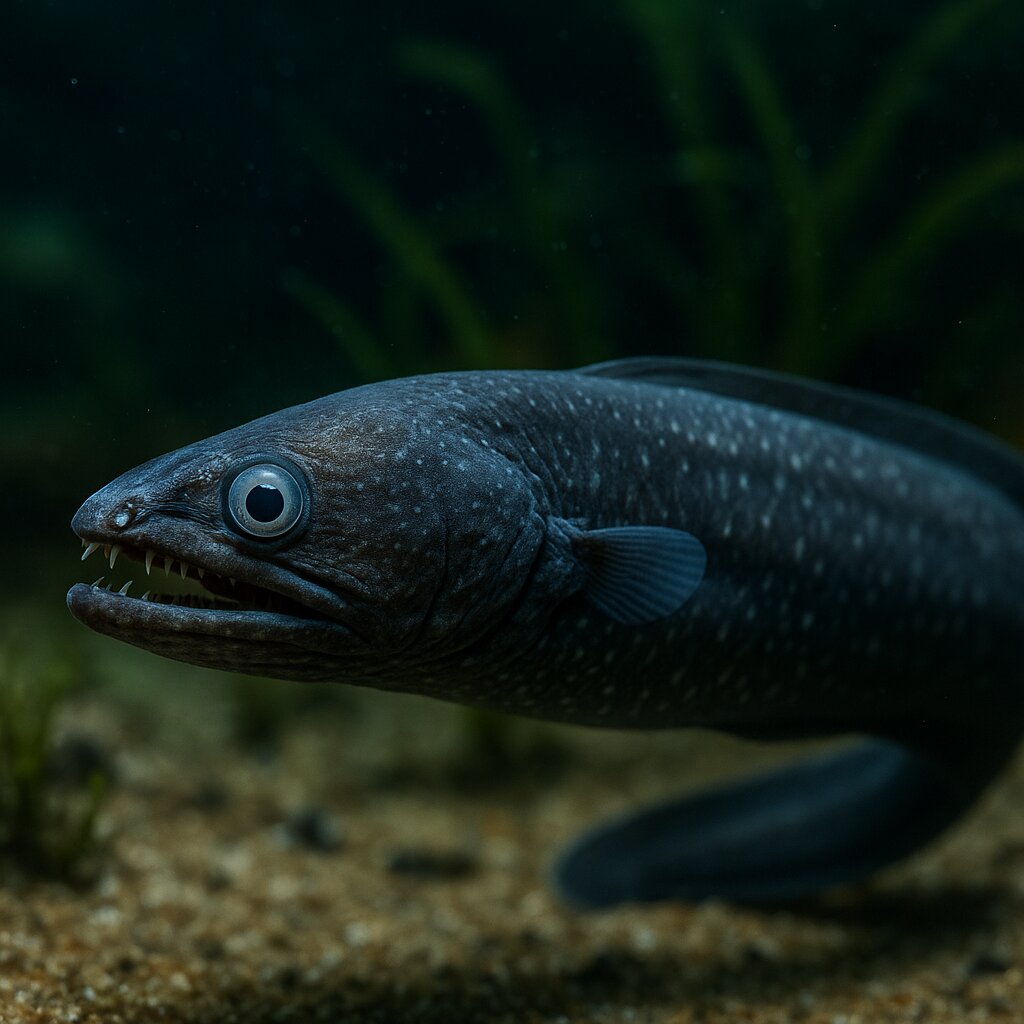
The Deep-sea cutthroat eel features a long, slender body with a dark brown to black coloration, often marked with pale spots or mottling.
This page includes AI-generated images. Why am I seeing AI images?
About the Deep-sea cutthroat eel
This is a true deep-sea eel that hangs out along continental slopes hundreds of meters down, topping out around a foot long. The wild footage from American Samoa is wild - big swarms of these little cutthroats tuck into crevices around the Nafanua cone at Vailulu'u volcano, a spot scientists nicknamed Eel City. Super cool animal, but not one for home tanks.
Also known as
Quick Facts
Size
37.1 cm
Temperament
Semi-aggressive
Difficulty
Expert
Min Tank Size
0 gallons
Lifespan
Unknown
Origin
Tropical Atlantic and Indo-Pacific
Diet
Carnivore - crustaceans, shrimp, carrion
Water Parameters
6.8-15.4°C
7.6-8.1
80-110 dGH
Care Notes
- Run a serious chiller and keep it 4-8 C; they crash fast if you drift over 10 C. Use dim lighting or red light only and cover the sides if it paces.
- Give it a long coldwater tank (6 ft, 400+ liters) with snug PVC tunnels and rock crevices, plus 5-10 cm of fine sand to wriggle in. Seal every gap in the lid; eels find holes.
- Hold salinity at 34-36 ppt and pH 8.0-8.2 with high oxygen and strong skimming. Ammonia and nitrite need to be zero and nitrate under ~20 ppm.
- Feed at night with tongs using oily marine meats like mackerel, squid, and prawn cut into strips. Start tiny and smelly 2-3 times a week under red light, and yank leftovers within 10 minutes.
- Keep it solo or with very calm coldwater inverts it cannot eat; it will nail small fish and most crustaceans. Skip warmwater tankmates and any aggressive predators.
- Acclimate slow while chilled and in the dark, and keep bag and tank water within 1 C. Expect a hunger strike for a couple weeks after arrival.
- Smooth all cave and PVC edges to prevent mouth abrasions, and quarantine at the same cold temp if you need to treat. Add temp alarms and backup cooling because one heat spike can wipe it out.
- Breeding is not happening in a home tank; their larvae are planktonic and have never been reared in captivity.
Compatibility
Good Tankmates
- Similar-sized deepwater eels that stick to their own burrow and do not get nippy
- Big, slow rat-tails grenadiers that cruise the bottom and are too large to fit in its mouth
- Hefty cusk eels and brotulas from cold, dark water that ignore neighbors
- Sedentary deepwater scorpionfish of comparable size that will not mess with a burrowing eel
- Sturdy deepwater rockfishes that keep to themselves and will not outcompete it at feeding time
- Calm, non-nippy midwater deepwater fish that are too big to be a snack and tolerate dim, cold systems
Avoid
- Anything bite-sized, like juvenile grenadiers, small cusk eels, or little flatfish
- Fast pelagic hotrods like mackerels or jacks that zoom around and stress slow ambush predators
- Big aggressive predators that will bully or eat it, like large groupers or sharks
- Warm, bright reef fish that need light and tropical temps
Where they come from
Deep-sea cutthroat eels turn up on continental slopes in tropical to subtropical oceans, usually on soft bottoms several hundred to well over a thousand meters down. Picture cold, inky water, slow currents, and animals living half-buried with just the head poking out. That's their comfort zone.
- Depth: roughly 400-1500 m
- Water temp out there: about 4-8 C
- Habitat: silty or muddy flats, gentle slopes, scattered rubble
Reality check: this is a deep-cold marine species. You're building a chilled, low-light system closer to a public aquarium setup than a home reef. If you can't stabilize 4-8 C year-round, stop here.
Setting up their tank
Give them cold, dim, and quiet. They're not swimmers; they're burrowers. A long footprint matters more than height.
- Tank size: 400 L+ with a 120 cm or longer footprint for a single adult (40-60 cm eel). Bigger is easier to stabilize.
- Temperature: 4-8 C with a reliable chiller. Redundancy helps: dedicated chiller, temperature controller, and a backup plan for power outages.
- Salinity: 34-35 ppt (1.025-1.026 SG). pH 8.0-8.2. Keep nitrate and organics low.
- Lighting: keep it very dim. Red viewing light works well. No bright photoperiod blasting the tank.
- Flow and gas exchange: gentle turnover (2-4x/hr). Skimmer and strong aeration for oxygen, but avoid blasting their burrows.
- Filtration: oversize the biofilter. Nitrification crawls at cold temps. Big biomedia volume, mechanical prefilters for meaty waste, and slow, patient cycling.
- Lid: tight and sealed. Block every cable gap. Eels find exits.
Substrate and hides are the make-or-break. They want to burrow or tuck into narrow tubes.
- Substrate: 10-15 cm of fine sand. Real mud is risky in closed systems (sulfide pockets).
- Burrows: partially bury PVC tubes (40-60 mm diameter), 30-60 cm long, with one end slightly pinched or capped with drilled holes. Angle them so the opening faces a quiet, shadowed area.
- Rockwork: keep it low and stable. They will undermine loose stacks. Epoxy or pin as needed.
- Noise: chillers and pumps vibrate. Decouple with soft tubing or pads; they spook easily.
Acclimation: chill the QT tank first. Dim lights. Drip acclimate slowly, keep everything cold, and use a soft water-to-water transfer instead of a net to avoid skin damage.
What to feed them
They eat benthic invertebrates, small fishes, and carrion. At home they take meaty marine foods once they figure out the routine.
- Good staples: silversides, smelt, squid, clam, scallop, prawn pieces. Rotate proteins.
- Avoid: oily freshwater fish and feeder goldfish. Stick to marine sources.
- Feeding style: use long tongs. Wiggle the food at the mouth of the burrow after lights-out. If they won't leave the tube, tuck a small piece halfway inside.
- Schedule: 2-3 times per week. Small portions. Cold-water metabolism is slow; leftover food will foul the tank.
- Supplements: soak in a marine vitamin/iodine mix once or twice a week.
- Getting a new eel to start: try scent-heavy items (squid, mackerel slivers). If needed, offer live marine shrimp kept chilled to spark a strike, then switch to dead.
New arrivals may not eat for a week or two. Keep the room quiet, keep it dark, and keep trying small offerings. Don't carpet-bomb the tank with food.
How they behave and who they get along with
Mostly a head-in-the-doorway lifestyle. They spend hours with just the snout showing, then do short patrols once the lights are off.
- Temperament: shy ambush predator. Not mean, but anything bite-size is food.
- Tankmates: best kept alone. Coldwater-compatible options are limited, and crustaceans or small fish will disappear. Larger, calm, coldwater fishes may coexist in huge systems, but you are rolling the dice.
- Multiple eels: possible only in very large footprints with several burrows and line-of-sight breaks. Expect resource guarding early on.
- Habits: they will rearrange sand around their tubes. Anchor decor like you mean it.
Breeding tips
No captive breeding records that I'm aware of. Like other eels, they have a leptocephalus larval stage that drifts in the plankton. Even public aquariums haven't cracked that code, so focus on long-term holding and feeding rather than pairing attempts.
Common problems to watch for
- Heat creep: a few degrees up can shut down feeding. If the chiller labors, reduce room temp, insulate lines, and keep lids closed.
- Chiller or power failure: have a plan. Battery backup for pumps, generator for the chiller, and frozen saltwater bottles as a very short-term bridge.
- Ammonia spikes: meaty foods rot fast, and cold biofilters are slow. Test often, pre-rinse foods, and pull leftovers within minutes.
- Refusal to feed: check oxygen first, then noise/vibration, then light spill. Try feeding later at night and swap to squid or oily marine fish slivers.
- Skin and mouth abrasions: rough nets and sharp decor do damage. Minor scrapes can spiral into bacterial infections. Keep water pristine and consult a vet for coldwater-safe antibiotics if lesions spread.
- Medication sensitivity: eels are sensitive to copper and some formalin regimens. If you must treat, use a separate chilled QT and conservative dosing (prazipro and metro are common choices, but verify for coldwater).
- Parasites and worms: wild deepwater fish can carry nematodes. Deworm via food once they are eating.
- Escape attempts: check lids and cable holes regularly. Weight the lid; they are surprisingly strong.
- Ethics and survival on collection: rapid decompression and warm surface temps kill many. Work only with legal, expert sources and expect low availability.
These eels come from high-pressure, very cold water. Even though they lack a swim bladder, decompression and heat stress can be fatal. If the fish arrives listless, gasping, or with bulging eyes, do not warm it up to "help". Keep it cold and dark and get it into a chilled, highly oxygenated QT immediately.
Similar Species
Other marine semi-aggressive species you might be interested in.
Aleutian skate
Bathyraja aleutica
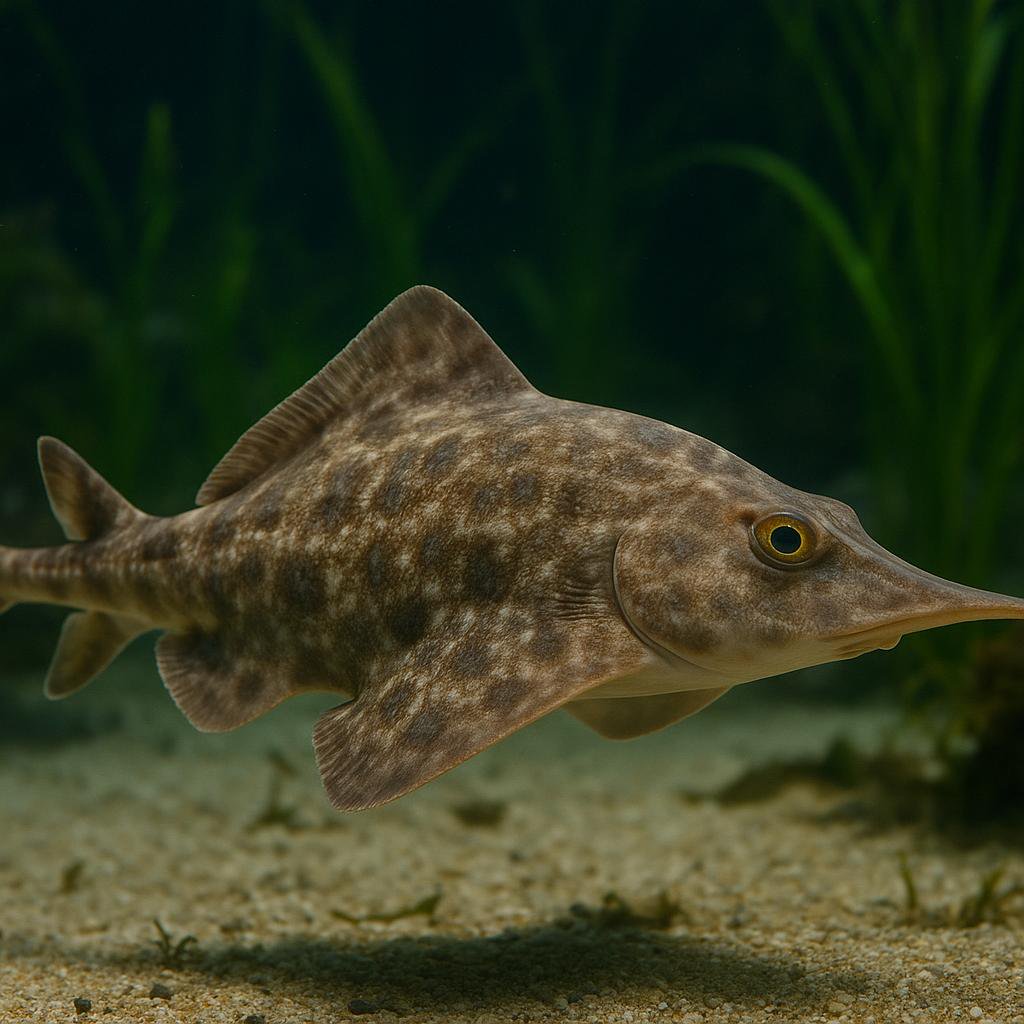
This is a big, cold-water deep-slope skate from the North Pacific that cruises muddy bottoms and eats chunky benthic prey like crabs and shrimp. The really cool bit is its egg-laying skate life - it does distinct pairing (the classic skate "embrace") and drops those tough egg cases on the seafloor. Not an aquarium fish at all unless you're basically running a public-aquarium-style chilled system.
Antarctic dragonfish
Vomeridens infuscipinnis
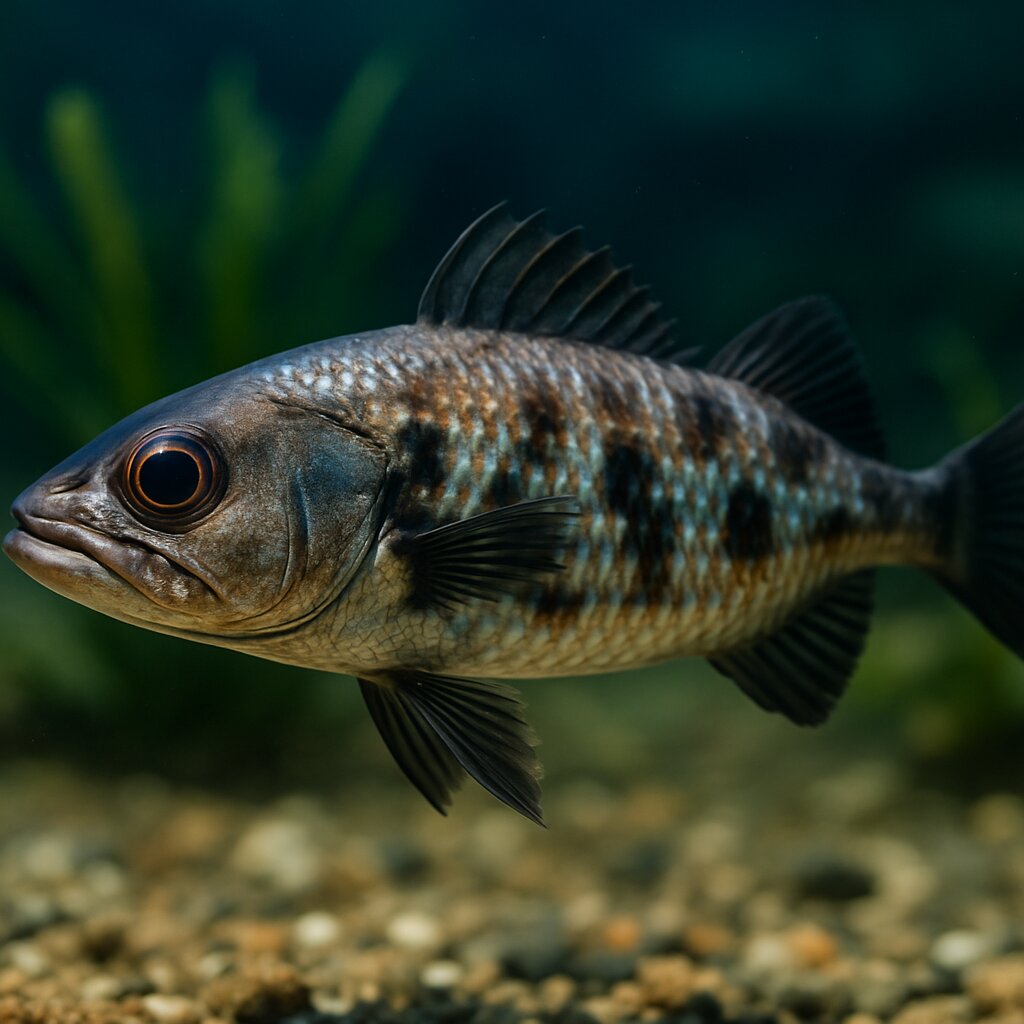
Deep down around Antarctica, this sleek dragonfish cruises the water column like a little submarine, nearly neutrally buoyant so it can hover above the seafloor. It munches almost exclusively on Antarctic krill and lives in near-freezing water 500-800 m down, so it is a cool species to read about, not one for home tanks.
Arabian spiny eel
Notacanthus indicus
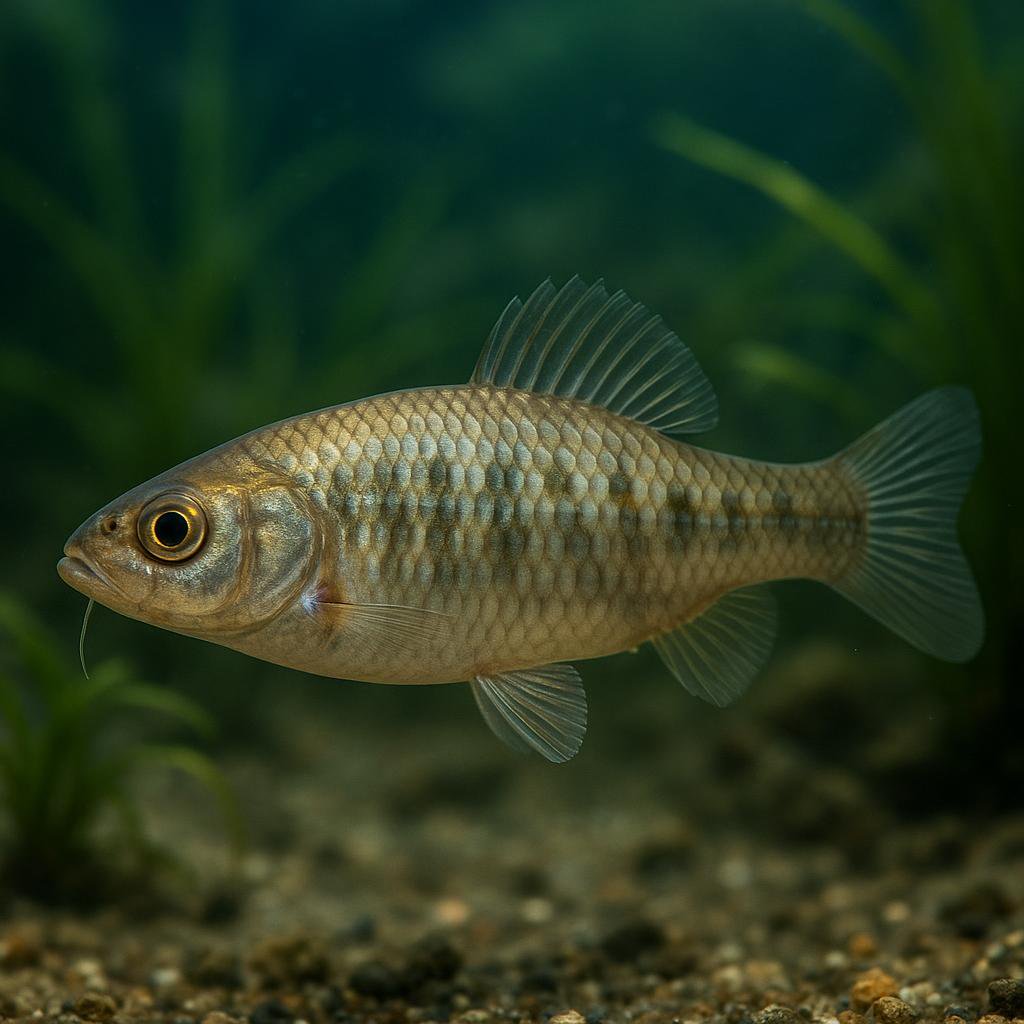
Notacanthus indicus is a deep-sea spiny eel (family Notacanthidae; not a true eel) known from the Arabian Sea on the continental slope at roughly ~960–1,046 m depth, with reported maximum length around 20 cm TL; it is a deep-water bycatch species and not established in the aquarium trade.
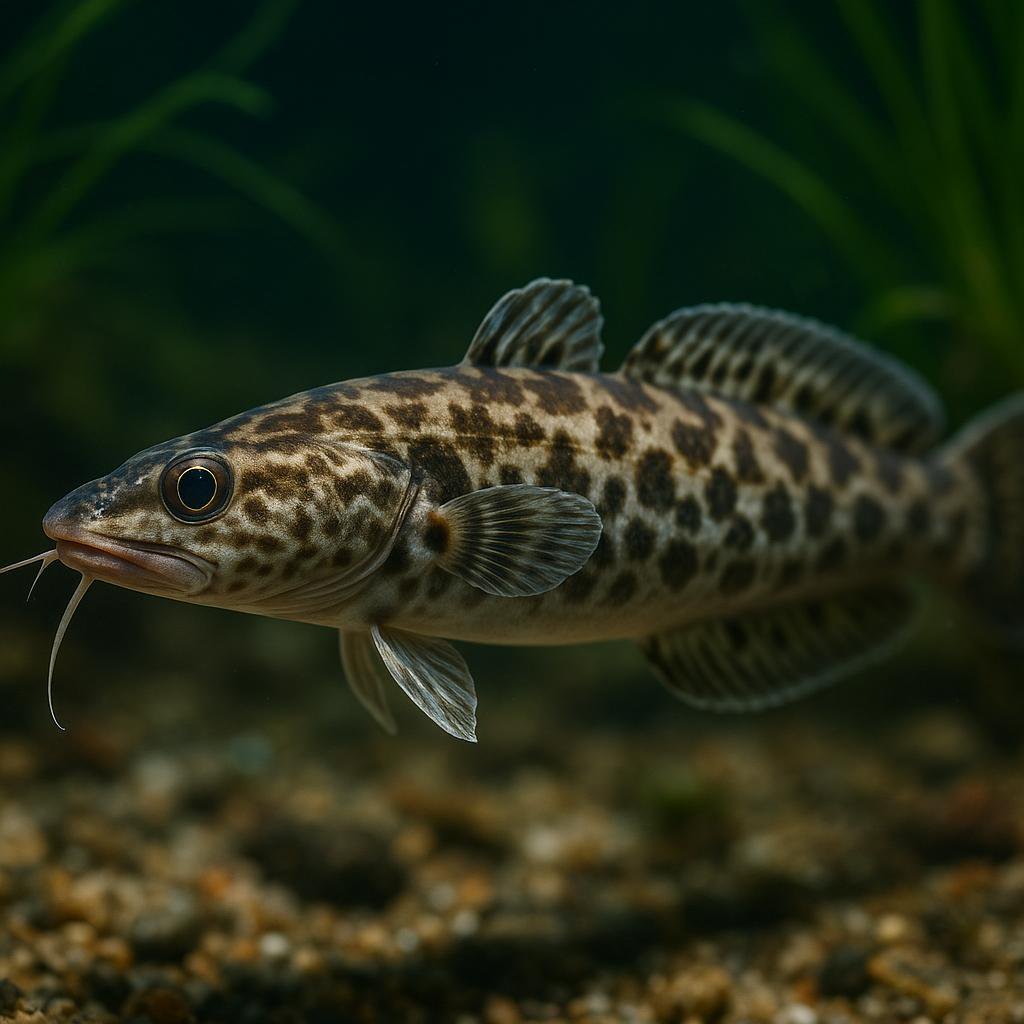
Arctic rockling
Gaidropsarus argentatus
This is a deepwater North Atlantic rockling (a cod relative) that hangs out on soft bottoms way down the slope. It is a cold-water, bottom-hugging predator that snoots around for crustaceans and will also take small fish when it gets the chance.
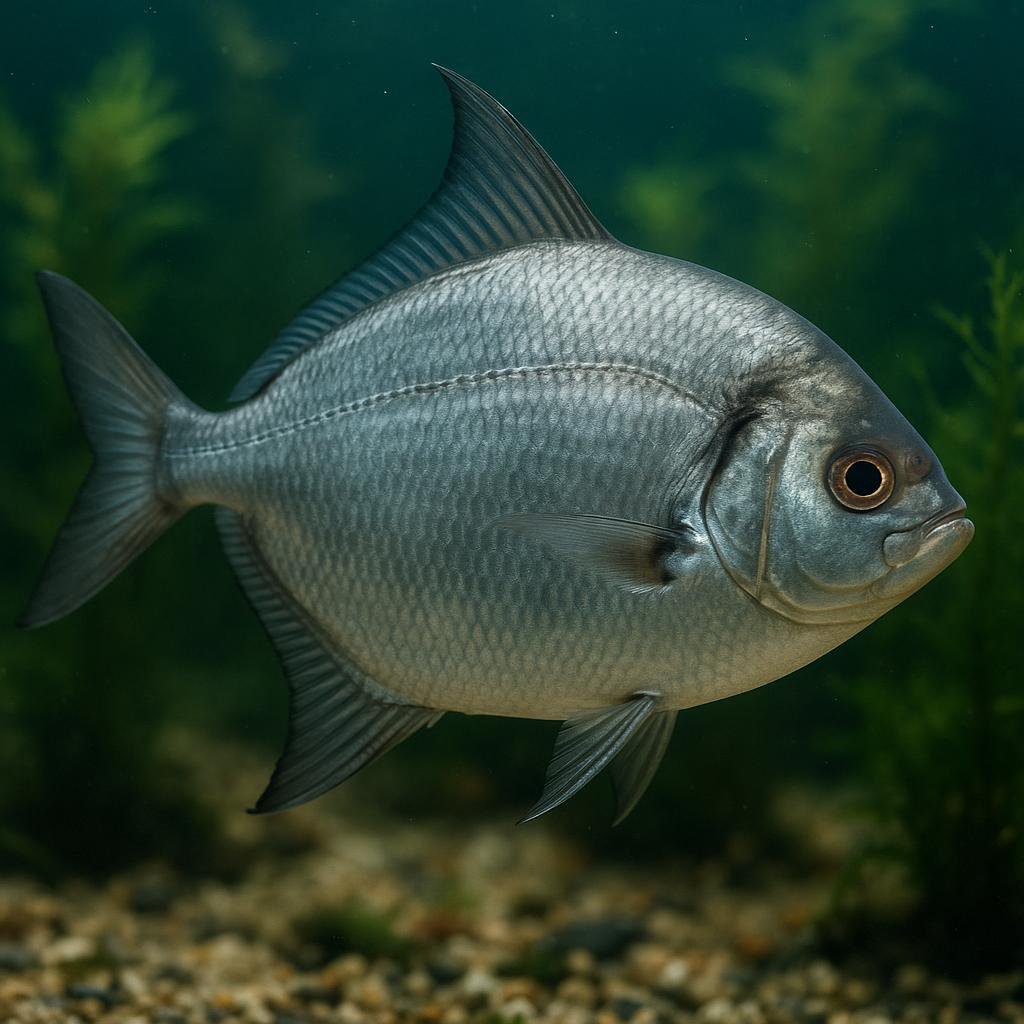
Atlantic pomfret
Brama brama
Brama brama is the Atlantic pomfret (aka Ray's bream) - a deep-bodied, open-ocean pelagic fish that cruises around in small schools and follows water temps. It is a legit big, wild marine species (not an aquarium fish) that eats other small sea critters like fish and squid, and it ranges across a huge chunk of the Atlantic plus parts of the Indian and South Pacific.
Australian sawtail catshark
Figaro boardmani
Figaro boardmani is a small, deepwater Australian catshark with these cool saw-like ridges of spiny denticles along the tail and a neat pattern of dark saddle bands. It lives way down on the outer continental shelf and slope, so its natural water is cold, dim, and stable - totally not a typical home-aquarium fish. Diet-wise its a predator that goes after fish, crustaceans, and cephalopods.
More to Explore
Discover more marine species.
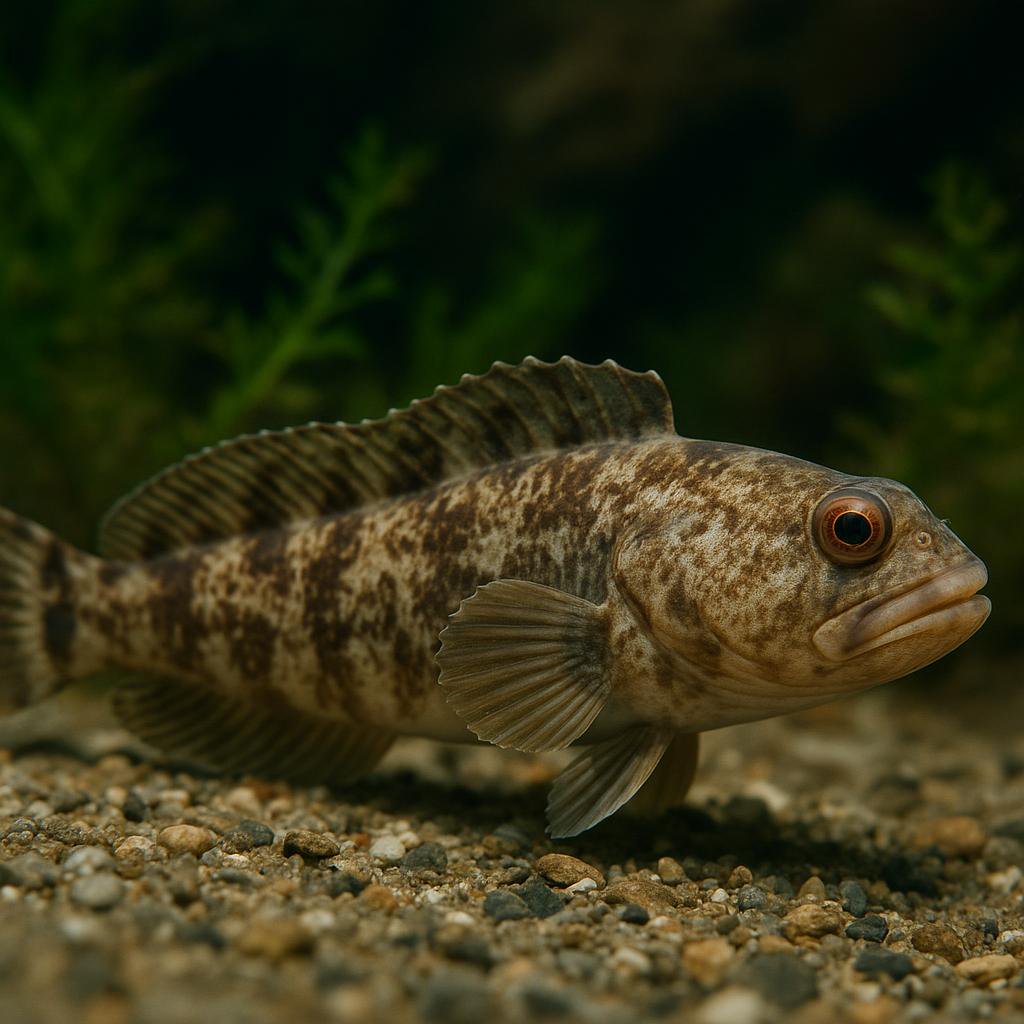
Abe's eelpout
Japonolycodes abei
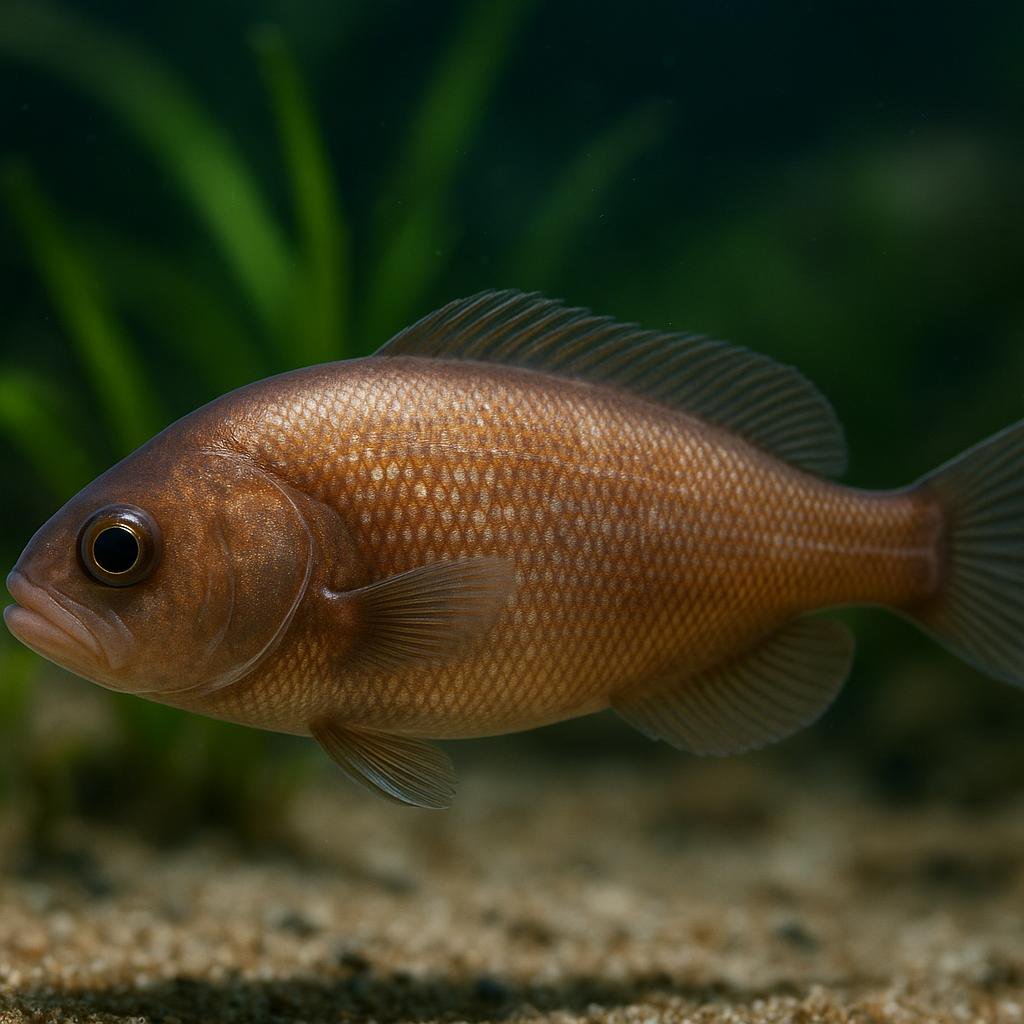
Japonolycodes abei is a temperate, deepwater demersal eelpout (family Zoarcidae) endemic to Japan (Kumano-nada Sea reported; other sources also report Sagami Bay and Tosa Bay). It is the only species in the genus Japonolycodes and occurs roughly 40-300 m depth, making it an uncommon/atypical aquarium species.
Affinis blind cusk-eel
Barathronus affinis
Barathronus affinis is a tiny, super-weird deep-sea blind cusk-eel from the western-central Indian Ocean. It is one of those gelatinous, loose-skinned brotula-type fishes that live way down in the dark and are basically never seen alive, so almost everything we know comes from preserved specimens and taxonomic work.
African red snapper
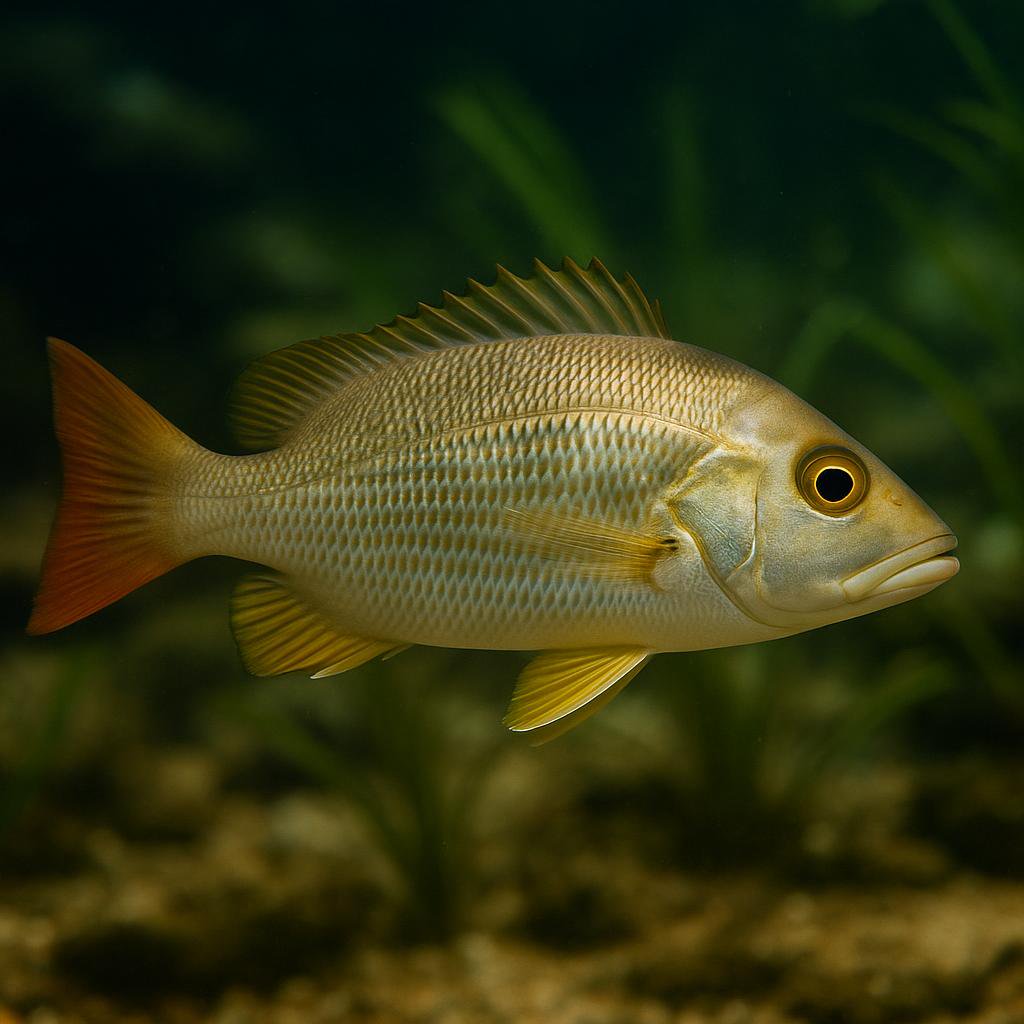
Lutjanus agennes
This is a true snapper from West Africa - a big, fast-growing predator that goes from coastal reefs to brackish lagoons and estuaries (especially as a juvenile). Super cool fish in the wild, but it gets absolutely huge and will eat smaller tankmates once it has the mouth for it, so its really more of a public-aquarium scale animal than a home-aquarium fish.
Allis shad
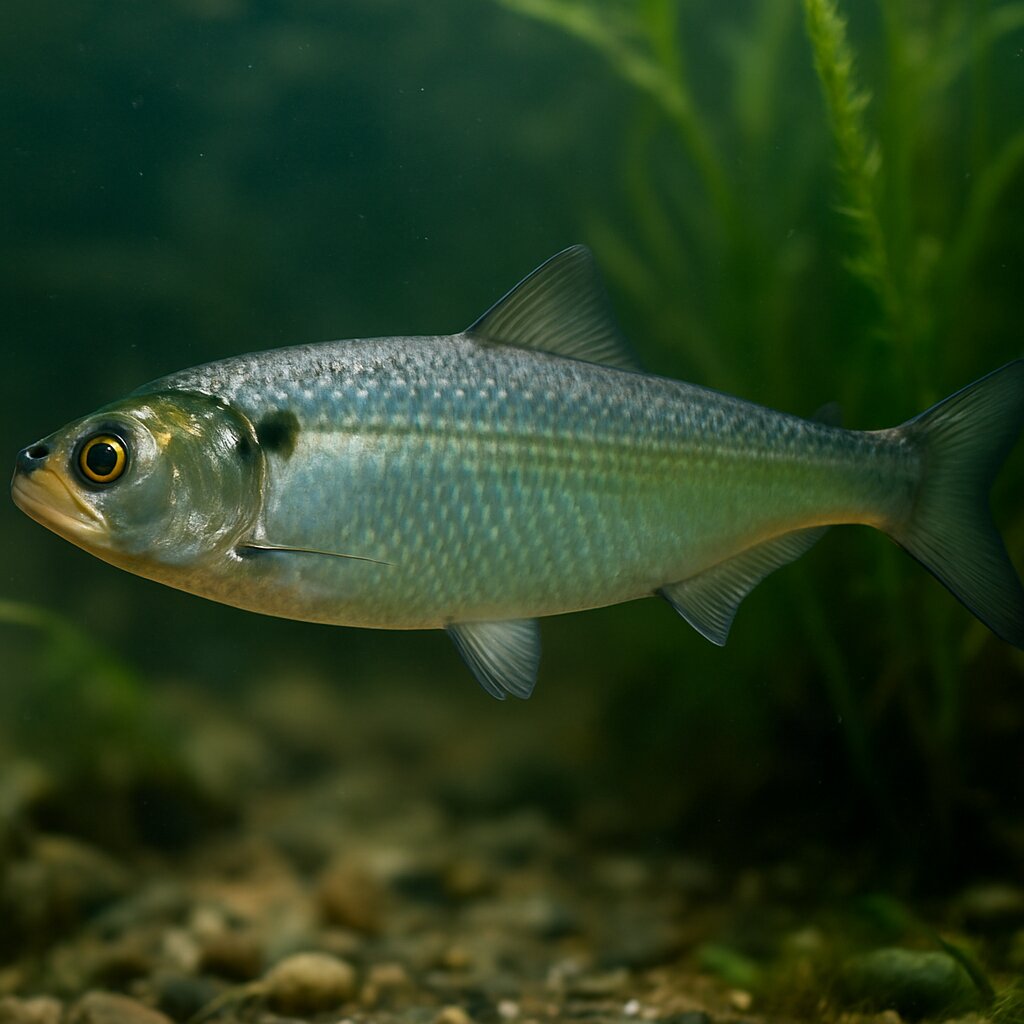
Alosa alosa
Gorgeous silver, fast-swimming shad that spends most of its life in the sea and then surges up big rivers in noisy, surface-spawning schools. It grows huge for a herring-type fish and needs cool, ultra-oxygenated water and tons of open space, so it is a public-aquarium species rather than a home tank fish.
Annandale's zebra sole
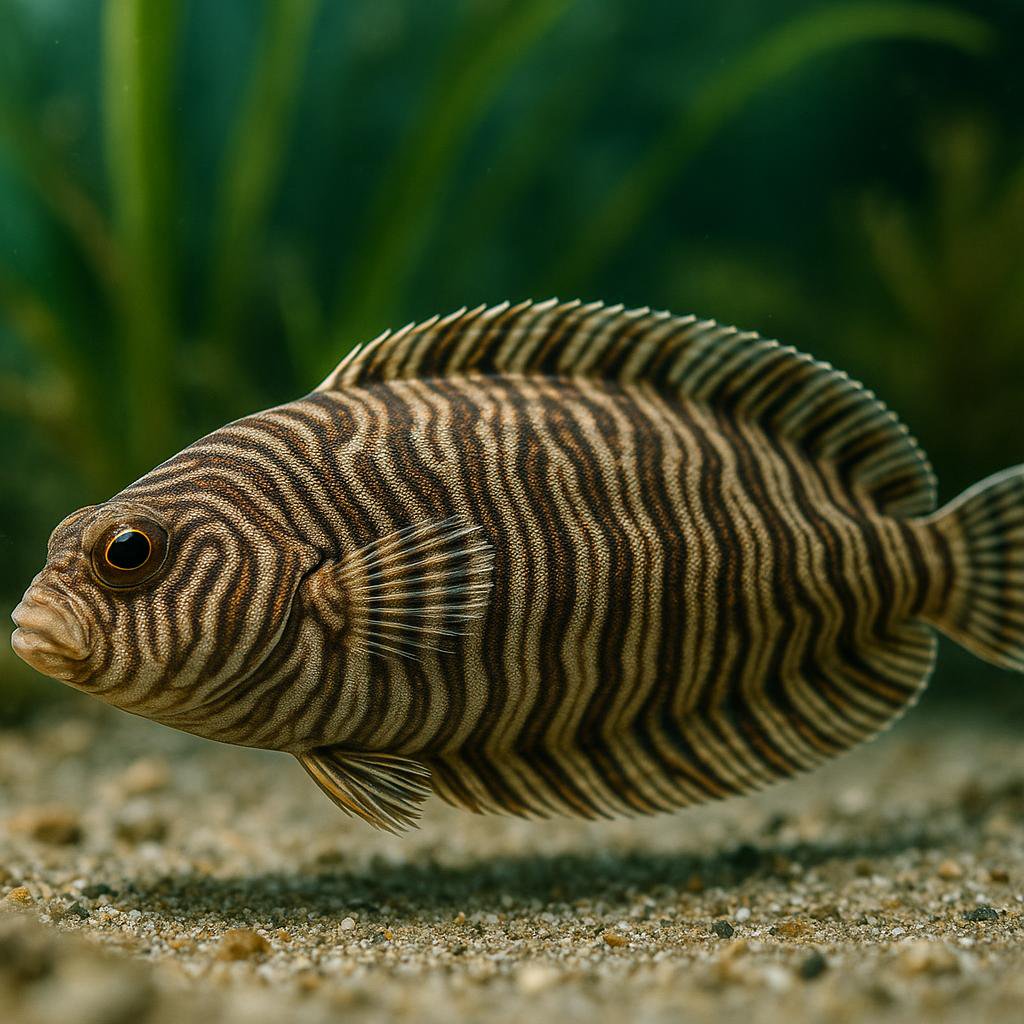
Zebrias annandalei
Zebrias annandalei is a small demersal sole from coastal India that inhabits sandy or muddy bottoms and buries for camouflage. It is rarely kept in home aquaria and would require a specialized marine sand-bottom setup and appropriate feeding.
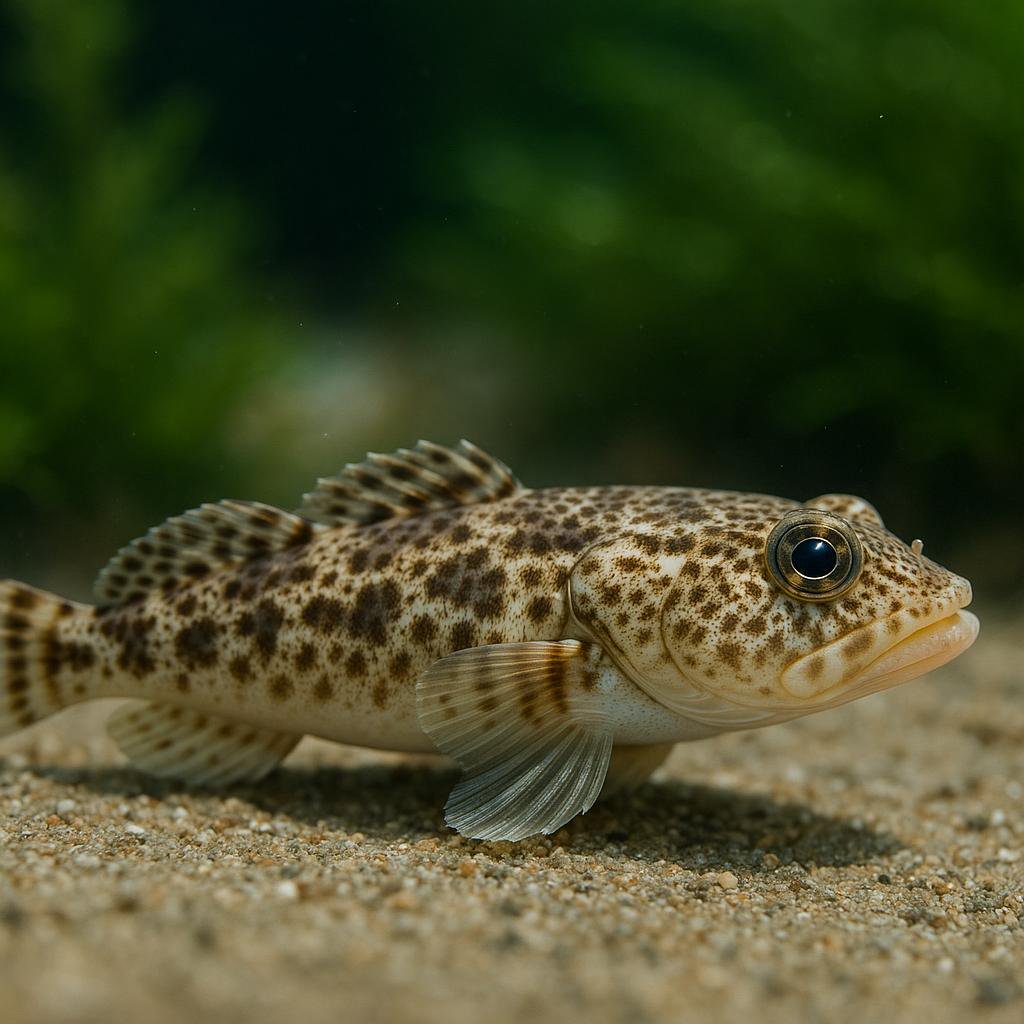
Banded stargazer
Kathetostoma binigrasella
This is a New Zealand stargazer that lives half-buried in sand or mud with its eyes pointed up, waiting to rocket upward and nail passing prey. It has those neat dark saddle-bands across the back (especially as a juvenile), and like other stargazers it is venomous with spines near the gill cover/pectoral area - definitely a look-dont-touch fish.
Looking for other species?