

Petrale sole
Eopsetta jordani
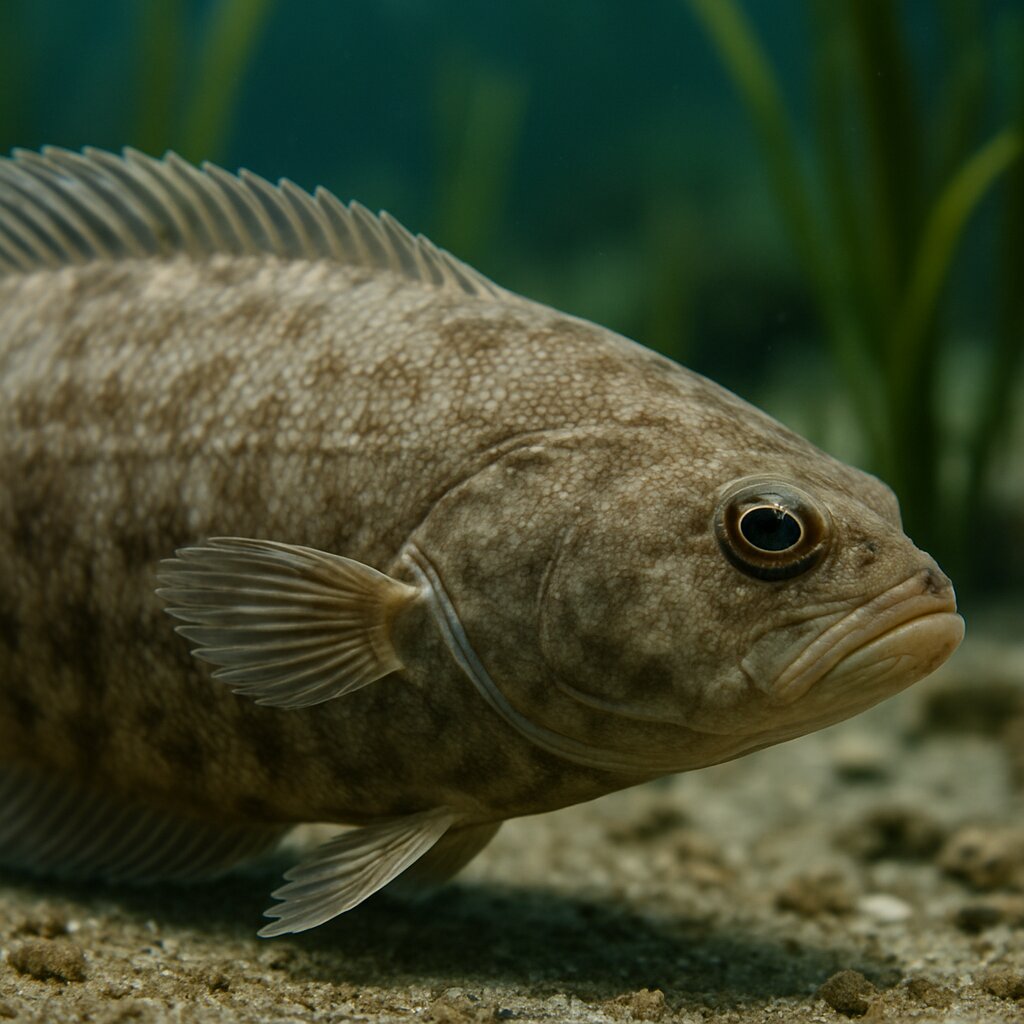
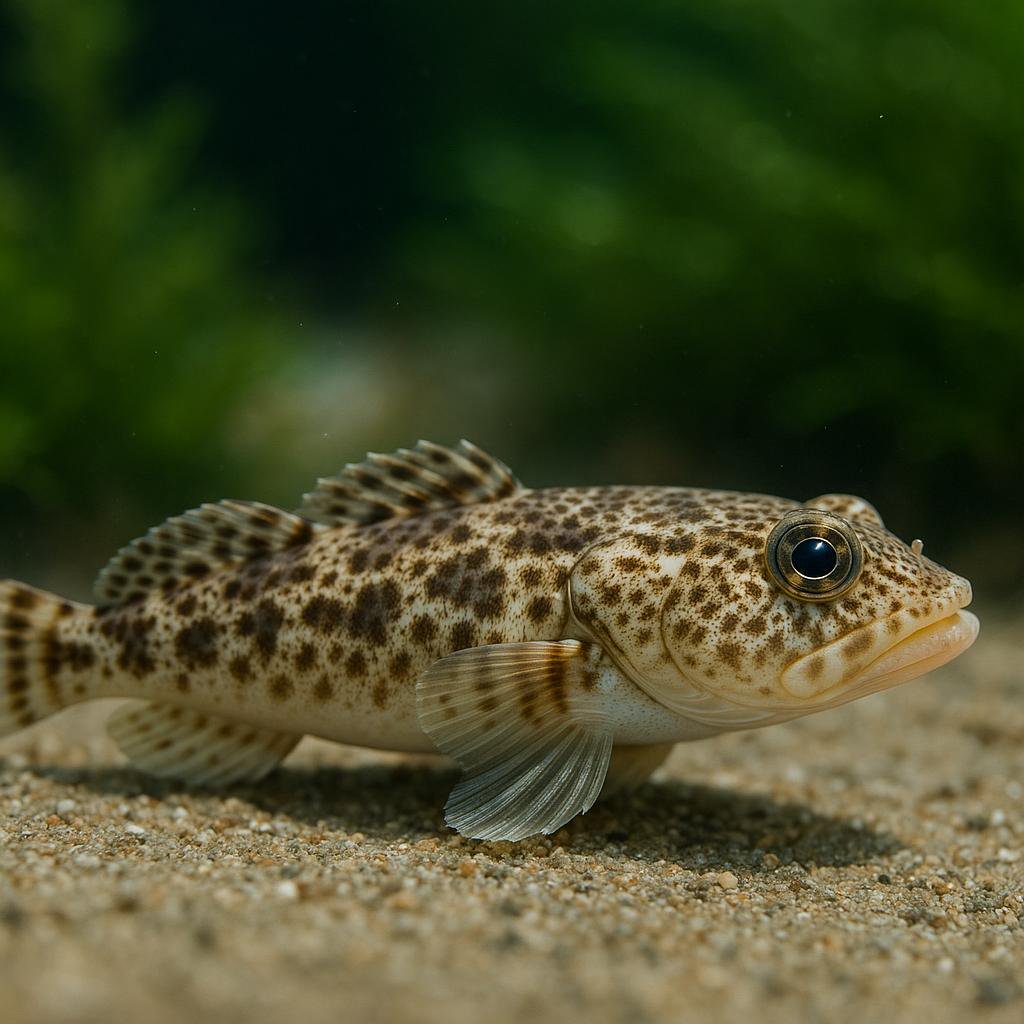
Petrale sole has a flattened body with a pale, pinkish-brown coloration and dark mottling, equipped with a long dorsal fin and a small mouth.
This page includes AI-generated images. Why am I seeing AI images?
About the Petrale sole
A right-eyed flatfish from the Pacific coast, this guy lies buried in sand and snaps up crabs, shrimp, and small fish that wander too close. It gets big and comes from cold, temperate saltwater, so it is really a public-aquarium sort of fish rather than a home tank pick.
Also known as
Quick Facts
Size
28 inches (70 cm)
Temperament
Semi-aggressive
Difficulty
Expert
Min Tank Size
300 gallons
Lifespan
10-17 years (up to 35 years)
Origin
Northeast Pacific - Alaska to Baja California
Diet
Carnivore - shrimp, crabs, other crustaceans, and small fishes; will take meaty marine foods
Water Parameters
2-10°C
8-8.4
8-12 dGH
Need a heater for this species?
This species needs 2-10°C in a 300 gallon tank. Use our heater calculator to find the right wattage.
Calculate heater sizeCare Notes
- Give it a huge coldwater setup - think 8x3 ft footprint, 300+ gal, with a tight lid. Fine sand 3-4 in deep to bury, minimal sharp rock, dim lights, and a chiller holding 48-55 F.
- Keep salinity 1.024-1.026, pH 8.0-8.3, ammonia/nitrite 0, nitrate under 20 ppm. Aim for strong aeration and a steady bottom current, and guard all pump intakes so it does not get sucked in while burying.
- Start with live foods if needed, then switch to thawed marine fish, squid, or shrimp on tongs placed right in front of the snout at dusk. Adults eat 2-4 times per week until the belly just lifts; soak foods with a HUFA/vitamin mix to avoid deficiencies.
- Assume anything that fits in its mouth is food, including crabs and small fish. Best kept solo or with very large, mellow coldwater fish; skip urchins and anemones that can poke or sting its skin.
- It spends most of the day buried - that is normal - but watch for refusal to bury or rapid gilling, which usually means temps creeping up or low oxygen. Keep the room cool and have a backup for the chiller and power in summer.
- Wild-caught flatfish carry flukes and external parasites, so quarantine on sand and treat proactively; avoid blanket copper use unless you can test precisely. Skin abrasions turn septic fast on these guys, so keep substrate fine and handle with a container, not a net.
- Pick a smaller specimen under 12 in; big trawl-caught adults often never adapt to dead foods. Buy one that reacts to movement and is not blotchy or frayed along the edges.
- Do not plan on breeding - they are broadcast spawners with pelagic larvae and seasonal cues you cannot replicate at home.
Compatibility
Good Tankmates
- Big, fast midwater fish that are too large to swallow - think adult surfperch or jacksmelt that cruise well above the sand
- Size-matched, mellow rockfish that stay off the bottom and do not nip
- Adult kelp greenlings or similar temperate swimmers that work the rockwork and leave the sand bed alone
- Another flatfish of similar size in a very large, chilled tank with deep sand and line-of-sight breaks (watch them at first)
- Bold, pellet-trained open-water fish that eat midwater so the sole can grab food off the bottom without getting bullied
Avoid
- Anything bite-sized or bottom-hugging - gobies, juvenile perch, small sculpins - they will get inhaled after lights out
- Nippy pickers that target eyes and fins - triggers or feisty perch types that never stop pecking
- Big bruisers that may view the sole as prey or pound on it - lingcod, cabezon, or large sculpins
- Slow, fancy-finned or sand-sleeping fish that hang near the bottom and get ambushed or stressed
Similar Species
Other marine semi-aggressive species you might be interested in.
Aleutian skate
Bathyraja aleutica
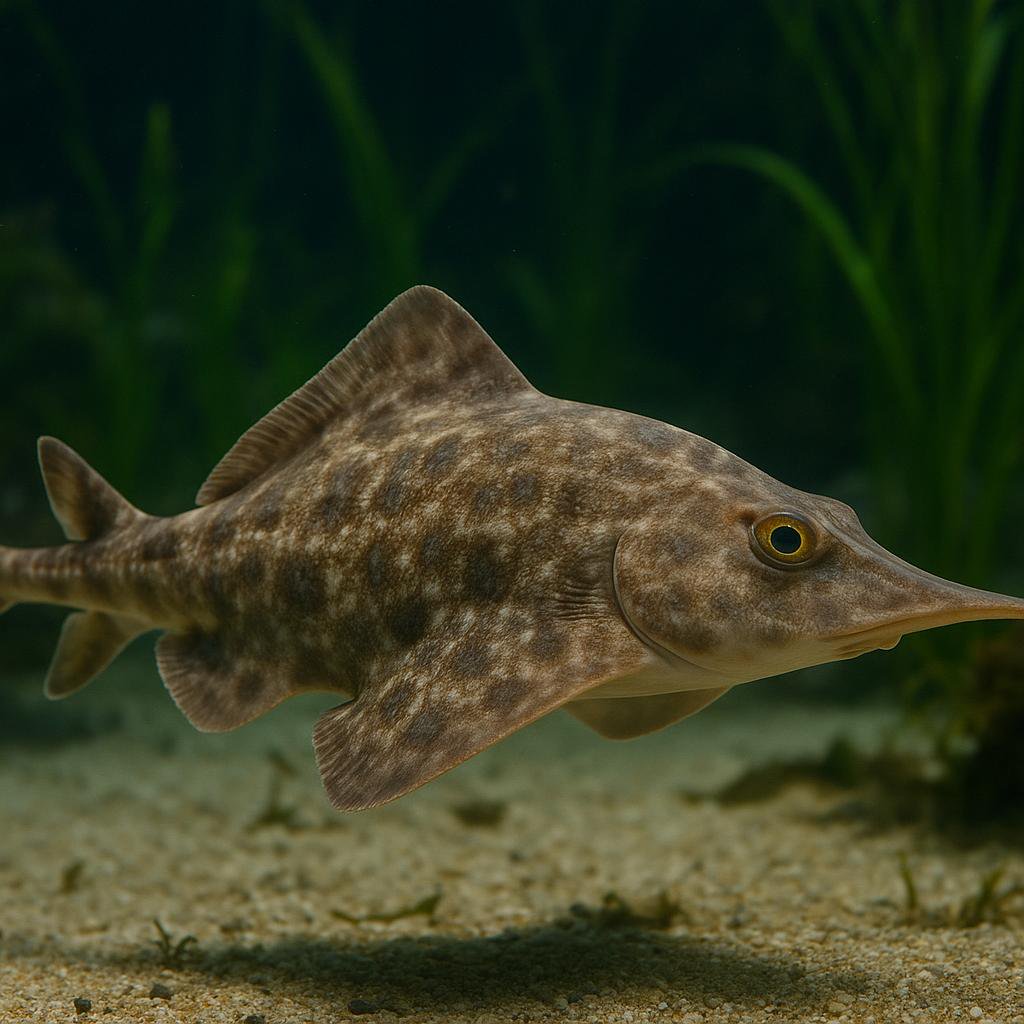
This is a big, cold-water deep-slope skate from the North Pacific that cruises muddy bottoms and eats chunky benthic prey like crabs and shrimp. The really cool bit is its egg-laying skate life - it does distinct pairing (the classic skate "embrace") and drops those tough egg cases on the seafloor. Not an aquarium fish at all unless you're basically running a public-aquarium-style chilled system.
Antarctic dragonfish
Vomeridens infuscipinnis
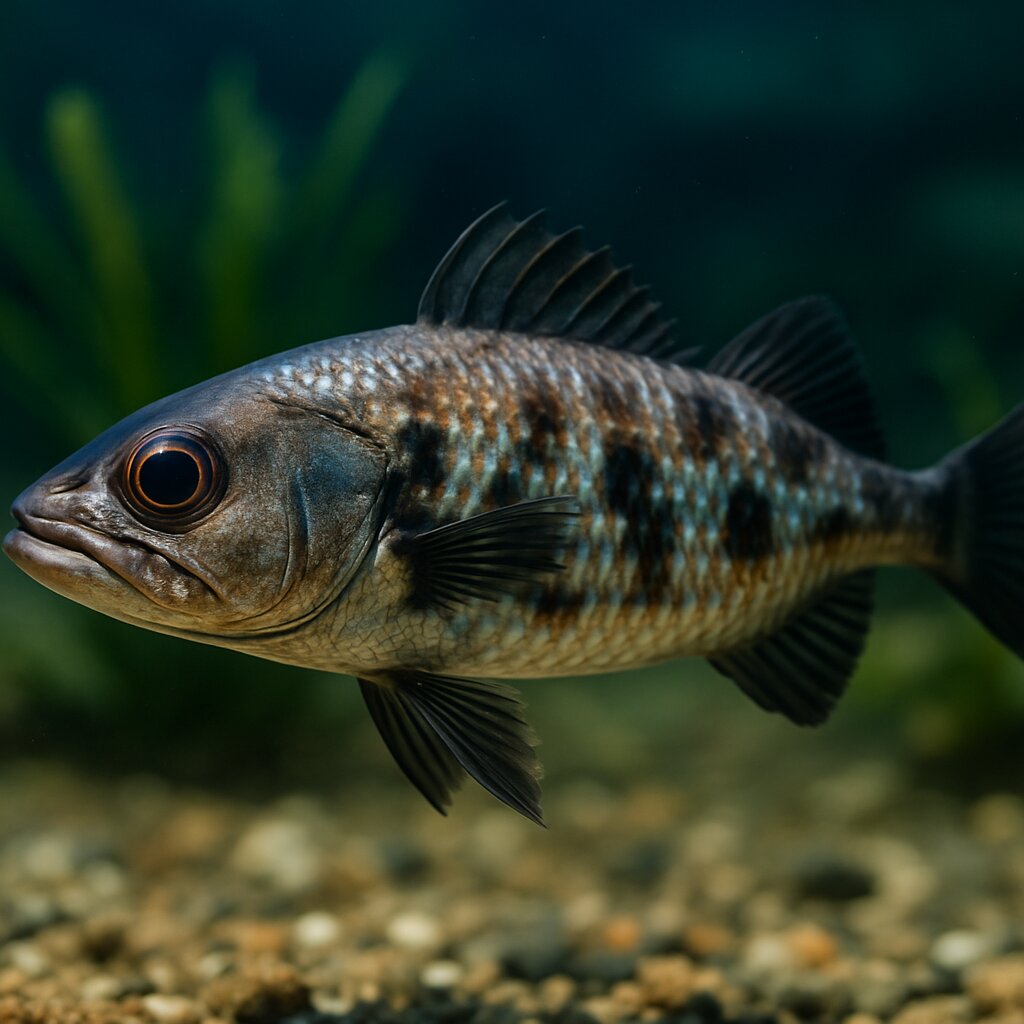
Deep down around Antarctica, this sleek dragonfish cruises the water column like a little submarine, nearly neutrally buoyant so it can hover above the seafloor. It munches almost exclusively on Antarctic krill and lives in near-freezing water 500-800 m down, so it is a cool species to read about, not one for home tanks.
Arabian spiny eel
Notacanthus indicus
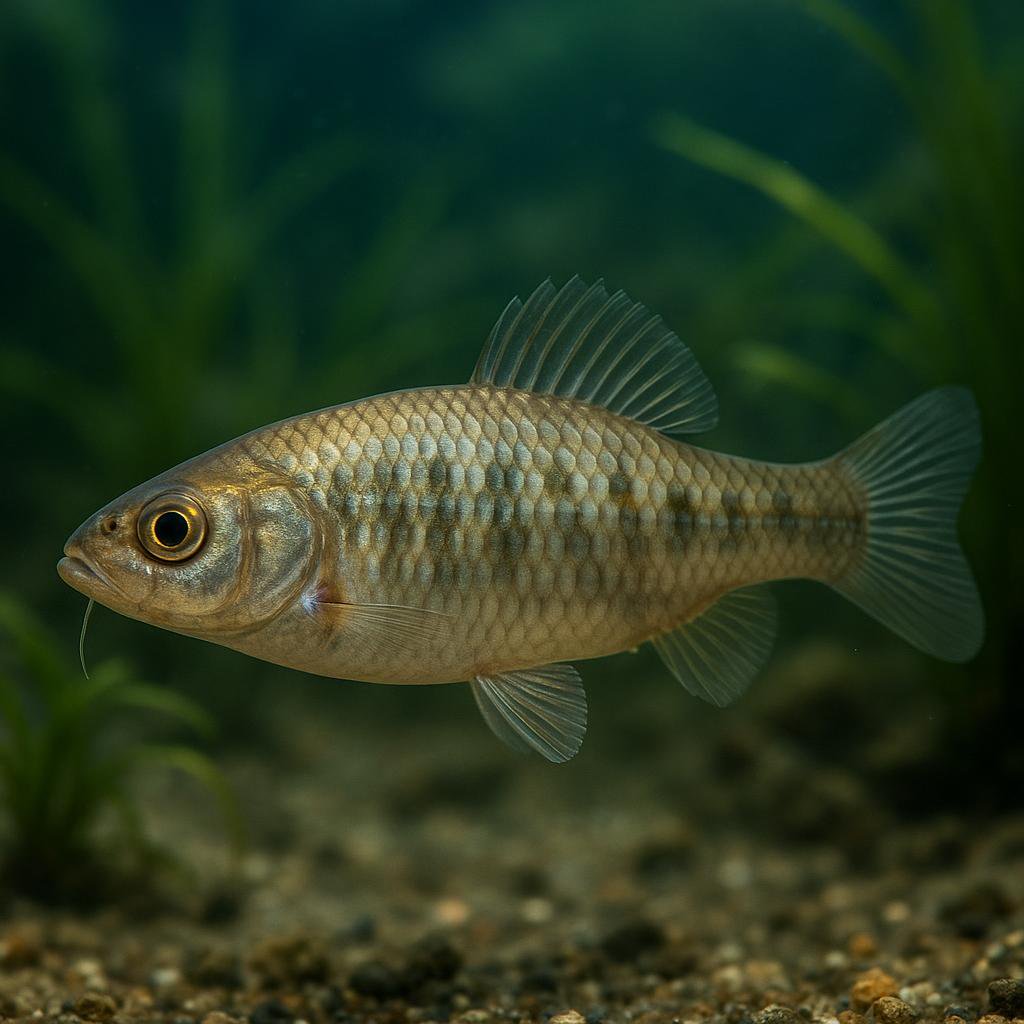
Notacanthus indicus is a deep-sea spiny eel (family Notacanthidae; not a true eel) known from the Arabian Sea on the continental slope at roughly ~960–1,046 m depth, with reported maximum length around 20 cm TL; it is a deep-water bycatch species and not established in the aquarium trade.
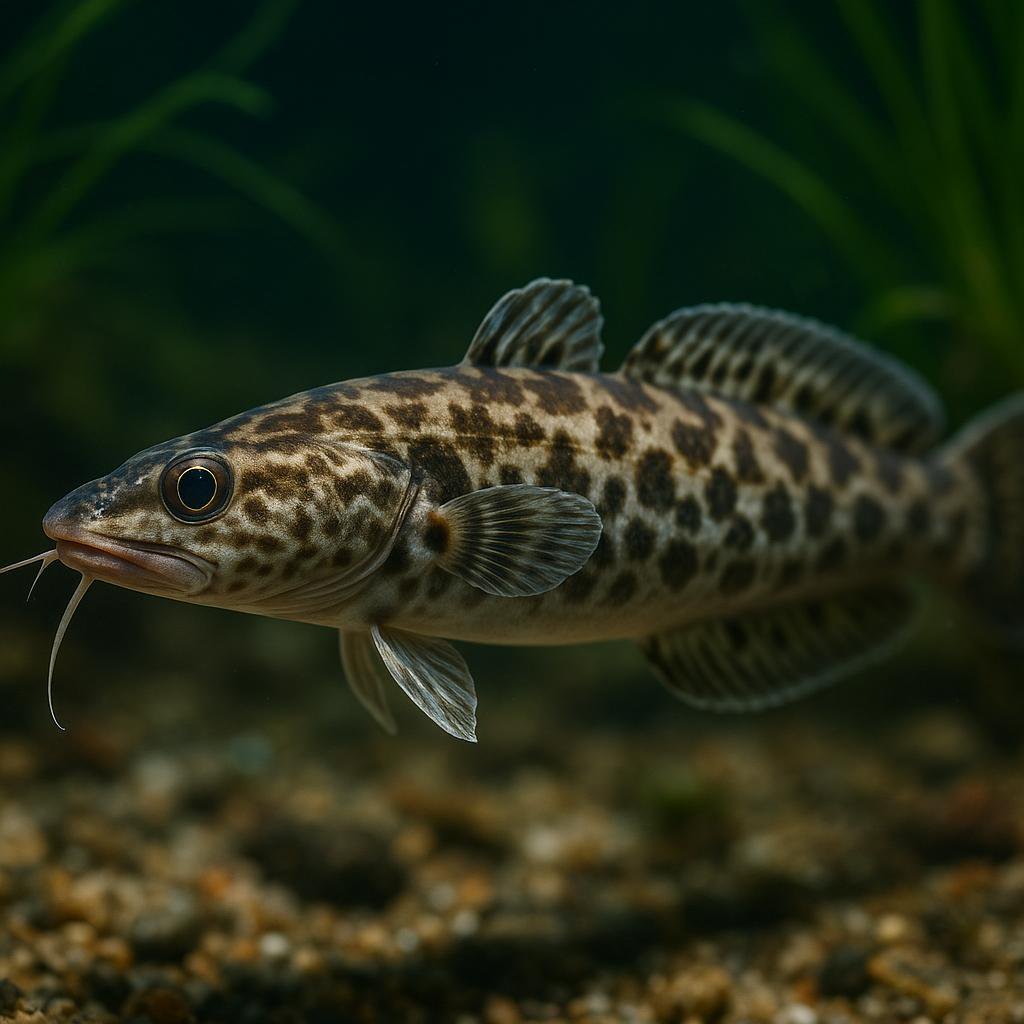
Arctic rockling
Gaidropsarus argentatus
This is a deepwater North Atlantic rockling (a cod relative) that hangs out on soft bottoms way down the slope. It is a cold-water, bottom-hugging predator that snoots around for crustaceans and will also take small fish when it gets the chance.
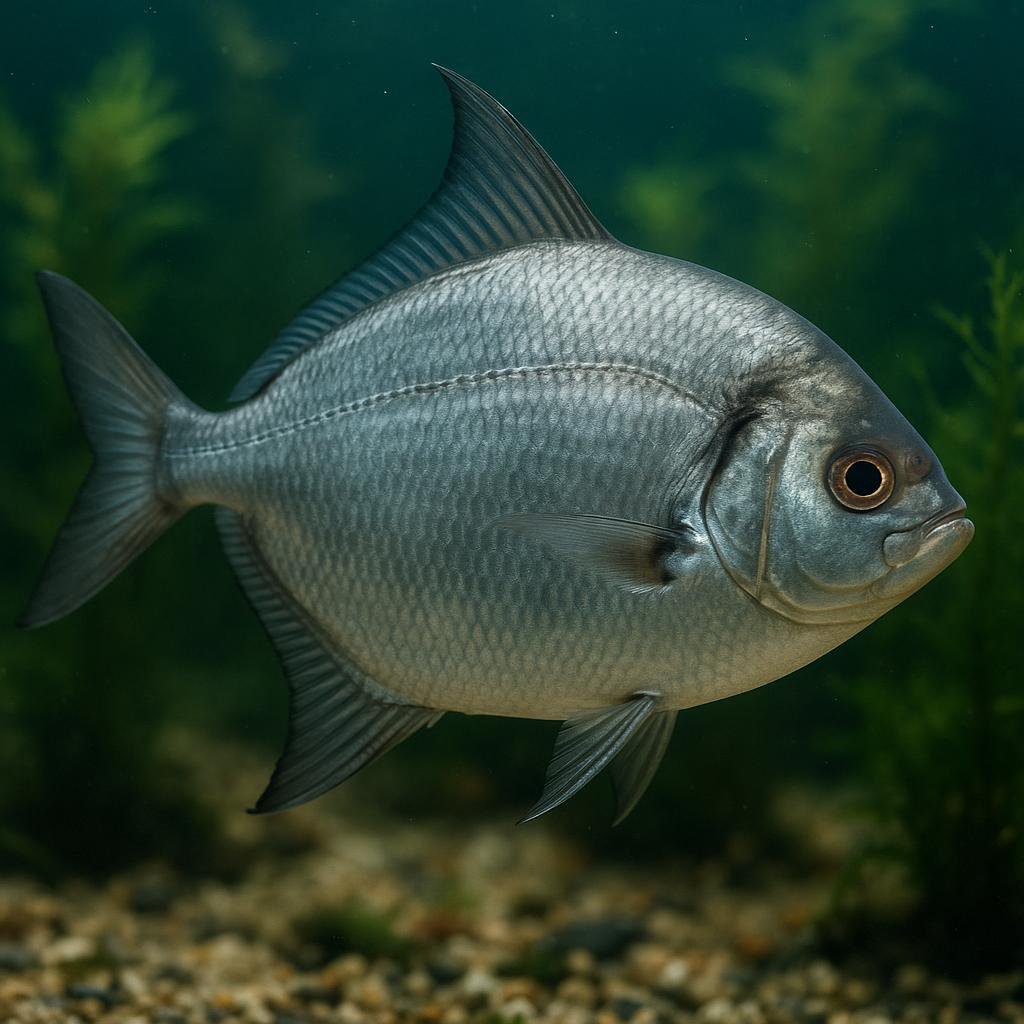
Atlantic pomfret
Brama brama
Brama brama is the Atlantic pomfret (aka Ray's bream) - a deep-bodied, open-ocean pelagic fish that cruises around in small schools and follows water temps. It is a legit big, wild marine species (not an aquarium fish) that eats other small sea critters like fish and squid, and it ranges across a huge chunk of the Atlantic plus parts of the Indian and South Pacific.
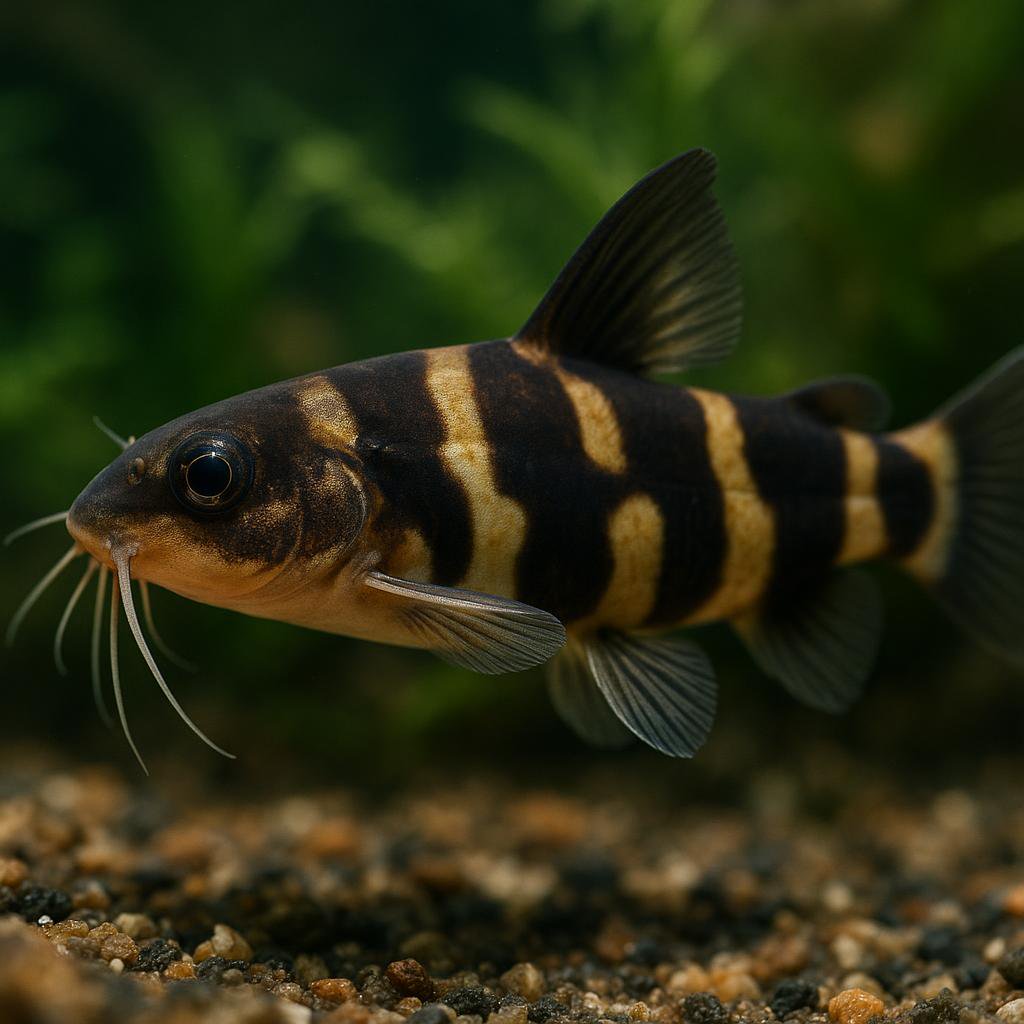
Australian sawtail catshark
Figaro boardmani
Figaro boardmani is a small, deepwater Australian catshark with these cool saw-like ridges of spiny denticles along the tail and a neat pattern of dark saddle bands. It lives way down on the outer continental shelf and slope, so its natural water is cold, dim, and stable - totally not a typical home-aquarium fish. Diet-wise its a predator that goes after fish, crustaceans, and cephalopods.
More to Explore
Discover more marine species.
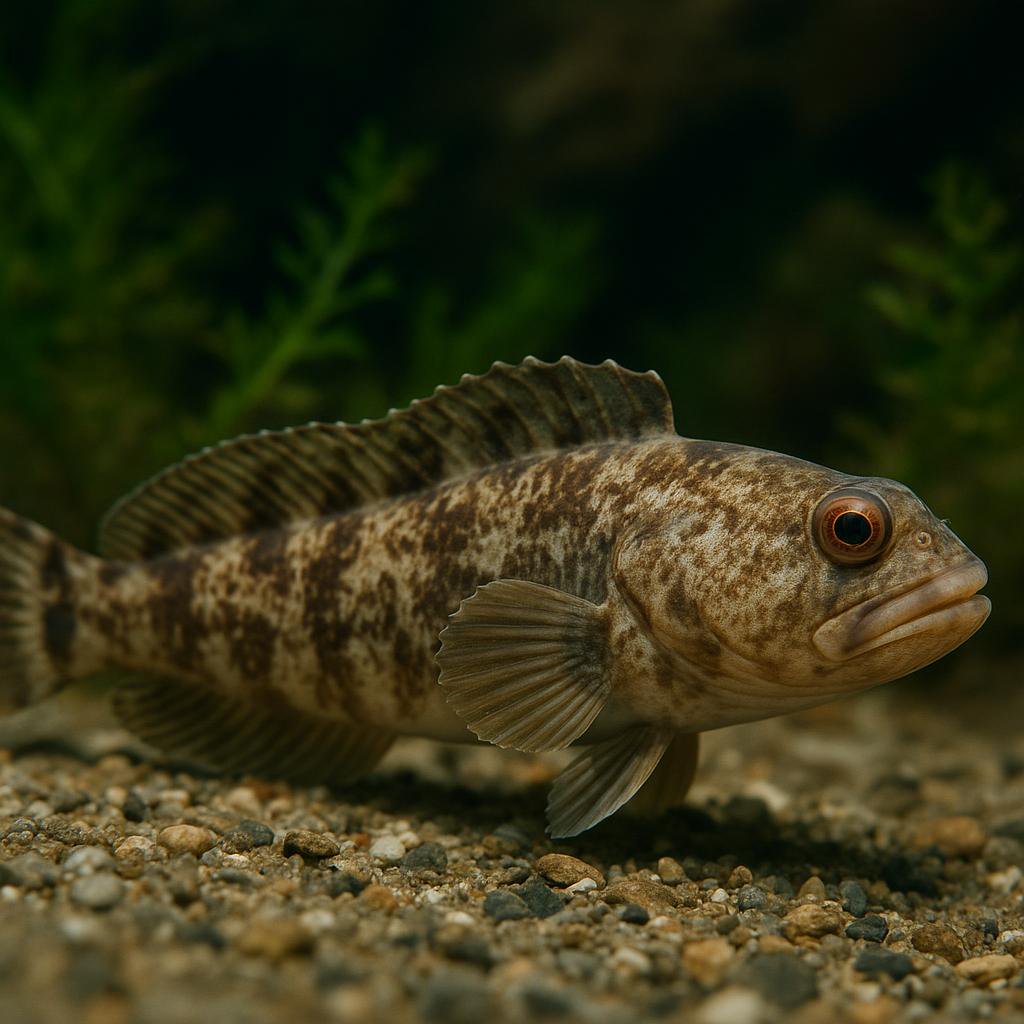
Abe's eelpout
Japonolycodes abei
Japonolycodes abei is a temperate, deepwater demersal eelpout (family Zoarcidae) endemic to Japan (Kumano-nada Sea reported; other sources also report Sagami Bay and Tosa Bay). It is the only species in the genus Japonolycodes and occurs roughly 40-300 m depth, making it an uncommon/atypical aquarium species.
Affinis blind cusk-eel
Barathronus affinis
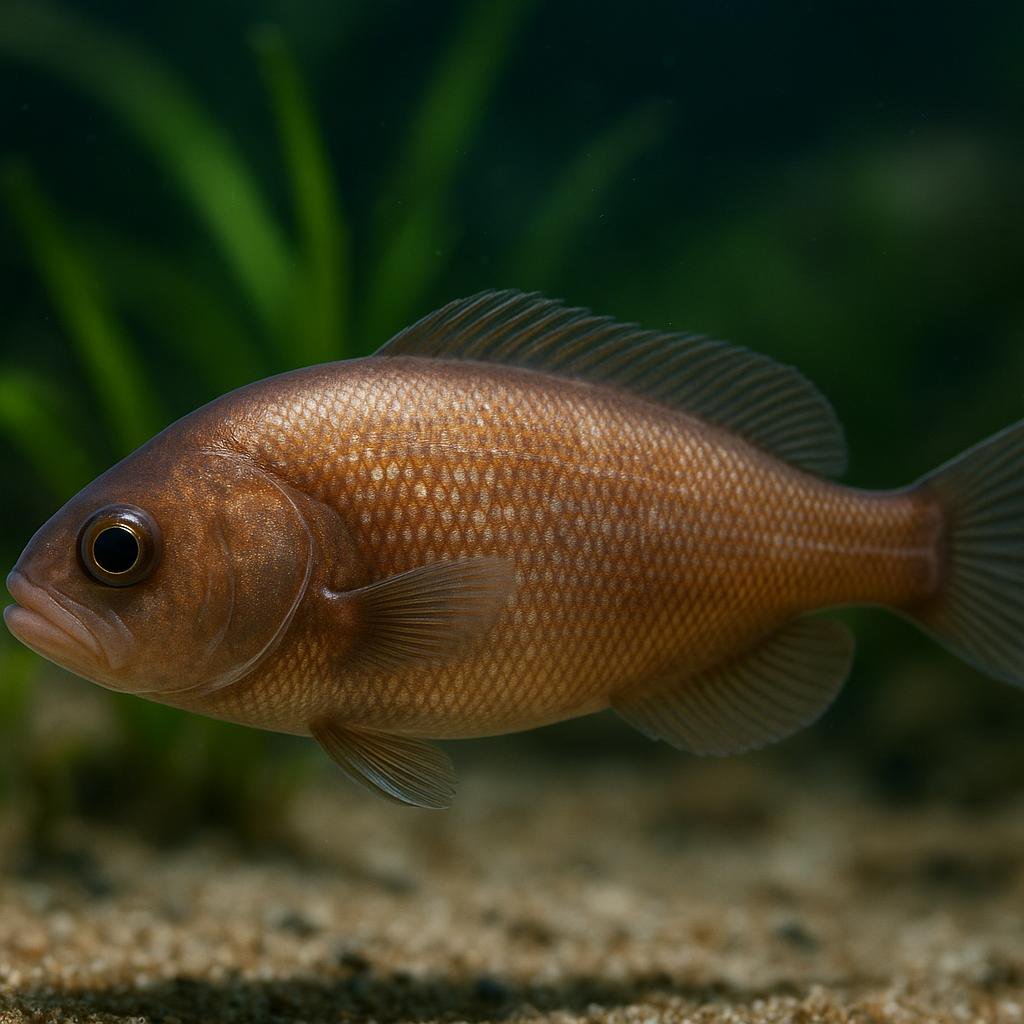
Barathronus affinis is a tiny, super-weird deep-sea blind cusk-eel from the western-central Indian Ocean. It is one of those gelatinous, loose-skinned brotula-type fishes that live way down in the dark and are basically never seen alive, so almost everything we know comes from preserved specimens and taxonomic work.
African red snapper
Lutjanus agennes
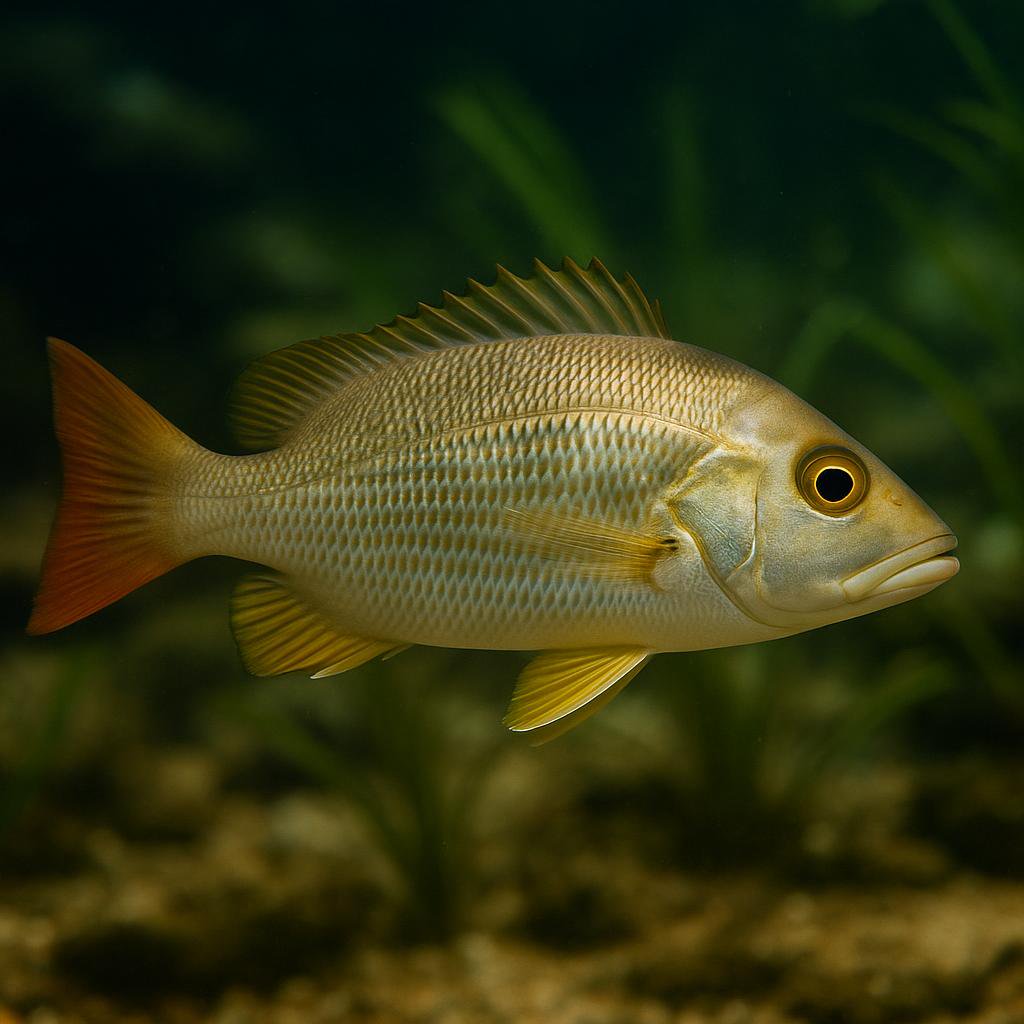
This is a true snapper from West Africa - a big, fast-growing predator that goes from coastal reefs to brackish lagoons and estuaries (especially as a juvenile). Super cool fish in the wild, but it gets absolutely huge and will eat smaller tankmates once it has the mouth for it, so its really more of a public-aquarium scale animal than a home-aquarium fish.
Allis shad
Alosa alosa
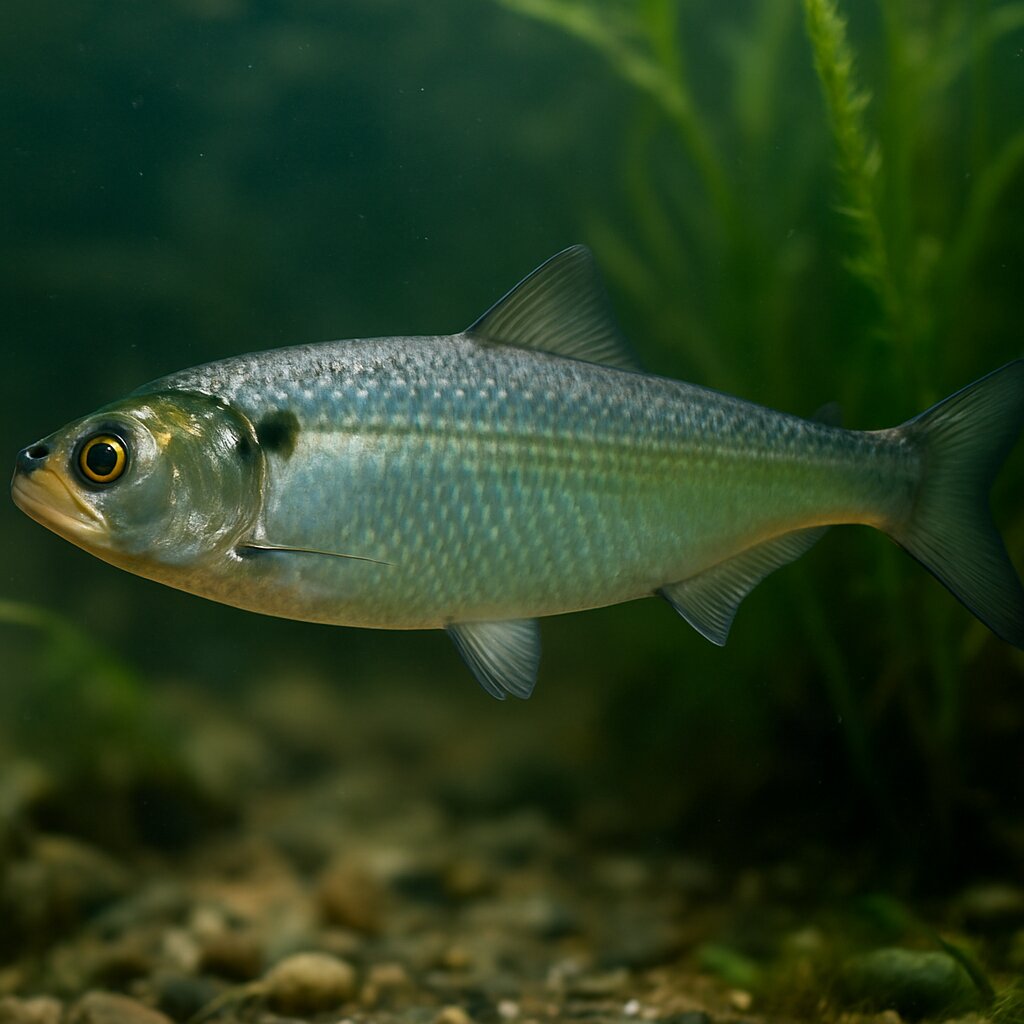
Gorgeous silver, fast-swimming shad that spends most of its life in the sea and then surges up big rivers in noisy, surface-spawning schools. It grows huge for a herring-type fish and needs cool, ultra-oxygenated water and tons of open space, so it is a public-aquarium species rather than a home tank fish.
Annandale's zebra sole
Zebrias annandalei
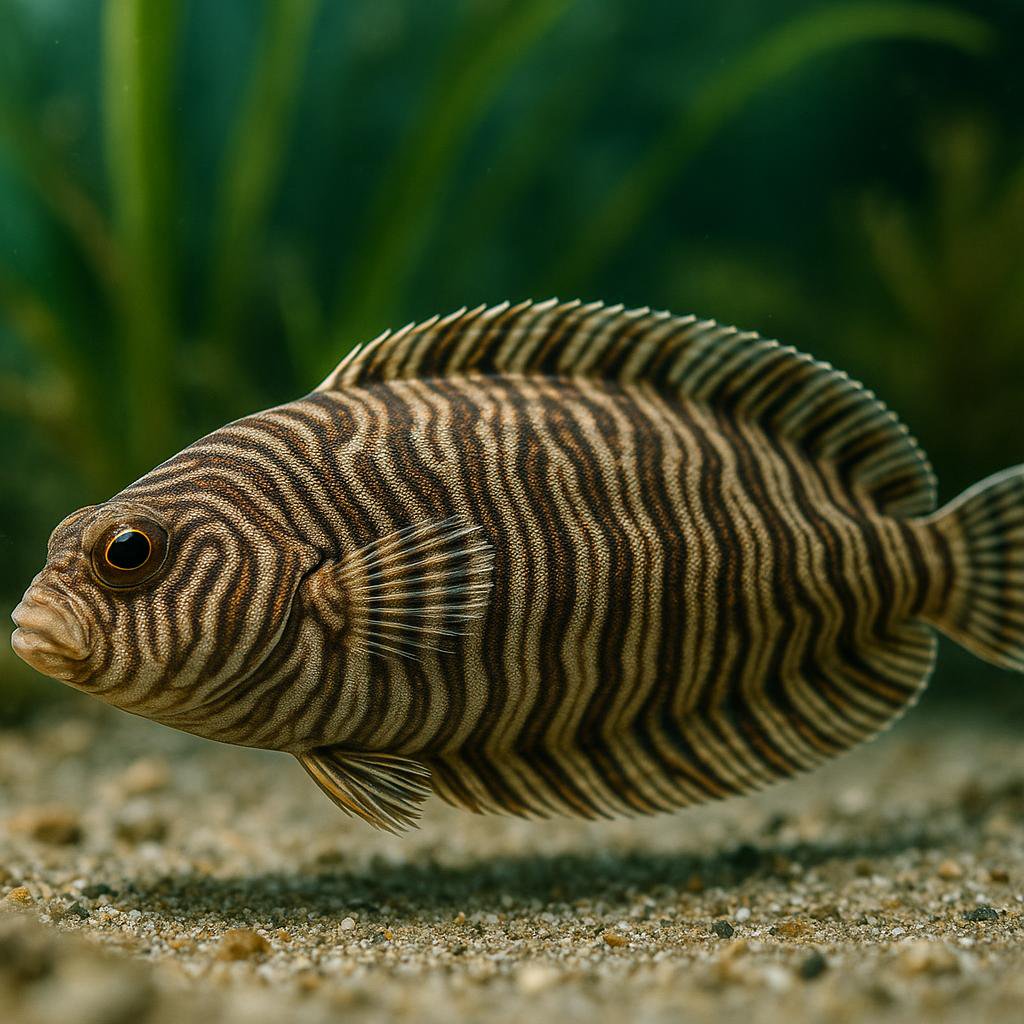
Zebrias annandalei is a small demersal sole from coastal India that inhabits sandy or muddy bottoms and buries for camouflage. It is rarely kept in home aquaria and would require a specialized marine sand-bottom setup and appropriate feeding.
Banded stargazer
Kathetostoma binigrasella
This is a New Zealand stargazer that lives half-buried in sand or mud with its eyes pointed up, waiting to rocket upward and nail passing prey. It has those neat dark saddle-bands across the back (especially as a juvenile), and like other stargazers it is venomous with spines near the gill cover/pectoral area - definitely a look-dont-touch fish.
Looking for other species?