

Shark mackerel
Grammatorcynus bicarinatus
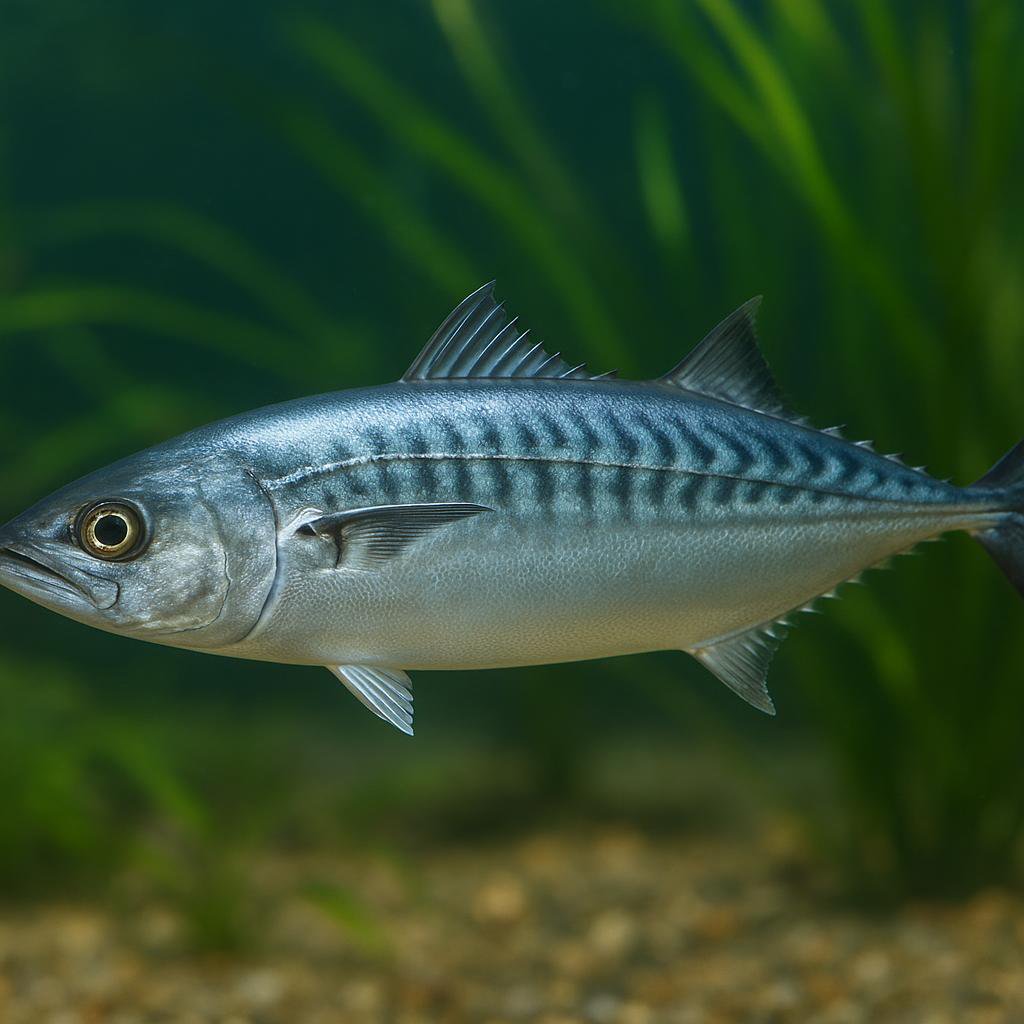
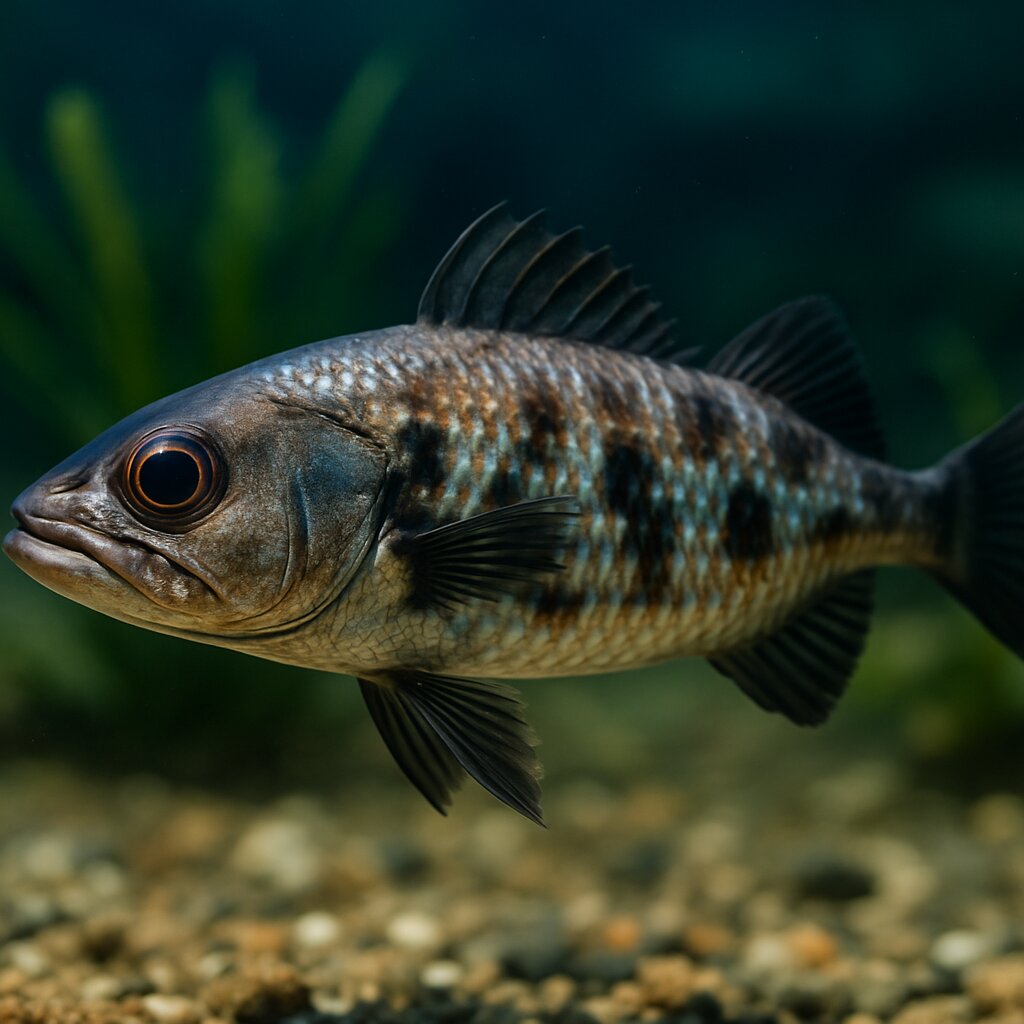
The Shark mackerel features a streamlined body with a distinctively pointed snout and silvery-blue scales adorned with dark horizontal stripes.
This page includes AI-generated images. Why am I seeing AI images?
About the Shark mackerel
This is a fast, open-water mackerel that cruises reef edges and offshore areas and grows into a serious, one-meter-class fish. It is a saltwater predator built for speed, so its whole vibe is chasing baitfish in the water column, not hanging around rocks like a typical reef tank fish. Awesome animal, but it is absolutely not an aquarium species unless you are talking public-aquarium scale.
Also known as
Quick Facts
Size
112 cm (fork length)
Temperament
Aggressive
Difficulty
Expert
Min Tank Size
10000 gallons
Lifespan
10-15 years
Origin
Indo-West Pacific
Diet
Carnivore (piscivore) - baitfish and other marine prey
Water Parameters
22-28°C
8-8.4
8-12 dGH
Need a heater for this species?
This species needs 22-28°C in a 10000 gallon tank. Use our heater calculator to find the right wattage.
Calculate heater sizeCare Notes
- Do not even try this in a typical reef tank - think big, open-water predator: 300+ gallons bare minimum for a juvenile, and realistically 800-2000 gallons with a long run (10-12 ft+) as it grows.
- They are rocket fast and spook easily, so use a tight-fitting lid and leave the aquascape simple (no pointy rockwork); add heavy-duty flow and oversized mechanical filtration because they shred food.
- Keep salinity around 1.024-1.026, temp 24-27 C (75-81 F), pH 8.1-8.4, and keep ammonia and nitrite at zero; they crash hard from bad water and high nitrate will show up as constant stress and crappy appetite.
- Feed like a pelagic hunter: frequent smaller meals (2-4x/day for juveniles) of marine meaty foods - silversides, squid, shrimp, and quality pellets - and soak in vitamins; avoid freshwater feeder fish (thiaminase and parasites).
- Quarantine anything that goes in with it and watch for flukes and marine ich - a stressed mackerel can look fine and then spiral fast; use a big QT with strong aeration because meds and low oxygen do not mix with fast swimmers.
- Tankmates need to be large, tough, and not slow or long-finned; anything bite-sized becomes food, and timid fish get harassed just from the mackerel blasting around.
- Use rounded intakes and protect powerheads - they will slam the glass and equipment when startled, so give them clear swim lanes and dim the lights during acclimation to cut down on panic runs.
- Breeding in home aquaria is basically a non-starter - they are open-water spawners and you will not get courtship behavior in a box, so plan on keeping a single specimen long-term.
Compatibility
Good Tankmates
- Big, tough groupers (like Nassau, miniatus, or other reef-safe-is-not-the-goal types) - they are bulky enough to not get bullied, and they can handle the fast feeding rush without getting stressed
- Large snappers (Lutjanus spp.) - similar attitude and speed, and they do fine in a big, high-flow fish-only setup where everyone eats like a vacuum cleaner
- Robust jacks and trevallies (Caranx and friends) - fast, hard-bodied swimmers that hold their own, just give them serious room and heavy filtration
- Big wrasses that are built like torpedoes (Hogfish and larger Thalassoma) - quick enough to avoid being picked off and usually not shy at feeding time
- Large puffers (dogface, stars and stripes, porc puffer) - not food-sized, not delicate, and they generally do not panic when a hotheaded predator is doing laps
- Other large, non-daity predators of similar size (like big moray eels) - works best when nobody can fit in anybody else's mouth and you keep feeding consistent
Avoid
- Small fish that can fit in its mouth (chromis, damsels, clowns, cardinals) - if it is bite-sized, it is on the menu sooner or later
- Slow cruisers and fancy-finned fish (lionfish, batfish, bannerfish, moorish idol) - they get outcompeted at feeding and can get harassed or nipped up
- Sharks and rays in a mixed predator tank - the mackerel will outcompete them at feeding and can stress them with constant high-speed laps
- Triggerfish and other super-nippy brawlers (big Balistoides triggers) - you end up with nonstop sparring and torn fins, especially in anything less than huge public-aquarium space
Where they come from
Shark mackerel (Grammatorcynus bicarinatus) are open-water predators from the Indo-West Pacific. Think reef edges, drop-offs, and blue-water runs where the current does the heavy lifting and baitfish school up. They are built to cruise all day, and that one detail drives basically every decision you make in captivity.
If you are picturing a "big fish in a big reef tank," reset that mental image. These are pelagic sprinters that want long, unobstructed swimming lanes more than they want rockwork.
Setting up their tank
This is expert territory mostly because of space and oxygen demand. A shark mackerel is not a "make it work" fish. You are planning around the fish, not fitting it into what you already own.
- Tank size: realistically a very large system with serious length (public-aquarium vibes). A long run matters more than tall glass.
- Shape: long rectangle beats cube. Round/oval systems are even better if you can pull it off (reduces corner-bashing).
- Flow and oxygen: strong, consistent circulation plus heavy aeration. Big skimmer, big sump, and lots of gas exchange.
- Filtration: overbuild it. These fish eat a lot and produce a lot. Mechanical filtration you can service often helps.
- Aquascape: minimal rockwork, kept tight to the back/sides. Leave a clean "racetrack" down the middle.
- Lighting: whatever suits the rest of the system. The fish does not care much, but it does care about calm transitions (use ramping if you can).
- Cover: a tight lid. They can launch when spooked.
Hard corners and busy rock piles are a bad combo with fast pelagic fish. They spook, they bolt, they hit glass. Build for clean lines and predictable paths.
Temperature and salinity should be steady more than anything. I have had the best luck with natural-seawater ranges (around 1.025-1.026 sg) and not letting the tank swing day to night. If your room runs hot, plan for a chiller. Big, active predators and warm water chew through oxygen fast.
What to feed them
They are fish-eaters in the wild, and in captivity you want a varied, meaty marine diet with the right fatty acids. The trick is getting them onto frozen and keeping them from turning into picky divas.
- Staples: chopped marine fish (silversides-type, smelt, sardine in moderation), squid, shrimp, clam, and quality marine predator frozen blends.
- Whole vs chopped: start with smaller pieces they can hit easily, then adjust size as they settle in.
- Vitamins: soak in a marine vitamin supplement a few times a week. It helps when you are feeding lots of frozen.
- Feeding frequency: smaller portions more often beats one big dump. It keeps aggression down and water quality more stable.
- Avoid: freshwater feeders (goldfish/rosies) and fatty terrestrial stuff. It is asking for nutritional issues.
If it is not taking frozen, try mixing thawed pieces with the scent of something "irresistible" (like clam juice), and use a feeding stick to get a clean, confident strike. Once it associates the stick with food, life gets easier.
Watch the belly line and overall energy. A well-fed shark mackerel looks sleek, not pinched. If it is eating like crazy but losing condition, think parasites first, not "feed more."
How they behave and who they get along with
They are active, alert, and very predatory. The main behavior you will notice is constant cruising, with sudden bursts when something triggers a chase response. They do not do "hang out in the rocks". If your tank does not give them room to move, stress shows up fast.
- Temperament: not usually a bully for fun, but absolutely a hunter. If it fits in the mouth, it is food.
- Tankmates: large, robust fish that can handle high flow and heavy feeding. Think other big open-water or tough reef-edge species.
- Avoid: slow, long-finned fish, tiny fish, and anything that startles easily. Also avoid very territorial rock-dwellers that may cause bolt-and-crash incidents.
- Social: they are often seen in groups in the wild, but housing multiples in captivity is a serious commitment and can go sideways if the tank is not enormous.
Do not mix with "cleaner crew" expectations. Shrimp, small crabs, and smaller fish are snacks. Plan your livestock list around that reality from day one.
One more real-world thing: they spook from sudden movement outside the tank. If the aquarium is in a high-traffic area, give them visual barriers on a couple sides, and keep lighting changes gradual.
Breeding tips
Breeding shark mackerel in home aquariums is basically not a thing. They are pelagic spawners with behaviors tied to open water, seasons, and space that we just do not replicate in private systems.
If you ever see courtship-like circling or synchronized swimming, enjoy the moment, but do not plan on collecting viable eggs or raising larvae. Focus your energy on long-term health and stability instead.
Common problems to watch for
Most issues with this species come from three buckets: not enough space, not enough oxygen, or not enough quarantine.
- Crash injuries: nose rubs, split fins, and bruising from bolting into glass or rock. Usually triggered by tight tanks, sharp aquascapes, or sudden startles.
- Parasites: marine ich and velvet are the big scary ones, and fast pelagic fish can go downhill quickly. Quarantine is not optional here.
- Nutritional problems: fatty liver and "mystery wasting" from poor diet variety or too much oily baitfish without supplementation.
- Water quality swings: heavy feeding means nitrate and phosphate can climb fast, and low oxygen events happen overnight if you get lazy on maintenance.
- Jaw/mouth damage: from striking hard surfaces during feeding or chasing tankmates. Use a feeding stick and keep the feeding zone clear.
If you add one without a real quarantine plan, you are gambling with your entire system. Treating a huge, fast predator in a display (especially a reef) is a headache you do not want.
If you are set on keeping one, build the system around long swimming space, predictable flow, and aggressive filtration. Do that, and you have a shot at keeping them steady and eating well. Try to squeeze one into a "big enough" tank with lots of rock, and it usually ends with stress, injuries, and a fish that never really settles.
Similar Species
Other marine aggressive species you might be interested in.
African red snapper
Lutjanus agennes
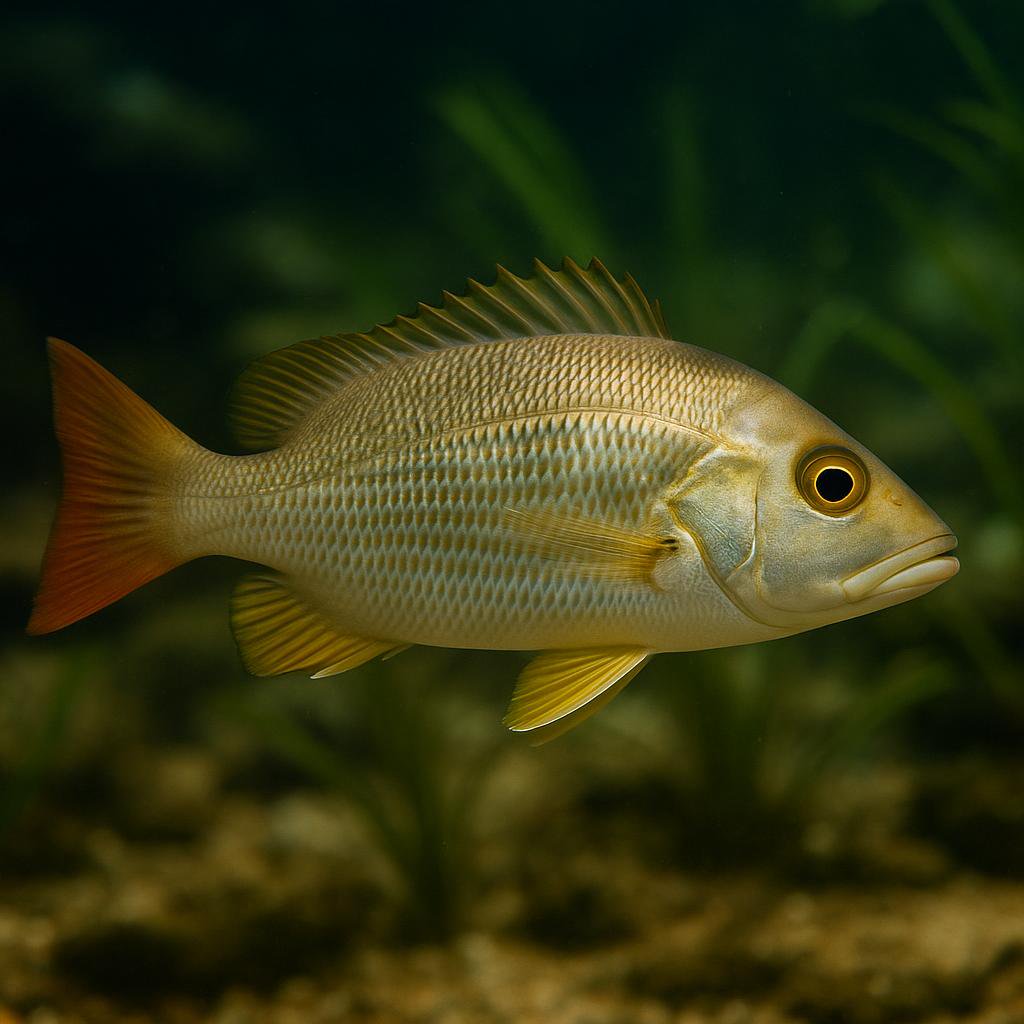
This is a true snapper from West Africa - a big, fast-growing predator that goes from coastal reefs to brackish lagoons and estuaries (especially as a juvenile). Super cool fish in the wild, but it gets absolutely huge and will eat smaller tankmates once it has the mouth for it, so its really more of a public-aquarium scale animal than a home-aquarium fish.
Banded stargazer
Kathetostoma binigrasella
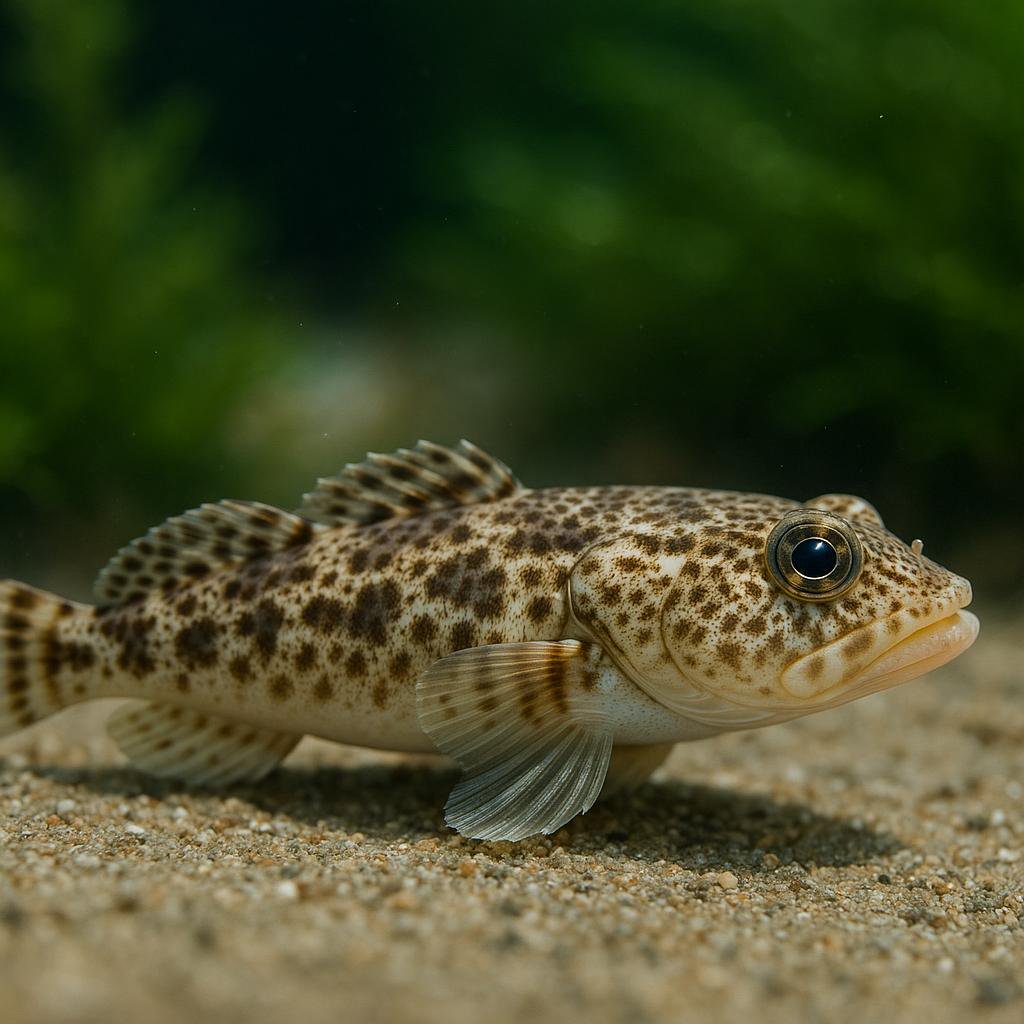
This is a New Zealand stargazer that lives half-buried in sand or mud with its eyes pointed up, waiting to rocket upward and nail passing prey. It has those neat dark saddle-bands across the back (especially as a juvenile), and like other stargazers it is venomous with spines near the gill cover/pectoral area - definitely a look-dont-touch fish.
Bandfin scorpionfish
Scorpaenopsis vittapinna
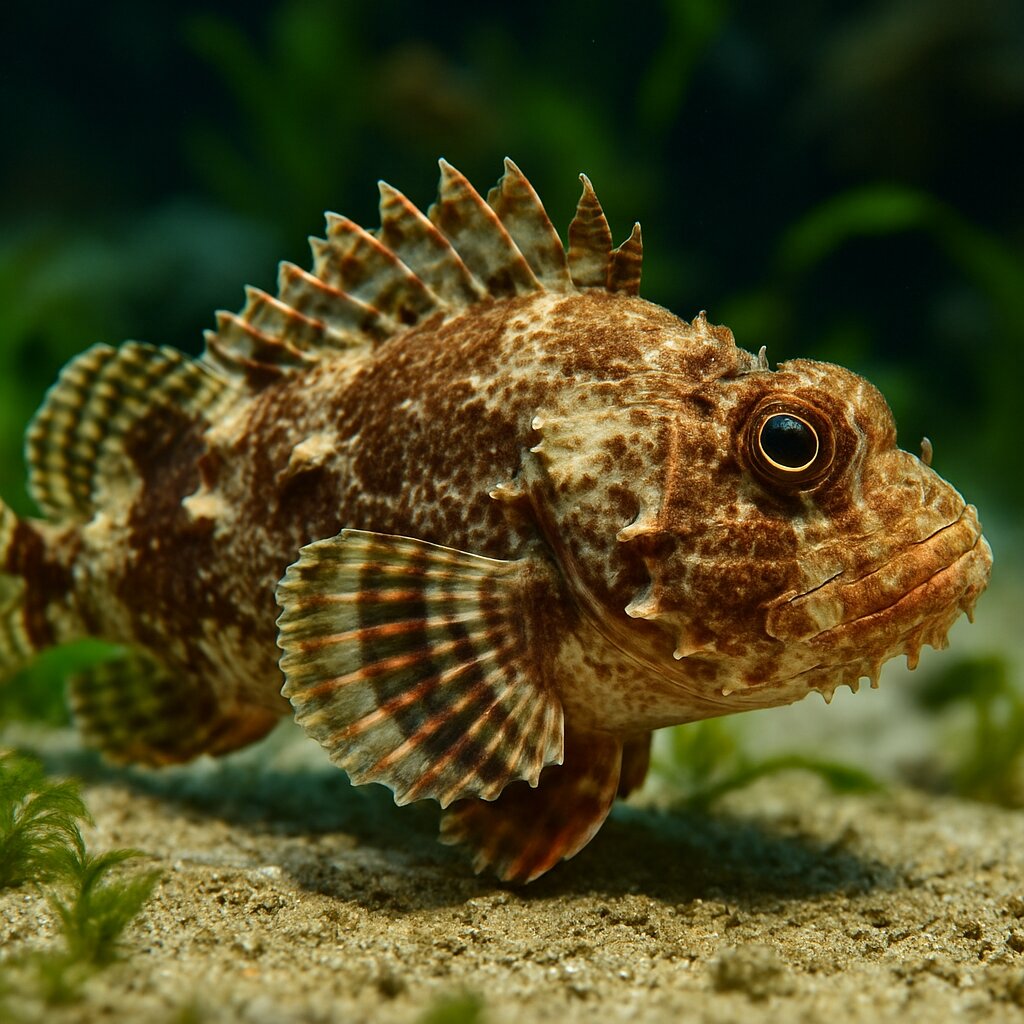
Think tiny ambush predator that vanishes into rubble and coral bits, then flashes a dark band on its pelvic and anal fins when it shifts. It tops out around 3 inches, packs venomous spines, and loves to gulp unsuspecting shrimp and small fish. Super cool to watch once it settles, but it absolutely demands careful handling and smart tankmate choices.
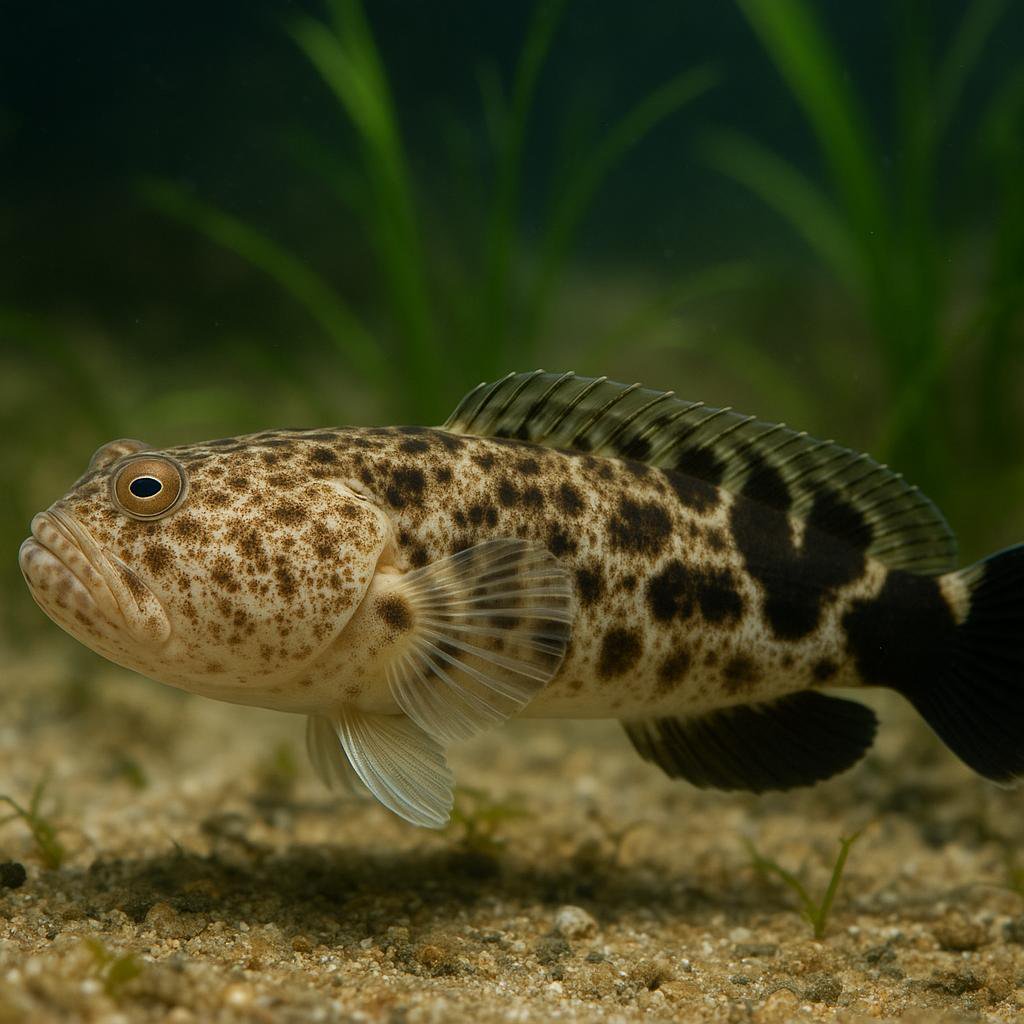
Blackfin stargazer
Ichthyscopus nigripinnis
This is a little sand-sitting stargazer from Australia that likes to lie in wait with its eyes up top and nail passing prey. That black mark on the front part of the dorsal fin is basically its signature. Cool fish, but its more of a wild marine predator than something you set up in a typical home aquarium.
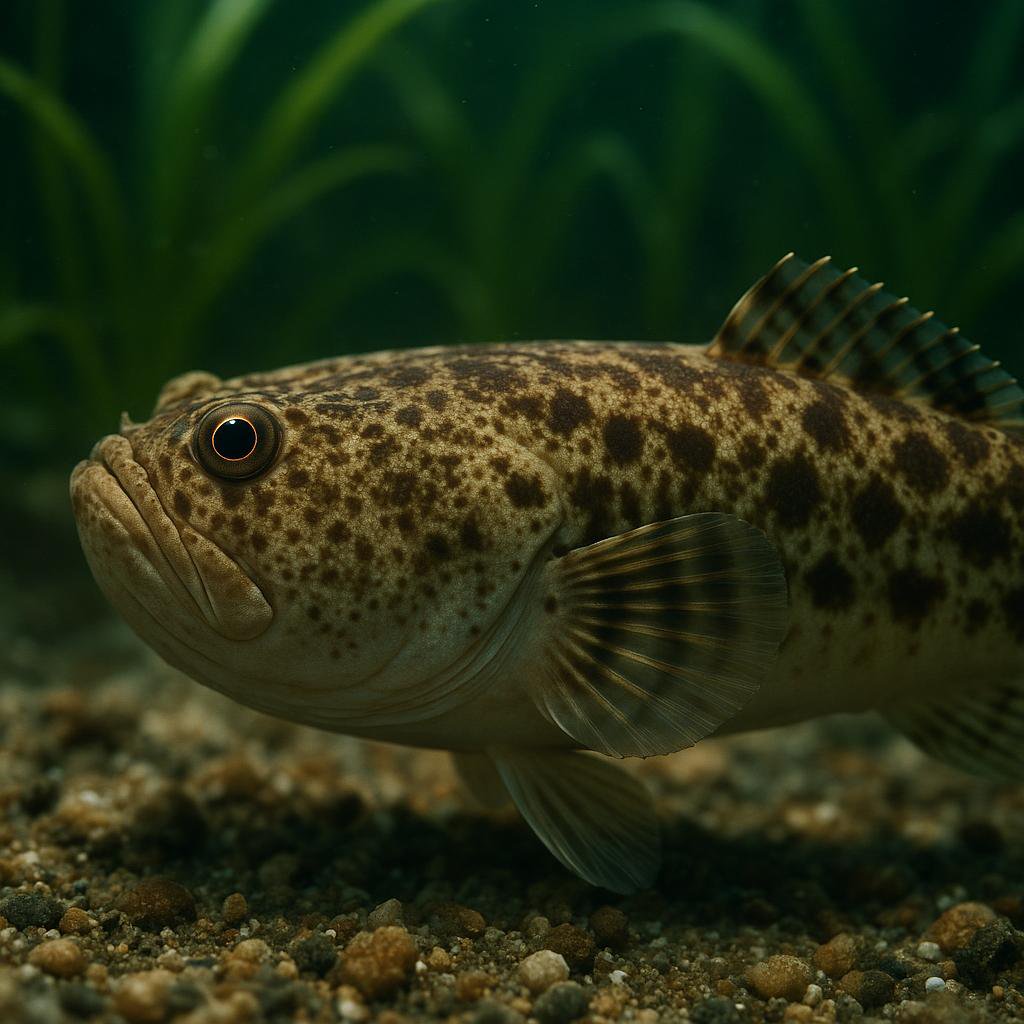
Brownspotted stargazer
Uranoscopus fuscomaculatus
A deep demersal stargazer recorded at 366–389 m that lies buried in sand or mud to ambush prey. Distribution is Southwestern Pacific (Vanuatu and Fiji). Given its deep, cold habitat and specialized requirements, it is not a practical aquarium species.
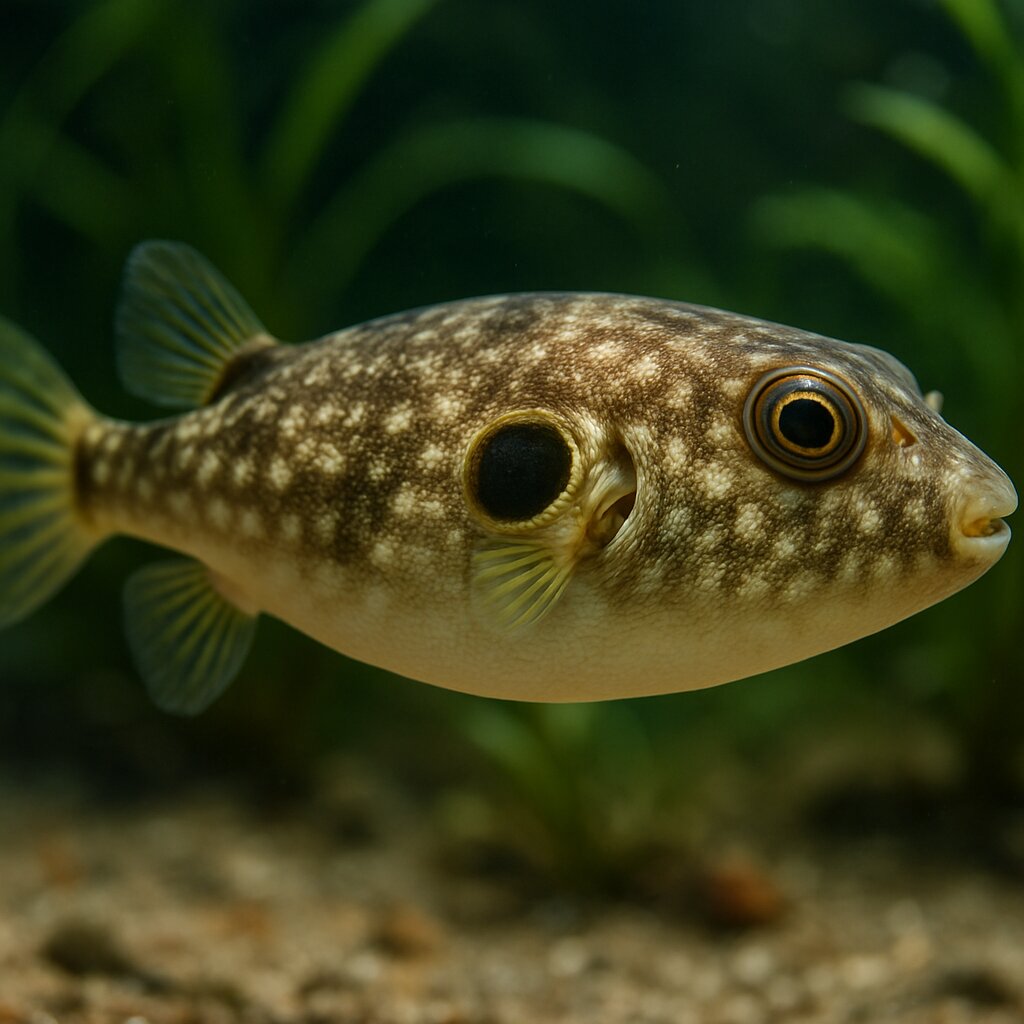
Bullseye puffer
Sphoeroides annulatus
Big personality in a football-shaped body with pale rings along the back that make a bullseye pattern. This is a stout Eastern Pacific puffer that crunches snails and crabs with ease and needs true saltwater and lots of room. Super cool to watch, but it turns nippy with tankmates and grows into a serious, messy eater.
More to Explore
Discover more marine species.
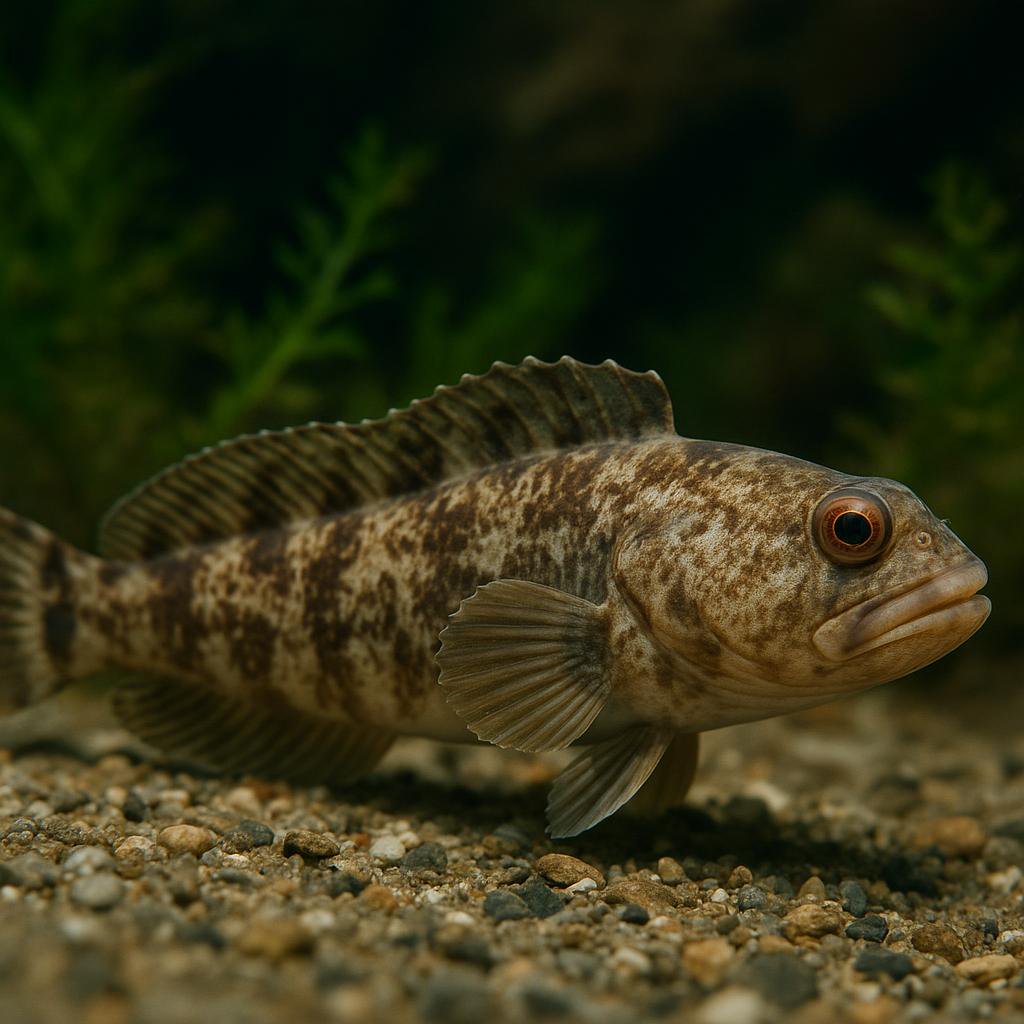
Abe's eelpout
Japonolycodes abei
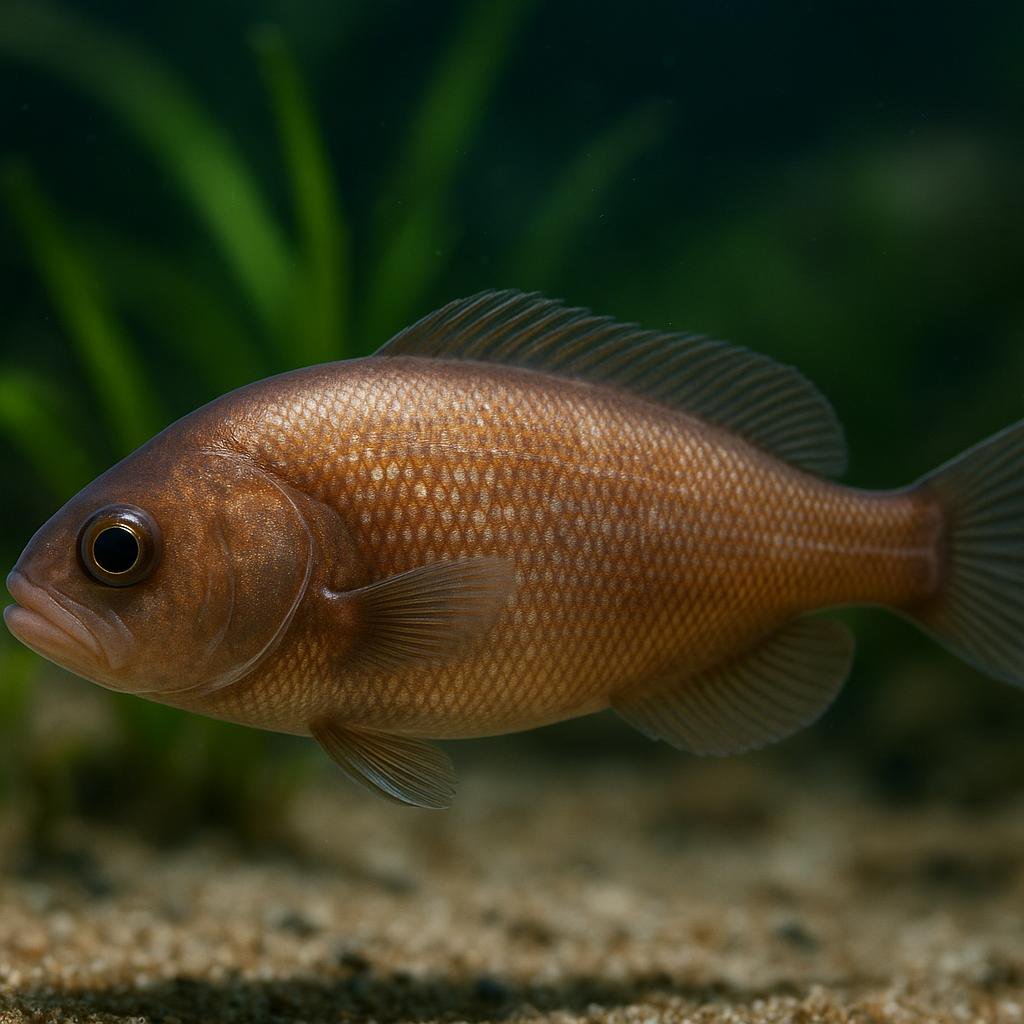
Japonolycodes abei is a temperate, deepwater demersal eelpout (family Zoarcidae) endemic to Japan (Kumano-nada Sea reported; other sources also report Sagami Bay and Tosa Bay). It is the only species in the genus Japonolycodes and occurs roughly 40-300 m depth, making it an uncommon/atypical aquarium species.
Affinis blind cusk-eel
Barathronus affinis
Barathronus affinis is a tiny, super-weird deep-sea blind cusk-eel from the western-central Indian Ocean. It is one of those gelatinous, loose-skinned brotula-type fishes that live way down in the dark and are basically never seen alive, so almost everything we know comes from preserved specimens and taxonomic work.
Aleutian skate
Bathyraja aleutica
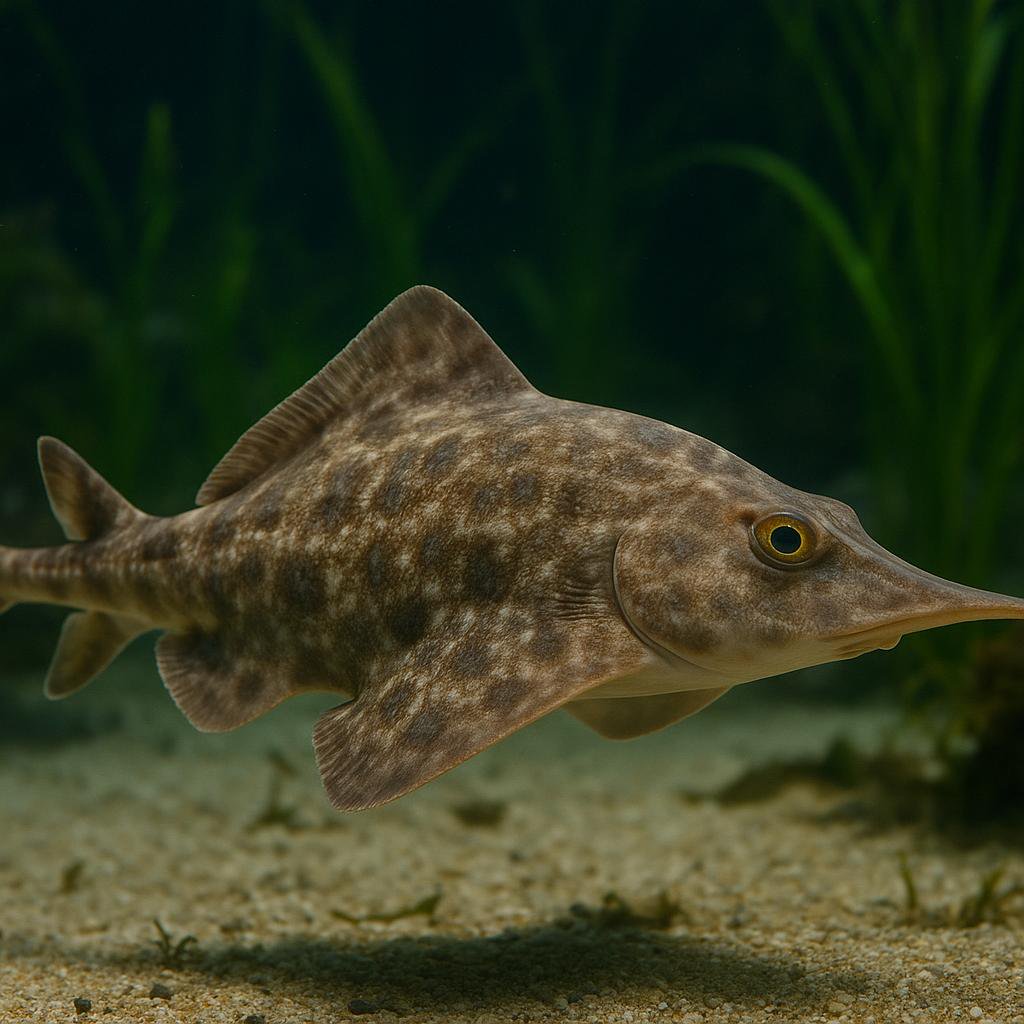
This is a big, cold-water deep-slope skate from the North Pacific that cruises muddy bottoms and eats chunky benthic prey like crabs and shrimp. The really cool bit is its egg-laying skate life - it does distinct pairing (the classic skate "embrace") and drops those tough egg cases on the seafloor. Not an aquarium fish at all unless you're basically running a public-aquarium-style chilled system.
Allis shad
Alosa alosa
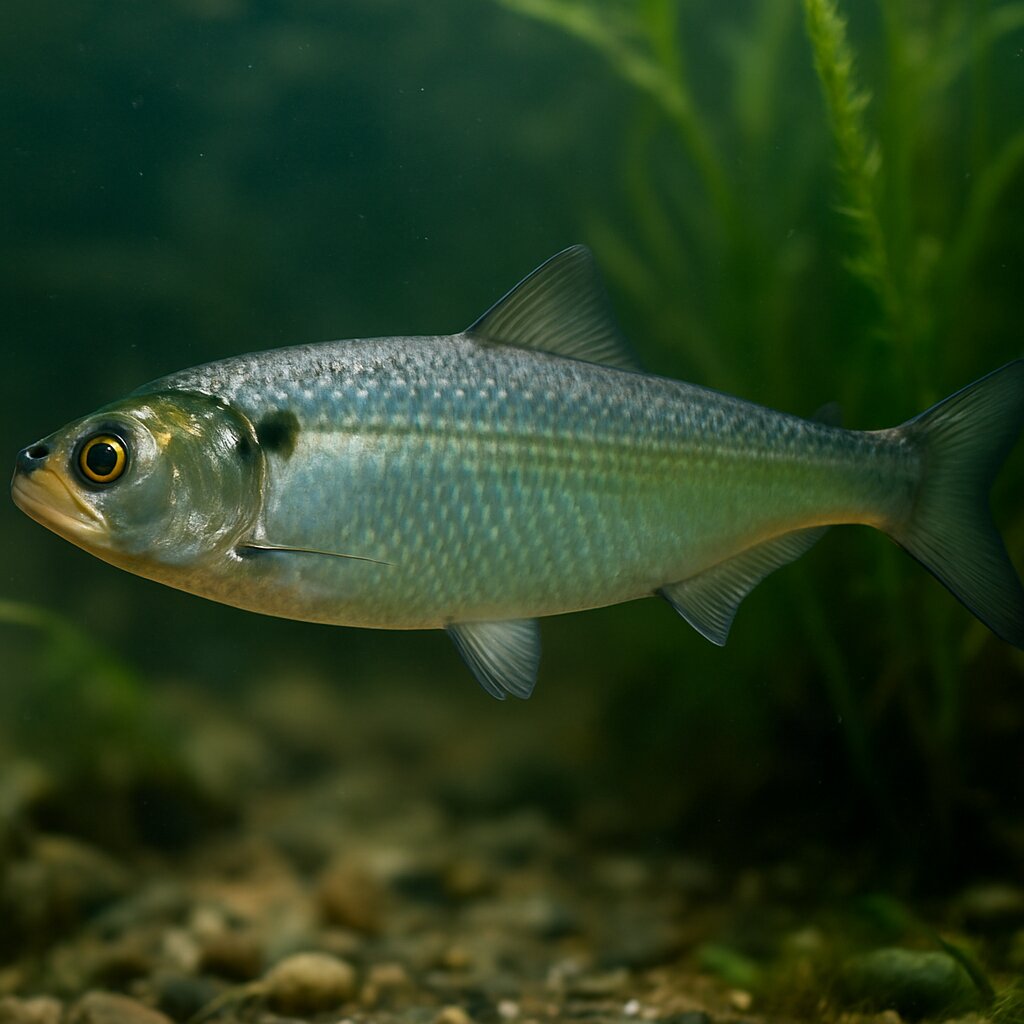
Gorgeous silver, fast-swimming shad that spends most of its life in the sea and then surges up big rivers in noisy, surface-spawning schools. It grows huge for a herring-type fish and needs cool, ultra-oxygenated water and tons of open space, so it is a public-aquarium species rather than a home tank fish.
Annandale's zebra sole
Zebrias annandalei
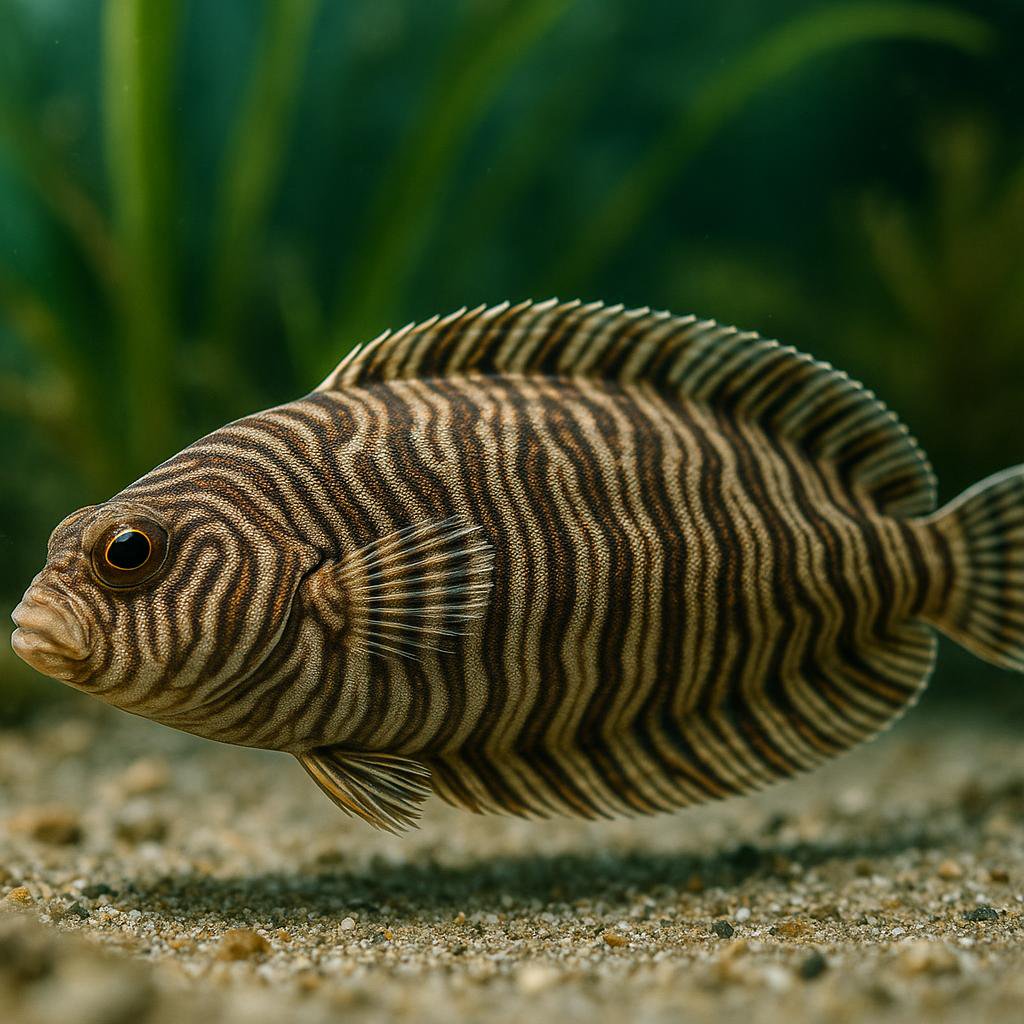
Zebrias annandalei is a small demersal sole from coastal India that inhabits sandy or muddy bottoms and buries for camouflage. It is rarely kept in home aquaria and would require a specialized marine sand-bottom setup and appropriate feeding.
Antarctic dragonfish
Vomeridens infuscipinnis
Deep down around Antarctica, this sleek dragonfish cruises the water column like a little submarine, nearly neutrally buoyant so it can hover above the seafloor. It munches almost exclusively on Antarctic krill and lives in near-freezing water 500-800 m down, so it is a cool species to read about, not one for home tanks.
Looking for other species?