

Ghost flathead
Hoplichthys langsdorfii
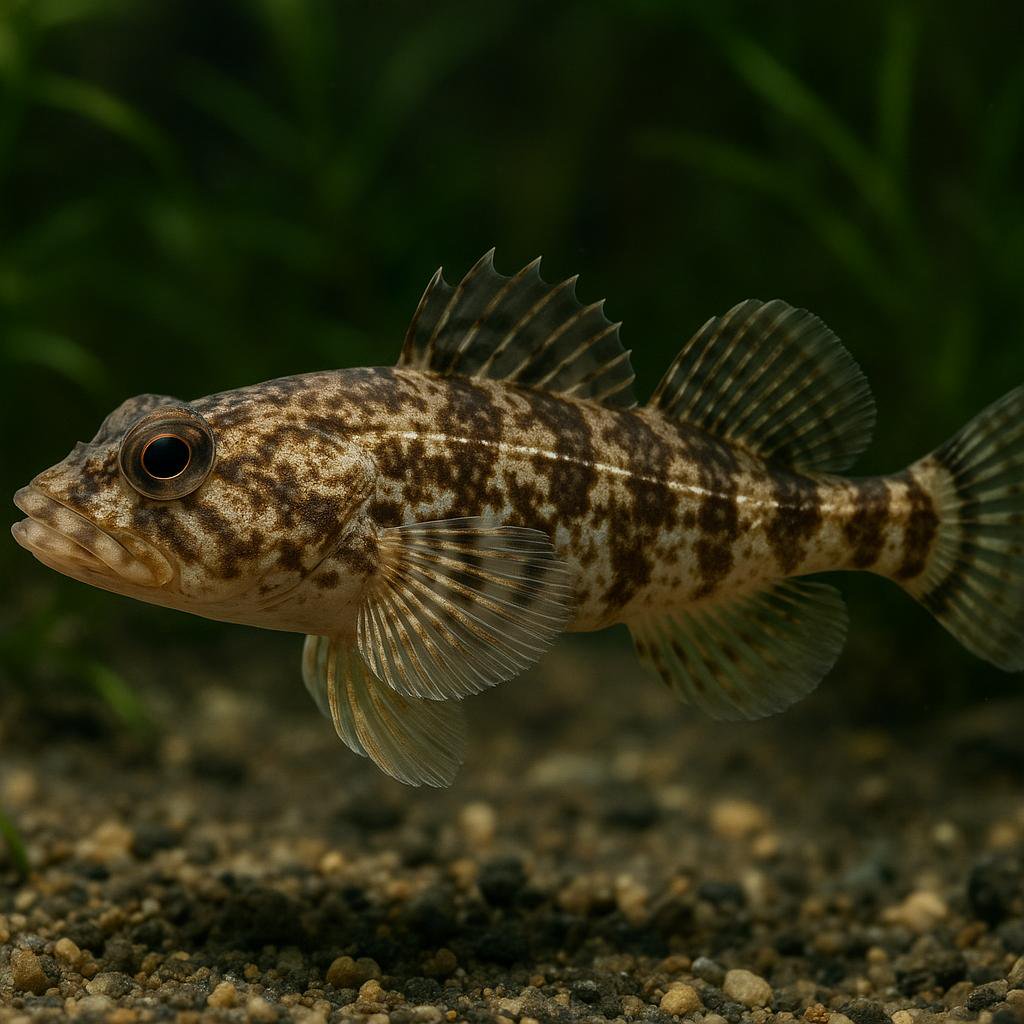
The Ghost flathead exhibits a pale, translucent body with distinctive elongated pectoral fins and a flattened head, enhancing its camouflage.
This page includes AI-generated images. Why am I seeing AI images?
About the Ghost flathead
Hoplichthys langsdorfii is a little bottom-dwelling ghost flathead from the northwest Pacific (southern Japan down toward the East China Sea). It is a demersal marine predator that hangs on or in the substrate, doing that classic flathead thing of lying still and waiting for food to wander close.
Quick Facts
Size
16 cm SL
Temperament
Semi-aggressive
Difficulty
Expert
Min Tank Size
75 gallons
Lifespan
unknown
Origin
Northwest Pacific (southern Japan to the East China Sea)
Diet
Carnivore - meaty marine foods (small fish/crustaceans), frozen and fresh seafood items
Water Parameters
1-23°C
8-8.4
8-12 dGH
Need a heater for this species?
This species needs 1-23°C in a 75 gallon tank. Use our heater calculator to find the right wattage.
Calculate heater sizeCare Notes
- Give it a big, long tank with a wide sand bed (fine sand, not crushed coral) because it spends most of its life parked and partially buried, then darts hard when it strikes.
- Keep salinity steady around 1.024-1.026 and temperature in the low-to-mid 70s F (22-25 C); they handle clean water well but get cranky fast with swings and low oxygen.
- Use strong filtration and lots of flow, but aim some calmer zones along the bottom so it can sit without getting blasted all day.
- Feeding is all about meaty stuff: live or thawed shrimp, silversides, squid strips, and marine fish flesh; target feed with tongs after lights dim because they are ambush hunters and can get outcompeted.
- Skip tiny tankmates - anything that fits in its mouth is food, and it can inhale surprisingly big fish; avoid aggressive trigger/tusk types that will nip a sedentary bottom sitter.
- Best tankmates are larger, non-nippy fish that stay midwater (bigger wrasses, rabbitfish, some angels) and other predators that are too big to be swallowed and not jerks about food.
- Watch for sand-related issues: sharp substrate can scrape the belly and lead to infections, and poor acclimation plus shipping stress often shows up as refusal to feed for a week or two - keep lights low and offer small, smelly foods first.
Compatibility
Good Tankmates
- Other sturdy midwater fish that are too big to fit in its mouth - think medium-large wrasses (Halichoeres-type) that stay busy in the water column and dont sleep on the sand right next to it.
- Tougher community predators like smaller groupers or soapfish that ignore bottom sitters - as long as they are similar size and you are not trying to cram everyone into a tiny footprint.
- Rabbitfish (Siganus) - good vibe match in my experience because they are not finicky, not usually bullies, and they mostly cruise and graze instead of picking fights with a flathead on the sand.
- Bigger angels (Pomacanthus-ish or large Centropyge) that can hold their own - they usually dont bother a camo ambush fish, and the flathead usually cant be bothered to chase them.
- Hawkfish (the chunkier ones) - they use perches and rock, the flathead uses sand, so they stay out of each others lane. Still watch feeding time so nobody gets outcompeted.
- Eels that keep to caves (like snowflake-type morays) - generally fine because both are ambush-y and not constant swimmers, just make sure the eel isnt big enough to decide the flathead is a snack.
Avoid
- Small fish and shrimp that fit in its mouth - gobies, small blennies, firefish, chromis, cleaner shrimp, peppermint shrimp. This fish will eventually eat what it can swallow, typically at lights-out.
- Other bottom ambush predators that want the same sand patch - scorpionfish, frogfish, big weedy stonefish-types. They dont always fight, but you are asking for turf stress and somebody gets eaten if sizes are uneven.
- Nippy or pushy fish that harass anything that sits still - some damsels, dottybacks, and meaner triggers. They will peck the flathead or steal every bite and keep it stressed out.
Where they come from
Ghost flatheads (Hoplichthys langsdorfii) are a cold-to-cool water, bottom-dwelling marine fish from the western Pacific (Japan and nearby areas). You see them associated with sandy or silty bottoms where they can sit still and vanish into the substrate. They look weird in the best way - all angles and armor - but they are very much a predator that acts like a piece of driftwood until food shows up.
If you are used to tropical reef temps, pause here. This species is one of those fish that goes downhill fast kept too warm long-term.
Setting up their tank
Think of this fish like an ambush lizard that lives on the seafloor. It wants floor space, stable water, and a layout that lets it perch and hide without scraping itself up. I would rather give one a larger footprint than a taller tank.
- Tank size: I would not bother under 75 gallons, and 120+ is where it starts feeling reasonable for an adult, mostly for footprint and waste dilution.
- Temperature: aim for cool water (roughly low-to-mid 60s F). If your room runs warm, plan on a chiller.
- Substrate: fine sand is your friend. Coarse crushed coral can chew up bellies and fins on bottom sitters.
- Flow: moderate. You want oxygen and clean water, but not a sandstorm.
- Filtration: strong mechanical plus a skimmer. These fish eat meaty foods and the tank gets dirty fast.
- Aquascape: scattered rockwork and low ledges they can tuck under. Leave open sand lanes for them to sit and pivot.
Cover the tank. They are not classic jumpers like wrasses, but startled predators can launch, and you do not want to find an armored fish on the floor.
Lighting can be pretty basic. They do not care about bright reef lights, and strong light can make them stay hidden all day. A dimmer schedule (or shaded zones) usually gets you more natural behavior.
What to feed them
They are sit-and-wait carnivores. In my experience, the first challenge is getting them off live food if they arrive picky, and the second challenge is not overfeeding once they are eating like champs.
- Best staples: frozen/thawed silversides, pieces of marine fish, shrimp, squid, scallop, and similar chunky foods.
- Training foods: live ghost shrimp or small marine feeders can kick-start a new arrival, then transition to thawed using tongs.
- Feeding method: target feed with long tweezers/tongs so food does not get stolen and rot under rocks.
- Frequency: adults usually do well with 2-3 solid meals per week. Juveniles can take smaller meals more often.
Avoid freshwater feeder fish. They are a parasite and nutrition gamble, and long-term they can cause fatty issues. Stick to marine-sourced foods.
Watch the belly line. A ghost flathead that is getting too round is being overfed, and a skinny one often means it is being outcompeted or you are feeding too small of a portion. They are surprisingly easy to read once you get used to them.
How they behave and who they get along with
Most of the time they are calm and motionless, then they explode into action when food passes by. The compatibility rule is simple: if it fits in the mouth, it is food. And the mouth can handle more than you think.
- Good tankmates: larger, sturdy cool-water fish that stay off the bottom and are not bitey (think larger sculpin-type neighbors with care, or robust midwater fish).
- Bad tankmates: small fish, tiny gobies/blennies, ornamental shrimp and crabs, and anything that sleeps on the sand.
- Also avoid: fin-nippers and persistent pickers. A fish that sits still is an easy target for bullies.
I like to feed the other fish first, then target feed the flathead. It reduces theft and keeps the flathead from learning that your hand means a feeding frenzy.
They can spook if you rearrange rockwork or do big, sudden changes in lighting. Give them a few days after changes and they usually settle back into their routine.
Breeding tips
Breeding in home aquariums is not really a thing with this species. They are not like clownfish where you can set up a nest and wait. Sexing is not straightforward, and any spawning behavior would likely be tied to seasonal cues (temperature and photoperiod shifts) plus a lot of space.
If you ever see courtship or spawning, document it. Even basic notes on temperature, day length, and diet would be genuinely useful to other keepers because there is not much hobby info out there.
Common problems to watch for
Most issues I have seen (or helped friends troubleshoot) come down to temperature, oxygen, and food quality. These fish can look fine right up until they do not, so I lean conservative on stability and cleanliness.
- Too warm: chronic stress, fast breathing, poor appetite, and a general slow decline. Cool water and high oxygen go together here.
- Low oxygen: heavy breathing and hanging in higher flow areas. Big meaty feedings plus warm temps can push a tank over the edge at night.
- Injuries from rough substrate or sharp rock: scraped belly, frayed fins, or sores from sitting in the wrong spot.
- Refusing food: common after shipping. Start with a quiet tank, dim light, and try live shrimp to get the first bites, then transition to thawed.
- Water quality spikes: uneaten chunks disappear into rockwork and show up later as ammonia or nitrate problems.
Quarantine is worth the hassle with predators. Treating a big, armored, bottom sitter in a display full of rock is a nightmare. A simple bare QT with a few PVC elbows saves you a lot of grief.
If you keep one, plan your maintenance around its feeding style. Siphon the sand lightly, do not let meaty leftovers sit, and keep your skimmer working. Do that, keep it cool, and they are actually pretty hardy once settled.
Similar Species
Other marine semi-aggressive species you might be interested in.
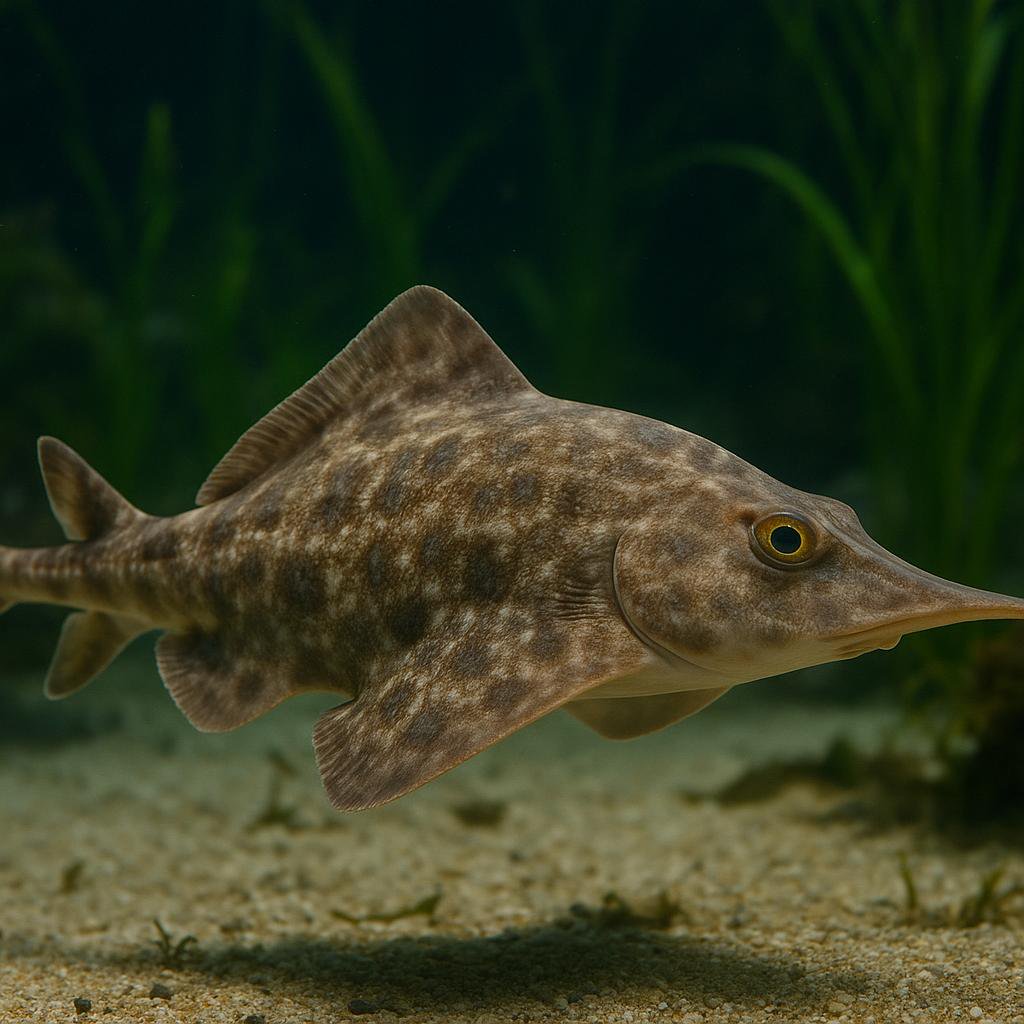
Aleutian skate
Bathyraja aleutica
This is a big, cold-water deep-slope skate from the North Pacific that cruises muddy bottoms and eats chunky benthic prey like crabs and shrimp. The really cool bit is its egg-laying skate life - it does distinct pairing (the classic skate "embrace") and drops those tough egg cases on the seafloor. Not an aquarium fish at all unless you're basically running a public-aquarium-style chilled system.
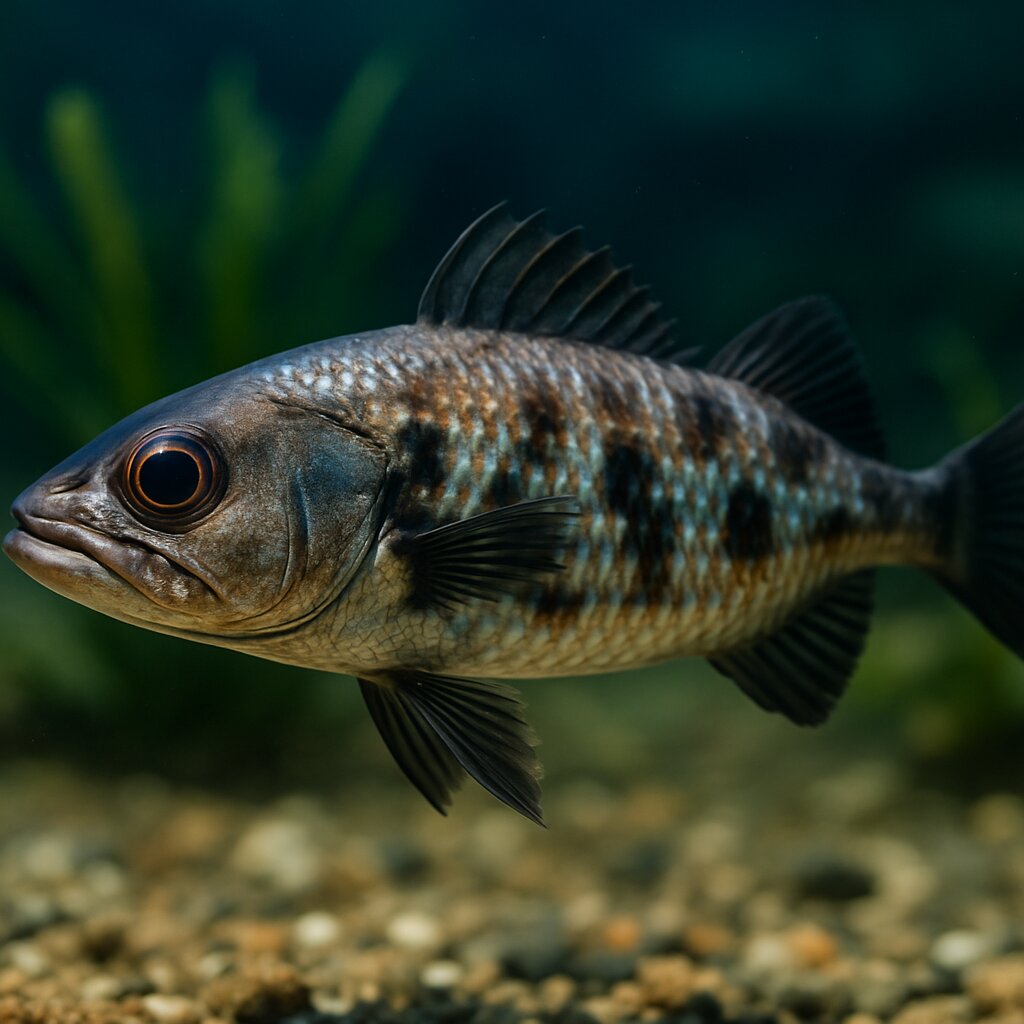
Antarctic dragonfish
Vomeridens infuscipinnis
Deep down around Antarctica, this sleek dragonfish cruises the water column like a little submarine, nearly neutrally buoyant so it can hover above the seafloor. It munches almost exclusively on Antarctic krill and lives in near-freezing water 500-800 m down, so it is a cool species to read about, not one for home tanks.
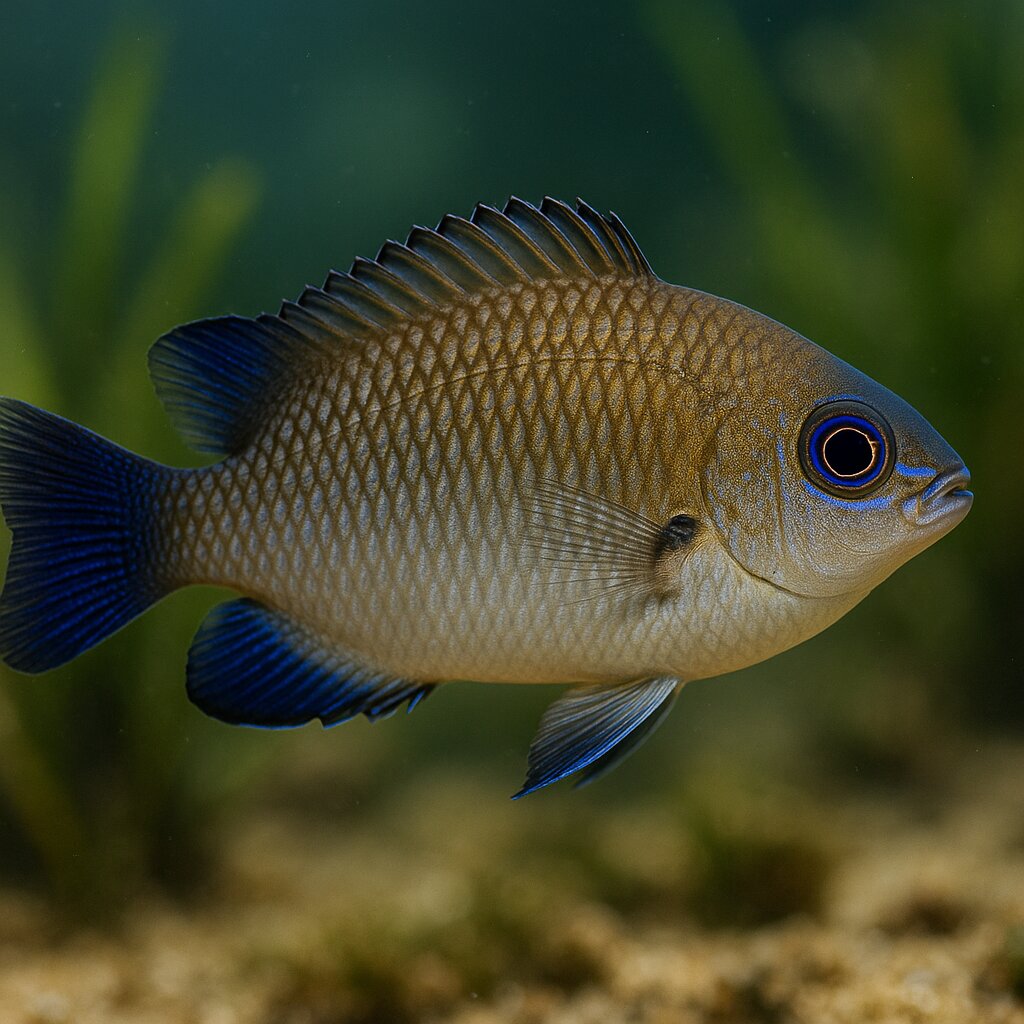
Arabian demoiselle
Neopomacentrus sindensis
A small lyretail damsel from the Persian Gulf and Arabian Sea, it hangs in loose groups around coral heads, rocks, and even pier pilings picking zooplankton from the flow. Think classic damsel toughness with a slightly milder attitude than the real bruisers, plus subtle yellow tail accents. Males clean a patch, get a mate to lay eggs there, and then stand guard fanning the clutch.
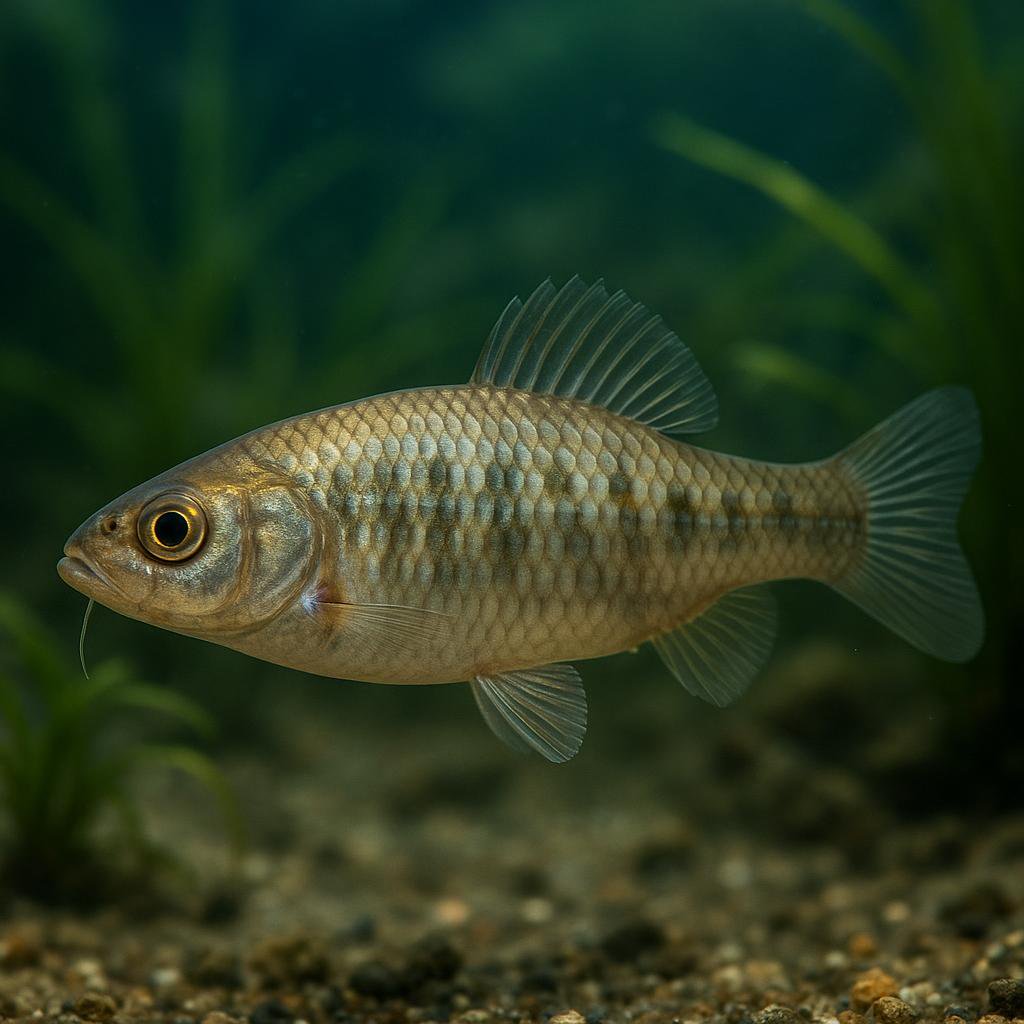
Arabian spiny eel
Notacanthus indicus
Notacanthus indicus is a deep-sea spiny eel (family Notacanthidae; not a true eel) known from the Arabian Sea on the continental slope at roughly ~960–1,046 m depth, with reported maximum length around 20 cm TL; it is a deep-water bycatch species and not established in the aquarium trade.
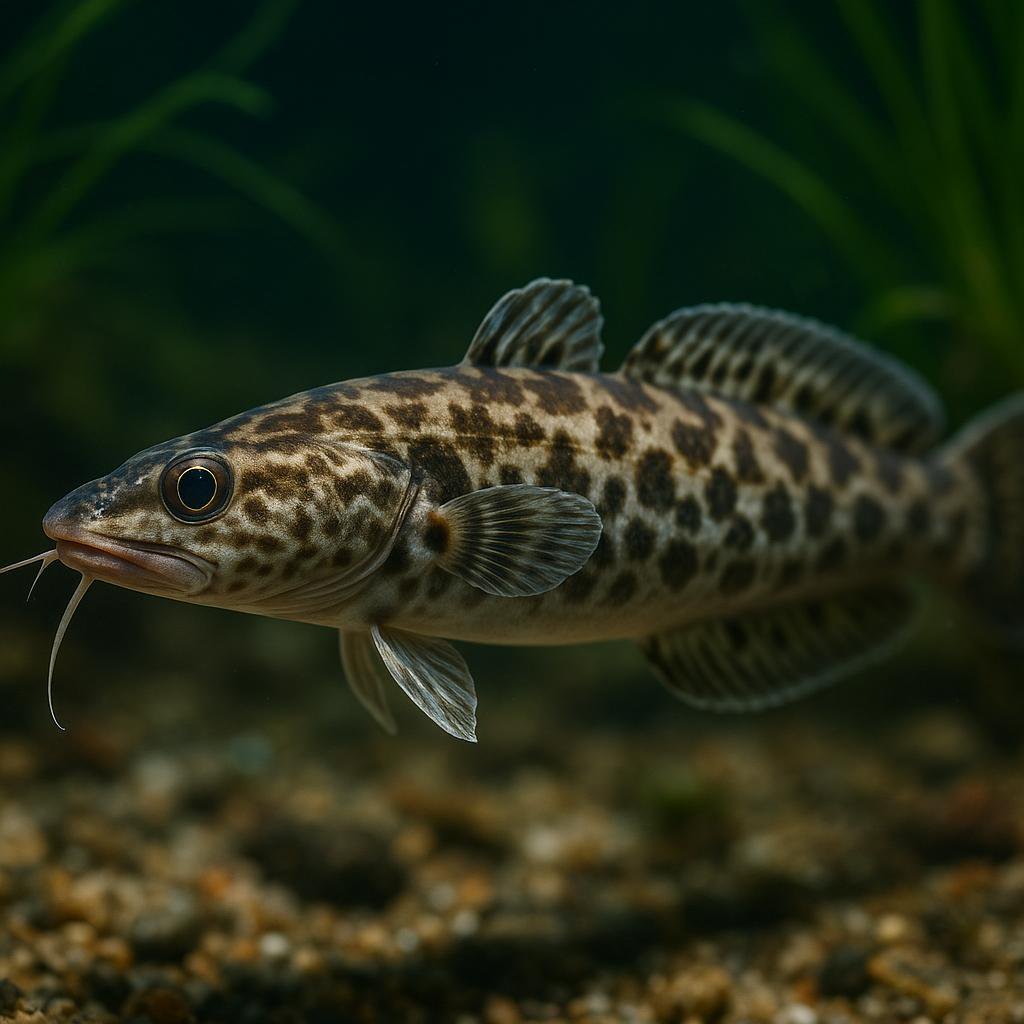
Arctic rockling
Gaidropsarus argentatus
This is a deepwater North Atlantic rockling (a cod relative) that hangs out on soft bottoms way down the slope. It is a cold-water, bottom-hugging predator that snoots around for crustaceans and will also take small fish when it gets the chance.
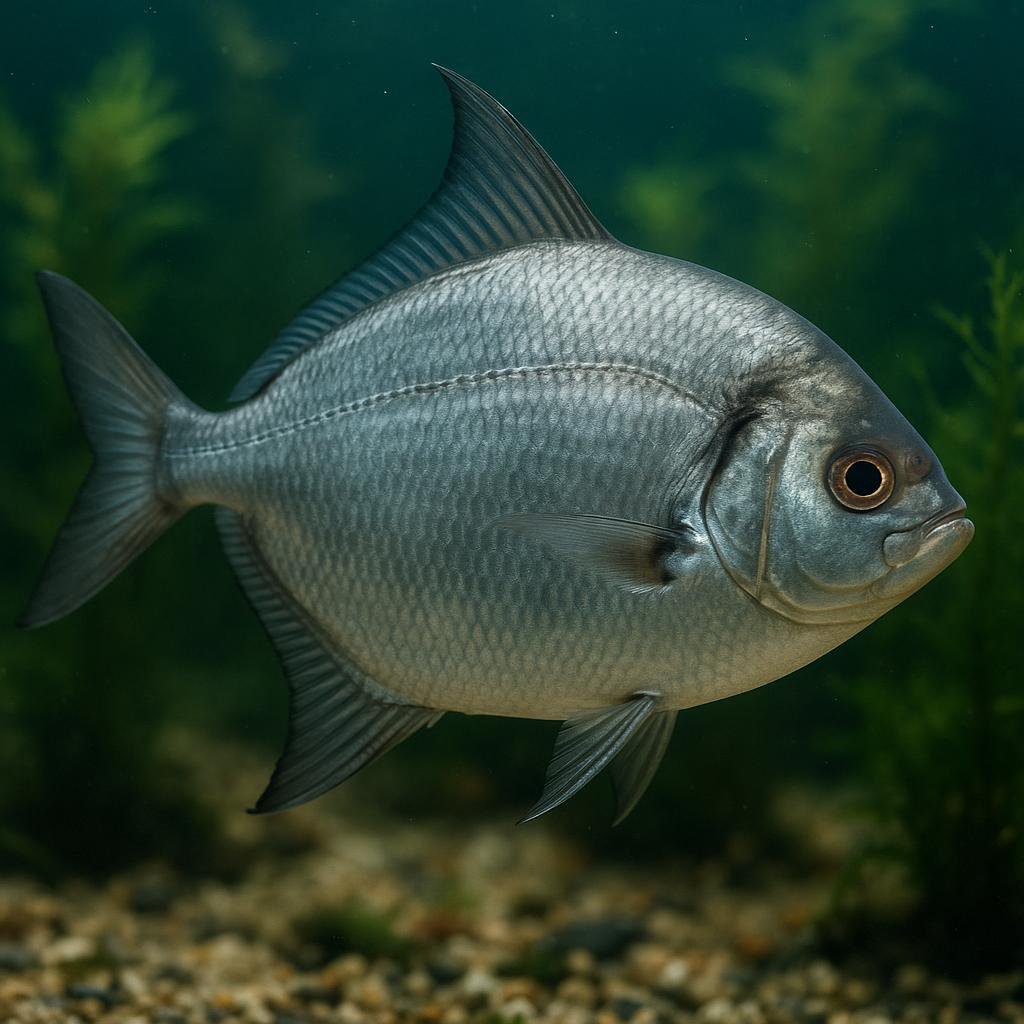
Atlantic pomfret
Brama brama
Brama brama is the Atlantic pomfret (aka Ray's bream) - a deep-bodied, open-ocean pelagic fish that cruises around in small schools and follows water temps. It is a legit big, wild marine species (not an aquarium fish) that eats other small sea critters like fish and squid, and it ranges across a huge chunk of the Atlantic plus parts of the Indian and South Pacific.
More to Explore
Discover more marine species.
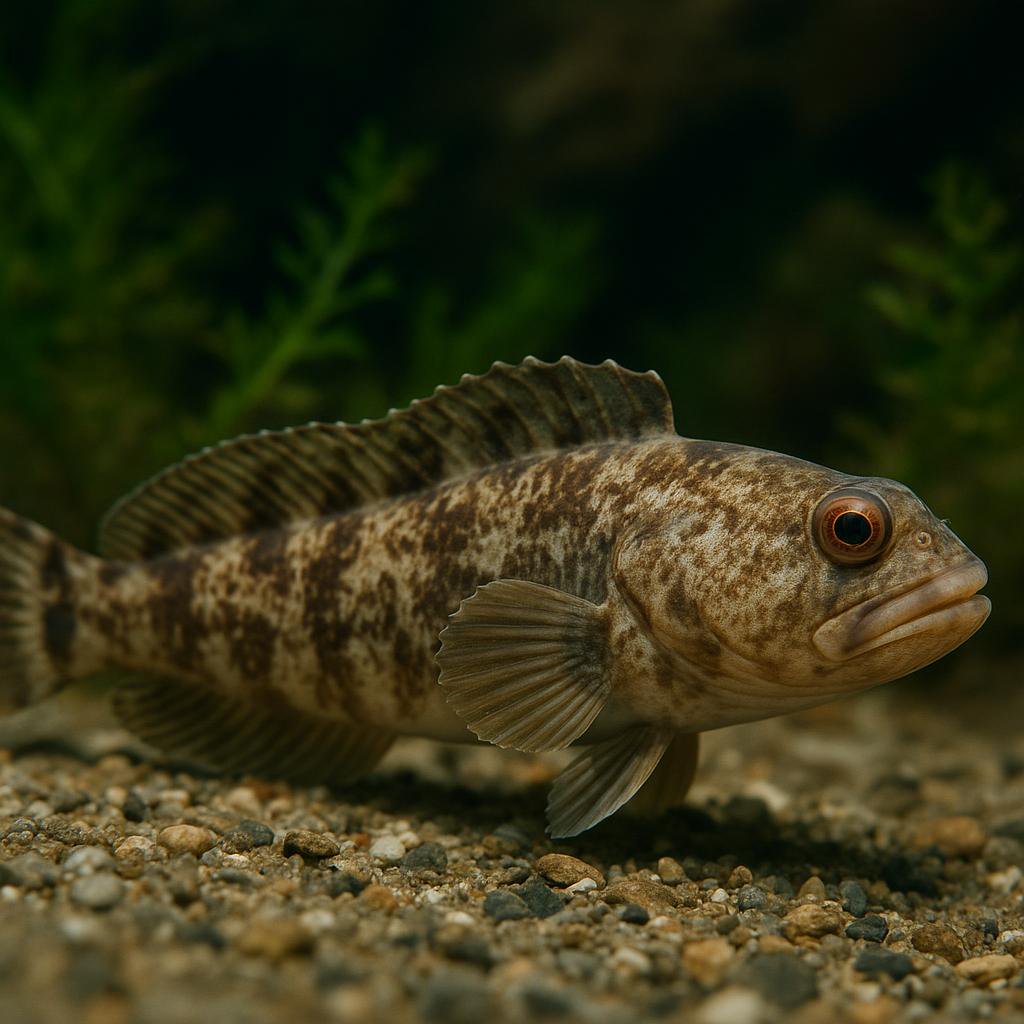
Abe's eelpout
Japonolycodes abei
Japonolycodes abei is a temperate, deepwater demersal eelpout (family Zoarcidae) endemic to Japan (Kumano-nada Sea reported; other sources also report Sagami Bay and Tosa Bay). It is the only species in the genus Japonolycodes and occurs roughly 40-300 m depth, making it an uncommon/atypical aquarium species.
Affinis blind cusk-eel
Barathronus affinis
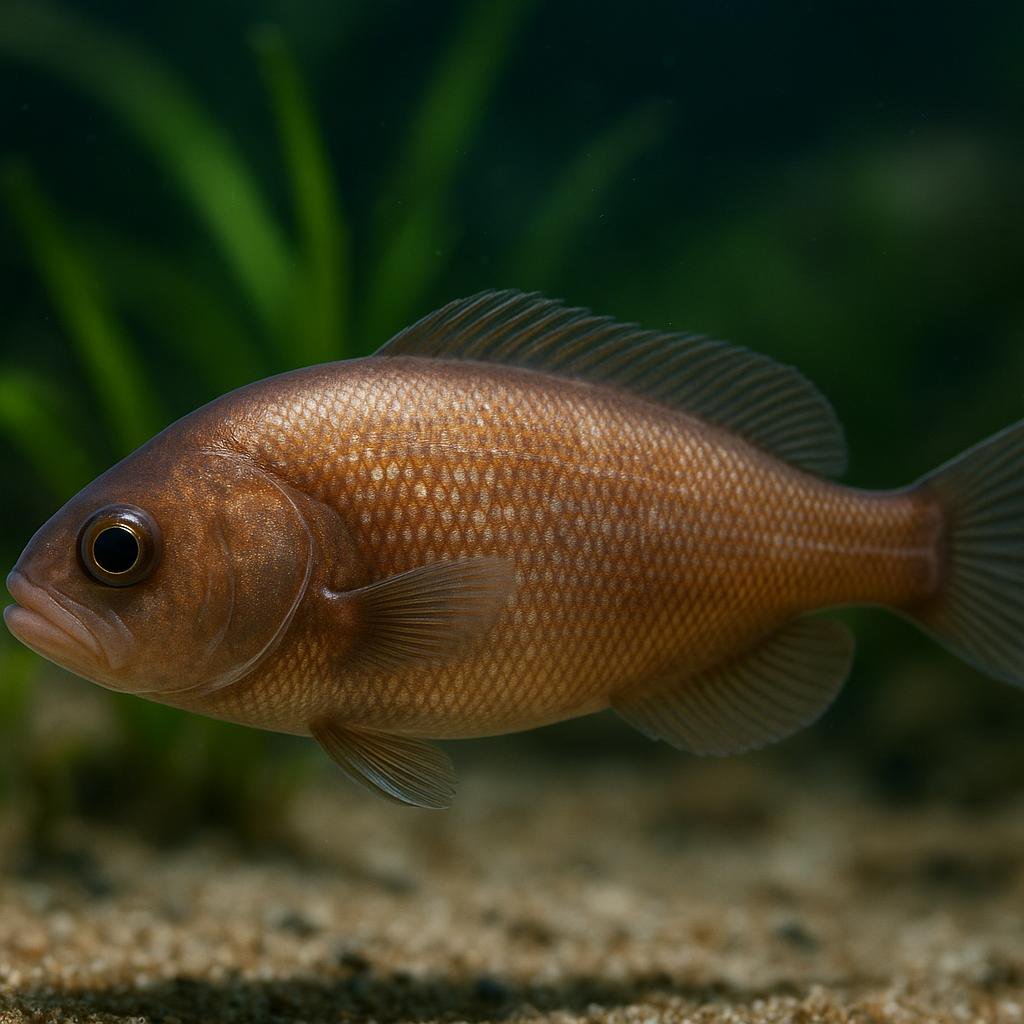
Barathronus affinis is a tiny, super-weird deep-sea blind cusk-eel from the western-central Indian Ocean. It is one of those gelatinous, loose-skinned brotula-type fishes that live way down in the dark and are basically never seen alive, so almost everything we know comes from preserved specimens and taxonomic work.
African red snapper
Lutjanus agennes
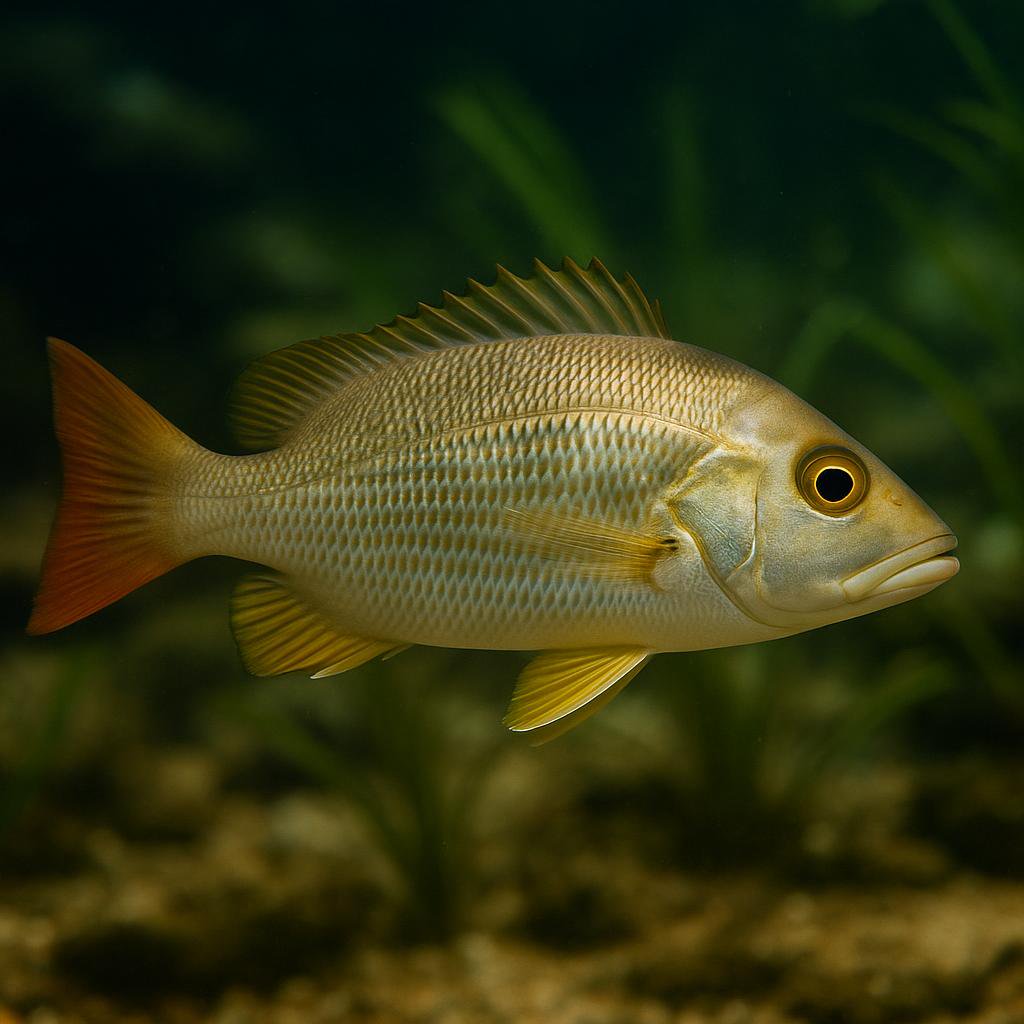
This is a true snapper from West Africa - a big, fast-growing predator that goes from coastal reefs to brackish lagoons and estuaries (especially as a juvenile). Super cool fish in the wild, but it gets absolutely huge and will eat smaller tankmates once it has the mouth for it, so its really more of a public-aquarium scale animal than a home-aquarium fish.
Allis shad
Alosa alosa
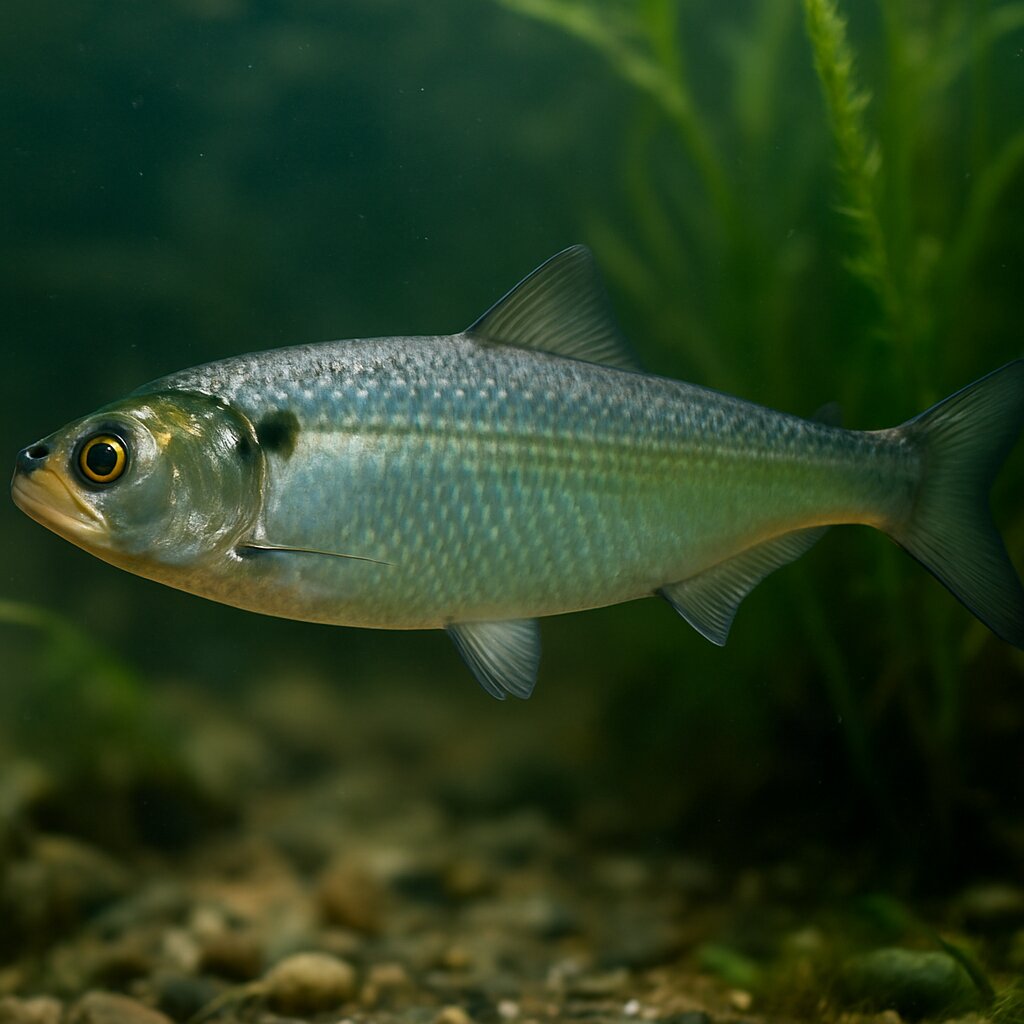
Gorgeous silver, fast-swimming shad that spends most of its life in the sea and then surges up big rivers in noisy, surface-spawning schools. It grows huge for a herring-type fish and needs cool, ultra-oxygenated water and tons of open space, so it is a public-aquarium species rather than a home tank fish.
Annandale's zebra sole
Zebrias annandalei
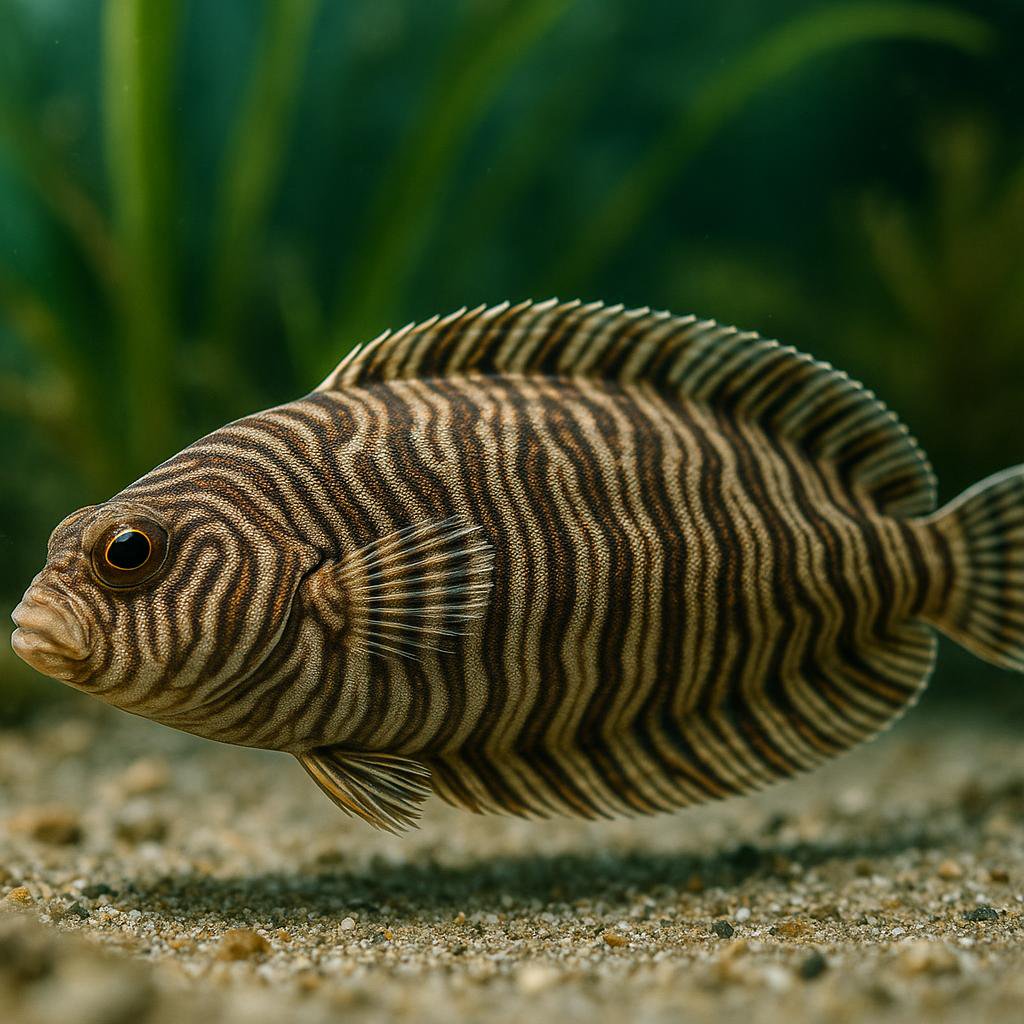
Zebrias annandalei is a small demersal sole from coastal India that inhabits sandy or muddy bottoms and buries for camouflage. It is rarely kept in home aquaria and would require a specialized marine sand-bottom setup and appropriate feeding.
Australian sawtail catshark
Figaro boardmani
Figaro boardmani is a small, deepwater Australian catshark with these cool saw-like ridges of spiny denticles along the tail and a neat pattern of dark saddle bands. It lives way down on the outer continental shelf and slope, so its natural water is cold, dim, and stable - totally not a typical home-aquarium fish. Diet-wise its a predator that goes after fish, crustaceans, and cephalopods.
Looking for other species?