

Sharpnose sand eel
Ichthyapus acutirostris
About the Sharpnose sand eel
Ichthyapus acutirostris is a finless snake eel (worm eel) that spends a lot of its life buried in sand or mud with just the head out, waiting to grab small prey. Its whole vibe is stealth and hiding, which is super cool to watch in a big, mature marine setup with a deep, fine sand bed. This is not an aquarium-trade fish with a well-established care playbook, so most "care" info out there is guesswork.
Also known as
Quick Facts
Size
53.1 cm
Temperament
Semi-aggressive
Difficulty
Expert
Min Tank Size
75 gallons
Lifespan
unknown
Origin
Eastern Central Atlantic
Diet
Carnivore - small fishes and invertebrates (meaty frozen foods if it will accept them)
Water Parameters
22-27°C
8-8.4
8-12 dGH
Need a heater for this species?
This species needs 22-27°C in a 75 gallon tank. Use our heater calculator to find the right wattage.
Calculate heater sizeCare Notes
- Give them a deep sand bed (3-6 inches) of fine oolitic sand so they can fully bury; coarse sand or crushed coral will scrape them up and they will sulk or refuse to eat.
- Run the tank like a calm lagoon: gentle flow over the sand, no rock piles that trap them, and a tight lid because they can launch out when spooked.
- Keep marine parameters rock steady; prioritize stable salinity/specific gravity and good oxygenation. Species-specific targets for Ichthyapus acutirostris are not well-published, so use standard tropical marine aquarium ranges appropriate to its collection locality and acclimation history.
- Feed small meaty stuff they can grab from the sand - live or enriched frozen mysis, chopped shrimp, blackworms (if you can source clean), and tiny fish pieces; use a feeding tube or turkey baster to drop food right in front of their burrow at dusk.
- Do not expect them to compete at the surface - if wrasses, clowns, or tangs steal everything, the eel loses; target feed every time until you are sure its belly is staying rounded.
- Tankmates: peaceful sand-safe fish only; avoid aggressive diggers (many gobies, triggers), big wrasses, and anything that will peck at a buried face or treat it like a worm snack.
- Watch for sandbed funk: if you let detritus build up, they get skin infections and breathe hard; vacuum lightly around the burrow area and run carbon when you notice any weird slime or odor.
- Breeding in home tanks is basically a lottery - if you ever see a pair sharing a burrow, leave them alone, dim the lights, and keep hands out of the sand because they spook easily and stop feeding for days.
Compatibility
Good Tankmates
- Other sand-burying eels with similar attitude, like snake eels (Ophichthidae) or spiny eels (Mastacembelus-style behavior, but marine equivalents) - best in a big tank with lots of sand and multiple hide spots so they do not constantly squabble
- Tough, midwater fish that mind their own business, like chromis or hardy damsels (not the psycho ones) - they stay up in the water column and do not try to muscle into the eel's burrow
- Midwater fish that do not harass the eel and are too large to be prey (species-specific tankmate data for Ichthyapus acutirostris is not well-documented)
- Rabbitfish (foxface) - generally chill, sturdy, and not an easy target; they are also not usually interested in picking on an eel that is half-buried
- Bristletooth tangs (like a kole tang) - active swimmers that keep to themselves and are not snack-sized, so the sand eel mostly ignores them
- Hawkfish (in a bigger tank) - they perch and watch, but they are not typically fin-nippy and they are not tiny; just make sure the eel is not being outcompeted at feeding time
Avoid
- Tiny fish that hover low or sleep on the sand, like small gobies, blennies, and juvenile firefish - if it can fit in the sand eel's mouth, it is eventually going to get tested as food
- Really aggressive burrow or cave defenders like dottybacks and big damsels - they will constantly harass the eel's face when it is peeking out, and that turns into stress or bitey drama fast
- Cleaner shrimp, peppermint shrimp, and small crabs - not fish, but worth saying because these eels hunt by ambush and will absolutely treat small crustaceans like a free snack
Where they come from
Sharpnose sand eels (Ichthyapus acutirostris) are one of those blink-and-you-miss-it reef and sand flat fish. They spend most of their life buried with just the business end showing, popping up to grab tiny food and then vanishing back into the sand. Most of the ones that show up in the hobby are wild-caught, and they act like it - shy, easily spooked, and very tuned in to currents and sand.
If you are expecting a constantly-visible display fish, this is not it. Think of them like a "pet sand trap" that occasionally comes to life.
Setting up their tank
The tank is really about two things: sand and stability. They need a deep, fine sand bed so they can burrow without scraping themselves up. Coarse crushed coral is a hard no in my experience - they get little abrasions that turn into infections fast.
- Tank size: bigger is easier (20-40+ gallons for one is a nice starting point), mostly for stability and to keep them from feeling boxed in
- Sand: fine aragonite, sugar-sized if you can get it, 3-6 inches deep
- Rockwork: stable and sitting on the glass or on rock supports, not on top of loose sand (they undermine things by burrowing)
- Flow: moderate and varied, but avoid blasting the sand bed into dunes
- Lighting: whatever fits your system, but give them shaded areas and broken sight lines
Cover the tank. Tight. These are escape artists and they launch like a needle. Any gap around plumbing, lids, or mesh corners will eventually get tested.
I like to give them a "quiet zone" where the sand stays put and food can settle a bit. If your flow keeps the entire bottom in motion, they stay stressed and you will struggle to get them eating consistently.
If you can, seed the sand with a little live sand or microfauna and let the tank mature. A sterile, brand-new sand bed makes these fish harder than they already are.
What to feed them
Feeding is the make-or-break part. Sharpnose sand eels are micro-predators and many arrive only recognizing live, moving food. Mine took a while to settle, and I had to feed small amounts more often than I would for most fish.
- Best starters: live enriched brine shrimp, live copepods, live blackworms (if you are comfortable using them in marine systems), small live mysis if available
- Once settled: frozen mysis (small), finely chopped shrimp, Calanus, enriched frozen brine (as a helper food, not the main diet)
- How to offer: target feed near their burrow with a baster or small pipette, then back off and let them grab it
- Frequency: small feedings 1-2 times daily at first, then you can often drop to once daily if they keep weight
Do not assume they are eating because the food disappears. Watch for the actual strike. Tankmates and clean-up crews can clear the food while the eel starves under the sand.
If they are refusing frozen, try mixing a little live with frozen in the same cloud so the movement triggers the feeding response. Over a couple weeks you can usually slide the ratio toward frozen, but some individuals stay stubborn.
How they behave and who they get along with
Most of the time you will see a head sticking out of the sand, or nothing at all. They spook easily and will vanish if you move fast near the glass. At feeding time they get bold, but they are still not "out and cruising" fish.
- Good tankmates: calm, non-competitive fish that do not hunt the sand bed (small gobies, firefish, some cardinals)
- Avoid: aggressive feeders, wrasses that flip sand, dottybacks, hawkfish, bigger shrimp that steal food, and anything that might treat a thin eel as a snack
- Inverts: most reef-safe inverts are fine, but big hermits and grabby shrimp can be a constant nuisance at feeding time
Sand-sifting stars, many sand-sifting gobies, and "cleaner" wrasses that work the substrate can turn their life into nonstop harassment. Even if nobody eats them, stress kills these fish.
If you keep more than one, do it only in a larger tank with lots of uninterrupted sand. They are not like garden eels that form cute colonies in the open. These guys can be touchy about space, and you will not always see the bullying because it happens under the sand.
Breeding tips
Captive breeding is basically not a thing in the hobby for this species. They have a larval phase that would be a serious plankton project even if you got a pair to spawn. If you ever see two doing a repeated, synchronized rise-and-dart behavior at dusk, that is the closest thing to "maybe spawning" I would expect, but raising the larvae would be a different level of challenge.
If your goal is breeding, pick a species with known captive-breeding success. With sharpnose sand eels, the win is getting them eating and living long-term.
Common problems to watch for
Most failures with these come down to three things: starvation, injuries/infection from bad substrate, and jumping. They can look "fine" right up until they are not, so you have to be a little paranoid in a good way.
- Not eating: pinched belly, less popping up at feeding, food ignored unless it is live
- Skin damage: redness, cloudy patches, little sores (often from coarse sand or getting pinned under unstable rock)
- Stress: constant hiding even at feeding, frantic burrowing, repeated escape attempts
- Parasites: rapid breathing, flashing, weight loss even with food offered (wild fish can arrive with baggage)
Quarantine is tricky because they need sand to feel safe, but bare-bottom QT is a stress bomb. If you QT, give them a container of fine sand (like a plastic food tub) and keep the tank covered.
If one is losing weight, I stop "broadcast feeding" and switch to quiet target feeds right at the burrow with pumps briefly lowered. Less chaos, more food actually reaches the eel. Also check your sand - if it has sharp bits, swap it out sooner rather than later. That change alone has saved more than one burrower for me.
Similar Species
Other marine semi-aggressive species you might be interested in.
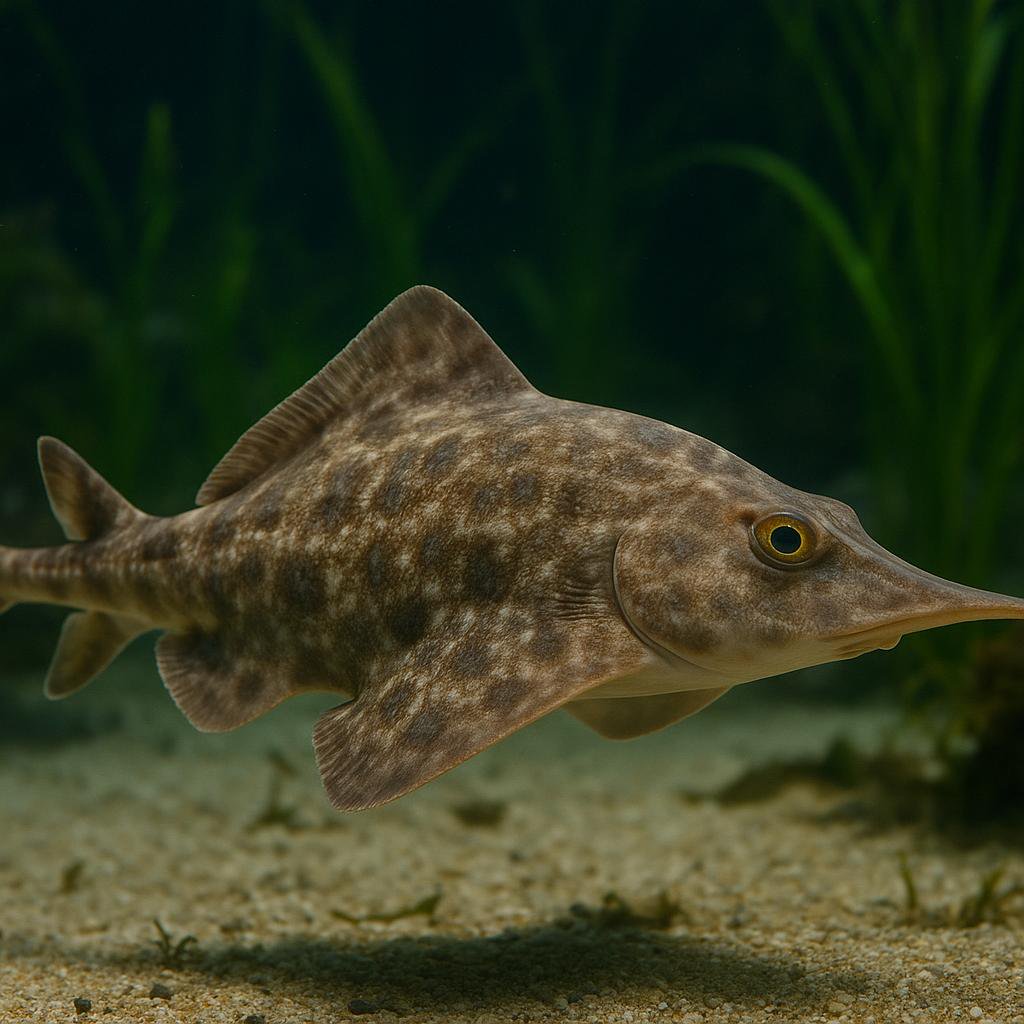
Aleutian skate
Bathyraja aleutica
This is a big, cold-water deep-slope skate from the North Pacific that cruises muddy bottoms and eats chunky benthic prey like crabs and shrimp. The really cool bit is its egg-laying skate life - it does distinct pairing (the classic skate "embrace") and drops those tough egg cases on the seafloor. Not an aquarium fish at all unless you're basically running a public-aquarium-style chilled system.
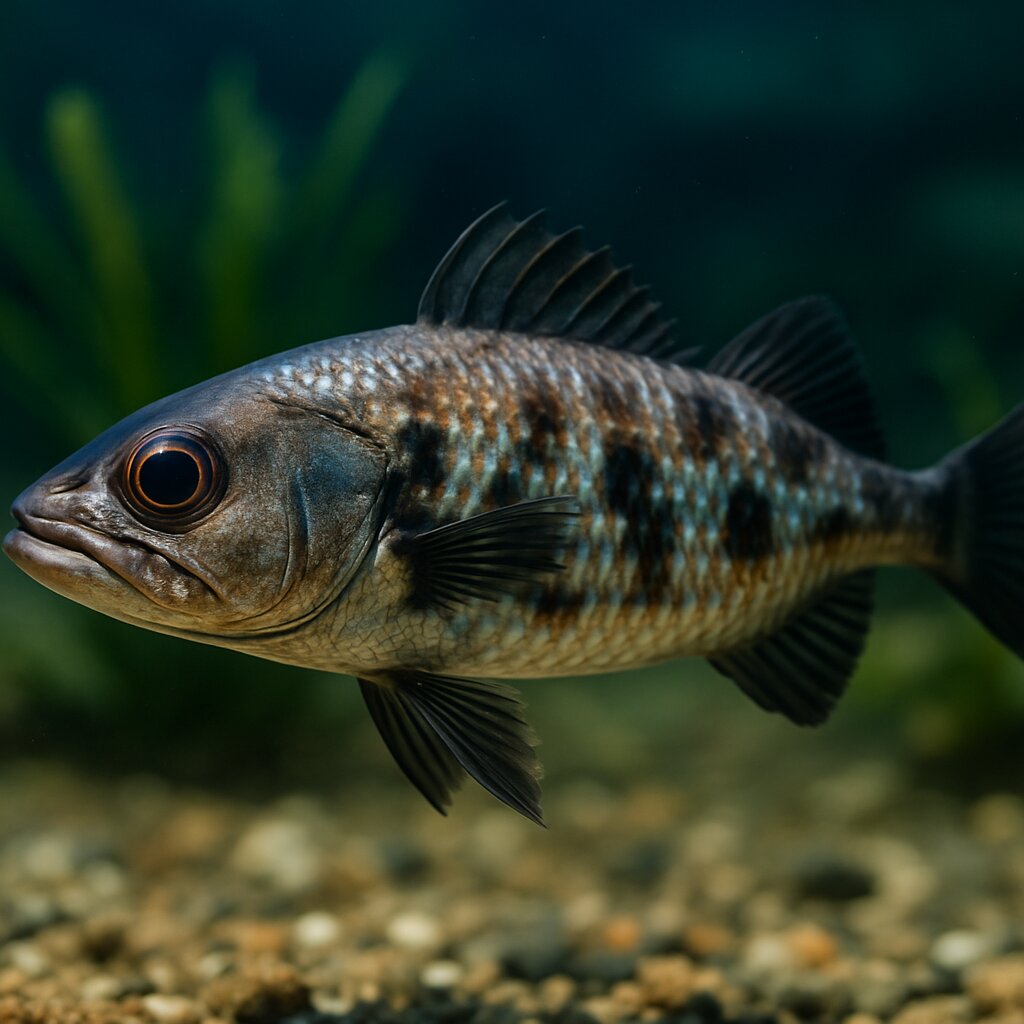
Antarctic dragonfish
Vomeridens infuscipinnis
Deep down around Antarctica, this sleek dragonfish cruises the water column like a little submarine, nearly neutrally buoyant so it can hover above the seafloor. It munches almost exclusively on Antarctic krill and lives in near-freezing water 500-800 m down, so it is a cool species to read about, not one for home tanks.
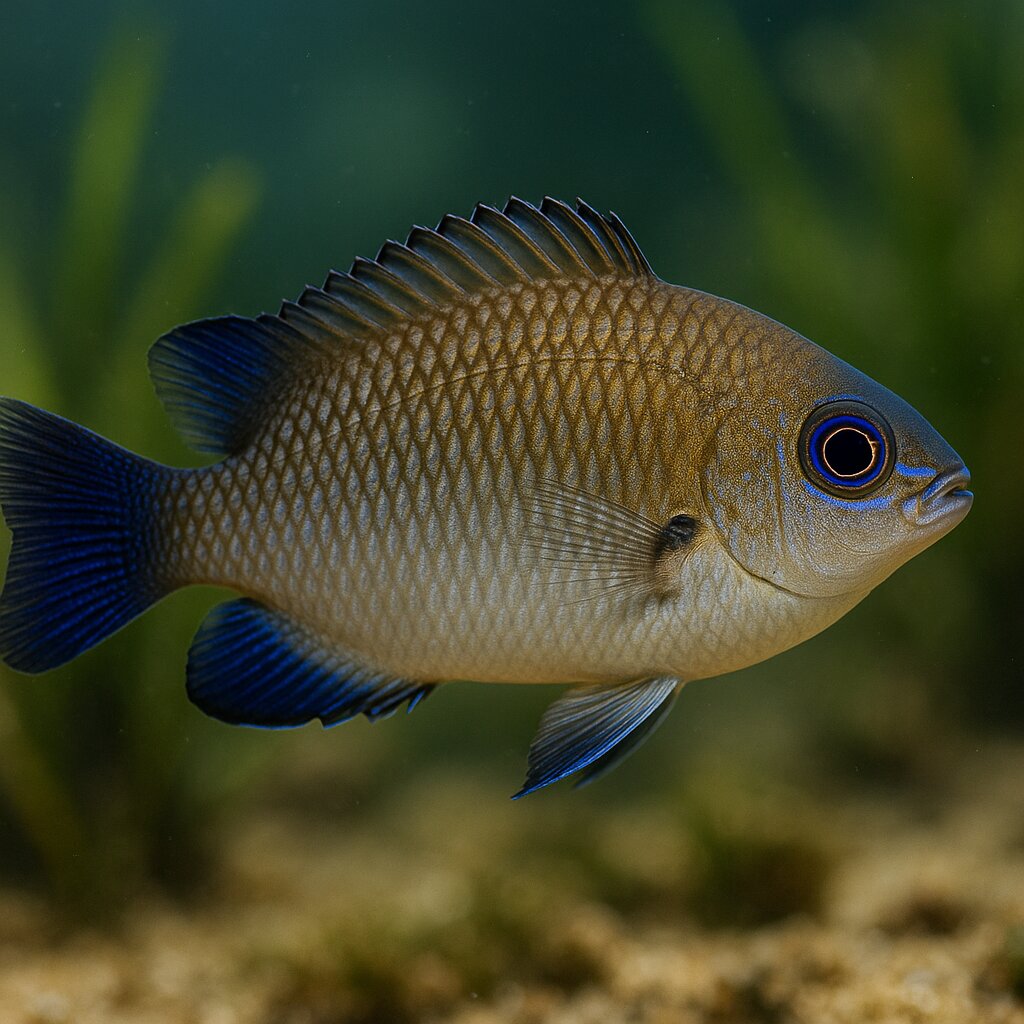
Arabian demoiselle
Neopomacentrus sindensis
A small lyretail damsel from the Persian Gulf and Arabian Sea, it hangs in loose groups around coral heads, rocks, and even pier pilings picking zooplankton from the flow. Think classic damsel toughness with a slightly milder attitude than the real bruisers, plus subtle yellow tail accents. Males clean a patch, get a mate to lay eggs there, and then stand guard fanning the clutch.
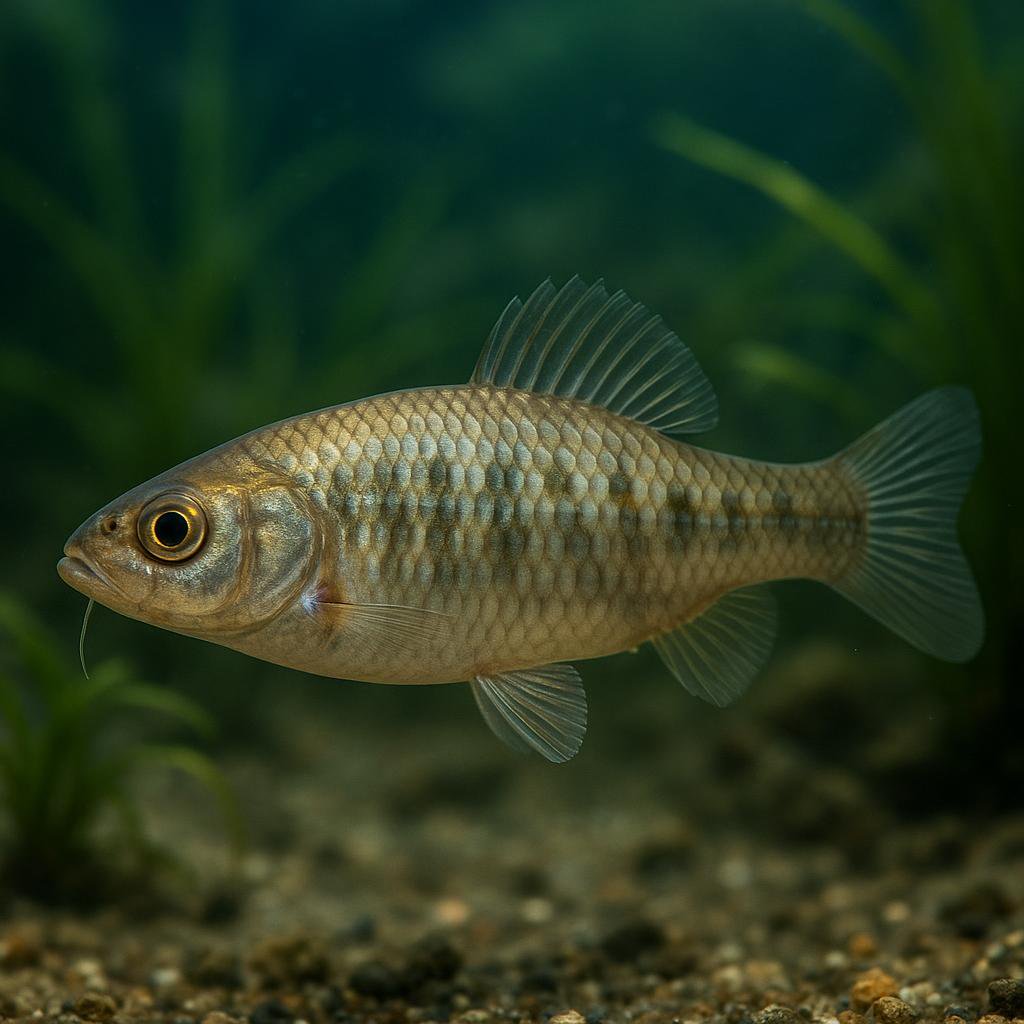
Arabian spiny eel
Notacanthus indicus
Notacanthus indicus is a deep-sea spiny eel (family Notacanthidae; not a true eel) known from the Arabian Sea on the continental slope at roughly ~960–1,046 m depth, with reported maximum length around 20 cm TL; it is a deep-water bycatch species and not established in the aquarium trade.
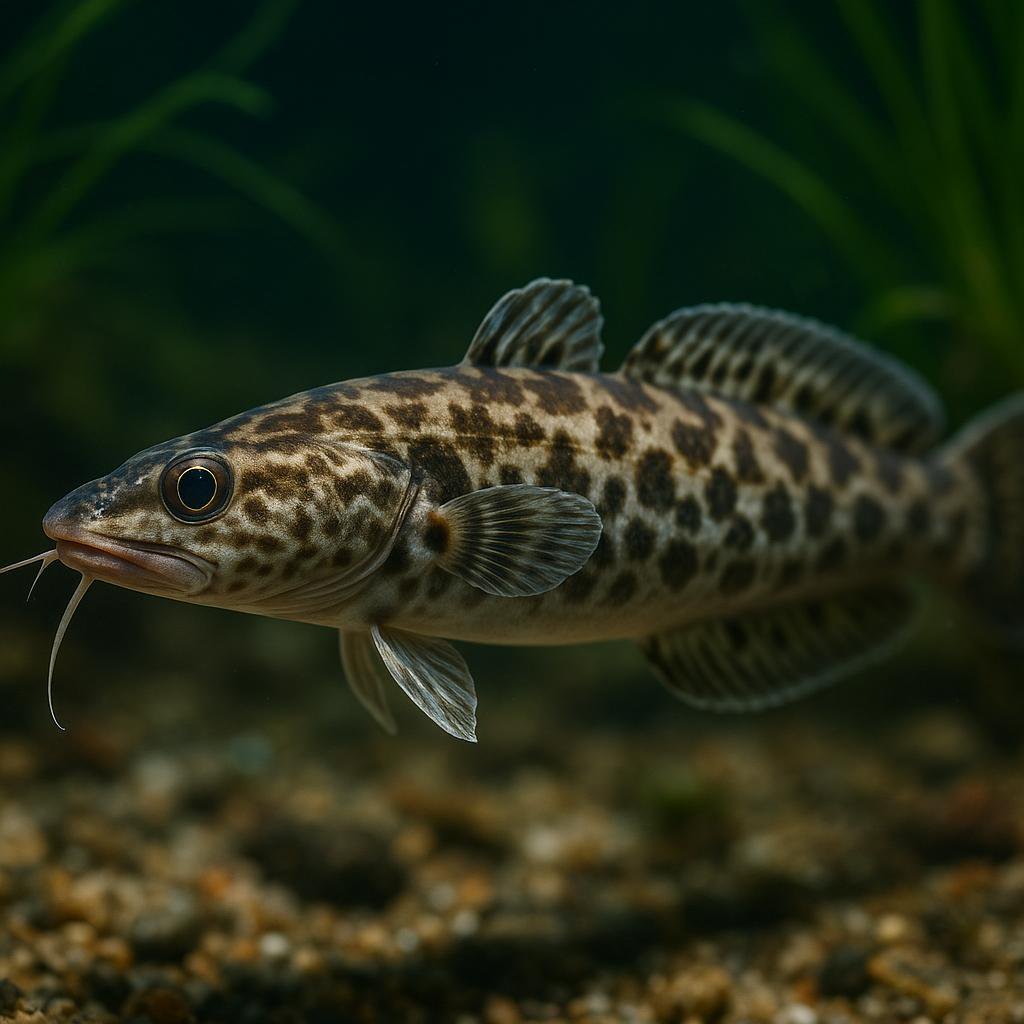
Arctic rockling
Gaidropsarus argentatus
This is a deepwater North Atlantic rockling (a cod relative) that hangs out on soft bottoms way down the slope. It is a cold-water, bottom-hugging predator that snoots around for crustaceans and will also take small fish when it gets the chance.
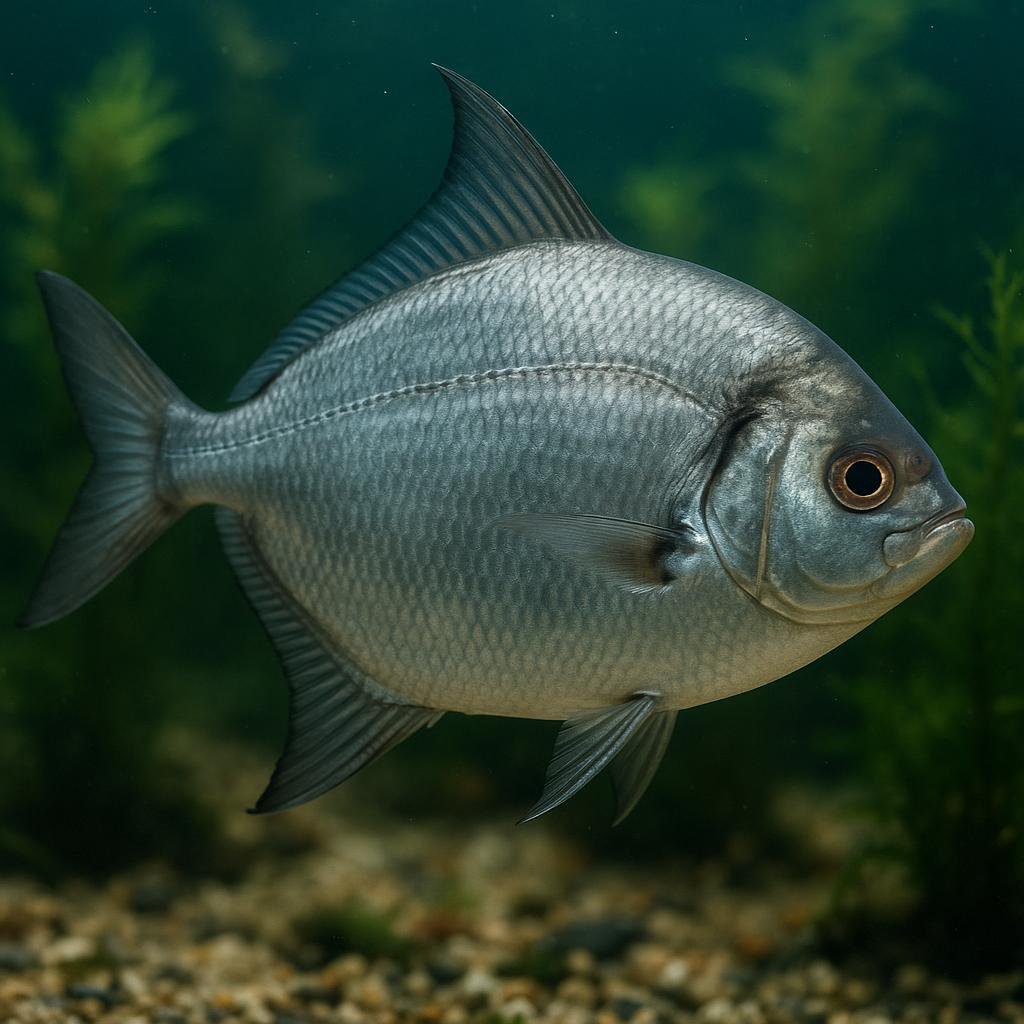
Atlantic pomfret
Brama brama
Brama brama is the Atlantic pomfret (aka Ray's bream) - a deep-bodied, open-ocean pelagic fish that cruises around in small schools and follows water temps. It is a legit big, wild marine species (not an aquarium fish) that eats other small sea critters like fish and squid, and it ranges across a huge chunk of the Atlantic plus parts of the Indian and South Pacific.
More to Explore
Discover more marine species.
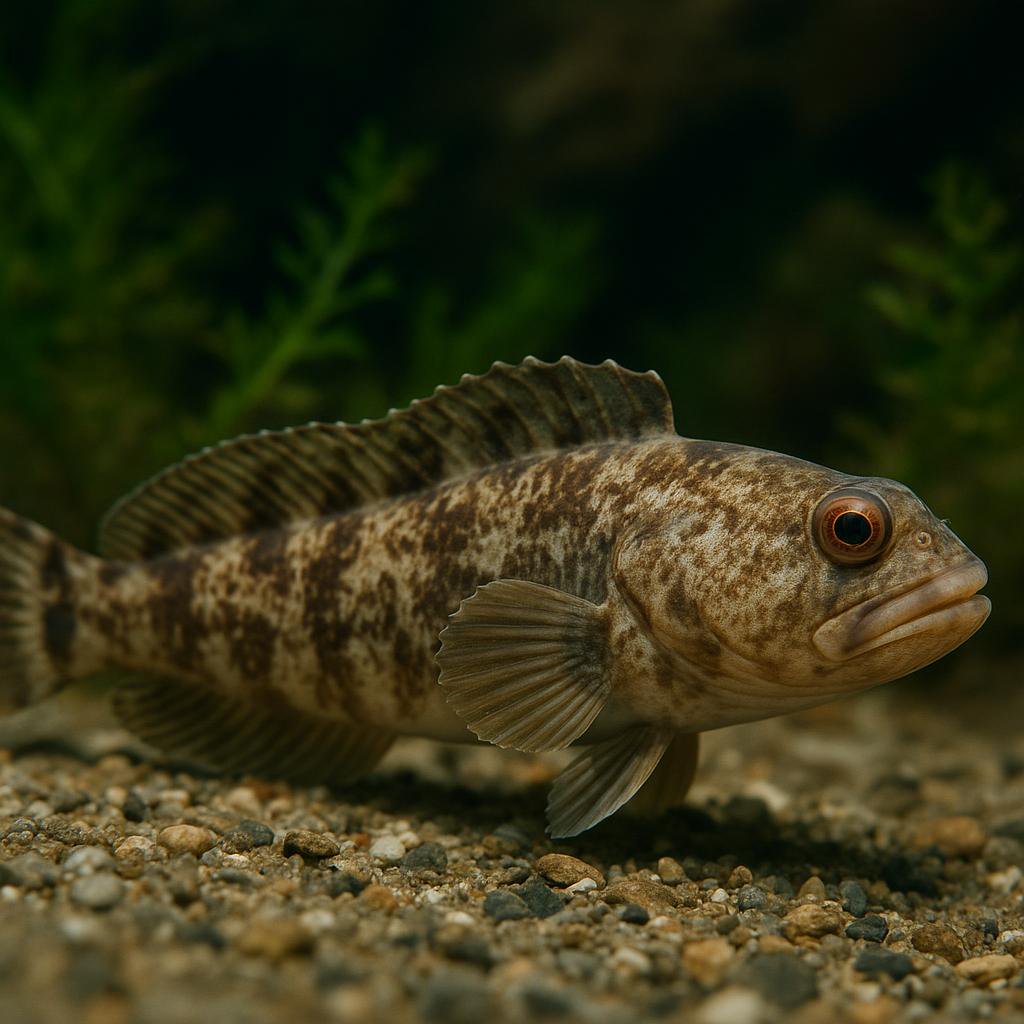
Abe's eelpout
Japonolycodes abei
Japonolycodes abei is a temperate, deepwater demersal eelpout (family Zoarcidae) endemic to Japan (Kumano-nada Sea reported; other sources also report Sagami Bay and Tosa Bay). It is the only species in the genus Japonolycodes and occurs roughly 40-300 m depth, making it an uncommon/atypical aquarium species.
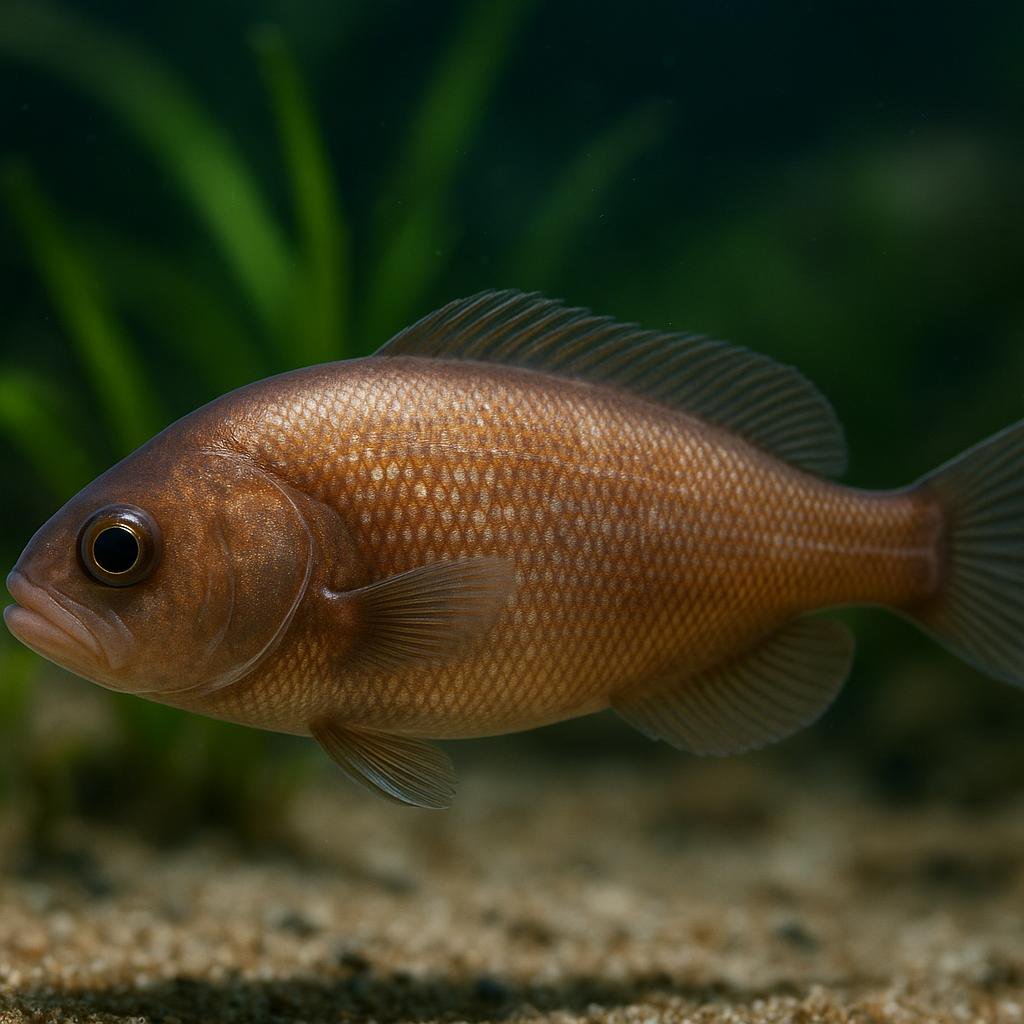
Affinis blind cusk-eel
Barathronus affinis
Barathronus affinis is a tiny, super-weird deep-sea blind cusk-eel from the western-central Indian Ocean. It is one of those gelatinous, loose-skinned brotula-type fishes that live way down in the dark and are basically never seen alive, so almost everything we know comes from preserved specimens and taxonomic work.
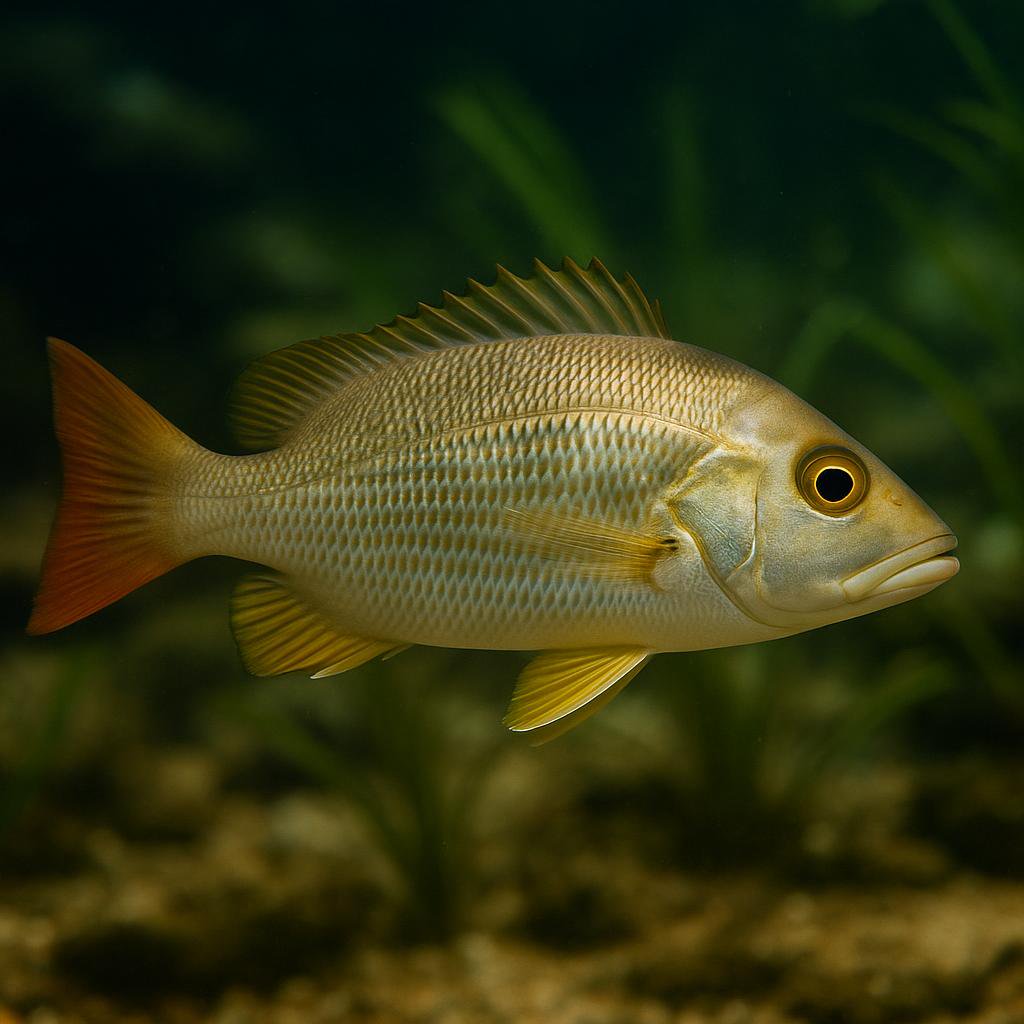
African red snapper
Lutjanus agennes
This is a true snapper from West Africa - a big, fast-growing predator that goes from coastal reefs to brackish lagoons and estuaries (especially as a juvenile). Super cool fish in the wild, but it gets absolutely huge and will eat smaller tankmates once it has the mouth for it, so its really more of a public-aquarium scale animal than a home-aquarium fish.
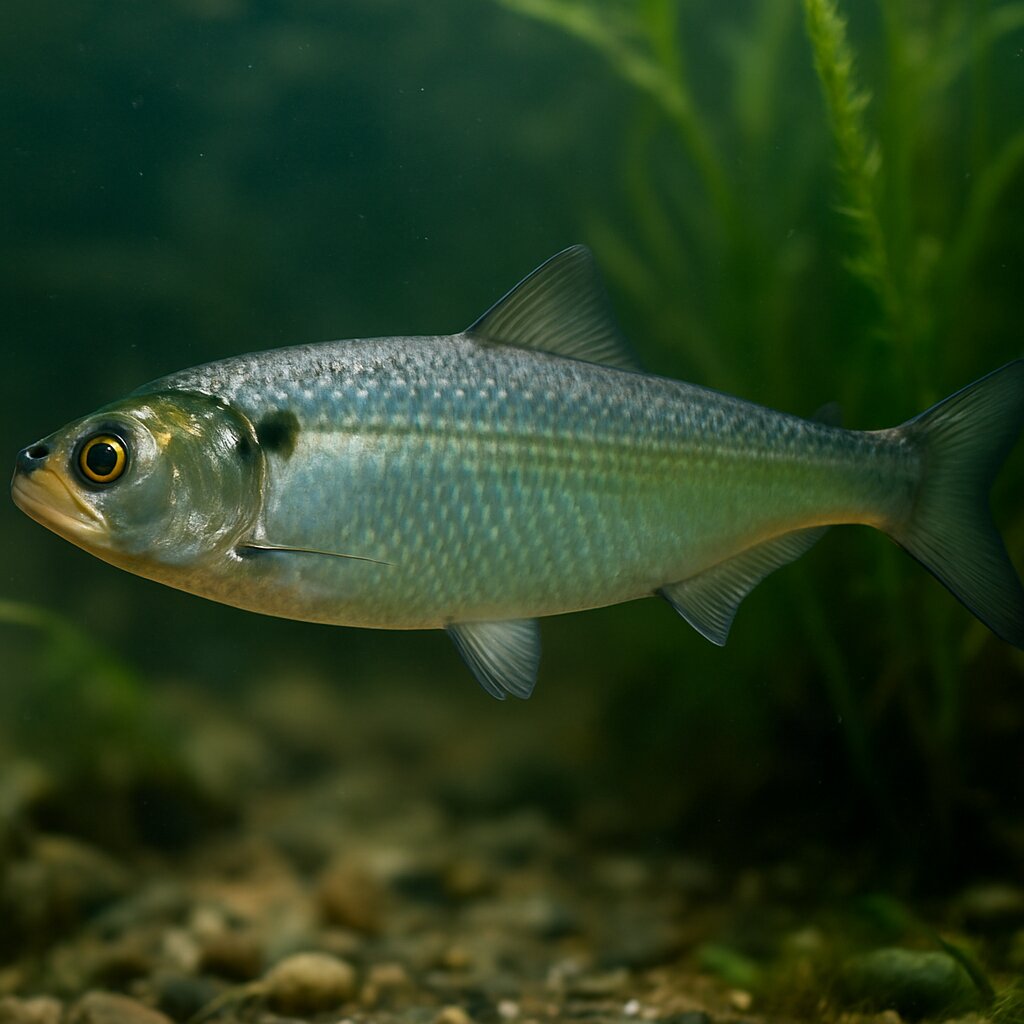
Allis shad
Alosa alosa
Gorgeous silver, fast-swimming shad that spends most of its life in the sea and then surges up big rivers in noisy, surface-spawning schools. It grows huge for a herring-type fish and needs cool, ultra-oxygenated water and tons of open space, so it is a public-aquarium species rather than a home tank fish.
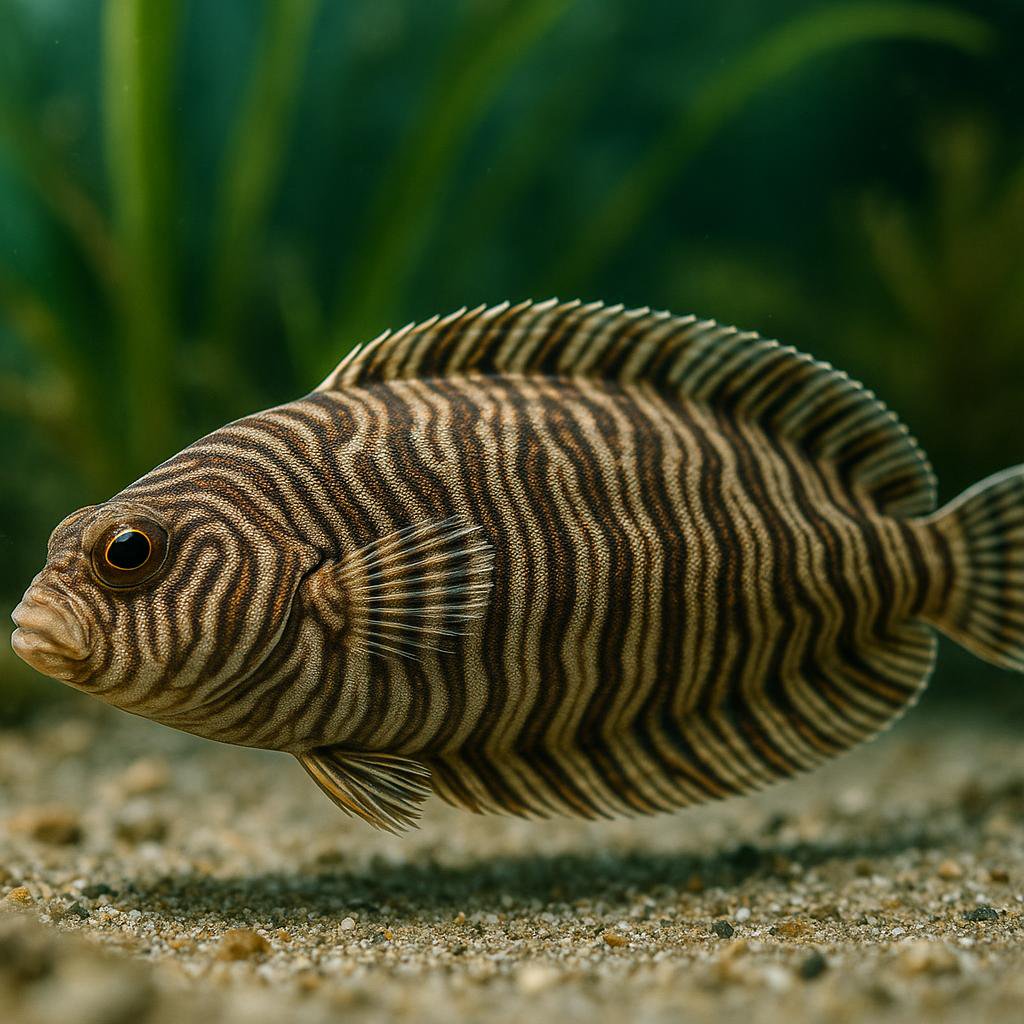
Annandale's zebra sole
Zebrias annandalei
Zebrias annandalei is a small demersal sole from coastal India that inhabits sandy or muddy bottoms and buries for camouflage. It is rarely kept in home aquaria and would require a specialized marine sand-bottom setup and appropriate feeding.
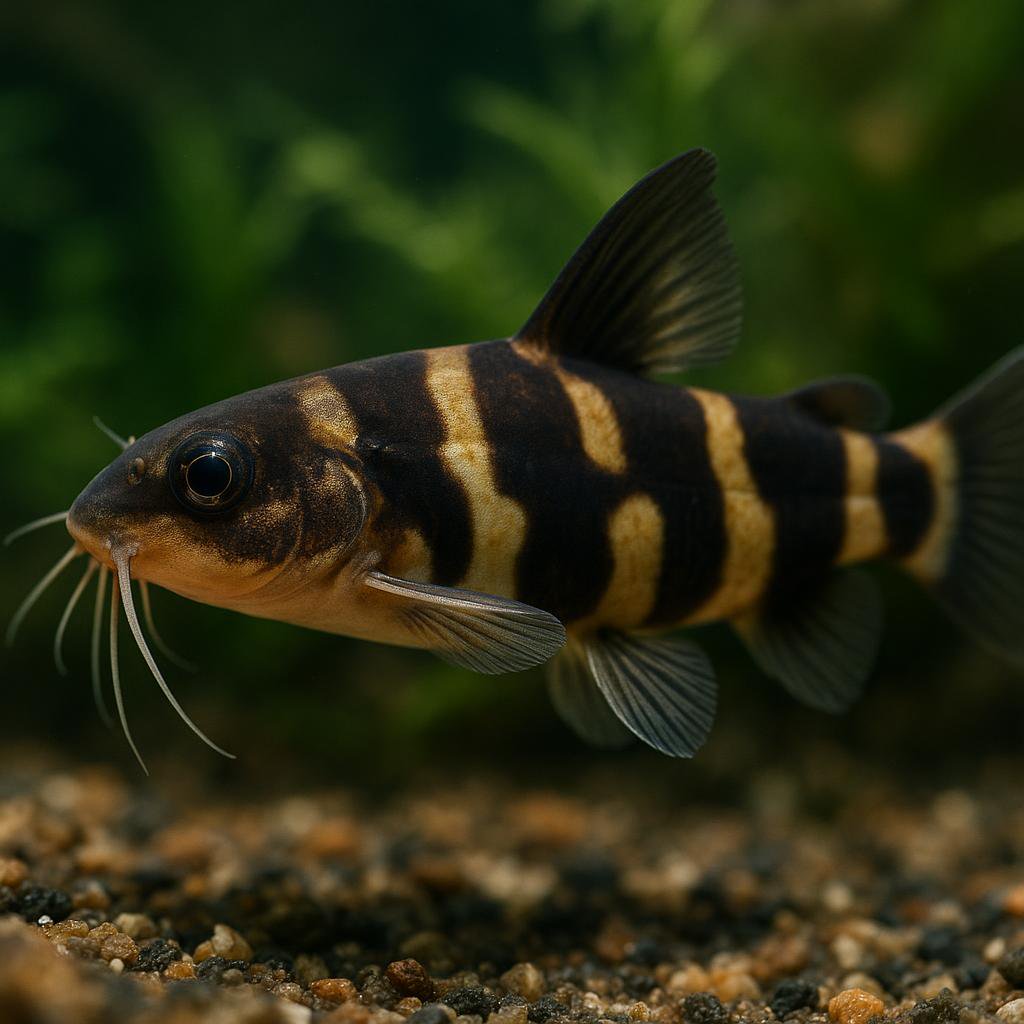
Australian sawtail catshark
Figaro boardmani
Figaro boardmani is a small, deepwater Australian catshark with these cool saw-like ridges of spiny denticles along the tail and a neat pattern of dark saddle bands. It lives way down on the outer continental shelf and slope, so its natural water is cold, dim, and stable - totally not a typical home-aquarium fish. Diet-wise its a predator that goes after fish, crustaceans, and cephalopods.
Looking for other species?