

Redblotch razorfish
Iniistius twistii
About the Redblotch razorfish
Iniistius twistii is a razor-thin little wrasse that lives over sandy patches next to reefs, and it will absolutely vanish into the sand when it spooks - its whole body shape is built for that trick. It tops out around 20 cm and is usually seen alone or in loose groups in the wild, so in a tank it does best as a single showpiece fish with plenty of open sand to cruise over.
Also known as
Quick Facts
Size
20 cm SL (7.9 in)
Temperament
Semi-aggressive
Difficulty
Advanced
Min Tank Size
75 gallons
Lifespan
5-10 years
Origin
Western Pacific
Diet
Carnivore - meaty frozen foods (mysis, brine, chopped seafood) plus quality pellets; feeds on small benthic invertebrates in nature
Water Parameters
24.1-29.2°C
8.1-8.4
8-12 dGH
Need a heater for this species?
This species needs 24.1-29.2°C in a 75 gallon tank. Use our heater calculator to find the right wattage.
Calculate heater sizeCare Notes
- Give it a big footprint tank and real sand (2-4 in, fine to medium) - they dive into it to sleep and when spooked, and they will smash their face on bare bottom or coarse gravel.
- Cover the tank tight; they launch like a rocket when startled, especially at lights-on. Also keep rockwork stable because they hit the sand hard and can undermine loose stacks.
- Keep it in steady reef-range water: 76-78F, 1.025-1.026 SG, pH 8.1-8.4, alkalinity around 8-9 dKH, and keep nitrate under ~20 ppm with low phosphate; they get cranky fast in dirty, swingy water.
- Feeding is the make-or-break: start with live or fresh-frozen meaty stuff (mysis, chopped shrimp, clam, squid) and train onto frozen; small portions 2-3x/day beats one big dump.
- Tankmates: avoid tiny shrimp and crabs because they look like snacks, and skip bully wrasses/dottybacks that keep them pinned. They do best with calm medium fish (tangs, rabbitfish, larger angels) that will not outcompete them at feeding time.
- Quarantine if you can - they are ich magnets, and copper is rough on them; I have had better luck with observation, clean water, and gentle treatments (TTM or chloroquine if you know what you are doing).
- Watch for sand-related injuries: a red nose, scraped mouth, or cloudy eyes usually means the substrate is too sharp or they are panic-diving from stress.
- Breeding at home is basically not happening; they are protogynous (can change sex) and spawn in the water column, so unless you have a huge system and a compatible group, just enjoy the behavior instead of chasing fry.
Compatibility
Good Tankmates
- Other mid-sized wrasses with a similar vibe (fairy and flasher wrasses, or calmer Halichoeres types) - they can handle the razorfish's attitude without turning it into a constant brawl, especially in a bigger tank with lots of sand to dive into
- Hardy semi-peaceful reef fish like tangs and bristletooths (yellow tang, kole tang) - they mostly ignore the razorfish and are too busy grazing to get picked on
- Rabbitfish (foxface) - good size, not easily bullied, and they tend to keep to themselves so the razorfish doesn't get fixated on them
- Sturdier angels (dwarf angels like coral beauty, or a well-sized larger angel in a big system) - they are confident enough to coexist and usually don't trigger that 'easy target' response
- Dottybacks and similar tough little rock fish (orchid dottyback, etc.) - only if your tank has lots of rockwork and everyone has their own lanes, because both sides can be pushy
- Larger, tough clowns (maroon or big ocellaris pairs) - they hold their ground and usually stay near their territory, so you get fewer roaming turf wars
Avoid
- Tiny shrimp-goby type fish and other small, timid sand sitters - the razorfish is a predator and a fast striker, and little guys can vanish overnight
- Slow, gentle show fish with long fins (seahorses, pipefish, mandarins) - they get outcompeted for food and can get harassed just from being easy to shove around
- Other razorfish or very similar looking wrasses in smaller tanks - they tend to take it personally and you can get nonstop sparring and bullying
- Big bullies and hyper-aggressive fish (large triggers, mean damsels in a pack) - they will either beat up the razorfish or turn the whole tank into a stress fest
Where they come from
Redblotch razorfish (Iniistius twistii) are Indo-Pacific sand wrasses. You mostly see them tied to sandy lagoons and rubble zones near reefs, where they can dive into the sand to sleep or vanish when spooked. That sand-diving lifestyle is basically the whole game with this fish in captivity.
If you have never kept a sand-sleeping wrasse before, expect a few heart-stopping moments where the fish is "gone". Most of the time its just buried and fine.
Setting up their tank
This is an advanced fish because it asks for a mix of things that do not always play nicely together: open sand to bury, enough swimming room, and also a calm environment so it is not constantly launching itself into the lid.
- Tank size: I would not do one in anything under 4 feet long. Bigger is easier because they are active and spooky.
- Sand bed: give it a real sand bed, not just a dusting. A few inches of fine sand is what lets them bury without scraping themselves up.
- Lid: tight-fitting and gap-free. These can jump like a rocket, especially the first week or two.
- Flow: moderate. They like clean water but they also like having calm spots where food can settle and they can cruise without fighting a hurricane.
- Rockwork: keep rock stable and leave a big open runway of sand. I like a reef-ish scape with the front third mostly sand.
Skip sharp crushed coral and coarse gravel. I have seen sand sleepers rub their faces and sides raw on it. Fine sand is your friend here.
For acclimation, dim the lights and give it time. The first day mine buried almost immediately and did not show until the next afternoon. That is normal. What you do not want is constant pacing and panic-dashing into the glass - that usually means too much light, too much commotion, or aggressive tankmates.
What to feed them
They are carnivores that hunt small meaty stuff in the sand and water column. The hardest part is getting a new one eating confidently in your tank, especially if it arrives skinny.
- Best starters: live or fresh-frozen foods with smell - enriched brine shrimp, mysis, chopped prawn, clam, and blackworms (if you can source them safely).
- Once settled: quality frozen mixes, mysis, finely chopped seafood, and some will take small pellets over time.
- Feeding style: smaller portions 2-3 times a day at first. They do better when you keep food coming rather than one giant dump.
Target-feeding with a turkey baster works great. Squirt a little cloud of mysis right in front of them when they are out cruising, and they usually figure it out fast.
Watch the belly line. A healthy one looks filled out, not pinched behind the head. If it is burying all day and coming out thin, you may need to adjust timing. Mine learned to come out at "feeding time" once the routine was consistent.
How they behave and who they get along with
These are not mean fish, but they are bold once settled and they move constantly. The main personality trait is "skittish until they trust the tank". Sudden movements, slamming doors, hands in the tank - you will see them dive for cover or into the sand.
- Good tankmates: calm to semi-active reef fish that are not food bullies - tangs, rabbitfish, fairy/flasher wrasses (usually), smaller angels, peaceful damsels.
- Be careful with: aggressive wrasses, dottybacks, big hawkfish, and anything that will harass it when it tries to settle in.
- Avoid: very aggressive triggers and big predatory fish that will view it as a snack, plus hyper-competitive feeders that will starve it out.
They can eat small ornamental shrimp and tiny crabs. If your cleaner shrimp is full grown, sometimes you get away with it, but I would not bet on it long term.
Reef safety is mixed. They are not usually coral nippers, but they do dig and blast sand around. If you have fleshy LPS on the sand, expect it to get sanded. I keep my sandbed corals on small rocks or shelves so they are not in the "landing zone".
Breeding tips
Breeding at home is basically a long shot. Razorfish are wrasses and can be protogynous (female-to-male) like many wrasses, with social and size cues driving changes. In a big system with multiple individuals you may see displays, chasing, and color shifts, but getting a true spawn and raising larvae is beyond what most of us can do casually.
If you try a pair or small group, do it only in a large tank with lots of sand and line-of-sight breaks. One dominant fish can keep the others buried and starving if the space is tight.
Common problems to watch for
- Jumping: the number one killer. Cover every opening, including around plumbing and cables.
- Not eating after import: very common. Start with smelly frozen/live foods, feed small amounts often, and keep tankmates from outcompeting it.
- Sand abrasions and infections: usually from rough substrate or constant panic-burying. Fine sand and a calmer environment help a lot.
- Parasites (ich/velvet/flukes): wrasses can crash fast. Quarantine is worth the hassle, but quarantine must include sand or a suitable container for burying so it is not stressed to death.
- Head and lateral line erosion: I see this more in fish that are underfed or kept in chronically dirty water. Keep nutrition varied and water quality steady.
Do not run them through a bare-bottom, bright, sterile quarantine with nowhere to bury unless you have a plan. Stress alone can wreck them. A container of fine sand (or a removable sand tray) makes a huge difference.
If you see heavy breathing, flashing, or the fish staying pinned under the sand for days, something is off. Check aggression first, then oxygenation and temperature swings, then think parasites. With this species, waiting and hoping usually ends badly - they do not have a lot of extra body mass to burn.
Similar Species
Other marine semi-aggressive species you might be interested in.
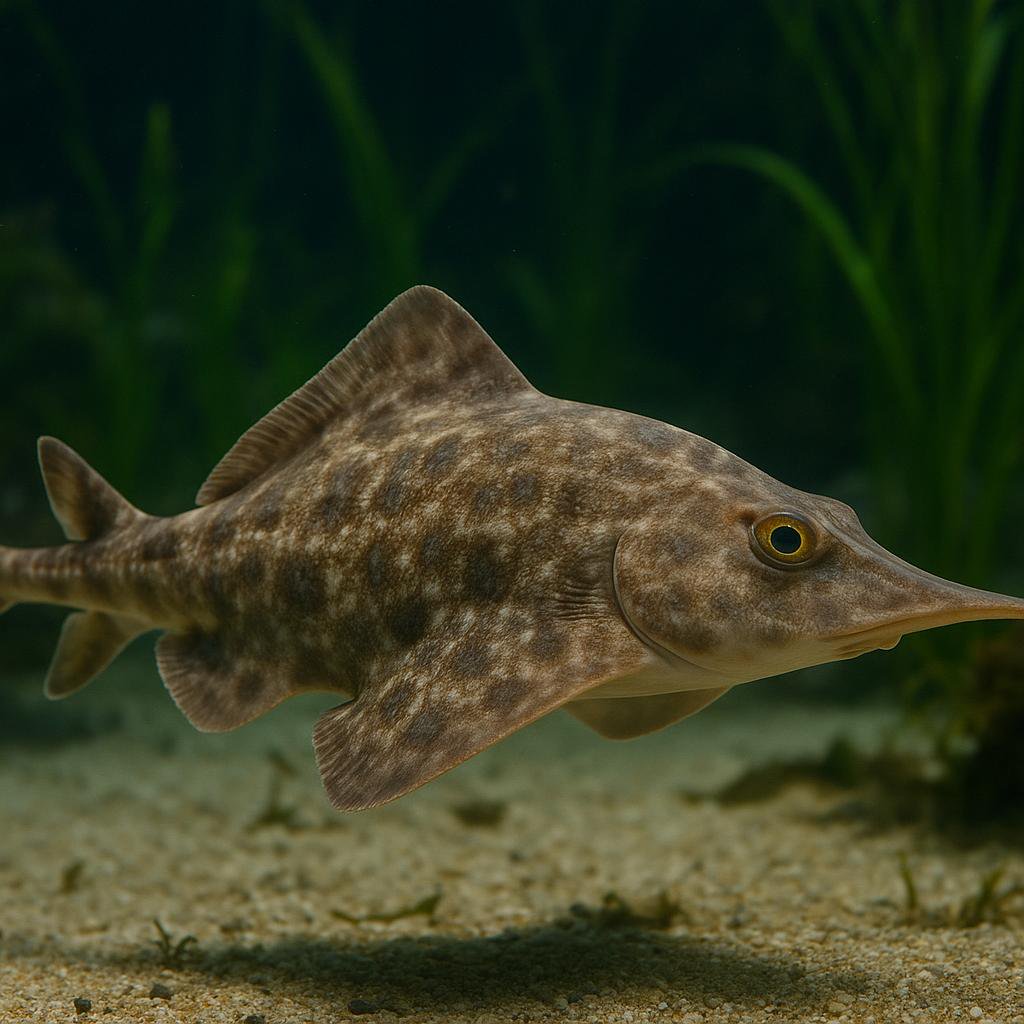
Aleutian skate
Bathyraja aleutica
This is a big, cold-water deep-slope skate from the North Pacific that cruises muddy bottoms and eats chunky benthic prey like crabs and shrimp. The really cool bit is its egg-laying skate life - it does distinct pairing (the classic skate "embrace") and drops those tough egg cases on the seafloor. Not an aquarium fish at all unless you're basically running a public-aquarium-style chilled system.
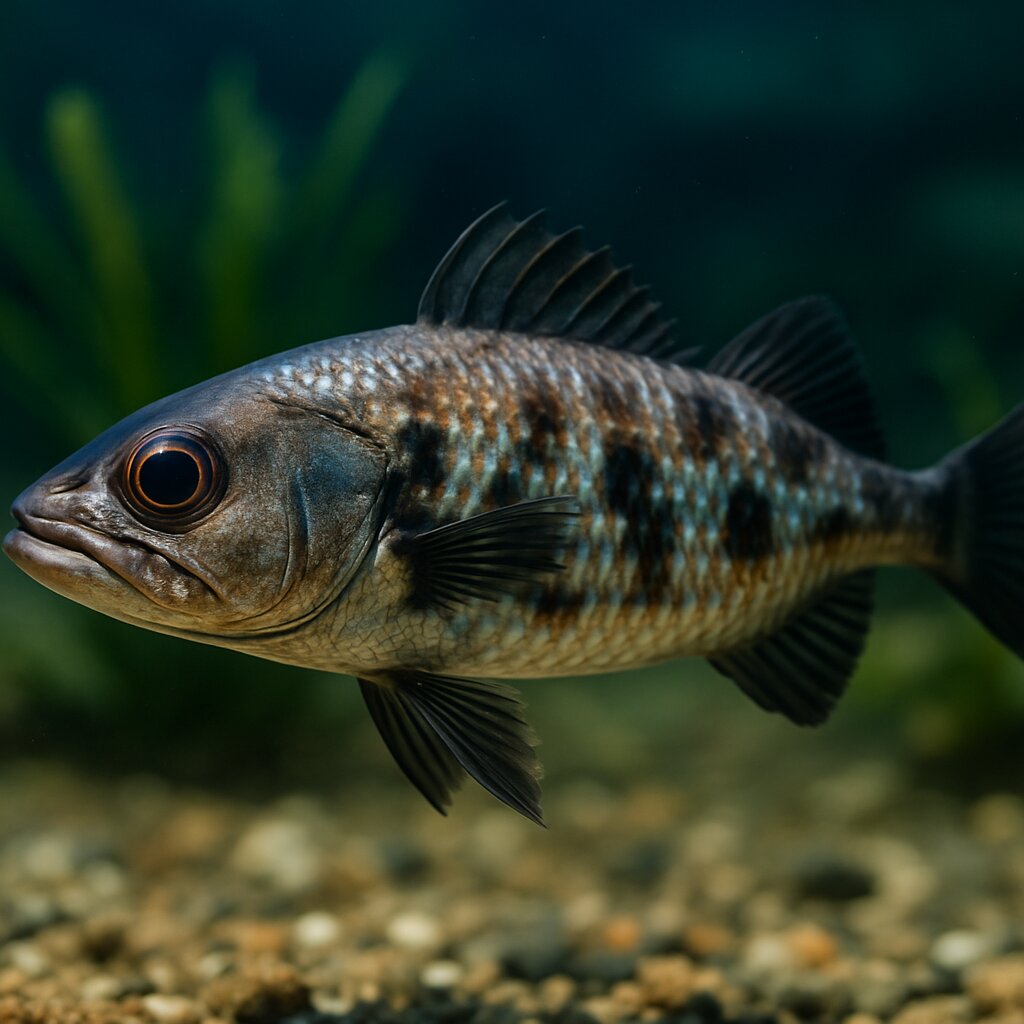
Antarctic dragonfish
Vomeridens infuscipinnis
Deep down around Antarctica, this sleek dragonfish cruises the water column like a little submarine, nearly neutrally buoyant so it can hover above the seafloor. It munches almost exclusively on Antarctic krill and lives in near-freezing water 500-800 m down, so it is a cool species to read about, not one for home tanks.
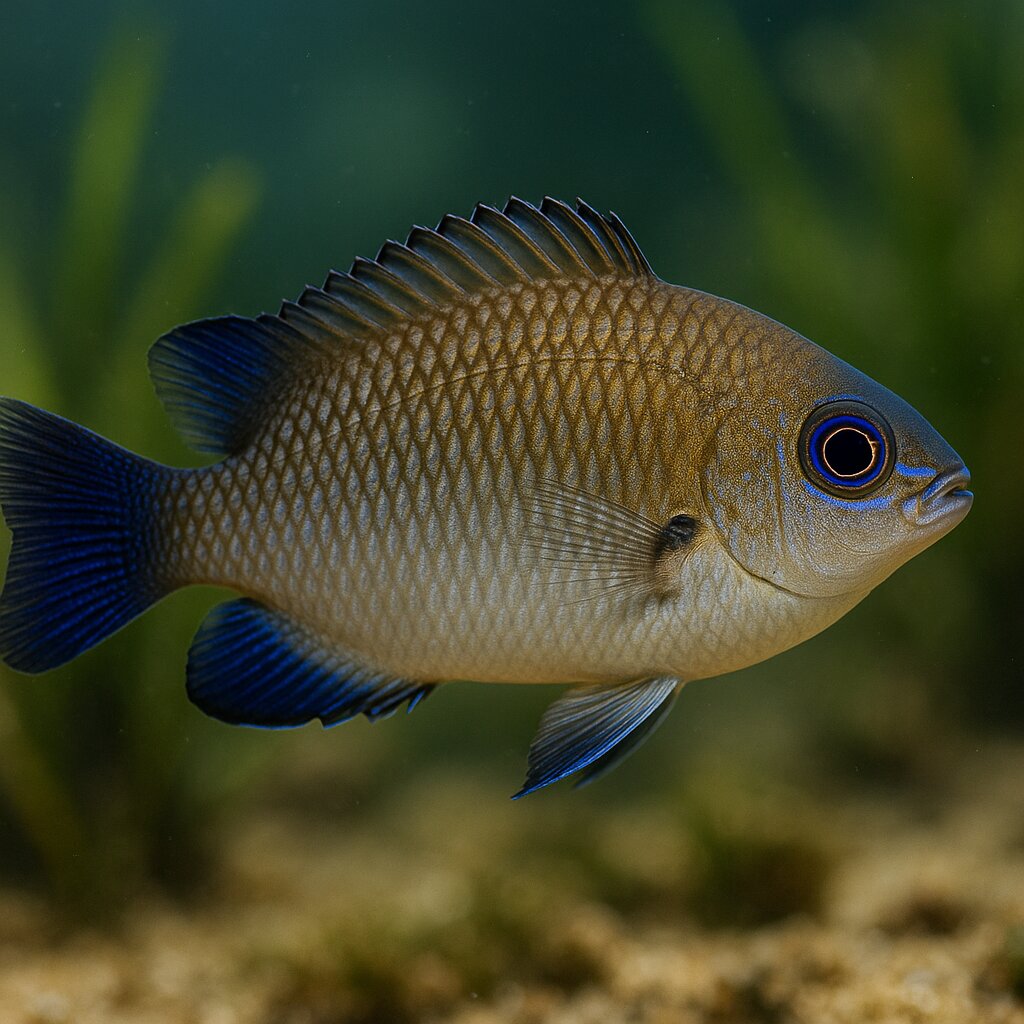
Arabian demoiselle
Neopomacentrus sindensis
A small lyretail damsel from the Persian Gulf and Arabian Sea, it hangs in loose groups around coral heads, rocks, and even pier pilings picking zooplankton from the flow. Think classic damsel toughness with a slightly milder attitude than the real bruisers, plus subtle yellow tail accents. Males clean a patch, get a mate to lay eggs there, and then stand guard fanning the clutch.
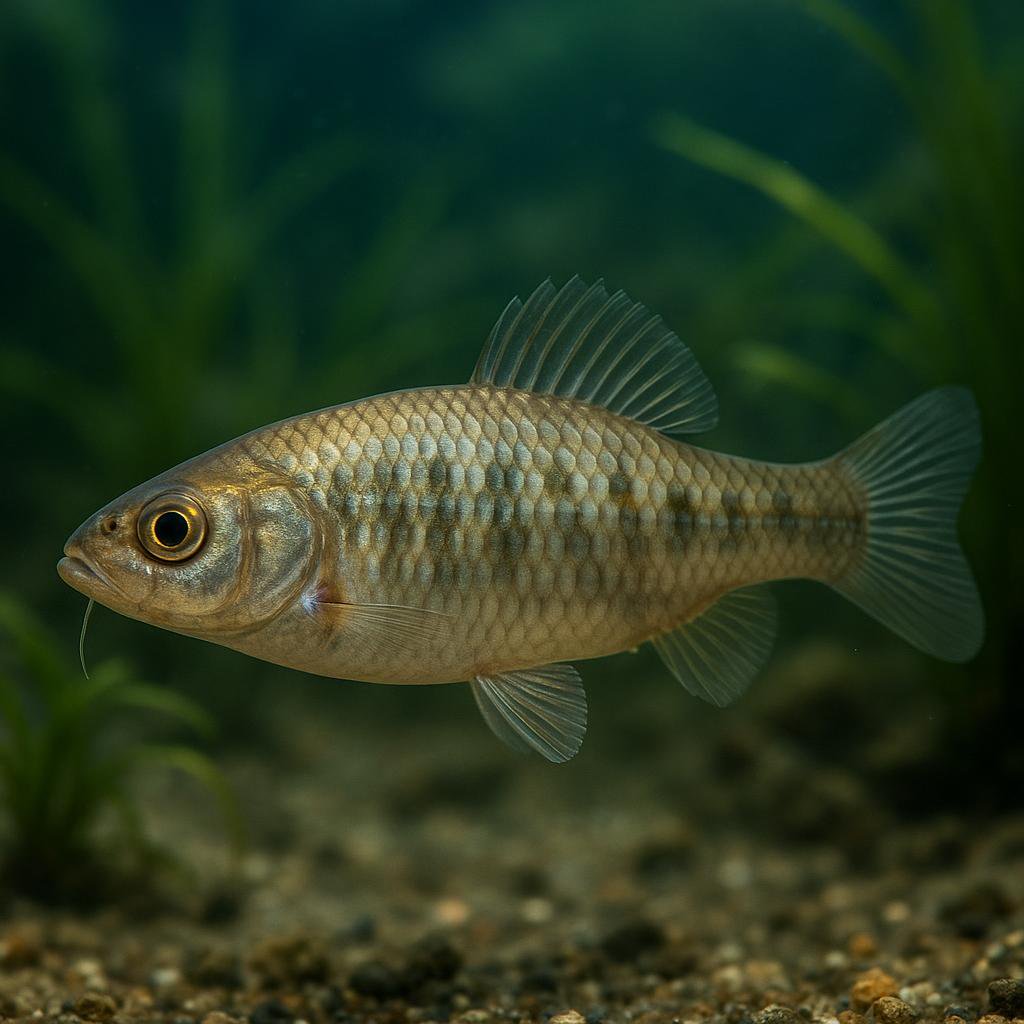
Arabian spiny eel
Notacanthus indicus
Notacanthus indicus is a deep-sea spiny eel (family Notacanthidae; not a true eel) known from the Arabian Sea on the continental slope at roughly ~960–1,046 m depth, with reported maximum length around 20 cm TL; it is a deep-water bycatch species and not established in the aquarium trade.
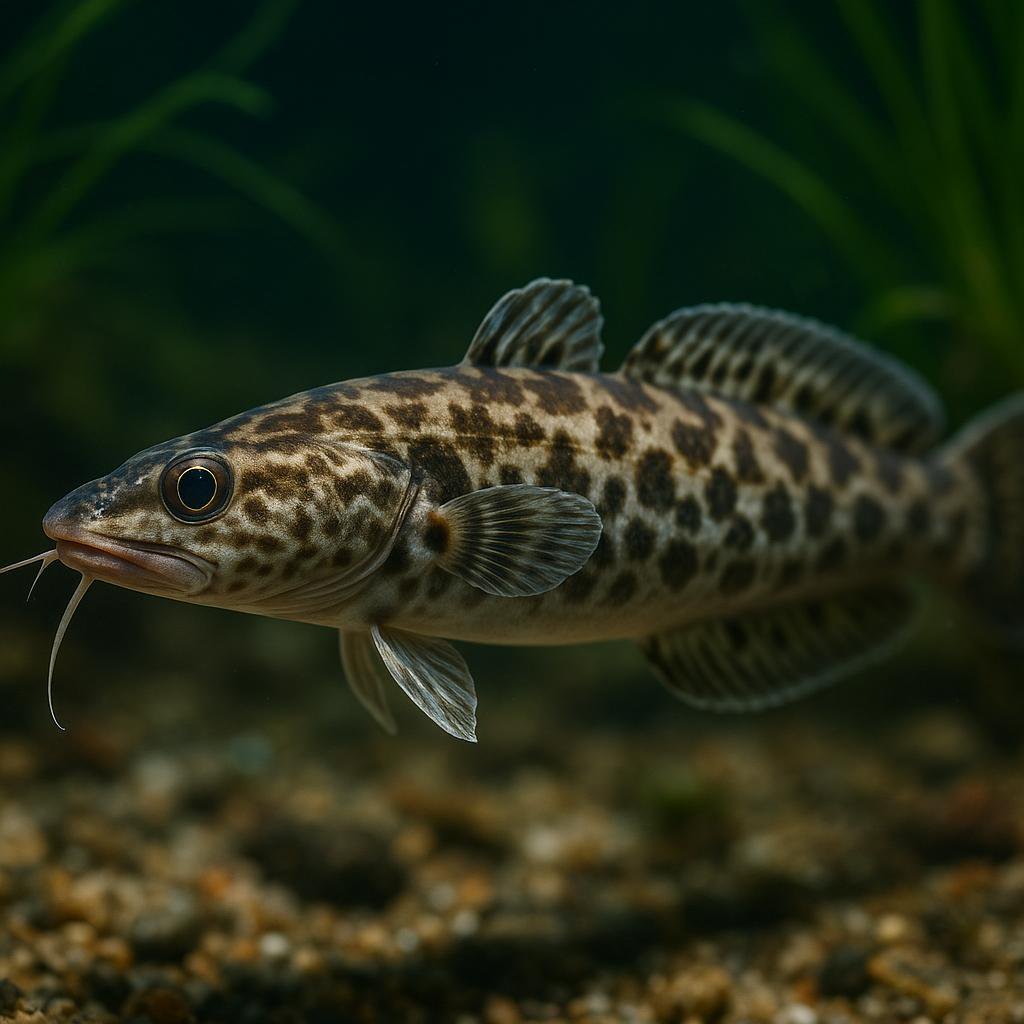
Arctic rockling
Gaidropsarus argentatus
This is a deepwater North Atlantic rockling (a cod relative) that hangs out on soft bottoms way down the slope. It is a cold-water, bottom-hugging predator that snoots around for crustaceans and will also take small fish when it gets the chance.
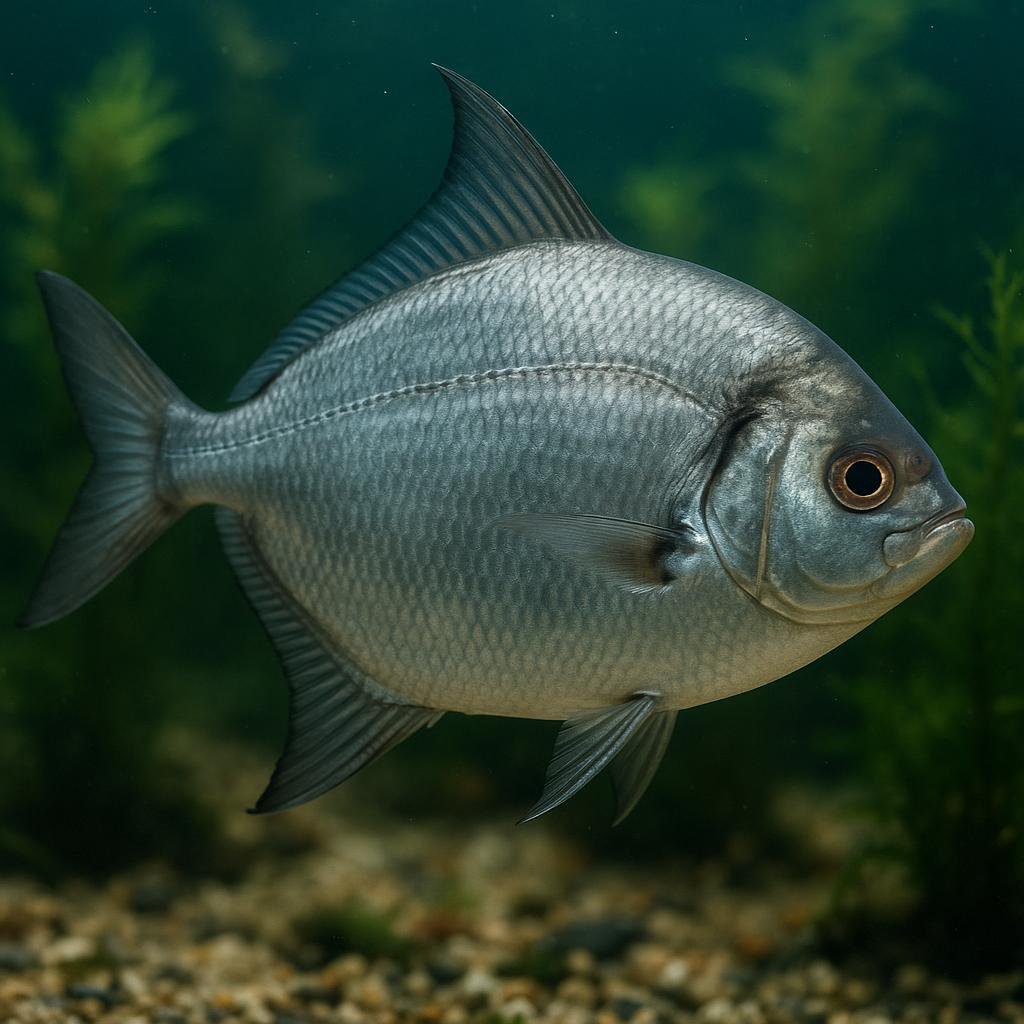
Atlantic pomfret
Brama brama
Brama brama is the Atlantic pomfret (aka Ray's bream) - a deep-bodied, open-ocean pelagic fish that cruises around in small schools and follows water temps. It is a legit big, wild marine species (not an aquarium fish) that eats other small sea critters like fish and squid, and it ranges across a huge chunk of the Atlantic plus parts of the Indian and South Pacific.
More to Explore
Discover more marine species.
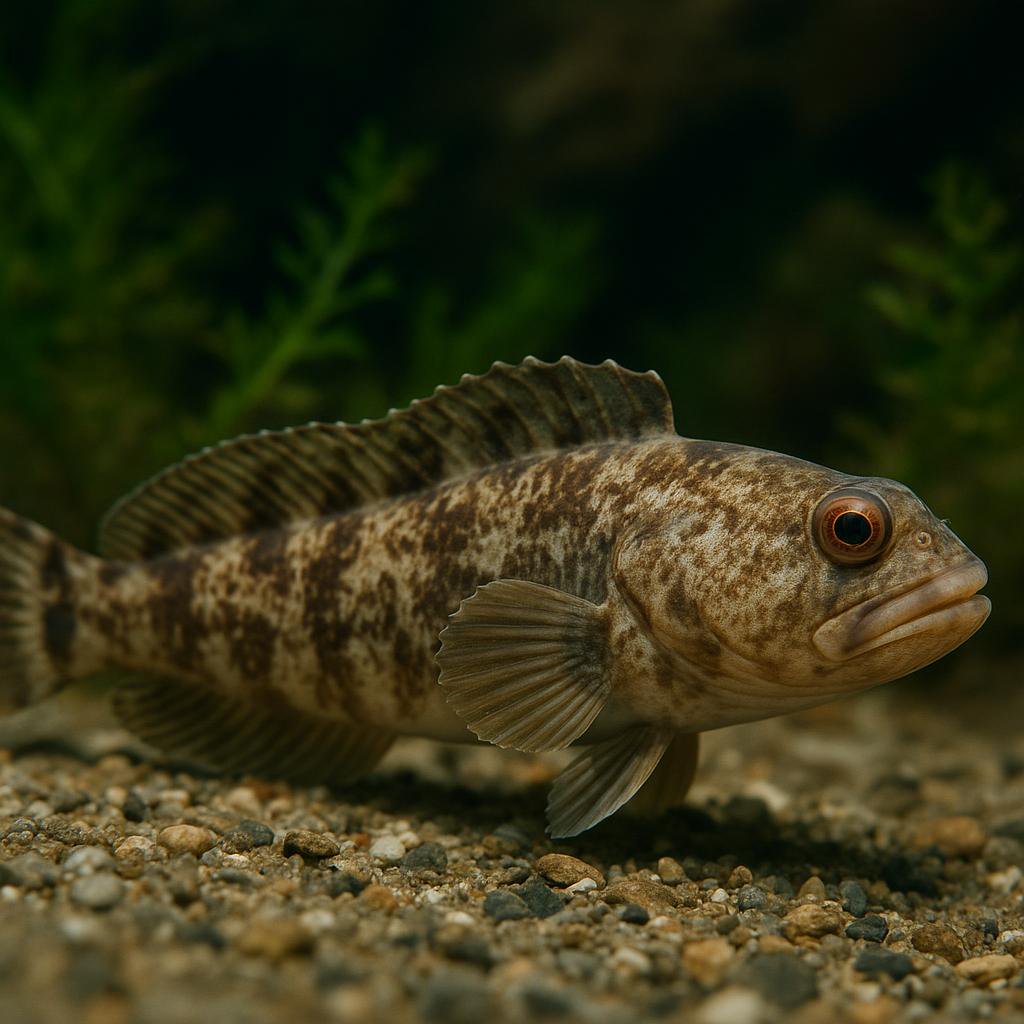
Abe's eelpout
Japonolycodes abei
Japonolycodes abei is a temperate, deepwater demersal eelpout (family Zoarcidae) endemic to Japan (Kumano-nada Sea reported; other sources also report Sagami Bay and Tosa Bay). It is the only species in the genus Japonolycodes and occurs roughly 40-300 m depth, making it an uncommon/atypical aquarium species.
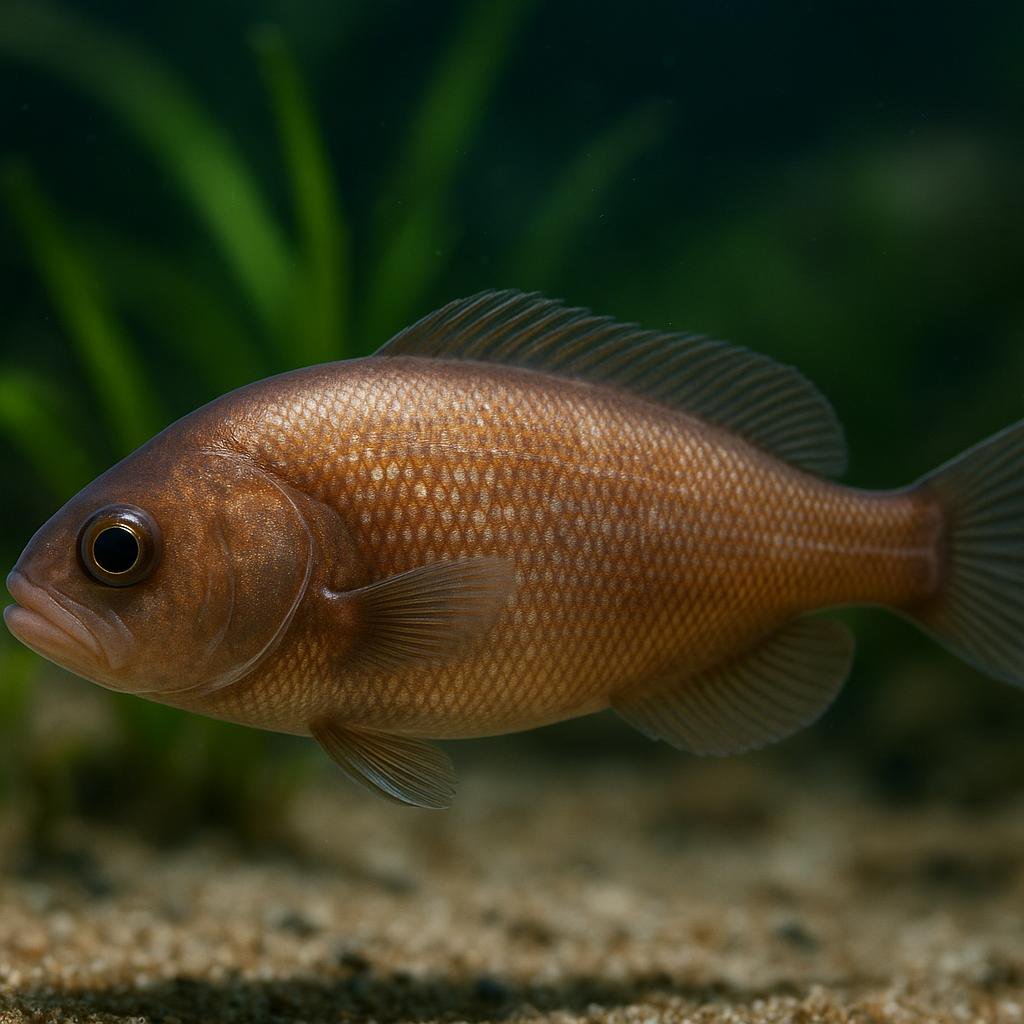
Affinis blind cusk-eel
Barathronus affinis
Barathronus affinis is a tiny, super-weird deep-sea blind cusk-eel from the western-central Indian Ocean. It is one of those gelatinous, loose-skinned brotula-type fishes that live way down in the dark and are basically never seen alive, so almost everything we know comes from preserved specimens and taxonomic work.
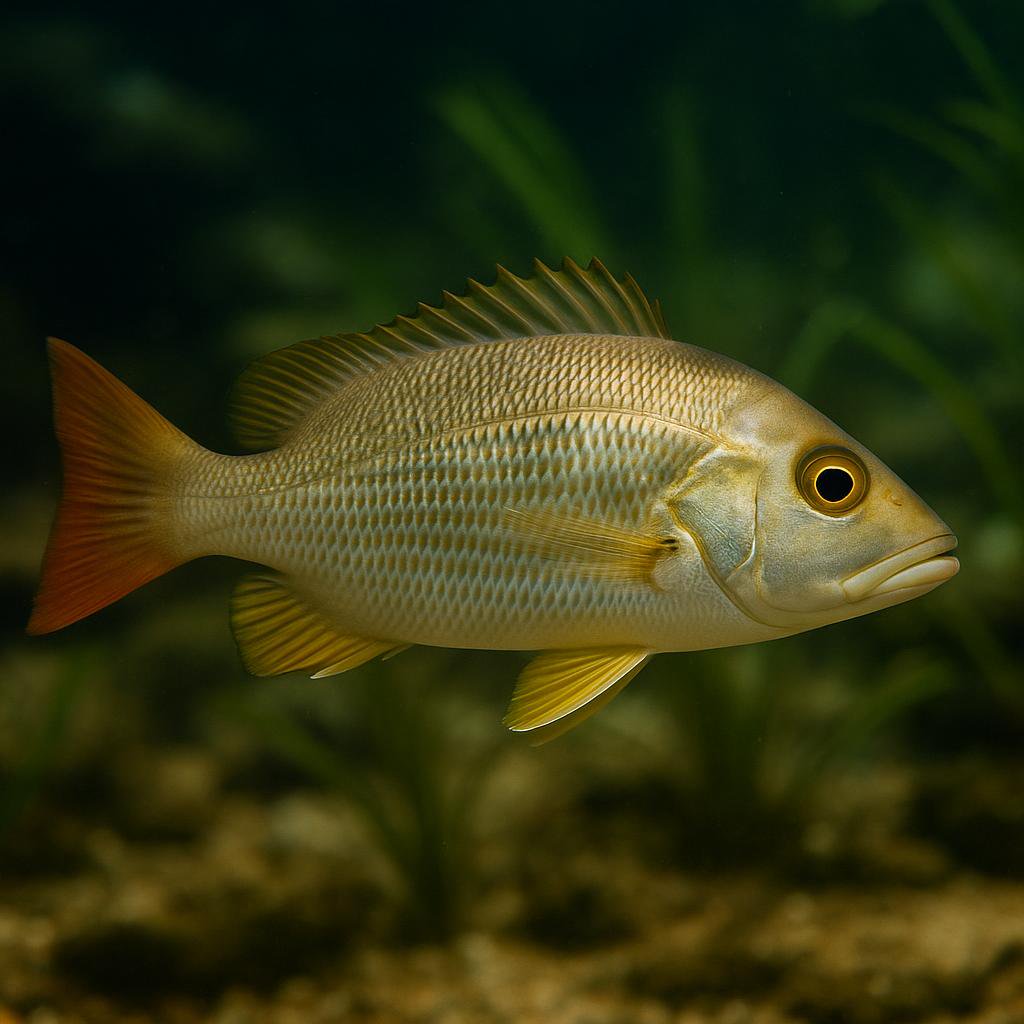
African red snapper
Lutjanus agennes
This is a true snapper from West Africa - a big, fast-growing predator that goes from coastal reefs to brackish lagoons and estuaries (especially as a juvenile). Super cool fish in the wild, but it gets absolutely huge and will eat smaller tankmates once it has the mouth for it, so its really more of a public-aquarium scale animal than a home-aquarium fish.
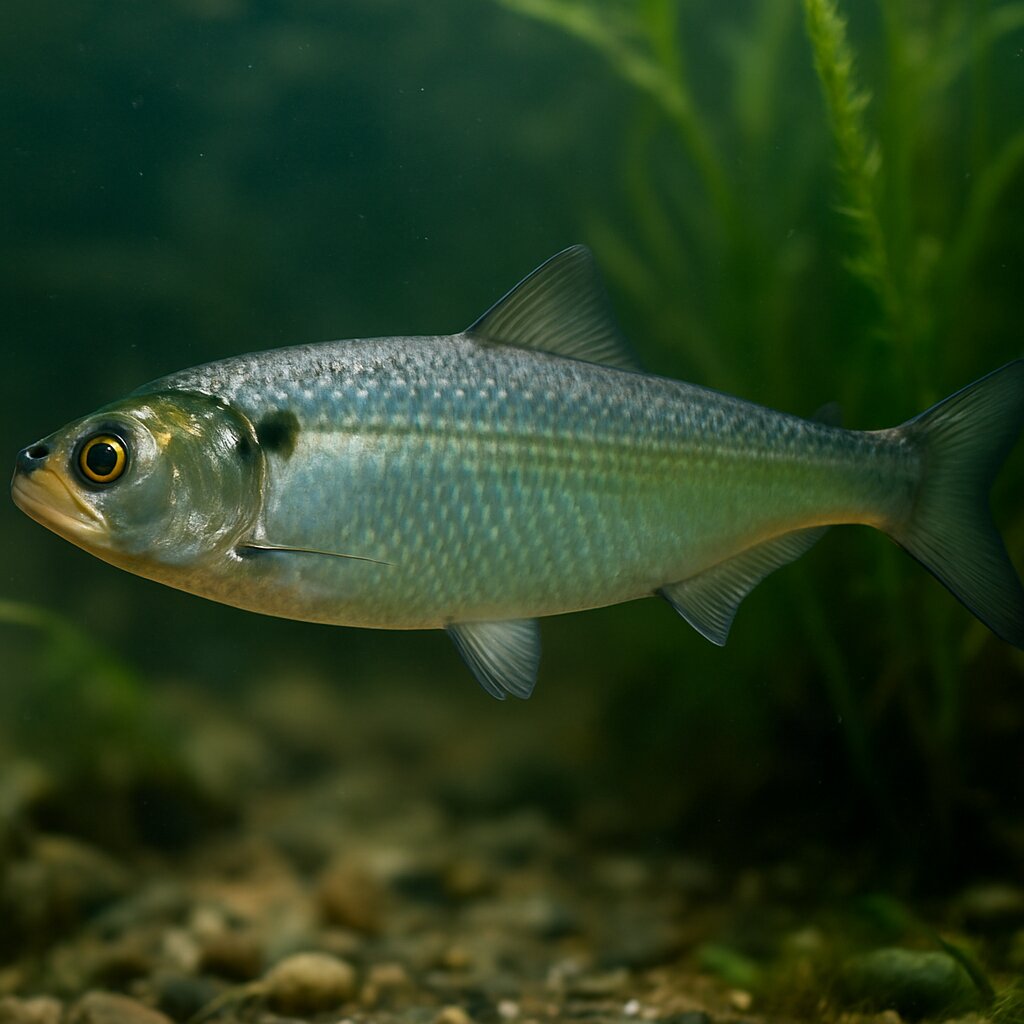
Allis shad
Alosa alosa
Gorgeous silver, fast-swimming shad that spends most of its life in the sea and then surges up big rivers in noisy, surface-spawning schools. It grows huge for a herring-type fish and needs cool, ultra-oxygenated water and tons of open space, so it is a public-aquarium species rather than a home tank fish.
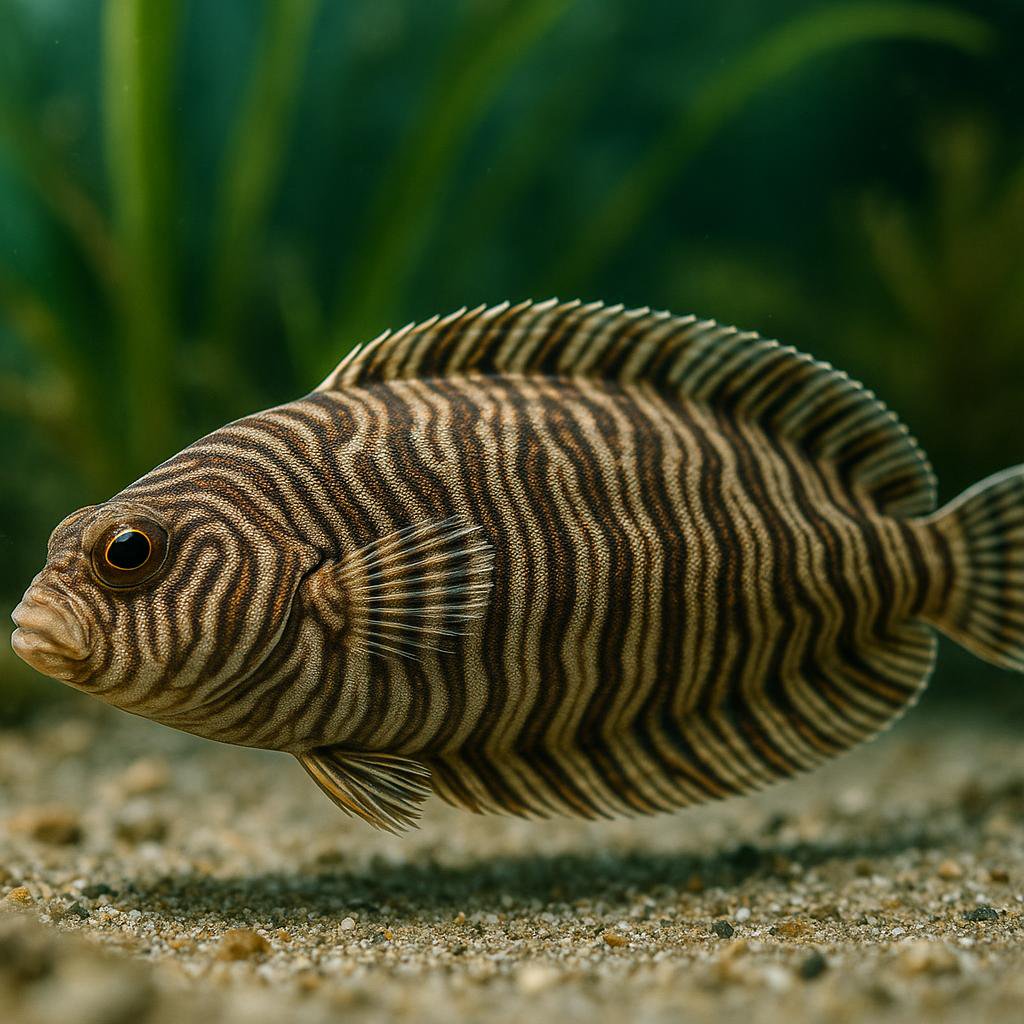
Annandale's zebra sole
Zebrias annandalei
Zebrias annandalei is a small demersal sole from coastal India that inhabits sandy or muddy bottoms and buries for camouflage. It is rarely kept in home aquaria and would require a specialized marine sand-bottom setup and appropriate feeding.
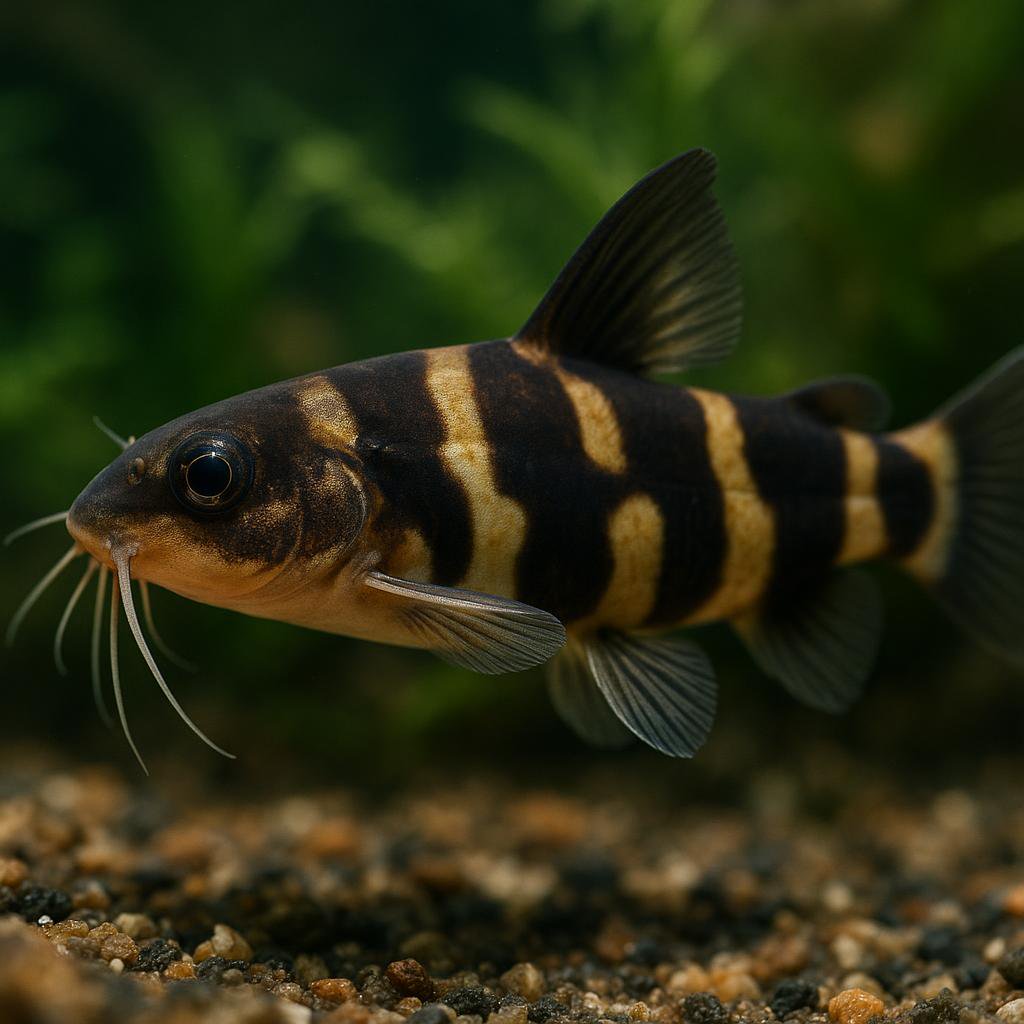
Australian sawtail catshark
Figaro boardmani
Figaro boardmani is a small, deepwater Australian catshark with these cool saw-like ridges of spiny denticles along the tail and a neat pattern of dark saddle bands. It lives way down on the outer continental shelf and slope, so its natural water is cold, dim, and stable - totally not a typical home-aquarium fish. Diet-wise its a predator that goes after fish, crustaceans, and cephalopods.
Looking for other species?