

Cookiecutter shark
Isistius brasiliensis
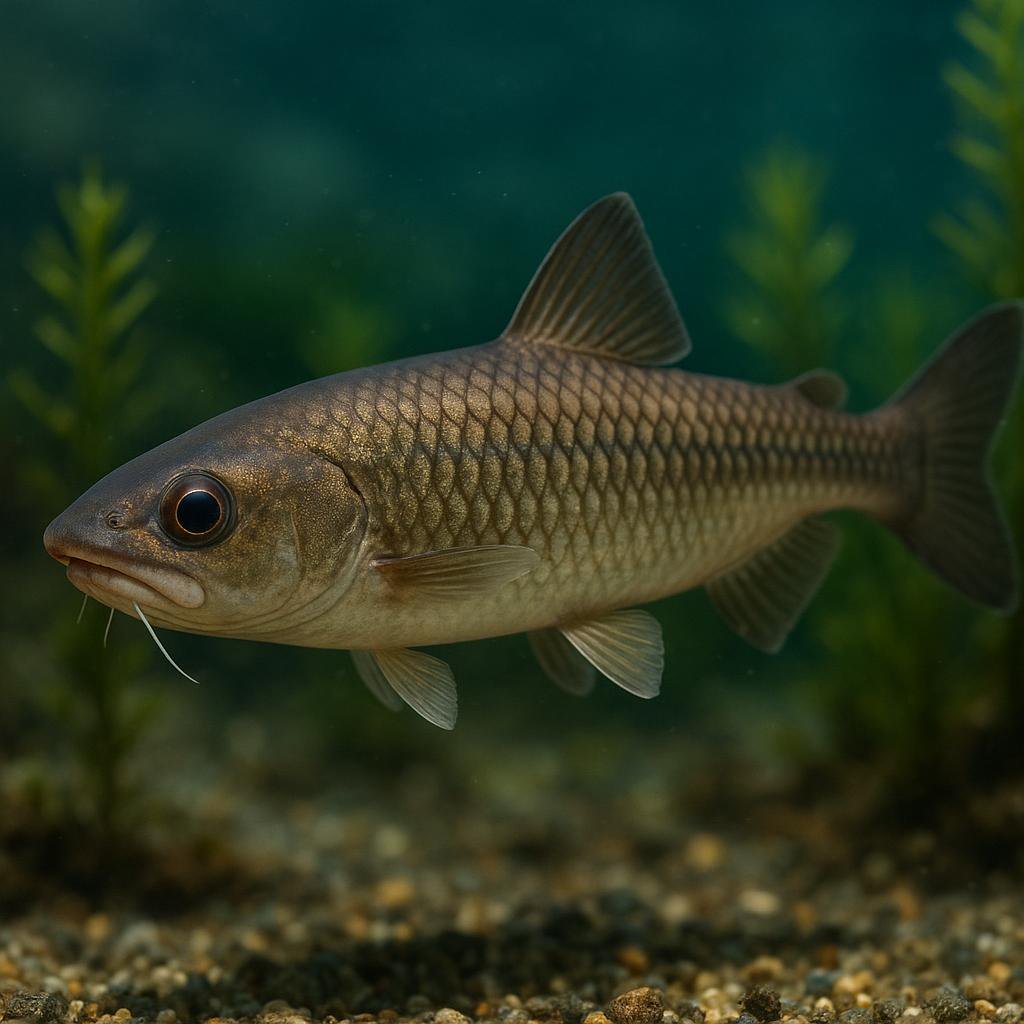
The Cookiecutter shark features a cylindrical body, distinctive round bite marks on its skin, and a characteristic light brown coloration with darker blotches.
This page includes AI-generated images. Why am I seeing AI images?
About the Cookiecutter shark
This is the little deep-water shark that takes neat, round "cookie" plugs out of bigger animals - tuna, whales, even other sharks - then disappears back into the dark. It is got a stubby cigar-shaped body with a dark "collar" behind the head, and it does nightly vertical migrations up toward the surface. Not an aquarium fish in any normal sense, but an absolute legend of the open ocean.
Also known as
Quick Facts
Size
56 cm
Temperament
Semi-aggressive
Difficulty
Expert
Min Tank Size
100000 gallons
Lifespan
unknown
Origin
Worldwide (tropical and temperate oceans)
Diet
Carnivore - squid, deep-sea fishes and crustaceans; also a facultative ectoparasite that gouges plugs of flesh from larger pelagic animals
Water Parameters
3.1-9.7°C
8-8.4
8-12 dGH
Need a heater for this species?
This species needs 3.1-9.7°C in a 100000 gallon tank. Use our heater calculator to find the right wattage.
Calculate heater sizeCare Notes
- Be real about space: this is a pelagic, constantly cruising shark - think a large, round or oval tank with zero tight corners, heavy-duty lids, and room to turn without rubbing its snout (public-aquarium scale, not hobby scale).
- This species is an oceanic, deep-water shark with a very broad depth range and diel vertical migration; authoritative references do not provide a validated captive temperature/salinity/pH “care range.” In practice it is almost never kept in aquariums, and any husbandry would be experimental and institution-only.
- They freak out under bright lights - give them dim lighting, deep-water style, and lots of open water; skip rock piles and sharp decor because they will scrape themselves and infections follow.
- Feeding is messy and weird: offer oily marine chunks (mackerel, sardine, squid) plus vitamin-soaked pieces, delivered on tongs or a feeding pole at low light; small frequent feeds beat big dumps so you do not nuke water quality.
- Do not house with anything you care about: they will take literal cookie-shaped bites out of tankmates, especially slow fish and other sharks, and they will also stress out from aggressive or fast, nippy species.
- Run industrial filtration and plan for sudden water-quality crashes from oily foods - oversized skimmer, big biofilter, and aggressive mechanical filtration; keep spare carbon and do big water changes when the surface slick shows up.
- Watch for snout abrasions, mouth damage, and fungal/bacterial infections from bumping the walls; once they start spiraling or scraping, you need to darken the tank, cut flow hotspots, and treat early in a separate coldwater system.
- Breeding biology is poorly observed; the species is described as aplacental viviparous/ovoviviparous in references, and captive breeding is not documented as a practical goal.
Compatibility
Good Tankmates
- Fast, midwater sharks that are too big and too quick to get bullied much - stuff like smoothhound sharks or small catsharks in a huge, cold-stable marine system (still a gamble, but speed and size help).
- Big, thick-skinned, fast pelagic types that can take a nip and keep moving - think larger jacks/trevallies kept in very large, high-flow setups.
- Hardy, thick-bodied tangs (bigger species) that stay active and do not wedge into tight caves at night - still watch for bite marks, but active swimmers do better than lounge-around fish.
Avoid
- Anything slow, dopey, or that sleeps out in the open - lionfish, frogfish/anglerfish, seahorses, etc. Cookiecutters are basically built to take plug bites out of stuff like that.
- Potential tankmates (including other sharks/rays) are not reliably established; the species is a facultative ectoparasite known for taking plugs of flesh from larger animals, so mixed-species captivity would be high-risk and experimental.
- Big valuable show fish that cruise slowly or have big fins - batfish, bannerfish, moorish idol types, fancy angels - they are basically a neon sign that says 'take a bite'.
Where they come from
Cookiecutter sharks (Isistius brasiliensis) are open-ocean, deepwater sharks found in warm and temperate seas worldwide. They spend a lot of time down deep and then come up at night, which is why so many animals end up with those neat (and nasty) round bite marks.
They are small as sharks go, but dont let the size fool you. This is a specialized pelagic predator built for cruising, lunging, and taking a plug of flesh off something bigger than it is.
Real talk: this is not a practical home-aquarium species. They need huge, public-aquarium-style systems, low-light deepwater conditions, and extremely stable water. Keeping one successfully is a serious institutional-level project.
Setting up their tank
If youre even considering this shark, think less "tank" and more "life support system with a swimming space attached". These are pelagic animals that dont do well in tight turns, hard corners, or bright reef-style setups.
- System size: measured in thousands of gallons, not hundreds. Long, oval or round tanks beat rectangles because there are fewer collision points.
- Open-water layout: no rock piles, no sharp decor, no pointy overflows. Keep it clean and smooth.
- Low light: dim, blue-shifted lighting. Bright lighting stresses them and invites constant pacing.
- Heavy oxygenation and flow: big, redundant pumps. They come from oxygen-rich moving water.
- Rock-solid temperature and salinity: think stable, boring, and monitored 24/7. Sudden changes are how you lose sharks.
- Serious filtration: oversized skimming, mechanical filtration that actually gets cleaned, and a plan for nitrogen control that can handle meaty feedings.
Cover every intake. Any unguarded intake, overflow, or gap becomes an injury waiting to happen. Sharks rub, bump, and investigate with their bodies, and cookiecutters have soft tissue that tears easily.
For substrate, bare bottom is your friend. If you must use sand, keep it fine and shallow. Coarse substrate and cookiecutter skin is a bad combo.
You also need a way to move the shark safely for vet checks without turning it into a rodeo. That means stretcher plans, sedation protocols with an experienced elasmobranch vet, and backup power that can run the whole system.
What to feed them
In the wild they take cookie-shaped bites from larger fish and marine mammals, plus theyll eat squid and fish. In captivity, getting them onto a reliable diet is one of the main hurdles.
- Start with marine meaty foods: squid strips, chunks of marine fish (not freshwater feeder fish), and oily fish in moderation.
- Vary the menu: rotate squid, smelt, herring, mackerel, and quality prepared marine carnivore items if theyll take them.
- Use feeding tools: long tongs or a feeding pole. Hand-feeding is asking for trouble even with a small shark.
- Feed in low light: these sharks are night-adapted. Most will show better feeding response at dusk/dark.
- Watch the belly and swimming: underfed sharks get hollow and frantic. Overfed sharks get sluggish and regurgitate.
If the shark is new and not eating, dont keep tossing food in and wrecking the water. Offer small amounts, remove leftovers fast, and focus on getting the environment calm and dim. Water quality beats wishful feeding.
Supplementation is a whole topic, but at minimum youre thinking along the lines of vitamins for marine predators and making sure the diet isnt just one fish forever. Deficiencies show up slowly, then all at once.
How they behave and who they get along with
Cookiecutters are not community fish. Theyre generally not aggressive in the "chase and shred" way, but their feeding style is literally taking bites out of tankmates. Anything with a nice broad flank is a target sooner or later.
- Best tankmates: realistically, none. Species-only is the sane approach.
- What happens with other fish: even large, tough fish can end up with repeated wounds that get infected.
- With other sharks: you risk bite marks, stress, and competition. Also, a bigger shark can injure or kill a cookiecutter during feeding events.
- Daytime behavior: often quiet, cruising, or holding deeper water. Nighttime is when they get more active and investigative.
Do not mix with marine mammals or anything youre not willing to see wounded. Their instinct is to bite and release. In a closed system, that turns into chronic injury.
They also spook easily. Sudden bright lights, banging on acrylic, and people leaning over the tank can cause panic swimming and nose rub. Youll want a calm, low-traffic placement and controlled viewing.
Breeding tips
Breeding cookiecutter sharks in captivity is basically uncharted territory for hobbyists, and rare even for institutions. Theyre aplacental viviparous (they give live birth), and youre dealing with deepwater/pelagic cues we dont replicate well.
If you ever had a male and female that looked like they were pairing up, the best "tip" is to avoid pushing them. Give them space, stable seasons (subtle temp/light cycles), and minimal interference. Anything beyond that is more guesswork than advice.
Most cookiecutter sharks available to collections are wild-caught. Long-term success depends more on acclimation and system design than on trying to trigger breeding.
Common problems to watch for
This species tends to fail for a few predictable reasons. If youre troubleshooting, its usually one of these, not some mysterious curse.
- Nose rub and body abrasions: from tight turns, corners, decor, or spooking. Once the skin is damaged, infections follow.
- Feeding refusal: often from too much light, too much activity around the tank, or stress from transport.
- Water quality swings: heavy meaty foods mean ammonia spikes fast if filtration and maintenance arent overbuilt.
- Low oxygen events: a pump failure can kill a shark quickly. Redundant aeration and alarms matter.
- Parasites and bacterial infections: wild-caught pelagic sharks can come in with baggage. Quarantine and vet involvement are not optional.
- Bloat or regurgitation: from overfeeding, feeding too large a piece, or swallowing air during surface feeding attempts.
Avoid copper-based meds and a lot of common reef medications. Elasmobranchs handle drugs differently. If youre treating anything, do it with an elasmobranch-experienced vet and a plan that protects the biofilter.
If you take nothing else from this: the cookiecutter shark is all about space, smooth surfaces, dim light, and stability. Most losses come from trying to fit an open-ocean animal into a standard big-fish playbook.
Similar Species
Other marine semi-aggressive species you might be interested in.
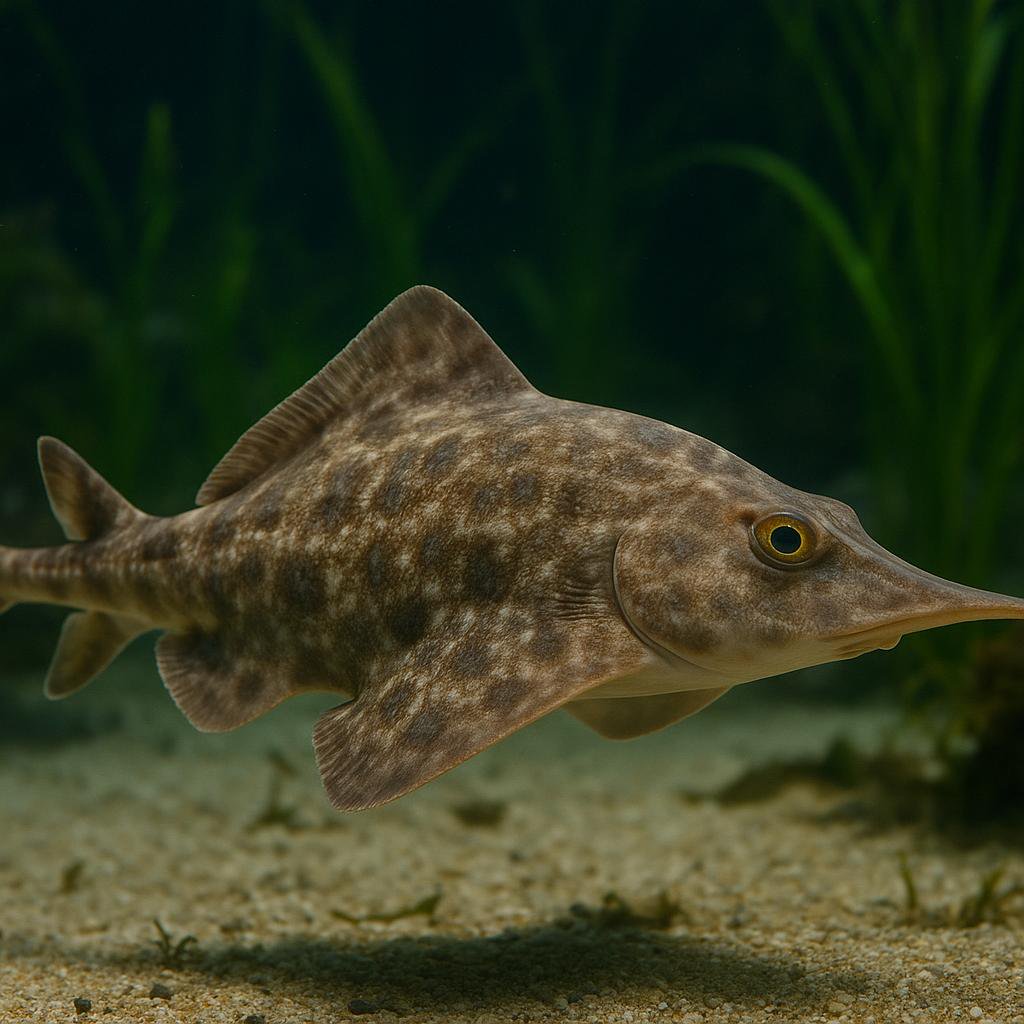
Aleutian skate
Bathyraja aleutica
This is a big, cold-water deep-slope skate from the North Pacific that cruises muddy bottoms and eats chunky benthic prey like crabs and shrimp. The really cool bit is its egg-laying skate life - it does distinct pairing (the classic skate "embrace") and drops those tough egg cases on the seafloor. Not an aquarium fish at all unless you're basically running a public-aquarium-style chilled system.
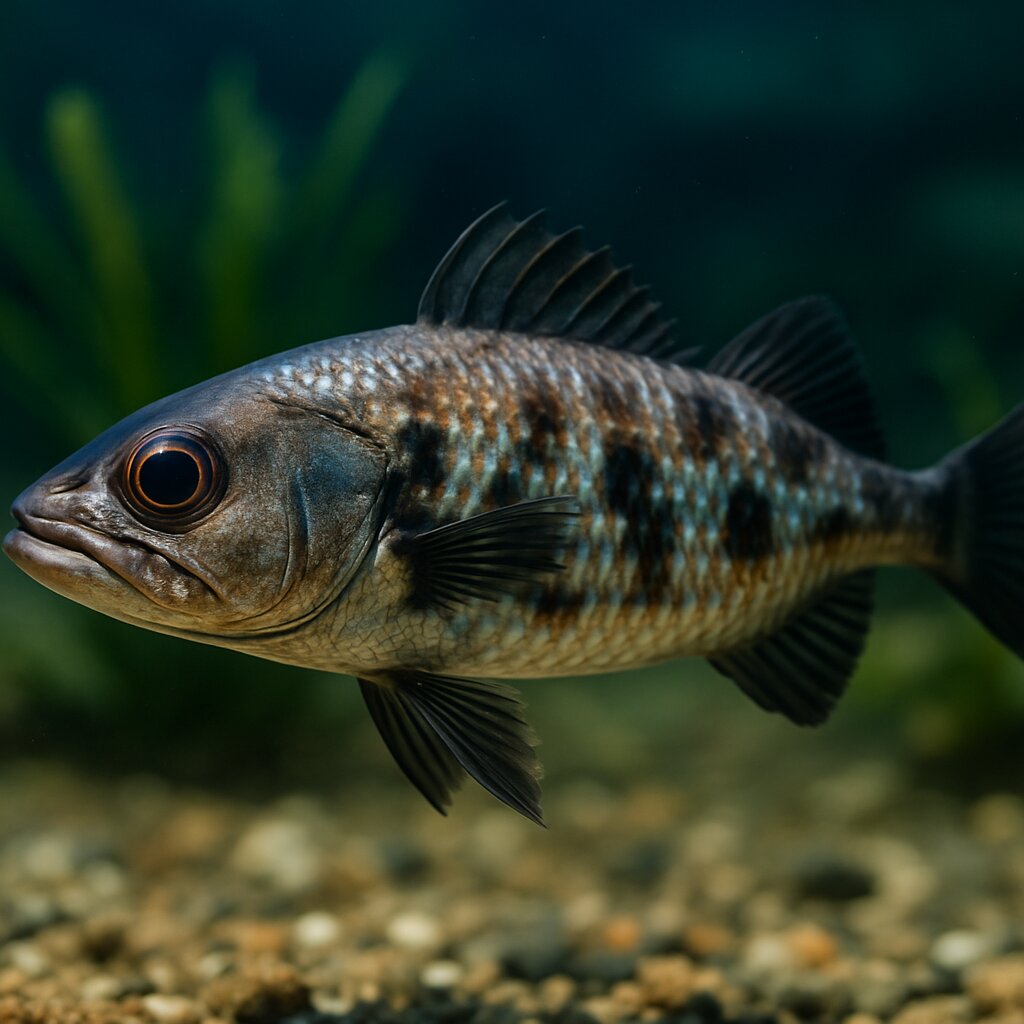
Antarctic dragonfish
Vomeridens infuscipinnis
Deep down around Antarctica, this sleek dragonfish cruises the water column like a little submarine, nearly neutrally buoyant so it can hover above the seafloor. It munches almost exclusively on Antarctic krill and lives in near-freezing water 500-800 m down, so it is a cool species to read about, not one for home tanks.
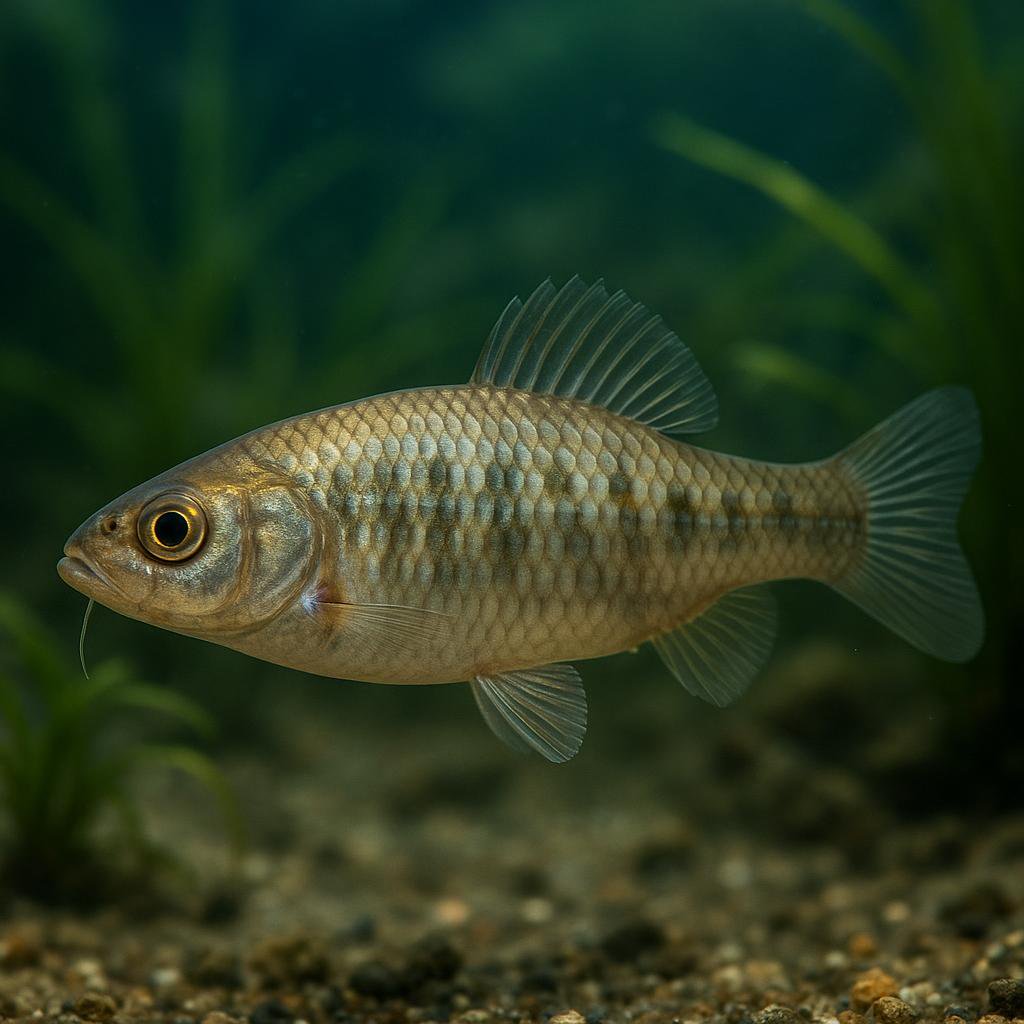
Arabian spiny eel
Notacanthus indicus
Notacanthus indicus is a deep-sea spiny eel (family Notacanthidae; not a true eel) known from the Arabian Sea on the continental slope at roughly ~960–1,046 m depth, with reported maximum length around 20 cm TL; it is a deep-water bycatch species and not established in the aquarium trade.
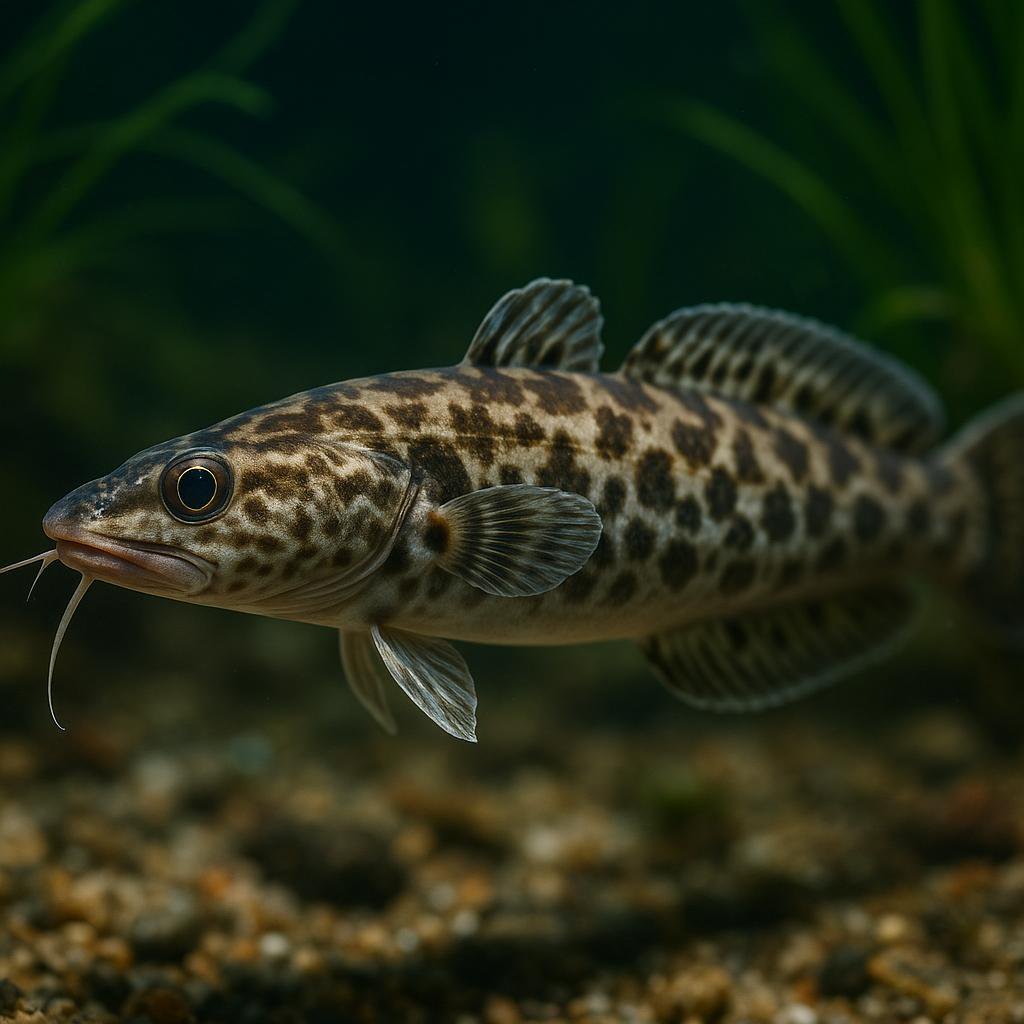
Arctic rockling
Gaidropsarus argentatus
This is a deepwater North Atlantic rockling (a cod relative) that hangs out on soft bottoms way down the slope. It is a cold-water, bottom-hugging predator that snoots around for crustaceans and will also take small fish when it gets the chance.
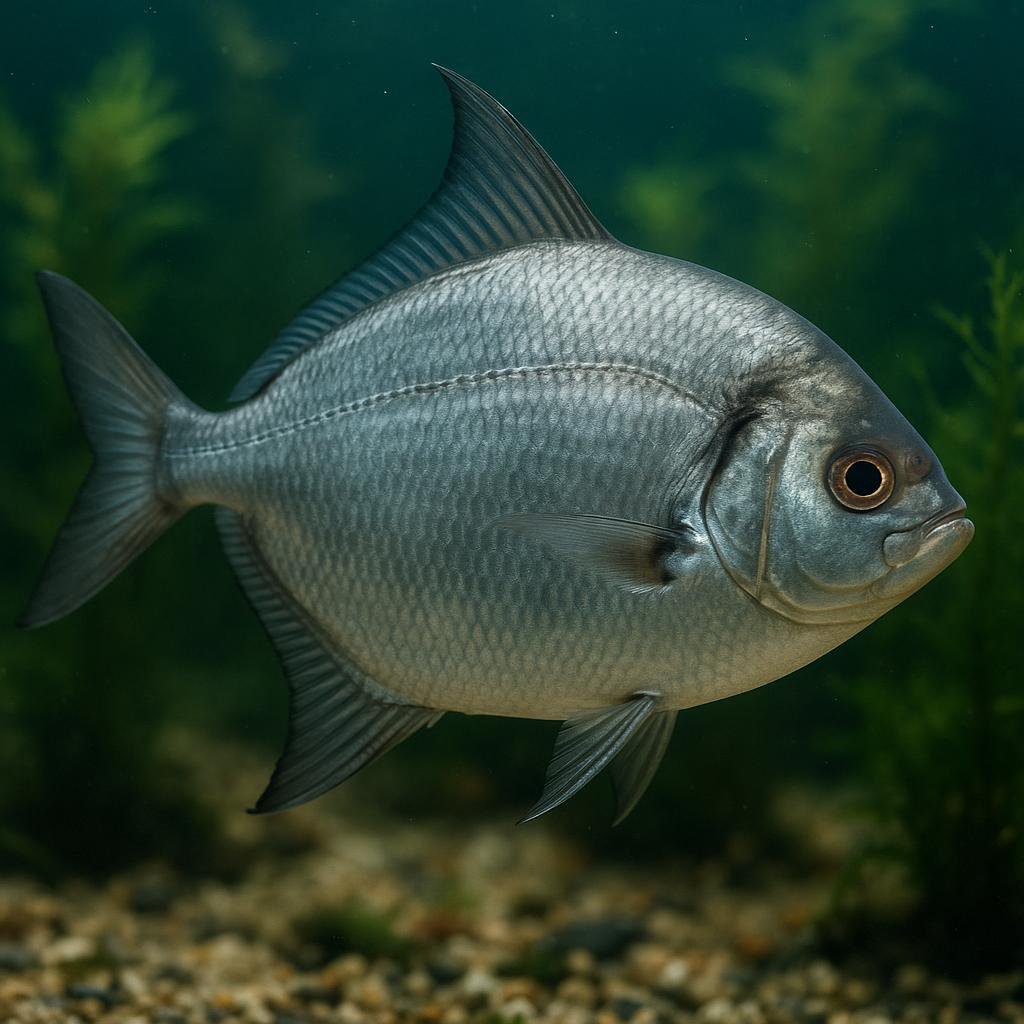
Atlantic pomfret
Brama brama
Brama brama is the Atlantic pomfret (aka Ray's bream) - a deep-bodied, open-ocean pelagic fish that cruises around in small schools and follows water temps. It is a legit big, wild marine species (not an aquarium fish) that eats other small sea critters like fish and squid, and it ranges across a huge chunk of the Atlantic plus parts of the Indian and South Pacific.
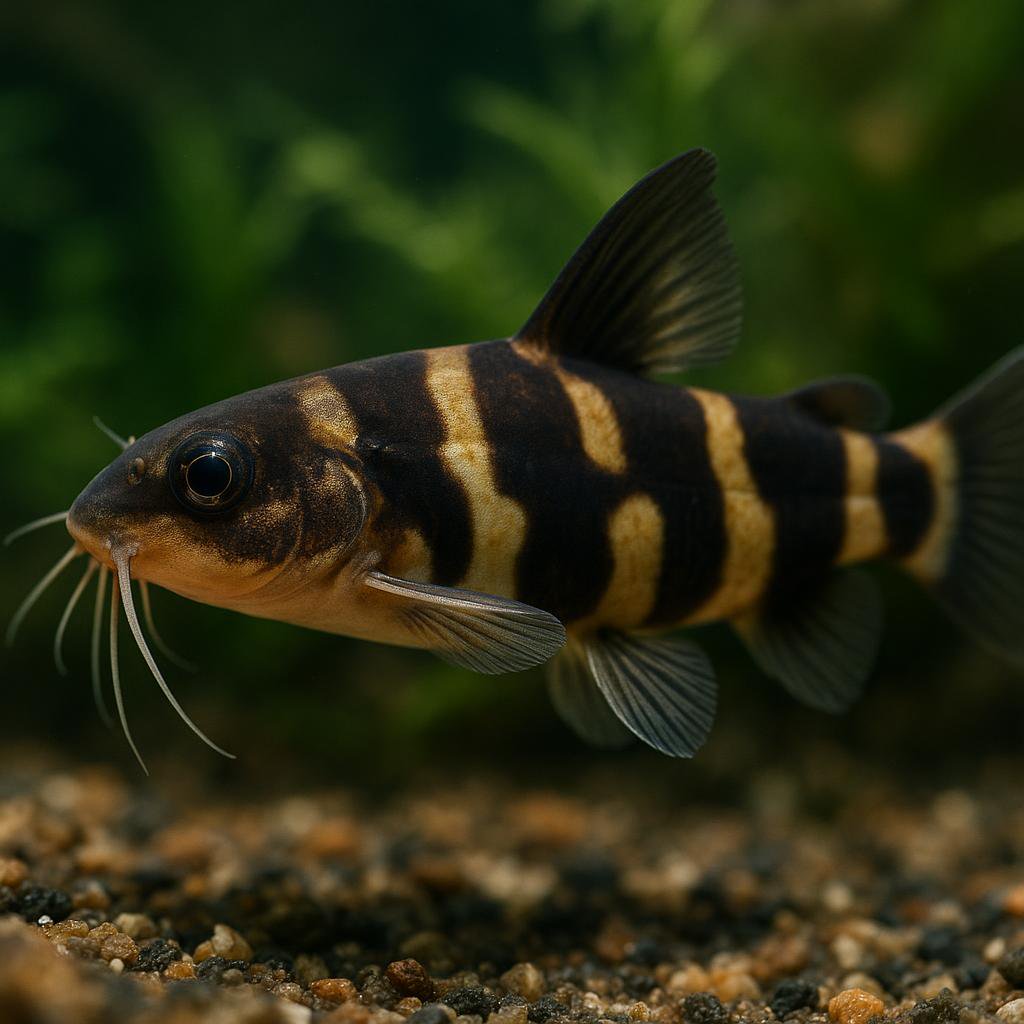
Australian sawtail catshark
Figaro boardmani
Figaro boardmani is a small, deepwater Australian catshark with these cool saw-like ridges of spiny denticles along the tail and a neat pattern of dark saddle bands. It lives way down on the outer continental shelf and slope, so its natural water is cold, dim, and stable - totally not a typical home-aquarium fish. Diet-wise its a predator that goes after fish, crustaceans, and cephalopods.
More to Explore
Discover more marine species.
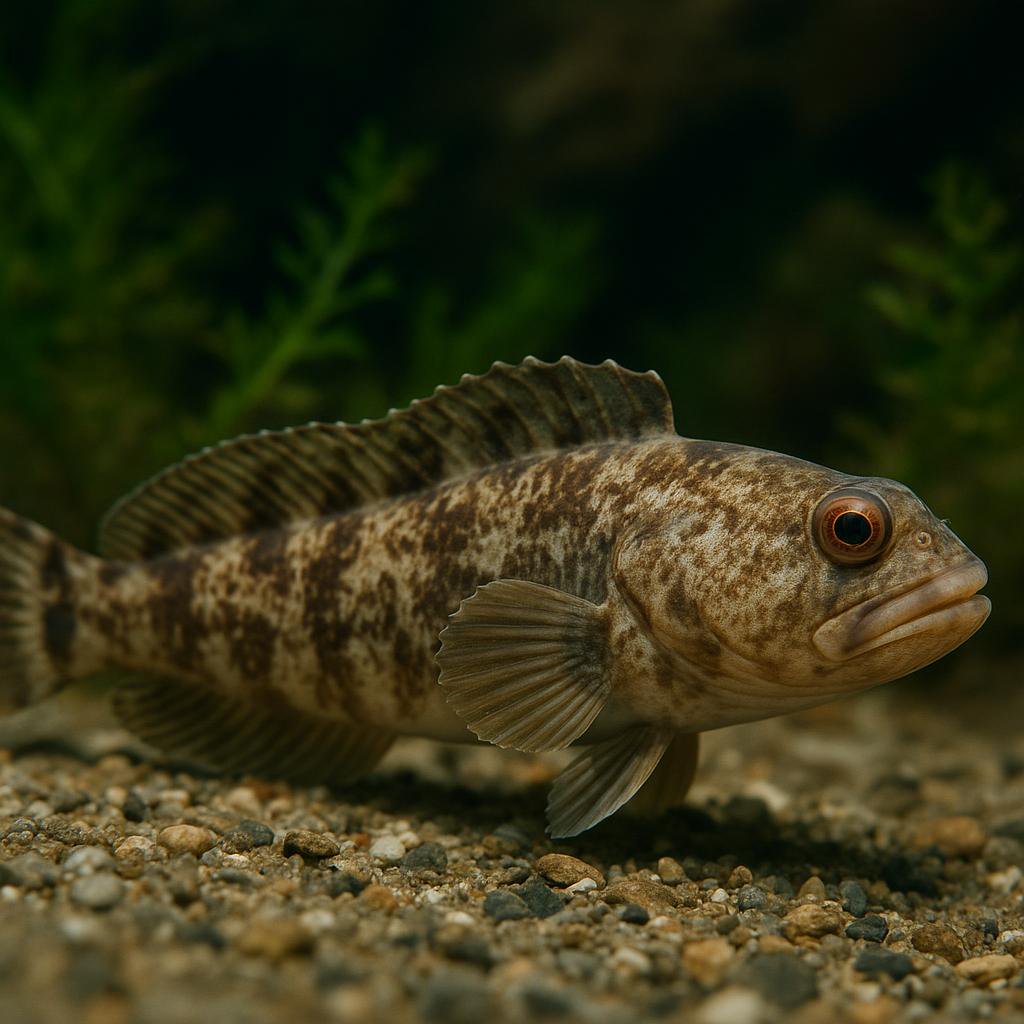
Abe's eelpout
Japonolycodes abei
Japonolycodes abei is a temperate, deepwater demersal eelpout (family Zoarcidae) endemic to Japan (Kumano-nada Sea reported; other sources also report Sagami Bay and Tosa Bay). It is the only species in the genus Japonolycodes and occurs roughly 40-300 m depth, making it an uncommon/atypical aquarium species.
Affinis blind cusk-eel
Barathronus affinis
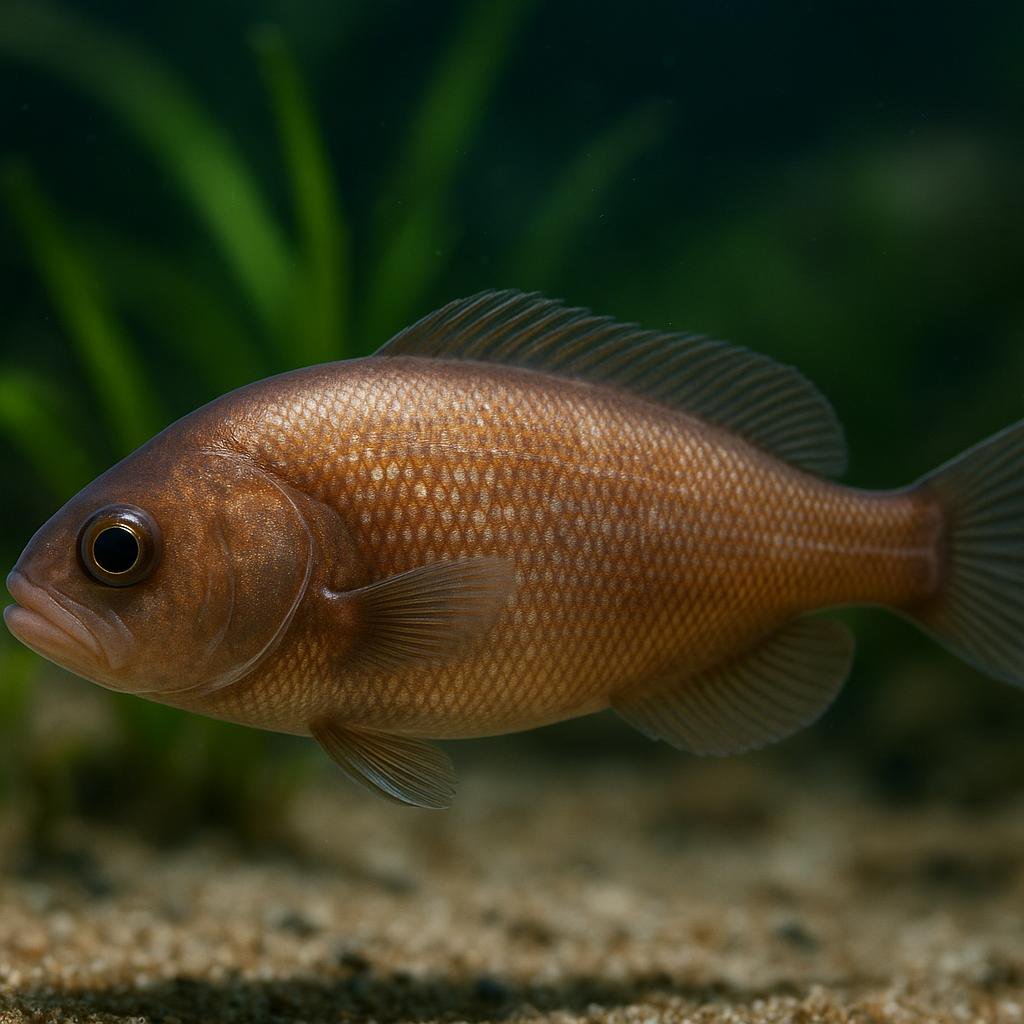
Barathronus affinis is a tiny, super-weird deep-sea blind cusk-eel from the western-central Indian Ocean. It is one of those gelatinous, loose-skinned brotula-type fishes that live way down in the dark and are basically never seen alive, so almost everything we know comes from preserved specimens and taxonomic work.
African red snapper
Lutjanus agennes
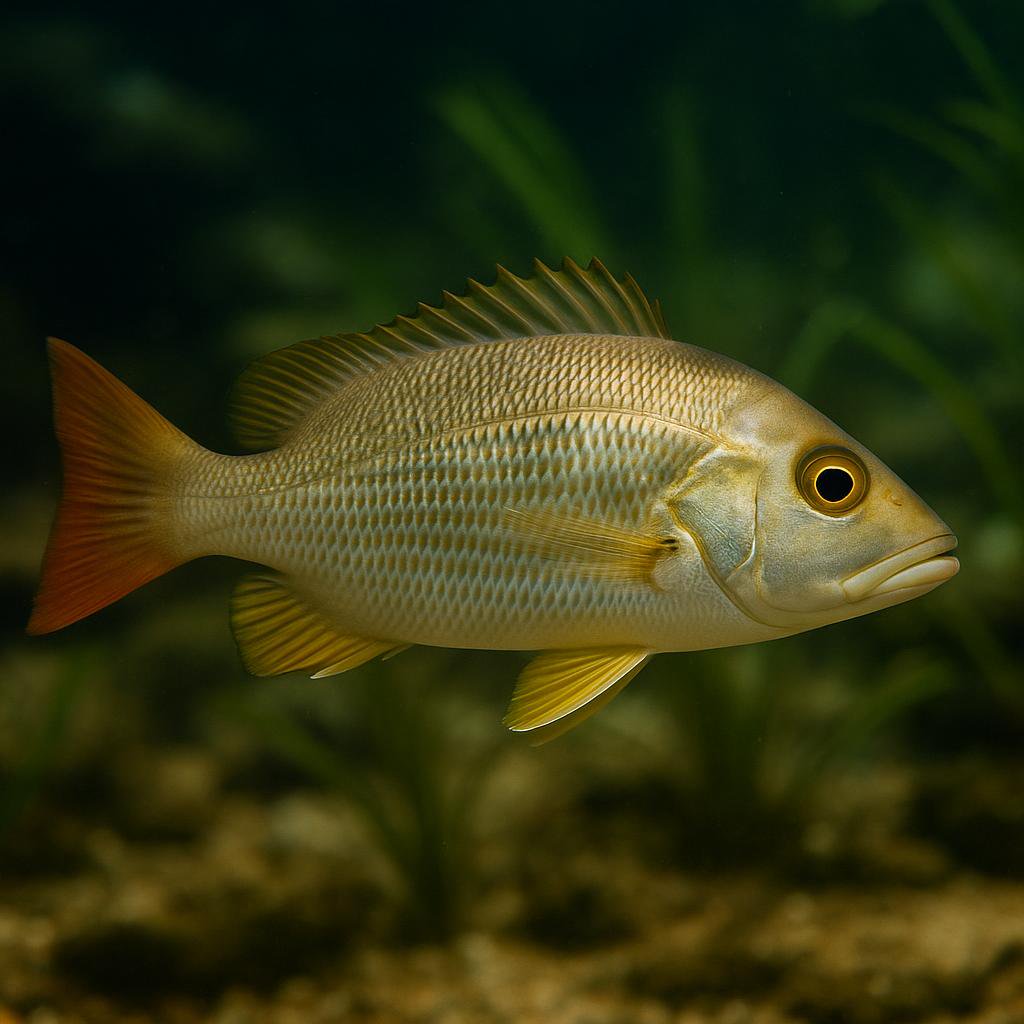
This is a true snapper from West Africa - a big, fast-growing predator that goes from coastal reefs to brackish lagoons and estuaries (especially as a juvenile). Super cool fish in the wild, but it gets absolutely huge and will eat smaller tankmates once it has the mouth for it, so its really more of a public-aquarium scale animal than a home-aquarium fish.
Allis shad
Alosa alosa
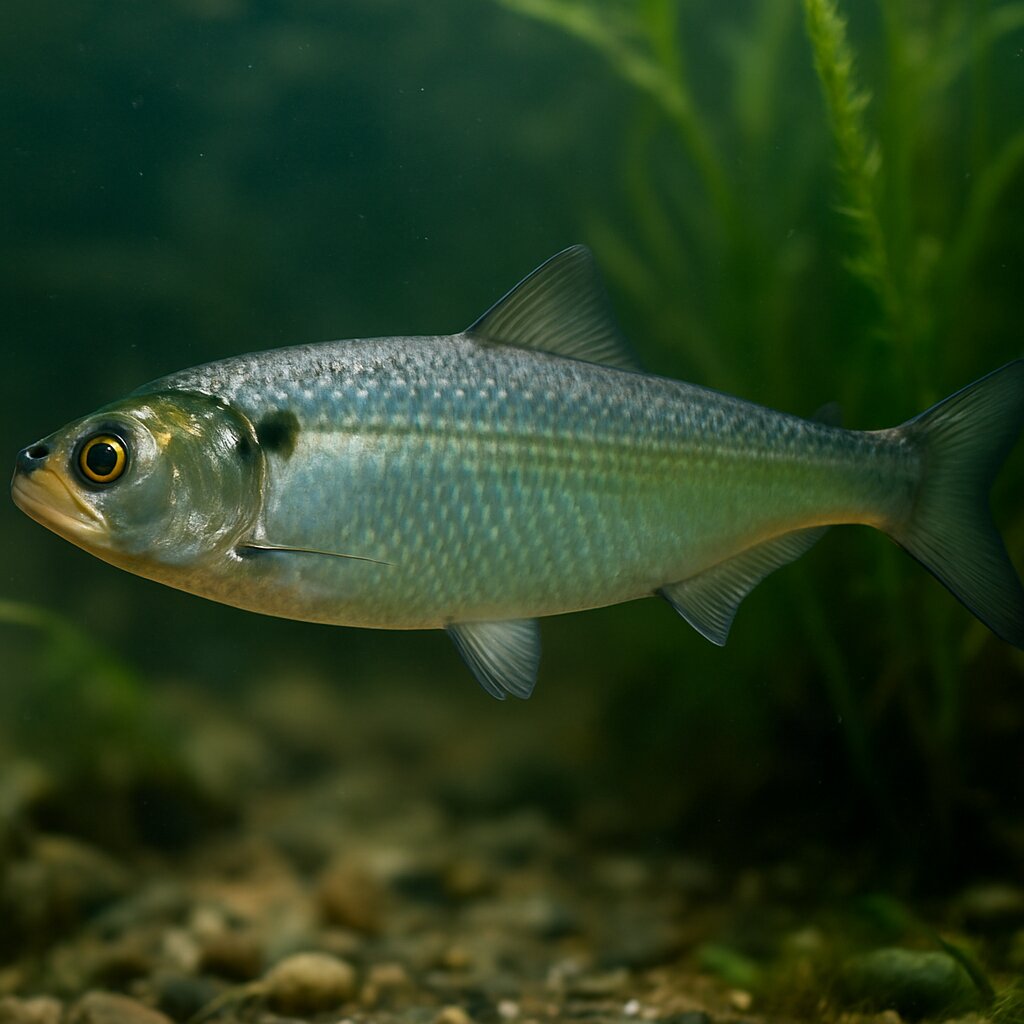
Gorgeous silver, fast-swimming shad that spends most of its life in the sea and then surges up big rivers in noisy, surface-spawning schools. It grows huge for a herring-type fish and needs cool, ultra-oxygenated water and tons of open space, so it is a public-aquarium species rather than a home tank fish.
Annandale's zebra sole
Zebrias annandalei
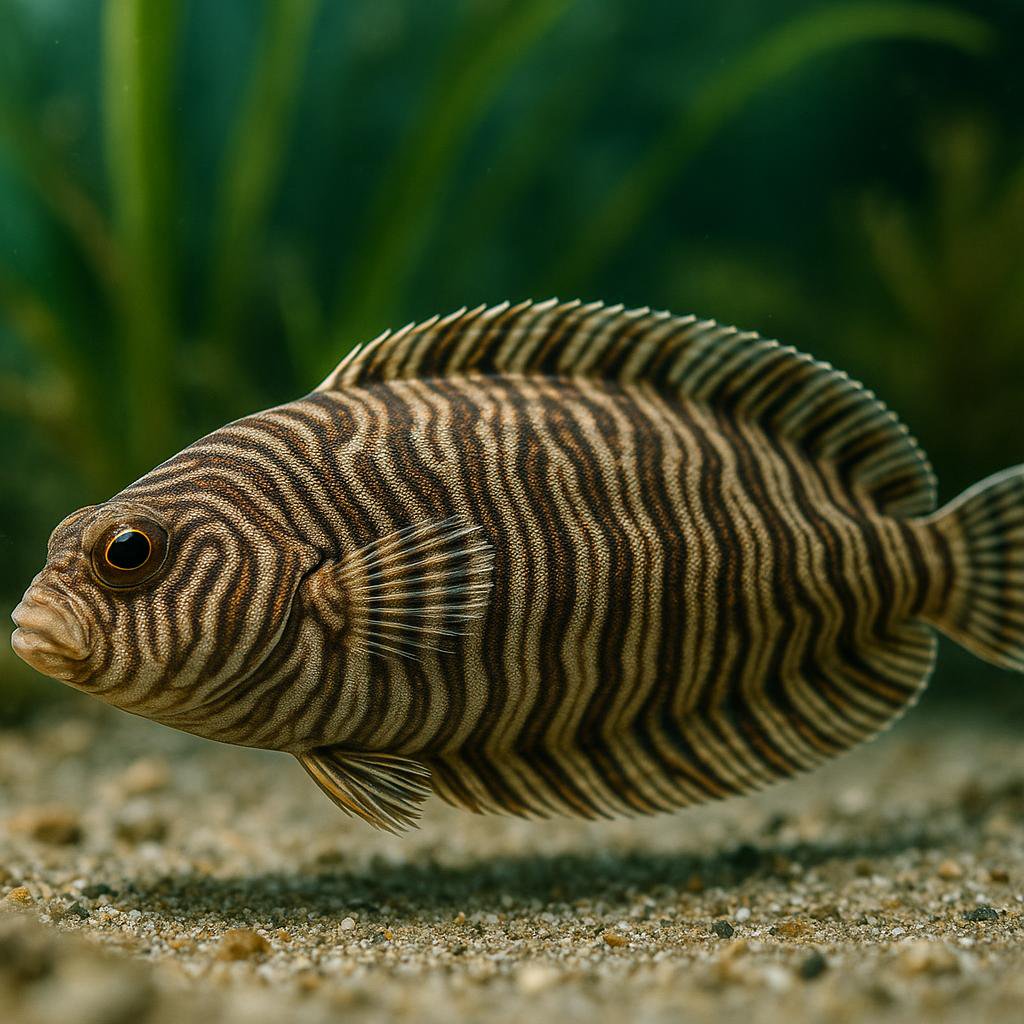
Zebrias annandalei is a small demersal sole from coastal India that inhabits sandy or muddy bottoms and buries for camouflage. It is rarely kept in home aquaria and would require a specialized marine sand-bottom setup and appropriate feeding.
Banded stargazer
Kathetostoma binigrasella
This is a New Zealand stargazer that lives half-buried in sand or mud with its eyes pointed up, waiting to rocket upward and nail passing prey. It has those neat dark saddle-bands across the back (especially as a juvenile), and like other stargazers it is venomous with spines near the gill cover/pectoral area - definitely a look-dont-touch fish.
Looking for other species?