

Taiwan croaker
Johnius taiwanensis
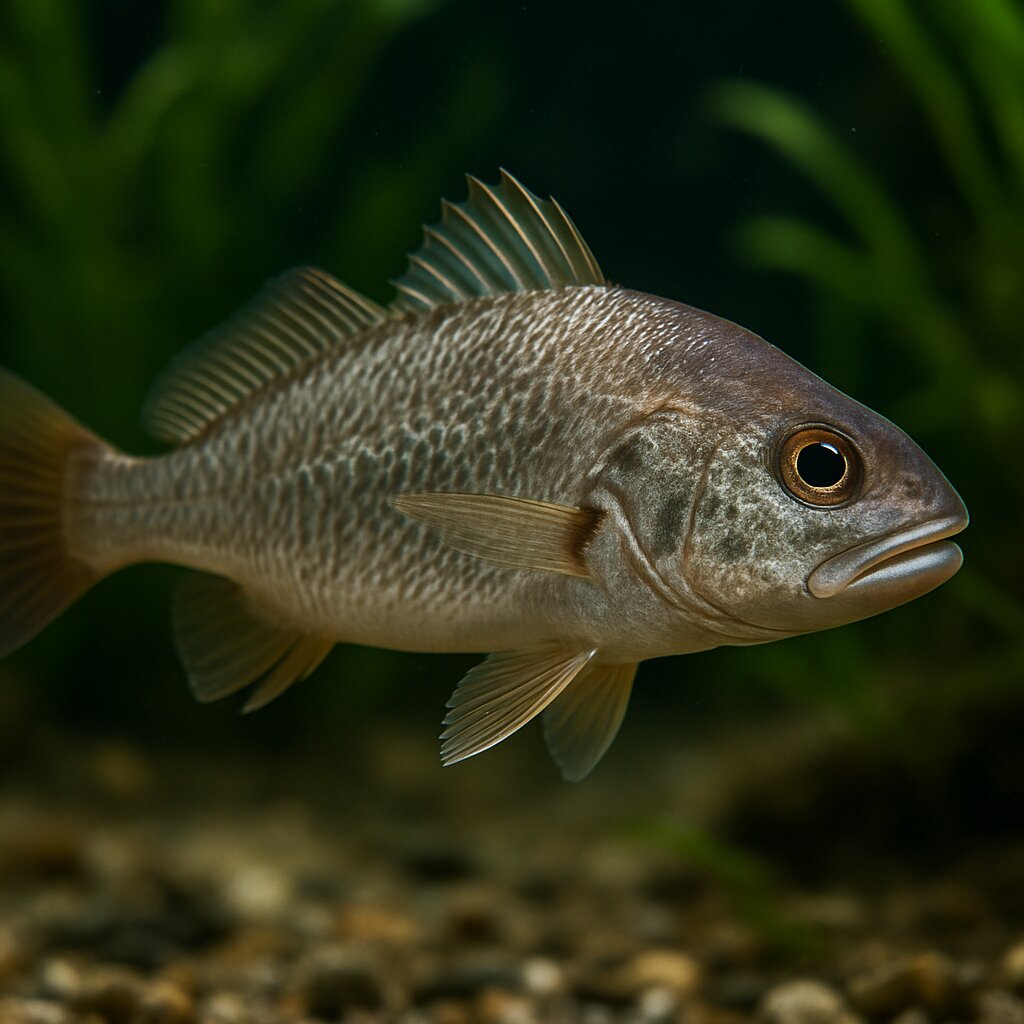
Taiwan croaker features a streamlined body, yellowish-silver hue, and prominent dark spots along its lateral line.
This page includes AI-generated images. Why am I seeing AI images?
About the Taiwan croaker
A coastal croaker from the Taiwan Strait, this little drum sports a gray back cleanly split from a pale belly and a neat black dot at the top of the pectoral fin base. It is a sound-maker too, using its swim bladder to drum, which is fun to hear in a quiet room. Think active bottom-side cruiser that appreciates open sand and gentle flow.
Also known as
Quick Facts
Size
18.6 cm SL
Temperament
Semi-aggressive
Difficulty
Advanced
Min Tank Size
55 gallons
Lifespan
5-8 years
Origin
Northwest Pacific - Taiwan Strait and southern China
Diet
Carnivore - benthic invertebrates and small fish; accepts chopped shrimp, squid, mussel, and marine pellets
Water Parameters
20-26°C
8-8.4
20-35 dGH
Need a heater for this species?
This species needs 20-26°C in a 55 gallon tank. Use our heater calculator to find the right wattage.
Calculate heater sizeCare Notes
- Give it a long marine setup - 6 ft footprint and 120+ gallons for one - with a soft 2-5 cm sand bed and minimal sharp rock so it can root around without scraping its snout; if you want more than one, think 250+ gallons and add them together.
- Run coolish saltwater at 20-24 C, 1.023-1.026 SG, pH 8.0-8.3, and high aeration, and keep nitrate under 20 ppm; they crash fast in warm, low O2 water.
- Moderate, even flow works best; skip blasting powerheads and use a strong skimmer and fat biomedia because this fish is messy.
- They spook easily, jump, and will croak loudly when stressed, so use a tight lid, a dark background, and keep lights low during acclimation to curb glass-surfing.
- Feed meaty fare 2-3x daily at first - chopped shrimp, clam, squid, and live blackworms or ghost shrimp if needed - then wean to frozen mysis, squid, and gel foods; target feed with tongs so quicker fish do not rob them.
- Tankmates should be calm and non-nippy like larger gobies, rabbitfish, peaceful wrasses, and tangs; avoid triggers, big groupers, hyper damsels, and anything small or shrimpy that can be swallowed.
- Quarantine 4-6 weeks since wild croakers often carry gill flukes; hit flukes with praziquantel and watch for heavy breathing, flashing, or red sore spots on the snout.
- Breeding in home tanks is basically a no-go; they are seasonal broadcast spawners that need big water volumes and estuary cues.
Compatibility
Good Tankmates
- Sturdy tangs like yellow, scopas, or kole - similar size, fast eaters, not psycho like a Sohal
- Foxface and other rabbitfish - chilled but spiky, hold their own and wont get bullied
- Bigger Halichoeres or Thalassoma wrasses - busy swimmers that match the croakers energy
- Squirrelfish and soldierfish of similar size - tough, spiny neighbors that keep to themselves
- Medium goatfish - bottom cruisers that dont spook easy and can share the sand zone
- Hawkfish (longnose, arc-eye, flame) - confident perchers that arent bite-sized
Avoid
- Triggers and big puffers - too pushy and nippy, will harass or outcompete at feeding
- Tiny or timid fish like firefish, small gobies, and small chromis - they read as snacks
- Lionfish and scorpionfish - bad gamble; a curious croaker can end up stung
- Moray eels and large groupers - if it fits, it gets swallowed
Where they come from
Taiwan croakers are coastal fish from around Taiwan and the nearby South/East China Sea. Think muddy and sandy bays, river mouths, and nearshore shallows with a lot of suspended silt. They root around for crustaceans and worms, then hang midwater at dusk. Like other croakers, they make sound with sonic muscles, so yes, your fish might actually croak.
You may hear soft drumming from the tank after lights out. It is normal and kind of charming, but keep the tank somewhere that a little nighttime noise is fine.
Setting up their tank
They get chunky. Plan for an adult around the 8-10 inch mark, and they are active. A single Taiwan croaker really wants a long footprint: a 6 ft tank (125-180 gallons) is where this starts to feel right. If you want a small group, you are into very large-system territory.
- Substrate: fine sand, 2-5 cm. They probe with the chin and will scuff themselves on sharp gravel.
- Aquascape: open swimming lanes with rounded rock piles. Leave plenty of floor space.
- Cover: tight-fitting lid. They spook and jump.
- Lighting: on the dimmer side. Think overcast reef, not coral spotlighting.
- Flow: moderate and steady with strong gas exchange. Aim returns at the surface.
- Filtration: heavy. Wet-dry or big skimmer, plus mechanical you can rinse often. They are messy eaters.
- Temperature: 22-26 C (72-79 F).
- Salinity: 1.020-1.025. They handle slight swings but do not play games with it.
- pH/alk: typical marine (pH 8.0-8.3). Keep it stable more than perfect.
- Noise: place the tank where sudden bangs and foot traffic are minimal.
Croakers are oxygen-hungry. During heat waves or treatments, add extra aeration. If they are gulping at the surface or breathing hard after a feed, you need more gas exchange.
Acclimation: go slow and keep it calm. Lights off, drip acclimate, and move the fish with a container instead of a net so you do not wreck the mouth. First week, keep feeding light and the room quiet while they settle.
Use a feeding tube or target feeder to deliver food to the sand line. It cuts down on mad dashes and keeps your water clearer.
What to feed them
They are carnivores that key in on movement and scent. New arrivals usually take live foods first, then you can wean to frozen and finally to quality pellets if you are patient.
- Starter foods: live ghost shrimp, small shore crabs, amphipods, blackworms, guppy/molly fry (brackish-acclimated).
- Frozen staples: mysis, krill, chopped shrimp, squid strips, clam, silversides. Rinse oily items.
- Dry foods: soft sinking marine carnivore pellets once they recognize non-moving food.
- Frequency: juveniles small portions 1-2x daily; adults every other day works well. Do not overfill them; they spit and make a mess.
- Boosters: vitamin/iodine soak once or twice a week. Garlic can help with stubborn eaters.
Weaning trick: mix a few frozen mysis with live ghost shrimp. Over a week, shift the ratio toward frozen. Once they are taking frozen confidently, introduce a few soft pellets in the same stream.
How they behave and who they get along with
They are surprisingly gentle for a predator but will inhale anything bite-sized. Mostly crepuscular, a little shy at first, and quick to startle. They cruise the bottom half of the tank and poke through sand for snacks.
- Good tankmates: mid-to-large, non-nippy fish like rabbitfish, larger fairy/velvet wrasses that are not pickers, tangs with mild temperaments, squirrelfish/soldierfish, peaceful groupers that will not bully them.
- Use caution with: big angels and butterflies that might outcompete or pester; goatfish (direct food competition).
- Avoid: triggers and puffers that nip, hyper damsels, dottybacks, large eels, and any shrimp or crabs you care about.
- Solo vs group: one per tank is simplest. If you try 3+, you need huge space and heavy filtration. Pairs can end up bickering in tight quarters.
If it fits in their mouth, it is food. Small gobies, juvenile wrasses, and ornamental shrimp will vanish.
Breeding tips
Realistically a no-go in home aquariums. Taiwan croakers are broadcast spawners with pelagic eggs, and farms use big ponds and seasonal cues to get them going. You might hear more drumming around moon changes, but getting viable eggs and rearing the tiny larvae would take large, dedicated systems and live plankton cultures.
Common problems to watch for
- Refusing food after shipping: keep lights low and try live ghost shrimp. Once feeding, transition to frozen.
- Scrapes and mouth damage: they bolt into glass and rock. Use rounded scapes, dark back/side panels, and move them with a container, not a net.
- Ich/velvet and flukes: quarantine new arrivals. They handle copper-based treatments if oxygen is strong, but monitor closely and ramp doses slowly.
- Heavy bioload: they spit and shred food. Rinse filter socks often and keep nitrates under control with large, regular water changes.
- Oxygen dips at night: skimmer plus surface agitation fixes most of this. If you run lids, add an air stone.
- Hunger strike during weaning: do not starve for more than a few days. Rotate foods and reintroduce a little live to get them going again.
- Stress from bright light and noise: dim the tank, add shaded overhangs, and keep the stand doors from slamming.
Watch for rapid gilling, flashing, or a dusty sheen on the skin. That can be velvet, which moves fast. Pull to quarantine, crank aeration, and start treatment promptly.
Similar Species
Other marine semi-aggressive species you might be interested in.

Aleutian skate
Bathyraja aleutica
This is a big, cold-water deep-slope skate from the North Pacific that cruises muddy bottoms and eats chunky benthic prey like crabs and shrimp. The really cool bit is its egg-laying skate life - it does distinct pairing (the classic skate "embrace") and drops those tough egg cases on the seafloor. Not an aquarium fish at all unless you're basically running a public-aquarium-style chilled system.

Antarctic dragonfish
Vomeridens infuscipinnis
Deep down around Antarctica, this sleek dragonfish cruises the water column like a little submarine, nearly neutrally buoyant so it can hover above the seafloor. It munches almost exclusively on Antarctic krill and lives in near-freezing water 500-800 m down, so it is a cool species to read about, not one for home tanks.

Arabian spiny eel
Notacanthus indicus
Notacanthus indicus is a deep-sea spiny eel (family Notacanthidae; not a true eel) known from the Arabian Sea on the continental slope at roughly ~960–1,046 m depth, with reported maximum length around 20 cm TL; it is a deep-water bycatch species and not established in the aquarium trade.

Arctic rockling
Gaidropsarus argentatus
This is a deepwater North Atlantic rockling (a cod relative) that hangs out on soft bottoms way down the slope. It is a cold-water, bottom-hugging predator that snoots around for crustaceans and will also take small fish when it gets the chance.
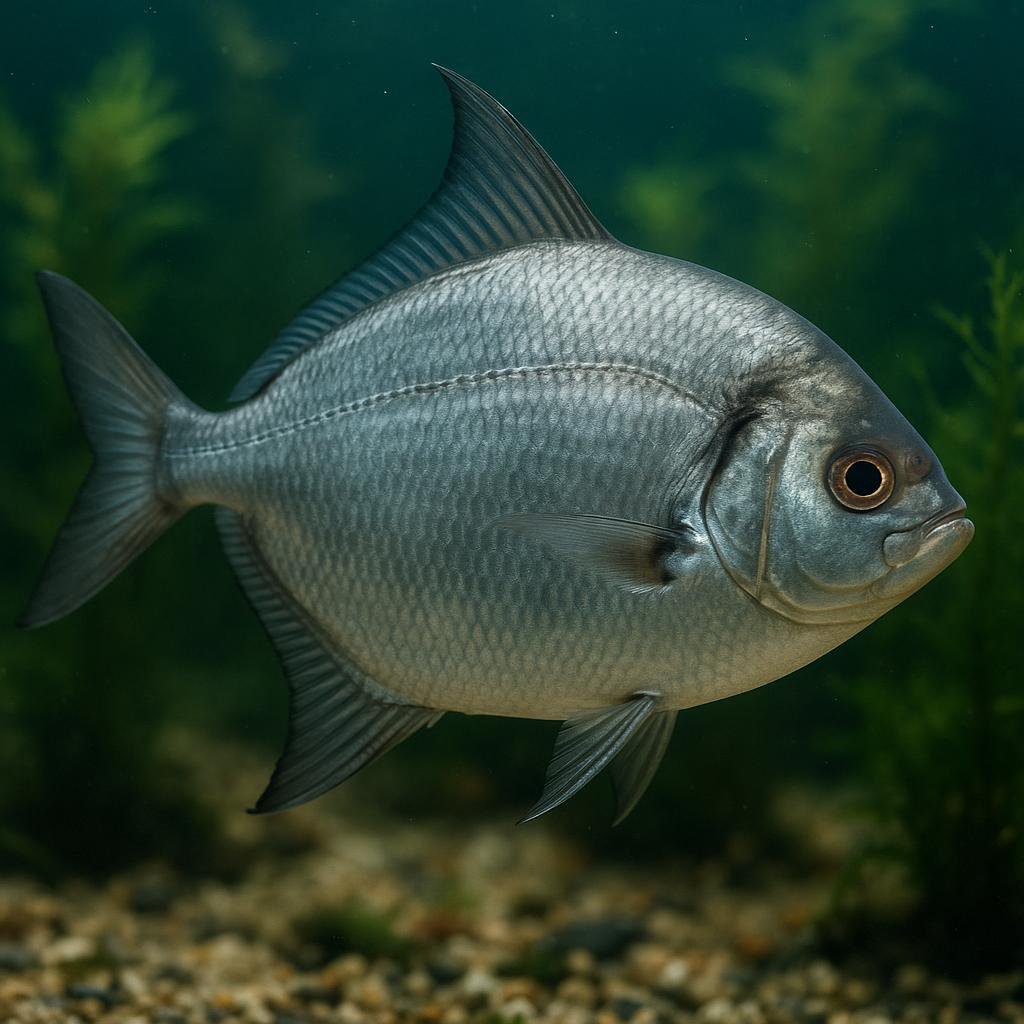
Atlantic pomfret
Brama brama
Brama brama is the Atlantic pomfret (aka Ray's bream) - a deep-bodied, open-ocean pelagic fish that cruises around in small schools and follows water temps. It is a legit big, wild marine species (not an aquarium fish) that eats other small sea critters like fish and squid, and it ranges across a huge chunk of the Atlantic plus parts of the Indian and South Pacific.
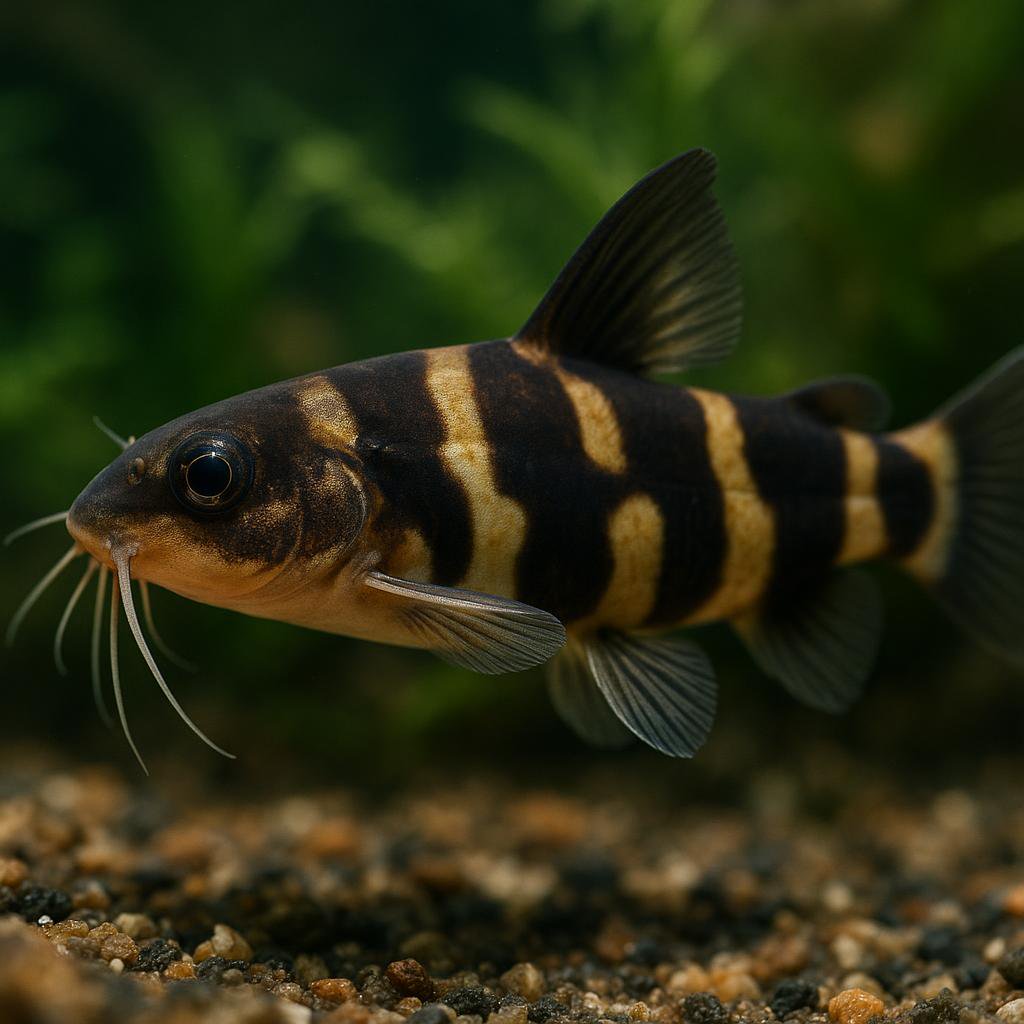
Australian sawtail catshark
Figaro boardmani
Figaro boardmani is a small, deepwater Australian catshark with these cool saw-like ridges of spiny denticles along the tail and a neat pattern of dark saddle bands. It lives way down on the outer continental shelf and slope, so its natural water is cold, dim, and stable - totally not a typical home-aquarium fish. Diet-wise its a predator that goes after fish, crustaceans, and cephalopods.
More to Explore
Discover more marine species.

Abe's eelpout
Japonolycodes abei
Japonolycodes abei is a temperate, deepwater demersal eelpout (family Zoarcidae) endemic to Japan (Kumano-nada Sea reported; other sources also report Sagami Bay and Tosa Bay). It is the only species in the genus Japonolycodes and occurs roughly 40-300 m depth, making it an uncommon/atypical aquarium species.

Affinis blind cusk-eel
Barathronus affinis
Barathronus affinis is a tiny, super-weird deep-sea blind cusk-eel from the western-central Indian Ocean. It is one of those gelatinous, loose-skinned brotula-type fishes that live way down in the dark and are basically never seen alive, so almost everything we know comes from preserved specimens and taxonomic work.

African red snapper
Lutjanus agennes
This is a true snapper from West Africa - a big, fast-growing predator that goes from coastal reefs to brackish lagoons and estuaries (especially as a juvenile). Super cool fish in the wild, but it gets absolutely huge and will eat smaller tankmates once it has the mouth for it, so its really more of a public-aquarium scale animal than a home-aquarium fish.

Allis shad
Alosa alosa
Gorgeous silver, fast-swimming shad that spends most of its life in the sea and then surges up big rivers in noisy, surface-spawning schools. It grows huge for a herring-type fish and needs cool, ultra-oxygenated water and tons of open space, so it is a public-aquarium species rather than a home tank fish.

Annandale's zebra sole
Zebrias annandalei
Zebrias annandalei is a small demersal sole from coastal India that inhabits sandy or muddy bottoms and buries for camouflage. It is rarely kept in home aquaria and would require a specialized marine sand-bottom setup and appropriate feeding.
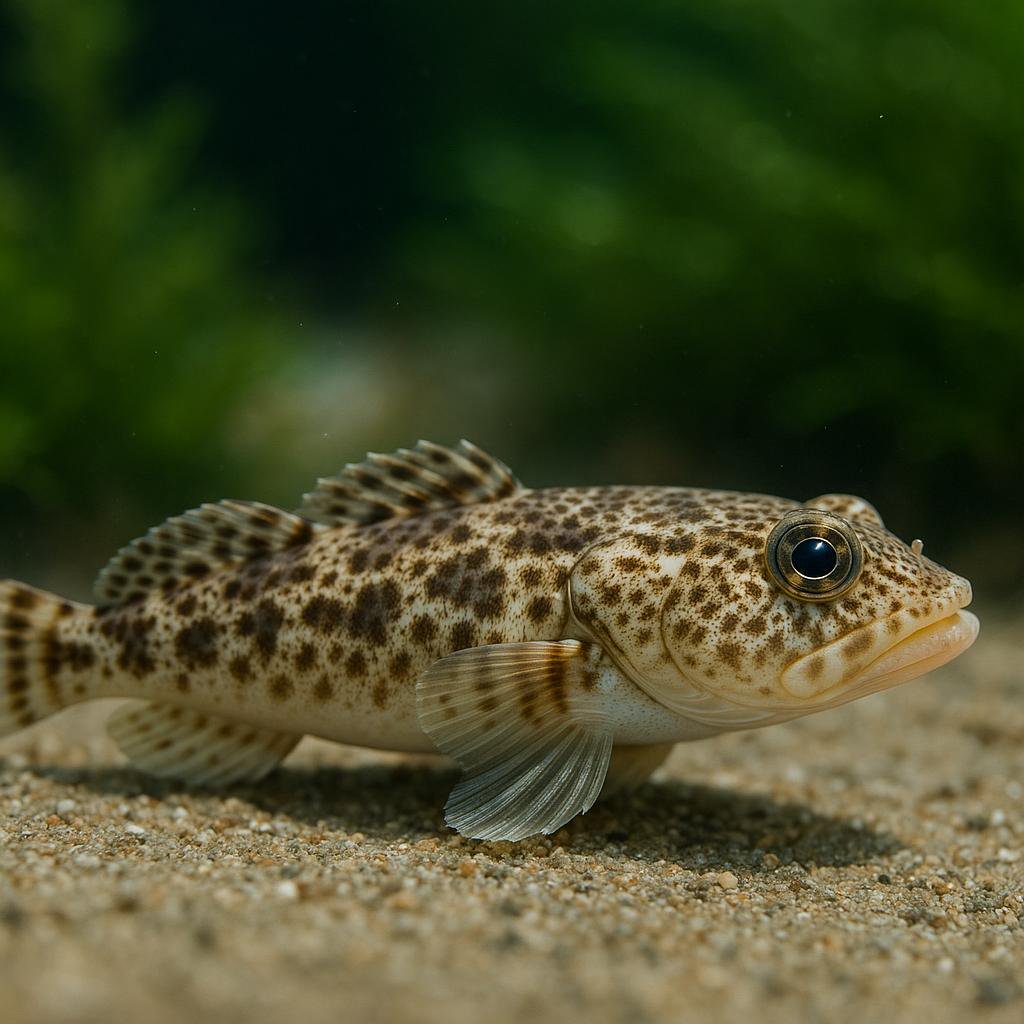
Banded stargazer
Kathetostoma binigrasella
This is a New Zealand stargazer that lives half-buried in sand or mud with its eyes pointed up, waiting to rocket upward and nail passing prey. It has those neat dark saddle-bands across the back (especially as a juvenile), and like other stargazers it is venomous with spines near the gill cover/pectoral area - definitely a look-dont-touch fish.
Looking for other species?