

Tang's snapper
Lipocheilus carnolabrum
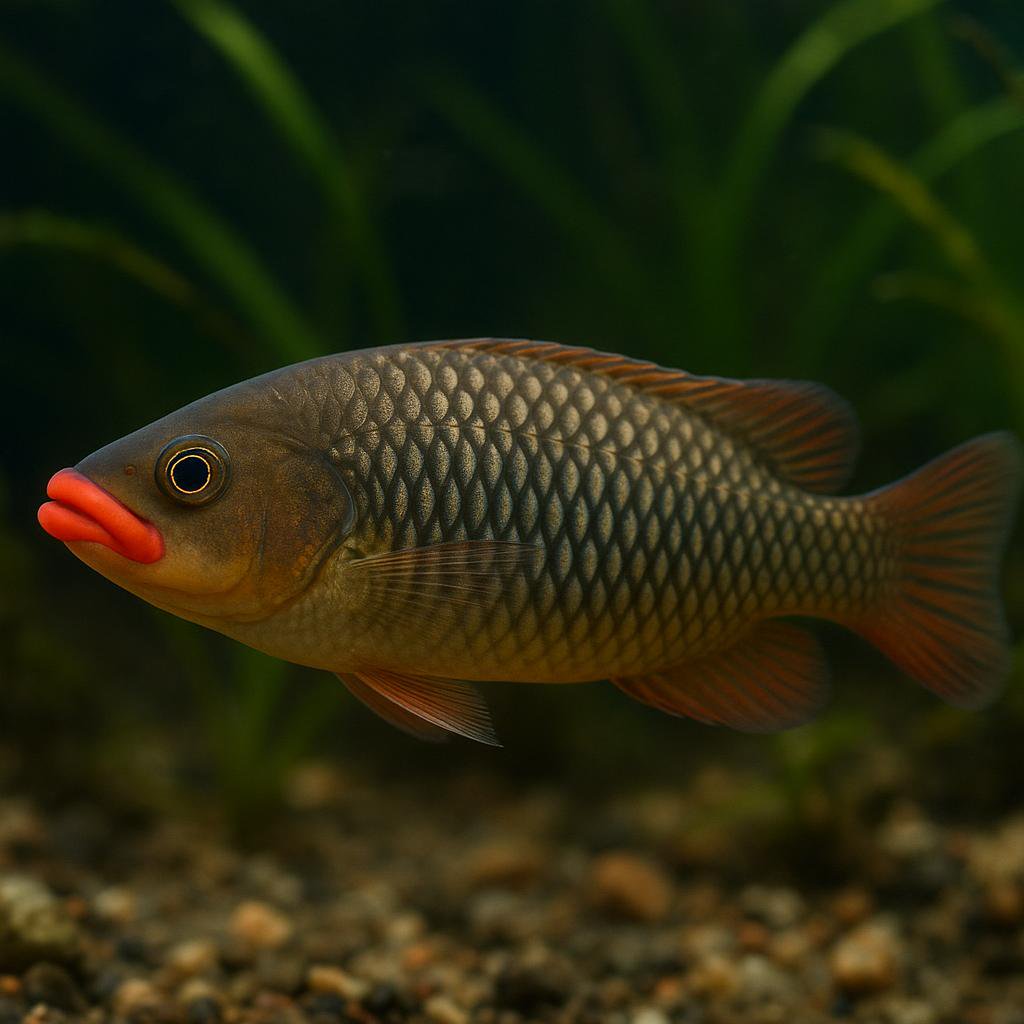
Tang's snapper features a compressed body with a distinct large mouth, displaying vibrant pinkish-red scales and a prominent yellow stripe along the flank.
This page includes AI-generated images. Why am I seeing AI images?
About the Tang's snapper
This is a deepwater snapper with a really distinctive "lumpy" fleshy upper lip - once you know that look, you spot it right away. It lives way down on rocky shelf bottoms and is more of a food-fish than an aquarium fish, mostly because it gets big and comes from colder, deeper water than a typical reef tank setup.
Also known as
Quick Facts
Size
60 cm (about 24 inches) TL
Temperament
Semi-aggressive
Difficulty
Expert
Min Tank Size
500 gallons
Lifespan
up to 14 years
Origin
Indo-West Pacific
Diet
Carnivore - fishes and large invertebrates
Water Parameters
13.8-23.4°C
8-8.4
8-12 dGH
Need a heater for this species?
This species needs 13.8-23.4°C in a 500 gallon tank. Use our heater calculator to find the right wattage.
Calculate heater sizeCare Notes
- Give it a big, rock-heavy tank with lots of caves and shaded overhangs - they like to wedge in tight spots and will panic in open, bright layouts.
- Keep salinity steady around 1.025-1.026 and temp 24-26 C (75-79 F); they really hate swings, so use an ATO and don't let evaporation creep.
- They are messy predators, so run oversized skimming and strong flow and keep nitrate low (ideally under ~10-20 ppm) or they start looking dull and stressed.
- Feed meaty foods 1-2x daily: chopped shrimp, squid, clam, krill, and quality marine pellets; rotate foods and soak in vitamins now and then to head off HLLE-type issues.
- Skip tiny tankmates (small gobies, firefish, tiny shrimp) because they can get eaten, and avoid other pushy wrasses or similar-shaped predators unless the tank is huge.
- Best combo is other sturdy fish that can hold their own (bigger tangs, angels, rabbitfish), added first so the snapper doesn't claim the whole rockwork.
- Watch for shipping/collection trauma and mouth damage (they ram rocks and bite hard), and quarantine if you can because they can carry flukes and show it as heavy breathing and flashing.
Compatibility
Good Tankmates
- Other sturdy mid-sized reef fish that can handle a little attitude - stuff like fairy wrasses (Cirrhilabrus) or flasher wrasses. They are quick, not easily bullied, and usually stay out of the snapper's face.
- Tangs and rabbitfish (Zebrasoma, Ctenochaetus, Siganus) in a tank with real swimming room. They are confident grazers and mostly ignore the snapper once everyone is established.
- Most dwarf angels (Centropyge) if the tank is big and you avoid super timid individuals. In my experience they do fine because they are bold and keep moving.
- Bigger, chill bottom hangers like a bristletooth or other larger, non-wimpy gobies and blennies (think lawnmower blenny size and attitude). They stick to their lane and do not trigger the snapper much.
- Hardy schooling fish that are not bite-sized - like larger chromis groups (Chromis viridis) in a roomy tank. The snapper tends to lose interest when there are a bunch of them and they are not hovering right in its territory.
Avoid
- Avoid tiny, delicate fish that look like snacks - small gobies, small dartfish, tiny firefish. If it can fit in that mouth, you are basically rolling the dice, especially at feeding time.
- Avoid slow, timid hoverers - firefish (Nemateleotris), assessors, and similar 'sit there and hope' types. The snapper is semi-aggressive and will often make them miserable even if it does not eat them.
- Avoid other pushy predators and real bruisers - bigger dottybacks, aggressive hawkfish, and especially more territorial wrasses. You can end up with constant posturing and chasing, and the snapper does not back down.
Where they come from
Tang's snapper (Lipocheilus carnolabrum) is one of those fish you almost never see unless you're deep into marine oddballs. Mine came in as a "rare snapper" and I had to do some homework after the fact. They show up around Indo-Pacific reef areas, usually tied to rocky reef structure and drop-offs where there is current and lots of little prey moving around.
That background matters because they act like a hunting fish that wants real territory, not a decorative swimmer that politely cruises the front glass.
Setting up their tank
Plan the tank around three things: space, cover, and flow. They get bold once settled, but they still want somewhere to vanish fast. If you give them a bare aquascape, they'll stay jumpy and will slam into glass when startled.
- Tank size: I would not do this fish in anything under 180 gallons, and bigger is genuinely better. They use room.
- Rockwork: build a few solid "caves" and overhangs, plus long lanes to cruise. Think one main lair and a couple backup bolt-holes.
- Flow and oxygen: moderate to strong flow with lots of surface agitation. These fish act more comfortable in moving water.
- Filtration: heavy export. Big skimmer, big bio capacity, and you should be comfortable doing serious water changes if the fish goes on a feeding tear.
- Lid: tight. They can jump, especially during the first month or if something spooks them at night.
Quarantine is not optional with this one. They are tough once stable, but they can come in beat up and parasite-prone. A calm QT with hiding PVC and strong aeration saves you a lot of heartbreak.
I keep lighting pretty normal reef-bright, but the fish doesn't care about fancy spectrum. What it does care about is having shaded areas. If your reef is all open and blasted with light, make some darker pockets with rock shelves.
What to feed them
They are predatory and food-motivated. That's great because you can pack weight back on a thin specimen, but it also means they can turn your tank into a buffet for smaller fish and shrimp if you keep them hungry or pick the wrong tankmates.
- Staples: chopped shrimp, clam, squid, scallop, and quality marine pellets once they recognize them.
- Frozen: mysis is fine for juveniles, but adults usually want bigger pieces.
- Soaks: I use vitamins and sometimes HUFA supplements, especially on new arrivals or after any rough treatment.
- Feeding schedule: smaller meals 2 times a day at first, then you can settle into 1-2 solid feedings depending on nutrient load.
Train them onto pellets early if you can. Start with frozen, then sneak pellets into the mix while they are in a feeding frenzy. It makes life easier and keeps them from only accepting "fresh meat".
Avoid feeder fish. Besides the disease risk, it teaches them the wrong habits and can flip the switch from "predator" to "hunter of anything that moves".
How they behave and who they get along with
Expect a fish with presence. Once they settle, they patrol and they know exactly what part of the rockwork is "theirs". Mine was not a nonstop bully, but it absolutely pushed around passive fish that tried to sleep in its cave zone.
- Temperament: semi-aggressive to aggressive depending on tank size and who you put in with it.
- Best tankmates: larger, confident fish that can hold their ground (bigger tangs, larger angels, robust wrasses).
- Risky tankmates: small gobies, firefish, tiny wrasses, and anything shrimp-sized that you care about.
- Inverts: I would not trust it with ornamental shrimp. Snails and bigger crabs can be hit or miss.
- Other predators: mixing with groupers, big hawkfish, or aggressive triggers can work in a huge system, but you are juggling egos.
If it can fit in the snapper's mouth, assume it is on the menu eventually. They might ignore a small fish for months and then one day decide it is food.
Add it after your most peaceful fish are established, but before any true bruisers. If you drop it into a tank that already has a territorial big angel or trigger that owns the rockwork, it can get pinned and never settle.
Breeding tips
Realistically, breeding Tang's snapper in home tanks is not something most of us will pull off. Snappers in general tend to be pelagic spawners with drifting eggs and larvae that need specialized live foods and big, stable systems.
If you ever see courtship behavior (circling, rising in the water column near dusk, quick color changes), write it down and try to capture video. Even good notes are useful with fish this uncommon in the hobby.
If you are the kind of hobbyist running a dedicated breeding room, you would be looking at very large volume, extremely stable water, and a serious larval rearing setup. For most keepers, the win is simply keeping a healthy adult long-term.
Common problems to watch for
Most issues I have seen come from rough collection/shipping, parasite load on arrival, and stress from being kept in too-small or too-busy systems. They are not forgiving of "new tank chaos".
- External parasites: marine ich and velvet are the big ones. Watch for flashing, rapid breathing, and hiding with clamped fins.
- Bacterial damage from shipping: torn mouth, rubbed nose, cloudy patches. They wedge into rock and can abrade themselves if stressed.
- Refusing food: usually stress, bullying, or not enough cover. Sometimes they only recognize larger meaty foods at first.
- Jumping and collision injuries: common in the first couple weeks or after lights-out scares.
- Nutrient blow-up: heavy feeding plus a big predator equals nitrate and phosphate spikes if your export is undersized.
Rapid breathing is the red flag I take seriously with this fish. If it is breathing hard at rest, something is off (oxygen, parasites, ammonia, or it is getting harassed). Fix the cause fast.
The best "treatment" you can do long-term is giving it a stable, roomy tank with predictable feeding and a place to retreat. Once mine was settled and eating well, it was surprisingly resilient. Getting to that point is the hard part.
Similar Species
Other marine semi-aggressive species you might be interested in.
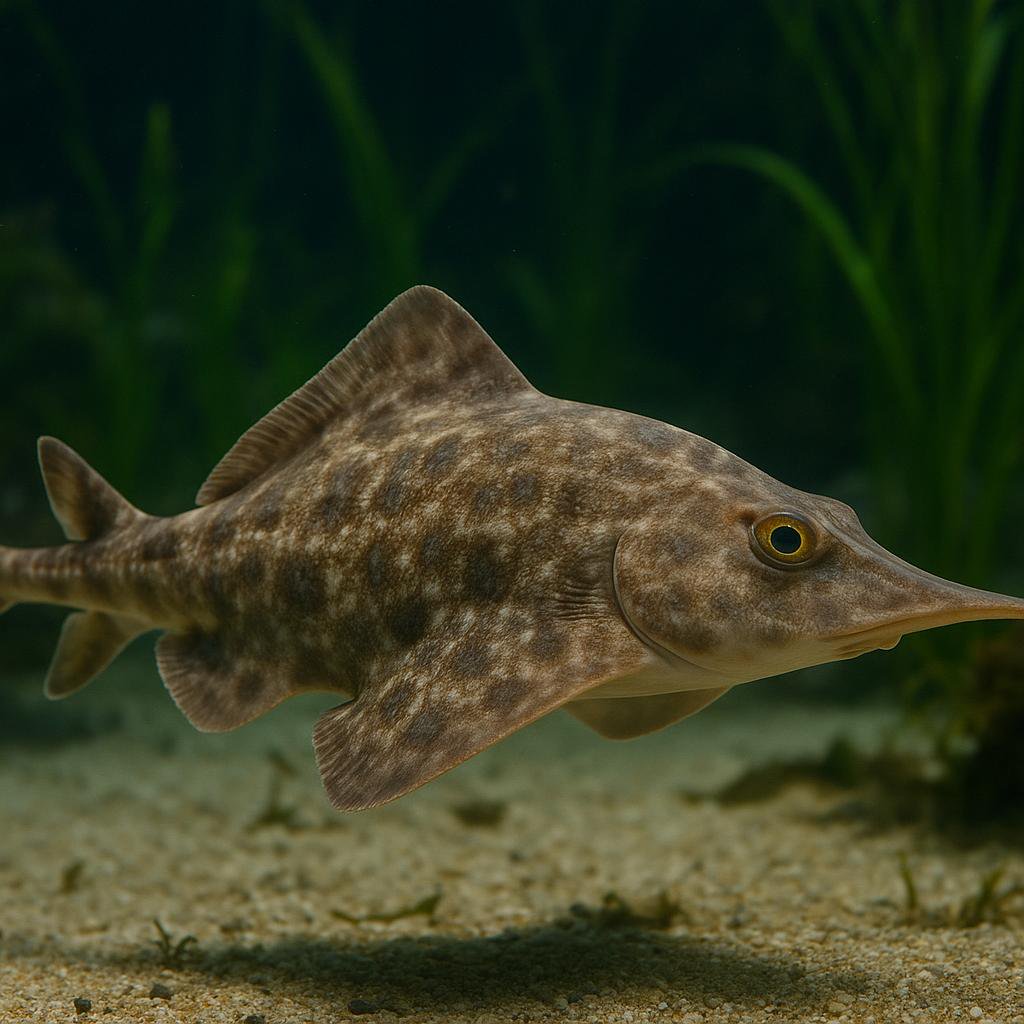
Aleutian skate
Bathyraja aleutica
This is a big, cold-water deep-slope skate from the North Pacific that cruises muddy bottoms and eats chunky benthic prey like crabs and shrimp. The really cool bit is its egg-laying skate life - it does distinct pairing (the classic skate "embrace") and drops those tough egg cases on the seafloor. Not an aquarium fish at all unless you're basically running a public-aquarium-style chilled system.
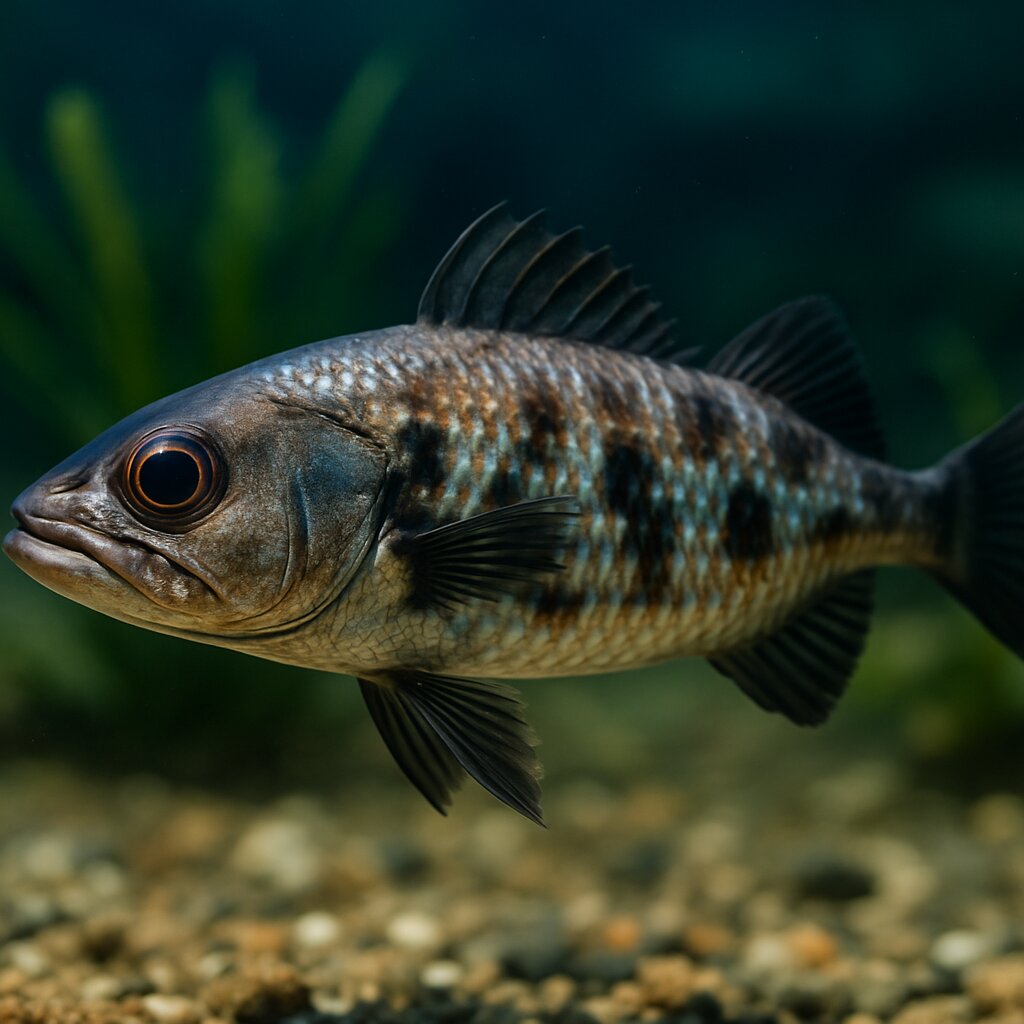
Antarctic dragonfish
Vomeridens infuscipinnis
Deep down around Antarctica, this sleek dragonfish cruises the water column like a little submarine, nearly neutrally buoyant so it can hover above the seafloor. It munches almost exclusively on Antarctic krill and lives in near-freezing water 500-800 m down, so it is a cool species to read about, not one for home tanks.
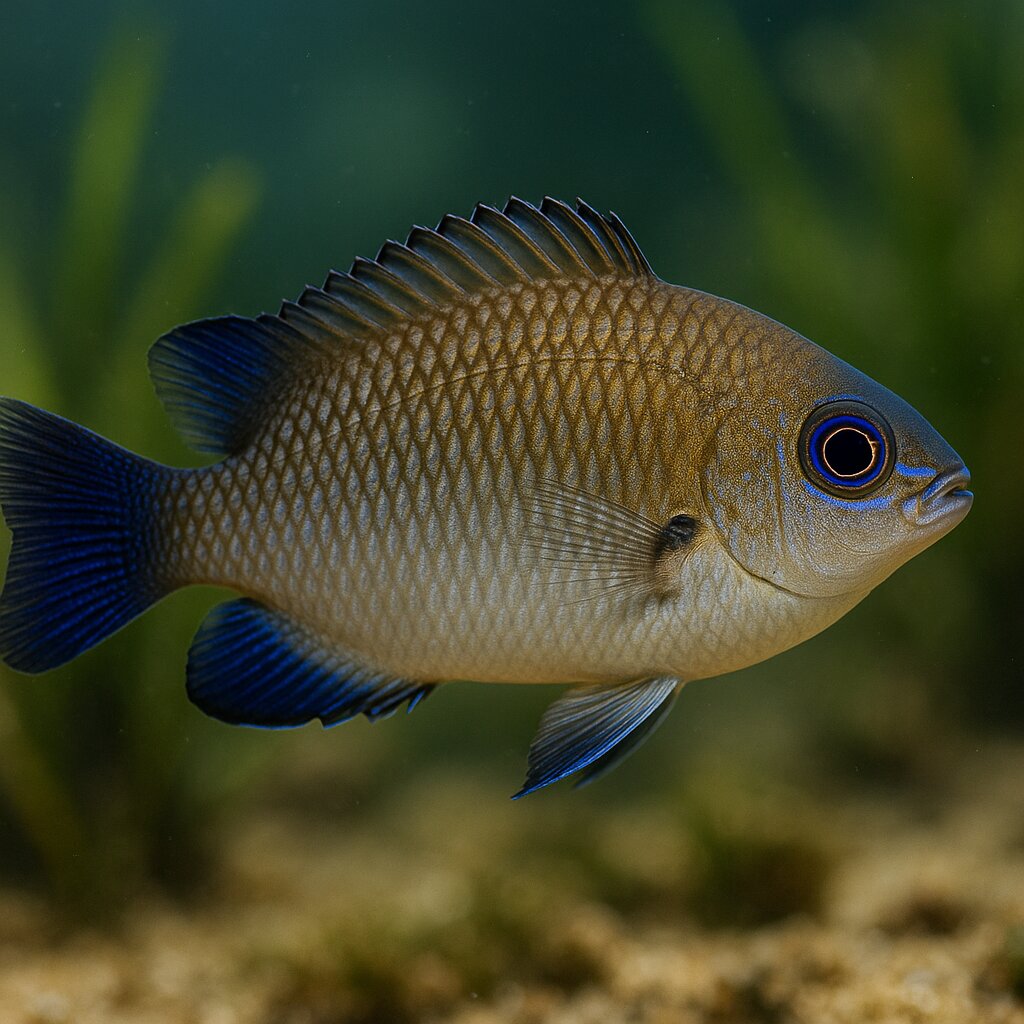
Arabian demoiselle
Neopomacentrus sindensis
A small lyretail damsel from the Persian Gulf and Arabian Sea, it hangs in loose groups around coral heads, rocks, and even pier pilings picking zooplankton from the flow. Think classic damsel toughness with a slightly milder attitude than the real bruisers, plus subtle yellow tail accents. Males clean a patch, get a mate to lay eggs there, and then stand guard fanning the clutch.
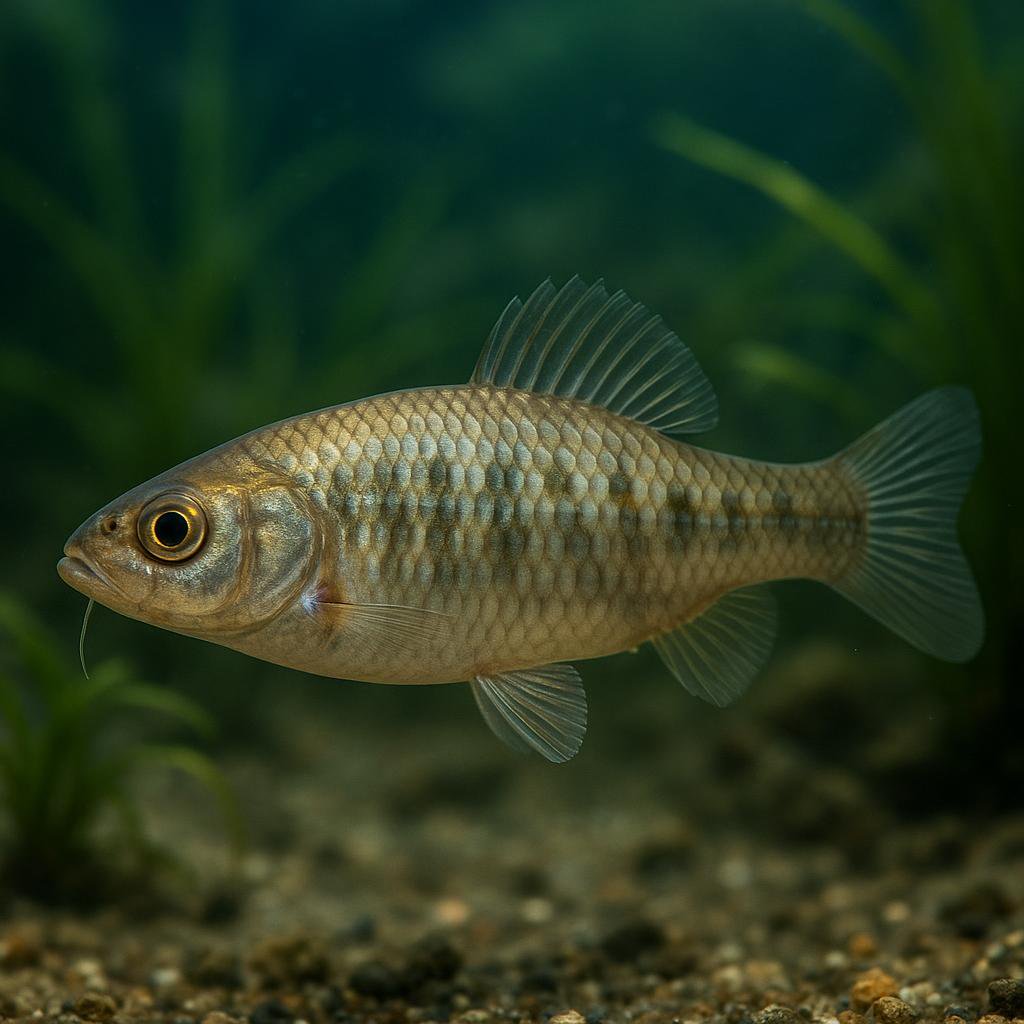
Arabian spiny eel
Notacanthus indicus
Notacanthus indicus is a deep-sea spiny eel (family Notacanthidae; not a true eel) known from the Arabian Sea on the continental slope at roughly ~960–1,046 m depth, with reported maximum length around 20 cm TL; it is a deep-water bycatch species and not established in the aquarium trade.
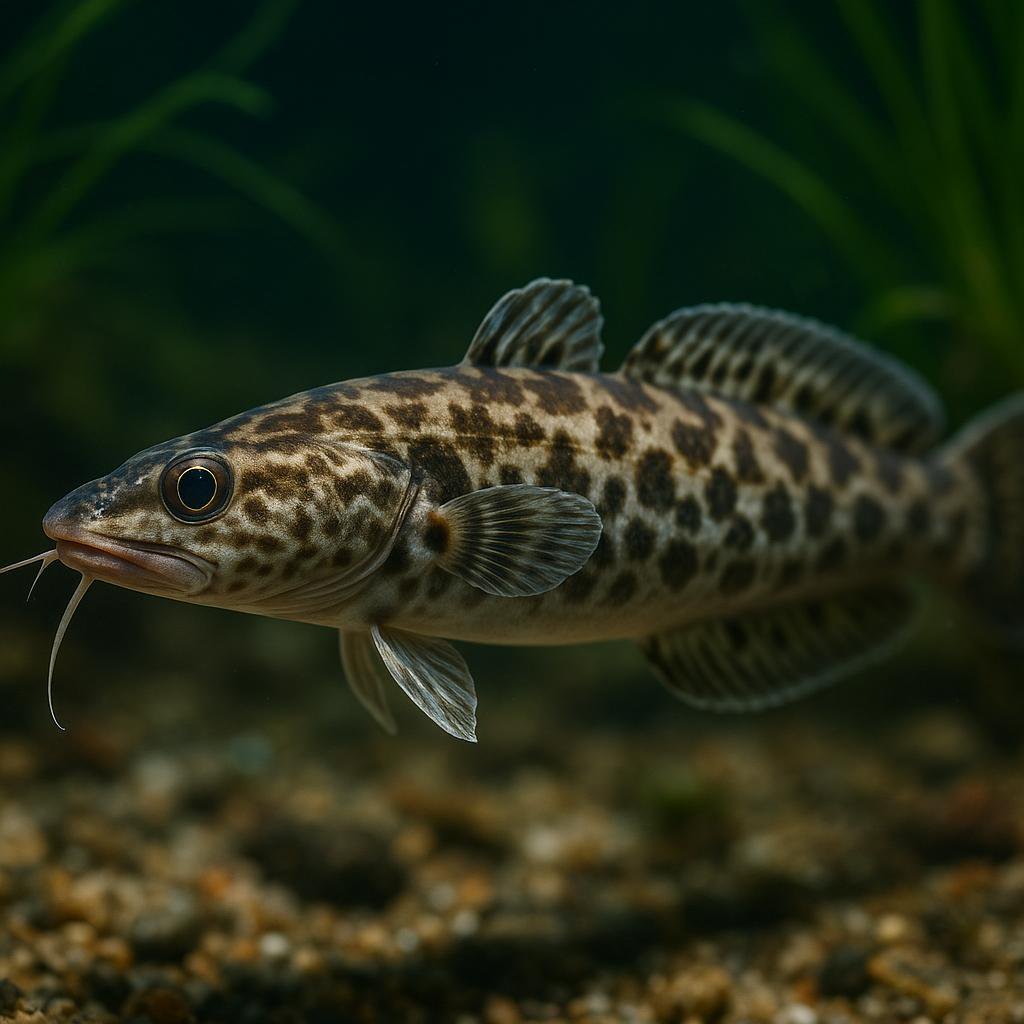
Arctic rockling
Gaidropsarus argentatus
This is a deepwater North Atlantic rockling (a cod relative) that hangs out on soft bottoms way down the slope. It is a cold-water, bottom-hugging predator that snoots around for crustaceans and will also take small fish when it gets the chance.
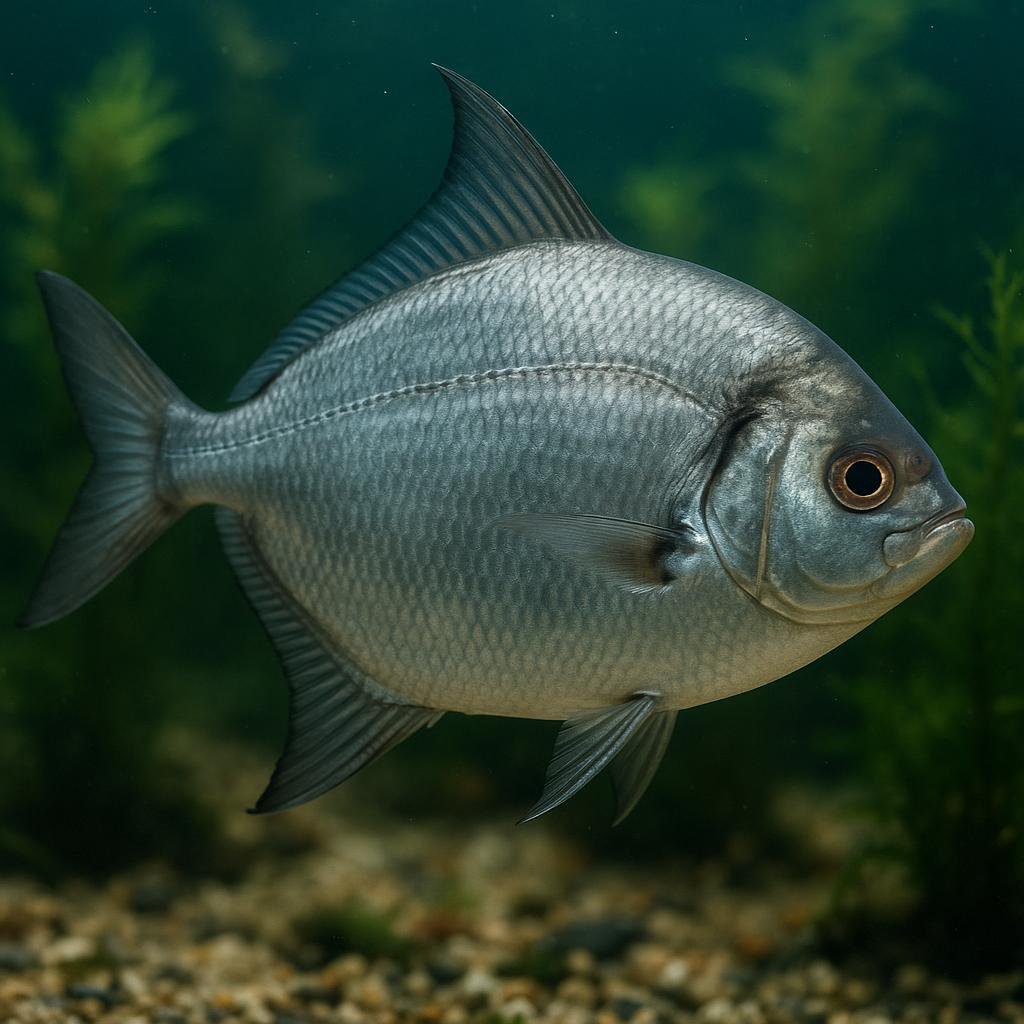
Atlantic pomfret
Brama brama
Brama brama is the Atlantic pomfret (aka Ray's bream) - a deep-bodied, open-ocean pelagic fish that cruises around in small schools and follows water temps. It is a legit big, wild marine species (not an aquarium fish) that eats other small sea critters like fish and squid, and it ranges across a huge chunk of the Atlantic plus parts of the Indian and South Pacific.
More to Explore
Discover more marine species.
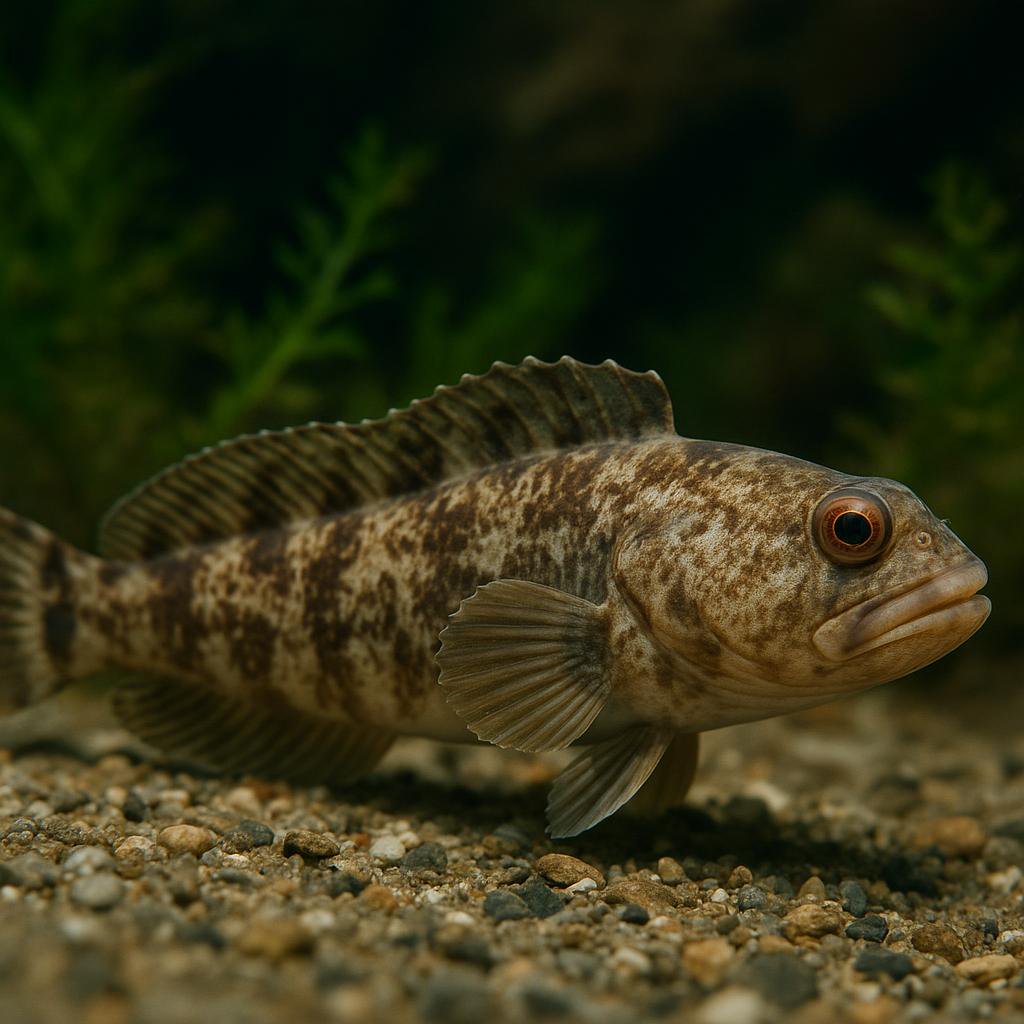
Abe's eelpout
Japonolycodes abei
Japonolycodes abei is a temperate, deepwater demersal eelpout (family Zoarcidae) endemic to Japan (Kumano-nada Sea reported; other sources also report Sagami Bay and Tosa Bay). It is the only species in the genus Japonolycodes and occurs roughly 40-300 m depth, making it an uncommon/atypical aquarium species.
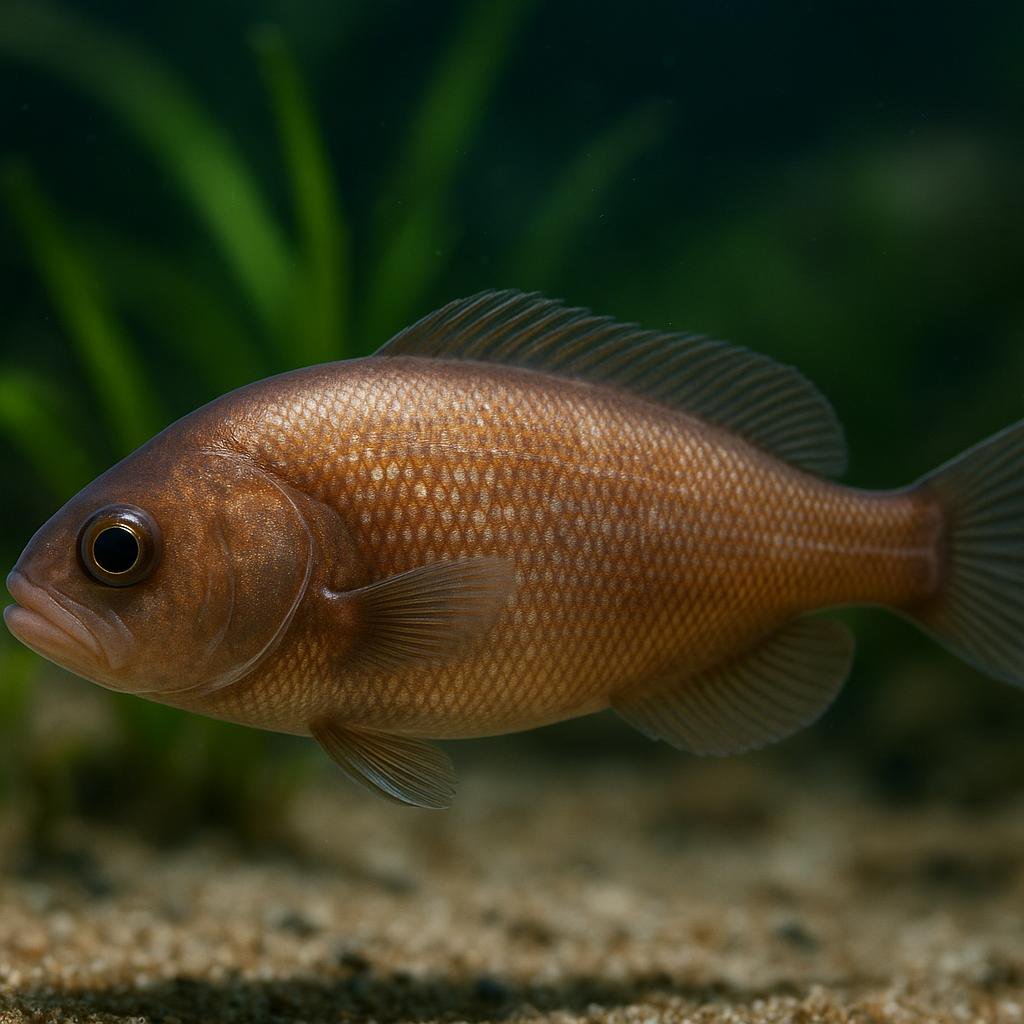
Affinis blind cusk-eel
Barathronus affinis
Barathronus affinis is a tiny, super-weird deep-sea blind cusk-eel from the western-central Indian Ocean. It is one of those gelatinous, loose-skinned brotula-type fishes that live way down in the dark and are basically never seen alive, so almost everything we know comes from preserved specimens and taxonomic work.
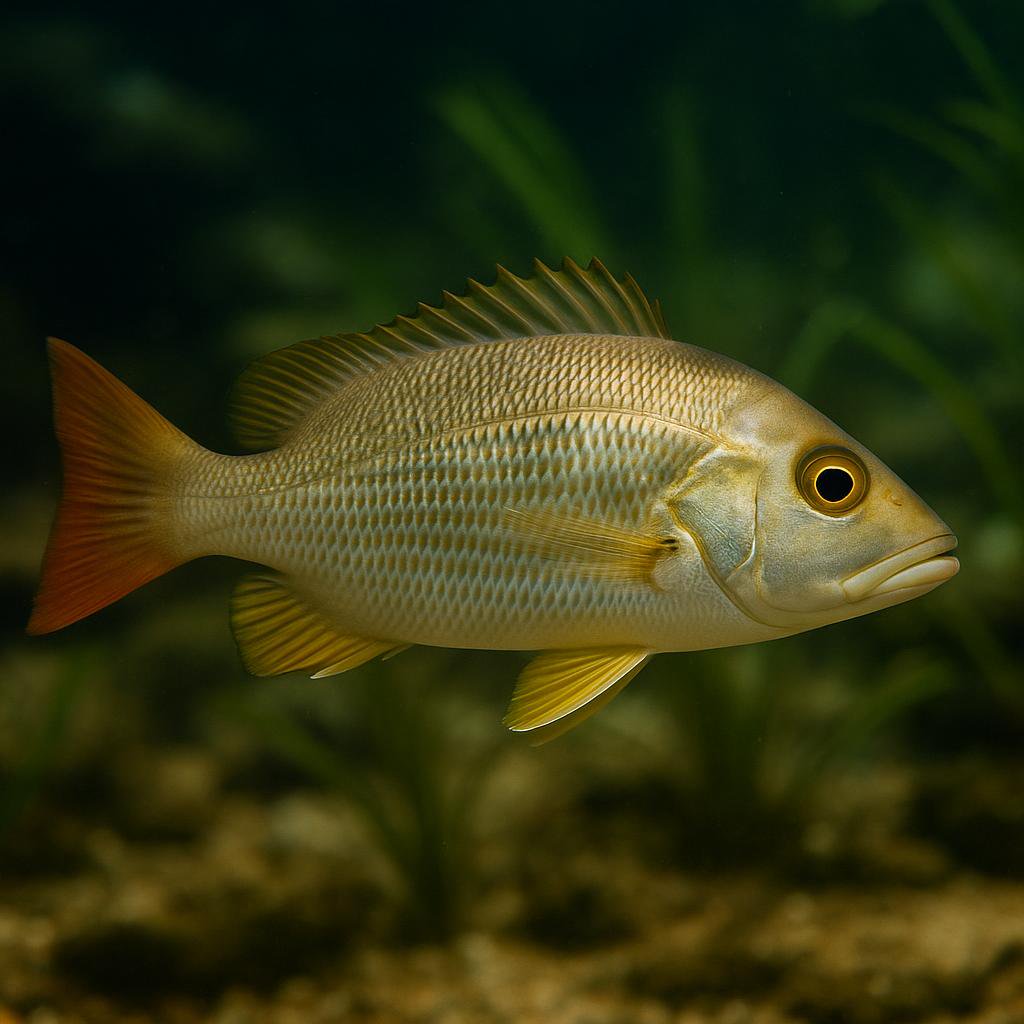
African red snapper
Lutjanus agennes
This is a true snapper from West Africa - a big, fast-growing predator that goes from coastal reefs to brackish lagoons and estuaries (especially as a juvenile). Super cool fish in the wild, but it gets absolutely huge and will eat smaller tankmates once it has the mouth for it, so its really more of a public-aquarium scale animal than a home-aquarium fish.
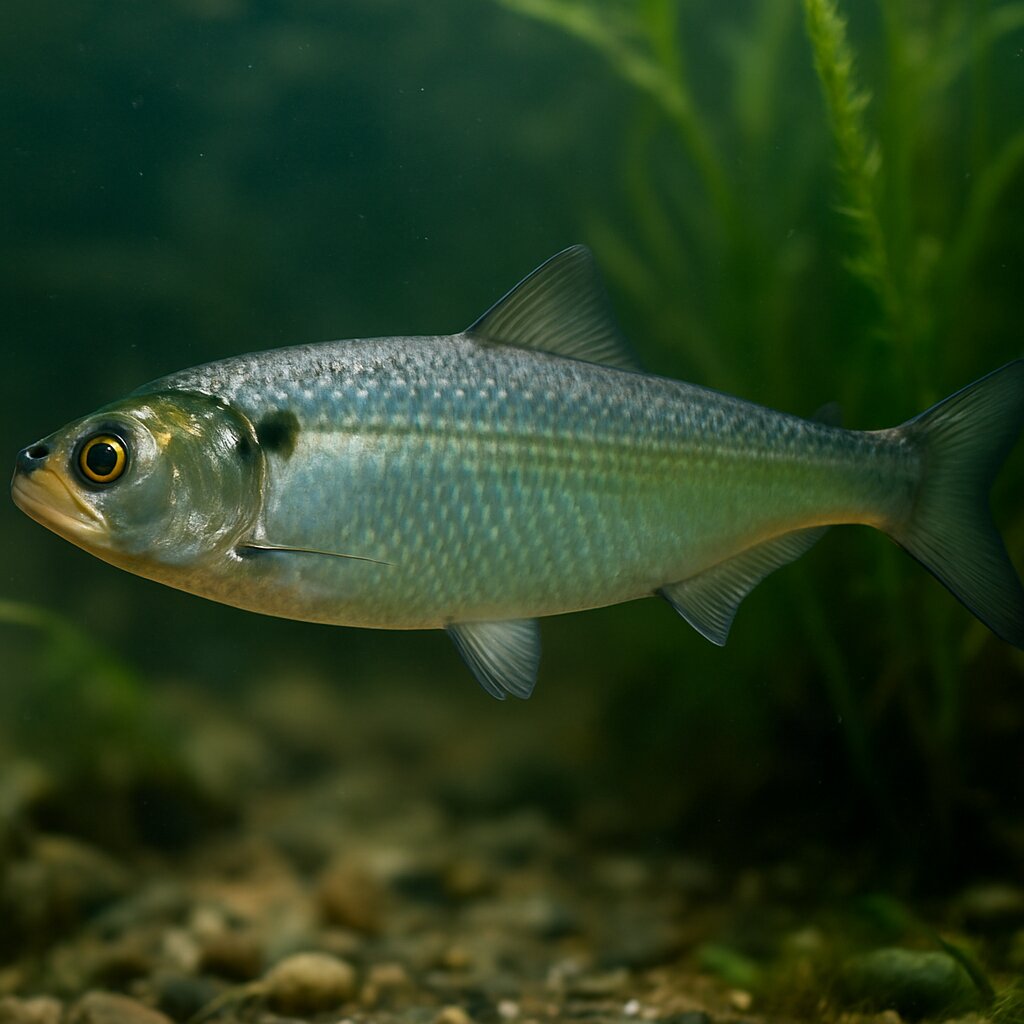
Allis shad
Alosa alosa
Gorgeous silver, fast-swimming shad that spends most of its life in the sea and then surges up big rivers in noisy, surface-spawning schools. It grows huge for a herring-type fish and needs cool, ultra-oxygenated water and tons of open space, so it is a public-aquarium species rather than a home tank fish.
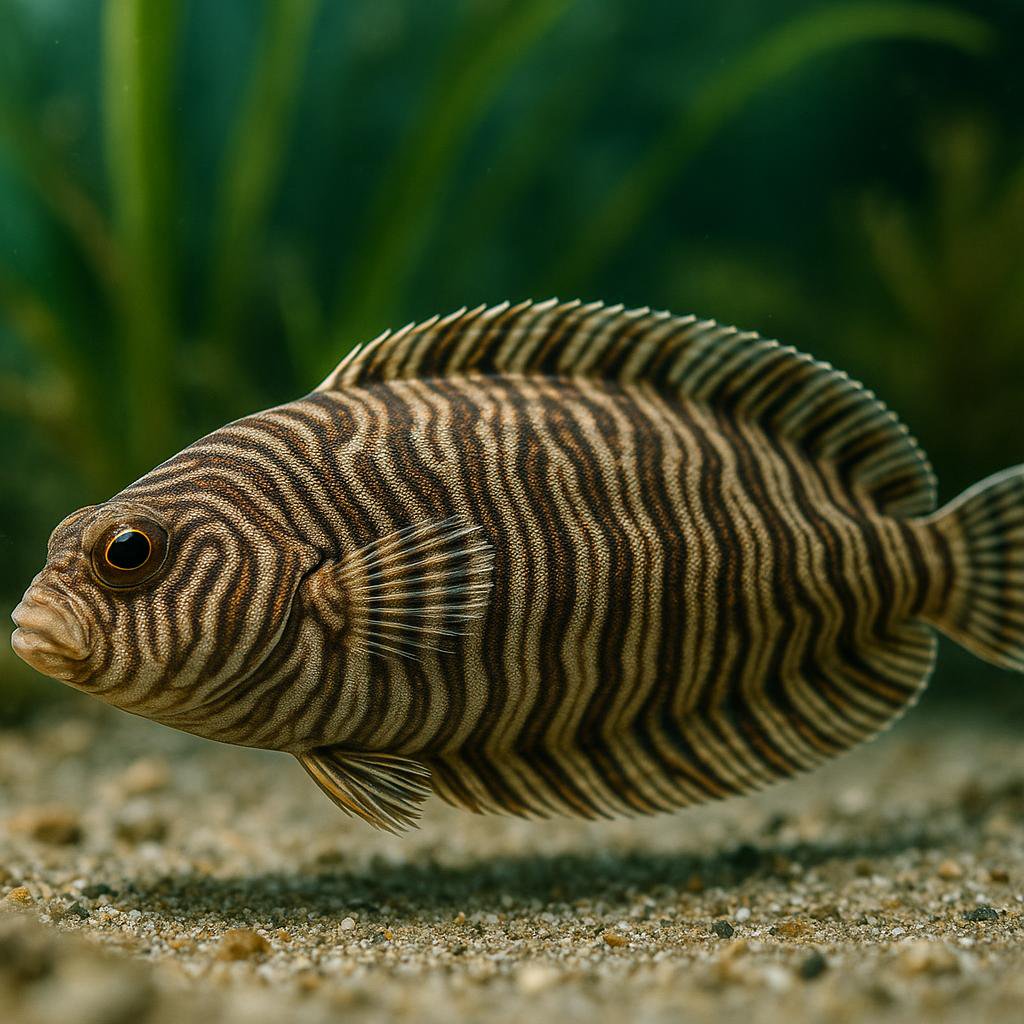
Annandale's zebra sole
Zebrias annandalei
Zebrias annandalei is a small demersal sole from coastal India that inhabits sandy or muddy bottoms and buries for camouflage. It is rarely kept in home aquaria and would require a specialized marine sand-bottom setup and appropriate feeding.
Australian sawtail catshark
Figaro boardmani
Figaro boardmani is a small, deepwater Australian catshark with these cool saw-like ridges of spiny denticles along the tail and a neat pattern of dark saddle bands. It lives way down on the outer continental shelf and slope, so its natural water is cold, dim, and stable - totally not a typical home-aquarium fish. Diet-wise its a predator that goes after fish, crustaceans, and cephalopods.
Looking for other species?