

Evermann's snake eel
Ophichthus lithinus
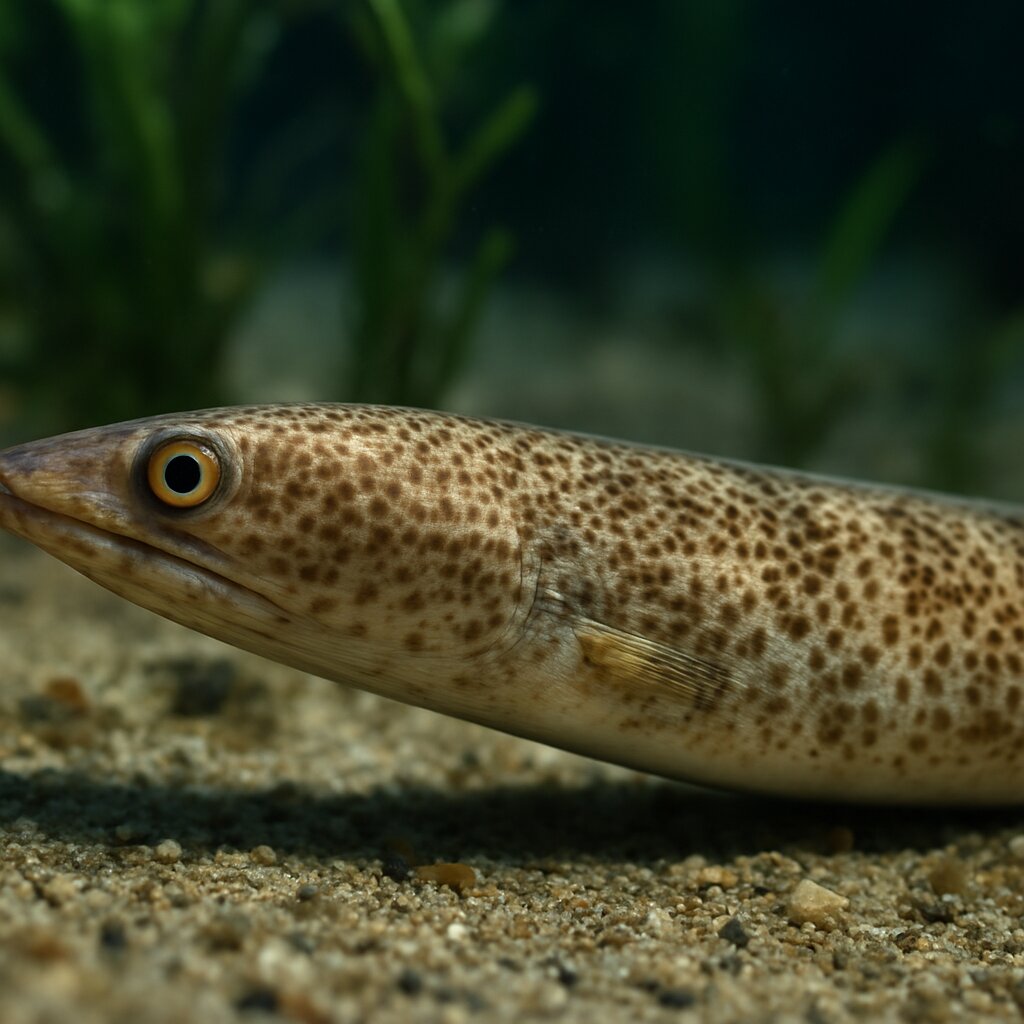
Evermann's snake eel exhibits a long, slender body with a pale yellow-brown coloration and distinctive dark speckles along its sides.
This page includes AI-generated images. Why am I seeing AI images?
About the Evermann's snake eel
A long, snake-like burrower that spends most of its time hidden in sand or mud with just the head peeking out, waiting to ambush snacks. It gets big and is a total escape artist, so it needs a deep sand bed and a rock-solid lid if anyone ever tries it in a tank.
Also known as
Quick Facts
Size
148 cm TL
Temperament
Semi-aggressive
Difficulty
Expert
Min Tank Size
180 gallons
Lifespan
10-20 years (estimated; species-specific data limited)
Origin
Indo-West Pacific
Diet
Carnivore - fish, crustaceans, cephalopods
Water Parameters
23-29°C
8.1-8.4
80-110 dGH
Need a heater for this species?
This species needs 23-29°C in a 180 gallon tank. Use our heater calculator to find the right wattage.
Calculate heater sizeCare Notes
- Plan big: this snake eel can exceed 24 inches, so think 180+ gallons with a 6 ft footprint and a 4-6 inch bed of fine sand for burrowing; set rocks on the glass before sand so it can't collapse your scape.
- Seal the tank like Fort Knox - cover every gap in the lid, overflow teeth, and powerhead intakes with mesh; if a pencil fits, the eel fits.
- Run 1.024-1.026 SG, 75-78 F, pH 8.1-8.4, with 0 ammonia/nitrite and nitrate under 20 ppm; strong surface agitation or an airstone helps keep oxygen up for this burrower.
- Feed at dusk with tongs right at the burrow entrance: start with live ghost shrimp or saltwater prawns to get it going, then switch to thawed chunks of shrimp, squid, or fish every 2-3 days.
- Skip ornamental shrimp, crabs, and any fish it can fit in its mouth; choose larger, calm tankmates that won't bully it or outcompete it (tangs, rabbitfish, bigger wrasses), and don't worry about pairing because breeding in home tanks isn't happening.
- Quarantine new arrivals and avoid copper on the eel - they are scaleless and react badly; use observation and non-copper treatments instead, and medicate in a separate tank if needed.
- Move it with a large PVC tube and give a similar tube partly buried as a starter burrow; never net it, and keep lights low for the first few days to reduce stress.
- Watch for weight loss or regurgitation: if it refuses food, double-check water quality, try smaller prey or live offerings, and avoid stuffing huge meals.
Compatibility
Good Tankmates
- Bigger midwater cruisers like tangs and rabbitfish that ignore the sandbed and are way too big to be a snack
- Chunky, confident angels (Genicanthus, Pomacanthus) that dont nip and wont mess with a burrow
- Halichoeres-type wrasses that are active but not nippy; they leave the eel alone
- Squirrelfish and soldierfish that hang in caves and keep to themselves at night
- Adult hawkfish that perch and watch the world, not small enough to fit in the eels mouth
Avoid
- Tiny or slender fish that look like snacks: gobies, firefish, dartfish, little blennies
- Nippy bruisers like triggers and big puffers that bite long bodies and faces
- Slow, delicate swimmers with flowy fins like seahorses and pipefish
- Ambush predators like anglers/frogfish that can inhale the eel or bait it into a bad move
Where they come from
Evermann's snake eel (Ophichthus lithinus) is an Indo-Pacific burrower. You find them on sandy and muddy bottoms from coastal shallows out onto soft-sediment reefs. By day they sit buried with just a head poking out, and at night they cruise for crustaceans and small fish.
Setting up their tank
Escape artist alert: if there is a gap, they will find it. Cover every opening, overflow teeth, and cable hole. Weight the lid or clip it down.
Plan for an adult length of 24-36 inches. They are slim but long, so footprint and substrate matter more than flashy rock scapes.
- Tank size: 125 gallons is a realistic minimum for a single adult. Bigger is kinder, especially for a deep sandbed.
- Substrate: 4-8 inches of fine, rounded sand (sugar-fine aragonite). Skip crushed coral; it scrapes their skin.
- Burrow support: Half-bury a few lengths of 1.5-2 inch PVC under the sand. They will use them as starter tunnels and it prevents cave-ins.
- Rockwork: Build on the glass or on PVC risers, then add sand. You do not want rock settling onto a buried eel.
- Flow and oxygen: Moderate flow up top, gentle at the bottom so the sand stays put. Run strong aeration/skimming because tight lids cut gas exchange.
- Parameters: 1.023-1.026 SG, 76-80 F (24-27 C), pH 8.0-8.4, stable salinity. Keep nitrate reasonable; they are hardy to nutrients but hate swings.
- Lighting: They prefer dimmer tanks. If you keep bright reef lights, leave shaded zones and a long dusk period.
Quarantine gently. A bare QT stresses them. Use a food-safe tub of fine sand or a sand-filled container plus a short PVC pipe so they can hide. Keep the lid tight there too.
Avoid copper-based meds. Eels are scaleless and react badly. If you must medicate, research eel-safe options and dose conservatively.
What to feed them
They hunt by smell, not sight. Expect some stubbornness at first. Start with movement and scent, then wean to prepared foods.
- Good starters: live ghost/grass shrimp, small crabs, or live marine-sourced fish (if you can source clean).
- Frozen options: silversides, lancefish, raw table shrimp, squid strips, scallop, krill. Vary it so they do not get stuck on one item.
- Tools: use a long feeding stick or tongs. Wiggle the food near their burrow entrance after lights out.
- Supplements: soak foods in a marine vitamin/HUFA mix a couple times a week. Avoid freshwater feeders like goldfish or rosy reds (thiaminase and disease).
- Schedule: juveniles every other day; adults 2-3 times a week. Big meals are tempting, but steady moderate feedings keep their weight right.
If they ignore food, dim the room, cut the pumps for 5-10 minutes, and offer from just outside the burrow. The smell plus still water helps the penny drop.
How they behave and who they get along with
Mostly you will see a curious head with beady eyes. They are nocturnal, calm, and all about their burrow. They are not reef-safe with crustaceans, but they do not bother corals.
- Good tankmates: medium-large fish that do not live on the sand and will not bully them. Think tangs, larger wrasses, rabbitfish, and big angels.
- Borderline: boisterous triggers and puffers. Some leave them alone; others nip at exposed heads. Watch closely.
- Avoid: small fish that sleep on the sand (they can become a midnight snack), shrimp and crabs (will be hunted), other burrowing eels unless the tank is huge. Morays can view them as competition.
- Territory: they claim a patch of sand. Give them a couple of burrow choices and they will settle faster.
Do not hand-feed. They strike fast and have a strong grip. Use tongs and keep fingers away from the burrow entrance.
Breeding tips
Not something you can do at home. Like other true eels, they have a leptocephalus larval stage that drifts in the plankton. No captive spawnings or rearing successes for this species in hobby tanks as far as I know.
Common problems to watch for
- Escapes: the number one killer. Tape, mesh, and foam every gap. Check after any maintenance.
- Refusing food: new arrivals often fast a week or two. Try live crustaceans, feed at night, and reduce foot traffic near the tank. Once they take, slowly switch to frozen.
- Mouth abrasions: rough substrate or chasing food into rock can scrape them up. Use fine sand and feed near the burrow mouth.
- Rock collapses: always place rock before sand. If something shifts, fix it immediately.
- Medication sensitivity: avoid copper and harsh formalin dips. If disease hits, move them to an eel-friendly hospital setup.
- Internal parasites: wild eels sometimes come in with them. A vet-prescribed dewormer mixed into food is the cleanest route; do not shotgun meds in the display.
- Poor oxygen: tight lids and warm water drop O2. Run a skimmer or add an airstone in the sump, and keep surface agitation up.
- Misidentification: many snake eels are sold generically. Double-check adult size and pattern so you are not surprised by a 3-foot sand noodle.
Moving one? Skip nets. Herd the eel head-first into a rigid tube or a fish bag underwater, seal it, and keep it submerged while you guide it. Much less stress and no tangled mesh.
Similar Species
Other marine semi-aggressive species you might be interested in.
Aleutian skate
Bathyraja aleutica
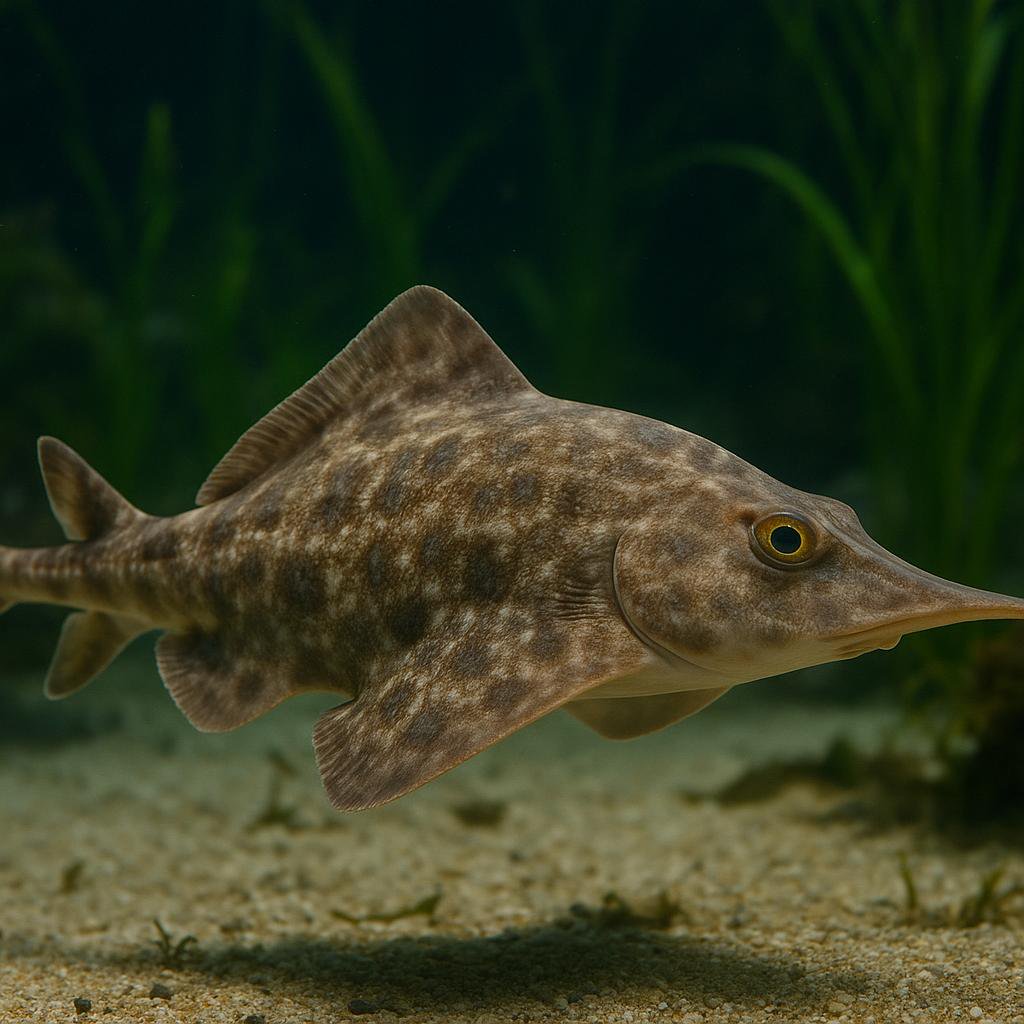
This is a big, cold-water deep-slope skate from the North Pacific that cruises muddy bottoms and eats chunky benthic prey like crabs and shrimp. The really cool bit is its egg-laying skate life - it does distinct pairing (the classic skate "embrace") and drops those tough egg cases on the seafloor. Not an aquarium fish at all unless you're basically running a public-aquarium-style chilled system.
Antarctic dragonfish
Vomeridens infuscipinnis
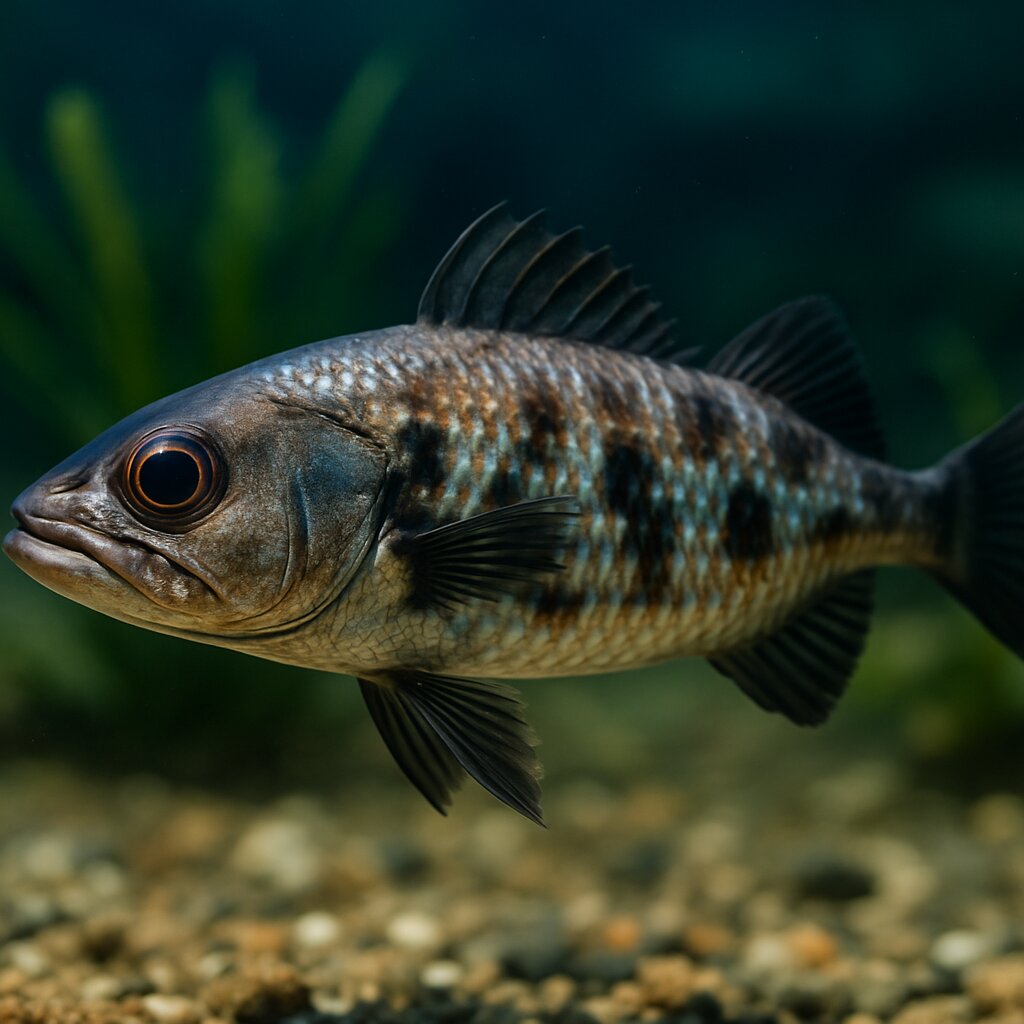
Deep down around Antarctica, this sleek dragonfish cruises the water column like a little submarine, nearly neutrally buoyant so it can hover above the seafloor. It munches almost exclusively on Antarctic krill and lives in near-freezing water 500-800 m down, so it is a cool species to read about, not one for home tanks.
Arabian spiny eel
Notacanthus indicus
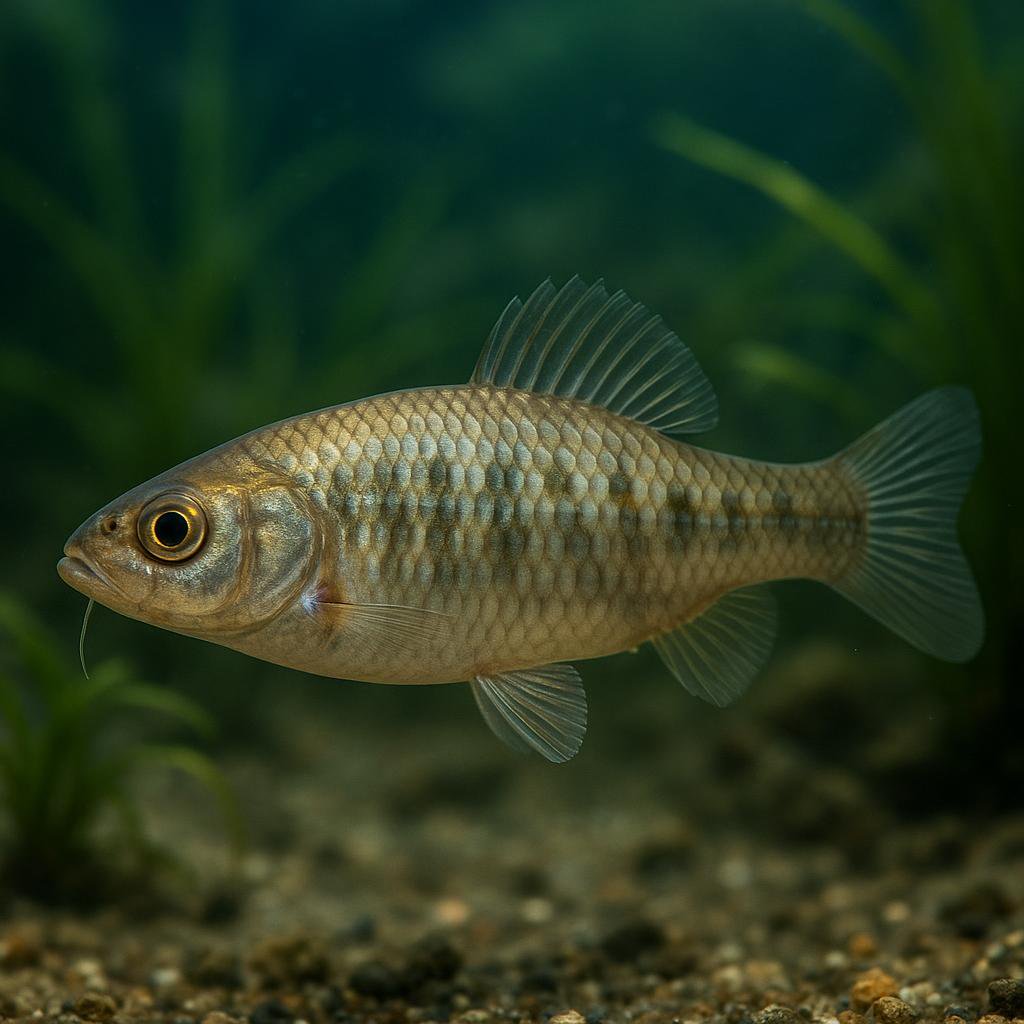
Notacanthus indicus is a deep-sea spiny eel (family Notacanthidae; not a true eel) known from the Arabian Sea on the continental slope at roughly ~960–1,046 m depth, with reported maximum length around 20 cm TL; it is a deep-water bycatch species and not established in the aquarium trade.
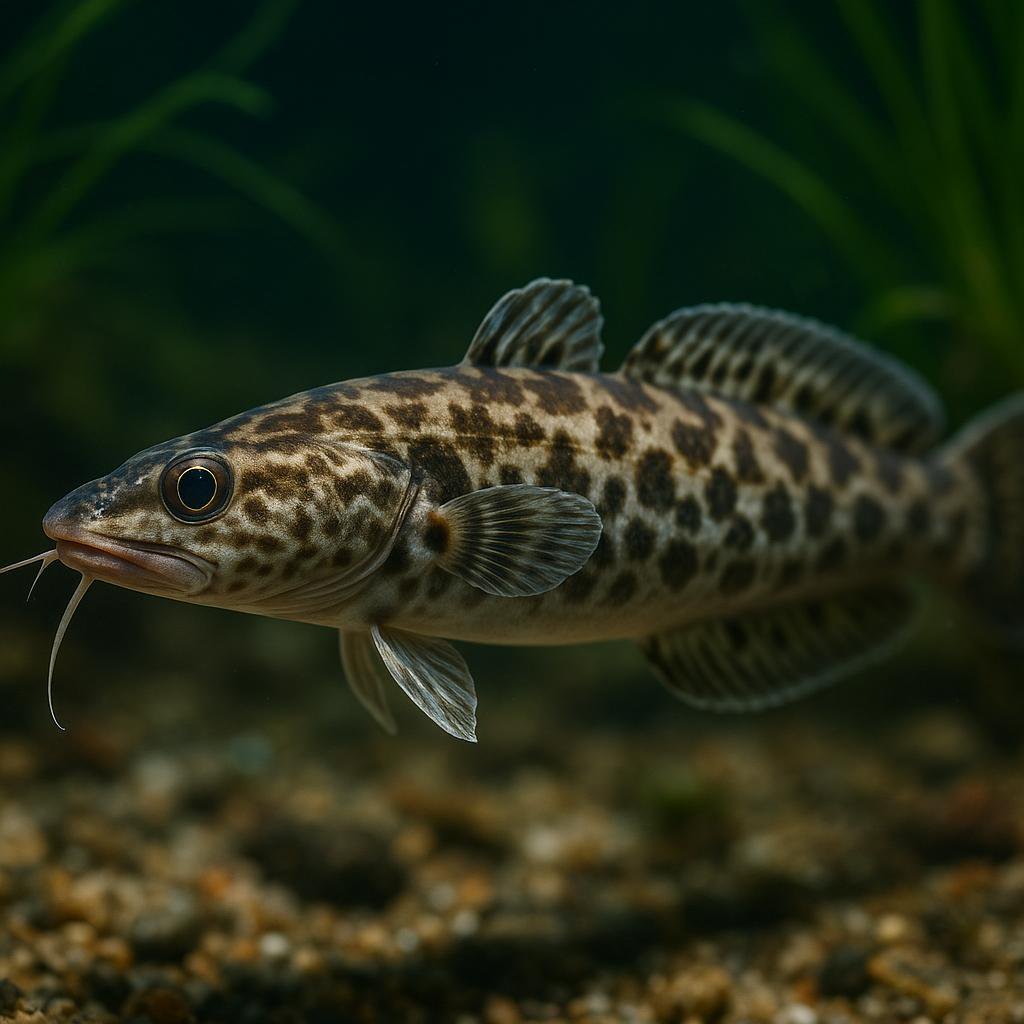
Arctic rockling
Gaidropsarus argentatus
This is a deepwater North Atlantic rockling (a cod relative) that hangs out on soft bottoms way down the slope. It is a cold-water, bottom-hugging predator that snoots around for crustaceans and will also take small fish when it gets the chance.
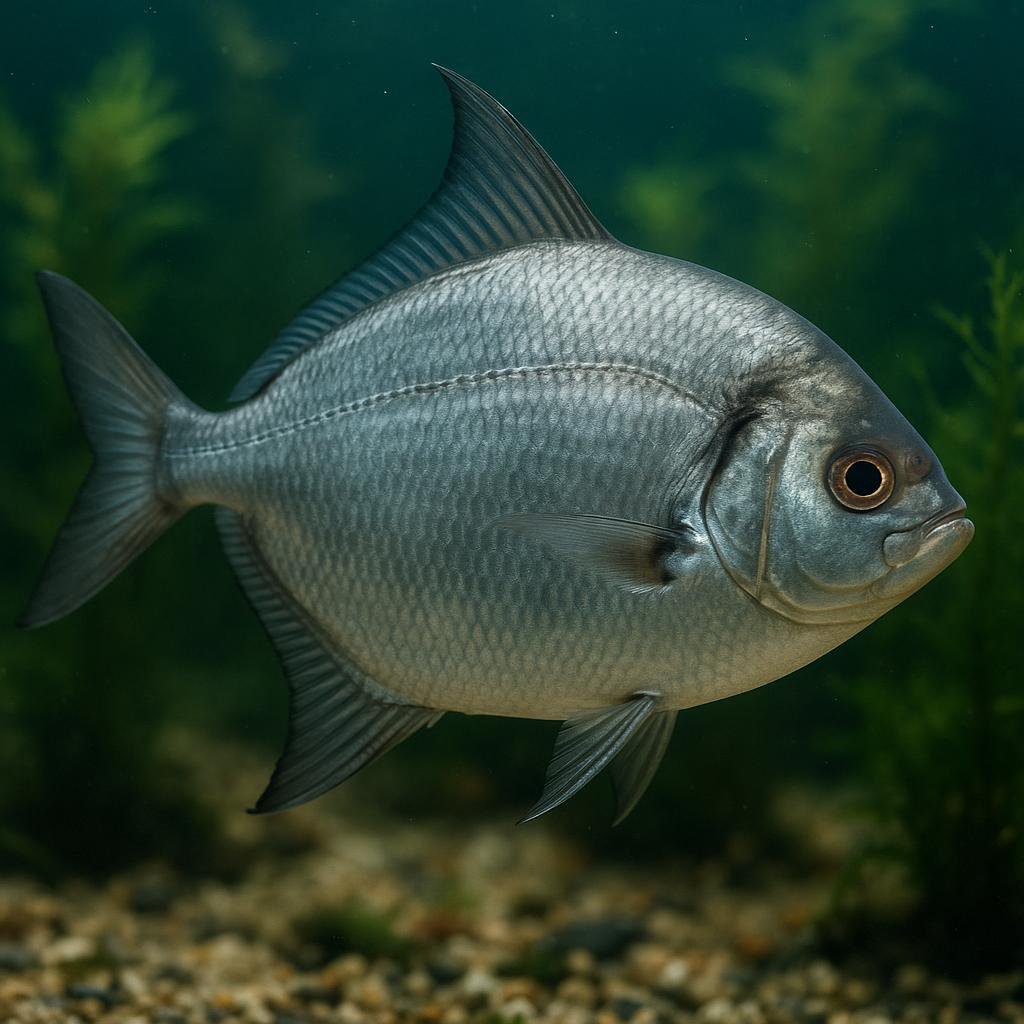
Atlantic pomfret
Brama brama
Brama brama is the Atlantic pomfret (aka Ray's bream) - a deep-bodied, open-ocean pelagic fish that cruises around in small schools and follows water temps. It is a legit big, wild marine species (not an aquarium fish) that eats other small sea critters like fish and squid, and it ranges across a huge chunk of the Atlantic plus parts of the Indian and South Pacific.
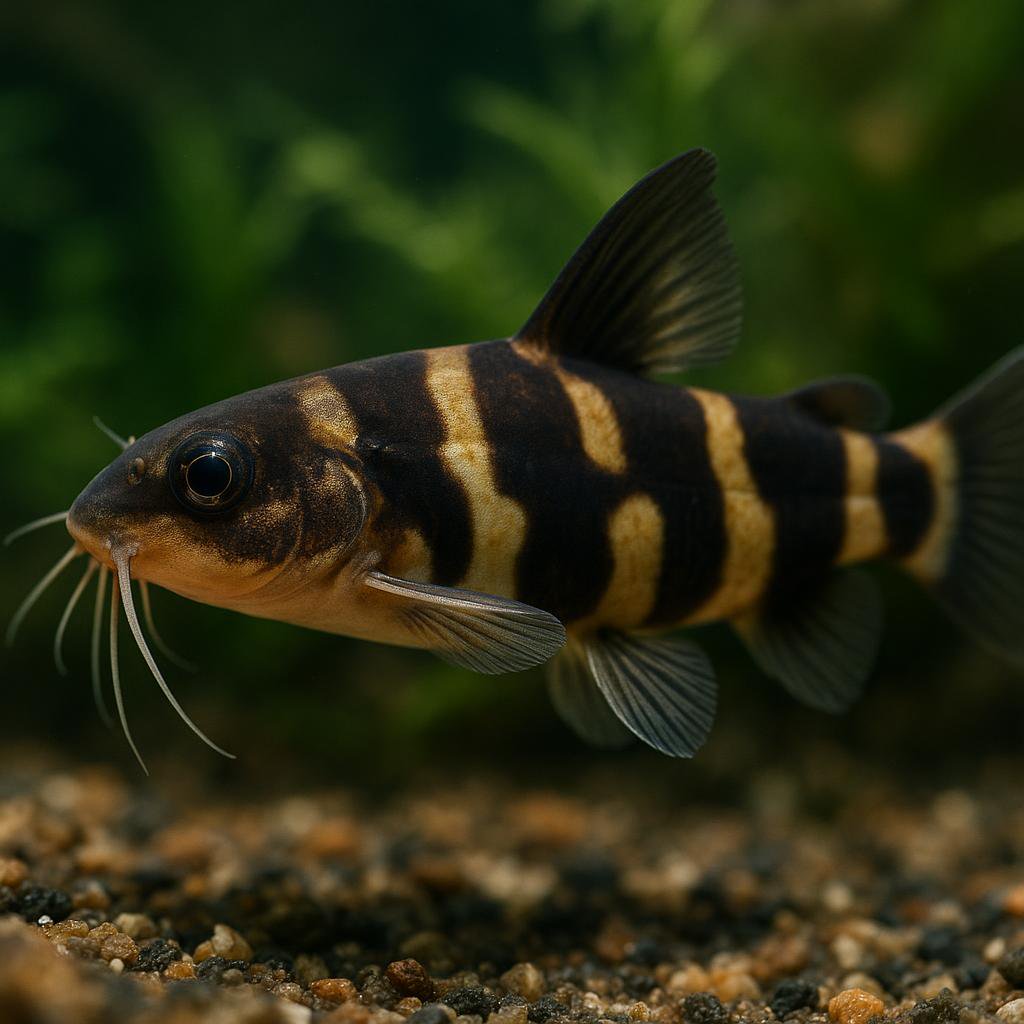
Australian sawtail catshark
Figaro boardmani
Figaro boardmani is a small, deepwater Australian catshark with these cool saw-like ridges of spiny denticles along the tail and a neat pattern of dark saddle bands. It lives way down on the outer continental shelf and slope, so its natural water is cold, dim, and stable - totally not a typical home-aquarium fish. Diet-wise its a predator that goes after fish, crustaceans, and cephalopods.
More to Explore
Discover more marine species.
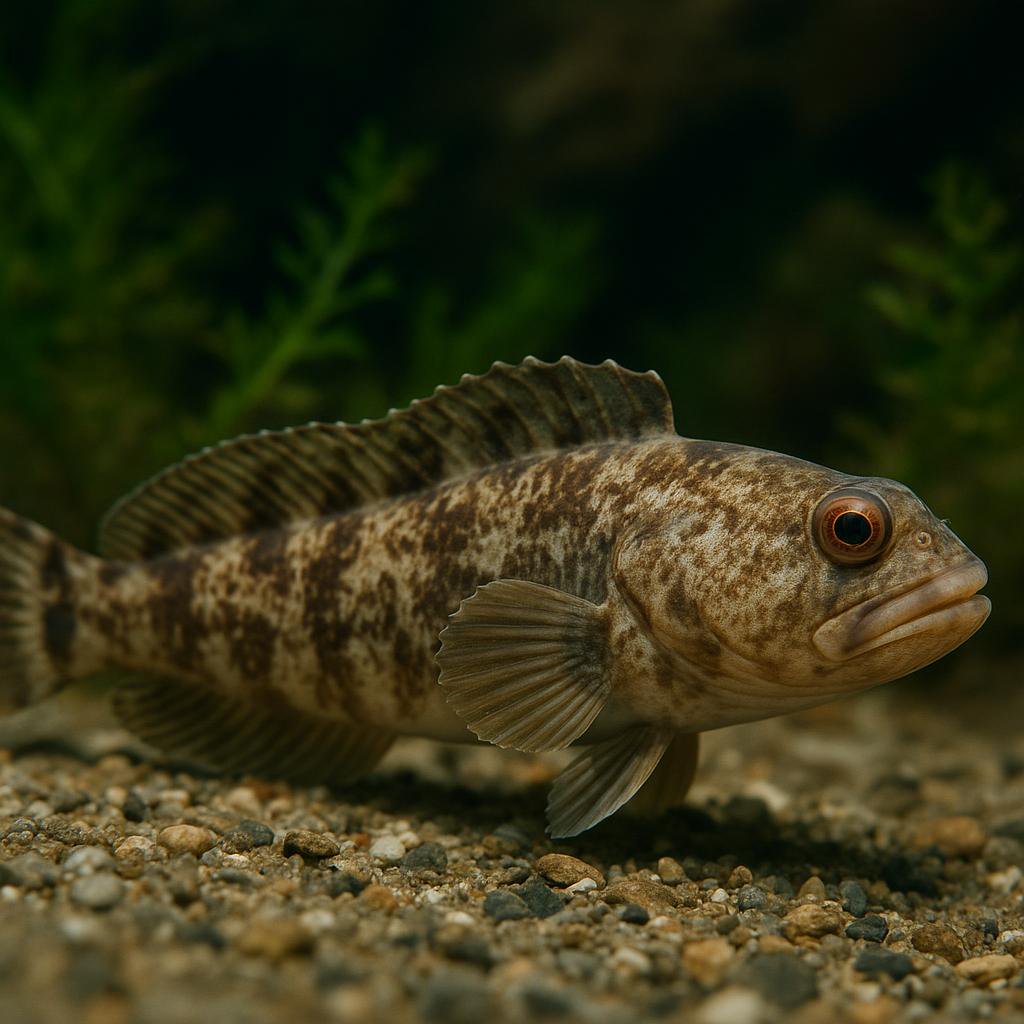
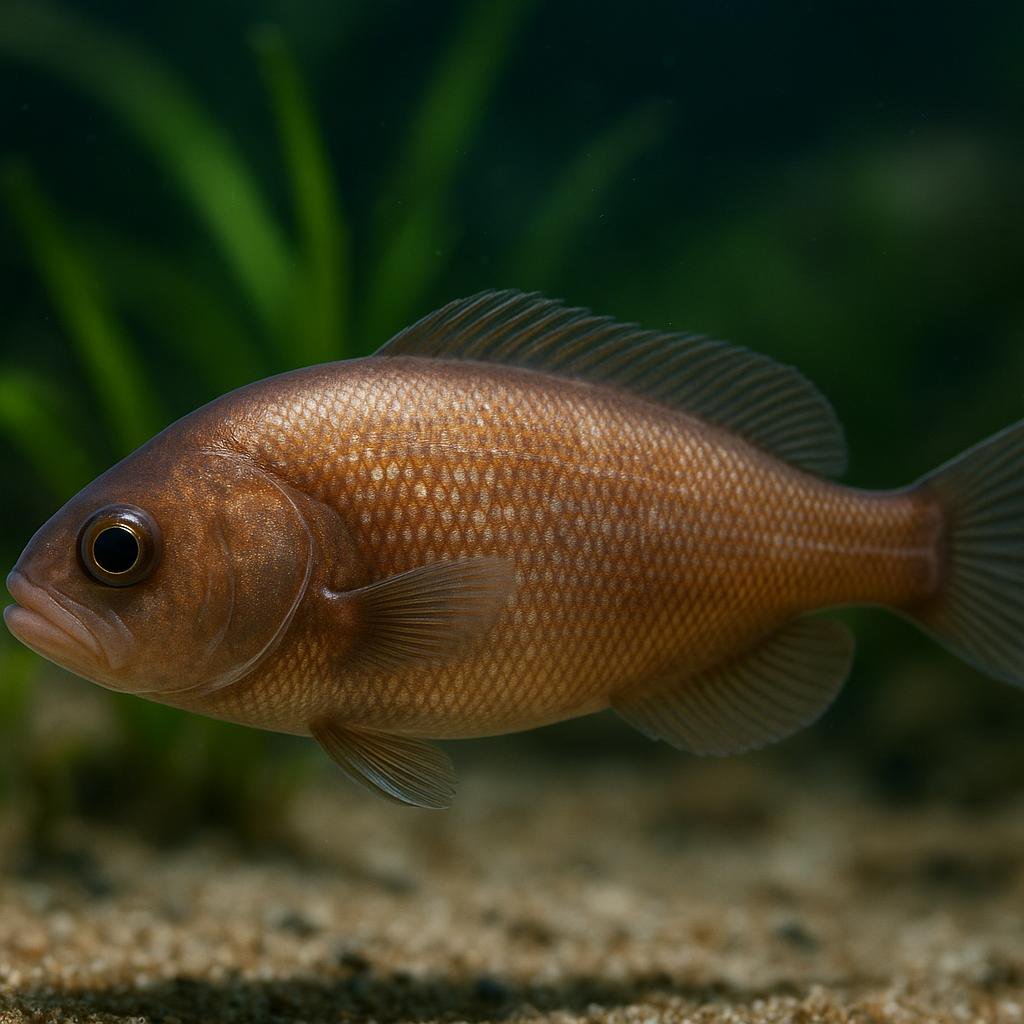
Abe's eelpout
Japonolycodes abei
Japonolycodes abei is a temperate, deepwater demersal eelpout (family Zoarcidae) endemic to Japan (Kumano-nada Sea reported; other sources also report Sagami Bay and Tosa Bay). It is the only species in the genus Japonolycodes and occurs roughly 40-300 m depth, making it an uncommon/atypical aquarium species.
Affinis blind cusk-eel
Barathronus affinis
Barathronus affinis is a tiny, super-weird deep-sea blind cusk-eel from the western-central Indian Ocean. It is one of those gelatinous, loose-skinned brotula-type fishes that live way down in the dark and are basically never seen alive, so almost everything we know comes from preserved specimens and taxonomic work.
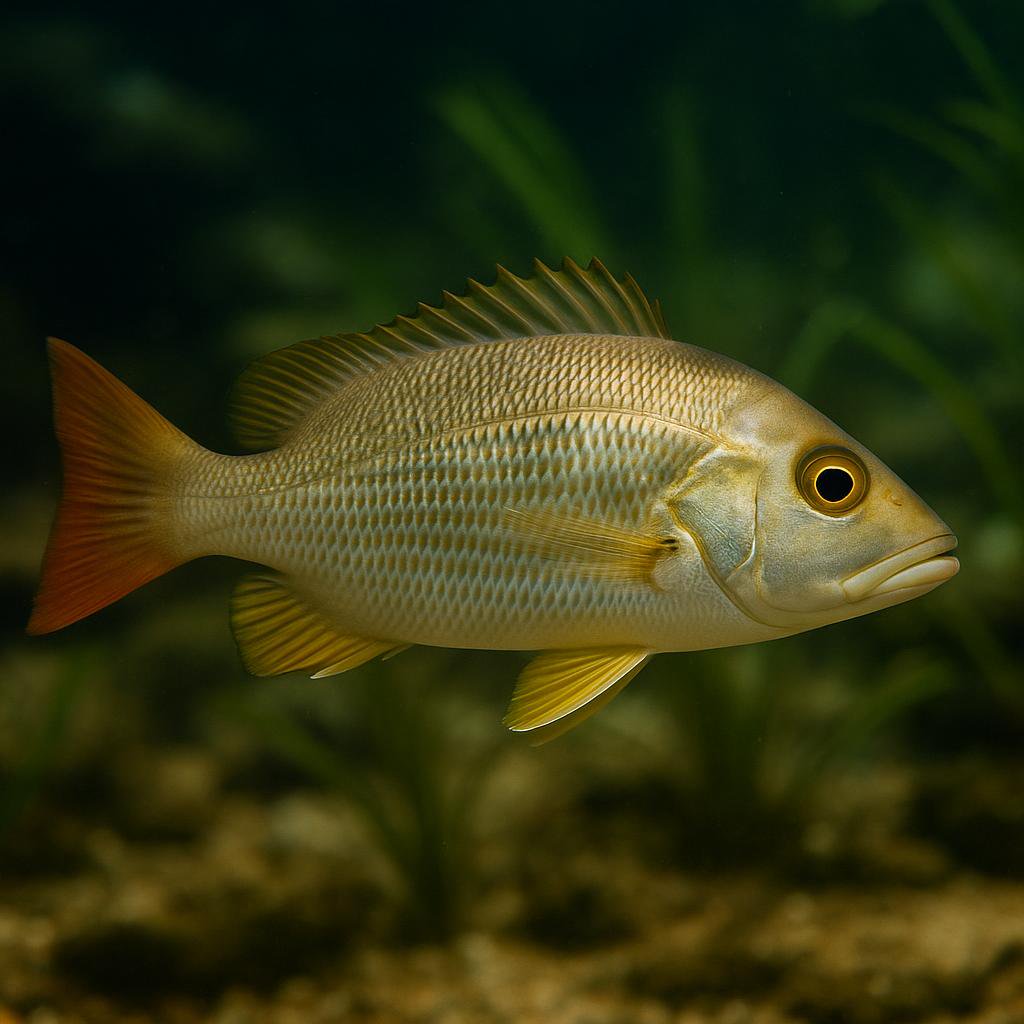
African red snapper
Lutjanus agennes
This is a true snapper from West Africa - a big, fast-growing predator that goes from coastal reefs to brackish lagoons and estuaries (especially as a juvenile). Super cool fish in the wild, but it gets absolutely huge and will eat smaller tankmates once it has the mouth for it, so its really more of a public-aquarium scale animal than a home-aquarium fish.
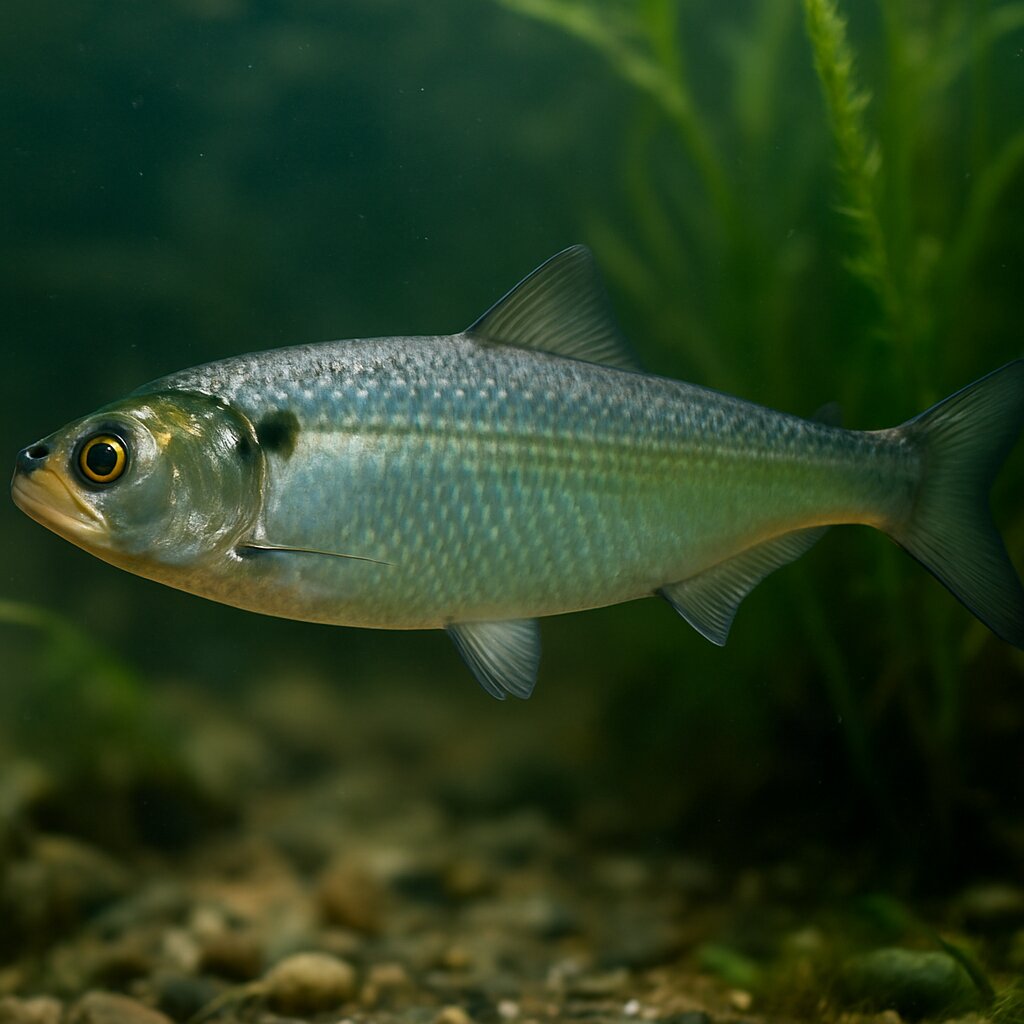
Allis shad
Alosa alosa
Gorgeous silver, fast-swimming shad that spends most of its life in the sea and then surges up big rivers in noisy, surface-spawning schools. It grows huge for a herring-type fish and needs cool, ultra-oxygenated water and tons of open space, so it is a public-aquarium species rather than a home tank fish.
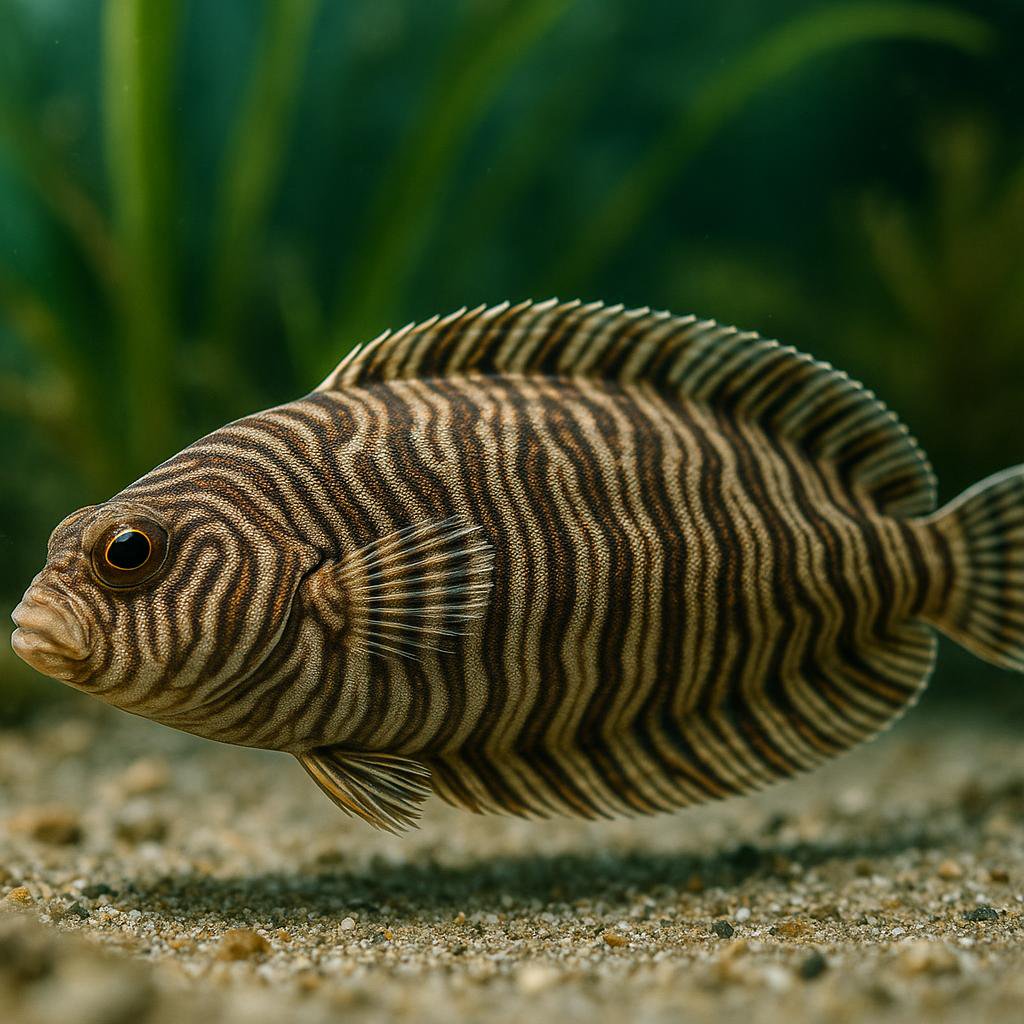
Annandale's zebra sole
Zebrias annandalei
Zebrias annandalei is a small demersal sole from coastal India that inhabits sandy or muddy bottoms and buries for camouflage. It is rarely kept in home aquaria and would require a specialized marine sand-bottom setup and appropriate feeding.
Banded stargazer
Kathetostoma binigrasella
This is a New Zealand stargazer that lives half-buried in sand or mud with its eyes pointed up, waiting to rocket upward and nail passing prey. It has those neat dark saddle-bands across the back (especially as a juvenile), and like other stargazers it is venomous with spines near the gill cover/pectoral area - definitely a look-dont-touch fish.
Looking for other species?