

Barred knifejaw
Oplegnathus fasciatus
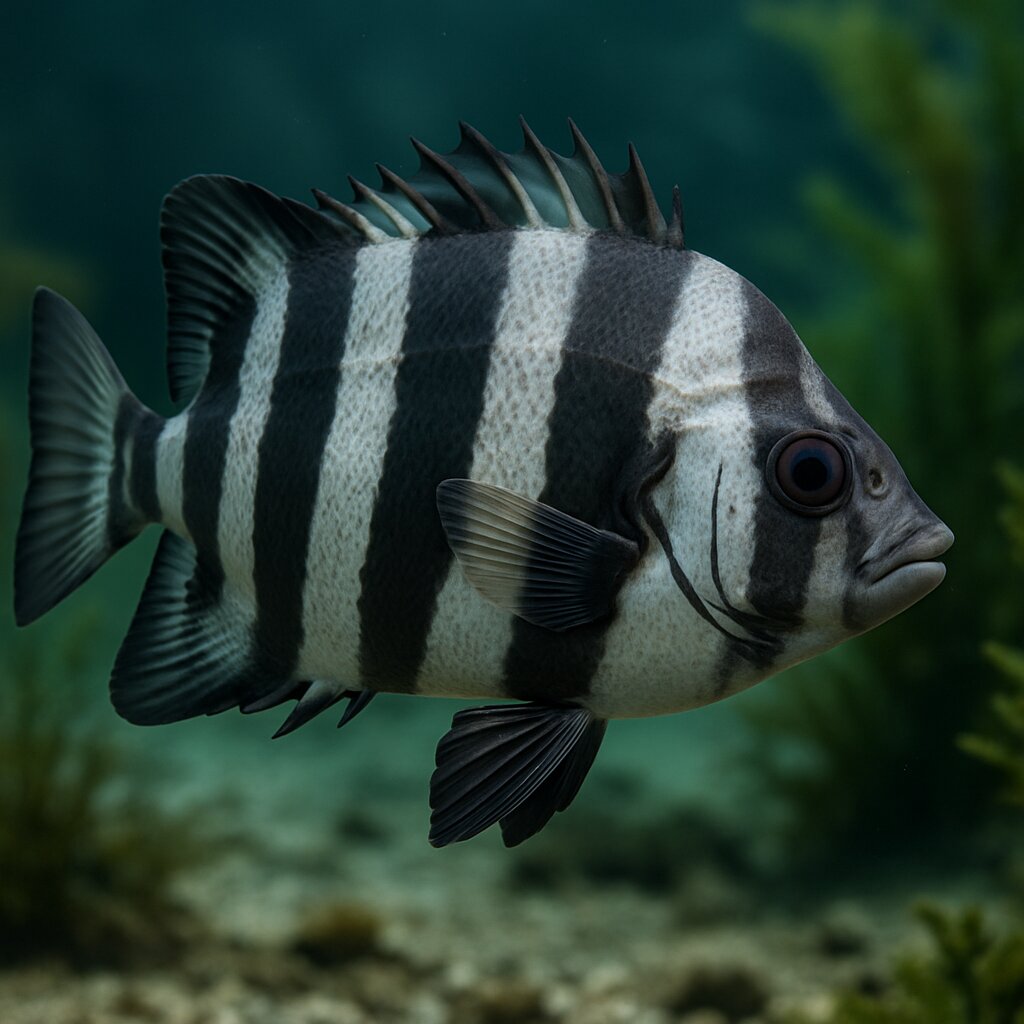
The Barred knifejaw exhibits a distinctive pattern of alternating dark and light stripes across its body, complemented by a robust, laterally compressed shape.
This page includes AI-generated images. Why am I seeing AI images?
About the Barred knifejaw
Big, bold black-and-white bars and a parrot-like beak make this fish a total showstopper. Juveniles drift with rafts of seaweed, then settle onto rocky reefs where that fused "beak" crunches crabs, shellfish, and urchins. It gets huge, is not reef safe, and really belongs in a very large, fish-only marine system.
Also known as
Quick Facts
Size
80 cm (31 inches)
Temperament
Semi-aggressive
Difficulty
Advanced
Min Tank Size
300 gallons
Lifespan
10-20 years
Origin
Northwest Pacific (East Asia)
Diet
Omnivore - hard-shelled invertebrates (molluscs, crustaceans, sea urchins) and algae; accept meaty marine foods and nori in captivity
Water Parameters
16-25°C
8-8.4
300-400 dGH
Need a heater for this species?
This species needs 16-25°C in a 300 gallon tank. Use our heater calculator to find the right wattage.
Calculate heater sizeCare Notes
- Plan on 300+ gallons with an 8-foot footprint; they get big, cruise a lot, and will bulldoze rock.
- Run a chiller and strong flow/oxygenation; keep 68-72 F (62-75 F short-term), SG 1.024-1.026, pH 8.1-8.4, and nitrate under ~20 ppm.
- Feed hard, shelly foods daily to wear the beak: clam or mussel on the half shell, crab legs, whole shrimp with shell, plus nori and macroalgae.
- Juveniles need 2-3 small meals a day; adults do fine on 1-2 hearty feeds, and vitamin-soak a few meals each week.
- Not reef safe at all; they will mow snails, urchins, crabs, and pick at corals.
- Tankmates should be large and robust but not psycho: big tangs, large wrasses, tough angels; skip triggers and anything that targets lips or fins.
- QT for 4-6 weeks at cooler temps; flukes are common, so use praziquantel and consider a 3-5 minute freshwater dip if you see flashing or excess mucus.
- Build heavy, locked-in rock piles with open swim lanes and use a tight lid; they ram decor and juveniles can jump.
- Breeding at home basically does not happen; they are pelagic spawners and need seasonal cues and huge space.
- Red flags: fast gilling or surface-hanging in warm water, beak overgrowth, or torn lips; cool the tank, boost aeration, do big water changes, and offer more hard foods.
Compatibility
Good Tankmates
- Big, steady tangs like Naso, Vlamingi, or chocolate tangs - similar speed and tough enough in a large tank
- Large angels with some backbone, like emperor, blueface, or French angels
- Foxface and other rabbitfish - peaceful but quick, and they mind their own business
- Planktivorous triggers that are usually well behaved, like bluejaw or sargassum triggers
- Harlequin tusk and other chunky wrasses or hogfish (big Halichoeres or Bodianus)
- Sturdy hawfish or larger, active butterflies like raccoon or pyramid in a mature tank
Avoid
- Hyper-aggressive or nippy triggers and big puffers, like clown, queen, Picasso triggers or porcupine puffers
- Big ambush predators that can swallow juveniles - groupers, large eels, or big snappers
- Slow, delicate fish that get stressed by pushy tankmates, like lionfish, mandarins, and seahorses
- Tiny or timid fish that will be outcompeted or picked at, like small gobies and firefish
Where they come from
Barred knifejaw are rocky-reef fish from the northwest Pacific: Japan, Korea, China, and Taiwan. Juveniles often drift long distances under mats of floating seaweed, which is why you sometimes hear about one showing up far from home. They are a cool-water marine fish, more temperate than tropical.
Target 18-22 C (64-72 F). A chiller is not optional for long-term success.
Setting up their tank
They get big and slow-growing, but they keep growing. Adults can reach 60-80 cm. Real talk: a public aquarium is the best long-term home. If you are set on keeping one as a hobbyist, plan for a very large, cool-water system and have a rehoming plan as it outgrows yours.
- Tank size and footprint: for a juvenile, think 400-500 gallons with at least an 8 x 3 ft footprint. For an adult, 700+ gallons or public aquarium scale.
- Chiller: sized for your total water volume with some headroom. Keep temps stable; big daily swings stress them.
- Flow and oxygen: high, rolling flow with multiple pumps; they like to cruise and the water should feel lively. Big skimmer and strong surface agitation.
- Aquascape: lots of open swimming space with sturdy rock ledges and tunnels. They wedge themselves in to sleep. Keep rock secure; they are strong.
- Lid: tight-fitting, no gaps. They spook hard during maintenance and can launch.
- Filtration: heavy biofiltration, strong export. They eat a lot and make a mess. Oversize the skimmer and use a large refugium or other nutrient export.
- Lighting: moderate. They are not picky about light, but avoid sudden on-off shocks. Ramp lights up and down.
- Water parameters: salinity 1.025-1.026, pH 8.1-8.4, ammonia/nitrite 0, nitrate kept low with regular water changes.
They smash their snouts if startled. Use a dark background, reduce reflections on end panels, and give them time to settle before you start fussing in the tank.
What to feed them
In the wild they crush barnacles, mollusks, urchins, crustaceans, and pick at algae. That beak needs real work, or it overgrows. Mine turned a corner once I leaned into hard-shelled foods.
- Staples: clams or mussels on the half shell, crab legs, shrimp with shell on, cockles, and the occasional raw snail. Offer pieces sized so they can bite and break.
- Greens: sheets of nori clipped to a rock, strips of blanched kelp, and edible macroalgae (ulva, gracilaria).
- Prepared foods: large sinking marine pellets and high-quality gel foods. Mix them in after the fish is eating well.
- Feeding routine: juveniles 2-3 small meals daily; large individuals 1-2 hearty feeds. Pull leftovers within an hour.
- Vitamins: soak foods in a marine vitamin mix a few times a week. Iodine and HUFA supplements help the skin and lateral line.
Start a new knifejaw on half-shell clams rubber-banded to a rock. Once it is smashing those, sneak pellets into the open clam. They usually accept pellets after a week or two.
Do not rely on soft foods only. Without hard items, the beak can overgrow and feeding becomes difficult.
How they behave and who they get along with
They cruise methodically, pick at rock, and sleep wedged in crevices. Juveniles are shy for a few weeks, then turn into confident pigs at feeding time. They are not reef safe. Expect them to sample corals, anemones, and most inverts.
- Best kept singly. Keeping multiples takes huge space and careful introductions.
- Tankmates: other large, cool-temperate fish with calm to moderate personalities. Think big wrasses or similar-sized temperate species that handle 18-22 C.
- Avoid: triggers that bully, large puffers that nip, hyper-aggressive groupers, and delicate tropical species that dislike cool water.
- Introductions: use an acclimation box or divider for a few days. Feed heavily during the first week to blunt territorial behavior.
Not reef safe. They will pull snails off glass like candy and test corals with that beak.
Breeding tips
Home breeding is basically a no-go. In the wild they spawn near rocky shores with a lot of space and surge. There is commercial aquaculture for food in parts of Asia, but that uses big flow-through systems and specialized diets for larvae. For the hobby, focus on long-term husbandry, not pairing.
Common problems to watch for
- Overheating: above ~23-24 C they go off food and breathe fast. Keep a reliable chiller and monitor temps.
- Beak overgrowth: shows up as a long, blunt bill and slow feeding. Add more hard-shelled foods; in severe cases a vet trim may be needed.
- Snout abrasion: from hitting glass when startled. Reduce reflections, keep lids tight, and move slowly in front of the tank.
- Parasites: flukes and other external parasites are common in wild-caught fish. Quarantine 4-6 weeks and treat as needed.
- Nutrient issues: heavy feeding can push nitrate and phosphate up. Stay on top of water changes and export, or you will fight algae and stressed fish.
- Lateral line erosion: shows up with poor water quality and vitamin-poor diets. Improve diet variety and water quality; it usually stabilizes.
Quarantine every knifejaw. They usually ship large and stressed. Give them quiet, dim light, lots of oxygen, and start with half-shell clams to get them eating. Once they are eating consistently, transition to the display.
Similar Species
Other marine semi-aggressive species you might be interested in.
Aleutian skate
Bathyraja aleutica
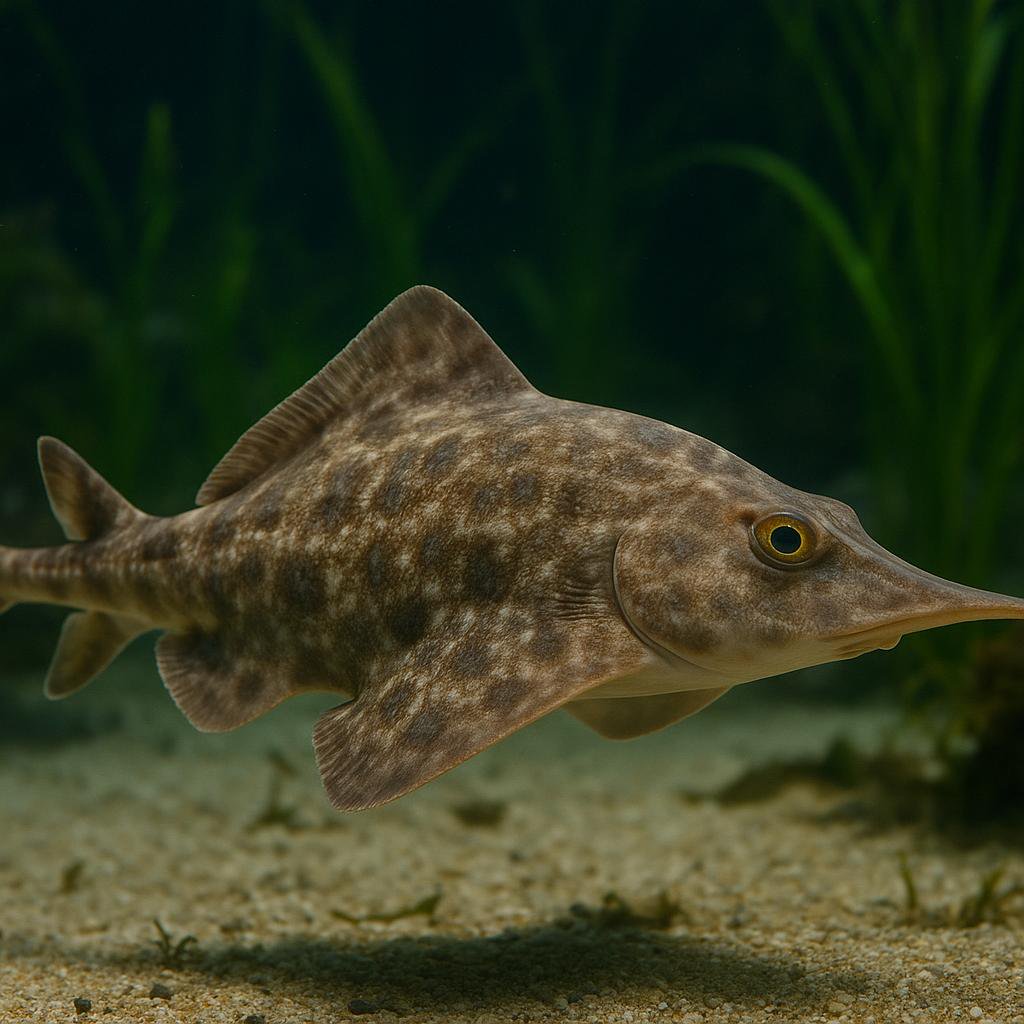
This is a big, cold-water deep-slope skate from the North Pacific that cruises muddy bottoms and eats chunky benthic prey like crabs and shrimp. The really cool bit is its egg-laying skate life - it does distinct pairing (the classic skate "embrace") and drops those tough egg cases on the seafloor. Not an aquarium fish at all unless you're basically running a public-aquarium-style chilled system.
Antarctic dragonfish
Vomeridens infuscipinnis
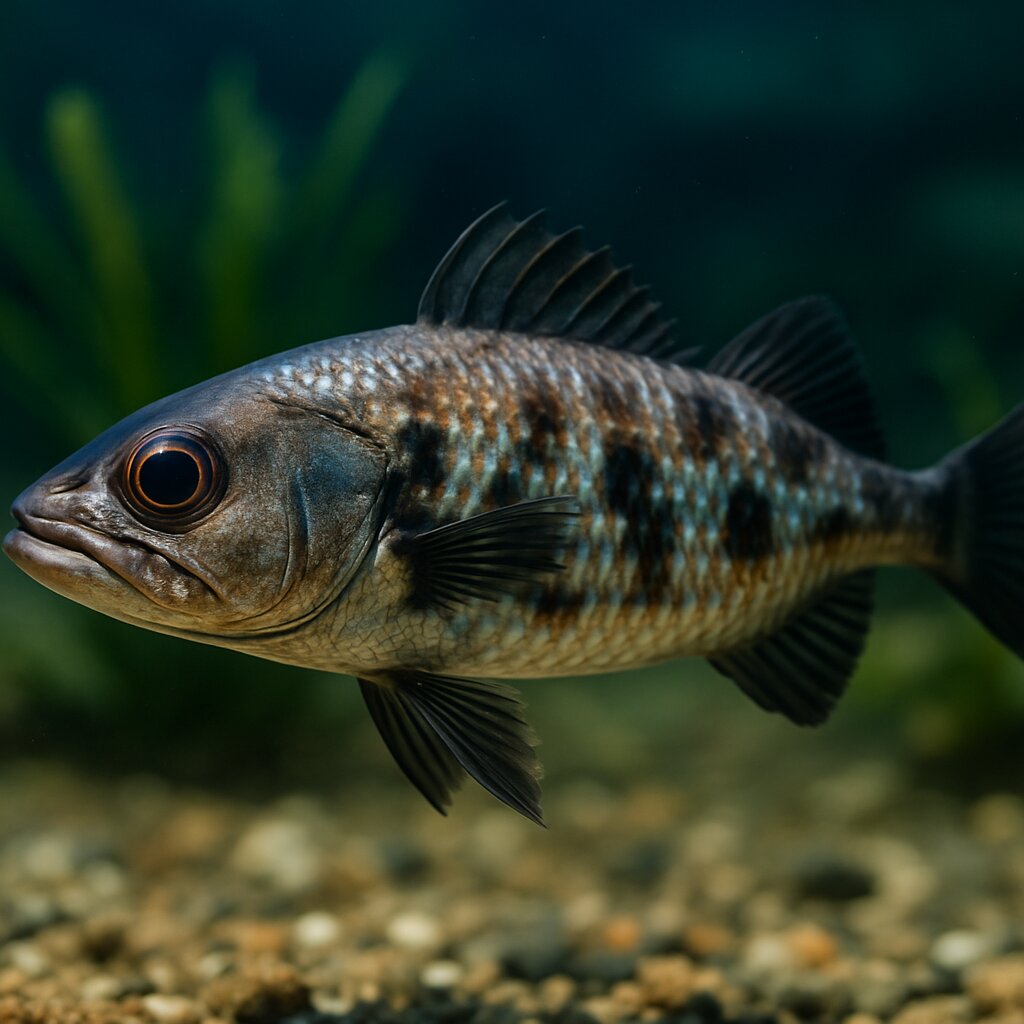
Deep down around Antarctica, this sleek dragonfish cruises the water column like a little submarine, nearly neutrally buoyant so it can hover above the seafloor. It munches almost exclusively on Antarctic krill and lives in near-freezing water 500-800 m down, so it is a cool species to read about, not one for home tanks.
Arabian spiny eel
Notacanthus indicus
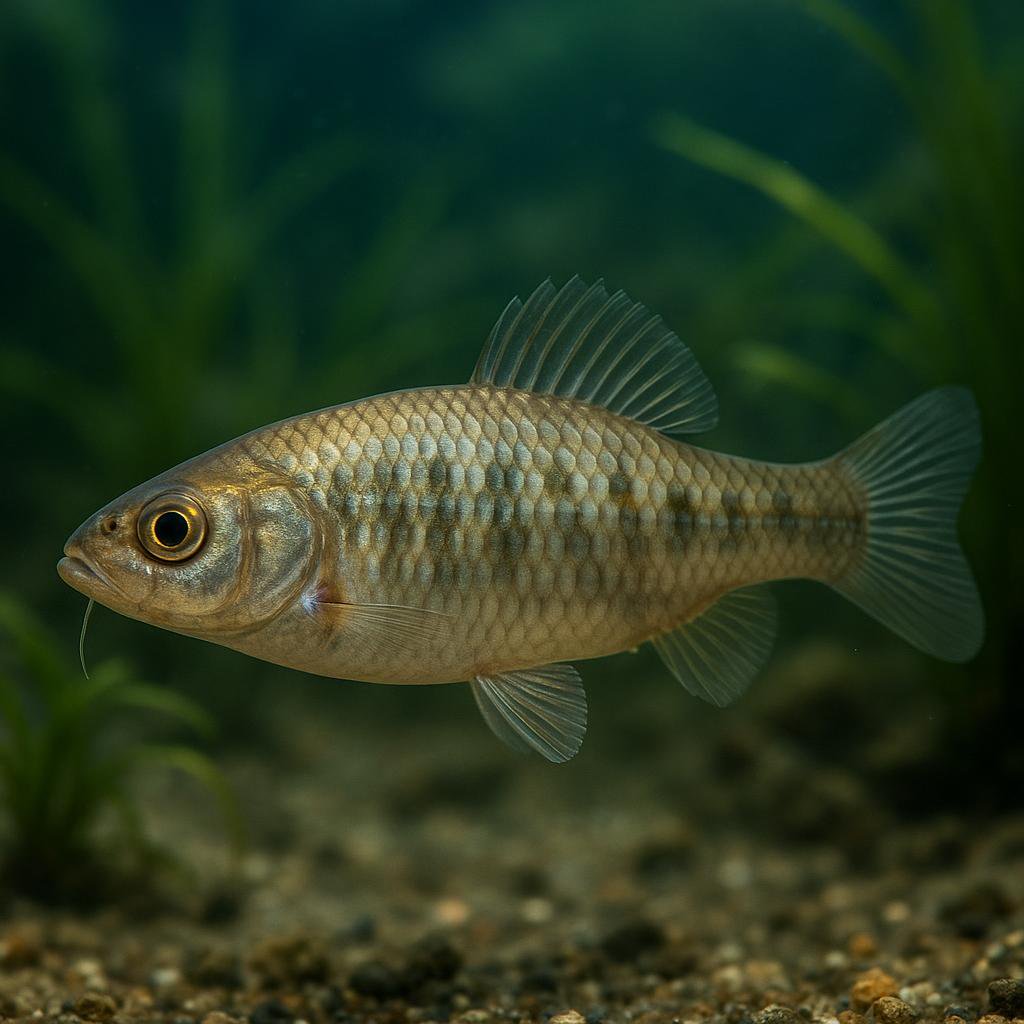
Notacanthus indicus is a deep-sea spiny eel (family Notacanthidae; not a true eel) known from the Arabian Sea on the continental slope at roughly ~960–1,046 m depth, with reported maximum length around 20 cm TL; it is a deep-water bycatch species and not established in the aquarium trade.
Arctic rockling
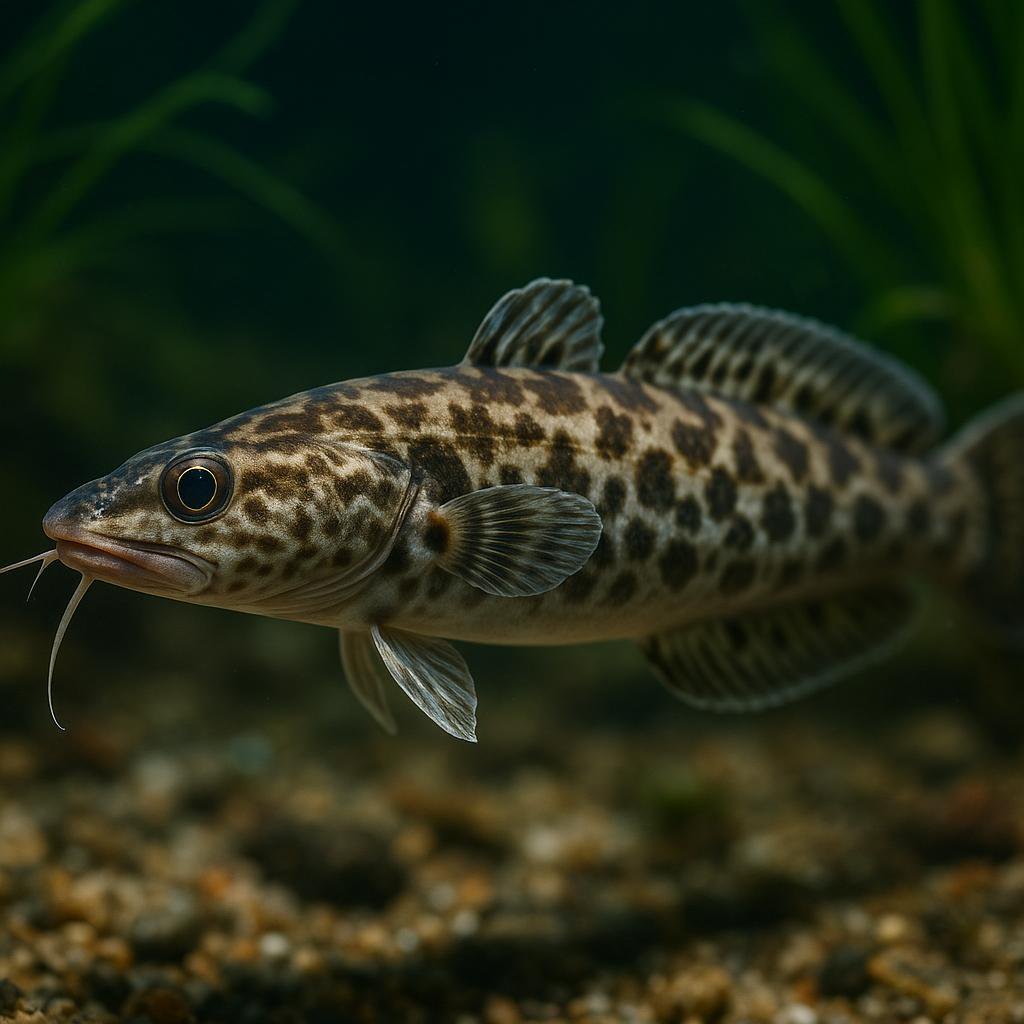
Gaidropsarus argentatus
This is a deepwater North Atlantic rockling (a cod relative) that hangs out on soft bottoms way down the slope. It is a cold-water, bottom-hugging predator that snoots around for crustaceans and will also take small fish when it gets the chance.
Atlantic pomfret
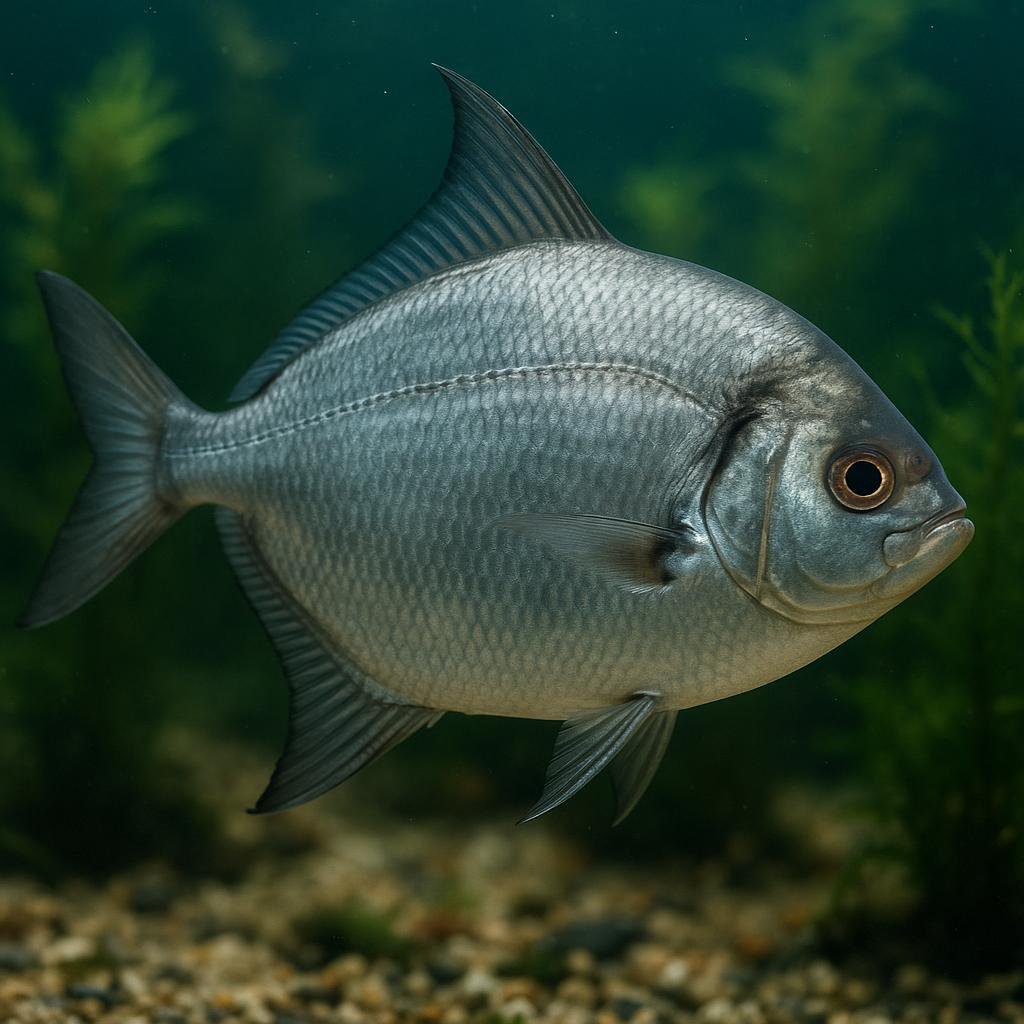
Brama brama
Brama brama is the Atlantic pomfret (aka Ray's bream) - a deep-bodied, open-ocean pelagic fish that cruises around in small schools and follows water temps. It is a legit big, wild marine species (not an aquarium fish) that eats other small sea critters like fish and squid, and it ranges across a huge chunk of the Atlantic plus parts of the Indian and South Pacific.
Australian sawtail catshark
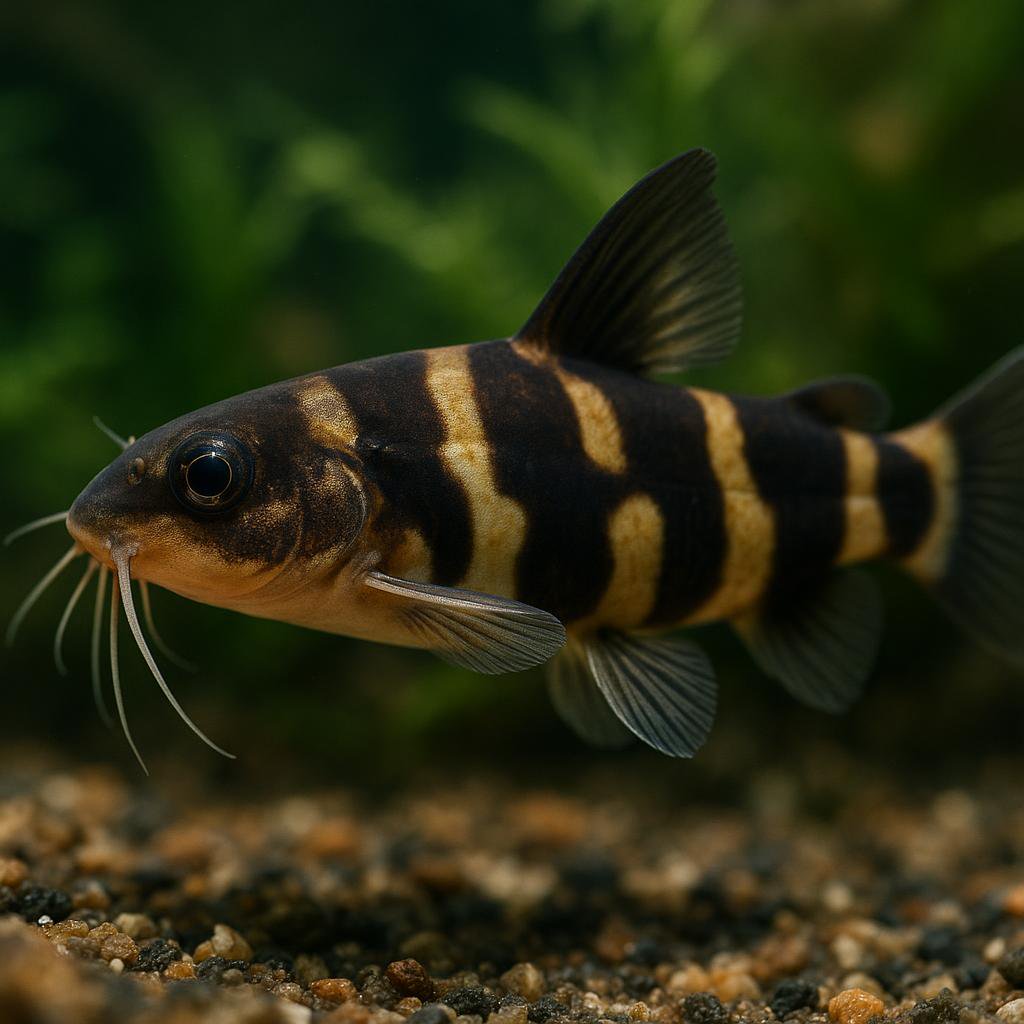
Figaro boardmani
Figaro boardmani is a small, deepwater Australian catshark with these cool saw-like ridges of spiny denticles along the tail and a neat pattern of dark saddle bands. It lives way down on the outer continental shelf and slope, so its natural water is cold, dim, and stable - totally not a typical home-aquarium fish. Diet-wise its a predator that goes after fish, crustaceans, and cephalopods.
More to Explore
Discover more marine species.
Abe's eelpout
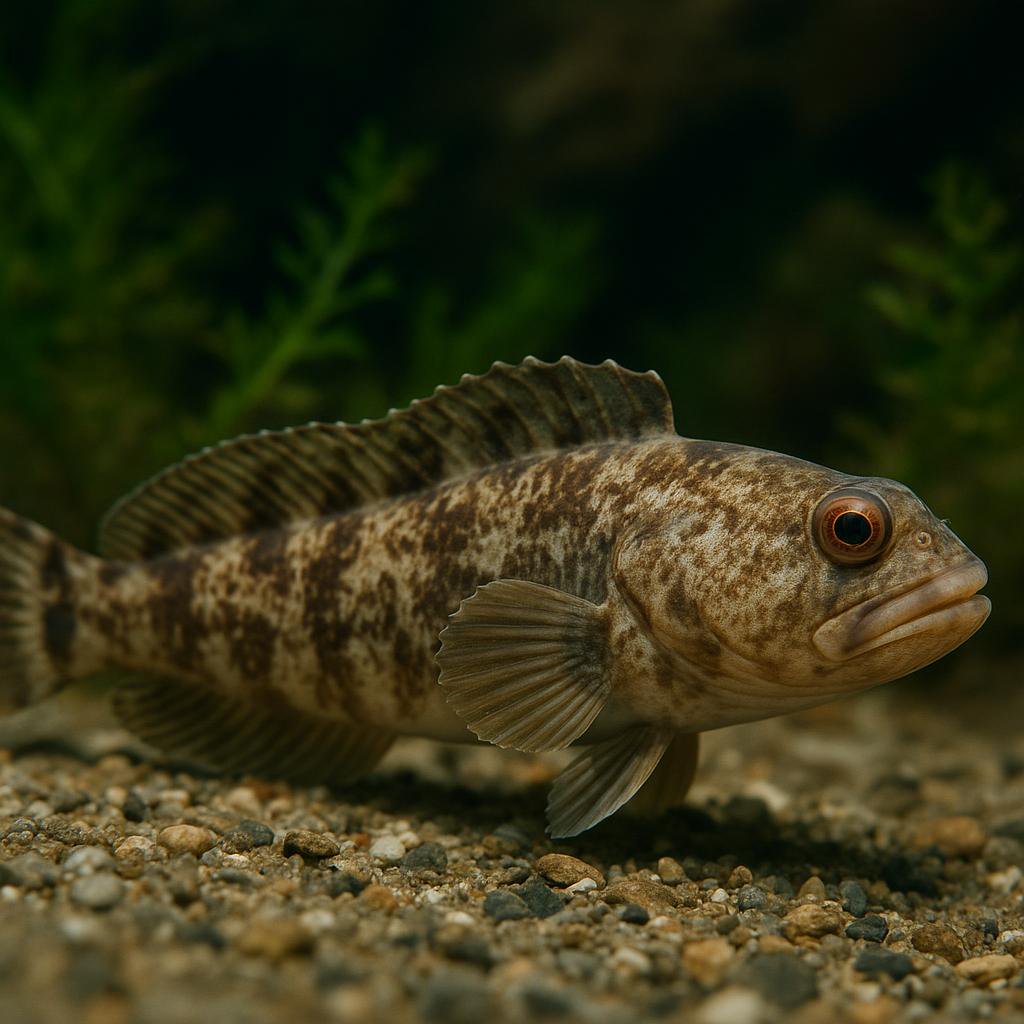
Japonolycodes abei
Japonolycodes abei is a temperate, deepwater demersal eelpout (family Zoarcidae) endemic to Japan (Kumano-nada Sea reported; other sources also report Sagami Bay and Tosa Bay). It is the only species in the genus Japonolycodes and occurs roughly 40-300 m depth, making it an uncommon/atypical aquarium species.
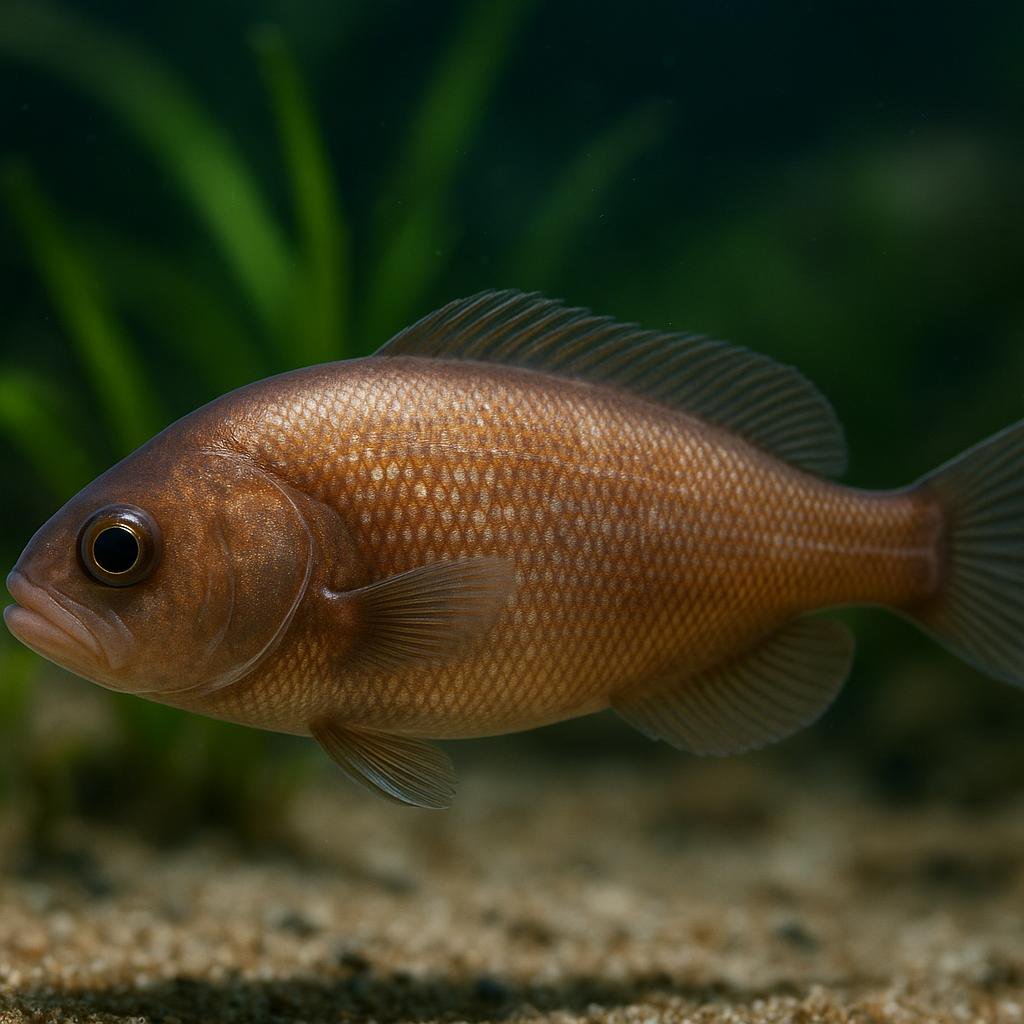
Affinis blind cusk-eel
Barathronus affinis
Barathronus affinis is a tiny, super-weird deep-sea blind cusk-eel from the western-central Indian Ocean. It is one of those gelatinous, loose-skinned brotula-type fishes that live way down in the dark and are basically never seen alive, so almost everything we know comes from preserved specimens and taxonomic work.
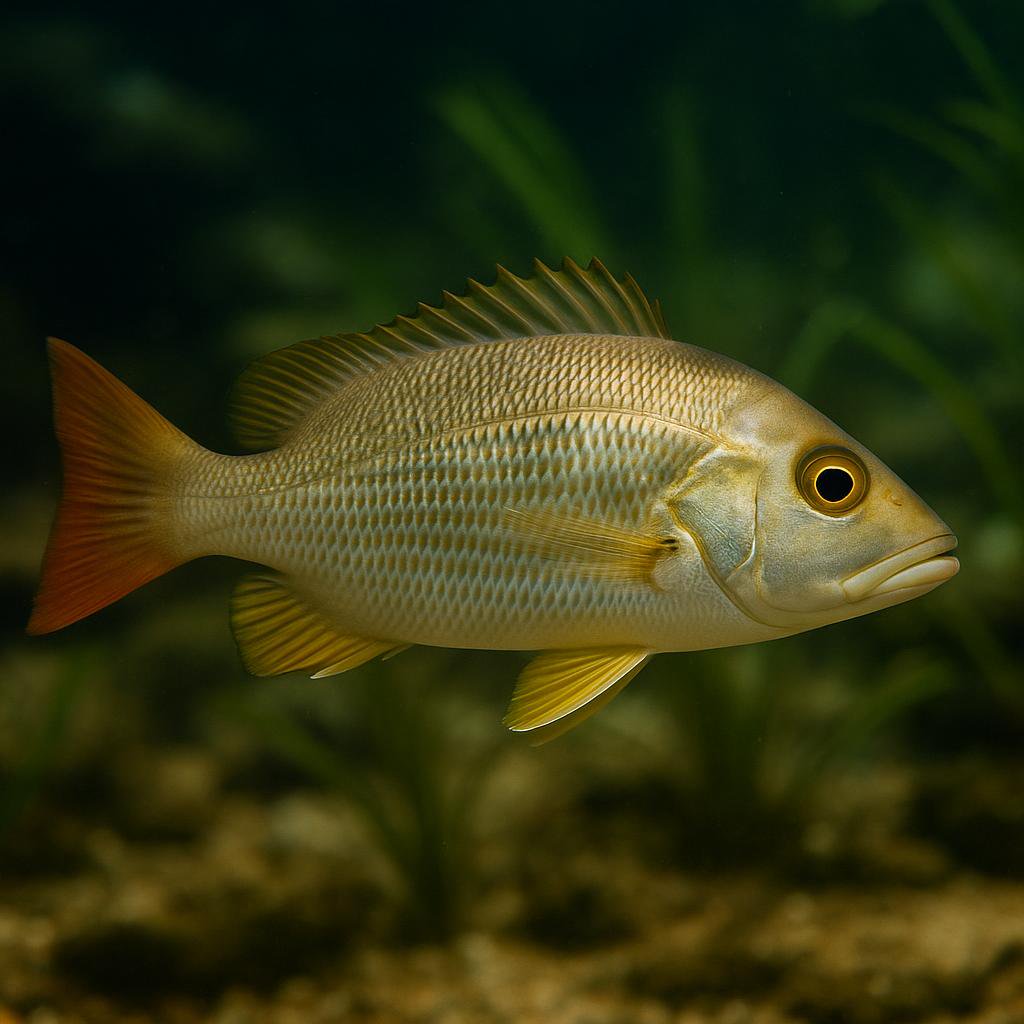
African red snapper
Lutjanus agennes
This is a true snapper from West Africa - a big, fast-growing predator that goes from coastal reefs to brackish lagoons and estuaries (especially as a juvenile). Super cool fish in the wild, but it gets absolutely huge and will eat smaller tankmates once it has the mouth for it, so its really more of a public-aquarium scale animal than a home-aquarium fish.
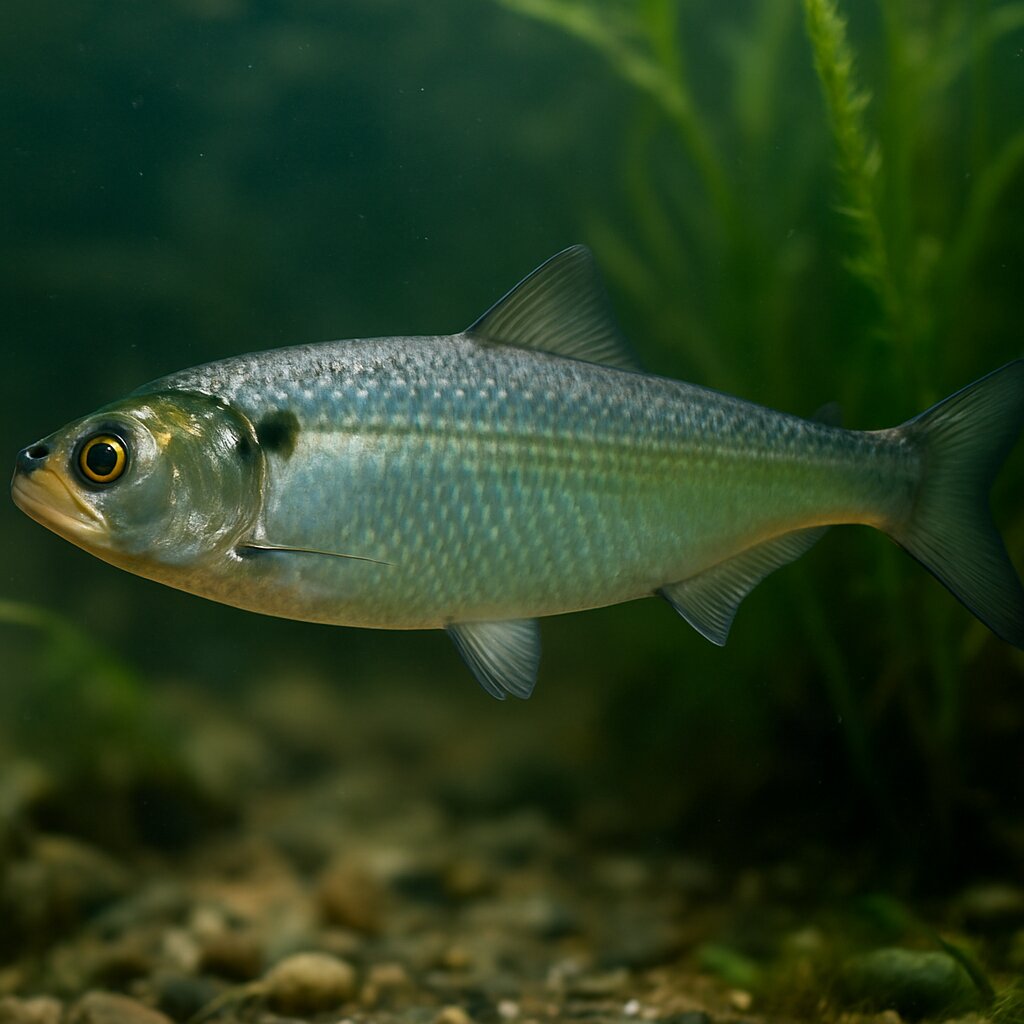
Allis shad
Alosa alosa
Gorgeous silver, fast-swimming shad that spends most of its life in the sea and then surges up big rivers in noisy, surface-spawning schools. It grows huge for a herring-type fish and needs cool, ultra-oxygenated water and tons of open space, so it is a public-aquarium species rather than a home tank fish.
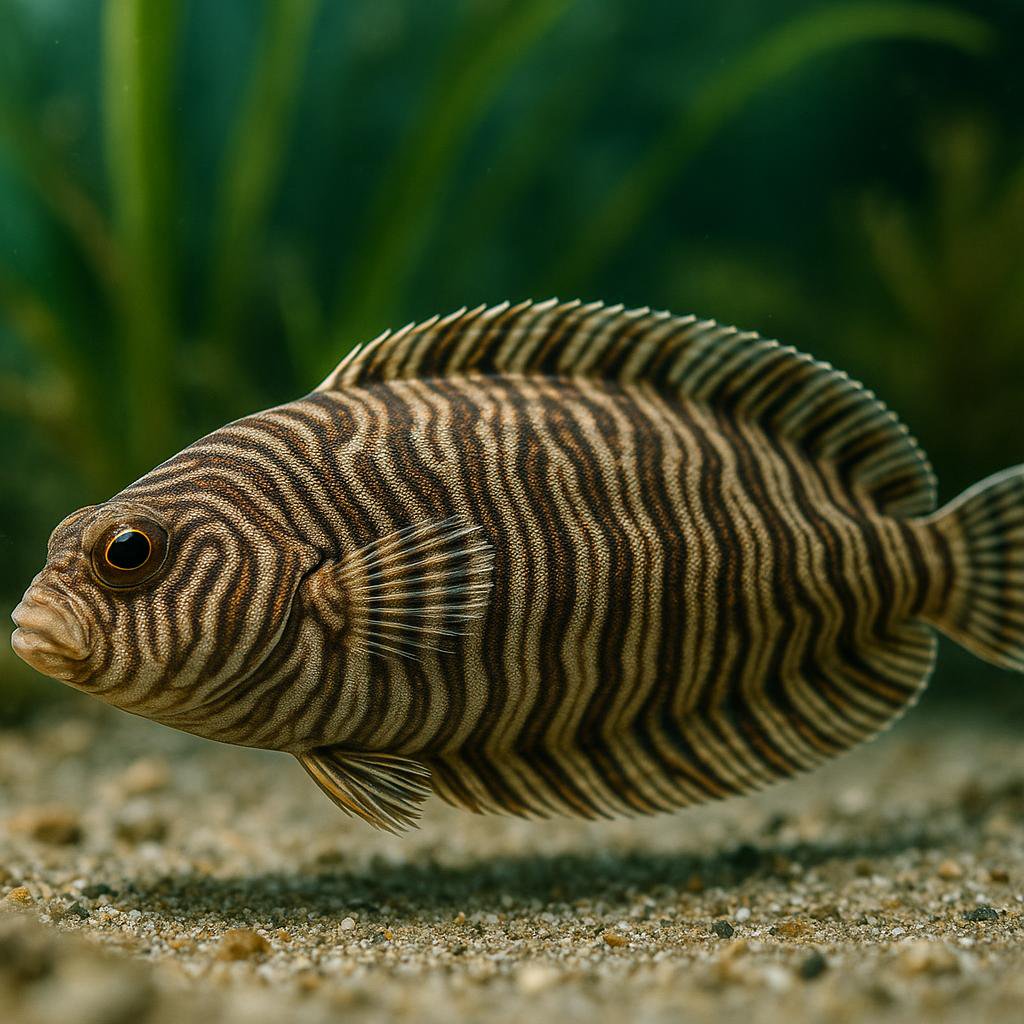
Annandale's zebra sole
Zebrias annandalei
Zebrias annandalei is a small demersal sole from coastal India that inhabits sandy or muddy bottoms and buries for camouflage. It is rarely kept in home aquaria and would require a specialized marine sand-bottom setup and appropriate feeding.
Banded stargazer
Kathetostoma binigrasella
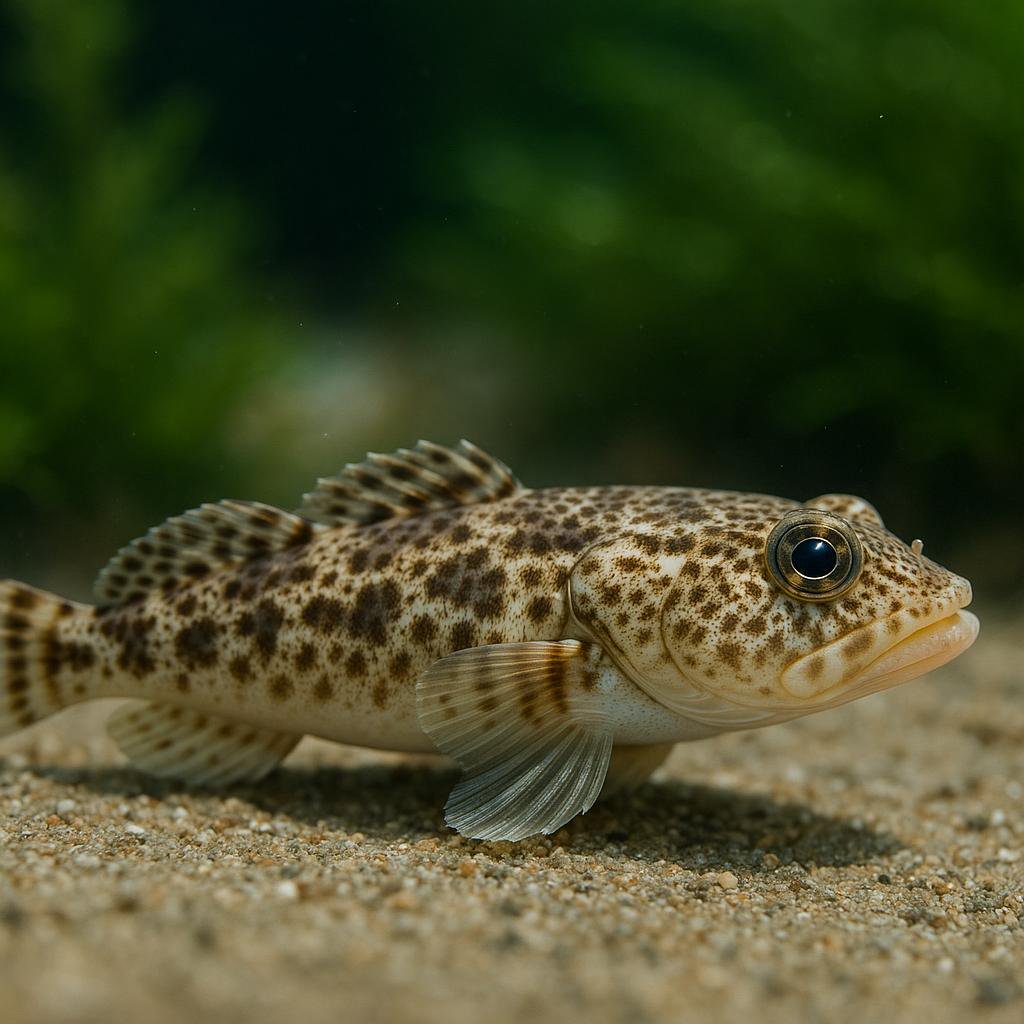
This is a New Zealand stargazer that lives half-buried in sand or mud with its eyes pointed up, waiting to rocket upward and nail passing prey. It has those neat dark saddle-bands across the back (especially as a juvenile), and like other stargazers it is venomous with spines near the gill cover/pectoral area - definitely a look-dont-touch fish.
Looking for other species?