

Redbanded seabream
Pagrus auriga
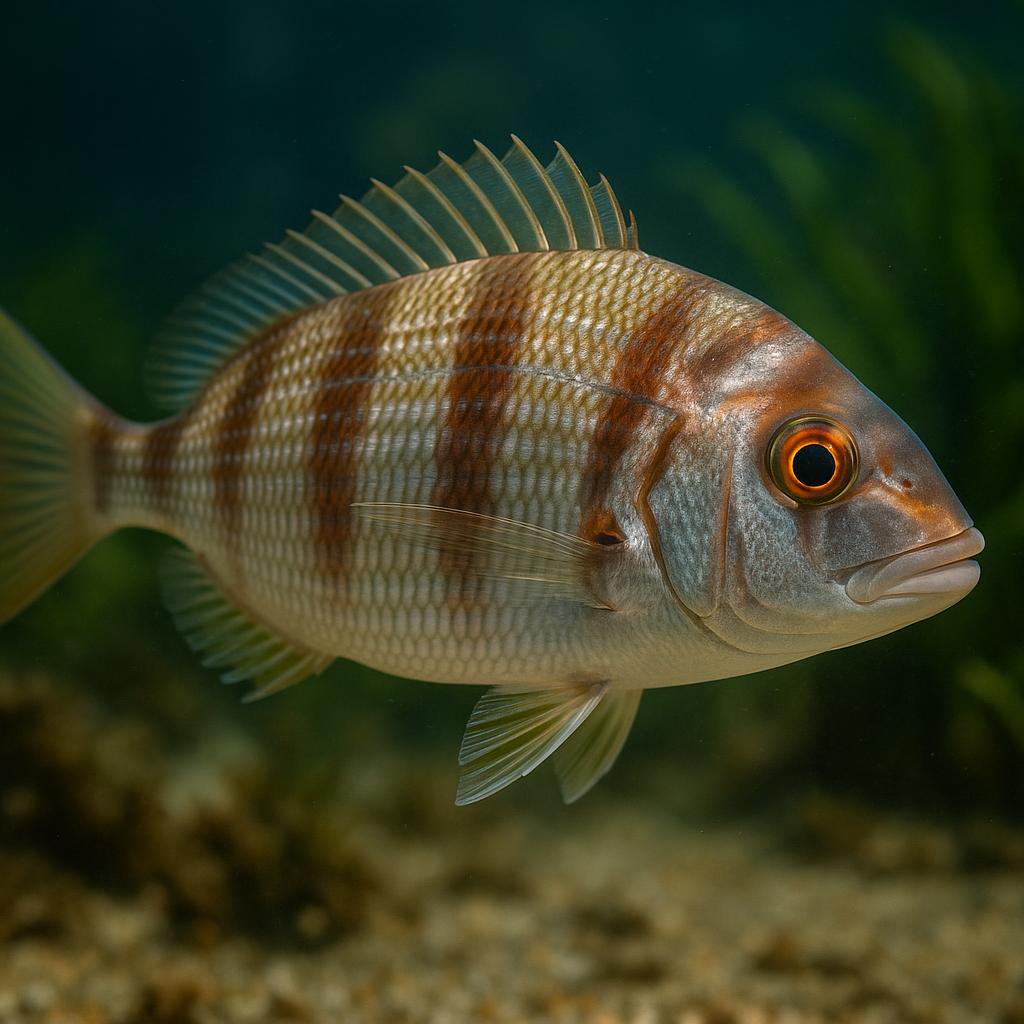
Redbanded seabream features a silver body with distinct red horizontal stripes and a sharp, pointed snout.
This page includes AI-generated images. Why am I seeing AI images?
About the Redbanded seabream
This is a large sparid from the eastern Atlantic and Mediterranean that lives over rocky/mixed bottoms and feeds on hard-shelled invertebrates (crustaceans, bivalves) and cephalopods. Due to its eventual size, it is generally considered suitable only for very large display/public aquaria rather than typical home systems.
Also known as
Quick Facts
Size
80 cm
Temperament
Semi-aggressive
Difficulty
Expert
Min Tank Size
450 gallons
Lifespan
10-20 years
Origin
Eastern Atlantic and Mediterranean
Diet
Carnivore - crustaceans, mollusks (including cephalopods), meaty frozen foods
Water Parameters
14.3-27.6°C
8-8.4
8-12 dGH
Need a heater for this species?
This species needs 14.3-27.6°C in a 450 gallon tank. Use our heater calculator to find the right wattage.
Calculate heater sizeCare Notes
- Give it a big, mature marine tank (think 180+ gallons) with lots of open swimming room and some rockwork it can duck into - they get chunky and cruise nonstop.
- Run cool-to-temperate saltwater, not tropical: aim around 64-72F, salinity 1.023-1.026, pH 8.1-8.4, and keep nitrate low because they are messy eaters.
- They will redecorate your sandbed hunting for food, so use a deeper sand area and keep loose frags and lightweight rocks glued down or they will get flipped.
- Feed like a predator: chunky marine meaty foods (shrimp, squid, clam, mussel, krill) plus quality pellets, 1-2 times daily; soak in vitamins now and then to head off HLLE-type issues.
- Skip tiny tankmates - anything small enough to fit in its mouth will eventually vanish; pair with other robust, similarly sized temperate fish and avoid timid species that hate being pushed off food.
- Watch the mouth and fins for damage if housed with aggressive brawlers - they are tough but they do a lot of face-first foraging and can get infections fast if water gets dirty.
- Breeding at home is basically a public-aquarium project: they are seasonal spawners and can change sex, so you would need a group, a huge system, and stable seasonal temp/light cycles to have a shot.
Compatibility
Good Tankmates
- Other medium-large Mediterranean style fish that can take a little attitude - think wrasses (Coris or similar hardy wrasses). They are quick, confident, and usually dont get bullied at feeding time.
- Tougher damselfish and chromis (especially larger Chromis) if the tank has lots of rockwork and you add the damsels first. Theyre scrappy enough to not get pushed around, but still keep an eye on territory.
- Rabbitfish (Siganus spp.) - big, calm algae munchers that dont act like prey and generally dont start drama. In my experience they just ignore seabream posturing.
- Bristletooth tangs (like Kole tang) or other similarly sized tangs in a roomy tank - theyre fast, not easily intimidated, and they hold their own without being finicky.
- Smaller groupers or hawkfish that are too big to swallow and not super shy (size matters here). The seabream is semi-aggressive, but it usually respects chunky tank mates that stand their ground.
- Larger, non-nippy bottom hangers like a sturdy goatfish - they share the general vibe (foraging, bold), and neither tends to be a delicate target.
Avoid
- Tiny fish and shrimp-sized snacks - things like small gobies, tiny blennies, and cleaner shrimp can turn into an expensive feeding response. Redbanded seabream are hunters when the opportunity is there.
- Slow, peaceful, long-finned fish that cant compete at meals - fancy butterflyfish, timid bannerfish, or anything that freezes up when chased. The seabream will harass them and outcompete them for food.
- Super aggressive bruisers that crank the stress up - big triggerfish or nasty large wrasses. You end up with constant posturing and torn fins, especially once territories lock in.
Where they come from
Redbanded seabream (Pagrus auriga) are a Mediterranean and nearby eastern Atlantic fish - think rocky reefs, sandy patches, and deeper ledges where they cruise and pick up crabs, worms, and small fish. Most of the ones you see in the trade are wild-caught, and they act like it: tough, aware, and not big on being pushed around.
These are not "reef cute" community fish. They're more like a marine pond predator that happens to fit in a big glass box if you build the tank around them.
Setting up their tank
Give them room and stability. Adults get chunky, fast, and they swim like they mean it. I'd treat 180 gallons as a realistic starting point for one, and bigger is better if you want tankmates. They appreciate open water to cruise, plus rockwork they can duck behind when they decide you are suspicious.
They are messy eaters and heavy breathers, so build the system like a fish-only predator setup even if you plan to keep some hardy inverts. Big skimmer, lots of biological capacity, and strong flow that keeps waste moving to the overflow. I like a bare-bottom or very thin sand bed because they can redecorate and you will be vacuuming a lot.
- Tank size: 180g minimum for an adult, 240g+ if you want multiple big fish
- Rockwork: stable, low and wide, with caves and sight breaks (zip-tie or epoxy anything that can shift)
- Filtration: oversized skimmer, good mechanical filtration you can change often, lots of bio media/live rock
- Flow: enough to keep detritus suspended, but leave a couple calmer zones
- Lid: tight-fitting - startled seabream can launch
Don't gamble on a new tank. They handle "normal" nitrate better than delicate reef fish, but they react badly to swings: salinity wobble, oxygen dips, or an ammonia hiccup will show up fast as heavy breathing and refusal to eat.
What to feed them
They eat like a sparid: meaty, enthusiastic, and always hunting. Mine did best on a rotating menu of marine-based foods. Start with frozen if they are shy, then work in quality pellets once they're settled. If you can get them taking pellets, your life gets easier and their nutrition stays more consistent.
Aim for smaller portions more often instead of one giant feeding. They will beg like a puppy, but if you overdo it you will be cleaning a lot of brown foam and wondering why your nitrates climbed.
- Staples: chopped shrimp, squid, clam, mussel, scallop (marine, not freshwater feeder fish)
- Frozen mixes: good marine carnivore blends with varied particle size
- Pellets: sinking marine carnivore pellets once trained
- Treats: live blackworms (if you can source clean), small live marine shrimp occasionally
- Supplements: vitamin soak 1-2x per week if the fish came in skinny or stressed
If a new one won't eat, try half-shell clam or mussel. The smell gets a response, and the shell keeps it from blowing around the tank.
How they behave and who they get along with
They are bold once settled, but not "friendly" in the reef fish sense. Expect a smart predator that learns your routine, recognizes the feeding stick, and tests boundaries. They can be pushy at the dinner table and will absolutely eat anything that fits in their mouth.
Tankmates need to be robust and not snack-sized. You want fish that can handle a blunt, fast fish barging in at feeding time. They are usually fine with other big fish if the tank is large and there are sight breaks, but two similar seabream or close cousins can turn into a dominance issue.
- Good candidates: large tangs, robust angels, big wrasses, triggers with compatible temperament, sizable groupers in very large systems
- Avoid: small wrasses, gobies/blennies, anthias, small clowns, decorative shrimp, most crabs
- Inverts: snails often get ignored until one gets flipped; shrimp are usually food
- Corals: they are not a "reef-safe" bet - they may nip, and their feeding mess irritates corals anyway
Mixing aggressive feeders can go sideways fast. Use multiple feeding stations or a feeding tube, and watch for one fish taking all the food while the seabream gets frustrated (or vice versa).
Breeding tips
Realistically, breeding Redbanded seabream in home aquariums is a long shot. They are broadcast spawners in the wild and need space, seasonal cues, and usually a group dynamic. Many sparids can change sex, and social structure matters, so a random pair in a glass box rarely does the thing.
If you ever want to try, think public-aquarium scale: a large group, very large system, heavy feeding, and gradual seasonal temperature and photoperiod shifts. Even if you get eggs, raising tiny pelagic larvae is its own full-time project.
A "breeding project" here usually means building a system for the fish first, then being pleasantly surprised if they spawn, not buying them expecting babies.
Common problems to watch for
Most problems I have seen come from three things: rough collection/shipping, not enough oxygen and filtration, and new-fish disease introduced without quarantine. They are hardy once established, but the first month is where you lose them if anything is off.
- Refusing food: common right after import; try shellfish, dim lighting, and reduce competition
- Ich/velvet: very possible with wild-caught marine fish; quarantine and observation save headaches
- Bacterial infections after shipping: frayed fins, red sores, cloudy eyes; act early and keep water clean
- Head and lateral line erosion: often tied to long-term nutrition and water quality; varied diet helps
- Jaw damage: they hit rock/glass when startled; stable aquascape and a calm room help
If you see heavy breathing, hanging at the surface, or rapid gill movement, treat it like an emergency. Check oxygen, temperature, ammonia, and salinity right away before you start throwing meds at the tank.
If you can keep the water stable, feed a varied marine diet, and give them enough space, they're a seriously cool fish to own. Just go into it knowing you're basically keeping a small, muscular predator - and the tank needs to match that reality.
Similar Species
Other marine semi-aggressive species you might be interested in.
Aleutian skate
Bathyraja aleutica
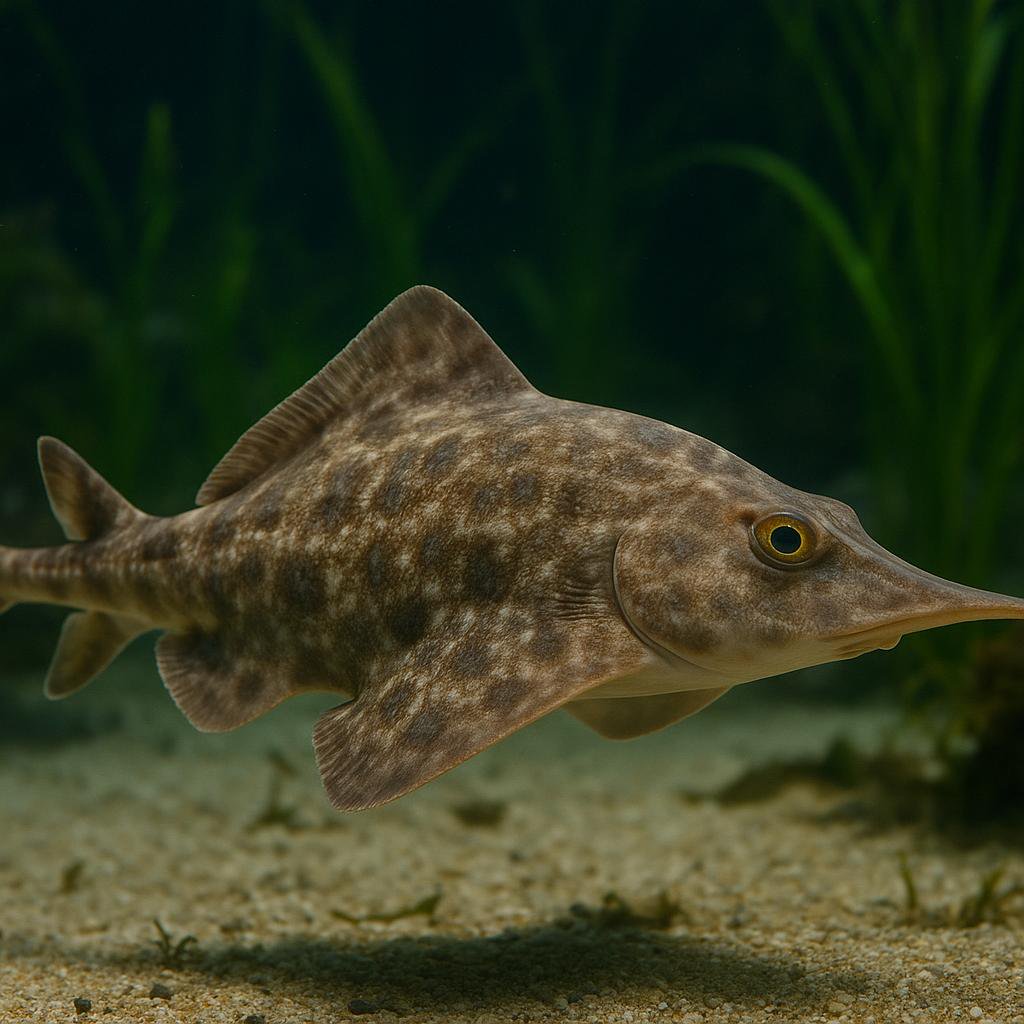
This is a big, cold-water deep-slope skate from the North Pacific that cruises muddy bottoms and eats chunky benthic prey like crabs and shrimp. The really cool bit is its egg-laying skate life - it does distinct pairing (the classic skate "embrace") and drops those tough egg cases on the seafloor. Not an aquarium fish at all unless you're basically running a public-aquarium-style chilled system.
Antarctic dragonfish
Vomeridens infuscipinnis
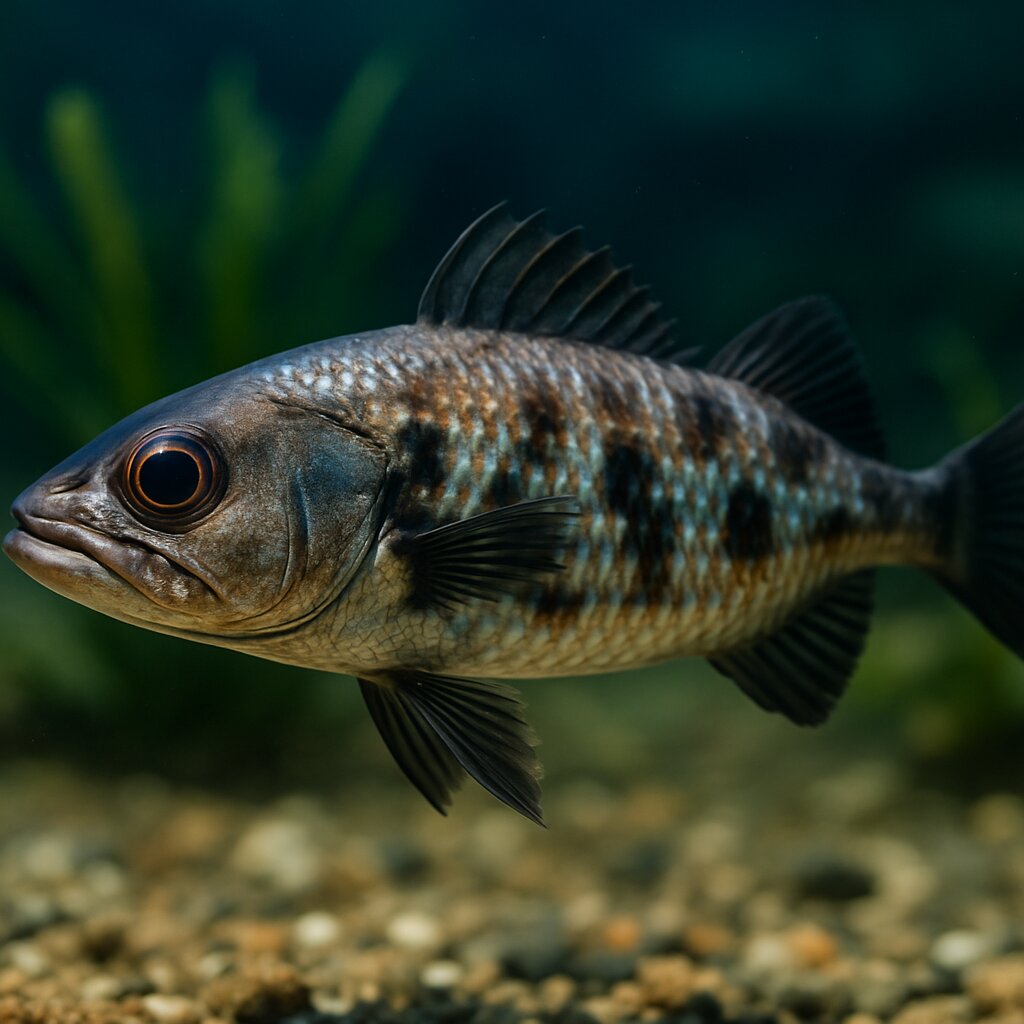
Deep down around Antarctica, this sleek dragonfish cruises the water column like a little submarine, nearly neutrally buoyant so it can hover above the seafloor. It munches almost exclusively on Antarctic krill and lives in near-freezing water 500-800 m down, so it is a cool species to read about, not one for home tanks.
Arabian spiny eel
Notacanthus indicus
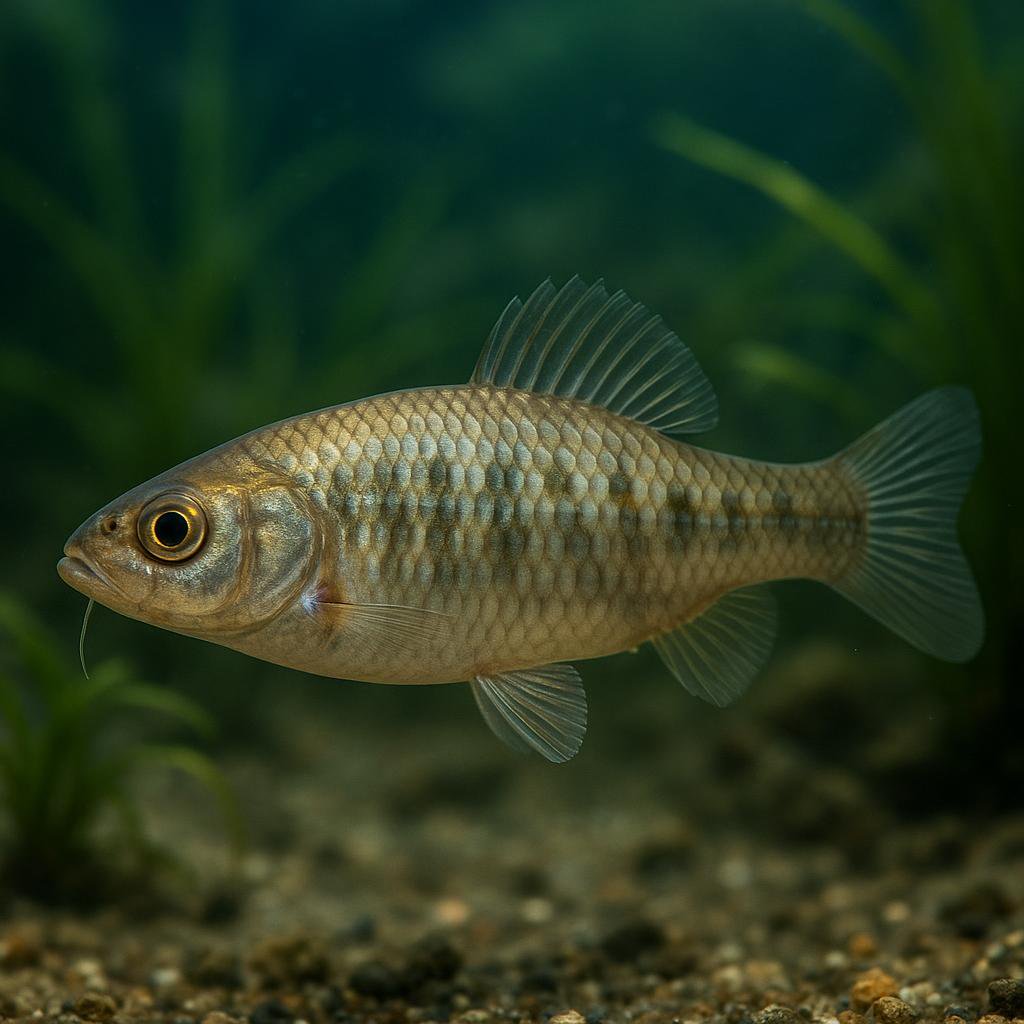
Notacanthus indicus is a deep-sea spiny eel (family Notacanthidae; not a true eel) known from the Arabian Sea on the continental slope at roughly ~960–1,046 m depth, with reported maximum length around 20 cm TL; it is a deep-water bycatch species and not established in the aquarium trade.
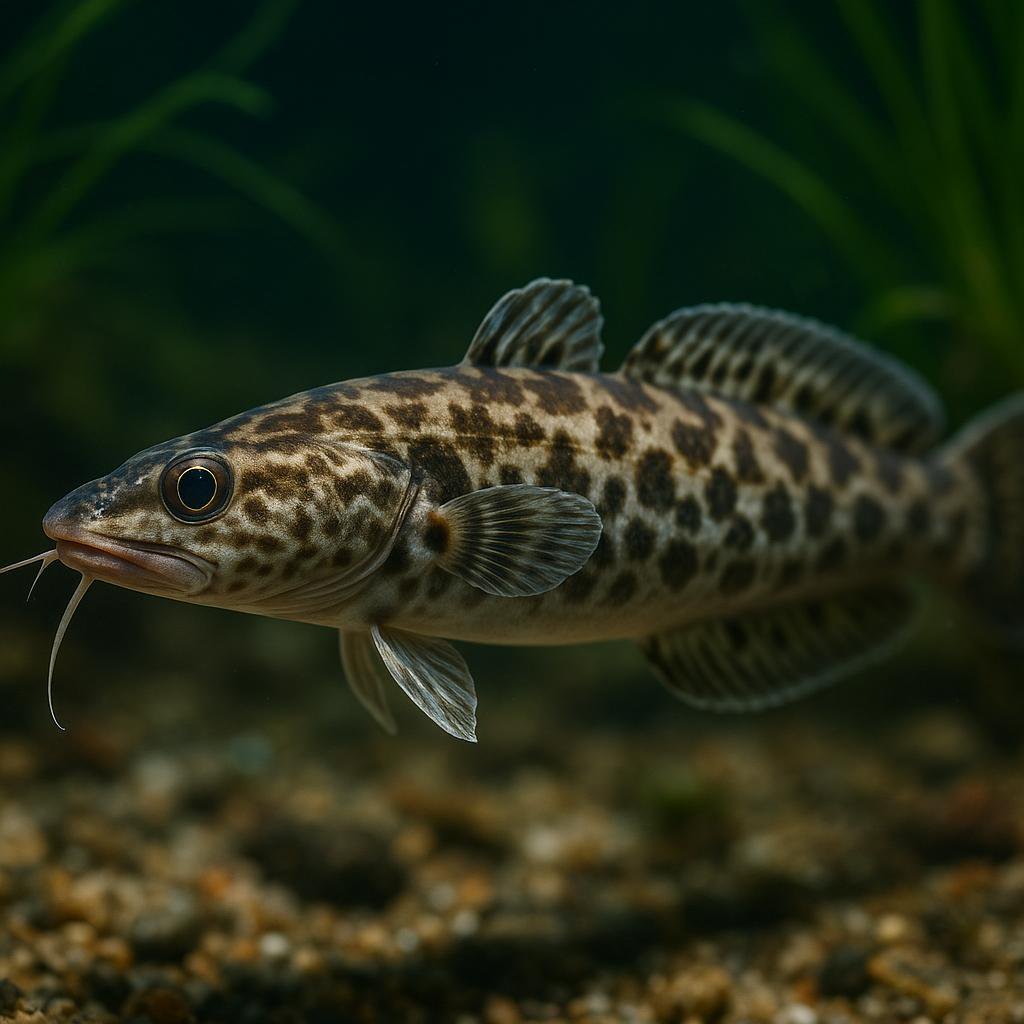
Arctic rockling
Gaidropsarus argentatus
This is a deepwater North Atlantic rockling (a cod relative) that hangs out on soft bottoms way down the slope. It is a cold-water, bottom-hugging predator that snoots around for crustaceans and will also take small fish when it gets the chance.
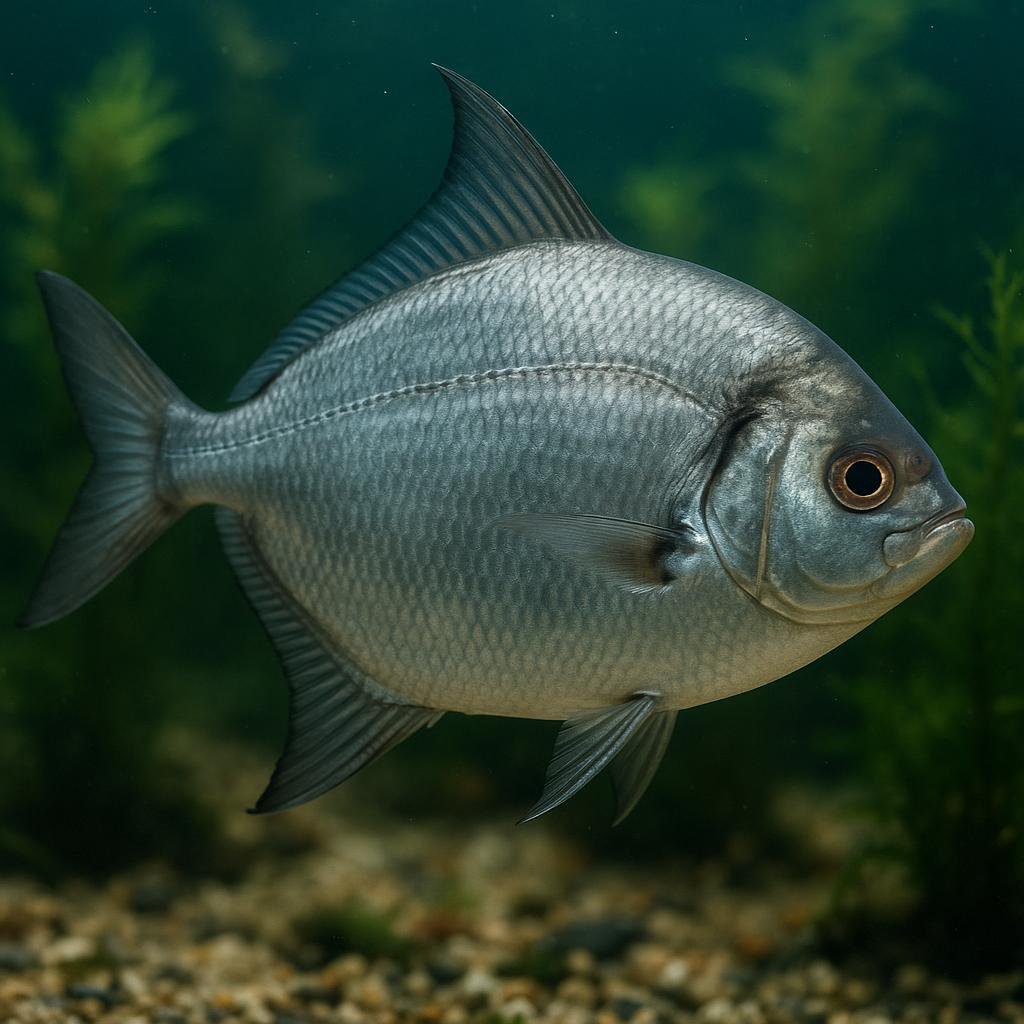
Atlantic pomfret
Brama brama
Brama brama is the Atlantic pomfret (aka Ray's bream) - a deep-bodied, open-ocean pelagic fish that cruises around in small schools and follows water temps. It is a legit big, wild marine species (not an aquarium fish) that eats other small sea critters like fish and squid, and it ranges across a huge chunk of the Atlantic plus parts of the Indian and South Pacific.
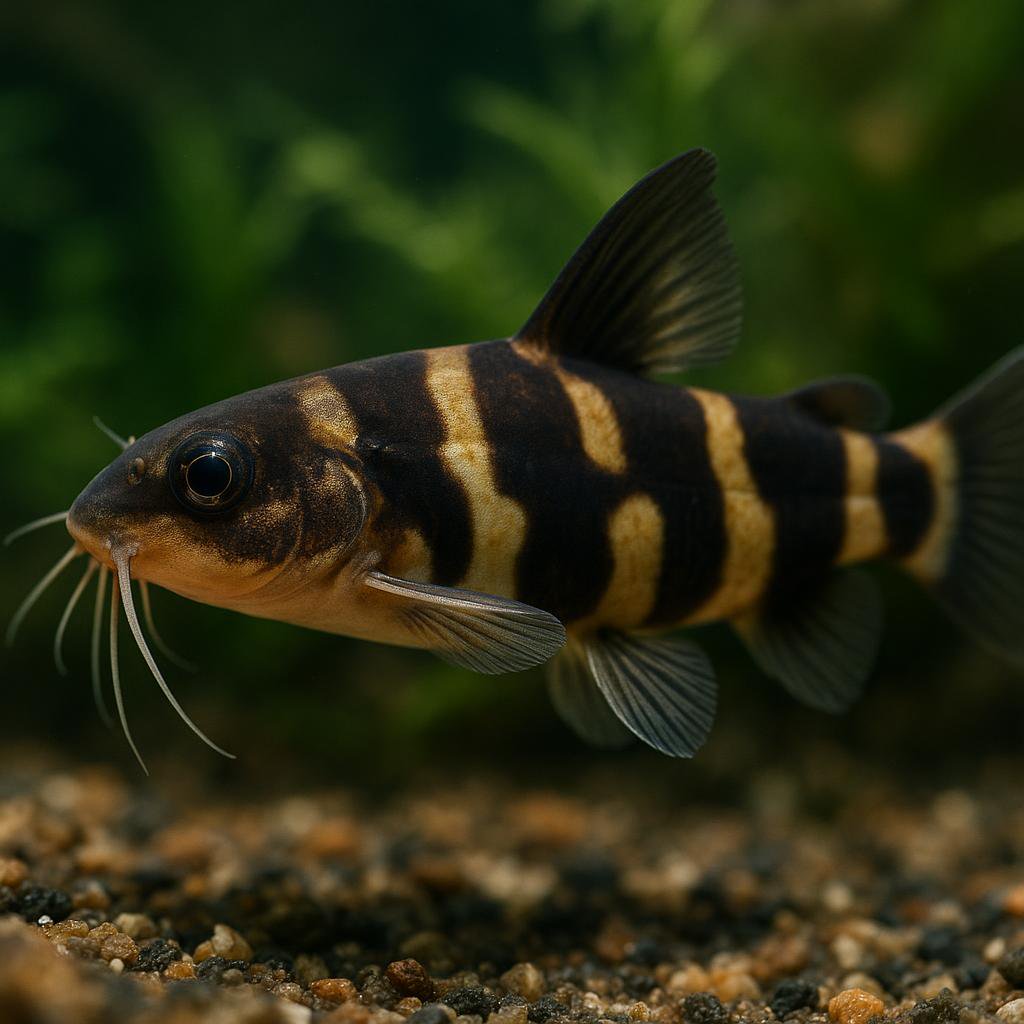
Australian sawtail catshark
Figaro boardmani
Figaro boardmani is a small, deepwater Australian catshark with these cool saw-like ridges of spiny denticles along the tail and a neat pattern of dark saddle bands. It lives way down on the outer continental shelf and slope, so its natural water is cold, dim, and stable - totally not a typical home-aquarium fish. Diet-wise its a predator that goes after fish, crustaceans, and cephalopods.
More to Explore
Discover more marine species.
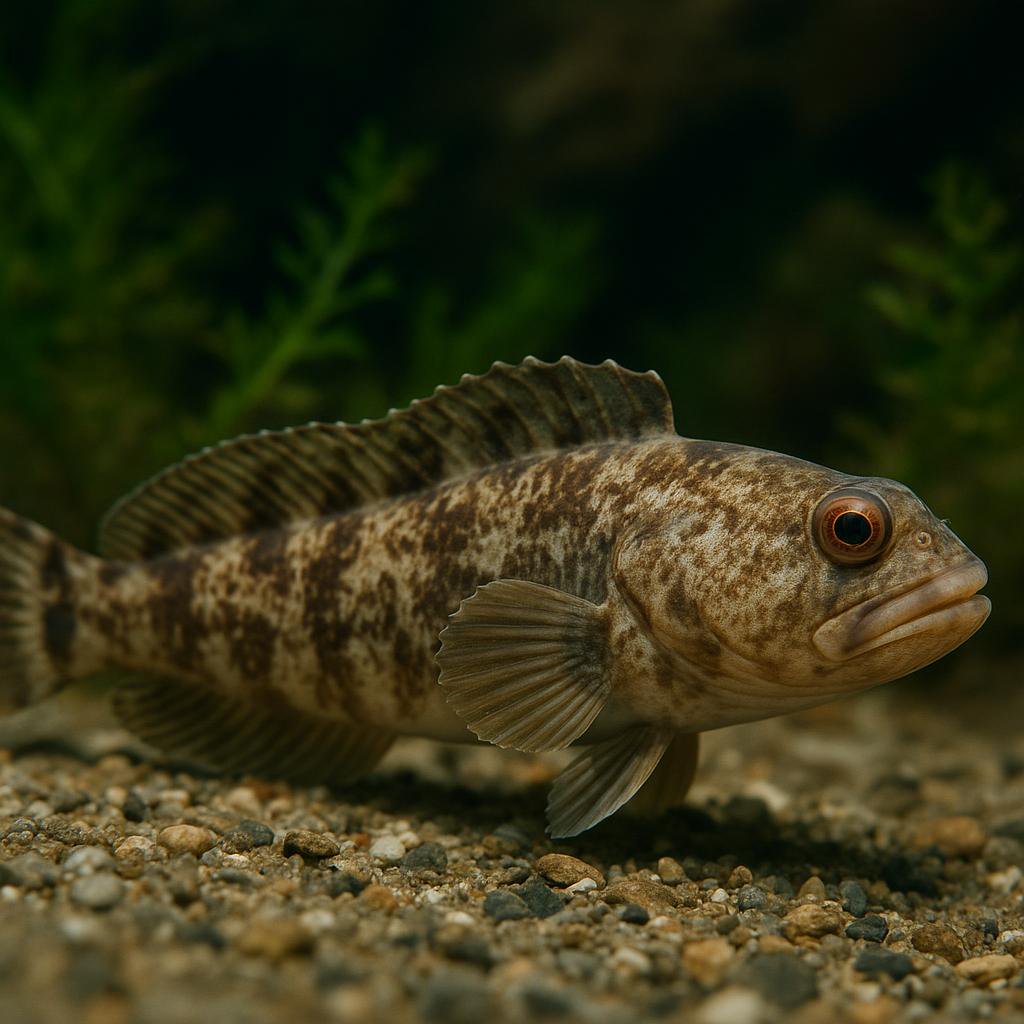
Abe's eelpout
Japonolycodes abei
Japonolycodes abei is a temperate, deepwater demersal eelpout (family Zoarcidae) endemic to Japan (Kumano-nada Sea reported; other sources also report Sagami Bay and Tosa Bay). It is the only species in the genus Japonolycodes and occurs roughly 40-300 m depth, making it an uncommon/atypical aquarium species.
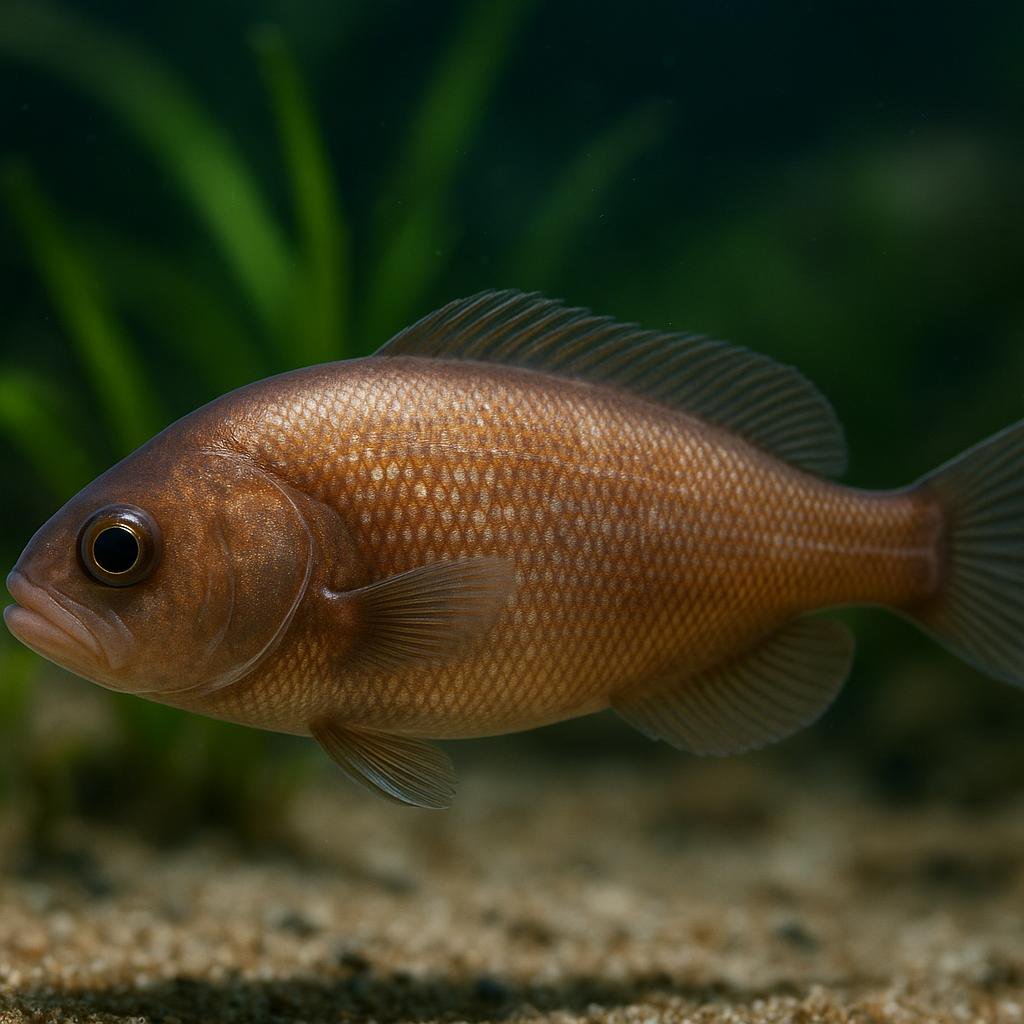
Affinis blind cusk-eel
Barathronus affinis
Barathronus affinis is a tiny, super-weird deep-sea blind cusk-eel from the western-central Indian Ocean. It is one of those gelatinous, loose-skinned brotula-type fishes that live way down in the dark and are basically never seen alive, so almost everything we know comes from preserved specimens and taxonomic work.
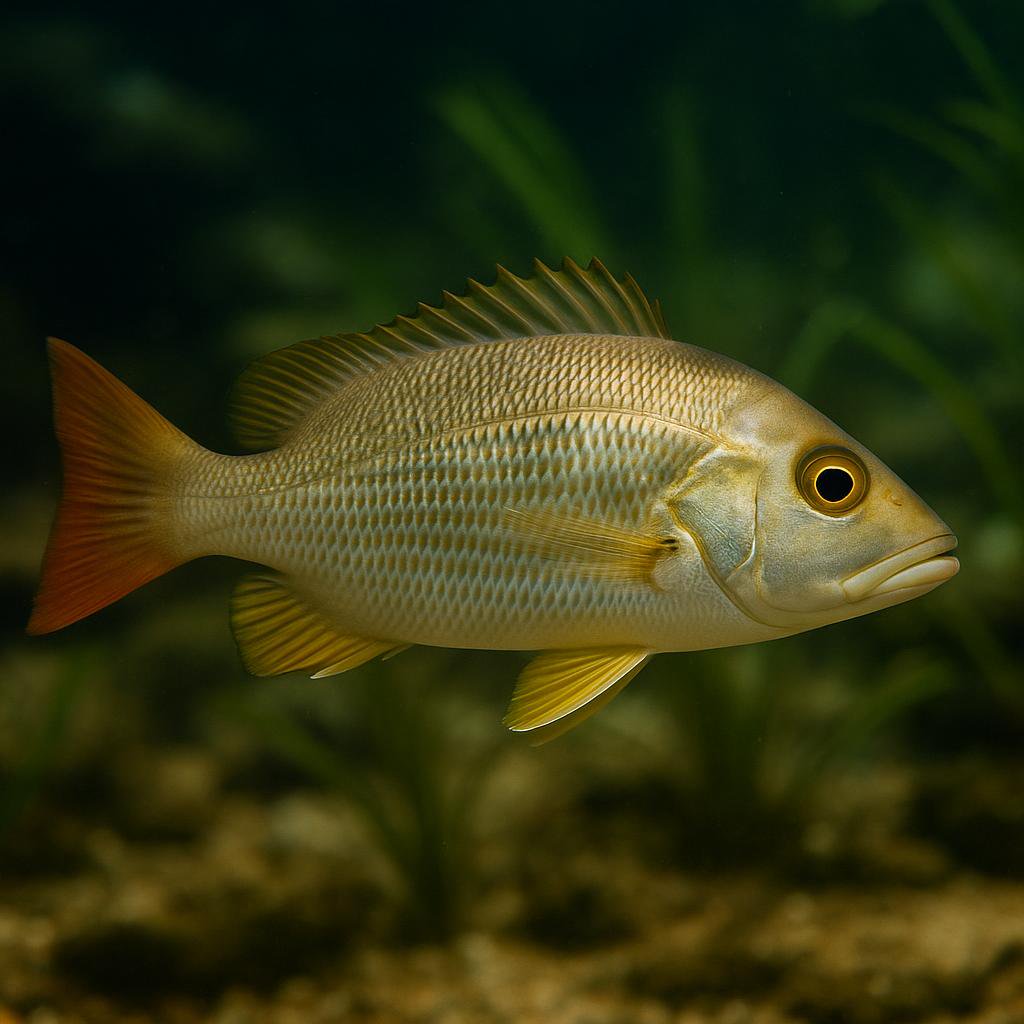
African red snapper
Lutjanus agennes
This is a true snapper from West Africa - a big, fast-growing predator that goes from coastal reefs to brackish lagoons and estuaries (especially as a juvenile). Super cool fish in the wild, but it gets absolutely huge and will eat smaller tankmates once it has the mouth for it, so its really more of a public-aquarium scale animal than a home-aquarium fish.
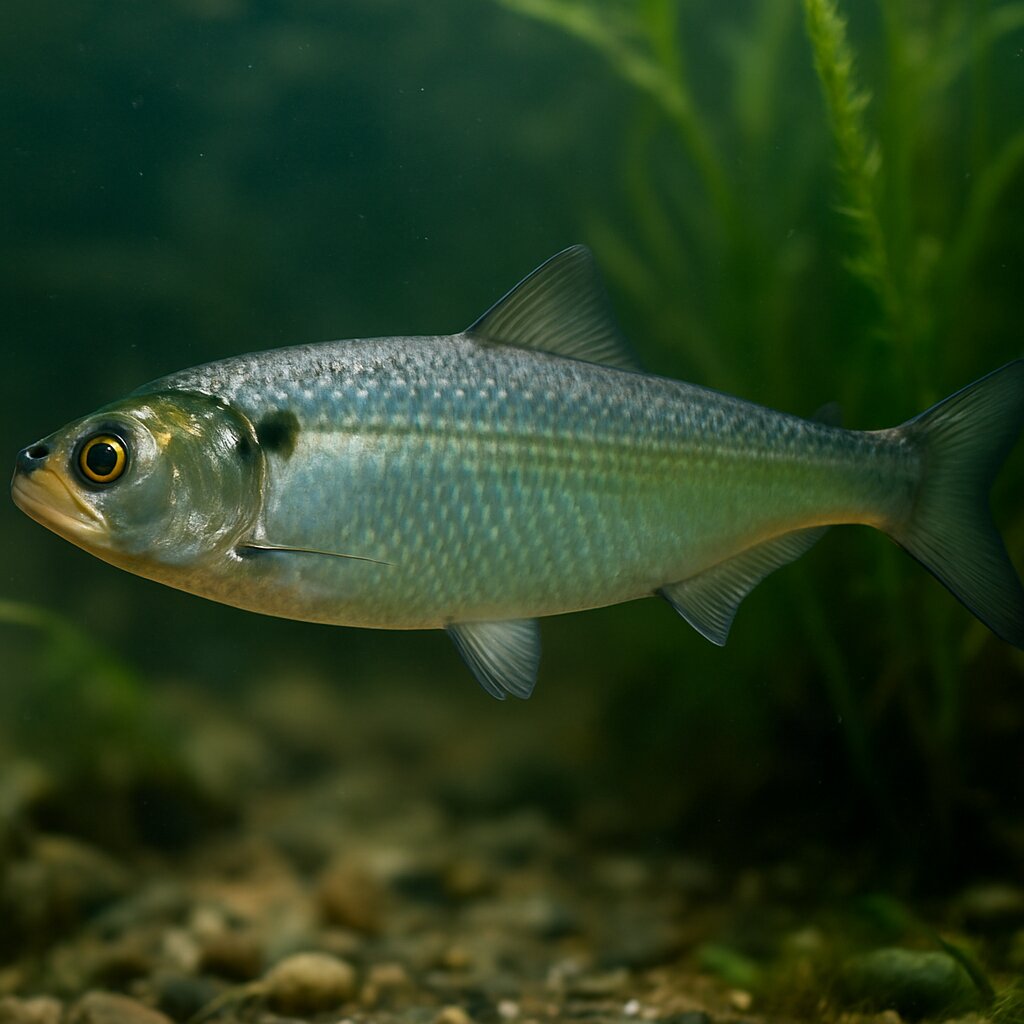
Allis shad
Alosa alosa
Gorgeous silver, fast-swimming shad that spends most of its life in the sea and then surges up big rivers in noisy, surface-spawning schools. It grows huge for a herring-type fish and needs cool, ultra-oxygenated water and tons of open space, so it is a public-aquarium species rather than a home tank fish.
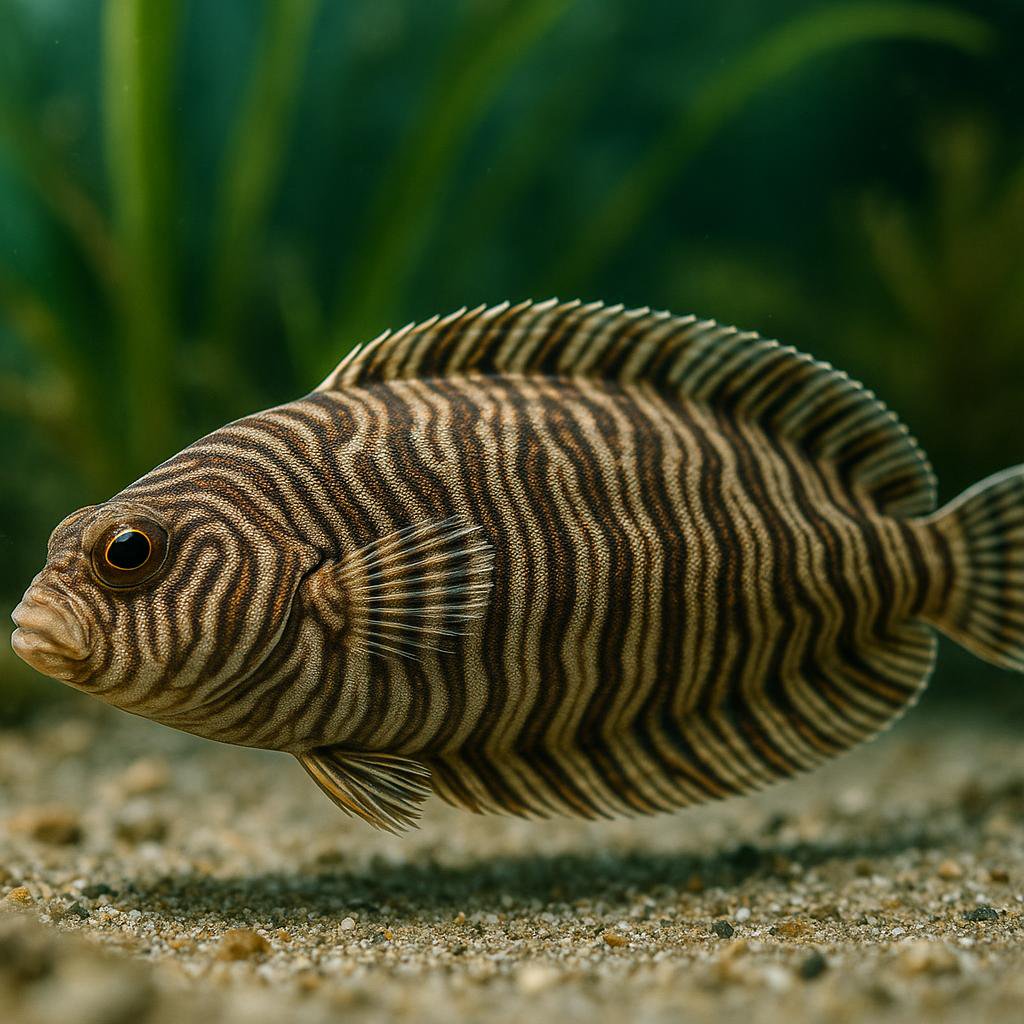
Annandale's zebra sole
Zebrias annandalei
Zebrias annandalei is a small demersal sole from coastal India that inhabits sandy or muddy bottoms and buries for camouflage. It is rarely kept in home aquaria and would require a specialized marine sand-bottom setup and appropriate feeding.
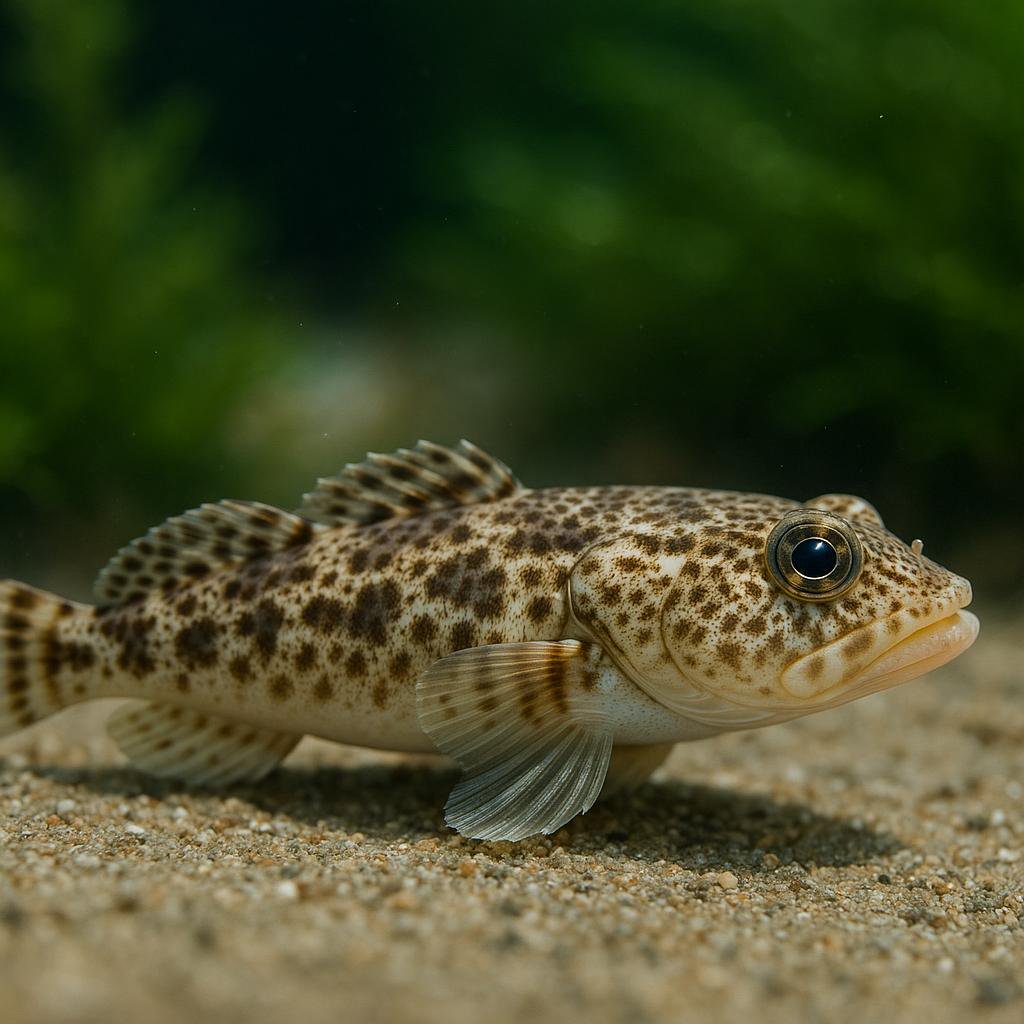
Banded stargazer
Kathetostoma binigrasella
This is a New Zealand stargazer that lives half-buried in sand or mud with its eyes pointed up, waiting to rocket upward and nail passing prey. It has those neat dark saddle-bands across the back (especially as a juvenile), and like other stargazers it is venomous with spines near the gill cover/pectoral area - definitely a look-dont-touch fish.
Looking for other species?