

Tentacled scorpionfish
Pontinus tentacularis
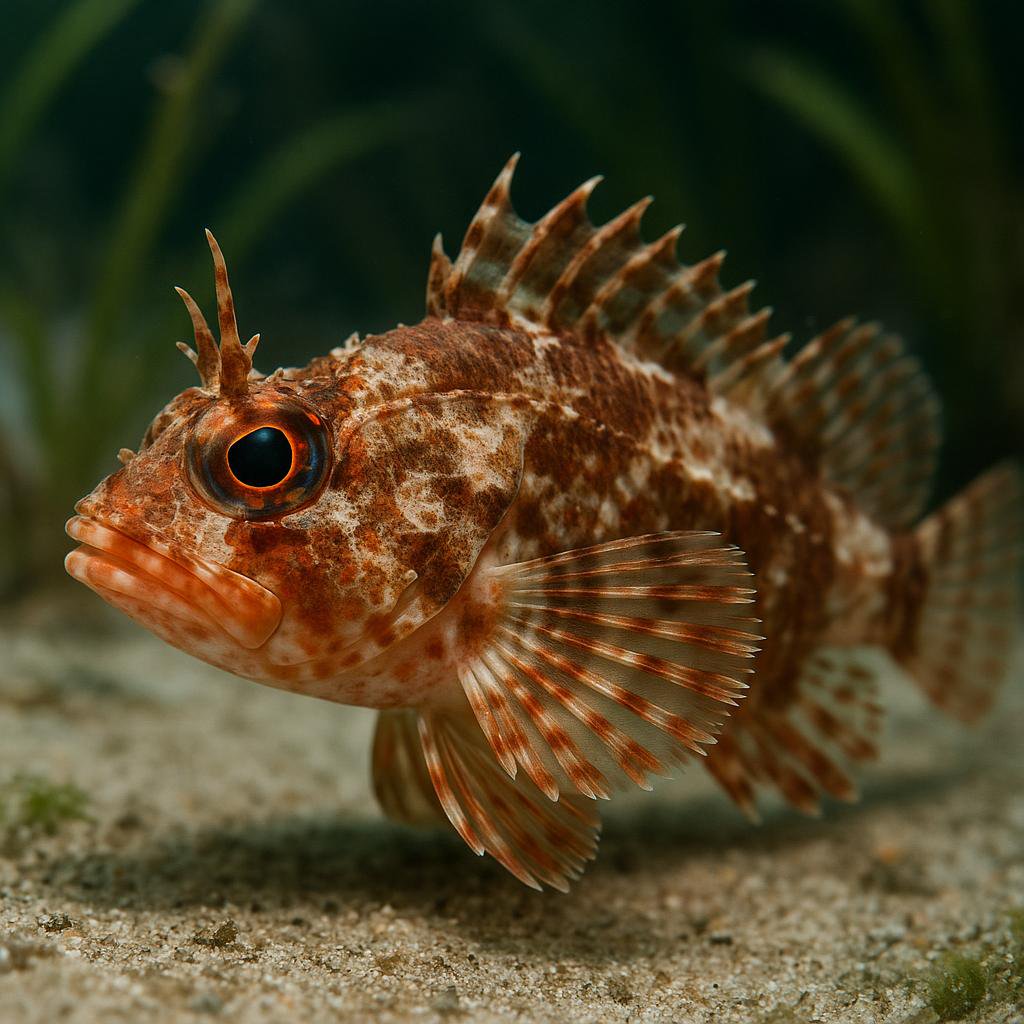
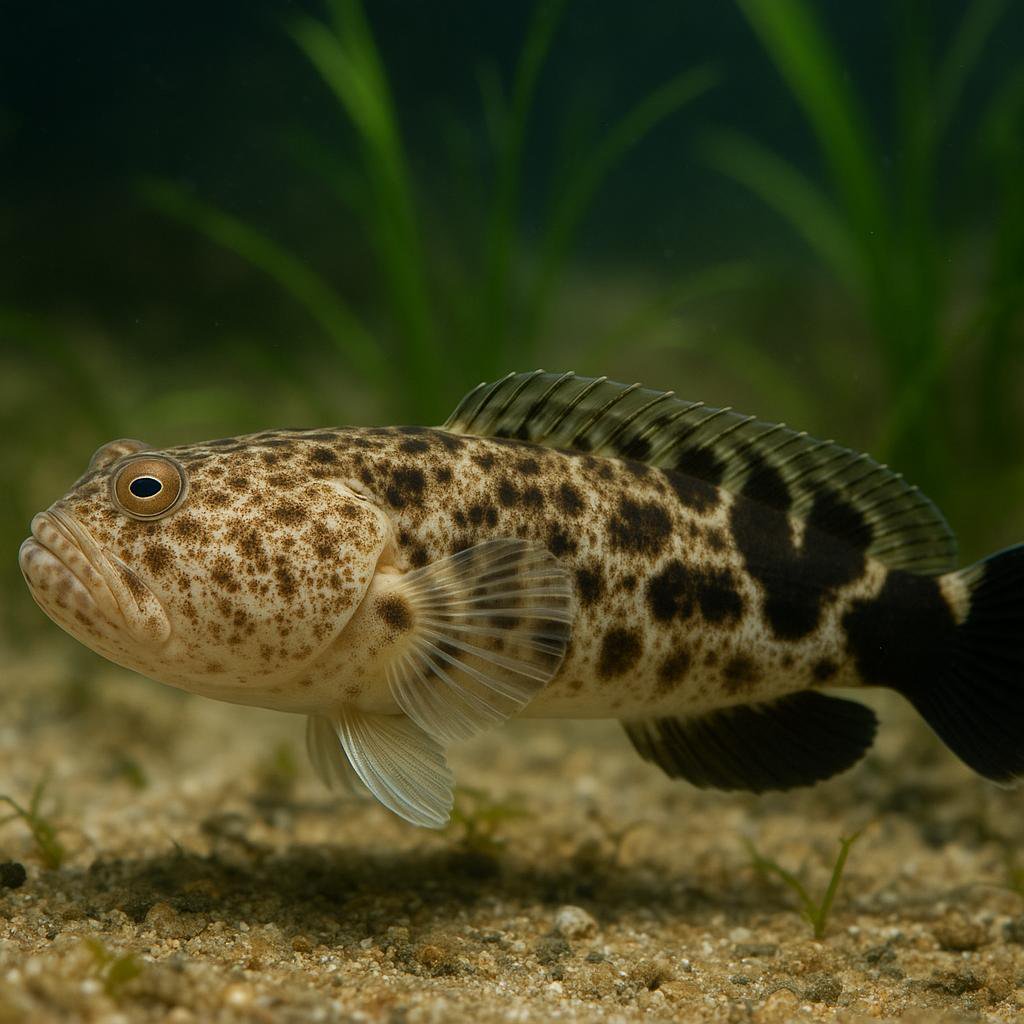
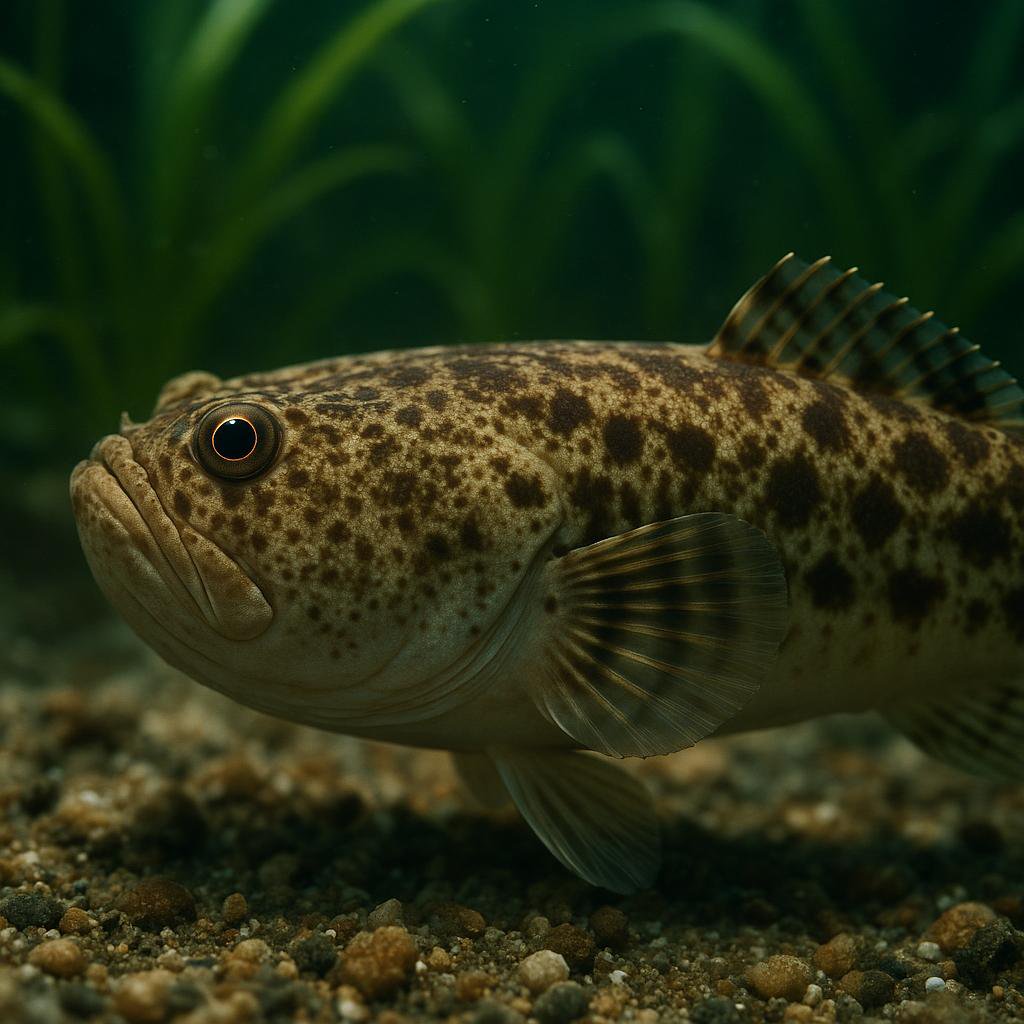
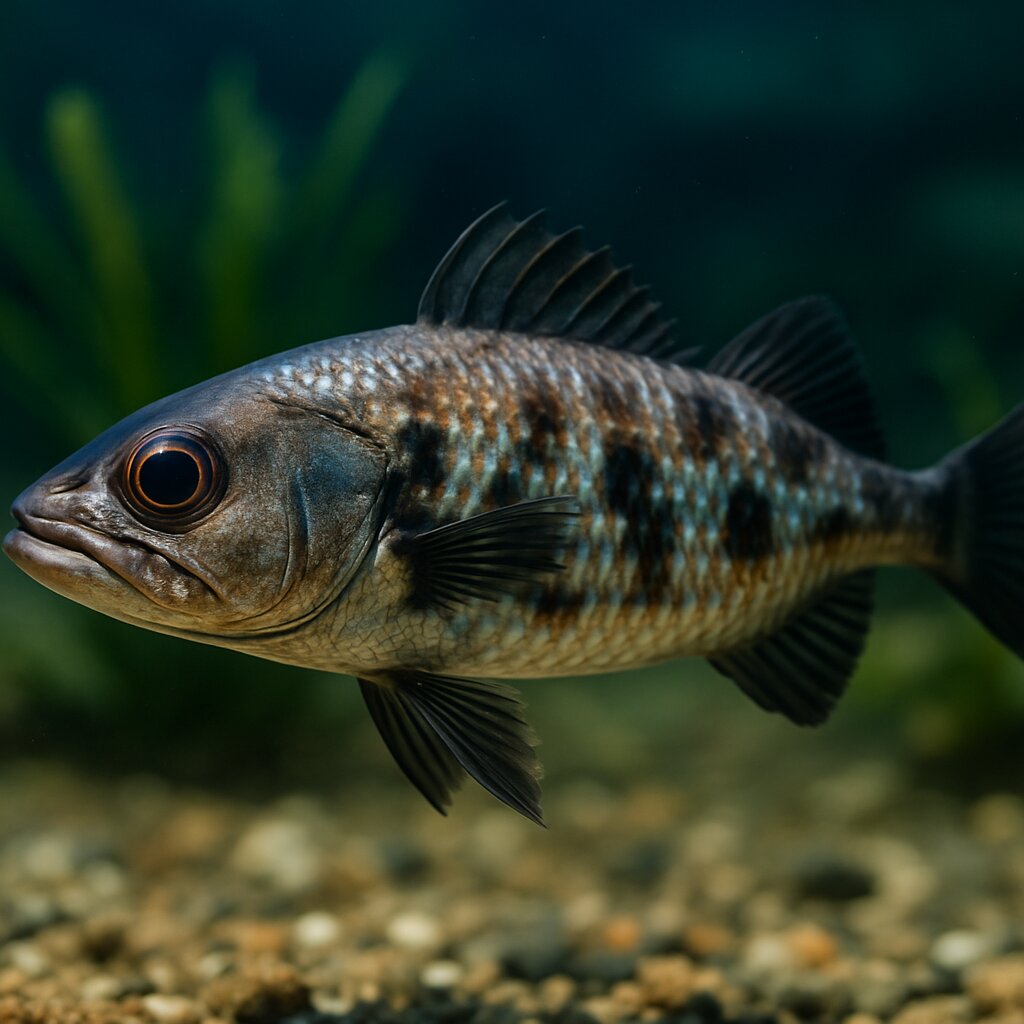
Tentacled scorpionfish features prominent tentacle-like structures above its eyes and a mottled brownish coloration that provides excellent camouflage.
This page includes AI-generated images. Why am I seeing AI images?
About the Tentacled scorpionfish
Pontinus tentacularis is a deepwater scorpionfish with those wild little tentacles over the eyes that help it break up its outline. It is a bottom-dwelling ambush predator from 170-600 m, so its needs are way more like a cold, dim, pressure-adapted fish than anything meant for a typical home marine tank.
Also known as
Quick Facts
Size
18.2 cm SL
Temperament
Aggressive
Difficulty
Expert
Min Tank Size
125 gallons
Lifespan
Unknown (not well documented in aquarium context)
Origin
Indo-West Pacific
Diet
Carnivore - small fishes and crustaceans (ambush predator)
Water Parameters
9.7-18.5°C
8-8.4
Need a heater for this species?
This species needs 9.7-18.5°C in a 125 gallon tank. Use our heater calculator to find the right wattage.
Calculate heater sizeCare Notes
- Give it a big, calm tank with lots of rock ledges and caves - it wants ambush perches and low-traffic zones, not a wide-open reef display.
- Run stable marine parameters appropriate to a cool deepwater species: match its cool-temperature needs (about 9.7-18.5 C), keep salinity stable, provide subdued lighting/low stress, and maintain high water quality.
- Feeding is the whole game: start with live ghost shrimp or small mollies if you have to, then wean to thawed silversides, prawn, squid, and marine fish chunks on tongs; feed 2-3 times a week, not daily, or it turns into a fatty couch potato.
- Do not keep it with anything it can fit in its mouth - it will eventually try, even if it has ignored tankmates for weeks; think 'bigger than its mouth, and not skinny'.
- Avoid fin-nippers and hyperactive fish (triggers, some wrasses, puffers) because they stress it out and can chew on the frilly head tentacles; slow, chunky tankmates like larger groupers or big hawkfish are a safer vibe.
- Secure the rockwork like you are toddler-proofing a house - a scorpionfish wedging itself into a cave can shift loose stacks, and a rockslide with a venomous fish is a bad day.
- Watch for bacterial infections and mouth damage from sharp feeder spines; use soft marine foods and keep a close eye on any red patches or fraying because they go downhill fast when they get hit with a nasty wound.
- Breeding in home tanks is basically a lottery - if you ever see pairing and spawning behavior, plan on planktonic larvae that need live microfoods and dedicated rearing, not a 'raise them in the display' situation.
Compatibility
Good Tankmates
- Other chunky, non-nippy predators that are too big to swallow - think medium groupers (like Cephalopholis spp.) or stout anthias/hamlets in the right size range. The scorpionfish mostly just sits there, so you want tank mates that will not pick at it or try to "test bite" it.
- Lionfish (Pterois spp.) in a similar size bracket - they tend to ignore each other if everybody is well-fed and you have enough perches. Watch the "fits in the mouth" rule both ways, especially at night when they hunt.
- Eels that keep to themselves, like a snowflake eel (Echidna nebulosa) or a zebra moray (Gymnomuraena zebra). They cruise around, the scorpionfish stays parked, and they usually do not bother each other if you keep them fed.
- Bigger hawkfish (like a longnose hawkfish) or other perch-and-watch types that are not fin-nippers. They occupy similar "rock ledge" zones but usually do fine if the tank has lots of hiding spots and you do not cram them in.
- Tough, fast dither-type fish that are not bite-sized - like larger tangs or rabbitfish. They help keep the tank active and are usually too quick and too tall-bodied to get inhaled, and they do not usually harass a scorpionfish.
Avoid
- Small fish of any kind (gobies, blennies, small wrasses, chromis, clowns) - if it can fit in that big mouth, it will eventually become a midnight snack. Even if it "works" for a week, it usually ends the same way.
- Nippy or bully fish that pester sedentary fish - triggerfish, many larger wrasses, some damsels. They love to peck at fins and eyes, and a tentacled scorpionfish will just sit there and take it until it is damaged.
- Other scorpionfish/stonefish types in tight quarters - unless the tank is big with lots of separate ambush spots, you can get territorial shoving, feeding accidents, or one trying to eat the other if sizes are mismatched.
Where they come from
Tentacled scorpionfish (Pontinus tentacularis) are cold-to-cool water scorpionfish from the eastern Atlantic and Mediterranean region. Think rocky reefs, caves, ledges, and rubble where they can sit dead still and look like part of the scenery. They are ambush predators first and foremost, and their whole vibe in the aquarium is built around that.
This is not a tropical reef fish. If you try to keep it at typical 76-80F reef temps, you are stacking the deck against it long-term.
Setting up their tank
Give this fish a tank that matches how it lives: dimmer light, lots of rock structure, and places to park itself where flow is not blasting it in the face. I have had the best results treating them like a coldwater predator rather than trying to force them into a bright, busy reef layout.
- Tank size: I would not do less than 75 gallons for an adult, bigger if you want tankmates. They are sedentary, but they are chunky and messy.
- Temperature: cool water (roughly low-to-mid 60s F). Most people end up needing a chiller.
- Aquascape: rock ledges, caves, and vertical faces. Make at least 2-3 good ambush perches so it can pick a favorite.
- Substrate: sand or fine rubble is fine. They are not a burrower like some scorpionfish, but they will sit on the bottom.
- Flow: moderate overall with calmer pockets. Too much laminar flow just makes them sulk.
- Filtration: oversized skimmer + good mechanical filtration. They are a predator and the waste adds up fast.
Venomous spines. Use a container, not a net, for moving it. Plan your rockwork so you are not reaching blindly into caves.
Lid matters more than people expect. They are not famous jumpers like wrasses, but spook them during lights out or a cleaning session and they can launch. Also, keep your heater and pump intakes guarded. These fish like to wedge themselves into odd places.
What to feed them
They are classic sit-and-wait hunters. Most specimens come in wanting live foods, and the main challenge is getting them onto frozen or prepared items. Once they switch over, feeding is pretty straightforward, just messy.
- Good foods: thawed shrimp, silversides, chunks of marine fish, squid, clam, and other meaty marine items.
- How I feed: long feeding tongs or a feeding stick, wiggle the food like its alive, then let them inhale it.
- Schedule: 2-3x per week for adults is usually plenty. They do not need (or want) daily heavy meals.
- Supplements: occasional vitamin soak helps, especially if you lean on one food type.
Skip freshwater feeder fish. Besides parasite risk, the fatty acid profile is wrong long-term. If you need live to start them, use marine options (or live shrimp) and wean to frozen quickly.
Watch the belly, not the begging. A scorpionfish that eats like a champ can still get obese in a hurry in captivity. If it starts looking like it swallowed a golf ball all the time, back off the portions.
How they behave and who they get along with
Most of the time they are calm, still, and borderline invisible. Then something edible swims by and it is a lightning-fast strike. They do not typically harass tankmates, but they are absolutely a threat to anything that fits in their mouth.
- Temperament: generally peaceful, predatory.
- Reef safety: they will not eat corals, but they can knock frags over and they will eat small fish and shrimp/crabs.
- Tankmates: larger, non-nippy fish that can handle cool temps. Think sturdy species that will not pick at fins or eyes.
- Avoid: small fish, cleaner shrimp, tiny crabs, and anything that likes to nip (some triggers, puffers, and overly curious wrasses are a bad mix).
Scorpionfish are not fast feeders. If you keep it with aggressive pigs, you will end up target-feeding the scorpionfish every time.
I also avoid super high-energy tanks. Constant zooming around seems to keep them stressed and they spend more time wedged in the darkest corner. A calmer community makes them more visible and more likely to take food confidently.
Breeding tips
Breeding Pontinus tentacularis in home aquariums is basically in the unicorn category. These are not like clownfish where you can set up a pair and get predictable spawns. If you ever did get eggs, raising the larvae would be its own serious project with live plankton cultures and very stable coolwater systems.
If breeding is your goal, you will have an easier time picking a marine species with established captive breeding notes. For this one, I would focus on long-term husbandry and stable cool temps.
Common problems to watch for
Most issues I have seen come down to temperature mismatches, rough shipping/collection stress, and feeding problems in the first few weeks. Once they are settled and eating frozen, they are actually pretty hardy - as long as you keep the water clean and the tank calm.
- Refusing food: common right after import. Try live shrimp to start, then transition to thawed foods on tongs. Keep lighting low and give it cover.
- Temperature stress: chronic warmth shows up as lethargy, faster breathing, and a fish that never really settles in.
- Fin/skin damage: they wedge into rocks and can get scrapes that turn into infections if water quality slips.
- Parasites: watch for flashing, heavy breathing, or excess mucus. Quarantine is your friend, but be careful with medications and oxygen levels in coolwater setups.
- Ammonia and nitrate creep: predators produce a lot of waste. Overfeed once a week and you will feel it in your test kits.
If you ever get poked: treat it as a medical situation. Hot water immersion (as hot as you can tolerate without burning) is commonly used for venomous fish stings to reduce pain, but you still want medical guidance, especially if you have swelling, numbness, or systemic symptoms.
My practical routine: feed with tongs, keep a clear working zone in the tank so you are not reaching near its perch, and do smaller, more frequent water changes rather than letting nutrients climb. These fish reward stability and a low-stress setup.
Similar Species
Other marine aggressive species you might be interested in.
African red snapper
Lutjanus agennes
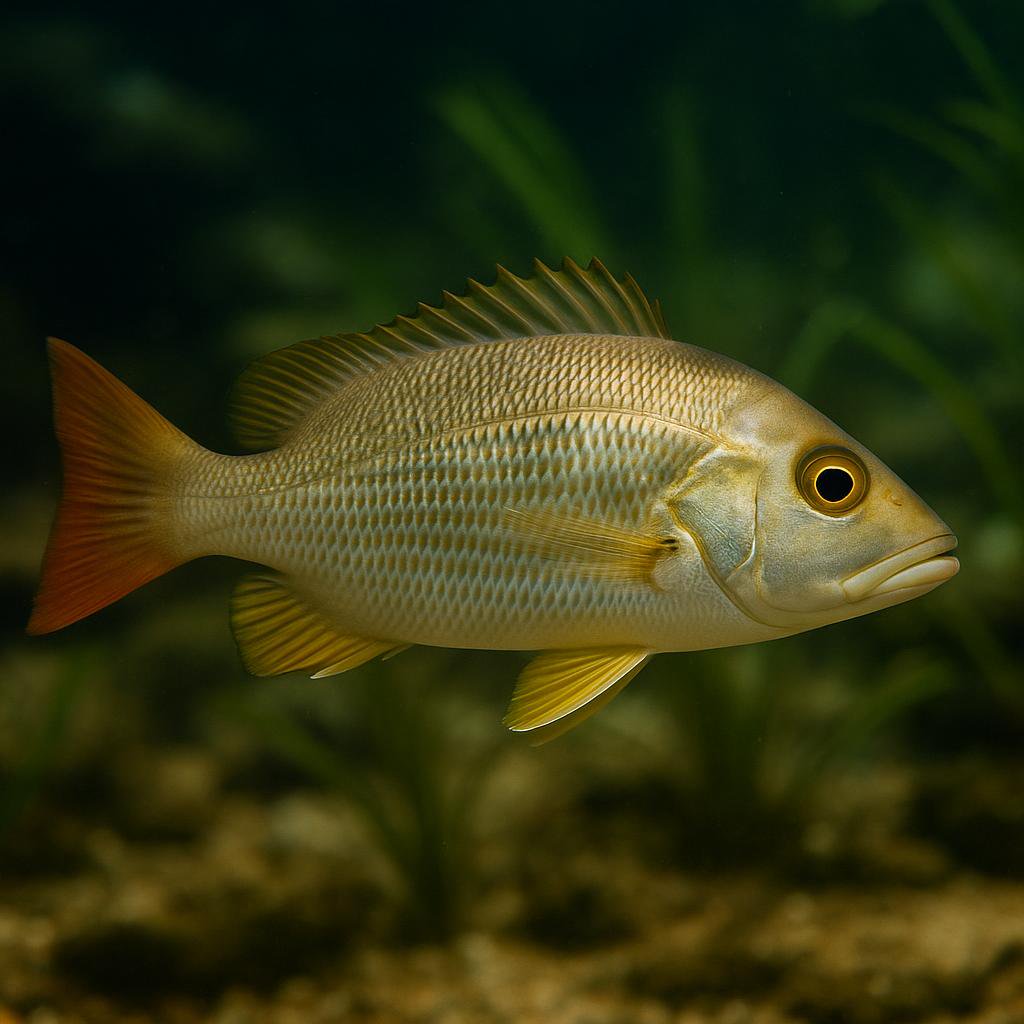
This is a true snapper from West Africa - a big, fast-growing predator that goes from coastal reefs to brackish lagoons and estuaries (especially as a juvenile). Super cool fish in the wild, but it gets absolutely huge and will eat smaller tankmates once it has the mouth for it, so its really more of a public-aquarium scale animal than a home-aquarium fish.
Banded stargazer
Kathetostoma binigrasella
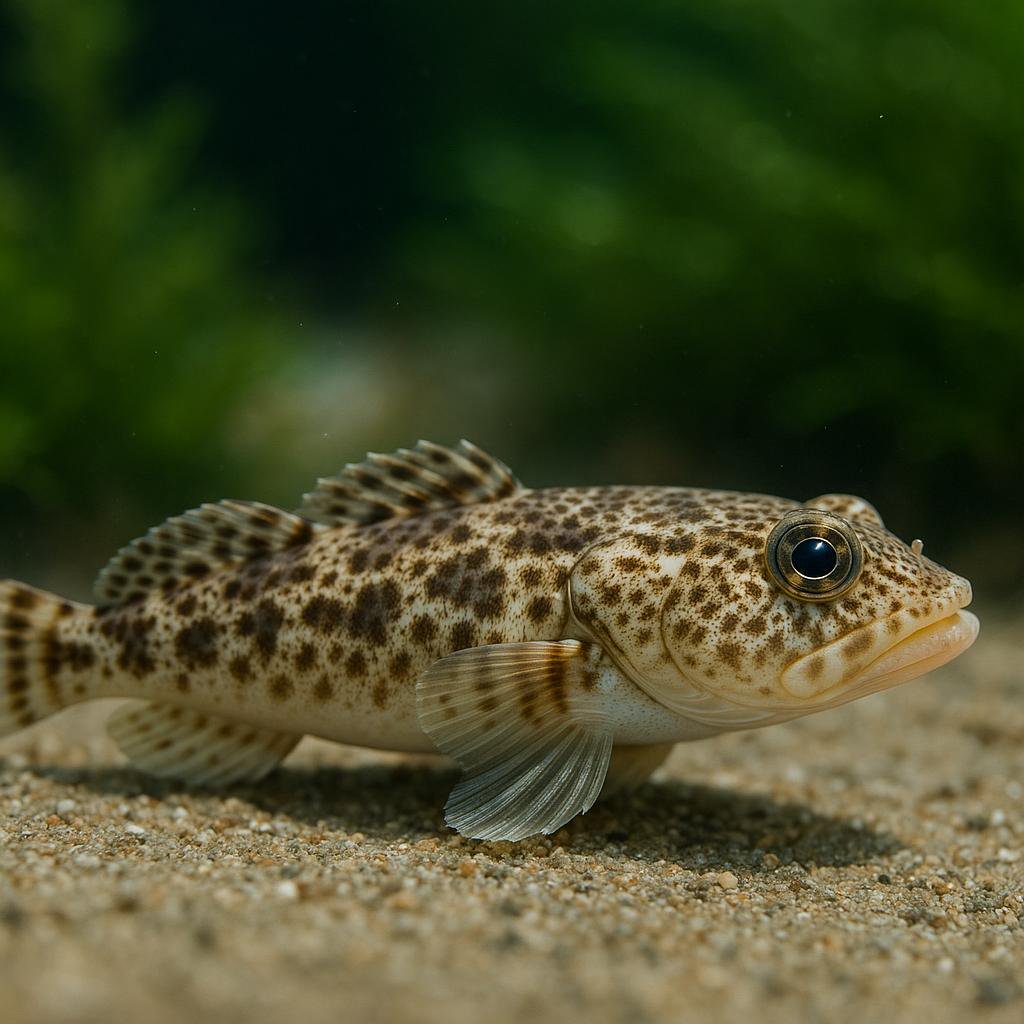
This is a New Zealand stargazer that lives half-buried in sand or mud with its eyes pointed up, waiting to rocket upward and nail passing prey. It has those neat dark saddle-bands across the back (especially as a juvenile), and like other stargazers it is venomous with spines near the gill cover/pectoral area - definitely a look-dont-touch fish.
Bandfin scorpionfish
Scorpaenopsis vittapinna
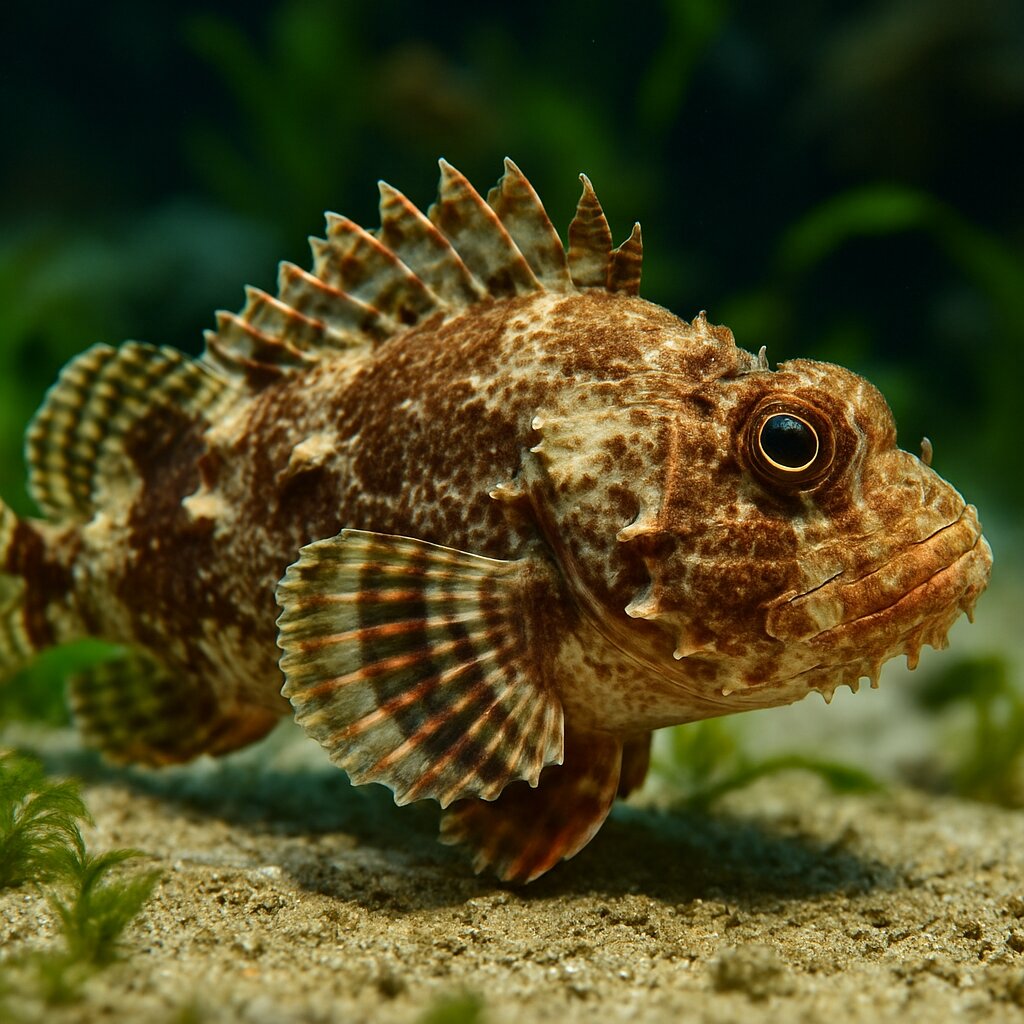
Think tiny ambush predator that vanishes into rubble and coral bits, then flashes a dark band on its pelvic and anal fins when it shifts. It tops out around 3 inches, packs venomous spines, and loves to gulp unsuspecting shrimp and small fish. Super cool to watch once it settles, but it absolutely demands careful handling and smart tankmate choices.
Blackfin stargazer
Ichthyscopus nigripinnis
This is a little sand-sitting stargazer from Australia that likes to lie in wait with its eyes up top and nail passing prey. That black mark on the front part of the dorsal fin is basically its signature. Cool fish, but its more of a wild marine predator than something you set up in a typical home aquarium.
Brownspotted stargazer
Uranoscopus fuscomaculatus
A deep demersal stargazer recorded at 366–389 m that lies buried in sand or mud to ambush prey. Distribution is Southwestern Pacific (Vanuatu and Fiji). Given its deep, cold habitat and specialized requirements, it is not a practical aquarium species.
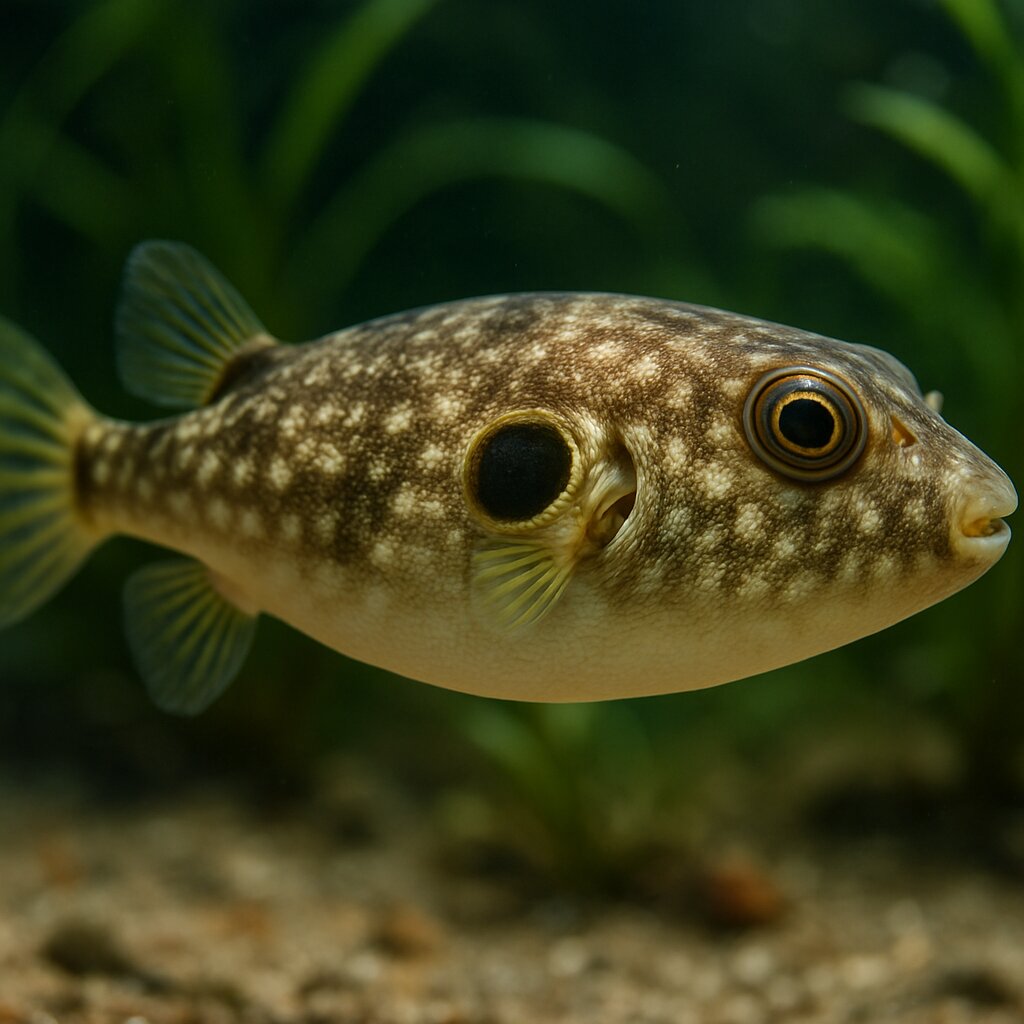
Bullseye puffer
Sphoeroides annulatus
Big personality in a football-shaped body with pale rings along the back that make a bullseye pattern. This is a stout Eastern Pacific puffer that crunches snails and crabs with ease and needs true saltwater and lots of room. Super cool to watch, but it turns nippy with tankmates and grows into a serious, messy eater.
More to Explore
Discover more marine species.
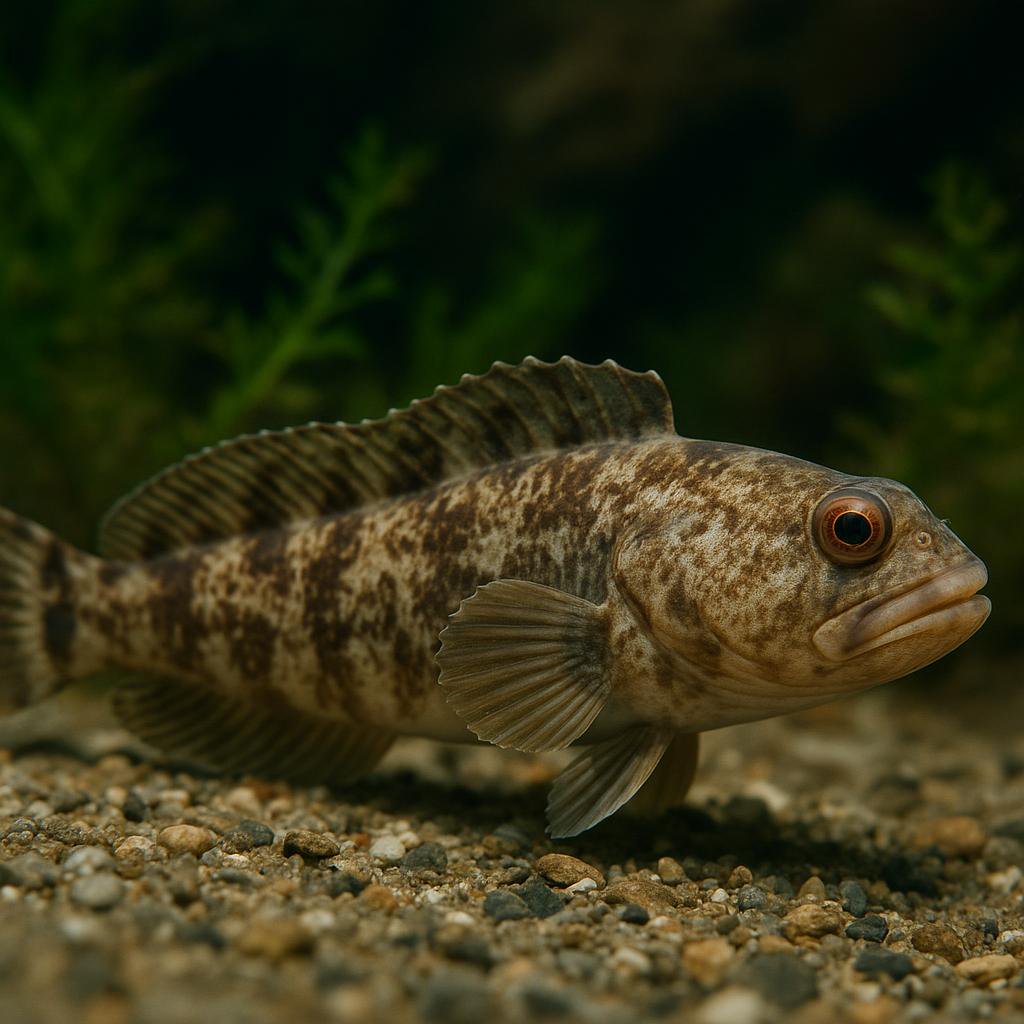
Abe's eelpout
Japonolycodes abei
Japonolycodes abei is a temperate, deepwater demersal eelpout (family Zoarcidae) endemic to Japan (Kumano-nada Sea reported; other sources also report Sagami Bay and Tosa Bay). It is the only species in the genus Japonolycodes and occurs roughly 40-300 m depth, making it an uncommon/atypical aquarium species.
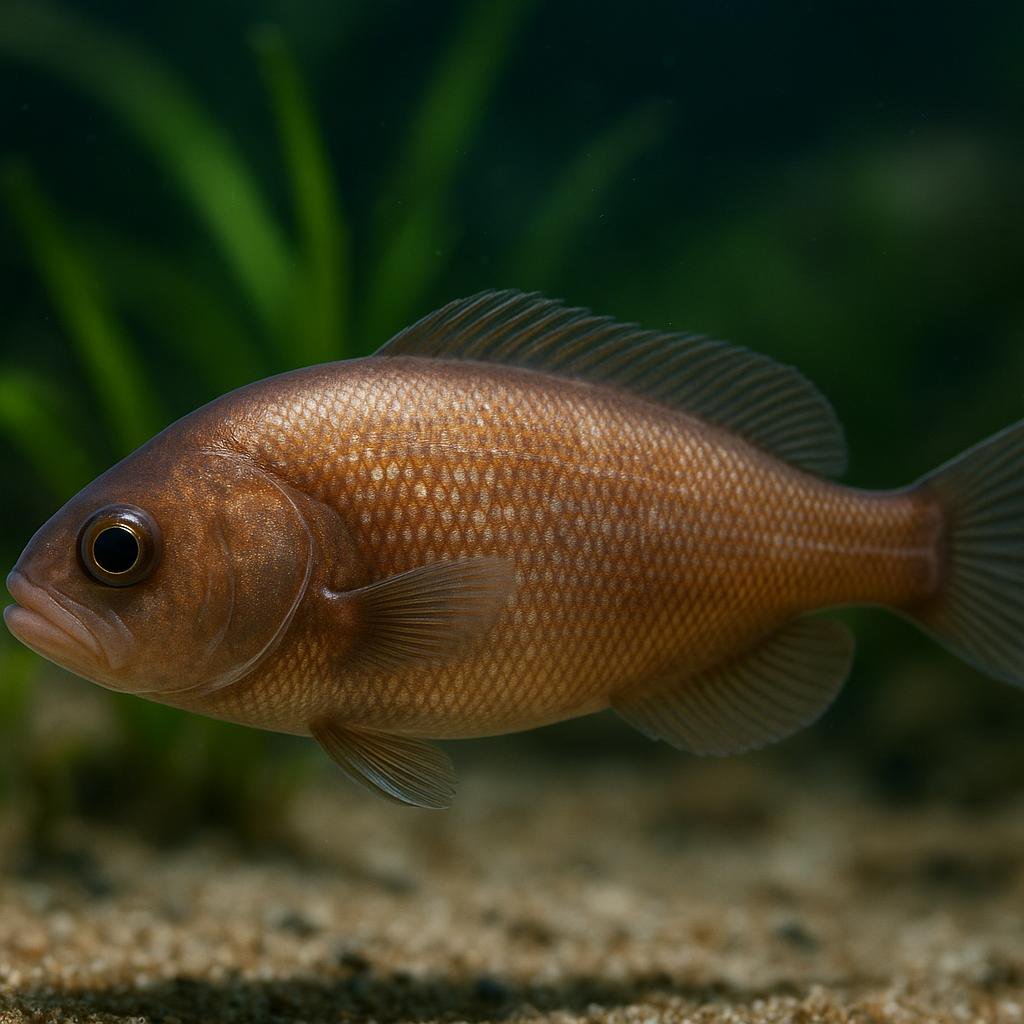
Affinis blind cusk-eel
Barathronus affinis
Barathronus affinis is a tiny, super-weird deep-sea blind cusk-eel from the western-central Indian Ocean. It is one of those gelatinous, loose-skinned brotula-type fishes that live way down in the dark and are basically never seen alive, so almost everything we know comes from preserved specimens and taxonomic work.
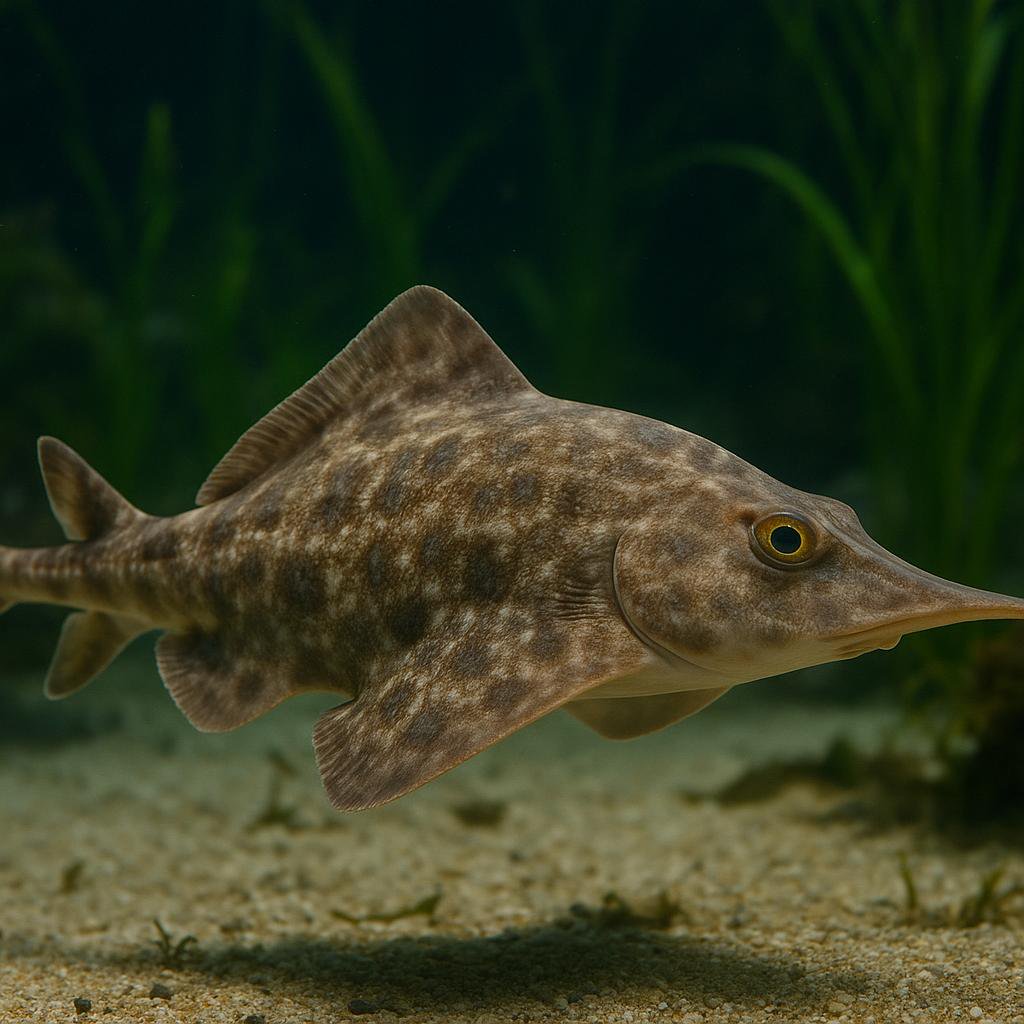
Aleutian skate
Bathyraja aleutica
This is a big, cold-water deep-slope skate from the North Pacific that cruises muddy bottoms and eats chunky benthic prey like crabs and shrimp. The really cool bit is its egg-laying skate life - it does distinct pairing (the classic skate "embrace") and drops those tough egg cases on the seafloor. Not an aquarium fish at all unless you're basically running a public-aquarium-style chilled system.
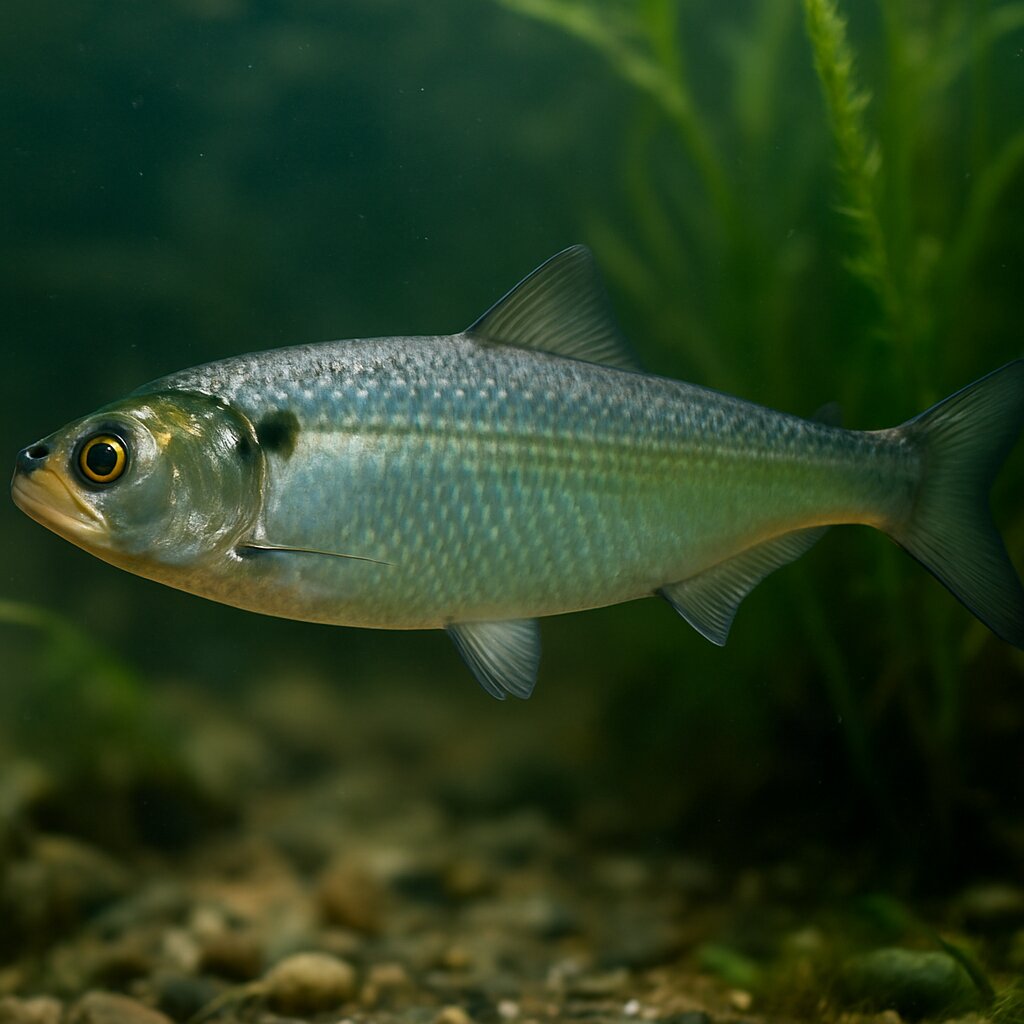
Allis shad
Alosa alosa
Gorgeous silver, fast-swimming shad that spends most of its life in the sea and then surges up big rivers in noisy, surface-spawning schools. It grows huge for a herring-type fish and needs cool, ultra-oxygenated water and tons of open space, so it is a public-aquarium species rather than a home tank fish.
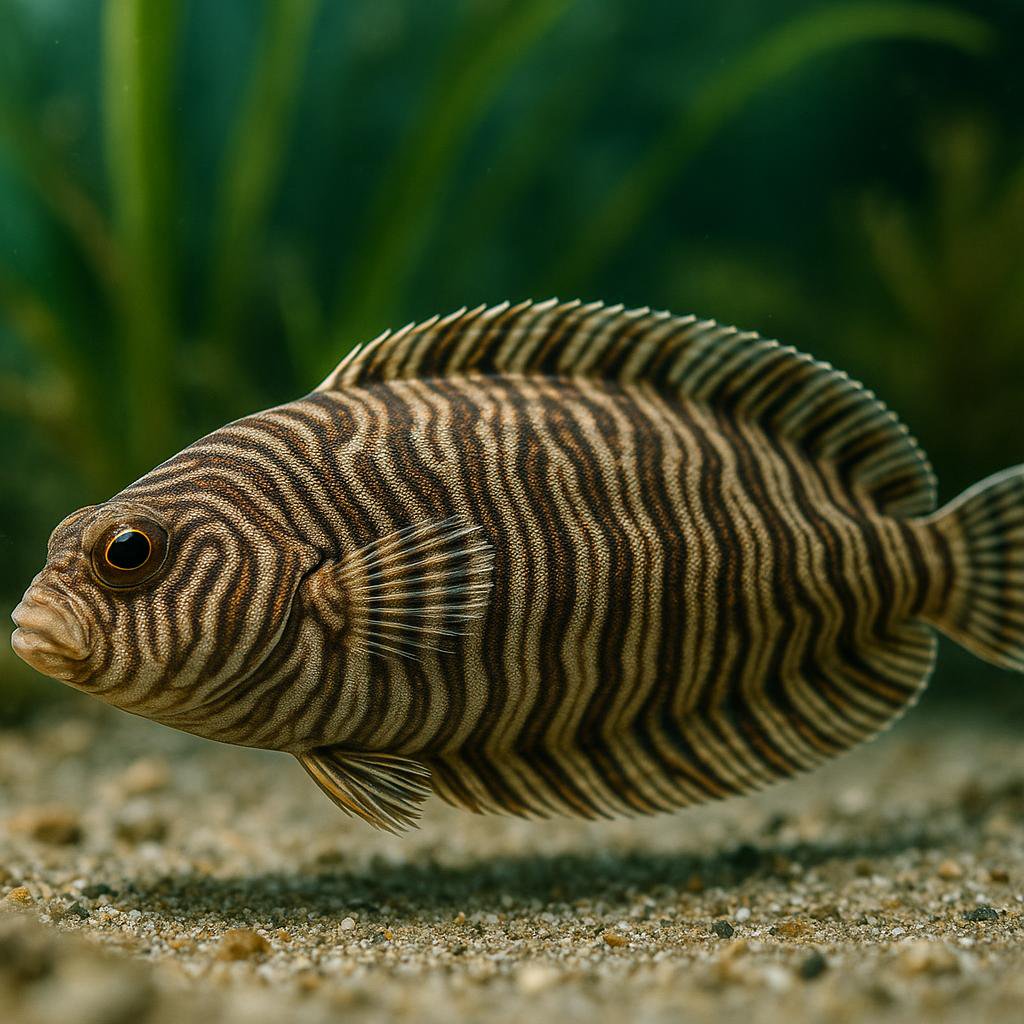
Annandale's zebra sole
Zebrias annandalei
Zebrias annandalei is a small demersal sole from coastal India that inhabits sandy or muddy bottoms and buries for camouflage. It is rarely kept in home aquaria and would require a specialized marine sand-bottom setup and appropriate feeding.
Antarctic dragonfish
Vomeridens infuscipinnis
Deep down around Antarctica, this sleek dragonfish cruises the water column like a little submarine, nearly neutrally buoyant so it can hover above the seafloor. It munches almost exclusively on Antarctic krill and lives in near-freezing water 500-800 m down, so it is a cool species to read about, not one for home tanks.
Looking for other species?