

Windowpane flounder
Scophthalmus aquosus
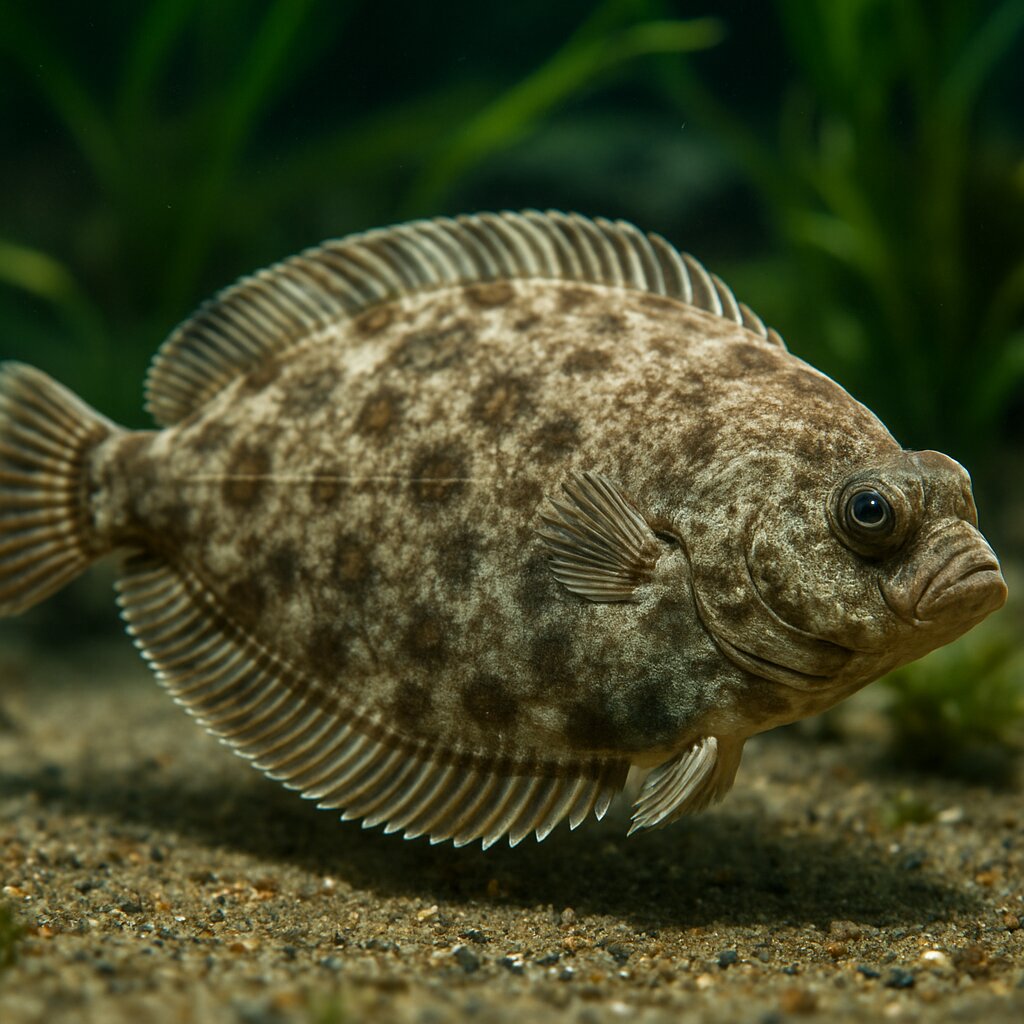
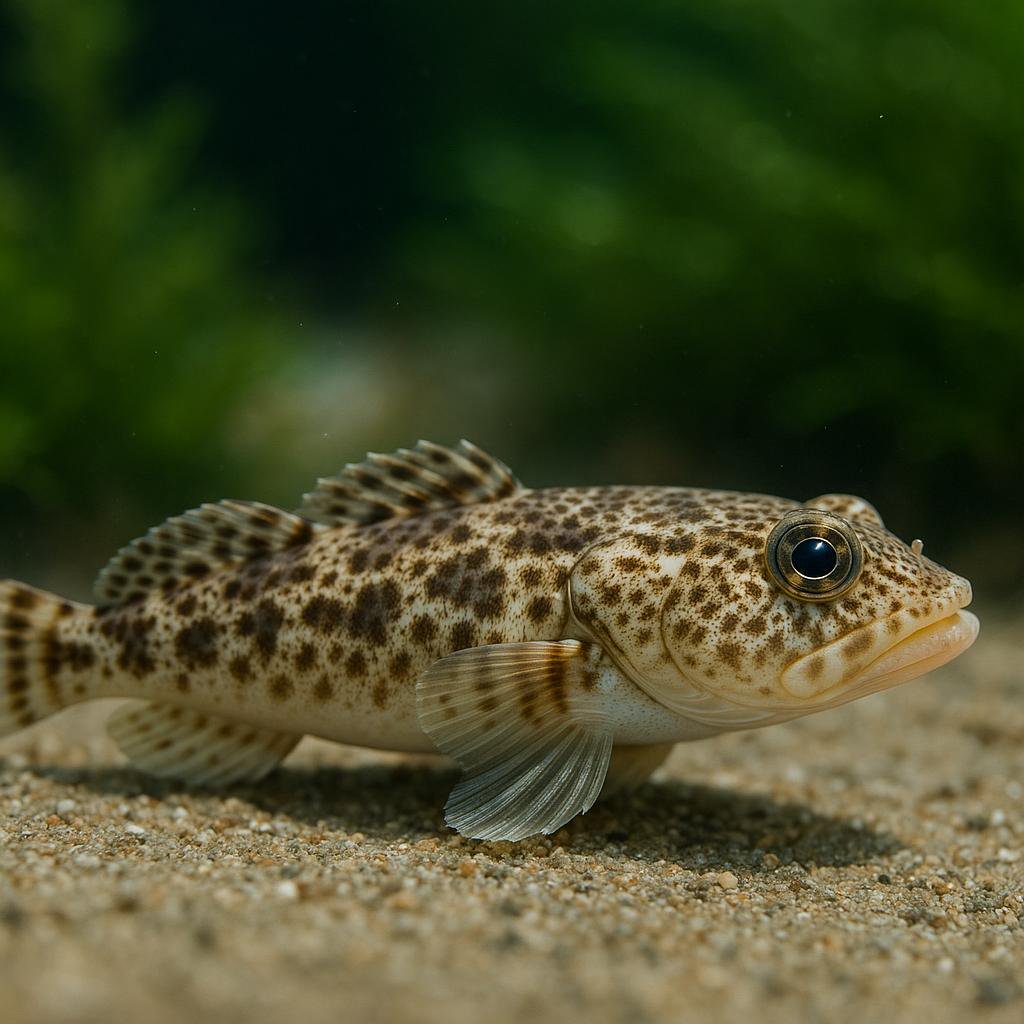
The Windowpane flounder has a distinctive flat body, pale coloration with a smooth texture, and translucent skin revealing internal organs.
This page includes AI-generated images. Why am I seeing AI images?
About the Windowpane flounder
A paper-thin, almost see-through flatfish that lives along the Northwest Atlantic, the windowpane looks wild when it vanishes into clean sand. It ambushes shrimp and small fish with quick bursts, then melts back into the bottom. Super cool animal, but it gets big and really wants cool, fully marine water and a roomy sandbed.
Also known as
Quick Facts
Size
18 inches
Temperament
Semi-aggressive
Difficulty
Expert
Min Tank Size
180 gallons
Lifespan
5-7 years
Origin
Northwest Atlantic
Diet
Carnivore - shrimp, crabs, small fish, mysids
Water Parameters
6-22°C
8-8.4
14-30 dGH
Need a heater for this species?
This species needs 6-22°C in a 180 gallon tank. Use our heater calculator to find the right wattage.
Calculate heater sizeCare Notes
- Get a long tank with a big footprint - think 6x2 ft, 120-180 gallons - with 2-3 inches of fine sand to bury in and minimal sharp rock.
- Keep them cool and salty: 55-68 F, SG 1.023-1.026; use a chiller and strong surface agitation, but keep bottom flow gentle so they are not blasted.
- They crash in warm, dirty water, so hold ammonia and nitrite at 0 and nitrate under 20 ppm; big skimmer, heavy aeration, and vacuum the sand weekly.
- Feed like an ambush predator: target-feed at dusk by placing strips of shrimp, squid, or clam right by the mouth; start with live grass shrimp if they refuse dead food, then wean.
- Skip feeder goldfish and do not rely on smelt or silversides every meal; rotate seafoods and add a vitamin soak with thiamine to avoid deficiency.
- Tankmates are large, calm midwater fish only; anything bite-size will vanish, and pickers like triggers, big wrasses, and puffers will torment them.
- Quarantine every new flounder; flukes are common, so run praziquantel, and if you must use copper, use chelated copper conservatively and test often.
- Run subdued lighting, give shaded zones, and use a tight lid - startled flounders do jump; breeding is not realistic at home since they broadcast spawn with pelagic larvae.
Compatibility
Good Tankmates
- Fast midwater cruisers that never bed down on the sand and are too big for a gulp - tall-bodied schoolers work well if they ignore the bottom
- Big, chill fish that stay up in the water column and do not nip - they see the flounder as furniture and move on
- Another similar-size flatfish in a wide, sandy tank, added last and watched for turf tiffs - works if both are well fed
- Steady eaters you can distract at the surface while you target-feed the flounder on the sand - keeps peace at meal time
- Cool-temp tolerant fish that sleep in rockwork, not on the substrate, so they do not get ambushed at lights-out
Avoid
- Anything bite-size or bottom-snoozing like small gobies, blennies, or juvenile reef fish - it will inhale them
- Nippy jerks like triggers, puffers, and big wrasses - they pick at flatfish, especially eyes and fins
- Slow, delicate fish like seahorses and pipefish - they get outcompeted and may become a curiosity snack
- Large predators or eels that might test a flat, still fish - one lunge and it is a bad day
Where they come from
Windowpane flounder are a cold-to-cool water flatfish from the western Atlantic, most common from the Gulf of St. Lawrence down past New England to the mid-Atlantic and into nearby coastal shallows. They like sandy or muddy bottoms in bays and nearshore waters, and their thin, almost see-through body is what gives them the "windowpane" name.
This is a temperate species, not tropical. Think 58-68 F, often happiest around the low-to-mid 60s.
Setting up their tank
Give them floor space over water volume. A full-grown windowpane can hit 14-18 inches, so you want a long, wide tank. I would not even consider less than a 6-foot tank (180+ gallons), with as much open sand as you can manage. They live to bury.
- Temperature: 58-68 F (15-20 C). Plan on a chiller if your room creeps up.
- Salinity: 1.022-1.026
- pH: 8.0-8.3
- Substrate: 2-3 inches of fine, rounded aragonite sand. Skip sharp crushed coral.
- Flow: gentle across the bottom, strong gas exchange up top
- Lighting: dim to moderate. They relax in softer light.
- Filtration: oversized skimmer and a big biofilter. Meaty diets are messy.
Hardscape is optional. If you add rock, keep it stable and lifted on eggcrate so the fish cannot undermine it while digging. Leave big, open patches of sand.
Use a tight lid anyway. They are not jumpy like eels, but a spooked flatfish can launch when lights snap on.
Acclimate with temperature and salinity match, but do not drip for hours. Shipped water builds up ammonia, and raising pH during a long drip can burn their gills. Get them into clean, oxygenated water promptly.
Quarantine is worth the time. Bare-bottom QT is fine if you add a tray or container of fine sand so they can settle. They sulk on bare glass.
What to feed them
They are ambush predators. Wild ones eat small fish and crustaceans that wander too close. In the tank, many need a little convincing at first.
- Starter foods: live saltwater shrimp, live minnows caught from clean saltwater, or gut-loaded ghost shrimp if you must (short-term).
- Training foods: thawed silversides, sand eels, lancefish, squid strips, raw marine shrimp, and scallop. Wiggle the food on tongs right in front of the mouth.
- Routine: small meals once or twice a day at dusk works well. They are not sprinters; hold the piece until they inhale it.
Use a feeding stick and lay the food just ahead of the eyes. If you place it behind the head, they will not find it. A little movement triggers the strike.
Skip feeder goldfish or rosy reds. Freshwater feeders carry disease and lots of thiaminase, which leads to vitamin deficiencies. Rotate marine-based items and soak in a vitamin/HUFA supplement a few times a week.
You will know you are overdoing it if the fish balloons and stays exposed. Better to feed modestly and keep water quality tight.
How they behave and who they get along with
Most of the day they are sand-colored pancakes that barely move. Give them a quiet bottom and they will settle in. They are not aggressive in a chasing sense, but anything bite-sized that moseys by is food.
- Good tankmates: larger, calm midwater fish that mind their own business (big wrasses that do not pick, tangs, sturdy chromis groups, larger anthias in cool setups).
- Use caution: other flatfish. They can get grumpy over prime sand patches unless the tank is huge.
- Avoid: small gobies, blennies, shrimp, crabs, snails you care about, and anything that sleeps on the sand. Also avoid nippy or beaky fish like triggers and puffers that torment flatfish.
If it fits in the mouth, it will disappear one night. Plan stocking around the flounder, not the other way around.
Breeding tips
Realistically, you are not breeding windowpane flounder at home. They spawn offshore with pelagic eggs and larvae that need specialized plankton foods and round tanks to keep them suspended. Even public aquariums treat this as a project. If you ever see courtship in a very large, chilled system, consider yourself lucky, take notes, and enjoy the moment.
Common problems to watch for
- Heat stress: panting gills, refusing to bury, blotchy color. Keep temps steady in the 60s and run strong aeration.
- Refusing food: new imports often need live prey to start. Try live saltwater shrimp at lights-down, then wean to thawed pieces.
- Skin and eye issues: abrasions from sharp substrate, or nips from tankmates. Use fine sand and peaceful company.
- Flukes and other parasites: very common on wild flatfish. Praziquantel works well during quarantine. Watch for flashing and excess mucus.
- Copper sensitivity: treat ich proactively via observation/QT and gentler methods. If you must use copper, dose carefully and monitor with a reliable test.
- Bacterial sores: can follow net damage. Move with a soft container, not a rough net, and keep the bottom clean.
- Nutritional gaps: a silversides-only diet leads to problems. Rotate foods and add a vitamin/HUFA soak.
Use a shallow plastic tub to move them. Nets scuff flatfish easily, and those scrapes invite infections.
They are often wild-caught. If you collect locally, check your regulations and pick clean areas only. Short transport, cold water, and lots of oxygen matter more than anything on day one.
Similar Species
Other marine semi-aggressive species you might be interested in.
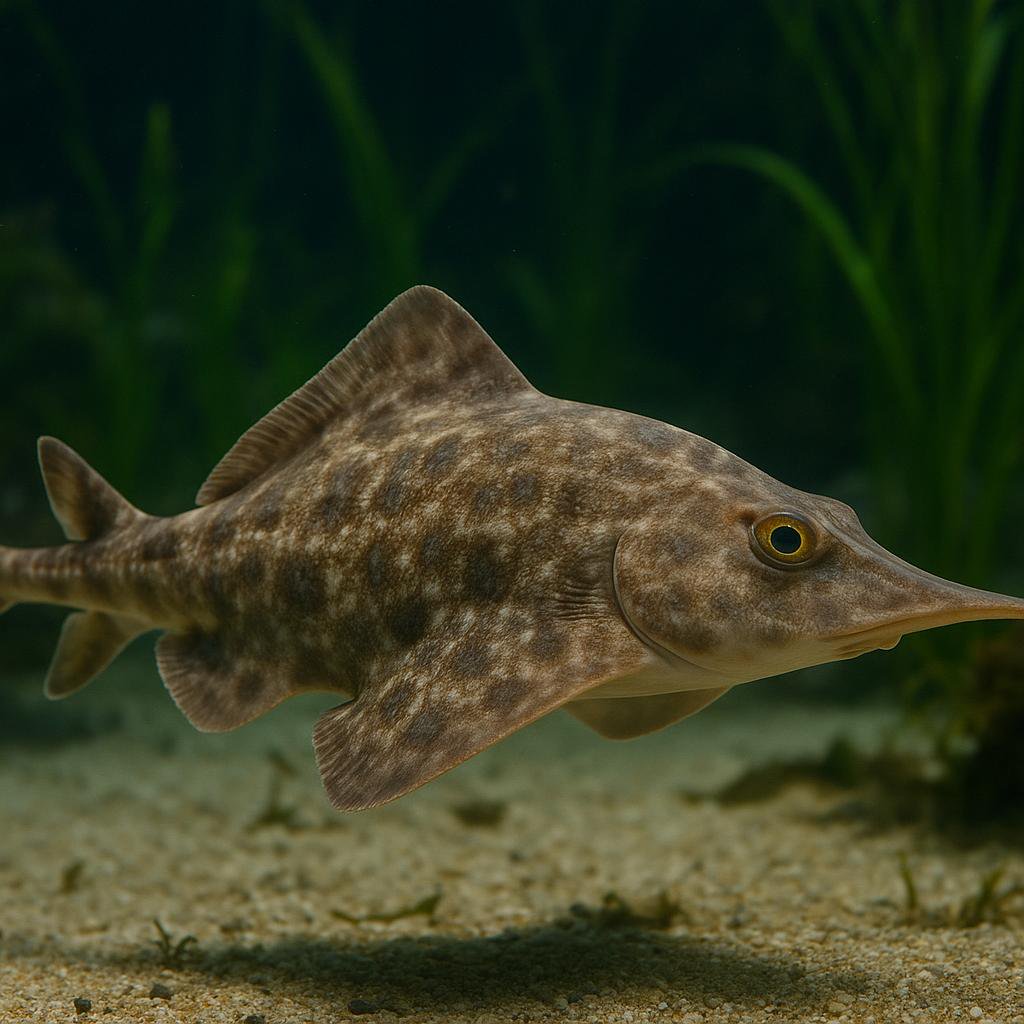
Aleutian skate
Bathyraja aleutica
This is a big, cold-water deep-slope skate from the North Pacific that cruises muddy bottoms and eats chunky benthic prey like crabs and shrimp. The really cool bit is its egg-laying skate life - it does distinct pairing (the classic skate "embrace") and drops those tough egg cases on the seafloor. Not an aquarium fish at all unless you're basically running a public-aquarium-style chilled system.
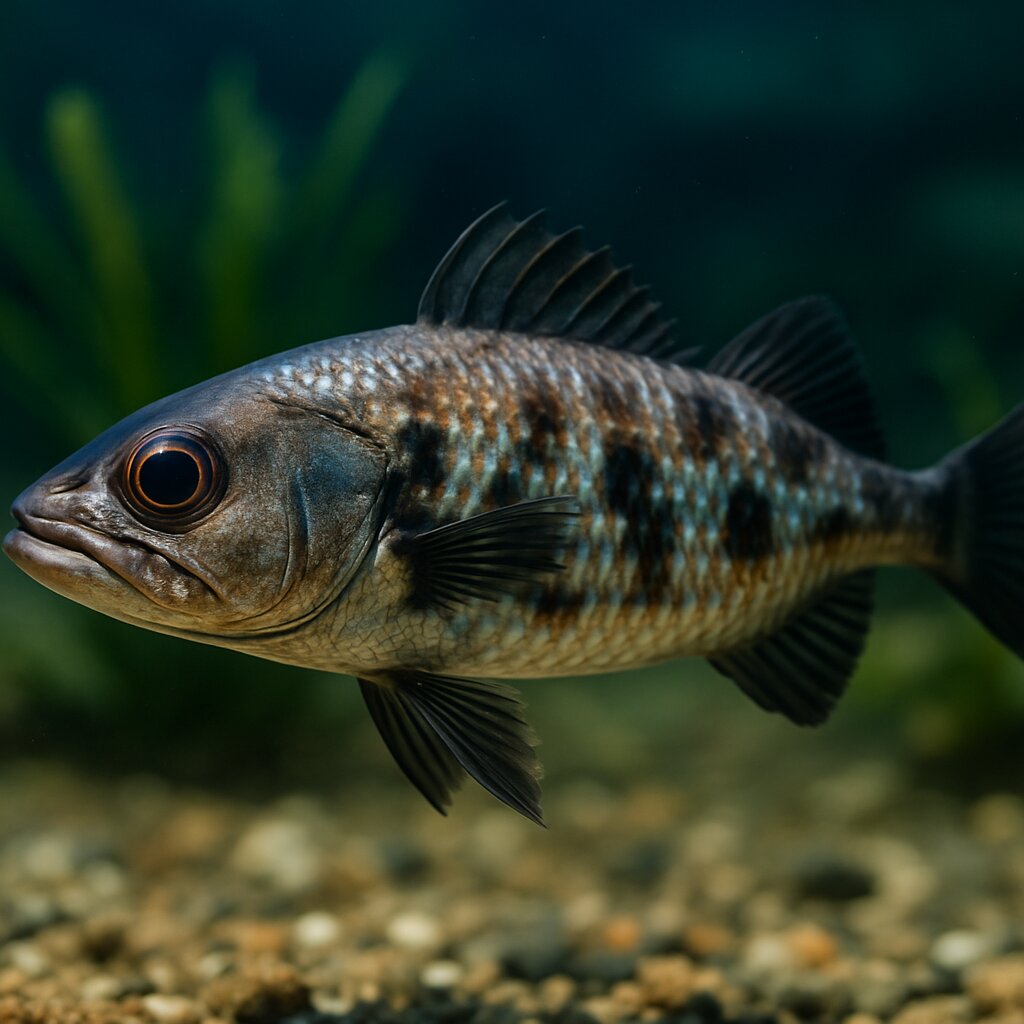
Antarctic dragonfish
Vomeridens infuscipinnis
Deep down around Antarctica, this sleek dragonfish cruises the water column like a little submarine, nearly neutrally buoyant so it can hover above the seafloor. It munches almost exclusively on Antarctic krill and lives in near-freezing water 500-800 m down, so it is a cool species to read about, not one for home tanks.
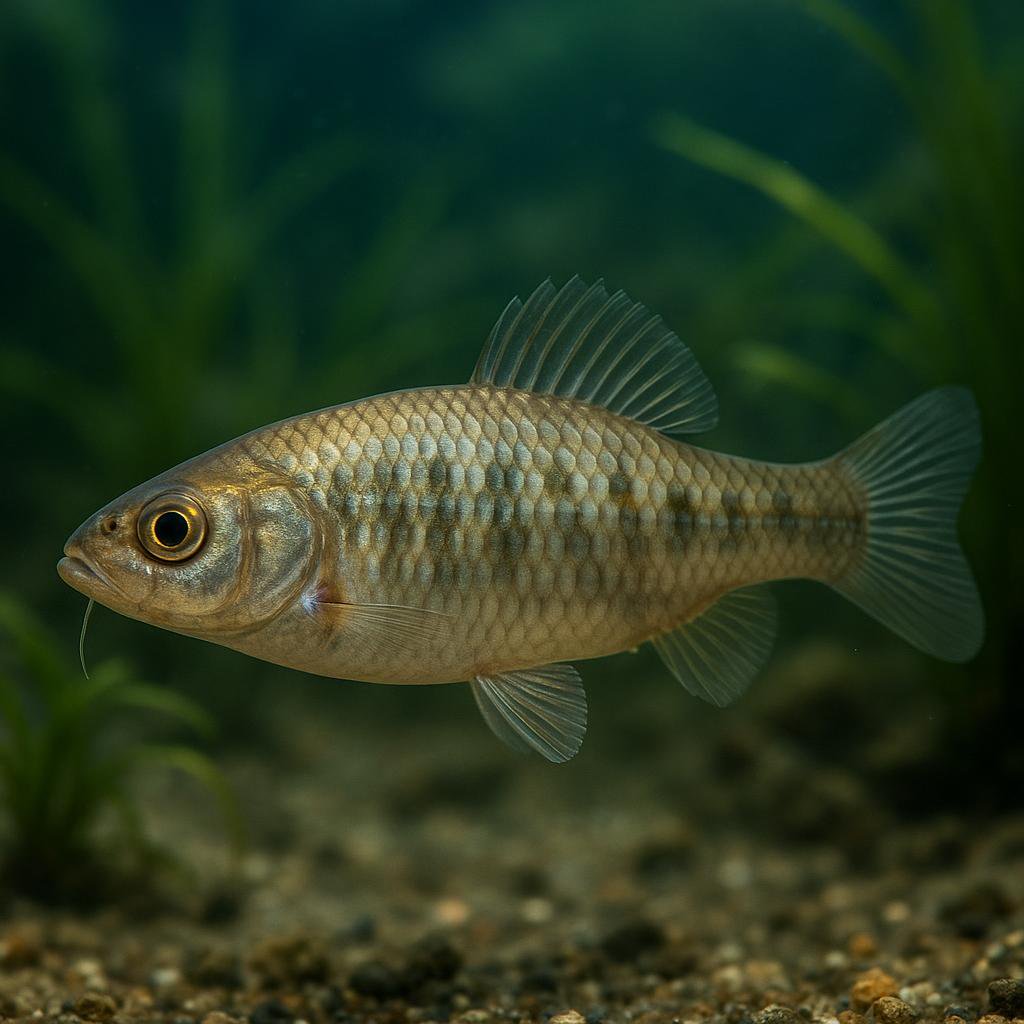
Arabian spiny eel
Notacanthus indicus
Notacanthus indicus is a deep-sea spiny eel (family Notacanthidae; not a true eel) known from the Arabian Sea on the continental slope at roughly ~960–1,046 m depth, with reported maximum length around 20 cm TL; it is a deep-water bycatch species and not established in the aquarium trade.
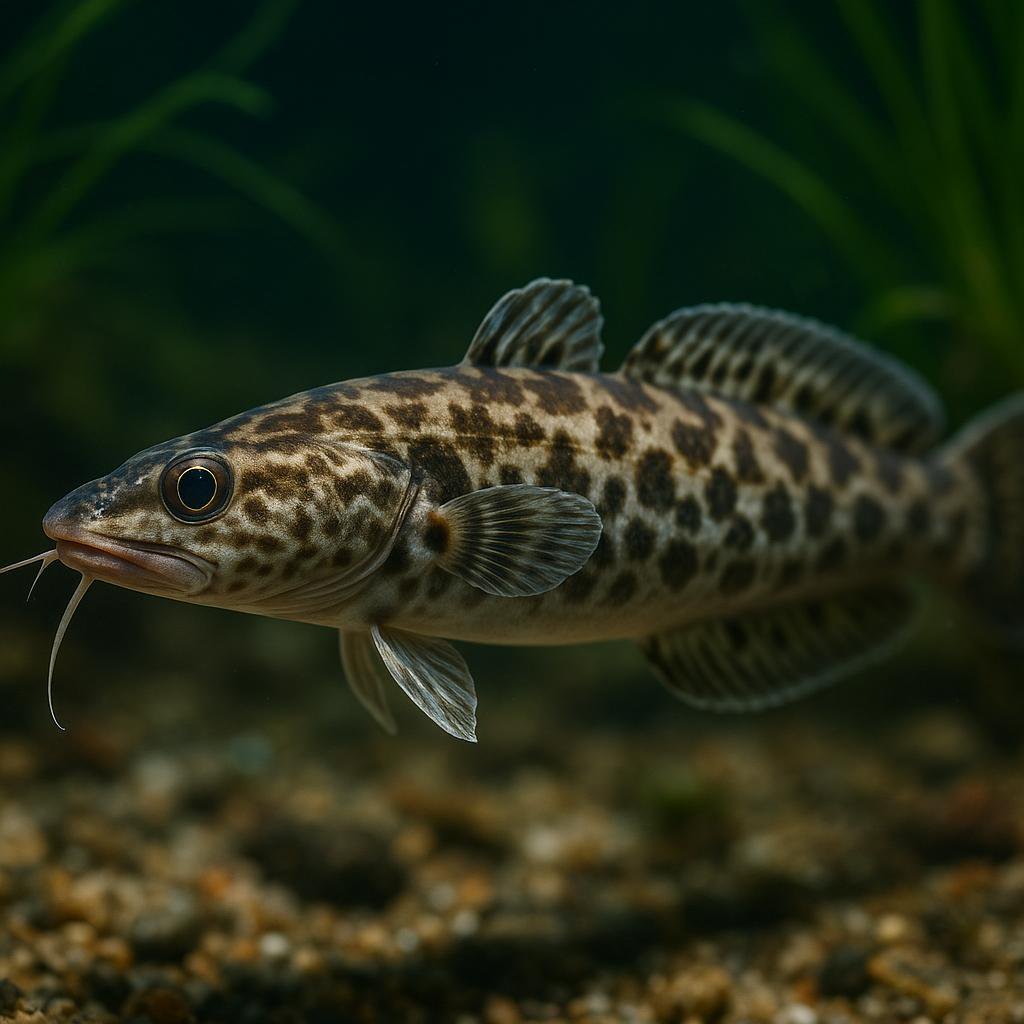
Arctic rockling
Gaidropsarus argentatus
This is a deepwater North Atlantic rockling (a cod relative) that hangs out on soft bottoms way down the slope. It is a cold-water, bottom-hugging predator that snoots around for crustaceans and will also take small fish when it gets the chance.
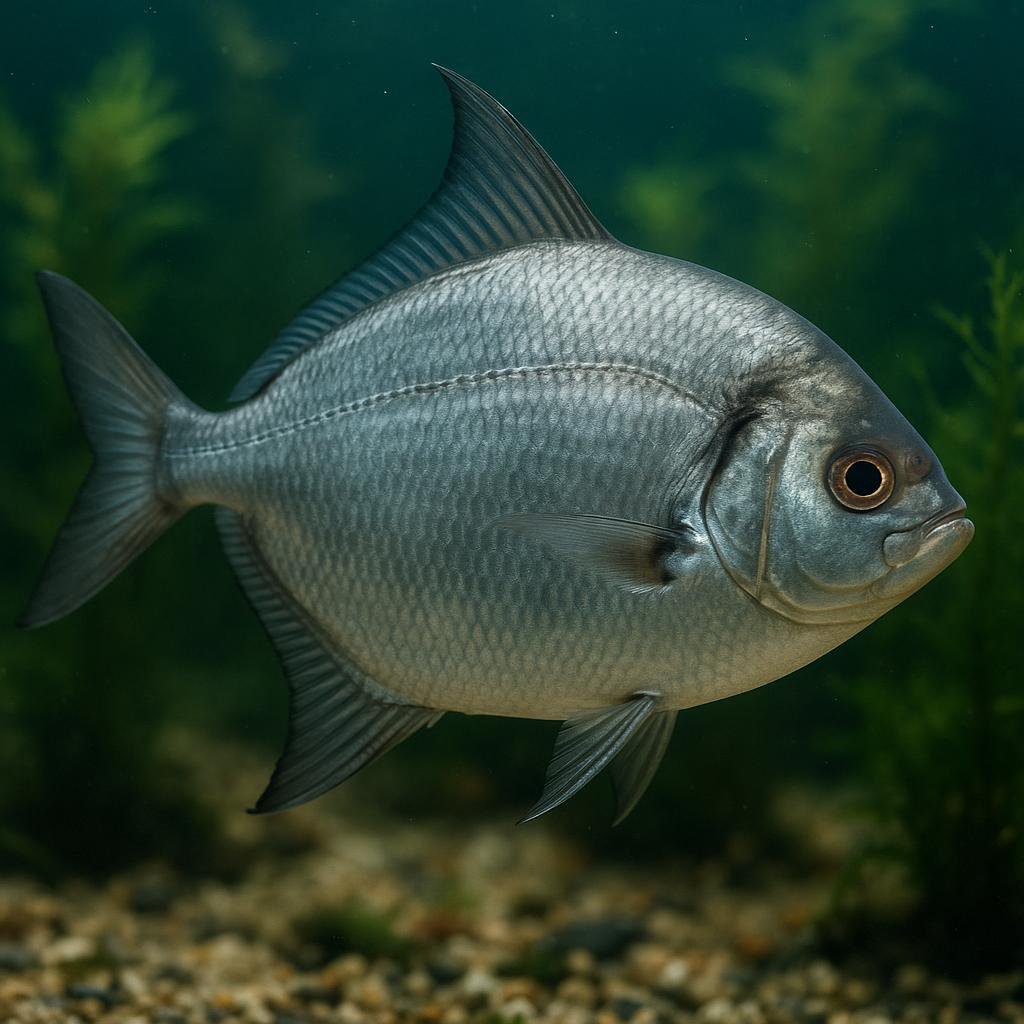
Atlantic pomfret
Brama brama
Brama brama is the Atlantic pomfret (aka Ray's bream) - a deep-bodied, open-ocean pelagic fish that cruises around in small schools and follows water temps. It is a legit big, wild marine species (not an aquarium fish) that eats other small sea critters like fish and squid, and it ranges across a huge chunk of the Atlantic plus parts of the Indian and South Pacific.
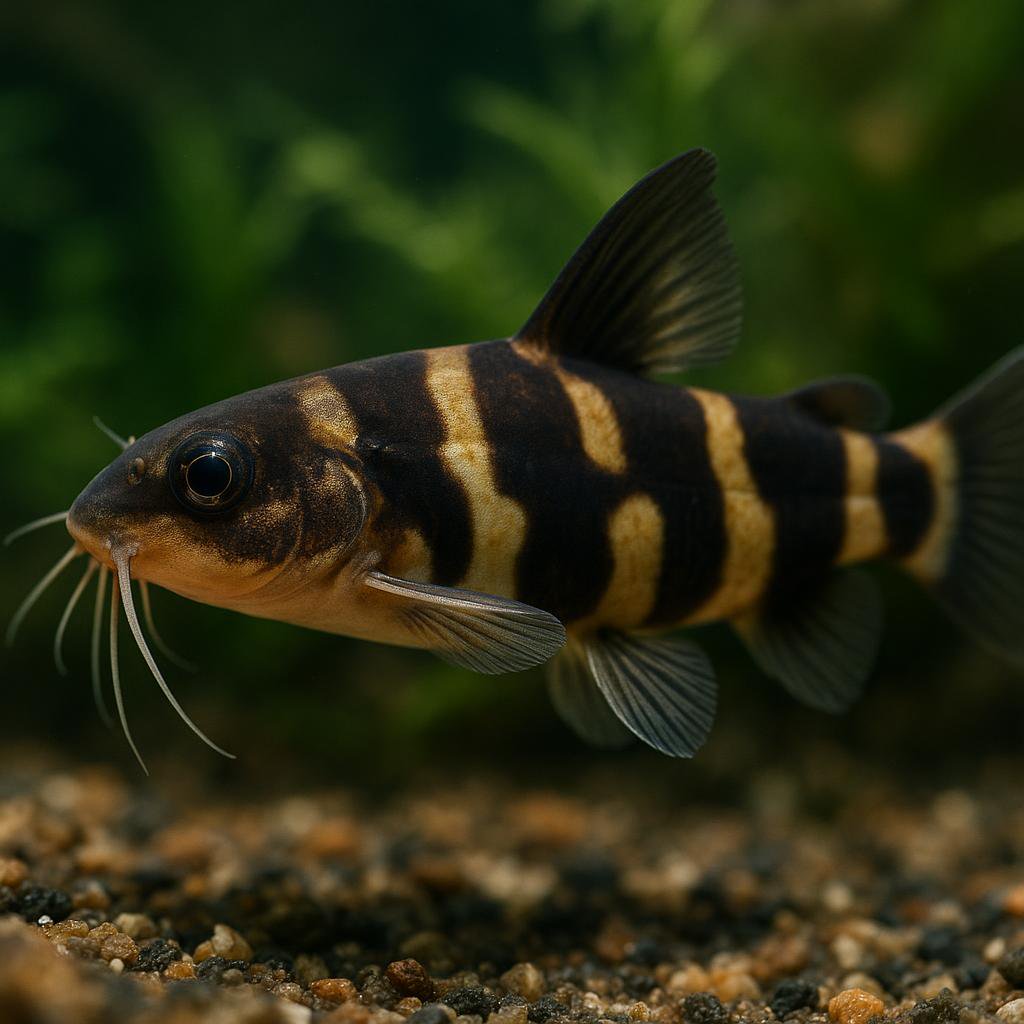
Australian sawtail catshark
Figaro boardmani
Figaro boardmani is a small, deepwater Australian catshark with these cool saw-like ridges of spiny denticles along the tail and a neat pattern of dark saddle bands. It lives way down on the outer continental shelf and slope, so its natural water is cold, dim, and stable - totally not a typical home-aquarium fish. Diet-wise its a predator that goes after fish, crustaceans, and cephalopods.
More to Explore
Discover more marine species.
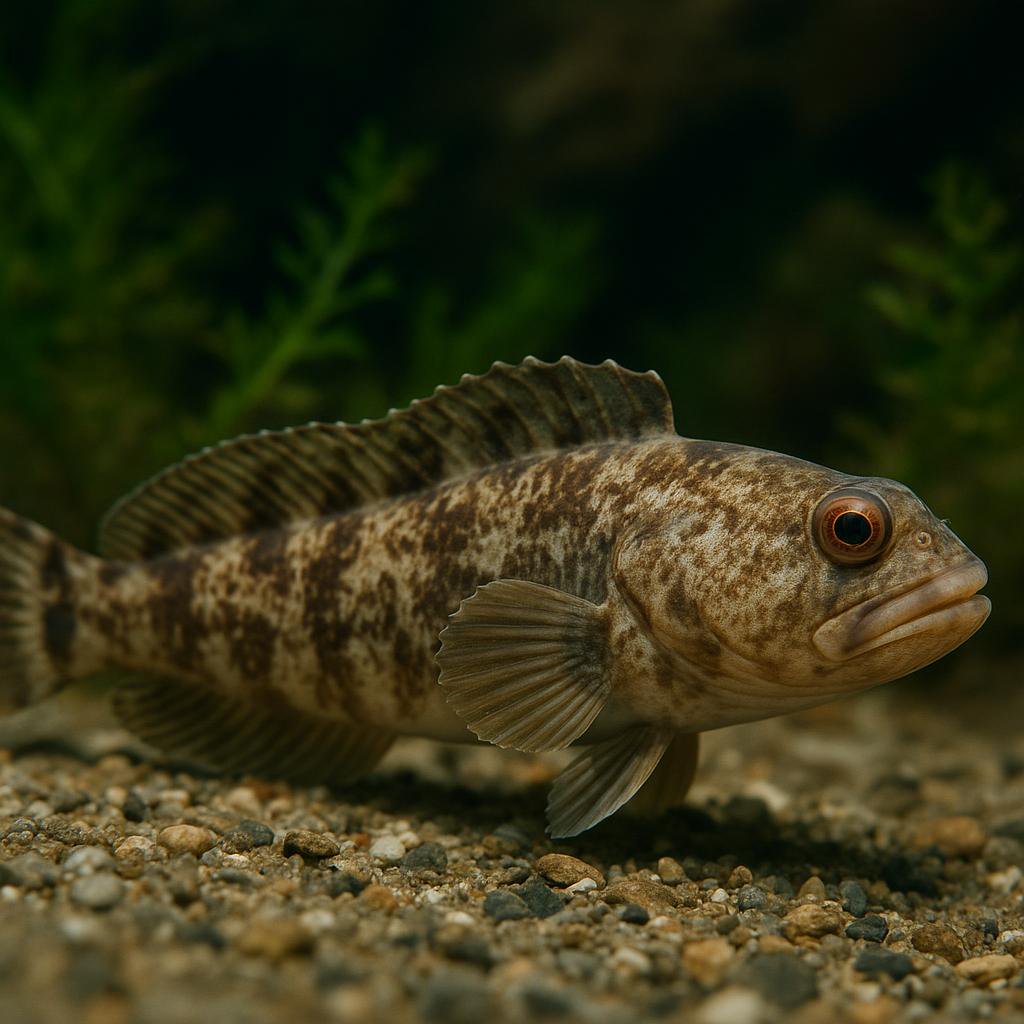
Abe's eelpout
Japonolycodes abei
Japonolycodes abei is a temperate, deepwater demersal eelpout (family Zoarcidae) endemic to Japan (Kumano-nada Sea reported; other sources also report Sagami Bay and Tosa Bay). It is the only species in the genus Japonolycodes and occurs roughly 40-300 m depth, making it an uncommon/atypical aquarium species.
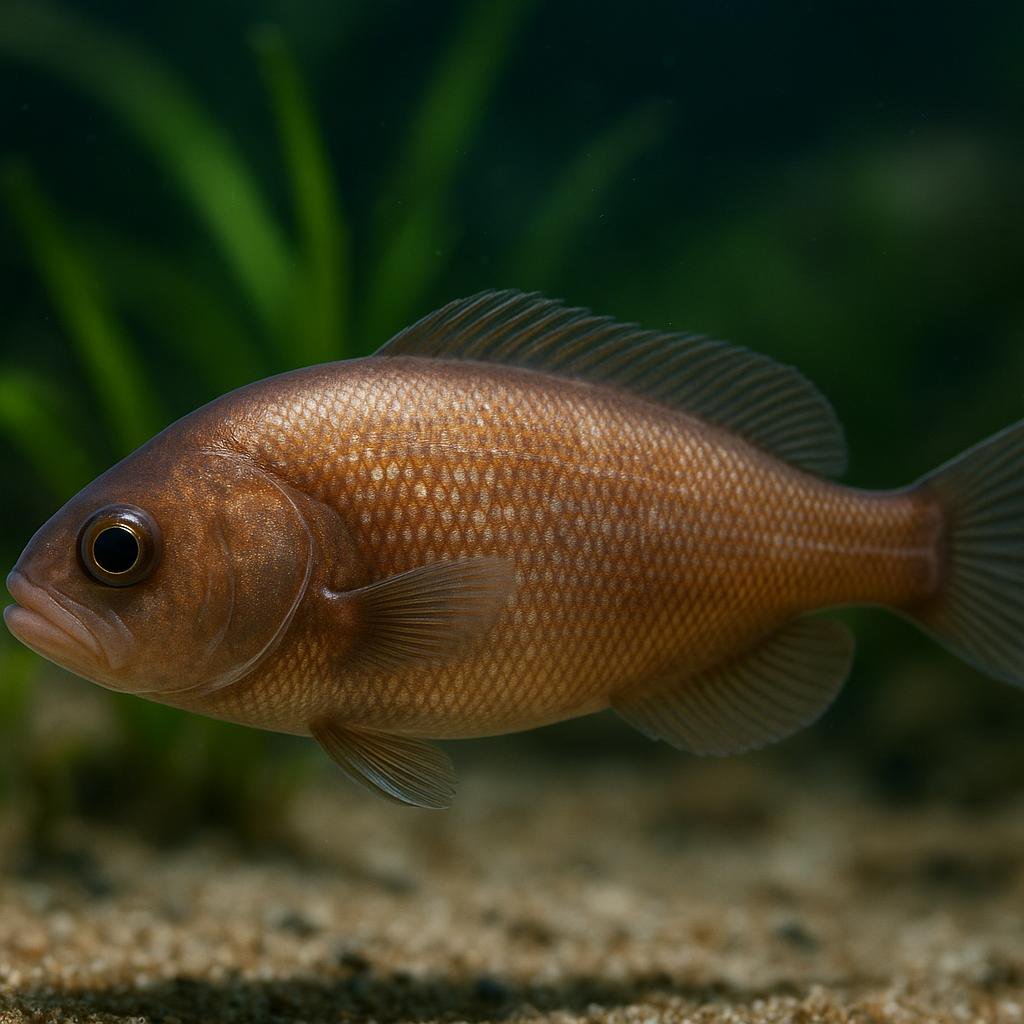
Affinis blind cusk-eel
Barathronus affinis
Barathronus affinis is a tiny, super-weird deep-sea blind cusk-eel from the western-central Indian Ocean. It is one of those gelatinous, loose-skinned brotula-type fishes that live way down in the dark and are basically never seen alive, so almost everything we know comes from preserved specimens and taxonomic work.
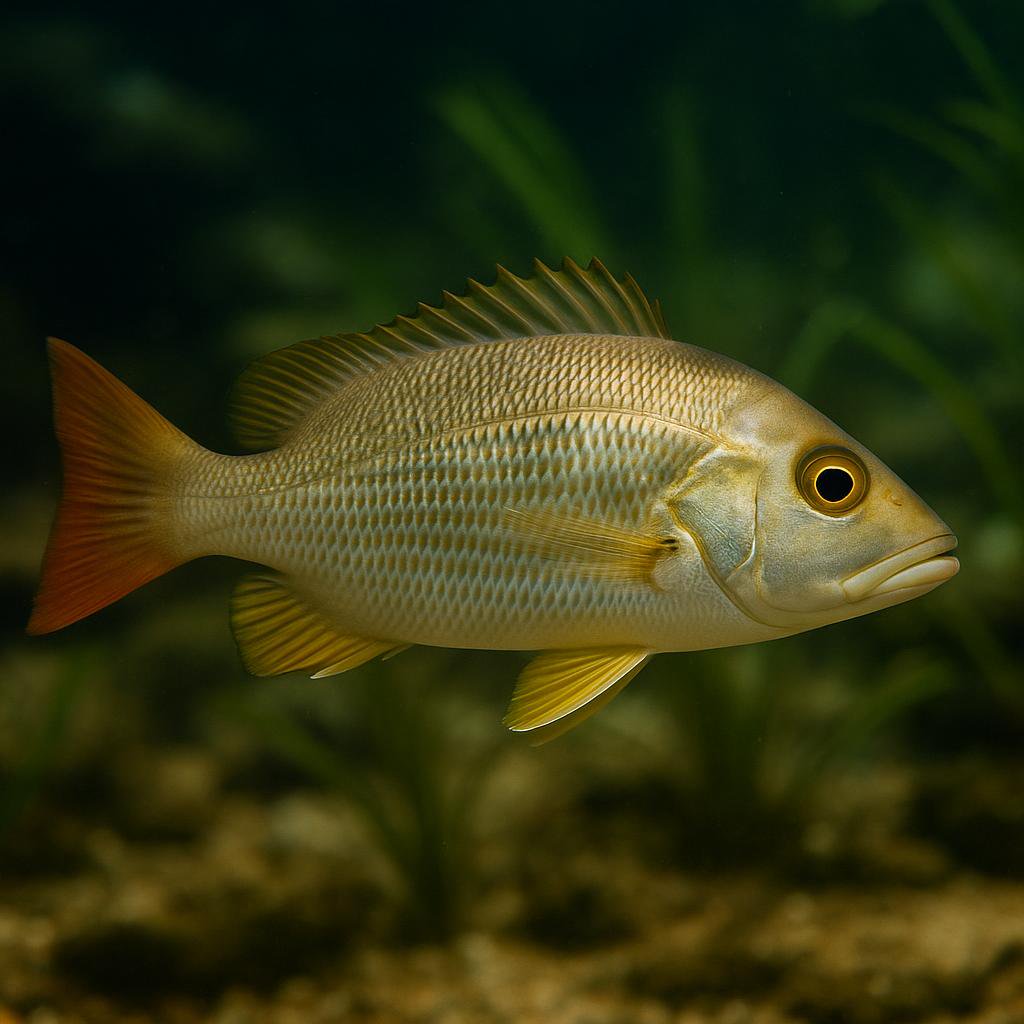
African red snapper
Lutjanus agennes
This is a true snapper from West Africa - a big, fast-growing predator that goes from coastal reefs to brackish lagoons and estuaries (especially as a juvenile). Super cool fish in the wild, but it gets absolutely huge and will eat smaller tankmates once it has the mouth for it, so its really more of a public-aquarium scale animal than a home-aquarium fish.
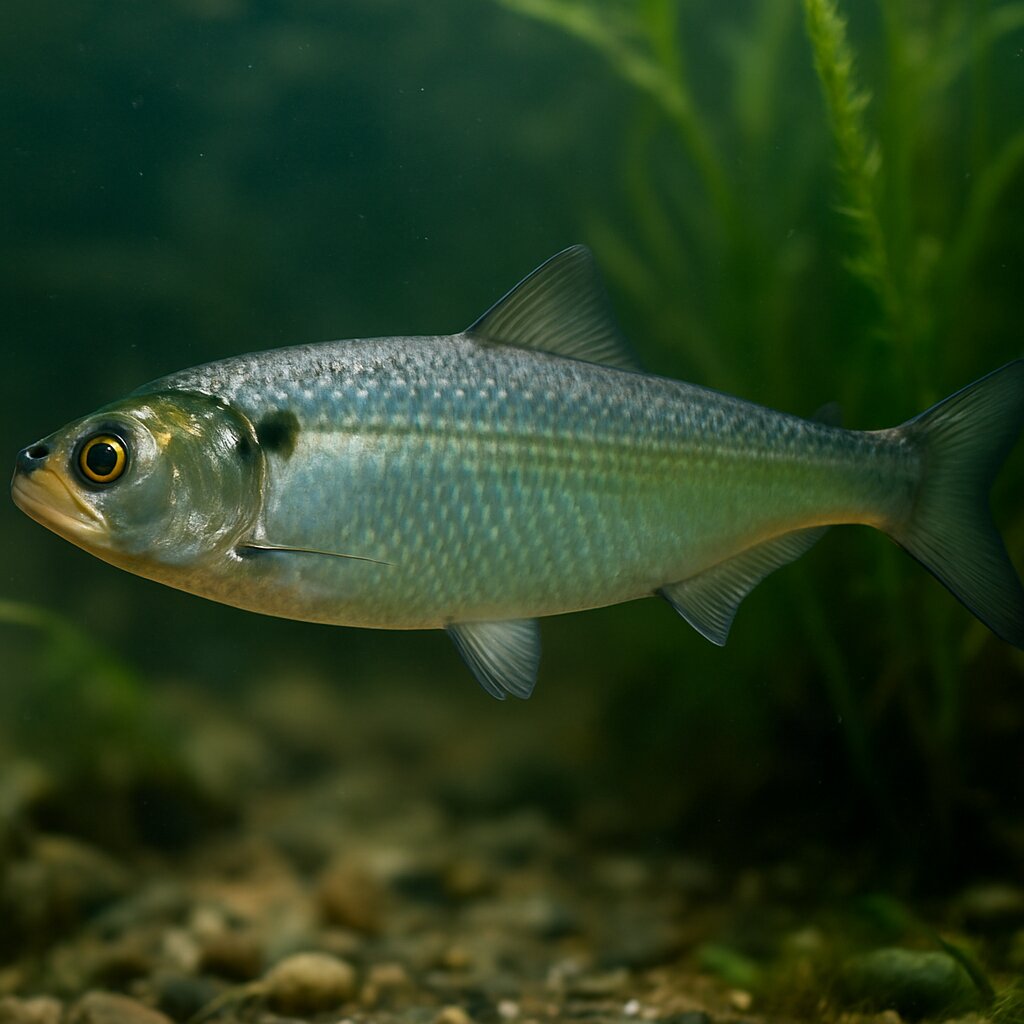
Allis shad
Alosa alosa
Gorgeous silver, fast-swimming shad that spends most of its life in the sea and then surges up big rivers in noisy, surface-spawning schools. It grows huge for a herring-type fish and needs cool, ultra-oxygenated water and tons of open space, so it is a public-aquarium species rather than a home tank fish.
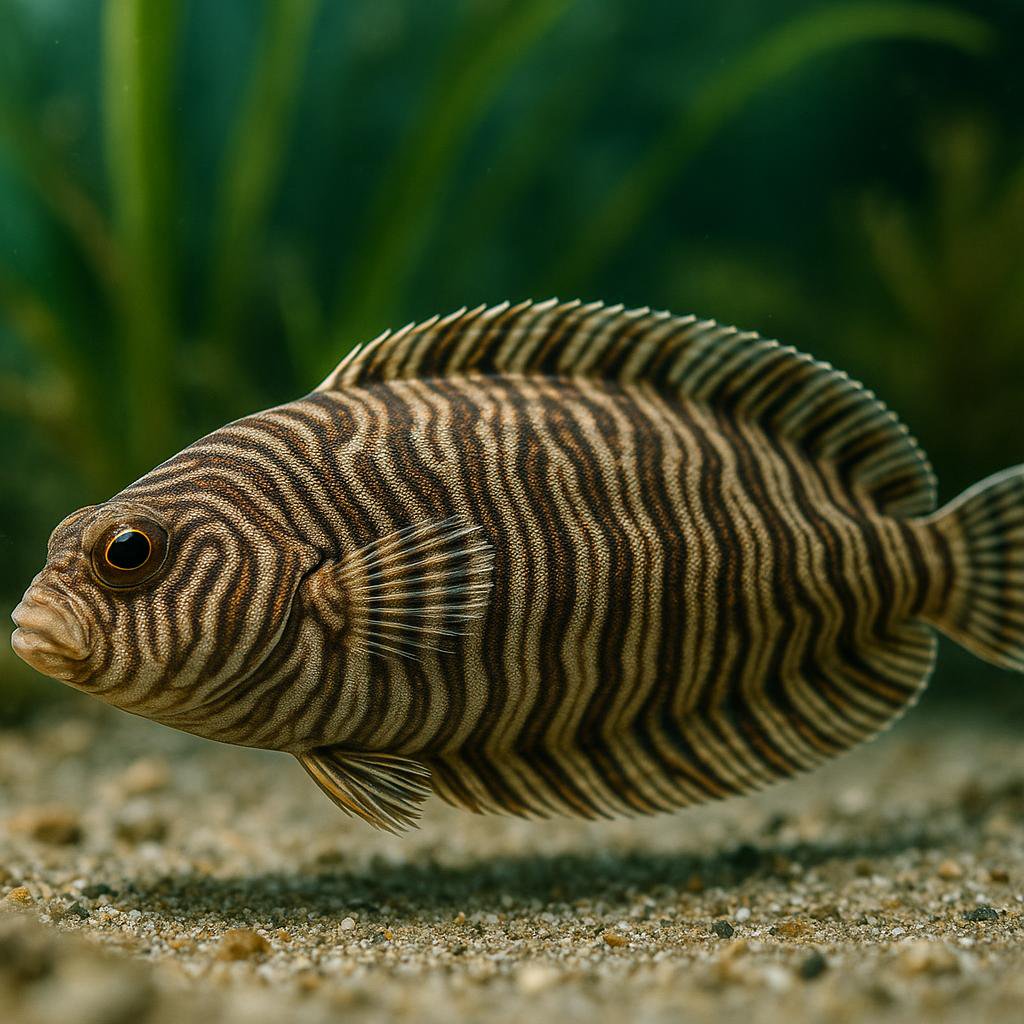
Annandale's zebra sole
Zebrias annandalei
Zebrias annandalei is a small demersal sole from coastal India that inhabits sandy or muddy bottoms and buries for camouflage. It is rarely kept in home aquaria and would require a specialized marine sand-bottom setup and appropriate feeding.
Banded stargazer
Kathetostoma binigrasella
This is a New Zealand stargazer that lives half-buried in sand or mud with its eyes pointed up, waiting to rocket upward and nail passing prey. It has those neat dark saddle-bands across the back (especially as a juvenile), and like other stargazers it is venomous with spines near the gill cover/pectoral area - definitely a look-dont-touch fish.
Looking for other species?