

Longfin dragonfish
Tactostoma macropus
About the Longfin dragonfish
This is a true deep-sea dragonfish - jet-black, eel-like, and built for hunting in the dark midwater. It comes up shallower at night and has that classic stomiid vibe: big mouth, nasty teeth, and a whole lot of "made for the abyss" energy. Not an aquarium fish in any practical sense, but a super cool species to read about.
Quick Facts
Size
34.3 cm TL
Temperament
Aggressive
Difficulty
Expert
Min Tank Size
1000 gallons
Lifespan
unknown
Origin
North Pacific (Japan to Bering Sea; eastern Pacific from Gulf of Alaska to Baja California; reported from Chile)
Diet
Carnivore - predatory midwater hunter (fishes and crustaceans)
Water Parameters
2-6°C
7.8-8.4
7-12 dGH
Need a heater for this species?
This species needs 2-6°C in a 1000 gallon tank. Use our heater calculator to find the right wattage.
Calculate heater sizeCare Notes
- This is a deep-sea fish - if you cannot keep it cold and dark, do not buy it. Think dedicated chiller (roughly 40-50F / 4-10C), very dim lighting, and a tight lid because they can spook-jump.
- Run big oxygen and flow: oversized skimmer, lots of surface agitation, and high dissolved O2 matter more than fancy rockwork. Keep ammonia and nitrite at absolute zero and nitrate as low as you can because they crash fast in dirty water.
- Keep salinity stable around natural seawater (about 1.025-1.026 SG) and do small, frequent water changes instead of big swings. Sudden temp or salinity shifts will wipe them out quicker than most reef fish.
- Feeding is the whole game - offer meaty stuff like enriched mysis, chopped shrimp, krill, and small marine fish flesh, and use feeding tongs to get it right in front of the mouth. They often do better with several small feeds and they can be slow to recognize prepared foods at first.
- Avoid tankmates that are nippy or fast at food (wrasses, triggers, puffers) because the long fins get shredded and the dragonfish gets outcompeted. Best is species-only or with other coldwater, calm, non-aggressive fish that will not steal every bite.
- Give them open water and a couple of caves or overhangs to hang under - they are not big on weaving through rock like a reef fish. Keep the tank quiet: sudden bright light and banging on the glass makes them bolt and slam into things.
- Watch for shipping damage and fin rot early: ragged fin edges and white fuzz go downhill fast in cold systems. Quarantine is tough at these temps, but you still want a separate chilled QT if you can manage it.
- Breeding in home aquariums is basically not a thing - they are deep pelagic spawners and you will not replicate the cues. If you see a skinny fish that is eating, assume parasites or internal issues and act early because they do not have much reserve.
Compatibility
Good Tankmates
- Other deepwater, big-bodied predators that can hold their own and are too large to be treated like food - think similar-size gulper eels or sturdy deep-sea scorpaeniform types in a public-aquarium style setup
- Large, tough sharks or rays (benthic types) that are not easy to swallow and do not bother it much - only in huge coldwater systems where everybody has space
- Big, armored or spiny fish that are basically a bad idea to bite - heavy plated, chunky species that are clearly not snack-sized
- Non-fish tank mates that keep to themselves and are not bite-sized (some large coldwater inverts), assuming they can handle the same temps and you are OK with the risk of 'it might try anyway'
- Robust, similarly aggressive pelagic fish that do not do the fin-nipping thing and are too big to be bullied - in practice this is more 'maybe' and only works with lots of room and careful observation
Avoid
- Any small to medium fish - if it can fit in that mouth, it is not a tank mate, it is food (and they are built to inhale prey)
- Slow fish with long fins or dangly bits (lionfish style, fancy fins, anything that looks grabby) - aggressive predators will test-bite and tear stuff up
- Nippy or territorial fish that pick fights (triggerfish types, nasty wrasses, anything that likes to harass) - you end up with shredded fins and nonstop stress
- Delicate deepwater species that need calm, low-stress conditions - the dragonfish vibe is 'ambush and inhale', and tank life gets ugly fast
Where they come from
Longfin dragonfish (Tactostoma macropus) are deep-pelagic predators. You are talking open ocean, cold, dark water, and a lifestyle built around drifting, sensing tiny movements, and grabbing whatever swims close enough. They are not reef fish, not "community marine" fish, and honestly not really aquarium fish in the normal sense.
If you are thinking "but I have a big saltwater tank," remember: these live in deep water where pressure, temperature, and light are totally different. Size alone does not solve that.
Setting up their tank
I will be straight with you: keeping Tactostoma macropus long-term is basically a public-aquarium project. The hurdle is not filtration or decor. It is matching deep-sea conditions (cold, dim, very stable water) and getting a delicate, often damaged specimen through shipping and acclimation.
If you are still determined, think "coldwater pelagic holding system" rather than a display tank. Bare bottom, minimal hardscape, and lots of open water. Anything sharp becomes an injury risk because these fish are flimsy and stress-shed scales and skin easily.
- Temperature: coldwater range (you will need a chiller and tight control)
- Light: very low. No bright reef lighting, no sunny windows
- Flow: gentle, broad flow. Avoid high-velocity jets that slap the fish around
- Filtration: oversized biological filtration, plus excellent mechanical to keep the water sparkling
- Oxygen: strong gas exchange. Coldwater holds O2 well, but stressed deepwater fish burn through it fast
- Cover: secure lid. Many pelagic fish launch when spooked
Warm reef temps and bright lights are a fast way to lose this species. Even if they survive a bit, they usually fade and stop feeding.
Acclimation is where most attempts fall apart. Keep it dark, quiet, and slow. I like drip acclimation with the room lights off, then move them with a container (not a net) so you do not tear fins or snag that long fin fringe.
What to feed them
These are predators that key in on small fish and crustaceans in the water column. In captivity, the make-or-break thing is getting a new arrival to recognize non-live food. Many will only take live at first, and some never switch.
- Best starter foods: live ghost shrimp, small live marine shrimp, or very small feeder fish from a safe source (disease risk is real)
- Transition foods: freshly killed shrimp, silversides, small strips of squid, mysis in a "cloud" if they will take it
- Tools: long feeding tongs or a feeding stick to wiggle food like it is alive
- Schedule: small meals more often beats one big feeding, especially while they are settling in
If they are interested but missing food, slow your movement down. A lot of deepwater predators strike by timing, not by chasing.
Do not let uneaten meaty food rot in a cold system. It fouls water surprisingly fast and deepwater fish hate swings in water quality.
How they behave and who they get along with
They are not "aggressive" in the usual sense. They are sit-and-drift predators that will eat whatever fits. They also stress easily and do not handle busy tankmates well.
The best tankmates are basically none. If you mix them at all, you are looking at other coldwater, low-light, non-nippy species that will not outcompete them for food and will not bother them. That is a short list.
- Avoid: fast feeders, fin nippers, anything that will bump them repeatedly
- Avoid: small fish you do not want eaten
- Avoid: bright, active species that turn the tank into constant motion
- Consider: species-only setup or very carefully chosen coldwater companions (and be ready to separate)
A lot of losses happen because the fish never relaxes enough to feed. Quiet tank, low light, and zero harassment matter more than fancy aquascaping.
Breeding tips
Realistically, breeding Longfin dragonfish in home aquaria is not a thing. They are deep-pelagic spawners, and their life cycle is tied to open-ocean conditions we cannot replicate. Even if you had a mature pair, getting viable eggs and raising larvae would be its own research project.
If you see "captive bred" claims for this species in the hobby, be skeptical. Ask for details.
Common problems to watch for
Most issues are stress and shipping damage first, then refusal to feed, then secondary infections. These fish do not have much margin for error.
- Refusing food: very common after import. Try live to start, keep lights low, reduce activity around the tank
- Barotrauma/shipping damage: odd buoyancy, floating, difficulty staying level. Often not fixable
- Skin and fin damage: from nets, decor, or frantic swimming. Use smooth tanks and container transfers
- Secondary bacterial infections: redness, fuzzy patches, fin rot-like fraying. Quarantine and be ready to treat in a hospital system
- Water quality swings: ammonia or nitrite hits hard, but so do quick salinity and temperature changes
The combo that kills them fastest is: bright light + warm water + a tank full of active fish. They might look "fine" for a week, then crash once they stop feeding.
If you want a deep-sea oddball with a better track record in captivity, I would honestly steer you toward something that lives in shallow coldwater or is already established in the trade. Longfin dragonfish are amazing animals, but they are a rough match for home systems.
Similar Species
Other marine aggressive species you might be interested in.
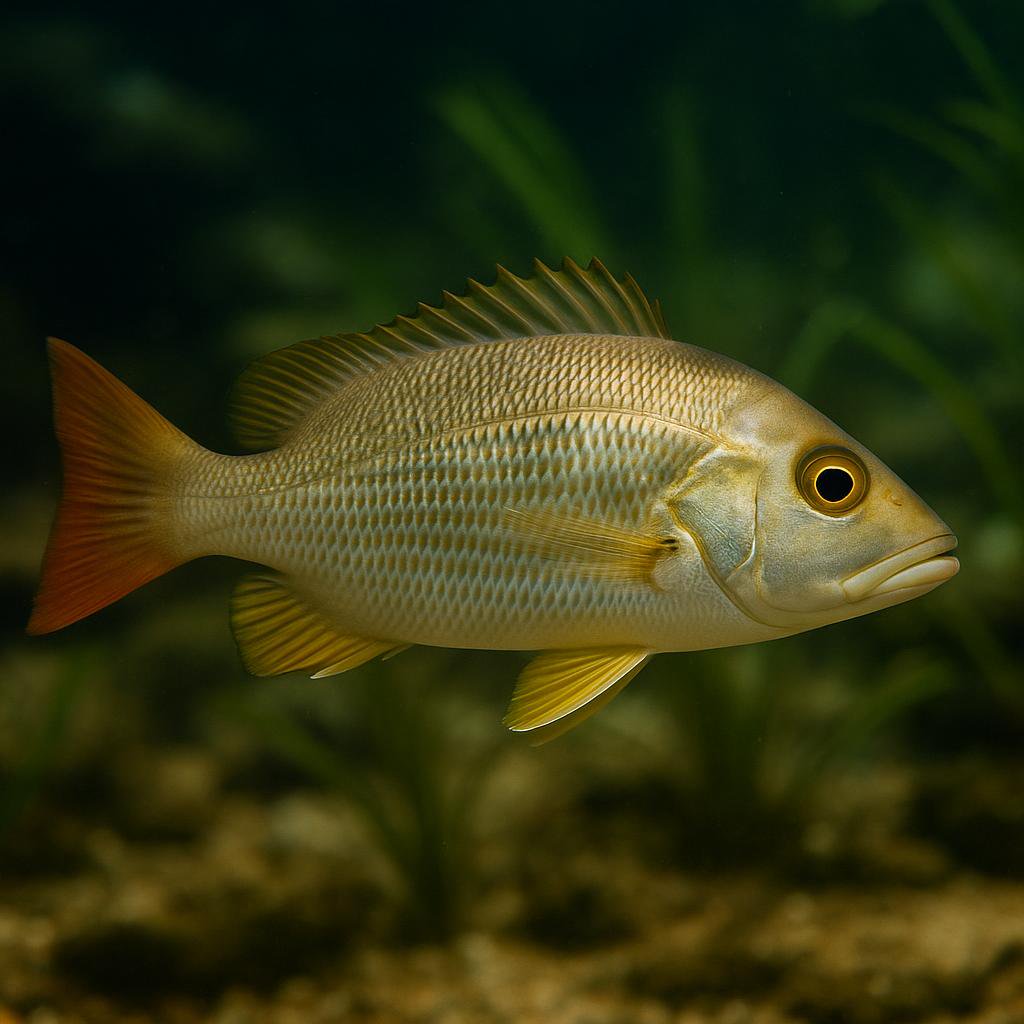
African red snapper
Lutjanus agennes
This is a true snapper from West Africa - a big, fast-growing predator that goes from coastal reefs to brackish lagoons and estuaries (especially as a juvenile). Super cool fish in the wild, but it gets absolutely huge and will eat smaller tankmates once it has the mouth for it, so its really more of a public-aquarium scale animal than a home-aquarium fish.
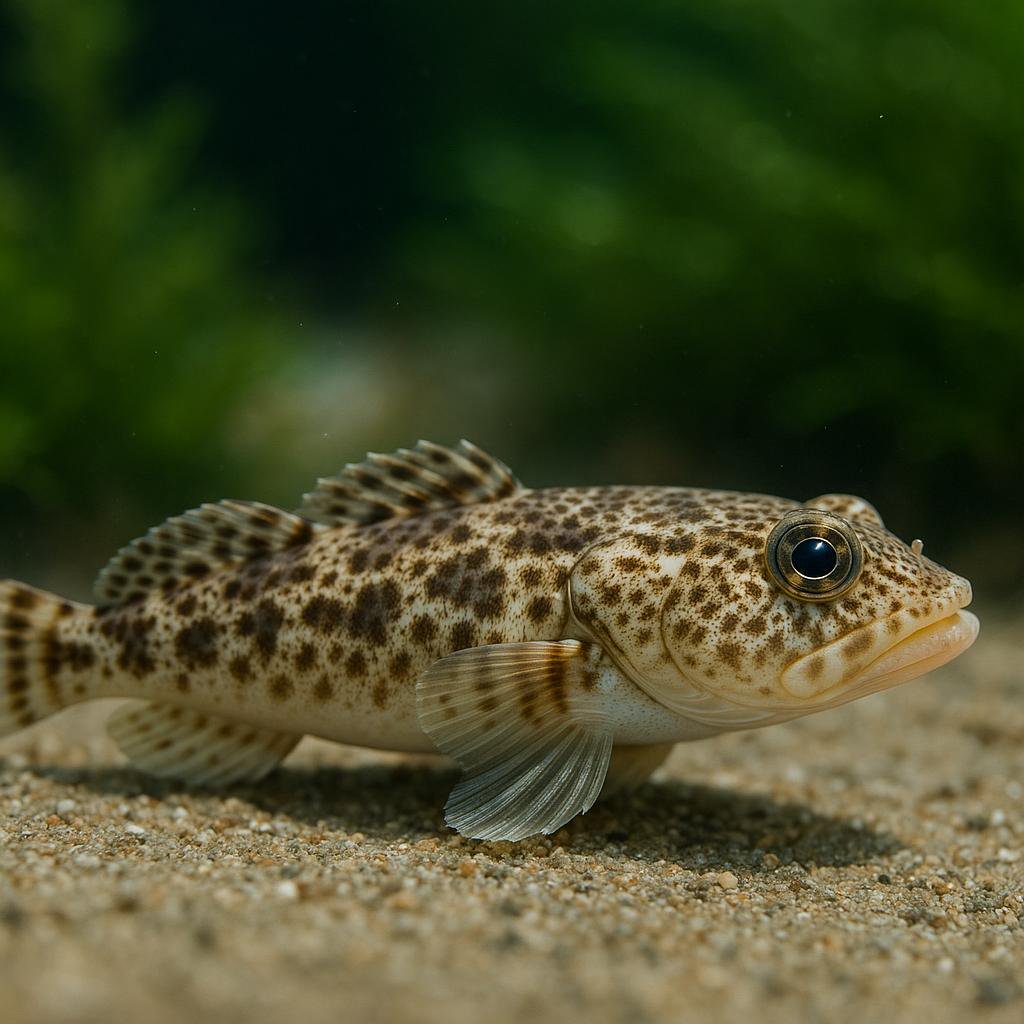
Banded stargazer
Kathetostoma binigrasella
This is a New Zealand stargazer that lives half-buried in sand or mud with its eyes pointed up, waiting to rocket upward and nail passing prey. It has those neat dark saddle-bands across the back (especially as a juvenile), and like other stargazers it is venomous with spines near the gill cover/pectoral area - definitely a look-dont-touch fish.
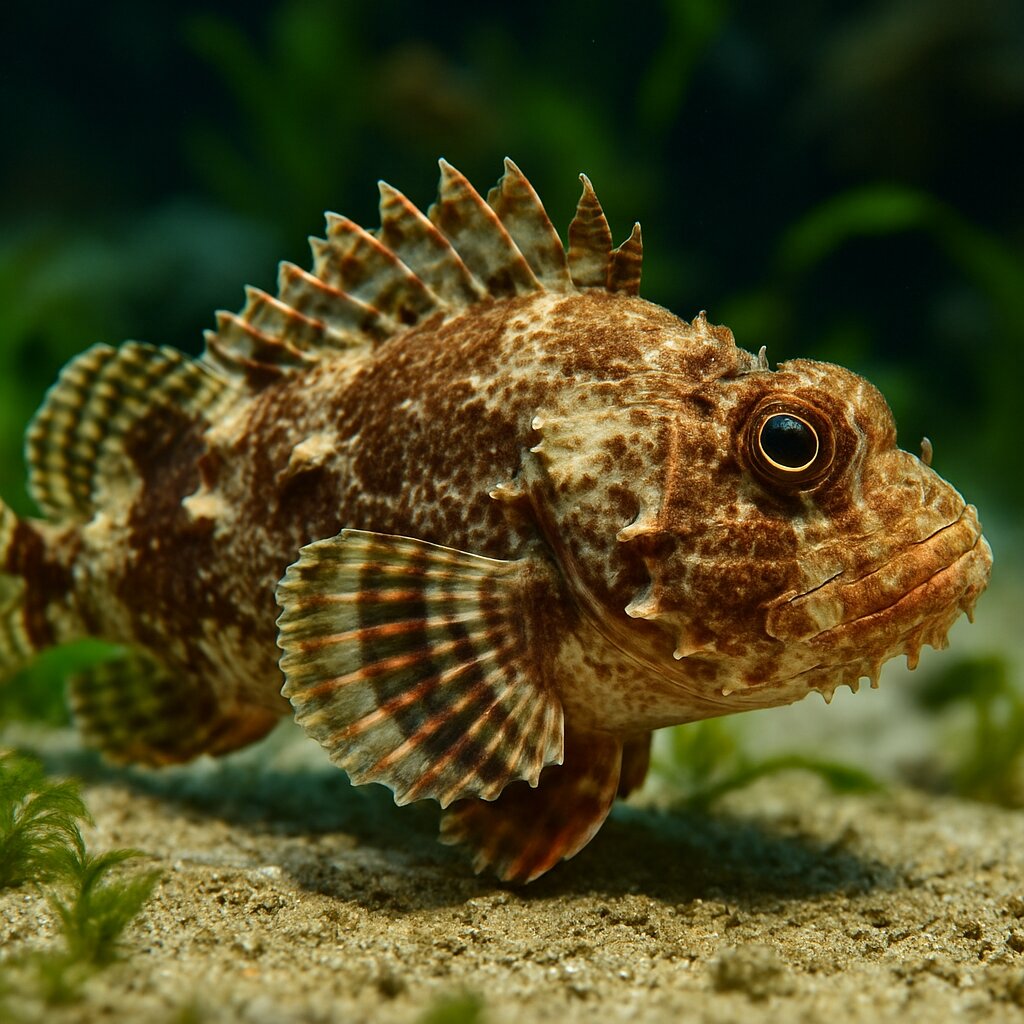
Bandfin scorpionfish
Scorpaenopsis vittapinna
Think tiny ambush predator that vanishes into rubble and coral bits, then flashes a dark band on its pelvic and anal fins when it shifts. It tops out around 3 inches, packs venomous spines, and loves to gulp unsuspecting shrimp and small fish. Super cool to watch once it settles, but it absolutely demands careful handling and smart tankmate choices.
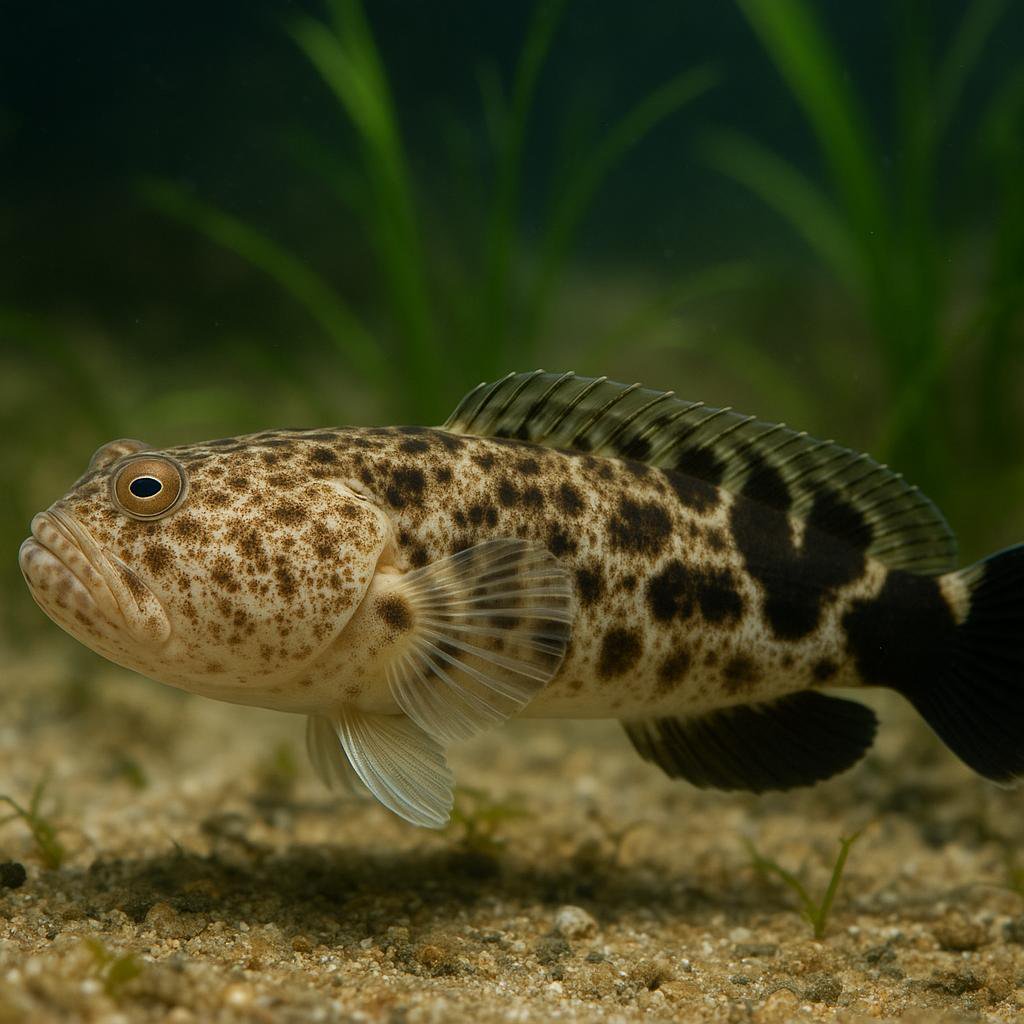
Blackfin stargazer
Ichthyscopus nigripinnis
This is a little sand-sitting stargazer from Australia that likes to lie in wait with its eyes up top and nail passing prey. That black mark on the front part of the dorsal fin is basically its signature. Cool fish, but its more of a wild marine predator than something you set up in a typical home aquarium.
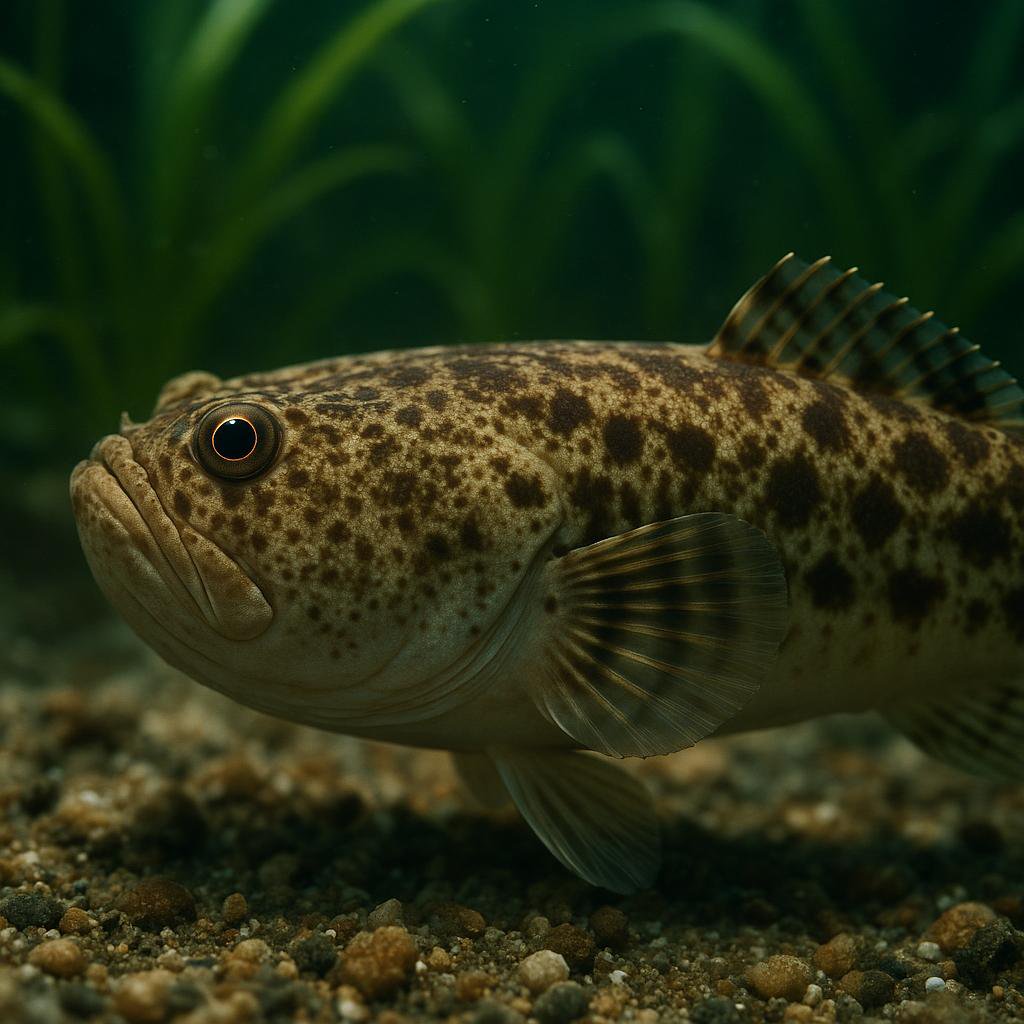
Brownspotted stargazer
Uranoscopus fuscomaculatus
A deep demersal stargazer recorded at 366–389 m that lies buried in sand or mud to ambush prey. Distribution is Southwestern Pacific (Vanuatu and Fiji). Given its deep, cold habitat and specialized requirements, it is not a practical aquarium species.
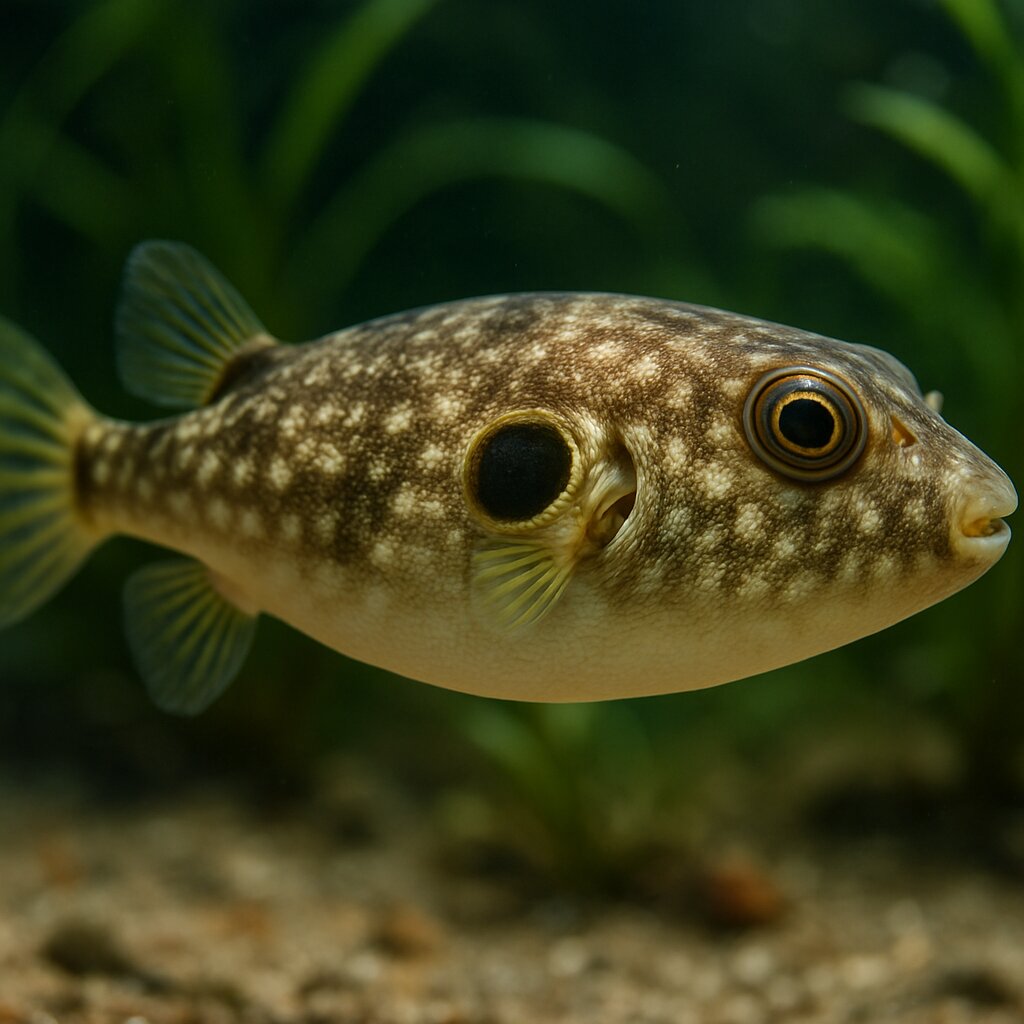
Bullseye puffer
Sphoeroides annulatus
Big personality in a football-shaped body with pale rings along the back that make a bullseye pattern. This is a stout Eastern Pacific puffer that crunches snails and crabs with ease and needs true saltwater and lots of room. Super cool to watch, but it turns nippy with tankmates and grows into a serious, messy eater.
More to Explore
Discover more marine species.
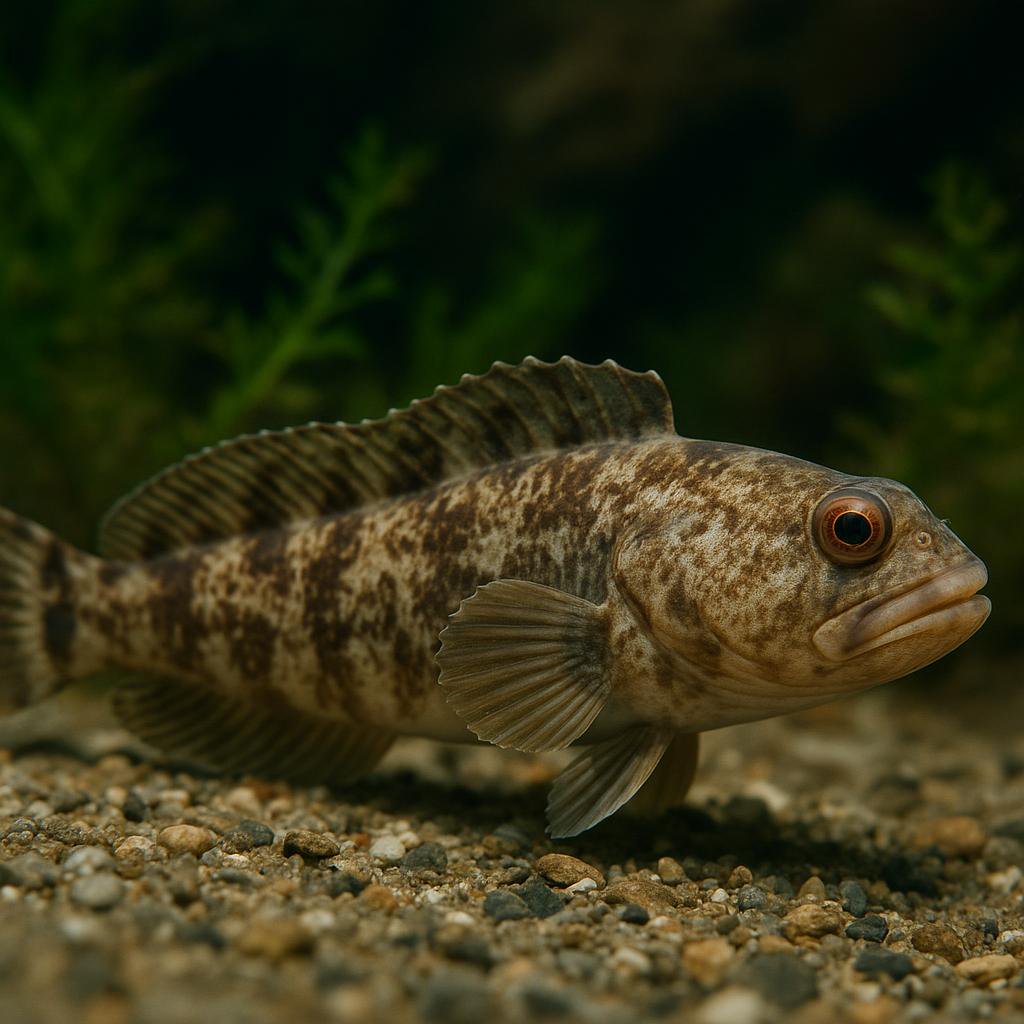
Abe's eelpout
Japonolycodes abei
Japonolycodes abei is a temperate, deepwater demersal eelpout (family Zoarcidae) endemic to Japan (Kumano-nada Sea reported; other sources also report Sagami Bay and Tosa Bay). It is the only species in the genus Japonolycodes and occurs roughly 40-300 m depth, making it an uncommon/atypical aquarium species.
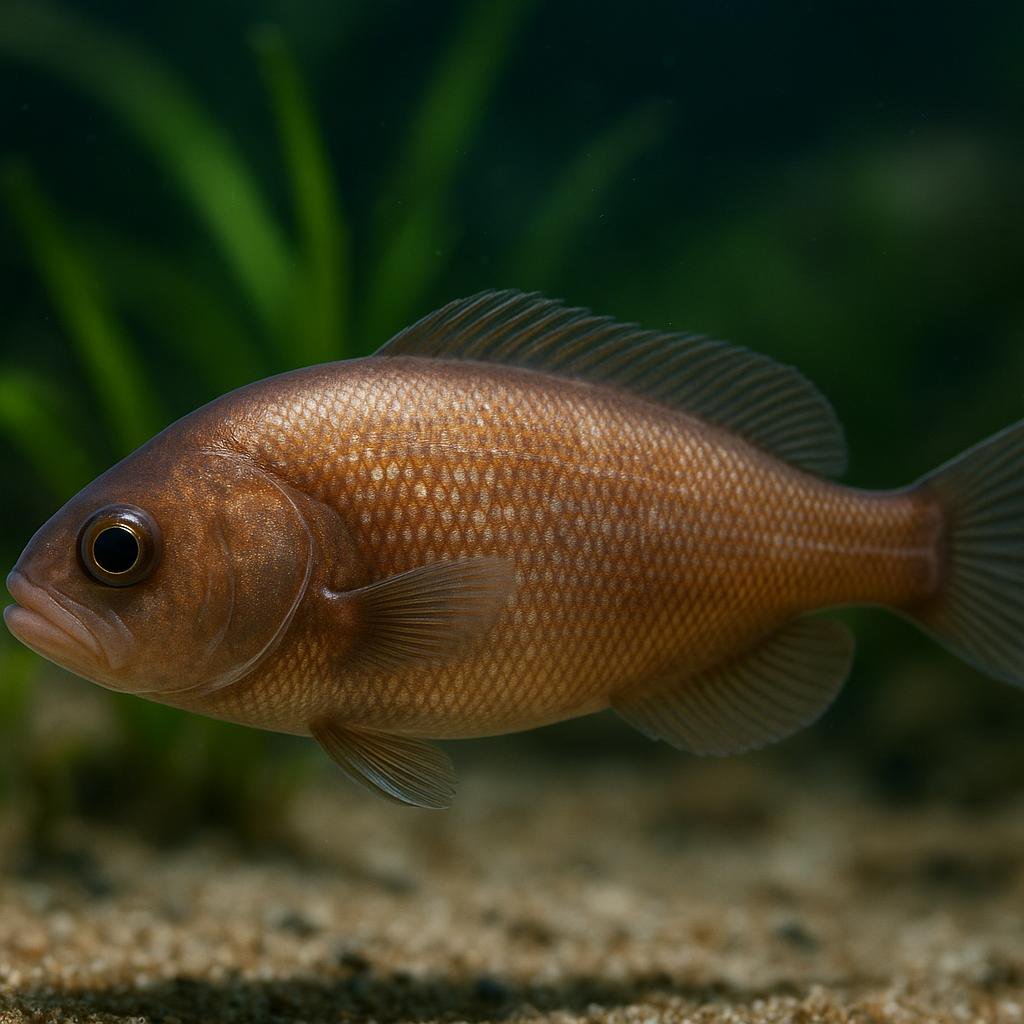
Affinis blind cusk-eel
Barathronus affinis
Barathronus affinis is a tiny, super-weird deep-sea blind cusk-eel from the western-central Indian Ocean. It is one of those gelatinous, loose-skinned brotula-type fishes that live way down in the dark and are basically never seen alive, so almost everything we know comes from preserved specimens and taxonomic work.
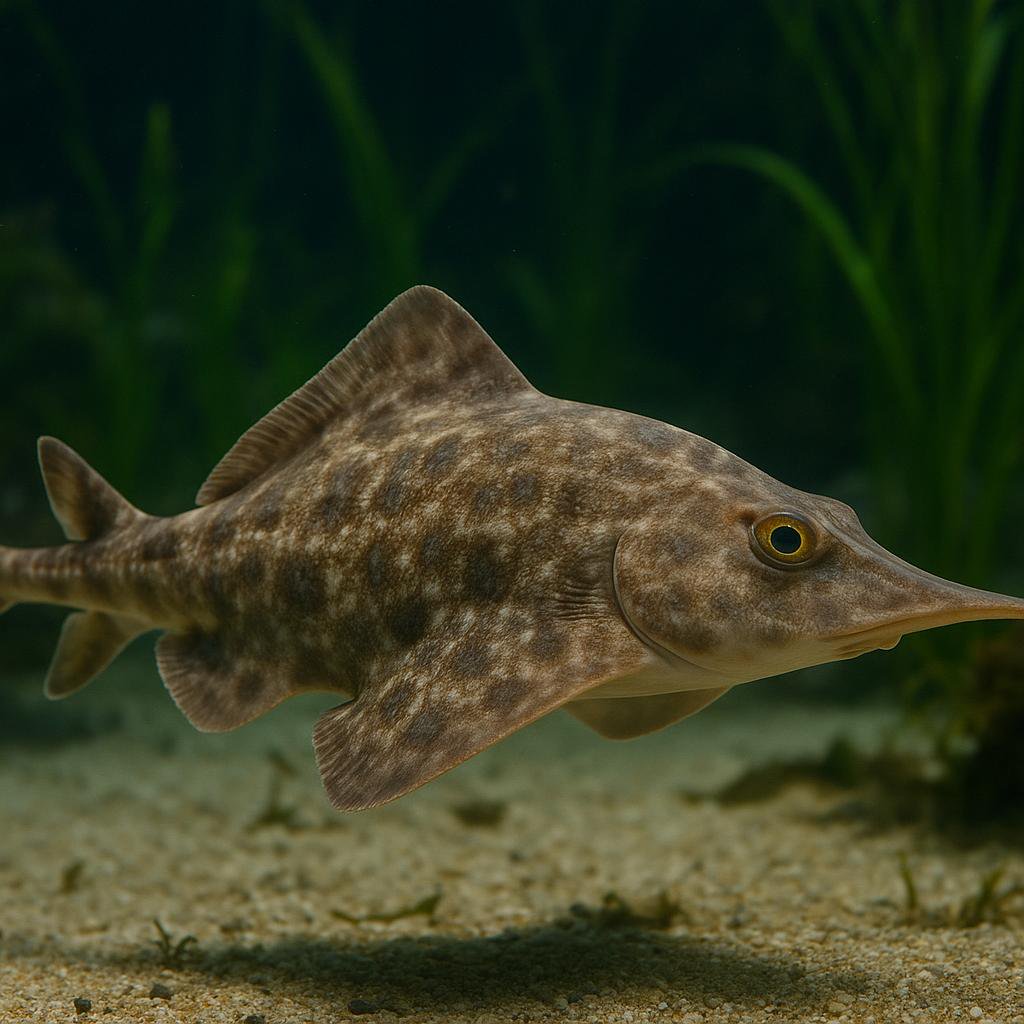
Aleutian skate
Bathyraja aleutica
This is a big, cold-water deep-slope skate from the North Pacific that cruises muddy bottoms and eats chunky benthic prey like crabs and shrimp. The really cool bit is its egg-laying skate life - it does distinct pairing (the classic skate "embrace") and drops those tough egg cases on the seafloor. Not an aquarium fish at all unless you're basically running a public-aquarium-style chilled system.
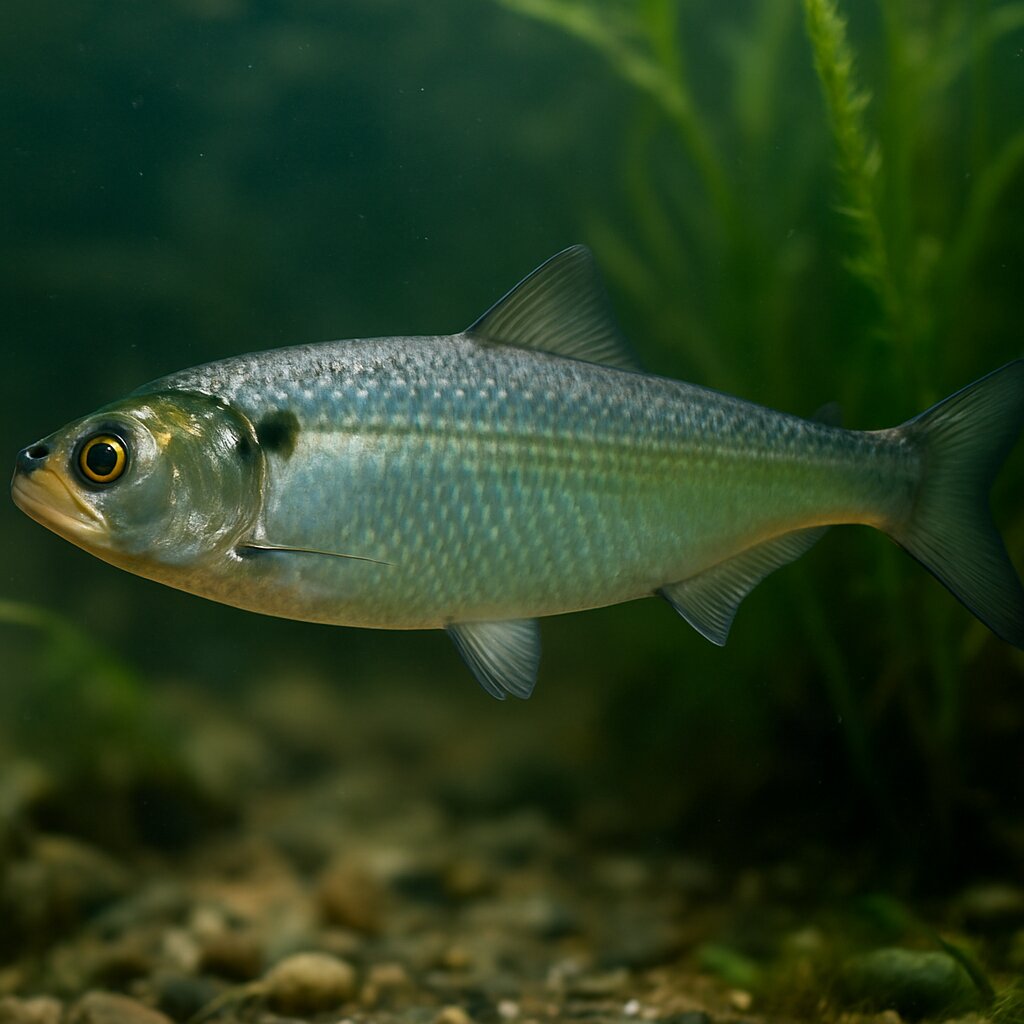
Allis shad
Alosa alosa
Gorgeous silver, fast-swimming shad that spends most of its life in the sea and then surges up big rivers in noisy, surface-spawning schools. It grows huge for a herring-type fish and needs cool, ultra-oxygenated water and tons of open space, so it is a public-aquarium species rather than a home tank fish.
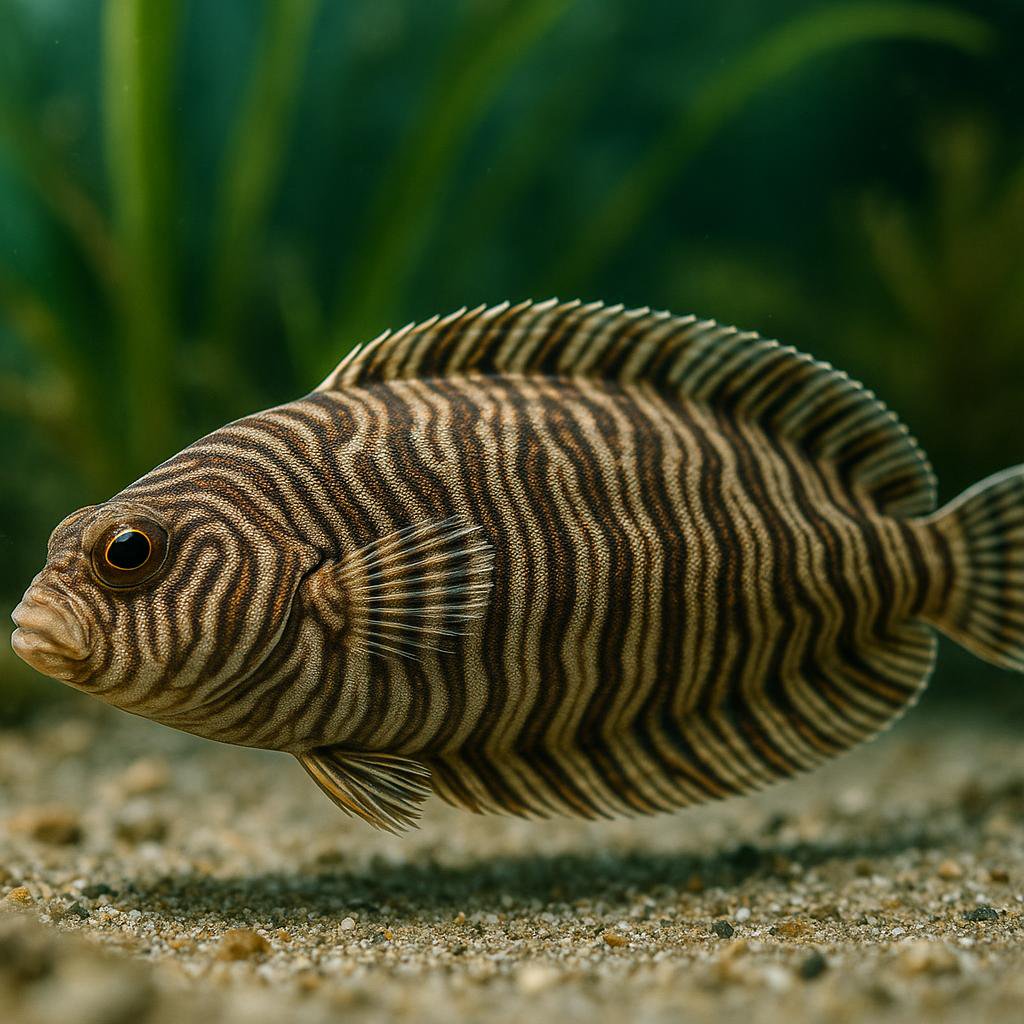
Annandale's zebra sole
Zebrias annandalei
Zebrias annandalei is a small demersal sole from coastal India that inhabits sandy or muddy bottoms and buries for camouflage. It is rarely kept in home aquaria and would require a specialized marine sand-bottom setup and appropriate feeding.
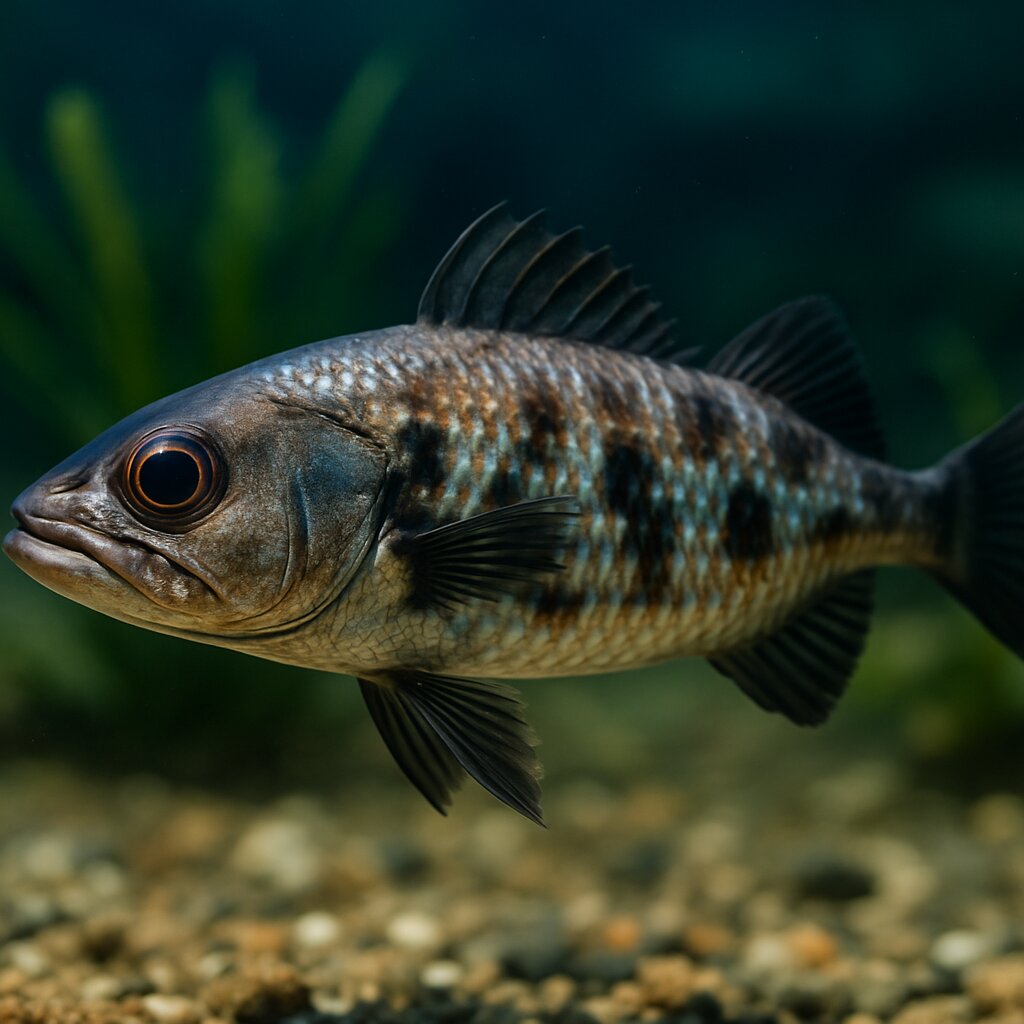
Antarctic dragonfish
Vomeridens infuscipinnis
Deep down around Antarctica, this sleek dragonfish cruises the water column like a little submarine, nearly neutrally buoyant so it can hover above the seafloor. It munches almost exclusively on Antarctic krill and lives in near-freezing water 500-800 m down, so it is a cool species to read about, not one for home tanks.
Looking for other species?