

Purple puffer
Takifugu porphyreus
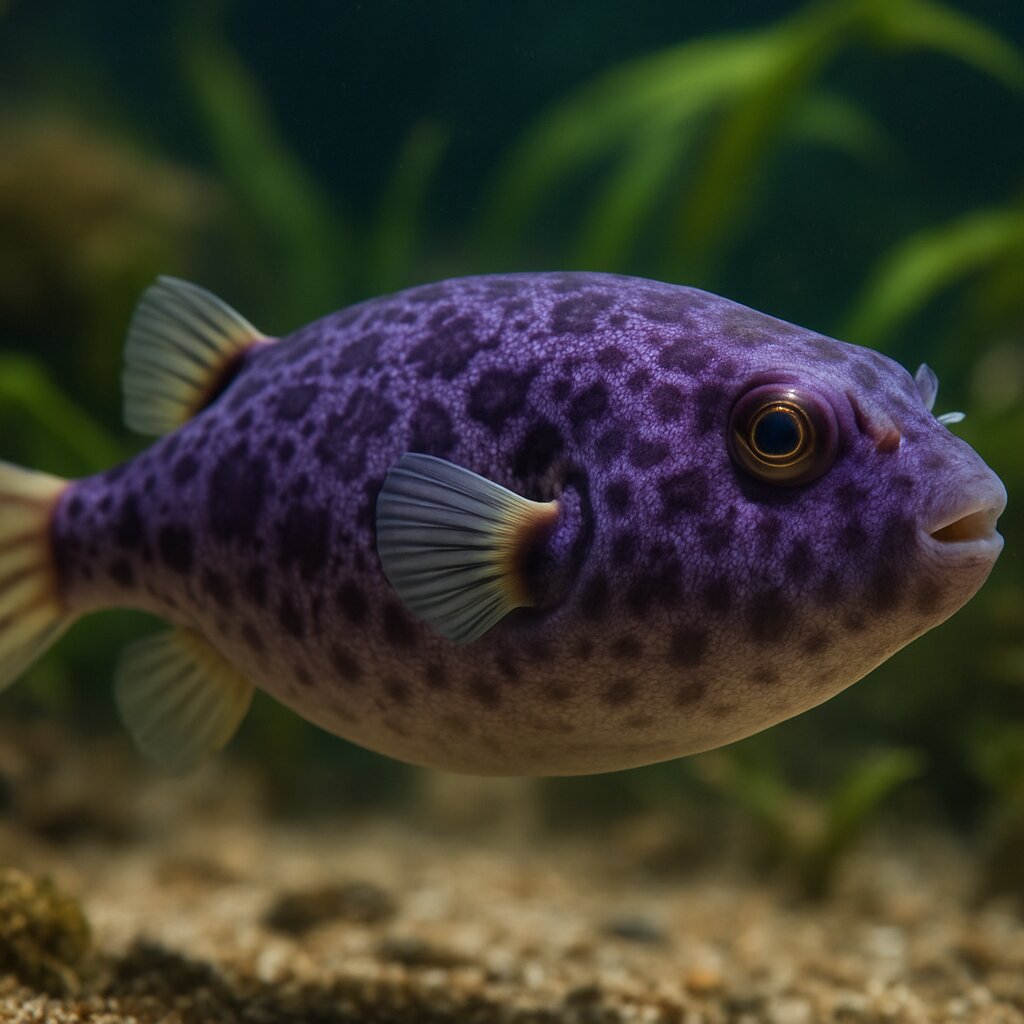
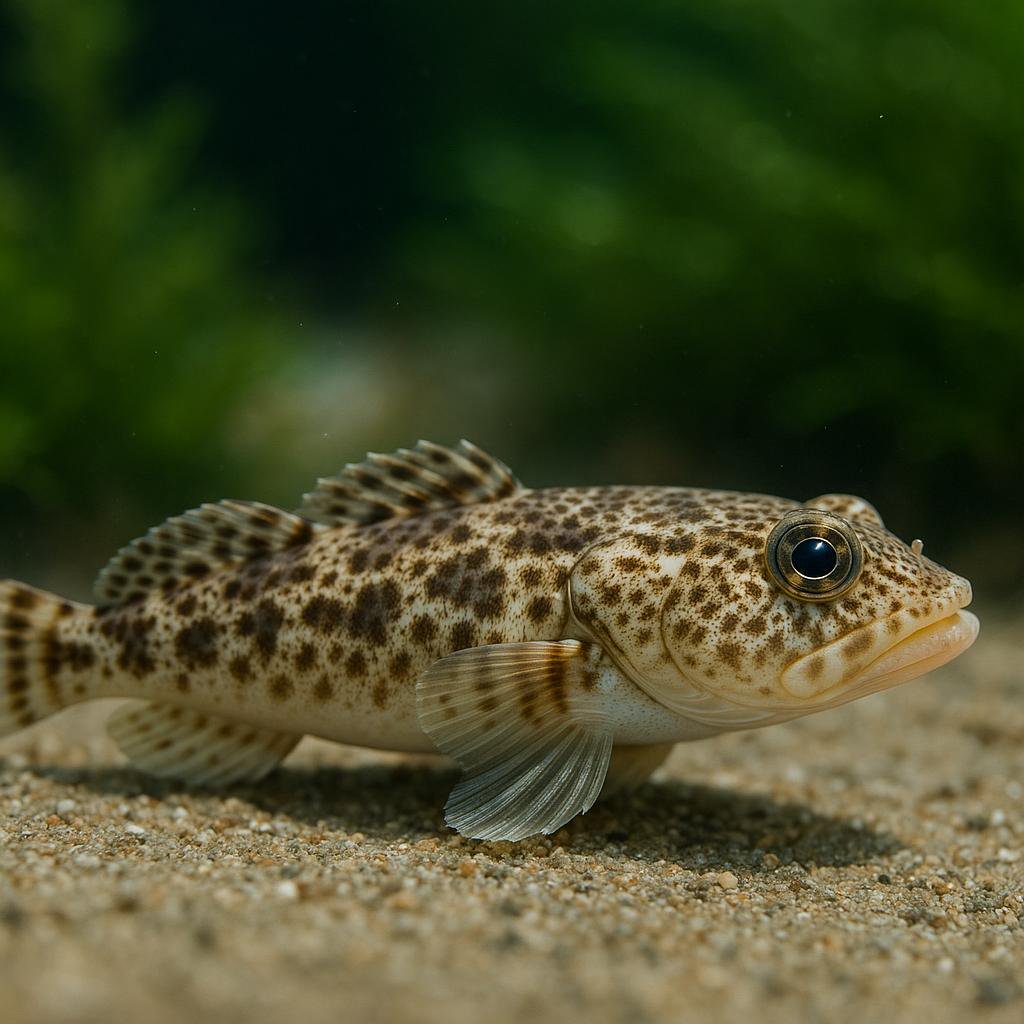
The Purple puffer exhibits a distinctive purple-brown body with small, scattered white speckles and prominent spines along its flanks.
This page includes AI-generated images. Why am I seeing AI images?
About the Purple puffer
A big, cool-water marine puffer from Japan down to the East China Sea, this chunky fish crunches crabs and clams like a champ and tops out around 20 inches. It is a true temperate fugu, so it needs chilly, super-clean saltwater and a ton of swimming room. Gorgeous in its own understated way, but very much a specialist fish for a serious setup.
Also known as
Quick Facts
Size
20.5 inches
Temperament
Semi-aggressive
Difficulty
Expert
Min Tank Size
240 gallons
Lifespan
10-15 years
Origin
Northwest Pacific
Diet
Carnivore - hard-shelled mollusks and crustaceans, meaty marine foods
Water Parameters
10-18.4°C
8.1-8.4
80-110 dGH
Need a heater for this species?
This species needs 10-18.4°C in a 240 gallon tank. Use our heater calculator to find the right wattage.
Calculate heater sizeCare Notes
- Give it a 180-240 gallon, 6-foot tank with high flow, an oversized skimmer, and a tight lid; they get big and are filthy eaters. Run full marine SG 1.023-1.026, pH 8.0-8.3, and keep ammonia/nitrite at zero with nitrate under 20.
- This is a temperate puffer, not a reef fish; keep 60-72 F and aim 64-68 F. Plan on a chiller, strong aeration, and surface agitation.
- Feed hard-shelled marine foods (clams on half shell, mussels, crab legs, snails) 4-5 days a week; adults can skip days, juveniles eat daily. Rotate items and add vitamin soak; avoid an all-shrimp or silversides diet to dodge thiaminase problems.
- Watch the beak; if it overgrows despite crunchy foods, a careful trim by an experienced keeper or vet may be needed. Do not attempt a DIY hack job or pry the mouth.
- Best as a single fish; it will nail inverts and can bully or injure tankmates, so skip reefs and clean-up crews. If you must try tankmates, only choose large, fast, non-nippy fish and be ready to separate.
- Quarantine everything; wild Takifugu often carry worms, so deworm in QT with praziquantel plus metronidazole and watch for ich/velvet. Avoid copper-based meds and harsh dips on puffers; they are scaleless and touchy.
- Handle with care and never let it puff air; move it in a water-filled container, not a net. They bite like bolt cutters and will jump, so cover powerhead intakes and keep the lid tight.
- Breeding in home tanks is basically a no-go; they are seasonal spawners in the wild and likely need migration cues.
Compatibility
Good Tankmates
- Fast surgeonfish like Kole, Tomini, or Yellow tangs - quick, sturdy, and usually ignored once the puffer settles. Add the puffer last if you can.
- Rabbitfish like foxface - big, calm, and those venomous spines make the puffer think twice.
- Bigger Halichoeres wrasses (melanurus, Hoevens, yellow coris) - busy swimmers with tight fins, not easy targets.
- Squirrelfish or soldierfish - spiky and nocturnal, the puffer usually leaves them alone.
- Genicanthus angels (swallowtails) - fast, midwater planktivores that do not fuss with the puffer.
- Hogfish like Cuban or Spanish hog - robust and confident, can shrug off a curious nip.
Avoid
- Triggers and other chronic nippers (Picasso, clown, niger) - they trade bites with puffers and it gets ugly fast.
- Slow or flowy-finned fish like lionfish, batfish, bannerfish, or fancy butterflies - easy fin-nip victims.
- Tiny or shy fish like firefish, small gobies, and mandarins - they get harassed or sampled.
- Other puffers, boxfish, or porcupinefish - too much beak-on-beak drama and toxin risk.
Where they come from
Purple puffers (Takifugu porphyreus) are a temperate marine puffer from the Northwest Pacific. Think Japan, Korea, and nearby coasts. You see them around rocky shorelines and kelp-y areas, not tropical reefs. They handle cool, oxygen-rich water and seasonal swings in the wild, which is a big hint for how to keep them at home.
Setting up their tank
They get big - well over a foot as adults - and they are strong, messy eaters. For one adult, I would not go smaller than a 180 gal (680 L), and bigger feels a lot better. Length matters; a 6-8 ft tank keeps them from pacing.
- Temperature: 18-22 C (64-72 F). This is a temperate fish. A chiller is your friend.
- Salinity: 1.023-1.026 SG, stable.
- pH: 8.0-8.3, with good alkalinity stability.
- Flow: moderate and well-oxygenated. They like a steady push, not a sandstorm.
- Substrate: fine sand. They nose around a lot and can scrape their mouth on rough gravel.
- Rockwork: heavy and stable. Leave open cruising lanes. They will shove decor.
- Lid: tight-fitting. Puffers are curious and can jump or spit water.
Filtration needs to be beefy. Big skimmer, oversized mechanical filtration, and frequent water changes. They rip through meaty foods and leave bits behind. Plan for easy maintenance so you actually stick to it.
Lighting is for you, not them. Moderate is fine. Add enrichment: PVC tubes, rock arches, and rotating the layout every few months keeps them engaged.
Quarantine for 4-6 weeks, minimum. Treat for flukes (praziquantel works well) and observe for velvet/ich before this fish sees your display.
Move puffers in a container, not a net. Avoid exposing them to air. If they inflate with air, it can be hard for them to expel.
What to feed them
Think hard, crunchy, marine foods. Their beak grows constantly, and you want to wear it down with shell-on prey. Variety keeps them in good shape.
- Staples: clams on the half shell, mussels, cockles, raw shrimp with shell, crab legs, snails (saltwater).
- Extras: pieces of squid, scallops, krill, and fish fillet in moderation.
- Treats: live saltwater snails or small crabs now and then for enrichment.
I feed juveniles daily, subadults 5x per week, and big adults 3-4x per week. Offer a shell-on item at least 3-4 times a week to keep that beak honest. Use feeding tongs. They are accurate and strong, and your fingers are squishy.
Freeze grocery-store shellfish for a few days before feeding to reduce parasite risk. Soak foods in a vitamin mix once or twice a week. Rotate away from thiaminase-heavy items like only silversides.
Avoid freshwater feeder fish or crayfish as a staple. Wrong nutrition and higher disease risk. Stick to marine-sourced foods.
How they behave and who they get along with
Purple puffers are smart, nosy, and very food-driven. They explore with their mouth, and they remember feeding routines. Expect begging and a fish that watches you from across the room.
They are also territorial with attitude. A single specimen tank is the stress-free route. If you try tankmates, it needs to be a very large system with robust, non-nippy fish. Even then, it is a gamble.
- Better odds: large, fast, non-aggressive swimmers that ignore the puffer and do not fit in its mouth.
- Bad ideas: inverts (will be eaten), small fish, slow fancy fish, or anything that might pick at the puffer (triggers can be a problem).
- Multiple puffers: only in huge systems, introduced together, and still risky. Have a plan to separate.
They may spit water at feeding time. Keep the lid on and your electronics back from the splash zone.
Breeding tips
This is basically not happening in home aquaria. Takifugu species use seasonal cues and big coastal spawning sites. Sexing them reliably is tricky, and their courtship is space-demanding. Focus on long-term single-fish care instead.
Many fugu carry potent toxins if eaten. Do not consume this fish. In the tank, normal handling is fine, but wash your hands after maintenance and keep pets/kids from sampling any fishy bits.
Common problems to watch for
- Overgrown beak: happens if you feed too many soft foods. Prevent with shell-on prey. Trimming is possible but stressful; better to avoid needing it.
- Heat stress: they are temperate. Above mid-70s F for long stretches can make them sulk, breathe hard, and go off food. Use a chiller.
- Parasites: flukes are common on wild imports. Praziquantel in QT works. For velvet/ich, many puffers react poorly to copper; if you use it, keep it controlled and monitored, or consider alternatives recommended by your vet/experienced keeper.
- Bacterial infections: they scrape themselves on rock during scuffles. Keep water clean, act fast with antibiotics in QT if you see frayed fins or sores.
- Water quality swings: they are messy. Ammonia spikes after heavy feeds are classic. Pre-rinse foods, feed in a target area, run strong mechanical filtration, and do big, regular water changes.
- Air inflation: netting or rough handling can cause them to gulp air. Move in a container and keep them submerged.
Run activated carbon and keep spare water ready. If a major fight or die-off happens, a big water change and fresh carbon help clean up organics quickly.
These fish are long-lived and demand space, cold water gear, and heavy filtration. Do not impulse buy a juvenile for a tropical reef. Plan the adult setup first.
Similar Species
Other marine semi-aggressive species you might be interested in.
Aleutian skate
Bathyraja aleutica
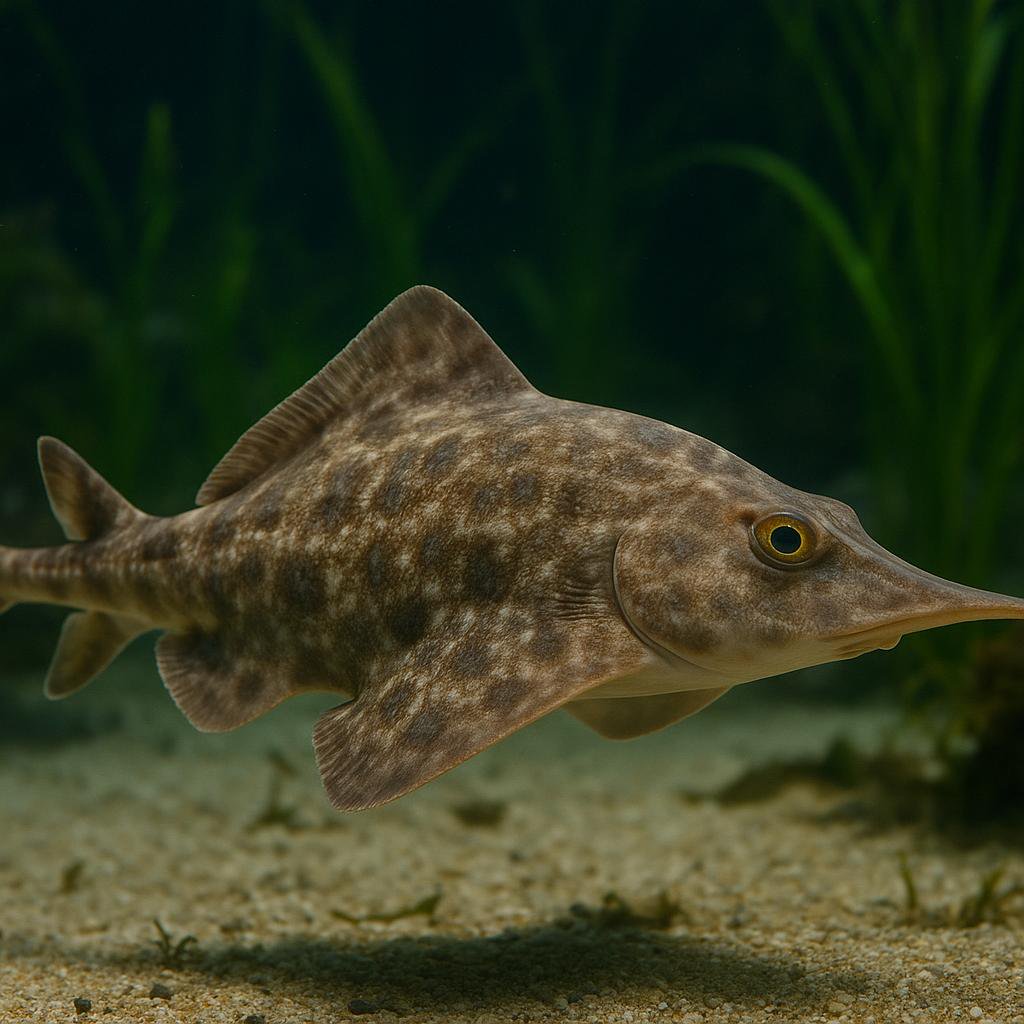
This is a big, cold-water deep-slope skate from the North Pacific that cruises muddy bottoms and eats chunky benthic prey like crabs and shrimp. The really cool bit is its egg-laying skate life - it does distinct pairing (the classic skate "embrace") and drops those tough egg cases on the seafloor. Not an aquarium fish at all unless you're basically running a public-aquarium-style chilled system.
Antarctic dragonfish
Vomeridens infuscipinnis
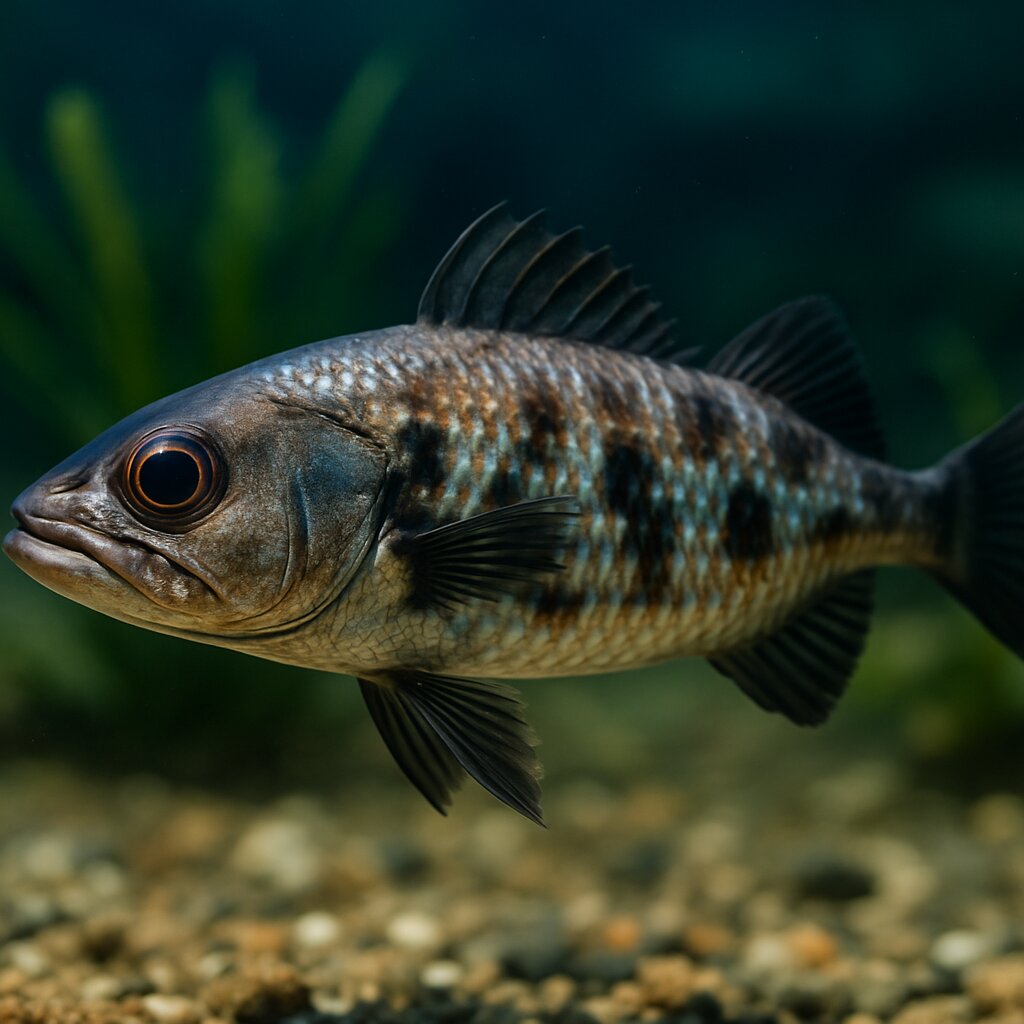
Deep down around Antarctica, this sleek dragonfish cruises the water column like a little submarine, nearly neutrally buoyant so it can hover above the seafloor. It munches almost exclusively on Antarctic krill and lives in near-freezing water 500-800 m down, so it is a cool species to read about, not one for home tanks.
Arabian spiny eel
Notacanthus indicus
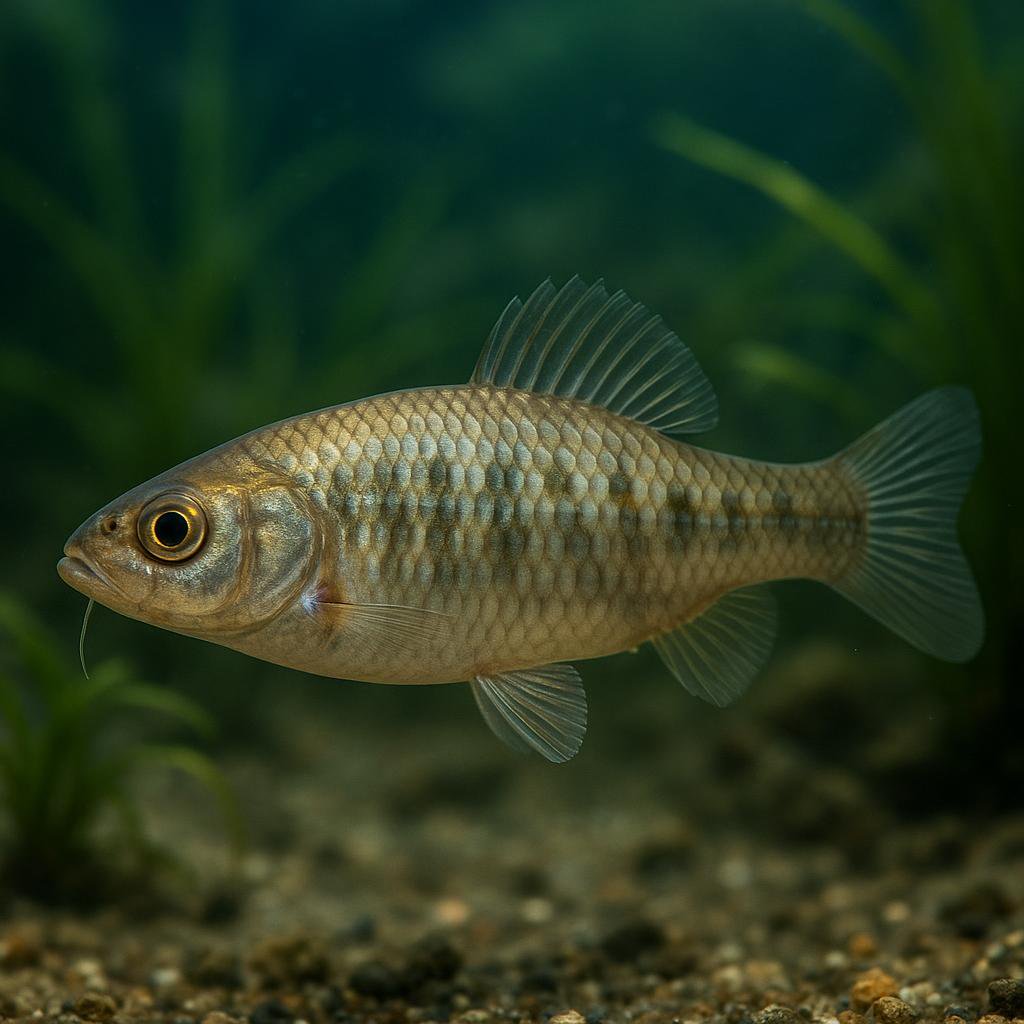
Notacanthus indicus is a deep-sea spiny eel (family Notacanthidae; not a true eel) known from the Arabian Sea on the continental slope at roughly ~960–1,046 m depth, with reported maximum length around 20 cm TL; it is a deep-water bycatch species and not established in the aquarium trade.
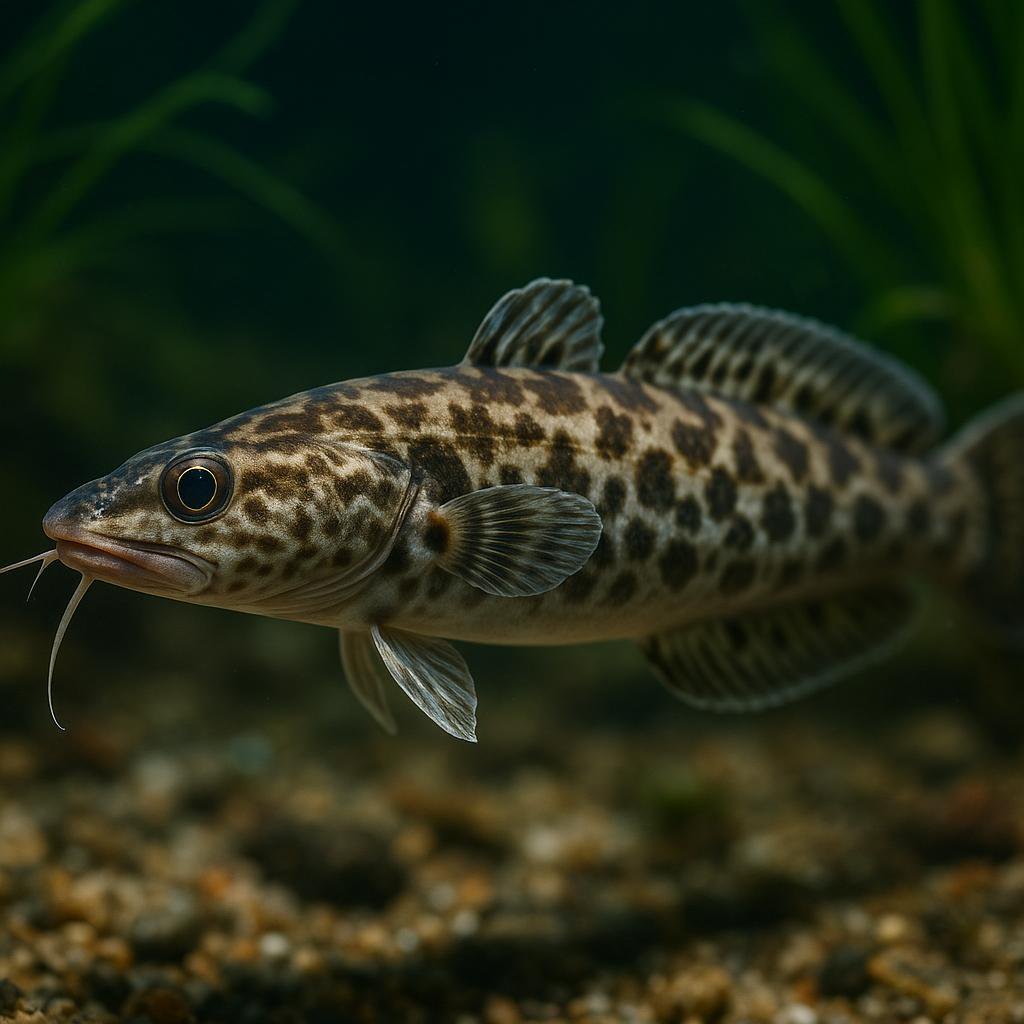
Arctic rockling
Gaidropsarus argentatus
This is a deepwater North Atlantic rockling (a cod relative) that hangs out on soft bottoms way down the slope. It is a cold-water, bottom-hugging predator that snoots around for crustaceans and will also take small fish when it gets the chance.
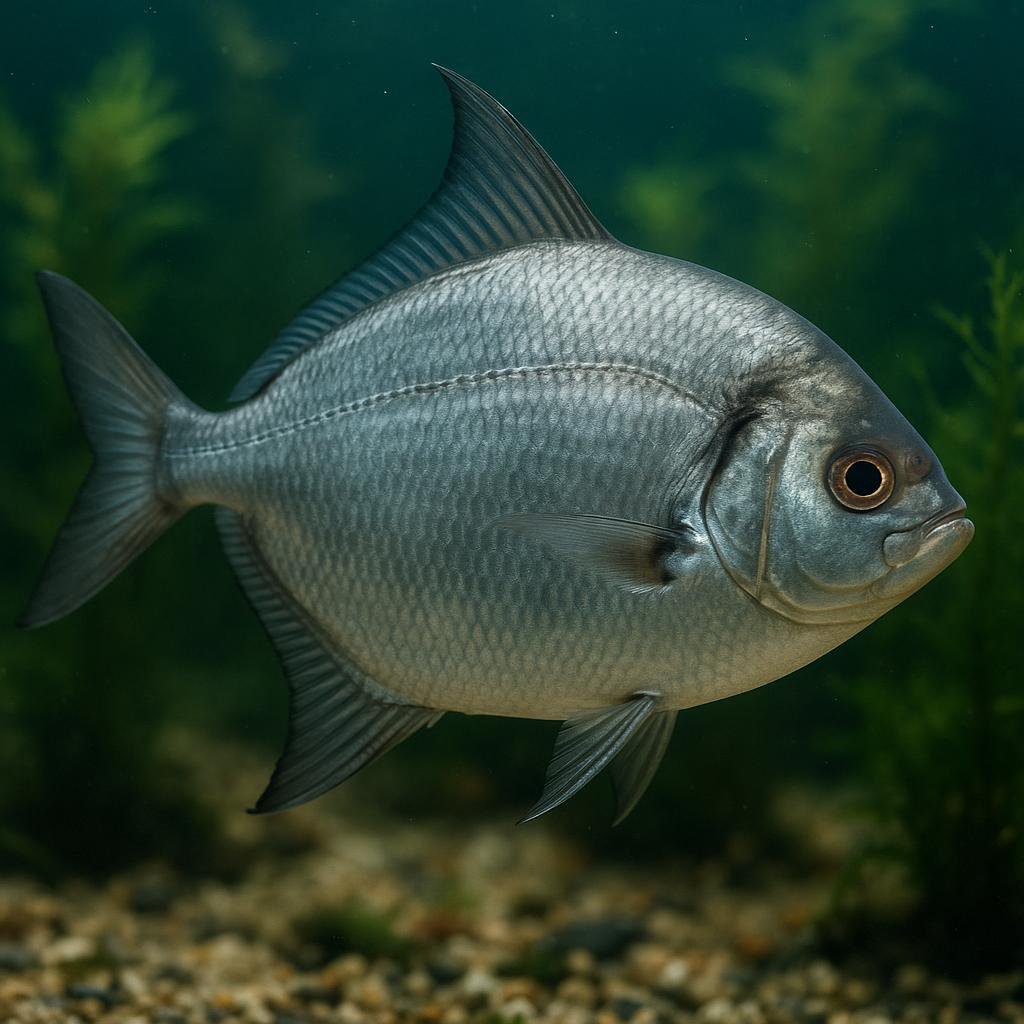
Atlantic pomfret
Brama brama
Brama brama is the Atlantic pomfret (aka Ray's bream) - a deep-bodied, open-ocean pelagic fish that cruises around in small schools and follows water temps. It is a legit big, wild marine species (not an aquarium fish) that eats other small sea critters like fish and squid, and it ranges across a huge chunk of the Atlantic plus parts of the Indian and South Pacific.
Australian sawtail catshark
Figaro boardmani
Figaro boardmani is a small, deepwater Australian catshark with these cool saw-like ridges of spiny denticles along the tail and a neat pattern of dark saddle bands. It lives way down on the outer continental shelf and slope, so its natural water is cold, dim, and stable - totally not a typical home-aquarium fish. Diet-wise its a predator that goes after fish, crustaceans, and cephalopods.
More to Explore
Discover more marine species.
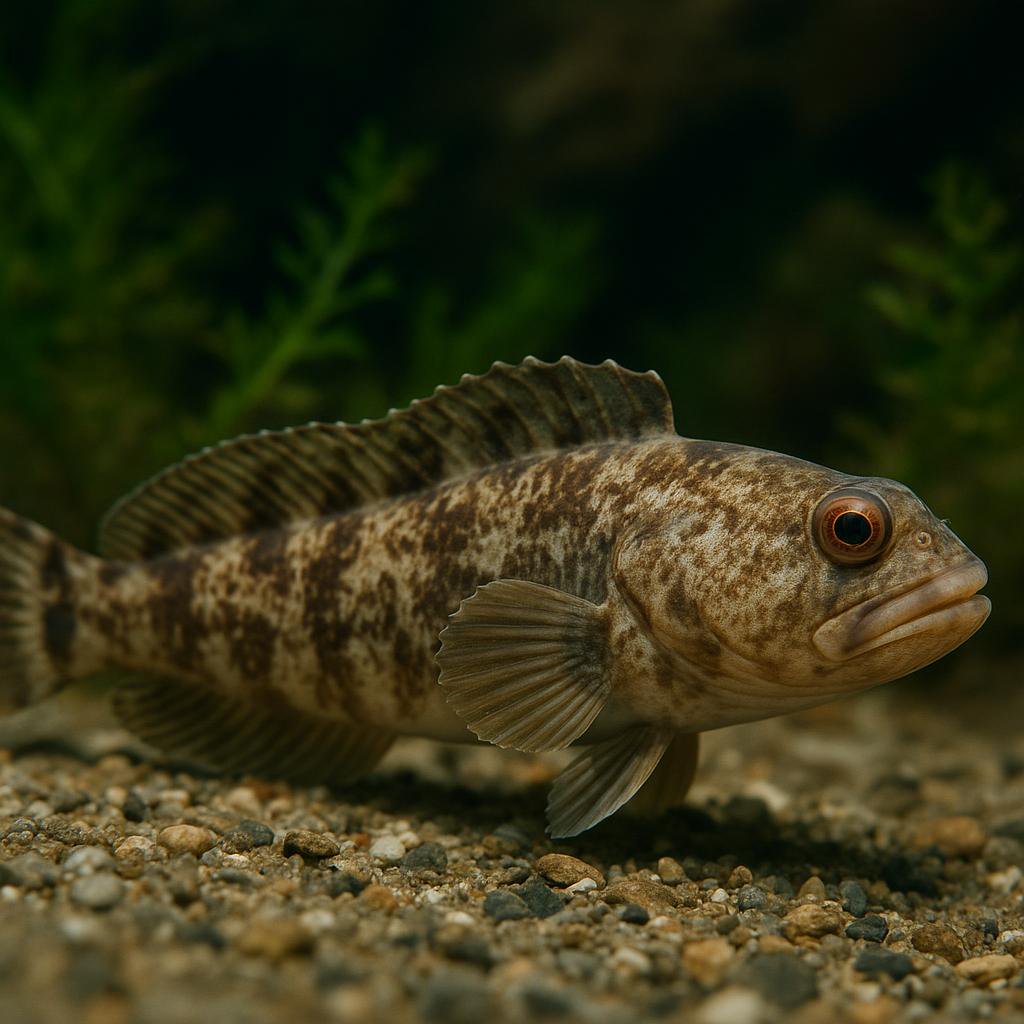
Abe's eelpout
Japonolycodes abei
Japonolycodes abei is a temperate, deepwater demersal eelpout (family Zoarcidae) endemic to Japan (Kumano-nada Sea reported; other sources also report Sagami Bay and Tosa Bay). It is the only species in the genus Japonolycodes and occurs roughly 40-300 m depth, making it an uncommon/atypical aquarium species.
Affinis blind cusk-eel
Barathronus affinis
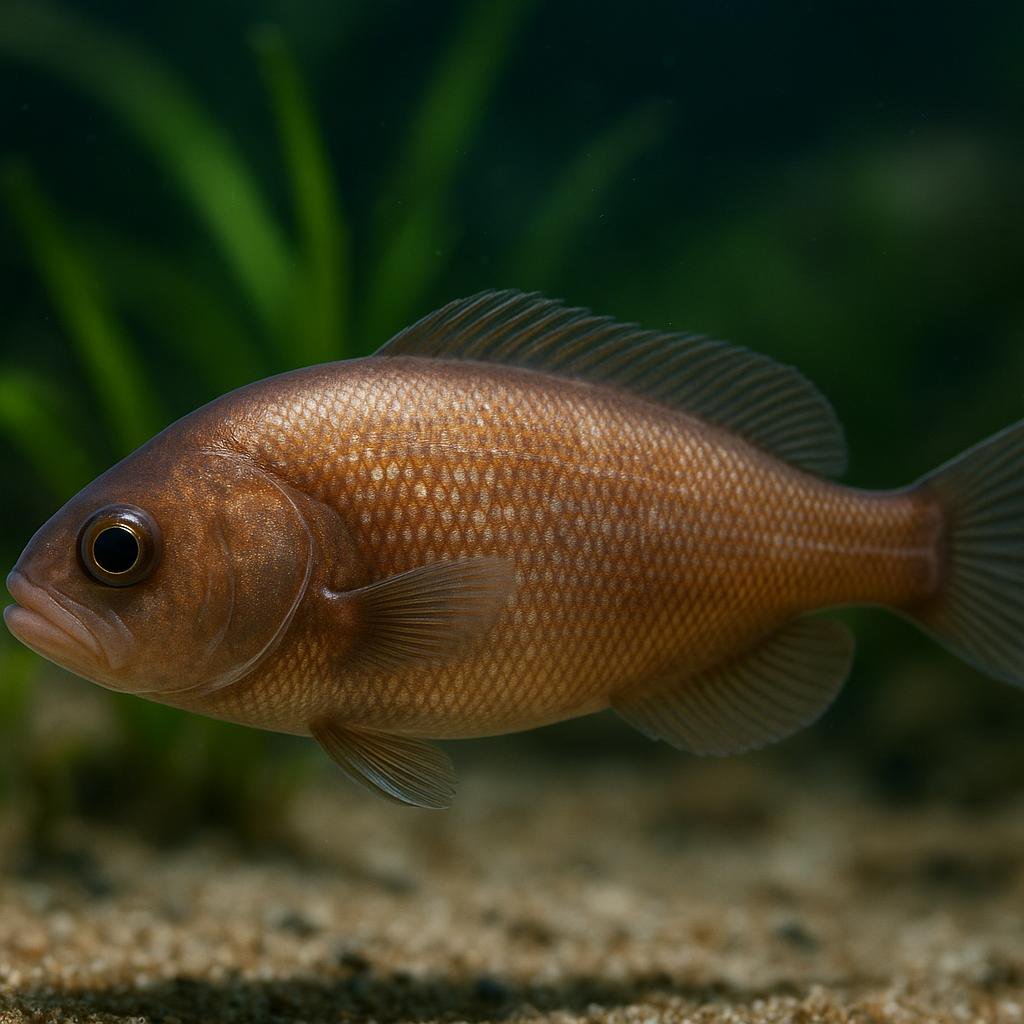
Barathronus affinis is a tiny, super-weird deep-sea blind cusk-eel from the western-central Indian Ocean. It is one of those gelatinous, loose-skinned brotula-type fishes that live way down in the dark and are basically never seen alive, so almost everything we know comes from preserved specimens and taxonomic work.
African red snapper
Lutjanus agennes
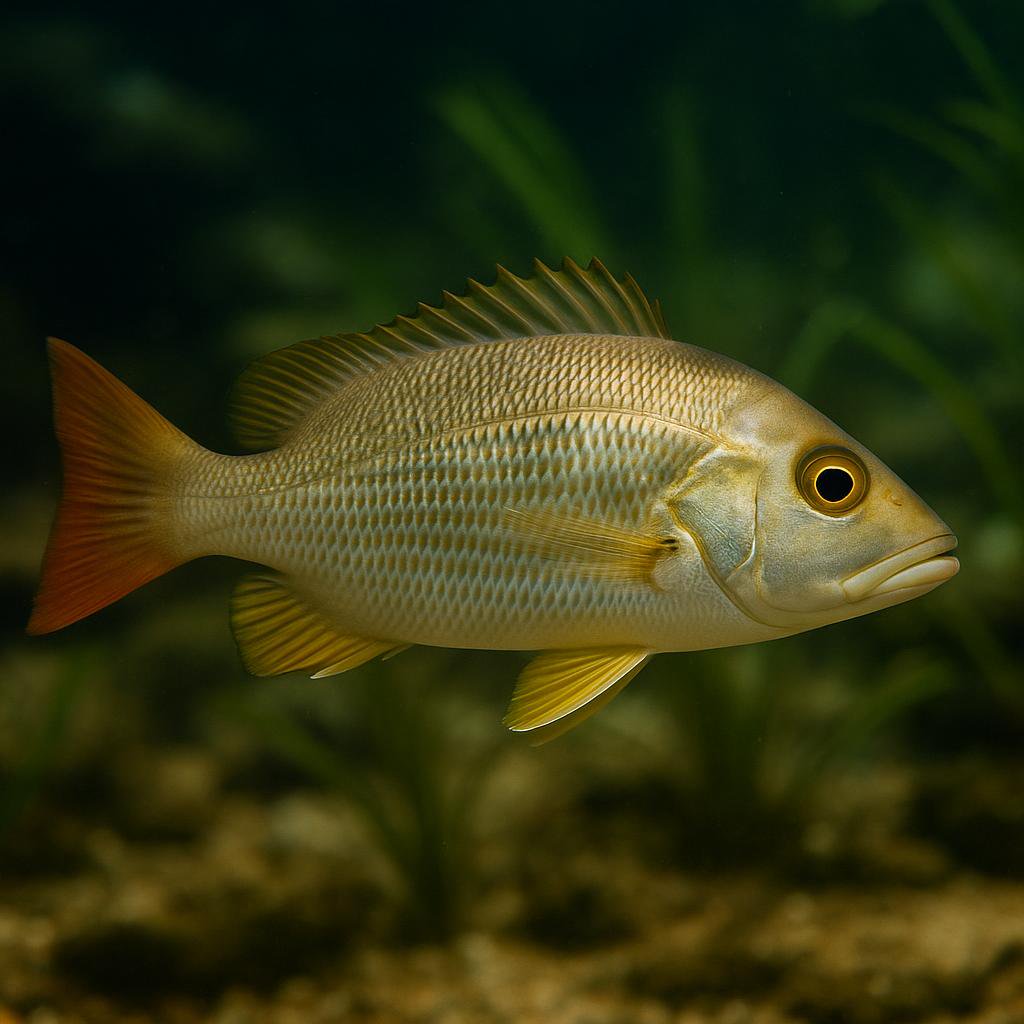
This is a true snapper from West Africa - a big, fast-growing predator that goes from coastal reefs to brackish lagoons and estuaries (especially as a juvenile). Super cool fish in the wild, but it gets absolutely huge and will eat smaller tankmates once it has the mouth for it, so its really more of a public-aquarium scale animal than a home-aquarium fish.
Allis shad
Alosa alosa
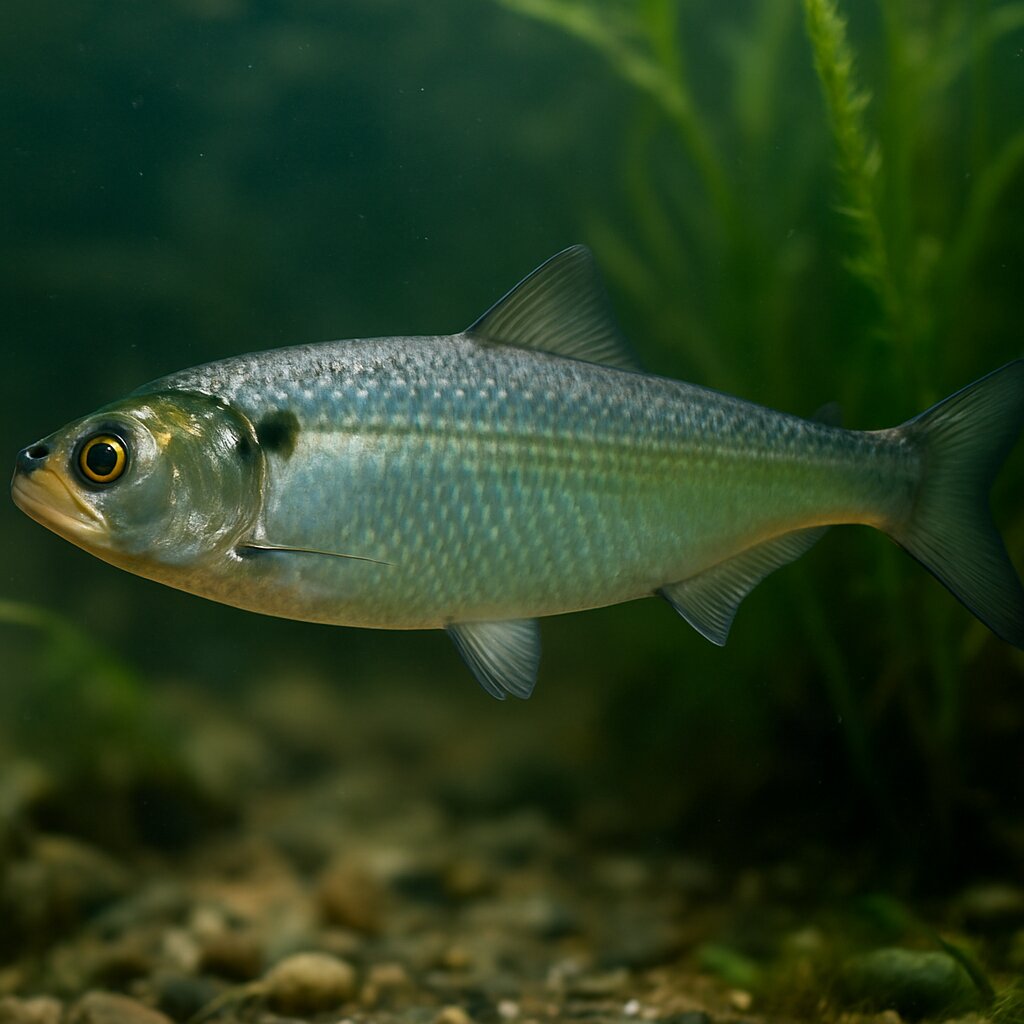
Gorgeous silver, fast-swimming shad that spends most of its life in the sea and then surges up big rivers in noisy, surface-spawning schools. It grows huge for a herring-type fish and needs cool, ultra-oxygenated water and tons of open space, so it is a public-aquarium species rather than a home tank fish.
Annandale's zebra sole
Zebrias annandalei
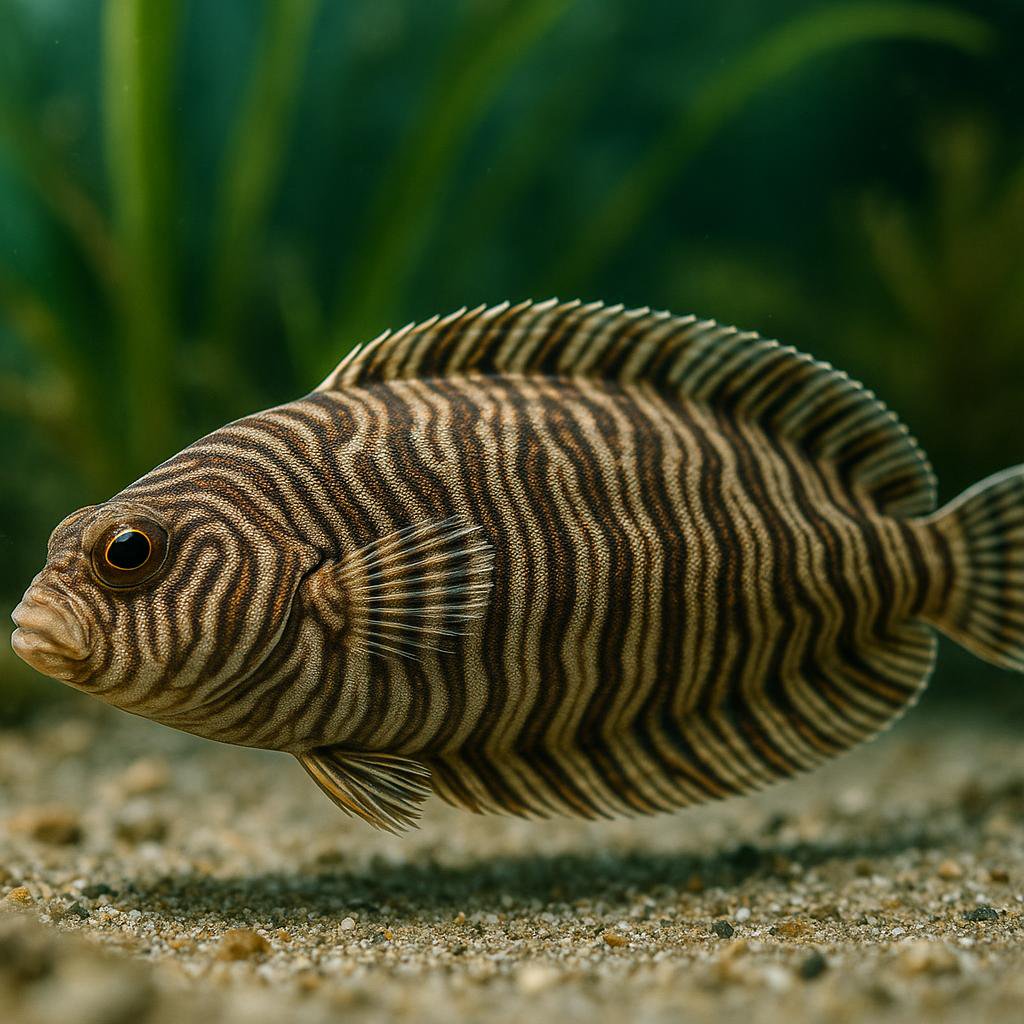
Zebrias annandalei is a small demersal sole from coastal India that inhabits sandy or muddy bottoms and buries for camouflage. It is rarely kept in home aquaria and would require a specialized marine sand-bottom setup and appropriate feeding.
Banded stargazer
Kathetostoma binigrasella
This is a New Zealand stargazer that lives half-buried in sand or mud with its eyes pointed up, waiting to rocket upward and nail passing prey. It has those neat dark saddle-bands across the back (especially as a juvenile), and like other stargazers it is venomous with spines near the gill cover/pectoral area - definitely a look-dont-touch fish.
Looking for other species?